
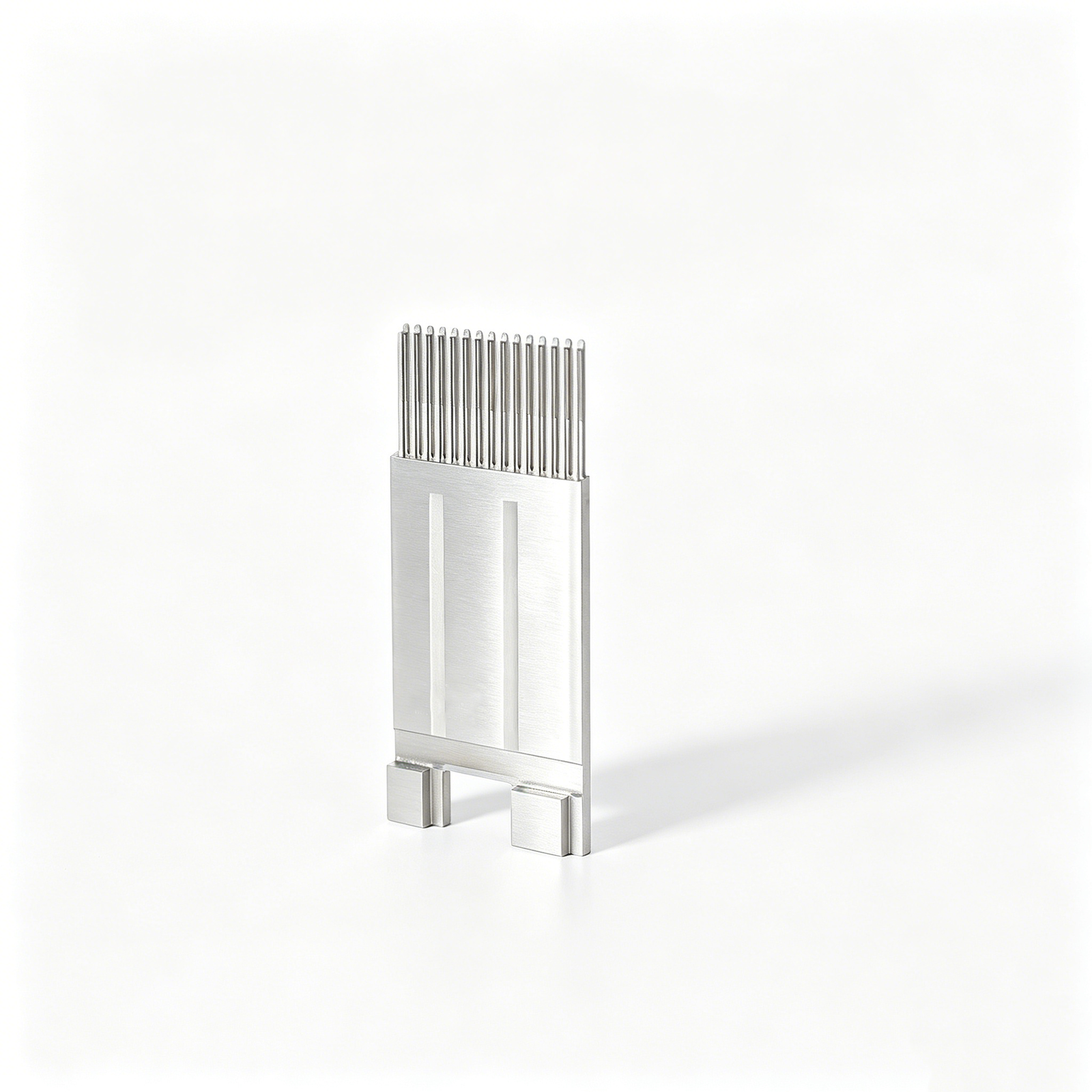
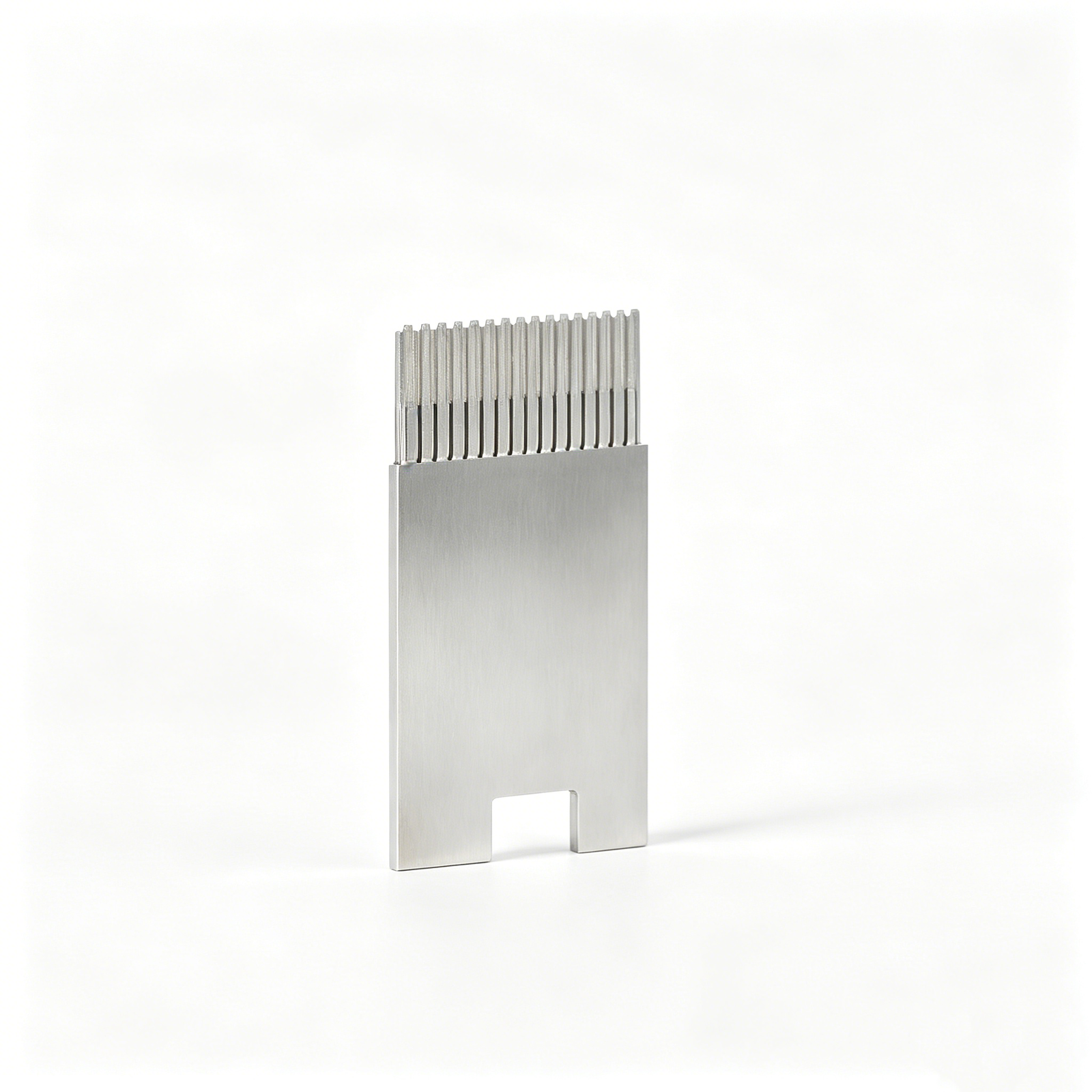
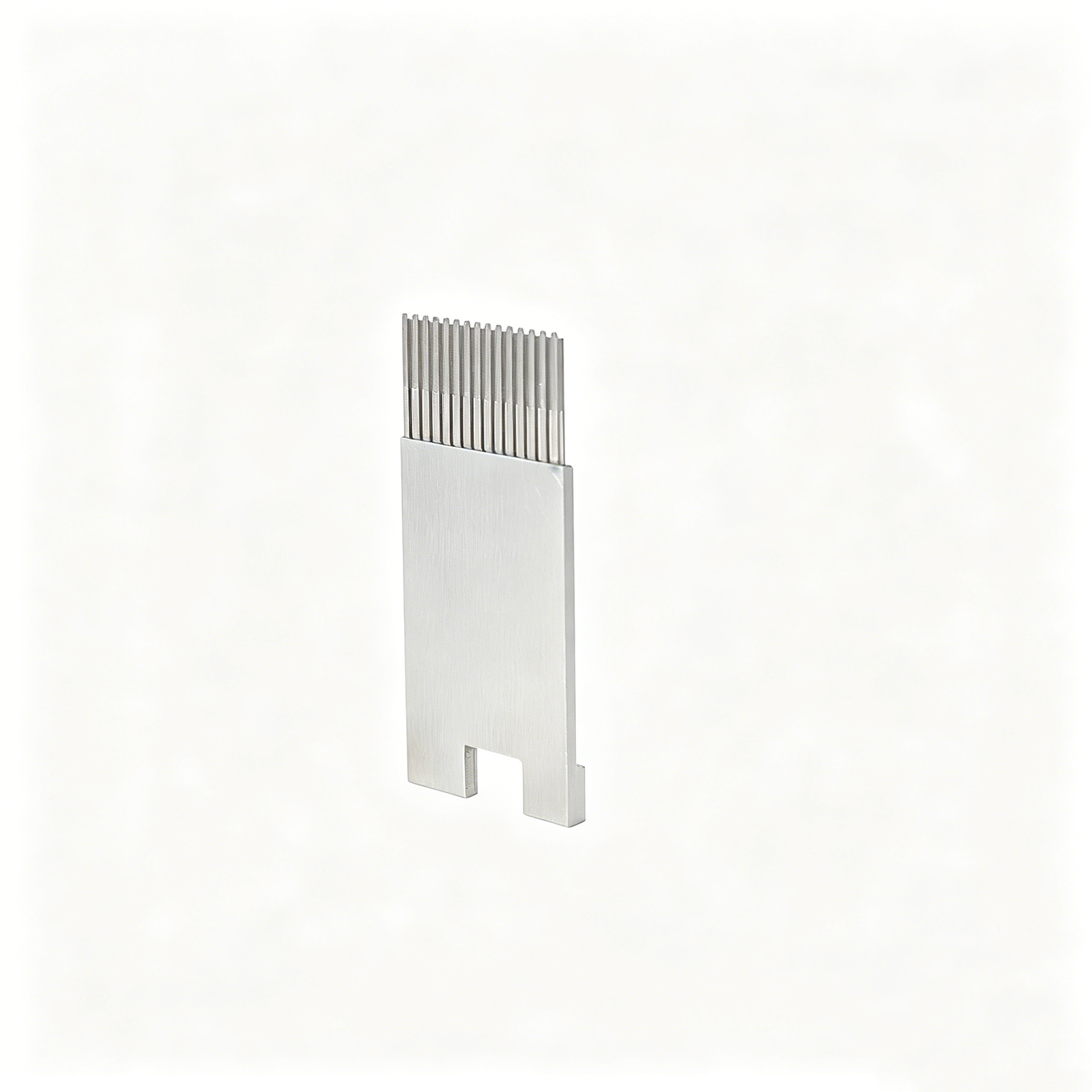
Plastic film parts · Precision mold insert
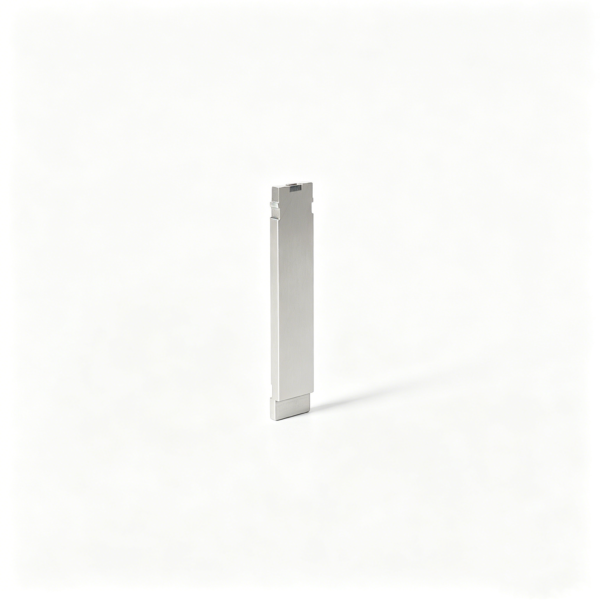
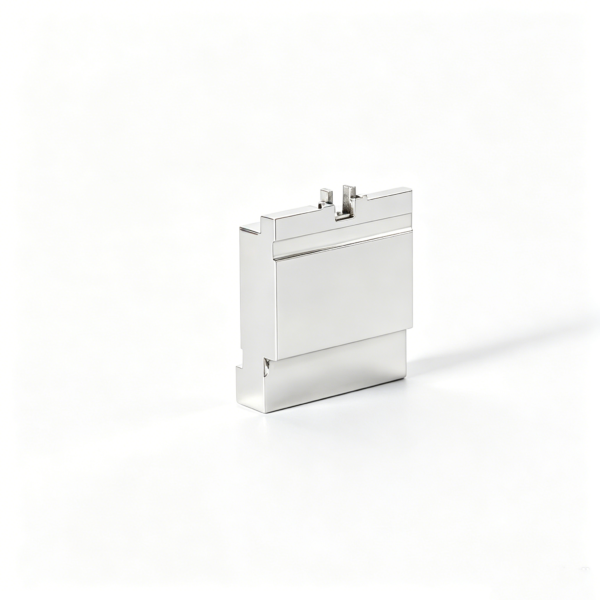
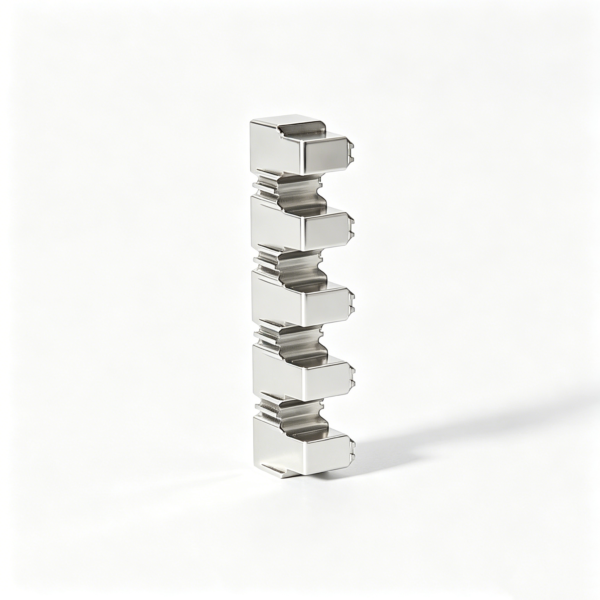
Mobile Connector Precision Mold Components for Ultra-Fine Terminal Inserts
Brand Xuxiang Mold
Availability Made to drawing
RFQ pricing
Quote from STEP / PDF & quantity
Engineer more reliable mobile connectors with Mobile Connector Precision Mold Components tailored for ultra-fine terminal inserts and miniature contact layouts. These high-accuracy inserts help you achieve repeatable shot-to-shot consistency, stable pin positioning, and clean parting lines in demanding connector tools. Optimized steel selection and heat treatment support long mold life under high-cavity, high-cycling conditions. Whether you build automotive, consumer electronics, or telecom connectors, these components support fast changeovers and lean maintenance. Reduce scrap, improve first-shot success, and keep connector projects on schedule.
- ISO 9001:2015–oriented process & documented inspection paths
- Zeiss / Nikon class metrology available for critical dimensions
- DFM feedback from 10+ senior tooling engineers
- Dongguan HQ + Quanzhou capacity for volume programs
What Are Mobile Connector Precision Mold Components for Ultra-Fine Terminal Inserts?
Mobile Connector Precision Mold Components for ultra-fine terminal inserts are specialized, high-precision mold parts engineered for molding miniature plastic housings that host very small connector terminals and contacts.[1][3] These components are typically used in mobile device connectors, compact automotive harness interfaces, wearables, and other electronics where pin pitch and wall thickness are extremely tight.[1][12]
Instead of generic mold hardware, these components are purpose-built inserts, cores, cavity blocks, sliders, guide elements, and lifters tailored to mobile connector geometries. They are produced from carefully selected tool steels and alloys, processed by CNC, grinding, and EDM to maintain micron-level tolerances, then heat-treated and polished for wear resistance and dimensional stability.[1][3] By using these refined components, mold makers can consistently reproduce ultra-fine terminal pockets, boss features, and strain relief details in production.
For OEMs and tool shops working with slim, multi-row connectors, these mold components provide the structural precision required for reliable contact alignment, robust retention force, and long-term durability of the finished connectors.[3][12]
Key Features & Performance Benefits
These Mobile Connector Precision Mold Components are designed with the entire connector manufacturing workflow in mind, from design to mass production.[1][3] The following characteristics make them ideal for ultra-fine terminal insert applications:
- Ultra-fine geometry control – Micro-EDM and high-precision CNC machining allow the production of narrow slots, tiny ribs, and extremely small terminal windows while preserving sharp edges and uniform wall thickness.[1][3]
- Stable pin pitch and alignment – Tight tolerances on cavity and core positioning help ensure each connector housing maintains the correct pitch and parallelism needed for mating reliability and low contact resistance.[3][12]
- Optimized steel and heat treatment – Tool steels are selected and heat-treated for hardness and wear resistance, supporting long life under frequent insert molding and high cavitation, especially in automotive and industrial applications.[1][3]
- Surface finish for clean demolding – Precision grinding and polishing produce smooth cavity surfaces, improving resin flow, reducing weld lines, and helping thin walls release cleanly without damage.[1][3]
- Support for complex mold structures – Components can be integrated into molds with multi-slide actions, lifters, and multi-cavity layouts, enabling compact tooling and efficient use of press capacity.[3][12]
- Consistency for mass production – When integrated into a controlled injection molding process (optimized temperature, pressure, and speed), these components help maintain consistent dimensions and appearance across high-volume runs.[3]
Technical Attributes & Specifications
Each project will have its own requirements for connector style, resin type, and production volume. Instead of fixed specifications, these Mobile Connector Precision Mold Components are built to match your drawing and process window.[1][3] Typical attributes include material, machining processes, and compatibility with specific mold structures and resins.
| Attribute | Description |
|---|---|
| Product type | Custom precision mold components for mobile connector terminal and contact insert areas |
| Typical applications | Mobile device connectors, compact automotive connectors, telecom and data plugs, wearable and IoT connectors |
| Core component formats | Cavity inserts, cores, core pins, sliders, lifters, stripper elements, guide components |
| Material options | High-grade tool steels and stainless steels selected according to cavity size, resin type, and wear requirements[1][3] |
| Manufacturing processes | CNC milling, turning, precision grinding, WEDM, EDM, polishing, and appropriate heat treatment[1][3] |
| Tolerance capability | Designed for tight connector tolerances and fine-pitch geometries, defined by customer drawings and quality standards[1][3][12] |
| Surface finish | Polished and ground surfaces on functional areas to support stable resin flow and easy demolding[1] |
| Mold compatibility | Suitable for multi-cavity, multi-slide injection molds used in connector production, including high-automation cells[3][12] |
| Supported resins | Engineered plastics commonly used in connector housings, selected according to your application and data sheet |
| Quality assurance | Dimensional inspection aligned with connector standards and customer-specific tolerances during mold trials and validation[3] |
Use Cases & Who These Components Are For
Because mobile connectors are shrinking while performance demands increase, toolmakers and manufacturers need mold components that can keep pace with miniaturization and precision.[12][13]
- Mold makers / tool shops – Integrate these components into new mold builds for mobile connectors, especially where you must manage very thin walls, small terminal pockets, or multi-row layouts. The components support optimized filling systems, cooling, and ejection designs.[3][12]
- Automotive connector suppliers – Use them to build tools for compact in-vehicle connectors, sensor interfaces, and data ports where reliability under vibration, temperature fluctuation, and long service life is critical.[1][3]
- Consumer electronics manufacturers – Ideal for charging, data, and board-to-board connectors in smartphones, tablets, and wearables, where high aesthetic standards and exact mating dimensions are required.[12][14]
- Telecom and networking – Apply them to fine-pitch connectors in communication modules, compact routers, and small-form-factor transceivers, helping ensure consistent high-speed performance through precise geometry.[12]
- Engineering teams in R&D – During prototype and pre-production phases, these components allow fast design iterations for new connector platforms while retaining the precision needed for later scale-up.
Selection, Care & Buying Guidance
Choosing the right Mobile Connector Precision Mold Components for ultra-fine terminal inserts starts with a clear understanding of connector performance targets and production volumes.[1][3] Consider the following when specifying components:
- Define connector geometry and pitch – Provide detailed 3D models and 2D drawings of the connector housing, including terminal windows, retention features, and mating interfaces to determine the component structure.[3][12]
- Clarify resin and processing conditions – Resin type, filled vs. unfilled, and operating temperatures influence material selection, heat treatment, and cooling strategies.[3]
- Plan for mold maintenance – Select designs that allow access for cleaning, polishing, and replacement of high-wear elements such as core pins and terminal slot inserts.[1][3]
- Align with automation strategy – If you use automated insert loading, vision inspection, or robotic demolding, ensure component layout supports consistent positioning and gripping.
- Validate through mold trials – During sampling, monitor resin flow, gate balance, warpage, and terminal pocket accuracy. Fine-tune injection parameters and, if necessary, make minor modifications for optimum performance.[3]
Routine care extends component life and preserves dimensional stability. Keep components clean, apply suitable anti-corrosion agents when the mold is idle, and inspect high-stress areas for wear during scheduled maintenance intervals.[1][3]
FAQ
Are these components compatible with existing mobile connector molds?
In many cases, yes. As long as the cavity and core interfaces are defined, Mobile Connector Precision Mold Components for ultra-fine terminal inserts can be engineered as direct replacements or upgrades. Provide your current mold drawings so compatibility can be reviewed before ordering.
How do I specify the right components for my connector pitch and layout?
Share your connector 3D data, 2D drawings, resin details, and expected shot volume. This information allows the design team to recommend appropriate cavity inserts, cores, and core pins, along with material and heat treatment choices that match your pitch and quality requirements.
What is the typical lead time for custom precision mold components?
Lead time depends on geometry complexity, quantity, and current production load. Simple replacement inserts can often be produced faster than fully new multi-part assemblies. When you submit drawings, you will receive a project-specific time estimate covering design, machining, and inspection.
Can these components handle high-cavity, high-speed connector production?
Yes, they are designed for demanding automotive and electronics connector programs where high cavitation and short cycle times are common. Proper material selection, heat treatment, and cooling design support extended life in high-output injection molding environments.
What maintenance do these mold components require?
Maintain a regular schedule of mold cleaning, inspection, and lubrication. Focus on terminal windows, fine ribs, and core pins, where resin build-up and wear are most likely. Light polishing and timely replacement of worn elements help preserve part quality over long runs.
Do I receive any measurement or quality reports with the components?
Upon request, dimensional inspection reports can be provided based on your key characteristics and tolerances. These reports document critical features such as terminal slot dimensions, pitch, and alignment to speed up mold approval and PPAP-style submissions.
Which resins are suitable for use with these precision components?
The components can be paired with common connector-grade engineering plastics, provided the material and processing parameters are considered during design. When you specify your resin, recommendations can be made for surface finish, venting, and cooling to suit that material.
What happens if a core pin or insert is damaged during production?
Most ultra-fine terminal inserts and core pins are designed as replaceable components. If damage occurs, you can order replacements to your original specification, minimizing downtime and preserving dimensional consistency across cavities.
Is there any warranty or support for these precision mold components?
Support terms vary, but generally include assistance with installation, initial mold trials, and troubleshooting part defects linked to the components. Warranty considerations typically reflect correct use, proper maintenance, and adherence to recommended processing conditions.
Can I order small quantities for prototype or pilot tools?
Yes. Many projects start with low-volume or prototype tools to validate connector designs. You can order limited quantities of precision components for these early phases and later scale to full production tooling using the same design baseline.
Related products
Same drawing, predictable results—next batch
Share revision, quantity ramp, and inspection level. We quote process route, ship date, and documentation in one structured response.