
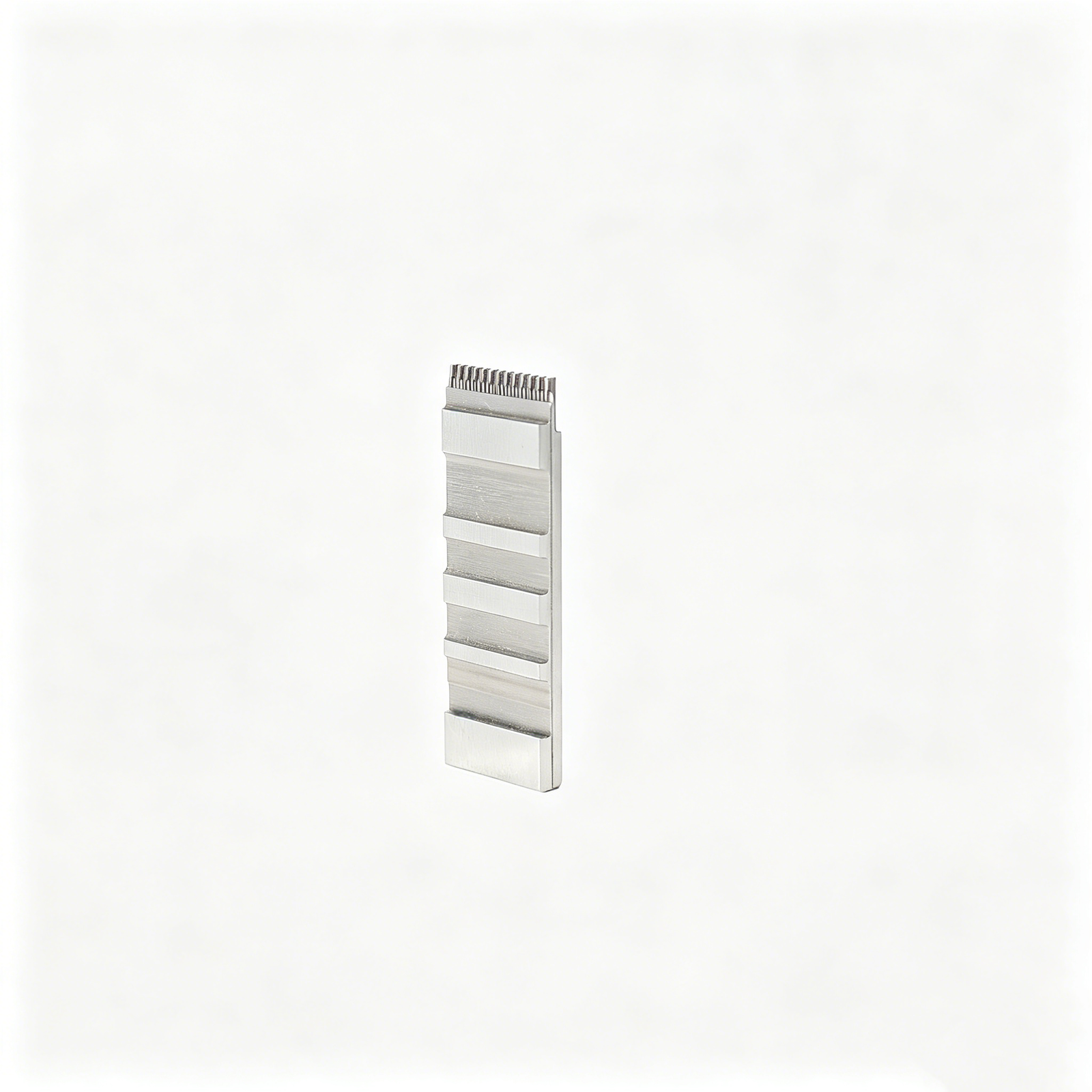
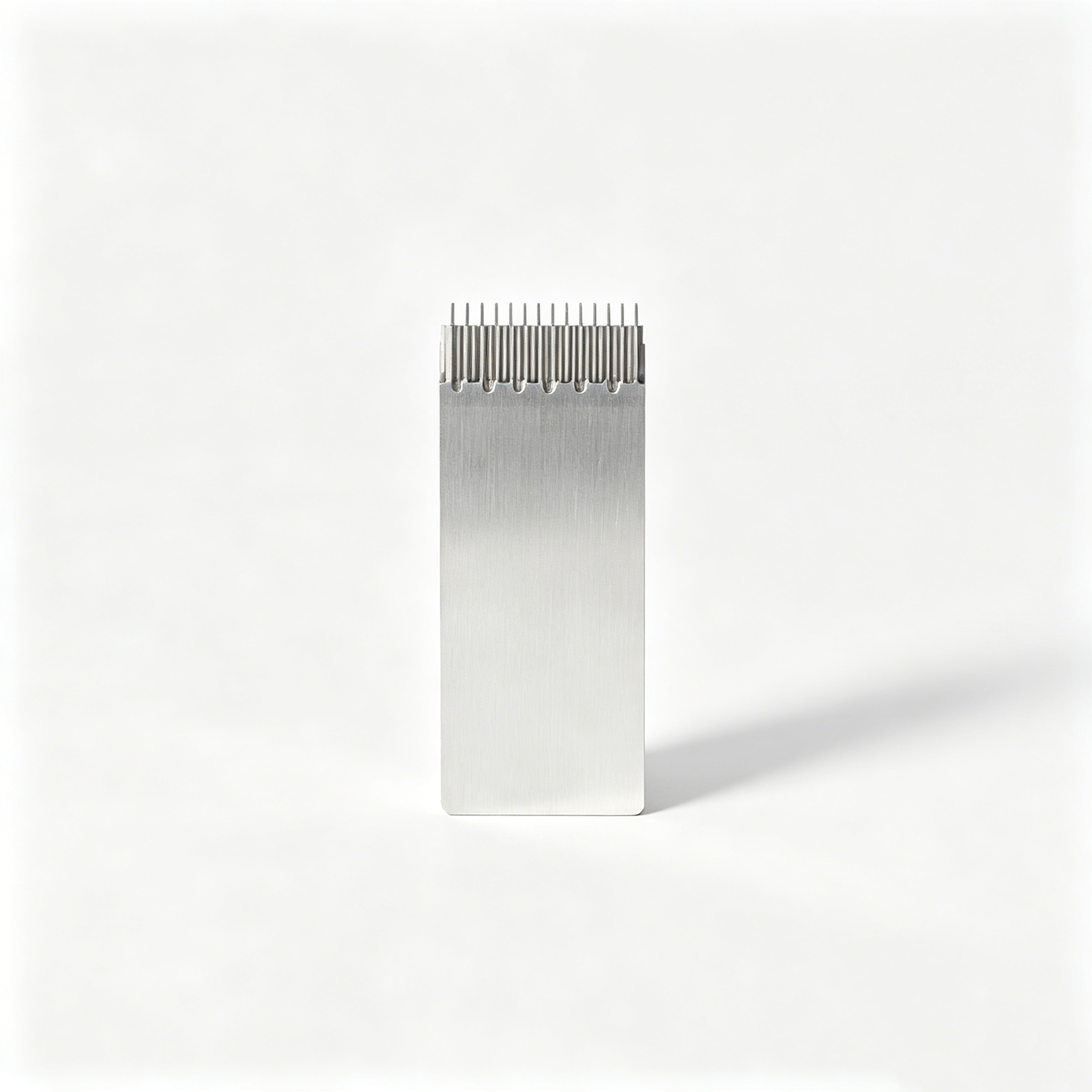
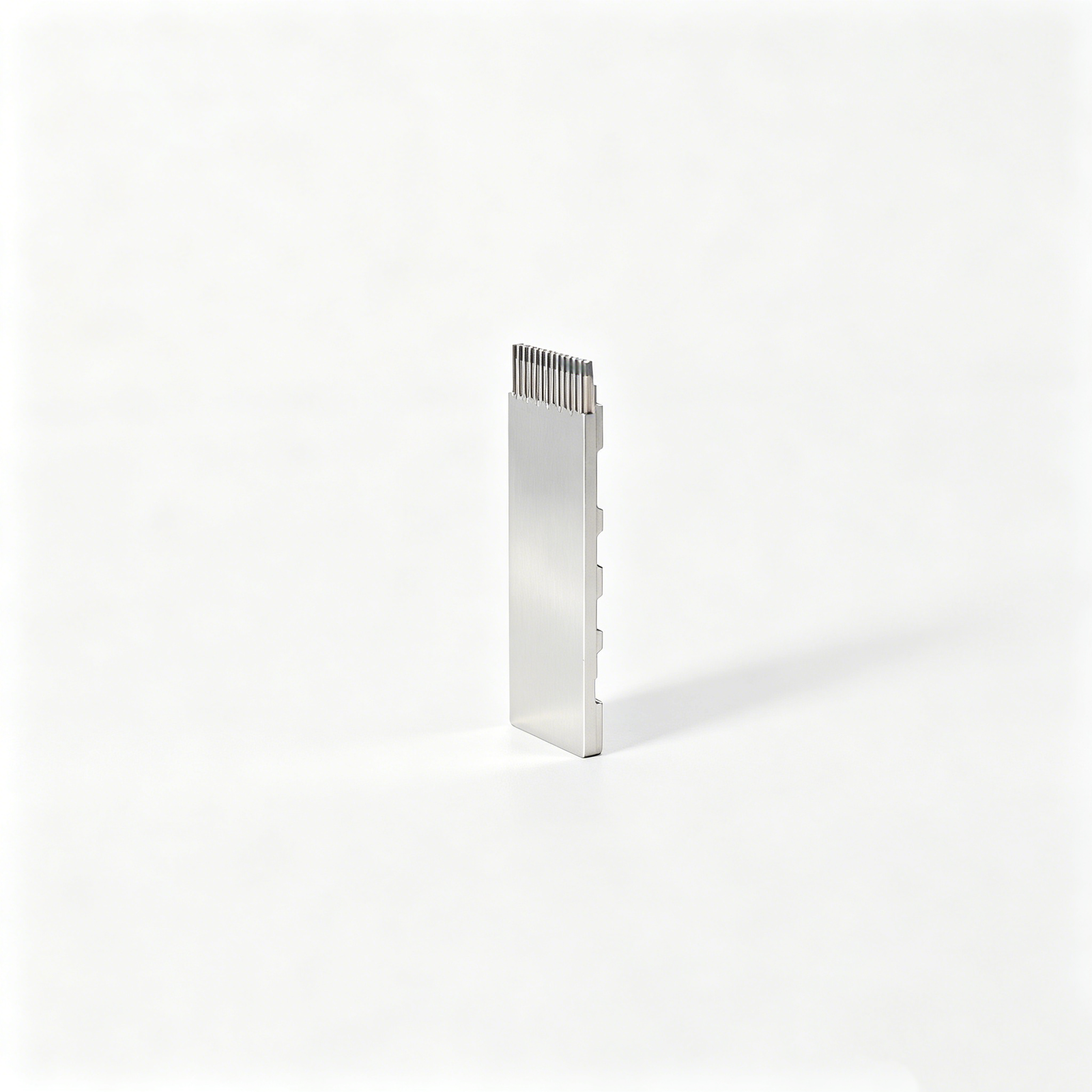
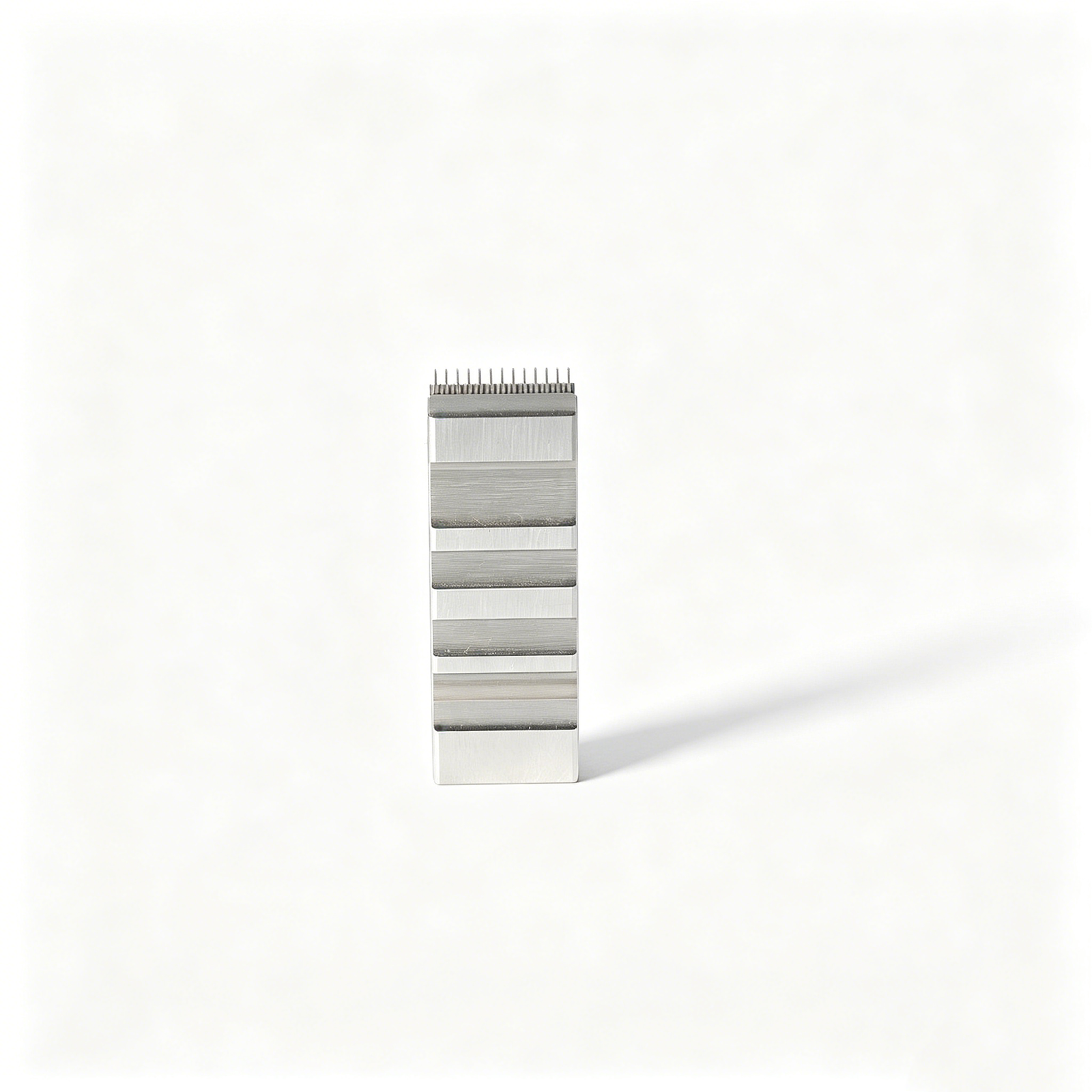
Plastic film parts · Precision mold insert
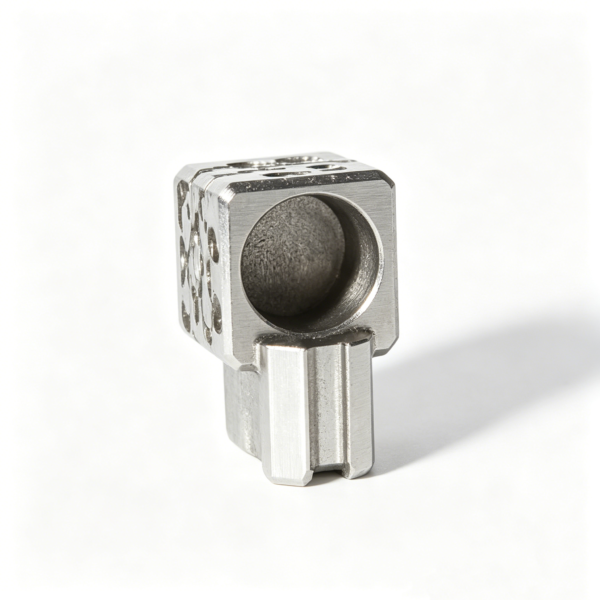
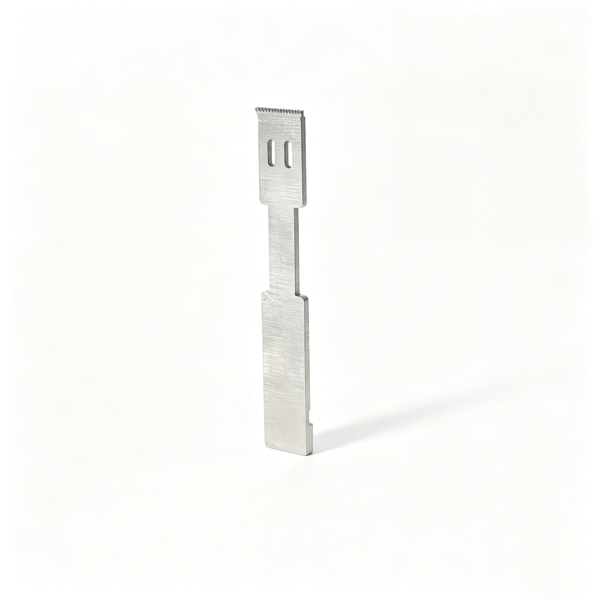
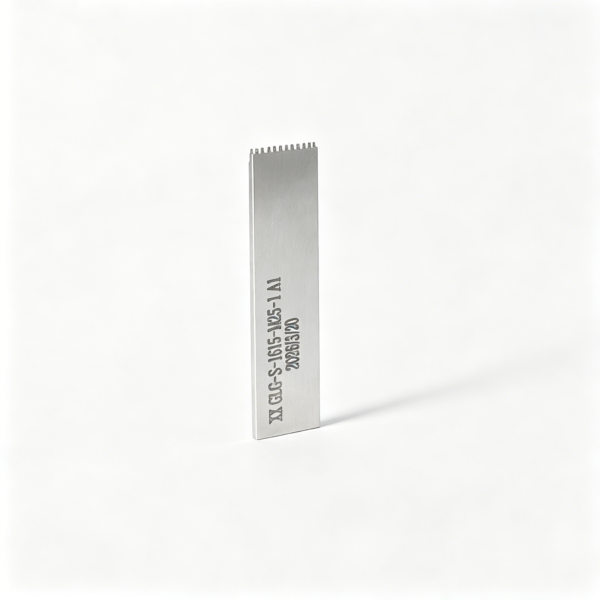
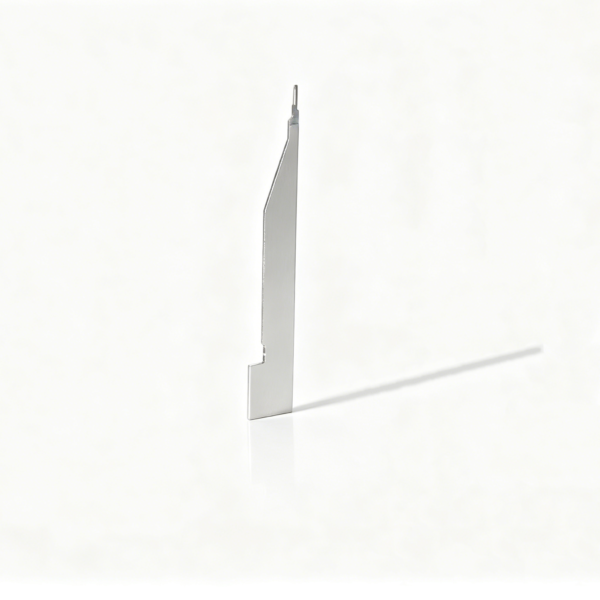
Mobile Connector Precision Mold Components for Connector Tooling Systems
Brand Xuxiang Mold
Availability Made to drawing
RFQ pricing
Quote from STEP / PDF & quantity
Mobile Connector Precision Mold Components are built to support clean, repeatable production of compact connector parts with reliable fit and finish. They help mold makers maintain stable cavity performance, smoother assembly, and better consistency across high-volume runs. For teams working with small electronic connectors, these components can make tool setup, maintenance, and part quality easier to manage. The result is a more dependable molding process with less rework and fewer surprises on the shop floor.
- ISO 9001:2015–oriented process & documented inspection paths
- Zeiss / Nikon class metrology available for critical dimensions
- DFM feedback from 10+ senior tooling engineers
- Dongguan HQ + Quanzhou capacity for volume programs
Precision Mold Parts Designed for Mobile Connector Production
When a connector design leaves very little room for error, the mold components behind it have to do the hard work. Mobile Connector Precision Mold Components are the small but critical parts that help form accurate connector features, support clean cavity detail, and keep production stable during repeated injection cycles. In connector molding, tiny deviations can affect assembly fit, electrical performance, and cosmetic appearance, so the quality of the mold components matters just as much as the quality of the mold base and injection machine.
These components are typically used in tooling for compact electronic connectors, charging interfaces, mobile device accessories, and other miniaturized plastic parts where dimensional control is essential. Their role is not only to shape the part, but also to improve consistency from shot to shot, reduce wear-related drift, and support easier maintenance when production demands are high.
Why Buyers Choose Precision Mold Components for Connector Tools
Connector molds often require a balance of fine detail, reliable release, and long service life. That is why precision components are valued by mold builders and production teams alike. A well-made component can help reduce flash, improve surface uniformity, and keep delicate features aligned during molding. It can also make the tool easier to service, which is especially important when the mold includes narrow ribs, thin walls, or multi-cavity layouts.
In many connector applications, the tooling must support consistent flow and controlled cooling to protect part geometry. Precision mold components contribute to that stability by holding critical dimensions more effectively and minimizing the kinds of mechanical variation that can cause reject parts. For factories focused on throughput, repeatability, and reduced downtime, these parts are a practical investment in process control.
Key benefits
- Supports accurate formation of small connector features
- Helps maintain repeatable part dimensions over production runs
- Improves tool stability in fine-detail molding applications
- Can reduce maintenance interruptions when components are designed for serviceability
- Helps protect part quality in high-precision electronic tooling
Typical Attributes and Selection Considerations
Because connector tooling varies by product design, the exact configuration of these mold components may differ from one project to another. Buyers usually evaluate material choice, wear resistance, fit with the existing mold structure, and the level of finishing required for the cavity or insert surface. In addition, compatibility with the mold’s ejection strategy, cooling layout, and maintenance plan is often important for long-term performance.
If you are sourcing for a new tool or replacing a worn part, it is wise to confirm the drawing revision, critical dimensions, and assembly interface before ordering. For connector applications, even a small mismatch can affect gating, release, or alignment. Working from verified CAD data and sample parts helps reduce risk and improves the chance of a smooth start-up.
| Attribute | Typical Buyer Focus | Notes |
|---|---|---|
| Application | Mobile and electronic connector molding | Used in tools for compact plastic connector parts |
| Precision level | High-detail, tight-fit features | Important for small cavities and delicate geometry |
| Material selection | Wear-resistant tool materials | Chosen according to cycle life and maintenance needs |
| Surface finish | Clean cavity and insert finishing | Helps support part appearance and release performance |
| Compatibility | Tool-specific fit and alignment | Must match the mold design and assembly layout |
| Serviceability | Easy inspection and replacement | Useful for production lines with frequent tool maintenance |
Where These Components Fit Best
These parts are a strong match for mold shops, connector manufacturers, and electronics suppliers that produce compact components in medium to high volumes. They are especially relevant for tooling programs that prioritize accuracy, stable ejection, and dependable cavity life. If your parts must assemble cleanly, look visually consistent, and meet strict fit requirements, precision mold components are a logical choice.
They are also useful in projects where tooling uptime matters as much as part accuracy. Connector production often runs on tight schedules, and service-friendly mold components can shorten repair time, simplify inspection, and help the mold return to production faster.
Buying and Maintenance Guidance
Before purchase, confirm the intended connector type, mold cavity layout, tolerance requirements, and any special wear or heat considerations. Ask for drawing confirmation and, when possible, review sample fit or trial parts to verify compatibility. For ongoing care, keep the components clean, inspect for wear at regular intervals, and replace damaged parts before they affect alignment or part quality.
For best results, store the components in a dry, organized environment and handle precision surfaces carefully during installation. Good maintenance habits help preserve surface quality and extend useful service life, especially in tooling that runs continuously.
FAQ
How are these parts typically shipped?
They are usually shipped as precision tooling components in protective packaging to reduce damage during transit. For international orders, buyers often request reinforced packing and clear part labeling for easier receiving and inspection.
Will these components fit any connector mold?
No. Compatibility depends on the mold design, cavity layout, and critical dimensions. Always verify drawings, revision numbers, and installation interfaces before ordering to ensure the part fits the intended tool.
What type of usage are they best for?
They are best for molds that produce small, accurate connector parts where repeatability and clean release are important. This includes mobile connector tooling, compact electronic housings, and related precision inserts.
How should I maintain precision mold components?
Clean them regularly, check for wear or scoring, and keep mating surfaces free from debris. Routine inspection helps prevent alignment problems and reduces the risk of poor part quality during production.
Can these parts help reduce downtime?
Yes, when they are designed for serviceability and matched correctly to the tool. Easier inspection and replacement can shorten maintenance windows and help production resume faster.
Do you offer warranty or returns support?
Warranty and return terms depend on the seller or manufacturer’s policy. Buyers should confirm coverage for workmanship, dimensional conformity, and any installation-related conditions before placing an order.
What should I check before placing a bulk order?
Confirm the part drawing, material requirement, tolerances, finish expectations, and quantity needed for spare inventory. It is also helpful to ask about lead time and quality documentation for incoming inspection.
Related products
Same drawing, predictable results—next batch
Share revision, quantity ramp, and inspection level. We quote process route, ship date, and documentation in one structured response.