
Plastic film parts · Precision mold insert
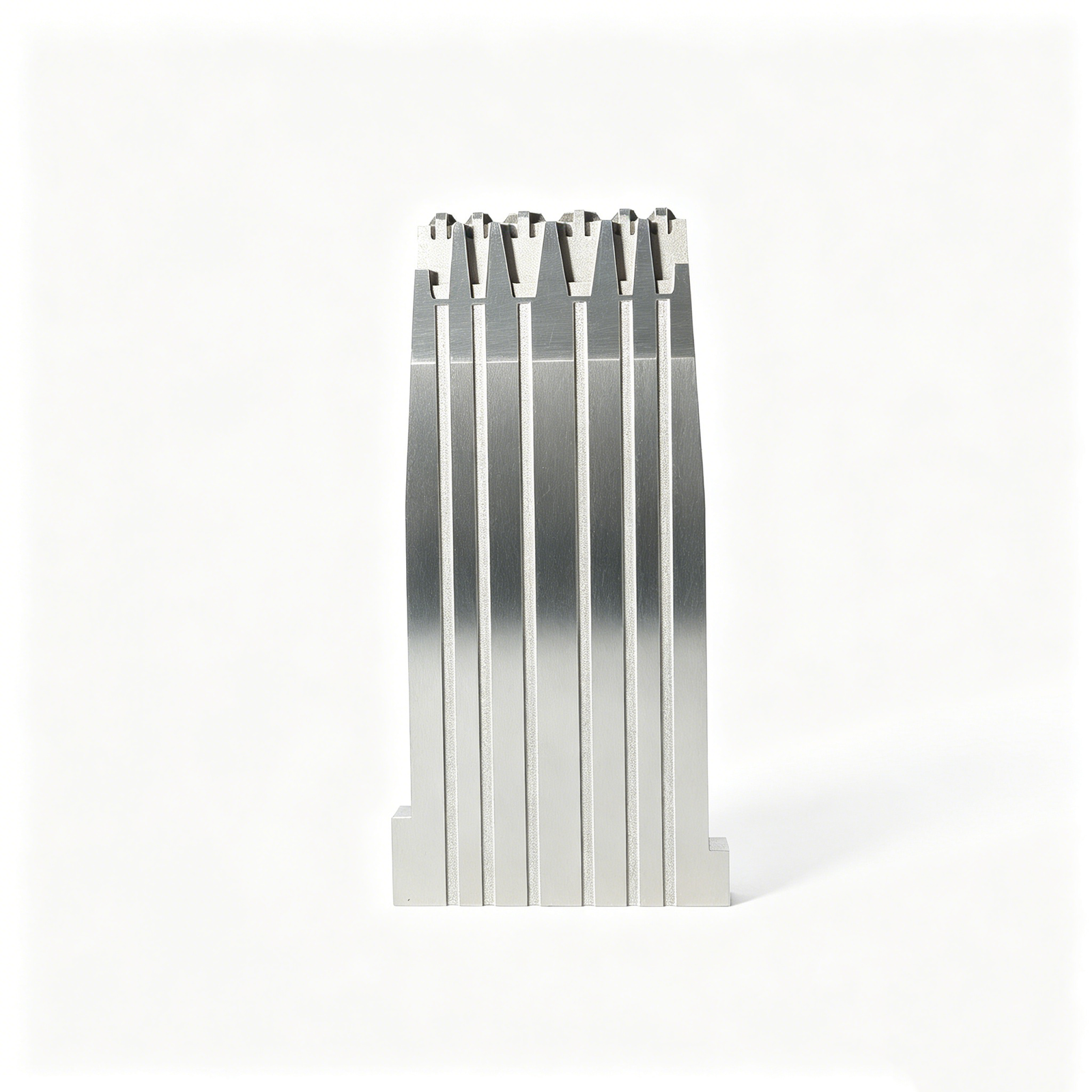
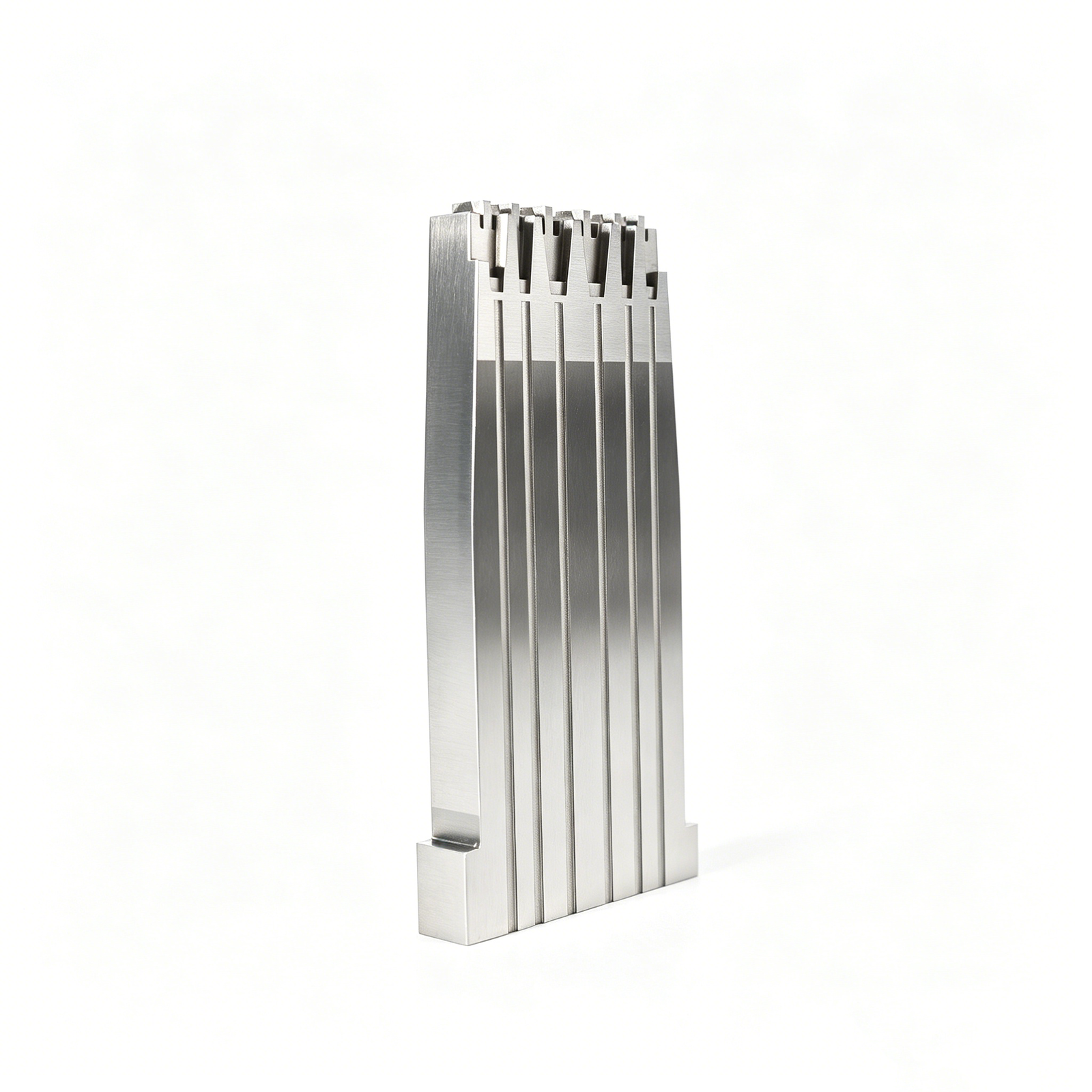
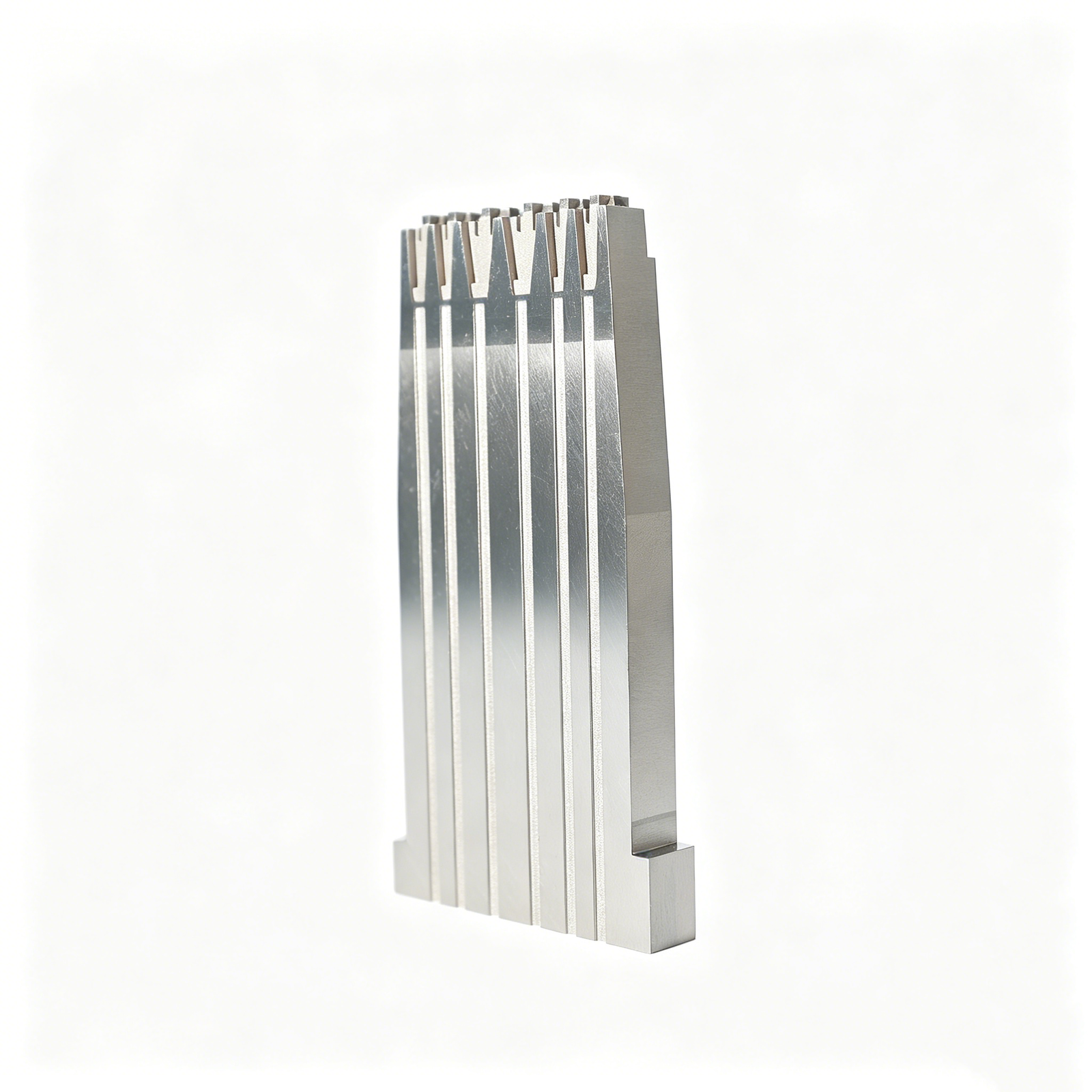
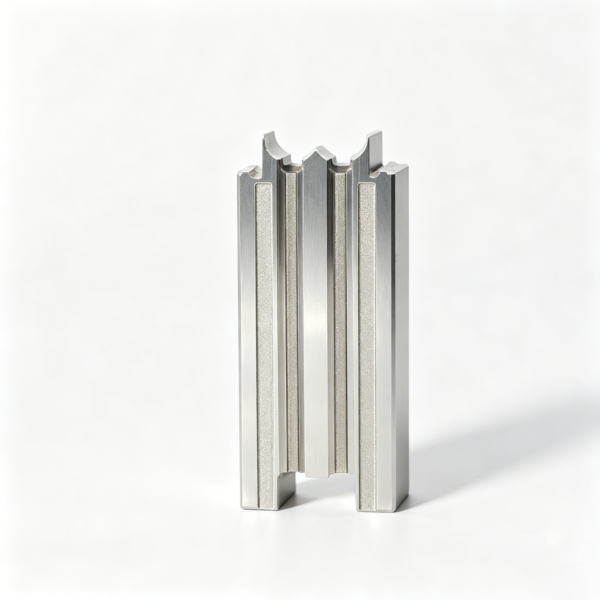
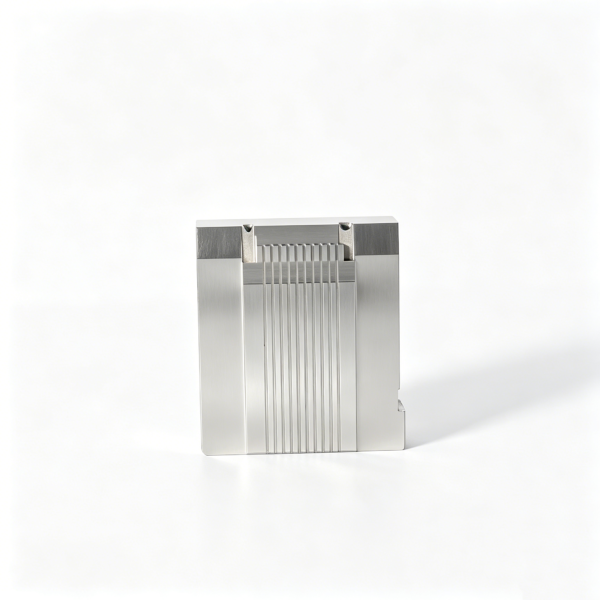
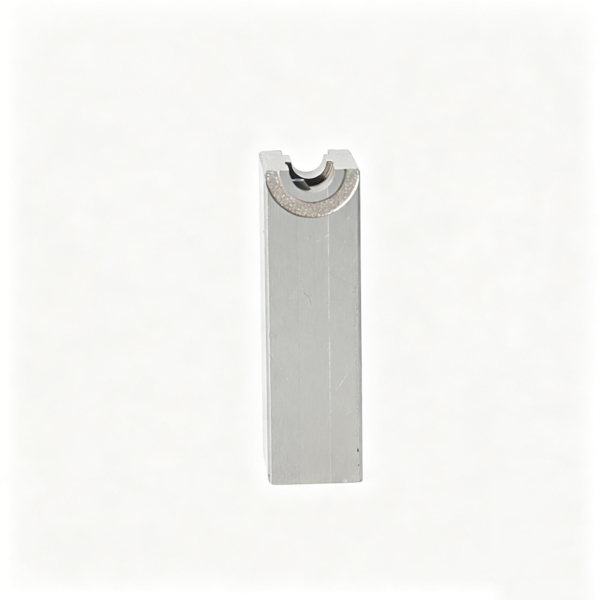
Precision Mold Components for Automotive Connectors – Anti-Wear Core Pins & Sleeves Set
Brand Xuxiang Mold
Availability Made to drawing
RFQ pricing
Quote from STEP / PDF & quantity
Engineer cleaner, more reliable signal paths in your vehicles with this precision mold components for automotive connectors set. Each core pin, sleeve and insert is finished for stable, repeatable molding of tight-tolerance connector housings. The anti-wear tool steels and optimized fit help reduce flash, improve cavity balance and extend mold life in high-cavity tools. Ideal for Tier 1 and Tier 2 suppliers looking to upgrade existing connector molds without a full tool replacement.
- ISO 9001:2015–oriented process & documented inspection paths
- Zeiss / Nikon class metrology available for critical dimensions
- DFM feedback from 10+ senior tooling engineers
- Dongguan HQ + Quanzhou capacity for volume programs
High-Performance Precision Mold Components for Demanding Connector Molds
This set of precision mold components for automotive connectors is engineered for toolmakers and automotive suppliers who demand consistent, micron-level accuracy in their plastic connector housings. These components are used inside injection molds dedicated to producing automotive electrical connectors, where stable dimensions, sharp detail and repeatable performance are essential for secure mating and long-term reliability in harsh environments.[1][9]
Automotive connector molds must reproduce fine features such as small slots, locking lances, terminal cavities and sealing surfaces while maintaining dimensional stability across high-volume production runs.[4][9] By upgrading to a dedicated core pin and sleeve set designed specifically for connector applications, you can control critical dimensions, lower scrap rates and improve first-off approval for new connector programs.
These components are manufactured from high-quality tool steels typically used for precision connector molds, chosen for their balance of hardness, toughness and resistance to wear and corrosion in glass-filled or flame-retardant polymers.[4] Accurate grinding, polishing and edge preparation help achieve the sharp parting lines and clean gate areas expected in automotive-grade tools.
Key Features & Benefits
- Anti-wear tool steel selection helps maintain dimensional integrity when molding engineering plastics such as PA, PBT or high-temperature materials commonly used in automotive connectors.[4][11]
- Fine-tolerance core pins and sleeves support stable pin-to-sleeve alignment, improving cavity concentricity and reducing the risk of ovality or mismatch in terminal cavities.[6][12]
- Optimized for multi-cavity connector molds, helping balance filling and reduce variation between cavities in high-cavitation tools.[4][9]
- Polished working surfaces support smooth filling and demolding, lowering the occurrence of drag marks, burrs and sticking on thin-wall connector features.[7]
- Configurable geometries for different connector families, including options for rectangular housings, multi-row blocks and fine-pitch blade or pin contact layouts.[1][3]
- Designed with demolding in mind, enabling clean ejection of delicate connector parts and minimizing stress marks on latch arms and locking features.[4][7]
Together, these design elements help maintain connector fit with mating components, support consistent insertion and retention forces, and improve long-term stability of the electrical interface.[9][11]
Specifications & Component Overview
The set focuses on critical working elements inside the mold that directly control the final geometry of the automotive connector. Instead of a full base, it includes the wear components and detail inserts most often replaced during maintenance.
| Attribute | Description |
|---|---|
| Product type | Precision mold components set for automotive connector injection molds (core pins, sleeves, inserts) |
| Typical application | Plastic housings for automotive electrical connectors, terminal cavities, locking features and sealing interfaces[1][9] |
| Material class | High-quality tool steel grades commonly used for precision connector molds, selected for wear and corrosion resistance[4] |
| Accuracy level | Fine grinding and fitting for tight dimensional control on critical connector features[6][8] |
| Surface finish | Polished working surfaces on core and cavity details for improved flow and demolding |
| Component range | Core pins, sleeves, cavity inserts and localized detail inserts for ribs, locking latches and keying features[1][12] |
| Mold type compatibility | Suited for multi-cavity, high-precision connector molds used in automotive harness and electronics applications[9][11] |
| Processing environment | Designed for repeated thermal cycling and high injection pressures typical of connector molding[4][11] |
| Customization options | Geometry and fitting dimensions can be adapted to existing mold bases or new tooling layouts[2][14] |
Typical Use Cases & Ideal Users
These precision mold components are intended for production environments where automotive connectors must meet strict dimensional and electrical requirements, often under OEM-specific standards.[9][11] They are especially valuable in the following contexts:
- Connector mold refurbishments: Replace worn core pins and sleeves to restore dimensional accuracy, reduce flash and extend the service life of existing connector tools.
- New connector programs: Equip new multi-cavity molds for complex connector families, such as multi-pole ECU connectors, sensor connectors or in-vehicle infotainment interfaces.
- Fine-pitch and miniaturized connectors: Support small terminal spacing and thin walls while controlling warpage, shrinkage and pin retention performance.[7][8]
- High-volume automotive production: Suitable for Tier 1 and Tier 2 suppliers delivering to harness manufacturers, ECU assemblers and module producers where connector quality directly impacts warranty risk.[11][15]
- Global tooling and molding partners: Tool shops and molders serving international OEM platforms who require consistent component quality across multiple plants.[2][14]
In all of these scenarios, robust mold components support consistent part quality, help shorten validation loops and reduce unscheduled downtime due to premature component wear.
Care, Maintenance & Buying Guidance
To get the most from this core pin and sleeve set, follow the same disciplined maintenance principles used for advanced automotive connector molds. Mold designers emphasize that proper cleaning, lubrication and inspection significantly influence tool life and consistency.[4]
- Routine inspection: Check for wear at high-friction and high-flow areas, such as gate regions, thin ribs and terminal cavity details. Replace components before they cause dimensional drift or flash.
- Cleanliness: Keep mating surfaces, locating shoulders and pin bores free of contamination to preserve alignment and minimize galling.
- Protective lubrication: Use compatible mold lubricants sparingly on moving components and shut-offs, avoiding any contamination of critical connector surfaces.
- Design review: When integrating these components into a new or existing mold, review the overall cooling, filling and ejection layout to ensure the components work in harmony with the mold’s structure and process window.[4][7]
When specifying your set, consider connector geometry, material selection, expected annual production volume and press capability. Sharing 3D models or drawings of your connector family and existing tooling will help match the core pins and inserts to your exact requirements.[1][2][14] This alignment ensures that the final set delivers the dimensional stability, surface quality and cycle time your production schedule demands.
FAQ
Are these mold components compatible with my existing automotive connector mold?
In most cases, the core pins, sleeves and inserts can be adapted to existing mold bases by matching critical dimensions and interfaces. Share your current tool drawings or component samples so they can be engineered to drop into your present layout without major modifications.[2][14]
What types of automotive connectors are these components designed for?
The components are suited for a wide range of injection-molded automotive connector housings, including sensor plugs, ECU connectors, multi-pole harness connectors and compact board-to-wire styles. They are particularly effective where precise terminal cavity geometry and locking features are critical.[1][3][9]
How do I choose the right material option for my connector mold components?
Select the material class based on the resin you process, expected production volume and any abrasive fillers in the compound. For glass-filled or flame-retardant materials, tool steels with enhanced wear and corrosion resistance are generally recommended to maintain dimensional stability over long runs.[4][11]
What maintenance do these precision mold components require?
Perform regular cleaning, visual inspection and light lubrication as part of your standard mold maintenance schedule. Focus on shut-off surfaces, high-friction details and alignment features, and replace worn items before they cause quality issues such as flash, mismatch or stuck parts.[4]
Can I use these components for non-automotive connector projects?
Yes. While optimized for automotive connector applications, the same core pins, sleeves and inserts may be applied to other high-precision connector housings in electronics, industrial equipment or communication devices, provided the geometry and performance requirements are similar.[10][11]
What is the typical lead time for a customized core pin and sleeve set?
Lead times depend on the complexity of your connector geometry and the number of cavities or component variants. After reviewing drawings and requirements, your supplier can provide a more precise time frame based on current capacity and tooling workload.[2][14]
How are these components shipped and protected during transport?
Components are normally packed in protective cases or foam-lined cartons to prevent impact damage and corrosion. Each part is separated or wrapped to avoid contact marks on precision surfaces, and rust-inhibiting packaging is often used for overseas shipments.
What happens if a component does not fit my mold as expected?
If a dimensional mismatch occurs, contact the supplier with measurement data and photos from the tool. In many cases, minor fitting adjustments can be made, or replacement parts can be produced to match the verified dimensions from your mold base.
Is there any warranty or quality assurance for these mold components?
Most precision mold component suppliers support their products with inspection reports and quality documentation. Warranty terms vary, but components are generally guaranteed to meet agreed drawings and specifications, subject to proper use and maintenance.[2][6][14]
Related products
Same drawing, predictable results—next batch
Share revision, quantity ramp, and inspection level. We quote process route, ship date, and documentation in one structured response.