
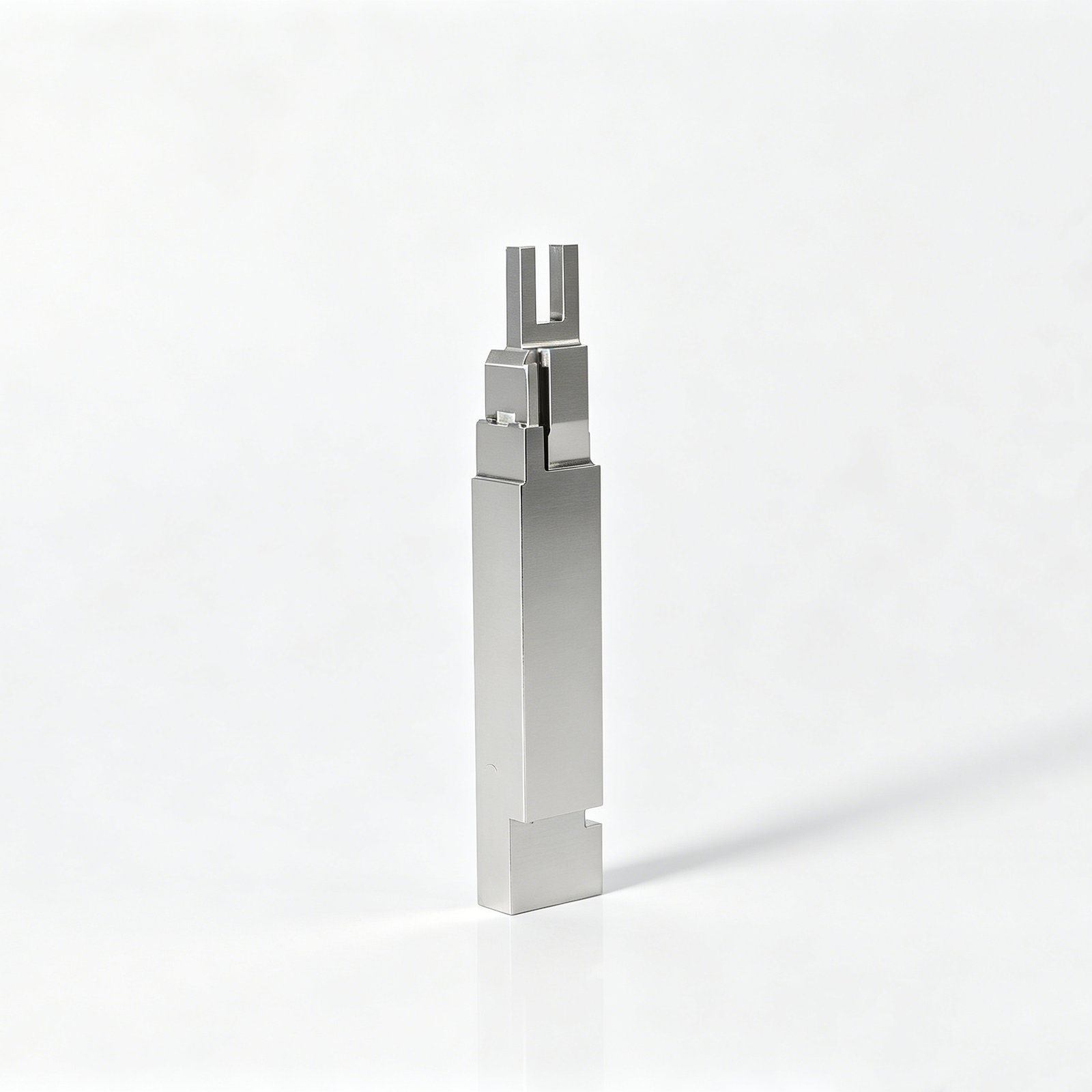
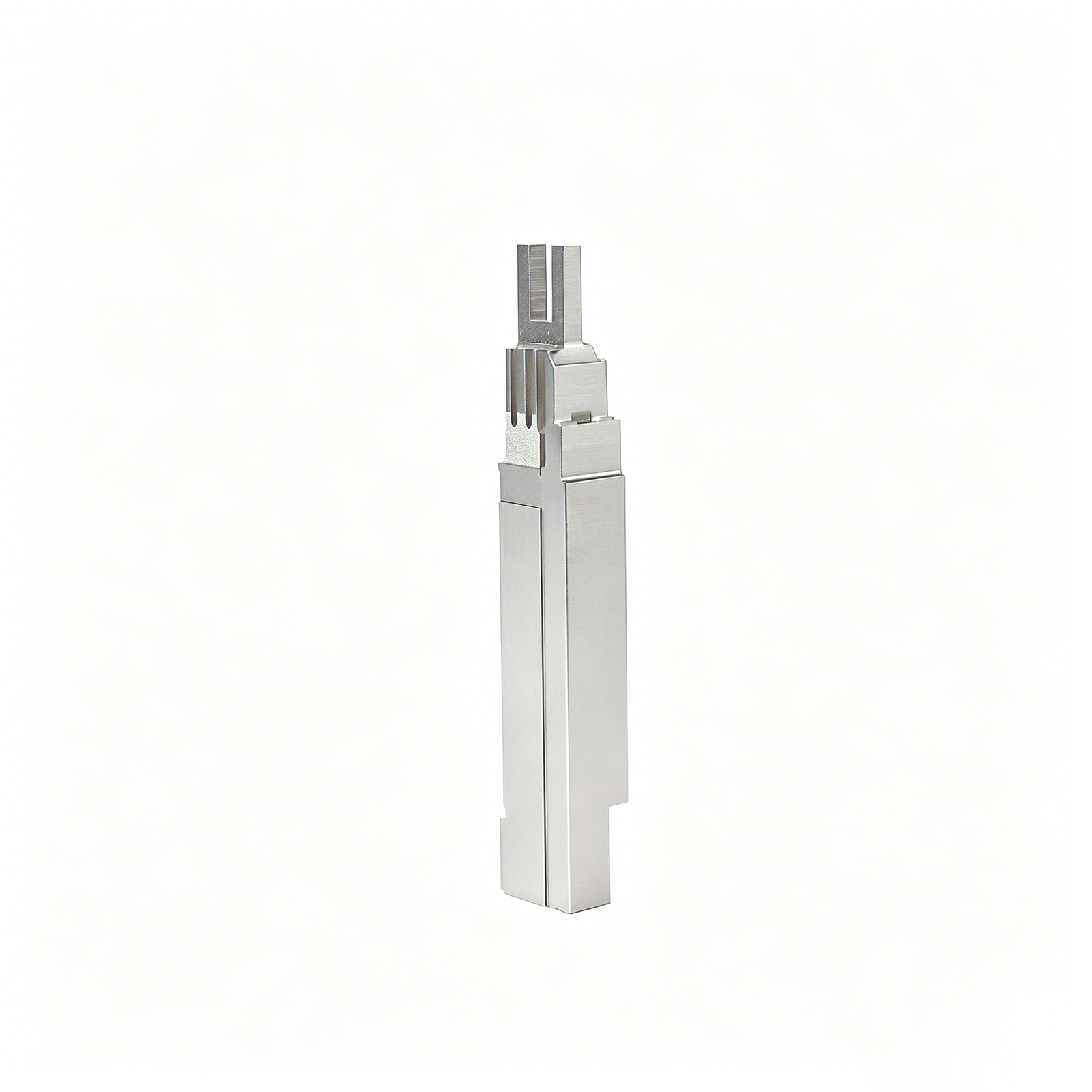
Plastic film parts · Precision mold insert
Precision Mold Components for Automotive Connectors – Connector Cavity, Core & Ejector Suite
Brand Xuxiang Mold
Availability Made to drawing
RFQ pricing
Quote from STEP / PDF & quantity
Engineer reliable connector tooling with this dedicated set of precision mold components for automotive connectors. Designed for tight-tolerance, high-cavity molds, these inserts, cores and ejector elements help you achieve stable dimensions on even the most compact terminal layouts. Optimized steel selection and fine surface finishing support long service life in demanding automotive injection molding environments. From prototype connector tools to full-scale production, this component suite is engineered to shorten tuning time and reduce scrap. Build repeatable quality into every shot while keeping your connector mold easy to maintain and refurbish.
- ISO 9001:2015–oriented process & documented inspection paths
- Zeiss / Nikon class metrology available for critical dimensions
- DFM feedback from 10+ senior tooling engineers
- Dongguan HQ + Quanzhou capacity for volume programs
High-Precision Components for Demanding Automotive Connector Molds
Automotive electrical connectors require extremely stable dimensions, fine pitches and clean parting lines to ensure each contact seats correctly and seals against vibration, heat and moisture in the vehicle environment. Precision mold components for automotive connectors are the critical building blocks inside your injection molds that make this possible. They form the tiny cavities, cores and demoulding systems that define every pin, latch, seal groove and housing feature on the finished connector.
This connector-oriented cavity, core and ejector suite is designed specifically for high-precision automotive connector tooling. It supports multi-cavity, high-speed production molds used for under‑hood connectors, in-cabin harness plugs, sensor housings and other mission-critical plastic components. With careful material selection, accurate machining and optimized fitting, these components help you minimize flash, warpage and dimensional drift over long production runs.
Key Features & Performance Benefits
Compared with general-purpose mold inserts, this component set is tailored to the unique challenges of connector tooling: thin walls, close terminal spacing, and the need for high mating accuracy between connector halves.
- Connector-optimized geometries – Components are suited for narrow slots, terminal windows, keying features and latch details typical of automotive connector housings, helping maintain crisp edges and defined locking features.
- Tight dimensional stability – Precision grinding and EDM processes are used to hold fine tolerances on mating core and cavity surfaces, supporting reliable terminal pitch and housing envelope dimensions across multiple cavities.
- Wear- and corrosion-resistant steels – Tool steels commonly used in connector molds provide high hardness and toughness to withstand glass-filled and flame-retardant polymers often specified in automotive applications, while still allowing polish and texturing where required.
- Smooth ejection and demoulding – Ejector components and guided pins are designed to release delicate connector features without whitening, stress marks or deformation, safeguarding the functional interfaces that must align with mating connectors.
- Service-friendly design – Modular inserts, cores and sleeves allow individual wear areas to be replaced or reworked without re-building the entire tool, shortening downtime and simplifying maintenance planning.
- Support for complex connector designs – Suitable for multi-row, high-pin-count connectors, sealed connectors with gasket interfaces, and overmolded cable or terminal arrangements where precise positioning is critical.
Key Attributes & Typical Specifications
The table below summarizes representative attributes and options for this class of automotive connector mold components. Exact values are configured to your tool design and material selection.
| Attribute | Description |
|---|---|
| Product type | Precision mold components for automotive connector injection molds (cavities, cores, sleeves, ejectors) |
| Typical application | Plastic housings for automotive electrical connectors, sensor plugs, harness interfaces and terminal carriers |
| Material options | High-quality tool steels and stainless tool steels chosen for wear resistance, polishability and dimensional stability under thermal cycling |
| Manufacturing processes | Precision CNC milling, wire/EDM, grinding and fine polishing based on connector geometry requirements |
| Tolerance capability | Fine-tolerance machining suitable for connector pitch and critical sealing surfaces; specific limits defined per drawing |
| Surface finish | From mirror-polished sealing and cosmetic areas to textured functional surfaces, according to mold design |
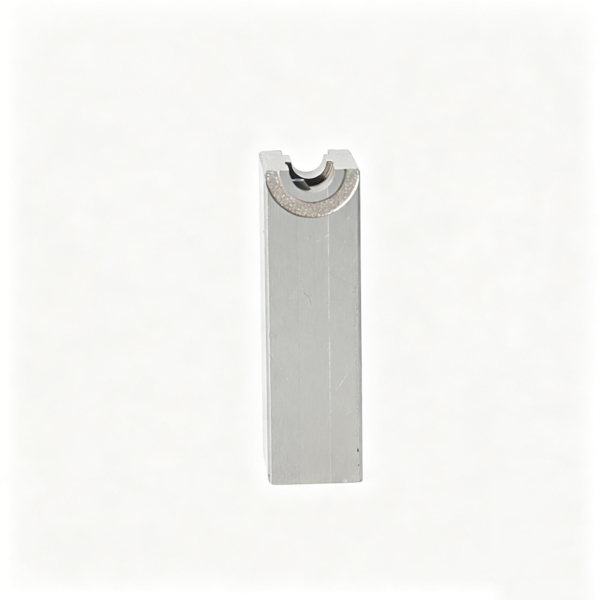
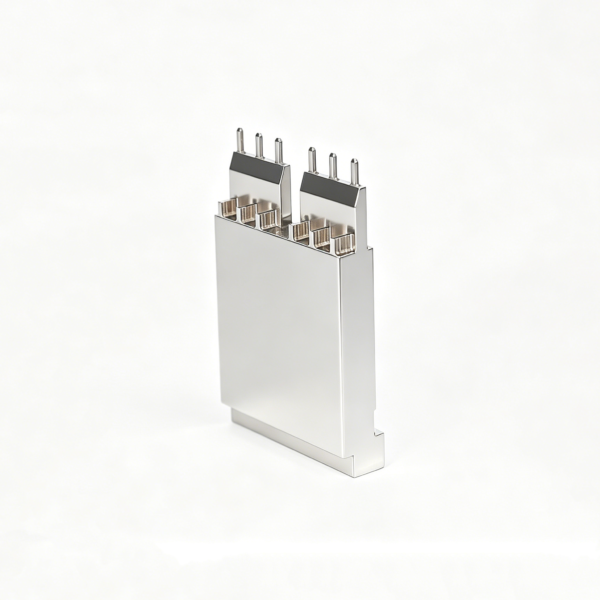
| Component formats | Core inserts, cavity blocks, sleeves, lifter tips, ejector pins and custom forming elements for connector-specific features |
| Mold compatibility | Suitable for high-cavity, multi-row connector molds used in automotive, industrial and transportation applications |
| Connector material compatibility | Designed for use with common automotive connector resins, including engineering thermoplastics specified by OEMs |
| Maintenance approach | Modular components engineered for periodic inspection, polishing and selective replacement to extend mold life |
Use Cases & Ideal Users
These precision components are suitable across a wide range of connector programs and production setups.
- Automotive connector mold makers – Tool shops specializing in connector molds for OEM and Tier 1 suppliers can use these components to build new tools or refurbish legacy molds while maintaining or improving dimensional performance.
- Injection molding plants – In-house tooling departments at injection molding facilities running high-volume connector programs can rely on these parts for preventive maintenance, cavity balancing and gradual mold performance upgrades.
- Engineering teams developing new platforms – During platform changes or new vehicle launches, development teams can design connector molds around these precision components to shorten sampling cycles and improve first-shot success rates.
- Special applications – Suitable for compact connectors in tight packaging spaces, connectors exposed to high temperatures, or safety-related systems where misalignment or loose fit is unacceptable.
By incorporating a dedicated connector component suite into your mold design, you help ensure consistent pin alignment, easier assembly with mating parts and reduced risk of field failures due to dimensional drift or poorly formed housing details.
Caring for Your Connector Mold Components & Buying Guidance
To get the most out of precision mold components for automotive connectors, correct handling and maintenance are crucial. Proper care not only extends component life but also protects your process window for critical connector dimensions.
- Regular cleaning – Remove deposits, resin build-up and vent residues from cavity and core surfaces on a defined schedule to keep sealing faces and thin-wall features sharp.
- Condition monitoring – Inspect critical surfaces, pin tips and shut-offs for wear, micro-cracking or corrosion during planned mold pulls. Early detection enables targeted rework rather than full mold rebuilds.
- Controlled polishing – When polishing sealing or cosmetic areas, follow recommended procedures and media to avoid altering dimensions or creating rounding on sharp shut-off edges that control flash.
- Spare strategy – Keep spare cores, inserts and ejector elements for known wear areas so you can quickly restore performance on high-runner molds with minimal downtime.
- Material and coating selection – When specifying a new component set, align steel grade and any surface treatments with the connector resin, filler content and projected shot count to balance cost, machinability and durability.
When purchasing, provide your mold drawings, connector 3D models and required tolerances so components can be matched to your specific design intent. Coordinating early with your tooling partner on gate location, cooling layout and demoulding strategy ensures these precision components integrate seamlessly into your overall connector mold architecture.
FAQ
Are these precision mold components compatible with my existing automotive connector molds?
In many cases, the components can be adapted to existing molds, especially where cavity blocks, cores or ejectors are modular. To confirm compatibility, compare your current mold drawings and pocket dimensions with the proposed component geometry or consult your tooling supplier for a fit assessment.
What types of automotive connector materials can these components be used with?
They are designed for common automotive connector resins, including engineering thermoplastics and reinforced grades specified by OEMs. During specification, your tooling partner can recommend steel and surface treatment options that best match the resin, filler content and expected production volume.
How do I select the right component configuration for a new connector project?
Start from the connector 3D model and key requirements such as pitch, wall thickness, latch design and sealing features. Work with your mold designer to translate these into cavity and core layouts, then choose component sizes and formats that support the planned gating, cooling and ejection strategy.
What is the typical lead time and shipping method for these mold components?
Lead time depends on component complexity and quantity, but precision connector components usually require custom machining. Your supplier will provide a schedule based on your drawings. Finished parts are typically shipped in protective packaging via standard industrial carriers, with expedited options for urgent tooling projects.
How should I maintain these components to preserve dimensional accuracy?
Implement a maintenance plan that includes regular cleaning, controlled polishing, and documented inspections after defined shot counts. Focus on shut-offs, pin tips and sealing surfaces, and replace or rework any elements that show measurable wear before connector dimensions drift out of specification.
Can these components support high-cavity, high-speed automotive connector production?
Yes. They are intended for high-cavity connector tools where balancing flow, managing shrinkage and maintaining alignment are critical. When properly integrated into a well-designed mold base and cooling system, they support stable, high-speed production with low scrap rates.
Do I need special equipment to install or replace these mold components?
No special machinery is typically required beyond standard toolroom equipment. However, installation should be performed by experienced mold technicians who can verify fits, preloads and alignment, and who follow best practices for torqueing fasteners and checking shut-off contact.
What happens if a core or insert is damaged during production?
If a component is damaged, you can usually isolate and replace just that element without scrapping the whole mold, provided the design is modular. Keeping critical spares on hand and documenting component IDs and positions will help you restore production quickly.
Is there any warranty or return policy on these precision mold components?
Warranty and return conditions vary by supplier, but many offer coverage against manufacturing defects for a defined period. Clarify terms such as inspection on receipt, allowable rework and claim procedures when placing your order so expectations are clear before the components go into service.
Related products
Same drawing, predictable results—next batch
Share revision, quantity ramp, and inspection level. We quote process route, ship date, and documentation in one structured response.