
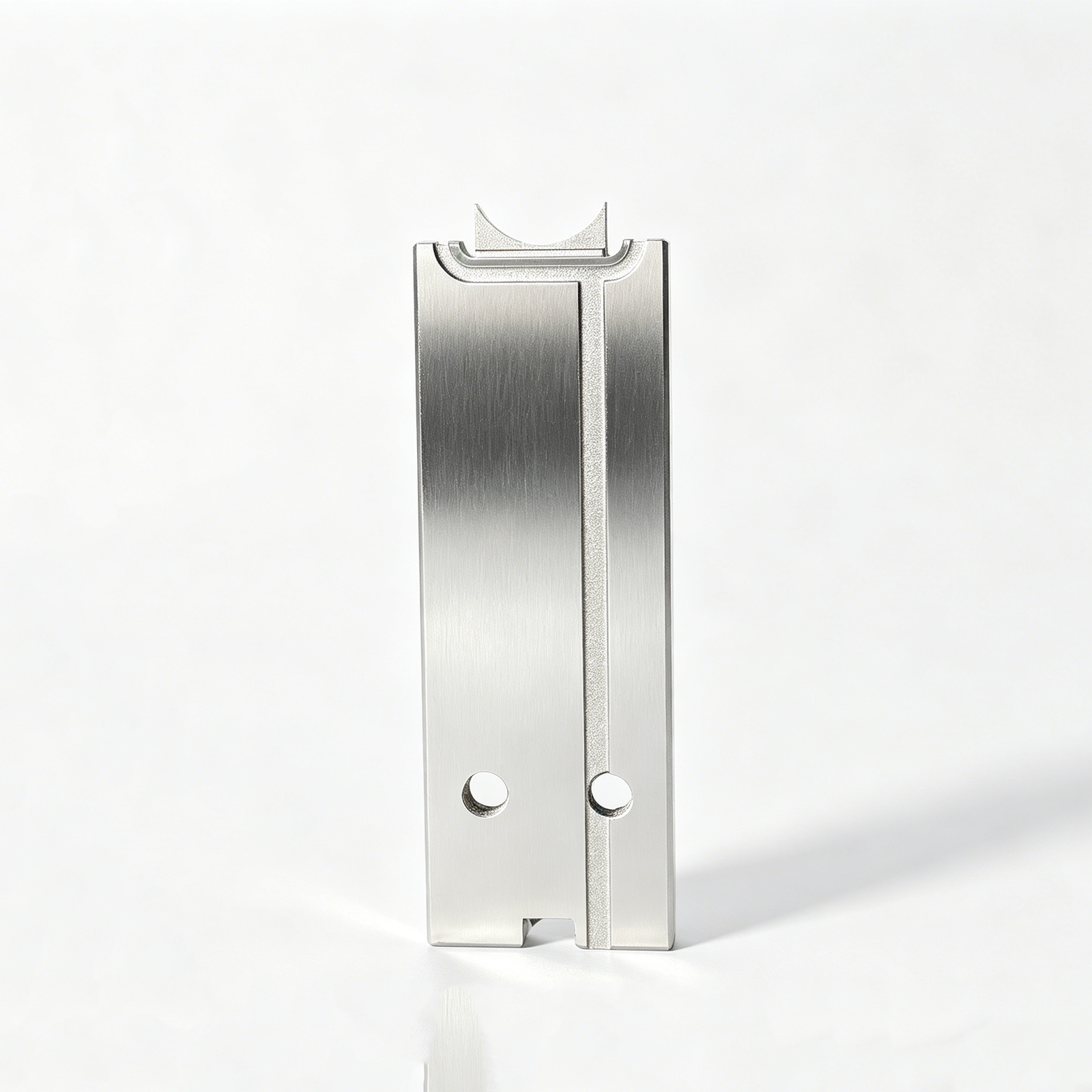
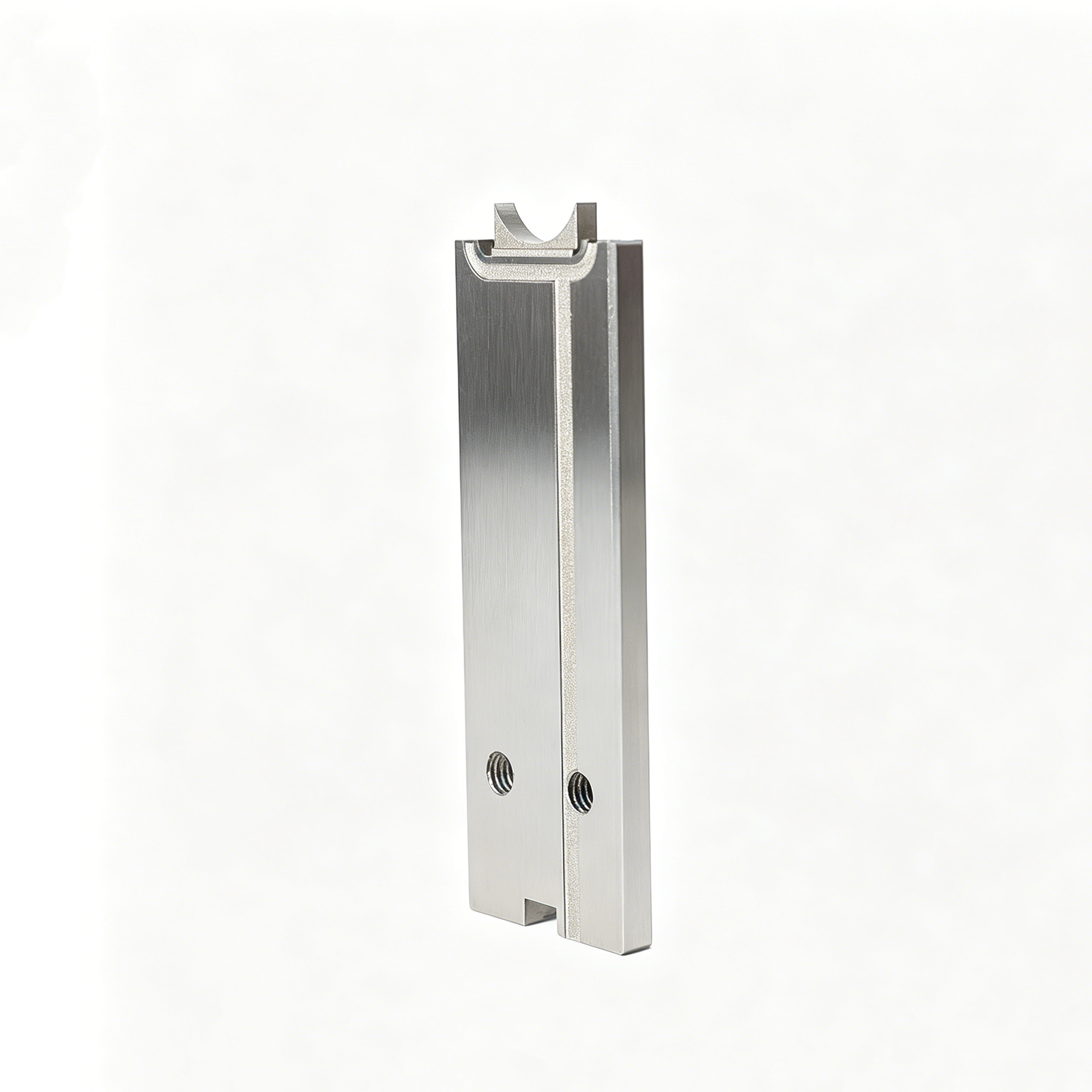
Plastic film parts · Precision mold insert
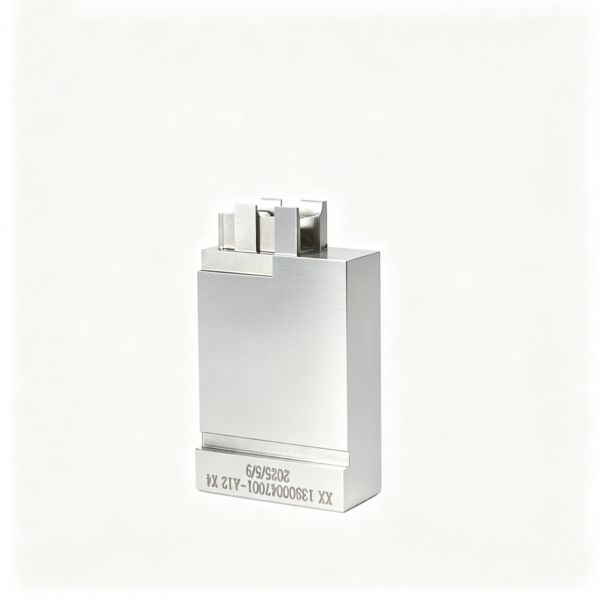
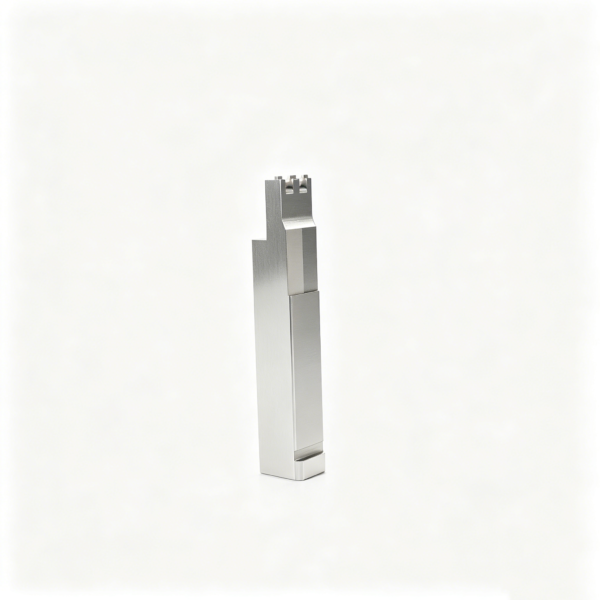
Precision Mold Components for Automotive Connectors – Fine-Pitch Cavities, Core Pins & Sleeves
Brand Xuxiang Mold
Availability Made to drawing
RFQ pricing
Quote from STEP / PDF & quantity
Engineer repeatable, high-yield connector molding with precision mold components for automotive connectors designed for fine-pitch geometries and micro features. Each core pin, cavity insert and sleeve is manufactured to tight tolerances to support stable dimensions, clean parting lines and reliable terminal alignment. Optimized materials and surface treatments help resist wear from glass-filled resins and high-cavitation production. Whether you are building new tools or upgrading critical inserts in existing connector molds, these components help reduce flash, improve pin concentricity and extend maintenance intervals. Ideal for OEM and Tier-1 injection molding environments where connector quality, uptime and consistency are non-negotiable.
- ISO 9001:2015–oriented process & documented inspection paths
- Zeiss / Nikon class metrology available for critical dimensions
- DFM feedback from 10+ senior tooling engineers
- Dongguan HQ + Quanzhou capacity for volume programs
Precision Mold Components Tailored for Automotive Connector Tooling
Automotive electrical connectors demand extremely consistent molding quality to ensure secure mating, long-term durability and reliable electrical performance in harsh environments. Precision mold components for automotive connectors provide the critical core pins, cavity inserts, sleeves and related parts that shape each tiny housing, lock, latch, and sealing feature inside your injection mold. By using engineered steels, accurate machining and high-quality surface finishes, these components help keep connector dimensions within narrow tolerances so parts fit correctly with terminals, seals and harness assemblies.
Designed for high-cavitation connector molds and demanding under-hood or in-cabin applications, these components support stable production over long tool life cycles. From multi-pin ECU connectors to compact sensor plugs, they help you control wall-thickness uniformity, pin pitch, and critical alignment, reducing scrap and rework in automotive plastic injection molding operations.
Key Features & Benefits for Automotive Connector Production
These precision mold components are engineered to support modern automotive connector designs, where miniaturization, dense pin arrays and complex interlocks are common.[1] Each feature is selected to improve process capability and simplify toolroom maintenance.
- Fine-pitch capability: Core pins and cavity inserts support small, closely spaced terminals and multi-row connector layouts, helping you hold required pin-to-pin spacing for reliable mating.
- Tight dimensional control: High-precision grinding and CNC machining enable consistent dimensions for critical features such as sealing surfaces, latch windows, keying details and terminal pockets.
- Robust materials for automotive resins: Tool steels and other mold materials commonly used in connector tooling are selected for wear resistance, thermal stability and corrosion resistance, supporting long service life when processing glass-filled or flame-retardant polymers.[4]
- Optimized surface finish: Polished or texture-ready surfaces help manage demolding forces, reduce risk of stress whitening on housing surfaces and produce clean cosmetic appearance where visible.
- Support for complex mold structures: Components integrate easily with multi-cavity, multi-slide and high-cavitation molds, including hot runner systems, side actions and lifter mechanisms used in advanced connector tooling.[9]
- Enhanced process stability: Accurate cavity and core geometry promotes uniform filling, controlled shrinkage and better repeatability across cavities, which is critical for tight connector fit and low contact resistance in assembled products.[7]
Specifications & Typical Configuration
The exact specification of precision mold components for automotive connectors will depend on connector geometry, cavity count, resin selection and press capacity. Instead of fixed numeric values, the table below outlines the typical configuration and options considered when specifying these components for an automotive connector mold.
| Attribute | Description |
|---|---|
| Component types | Core pins, cavity inserts, sleeves, ejector pins, lifter inserts, gate inserts for automotive connector molds |
| Typical applications | Plastic housings for ECU connectors, sensor connectors, lighting connectors, harness plugs and inline couplers |
| Supported connector designs | Fine-pitch multi-pin connectors, sealed connectors with gasket grooves, high-temperature and under-hood connectors |
| Base materials | Automotive-grade tool steels and mold metals selected for hardness, wear resistance and dimensional stability under repeated cycling |
| Surface treatments | Options such as polishing, nitriding or coating (where specified) to improve wear resistance and demolding behavior |
| Tolerance level | Tight-tolerance manufacturing suitable for fine-pitch connector features and high-precision terminal alignment |
| Mold compatibility | Designed for integration into custom connector molds, including high-cavitation, hot runner and multi-slide tools |
| Resin compatibility | Developed for typical connector resins such as engineering thermoplastics, glass-filled materials and high-heat grades used in automotive electrical systems |
| Customization options | Dimensions, profiles, venting, radii and draft angles tailored to individual connector designs and OEM tooling standards |
Use Cases & Who These Components Are For
Precision mold components for automotive connectors are suitable across the automotive supply chain, from OEMs to specialized mold shops.
- Automotive connector manufacturers: Companies producing large volumes of connector housings, plugs and sockets benefit from consistent cavity and core geometry that keeps production within specification and reduces unplanned downtime.
- Injection mold makers: Tooling manufacturers who design and build connector molds can integrate these components to accelerate build times, improve interchangeability and simplify future modifications or cavity repairs.[1]
- Tier-1 and Tier-2 suppliers: Sub-assembly providers that overmold terminals or supply finished harnesses can rely on stable tooling performance for both small prototype runs and full-scale mass production.
- Engineering and R&D teams: Development labs creating new connector families or testing alternative materials can specify precision components to obtain reliable test data and production-ready geometries from the earliest prototype tools.
- Maintenance & refurbishing departments: In existing connector molds, worn cores, pins or sleeves can be replaced with new precision components to restore original dimensional accuracy, improve molded part quality and extend tool service life.
Selection, Care & Buying Guidance
Choosing the right precision mold components for automotive connectors requires close coordination between product engineers, mold designers and production teams.[4] Start by defining connector performance needs such as current-carrying capacity, required sealing performance, environmental exposure and packaging constraints in the vehicle.[11] These parameters directly affect wall thickness, draft angles, gate location and cooling layout for the mold, which in turn define the geometry of the cores and cavities.
When specifying components, consider:
- Connector geometry: Fine-pitch, high-pin-count connectors place extra demands on core pin stiffness, alignment and surface finish to avoid bending, flash or short shots.
- Material and additives: Abrasive, glass-filled or flame-retardant resins will influence the steel grade and surface treatment you select to resist wear and maintain dimensions over long production runs.
- Molding process conditions: Injection pressure, mold temperature, and cycle time all contribute to mechanical loading and thermal fatigue on cores and cavities, affecting material and design choices.
- Maintenance strategy: If you plan regular refurbishing, prioritized use of standardized, interchangeable inserts and pins helps keep downtime short and simplifies spare parts stocking.
To maximize service life, implement a structured maintenance program for your connector molds.[4] This includes scheduled cleaning to remove build-up, inspection for wear on sealing faces and gate areas, and timely replacement of critical components before they cause dimensional drift or visual defects. Proper lubrication and attention to cooling circuits help maintain uniform temperatures and support consistent part quality across cavities.
FAQ
Are these precision mold components compatible with my existing automotive connector mold?
Most precision mold components for automotive connectors can be customized to match your existing mold base and cavity layout. Provide detailed drawings, 3D models or sample parts so that component geometry, tolerances and mounting interfaces can be matched to your current tooling.
What types of automotive connectors are these components suitable for?
They are suitable for a wide range of connector types, including ECU plugs, sensor connectors, lighting connectors, in-cabin harness connectors and sealed under-hood connectors. Fine-pitch and multi-row configurations can be supported with appropriately designed core pins and cavities.
How do I know if the components will meet my tolerance requirements?
During the quoting and design phase, you can specify critical dimensions and allowable tolerances for connector features. The mold component supplier will design the cores, cavities and pins to meet those requirements and can provide dimensional reports or sample inspection data when requested.
What maintenance do these mold components require in daily production?
Routine maintenance typically includes cleaning deposits from resin or additives, inspecting for wear or micro-chipping on edges, checking alignment and lubricating moving elements according to your plant standards. Establishing a preventive maintenance schedule based on shot count helps avoid unexpected downtime.
Can these components handle glass-filled or high-temperature engineering plastics?
Yes, when specified with suitable tool steels and surface treatments, the components can be used with glass-filled, high-heat and other demanding engineering plastics commonly used in automotive electrical systems. Inform your supplier about resin types and processing conditions so they can recommend the most appropriate material combination.
What information should I prepare before ordering precision mold components?
Prepare connector drawings or 3D models, mold layout information, details of the injection molding machine, resin specifications, expected annual volume and any OEM tooling standards. This information helps the supplier design components that integrate smoothly into your process and meet your quality targets.
How long does it typically take to receive custom core pins and inserts?
Lead time depends on component complexity, quantity and current capacity. Simple replacement pins and inserts can often be produced more quickly, while highly complex multi-feature cavities require more time. Request an estimated schedule when you submit your design data so you can align ordering with planned mold maintenance or new tool launches.
What is the return or adjustment policy if the components do not fit correctly?
If any dimension does not meet the agreed drawing or tolerance, reputable suppliers will work with you to correct the issue, which may include rework, replacement or design adjustment. Confirm the specific warranty and return conditions at the time of quotation.
Do these components ship individually packaged to protect fine features?
To protect sharp edges, fine-pitch pins and precision surfaces, components are typically packaged in protective sleeves, foam or compartmented boxes. This helps prevent damage during transport and storage before installation in your mold.
Can these mold components be used for prototype as well as production tools?
Yes, they can be used in both prototype and high-volume production molds. In prototype tools, they help you validate final connector geometry and process capability, while in production tools they support long-term durability and repeatable quality.
Related products
Same drawing, predictable results—next batch
Share revision, quantity ramp, and inspection level. We quote process route, ship date, and documentation in one structured response.