
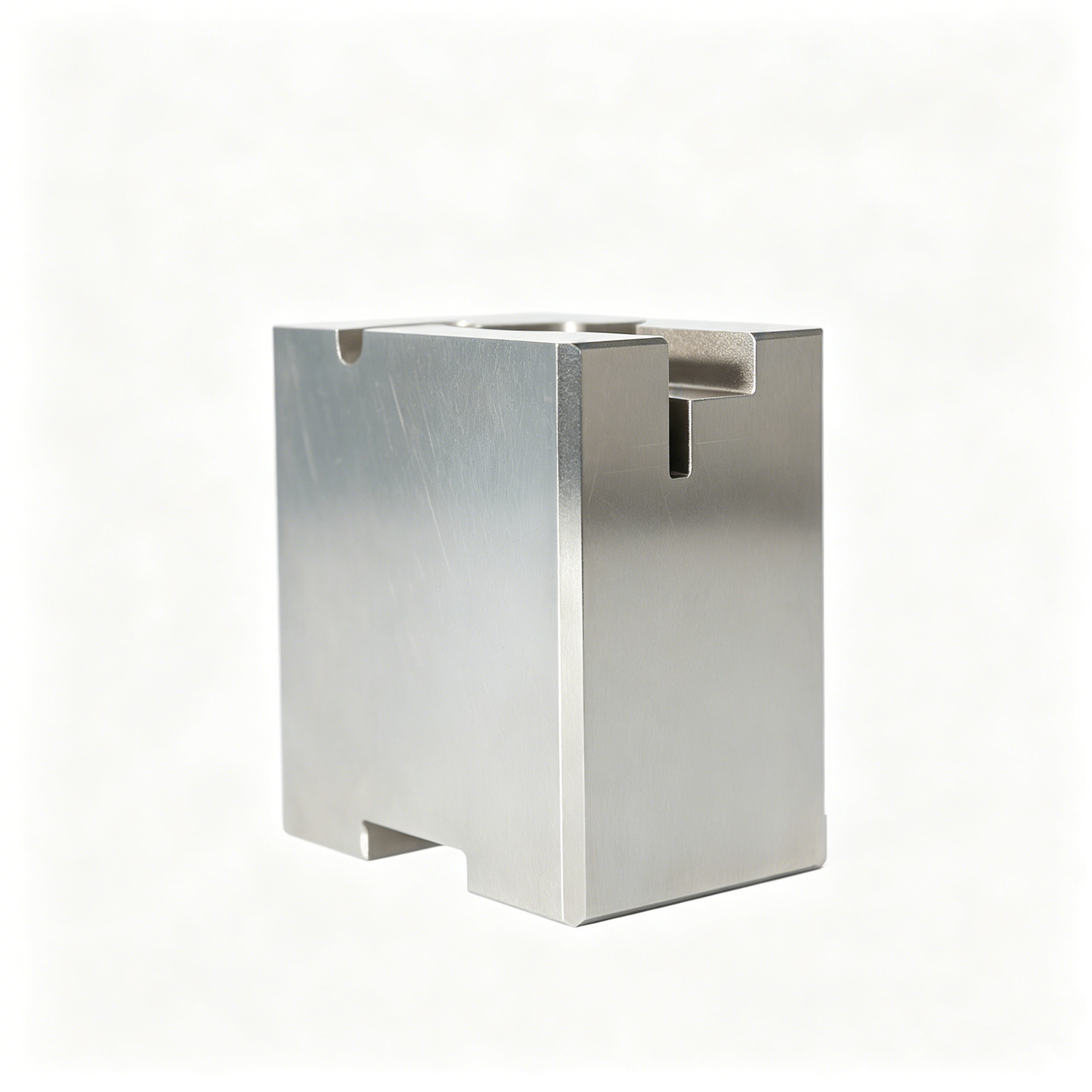
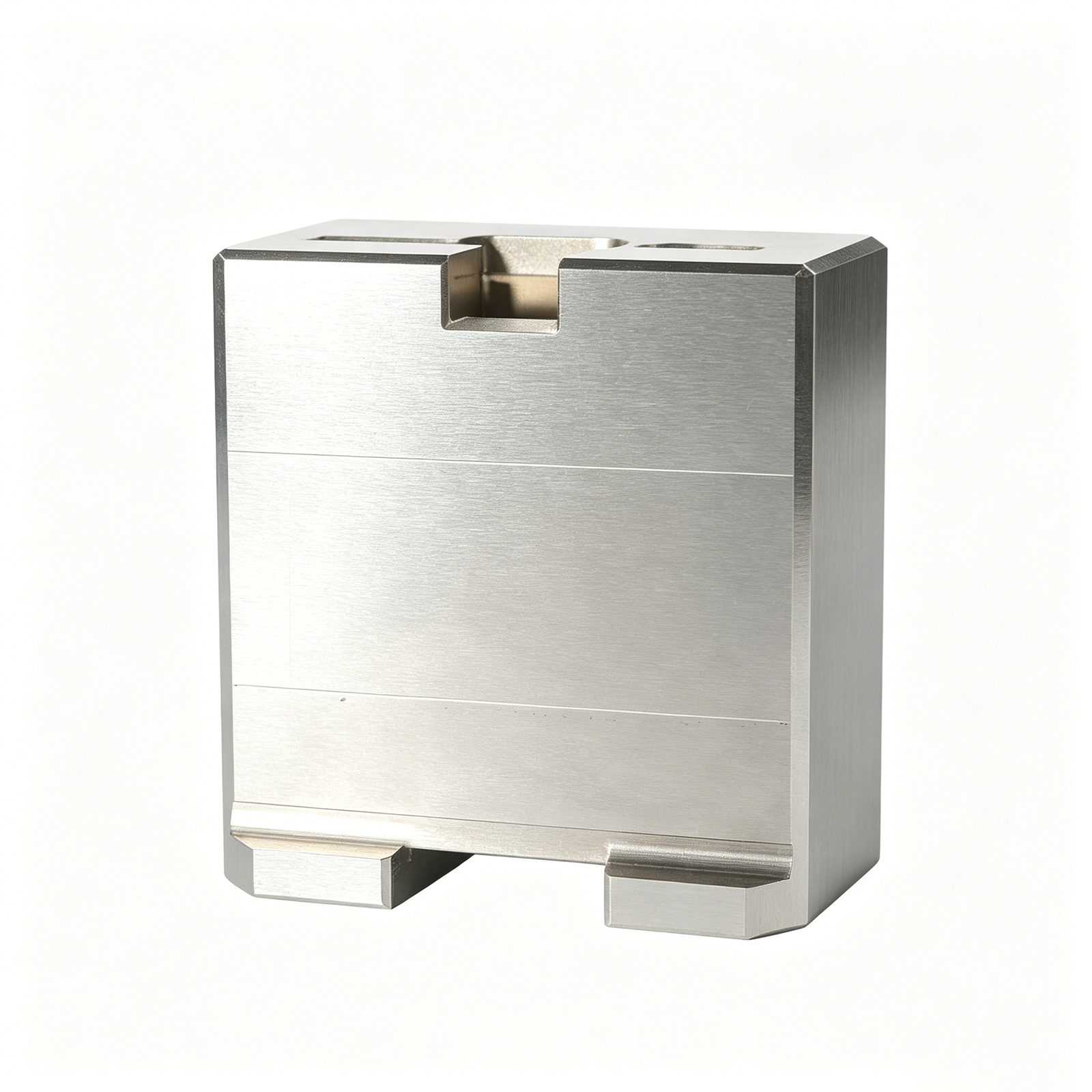
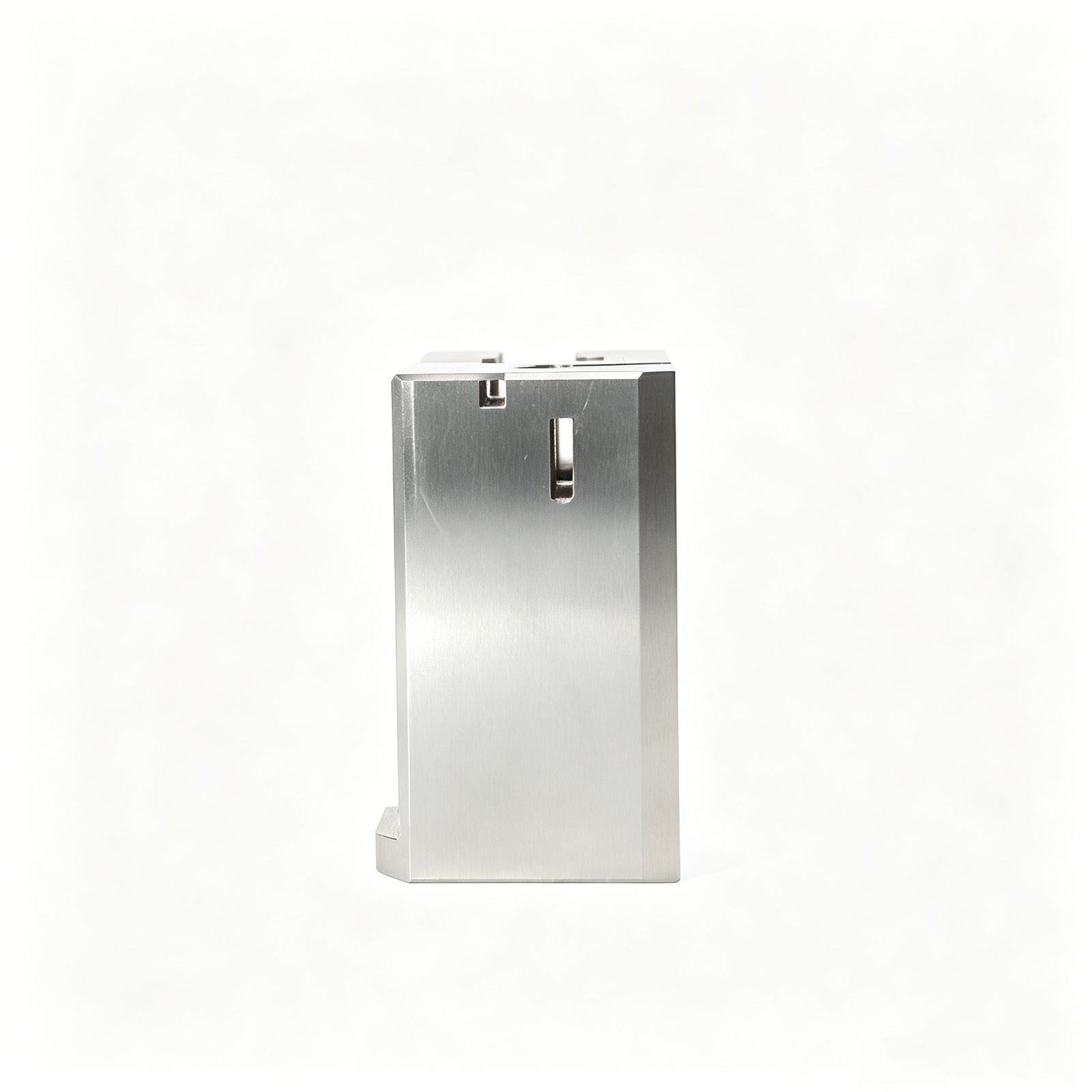
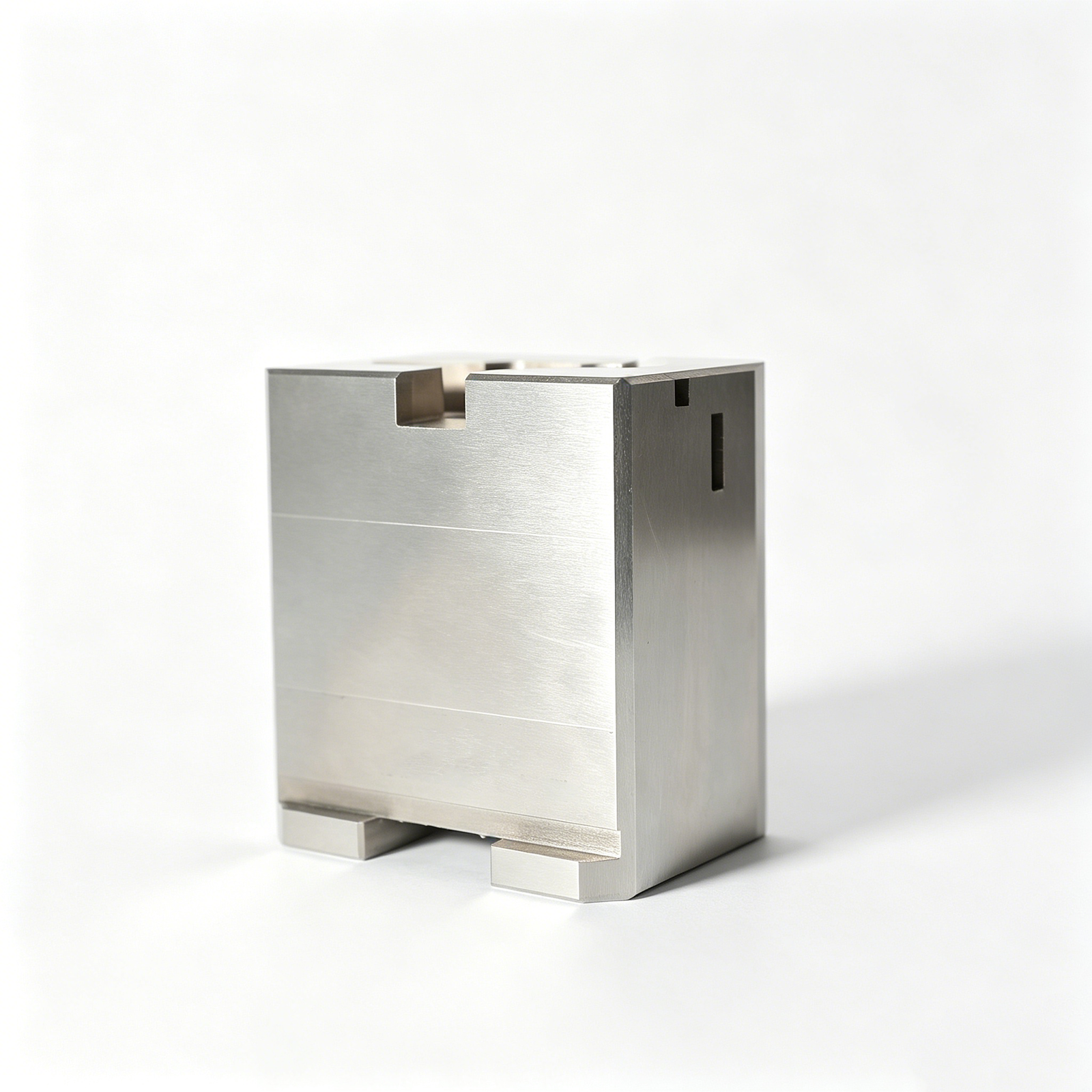
Plastic film parts · Precision mold insert
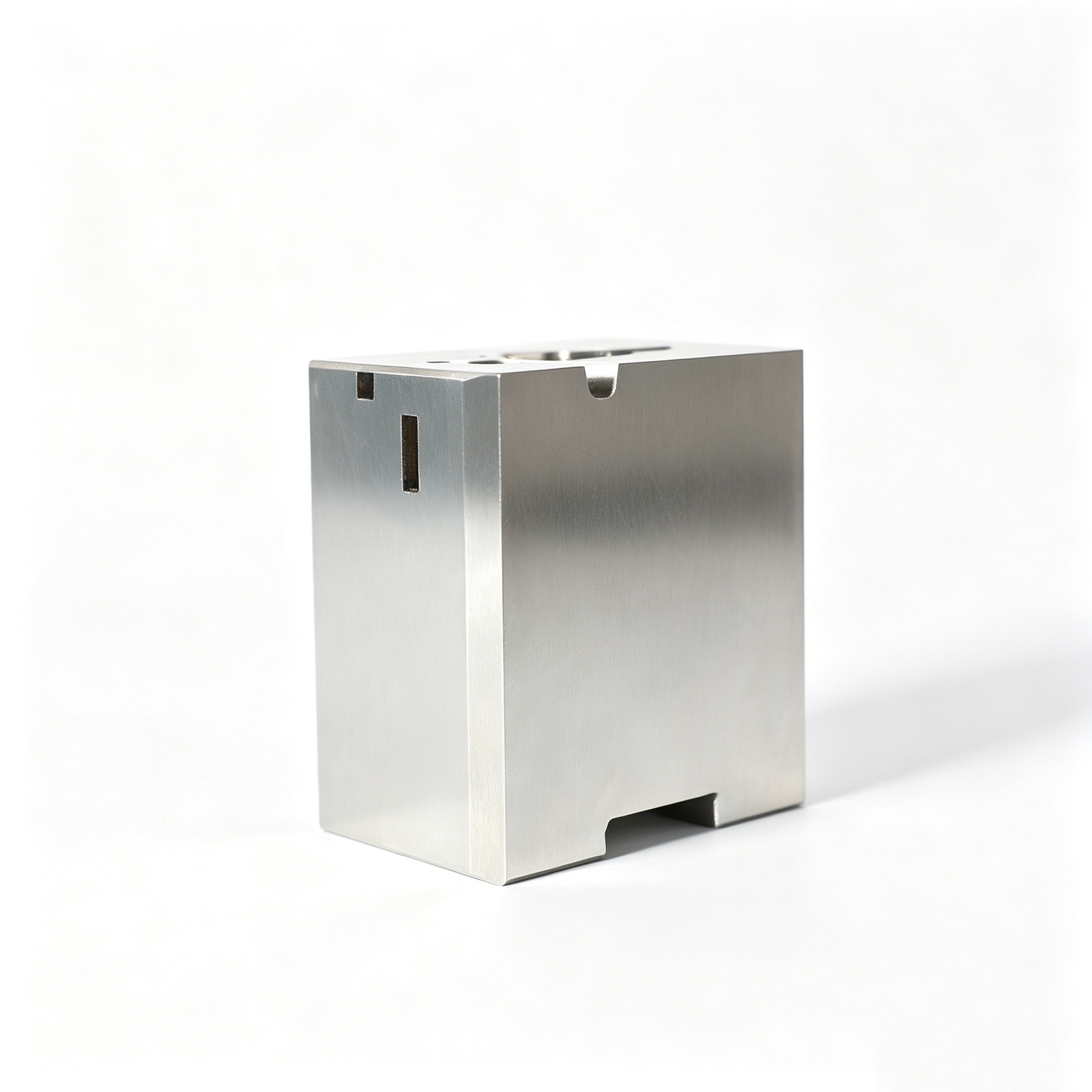
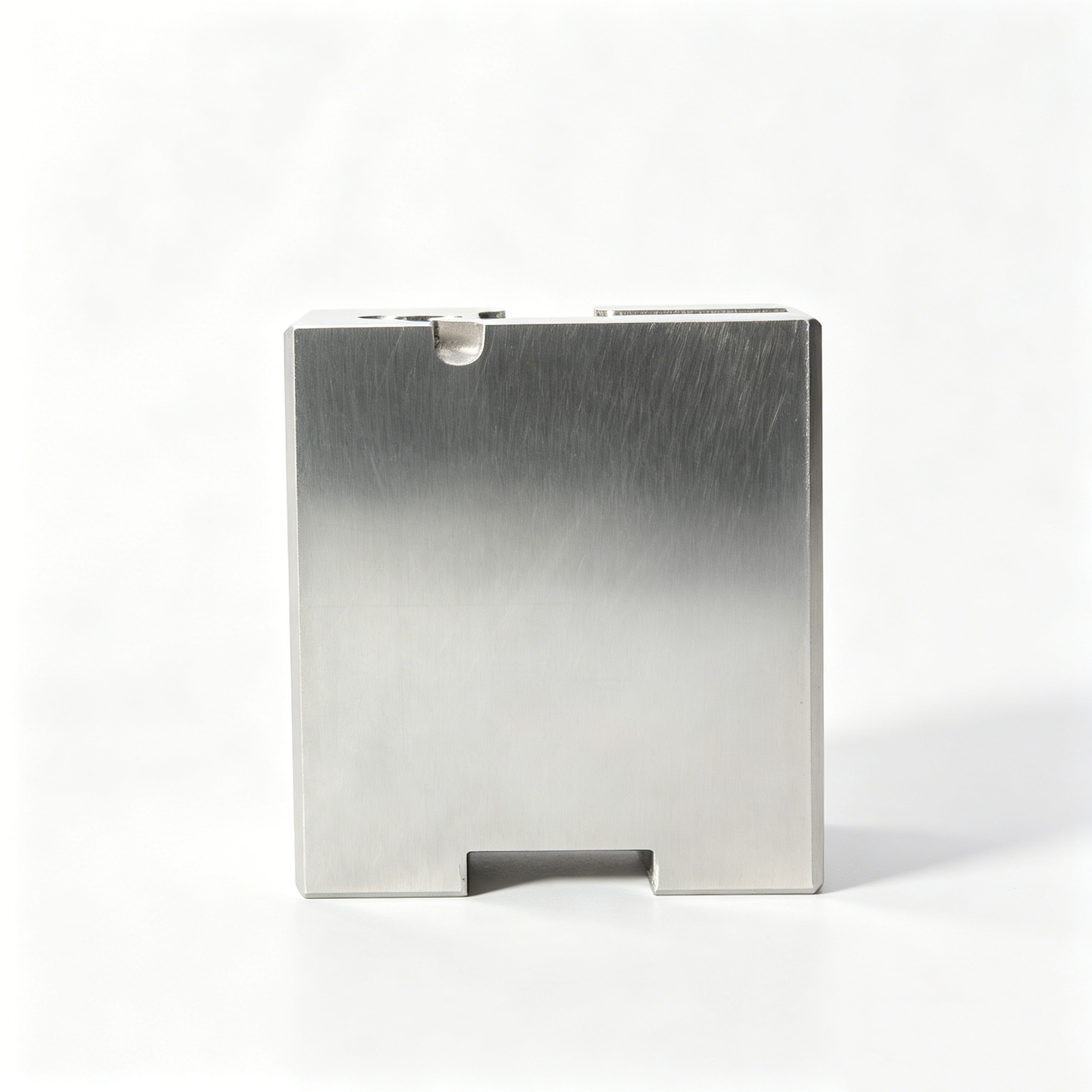
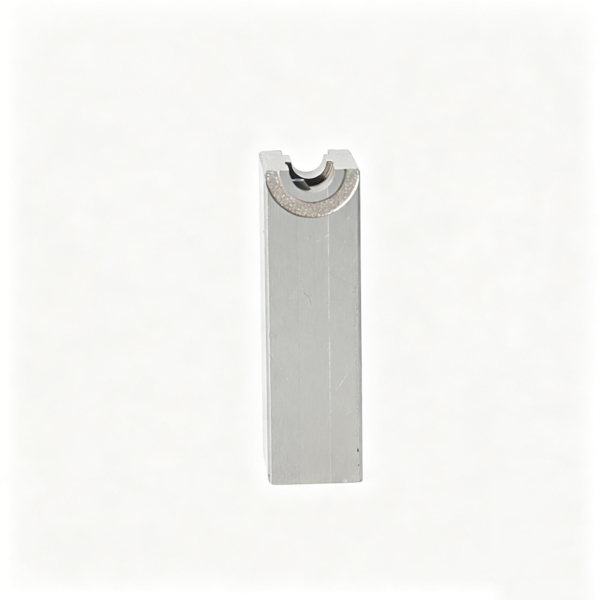
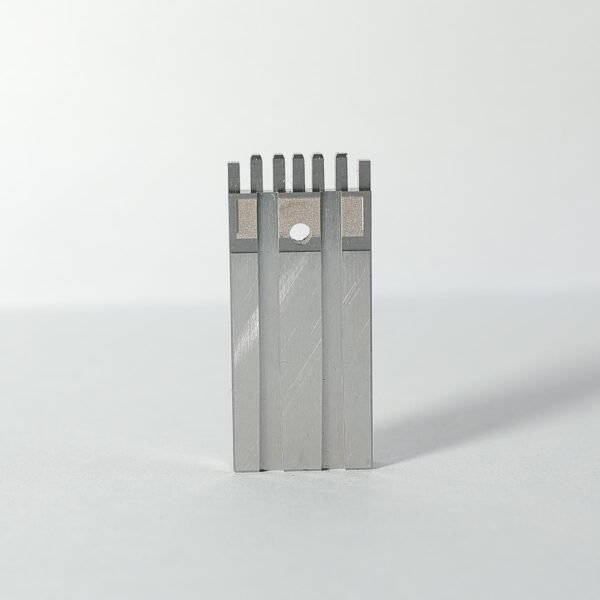
Precision Mold Components for Automotive Connectors – Fine-Pitch Core Pins & Inserts Kit
Brand Xuxiang Mold
Availability Made to drawing
RFQ pricing
Quote from STEP / PDF & quantity
Engineer reliable electrical connection housings with this precision mold components for automotive connectors kit, purpose-built for fine-pitch terminals and compact plug designs. Each core pin and insert is manufactured to tight tolerances to support consistent insulation thickness, stable pin positions, and clean parting lines in high-cavity tools. Optimized for engineering plastics, these components help you reduce flash, warpage, and dimensional drift across long production runs. Ideal for Tier-1 and Tier-2 suppliers, the kit supports fast changeovers, connector platform variants, and PPAP-ready quality requirements. Upgrade new tools or retrofit existing molds to achieve repeatable fit, form, and function on every shot.
- ISO 9001:2015–oriented process & documented inspection paths
- Zeiss / Nikon class metrology available for critical dimensions
- DFM feedback from 10+ senior tooling engineers
- Dongguan HQ + Quanzhou capacity for volume programs
Fine-Pitch Precision Mold Components for Automotive Connector Tooling
As plug and header designs become more compact and signal-dense, automotive connector molds must deliver extremely accurate cavity geometry, pin location, and wall thickness control. Precision mold components for automotive connectors are the heart of this performance: core pins, inserts, sleeves, and related parts that define the critical features of the connector housing and ensure every molded part mates correctly in the vehicle harness.
This fine-pitch core pins & inserts kit is engineered for modern automotive electrical connectors, including multi-pole signal connectors, sensor interfaces, and ECU plug housings. With stable materials, carefully controlled tolerances, and surfaces optimized for engineering resins, the components help you protect your dimensional window even on demanding projects.
Key Features & Benefits
- Fine-pitch geometry for dense connectors – Designed for high-pin-count and small-pitch automotive connectors where cavity and core alignment directly affect insertion force, locking performance, and electrical reliability.
- Tight dimensional control – Precision-machined mold cores and inserts support the high accuracy required for connector housings that must interface with stamped terminals and mating plugs without misalignment.
- Automotive-grade materials – Tool steels and other mold steels commonly used for auto connector mold parts are selected for wear resistance, dimensional stability, and resistance to corrosion from flame-retardant or glass-filled polymers.
- Surface finishes tuned for connector molding – Critical areas can be finished to a level that promotes smooth plastic flow, reduces shear, and helps avoid cosmetic defects or stress concentrations in thin walls.
- Support for long production runs – Stable material selection and robust manufacturing help maintain dimensional consistency, reducing adjustment downtime in high-volume connector production cells.
- Adaptable to different connector platforms – Component sizing and geometry can be configured to match different housing outlines, keying features, and locking systems within the same connector family.
Specifications & Core Attributes
The following table summarizes typical attributes you can expect from a fine-pitch core pins & inserts kit for automotive connector molds. Exact values will vary based on your specific tool design, connector series, and material requirements.
| Attribute | Description |
|---|---|
| Product type | Precision mold components set for automotive connector injection molds (core pins, inserts, sleeves, local details) |
| Typical application | Plastic housings for automotive electrical connectors, plugs, headers, and sensor interfaces |
| Compatible molding process | High-precision plastic injection molding for engineering thermoplastics used in automotive connectors |
| Core/cavity details | Fine-pitch core pins, grid patterns, cavity inserts, and local feature blocks tailored to connector geometries |
| Material category | Automotive mold-grade tool steels or similar high-hardness, wear-resistant alloys suitable for connector molds |
| Surface finish options | Precision ground and polished functional faces; configurable texture or matte areas for non-critical surfaces |
| Tolerance capability | Fine-tolerance machining suitable for connector features that must interface with stamped terminals and mating housings |
| Connector types supported | Multi-pole signal connectors, power connectors, sensor connectors, sealed and unsealed housing designs |
| Design customization | Configurable dimensions, keying features, and retention geometries based on connector drawings and mold design |
| Integration | Designed to fit within standard automotive connector mold bases, with interfaces for cooling, gating, and ejection systems |
Typical Use Cases & Ideal Users
These precision mold components are built for organizations that need repeatable connector quality across millions of cycles and multiple platforms. They are well suited to:
- Automotive connector manufacturers who produce high-pin-count plug housings and headers for wiring harnesses, ECUs, sensors, and body electronics.
- Tier-1 and Tier-2 suppliers requiring tooling solutions that meet OEM dimensional requirements and support PPAP and capability studies for connector projects.
- Custom mold shops designing and building dedicated molds for specific connector series, including fine-pitch signal connectors and compact multi-row housings.
- Molding plants modernizing existing tools by replacing worn cores and inserts to recover dimensional capability, reduce flash, and improve part ejection on aging molds.
- Engineering teams developing new connector platforms who need prototype and pre-series molds with production-like internal components for validation testing.
Because the components are focused on fine-pitch details and alignment-critical features, they help minimize the risk of issues such as difficult terminal insertion, inconsistent locking, or improper engagement with mating components in the vehicle.
Selection, Care & Buying Guidance
To get the most from a precision mold components set for automotive connectors, it is important to match the configuration to your connector and process requirements.
- Review connector drawings carefully – Pin layout, pitch, keying, and locking features all drive the design of core pins and cavity inserts. Share complete connector CAD and terminal data with your tooling partner.
- Align with the injection molding process – Wall thickness, gate location, and flow direction impact where tight-tolerance details must be located. Coordinate the mold component design with filling, cooling, and demolding strategies.
- Consider resin behavior – High-temperature, glass-filled, or flame-retardant materials can influence wear on cores and inserts. Material selection and surface treatment for the components should reflect real production conditions.
- Plan for maintenance and replacement – Even durable components in connector molds see wear over long runs. Design for accessible replacement of high-wear pins and inserts to minimize downtime.
- Validate with measurement – Use dimensional checks on molded parts and, where needed, direct measurement of critical mold components to confirm that tolerances are maintained over time.
Routine care will extend the life of the fine-pitch cores and inserts and protect your tooling investment. After production runs, cleaning resin residue, applying appropriate rust prevention, and verifying critical surfaces will help prevent unexpected dimensional shifts in future production.
FAQ
Are these precision mold components compatible with my existing automotive connector mold base?
In most cases, fine-pitch cores and inserts can be engineered to fit into your current mold base, provided that you share cavity layout, interface dimensions, and connector drawings. Your tooling supplier can adapt the component design to match the insert pockets and fastening method used in your mold.
How do I know if these components will suit my connector series and terminal design?
The key is to match the geometry to your connector outline and terminal layout. Supply CAD files, terminal specifications, and any existing mold data so the components can be configured for your pin pitch, row spacing, keying features, and locking mechanisms.
Can these mold components be used with high-temperature or glass-filled automotive connector resins?
Yes, they are intended for engineering thermoplastics commonly used in connector housings. For abrasive or high-temperature grades, the tool steel and surface treatment can be chosen to help resist wear and maintain dimensional stability over long runs.
What maintenance is recommended to keep the fine-pitch cores and inserts in good condition?
After each production run, clean the components to remove residue, inspect sharp edges and sealing surfaces, and apply appropriate anti-corrosion protection. Scheduled checks for wear on critical dimensions, especially on heavily loaded core pins, help prevent quality issues before they reach the customer.
How does shipping work for a complete set of precision connector mold components?
Component sets are typically packed in protective cases or trays with individual identification to avoid damage in transit and simplify installation. Depending on your location and urgency, you can coordinate standard or expedited shipping options with your supplier.
Is there support if I need help installing or tuning these components in my mold?
Most tooling partners offer technical support during installation and start-up. You can provide trial data or part measurements, and they can advise on adjustments, venting, or gate refinement to get the best performance from the new cores and inserts.
What is the typical warranty or guarantee on precision mold components for connectors?
Warranty terms vary by supplier, but they generally cover workmanship and material defects for a defined period or cycle count. It is important to review the warranty conditions, including any requirements for proper installation, operation, and maintenance.
Can I order custom variations for different connector families from the same tooling set?
Yes, many users standardize the mold base and ejection system, then order customized insert and core sets for each connector family or variant. This approach lets you change over between connector types while reusing much of the tool.
How do these components help reduce scrap and improve process capability?
By controlling critical dimensions and aligning cores and cavities for fine-pitch connectors, the components help minimize flash, short shots, and dimensional outliers. This supports lower scrap rates and better capability indices when you run process qualification and ongoing monitoring.
Related products
Same drawing, predictable results—next batch
Share revision, quantity ramp, and inspection level. We quote process route, ship date, and documentation in one structured response.