
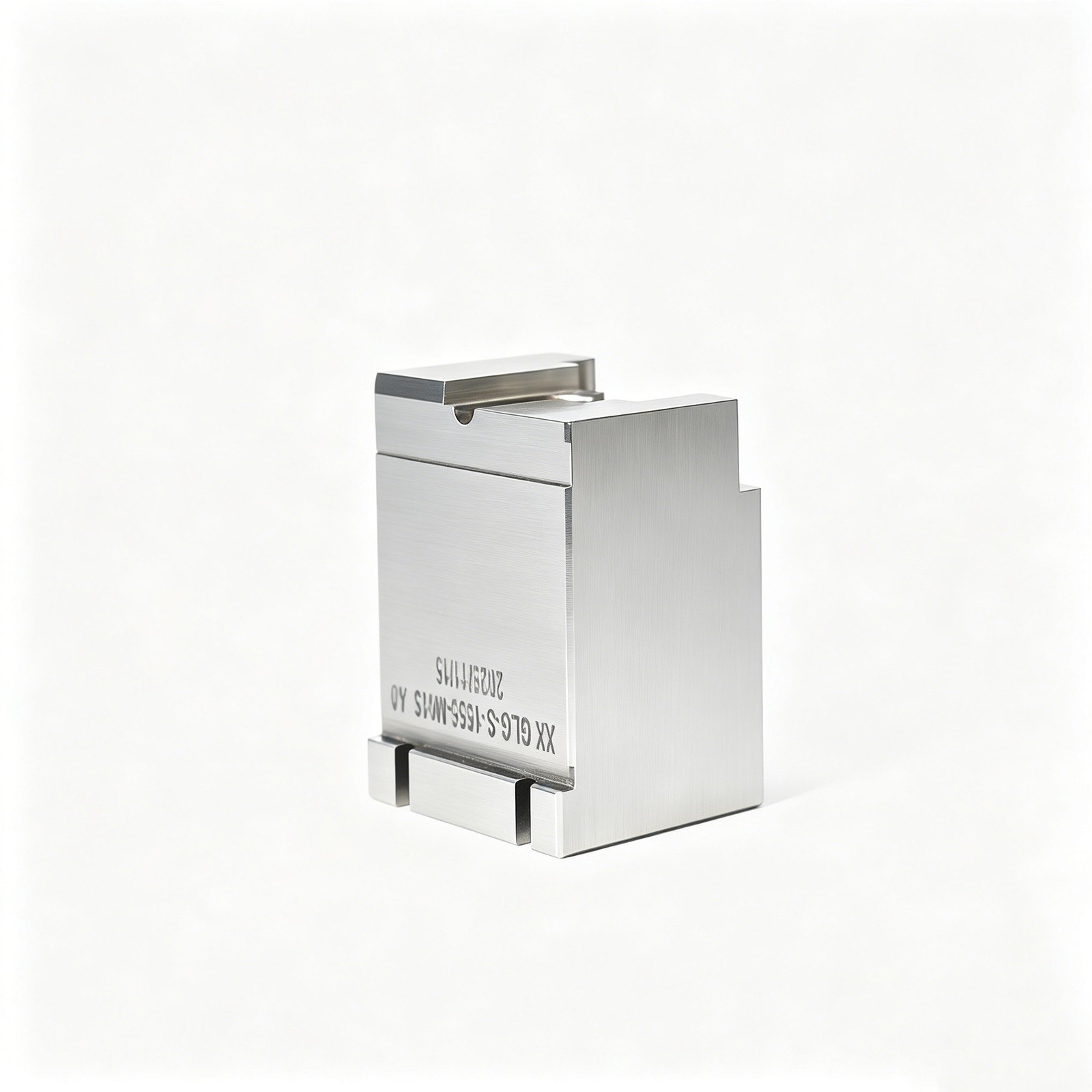
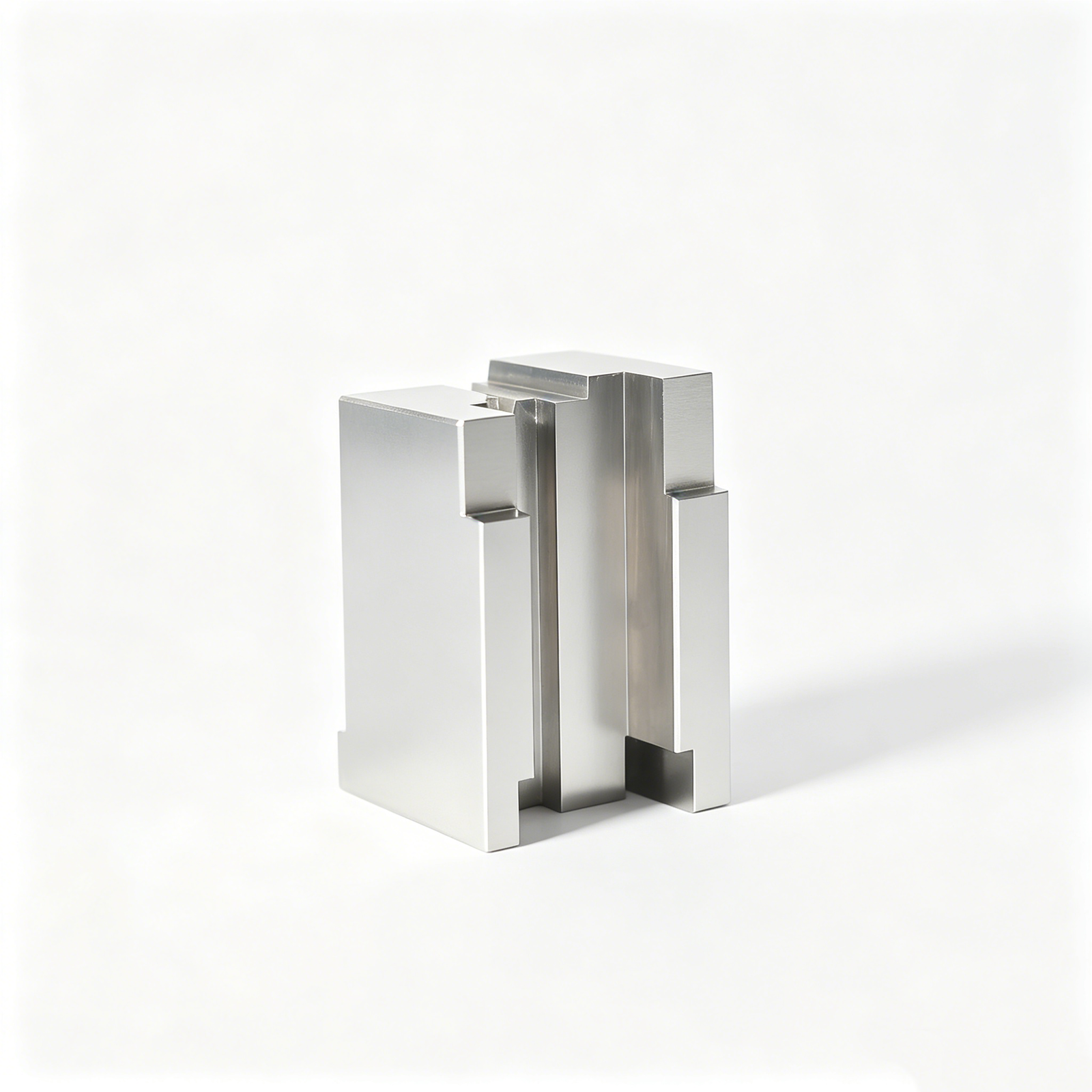
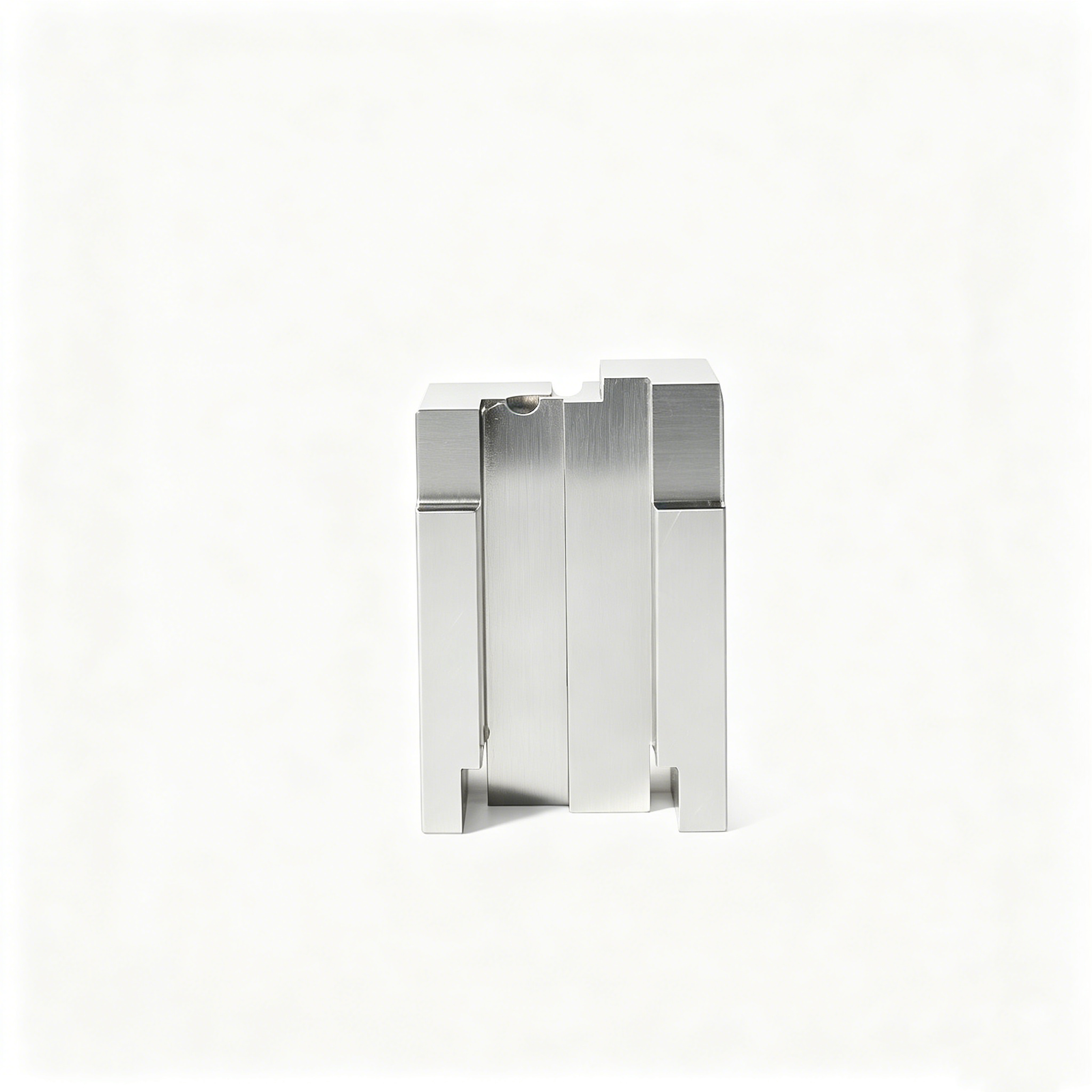
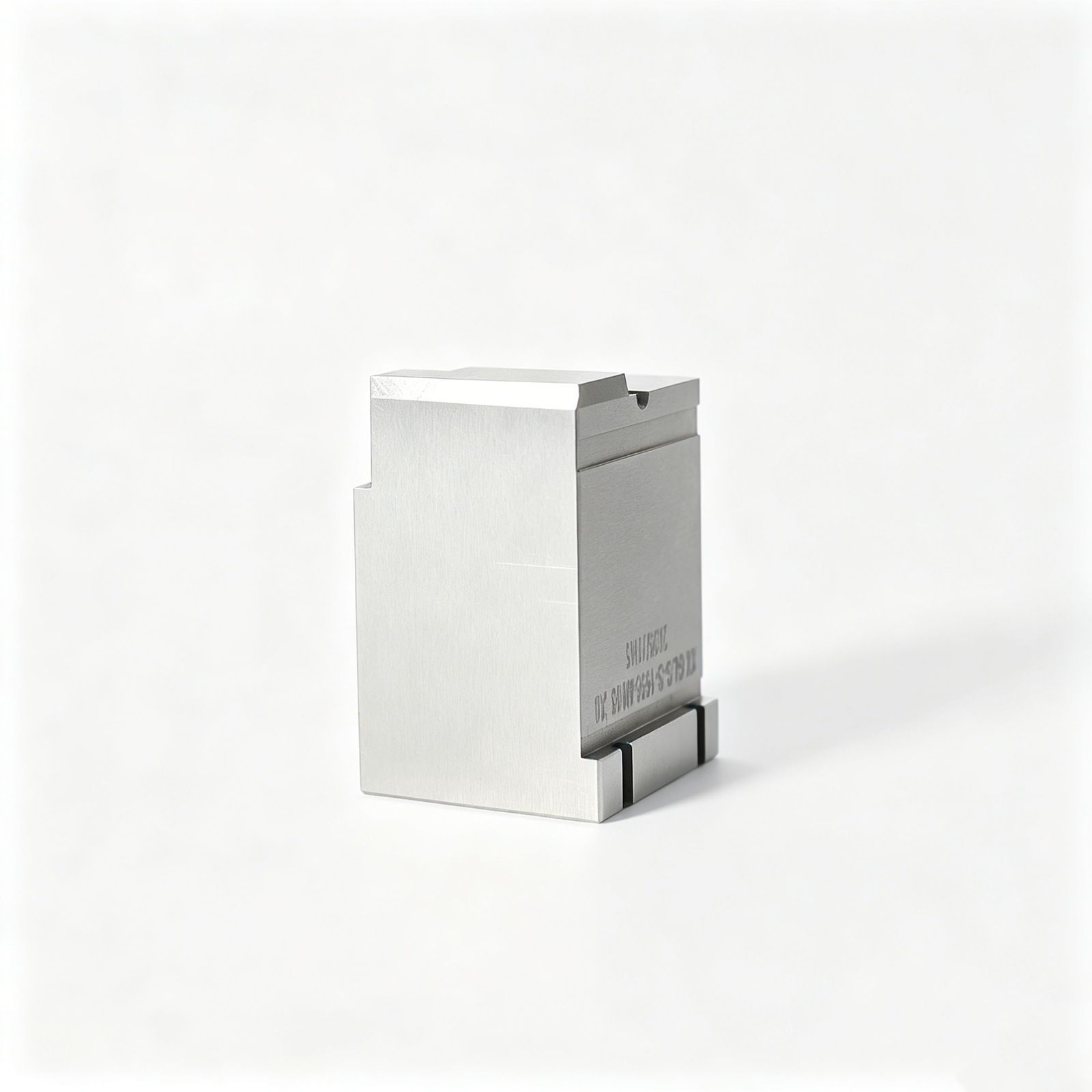
Plastic film parts · Precision mold insert
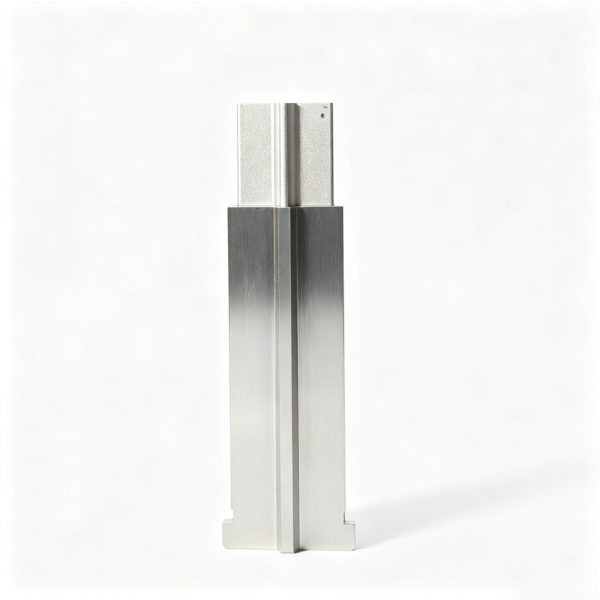
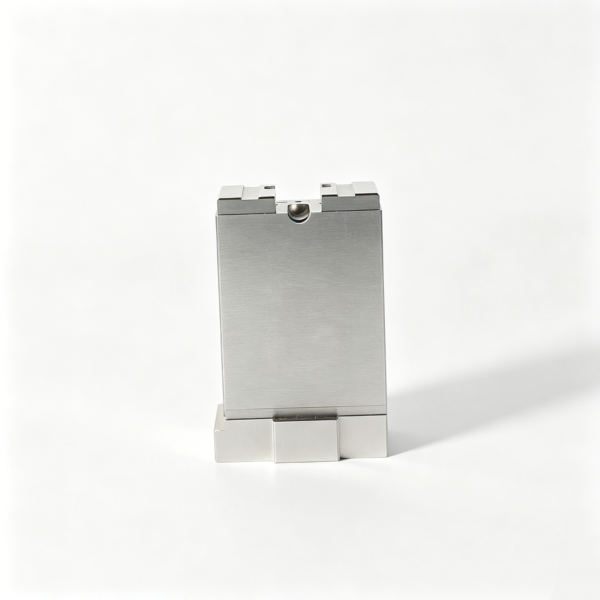
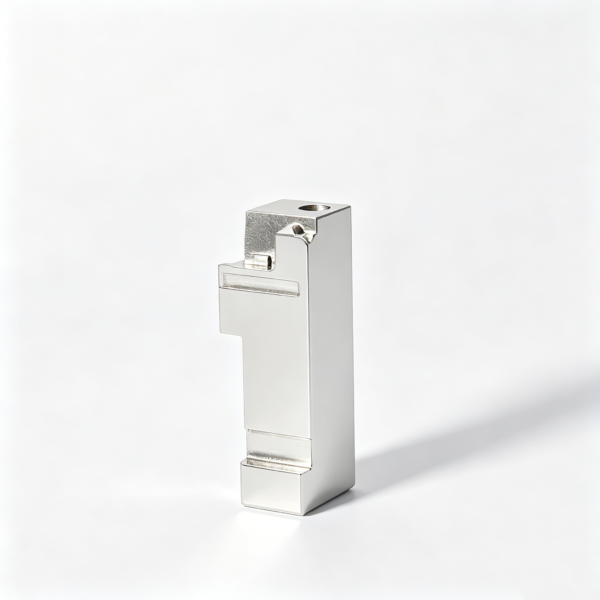
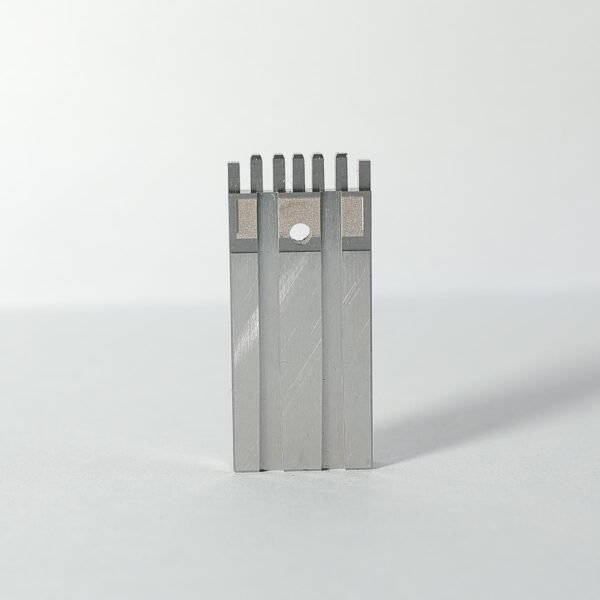
Precision Mold Components for Automotive Connectors – Fine-Pitch Cores, Sleeves & Ejectors
Brand Xuxiang Mold
Availability Made to drawing
RFQ pricing
Quote from STEP / PDF & quantity
Engineer reliable, high-density connector tooling with precision mold components for automotive connectors designed for fine-pitch applications. Each core, sleeve and ejector element is manufactured to tight tolerances for consistent cavity geometry and clean parting lines. These components help reduce flash, improve pin alignment and stabilize dimensional accuracy across long production runs. Ideal for new connector programs or refurbishing existing tools, they support smooth ejection and robust cooling layouts. Upgrade your molds to handle demanding automotive harness, ECU and sensor connector projects with confidence.
- ISO 9001:2015–oriented process & documented inspection paths
- Zeiss / Nikon class metrology available for critical dimensions
- DFM feedback from 10+ senior tooling engineers
- Dongguan HQ + Quanzhou capacity for volume programs
High-Precision Tooling Components for Demanding Automotive Connector Molds
Automotive electrical connectors demand exceptionally accurate tooling to ensure every terminal cavity, sealing feature and latch detail is formed with repeatable precision. Precision mold components for automotive connectors are the core building blocks of these tools, including core pins, cavity inserts, sleeves, lifters and ejector systems engineered specifically for fine-pitch connector geometries.[1][4][6] By upgrading these elements, mold makers and OEMs can achieve more stable production, lower scrap and tighter dimensional control across high-volume injection molding.
These components are typically produced from high-quality tool steels and engineered alloys to offer a balance of hardness, wear resistance and toughness suitable for glass-filled and flame-retardant engineering plastics widely used in automotive connector housings.[4][10] Carefully optimized surface finishes and tolerances help minimize sticking, improve resin flow and support clean demolding of complex connector parts.
Key Features & Benefits
Every mold for automotive connectors is unique, but successful projects share the same foundation: robust, accurately machined components that maintain alignment and surface quality over millions of cycles.[1][3][5] The components in this range are designed with that requirement in mind.
- Fine-pitch cavity and core solutions: Cores and inserts tailored for high-density terminal layouts maintain geometry in small spacing areas, helping ensure proper mating performance and electrical clearance.[3][6]
- Stable dimensional accuracy: Tight machining tolerances support precise connector shapes, enabling consistent fit with mating plugs, headers and terminals while controlling shrinkage and warpage.[4][7][10]
- Wear- and corrosion-resistant materials: Tool steel and specialized alloys offer strong resistance to abrasion and chemical attack from high-performance polymers and additives used in automotive applications.[4][8][11]
- Optimized ejection components: Ejector pins, sleeves and lifter elements are designed to synchronize with the demolding system, reducing the risk of part deformation, flash and drag marks on delicate connector features.[4][5][9]
- Support for complex cooling layouts: Core and cavity inserts can be configured to integrate efficient cooling channels, promoting uniform temperature distribution, shorter cycle times and improved dimensional stability.[4][9][14]
- Customization-ready design: Components can be specified to match OEM connector outlines and project requirements, including special gate locations, undercut features, overmold areas and sealing groove details.[2][6][15]
By combining these features, toolmakers can deliver connector molds that meet automotive standards for reliability and long-term performance in harsh underhood, chassis and cabin environments.[10][14]
Technical Specifications & Component Overview
The following table summarizes typical attributes of precision mold components for automotive connectors. Actual configurations will depend on the connector design, resin selection and plant-specific tooling standards.[1][2][3][6]
| Attribute | Description |
|---|---|
| Component types | Core pins, cavity inserts, sleeves, ejector pins, lifters, guide elements and custom blocks for automotive connector molds |
| Typical application | Injection molding of automotive electrical connectors for wiring harnesses, ECU housings, sensor bodies and power modules |
| Material options | High-grade tool steels and engineered alloys selected for hardness, wear resistance and thermal stability in connector tooling |
| Surface finish | Precision-ground and polished working surfaces for smooth resin flow and clean demolding of fine connector details |
| Tolerance capability | Tight machining tolerances suitable for fine-pitch connector features and high-density cavity layouts |
| Compatibility | Supports common automotive connector resins such as engineering thermoplastics used in high-temperature and high-vibration environments |
| Mold integration | Designed to integrate with standard and custom mold bases, hot runner systems, gating layouts and cooling circuits |
| Production suitability | Configured for medium to high-volume automotive molding, emphasizing long service life and consistent part quality |
| Customization options | Connector-specific geometries, special gate lands, undercuts, sealing features and overmold interfaces available to drawing |
| Quality focus | Manufacturing processes and inspection routines centered on dimensional accuracy, surface integrity and repeatability |
Typical Use Cases & Ideal Users
These precision mold components are particularly suited to manufacturers designing and producing high-performance automotive connector systems.[1][2][10][14] They can be applied in a wide range of projects across the vehicle electrical architecture.
- Wiring harness connectors: Multi-pin connectors for body electronics, infotainment and comfort systems where fine-pitch cavities and robust latch designs are critical.
- Powertrain and engine bay connectors: High-temperature resistant connectors exposed to vibration, fluids and thermal cycling that require stable, flash-free sealing features.
- Sensor and actuator housings: Compact connectors integrated into ABS, ADAS, transmission and chassis sensors, where dimensional accuracy directly affects sealing and alignment.
- High-voltage and EV connectors: Precision tooling components for connectors used in electric drive, battery and charging systems, where creepage distances and insulation paths must be tightly controlled.[10]
- Tooling upgrades and refurbishment: Replacement cores, inserts and sleeves for existing connector molds to improve part quality, reduce downtime or adapt to design revisions.
These components are ideal for automotive Tier 1 and Tier 2 suppliers, specialized connector manufacturers, and tool shops focused on precision injection molds for electronic components.[1][5][13]
Selection, Maintenance & Buying Guidance
Selecting the right precision mold components for automotive connectors begins with understanding the connector’s functional requirements and the intended production environment.[4][7][10] Key factors include cavity layout, resin selection, expected lifecycle, and any special sealing, overmolding or high-voltage requirements.
- Assess connector geometry: Fine-pitch, high-pin-count connectors typically benefit most from precision-ground core pins and inserts that support uniform wall thickness and consistent terminal cavity positioning.[3][7]
- Match materials to resins: Choose component materials that can withstand the abrasiveness and thermal profile of the selected plastics, particularly flame-retardant and glass-filled grades.[4][8]
- Plan for cooling and ejection: When specifying cores and cavity blocks, consider how cooling circuits and ejector layouts will interact with the connector design to avoid hotspots and warpage.[4][9]
- Prioritize interchangeability: Where possible, design components with standardized interfaces to simplify maintenance, replacement and future design modifications.[2][11][13]
Ongoing maintenance is equally important. Regular inspection, cleaning, lubrication and timely replacement of worn cores, pins and sleeves help maintain part quality and extend mold life.[4] Monitoring wear on fine features such as terminal cavities and sealing lips allows for proactive intervention before defects or flash appear in production.
FAQ
Are these mold components compatible with my existing connector mold base?
Most precision mold components for automotive connectors can be manufactured to fit standard or custom mold bases. To ensure compatibility, provide detailed drawings, current mold base specifications and information about gating and cooling layouts so the components can be tailored to your tooling.
What connector types are best suited for these components?
These components are particularly well-suited for automotive wiring harness connectors, ECU and sensor connectors, high-pin-count multi-way housings and other precision electrical connectors where fine-pitch cavities and tight dimensional tolerances are required.
How do I determine if the components match my resin and operating environment?
Share information on resin type, filler content, flame-retardant rating and expected operating temperatures. This allows material and surface treatment recommendations that align with abrasion, corrosion and thermal demands in your application.
Can these precision mold components handle high-volume production runs?
Yes, they are intended for medium and high-volume automotive connector programs. When specified correctly for material and cycle conditions, they are designed to maintain dimensional stability and surface quality over long production campaigns.
How should I maintain the cores and inserts to extend tool life?
Implement a preventive maintenance schedule that includes regular cleaning, inspection under magnification of high-wear areas, light polishing where appropriate and timely replacement of worn pins and inserts. Proper lubrication and correct handling during assembly and disassembly also help preserve precision surfaces.
What information do I need to supply when ordering custom components?
You should provide 2D/3D connector drawings, mold layout files, resin specifications, target cycle time, expected annual volume and any special requirements such as overmolding, sealing features or high-voltage clearances. This data supports accurate design and quoting.
Is there a typical lead time for precision automotive connector mold parts?
Lead time depends on complexity and quantity. Simple replacement pins or sleeves can often be produced more quickly than complete insert sets. Sharing your timing needs early in the project helps align delivery with tool build or maintenance windows.
What is the return or adjustment policy if a component does not fit correctly?
Most suppliers will review drawings and inspection data if a fit issue arises. Provided the order was manufactured to the agreed specifications, they can propose adjustments, rework or remanufacture as appropriate. It is important to verify design data and tolerances during the quotation stage to minimize such situations.
Can these components be used in molds for non-automotive connectors?
Yes. While they are optimized for automotive connector requirements, the same precision mold components can be applied to industrial, appliance, or medical connectors when their material and tolerance capabilities align with the application.
Related products
Same drawing, predictable results—next batch
Share revision, quantity ramp, and inspection level. We quote process route, ship date, and documentation in one structured response.