
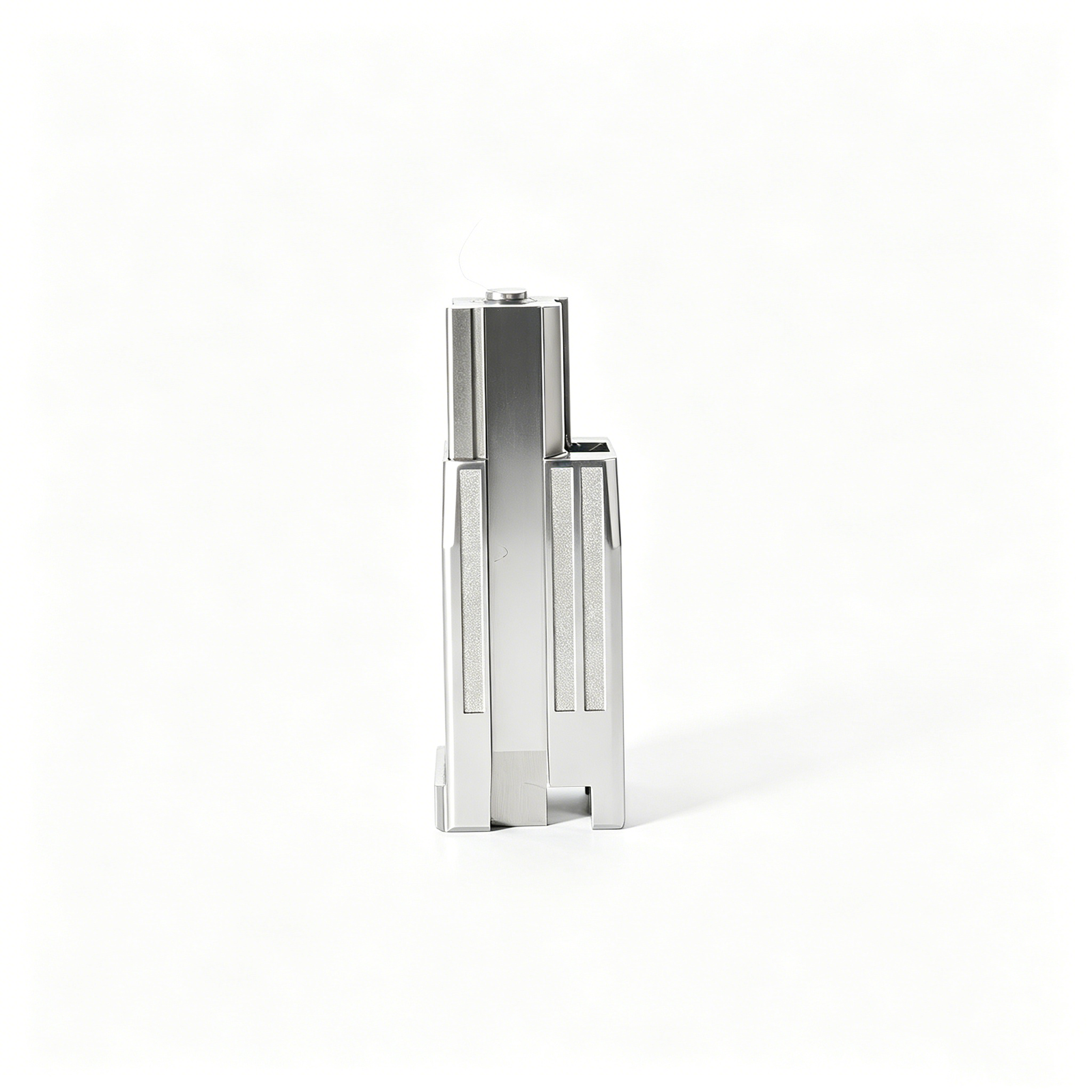
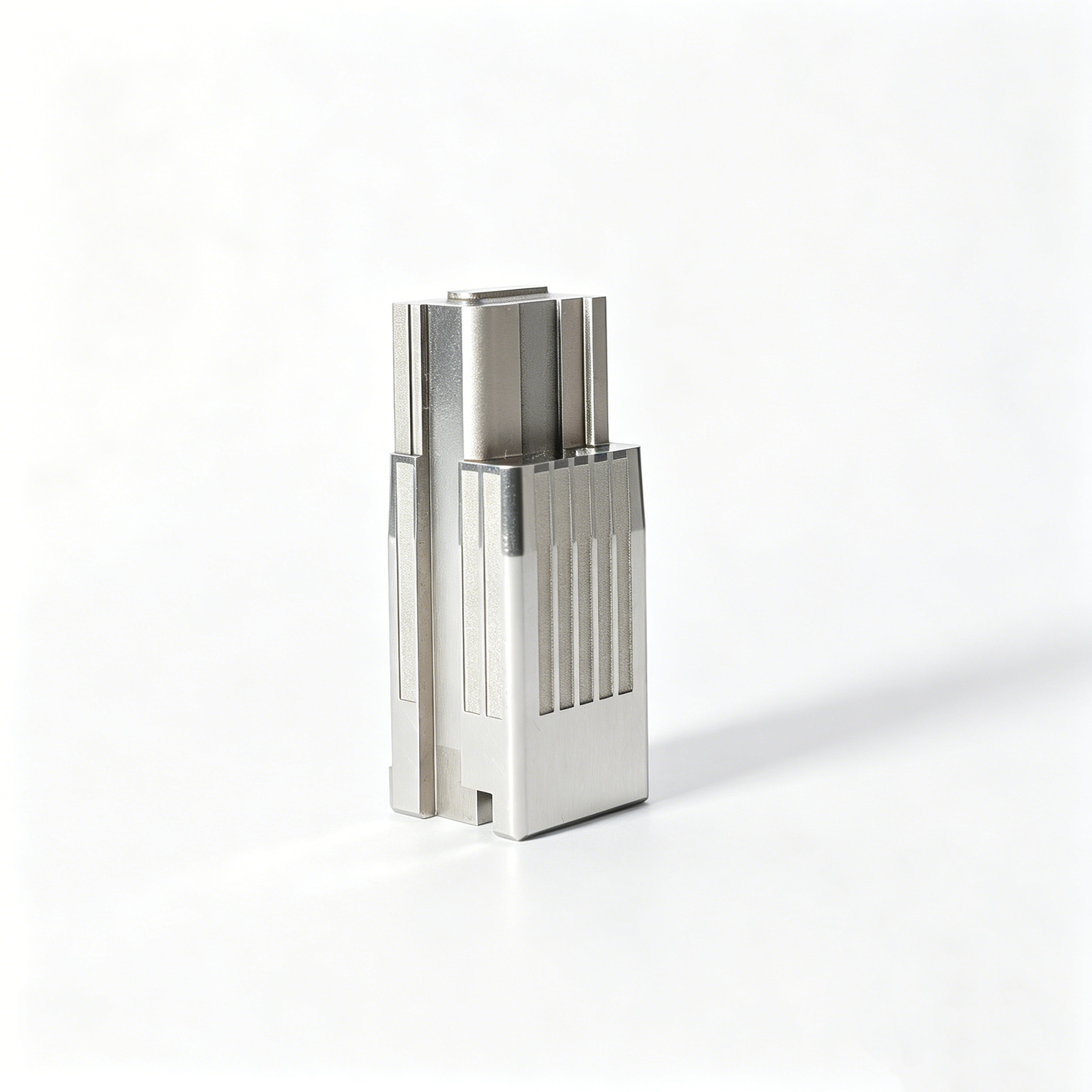
Plastic film parts · Precision mold insert
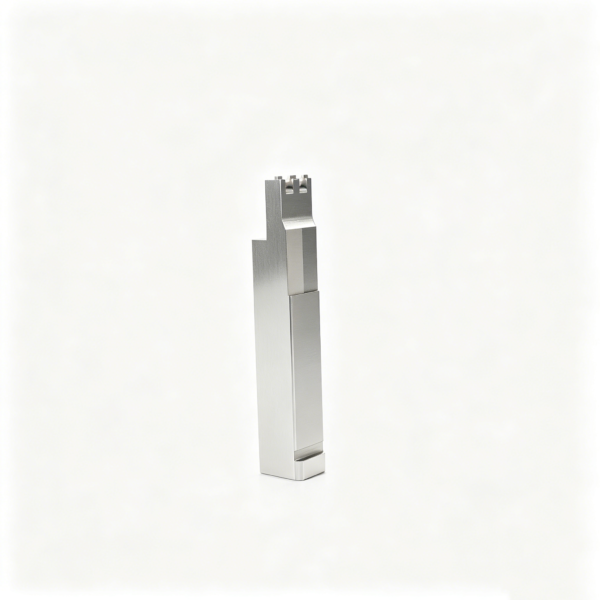
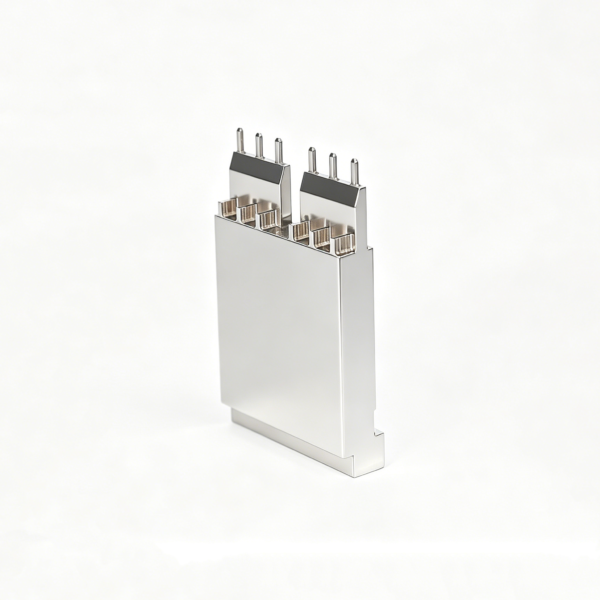
Precision Mold Components for Automotive Connectors – Fine-Pitch Inserts, Sleeves & Ejector Pins
Brand Xuxiang Mold
Availability Made to drawing
RFQ pricing
Quote from STEP / PDF & quantity
Engineer consistently accurate terminals and housings with precision mold components for automotive connectors designed for fine-pitch, multi-cavity tooling. Each core pin, insert and sleeve is manufactured for stable molding of complex connector geometries, helping you maintain tight dimensional control in high-volume runs. Optimized materials and treatments support long service life under abrasive, glass-filled resins. Minimize flash, warpage and downtime while keeping connector performance and fit fully under control. Ideal for OEMs and mold makers upgrading legacy tools or building next-generation EV and electronic connector platforms.
- ISO 9001:2015–oriented process & documented inspection paths
- Zeiss / Nikon class metrology available for critical dimensions
- DFM feedback from 10+ senior tooling engineers
- Dongguan HQ + Quanzhou capacity for volume programs
Precision Mold Components for Automotive Connectors – What This Set Delivers
Automotive electrical connectors demand extremely stable dimensions, clean terminal interfaces and repeatable quality across millions of shots. To achieve that level of consistency, the tooling inside your injection molds must be just as precise as the connector designs they form. These precision mold components for automotive connectors are engineered specifically for small, intricate connector housings, terminals and seals used across modern vehicles, including ADAS, infotainment, powertrain and EV platforms.[1][4][10]
The set is tailored for mold makers, Tier 1/Tier 2 suppliers and OEM toolrooms that require high-precision cores, cavities, sleeves and ejector solutions for connector tooling. By focusing on fine-pitch details, robust alignment and wear resistance, these components help you reduce scrap, improve cycle stability and keep connector dimensions within tight tolerances over extended production campaigns.[1][3][6]
Key Features & Benefits for Connector Tooling
- Fine-pitch geometry for miniature connectors – Designed for thin walls, micro-ribs and small terminal windows common in modern automotive connectors, supporting clean definition and reduced flash even in high-cavity tools.[3][6]
- Tight dimensional accuracy – Precision-ground and machined surfaces help maintain cavity-to-cavity consistency, enabling reliable mating performance and contact pressure in the final connector assembly.[1][6][7]
- High wear resistance – Suitable for tough, often glass-filled engineering plastics typically used in automotive connector housings, helping extend mold life and reduce unplanned maintenance.[4][10]
- Stable molding of complex shapes – Supports connector designs with undercuts, latch features and snap-fit elements by providing accurate cores, inserts and pins that work with advanced demolding layouts.[4][7]
- Improved process reliability – By controlling dimensional drift and surface wear, these components contribute to lower defect rates, more stable process windows and less frequent tool rework.[3][6]
- Flexible customization – Can be produced to customer drawings, connector standards or OEM design specifications, allowing retrofits to existing tools or integration into new mold builds.[2][5][11]
Specifications & Key Attributes
The table below summarizes typical characteristics and options offered for precision mold components for automotive connectors. Exact values are customized according to your drawings, connector series and process requirements.
| Attribute | Description |
|---|---|
| Product type | Precision mold components for automotive connectors, including cores, cavity inserts, sleeves and ejector pins[1][3][6] |
| Typical application | Injection molds for automotive electrical connectors, terminal housings, plug and socket bodies, sensor and ECU connectors[1][4][10] |
| Material options | Tool steels and stainless steels selected for hardness, toughness and corrosion resistance in connector tooling environments[4][6][13] |
| Surface condition | Precision ground or polished functional surfaces to support smooth ejection and high-quality connector finish[3][6] |
| Tolerance capability | Fine tolerance capability suitable for precision connector features; specific values confirmed per design and drawing[3][6][8] |
| Component styles | Core pins, cavity inserts, sleeves, lifter elements, guide and locating features, and ejector solutions for connector molds[1][2][11] |
| Supported connector types | Blade and pin connectors, multi-pin headers, sealed connectors, high-density and multi-row automotive connectors[4][9][10] |
| Mold compatibility | Custom-fit to customer mold base standards and connector families; suitable for new builds or refurbishment of existing tools[2][5] |
| Production environment | Designed for continuous use in high-volume injection molding of automotive-grade connectors[1][5][10] |
| Quality support | Manufactured under precision machining and inspection processes suitable for automotive and connector industry requirements[2][6][13] |
Use Cases & Who These Components Are For
These precision mold components are targeted at professionals and facilities where connector quality and reliability are critical. Typical users include:
- Automotive connector manufacturers producing housings, terminals and sealing elements for wiring harnesses, control modules, sensors and onboard electronics.[1][10][14]
- Custom mold makers designing multi-cavity connector molds that must run long campaigns with minimal maintenance and stable dimensional output.[2][3][9]
- Tiered automotive suppliers supplying molded connector components to OEMs and system integrators, for whom dimensional stability and low PPM rates are essential.[10][14]
- EV and high-voltage connector specialists who need precise molding of complex insulation geometries and sealing interfaces for high-current, high-temperature environments.[10]
- In-house toolrooms and maintenance teams responsible for refurbishing or upgrading existing connector molds with improved wear resistance and repeatability.[4][15]
Applications span a wide range of connector types, including body electronics, chassis systems, powertrain components, safety systems and in-vehicle infotainment. In each of these areas, connector integrity influences not only vehicle performance, but also long-term reliability and compliance with automotive standards.[10][14]
Care, Handling & Buying Guidance
To get the best service life and performance from these mold components, it is important to integrate them correctly and maintain them regularly. Proper handling preserves surface finish and dimensional accuracy, and appropriate cleaning methods help avoid corrosion or premature wear.[4]
- Installation and alignment – Ensure mating surfaces are clean, flat and free from burrs during installation. Correct alignment with the mold base and cavity layout is essential to avoid parting line mismatch and flash.[4]
- Start-up and trial runs – After installing new components, carry out controlled trial runs to validate connector dimensions, gate balance and ejection behavior. Adjust process parameters to maintain uniform filling and cooling, especially on multi-cavity tools.[4][7]
- Routine maintenance – Follow a scheduled cleaning and inspection routine, paying particular attention to high-wear areas such as core tips, thin ribs and sharp edges.[4] Use appropriate solvents and non-abrasive tools to avoid damaging critical surfaces.
- Material compatibility – Confirm that the component material and surface treatment are suitable for your specific resin system, especially if you use glass-filled or flame-retardant grades that can accelerate wear.[4][10]
- Ordering guidance – Provide detailed drawings, connector specifications and mold layout information when requesting components. This enables accurate matching to your connector series and ensures that key features like draft, venting and parting lines are correctly supported.[2][5][11]
By selecting mold components that reflect the real demands of automotive connector production and by maintaining them carefully, you support stable process windows, consistent connector performance and efficient production over the entire life of the mold.[1][4][10]
FAQ
Are these mold components compatible with my existing automotive connector mold?
Yes, the components are designed to be custom-machined according to your drawings and mold standards, so they can be specified either for new connector molds or for retrofitting existing tools. Sharing cavity layouts and connector models helps ensure a precise fit.[2][5]
What information do I need to provide when ordering precision mold components for automotive connectors?
Typically you should provide 2D/3D drawings, connector specifications, mold base standards and any special requirements such as surface finish, draft, venting or resin type. This information allows the components to be engineered around your process and connector series.[2][6][11]
How do I know if these components can handle glass-filled automotive connector materials?
The components are manufactured from tool steels and related materials chosen for wear and corrosion resistance in demanding molding environments. When ordering, indicate that you run glass-filled or abrasive resins so that suitable materials and treatments can be selected.[4][6][10]
What maintenance is recommended to extend the life of connector mold inserts and pins?
Regularly clean and inspect the components, remove residue build-up, and check for wear in high-stress regions like thin cores and sharp corners. Lubricate moving elements according to your mold maintenance plan and schedule preventive replacement of critical parts before excessive wear occurs.[4]
Can these mold components support high-cavity, high-speed automotive connector production?
Yes, they are intended for high-volume automotive connector molding where multiple cavities, short cycle times and tight tolerances are required. Proper cooling design, filling balance and ejection strategies in the mold will help you take full advantage of the components.[3][4][10]
How are the components shipped and protected during transport?
Components are typically packed with protective wrapping and placed in rigid packaging to prevent damage to precision surfaces. Oiling or rust-preventive coatings may be applied to steel parts to protect them from corrosion during storage and shipping.
Do I get support with connector mold design when selecting these components?
Many suppliers work closely with your design and process teams to advise on component selection, cooling and ejection layouts for automotive connector molds. Providing early design data allows recommendations that improve mold performance and component life.[2][4][9]
What is the usual lead time for customized connector mold components?
Lead time depends on complexity, quantity and current production load, but connector mold components are generally produced on a project basis. Confirm timing when you submit drawings so that production start dates and tool trials can be scheduled accordingly.[2][5]
Are defective or out-of-tolerance mold components covered by warranty or return policies?
Suppliers typically stand behind their machining accuracy and will replace or correct components that do not match the approved drawings and specifications. Specific warranty terms and return procedures vary, so clarify them when placing your order.
Related products
Same drawing, predictable results—next batch
Share revision, quantity ramp, and inspection level. We quote process route, ship date, and documentation in one structured response.