
Plastic film parts · Precision mold insert
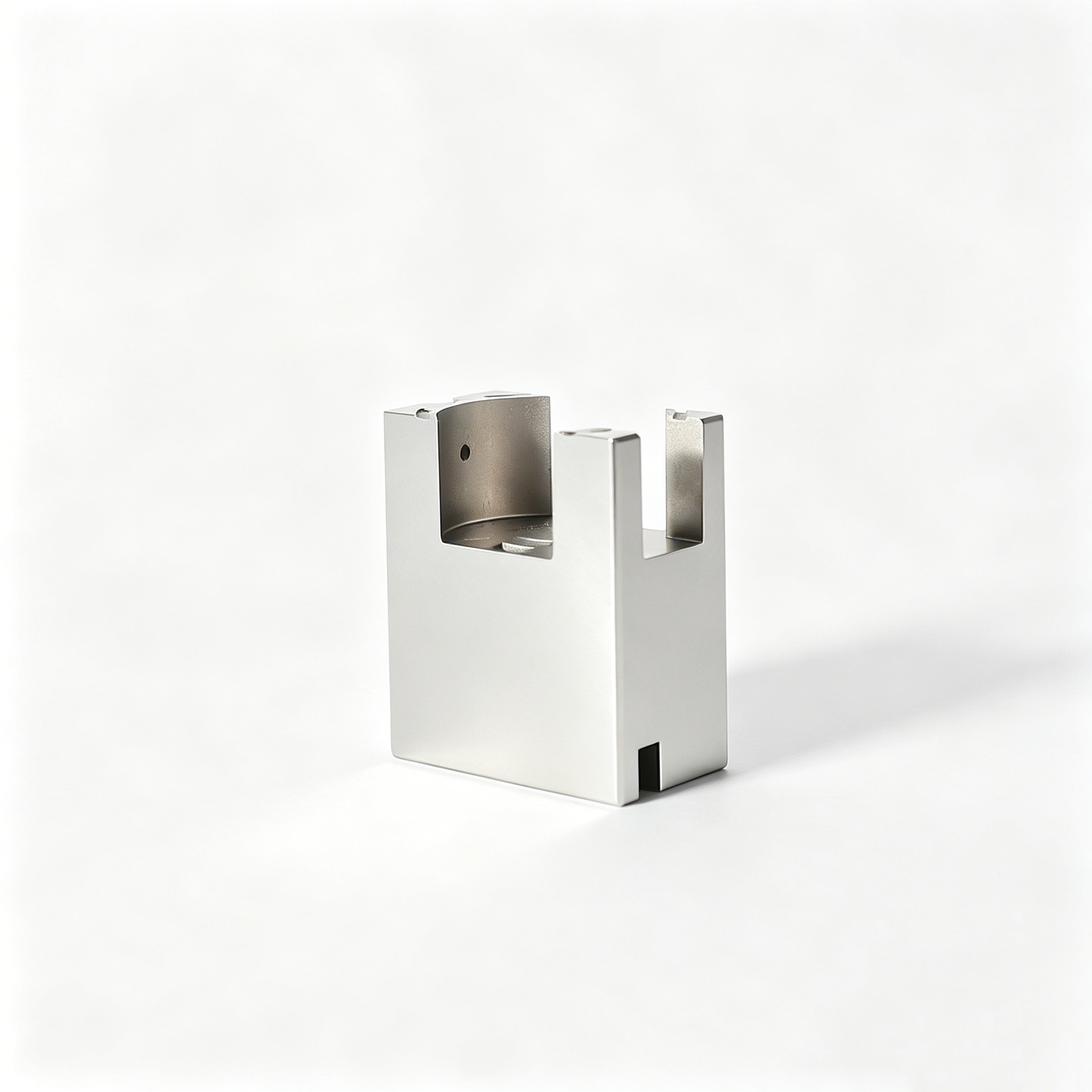
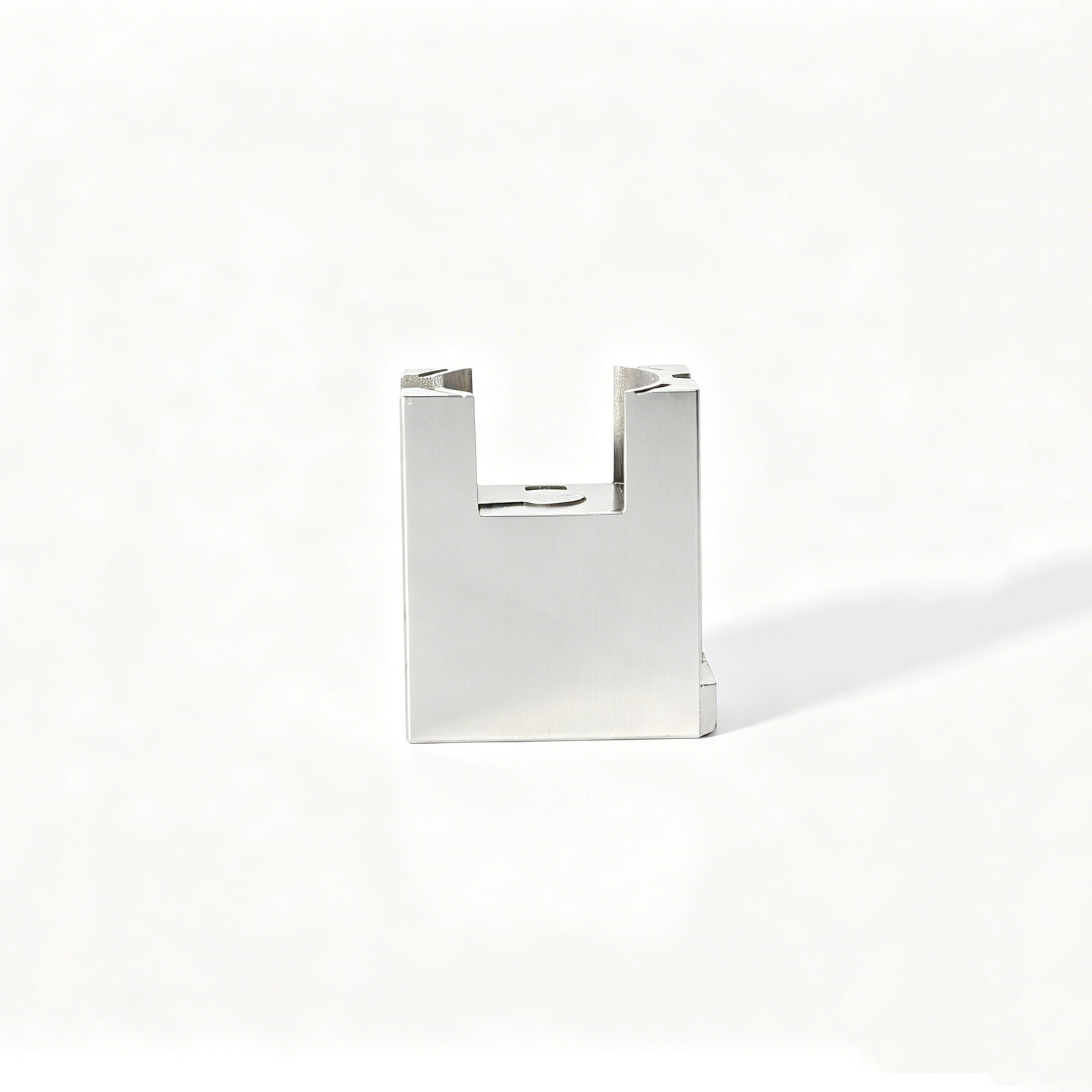
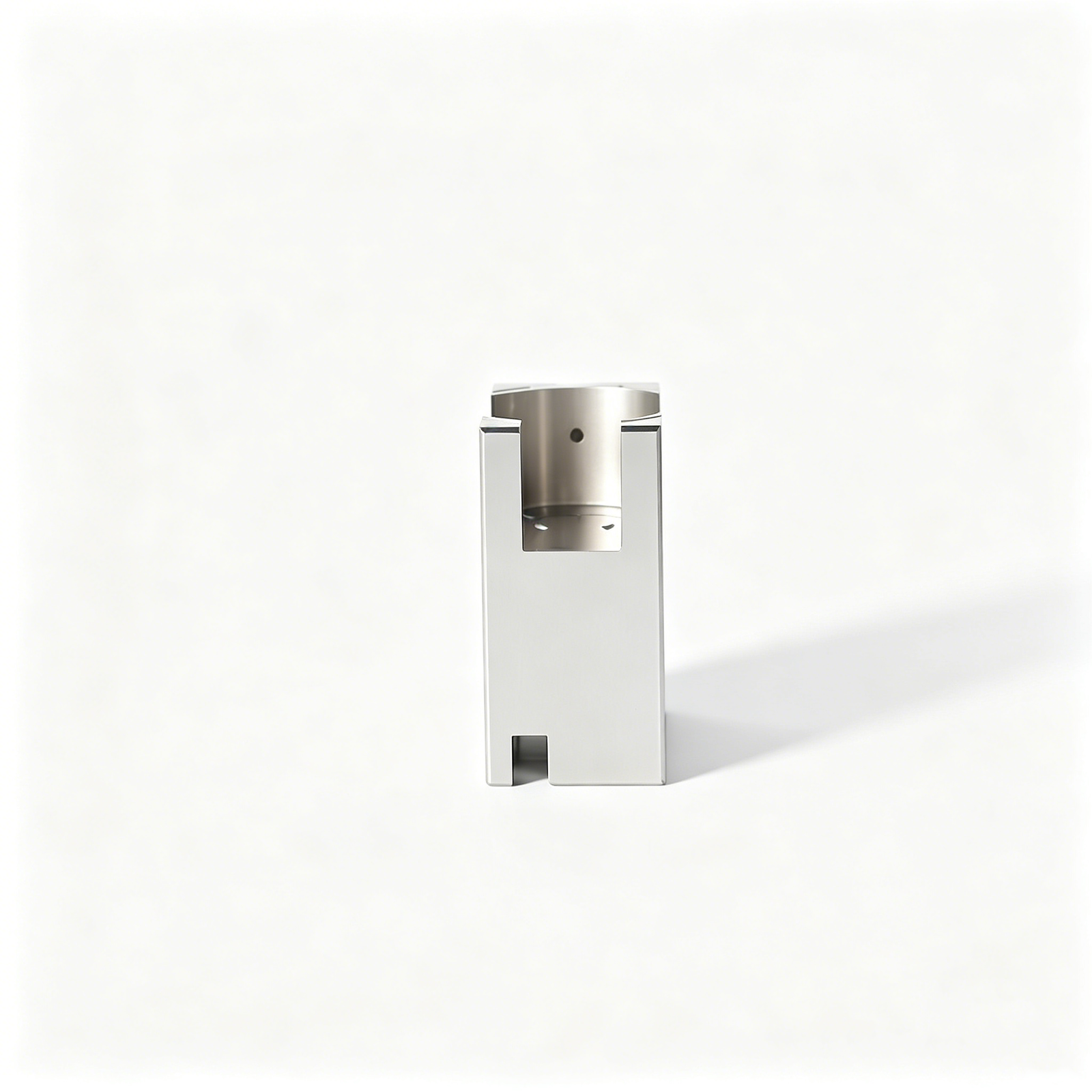
Precision Mold Components for Automotive Connectors – Fine-Pitch Terminal Cavities & Core Inserts
Brand Xuxiang Mold
Availability Made to drawing
RFQ pricing
Quote from STEP / PDF & quantity
Engineered for modern automotive electrical platforms, these precision mold components for automotive connectors help you achieve clean, flash-free terminal cavities and stable dimensions, even on ultra-fine pitches. High-quality tool steels and optimized heat treatment deliver excellent wear resistance in high-cavitation, high-cycle connector molds. Tight machining control supports reliable mating performance and consistent pull-out force. Use them to stabilize your connector projects, reduce tuning time, and keep mass production running at full speed.
- ISO 9001:2015–oriented process & documented inspection paths
- Zeiss / Nikon class metrology available for critical dimensions
- DFM feedback from 10+ senior tooling engineers
- Dongguan HQ + Quanzhou capacity for volume programs
Fine-Pitch Precision for Demanding Automotive Connector Molds
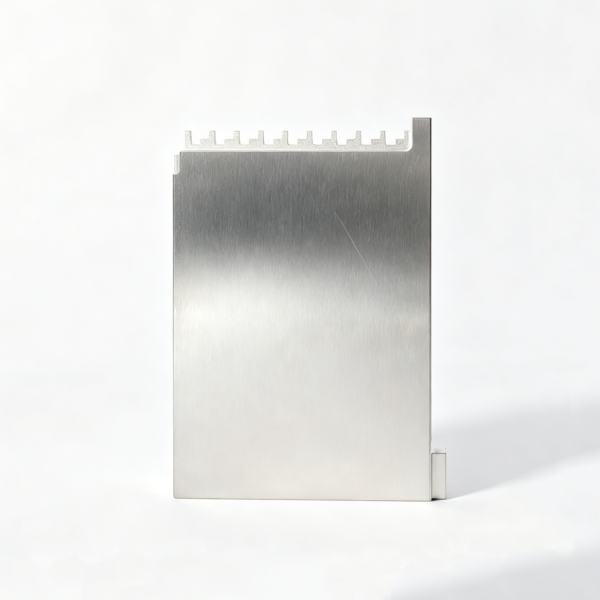
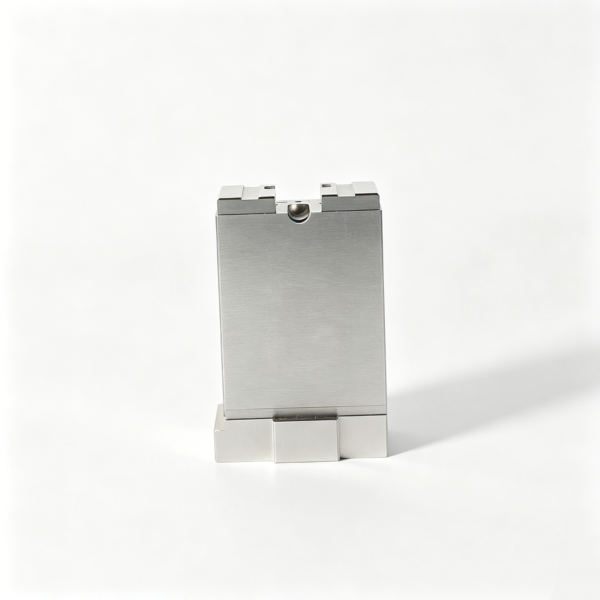
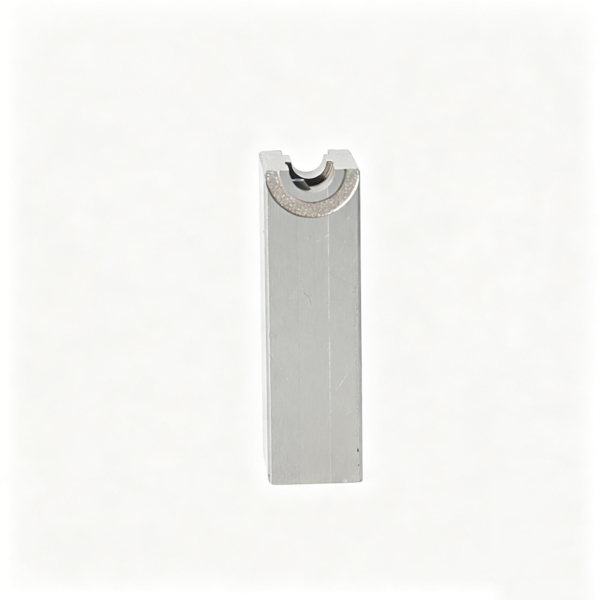
Automotive electrical connectors are getting smaller, denser and more complex, which puts extreme demands on the tooling that produces them. Precision mold components for automotive connectors are the core pins, cavities, sleeves, gate inserts and related elements that directly shape the plastic housings and terminal pockets inside those connectors. By using carefully machined and matched components, you can control critical dimensions, reduce scrap and keep long production runs stable, even under aggressive cycle times.
These mold components are designed specifically for automotive-grade connector tooling, where dimensional accuracy, repeatability and surface finish directly impact electrical performance and assembly quality. They integrate into new connector molds or can be used as replacement parts in existing tools to restore accuracy and extend mold life.
Key Features & Benefits
Every detail of these precision mold elements is optimized around the unique challenges of automotive connector molding, from wall-thickness control to demolding stability.
- Fine-pitch cavity and core geometry – Supports dense terminal layouts and miniaturized connector housings without compromising plastic flow or part strength.
- Material selection for longevity – Tool steels or equivalent mold alloys are chosen for hardness, toughness and resistance to wear and corrosion in glass-filled or high-temperature engineering resins.
- Dimensional consistency – Tight machining tolerances and stable heat treatment help maintain connector cavity depth, terminal slot width and locking feature geometry over long production runs.
- Smooth ejection and demolding – Mating surfaces and ejector-related features are designed to minimize drag marks, whitening and deformation of delicate connector walls.
- Modular design options – Many components can be configured as interchangeable inserts, allowing you to adapt pin counts, keying features or coding windows without rebuilding the entire mold.
- Optimized flow and cooling interfaces – Gate inserts and related elements support uniform filling of thin walls and help maintain dimensional stability during cooling, reducing warpage and short shots.
By upgrading or standardizing on high-quality connector mold components, mold makers and tier suppliers can shorten tool tryout, simplify maintenance and maintain consistent connector fit to mating terminals and harness systems.
Technical Attributes & Specification Overview
The exact configuration of mold components depends on your connector series, number of ways, locking design and resin choice. Instead of fixed, generic numbers, the table below summarizes typical attribute ranges and options to help guide selection and quoting.
| Attribute | Description |
|---|---|
| Component types | Core pins, cavity inserts, terminal slot cores, sleeves, gate inserts, lifter tips, ejector pins for connector housings |
| Typical applications | Automotive electrical connectors, sensor plugs, ECU housings, harness connectors, fuse-box interfaces |
| Material options | High-grade tool steels and equivalent mold alloys selected for wear resistance and dimensional stability under thermal cycling |
| Surface treatment | Polishing, nitriding, coating or similar treatments available to enhance wear resistance and demolding performance |
| Geometry focus | Fine-pitch terminal pockets, thin-wall connector housings, latch details, keying and coding features, sealing grooves |
| Compatibility | Designed for integration into custom connector molds; dimensions and interfaces tailored to your mold base and layout |
| Production environment | Suited for high-cavitation, high-speed injection molding of automotive-grade engineering plastics |
| Quality focus | Supports strict dimensional control, flash reduction, stable mating force and low defect rates in mass production |
| Customization level | Fully custom geometries, step features, venting and radii tailored to specific connector designs and gate locations |
Use Cases & Ideal Customers
These precision mold components are built for professionals who need reliable, repeatable performance in demanding automotive programs.
- Mold makers and tool shops – Integrate fine-pitch connector cores and cavities into new tools, or retrofit aging molds to restore accuracy and reduce maintenance downtime.
- Tier 1 and Tier 2 automotive suppliers – Standardize on proven component designs to stabilize long-running connector platforms across multiple molding locations.
- Engineering and R&D teams – Use precise, modular inserts to prototype new connector housings, evaluate different keying configurations, or adjust locking features without re-cutting the entire mold.
- Connector OEMs – Support your branded connector families with tooling components that maintain consistent dimensions and aesthetics across global production partners.
Typical end-use areas include under-hood connectors, in-cabin infotainment connectors, lighting harness interfaces, safety-related connectors for airbags and sensors, and powertrain control connectors where long-term reliability is crucial.
Selection, Care & Buying Guidance
Choosing the right precision mold components for automotive connectors starts with understanding your connector design targets and production environment. Review critical features such as terminal count, pitch, required creepage and clearance distances, sealing requirements and locking mechanisms. Share these details along with your preferred mold base, tonnage and resin information so that the component geometry and materials can be matched to your conditions.
For purchasing, consider the balance between up-front component cost and life-cycle performance. Higher-spec materials and surface treatments may cost more initially but can significantly reduce downtime from wear, polishing or dimensional drift when running filled or high-temperature resins. Interchangeable insert designs can also reduce the cost of design changes or platform extensions later in the product life cycle.
Proper care and maintenance are essential. Clean cores and cavities regularly to remove resin deposits and vent blockages, and inspect fine features around terminal slots, latches and sealing areas for wear or micro-chipping. Lubricate moving elements following your plant’s standards and schedule planned inspections based on shot counts rather than waiting for visible quality issues. When components do reach their wear limits, replacing individual inserts or core pins is typically faster and more economical than reworking the entire mold.
FAQ
Are these mold components compatible with my existing automotive connector molds?
Yes. Components are produced to your drawings or agreed 3D models so they can drop into existing mold bases. During the RFQ or design stage, you can share your current mold layout so interfaces, fits and overall stack-up are matched to your tool.
What information do I need to provide when ordering precision mold components for automotive connectors?
Provide connector drawings or models, preferred steel grade if any, resin details, expected annual volume, number of cavities and any specific requirements for venting, gate style or surface finish. This allows the components to be engineered for both performance and service life.
How do I know if the components will hold the tolerances needed for my connector program?
Tolerances are confirmed during the quotation and design review. You can specify critical-to-function dimensions such as terminal slot width or latch height, and measurement reports can be supplied for key features to verify that the parts meet your requirements.
What is the typical lead time for custom connector mold inserts and cores?
Lead time depends on complexity, quantity and current workload. Simple replacement pins and inserts are usually faster, while highly complex multi-step cavity blocks take longer. Planning ahead and sharing your project schedule helps align delivery with mold build or maintenance windows.
Can these components be used with glass-filled or high-temperature engineering plastics?
Yes, provided the correct material and surface treatment options are selected. When specifying, indicate that you are using glass-filled, flame-retardant or high-temperature grades so wear resistance, polishing and cooling considerations can be built into the design.
How should I maintain the connector cores and cavities to extend tool life?
Follow a regular cleaning schedule to remove resin deposits, check venting slots, and inspect critical edges. Avoid aggressive manual polishing that can round sharp details; instead, use appropriate stones, brushes or professional refurbishment services to keep geometry intact.
What happens if a core pin or insert is damaged during production?
Most connector mold components are designed to be replaceable. Keep a small inventory of spare pins and inserts for high-risk or high-wear features so you can swap damaged parts quickly and return the mold to production with minimal downtime.
Do these products come with any warranty or quality assurance?
Quality assurance usually includes inspection against approved drawings or 3D data, and many suppliers offer a limited warranty covering defects in materials or workmanship. Details vary by supplier, so review terms with your sales contact when placing an order.
Can I order small quantities for development projects or prototype tools?
Yes. Low-volume orders for prototype connectors or pilot molds are typically accepted. Early engagement during the design phase can also make it easier to transition from prototype tooling to full-production molds using compatible component designs.
Is international shipping available for these precision mold components?
Most suppliers can ship globally using standard carriers. Packing and protection methods are selected to prevent damage to fine features during transit, and export documentation can be prepared according to your region’s requirements.
Related products
Same drawing, predictable results—next batch
Share revision, quantity ramp, and inspection level. We quote process route, ship date, and documentation in one structured response.