
Services · Automotive-oriented plastic molding & tooling coordination
Automotive Plastic Molded Parts & Tooling Coordination Built on Environmental and Load Context—Not Slogans
Automotive programs punish vague assumptions: under-hood temperatures, long-term creep, and vibration fatigue interact with gate location, rib strategy, and material grade. Xuxiang coordinates injection mold tooling and molded parts with explicit DFM notes, process window language, and revision-controlled documentation matched to your PO.
We do not claim specific regulatory approvals, OEM homologations, or unverifiable certifications—your specifications and customer gates remain the authority. General production context: injection molded plastic components. Quotes: Contact.
What we lock before steel and cavitation harden
- Environmental band you need modeled (cabin vs. under-hood language, fluid exposure notes)
- Critical dimensions tied to assembly function—not only print boundaries
- Engineering change rules that keep mold BOM and part acceptance parallel

Temperature, Creep, and Chemical Exposure Discipline
Context in the RFQ · not implied “automotive grade”
Automotive-sounding resin callouts are not interchangeable when continuous use temperature, oil splash, or humidity cycling matter. We ask for exposure notes and approved material lists so shrink, modulus retention, and chemical compatibility are discussed against your band—not a generic datasheet highlight.
- Target temperature range and dwell time class (steady vs. peak)
- Creep-sensitive features: snap retention, bolt bosses, long spans
- Fluid or vapor exposure lists your quality team already treats as gated
Scope honesty
We align manufacturing and documentation to your PO. We do not assert outcomes that belong to your customer’s validation program or to regulators we cannot name on your behalf.
Kickoff checklist
- 3D + 2D with revision, units, and material callouts or approved lists
- Assembly stack-ups that define true critical characteristics
- Pilot vs. production sampling intent and cosmetic class
Vibration, Rattle, and Stiffness: Design Language We Prefer Up Front
Ribs · bosses · interfaces
Bracketry and clips fail in vehicles when stiffness assumptions were never written down. When your RFQ names interface loads, grommet strategy, and acceptable deflection, DFM can protect ribs, weld-line placement, and gate families without late surprises.
Documentation we can mirror
Balloon maps, customer layout templates, and engineering change tables—released with the same revision as manufacturing—so evidence and steel stay parallel.
Tooling Coordination: One Thread for Steel and Sample Acceptance
EC control · sampling · rework boundaries
Automotive timelines compress when mold rework and part acceptance drift apart. We keep tooling scope, pilot criteria, and production hardening in one coordinated narrative—especially when texture, heat treat, or cavitation decisions move dates.
Gallery
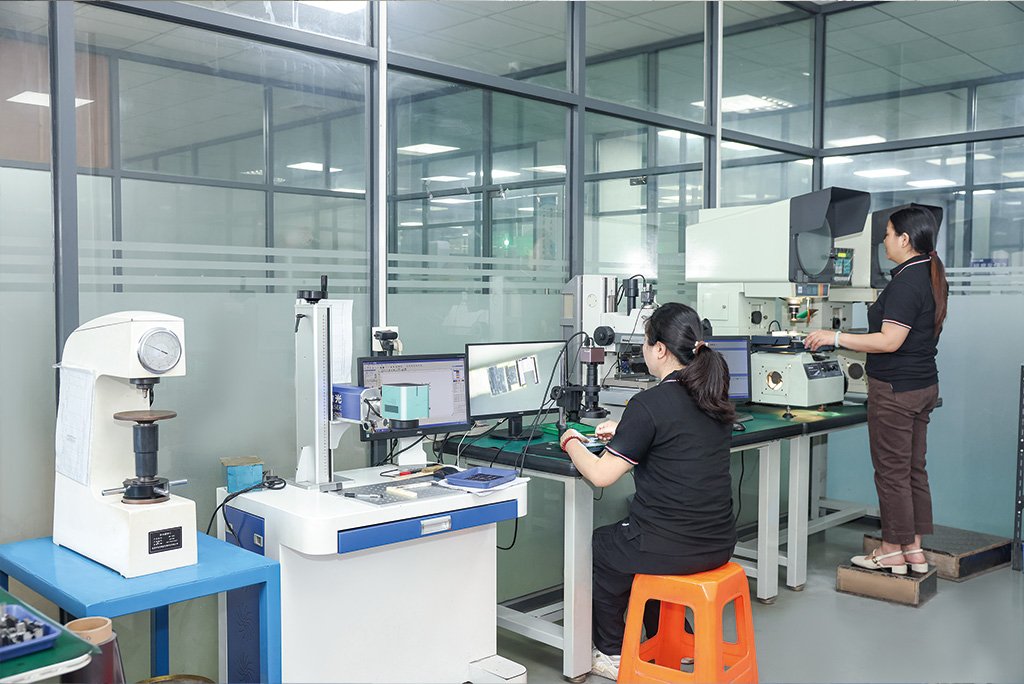
Molding context references


Certifications & quality systems
Documentation for OEM vendor files
We operate under recognized management system frameworks and can bundle material traceability and dimensional reporting when your PO requires it. We do not claim FDA clearance, specific OEM PPAP sign-off outcomes, or homologation results—those remain your program’s evidence chain.
ISO 9001:2015
Documented control of processes, changes, and corrective actions.
ISO 14001:2015
Environmental management aligned to manufacturing realities.
ISO 45001:2018
Occupational health and safety supporting disciplined production.
Material records
Certificates released against revision-controlled data when required.
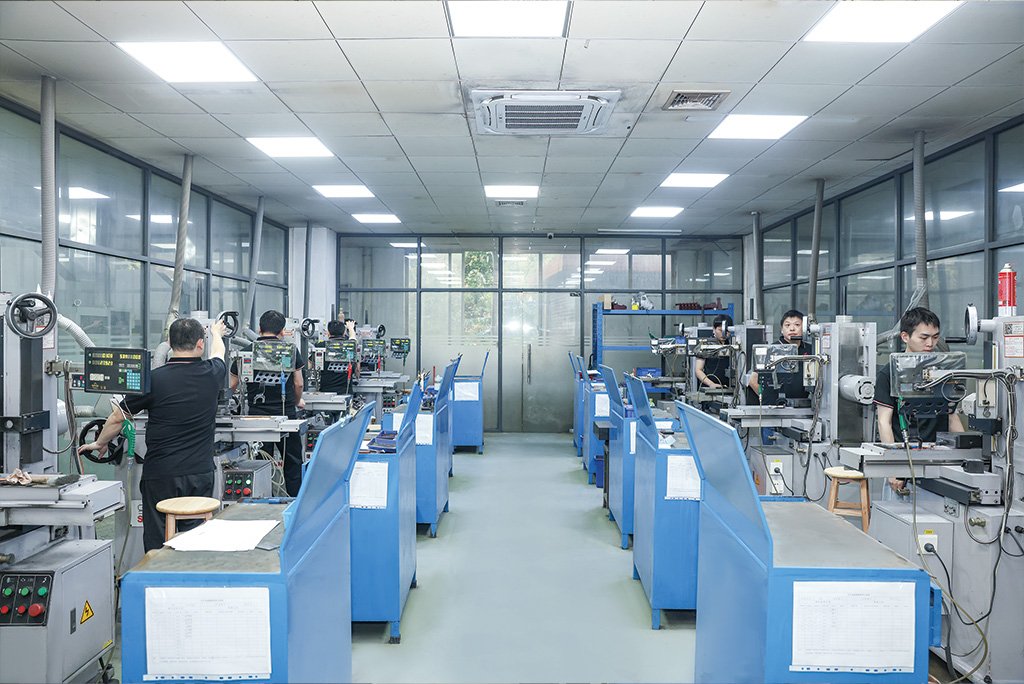
Inspection discipline
Layouts tied to named critical characteristics agreed in quote.
What customers say
Automotive-oriented molding and tooling programs
How to RFQ automotive plastic molds & parts
Context · materials · acceptance
- 3D + 2D with revision, units, and critical dimensions tied to assembly function
- Environmental band, fluid exposure notes, and vibration or rattle context when applicable
- Resin targets, approved lists, and equivalent rules
- Cosmetic class, texture notes, and pilot vs. production sampling intent
- Inspection template or balloon map when you already know your gate
Regulatory and OEM claims
- State validation or homologation expectations explicitly in your RFQ when they drive evidence
- We document to agreed PO language—we do not invent third-party approvals
Xuxiang Manufacturing Services
Internal links · same structure as the site menu
This page focuses on automotive-oriented plastic injection molds and parts. Use the manufacturing services hub or jump to a landing page below.
Mold tooling & components
Cavity steel, plates, and standards—see dedicated mold landing pages.
Machining
CNC, Swiss, and general precision metal removal.
Injection molding & parts
Molded plastics—not cavity steel—for part & program RFQs.
- Injection molded plastic components
- Multi-shot & 2K molding
- Automotive plasticsYou are here
- Medical molding & tooling
Industries
Application-led molding discovery.
OEM metal parts
BOM-level machined metal for industrial equipment.
Quality & export
Documentation, ISO language, and overseas buyer support.
Why teams choose Xuxiang for automotive plastics
We combine molding engineering with honest documentation language: environmental and load context in the RFQ, tooling and part threads kept aligned, and no unverifiable regulatory storytelling.
xuxiangmold.com · Dongguan Xu Xiang Precision Mold Co., Ltd.
Frequently Asked Questions (FAQ)
Automotive-oriented plastic injection molding and tooling coordination.
Q:Do you support automotive plastic parts without claiming specific homologation outcomes?
A: Yes—RFQs should state environmental and mechanical context you need modeled (temperature bands, vibration class, chemical exposure notes). We align process and documentation to your PO; we do not assert unverifiable regulatory or OEM approval outcomes.
Q:What should an automotive-oriented molding RFQ include?
A: 3D plus 2D with revision, material callouts or approved lists, critical dimensions tied to assembly function, under-hood or cabin context notes, cosmetic class, and any customer inspection template or balloon map.
Q:Can tooling and molded parts stay in one coordinated thread?
A: Yes when scope boundaries are explicit—steel ownership, engineering change rules, and sampling criteria should travel together so mold rework assumptions do not fork from production part acceptance.