
Services · Precision metal removal & dimensional discipline
Precision Machining Services Built Around Measurable Criticals
Buyers use precision machining services when “close enough” creates assembly risk, warranty exposure, or noisy receiving inspection. Xuxiang machines prismatic and rotational metal components with revision-controlled processing assumptions—datums, material and heat-treat context, and inspection evidence agreed before chips fly.
Pair this lane with our dedicated CNC precision machining and Swiss CNC pages when your RFQ is process-specific. Use Contact for a formal quote.
What separates a quote you can trust
- Named critical characteristics—not a vague “high precision” label
- Material, hardness, and finishing assumptions tied to function
- Documentation scope matched to your gate (FAIR-style, focused, or broader)
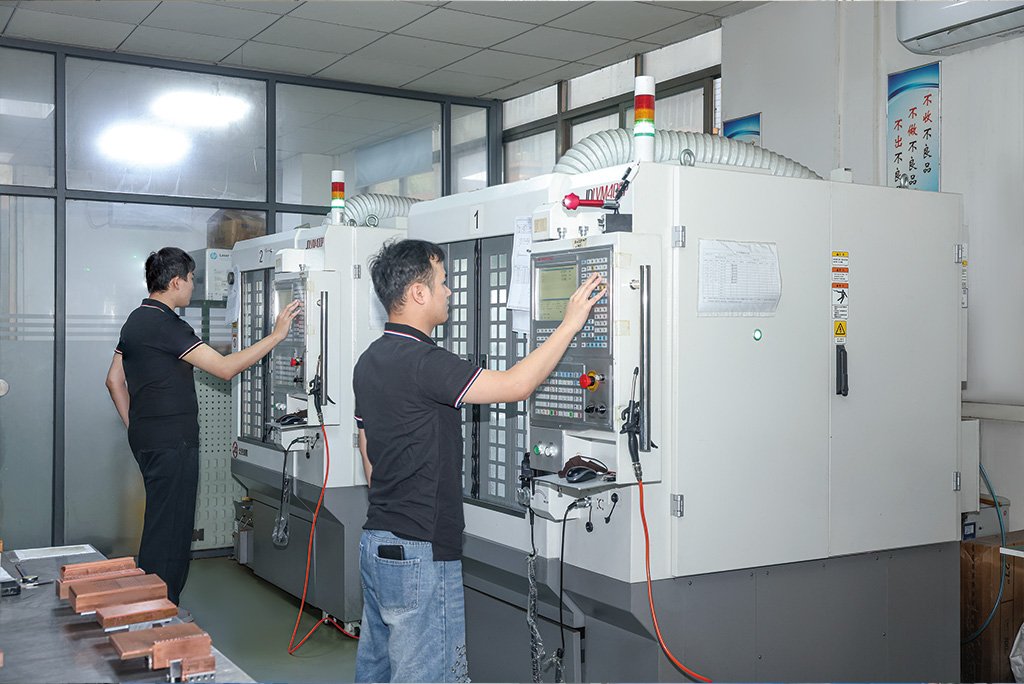
Precision Is a Receipt Story—Not a Marketing Adjective
Repeatability · risk ownership · evidence
Useful precision machining programs answer what your team will actually measure at incoming inspection: which surfaces establish datums, which dimensions protect function, and what happens when material or heat treat interacts with size.
- Which characteristics are non-negotiable? (name them against function)
- Which assumptions are shared? (stock allowance, deburr class, cosmetic band)
- What does “pass” look like on paper? (balloon map, sampling, template)
Procurement note
If two quotes differ sharply, compare operations and evidence—not only cycle-time brags. Missing heat-treat context is a classic reason “equal prints” diverge in the field.
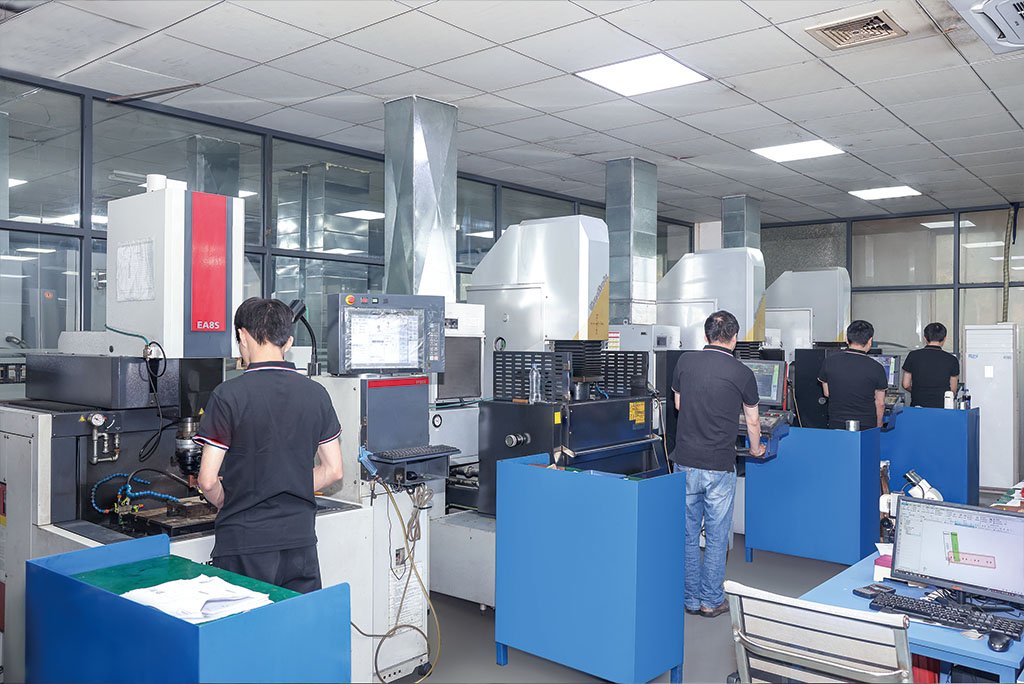
Kickoff checklist
- Revision-controlled 3D + 2D, units, and material callouts
- Critical dimensions tied to assembly or performance
- Surface finish and deburr expectations stated plainly
Typical Scope for Precision Machining Programs
Prismatic · shafts · brackets · tooling blanks (as released)
Exact envelope is confirmed in quote, but teams often start here for precision machined production and pilot builds:
Prismatic and plate work
Bracketry, frames, manifolds, and plate-level features where perpendicularity, parallelism, and hole patterns drive assembly—produced with stable workholding assumptions.
Shafts and rotational features
Turned diameters, shoulders, and length stacks coordinated to bearing fits, retention features, and secondary milling when in scope.
Tooling and industrial blanks
Pre-machined blanks, fixture details, and machine-build hardware when drawings and risk are explicit.
Coordination with finishing
Anodize, plate, passivate, and grind interactions called out early so final sizes remain defensible.
Not sure which process lane fits?
Send STEP/IGES plus PDF and mark the top five risks (datum, tolerance stack, heat treat, surface, inspection). We will recommend precision milling/turning paths—or point you to Swiss when the geometry demands it.
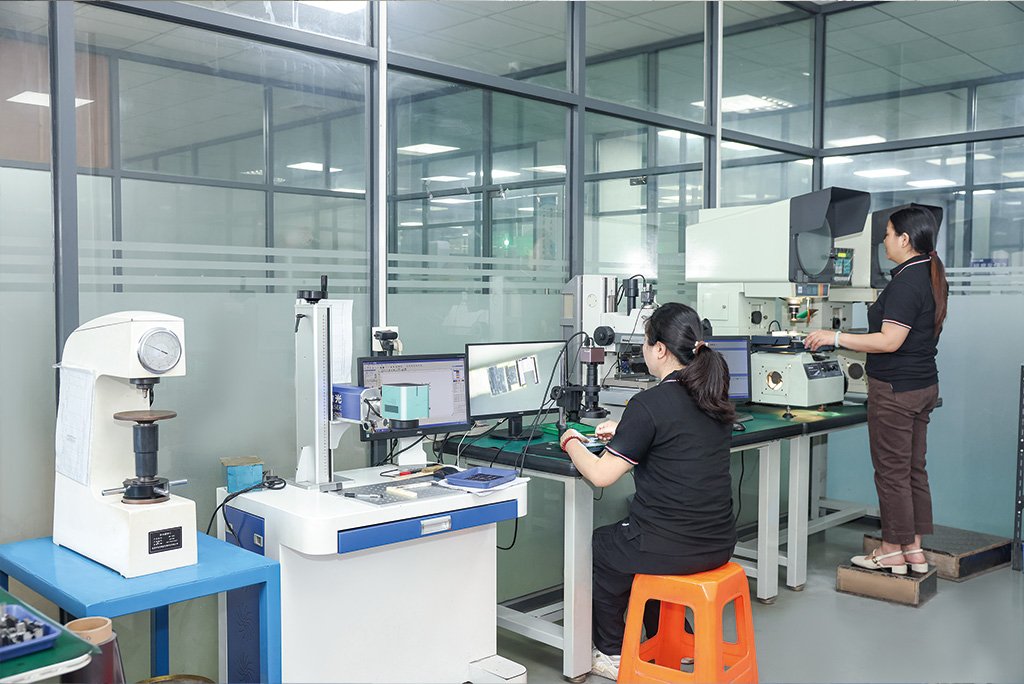
Metrology Aligned to Your Receiving Template
Layouts · sampling · revision linkage
Strong precision machining services ship with evidence your team can sign—not a random spreadsheet. We align measurement emphasis to agreed characteristics and keep revision indices traceable from report to drawing.
- Focused layouts for pilot builds; expanded sampling when your gate demands it
- Optical and tactile methods suited to access and feature size
- Clear notes when a characteristic is tooling-limited or process-dependent
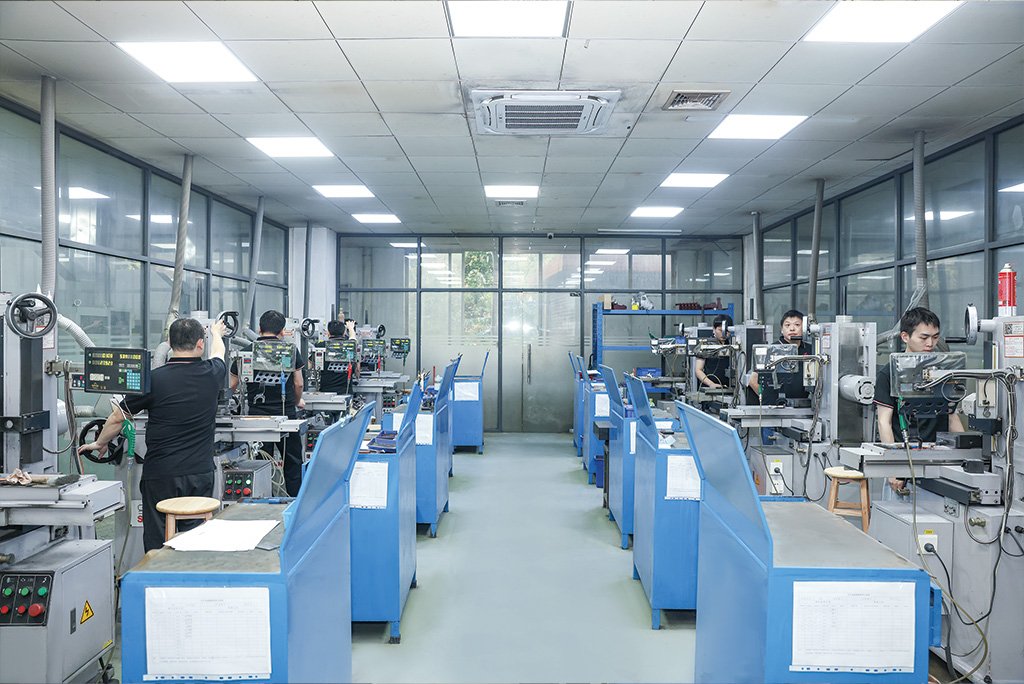
Routing: Milling, Turning, Grinding, EDM—Chosen for the Feature
Stock strategy · access · schedule
Precision machining is rarely one operation. We sequence roughing, semi-finish, and finishing to protect critical surfaces, manage stress relief behavior, and avoid last-minute “save it in deburr” decisions.
- Multi-axis milling for prismatic complexity and tight access
- Turning for rotational stacks and concentricity-sensitive fits
- Grinding and EDM when tolerances or hardened detail demand it
Schedule realism
- Heat-treat and grind cycles can reorder critical path—surface early
- Long-lead fixtures may justify staged releases when agreed
- Engineering changes after semi-finish carry different risk—call them out
Materials We Commonly Run (Aligned to Application Risk)
Aluminum · steels · stainless · specialty (as approved)
What we commonly support
Structural aluminums, alloy steels, stainless grades, and copper-family alloys when approved—always tied to strength, wear, corrosion, and conductivity assumptions in your drawing notes.
What to include in the RFQ
Approved material lists, equivalent rules, heat-treat targets, and any export or RoHS-adjacent constraints. Ambiguous “or equivalent” without rules is a common quote stall.



Certifications & quality systems
Documentation that supports OEM vendor files
Precision parts still pass a quality gate. We operate under recognized management system frameworks and can bundle material traceability and dimensional reporting when your PO requires it. Certificate scope and registration particulars are supplied for vendor files on request.
ISO 9001:2015
Documented control of processes, changes, and corrective actions—so machining programs don’t drift between lots.
ISO 14001:2015
Environmental management practices aligned to manufacturing realities, waste handling, and continuous improvement.
ISO 45001:2018
Occupational health and safety management supporting disciplined shop-floor routines alongside precision machining.
Material records
Certificates and traceability released against revision-controlled drawings when your program demands it.
Inspection discipline
Layout plans tied to named critical characteristics—agreed in quote so reports match your FAIR or internal template.
Ask for the certificate package or customer-specific quality addendum in your RFQ—we route it with the same technical owner.
What customers say
Field notes from OEM and industrial machining programs
Representative feedback from buyers who care about evidence and repeatability—not only piece price. Swipe on mobile or use the arrows.
How to RFQ Precision Machining (What to Include)
Faster quotes · fewer hidden assumptions
- 3D + 2D with revision, units, and measurable tolerances on critical interfaces
- Material callouts, hardness targets, and approved equivalent rules when applicable
- Surface finish, deburr class, and cosmetic band expectations
- Annual volume outlook and prototype vs. production intent
- Inspection template, balloon map, or sampling notes when you have them
Photos of mating parts or prior failure modes help us choose routing before first article.
What speeds a grounded response
- Datum scheme that matches how you measure at receiving
- Assembly-critical features called out beyond default drawing views
- Finishing interactions (plate, anodize, grind) with size impact
Customer templates: share early so reporting scope matches your gate.
Xuxiang Manufacturing Services
Internal links · same structure as the site menu
Precision machining services anchor our broader metal-removal capabilities alongside mold tooling and molding programs. Use the manufacturing services hub or jump to a landing page below.
Mold tooling & components
Cavity steel, plates, and standards—see dedicated mold landing pages.
Machining
CNC, Swiss, and general precision metal removal.
- Precision machining services You are here
- CNC precision machining
- Swiss CNC machining
Injection molding & parts
Molded plastics—not cavity steel—for part & program RFQs.
Industries
Application-led molding discovery.
OEM metal parts
BOM-level machined metal for industrial equipment.
Quality & export
Documentation, ISO language, and overseas buyer support.
Why Teams Choose Xuxiang for Precision Machining Services
We treat precision machining as an engineering program—not anonymous spindle hours. Datums, materials, and inspection scope are discussed with your real receiving risks and customer gates in mind.
Invitation
Send drawings with revisions and critical characteristics called out. We will return scope you can compare fairly: operations, risks, and evidence—not a blind line price.
- Engineering-first review: tolerance and process risks surfaced before cutting
- Metrology alignment: reporting matched to your template when requested
- Schedule language: staged options when fixtures or long-lead materials matter
xuxiangmold.com · Dongguan Xu Xiang Precision Mold Co., Ltd.
Frequently Asked Questions (FAQ)
Common questions about precision machining services, scope, and how we work with OEM and industrial buyers.
Q:What counts as a precision machining service at Xuxiang?
A: Programs where critical dimensions, datums, materials, and inspection evidence are agreed before metal moves—so results are comparable lot-to-lot and defensible at your receiving inspection.
Q:What drawings do you need for a quote?
A: 3D plus 2D with revision, units, material and hardness assumptions, critical dimensions tied to function, and surface or deburr notes when they affect acceptance.
Q:Do you support prototype through production volumes?
A: Yes—when process assumptions and revision control are explicit. We discuss fixture strategy, sampling, and whether first-article scope should differ from recurring production.
Q:Do you provide inspection reports?
A: Yes—layout scope is agreed in the quote (for example focused characteristics vs. broader layouts) so documentation matches your internal gate and customer expectations.
Q:How does this relate to CNC and Swiss machining pages?
A: This page describes the cross-cutting precision discipline. When your geometry or volumes clearly favor a specific equipment class, use the CNC or Swiss landing pages for process-led RFQs—or send one package and we will recommend the lane.