
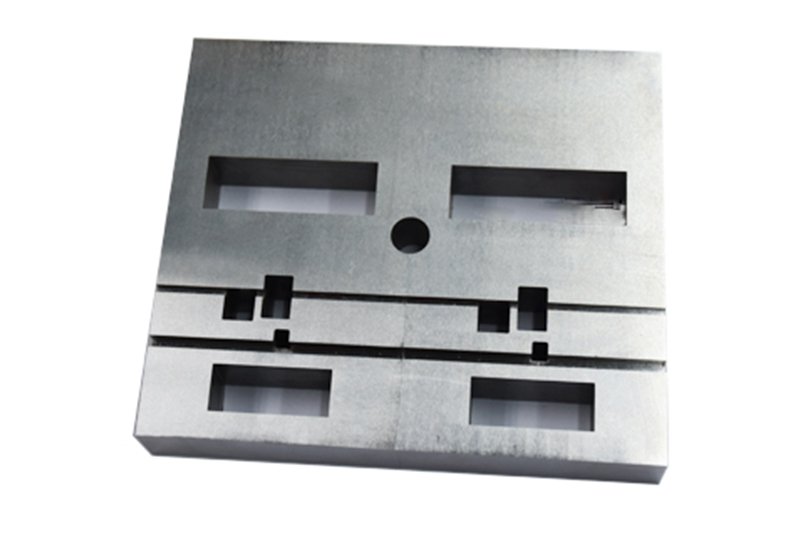
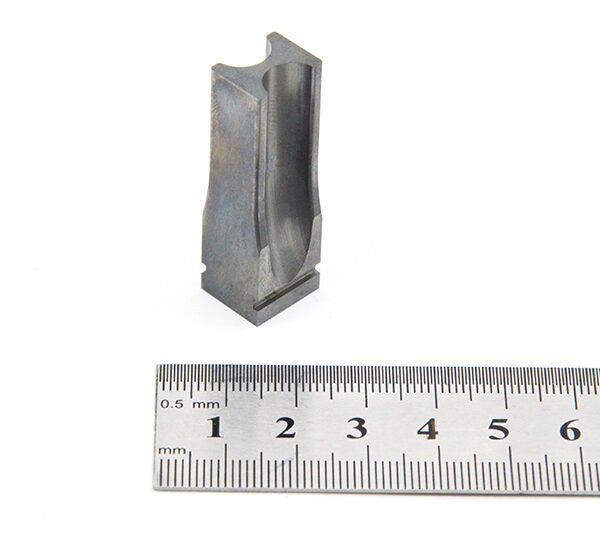
Plastic film parts · Precision mold insert
Precision Die Parts for Metal Stamping & Forming Dies
Brand Xuxiang Mold
Availability Made to drawing
RFQ pricing
Quote from STEP / PDF & quantity
Keep your production running smoothly with high-quality precision die parts designed for demanding metal stamping and forming applications. From guide pins and bushings to punches, die buttons and wear plates, each component is engineered for tight tolerances and repeatable accuracy. Durable tool steels and carefully finished surfaces help extend die life and reduce unplanned downtime. Whether you are maintaining an existing tool or building a new one, these die parts support consistent part quality and efficient changeovers. Build a more reliable press environment with components that are made for modern manufacturing.
- ISO 9001:2015–oriented process & documented inspection paths
- Zeiss / Nikon class metrology available for critical dimensions
- DFM feedback from 10+ senior tooling engineers
- Dongguan HQ + Quanzhou capacity for volume programs
Precision Die Parts for Reliable Metal Stamping Performance
These precision die parts are engineered for manufacturers, toolmakers and maintenance teams who rely on accurate, repeatable forming and cutting operations in sheet metal production. In a stamping die, every component — from the die plates and shoes to punches, buttons, guide elements and springs — must work together to cut and form material efficiently. High-quality parts reduce wear, maintain alignment and help you achieve stable production, even in high-volume press environments.
Whether you are designing a new die set, refurbishing a worn tool, or stocking critical spares to minimize downtime, choosing the right die parts directly impacts productivity, part quality and overall tooling costs. These components are suitable for a wide range of press tools used in automotive, appliance, electronics, general fabrication and many other metalworking industries.
Key Features & Benefits
Every die assembly includes a number of core elements that determine how well the tool performs over its service life. These precision die parts are selected and manufactured to support stable, long-term operation in real-world manufacturing conditions.
- Comprehensive component range – Support for common die elements such as punches, die buttons, stripper plates, guide pins, bushings, heel blocks, springs, retainers and fasteners, making it easier to maintain or build complete tools.
- Durable tool steel construction – Critical wear parts like punches and buttons are typically produced from high-performance tool steels and treated for hardness and wear resistance to handle high stroke counts and abrasive materials.
- Precision fit and alignment – Guide pins, bushings and die sets are manufactured to tight dimensional tolerances to maintain punch-to-die clearance, reduce galling and protect against edge chipping.
- Improved part quality – Consistent clearances and stable guiding help achieve clean sheared edges, accurate forms and reduced burrs, lowering the need for secondary finishing operations.
- Reduced downtime – Keeping standard die parts on hand allows faster changeover and repair, minimizing press stops when wear components reach the end of their life.
- Flexible for many applications – Suitable for use in blanking, piercing, bending, forming, coining and progressive dies used across many metalworking sectors.
Specifications & Component Overview
The table below summarizes typical attributes and options available for common die parts. Exact dimensions, materials and configurations vary by application and can be selected based on your tooling design and production requirements.
| Component Type | Typical Material / Finish | Primary Function | Selection Considerations |
|---|---|---|---|
| Punches | High-speed or tool steel with heat treatment | Piercing, blanking, forming or trimming sheet metal | Shape, shank style, coating, material hardness, expected stroke count |
| Die Buttons / Inserts | Wear-resistant tool steel or carbide insert | Provide cutting edge and clearance for punches | Clearance to material, mounting method, replaceable inserts vs. solid |
| Guide Pins & Bushings | Hardened steel with ground surfaces | Align upper and lower die assemblies during press stroke | Guiding accuracy, lubrication method, length relative to shut height |
| Die Plates & Shoes | Tool steel or cast die shoe materials | Support and locate all working die elements | Plate thickness, mounting hole patterns, compatibility with press bolster |
| Stripper & Pressure Plates | Tool steel plate with wear-resistant surface | Strip parts from punches and control material flow | Opening geometry, spring force, guided vs. unguided designs |
| Springs (Coil/Urethane/Gas) | High-strength spring steel or engineered elastomer | Provide controlled force for strippers, pads and lifters | Force rating, working height, operating environment, service life |
| Retainers & Fasteners | Hardened alloy steel | Secure punches, buttons and inserts in the die | Retention style (headed, ball-lock, shoulder), accessibility for replacement |
| Wear Plates & Gibs | Low-friction, wear-resistant materials | Control side thrust and protect major die surfaces | Lubrication grooves, replaceable inserts, thickness allowance |
| Specialty Components | Application-specific alloys and constructions | Cams, pilots, lifters and other functional elements | Motion requirements, timing within the press stroke, load capacity |
Common Use Cases & Ideal Users
These die parts are appropriate wherever sheet metal is cut or formed using a press tool. They support a variety of operations and industries:
- Tool & die shops building new single-hit, progressive or transfer dies and needing reliable standard components for efficient design and assembly.
- Production stamping plants looking to stock critical spares — such as punches, buttons, guide pins and springs — to minimize unplanned downtime.
- Maintenance & engineering departments working to extend die life through refurbishments, component upgrades and improved guiding systems.
- Prototype and low-volume manufacturers who still require accurate, stable tools even when producing shorter runs.
- Educational and training facilities teaching press tool design and maintenance, where robust standard parts support repeatable classroom setups.
Typical applications include blanking and piercing for brackets and structural parts, bending and forming for enclosures and covers, as well as more complex progressive tools used in automotive stampings, electrical connectors, appliance components and other high-volume products.
Selection, Care & Buying Guidance
When specifying or purchasing die parts, matching the component to your material, press capacity and production target is critical. Consider the type and thickness of the material you are stamping, the required edge quality, and the expected stroke rate. Harder, more abrasive materials and higher volumes usually benefit from upgraded tool steels, premium coatings or carbide inserts for extended service life.
Other important considerations include punch-to-die clearance, guiding accuracy and available space within the die design. Standardized sizes and mounting styles can simplify future replacements and reduce the number of unique spares you need to carry. When in doubt, working with a tooling engineer or experienced die designer can help you choose the best combination of parts for your application.
Proper care and maintenance greatly extend the life of die parts. Maintain adequate lubrication on guiding and sliding surfaces, inspect cutting edges for wear or chipping, and replace springs before they reach their fatigue limit. Cleaning the die thoroughly during scheduled maintenance and verifying fastener torque helps prevent gradual misalignment or component loosening over time.
By investing in quality die parts and maintaining them correctly, you can reduce scrap, avoid costly press damage, and keep your production lines running more consistently.
FAQ
Are these die parts compatible with my existing stamping die?
Most standard punches, buttons, guide pins, bushings and springs are available in common industry sizes and styles, making them compatible with many existing die designs. Before ordering, compare dimensions, mounting styles and tolerances against your current components or die drawings.
How do I choose the right punch and die button for my material?
Select punch and button materials and clearances based on the type and thickness of your sheet metal. Harder or higher-strength materials typically require tougher tool steels and may benefit from specialized coatings. A tooling engineer can help you determine appropriate clearances to balance edge quality and tool life.
What is the typical lead time and shipping method for die parts?
Standard die parts in common sizes are often available from stock and ship via standard parcel or freight services. Custom or non-standard components may require a longer lead time. Please review lead-time information at checkout or contact sales if you have a critical deadline.
How should I store spare die parts to prevent damage?
Store parts in a clean, dry environment, ideally in labeled compartments or bins. Keep cutting and guiding surfaces protected with light corrosion inhibitors and caps or sleeves where provided. Avoid stacking heavy components directly on delicate edges or ground surfaces.
Do these die parts require special lubrication?
Guide pins, bushings and wear plates require a suitable press lubricant or grease compatible with your stamping operation. Cutting surfaces may use the same stamping lubricant applied to the material. Follow your plant’s lubrication standards and reapply at regular maintenance intervals.
How often should I inspect or replace springs in my dies?
Inspection frequency depends on press speed and production volume, but many shops check springs during every scheduled tool maintenance. Replace springs that show signs of deformation, corrosion or reduced force, and consider proactive replacement after a defined stroke count for critical tools.
Can I upgrade to higher-performance materials without redesigning my die?
In many cases, you can switch to upgraded tool steels, coatings or carbide inserts while maintaining the same overall dimensions and mounting styles. This allows improved wear life with minimal changes. Verify that any new component matches critical fits and clearances before installation.
What is your policy on returns or warranty for die parts?
Standard unused die parts in resalable condition are generally eligible for return within a defined period, subject to inspection and any restocking terms. Custom or modified components are typically non-returnable. Warranty covers defects in material and workmanship under normal use; consult the specific sales terms for full details.
Do you offer technical support for selecting or troubleshooting die components?
Yes, technical support is typically available to help you choose appropriate die parts, review basic fit questions and discuss common wear or failure modes. For complex tooling challenges, you may be referred to a tooling engineer for more in-depth assistance.
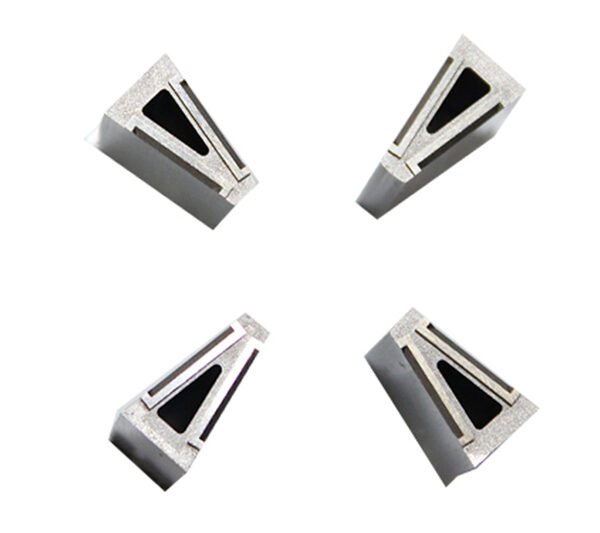
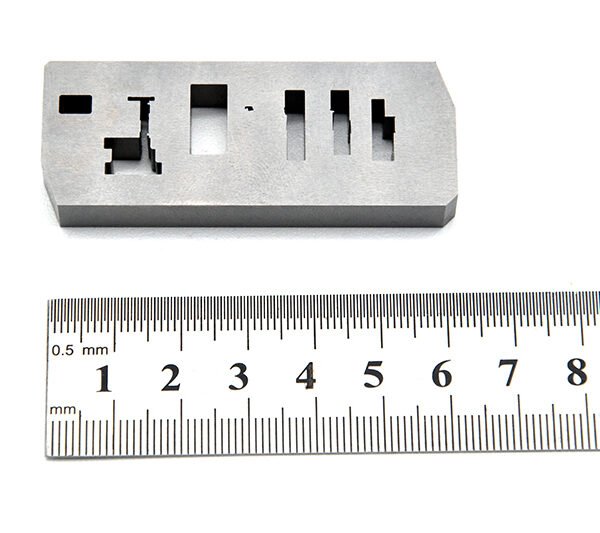
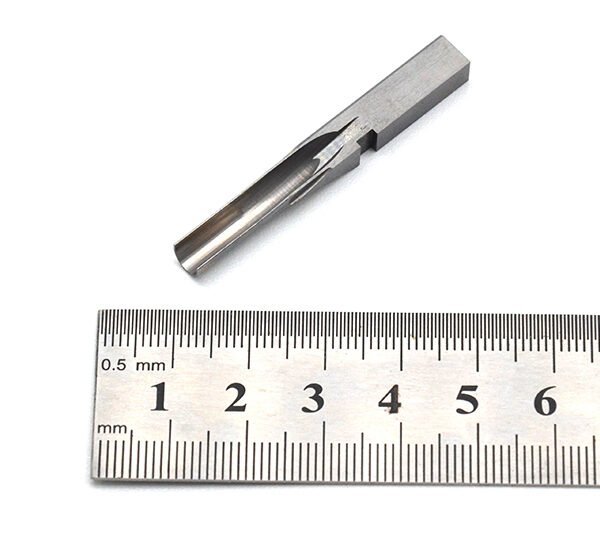
Same drawing, predictable results—next batch
Share revision, quantity ramp, and inspection level. We quote process route, ship date, and documentation in one structured response.