
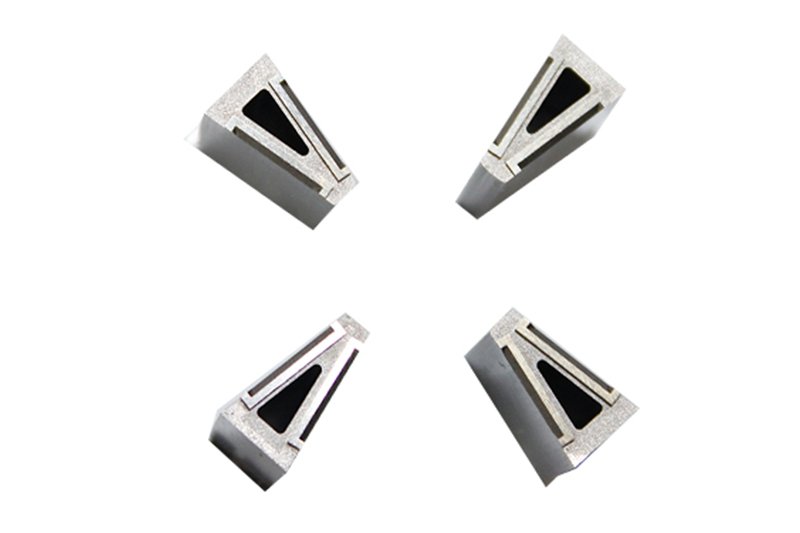
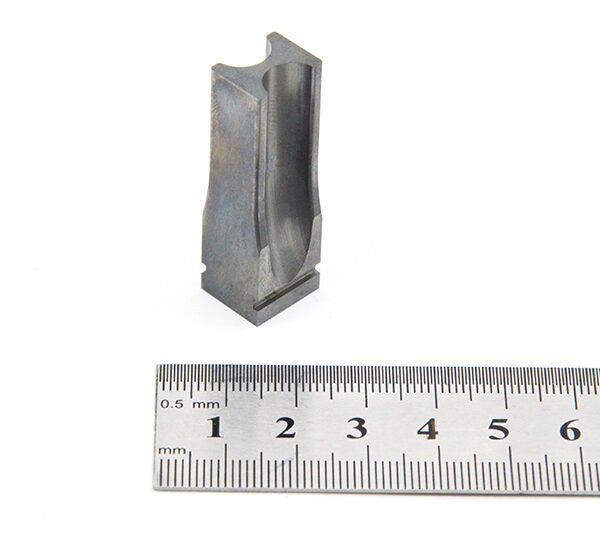
Plastic film parts · Precision mold insert
Precision Die Parts for Industrial Stamping & Metal Forming
Brand Xuxiang Mold
Availability Made to drawing
RFQ pricing
Quote from STEP / PDF & quantity
Keep your press tools running at peak performance with high-precision die parts engineered for demanding stamping and forming applications. Each component is manufactured from robust tool steels and heat-treated for durability, so you get consistent, repeatable results on every stroke. Designed for easy integration into existing die sets, they help reduce downtime, scrap rates, and costly rework. Whether you are building new tooling or refurbishing legacy dies, these parts support tighter tolerances and smoother production flow. Choose them to extend tool life, boost productivity, and maintain stable quality in high-volume operations.
- ISO 9001:2015–oriented process & documented inspection paths
- Zeiss / Nikon class metrology available for critical dimensions
- DFM feedback from 10+ senior tooling engineers
- Dongguan HQ + Quanzhou capacity for volume programs
Precision Die Parts for Modern Manufacturing
Die tooling is at the heart of every efficient stamping and forming operation. Precision die parts are the individual components that make up a complete die set, including plates, shoes, punches, buttons, guide elements, and supporting hardware. These components work together inside a press to cut, pierce, bend, draw, or form sheet metal and other materials into precise shapes.
Whether you are a tool and die shop, a high-volume stamper, or an in-house maintenance team, having reliable die components directly impacts productivity, part quality, and overall equipment effectiveness. Well-made die parts help keep press tools aligned, reduce wear, and ensure that every stroke delivers consistent, accurate parts.
Key Features & Benefits
Our precision die parts are designed around the real needs of stamping and forming environments, from automotive and appliance production to general metal fabrication.
- High-precision machining: Critical surfaces and features are ground or machined to tight tolerances to support accurate part geometry, clean cuts, and consistent clearances between punch and die.
- Durable tool steels: Components such as punches, inserts, and die buttons are produced from proven tool steels and treated for hardness and toughness to withstand repeated impact and abrasion.
- Complete die system compatibility: Common sizes and mounting patterns allow easy integration into existing die sets, reducing modification time during repairs or upgrades.
- Improved uptime: Reliable die parts reduce unplanned stoppages caused by chipping, galling, or misalignment, helping you maintain stable press schedules.
- Better part quality: Stable alignment and sharp cutting edges translate into less burr, more consistent bend angles, and decreased scrap and rework.
- Support for complex tools: Components are suitable for a wide range of press tools, including blanking dies, progressive dies, forming and drawing dies, and combination tools.
Typical Die Parts & Components
A complete stamping die is built from many individual elements that each perform a specific function. Common die parts include:
- Upper and lower die plates/shoes: Rigid plates that support the working elements and interface with the press ram and bolster.
- Punches and punch inserts: Cutting or forming elements that penetrate or shape the workpiece during each press stroke.
- Die buttons and cavities: Mating components that receive the punch, establishing clearance and defining the finished shape.
- Guide pillars and bushings: Alignment components that keep upper and lower die halves precisely guided together.
- Stripper plates and pads: Elements that strip the workpiece off the punch and control material flow during forming or drawing.
- Retainers, spools, and keepers: Hardware that secures inserts, pads, and other components in position.
- Springs and force elements: Gas, coil, or urethane springs and other devices that supply the required holding or return forces.
Choosing the right combination of die parts allows you to balance tool life, speed, and part quality for your particular process and material.
Specifications & Key Attributes
The table below summarizes key attributes typically considered when selecting or specifying die components for a press tool.
| Attribute | Description |
|---|---|
| Product type | Individual precision die parts for stamping and forming tools |
| Typical components | Punches, inserts, die buttons, plates, shoes, guide pillars, bushings, strippers, pads, retainers |
| Material | Industrial-grade tool steels and engineered materials chosen for wear resistance and toughness |
| Surface finish | Precision-ground or fine-machined functional surfaces for accurate alignment and smooth operation |
| Compatibility | Designed to integrate with standard die sets and press tools within specified size ranges |
| Applications | Blanking, piercing, forming, bending, and drawing of sheet metal and related materials |
| Industries | Automotive, appliance, electronics, general metal fabrication, and custom tooling shops |
| Maintenance approach | Components can be individually replaced, reground, or adjusted to extend tool life |
Use Cases & Who These Die Parts Are For
Precision die parts are essential wherever metal or similar materials are shaped in volume using a press. Typical use cases include:
- Tool and die manufacturers: Building new blanking, progressive, compound, and transfer dies from the ground up, requiring a full range of standard and special die components.
- Production stamping plants: Keeping high-volume tools running with replacement punches, buttons, and wear parts to minimize downtime and maintain part quality.
- Maintenance and repair teams: Refurbishing existing dies with new guide elements, strippers, and inserts to restore alignment and extend service life.
- Job shops and prototyping: Assembling flexible tooling with configurable die parts to support shorter runs and frequent design changes.
- Specialty forming applications: Adapting standard components into custom fixtures for bending, forming, or coining operations.
If you are responsible for press tooling in an industrial environment, investing in quality die parts helps you avoid unscheduled stops, reduce scrap, and deliver consistent parts to your downstream processes.
Care, Maintenance & Buying Guidance
To maximize the life and performance of your die parts, it is important to select them correctly and maintain them proactively.
- Match materials to the job: Consider your workpiece material, thickness, and production volume when selecting punch and die button materials to balance wear resistance and toughness.
- Respect recommended clearances: Work with your tooling engineer to maintain proper clearances between punches and die openings for clean cuts and minimized burr.
- Inspect wear surfaces regularly: Check cutting edges, guide elements, and strippers for signs of galling, chipping, or misalignment before they lead to tool failure.
- Use appropriate lubrication: Support smoother operation and reduced wear with suitable press and forming lubricants, especially in high-speed or high-tonnage applications.
- Plan for replaceable elements: Where possible, choose designs with inserts and standardized components so that worn elements can be swapped out without scrapping the whole tool.
When buying die parts, consider the level of dimensional control, documentation, and support you need. Reliable suppliers should provide clear specifications, consistent quality, and responsive assistance with compatibility and application questions.
FAQ
Are these die parts compatible with my existing press tools?
Most components are designed around common industry dimensions and mounting patterns so they can integrate with standard die sets. If you are working with custom tools, compare critical dimensions or consult your tooling drawings to confirm compatibility before ordering.
How do I choose the right die parts for my material and thickness?
Start by identifying the material type, thickness range, and process (blanking, piercing, forming, drawing). Use this information to select suitable punch and die materials and to define the required clearances and strength. When in doubt, share your process data with a tooling specialist for recommendations.
What maintenance do die parts require to stay in good condition?
Regularly clean and inspect components, remove built-up debris, and check for wear on cutting edges and guide surfaces. Regrind or replace worn elements before they cause misalignment, burrs, or cracked tooling.
Can I replace only worn punches or do I need a complete new die?
In most cases you can replace individual punches, buttons, or inserts without changing the entire die, as long as the die body and other components are in good condition. This approach keeps costs down and reduces downtime.
How are the die parts shipped and protected during transport?
Components are typically packaged in protective materials to prevent corrosion and damage, with vulnerable edges covered or capped. Orders are boxed securely so that surfaces and cutting edges arrive ready for installation.
Do I need special tools to install or adjust these components?
Most parts can be installed with standard workshop tools such as wrenches, torque tools, and alignment gauges. For critical components, follow your die design instructions to ensure correct seating, tightening, and alignment.
How should I store die parts when they are not in use?
Store components in a clean, dry environment, ideally in labeled compartments or racks. Apply a light protective oil to exposed steel surfaces to prevent rust, and keep sharp edges covered to avoid accidental damage.
What is the typical warranty or return policy for die components?
Warranty and returns usually cover manufacturing defects in materials or workmanship within a specified period. Wear from normal use is not typically covered. Review the supplier’s terms before purchasing so you understand coverage and claim procedures.
Can these die parts be customized for special applications?
Many suppliers offer customization options such as non-standard dimensions, special coatings, or unique geometries. Provide detailed drawings or specifications if you require a custom design tailored to your process.
How do I know when it is time to replace guide pillars and bushings?
Signs include excessive play between upper and lower die halves, uneven wear marks, or difficulty maintaining part tolerances. Measuring clearance against original specifications helps determine when alignment components need replacement.
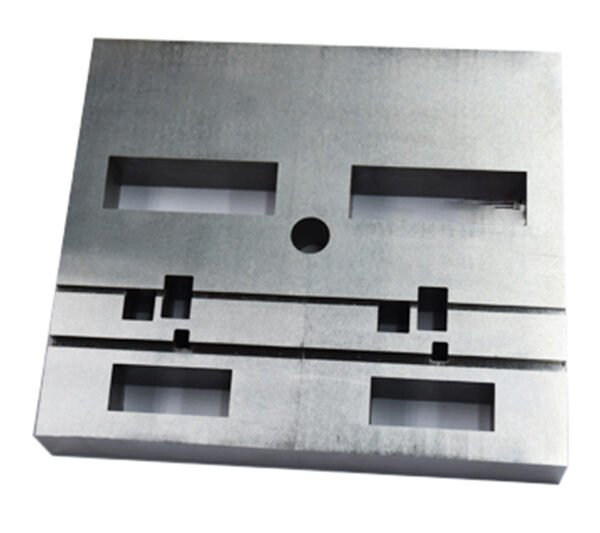
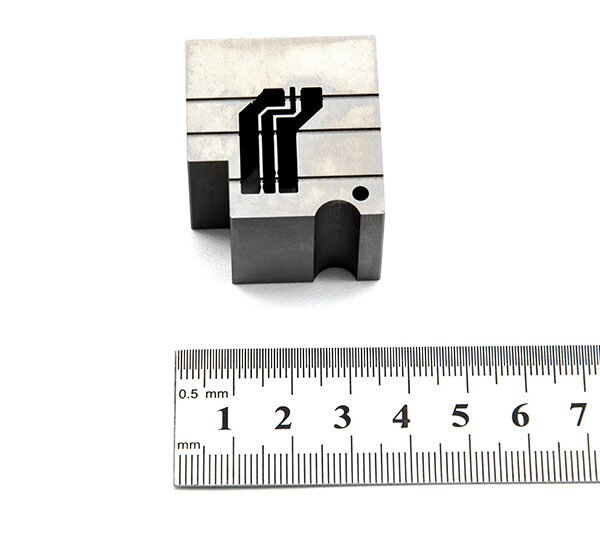
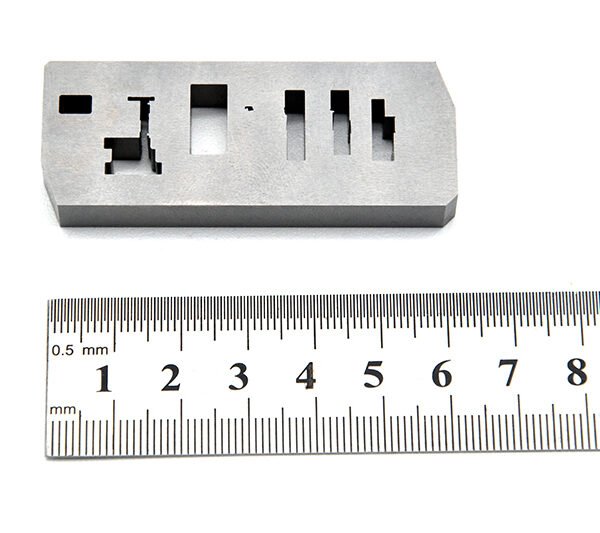
Same drawing, predictable results—next batch
Share revision, quantity ramp, and inspection level. We quote process route, ship date, and documentation in one structured response.