
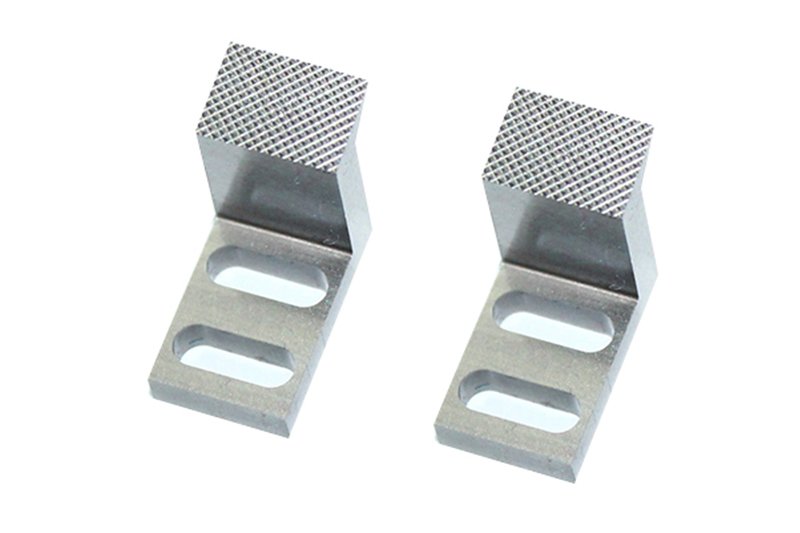
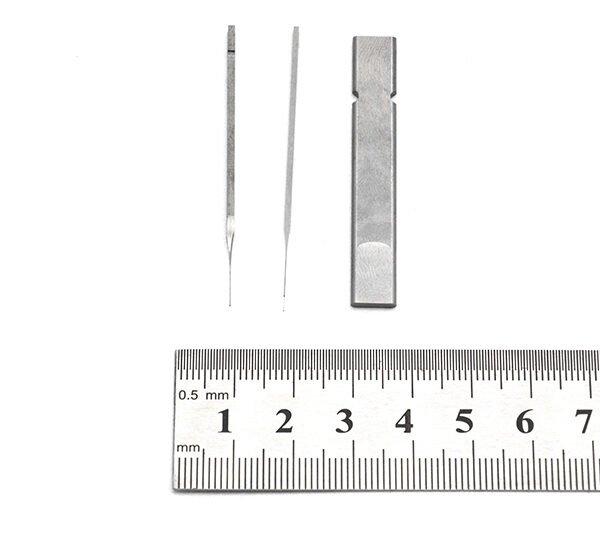
Plastic film parts · Precision mold insert
Precision Die Parts for Tool & Die, Stamping and Mould Applications
Brand Xuxiang Mold
Availability Made to drawing
RFQ pricing
Quote from STEP / PDF & quantity
Upgrade your tooling performance with precision die parts engineered for demanding stamping, forming and moulding environments. Each component is manufactured for tight tolerances, consistent alignment and long service life, helping you produce cleaner cuts and more accurate parts with less downtime. Designed to integrate smoothly into existing presses and die sets, they support high-volume production without sacrificing quality. Whether you are maintaining legacy tooling or building a new line, these components simplify setup, improve repeatability and reduce scrap. Choose these die parts to keep your production running smoothly shift after shift.
- ISO 9001:2015–oriented process & documented inspection paths
- Zeiss / Nikon class metrology available for critical dimensions
- DFM feedback from 10+ senior tooling engineers
- Dongguan HQ + Quanzhou capacity for volume programs
High-Performance Die Parts for Modern Manufacturing
Die-based manufacturing sits at the heart of high-volume production in industries such as automotive, appliance, electronics, aerospace and general metal fabrication. Dies are specialized tools used to cut, form or shape materials by applying compressive force, typically in a press or forming machine. Precision die parts are the individual components that make up these tools, from punches and bushings to guide posts and retainers.
When any of these critical elements wear or fail, product quality, dimensional accuracy and uptime suffer. Investing in well-designed, precisely manufactured die parts helps ensure consistent part quality, longer tool life and less unplanned downtime. These components are intended for toolrooms, stamping houses, job shops and OEMs that require dependable performance in demanding production environments.
Compatible with common mechanical and hydraulic presses as well as progressive, transfer and line dies, these parts support processes such as blanking, piercing, bending, deep drawing and coining. Because they are produced with tight dimensional control and appropriate material selection, they are suitable for both new die builds and maintenance of existing tooling.
Key Features & Benefits
These precision die parts are engineered to solve real problems on the shop floor, from alignment issues to premature wear. By upgrading critical components, you help stabilize your process and extend the time between rebuilds.
- Precision-ground critical surfaces for reliable punch-to-die clearance and repeatable part dimensions.
- Robust material choices (tool steels and wear-resistant alloys where applicable) to withstand high contact stresses, forming loads and cyclic impact.
- Optimized alignment components such as guide posts and bushings that help minimize angular misalignment, reducing edge burrs and uneven wear.
- Modular construction that makes it easy to replace individual wear items—punch tips, inserts, pins—without scrapping the entire die set.
- Surface treatments and coatings available on selected parts to help reduce galling, friction and heat build-up in demanding applications.
- Support for a range of operations including cutting, forming, drawing and coining, so a single component family can serve multiple die styles across your plant.
- Improved uptime and lower scrap rates by reducing unexpected failures and helping your dies run more consistently between services.
Because these components are produced with consistent geometry and finish, they are particularly useful when you need to standardize tooling across multiple presses or production cells. Standardization simplifies spare parts management and reduces the number of unique components kept in inventory.
Specifications & Typical Attributes
The exact specification of each die component depends on its function, the base die design and the production environment. Instead of fixed numeric values, this table summarizes the types of attributes and options commonly available for these die parts.
| Attribute | Description |
|---|---|
| Component types | Typical parts include punches, dies, buttons, inserts, guide posts, bushings, retainers, stripper components, backing plates and fasteners. |
| Compatible processes | Designed for use in blanking, piercing, bending, forming, deep drawing, coining and progressive stamping operations. |
| Material options | Wear-resistant tool steels and other engineering materials selected according to load, impact, abrasion and toughness requirements. |
| Hardness range | Heat treated to application-appropriate hardness to balance edge retention with toughness (exact values depend on specific part type). |
| Surface finish | Precision-ground or honed functional surfaces to support accurate alignment, low friction and clean shearing edges. |
| Coating options | Optional wear and friction-reducing coatings where suitable, chosen to match material type and forming or cutting conditions. |
| Tolerance capability | Manufactured to tight dimensional tolerances appropriate for high-precision tool and die work and repeatable part production. |
| Die set compatibility | Suitable for use in common die set configurations and with standard press mountings, subject to correct sizing and design verification. |
| Application industries | Automotive, appliance, electronics, industrial hardware, construction components and general sheet metal fabrication. |
| Maintenance approach | Designed for routine inspection, regrinding and replacement as part of a planned tool maintenance schedule. |
Use Cases & Who These Die Parts Are For
Because dies are central to many production lines, quality die components quickly pay for themselves in improved uptime and part consistency. These die parts are particularly well suited to the following users and scenarios:
- Production stamping plants that need reliable punches, buttons and alignment elements for progressive or transfer dies running high volumes of parts.
- Toolrooms and die maintenance teams responsible for maintaining existing tooling, where standard, interchangeable parts simplify rebuilds and shorten press downtime.
- Job shops and contract manufacturers that build and run custom dies for a mix of low to medium production runs and require flexible, readily available components.
- OEMs and component manufacturers in automotive, appliance or electrical industries where consistent part dimensions and surface quality are critical.
- New die build projects where selecting standard die parts from the outset can reduce engineering time, ease future maintenance and streamline procurement.
Typical applications range from small electronic brackets and terminals to structural automotive reinforcements, appliance panels, hardware, hinges and a wide variety of general stamped or formed components. In each case, the interaction between punch and die, along with accurate stripping and guiding, determines the quality of the finished workpiece.
Care, Maintenance & Buying Guidance
Die performance depends as much on proper care as on initial component quality. To get the most from your die parts, consider the following best practices when selecting and maintaining them:
- Match materials to your application. Choose tougher, more wear-resistant components for heavy-gauge materials, high-strength steels or severe forming operations, and prioritize edge stability where clean shearing is critical.
- Check compatibility with existing dies. Verify sizes, mounting styles and overall stack-up before ordering. Confirm that punches, buttons and guides will integrate with your current die set or new design.
- Implement a regular inspection schedule. Inspect cutting edges, guide fits and bearing surfaces at planned intervals. Regrind or replace parts before wear causes quality issues, burrs or misalignment.
- Use appropriate lubrication. Apply lubricants recommended for your material and process to reduce galling and heat build-up, especially in forming and drawing operations.
- Store spare parts properly. Keep replacement die parts clean, protected and labeled, ready for fast changeover during maintenance windows.
- Document settings and clearances. Record preferred punch-to-die clearances, shut heights and alignment procedures to help operators return the tool to its best-known state after every service.
When purchasing, consider standardizing component types across multiple dies to reduce inventory variety and simplify tooling management. Work with your engineering team or toolmaker to confirm that the selected die parts support your target part tolerances, material types and production volumes.
FAQ
Are these die parts compatible with my existing dies?
Most components are designed to work with standard die sets and common press configurations, but you should always verify critical dimensions, mounting styles and clearances against your existing tooling drawings before ordering. If you are unsure, consult your tool designer or maintenance team for confirmation.
What materials can I run with these die parts?
These die parts are suitable for typical stamping and forming materials such as low-carbon steels, coated steels, stainless steels, aluminum and other common alloys, as long as the component material and design are matched to the specific application. For very abrasive or high-strength materials, select higher wear-resistance options where available.
How do I choose the right size and style of component?
Start from your die design or existing tool. Identify the required dimensions for punches, buttons, guide posts and bushings, and make sure the selected parts match those values or are adjusted by your toolmaker. Maintain designed clearances and shut heights to preserve part quality and tool life.
What kind of maintenance do these die parts require?
Plan routine inspections to check for edge wear, chipping, galling and loss of alignment. Regrind cutting edges where appropriate and replace components that show cracking, excessive wear or loss of hardness. Clean components during each service and ensure proper lubrication and chip removal when the die is in production.
How should I clean and store spare die parts?
Clean parts with suitable solvents or cleaners that do not leave heavy residues, dry them thoroughly and apply a light protective film if they will be stored. Store components in labeled, padded trays or containers in a dry environment to prevent corrosion or accidental edge damage.
What is the typical lead time for die parts?
Lead time depends on whether the parts are standard catalog items or custom-made for a specific die. Standard sizes are often available from stock or on short delivery, while custom components may require additional time for design validation, machining and heat treatment.
Can I return or exchange die parts if they do not fit?
Return and exchange options depend on the supplier’s policy and whether the parts are standard or custom. Standard items that are unused and undamaged are often eligible for return, while custom-made components typically cannot be returned. Verify fit and specifications before ordering to minimize the need for returns.
Do these die parts come with any warranty?
Most suppliers offer a warranty against defects in materials and workmanship for a defined period, provided the parts are used and maintained correctly. Wear from normal use is not usually covered. Check the specific warranty terms from your supplier for details.
How are die parts packaged and shipped?
Die parts are typically packaged to protect critical surfaces and cutting edges, using protective sleeves, wrapping or custom inserts. Shipments are sent via standard carriers, and tracking information is usually provided so maintenance teams can schedule work around delivery dates.
Can these die parts be used in progressive dies?
Yes, many of the available components are well suited to progressive dies, where accurate alignment and reliable cutting and forming performance are essential across multiple stations. Ensure that each part is sized and specified correctly for the station where it will be installed.
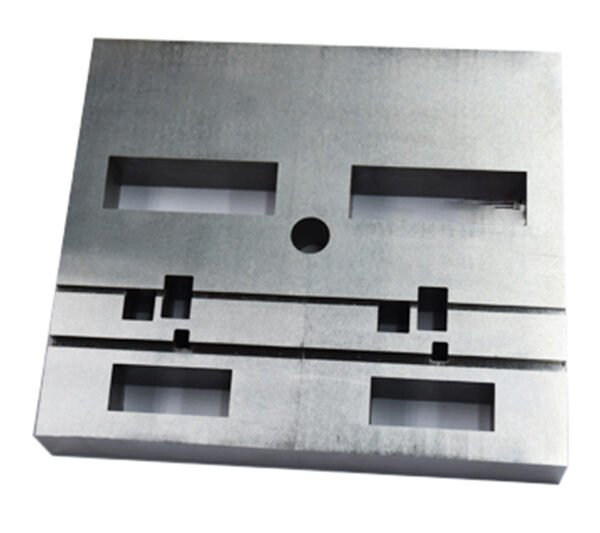
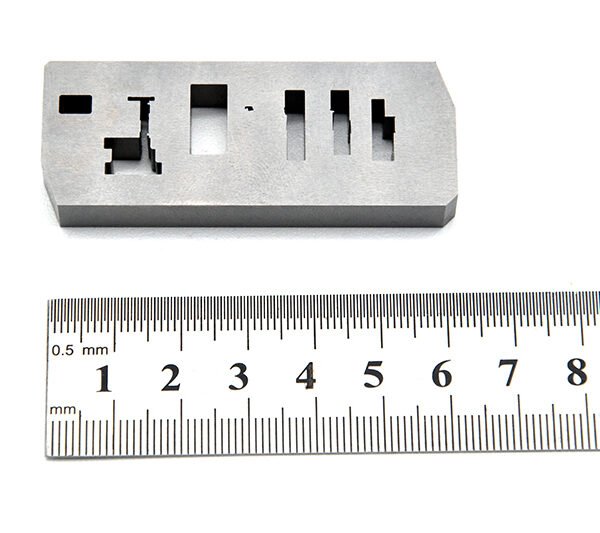
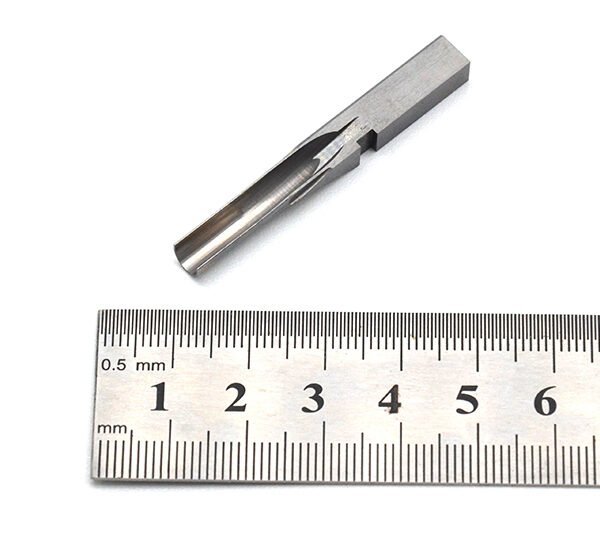
Same drawing, predictable results—next batch
Share revision, quantity ramp, and inspection level. We quote process route, ship date, and documentation in one structured response.