
Services · Thermoplastic injection molding for OEM programs
Injection Molded Plastic Components Built for Stable Production, Not Lucky Shots
Injection molded plastic components only behave in the field when resin choice, tooling strategy, and cosmetic class are aligned before steel freezes. Xuxiang runs molding programs where critical dimensions, gate and knit risk, and inspection emphasis are agreed with your receiving reality—not guessed after rejects ship.
For cavity steel and plates, see injection mold components & plates. For multi-material programs, open multi-shot & 2K molding. Quotes: Contact.
What buyers ask us to lock before sampling
- Cosmetic bands, texture callouts, and acceptable knit-line language
- Which dimensions are assembly-critical vs. informational
- Resin grade, UL context, and equivalent rules when applicable

DFM Gates: Where Molded Parts Stop Being “Just Geometry”
Draft · ribs · undercuts · weld lines
Strong injection molding RFQs name the risks that turn pretty CAD into ugly yield: thin ribs that hesitate, bosses that telegraph sink, and cosmetic faces that cannot tolerate a knit line where your logo lives.
- Which surfaces are A-class vs. functional-only?
- Where are undercuts mandatory—and where can a clip be redesigned?
- What assembly stack-up drives true critical dimensions?
Procurement note
If a quote ignores gate location, you are not comparing molders—you are comparing hope. Ask for the assumed gate family and why it protects your worst-case cosmetic band.
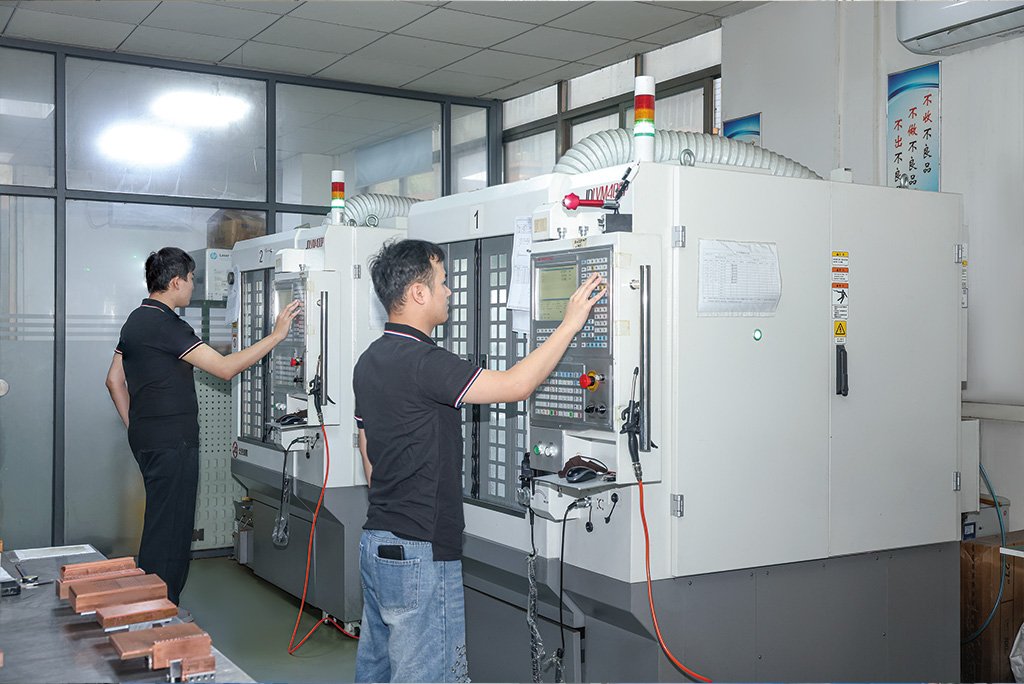
Kickoff checklist
- 3D + 2D with revision, units, and texture or VDI notes when specified
- Resin target grade, fillers, and any UL or food-contact language
- Annual volume outlook and pilot vs. production sampling intent
Typical Scope for Injection Molded Plastic Components
Covers · brackets · housings · industrial OEM parts (as released)
Envelope is always confirmed in quote, but teams often start here for thermoplastic production hardware:
Functional covers and housings
Snap fits, bosses, and rib patterns where stiffness and warp risk interact with cosmetic expectations.
Internal brackets and carriers
Parts where flatness, hole patterns, and clip retention matter more than show surfaces.
Connector-adjacent geometry (when in scope)
Features where draft, parting-line flash risk, and tight pockets interact with assembly gages.
Secondary ops after molding
Pad print, laser mark, light assembly, or machining when explicitly released—not hidden assumptions.
Wrong lane?
If the program is fundamentally multi-material or soft-touch, start with multi-shot & 2K molding—send one package and we will recommend the lane.
Process Window Discipline: What “Same Settings” Actually Means
Cavitation · cooling · cosmetic drift
Production injection molded plastic components fail quietly when the “golden” short shot is never written down. We align process documentation emphasis to your gate—especially when cosmetic drift is the failure mode your customers see first.
- Pilot builds with explicit buy-off criteria before hardening cavitation commitments
- Notes when sequential valve or hot-runner assumptions change knit risk
- Clear ownership of rework boundaries for flash, sink, and splay classes
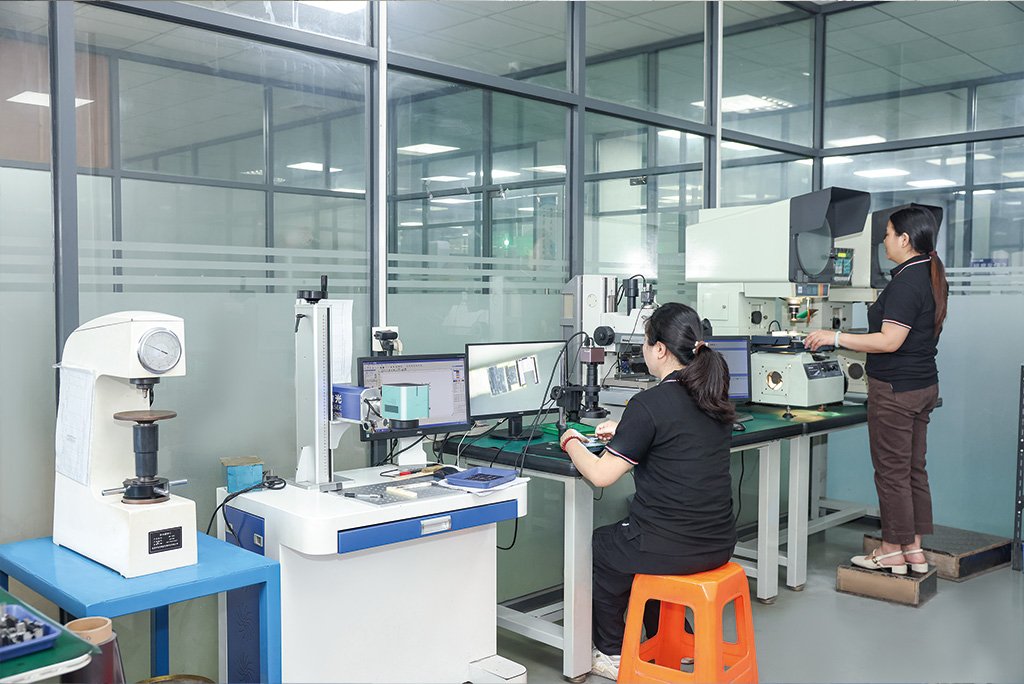
Metrology and Layout Plans Matched to Molded Risk
CMM · optical · functional gages
Molded parts argue about datums when bosses flex during measurement. We align layouts to measurable surfaces and agreed sampling—especially for assemblies where “within print” still feels wrong in the hand.
- Balloon maps welcomed early so molding and inspection stay parallel
- Notes when a dimension is better validated with assembly context
- Revision-controlled reporting tied to drawing indices
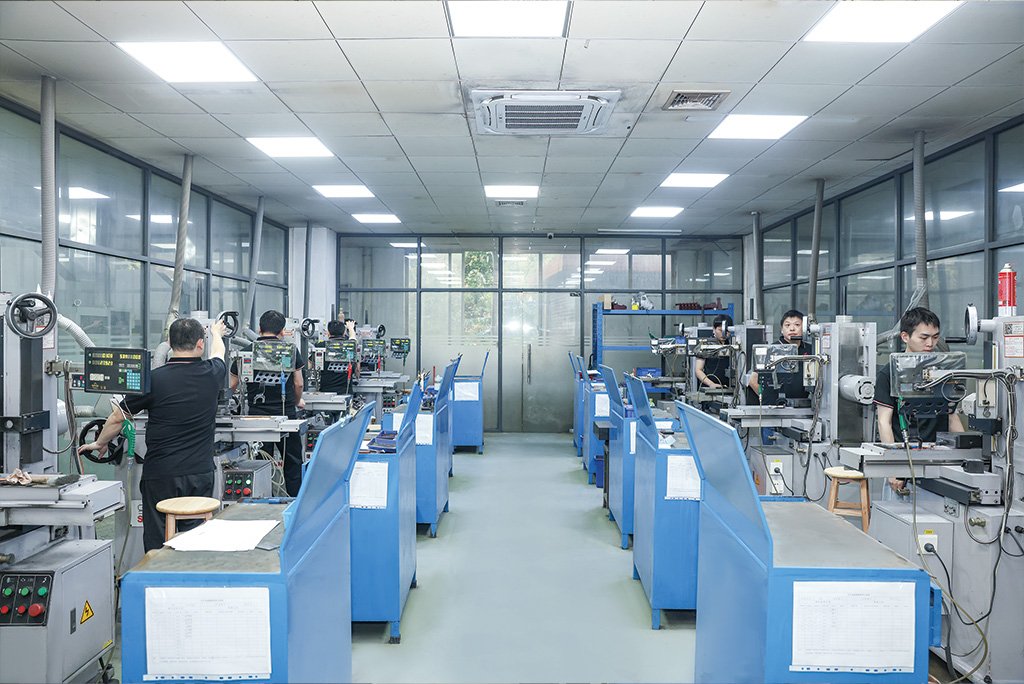
Schedule realism
- Texture and coating cycles can reorder cosmetic buy-off—surface early
- Tool steel lead times may justify staged cavity releases when agreed
- Engineering changes after texture approval carry different risk—call them out
Resins, Additives, and Environmental Assumptions
UL · impact · chemical exposure · color stability
What we commonly support
Engineering thermoplastics for industrial OEM programs when grades are approved—selected with attention to shrink behavior, impact needs, and chemical exposure notes in your specification.
What to include in the RFQ
Approved material lists, equivalent rules, regrind policy if any, and any customer restrictions on additives or pigments that affect shrink or surface chemistry.


Certifications & quality systems
Documentation that supports OEM vendor files
Injection molded plastic components still pass your quality gate. We operate under recognized management system frameworks and can bundle material traceability and dimensional reporting when your PO requires it. Certificate scope and registration particulars are supplied for vendor files on request.
ISO 9001:2015
Documented control of processes, changes, and corrective actions—so molding programs and tooling revisions do not drift between lots.
ISO 14001:2015
Environmental management practices aligned to manufacturing realities, waste handling, and continuous improvement.
ISO 45001:2018
Occupational health and safety management supporting disciplined shop-floor routines alongside injection molding production.
Material records
Certificates and traceability released against revision-controlled part data when your program demands it.
Inspection discipline
Layout plans tied to named critical characteristics—agreed in quote so reports match your FAIR or internal template.
Ask for the certificate package or customer-specific quality addendum in your RFQ—we route it with the same technical owner.
What customers say
Field notes from OEM molded plastics programs
Representative feedback from buyers who care about cosmetic honesty and dimensional stability—not only cavity count. Swipe on mobile or use the arrows.
How to RFQ Injection Molded Plastic Components
Faster quotes · fewer hidden cosmetic assumptions
- 3D + 2D with revision, units, and critical dimensions tied to assembly function
- Resin target grade, fillers, UL or chemical exposure notes, and approved equivalent rules
- Cosmetic class, texture or VDI notes, and knit-line sensitivity callouts
- Annual volume outlook and whether pilot sampling differs from production intent
- Inspection template, balloon map, or customer gate language when you have it
Photos of lighting-sensitive surfaces or prior cosmetic failures help us align gate and process risk before steel hardens.
What speeds a grounded molding response
- Assembly mates and fastener stack-ups that drive true critical characteristics
- Secondary ops (print, machine, assemble) with explicit acceptance rules
- Packaging and handling constraints when cosmetic faces scratch easily
Share customer templates early so evidence matches your gate.
Xuxiang Manufacturing Services
Internal links · same structure as the site menu
This page focuses on injection molded plastic components for production programs—alongside tooling, machining, and specialty molding lanes. Use the manufacturing services hub or jump to a landing page below.
Mold tooling & components
Cavity steel, plates, and standards—see dedicated mold landing pages.
Machining
CNC, Swiss, and general precision metal removal.
Injection molding & parts
Molded plastics—not cavity steel—for part & program RFQs.
- Injection molded plastic components You are here
- Multi-shot & 2K molding
- Automotive plastics
- Medical molding & tooling
Industries
Application-led molding discovery.
OEM metal parts
BOM-level machined metal for industrial equipment.
Quality & export
Documentation, ISO language, and overseas buyer support.
Why Teams Choose Xuxiang for Injection Molded Plastic Components
We treat injection molded plastic components as a molding engineering program: resin, tooling, cosmetic class, and inspection scope are discussed with your real assembly and customer gates in mind.
Invitation
Send part data with revisions and the top five risks (warp, knit, sink, texture, critical clip features). We will return scope you can compare fairly: tooling strategy, sampling plan, and evidence—not a blind cavity price.
- DFM discipline: gate and knit risk surfaced before steel freezes
- Metrology alignment: layouts matched to your template when requested
- Lane honesty: multi-shot or medical lanes recommended when the program demands it
xuxiangmold.com · Dongguan Xu Xiang Precision Mold Co., Ltd.
Frequently Asked Questions (FAQ)
Common questions about injection molded plastic components, scope, and how we work with OEM buyers.
Q:Do you support prototype through production molded parts?
A: Yes—when resin, revision control, cosmetic class, and sampling intent are explicit so pilot builds do not accidentally become ungated production assumptions.
Q:What drawings and data speed a molding quote?
A: 3D plus 2D with revision, material callouts or approved lists, critical dimensions tied to function, cosmetic notes, and volume outlook—plus any inspection template you want evidence to match.
Q:Can you align documentation to customer templates?
A: Yes—share FAIR-style or internal layout expectations early so dimensional reporting matches the same characteristics agreed in the quote.
Q:How does this relate to 2K, automotive, and medical molding pages?
A: This page is the general production thermoplastics lane. When your program is multi-material, regulated, or automotive-program heavy, use the dedicated landing pages—or send one RFQ and we will recommend the lane.
Q:Do you provide inspection reports for molded parts?
A: Yes—layout scope is agreed in the quote (focused characteristics vs. broader layouts) so documentation matches your internal gate and customer expectations.