
OEM metal · Precision machined components for industrial programs
BOM-Level Precision Machined Components That Survive Your Assembly, Not Just the Drawing PDF
Industrial OEM buyers do not fail parts on paper—they fail them where bores meet bearings, where a chamfer meets a seal, and where “within tolerance” still feels wrong in the build. Xuxiang runs precision machined components programs with critical characteristics, finishing scope, and inspection evidence aligned to your receiving reality.
For larger envelopes and heavier stock removal, see heavy & metal machining. For broader machining lanes, open precision machining services. Quotes: Contact.
What we lock before first article hardens assumptions
- True assembly-critical dimensions versus informational notes
- Deburr class, edge break expectations, and cosmetic faces
- Heat treat, coating, and marking scope with acceptance language
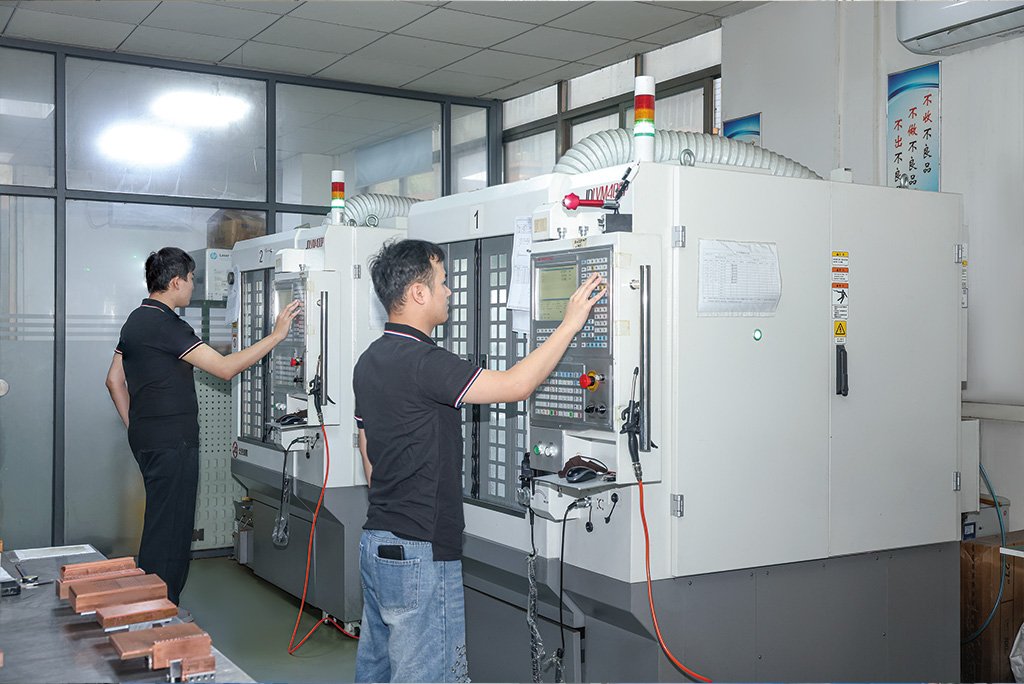
Drawing Gates: Where Machined Parts Stop Being “Just Metal”
Datums · bores · thin walls · stack-up
Strong OEM machining RFQs name the risks that turn clean CAD into noisy assemblies: thin walls that chatter, bores that look round until you add the bearing stack, and cosmetic faces that cannot tolerate a careless deburr.
- Which surfaces are functionally sealing or bearing-critical?
- Where should edge breaks be explicit versus shop-standard?
- What gage method will receiving use for the “important” dimensions?
Procurement note
If a quote ignores deburr class and edge break language, you are not comparing shops—you are comparing hope. Ask how the plan protects your worst-case bore and sealing face.
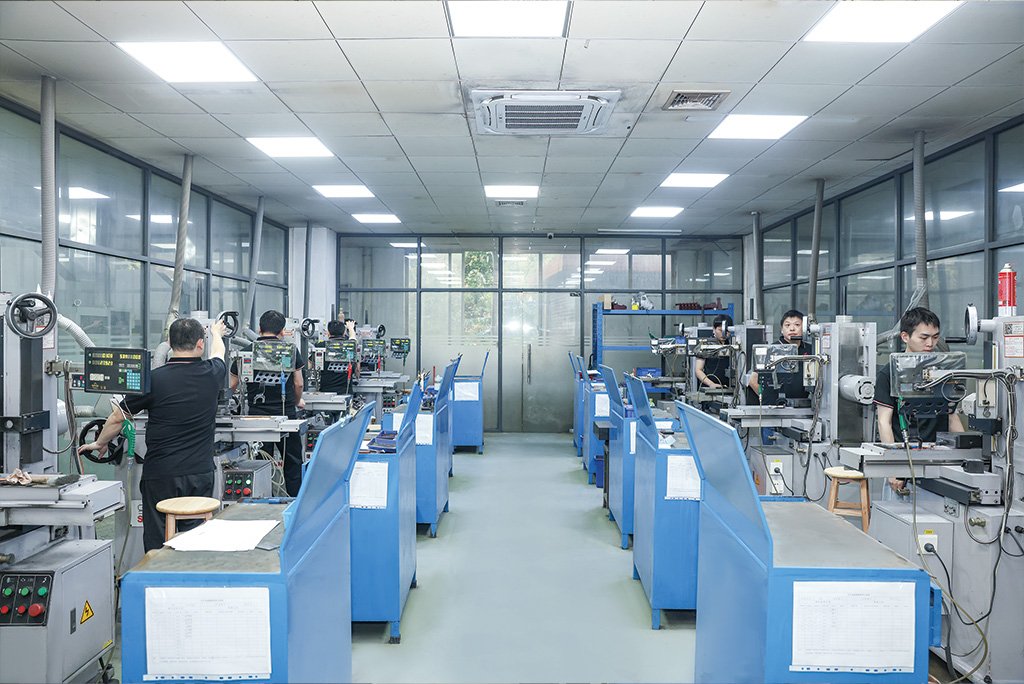
Kickoff checklist
- 3D + 2D with revision, units, and datums tied to assembly function
- Material spec, equivalent rules, and heat treat or coating callouts
- Annual volume outlook and whether pilot sampling differs from production intent
Typical Scope for Precision Machined OEM Components
Brackets · shafts · housings · mechanism hardware (as released)
Envelope is always confirmed in quote, but teams often start here for BOM-level industrial hardware:
Structural brackets and frames
Hole patterns, perpendicularity-sensitive faces, and weld-prep or assembly interfaces when explicitly released.
Shafts, pins, and motion hardware
Diameter control, length stacks, and features where surface finish interacts with seals or bearings.
Housings and covers
Flatness-sensitive sealing faces, pocket depth stacks, and fastener patterns where “close enough” causes field headaches.
Light secondary integration (when released)
Press-fit prep, light assembly, or marking—not silent assumptions.
Need a heavier envelope?
If your part is dominated by large stock, deep pockets, or long reach constraints, start with heavy & metal machining—send one RFQ and we will recommend the lane.
Change Control and Lot Discipline for Repeat BOM Parts
Revisions · tool life · substitution rules
Industrial OEM programs fail when a “minor” change silently shifts a bore mean or a coating thickness band. We align revision handling, substitution rules, and inspection emphasis to the characteristics your line actually screens.
- Revision-controlled part data and explicit ECN language when drawings move
- Notes when tool wear sensitivity changes sampling or layout focus
- Clear ownership of rework boundaries for burrs, scratches, and coating defects
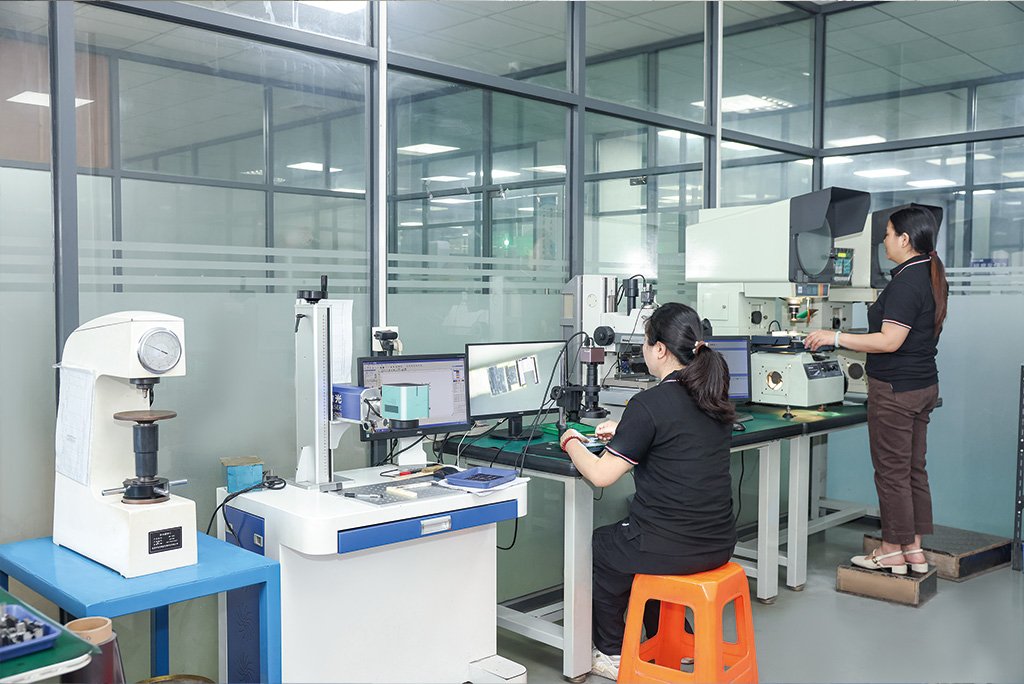
Metrology and Layout Plans Matched to Machining Risk
CMM · height · threads · functional checks
Machined parts argue about datums when flexible features distort under fixturing. We align layouts to measurable surfaces and agreed sampling—especially for assemblies where “on print” still feels wrong in the hand.
- Balloon maps welcomed early so machining and inspection stay parallel
- Thread and depth notes when gage method matters to your stack-up story
- Revision-controlled reporting tied to drawing indices

Schedule realism
- Coating cycles can reorder dimensional buy-off—surface and mask early
- Long-cycle roughing may justify staged releases when agreed
- Engineering changes after heat treat carry different risk—call them out
Materials, Finishes, and Environmental Assumptions
Aluminum · steel · stainless · coatings · corrosion
What we commonly support
Industrial alloys for OEM hardware when grades are approved—selected with attention to machinability, heat treat response, and coating compatibility as your drawing states.
What to include in the RFQ
Approved lists, equivalent rules, RoHS or environmental notes, and any customer restrictions on oils, rust preventatives, or packaging that touches critical faces.

Certifications & quality systems
Documentation that supports OEM vendor files
Precision machined components still pass your quality gate. We operate under recognized management system frameworks and can bundle material traceability and dimensional reporting when your PO requires it. Certificate scope and registration particulars are supplied for vendor files on request.
ISO 9001:2015
Documented control of processes, changes, and corrective actions—so machining programs and fixture revisions do not drift between lots.
ISO 14001:2015
Environmental management practices aligned to manufacturing realities, waste handling, and continuous improvement.
ISO 45001:2018
Occupational health and safety management supporting disciplined shop-floor routines alongside precision machining production.
Material records
Certificates and traceability released against revision-controlled part data when your program demands it.
Inspection discipline
Layout plans tied to named critical characteristics—agreed in quote so reports match your FAIR or internal template.
Ask for the certificate package or customer-specific quality addendum in your RFQ—we route it with the same technical owner.
What customers say
Field notes from industrial OEM machining programs
Representative feedback from buyers who care about repeatability and honest scope—not only unit price. Swipe on mobile or use the arrows.
How to RFQ Precision Machined Components for Industrial OEM
Faster quotes · fewer hidden finishing assumptions
- 3D + 2D with revision, units, and critical dimensions tied to assembly function
- Material grade, heat treat or coating notes, and approved equivalent rules
- Deburr class, edge break expectations, and cosmetic face sensitivity
- Annual volume outlook and whether pilot sampling differs from production intent
- Inspection template, balloon map, or customer gate language when you have it
Photos of prior failures (burrs, coating chips, bore issues) help us align fixture and finishing risk before first article.
What speeds a grounded machining response
- Assembly mates and fastener stack-ups that drive true critical characteristics
- Packaging and handling constraints when sealing faces scratch easily
- Marking requirements (UID, QR, logos) with acceptance rules
Share customer templates early so evidence matches your gate.
Xuxiang Manufacturing Services
Internal links · same structure as the site menu
This page focuses on precision machined components for industrial OEM—alongside tooling, molding, and specialty lanes. Use the manufacturing services hub or jump to a landing page below.
Mold tooling & components
Cavity steel, plates, and standards—see dedicated mold landing pages.
Machining
CNC, Swiss, and general precision metal removal.
Injection molding & parts
Molded plastics—not cavity steel—for part & program RFQs.
Industries
Application-led molding discovery.
OEM metal parts
BOM-level machined metal for industrial equipment.
- Precision machined components (OEM) You are here
- Heavy & metal machining
Quality & export
Documentation, ISO language, and overseas buyer support.
Why Teams Choose Xuxiang for Precision Machined OEM Components
We treat precision machined components as an OEM program: stack-up, finishing, and inspection scope are discussed with the same characteristics your receiving team enforces.
Invitation
Send part data with revisions and the top five risks (bore stack-up, deburr, coating, threads, flatness). We will return scope you can compare fairly: process plan, sampling intent, and evidence—not a blind unit price.
- Stack-up honesty: assembly-critical dimensions named before fixtures harden
- Finishing clarity: deburr and cosmetic language documented, not implied
- Lane honesty: heavy machining recommended when the envelope demands it
xuxiangmold.com · Dongguan Xu Xiang Precision Mold Co., Ltd.
Frequently Asked Questions (FAQ)
Common questions about precision machined OEM components, scope, and how we work with industrial buyers.
Q:Do you support BOM-level precision machined components for industrial OEM equipment?
A: Yes—when drawings include revision control, true critical dimensions, material specifications with equivalent rules, finishing callouts, and any customer inspection template you want evidence to match.
Q:What should an RFQ include for OEM machined components?
A: 3D plus 2D with revision, annual volume outlook, material grade, heat treat or coating notes, assembly references for stack-up critical features, and packaging or labeling requirements when they affect quality.
Q:Can you align machining documentation to FAIR-style customer layouts?
A: Yes—share balloon maps and layout expectations early so dimensional reporting matches the same characteristics agreed in the quote.
Q:How do you handle deburring and cosmetic expectations?
A: We document deburr class, edge break intent, and cosmetic face sensitivity in the quote so receiving criteria do not drift between lots.
Q:When should we use heavy & metal machining instead of this OEM lane?
A: When the part is dominated by large stock removal, long reach constraints, or a heavier envelope better matched to a dedicated heavy machining lane—see heavy & metal machining, or send one RFQ and we will recommend the lane.