
Services · Mold tooling + precision machining · Buyer overview
Precision Mold & Machining Capabilities Described the Way Procurement Actually Compares Vendors
Mold and machining capabilities only help RFQs when envelope, risk, and inspection language stay parallel. Xuxiang supports programs where cavity steel, plates, standards, and precision metal removal are scoped with explicit boundaries—so quotes are not accidentally mixing mold rework assumptions with production part machining.
For molded plastics programs, see injection molded plastic components. For documentation lanes, open quality & ISO documentation. Quotes: Contact.
What we align before “capabilities” become a slide deck
- Which scope is mold shop vs. machined component production vs. secondary op
- Critical characteristics, datums, and what receiving actually measures
- Annual outlook and whether pilot intent differs from production hardening
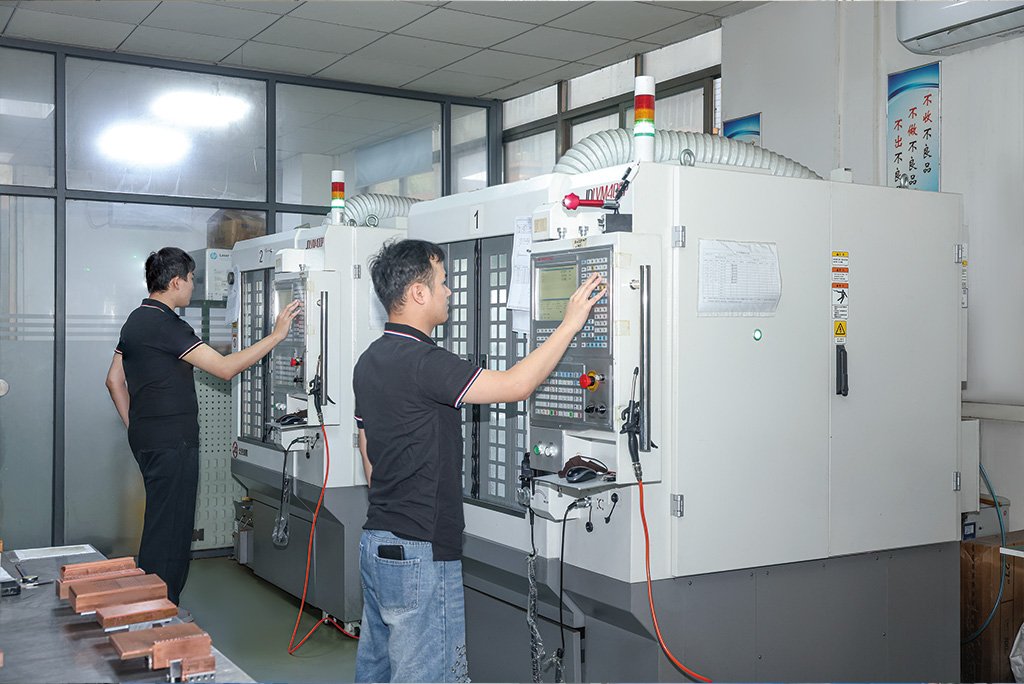
Why “We Have CNC” Is Not a Capability Statement
Envelope · risk · ownership
Buyers compare shops on travel, spindle class, EDM emphasis, and inspection reach—but the honest differentiator is whether the quote names what is in scope when a part touches both mold construction and machined hardware.
- Where does mold steel responsibility end and component machining begin?
- Which features are cut in assembly context vs. single-part layout?
- What happens when revision B moves a datum after texture or heat treat notes?
Procurement note
If two quotes assume different secondary-op boundaries, you are not comparing price—you are comparing two different products. Ask for explicit exclusions, not vibes.
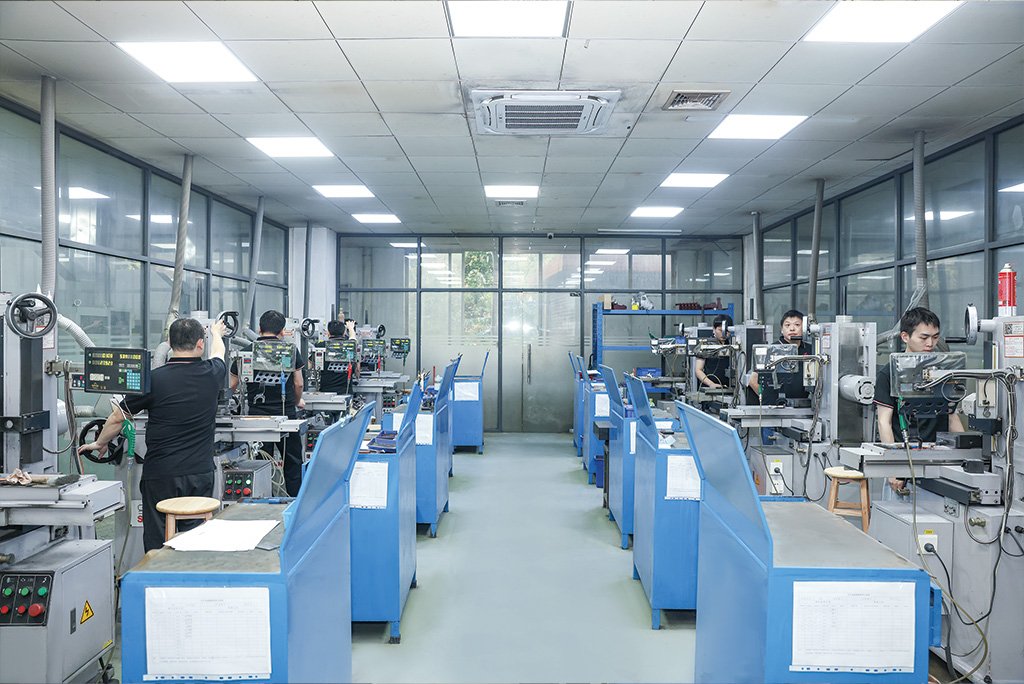
Kickoff checklist
- 3D + 2D with revision, units, and finish or coating notes when specified
- Balloon map or customer template when you already know your gate
- Whether the RFQ is tooling-only, parts-only, or intentionally combined
Typical Combined Mold + Machining Storyboards (As Released)
Plates · cavity work · production metal
Exact envelope is always confirmed in quote, but OEM teams often bundle these lanes when schedules are tight:
Mold plates, inserts, and cavity steels
Precision prep for tooling programs where flatness, hole patterns, and pocket depth interact with molding risk.
Tooling support machining
Repairs, engineering changes, and alignment features where revision control must stay welded to the mold BOM.
Production machined components (when in scope)
Bracketry, pins, fixtures, and hardware where the same drawing package should not fork between vendors without intent.
Inspection emphasis
Layouts focused on characteristics you reject at incoming—agreed before sampling plans harden.
Need plastics production language?
Start from injection molded plastic components—send one package and we will recommend the right lane mix.
Metrology: One Datum Story for Mold Steel and Machined Parts
CMM · optical · functional checks
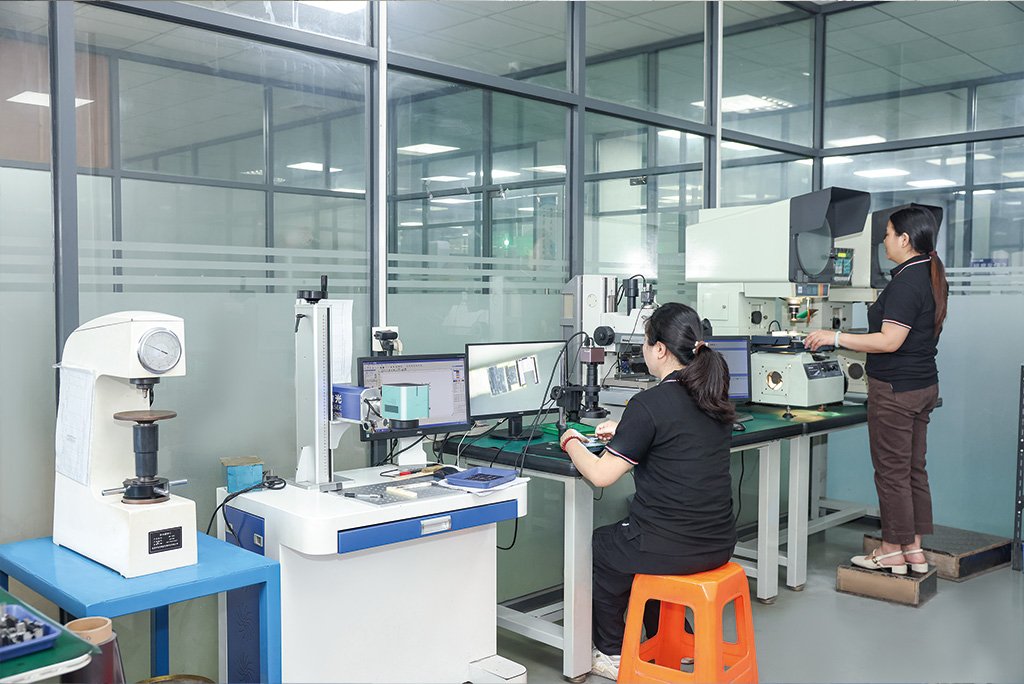
Mixed programs fail when mold shop datums and machined part datums drift apart in reporting. We prefer named characteristics and revision-controlled layouts so evidence matches the same indices your customer sees.
- Early balloon maps when you already know which features drive assembly pain
- Notes when a dimension is better validated with mates or gages
- Clear sampling intent for pilot vs. production inspection emphasis
How We Keep Lanes Honest Across the Quote
Tooling · production · logistics handoff
Precision mold and machining capabilities are a coordination problem: schedules, heat treat, texture, and customer ECOs all compete. We document assumptions in technical notes so changes do not silently move risk across vendors or departments.
- Explicit ownership for engineering changes after steel approval milestones
- Secondary operations called out when they affect dimensions you measure
- Export and documentation alignment when overseas receiving teams mirror your template
For overseas communication rhythm, see export & regional buyer support.
Schedule realism
- Texture and coating cycles can reorder buy-off—surface risk early
- Long lead steels may justify staged releases when agreed in writing
- Parallel mold and part programs need one revision owner on the customer side
Capability Gallery: Mold-Adjacent Metal Work in Context
Visual anchors—not a substitute for drawing review

Certifications & quality systems
Documentation that supports OEM vendor files
Combined mold and machining programs still pass your quality gate. We operate under recognized management system frameworks and can bundle traceability and dimensional reporting when your PO requires it. Certificate scope and registration particulars are supplied for vendor files on request.
ISO 9001:2015
Documented control of processes, changes, and corrective actions—so tooling and machining revisions do not drift between lots.
ISO 14001:2015
Environmental management practices aligned to manufacturing realities, waste handling, and continuous improvement.
ISO 45001:2018
Occupational health and safety management supporting disciplined shop-floor routines alongside precision work.
Material records
Certificates and traceability released against revision-controlled part data when your program demands it.
Inspection discipline
Layout plans tied to named critical characteristics—agreed in quote so reports match your template.
Ask for the certificate package or customer-specific quality addendum in your RFQ—we route it with the same technical owner.
What customers say
Notes from buyers comparing combined mold + machining scope
Representative feedback from teams that care about lane clarity and revision discipline. Swipe on mobile or use the arrows.
How to RFQ Combined Mold & Machining Capabilities
Faster alignment · fewer hidden lane merges
- 3D + 2D with revision, units, and finish or coating notes
- Explicit split: tooling-only, parts-only, or combined with boundaries
- Critical characteristics, assembly context, and annual outlook
- Inspection template, balloon map, or customer gate language
- Photos or notes on prior failure modes (warp, chatter, datum fights)
What speeds a grounded response
- One revision owner on your side when two programs share a drawing index
- Secondary ops with acceptance rules—not “machine if needed” footnotes
- Export or receiving template hints when documentation must mirror HQ
Share templates early so evidence matches your gate.
Xuxiang Manufacturing Services
Internal links · same structure as the site menu
This page summarizes precision mold and machining capabilities for buyers comparing programs. Use the manufacturing services hub or jump to a landing page below.
Mold tooling & components
Cavity steel, plates, and standards—see dedicated mold landing pages.
Machining
CNC, Swiss, and general precision metal removal.
Injection molding & parts
Molded plastics—not cavity steel—for part & program RFQs.
Industries
Application-led molding discovery.
OEM metal parts
BOM-level machined metal for industrial equipment.
Quality & export
Documentation, ISO language, and overseas buyer support.
- Mold & machining capabilities You are here
- Quality & ISO documentation
- Export & regional buyer support
Why Teams Use This Capabilities Overview
Precision mold and machining capabilities should read like an engineering memo: boundaries, risks, and inspection emphasis—so your internal stakeholders can approve scope without translating marketing adjectives.
Invitation
Send drawings with revisions and name the top coordination risks (datum fights, secondary ops, parallel mold vs. part schedules). We will return a capabilities response you can compare fairly.
- Lane clarity: tooling vs. production metal vs. explicit secondaries
- Metrology alignment: layouts matched to your template when requested
- Documentation: quality and export pages when your gate demands them
xuxiangmold.com · Dongguan Xu Xiang Precision Mold Co., Ltd.
Frequently Asked Questions (FAQ)
Common questions about combined mold and machining capabilities, scope boundaries, and how we support OEM buyers.
Q:Do you quote mold tooling and machined parts in one thread?
A: Yes—when drawings, revisions, and acceptance language are packaged together so steel scope and metal removal scope are not mixed without explicit boundaries.
Q:What should an RFQ include for a fair capabilities comparison?
A: 3D plus 2D with revision, material notes, critical characteristics, annual outlook, and any inspection template or balloon map you want evidence to follow.
Q:Is this page a substitute for detailed machining or mold landing pages?
A: No—it is a buyer overview. Use dedicated mold and machining service pages for deep lane detail, or send one RFQ and we will route you to the right landing language.
Q:Can inspection reporting match our FAIR-style expectations?
A: Yes—share templates early so characteristics and sampling emphasis match the quote. Exact submission format depends on program scope and agreed layout.
Q:Where do plastics production programs fit?
A: Molded part production is described on injection molding landing pages. This overview focuses on how mold-related metal work and precision machining are scoped together for buyers comparing vendors.