
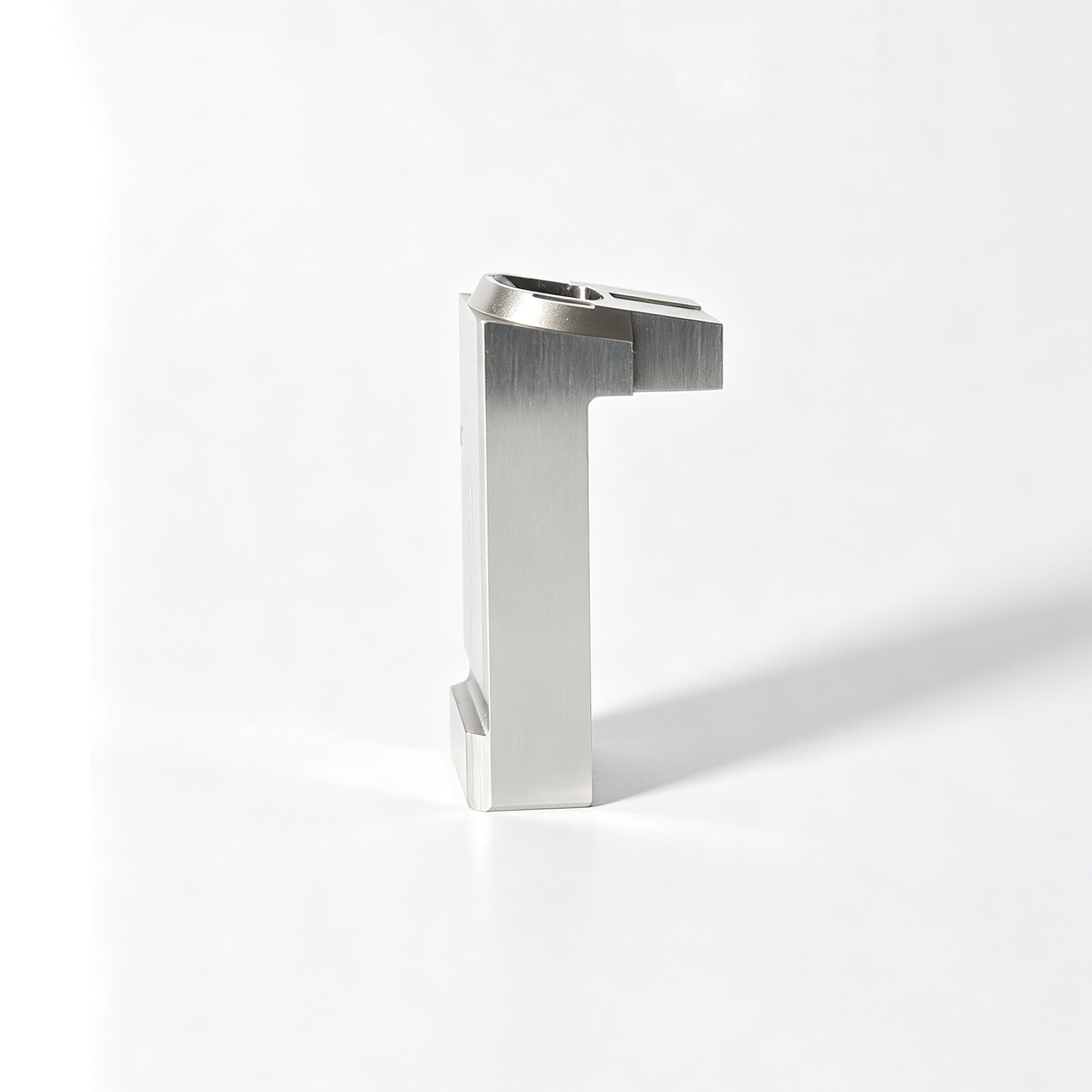
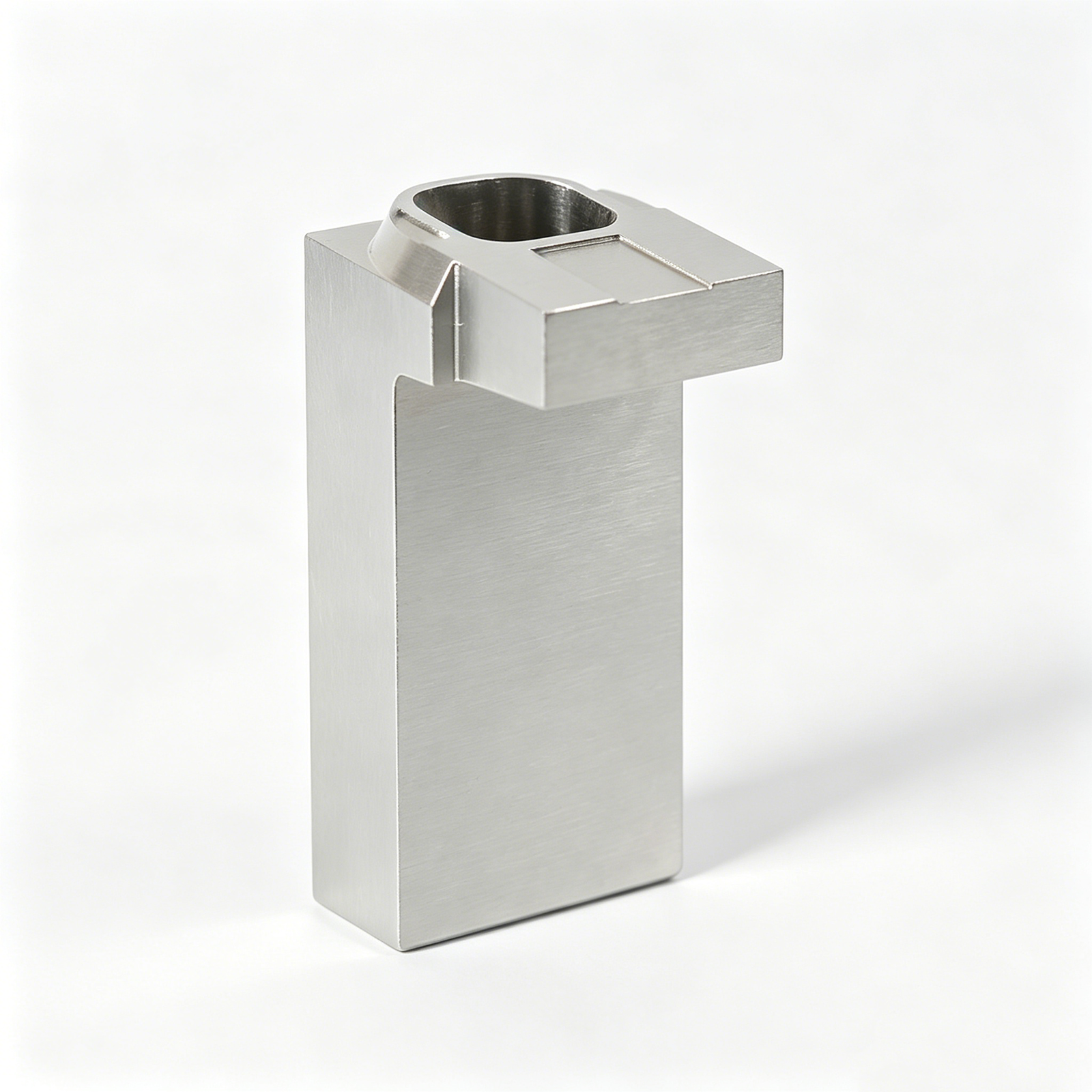
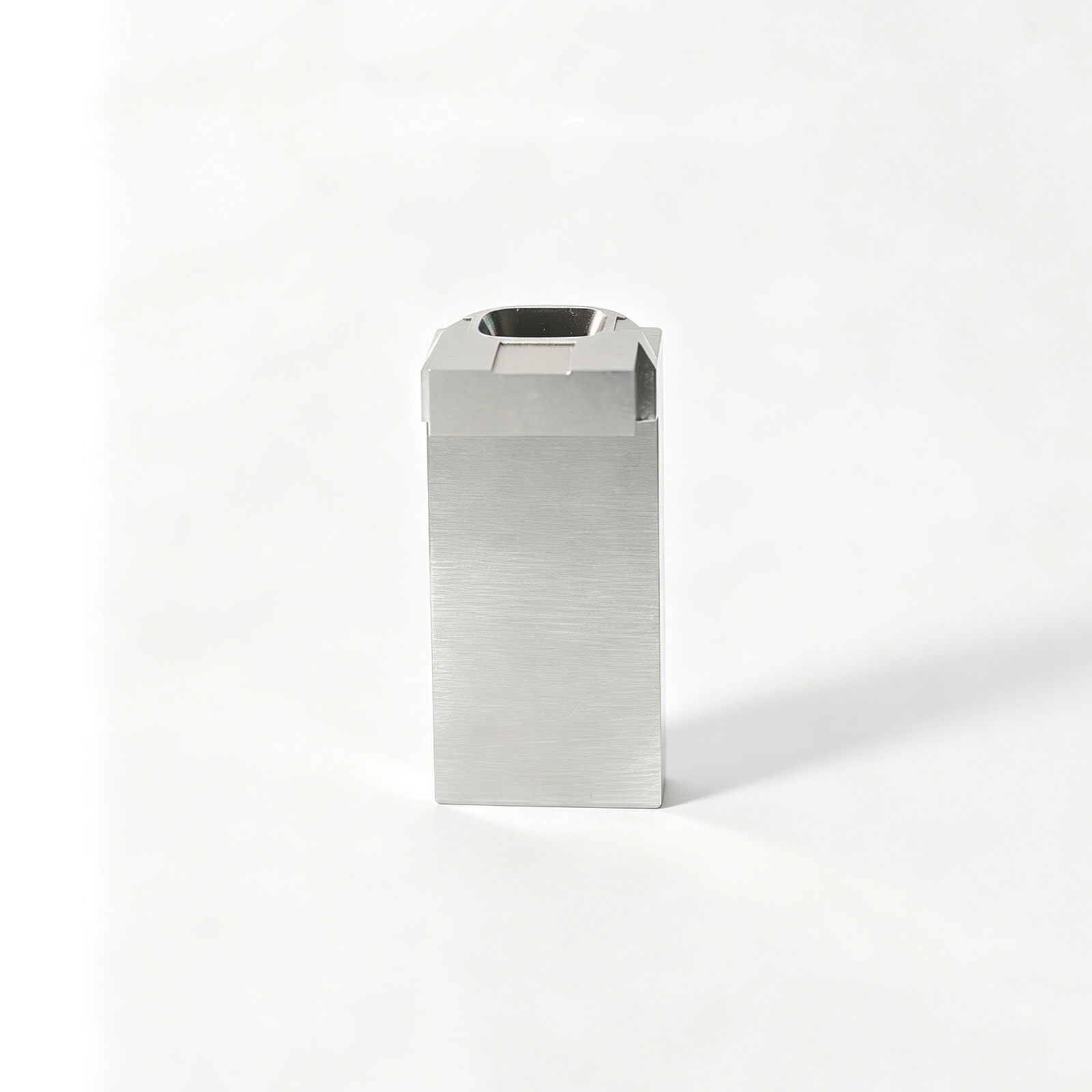
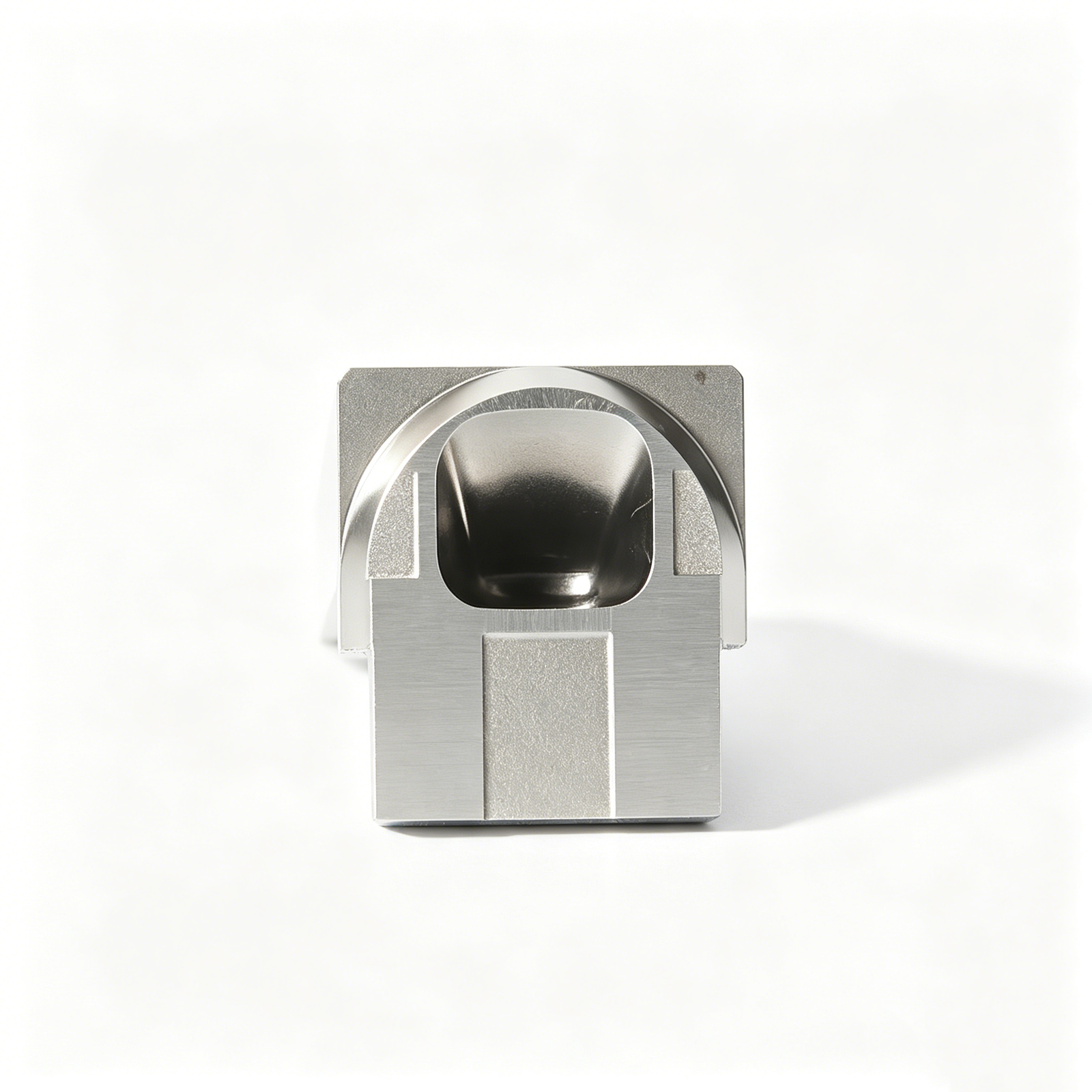
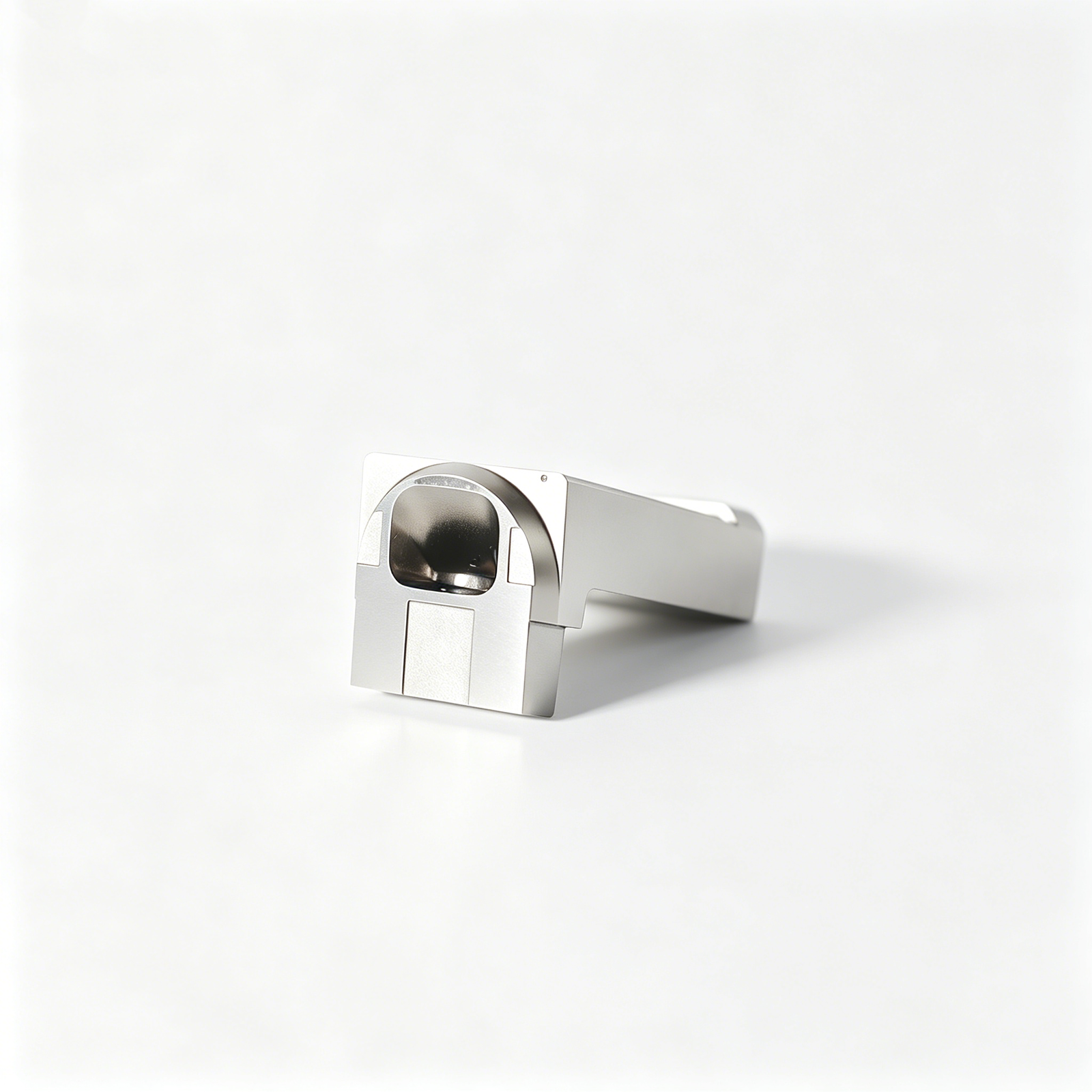
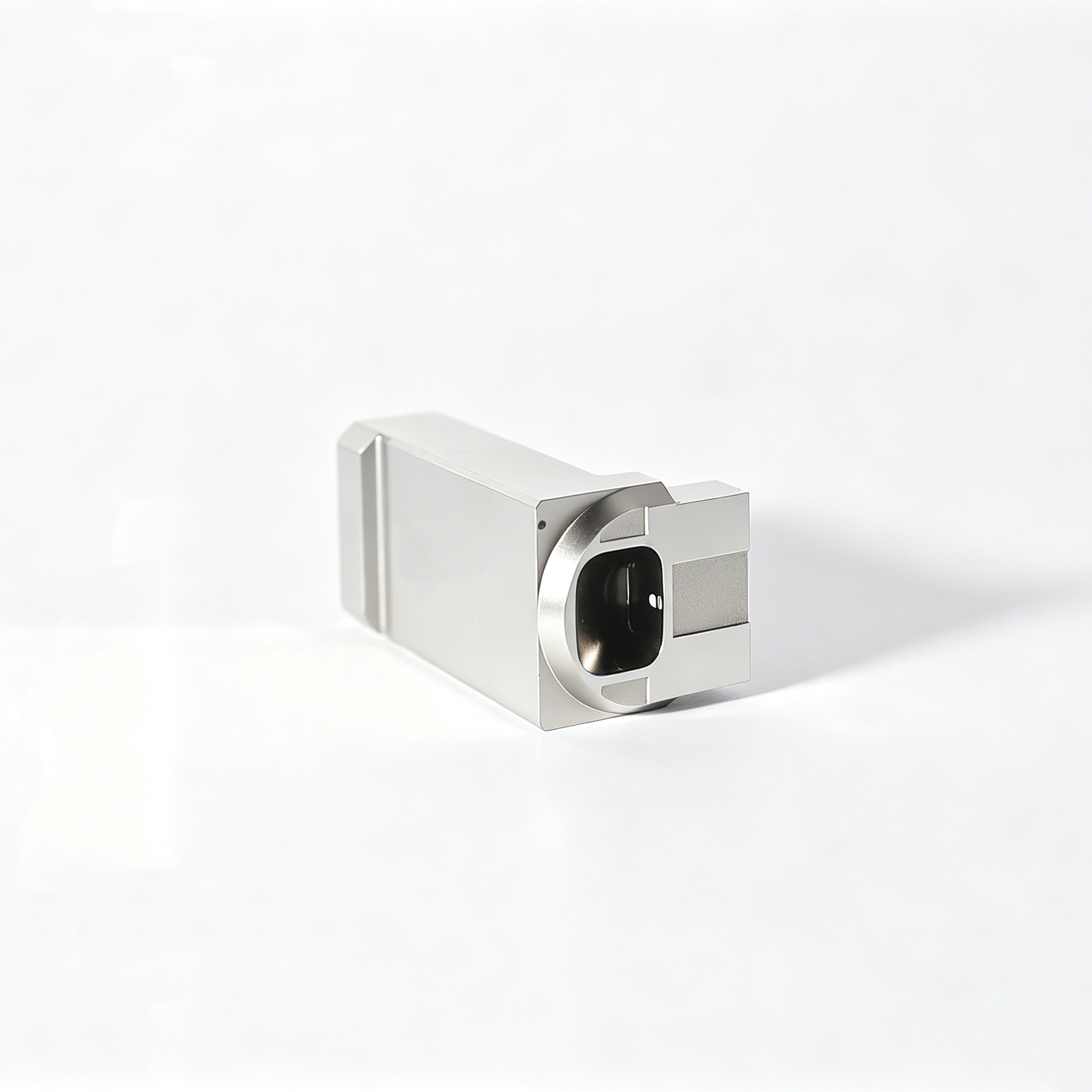
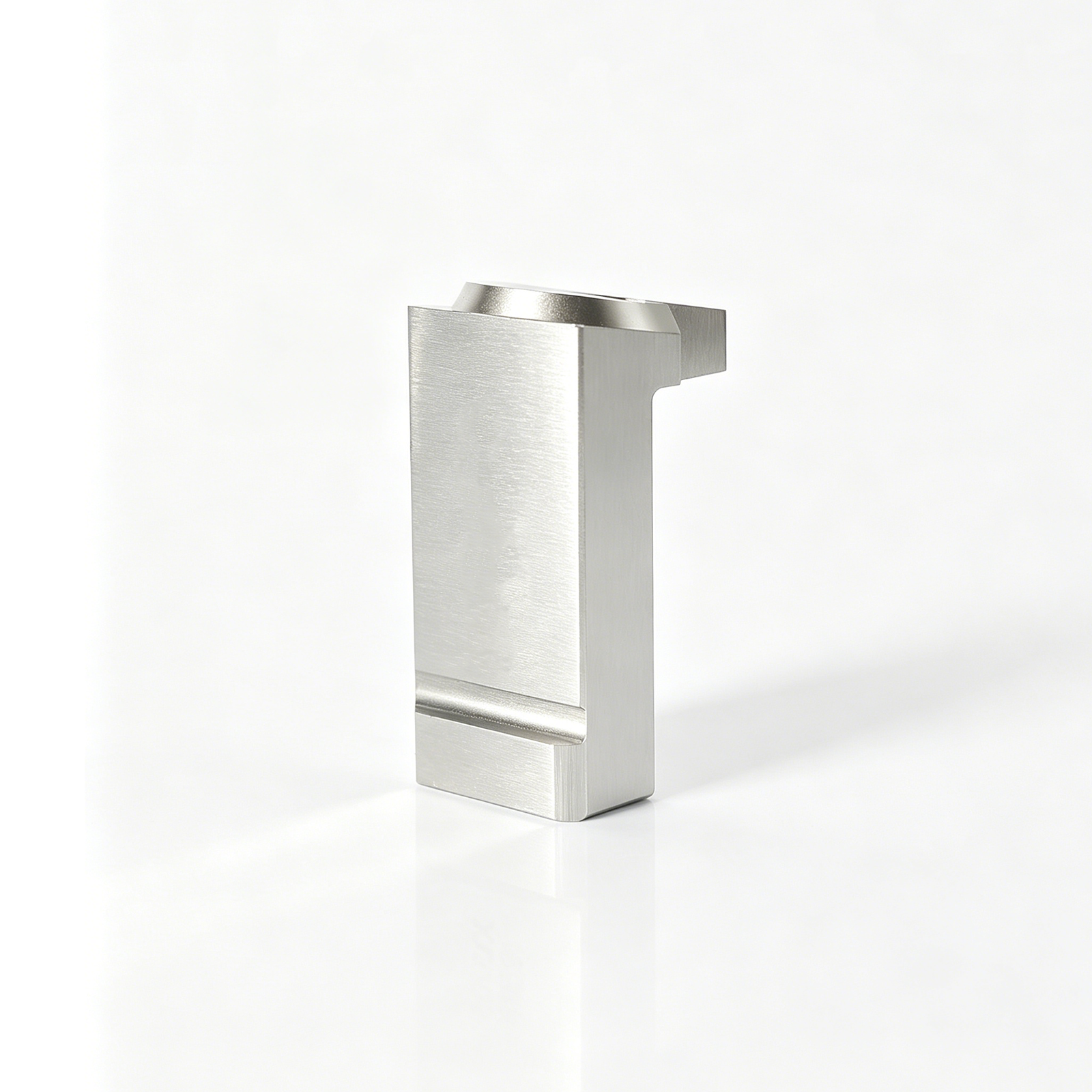
Plastic film parts · Precision mold insert
Industrial Connector Precision Mold Components for Reliable Connector Tooling
Brand Xuxiang Mold
Availability Made to drawing
RFQ pricing
Quote from STEP / PDF & quantity
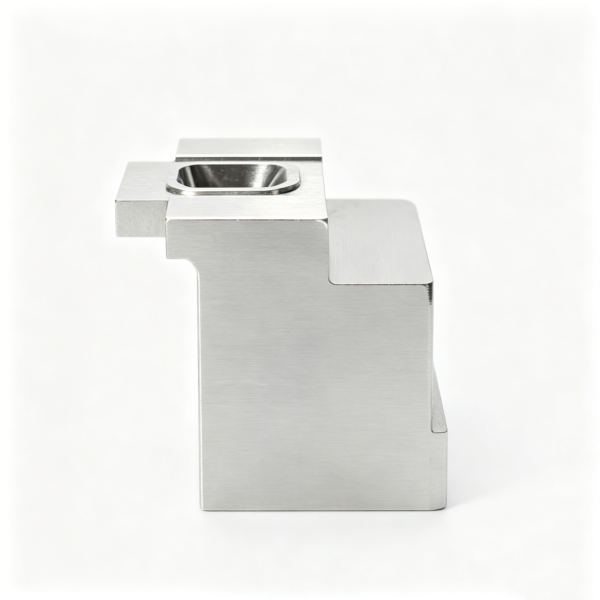
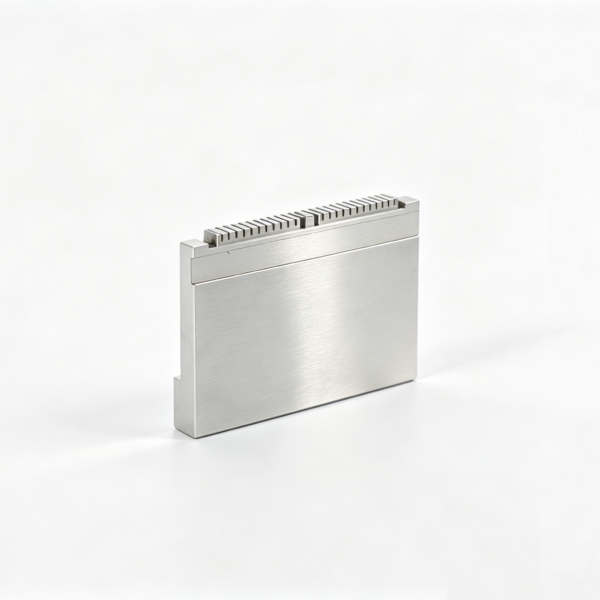
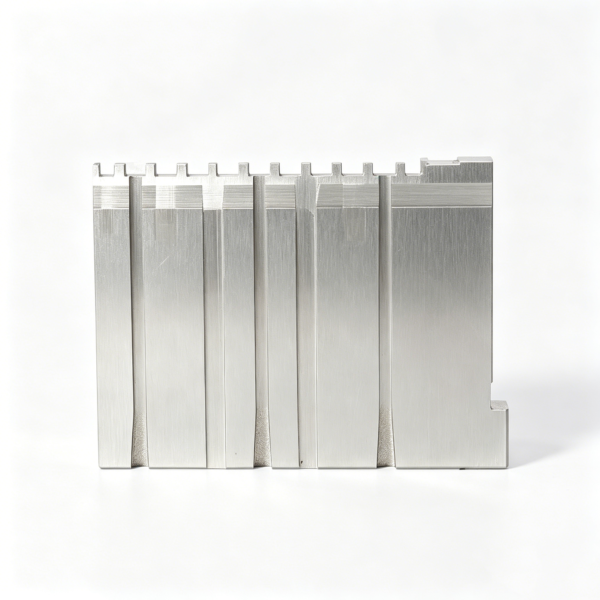
Engineer repeatable, high-volume connector production with industrial-grade components built specifically for precision connector molds. These Industrial Connector Precision Mold Components are manufactured to tight tolerances and stable geometries to keep every cavity running consistently over long production runs. Optimized for connector inserts, core pins, ejectors, and alignment elements, they help you minimize flash, warpage, and dimensional drift. Integrate them into new builds or retrofit existing tools to upgrade connector quality without redesigning your entire mold base. Ideal for electronics, automotive, telecom, and medical connector programs where every micron of accuracy counts.
- ISO 9001:2015–oriented process & documented inspection paths
- Zeiss / Nikon class metrology available for critical dimensions
- DFM feedback from 10+ senior tooling engineers
- Dongguan HQ + Quanzhou capacity for volume programs
Industrial Connector Precision Mold Components – What They Are
Industrial connector manufacturing demands tooling that can repeatedly produce tiny details, extremely consistent wall thickness, and accurate mating features over millions of cycles. Industrial Connector Precision Mold Components are the interchangeable, high-accuracy parts inside your connector molds that make this possible. Typical elements include core and cavity inserts, sleeves, guide pins, bushings, ejector systems, and specialized inserts for terminal windows, latch details, and keying features.
These components are engineered for connector tooling in sectors such as electronics, automotive, telecommunications, consumer devices, and medical technology, where molded connectors must meet strict dimensional and functional requirements. By upgrading these critical components rather than replacing entire mold bases, manufacturers can extend tool life, stabilize process capability, and improve overall connector reliability.
Key Features & Benefits
Precision connector tooling is only as good as the components you build it from. High-quality mold components help maintain tight tolerances on small, complex connector geometries, reducing scrap and rework while improving assembly fit and electrical performance.
- Connector-specific design: Components are tailored for connector molds, supporting fine features like pin channels, locking latches, undercuts, and polarization keys to ensure correct mating and stable retention.
- High dimensional accuracy: Manufactured with tight grinding and machining tolerances, these components help maintain accurate pitch, true position, and profile for multi-pin connectors and micro-connectors.
- Stable, repeatable performance: Carefully selected tool steels and heat treatments improve wear resistance, so critical dimensions such as cavity distance and core pin diameters stay stable over long runs.
- Improved mold alignment: Precision guide pins, bushings, and alignment blocks keep the mold halves perfectly aligned, reducing flash and mismatch on small connector features that are highly visible and functional.
- Supports advanced plastics: Designed for use with high-performance, glass-filled, or flame-retardant resins that are common in connector applications, helping resist abrasion and chemical attack.
- Shorter maintenance downtime: Standardized and modular component designs make it easier to replace individual inserts or wear parts, minimizing press stops and simplifying preventive maintenance.
- Better quality assurance: When combined with robust metrology (such as CMM inspection and comprehensive measurement reports), precision components help you document and maintain connector quality across production batches.
Specifications & Core Attributes
The exact configuration of Industrial Connector Precision Mold Components will vary by connector style and mold design, but the table below summarizes common attributes and options typically considered when selecting components.
| Attribute | Description |
|---|---|
| Component types | Core and cavity inserts, connector mold inserts, sleeves, core pins, ejector pins, lifters, sliders, guide pins, bushings, locating rings, and custom connector-specific inserts. |
| Typical applications | Electrical and electronic connectors, automotive harness connectors, signal and data connectors, sensor housings, and specialized medical or telecom connectors. |
| Material options | High-quality tool steels and alloy steels selected for wear resistance, toughness, and dimensional stability under repeated thermal cycling. |
| Surface treatment | Options such as polishing, nitriding, coating, or plating to enhance wear resistance, corrosion resistance, and demolding performance. |
| Precision level | Manufactured to tightly controlled machining and grinding tolerances suitable for fine-pitch and micro-connector tooling. |
| Compatibility | Configurable to fit custom connector mold designs and compatible with common mold bases and injection molding machines used in connector production. |
| Quality control | Dimensional verification using precision measuring equipment, with optional inspection records or conformance documentation for critical components. |
| Design support | Engineering support available for layout of connector cavities, gate locations, cooling, and insert interfaces to maximize tool performance. |
| Maintenance approach | Components are designed for inspectability, replacement, and refurbishment to keep the mold in top condition over its lifecycle. |
Use Cases: Who These Components Are For
Industrial Connector Precision Mold Components are a strong fit for any manufacturer or molder who must combine high throughput with extremely consistent connector geometry. Typical users include:
- Tier 1 and Tier 2 automotive suppliers producing multi-pin harness connectors, ECU connectors, and sensor interfaces where misalignment or flash can compromise sealing and electrical performance.
- Electronics and EMS manufacturers responsible for board-to-board, wire-to-board, and I/O connectors that must fit reliably with mating hardware and automated assembly equipment.
- Telecommunications and networking companies molding housings for high-density data connectors where precise pitch and cavity placement are critical to signal integrity.
- Medical device manufacturers needing small, precise connectors for patient monitoring systems, diagnostic equipment, and handheld instruments, often in engineering-grade plastics.
- Custom mold makers who build connector tooling for global customers and require stable, easily maintainable component sets to support long-production life molds.
Whether you are launching a new connector program or refurbishing existing tools, upgrading to high-precision mold components can help you tighten process capability, stabilize dimensional performance, and increase overall equipment effectiveness in your molding cells.
Selection, Care & Buying Guidance
Choosing the right Industrial Connector Precision Mold Components involves more than picking a standard catalog part. Consider how each element will behave under your real-world manufacturing conditions, including resin choice, cycle time, and production volume.
- Match components to connector design: Review pitch, pin count, wall thickness, and locking features. Ensure core pins, inserts, and alignment components can support these geometries without excessive deflection or wear.
- Confirm compatibility with your mold base: Verify sizes for seats, pockets, and mounting interfaces so new components can integrate with existing mold plates and ejector layouts.
- Align with your resin and process window: For abrasive or high-temperature materials, favor higher-wear steels and enhanced surface treatments. Consider how gate location, cooling, and ejection will interact with component design.
- Plan for maintenance: Choose components that are accessible for inspection and replacement. Modular inserts can be changed quickly when a cavity is damaged, keeping downtime to a minimum.
- Request documentation when needed: For critical connector applications, ask for dimensional inspection data, traceability information, or conformance documentation to support your quality system.
- Implement a care routine: Clean components regularly to remove deposits from flame-retardant or filled materials, check for polishing wear on sealing surfaces, and inspect core pins and small features for rounding or chipping.
By carefully specifying, installing, and maintaining your connector mold components, you protect your tooling investment and ensure that every shot delivers connectors that fit, function, and perform as designed.
FAQ
Are these Industrial Connector Precision Mold Components compatible with my existing mold base?
Most components can be produced or selected to match your current mold base dimensions, including insert pockets, guide arrangements, and ejector layouts. Share your drawings or specifications during purchasing so that fit and alignment can be confirmed before manufacturing.
How do I know if these components will suit my connector design and resin?
Review your connector drawings, pitch, and material data, then compare them with the component options offered. When in doubt, consult with the supplier’s engineering team to validate material choices, clearances, and support for your specific resin, especially when molding high-temperature or filled plastics.
What kind of dimensional accuracy can I expect from these precision components?
The components are manufactured using high-precision machining and grinding processes intended for fine connector tooling. Specific tolerances can be defined at the quotation stage, and key dimensions can be verified with inspection reports on request.
How should I maintain connector mold components to extend tool life?
Use a regular maintenance schedule that includes cleaning residue from cavities and vents, lightly lubricating moving parts, checking alignment elements for wear, and inspecting small details such as core pins and latch features. Replace worn inserts before they cause quality issues or damage other mold parts.
Can I replace only certain inserts or do I need to rebuild the entire mold?
In many cases you can replace individual connector inserts, core pins, or alignment elements without rebuilding the full mold. This modular approach helps you control costs and limits downtime while restoring dimensional accuracy and surface finish in critical areas.
What information should I provide to receive an accurate quotation?
Provide 2D or 3D drawings of your connector mold areas, key dimensions, expected production volume, resin type, and any special requirements such as preferred steels, coatings, or documentation. This allows the supplier to recommend an appropriate component configuration and pricing.
How are these components packaged and shipped to prevent damage?
Precision mold components are typically packed in protective cases or individual compartments to avoid impact and corrosion during transit. Surfaces may be lightly oiled or wrapped for protection. Upon receipt, store them in a clean, dry environment until installation.
What is the usual lead time for Industrial Connector Precision Mold Components?
Lead time depends on the complexity and level of customization required. Standard or semi-standard parts can often be supplied faster, while fully custom connector inserts may require additional design and machining time. Confirm current lead times when placing your order.
Is there any warranty or return policy for these precision components?
Suppliers typically offer a warranty covering manufacturing defects and dimensional nonconformance within agreed tolerances. Return or rework options are usually available if issues are reported promptly and parts are unused or within specified conditions. Check exact terms with your sales representative.
Can I get engineering support to optimize my connector mold around these components?
Yes, many suppliers provide technical support for gate design, venting, cooling layout, and component selection tailored to connector tooling. Involving them early in your mold design can help you achieve better cycle times, part quality, and tool longevity.
Related products
Same drawing, predictable results—next batch
Share revision, quantity ramp, and inspection level. We quote process route, ship date, and documentation in one structured response.