
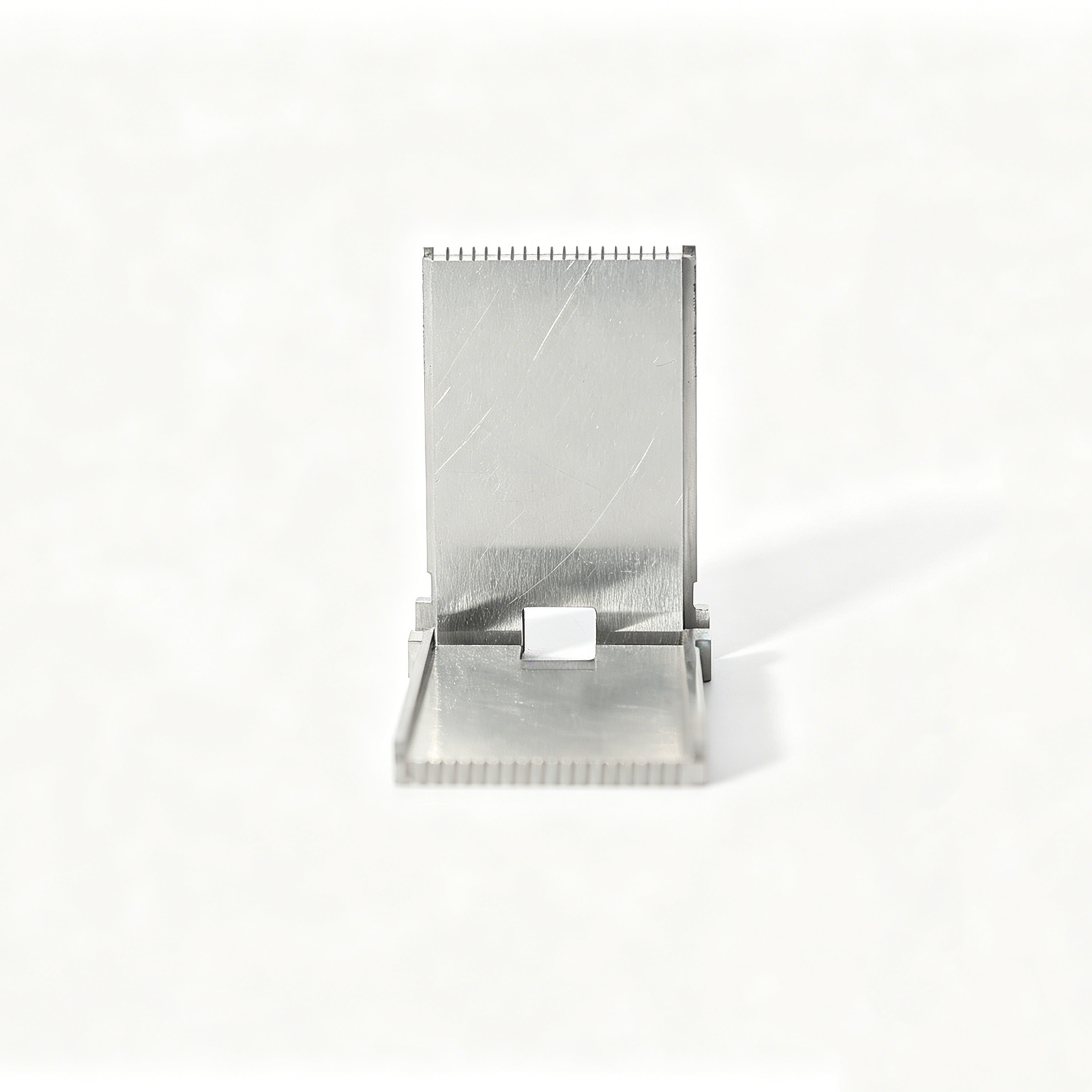
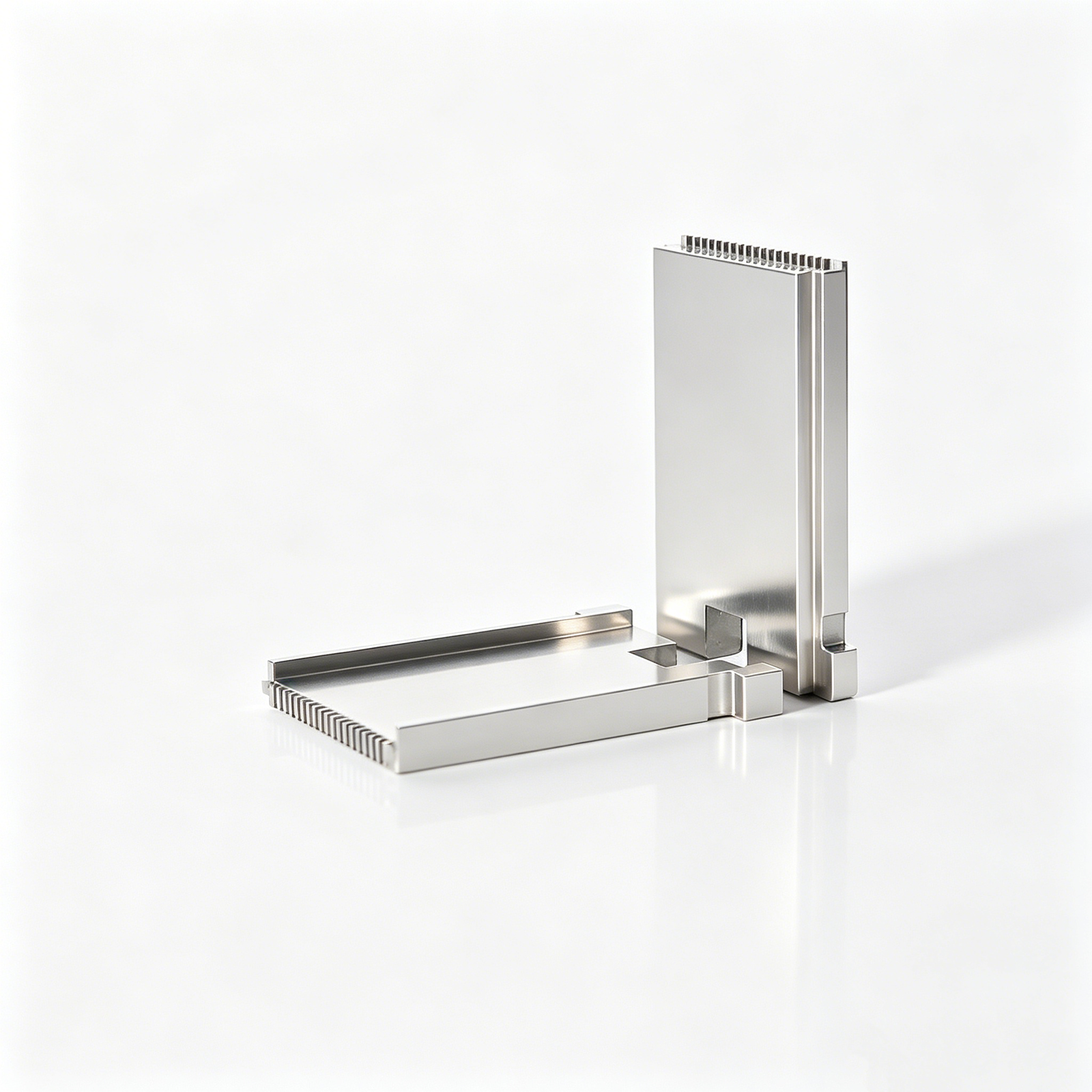
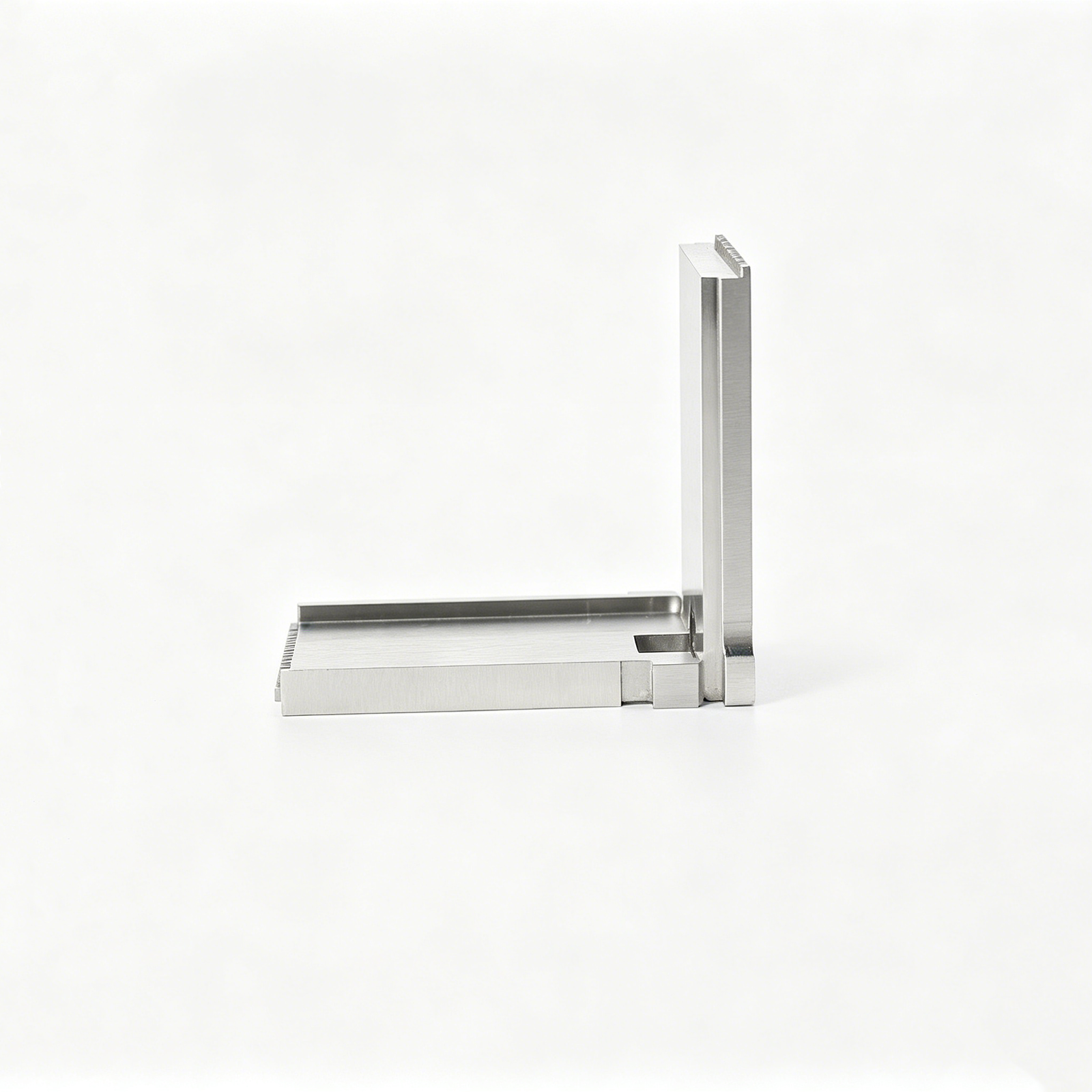
Plastic film parts · Precision mold insert
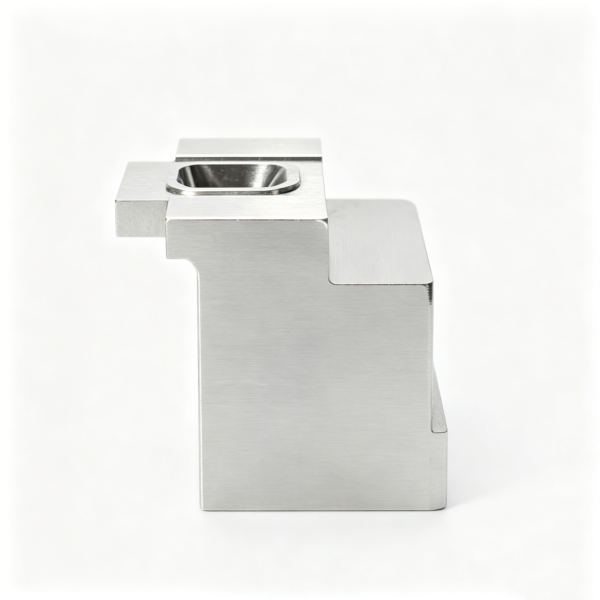
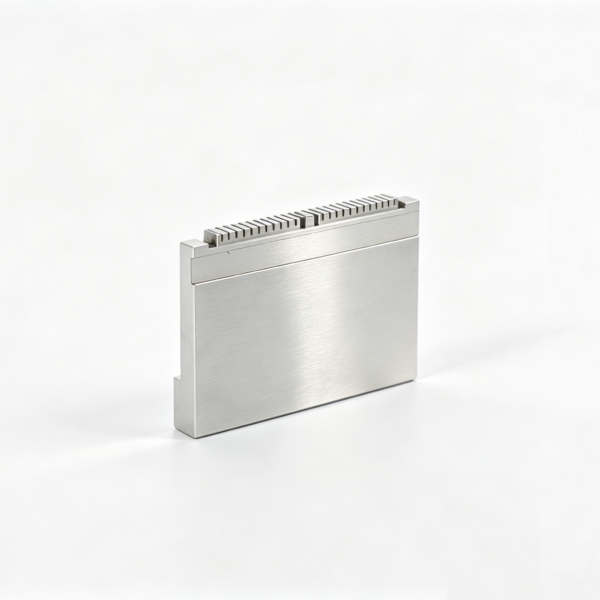
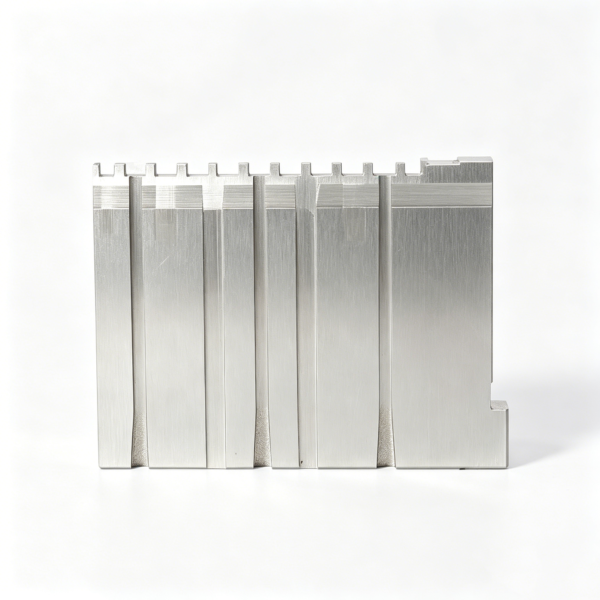
Industrial Connector Precision Mold Components for Connector Tooling
Brand Xuxiang Mold
Availability Made to drawing
RFQ pricing
Quote from STEP / PDF & quantity
Build connector tooling that supports stable production, cleaner part release, and dependable dimensional repeatability. These Industrial Connector Precision Mold Components are designed for demanding injection-mold applications where fit, finish, and consistency matter. They help mold makers support accurate cavity formation, smoother ejection, and more reliable assembly results. A practical choice for manufacturers producing industrial plugs, housings, and related connector parts.
- ISO 9001:2015–oriented process & documented inspection paths
- Zeiss / Nikon class metrology available for critical dimensions
- DFM feedback from 10+ senior tooling engineers
- Dongguan HQ + Quanzhou capacity for volume programs
Purpose-Built Components for Industrial Connector Molds
Industrial Connector Precision Mold Components are used in tooling systems that produce connector parts requiring tight fit, stable geometry, and consistent cycle performance. In connector manufacturing, small variations can affect mating performance, sealing, latch behavior, and downstream assembly, so the mold components that shape the part must be made and maintained with care. These components are commonly applied in connector tooling for wire-to-wire and module-to-module products, where repeatable cavity accuracy and controlled release are critical for production quality.
For buyers and mold makers, the value of precision mold components is not only in the finished part quality but also in the way the mold runs over time. Well-selected connector mold parts can help reduce wear, improve alignment, support cleaner parting lines, and keep the tool easier to maintain. That means fewer interruptions, more predictable output, and better consistency from one run to the next.
Why These Mold Components Matter
Industrial connectors often work in challenging environments, and the tooling behind them must support precise geometry while remaining durable under repeated molding cycles. Precision inserts, core and cavity elements, and related mold hardware are typically chosen to help maintain part accuracy, manage release behavior, and preserve surface quality. When connector parts must fit into assemblies with little room for error, the mold’s internal precision becomes a direct contributor to product performance.
Another important advantage is process stability. Connector molds can be sensitive to shrinkage, flow behavior, cooling balance, and ejection design. Properly made precision components support better control of these variables by helping the mold stay aligned and maintain the intended shape. This is especially useful in production environments that prioritize consistent electrical housing dimensions, reliable snap features, and repeatable connector interfaces.
Key Features and Buyer Benefits
These components are typically selected for their ability to support accurate mold construction and long service life. Depending on your application, they may be used in insert-style tooling, multi-cavity systems, or specialized connector molds for industrial equipment.
- Precision fit: supports accurate cavity definition and repeatable part dimensions.
- Tooling durability: helps withstand continuous molding cycles and routine maintenance.
- Cleaner release: can contribute to smoother demolding and reduced sticking.
- Better alignment: helps the mold close consistently and maintain part quality.
- Production efficiency: supports stable runs with fewer adjustments and less downtime.
For manufacturers, this translates into more dependable output and a better chance of meeting connector-specific requirements such as mating accuracy, surface integrity, and assembly compatibility. For mold builders, precision components simplify the task of building tools that are easier to tune and maintain.
Technical Overview
| Attribute | Typical Buyer Consideration |
|---|---|
| Product type | Precision mold components for industrial connector tooling |
| Main function | Supports cavity formation, alignment, release, and dimensional stability |
| Application focus | Industrial connectors, electrical housings, connector inserts, and related injection molds |
| Customization | Often tailored to mold design, cavity layout, and connector geometry |
| Material selection | Chosen based on wear resistance, machinability, and tool life requirements |
| Surface requirement | May require fine finishing for fit, release, and wear performance |
| Maintenance goal | Support easy inspection, replacement, and long-term tool stability |
Where They Are Used
These mold components are a strong fit for teams producing industrial connector families, including housings, plugs, sockets, interface parts, and related molded pieces. They are also useful for tooling used in electronics, automation equipment, control systems, and industrial wiring accessories. If your products must combine precise fit with repeatable volume production, the mold components behind the tool deserve careful attention.
They are especially relevant when your project involves multiple cavities, fine features, snap-fit details, or tight alignment between mating parts. In those cases, the precision of the mold insert or component can directly affect part quality, production yield, and the amount of post-processing required.
Selection and Care Guidance
When choosing connector mold components, focus on the geometry of your connector, the intended resin, and the expected production volume. A component that performs well in one tool may not suit another if the wear load, cooling layout, or ejection method changes. It is also wise to confirm compatibility with the existing mold base and machining plan before ordering.
Routine maintenance helps protect performance. Clean components after use, inspect for wear or edge damage, and store tooling in a dry, controlled environment to reduce corrosion risk. If the mold is used for high-volume production, plan periodic checks for alignment, polishing condition, and release consistency so small issues do not become larger quality problems.
For buyers comparing options, prioritize precision, serviceability, and material suitability over short-term cost alone. In connector tooling, a well-made component can pay back through lower scrap, less downtime, and more predictable production.
FAQ
How are these components shipped?
Shipping is typically arranged based on order size, destination, and whether the parts are standard or custom-made. For custom tooling parts, buyers usually confirm packing requirements and lead time before dispatch.
Will they fit my existing connector mold?
Fit depends on your mold drawings, cavity layout, and machining tolerance requirements. Share your 2D or 3D design details so compatibility can be checked before production.
What materials are commonly used?
Material choice depends on wear resistance, machining needs, and expected service life. For connector tooling, buyers often prioritize materials that balance durability, stability, and finishing quality.
How should I use them in production?
They should be installed according to the mold design and aligned carefully during setup. Proper installation helps maintain cavity accuracy, smooth release, and consistent part formation.
What maintenance do they need?
Regular cleaning, inspection, and protection from moisture are important. Checking for wear, polishing issues, or alignment shifts helps keep connector molds running consistently.
What if I need a custom dimension?
Custom dimensions are common for connector tooling. Provide the required drawings, tolerance targets, and application details so the component can be matched to your mold.
Do you offer warranty or returns?
Warranty and return terms usually depend on whether the part is standard or custom-made. Confirm the policy before ordering, especially for made-to-print components.
Can these support high-volume molding?
Yes, when they are matched to the resin, mold design, and production conditions. High-volume use benefits from precise machining, proper maintenance, and wear-resistant selection.
Related products
Same drawing, predictable results—next batch
Share revision, quantity ramp, and inspection level. We quote process route, ship date, and documentation in one structured response.