
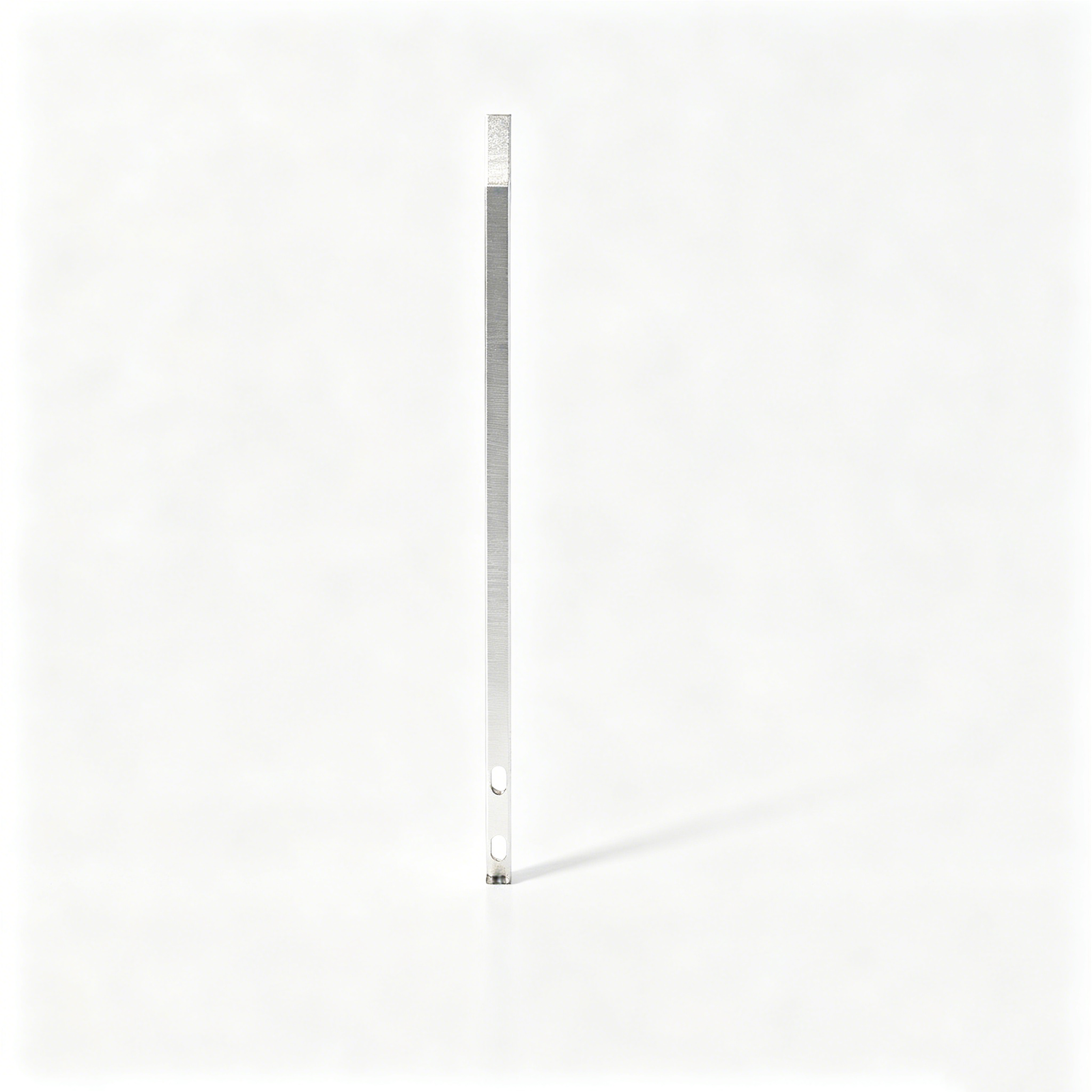
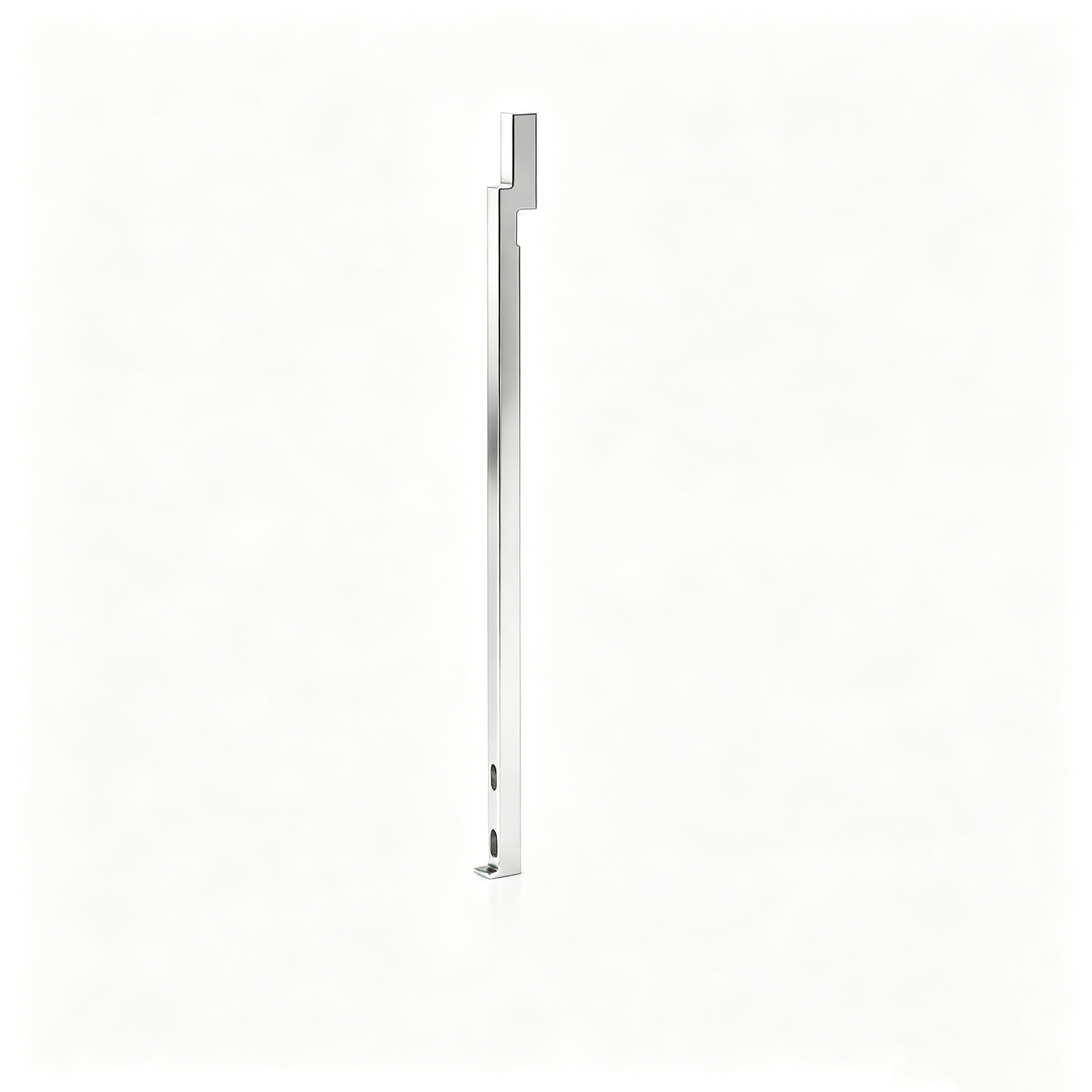
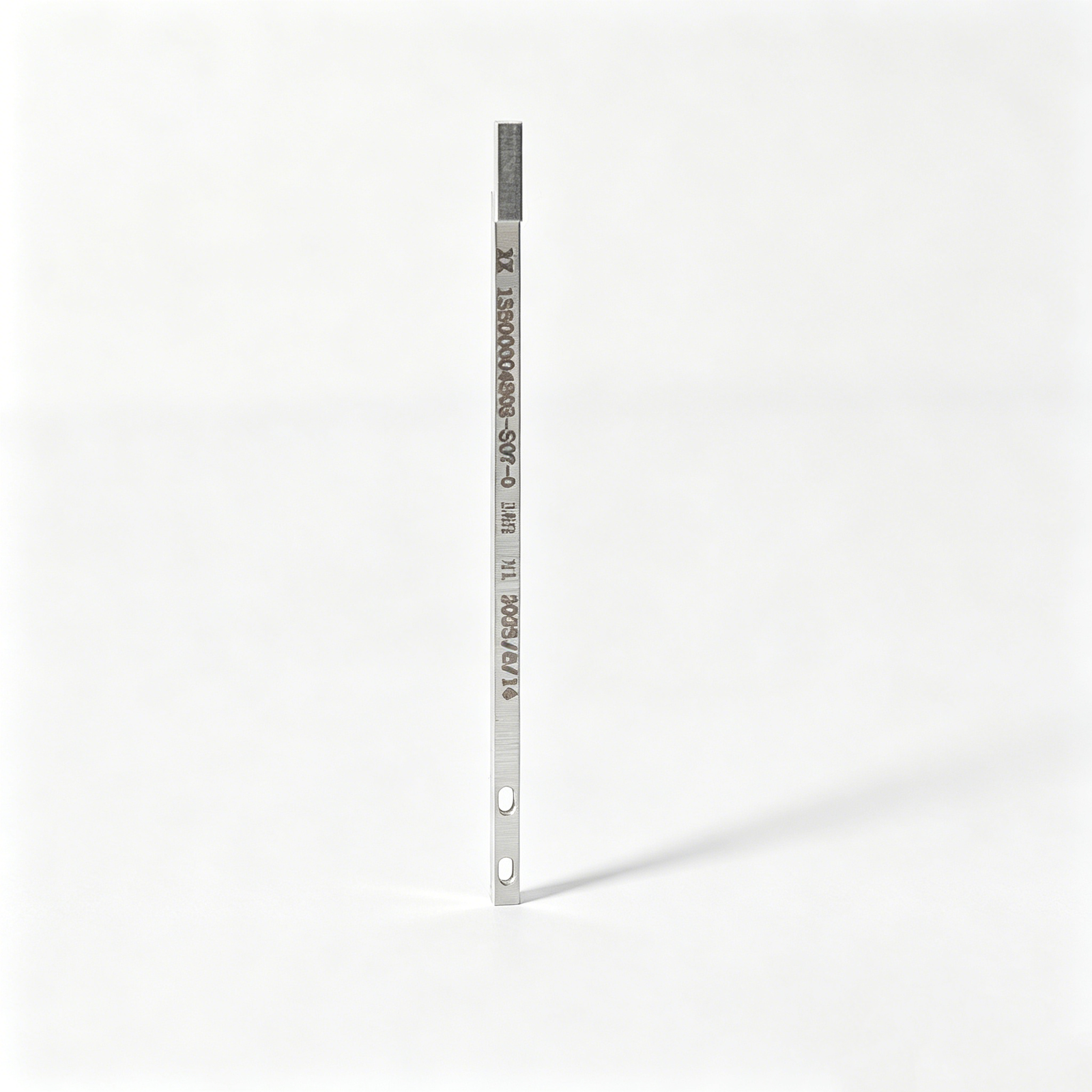
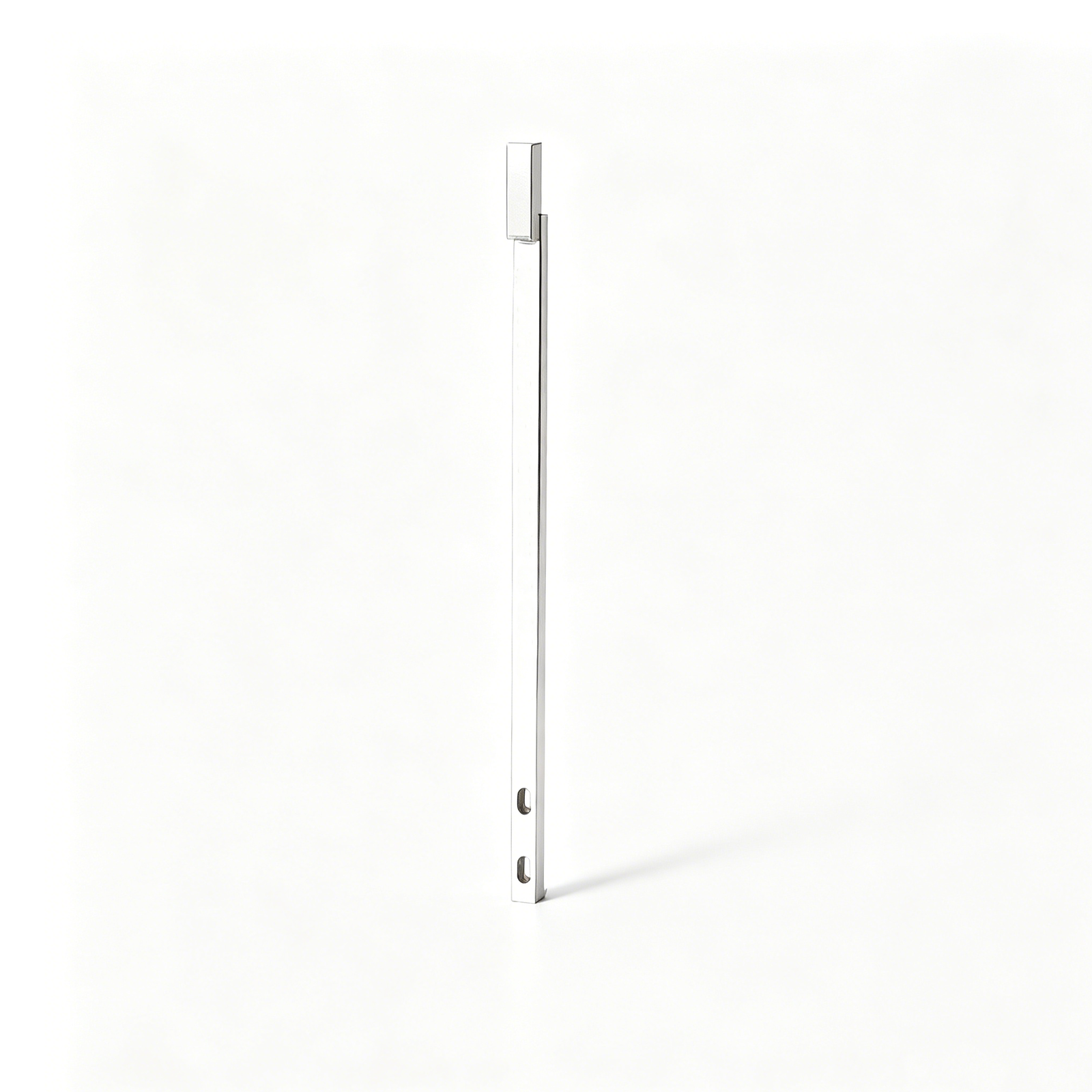
Plastic film parts · Precision mold insert
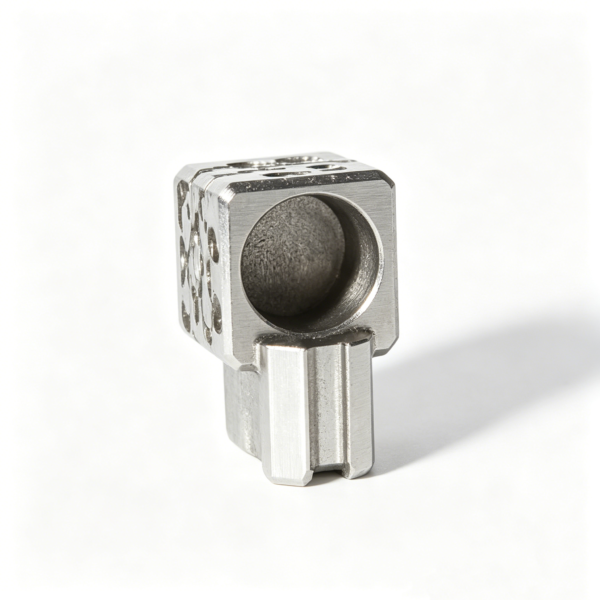
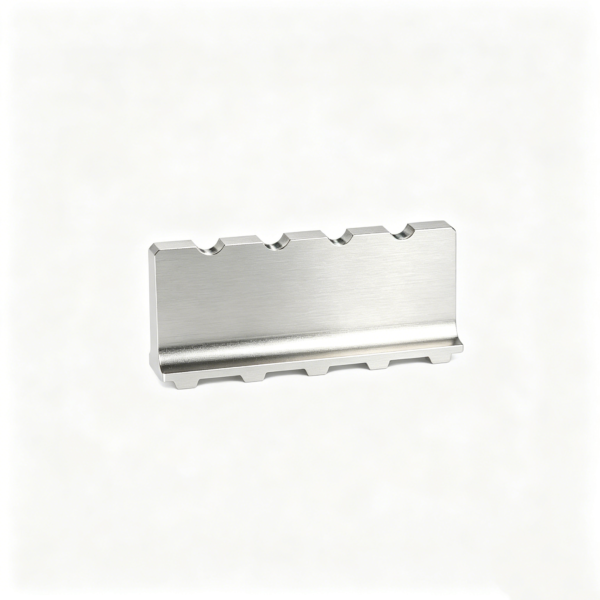
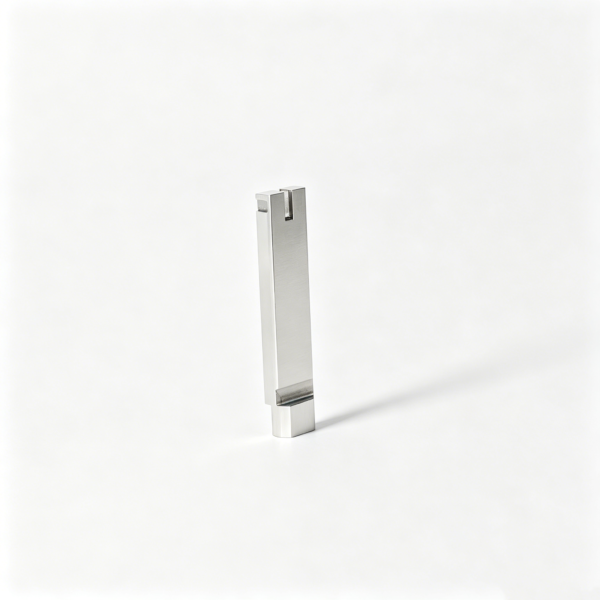
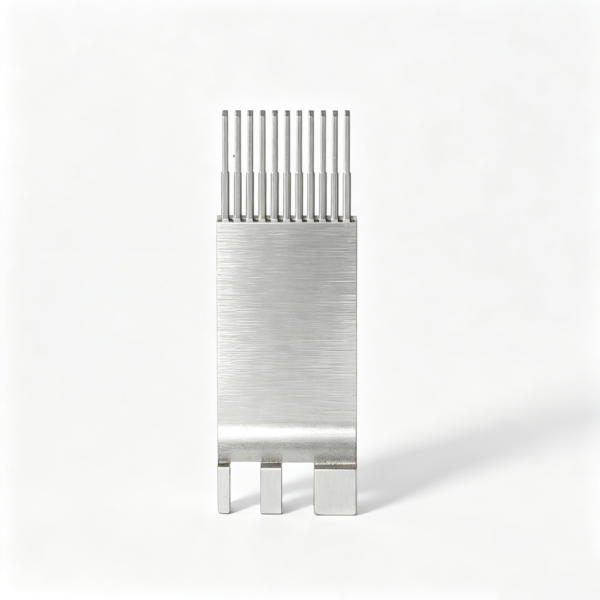
Mobile Connector Precision Mold Components for Stable Connector Production
Brand Xuxiang Mold
Availability Made to drawing
RFQ pricing
Quote from STEP / PDF & quantity
Built for demanding connector tooling, Mobile Connector Precision Mold Components help support repeatable part formation, clean release, and dependable alignment in high-volume production. They are a strong fit for manufacturers who need consistent quality across every molding cycle. With careful fit and precision finishing, these components help reduce rework and keep connector output running smoothly. Ideal for teams focused on reliable performance, stable processing, and long-term tool efficiency.
- ISO 9001:2015–oriented process & documented inspection paths
- Zeiss / Nikon class metrology available for critical dimensions
- DFM feedback from 10+ senior tooling engineers
- Dongguan HQ + Quanzhou capacity for volume programs
Precision support for mobile connector tooling
Mobile Connector Precision Mold Components are engineered for the detailed work involved in producing compact electrical connector parts. In connector molds, small deviations can affect fit, contact performance, and final assembly, so the mold hardware must be built with careful attention to alignment, surface condition, and repeatability. These components are typically used in the cavity, core, insert, guiding, and forming sections of the mold, where they help shape the part and maintain the consistency required for stable production.
For manufacturers in the connector and injection molding sectors, the value of precision mold components is not only dimensional accuracy, but also process stability. A well-made mold part can support cleaner parting lines, better repeatability from cycle to cycle, and smoother production with fewer interruptions. That is especially important when working with mobile connectors, where space is limited and the finished part must still meet strict assembly and performance expectations.
Why these components matter in connector molds
Connector molds often operate under tight tolerances and demanding molding conditions. The components inside the tool must endure repeated heating, cooling, clamping, and ejection without losing form or surface quality. Because of that, buyers usually look for precise machining, dependable material selection, and finishing that supports long service life. Precision mold parts are also important during mold build and maintenance, since consistent replacement parts and accurately matched inserts help preserve the original tool geometry.
In practical terms, these components can help moldmakers improve part quality and simplify debugging during trial runs. When the forming surfaces are accurate and the fit between parts is controlled, it becomes easier to achieve the intended connector profile, wall balance, and release behavior. That makes them useful not just for initial tool construction, but also for ongoing maintenance, repair, and production optimization.
Key features and buyer benefits
- High-fit precision for connector mold applications where repeatable geometry is essential.
- Support for stable molding cycles by helping maintain alignment and forming consistency.
- Better surface quality through machining and finishing suited to detailed mold work.
- Maintenance-friendly design for replacement, repair, and tool refurbishment needs.
- Production efficiency by reducing the likelihood of mismatch, flash, or unstable release behavior.
- Flexible use across mobile connector tooling, insert systems, and related precision mold assemblies.
These benefits are especially relevant for teams managing connector programs with frequent model changes or multi-cavity production. In those environments, even small improvements in mold part consistency can have a noticeable effect on output stability and tooling life.
Typical specifications and application notes
Because this product category can be customized for different molds, the exact specifications depend on the connector design, mold structure, and production target. The table below outlines the most common attribute areas buyers review when sourcing these parts.
| Attribute | Typical Buyer Consideration |
|---|---|
| Product type | Precision mold components for mobile connector tooling |
| Function | Forming, alignment, support, guiding, and insert-based mold applications |
| Material options | Tool steel, pre-hardened steel, hardened steel, stainless steel, or other project-suitable mold materials |
| Surface finish | Machined, ground, polished, or application-specific finishing |
| Precision level | Built for tight-fit connector mold requirements and repeatable production |
| Compatibility | Custom-fit for mobile connector molds and related injection molding tools |
| Customization | Often tailored to drawing, sample, cavity layout, and production requirements |
| Primary use | New mold builds, spare parts, insert replacement, and tool maintenance |
Where these parts are commonly used
These components are suitable for mold shops, connector manufacturers, automotive electronics suppliers, and injection molding facilities producing compact electrical parts. They are also useful for engineering teams that need dependable replacement inserts or precision spares to keep existing tools running. In mobile connector production, the emphasis is often on compact geometry, reliable assembly fit, and consistent tooling behavior over long runs.
They are a practical choice for buyers who need:
- Custom mold components for connector housings or internal features
- Replacement inserts for worn or damaged tooling
- Precision parts for prototype validation and trial molding
- Hardware support for multi-cavity or high-repeatability production
Buying and maintenance guidance
When selecting connector mold components, start with the mold drawing, part geometry, and tolerance requirements. It is also helpful to confirm how the part will be used in the tool, since a cavity insert, core insert, and guide component may require different machining priorities. If the application involves frequent maintenance or short lead times, choosing a design that supports easy replacement can reduce downtime.
For care and long-term use, keep precision mold parts clean, protected from corrosion, and properly lubricated where applicable. During storage, avoid surface damage and contact with abrasive debris. Routine inspection helps catch wear early, especially in high-cycle connector programs where small changes can affect product consistency. When ordering, buyers should share drawings, samples, steel preferences, surface requirements, and any special fit notes to help ensure the finished component matches the intended mold assembly.
FAQ
How are these parts typically shipped?
Most precision mold components are packed to protect machined and polished surfaces during transit. Buyers usually receive them in secure protective packaging suited for export or domestic delivery.
Are they compatible with all mobile connector molds?
Compatibility depends on the mold design, dimensions, and functional role of the part. These components are usually made to drawing or sample, so sharing technical details is the best way to confirm fit.
Can they be used for replacement and repair work?
Yes. They are commonly ordered as spare parts for worn inserts, damaged forming sections, or maintenance projects that require accurate tool restoration.
What information should I provide before ordering?
Provide drawings, samples, material preferences, surface finish requirements, and any tolerance or assembly notes. More detail helps reduce revision time and improves fit accuracy.
How should precision mold parts be maintained?
Keep them clean, dry, and protected from corrosion. Regular inspection, careful handling, and proper lubrication where needed can help extend service life.
Do these parts support trial molding?
Yes. They are often used in mold trials because accurate components help verify fit, release behavior, and part quality before full production begins.
What is the usual return or warranty approach?
Warranty and return terms vary by supplier and project type. It is best to confirm approval conditions, inspection standards, and any remake policy before placing a custom order.
Related products
Same drawing, predictable results—next batch
Share revision, quantity ramp, and inspection level. We quote process route, ship date, and documentation in one structured response.