
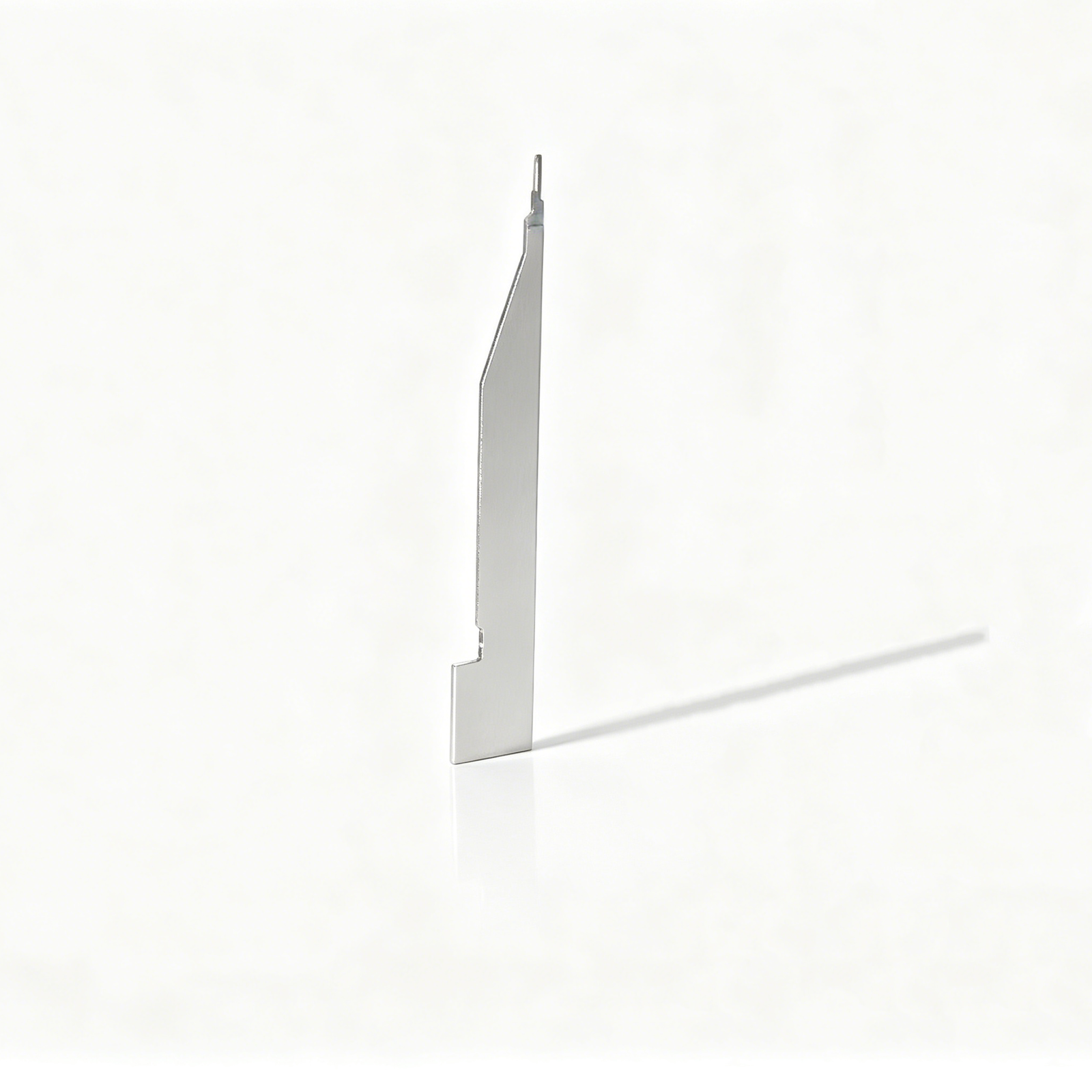
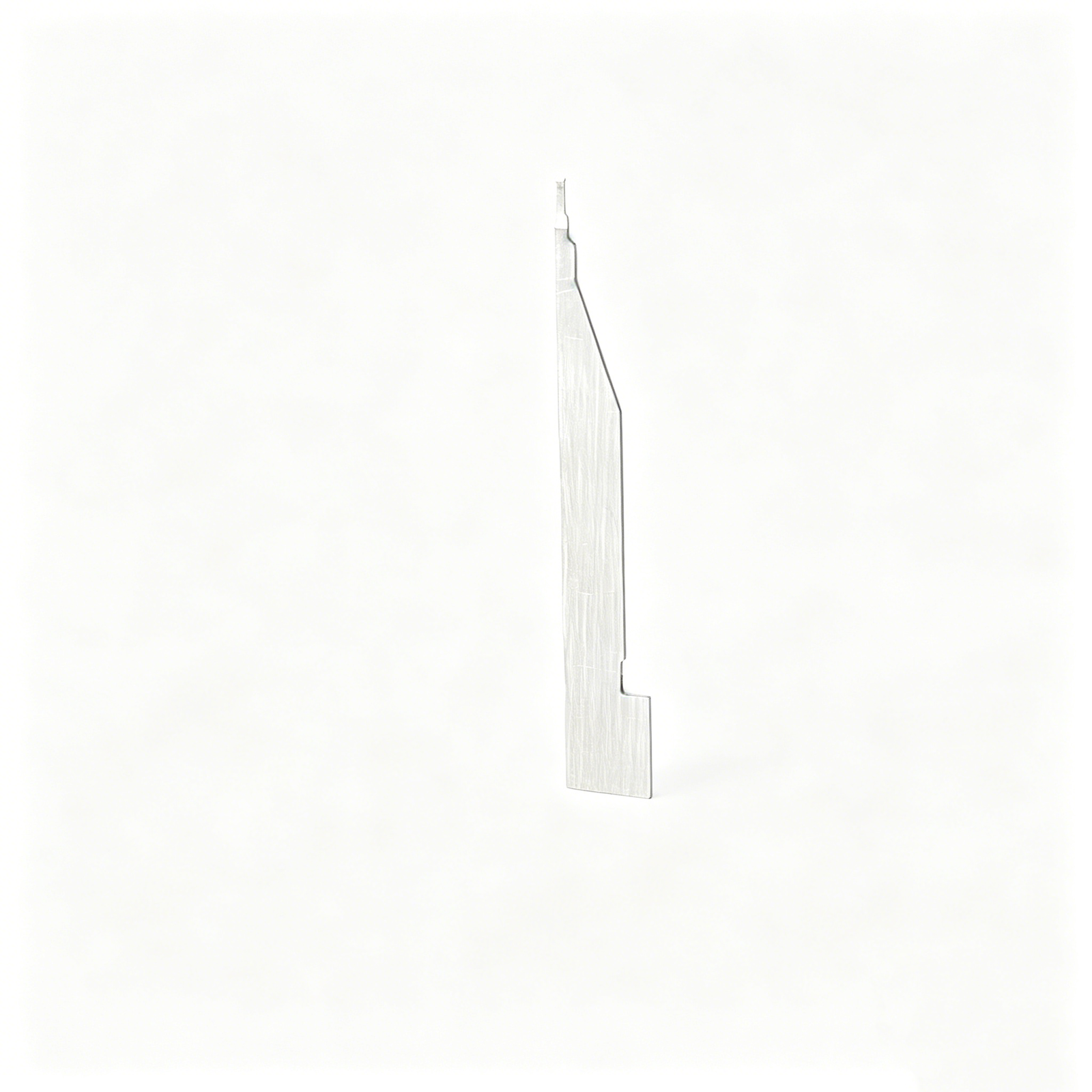
Plastic film parts · Precision mold insert
Mobile Connector Precision Mold Components for Fine-Pitch Contact Geometry
Brand Xuxiang Mold
Availability Made to drawing
RFQ pricing
Quote from STEP / PDF & quantity
Engineer reliable connector tooling with Mobile Connector Precision Mold Components tailored for fine-pitch terminals and compact housings. These premium inserts, cores, and slide elements are manufactured to tight tolerances to keep every cavity aligned, every shot repeatable, and every connector within spec. Whether you are developing a new mobile interface or scaling up production of an existing platform, the components integrate seamlessly into your mold base. Durable tool steels, optimized gate and cooling layouts, and polished functional surfaces help reduce flash, stabilize dimensions, and shorten cycle times. Choose them to upgrade legacy molds or to build your next-generation connector tooling from the ground up.
- ISO 9001:2015–oriented process & documented inspection paths
- Zeiss / Nikon class metrology available for critical dimensions
- DFM feedback from 10+ senior tooling engineers
- Dongguan HQ + Quanzhou capacity for volume programs
High-Precision Mold Components for Mobile Connector Contact Geometry
Mobile devices and compact electronics demand increasingly dense, fine-pitch connectors that must remain reliable under constant plugging, vibration, and thermal cycling. To manufacture these components consistently, your tooling needs a stable, high-precision foundation. Our Mobile Connector Precision Mold Components for Fine-Pitch Contact Geometry are engineered specifically to support the complex shapes, small pitches, and tight dimensional windows typical of mobile connectors.
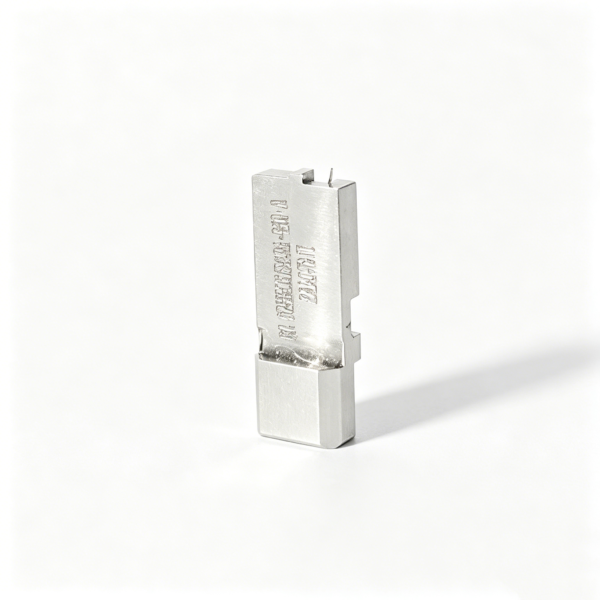
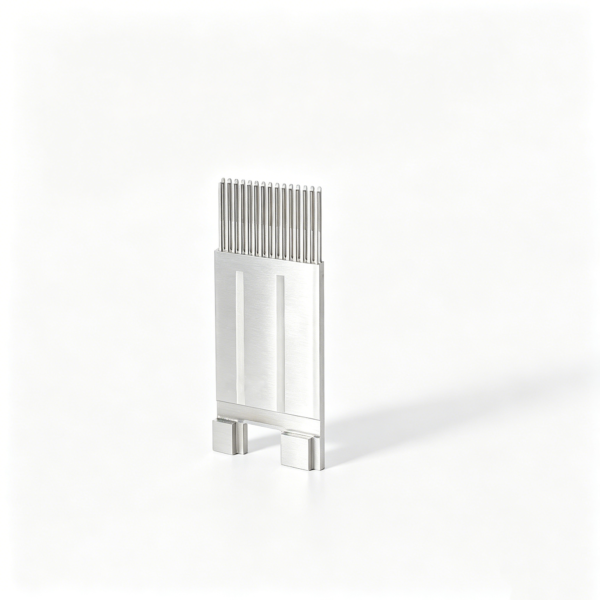
These components include core pins, cavity inserts, lifters, sliders, and guide elements that work together to form accurate terminal pockets, insulation barriers, and locking features in connector housings and related parts. By combining advanced CAD/CAM-driven design with high‑precision CNC machining, EDM, grinding, and hand fitting, each component is built to support repeatable mass production of delicate connector geometries.[1]
Used in combination with a properly designed connector mold, these components help control warpage, minimize flash, and achieve smooth demolding for small, fragile parts. This makes them ideal for mobile phone connectors, tablet ports, wearable device interconnects, and other miniaturized interfaces where even minor deviations can cause assembly issues or electrical failure.[3][12]
Key Features & Performance Benefits
Every element of these precision mold components is optimized around the realities of manufacturing fine-pitch connector parts at scale.
- Fine-pitch geometry control: Critical mold features such as terminal slots, keying ribs, and locking windows are machined with high positioning accuracy to support miniature connectors and dense contact layouts, helping to keep pitch and coplanarity within strict limits.[1][3]
- High-stability tool steels: Components are manufactured from suitable tool steels or alloy steels chosen for hardness, wear resistance, and dimensional stability after heat treatment, supporting long production runs with minimal drift.[1][3]
- Surface finish for clean release: Grinding and polishing of cavity and core surfaces reduce micro-defects, lowering the risk of sticking, drag marks, and cosmetic defects on small connector housings.[1]
- Robust alignment and guidance: Precision-guided components, including guides and locating features, help maintain cavity-to-core alignment across multiple cavities, which is critical for fine-pitch layouts where even slight misalignment can cause scrap.[3][12]
- Optimized for high-speed injection: Geometries can be configured to support balanced runner layouts, responsive venting, and effective cooling, enabling short cycle times while preserving dimensional accuracy.[3][12][13]
- Configurable for multi-cavity tools: Components are suitable for single- and multi-cavity connector molds, supporting capacity upgrades without sacrificing dimensional control or tool life.[2][6][13]
Typical Specifications & Construction Details
The following table summarizes common characteristics and configuration options for Mobile Connector Precision Mold Components used in fine-pitch connector tooling. Values are indicative; exact details are tailored to each project, connector standard, and mold base.
| Attribute | Description |
|---|---|
| Component types | Core pins, cavity inserts, terminal slot inserts, sliders, lifters, ejector and stripper elements, guide and locating components |
| Typical application | Mobile device connectors, fine-pitch board-to-board and cable connectors, SIM/IO ports, compact power and signal interfaces |
| Base materials | Hardened tool steels or pre-hardened steels selected for wear resistance, dimensional stability, and polishability |
| Manufacturing processes | CAD/CAM design, CNC milling, turning, wire and sinker EDM, precision grinding, polishing, fitting, and assembly |
| Tolerance capability | Fine tolerances suitable for connector mold components; achievable limits depend on geometry and project requirements |
| Surface finish | Functional surfaces ground and polished for smooth demolding and stable dimensions in high-cavitation tools |
| Heat treatment | Appropriate quenching and tempering processes used to achieve required hardness and toughness for production tooling |
| Mold compatibility | Custom-sized for your connector mold base and standard mold components; configurable for single or multi-cavity layouts |
| Industry focus | Mobile electronics, consumer devices, automotive infotainment connectors, industrial handheld terminals |
| Design support | Can be integrated into new mold designs or used when refurbishing existing connector molds and inserts |
Use Cases & Ideal Applications
These Mobile Connector Precision Mold Components are particularly suited to projects where connector miniaturization and fine-pitch layout create tooling challenges.
- Mobile phone and tablet connectors: Build tooling for charging ports, board-to-board connectors, and high-speed data interfaces where small pitch and thin walls require exceptionally accurate core and cavity inserts.
- Wearables and IoT devices: Create connectors for smart watches, fitness trackers, and compact IoT modules where limited space demands multidimensional optimization of mold components and cooling.
- Automotive infotainment and mobile integration: Produce compact connectors for vehicle head units, console hubs, and smart-phone integration modules that must pass stringent reliability testing while remaining cost-effective in volume.[1][3][12]
- Miniature power and signal connectors: Support development of ultra-compact power and mixed-signal interfaces where insulation distances and wall thicknesses are tight, but defects and flash are unacceptable.
- Connector redesign and productivity upgrades: Retrofit older molds with updated precision components to improve cycle times, reduce scrap, and extend mold life without fully replacing the tool base.[1][12]
Selection, Maintenance & Buying Guidance
Selecting the right Mobile Connector Precision Mold Components begins with a clear understanding of your connector design, resin choice, and production strategy. Collaboration between your connector design team, tooling engineers, and component supplier is essential for best results.
- Clarify connector requirements: Define target pitch, pin count, housing thickness, and functional requirements such as locking features, polarization, and strain relief; these parameters inform the necessary precision and layout of mold inserts and cores.[3][12]
- Match components to resin and process: Different thermoplastics respond differently to shear, shrinkage, and cooling; component design (including venting and gate locations) should reflect your chosen material and planned injection parameters.[3][13]
- Plan for maintenance: Even with hard-wearing materials, fine-pitch connector molds benefit from scheduled cleaning, inspection, and occasional component replacement to keep flash, wear, and dimensional drift under control.[1][3]
- Consider scalability: If you expect rising demand, configure components for multi-cavity molds or modular tooling from the outset to enable faster scale-up without redesigning every detail later.
- Evaluate total cost of ownership: Higher-grade materials and precision finishing increase initial component cost, but often reduce downtime, scrap, and maintenance expenses across the tool’s life, especially for demanding mobile connector projects.
By selecting components that align with your connector’s geometry, the target production volume, and the required dimensional stability, you can build tools that support both current and future programs in the competitive mobile electronics market.
FAQ
Are these mold components compatible with my existing connector mold base?
Yes, the components are designed to be customized to your current mold base dimensions and standards. Provide your existing drawings or 3D models, and the components can be tailored to match your cavity layout, guide system, and mounting interfaces.
What information do I need to supply for fine-pitch connector projects?
Share the connector 3D model or drawings, pitch and pin count, resin selection, target production volume, and any special requirements such as high-temperature performance or automotive standards. This allows the component design to match your application and performance goals.
How are the components shipped and protected during transport?
Components are typically packed in protective cases or foam-lined cartons, with vulnerable surfaces shielded by anti-corrosion coatings or protective sleeves. This helps ensure that precision edges and polished surfaces arrive ready for assembly.
What level of dimensional accuracy can I expect for fine-pitch features?
The components are produced with high-precision machining and inspection practices suitable for fine-pitch connector tooling. Actual tolerances depend on the geometry and size of the features, and can be discussed during the design review.
How should I maintain the mold components to extend their service life?
Implement a regular maintenance schedule including cleaning of deposits, inspection for wear on fine edges, lubrication of moving components, and timely replacement of heavily stressed cores or pins. Use appropriate mold care products compatible with your resin.
Can these components support both prototype and mass-production tools?
Yes. They can be specified for prototype tools where fast iteration is important, as well as for long-life production molds where durability and consistency are the main priorities. Material and design choices can be adjusted based on your project stage.
Do you provide assistance with cooling and gating concepts for mobile connectors?
Design support can include recommendations on gate positions, cooling channel placement, and venting strategy to help you achieve stable molding conditions and minimize warpage in thin-wall connector housings.
What is the typical lead time for customized precision mold components?
Lead time depends on design complexity, the number of components, and current production load. After reviewing your drawings, an estimated schedule can be provided, covering design confirmation, machining, finishing, and inspection stages.
What is the policy on returns or adjustments if components do not fit as expected?
If there is a discrepancy between the agreed drawings and the delivered components, adjustments, rework, or replacement can be arranged following technical review. Clear documentation at the quotation stage helps prevent fit issues.
Can I order spare components for high-wear areas of the connector mold?
Yes, it is often recommended to order spare core pins, inserts, or sliders for known high-wear positions so that you can quickly restore tooling performance during scheduled maintenance without extended downtime.
Related products
Same drawing, predictable results—next batch
Share revision, quantity ramp, and inspection level. We quote process route, ship date, and documentation in one structured response.