
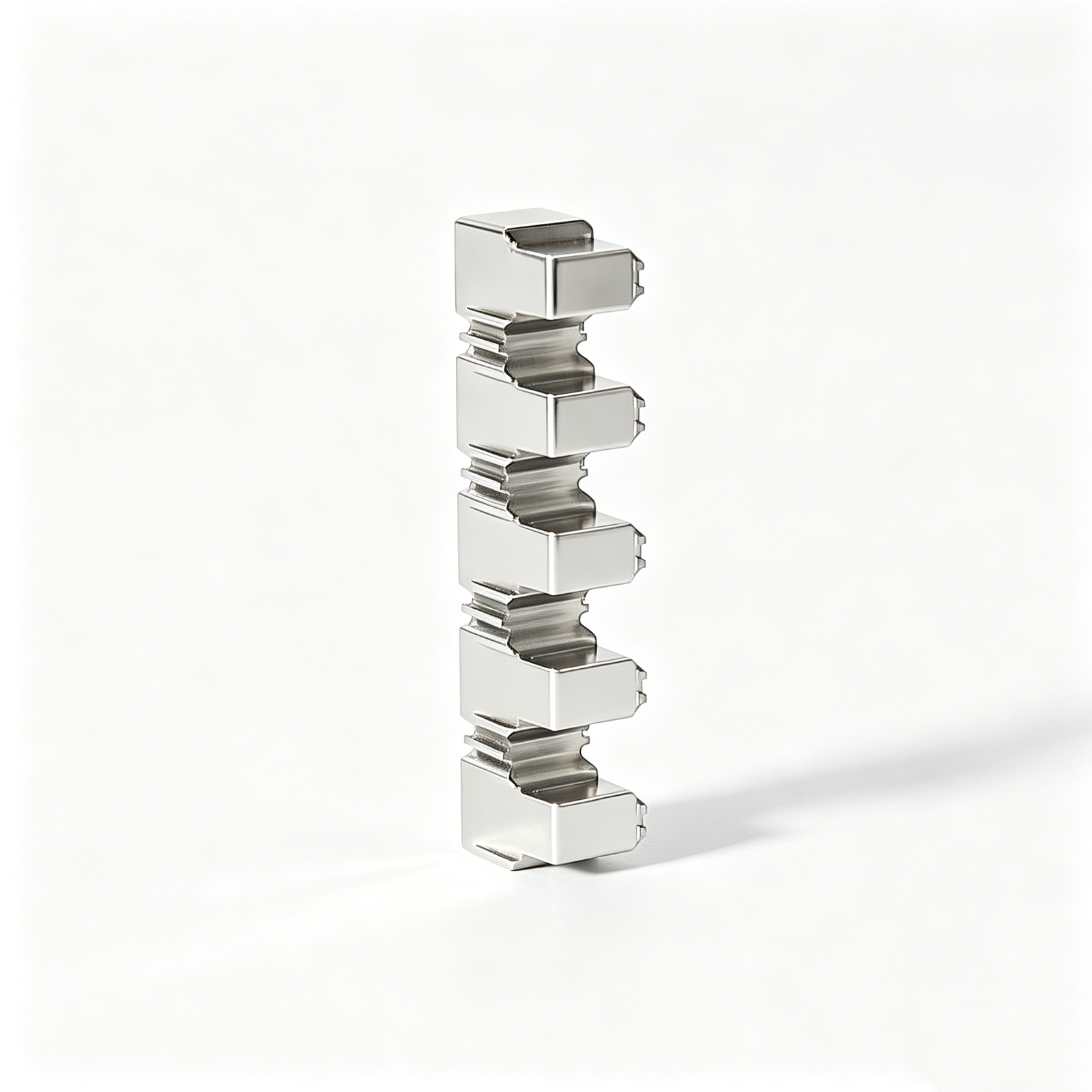
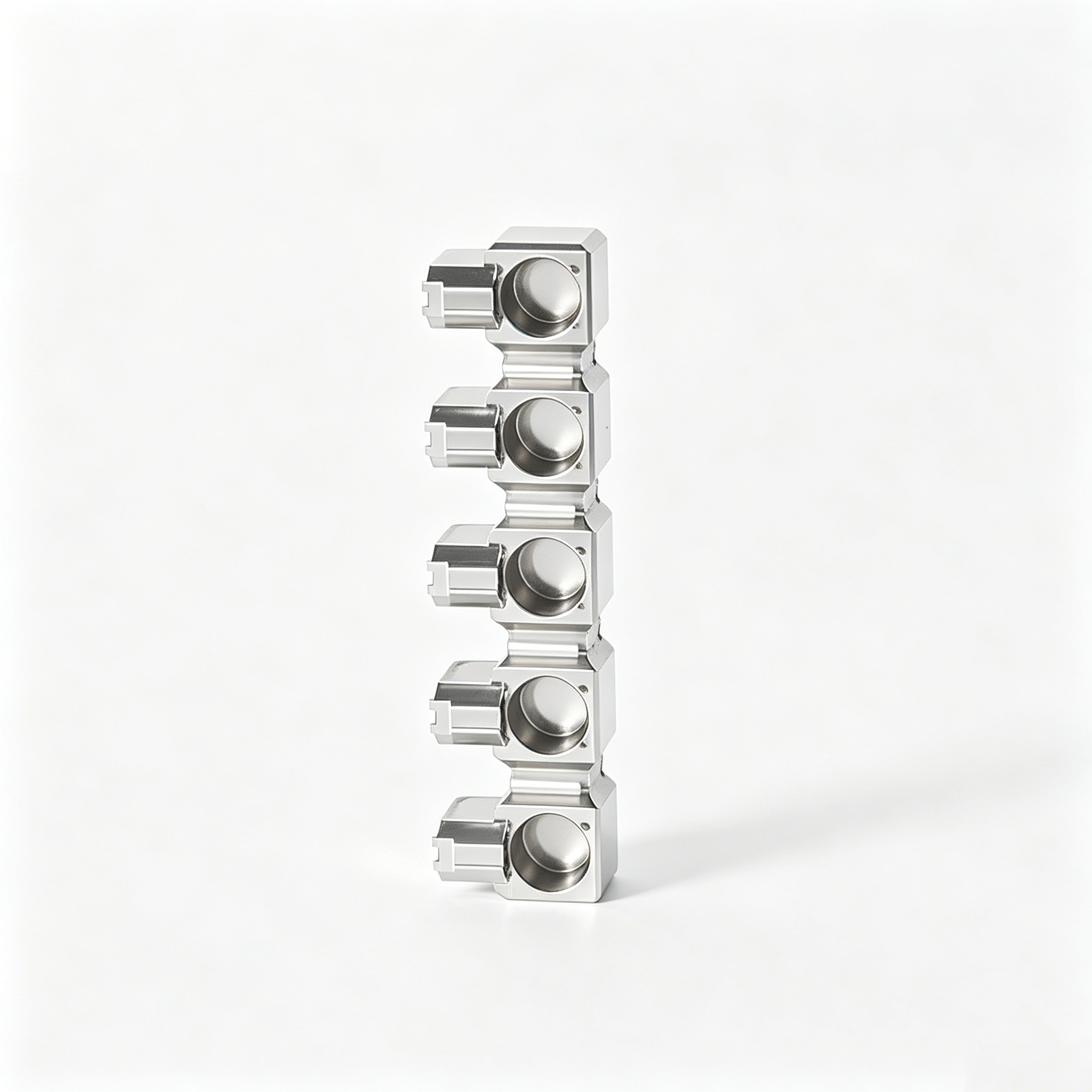
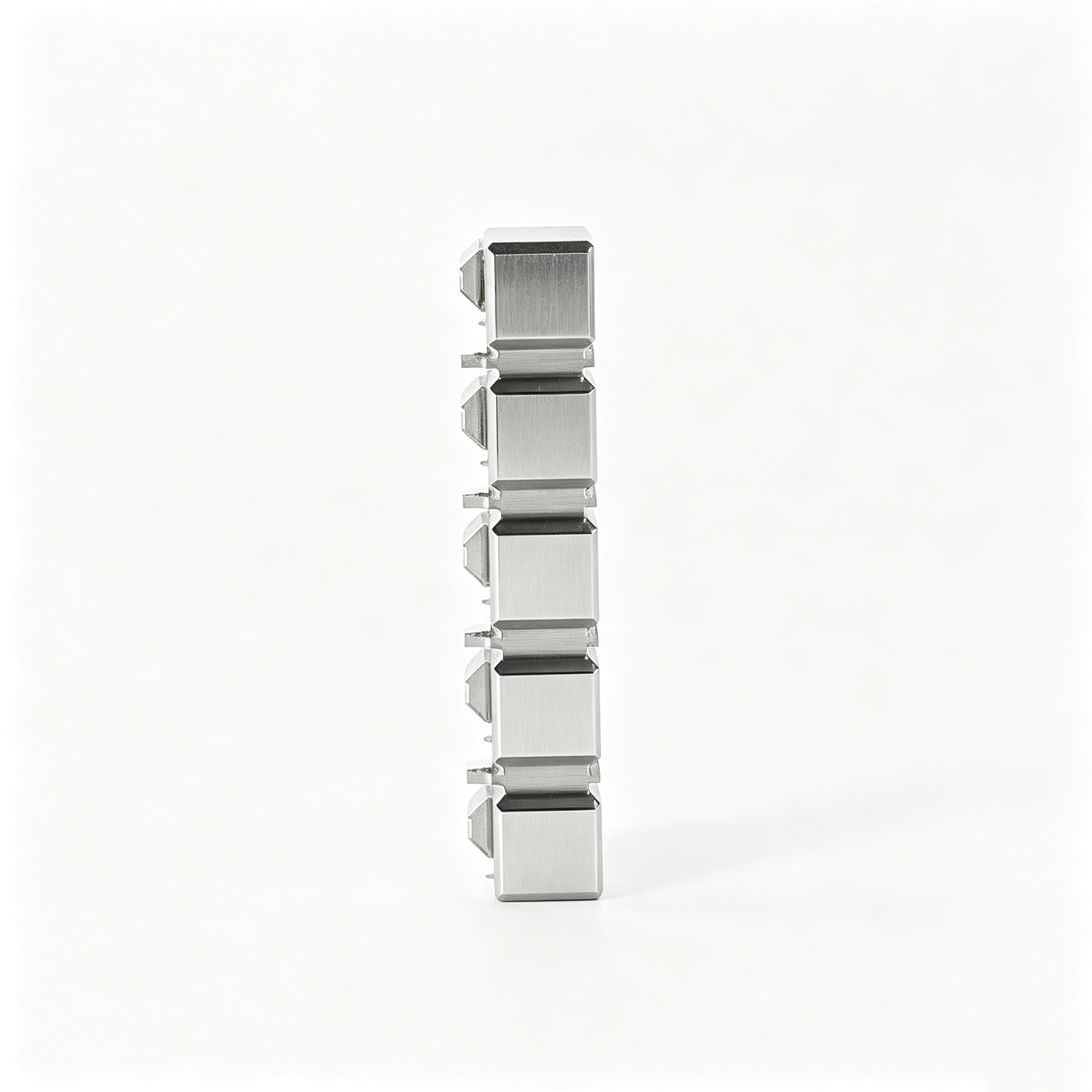
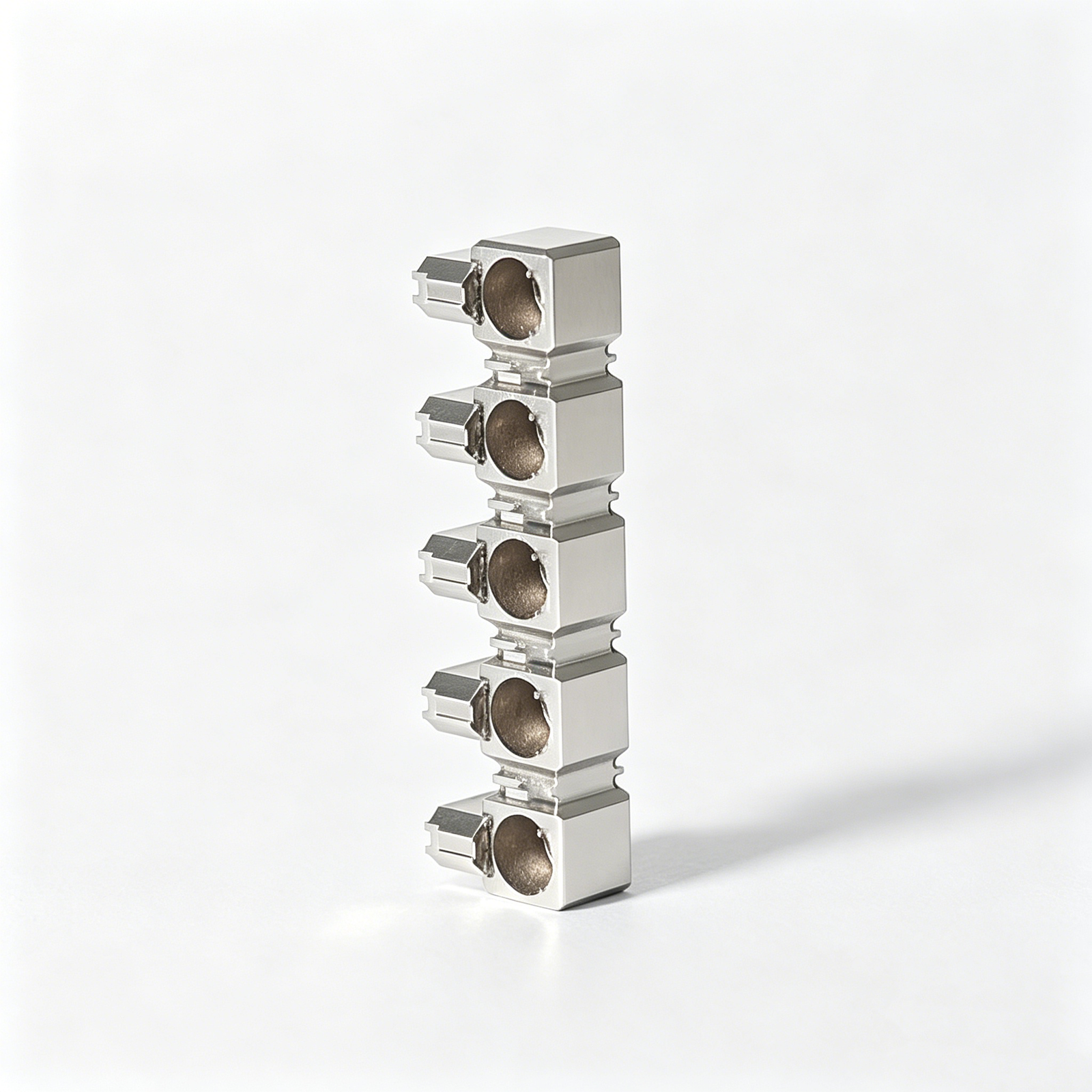
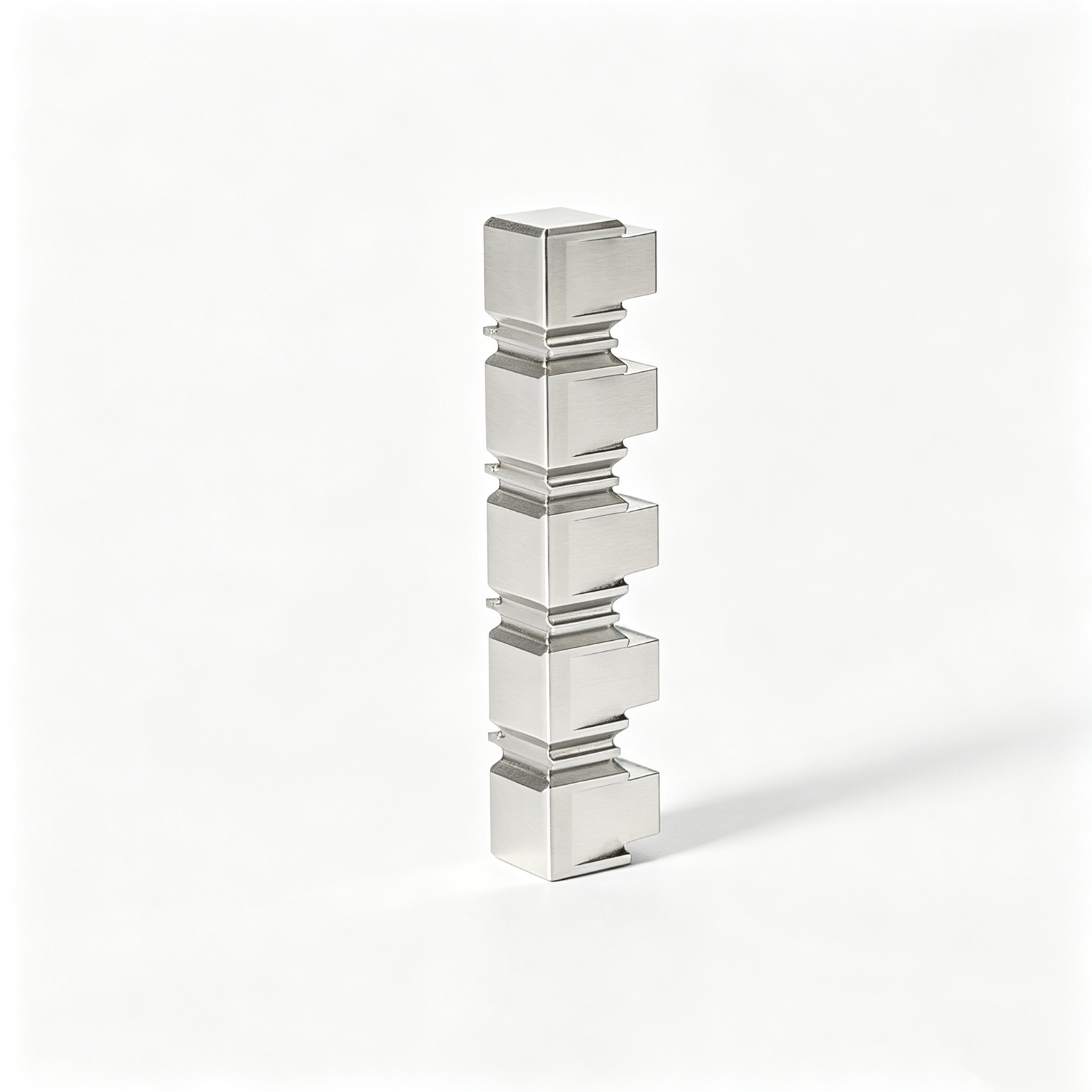
Plastic film parts · Precision mold insert
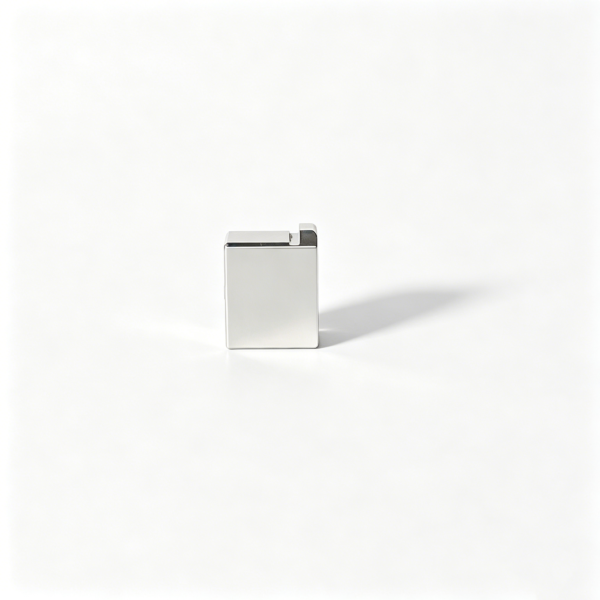
Mobile Connector Precision Mold Components for Modular Connector Platforms
Brand Xuxiang Mold
Availability Made to drawing
RFQ pricing
Quote from STEP / PDF & quantity
Engineer repeatable, high-yield connector production with Mobile Connector Precision Mold Components designed for modular connector platforms. Each insert and core pin is manufactured for tight dimensional tolerances, mirror-finished parting lines, and stable, long-run performance in demanding molding cells. Optimize your connector tooling for fast changeovers, consistent cavity balance, and reliable demolding of small, delicate geometries. Reduce scrap, shorten validation cycles, and keep your customers’ mobile and electronic connectors performing as designed. Bring next-level precision and uptime to your mold base with this robust component set.
- ISO 9001:2015–oriented process & documented inspection paths
- Zeiss / Nikon class metrology available for critical dimensions
- DFM feedback from 10+ senior tooling engineers
- Dongguan HQ + Quanzhou capacity for volume programs
What These Mobile Connector Precision Mold Components Are
These Mobile Connector Precision Mold Components are a dedicated suite of inserts, core pins, sleeves, slides, and related elements engineered to build modular tooling platforms for mobile and electronic connectors. Drawing on connector mold know‑how from the automotive, consumer electronics, and telecom sectors, they are tailored to handle very small plastic volumes, complex connector shapes, and fine detail around terminals and sealing features.[1][3][12]
Each component is produced from carefully selected tool steels and wear‑resistant alloys, processed through high-precision CNC machining, grinding, and EDM to deliver the kind of repeatability required for connector housings, headers, and mobile power/charging interfaces.[1][3] These parts are intended for integration into custom connector molds, multi-cavity tools, and flexible modular platforms where cavities or connector variants must be swapped quickly without sacrificing dimensional accuracy.
Rather than a generic mold-component kit, this assortment focuses on the specific needs of mobile-style connectors: thin walls, narrow slots, precise pin guides, and tight positional tolerances between cavities. By combining hardened components with robust alignment features and polished functional surfaces, it helps mold makers and injection molders achieve high yields on complex connector projects.
Key Features & Benefits
Compared with standard off-the-shelf inserts, these precision mold components are optimized around connector tooling requirements identified by leading connector and mold manufacturers.[1][3][12]
- Connector-focused design – Component geometries support typical mobile and automotive connector layouts, including multi-row housing designs, keying features, and retention latches.
- Tight dimensional control – Components pass through advanced machining, grinding, and polishing workflows to maintain close tolerances that align with modern connector tolerances and miniaturized geometries.[1][3][12]
- Stable long-run performance – Tool steels and engineered alloys are heat treated for hardness and wear resistance, helping molds stay dimensionally stable throughout long production campaigns.[1][3]
- Modular platform capability – Inserts and cavity blocks can be configured into modular mold bases so that different connector variants can be changed over through insert swaps rather than full tool changeouts.
- Enhanced surface quality – Polished and carefully finished surfaces in the cavity and along sliding areas reduce risk of flash, improve cosmetic quality, and support smooth demolding of delicate connector features.[1]
- Process-friendly geometry – Components are designed with attention to parting lines, venting options, and draft, making it easier to achieve efficient filling, cooling, and reliable part ejection during injection molding.[3][13][14]
These features translate directly into practical benefits in the molding shop: reduced trial-and-error during mold trials, fewer dimensional corrections, lower scrap rates, and more predictable cycle times. Over time, the modular design can also help integrators respond faster to new connector designs and customer requirements.
Specifications & Core Attributes
The following table summarizes the key attributes of this component set. Because each project is custom, attributes are described functionally rather than with fixed numeric values.
| Attribute | Description |
|---|---|
| Product type | Precision mold components for mobile and electronic connector tooling (inserts, core pins, sleeves, slides, lifters) |
| Typical application | Injection molds for mobile device connectors, automotive connectors, charging and signal connectors, and similar miniaturized housings[1][3][12] |
| Material options | Tool steels and wear-resistant alloys selected according to cavity/core use, abrasion exposure, and required polish level[1][3] |
| Manufacturing processes | CNC milling, turning, EDM machining, precision grinding, polishing, and appropriate heat treatment for wear resistance and stability[1][3] |
| Tolerance capability | Configured to support tight connector tolerances and fine-pitch geometries; exact limits specified per project and drawing[1][12] |
| Surface finish | Polished cavity and core surfaces for smooth part release; optional higher gloss or texture-ready finishes available[1] |
| Mold compatibility | Designed for integration into custom connector molds, multi-cavity tools, modular mold bases, and hot-runner or cold-runner layouts[3][13] |
| Connector styles supported | Mobile charging ports, signal connectors, small automotive connectors, sensor connectors, and similar plastic housings[3][12][14] |
| Customization | Dimensions, geometry, and material combinations tailored to customer connector drawings and mold design requirements |
| Quality control | Dimensional inspection and test-mold trials recommended to validate connector fit, insertion force, and cavity balance before mass production[1][3] |
Use Cases & Who These Components Are For
These modular precision components are suited to a range of professionals involved in connector mold design, build, and production:
- Mold makers and tool shops – Ideal for shops building new connector molds or upgrading existing tooling to handle more demanding connector designs, smaller pitches, and modular platforms for multiple connector families.[1][3][13]
- Injection molders – Production facilities molding connectors for mobile devices, automotive harnesses, sensors, and communication equipment can use these components to enhance tool reliability and reduce downtime.[3][12][14]
- Connector manufacturers – OEM and ODM connector suppliers can standardize their internal tooling platforms using these components, helping to shorten development cycles and align with customer qualification requirements.[12][13]
- Engineers and project managers – For those responsible for launching new connector projects, specifying precision components early in the tool design can reduce later changes and validation delays.
Typical scenarios include building multi-cavity molds for mobile charging connectors, creating families of connector housings that share a common mold base, or retrofitting legacy tools with higher-precision inserts and core pins to extend their service life.
Care, Maintenance & Buying Guidance
To achieve the best results and longest service life from these mold components, proper care and thoughtful selection are essential. Connector molds generally operate with tight clearances, so small deviations can quickly show up as flash, short shots, or dimensional drift during production.[1][3]
- Routine cleaning – Clean cavity and core components regularly to remove polymer deposits, vent residue, and any contamination that could affect parting lines or ejector movement. Avoid abrasive media on polished functional surfaces.
- Lubrication & anti-corrosion – Apply suitable, mold-safe lubricants on moving components and use rust inhibitors on disassembled parts during storage, especially in humid environments.
- Inspection & rework – Periodically check high-wear regions, such as gate edges and thin core pins, and plan for preventative re-polishing or replacement of individual inserts when wear is detected.
- Process monitoring – Maintain stable injection molding parameters (temperature, pressure, and cooling) to reduce thermal and mechanical stress on the components and keep connector dimensions within specification.[3]
When specifying or purchasing these components, consider the following:
- Provide detailed connector drawings, including critical-to-function dimensions and any special cosmetic or sealing requirements.
- Clarify which mold base system you are using and any interface standards required for inserts or slides.
- Discuss material options and heat-treatment recommendations for high-wear cores, thin blades, and gate areas.
- Align on inspection and acceptance criteria (dimensional reports, trial shot evaluation, connector fit tests) before confirming the final configuration.[1][3]
FAQ
Are these components compatible with my existing connector mold base?
The components are engineered for use in custom connector molds and modular platforms, and can often be adapted to existing mold bases if you provide detailed drawings and interface dimensions. Customization of insert sizes and mounting features is available to align with your current tooling layout.
What types of mobile connectors can these mold components support?
They are suited for a wide range of mobile and electronic connectors, including charging and signal ports, compact automotive connectors, sensor connectors, and similar plastic housings. Specific geometries are configured according to your connector CAD models and specification sheets.
How do I verify that the components meet my dimensional requirements?
Dimensional inspection reports can be requested to confirm critical dimensions against your drawings. In addition, a trial molding run is strongly recommended so that connector fit, insertion force, and visual quality can be validated before mass production.
What should I know about installation and setup in the mold?
Follow your mold design drawings carefully during assembly, ensuring that inserts seat properly and alignment features are fully engaged. After assembly, perform a mold trial and check parting lines, venting, and ejection to confirm that all components are correctly installed and functioning as intended.
How do I maintain the surface finish and precision over time?
Clean cavities regularly, avoid aggressive tools on polished surfaces, and use proper rust prevention during idle periods. Plan periodic inspections for wear, particularly around gates and thin core sections, and schedule re-polishing or replacement before dimensional drift affects connector quality.
What is the typical lead time and shipping arrangement?
Lead time depends on the level of customization and project complexity. Standard component configurations ship faster, while fully custom geometries require extra machining and validation steps. Components are typically packed with protective materials and shipped via insured carriers suitable for precision tooling.
Can I order a small quantity for trial before committing to full production?
Yes, many buyers begin with a limited set of inserts or a pilot-cavity configuration to validate the connector design and molding process. Once the trial tooling is proven, additional components and cavities can be ordered to scale up to full production.
What happens if a component wears out or is damaged during use?
Individual inserts, core pins, and related parts can be replaced without scrapping the entire mold base. Providing the original part number or drawing reference will allow an exact or functionally equivalent replacement component to be produced.
Is there any warranty or return policy on these mold components?
Warranty and returns are generally tied to manufacturing quality and conformance to agreed specifications. If a component does not match the approved drawing or shows a manufacturing defect, contact support with inspection data and photos so that repair, replacement, or other remedies can be arranged.
How do I choose the right material option for my application?
The best material depends on resin type, expected production volume, and connector geometry. Discuss your resin selection, projected shot count, and any special requirements (such as high-temperature operation or abrasive fillers) so that an appropriate tool steel and heat-treatment strategy can be recommended.
Related products
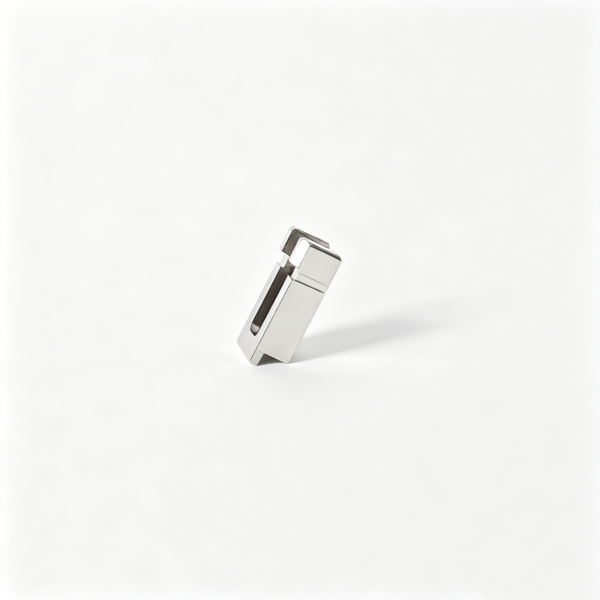
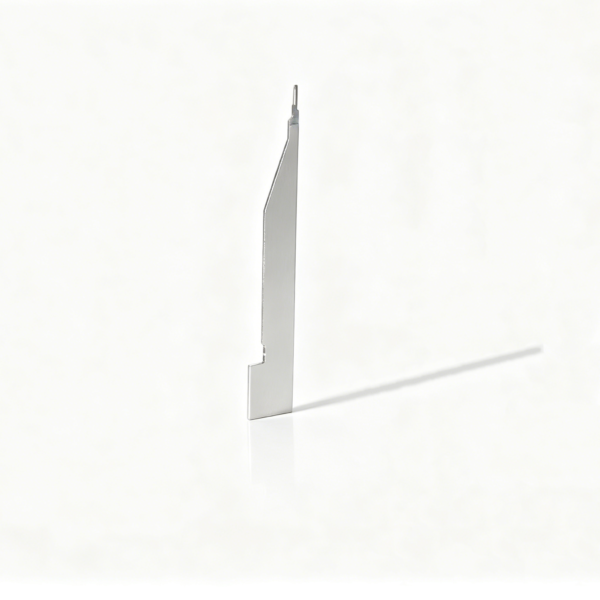
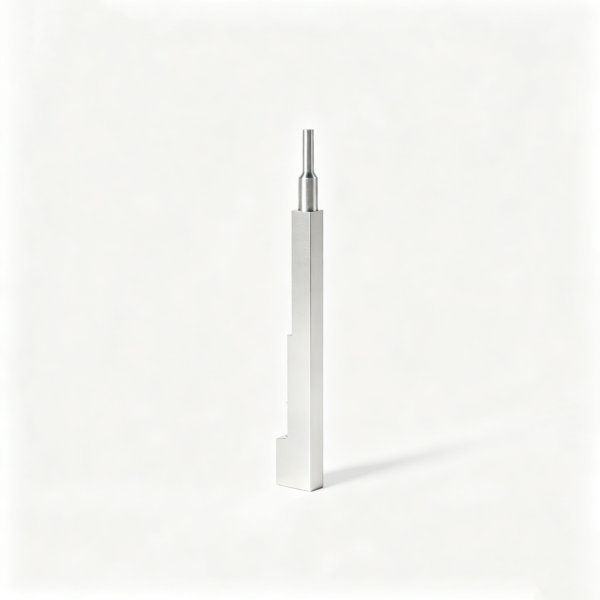
Same drawing, predictable results—next batch
Share revision, quantity ramp, and inspection level. We quote process route, ship date, and documentation in one structured response.