
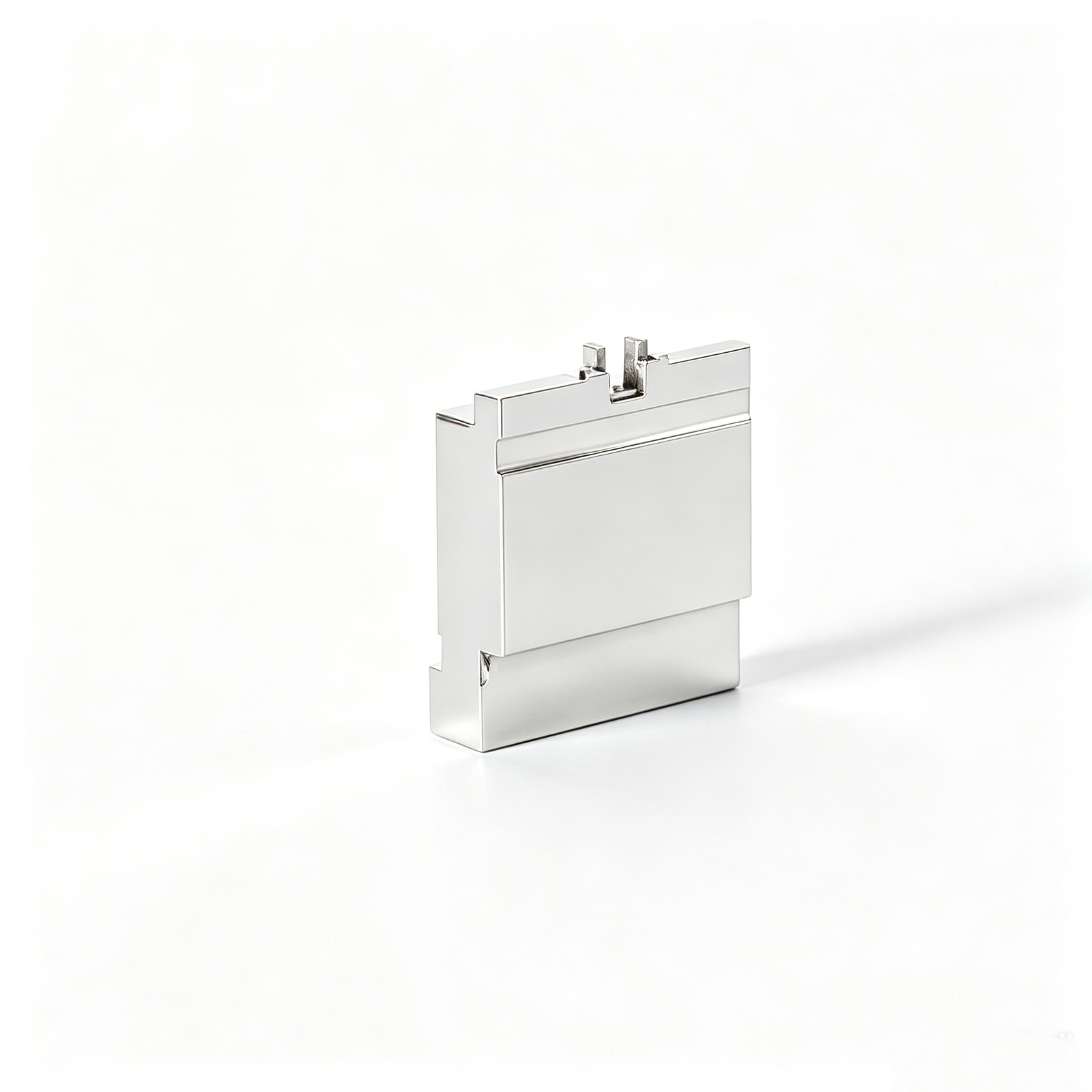
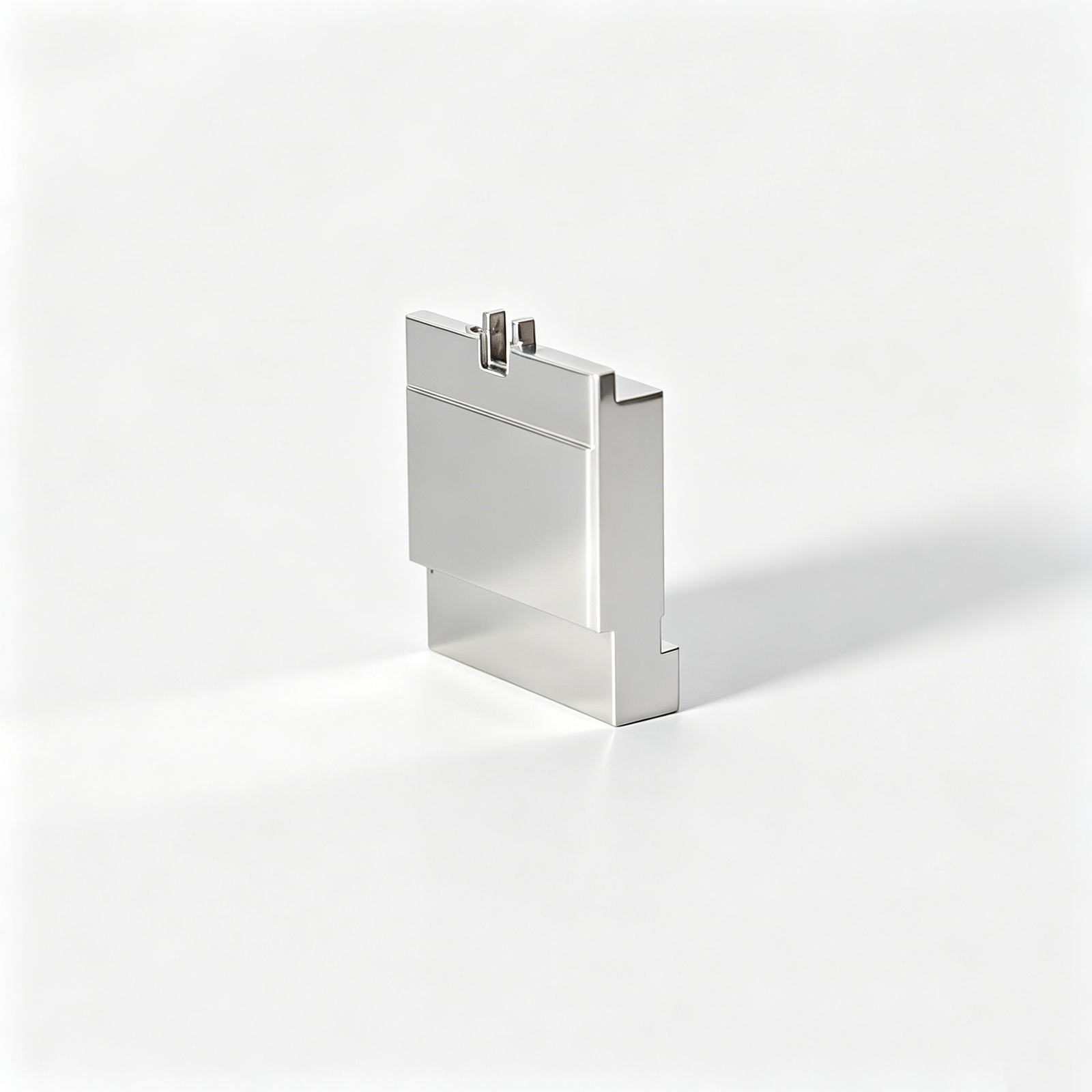
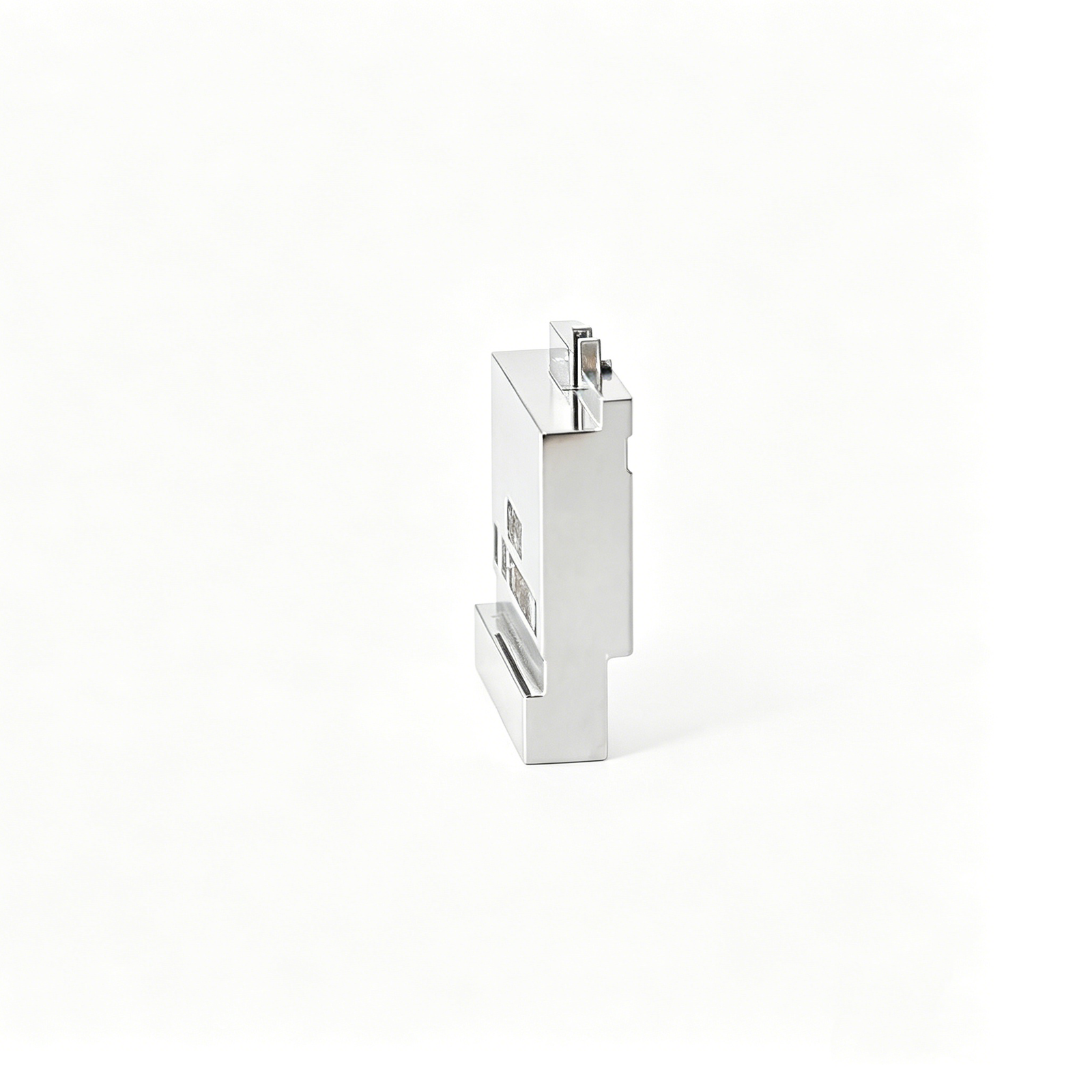
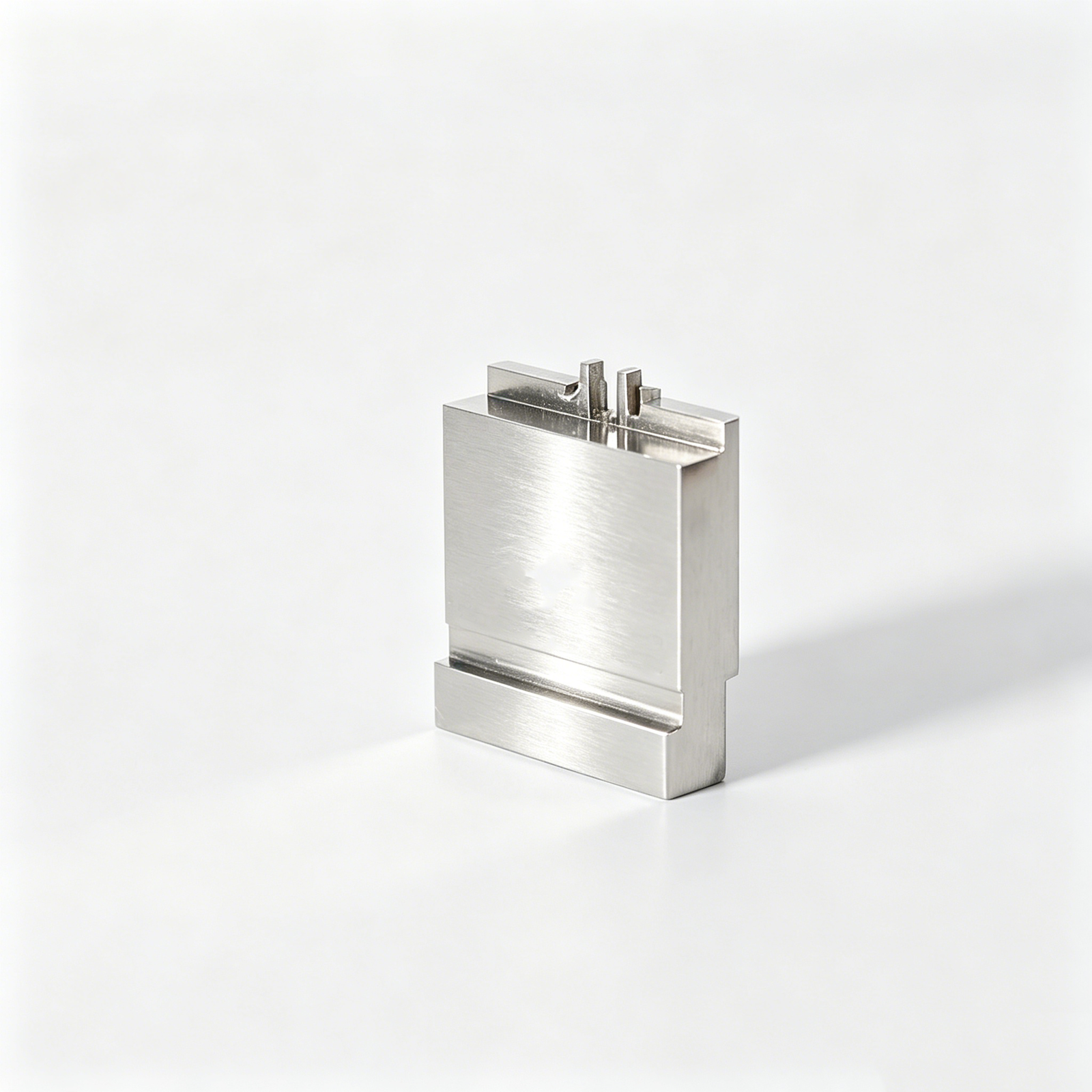
Plastic film parts · Precision mold insert
Mobile Connector Precision Mold Components for High-Durability Connector Tools
Brand Xuxiang Mold
Availability Made to drawing
RFQ pricing
Quote from STEP / PDF & quantity
Engineered for demanding connector programs, these Mobile Connector Precision Mold Components help you achieve stable, repeatable part quality in every production run. Optimized steel selection and heat treatment deliver long service life under high-cavity, high-speed molding conditions. Carefully ground and lapped inserts maintain tight tolerances at miniature connector dimensions, reducing flash and post-processing. With flexible customization for different connector families, they integrate smoothly into existing mold bases and workflows. Choose these components when you need reliable performance in compact, complex mobile connector designs.
- ISO 9001:2015–oriented process & documented inspection paths
- Zeiss / Nikon class metrology available for critical dimensions
- DFM feedback from 10+ senior tooling engineers
- Dongguan HQ + Quanzhou capacity for volume programs
What Are Mobile Connector Precision Mold Components?
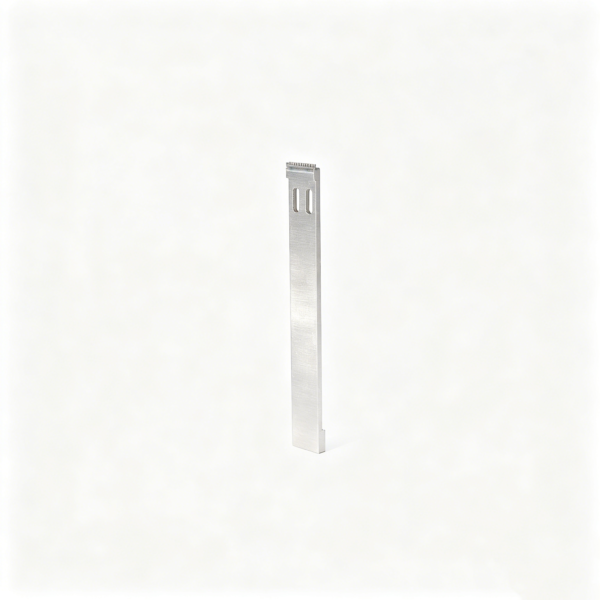
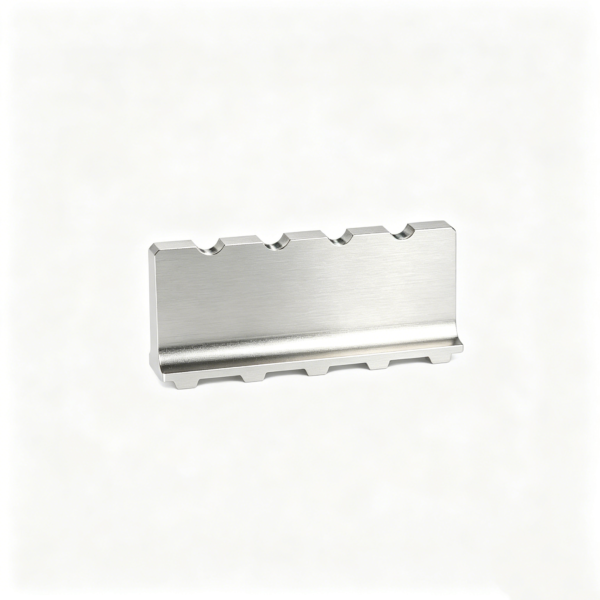
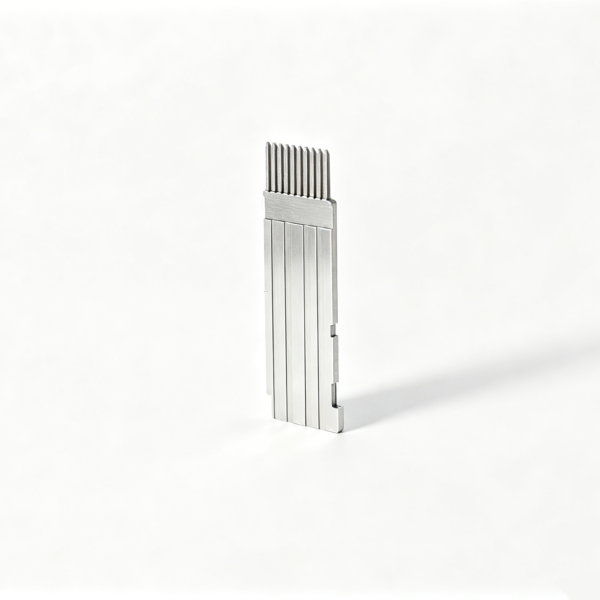
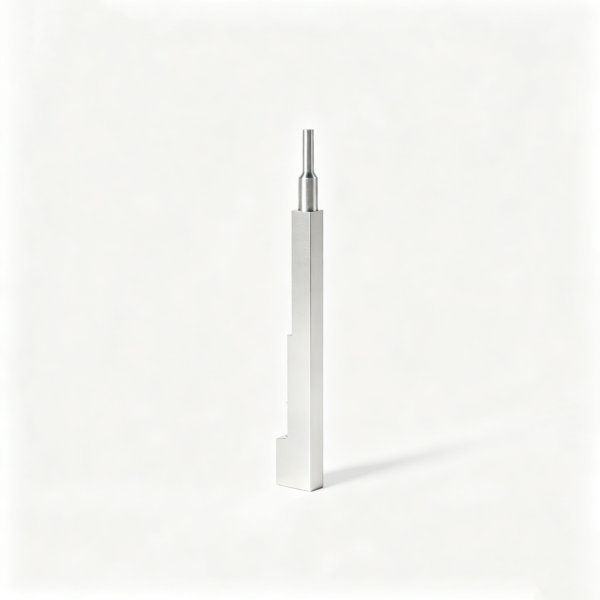
Mobile Connector Precision Mold Components are specialized tooling elements used inside injection molds to manufacture mobile device and electronic connectors with extremely tight dimensional control. These components typically include mold cores, cavity inserts, sliders, lifters, ejector pins, and related wear parts that directly form the plastic connector housing or guide the metal terminal areas.
In mobile and automotive electronics, connector housings are often very small, with thin walls, narrow slots, and complex geometries that must align perfectly with stamped terminals and mating plugs.[1][3] To achieve this, mold components are produced from high-grade tool steels and processed with CNC machining, EDM, precision grinding, and polishing to micron-level accuracy.[1][3] The result is a set of robust, interchangeable components that can maintain dimensional stability over long production runs.
These Mobile Connector Precision Mold Components are designed for mold makers, connector OEMs, and precision molding shops that build or maintain tools for USB, board-to-board, FPC, battery, and other compact connector families. They are particularly suitable for multi-cavity molds where consistency from cavity to cavity is essential.
Key Features & Performance Benefits
Precision connector molds must combine accuracy, durability, and maintainability. The following characteristics help these components perform reliably under real production conditions:
- High-stability tool steels: Components are manufactured from quality tool steels selected for hardness, wear resistance, and dimensional stability through heat cycles.[1][3] This helps reduce wear on fine details like ribs, slots, and pin gates.
- Tight machining tolerances: CNC milling, wire-cut EDM, and surface grinding are used in combination to achieve precise dimensions and flatness, so mating mold halves close accurately and maintain tight flash control.[1][3]
- Polished molding surfaces: Critical cavity and core surfaces are ground and hand-polished to improve resin flow, minimize sticking, and enhance the appearance of the molded connector housings.[1]
- Configurable for different connector layouts: Components can be configured for single-cavity or multi-cavity molds, with various pitch, pin count, and housing shapes for mobile and electronic connectors.[8][13]
- Optimized for miniaturization: As connector designs become smaller and more densely packed, these components focus on fine details such as micro-slots, thin walls, and precise locating features that support miniaturized designs.[13]
- Serviceable and replaceable: Core inserts, cavity blocks, and wear plates are designed so that high-wear regions can be replaced without scrapping the entire tool, reducing long-term ownership costs.
Together, these attributes translate into fewer tooling interruptions, more consistent dimensional results, and cleaner connector housings that need little or no secondary finishing.
Specifications & Construction Details
The table below summarizes typical characteristics of Mobile Connector Precision Mold Components. Values are described in qualitative terms so you can compare options without relying on arbitrary numbers.
| Attribute | Description |
|---|---|
| Application | Injection molds for mobile and electronic connector housings, fine-pitch and multi-pin connectors |
| Typical Components | Cores, cavity inserts, sliders, lifters, ejector pins, locating blocks, wear plates, guide elements |
| Base Materials | High-quality tool steels or stainless steels selected for hardness and wear resistance |
| Surface Finish (molding areas) | Fine-ground and polished for improved resin flow and high cosmetic quality |
| Manufacturing Processes | CNC machining, wire/EDM, precision grinding, hand fitting and polishing |
| Design Support | Support for CAD-based mold design, including complex connector geometries and cooling layouts[1][3] |
| Connector Types | Mobile charging ports, board-to-board connectors, FPC connectors, battery connectors, signal connectors[8][12][13] |
| Mold Compatibility | Suitable for new build molds or as replacement components in existing connector tools |
| Production Environment | Designed for high-volume, high-cavity injection molding with strict process control[3][12] |
| Maintenance Approach | Components allow periodic polishing, regrinding, and replacement of wear items to extend tool life |
Use Cases & Who These Components Are For
Mobile Connector Precision Mold Components are aimed at organizations that need dependable tooling solutions for compact connectors. Common users include:
- Mold makers and tool shops that design and build new connector molds for OEM and EMS customers. These shops need stable, well-finished inserts that fit into custom mold bases and support complex ejection and slider systems.[1][3]
- Connector manufacturers producing power, data, and signal connectors for smartphones, tablets, wearables, automotive infotainment, and industrial devices. They rely on consistent mold performance to keep dimensions inside the connector tolerance window.[8][12]
- Precision injection molding companies that specialize in small, complex plastic parts. For these molders, dependable mold components help maintain stable processing windows, reduce scrap rates, and improve throughput.[12]
- Engineering teams developing new connector platforms that require prototype and pre-production tooling. High-precision mold components can be used for pilot tools and then scaled into multi-cavity production molds.
Typical applications range from compact charging connectors and board headers to battery contacts and internal interconnects within mobile devices. In each case, accurate mold components help maintain the alignment between plastic housing features and metal terminals, support easy assembly, and ensure reliable mating performance over the connector’s life.[8][12][13]
Care, Maintenance & Buying Guidance
To get the most value from Mobile Connector Precision Mold Components, attention to mold care and selection is important:
- Installation and setup: Careful alignment during assembly minimizes mismatch and premature wear. During initial mold trials, verify fit between core and cavity inserts, check shutdown faces, and confirm the ejection system runs smoothly.[1][3]
- Routine cleaning: Regularly clean molding surfaces to remove resin deposits, dust, and vent residue. Non-abrasive tools and compatible solvents help maintain surface finish and dimensional accuracy.
- Lubrication and corrosion protection: Apply appropriate mold-safe lubricants to moving components like sliders, lifters, and ejector pins, and use rust inhibitors when tools are stored.
- Monitoring wear areas: Periodically inspect fine details such as gate areas, thin ribs, and locking features. If wear or micro-chipping is detected, consider re-polishing or replacing localized inserts instead of running the risk of out-of-spec parts.
- Selecting the right configuration: When ordering, consider connector type, number of cavities, resin choice, expected production volume, and any special cosmetic or dimensional requirements so that materials and tolerances can be chosen accordingly.[3][12][13]
Investing in higher-quality mold components typically reduces unplanned downtime and scrap, making them especially attractive for high-volume connector programs where overall equipment effectiveness is closely tracked.
FAQ
Are these components compatible with my existing connector mold base?
In many cases, Mobile Connector Precision Mold Components can be produced to match your existing mold base dimensions and mounting patterns. Provide detailed drawings or 3D data so that cores, cavities, and sliders can be adapted to your current tool layout.
What types of mobile connectors can these components be used for?
They are suitable for a wide range of plastic connector housings, including charging ports, board-to-board connectors, FPC connectors, and internal signal connectors for mobile and compact electronic devices.[8][12][13]
How long do the mold components typically last in production?
Service life depends on steel selection, resin type, part design, and process settings. With appropriate materials, surface treatment, and regular maintenance, these components are designed for long-term, high-volume use in connector applications.
What information do I need to provide when ordering custom components?
To ensure a precise fit, share 2D drawings or 3D CAD data of the connector, mold layout, expected cavity count, target resin, and any special tolerance or surface finish requirements. This allows the components to be tailored to your specific project.
Can these mold components handle high-temperature or filled engineering resins?
With appropriate steel selection and heat treatment, the components can be specified to handle high-temperature or glass-filled resins commonly used in electronic connectors. Discuss your material and process conditions in advance so the design can account for them.[3][12][13]
How are the components shipped and protected during transport?
Each component is typically wrapped or boxed to prevent damage to critical surfaces, with protective coatings applied where needed. For international shipments, robust outer packaging is used to keep parts secure until they reach your tool room.
What is the typical lead time for Mobile Connector Precision Mold Components?
Lead time varies based on complexity, quantity, and customization level. Simple replacement inserts can be produced more quickly, while complete sets for multi-cavity tools require additional design and machining time. Your supplier can provide an estimated schedule once drawings are reviewed.
How should I maintain the polished cavity and core surfaces?
Use non-abrasive cleaning methods and mold-safe chemicals, avoiding hard tools that could scratch the surface. When light re-polishing is needed, follow fine-grit and paste-polishing procedures recommended for precision mold steels.
Is there any warranty or quality guarantee on the components?
Most precision mold component suppliers offer quality assurance based on conformance to the agreed drawings and specifications. Dimensional inspection, hardness verification, and trial reports may be available depending on your purchasing agreement.
Can I start with prototype components and later move to full production sets?
Yes. Many projects begin with prototype or low-cavity inserts to validate connector design and molding conditions. Once the design is confirmed, the same concepts and dimensions can be scaled to multi-cavity production components.
Related products
Same drawing, predictable results—next batch
Share revision, quantity ramp, and inspection level. We quote process route, ship date, and documentation in one structured response.