
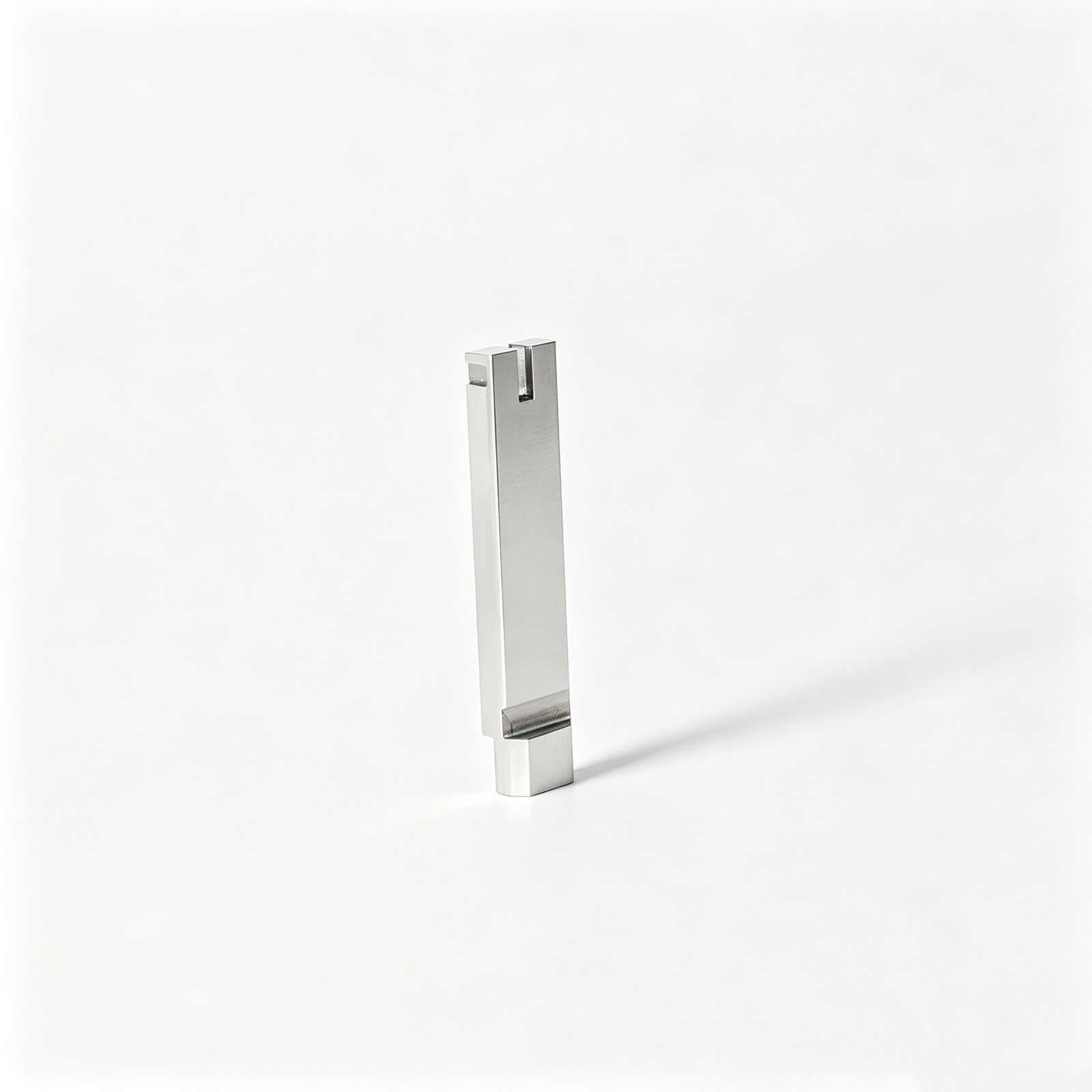
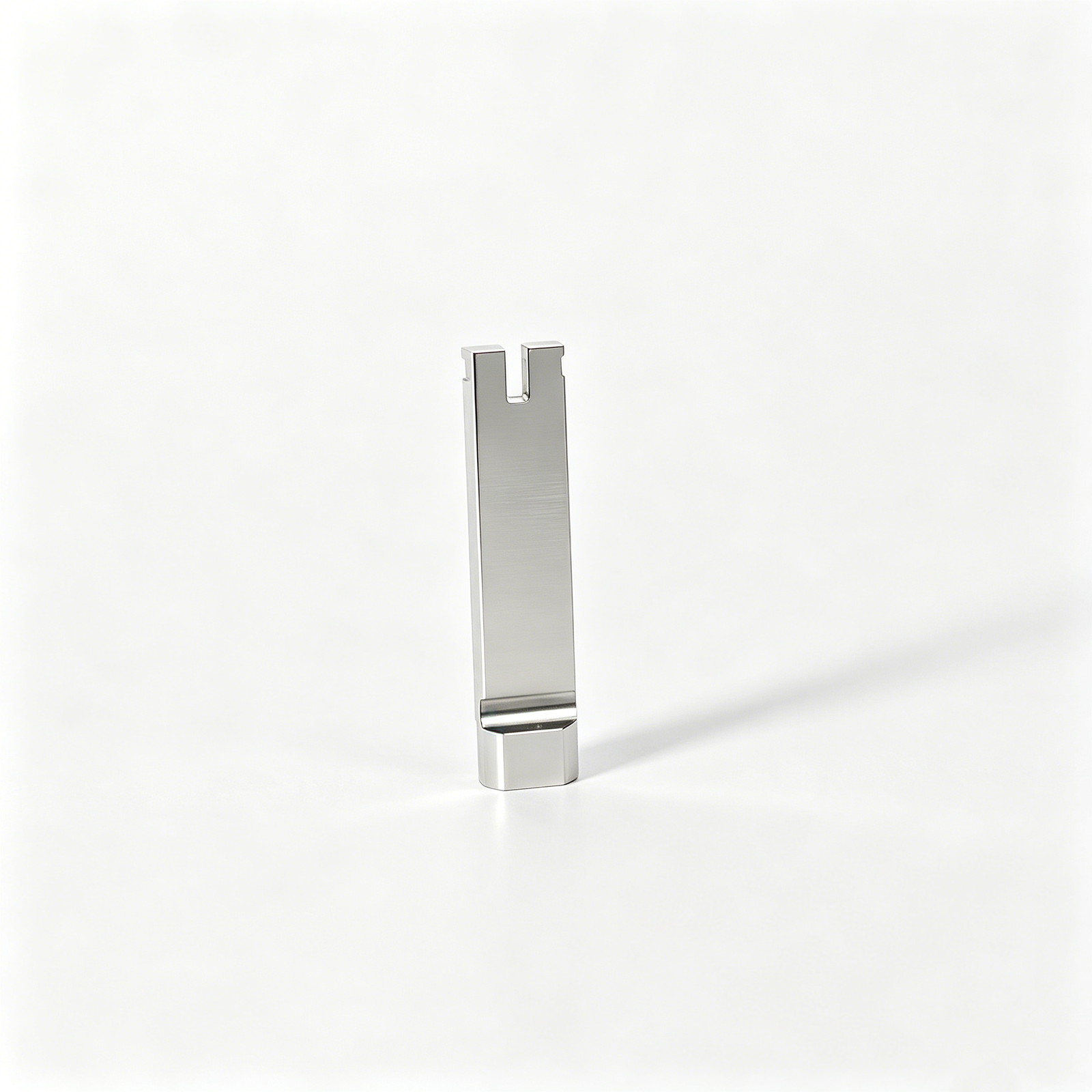
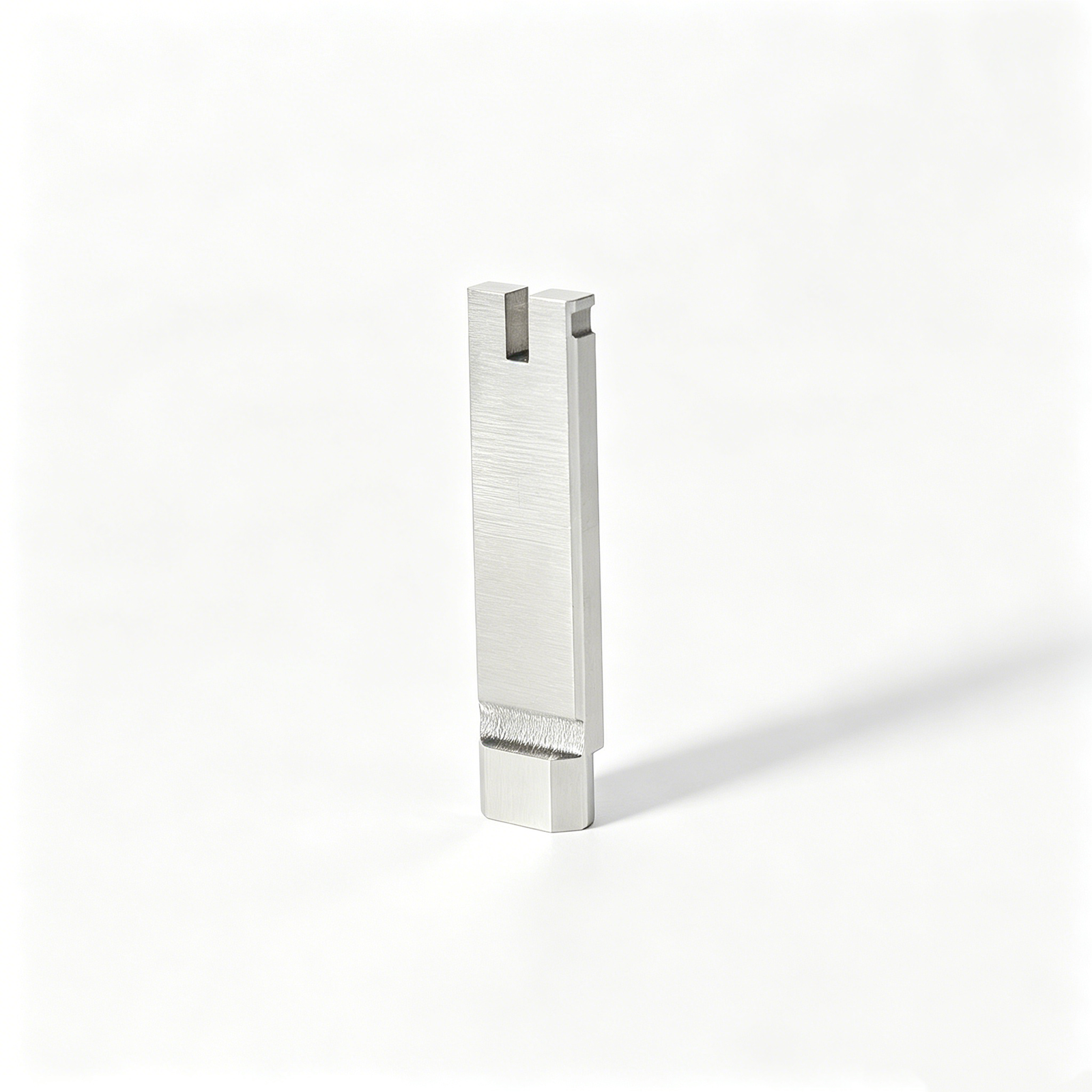
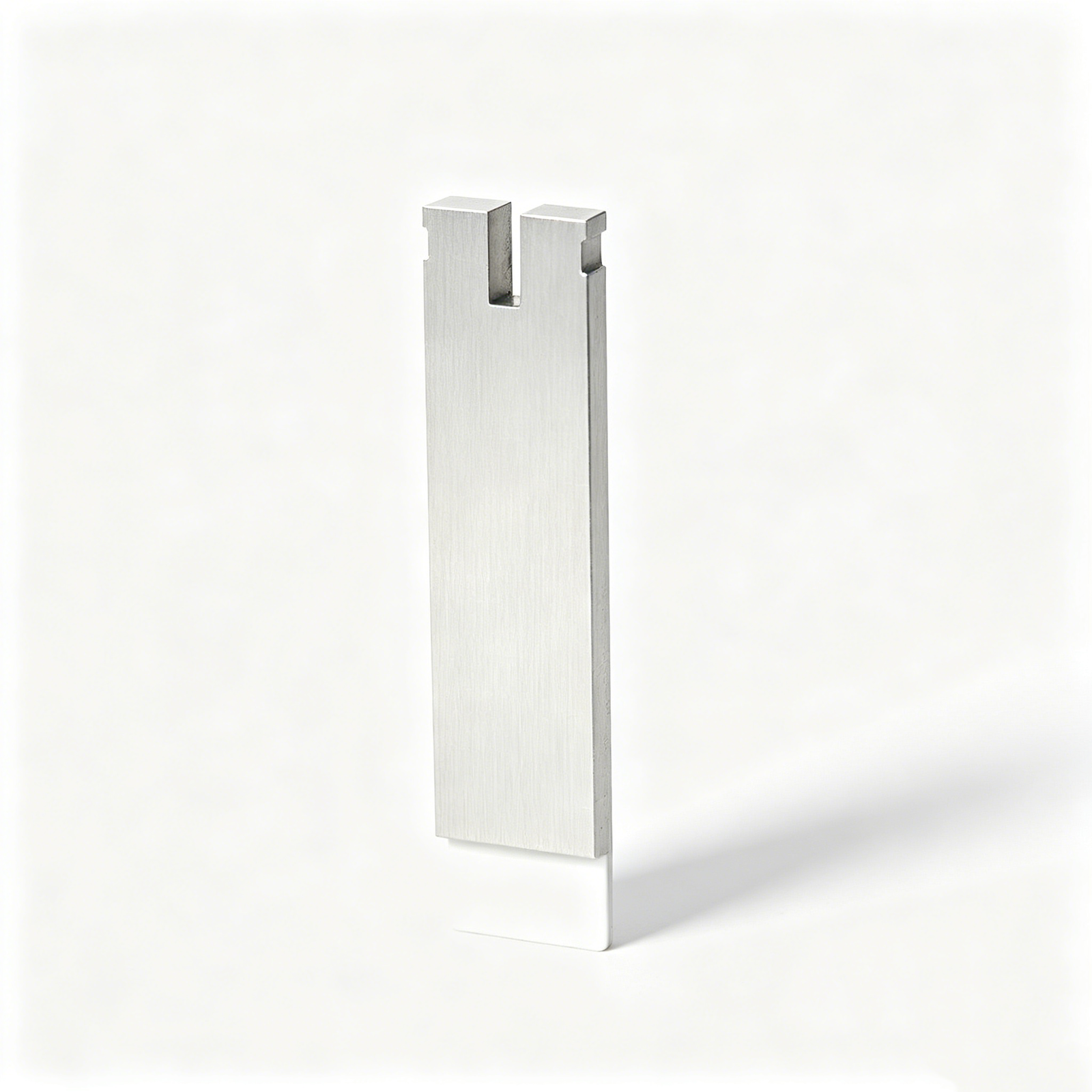
Plastic film parts · Precision mold insert
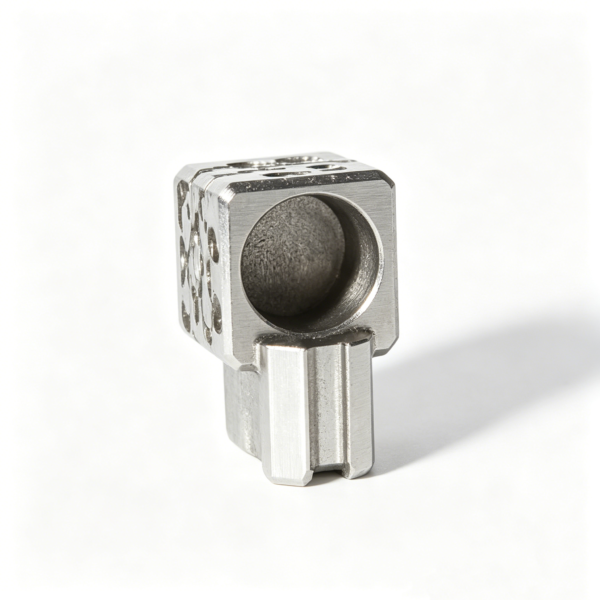
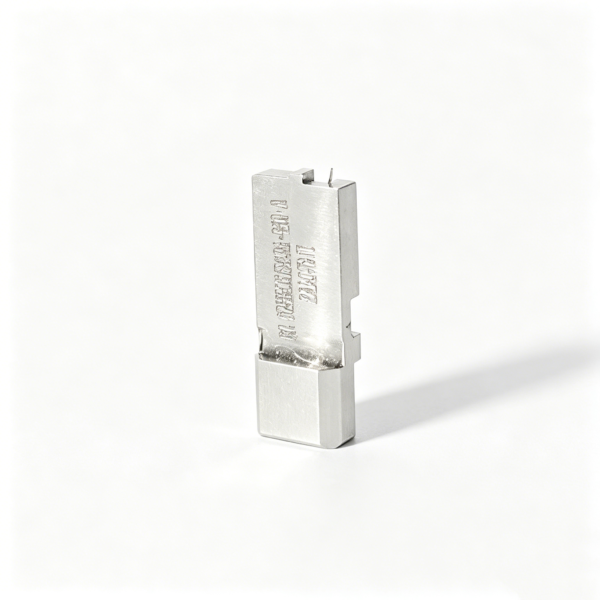
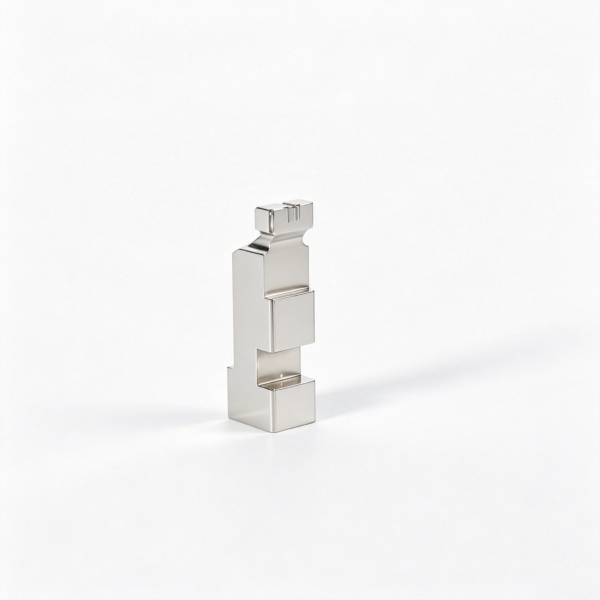
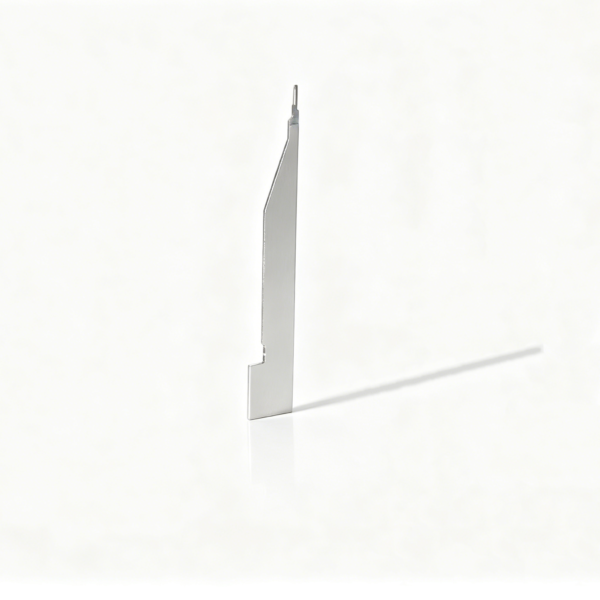
Mobile Connector Precision Mold Components for Miniaturized Connector Cavities
Brand Xuxiang Mold
Availability Made to drawing
RFQ pricing
Quote from STEP / PDF & quantity
Engineer highly compact connector housings with Mobile Connector Precision Mold Components designed specifically for miniaturized cavity layouts. These ultra-precise inserts help you achieve stable dimensions, clean parting lines and reliable demolding, even on dense multi-row mobile connector designs. Optimized steel selection and surface finishing support long service life under demanding production conditions. From prototype tools to long-run injection molds, they deliver the repeatability your mobile electronics programs require.
- ISO 9001:2015–oriented process & documented inspection paths
- Zeiss / Nikon class metrology available for critical dimensions
- DFM feedback from 10+ senior tooling engineers
- Dongguan HQ + Quanzhou capacity for volume programs
Miniaturized Cavity Solutions for Mobile Connector Mold Design
As mobile devices become thinner, lighter and more powerful, the connectors inside them must deliver higher performance within ever-smaller footprints. That raises the bar for tooling quality. Our Mobile Connector Precision Mold Components for Miniaturized Connector Cavities are developed specifically to meet these challenges, giving tooling engineers and mold makers the accuracy and stability needed for fine-pitch connector housings and terminals.
These components are used as critical elements inside connector injection molds, including cavity inserts, cores, sleeves, lifters and precision pins that form the intricate geometry of mobile and automotive-style electrical connectors.[1][3] By combining careful material selection, high-precision machining and rigorous surface treatment, they enable your molds to repeatedly deliver tight tolerances, sharp edges and consistent wall thickness on small, complex parts.[1][12]
Whether you work with smartphone charging ports, board-to-board connectors, mobile data interfaces or compact power plugs, these mold components are designed to support reliable mass production, reduced scrap and stable process windows over long mold lifetimes.[3][10]
Key Features & Performance Benefits
- Engineered for miniaturized connector cavities
Optimized geometries support very small cavity layouts, narrow pitches and thin walls typical of modern mobile connectors, helping you maintain dimensional accuracy and smooth demolding even at extremely compact scales.[12][14] - High-precision machining and finishing
Critical surfaces are produced using CNC milling, grinding and EDM to maintain sharp detail and low draft where required, followed by polishing and fine finishing to reduce friction and improve part appearance.[1][3] - Durable tool steels for long service life
Components are produced from appropriate grades of hardened or pre-hardened tool steel selected for wear resistance, toughness and polishability, with optional beryllium copper or similar materials for enhanced cooling where needed.[1][3][10] - Stable performance in high-cavity tools
Because miniaturized connectors often require many cavities in one mold, these components are designed to minimize dimensional drift across cavities and maintain balance in multi-cavity layouts.[12][13] - Supports demanding molding processes
Compatible with high-precision injection molding setups where tight control of temperature, injection speed and pressure is needed to keep small connector features within specification.[3][14] - Customizable to your connector platform
Component design can be tailored to customer connector geometries, gating strategies, cooling layouts and demolding mechanisms, providing flexibility for both new programs and tool refurbishments.[2][6][13]
Specifications & Technical Highlights
The following table summarizes typical attributes of Mobile Connector Precision Mold Components for Miniaturized Connector Cavities. Actual values depend on your project drawings, connector geometry and selected steel grades.
| Attribute | Description |
|---|---|
| Product type | Precision mold inserts, cores, sleeves and pins for mobile connector cavities |
| Typical applications | Mobile device connectors, compact power plugs, fine-pitch signal connectors, automotive-style micro connectors |
| Base materials | Tool steels and stainless steels selected for hardness, wear resistance and polishability; optional high-conductivity materials for localized cooling[1][3] |
| Manufacturing processes | CNC machining, grinding, turning, drilling, wire and sink EDM, followed by polishing and surface conditioning[1][3] |
| Surface condition | High-gloss or functional matte finishes on cavity surfaces; critical edges maintained sharp for clean part definition |
| Connector geometry support | Fine-pitch contacts, multi-row cavities, undercuts, locking features, strain-relief shapes typical of mobile connectors[12][14] |
| Mold compatibility | Single-cavity prototypes and high-cavity production tools, hot-runner or cold-runner layouts |
| Design input | Manufactured according to customer 2D/3D CAD data, sample parts or connector drawings[1][3] |
| Quality target | Stable dimensional control for small connector parts, low flash, minimal deformation and smooth ejection |
| Typical industries | Mobile electronics, consumer devices, automotive electronics, telecom and industrial control[10][12] |
Use Cases & Ideal Customers
These Mobile Connector Precision Mold Components are a strong fit wherever small, densely packed connectors need to be molded with minimal variation.
- Mobile device connector manufacturers
OEMs and tier suppliers for smartphones, tablets, wearables and handheld equipment can use these components to stabilize production of charging ports, data connectors and slim board-to-board interfaces.[12][14] - Automotive and transportation electronics
As automotive connectors move toward higher pin counts and reduced size, specialized mold components support compact housings while meeting the durability demands of under-hood or in-cabin environments.[1][3][12] - Custom connector tooling shops
Mold makers building high-precision connector molds benefit from reliable standardization of inserts and cores that are optimized for miniaturized cavities, simplifying design iterations and maintenance.[2][4][7] - Electronics and telecom component producers
Producers of backplane connectors, I/O ports and communication interfaces can improve yield and surface quality on small parts with demanding geometries.[10][13] - Prototype and pilot tool programs
Development teams can shorten time-to-validation for new connector concepts by using precision components that closely simulate final production tooling performance.
Care, Maintenance & Buying Guidance
Because miniaturized connector cavities push molds to their limits, proper handling of precision components is essential for long, stable operation.
- Routine inspection
Regularly check critical edges, parting lines and small pins for wear, chipping or corrosion, especially in high-cavity tools running abrasive or glass-filled resins.[1][3] - Cleaning and protection
Use suitable mold cleaners and non-abrasive tools to remove residue from small features. Apply rust preventive when molds are stored to protect finely finished surfaces. - Process control
Stable molding parameters (temperature, pressure, injection speed and cooling time) help prevent galling, flashing and premature wear in tight connector cavities.[3][14] - Correct steel selection
When specifying new components, match steel grade and hardness to the resin type, projected shot count and connector geometry to balance toughness and wear resistance.[1][10] - Design collaboration
Share connector CAD data, critical tolerances and expected production volume with your component supplier so that the insert and core design can be optimized from the start.[2][6][13]
When purchasing, consider whether you need components for new molds, refurbishment of existing tools, or engineering changes. For new tools, it is often efficient to plan modular inserts that can be replaced or updated as connector designs evolve, avoiding full mold rebuilds and reducing downtime.
FAQ
Are these mold components compatible with my existing connector mold base?
Yes. The components are designed to be manufactured according to your existing mold drawings or 3D models, so they can be integrated into current mold bases with appropriate fitting, alignment and locking features.[1][3]
What types of mobile connectors are these components best suited for?
They are ideal for fine-pitch and miniaturized connectors such as charging ports, slim board-to-board connectors, compact power plugs and small signal connectors commonly used in mobile and handheld devices.[12][14]
How do I specify the correct dimensions for the inserts and cores?
You typically provide complete 2D/3D CAD data, connector drawings and tolerance requirements. The components are then produced according to these specifications, with machining steps and inspection aligned to your critical features.[1][3]
Can these components handle glass-filled or reinforced engineering plastics?
Yes, provided appropriate tool steel and heat treatment are selected. For abrasive or high-temperature resins, tougher and more wear-resistant steel grades, along with optimized surface finishes, are recommended.[1][3][10]
What is the typical lead time for customized mobile connector mold components?
Lead time depends on complexity and quantity. Simple replacement inserts can be produced relatively quickly, while complex multi-cavity layouts and intricate geometries require longer for design review, machining and inspection.
How should I maintain these components between production runs?
After each run, clean all cavity and core surfaces, inspect small features, then apply a suitable rust inhibitor before storage. Proper handling and dry storage conditions will help preserve precision surfaces and edges.[1][3]
Do you support small prototype quantities as well as mass-production tooling?
Yes. Precision components can be supplied for prototype molds, pilot tools and full production molds, allowing you to validate connector designs before committing to large-volume tooling investments.[2][6]
What happens if a small core pin or insert is damaged during production?
Because components are designed as replaceable elements, individual pins or inserts can typically be remanufactured based on your original drawings or digital data, restoring the mold to full capability without replacing the entire tool.[1][3]
Is there any warranty on the mold components?
Warranty terms vary by supplier, but precision mold components are generally warranted against manufacturing defects. Service life in production depends on process conditions, maintenance practices and the resins being molded.
Can I request design suggestions to improve moldability of my connector?
Yes. Many suppliers offer design-for-manufacturing feedback on connector geometry, gating, venting and cooling arrangements to help you achieve robust molding performance with miniaturized cavities.[3][12][13]
Related products
Same drawing, predictable results—next batch
Share revision, quantity ramp, and inspection level. We quote process route, ship date, and documentation in one structured response.