
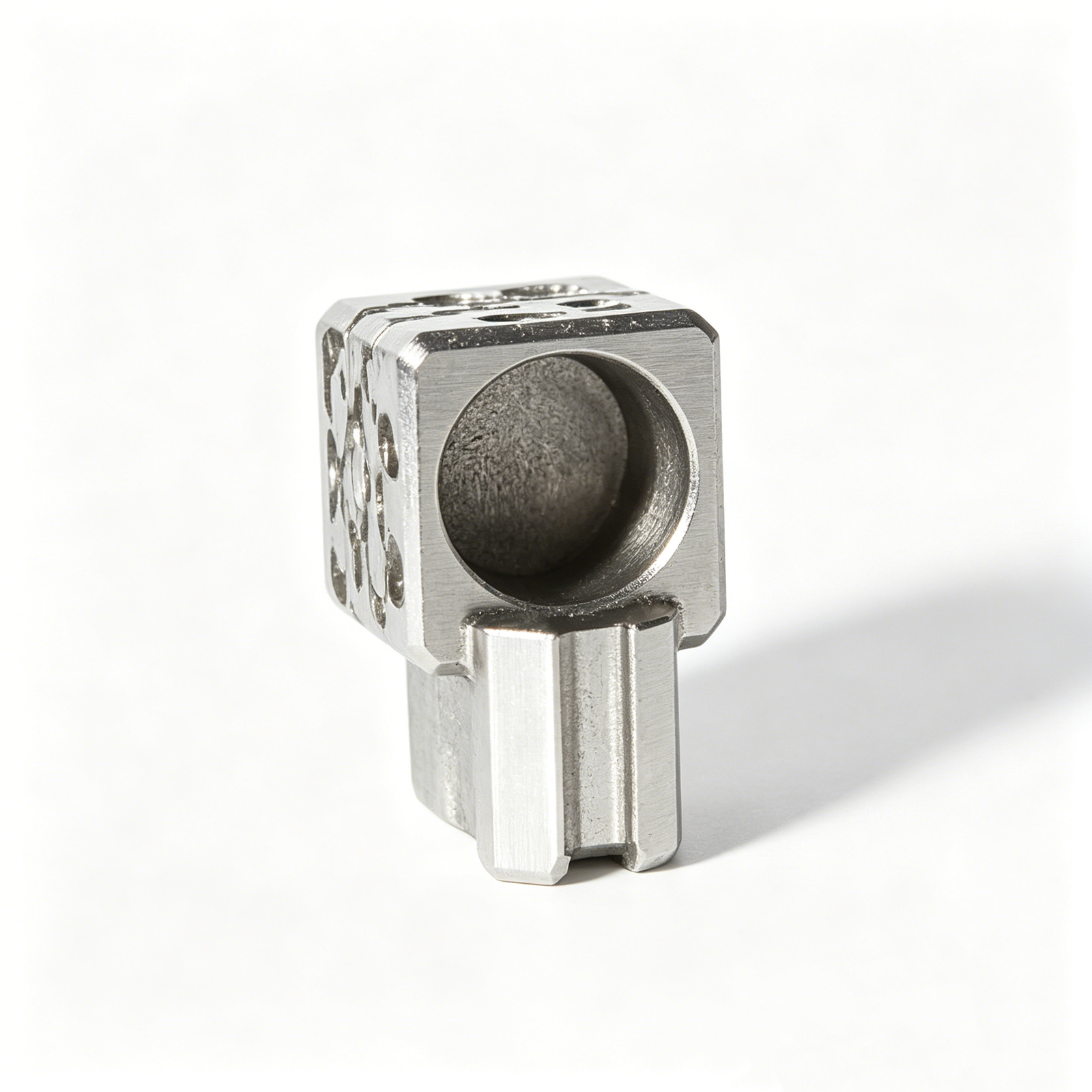
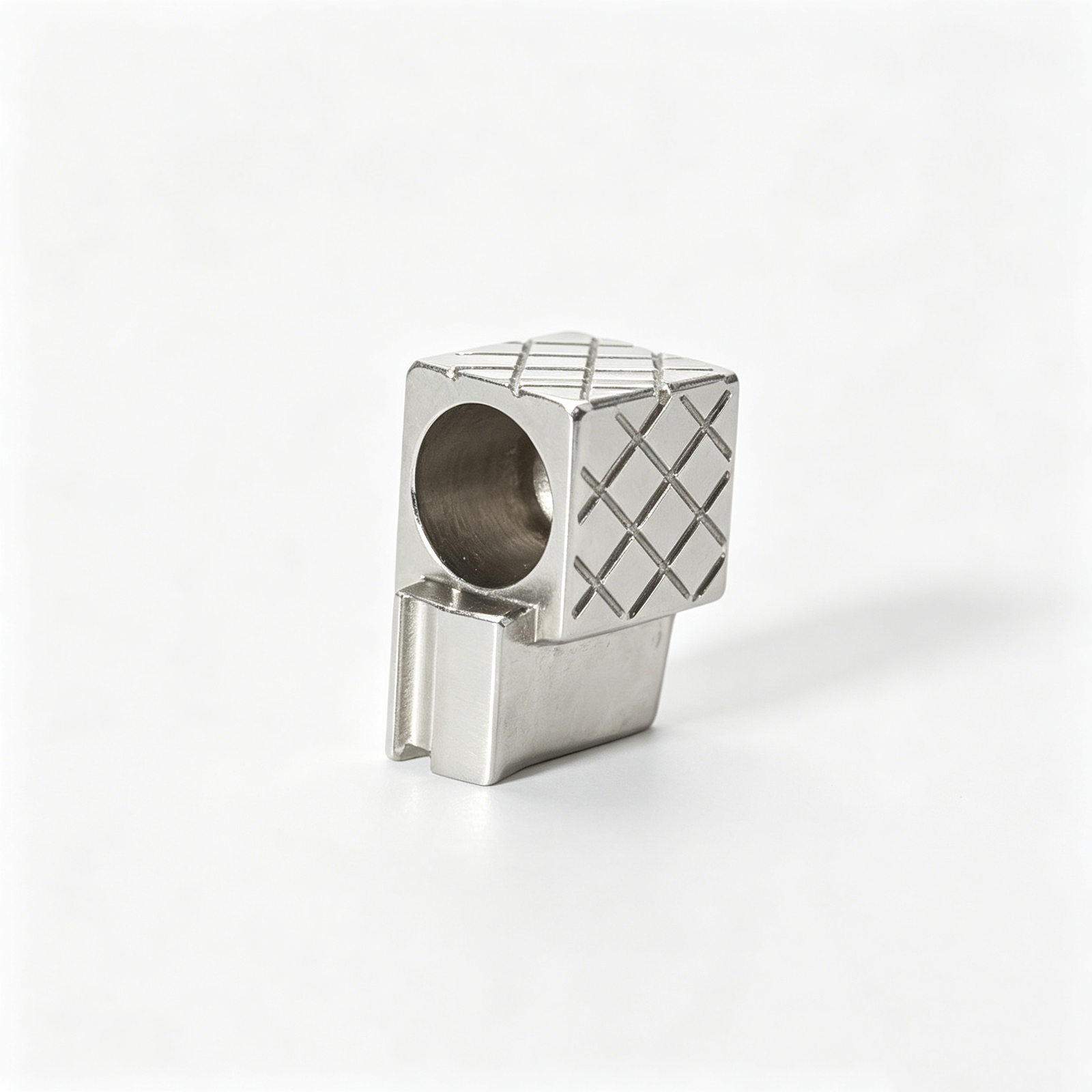
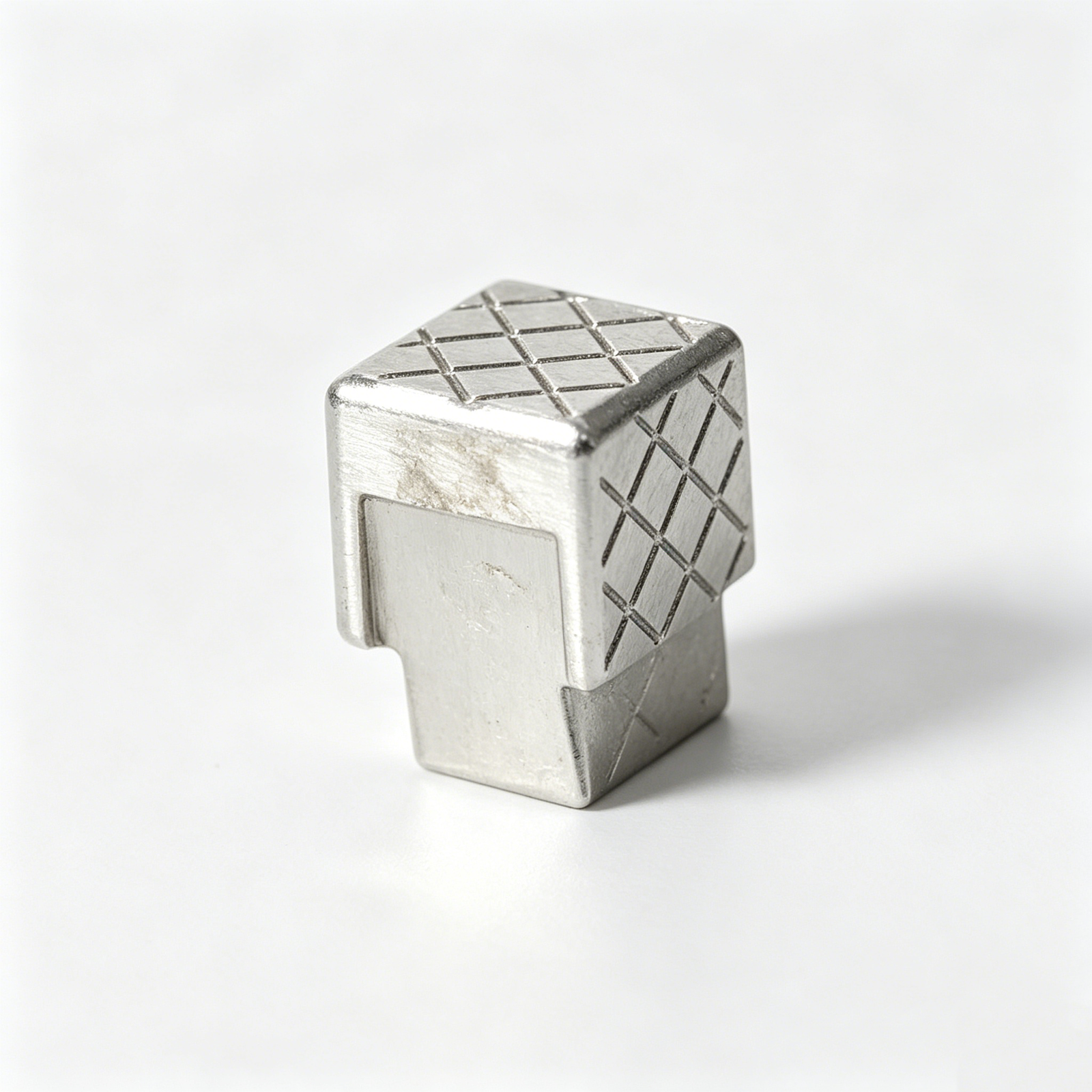
Plastic film parts · Precision mold insert
Mobile Connector Precision Mold Components for Fine-Detail Housing & Terminal Tools
Brand Xuxiang Mold
Availability Made to drawing
RFQ pricing
Quote from STEP / PDF & quantity
Engineer high-yield connector projects with Mobile Connector Precision Mold Components designed for stable, repeatable production. Each insert and cavity element is manufactured from premium tool steel to withstand intensive injection cycles while maintaining ultra-tight geometries. Optimized gating, venting, and cooling layouts help you minimize warpage and flash, even on fine-pitch mobile connectors. Whether you mold compact housings or delicate terminal features, these components support consistent parts, lower scrap, and faster setups. Ideal for mold makers and OEMs who demand long tool life and reliable performance in connector manufacturing cells.
- ISO 9001:2015–oriented process & documented inspection paths
- Zeiss / Nikon class metrology available for critical dimensions
- DFM feedback from 10+ senior tooling engineers
- Dongguan HQ + Quanzhou capacity for volume programs
Mobile Connector Precision Mold Components for Advanced Connector Tooling
Modern smartphones, wearables, and mobile electronics rely on ultra-compact connectors that must withstand repeated mating cycles, vibration, and demanding environmental conditions. To achieve this consistently, the injection molds behind these parts need highly engineered inserts, cavities, and cores. Our Mobile Connector Precision Mold Components are developed specifically for mobile and compact electronic connector tooling, enabling you to maintain tight tolerances, stable processes, and long mold life across large production runs.
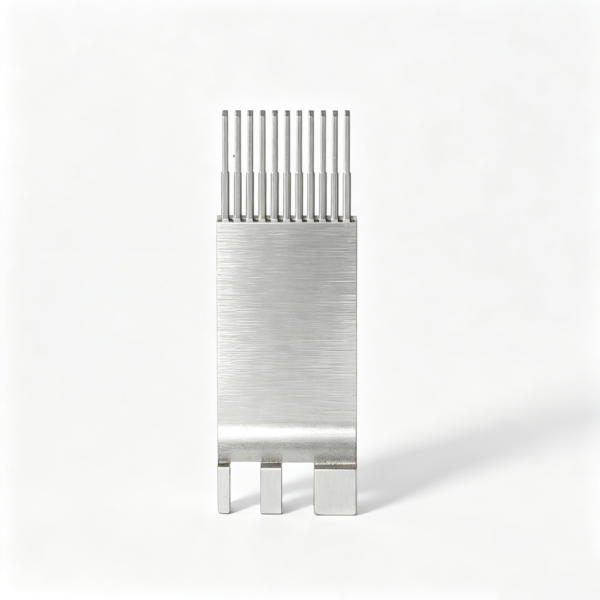
These components are produced from high-grade tool steels and specialty alloys chosen for hardness, wear resistance, and heat stability in connector mold applications.[1][3] Critical features such as contact terminal slots, latch details, alignment keys, and fine-pitch housing ribs are machined using CNC, EDM, and precision grinding processes to achieve the dimensional accuracy that connector projects demand.[1][3] The result is a robust component set that helps mold makers and manufacturers deliver cleaner parting lines, predictable shrinkage, and reliable fit with mating plugs, sockets, and flex assemblies.
Key Features & Benefits
- Connector-specific geometry – Cavity inserts, core pins, sleeves, and lifters are configured around the geometry of mobile connector housings, terminals, and alignment features, supporting micro and fine-pitch layouts typical in compact devices.[3][12]
- High-precision machining – Components are produced using CAD/CAM-driven CNC milling, wire/solid EDM, and precision grinding to maintain consistent dimensions on narrow slots, small radii, and deep micro-features.[1][3]
- Robust tool materials – Hardened tool steels and corrosion-resistant alloys are selected to resist wear from glass-filled polymers and engineering resins used in connector applications.[1][3]
- Optimized for stable molding – Thoughtful design of venting, parting lines, and shut-off surfaces helps reduce burrs, flash, and short shots, leading to more stable injection cycles and easier process windows.[3][12]
- Support miniaturization – Components are suitable for compact mobile connectors where miniaturization and dense terminal layouts require very tight tolerance control and fine surface quality.[12][14]
- Configurable for custom projects – Mold elements can be customized around your connector design, from number of cavities and gate placement to ejector strategy and cooling layout, supporting both prototype and high-volume tools.[3][9]
Specifications & Core Attributes
The following table summarizes the typical attributes and options available for these Mobile Connector Precision Mold Components. Exact values depend on your connector design, resin choice, and mold base configuration.
| Attribute | Details / Options |
|---|---|
| Application focus | Mobile device connectors, board-to-board and wire-to-board connectors, compact charging and I/O interfaces |
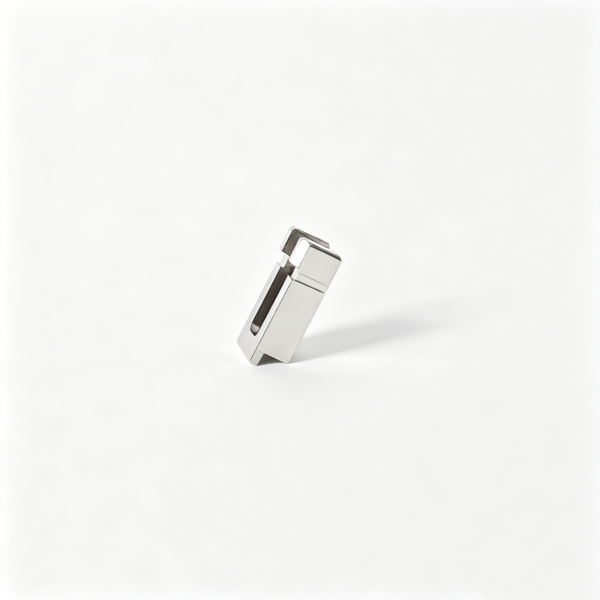
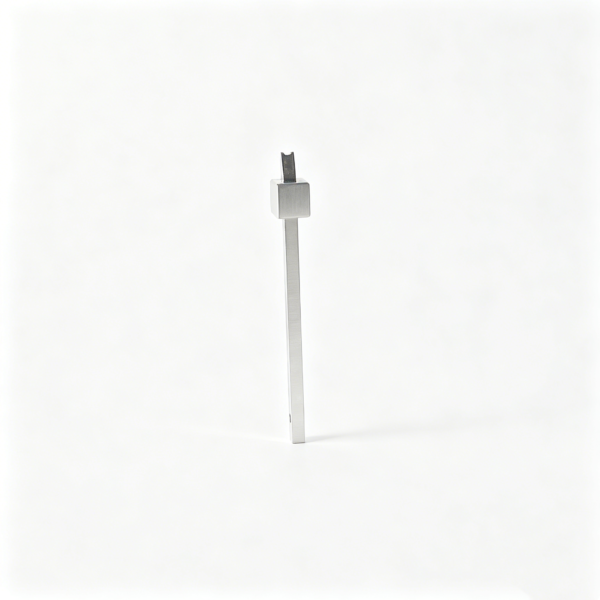
| Component types | Cavity inserts, cores, core pins, sleeves, sliders, lifters, ejector-related parts for connector molds |
| Typical materials | Hardened tool steel, pre-hardened steel, and specialty alloys selected for wear resistance and dimensional stability[1][3] |
| Manufacturing processes | CNC milling, turning, drilling, wire/solid EDM, precision grinding, polishing, and heat treatment[1][3] |
| Surface finish | Precision ground and polished functional surfaces to support clean release and accurate connector details |
| Mold compatibility | Custom-fit to customer mold bases; compatible with common connector mold structures and hot runner or cold runner systems[3][9] |
| Connector styles | Suitable for mobile charging connectors, signal connectors, headers, sockets, and custom hybrid interfaces[12][14] |
| Production scale | Designed for both high-volume mass production molds and lower-volume specialty connector projects |
| Design support | CAD-based design review, manufacturability feedback, and optimization for molding stability |
| Quality control | Dimensional inspection on critical features; trial and testing in mold assemblies to validate performance[1][3] |
Typical Use Cases & Ideal Users
These Mobile Connector Precision Mold Components are intended for professionals who need to deliver compact, reliable connector parts for modern electronics. They are particularly well suited to:
- Custom connector mold makers manufacturing new mobile charging or data connector tools that require custom cavity and core designs.[2][9]
- OEMs and Tier suppliers in the mobile, automotive electronics, and consumer device sectors looking to standardize on robust connector molds for long-term programs.[1][3][12]
- Insert and overmolding projects where metal terminals, shields, or flexible circuits are overmolded within tight housings and require precise insert alignment.[9][12]
- R&D and pilot tooling for new generations of mobile connectors that push miniaturization, higher pin counts, or new material combinations.[12]
Whether you produce simple two-row connectors or complex high-density interfaces, having well-designed cavity inserts, core pins, and terminal features dramatically improves the consistency and durability of your mold. By focusing on connector-specific geometries and robust materials, these components help you avoid recurring rework and reduce the risk of dimensional drift over time.
Selection, Care & Buying Guidance
Choosing the right set of precision components for your connector mold starts with a clear understanding of the connector’s performance requirements, resin selection, and production targets.[3][12] Before ordering, ensure you have finalized 3D models, tolerance schemes, and critical interface drawings for both the connector housing and mating parts. This allows the component supplier to optimize shut-off angles, vent locations, ejector placement, and cooling interfaces around your design.[3]
For maintenance, treat these mold components with the same level of care as the rest of your tooling:
- Follow a regular cleaning schedule to remove resin residue, vent deposits, and corrosion, especially when molding filled or aggressive materials.[3]
- Inspect high-wear areas such as core pins, thin cavity edges, and alignment features, and plan for spare components on critical items.[1][3]
- Store removed components in a controlled environment with light oil or anti-corrosion protection to preserve surface finishes.
- Include periodic dimensional checks for long-running tools to detect early wear and maintain connector fit and function.
When planning a new project, consider whether you require interchangeable inserts for variant connector configurations, multi-cavity layouts for higher output, or specialized cooling for cycle time reduction.[3][12] By clarifying these requirements up front, you can specify Mobile Connector Precision Mold Components that fully support your productivity and quality goals.
FAQ
Are these components compatible with my existing connector mold base?
Yes. Components are custom-produced to match your mold base dimensions and connector design. During the quotation process, you provide drawings or 3D data so the inserts, cores, and related parts fit your existing mold structure without modification.[3]
Which connector types are best suited for these mold components?
They are optimized for compact mobile and electronic connectors, including charging ports, data connectors, headers, sockets, and customized I/O interfaces where miniaturization and tight tolerances are critical.[9][12][14]
How should I specify tolerances and critical dimensions?
Define all critical-to-function areas on your connector drawings, especially terminal slots, mating features, and sealing surfaces. Share this information with the component supplier so machining, inspection, and process controls focus on the dimensions that most affect connector fit and performance.[1][3]
What maintenance is required to keep the components performing well?
Regularly clean vents, parting lines, and cavity details, and inspect for wear or damage on fine features. Apply appropriate rust inhibitors during downtime and schedule periodic dimensional checks on high-wear components like core pins and thin edges.[1][3]
Can these mold components support high-volume mass production?
Yes. Materials and heat treatments are selected for durability under high shot counts, particularly for automotive and mobile electronics programs where connector molds run continuously for extended periods.[1][3][12]
What information do I need to provide to receive a quotation?
Typically you should provide 3D connector models, 2D drawings with key tolerances, resin information, expected annual volume, and any preferences on gate style, runner system, and number of cavities. This allows accurate recommendations and pricing for the required component set.[3]
How are the components shipped and protected during transit?
Components are usually individually wrapped or tray-packed to protect precision surfaces, then boxed with cushioning materials. Anti-corrosion protection is applied as needed so inserts and cores arrive ready for fitting and trial.[3]
Is there any warranty or support if a component does not fit correctly?
Suppliers typically provide dimensional conformity and will support adjustments or remanufacture if components made to approved drawings do not fit correctly. Specific warranty terms vary, so confirm details at the time of order.
Can I order spare inserts and core pins with the initial purchase?
Yes. Many customers purchase spare high-wear items such as core pins, sleeves, and fine-edge inserts with the initial set. This reduces downtime if a component is damaged or reaches its wear limit during production.
Do you support design optimization for easier molding?
Most precision mold component suppliers can review your connector design and propose refinements to gate placement, venting, and insert splits to improve filling, demolding, and part stability, especially for challenging thin-wall or fine-pitch connectors.[3][12]
Related products
Same drawing, predictable results—next batch
Share revision, quantity ramp, and inspection level. We quote process route, ship date, and documentation in one structured response.