
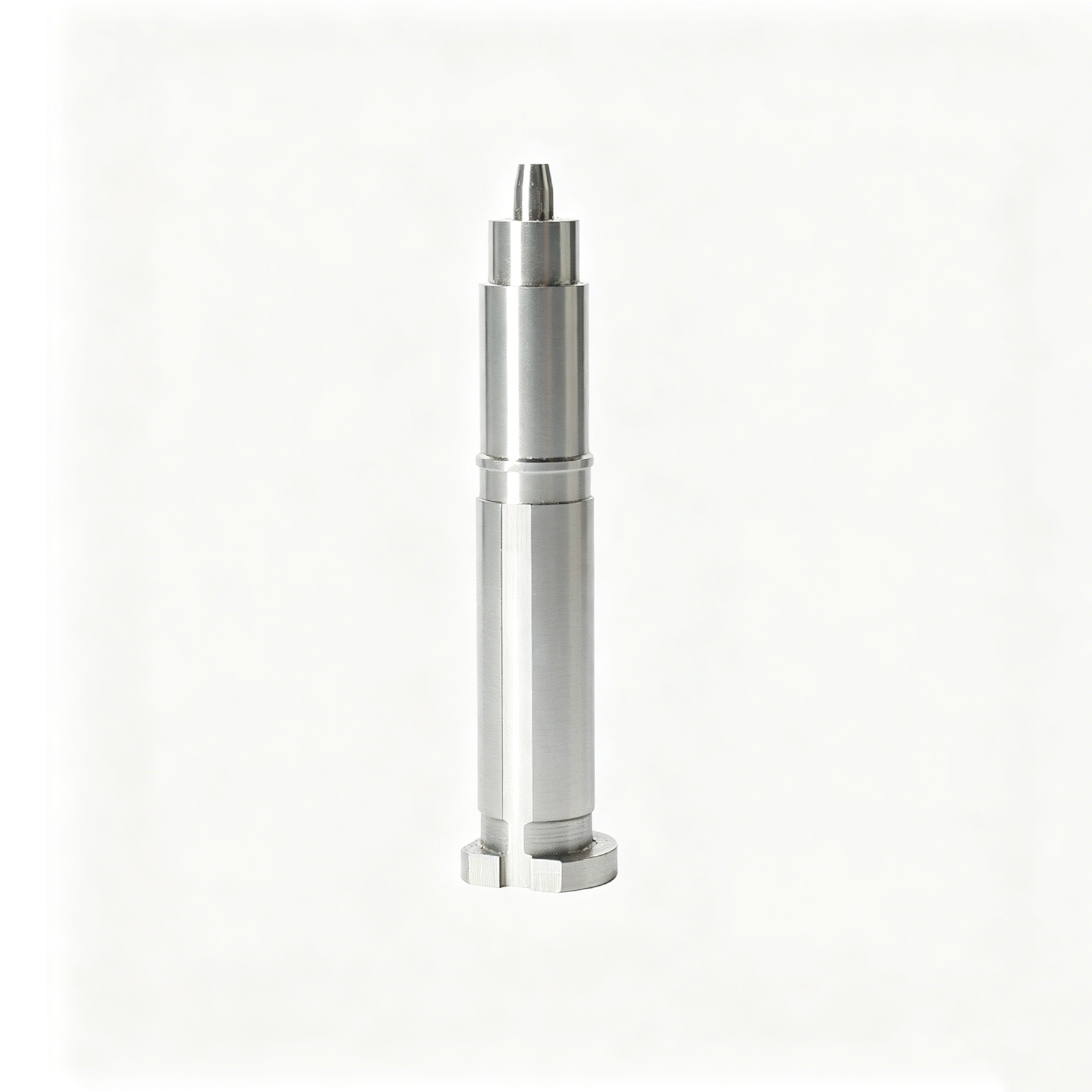
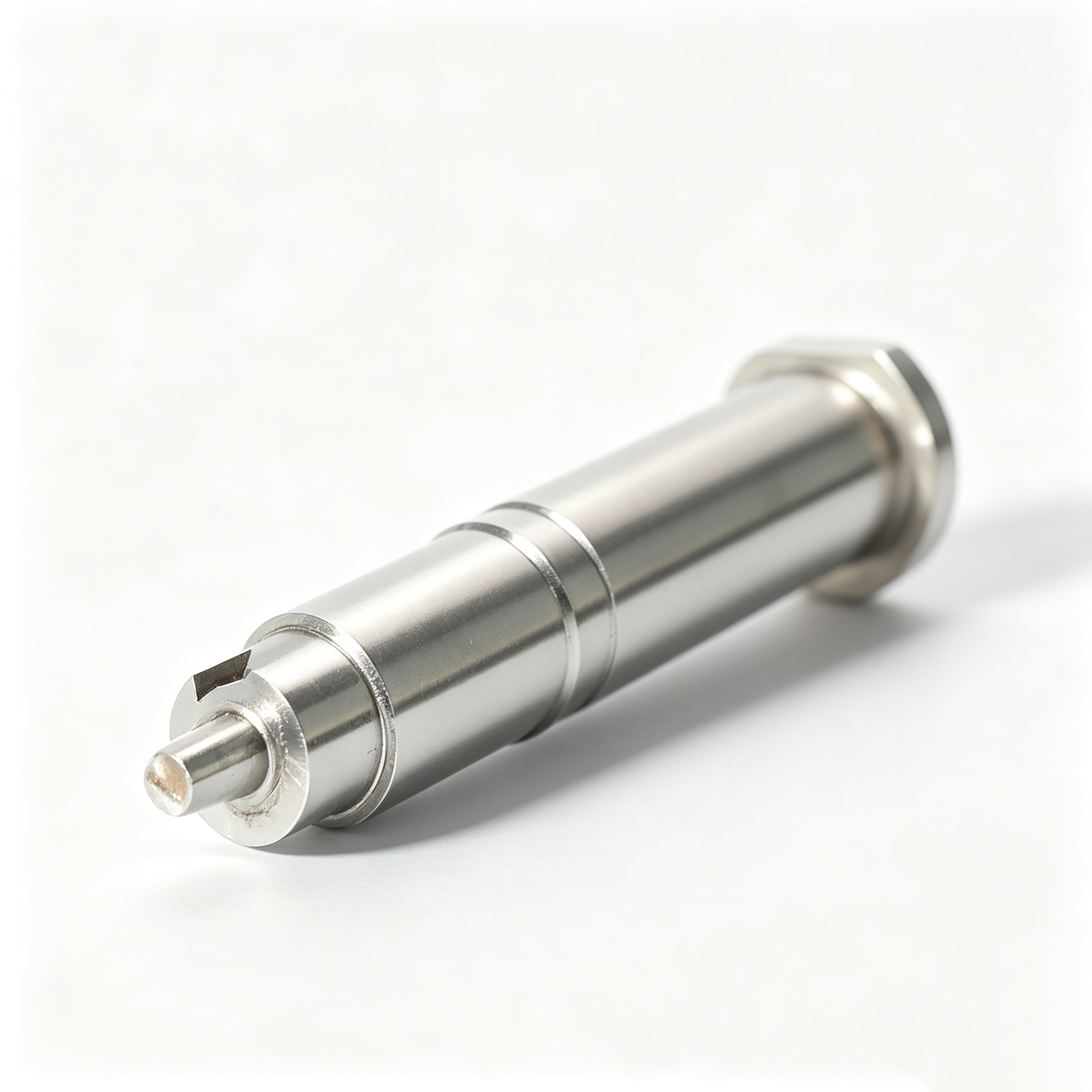
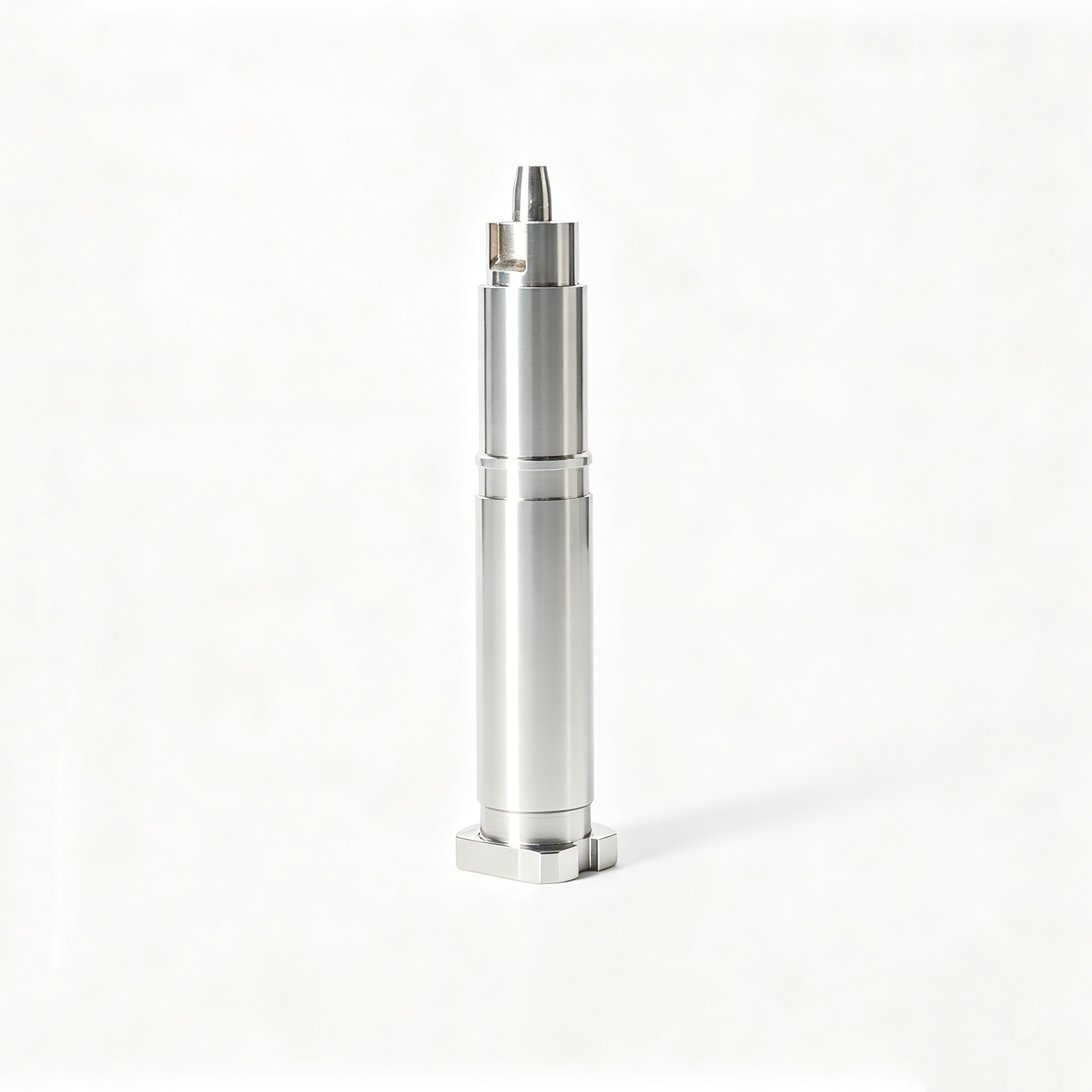
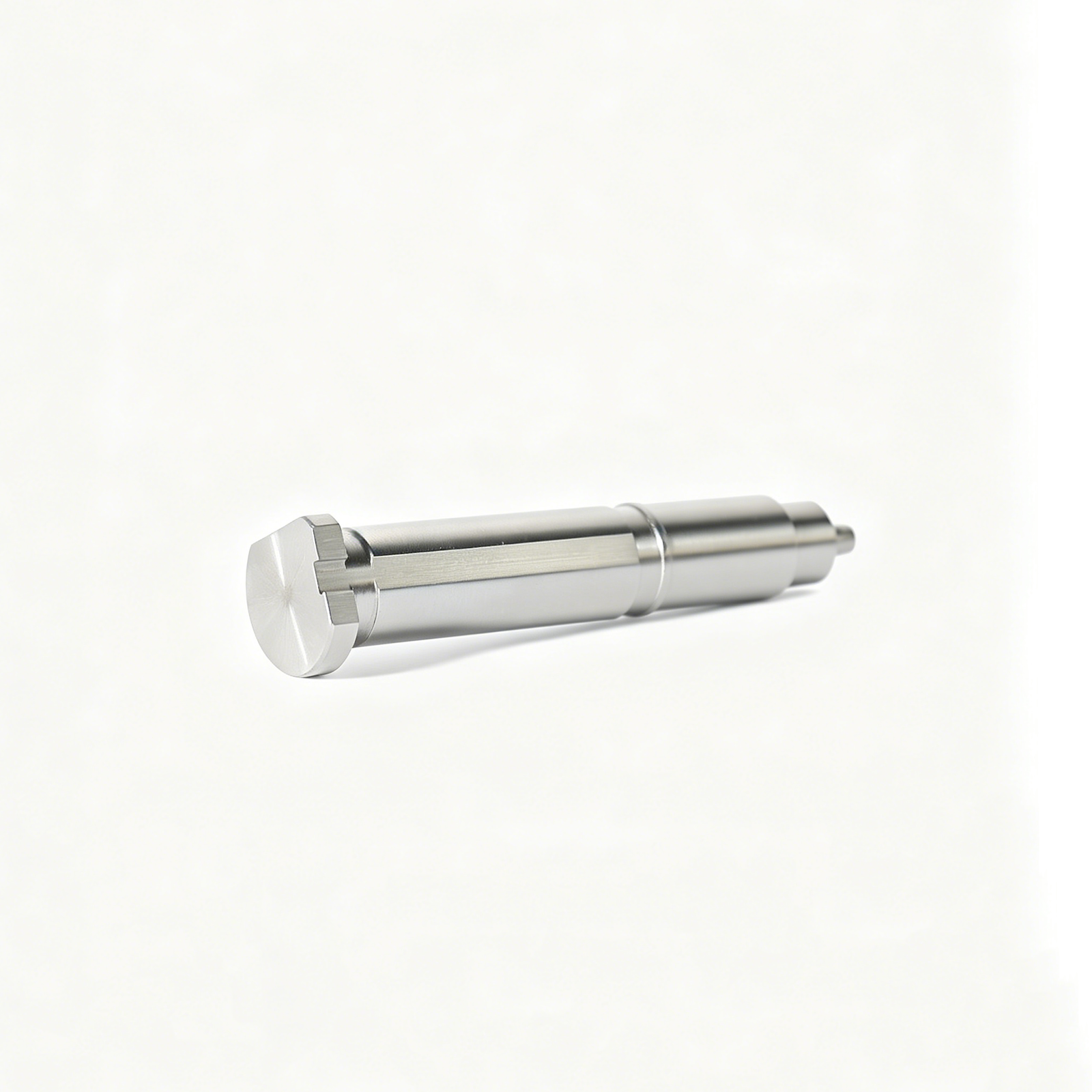
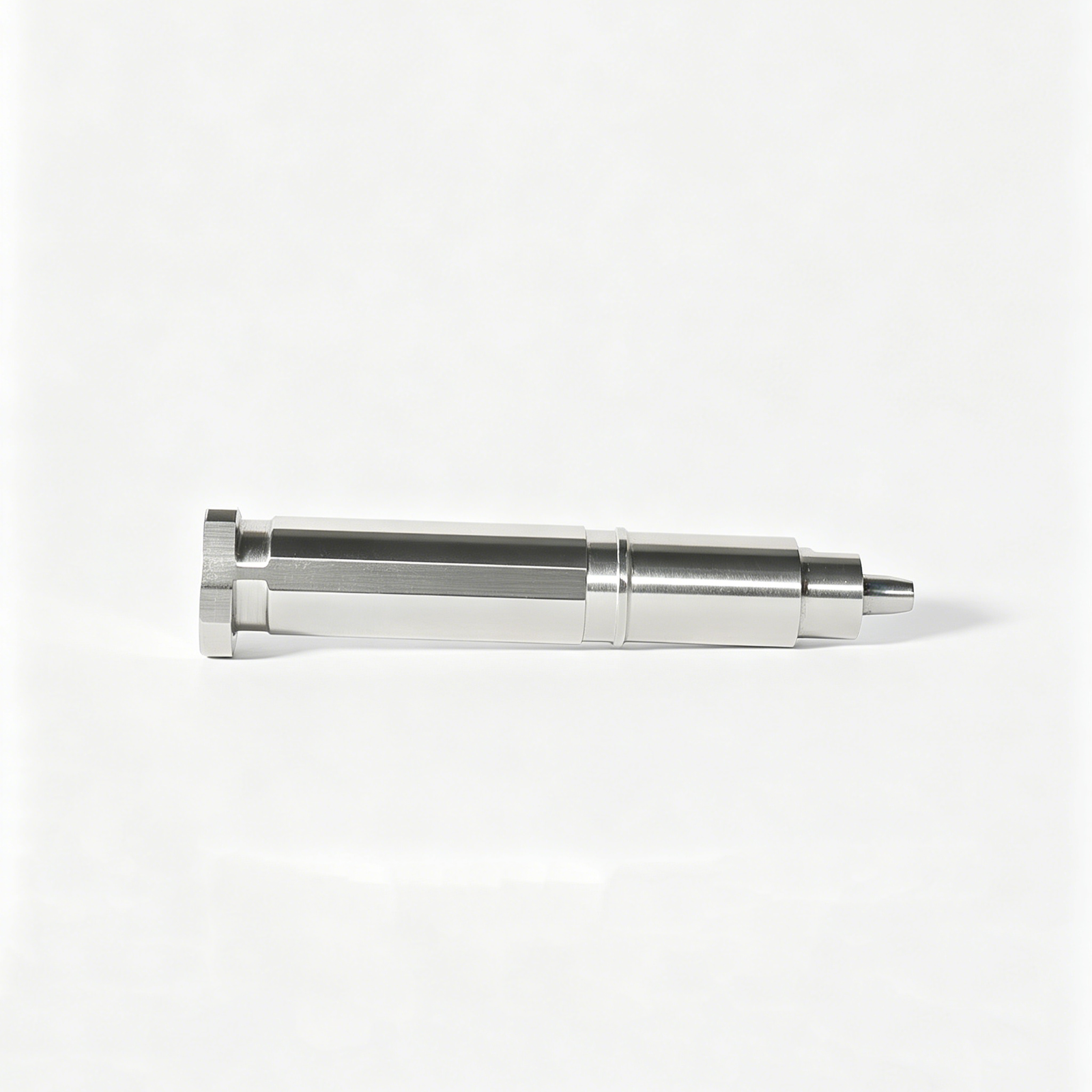
Plastic film parts · Precision mold insert
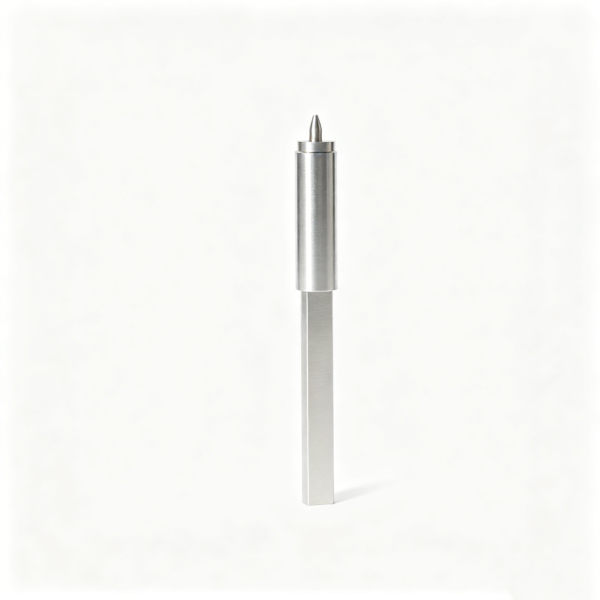
Custom Precision Round Parts for Automated Machinery & Robotics
Brand Xuxiang Mold
Availability Made to drawing
RFQ pricing
Quote from STEP / PDF & quantity
Boost the performance and reliability of your automated machinery with custom-engineered Precision Round Parts tailored to your print. These cylindrical components are machined on high-accuracy CNC lathes to deliver smooth running, stable alignment, and repeatable quality in every cycle. From shafts and pins to bushings and spacers, each part is produced to tight tolerances for consistent fit and long service life. Ideal for OEM automation, robotic end-effectors, and motion systems that cannot afford unplanned downtime. Partner with our engineering team to optimize geometry, material, and finish for your real-world operating conditions.
- ISO 9001:2015–oriented process & documented inspection paths
- Zeiss / Nikon class metrology available for critical dimensions
- DFM feedback from 10+ senior tooling engineers
- Dongguan HQ + Quanzhou capacity for volume programs
High-Accuracy Precision Round Parts for Automation & Robotics
Automated machinery, robotic systems, and motion-control assemblies demand components that run smoothly, align accurately, and remain stable under continuous duty. Any variation in a shaft diameter, locating pin, or bushing bore can translate directly into misalignment, vibration, and premature wear. Our custom Precision Round Parts are purpose-built for these demanding applications, produced on modern CNC turning centers and Swiss-type lathes to achieve dependable dimensional control and surface quality.[2][3]
Using CNC turning, a round bar or billet is rotated at controlled speed while a cutting tool removes material in circular paths to create shafts, pins, bushings, spacers, rollers, and other cylindrical forms.[5][6][9] This process excels at maintaining concentricity, roundness, and smooth surfaces, all of which are critical for linear motion, bearing seats, pneumatic cylinders, and robotic joints. With robust process control and in-process inspection, we help OEMs in automation and robotics obtain the parts they need with consistent quality and repeatability.[2][4][8]
Key Features & Engineering Benefits
Every automation project has its own mechanical and performance requirements. Our approach is to integrate design-for-manufacturability with precision CNC turning, so your round parts are not only accurate but also practical to manufacture at scale.[2][4][8]
- Tight, repeatable tolerances – CNC lathes and Swiss turning centers are capable of producing high-precision diameters, shoulders, grooves, and bores suitable for interference, transition, or slip fits in mechatronic assemblies.[2][3][4]
- Superior concentricity and roundness – By rotating the workpiece against rigid tooling, turning technology maintains outstanding roundness and coaxiality between critical features, which is essential for smooth bearing operation and precise robotic motion.[2][4][6][9]
- Smooth surface finishes – Fine turning, followed by optional grinding or polishing, can achieve low surface roughness values that reduce friction, minimize seal wear, and improve the lifespan of linear bushings and bearings.[2][3][4][8]
- Materials matched to your environment – Typical options include carbon and alloy steels for strength, stainless steels for corrosion resistance, aluminum for lightweight assemblies, and engineered plastics where low mass and quiet operation are priorities.[1][5][8][9]
- Scalable from prototypes to production – Whether you need a small pilot run for an automation line upgrade or long-term contract production for high-volume robots, CNC turning offers consistent results and cost-effective throughput.[3][5][7][9]
- Integrated quality control – Critical diameters, roundness, and surface finish can be verified with CMMs, bore gauges, and profilometers to validate parts against your engineering drawings and quality standards.[3][4][8]
This combination of process capability and quality control helps reduce assembly time, improve line stability, and minimize unexpected stoppages due to component variation.
Specifications & Customization Options
Because these Precision Round Parts are made to order, every detail can be tailored to your design: from nominal diameter and length to material, finish, and special features such as grooves or threads. Below is a high-level overview of the kinds of attributes that can be specified for automation and robotics applications.
| Attribute | Description |
|---|---|
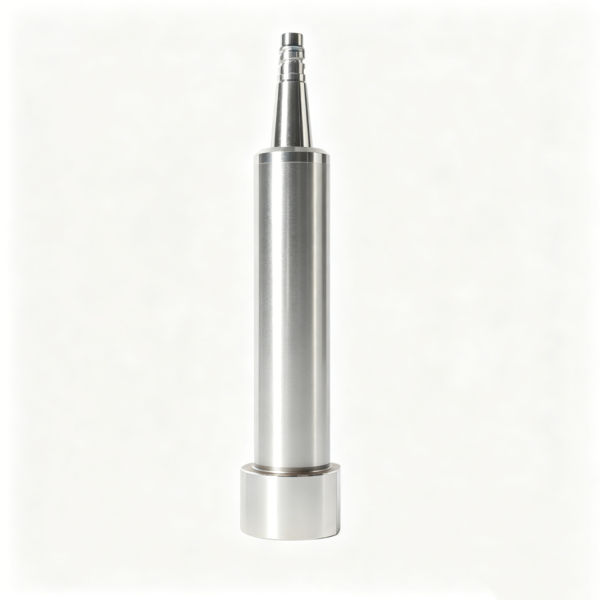
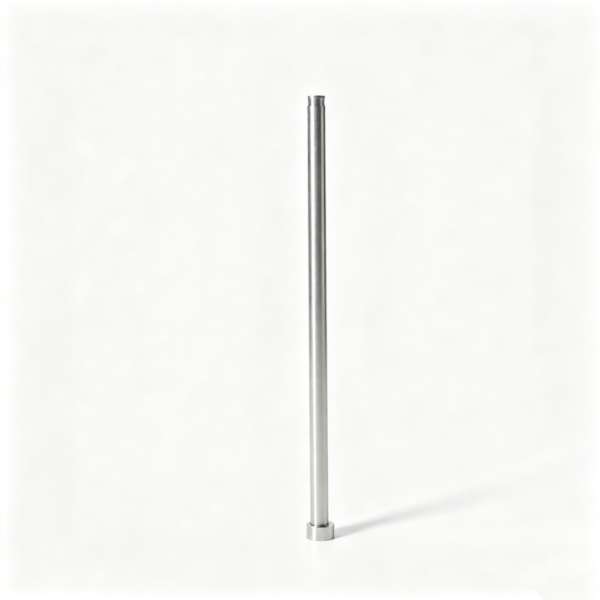
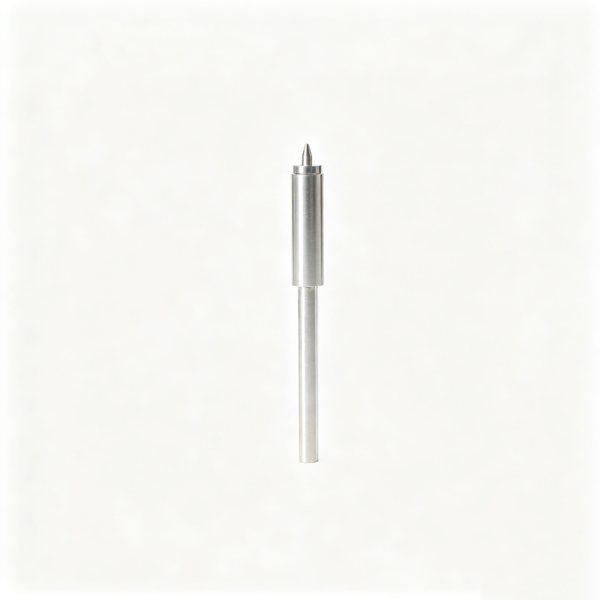
| Part types | Custom shafts, guide pins, dowel pins, bushings, spacers, rollers, sleeves, and cylindrical adapters for automation and robotic systems |
| Typical processes | CNC turning, Swiss-type turning, drilling, boring, grooving, threading, and secondary operations such as grinding or milling as needed[1][5][6][9] |
| Materials | Carbon steels, alloy steels, stainless steels, aluminum alloys, brass/bronze, and selected engineering plastics tailored to load, corrosion, and weight requirements[1][5][8][9] |
| Dimensional control | Custom tolerances on diameters, lengths, and geometric features to match fit requirements in bearings, couplings, and linear guides[2][3][4] |
| Geometric tolerances | Roundness, concentricity, straightness, and runout can be controlled according to your drawings for smooth motion and precise alignment[2][3][4][8] |
| Surface finish | Turned and optional ground finishes suitable for bearing seats, seal surfaces, and sliding interfaces, specified by Ra and functional requirements[2][3][4][8] |
| Automation-specific features | Custom keyways, cross-holes, undercuts, grooves for retaining rings, and threads for sensor mounts, couplings, or end-effectors where required[5][8][11] |
| Batch sizes | Flexible quantities from small prototype batches for new cells and tooling to repeat production for long-running machine platforms[3][5][7][9] |
| Inspection and documentation | Measurement reports for critical dimensions, roundness, and surface roughness available to support validation and incoming quality control[3][4][8] |
Use Cases: Where These Parts Add Value
Precision Round Parts play a pivotal role throughout automated production lines and robotic systems. They often operate behind the scenes, but their accuracy directly influences uptime, throughput, and product quality.
- Robotic joints and end-effectors – Custom pins, shafts, and bushings maintain alignment of joints, grippers, and tooling, allowing robots to position parts accurately and repeatably.
- Conveyors and indexing equipment – Rollers, axles, and locating pins keep workpiece pallets and fixtures moving smoothly along the line, reducing jams and misfeeds.
- Linear motion systems – Guide shafts and precision dowels align linear bearings, carriages, and slides, which is vital for pick-and-place units, gantries, and vision-guided automation.
- Pneumatic and hydraulic components – Rods, pistons, and cylinder components rely on accurate diameters and surface finishes to maintain sealing and consistent stroke performance.
- Assembly jigs and fixtures – Dowel pins, spacers, and sleeves ensure that fixtures locate parts in the same position every cycle, supporting high first-pass yield.
- Packaging and filling machinery – Turned shafts and rollers manage belts, films, and product handling where smooth rotation and correct tracking are essential.
Whether you are building a new robotic workcell, upgrading an older conveyor system, or standardizing a family of fixtures, having reliable, repeatable turned components can significantly reduce integration headaches and maintenance costs over the life of the equipment.
Care, Handling & Buying Guidance
Selecting and managing Precision Round Parts for automated machinery involves more than choosing a diameter and length. The environment, loading, and maintenance plan all affect the most appropriate design choices.
- Defining requirements – Start by clarifying how the part will be loaded, how it interfaces with bearings or bushings, and what positional accuracy the system must maintain.
- Considering the environment – In washdown or corrosive environments, stainless steel or coated materials may be necessary. In cleanroom or food-handling automation, surface finish and material selection become even more critical.
- Balancing tolerances and cost – Very tight tolerances and specialized finishes increase production time and cost. A design review focused on what is truly necessary for function often yields a better balance between performance and price.[2][3][8]
- Storage and handling – To preserve dimensional stability and surface quality, keep parts in clean, dry packaging. Avoid impacts, bending loads, or abrasive contact that can cause nicks and scratches on working surfaces.[8]
- Maintenance practices – In service, follow the machine builder’s lubrication and inspection intervals. Replacing worn bushings or bearings before they fail helps protect mating shafts and pins from unnecessary wear.
- Documentation and traceability – For critical automation components, consider specifying controlled batches and documentation so you can trace parts back to a particular lot and inspection report.
By combining thoughtful specification with robust manufacturing and care, you can keep your automated assets operating smoothly and maximize the value of your investment in custom machined parts.
FAQ
Can these Precision Round Parts be made to my existing drawings?
Yes. We manufacture exclusively to customer-supplied drawings or 3D models. As long as your print includes key dimensions, tolerances, and material callouts, we can quote and produce parts for your automation or robotic system.
What information should I include to ensure compatibility with my machinery?
Include nominal diameters and lengths, fit requirements for bearings or bushings, geometric tolerances for alignment, material specifications, surface finish targets, and any special features such as keyways, threads, or cross-holes. Sharing the intended application and load conditions helps optimize the design.
How are these parts packaged and shipped to protect precision surfaces?
Precision Round Parts are typically cleaned and individually protected with sleeves, wraps, or compartmented packaging to prevent contact and corrosion during transit.[8] Shipments are then boxed and cushioned so components arrive ready for assembly.
Are these components compatible with standard bearings and linear guides?
Yes. Shafts, pins, and sleeves can be produced to diameters and tolerance bands that match common bearing and linear-guide standards. If you provide bearing model numbers or catalog fits, we can align the turned features to those requirements.
How should I maintain turned shafts and pins in high-duty automation lines?
Follow your machine manufacturer’s lubrication schedule, keep contaminants away from sliding and rolling interfaces, and inspect for scoring or wear during planned downtime. Replacing worn bushings or bearings promptly helps protect shafts and pins and maintains positional accuracy.
Can I order a small prototype batch before committing to full production?
Yes. Many automation and robotics projects begin with a low-volume pilot run to validate design and fit. Once prototypes are approved, the same process can be scaled to support ongoing production quantities.
What is the typical lead time for custom Precision Round Parts?
Lead time varies with complexity, material availability, and order volume, but prototype and low-volume orders are usually faster than large production runs. Providing clear drawings and material specifications upfront helps shorten the overall timeline.
Do you offer any warranty or support if parts do not meet specification?
Precision parts are manufactured to your drawings, and each batch is inspected against those requirements. If any nonconformances are found, we work with you to evaluate the issue and arrange corrective action, which may include replacement components as agreed in your quality terms.
Can I revise my design after the first batch if I need to tighten tolerances?
Design changes are common in automation projects. You can update drawings or models for future orders, and we can review how tighter tolerances or different finishes will affect manufacturability, lead time, and cost.
Same drawing, predictable results—next batch
Share revision, quantity ramp, and inspection level. We quote process route, ship date, and documentation in one structured response.