
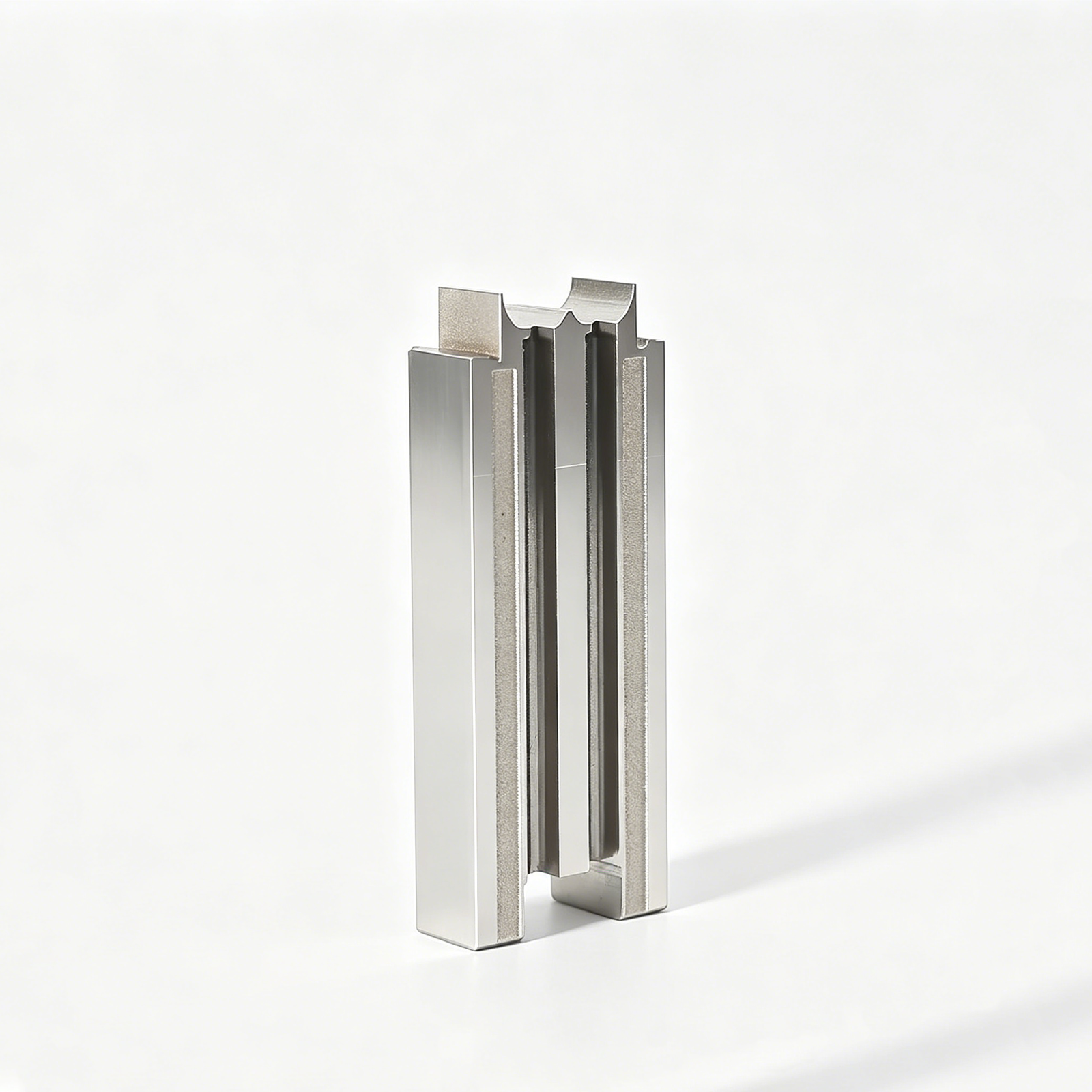
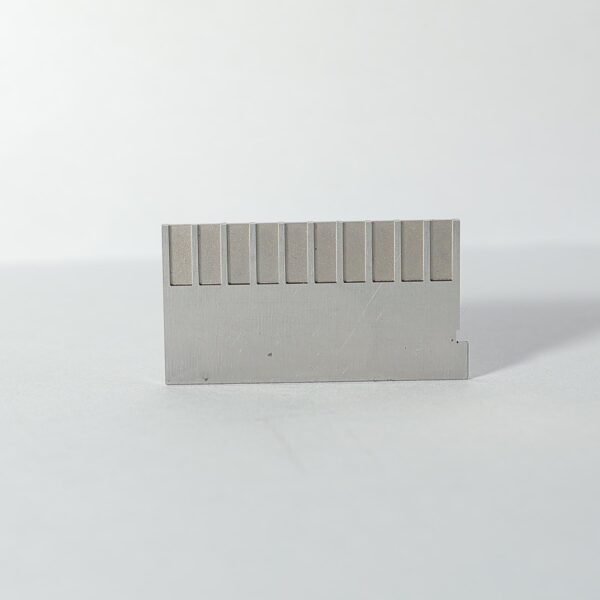
Plastic film parts · Precision mold insert
Precision Mold Components for Automotive Connectors – Fine-Tolerance Cores, Sleeves & Inserts
Brand Xuxiang Mold
Availability Made to drawing
RFQ pricing
Quote from STEP / PDF & quantity
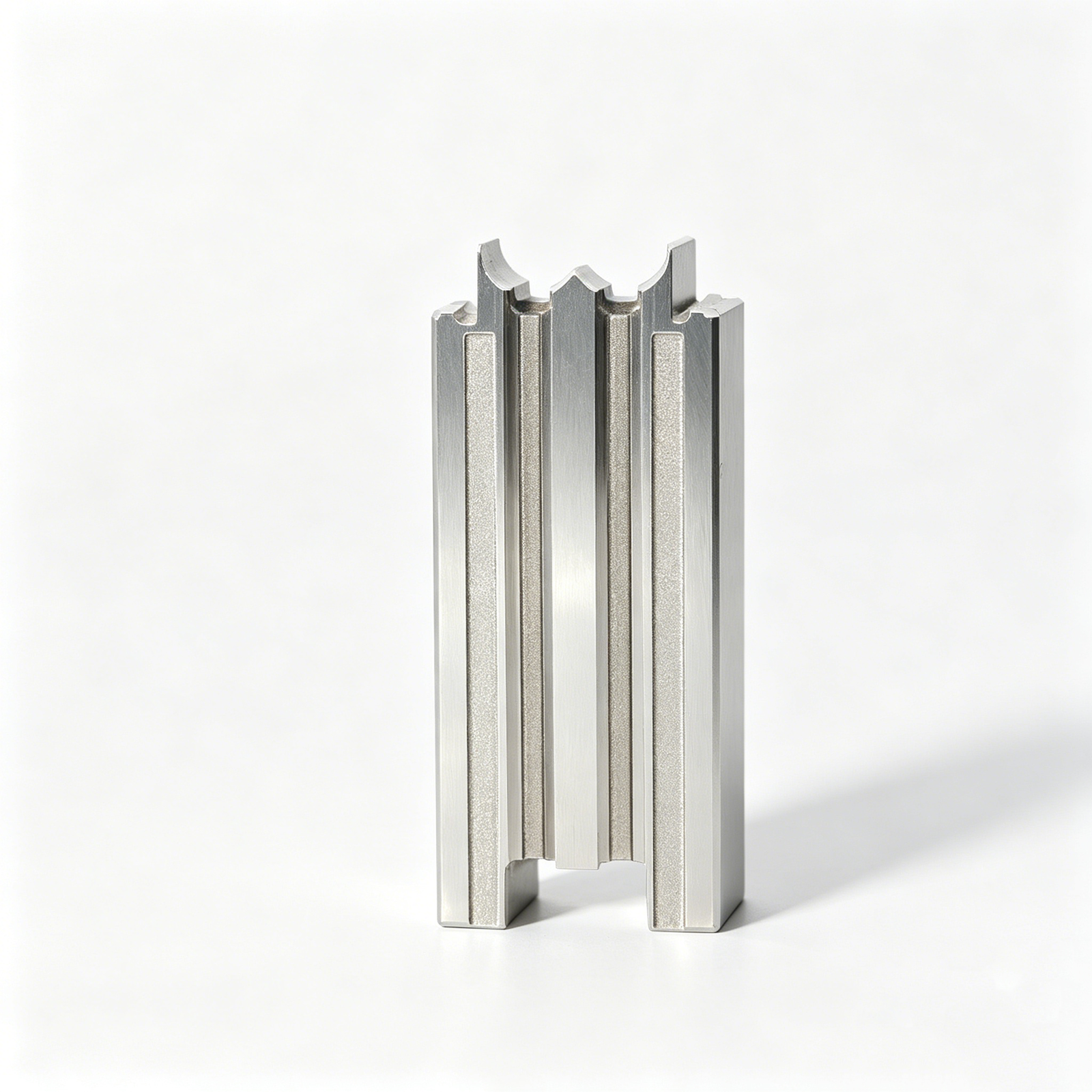
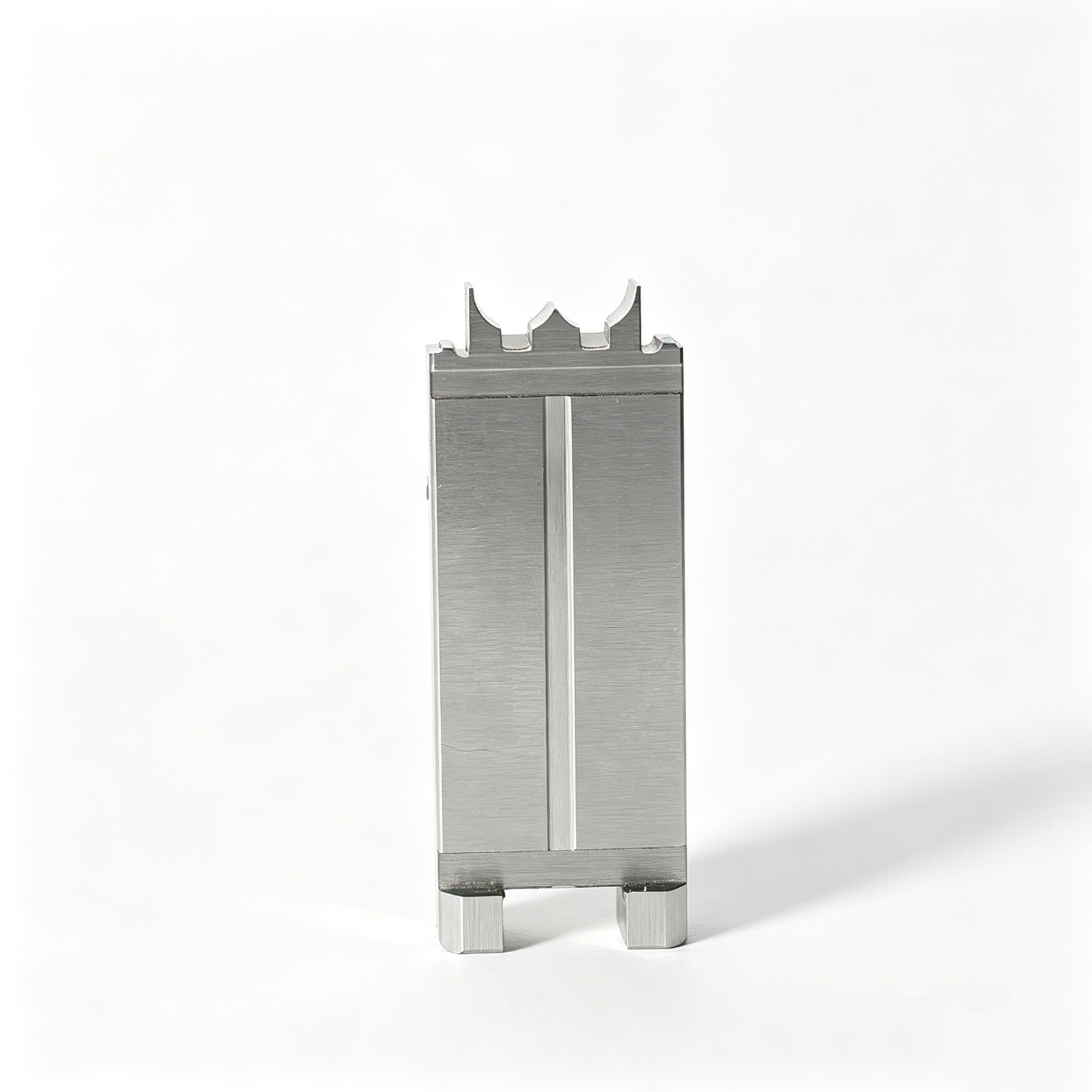
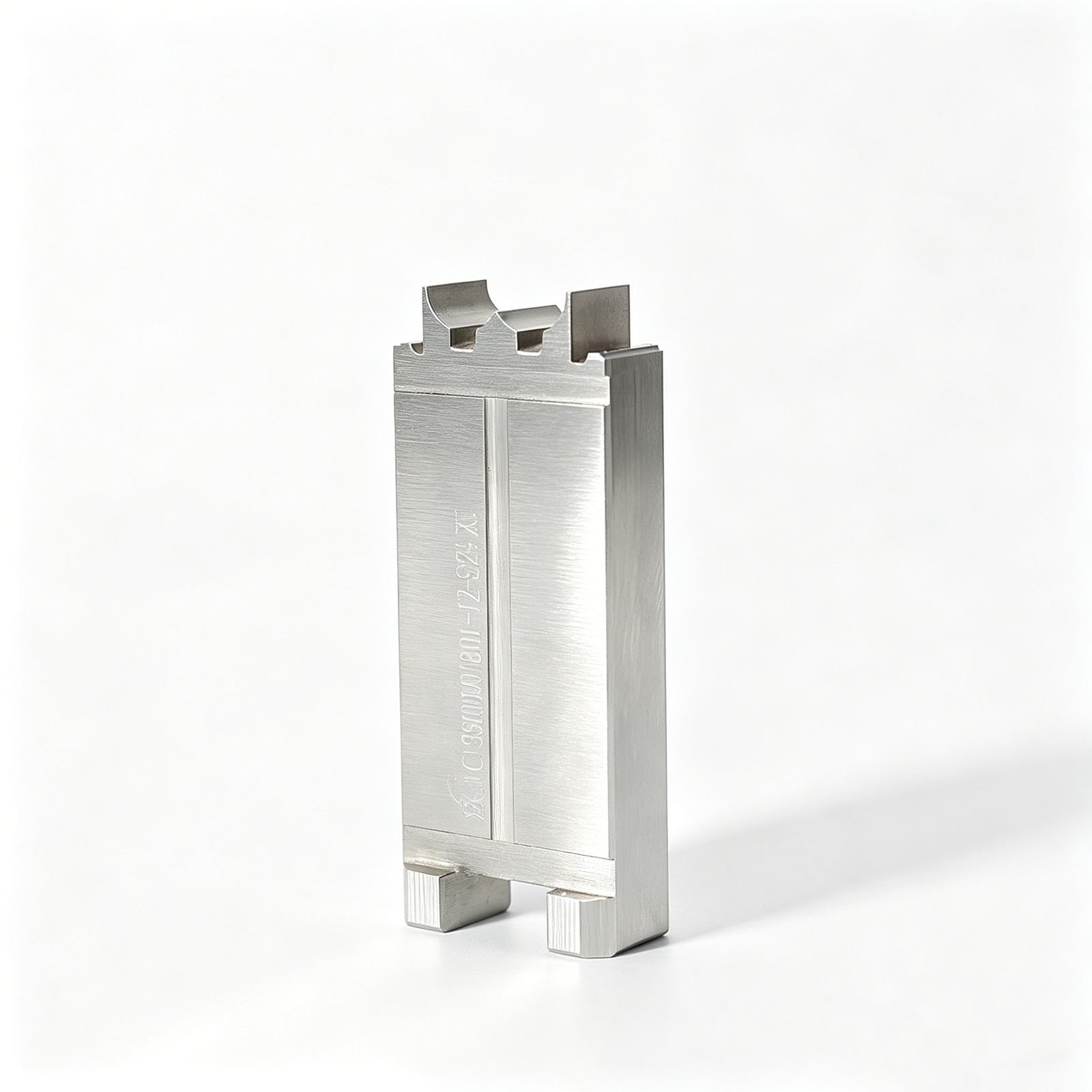
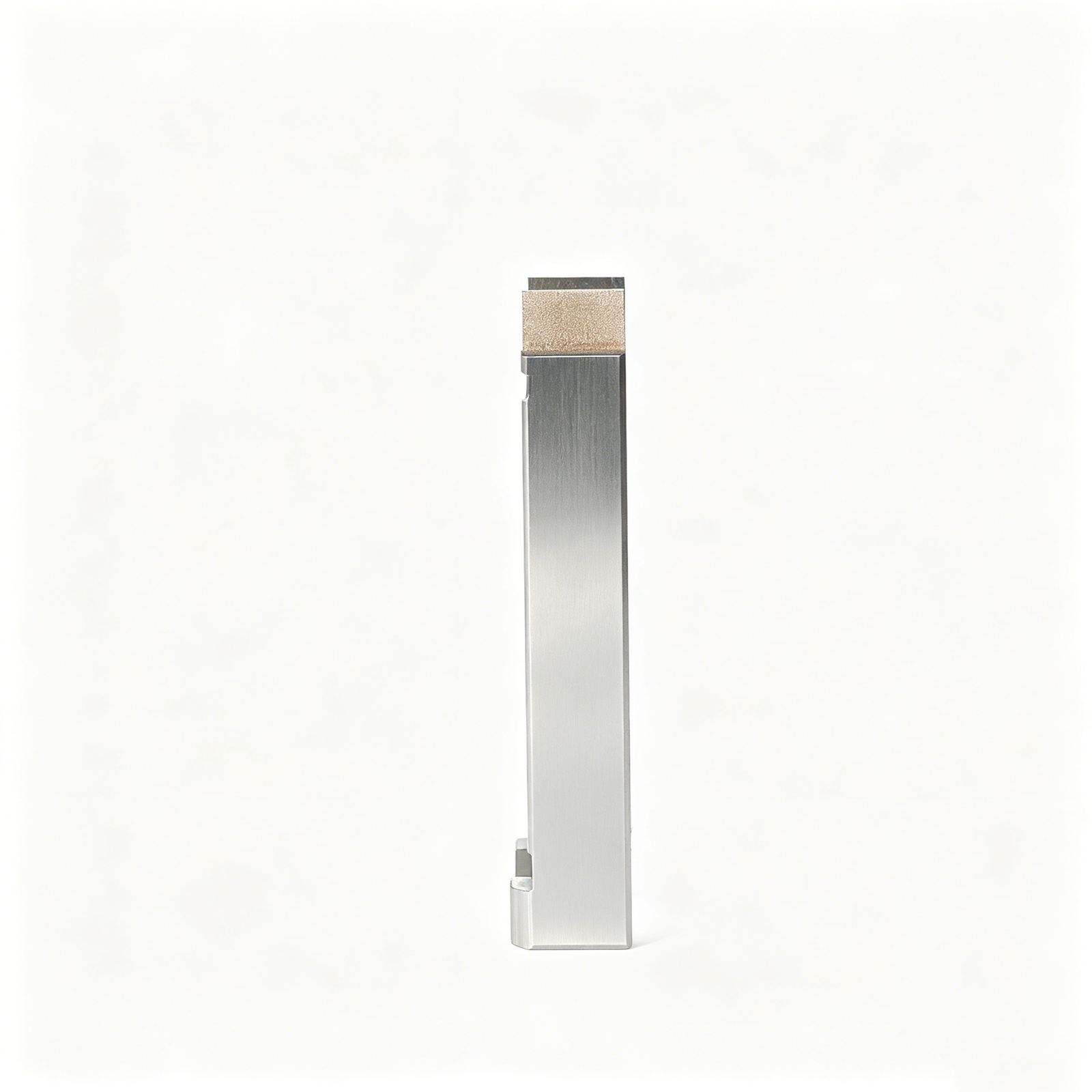
Optimize your connector tooling with precision mold components for automotive connectors engineered for consistent, repeatable accuracy. Each core pin, sleeve and insert is machined with fine tolerances to support high‑cavitation molds and compact connector geometries. Robust tool steels and advanced surface treatments help extend service life under demanding high-cycle production. Designed for fast changeover and easy maintenance, these components help reduce downtime and keep production on schedule. Ideal for Tier 1, Tier 2 and custom mold makers seeking stable dimensional control on every shot.
- ISO 9001:2015–oriented process & documented inspection paths
- Zeiss / Nikon class metrology available for critical dimensions
- DFM feedback from 10+ senior tooling engineers
- Dongguan HQ + Quanzhou capacity for volume programs
Precision Mold Components Tailored for Automotive Connector Tooling
Automotive electrical connectors demand extremely tight dimensional control so that every housing mates securely with terminals, seals and harness assemblies in the vehicle. To achieve this, mold builders and injection molders rely on highly accurate, repeatable tooling. Our precision mold components for automotive connectors are purpose-built for connector molds, covering the critical wear and forming elements such as core pins, sleeves, cavity inserts, lifter elements and gate features.
These components are manufactured from high-performance tool steels selected for hardness, toughness and wear resistance under glass-filled engineering plastics and continuous high-duty production. With precise machining, fine grinding and careful heat treatment, they help maintain critical connector dimensions over long production runs, minimizing flash, warpage and dimensional drift.
Whether you produce micro-connectors for sensors or multi-pin housings for power distribution modules, these mold components integrate cleanly into new or existing molds and help ensure stable processing, high cavity balance and reliable ejection of delicate parts.
Key Features & Benefits for Connector Mold Makers
Automotive connector tooling presents its own set of challenges: thin walls, complex locking details, fine pitch terminal slots and multi-row pin layouts. These precision mold components are configured to support those needs from design through serial production.
- Fine-tolerance forming surfaces – Core pins, sleeves and cavity inserts are ground and finished to tight dimensional tolerances, supporting accurate pin spacing, terminal windows and latch features.
- Connector-specific geometries – Components can be configured to match automotive connector designs, including stepped cores, ribs, undercuts and precision slots for terminal cavities.
- Wear-resistant materials – Tool steels and suitable surface treatments (such as nitriding or coatings where required) help retain edge sharpness and control flash at parting lines and shut-off areas over long runs.
- Stable processing in high-cavitation molds – Consistent sizing and concentricity assist in achieving cavity balance, reducing variation between impressions and improving overall yield.
- Service-friendly construction – Clear identification, standardized shanks or mounting interfaces, and accessible fastening methods help simplify component replacement during routine maintenance.
- Support for complex demolding – Ejector pins, sleeves and lifter elements can be tailored for delicate connector features, improving demolding reliability without marking visible surfaces.
By focusing on the requirements of automotive plastic connector housings, these components enable smoother sampling, shorter validation time and more stable mass production.
Key Attributes & Typical Configuration
Every tool and program is different, but the table below summarizes the core attributes you can expect from a typical set of precision mold components for automotive connector molds. Where exact values are application-dependent, descriptive terms are used so you can align them with your tooling standards.
| Attribute | Description |
|---|---|
| Component types | Core pins, sleeves, cavity inserts, ejector pins, lifter elements, gate inserts |
| Typical application | Plastic injection molds for automotive electrical connector housings and related components |
| Material selection | High-performance tool steels suitable for hardened, wear-resistant mold inserts |
| Surface finish | Precision-ground and polished surfaces on critical forming areas for low friction and clean release |
| Tolerance capability | Fine machining and grinding tolerances appropriate for tight connector geometries (exact class per customer specification) |
| Connector styles supported | Signal and power connectors, sensor connectors, multi-pin harness connectors, custom proprietary designs |
| Tooling integration | Configurable shank sizes, mounting features and alignment methods to suit new or existing mold bases |
| Production environment | Designed for high-volume, high-cycle automotive injection molding lines |
| Maintenance approach | Components designed for inspection, regrinding or replacement during planned mold maintenance intervals |
| Customization options | Geometry adaptation, special surface treatments and custom markings available by project |
Ideal Use Cases & Users
These precision mold components are intended for organizations that must maintain stringent quality and reliability standards in automotive electrical systems. Typical applications and users include:
- Automotive connector manufacturers producing housings for OEM and aftermarket wiring harnesses, junction boxes, control modules and sensor interfaces.
- Mold builders and toolmakers designing new connector molds or refurbishing existing tools for improved performance and extended service life.
- Tier 1 and Tier 2 suppliers that operate high-cavitation, high-speed molding cells where consistency and low scrap rates directly impact cost and delivery performance.
- Engineering teams launching new platforms who need connector tooling that can pass validation and PPAP with minimal adjustments downstream.
- Maintenance departments responsible for spare parts management, preventative maintenance and periodic mold rebuilds.
Connector programs with thin walls, narrow terminal slots or complex locking structures benefit especially from fine-tolerance cores, inserts and ejectors that can reproduce small features reliably across every cavity.
Care, Maintenance & Buying Guidance
To get the most value and service life from your precision mold components for automotive connectors, it is important to integrate them into a structured mold care program. A considered approach to handling and maintenance helps preserve fine edges and dimensions, particularly where multi-pin layouts and thin ribs are involved.
- Handle with care – Fragile features on core pins and inserts should be handled with appropriate fixtures or soft supports during assembly, disassembly and inspection.
- Implement regular cleaning – Adopt a schedule for removing polymer residues, plate-out and contaminants from forming surfaces using suitable non-abrasive methods.
- Monitor wear on critical areas – Inspect shut-offs, parting lines and thin edges routinely for signs of wear that could increase flash or alter connector dimensions.
- Plan for regrinding or replacement – Build regrind allowances and spare components into your tooling strategy so that key wear parts can be renewed without unplanned downtime.
- Align with your connector standards – When ordering, communicate connector series, material type and any special requirements (such as high-temperature resins or glass-filled compounds) to ensure the most suitable material and surface treatment selection.
- Coordinate with process engineering – Work closely with molding engineers when specifying gate inserts, vent details and cooling features to optimize part quality and cycle time.
By combining robust component design with disciplined maintenance practices, you can extend mold life, protect connector quality and maintain predictable production rates across multiple vehicle platforms and model years.
FAQ
Are these mold components compatible with my existing connector molds?
In most cases, components can be adapted to existing mold bases by matching the required dimensions, fits and mounting features. Providing detailed drawings or samples of your current tooling helps ensure a precise fit and reduces modification work.
What types of automotive connectors can these components be used for?
They are suitable for a wide range of automotive connector housings, including signal and power connectors, ECU and sensor interfaces, multi-row pin blocks, and custom harness connectors. When ordering, you can specify the connector family or geometry so components are tailored accordingly.
How should I choose between different materials or surface treatments?
The best material and surface finish depend on factors such as resin type, filler content, expected production volume and maintenance strategy. Discussing your resin portfolio and cycle targets with the supplier allows them to recommend a combination that balances wear resistance, toughness and cost.
What maintenance is required to keep these components performing accurately?
Core pins, inserts and ejectors should be inspected periodically for wear, cleaned to remove residue and lightly lubricated where appropriate. Incorporating visual inspections into your mold PM schedule helps you detect early wear before it affects part dimensions or increases scrap.
Can I use these components in high-cavitation, high-speed connector molds?
Yes, the components are designed with high-volume automotive molding in mind. Consistent sizing and concentricity support cavity balance and stable processing in high-cavitation tools, provided the overall mold design and process parameters are properly configured.
What information should I provide when requesting a quotation?
For accurate pricing and lead time, it is helpful to share component drawings or 3D models, connector details, resin information, expected annual volume and any special requirements such as unique coatings or markings. This allows a more precise technical and commercial proposal.
How are these precision mold components shipped and protected?
Components are typically packed in protective cases or compartments to prevent contact damage to critical surfaces. Corrosion-inhibiting coatings or packaging are often used for international shipments or longer storage times. Shipping methods can be selected to align with your project schedule.
What is the usual lead time and can urgent projects be accommodated?
Lead time depends on the level of customization and order quantity. Standard configurations are often quicker to deliver, while complex geometries require more machining and validation. For urgent programs, express manufacturing and shipping options may be available subject to capacity.
Is there any warranty or support if I encounter dimensional or wear issues?
Most suppliers offer technical support to review any issues related to fit, wear or dimensional stability. If a component does not meet the agreed specification, corrective actions such as rework or replacement are typically considered according to the supplier’s warranty and quality policy.
How can I extend the service life of components in demanding connector applications?
Using appropriate material and surface treatments, optimizing process conditions, avoiding excessive injection pressure, and following a strict cleaning and inspection protocol all contribute to longer component life. Early consultation with tooling and process experts further helps to fine-tune the design for durability.
Related products
Same drawing, predictable results—next batch
Share revision, quantity ramp, and inspection level. We quote process route, ship date, and documentation in one structured response.