
Plastic film parts · Precision mold insert
Precision Mold Components for Automotive Connectors – Fine-Pitch Cavities, Cores & Ejectors
Brand Xuxiang Mold
Availability Made to drawing
RFQ pricing
Quote from STEP / PDF & quantity
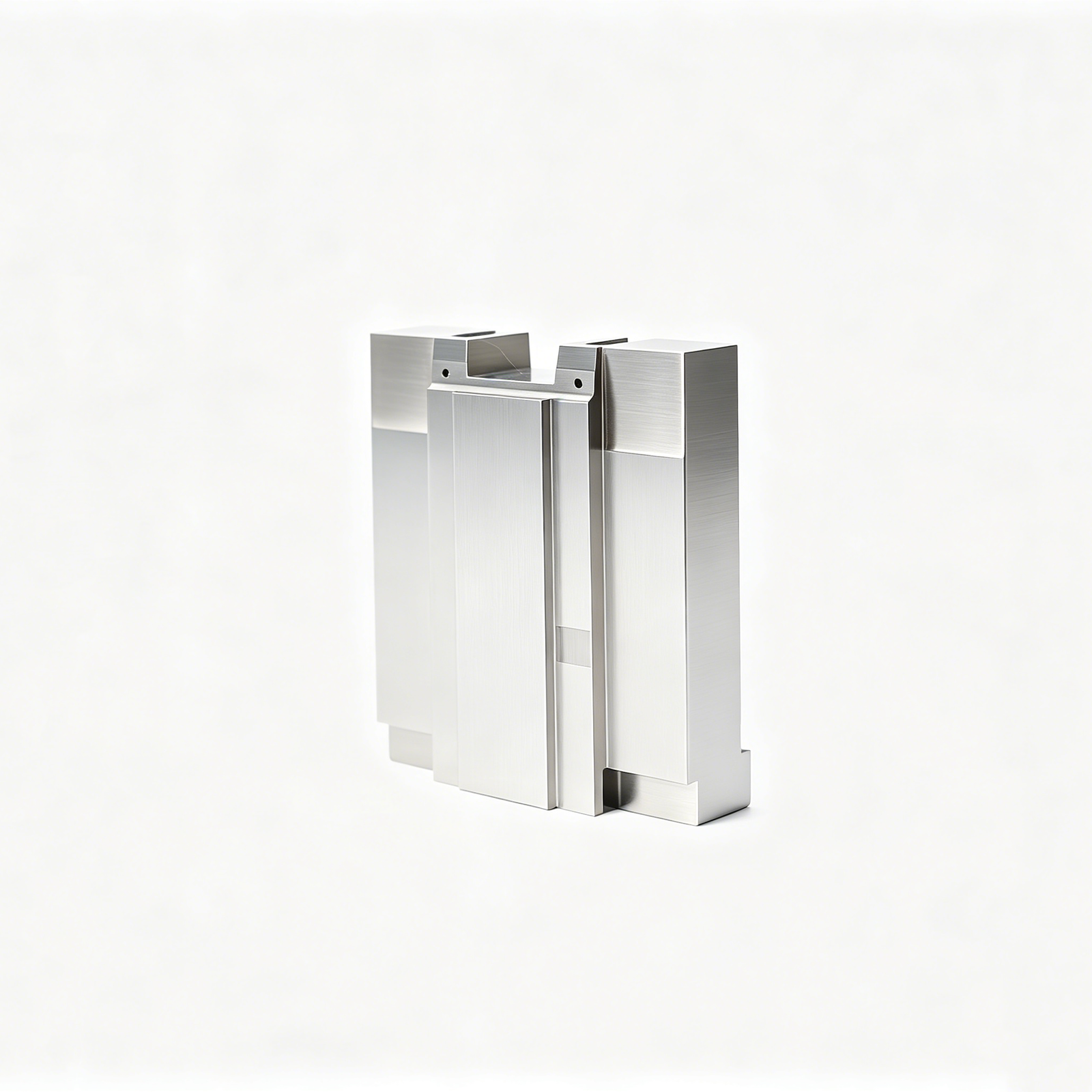
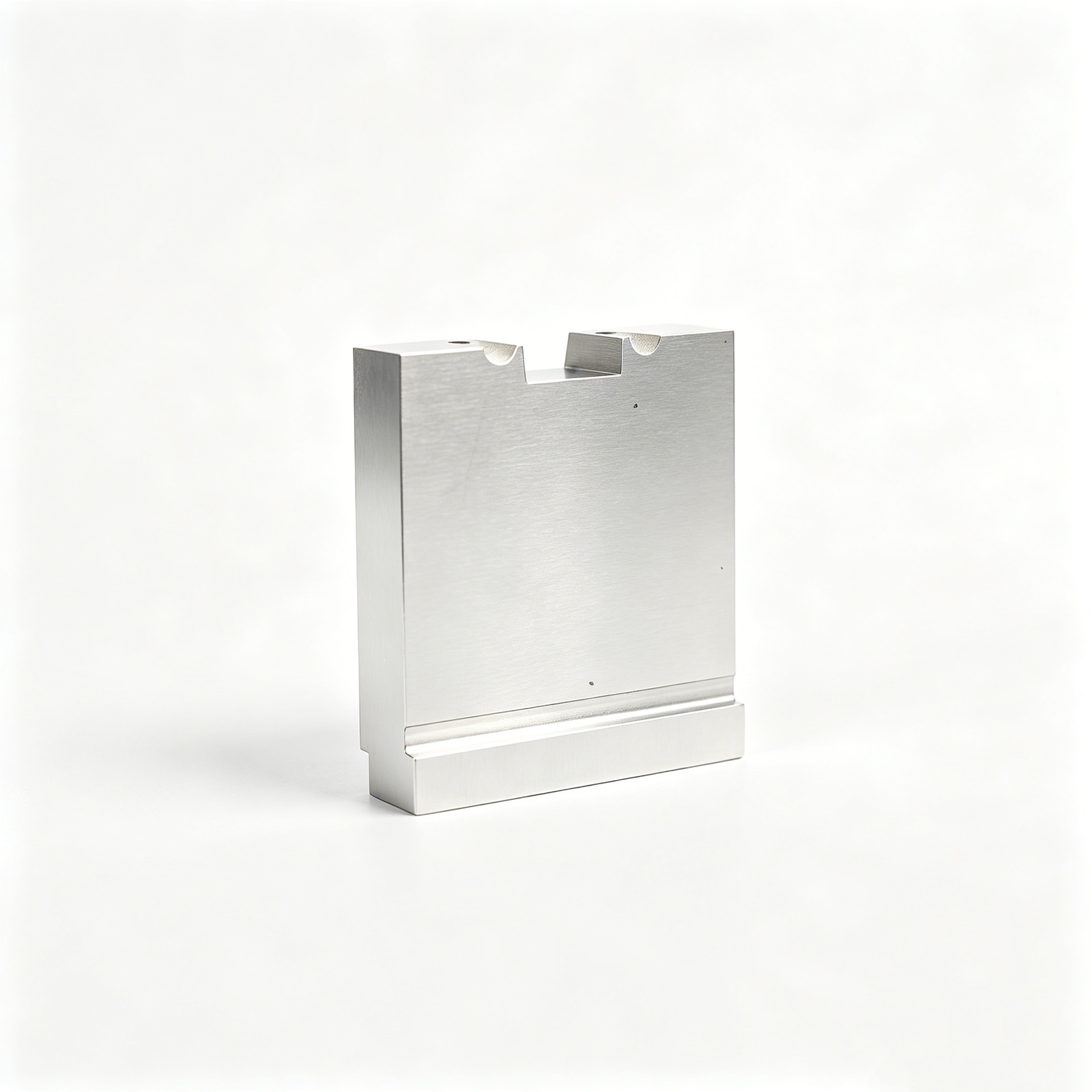
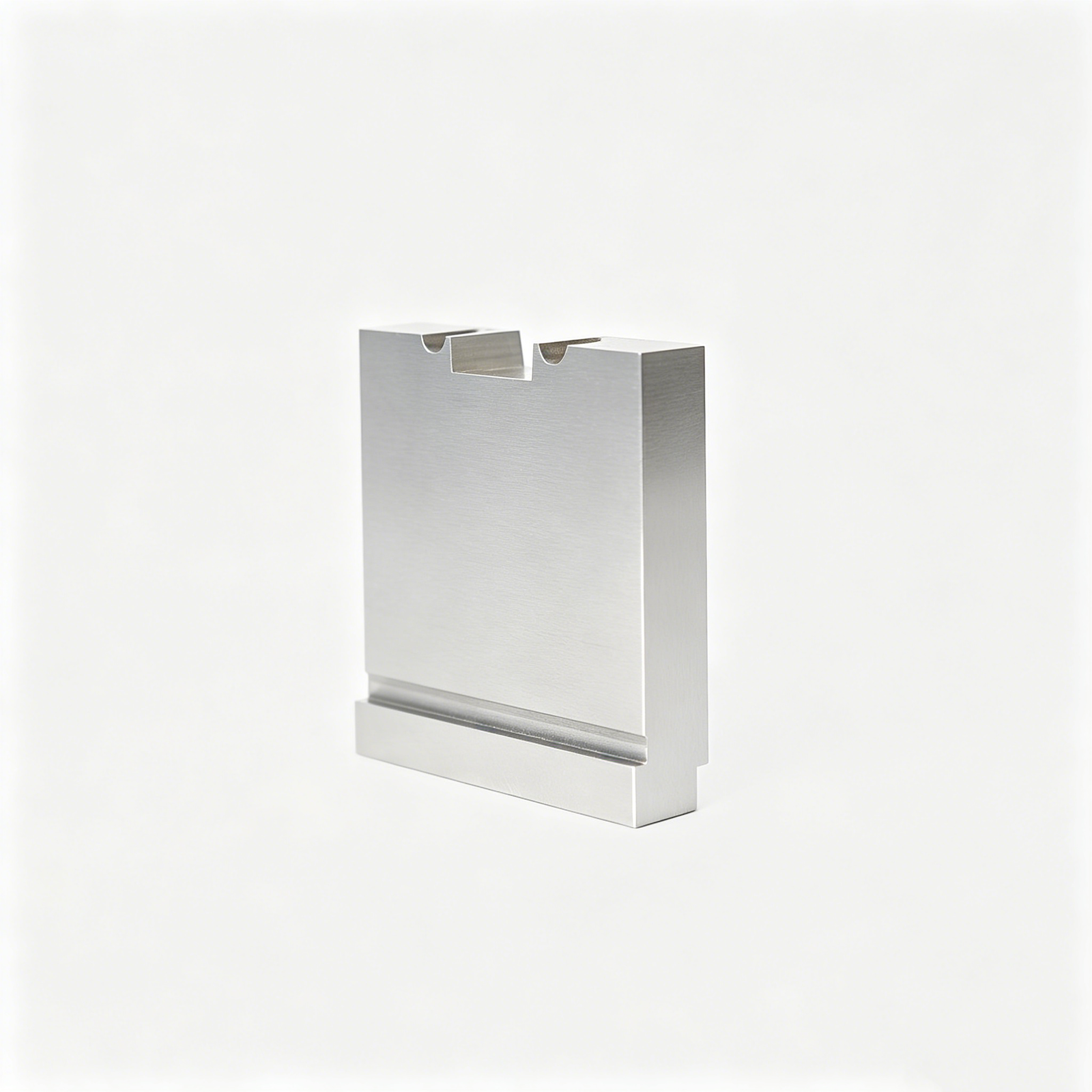
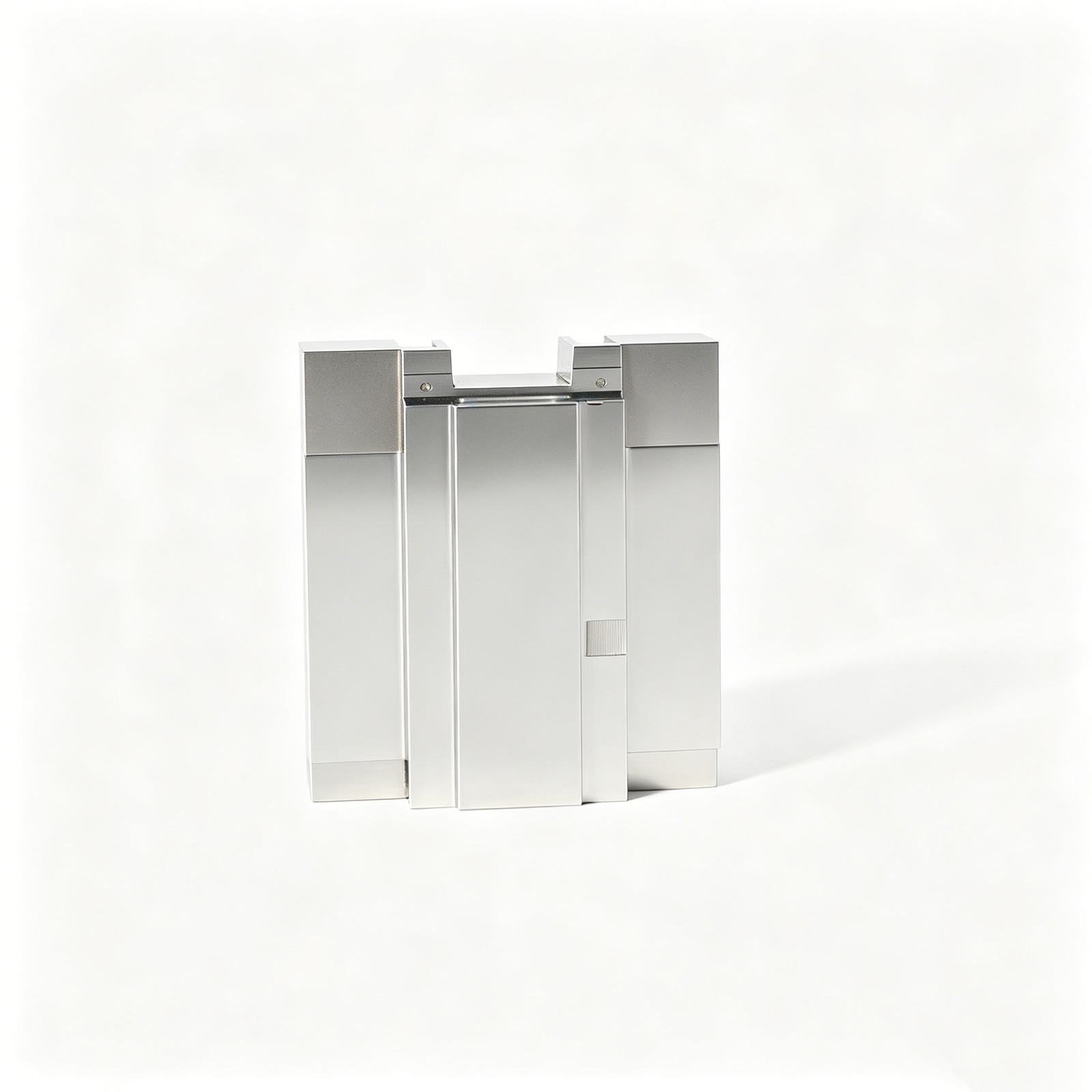
Engineer your next connector mold for stable, repeatable output with these precision mold components for automotive connectors. Each core, cavity and ejector element is produced for fine-pitch geometry, ensuring clean terminal seats and consistent insulation distances in demanding harness programs. Optimized tool steels and surface treatments help resist wear from glass-filled engineering plastics. By upgrading critical inserts instead of full tools, you shorten maintenance downtime and protect your mold base investment. Ideal for OEM, Tier 1 and specialized connector mold shops seeking long-term dimensional integrity and reliable production.
- ISO 9001:2015–oriented process & documented inspection paths
- Zeiss / Nikon class metrology available for critical dimensions
- DFM feedback from 10+ senior tooling engineers
- Dongguan HQ + Quanzhou capacity for volume programs
Precision mold solution for demanding automotive connector tooling
Automotive electrical connectors must lock, seal and align perfectly, even after years under the hood, in door modules or within high-vibration harness assemblies. To achieve that level of reliability, the injection mold needs highly accurate, stable and easily maintainable tooling elements. Our precision mold components for automotive connectors are designed specifically around these challenges, supporting you from new tool launches to high-volume production and refurbishment.
This component range typically covers the critical wear and accuracy zones of your connector molds, including:
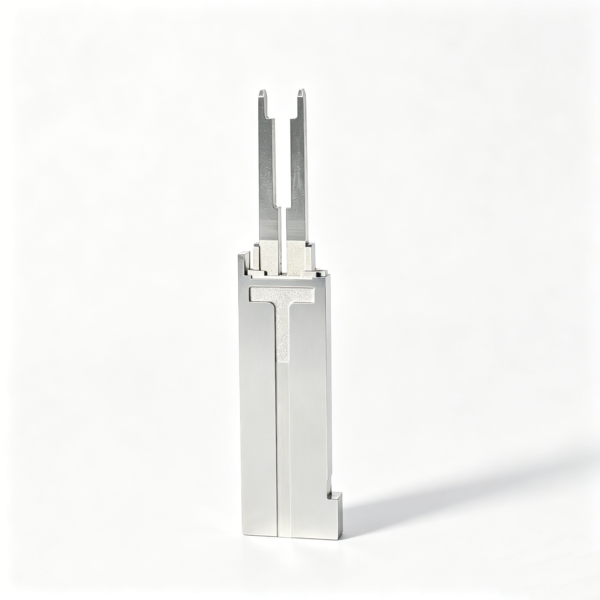
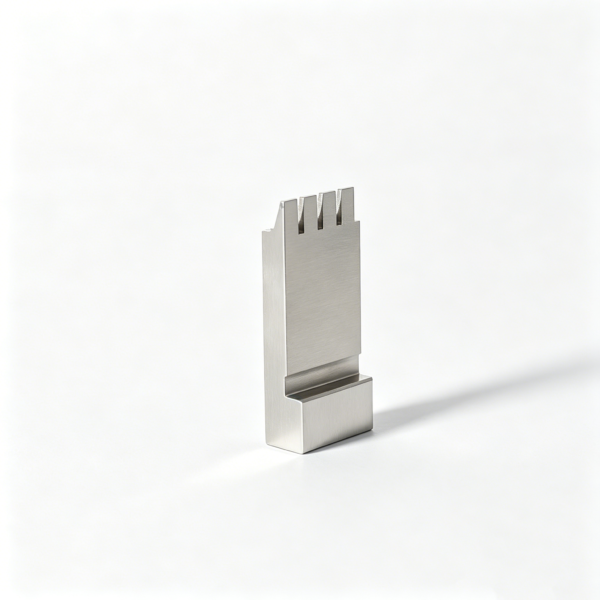
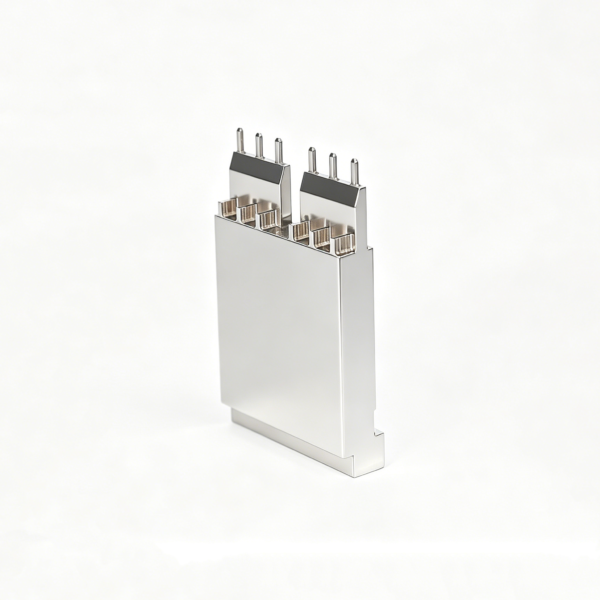
- Connector core inserts and cavity inserts for housings and terminal chambers
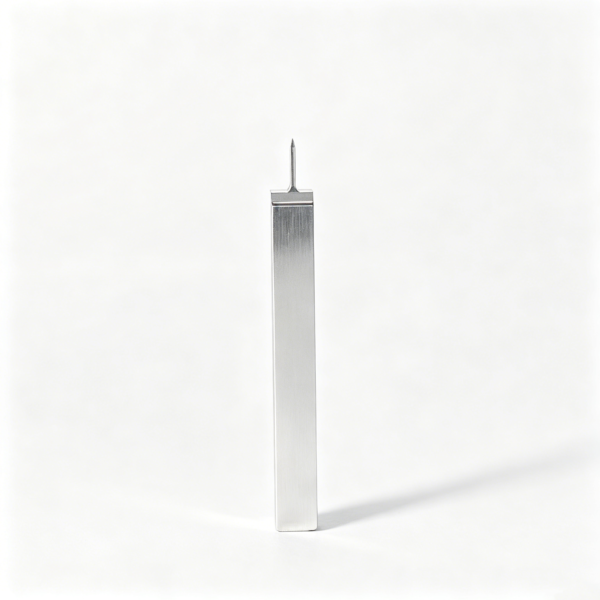
- Fine-pitch core pins and sleeves for small terminal pockets and latch features
- Ejector pins, blades and lifter details for complex undercuts and locking arms
- Optional gate inserts, runner blocks and shut-off elements for balanced flow
By focusing on the most sensitive areas of the tool, these components help you hold tight tolerances across multi-cavity and multi-row connector designs while maintaining cost-effective serviceability over the mold’s full life cycle.
Key features and performance advantages
Every automotive connector program is unique, but several common requirements drive how these precision mold components are engineered and manufactured.
Connector-focused geometry and fine-pitch capability
Automotive connectors often include thin walls, narrow slots and dense terminal arrays, where even minor deviation can cause misfit, poor contact positioning or sealing issues. The components in this lineup are developed with:
- Fine-pitch tip geometry for tight terminal spacing and multi-row layouts
- Smooth transitions and fillets to reduce stress points in the molded plastic
- Controlled draft angles that balance easy demolding and dimensional stability
- Optimized gate areas to limit weld lines and cosmetic defects in visible housings
This approach supports consistent cavity packing, reduced flash and improved mating performance between connectors and their counterpart components.
Material selection for high-wear environments
Automotive connectors are frequently molded from high-performance, often glass-fiber reinforced polymers to withstand heat, vibration and exposure to fluids. These materials can be abrasive and demanding on tooling surfaces. To manage this, the mold components are generally manufactured from carefully chosen tool steels and stainless steels designed to combine toughness, hardness and resistance to abrasion and corrosion.
Where required, additional surface treatments or coatings can be applied to support improved release characteristics, reduced galling and longer intervals between polishing or replacement of critical inserts.
Dimensional stability for long production runs
Modern automotive connector tools can be expected to run extended production campaigns, with large annual volumes and tight PPAP requirements. The geometry of the cores, cavities and ejector features is controlled to support stable dimensions over long production runs. Consistent manufacturing processes and quality checks help reduce variation between replacement components, which is especially important for multi-cavity blocks and family molds where uniformity is essential.
Serviceable design and reduced downtime
Instead of reworking entire mold halves, targeted inserts and standardized components allow toolrooms to replace only the worn or damaged areas of the connector mold. This helps to:
- Shorten downtime when fine details are chipped or worn
- Maintain interchangeability between spare parts in different tools
- Enable incremental upgrades as connector designs evolve
- Protect the higher-value mold base and hot runner investment
For high-cavity automotive connector molds, even small reductions in turnaround time can significantly impact overall plant productivity.
Key attributes overview
The following table summarizes typical attributes you can expect from this category of mold components. Exact details depend on your specific connector program, resin choice and tooling concept.
| Attribute | Description |
|---|---|
| Product type | Precision mold components for automotive connectors (cores, cavities, pins, sleeves, ejectors) |
| Typical application | Injection molds for automotive electrical connector housings, terminal carriers and related plastic parts |
| Material options | High-grade tool steels and stainless steels selected for wear resistance and dimensional stability |
| Geometry focus | Fine-pitch terminal pockets, latch features, sealing grooves and multi-row cavity layouts |
| Surface condition | Precision ground and polished working faces; optional surface treatments or coatings available on request |
| Mold compatibility | Configurable for single- and multi-cavity tools, cold runner and hot runner systems |
| Target industries | Automotive OEMs and Tier suppliers, connector manufacturers, specialist mold makers |
| Design support | Engineering guidance for component selection, connector-specific gating and cooling concepts |
| Maintenance approach | Insert-based replacement strategy for high-wear zones to reduce downtime and service cost |
Typical use cases and ideal customers
These precision mold components are particularly suitable for organizations involved in:
- New automotive connector platform development with tight timing and PPAP milestones
- High-volume series production of connector housings, fuse blocks, sensor plugs and control module interfaces
- Refurbishment or performance upgrades of existing connector molds running new resin grades
- Localization of connector production for different markets while keeping consistent tool performance
They are also well-suited for engineering teams who must harmonize connector interfaces across multiple vehicle platforms, ensuring that dimensional consistency is achieved even when molds are built or serviced in different facilities.
Care, maintenance and purchasing guidance
To get the best life and performance from automotive connector mold components, toolroom and production teams should implement a structured maintenance routine. This typically includes regular inspection of fine features such as core pin tips, corner radii in terminal pockets and sealing surfaces around wire entries. Any early signs of wear, erosion or buildup can be addressed before dimensional issues show up in molded parts.
Cleaning using appropriate solvents and non-abrasive tools helps preserve the surface finish, while correct lubrication of moving ejector elements prevents galling and sticking. When components are removed for polishing or replacement, labeling and documenting their position in the mold simplifies reassembly and keeps cavity-to-cavity performance consistent.
When evaluating which components to purchase for a new or existing tool, consider:
- The connector design’s pitch, wall thickness and sealing requirements
- Planned resin types and any glass-fiber content or flame-retardant additives
- Expected annual volume and cycle time targets
- Tooling standardization within your plant or group of mold shops
Supplying your tool or component partner with 3D files, drawing packages and resin specifications will help ensure that every insert, core and ejector is tuned to your connector’s requirements, supporting stable processes and robust functional performance in the vehicle.
FAQ
Are these mold components compatible with my existing connector mold?
In most cases, precision mold components for automotive connectors can be engineered to match your existing pocket and mounting dimensions. When you provide drawings or 3D models of your mold, the components can be configured as drop-in replacements or upgrades with minimal modification to the mold base.
Which connector types are these components best suited for?
They are ideal for a wide range of automotive connectors, including multi-pin harness connectors, sensor plugs, ECU interfaces, fuse and relay block housings, and terminal carrier frames. The fine-pitch geometry and carefully controlled draft angles support complex locking features and dense terminal layouts.
What information do I need to supply to order the correct components?
To specify the right components, it is helpful to provide 3D CAD files or detailed drawings of the connector and mold, details on the plastic material to be used, target tolerances on critical dimensions, and information about cavity count and mold layout. This allows the engineering team to select suitable steels, geometries and surface finishes.
How should I maintain these precision inserts and core pins?
Schedule regular inspections of fine details and sealing surfaces, clean components with appropriate non-abrasive tools and approved solvents, and avoid aggressive polishing that could alter sharp edges or critical dimensions. Applying proper lubrication to moving ejector elements and following a documented maintenance plan will help extend service life.
Can these components handle glass-filled or high-temperature engineering plastics?
Yes, they are designed with automotive-grade materials and heat treatment options suitable for processing glass-fiber reinforced and high-temperature resins. If you are using particularly abrasive or demanding materials, inform your supplier so that steels and coatings can be selected to match your application.
What is the typical lead time for custom connector mold components?
Lead time depends on the complexity and quantity of components, as well as the level of design customization required. Simple ejector pins or standardized inserts may be available quickly, while fully custom fine-pitch core and cavity inserts typically require additional engineering and manufacturing time. Early engagement with drawings helps secure the best delivery dates.
Do these components come with any warranty or support?
Most precision mold component suppliers offer a warranty covering material and manufacturing defects, along with technical support to help with installation and troubleshooting. Clarify warranty terms, recommended operating conditions and maintenance expectations when placing your order.
How are the components packaged and shipped to prevent damage?
Components are generally packed in protective holders or foam-lined boxes to prevent impact or surface damage during transport. Fine-pitch tips and sharp edges are shielded, and sets are labeled by cavity or position to simplify identification when they arrive in your toolroom.
Can I standardize these components across multiple connector projects?
Where connector families share similar geometries, you can work with the supplier to create standardized insert and ejector concepts. This reduces your spare-part inventory and simplifies training for maintenance teams while still preserving the precision needed for each connector design.
What if my connector design changes after initial tooling?
If the connector design evolves, insert-based mold construction allows targeted replacements rather than complete new tools. Updated core, cavity or ejector components can be manufactured to the new design, allowing you to adapt your existing molds to revised specifications while controlling cost and downtime.
Related products
Same drawing, predictable results—next batch
Share revision, quantity ramp, and inspection level. We quote process route, ship date, and documentation in one structured response.