
Plastic film parts · Precision mold insert
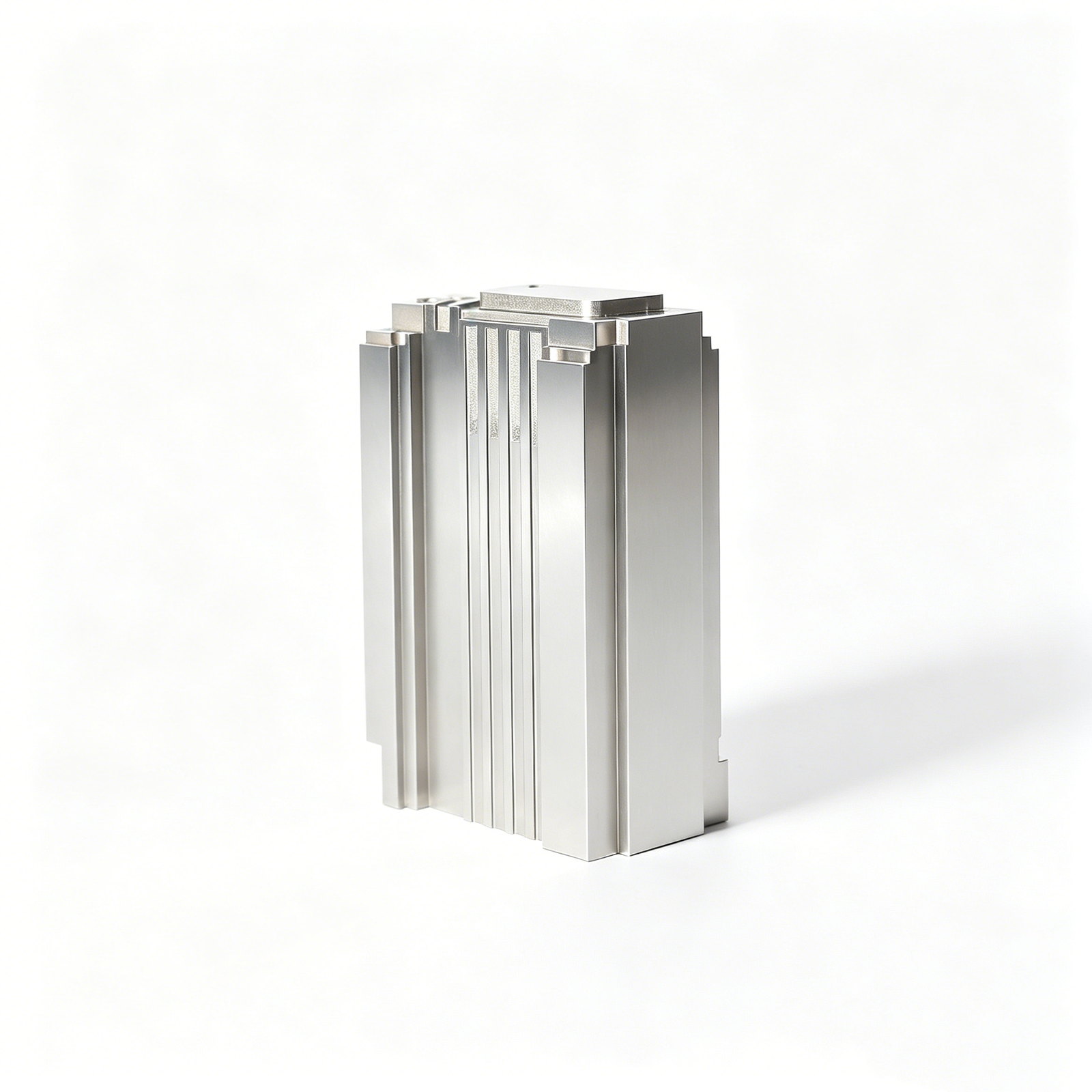
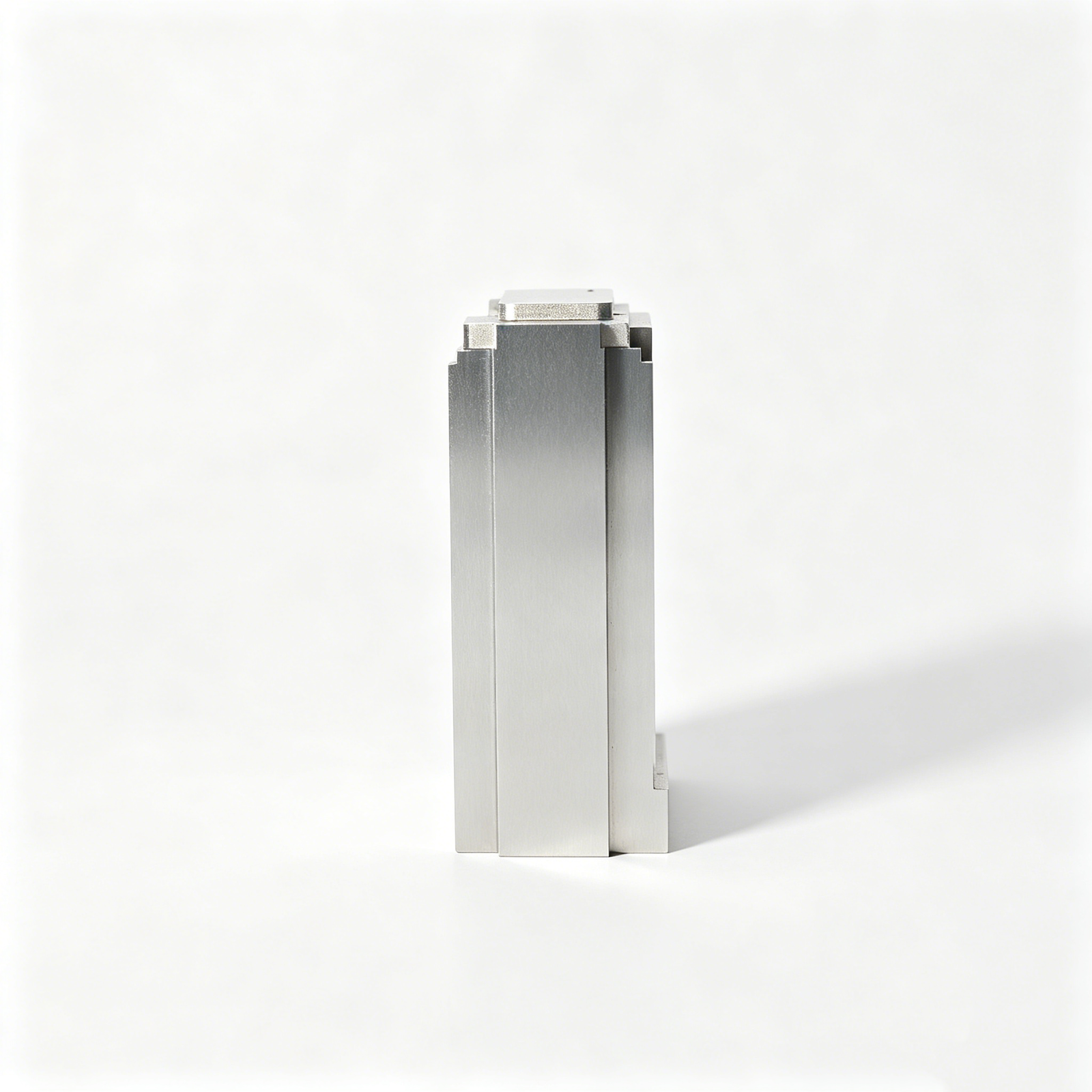
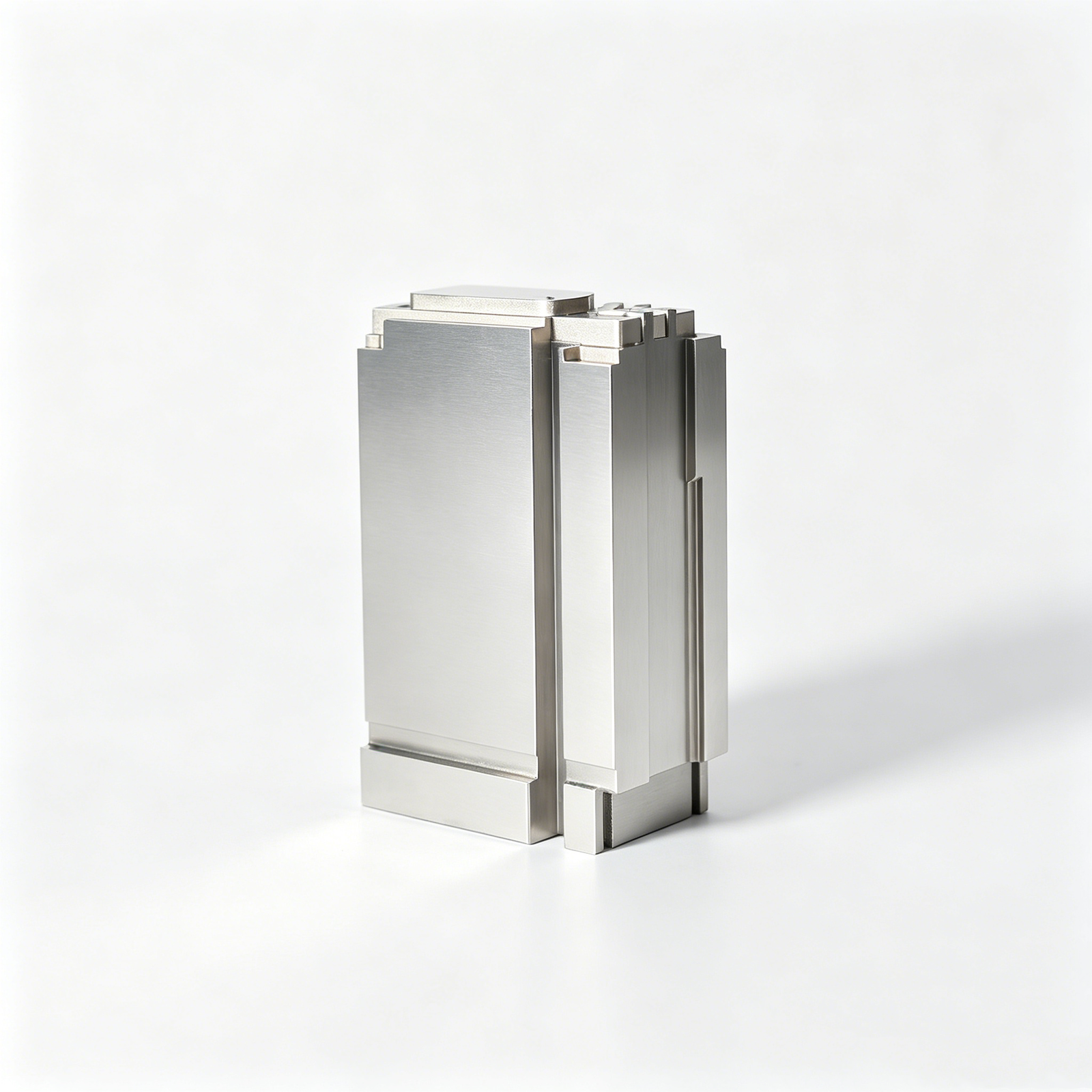
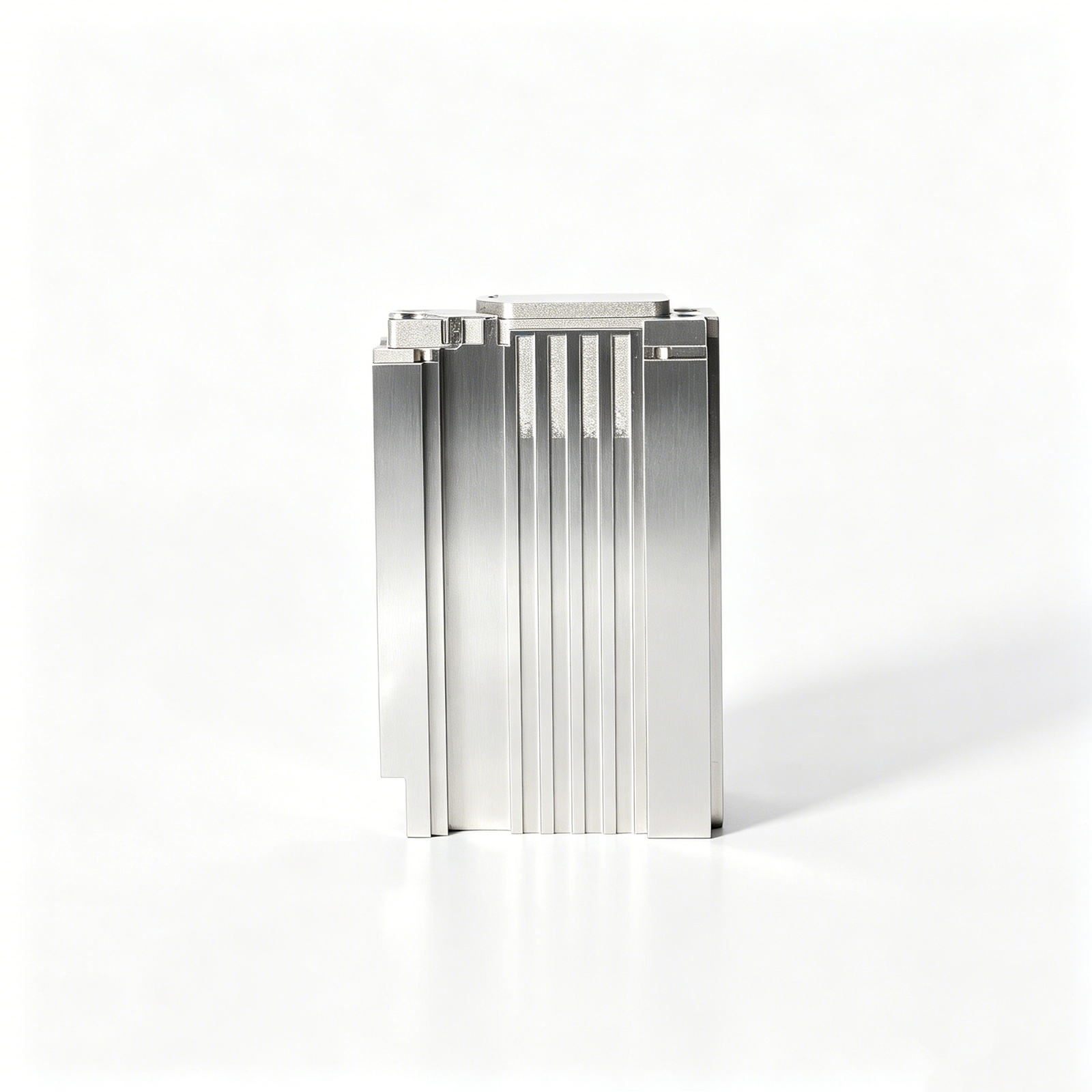
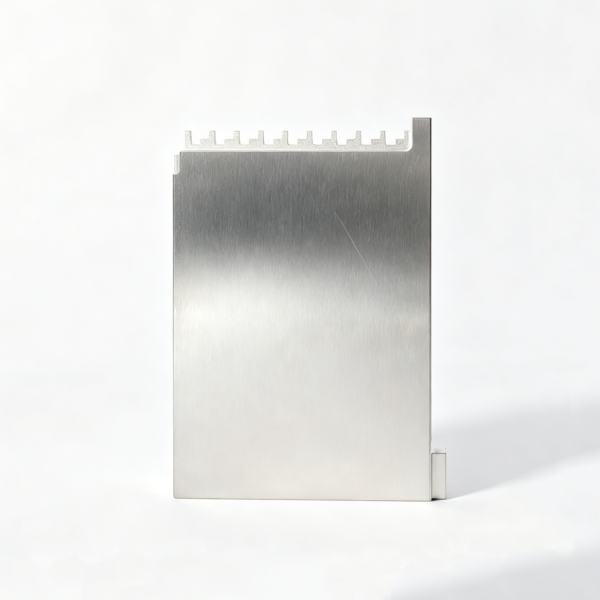
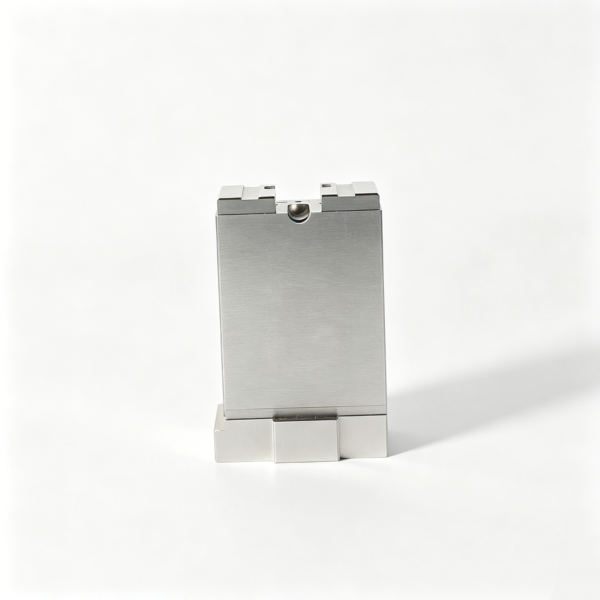
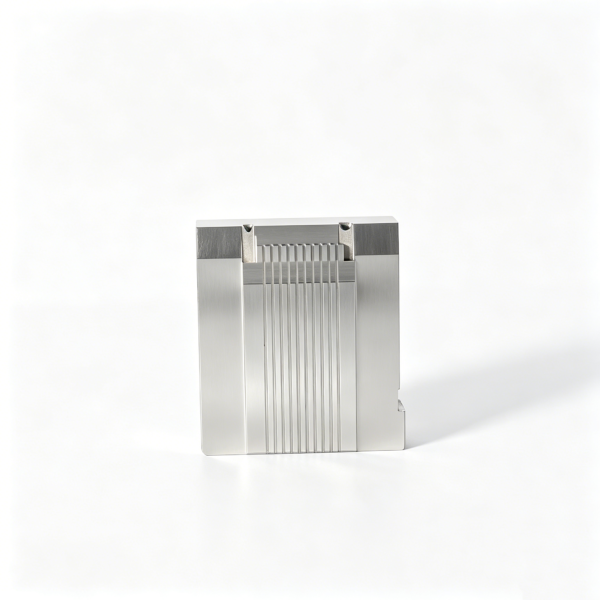
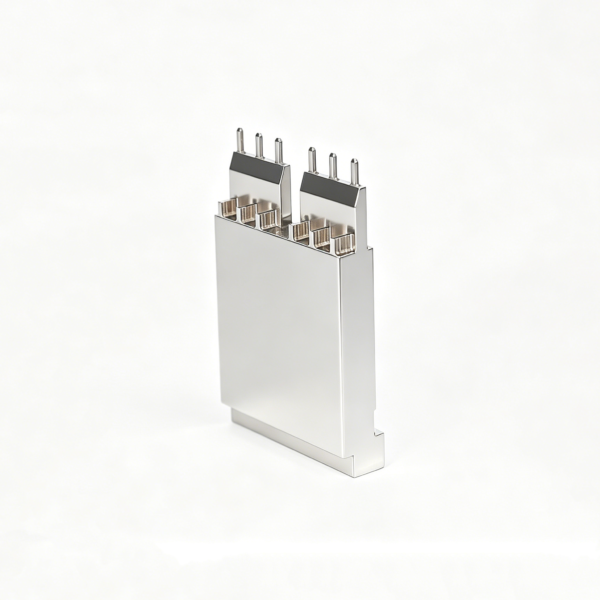
Precision Mold Components for Automotive Connectors – Fine-Pitch Core Pins & Insert Set
Brand Xuxiang Mold
Availability Made to drawing
RFQ pricing
Quote from STEP / PDF & quantity
Boost connector molding accuracy and uptime with this complete set of precision mold components for automotive connectors. Engineered for fine-pitch terminals and complex connector geometries, these cores, inserts, sleeves and pins help you maintain micron-level consistency shot after shot. Robust tool steel construction and optimized surface finishes reduce wear, flashing and sticking, even under high-cavity, high-speed production. Ideal for Tier 1 and Tier 2 suppliers looking to stabilize quality, shorten setup times and extend mold life in demanding automotive electrical programs.
- ISO 9001:2015–oriented process & documented inspection paths
- Zeiss / Nikon class metrology available for critical dimensions
- DFM feedback from 10+ senior tooling engineers
- Dongguan HQ + Quanzhou capacity for volume programs
Precision Mold Components Optimized for Automotive Connector Tooling
Automotive electrical connectors demand extremely tight dimensional control so that housings, terminals and seals fit together reliably in harsh environments such as engine compartments and under-dash harnesses.[1][9] To achieve that level of repeatability, tooling engineers rely on highly accurate, wear-resistant precision mold components for automotive connectors, including core pins, cavity inserts, sleeves, ejectors and alignment elements.[1][4]
This fine-pitch core pin and insert set is designed specifically for modern automotive connector molds, where multi-row cavities, miniaturized terminals and complex locking features make tooling increasingly challenging.[4][9] By combining stable materials, controlled tolerances and refined surface treatment, these mold components support consistent part quality, reduced scrap and long service life in production injection molding.
Each component is manufactured on specialized grinding, EDM and CNC equipment commonly used for connector mold parts, enabling precise control of critical dimensions such as pin diameters, parting lines and corner radii.[2][3][6][8] The result is a tooling package that helps maintain accurate connector profiles and contact spacing across large cavity counts and high shot volumes.
Key Features & Benefits for Connector Manufacturers
The set is engineered around the real-world requirements of automotive connector molding, where stability, interchangeability and productivity are essential.[4][9][11]
- Fine-pitch capability – Suitable for thin walls, small terminal windows and dense pin layouts used in compact automotive connectors, helping avoid short shots, warpage and dimensional drift.
- High dimensional stability – Precision-ground surfaces and controlled heat treatment support repeatable positioning of cores and inserts, improving connector fit with mating components and terminals.[3][6][9]
- Wear- and corrosion-resistant materials – Tool steels and similar mold-grade alloys are typically used for automotive connector molds due to their hardness and resistance to abrasion and corrosive resins, extending maintenance intervals.[4][9]
- Surface finishes tuned for ejection – Polished and finely ground areas help molded connector housings release cleanly, reducing sticking, drag marks and ejector-related defects.[3][6][8]
- Compatible with high-cavity tools – Geometries and tolerances are suitable for multi-cavity and family molds commonly used in high-volume automotive electrical programs, supporting balanced filling and cooling.[4][11]
- Stable under high-cycle production – Designed to perform reliably in continuous operation, supporting aggressive cycle times, automated demolding and robotics-assisted handling.
Specifications & Typical Attributes
The table below summarizes key attributes typically expected of precision mold components for automotive connectors. Values are presented descriptively rather than as fixed numeric ratings so you can align them with your internal tooling standards and project requirements.[1][2][3][6][8][12]
| Attribute | Description |
|---|---|
| Product type | Precision core pins, cavity inserts, sleeves and related mold components for automotive connector tooling |
| Primary application | Plastic injection molds producing automotive electrical connector housings and related plastic parts |
| Typical materials | Hardened tool steels or stainless mold steels selected for wear resistance, dimensional stability and polishability |
| Tolerance capability | Fine tolerance grinding and machining suitable for high-accuracy connector features and tight-fitting terminals |
| Surface finish | Polished, ground, or EDM-finished surfaces tailored to functional areas such as sealing faces and pin bores |
| Connector styles supported | Automotive multi-pin signal connectors, power connectors, sensor connectors and custom harness interfaces |
| Mold types | Single- and multi-cavity tools, family molds, high-cavitation production molds for automotive applications |
| Processing compatibility | Intended for use in standard and high-performance automotive connector resins selected by the molder |
| Customization options | Geometry, tolerances, venting and cooling interfaces can typically be customized according to connector design |
| Maintenance approach | Designed for periodic inspection, polishing and replacement as part of a standard mold maintenance plan |
Use Cases & Ideal Users
These precision mold components for automotive connectors are a natural fit wherever high-accuracy connector housings are produced via injection molding.[1][4][9][11]
- Automotive connector manufacturers – Companies producing standard or custom connectors for wiring harnesses, lighting, infotainment and ADAS systems can upgrade existing molds or equip new tools with stable core and cavity components.
- Tier 1 and Tier 2 automotive suppliers – Suppliers responsible for integrated modules, junction boxes, sensor assemblies and ECU housings benefit from improved connector consistency and less rework.
- Mold makers and tool shops – Toolmakers specializing in connector molds can use these components as a foundation for fast build times, consistent quality and easier future refurbishment or scaling.[2][3][5][12][14]
- Engineering teams refining connector designs – When transitioning from prototype tools to full production molds, selecting suitable precision components reduces dimensional variation during PPAP and ramp-up.
- Production plants running high-cavity molds – Facilities operating long-running programs with automated handling and high OEE targets can leverage these components to minimize downtime caused by wear and dimensional drift.
Care, Maintenance & Buying Guidance
Because automotive connector molds often run abrasive resins and fine features, careful maintenance and thoughtful purchasing decisions are key.[4][9]
- Routine inspection – Regularly check core pins, inserts and sleeves for wear, corrosion, chipping or burrs in critical areas such as terminal windows and latch features. Early replacement prevents quality issues and damage to mating parts.
- Cleaning and lubrication – Follow your mold maintenance standards for cleaning residues from vents, corners and pin tips. Appropriate lubricants on moving components help maintain smooth ejection while avoiding contamination of connector surfaces.[4]
- Refinishing and polishing – Functional sealing faces, gate vestige areas and highly cosmetic connector surfaces may require periodic repolishing or light regrinding to maintain release performance and part appearance.[3][6][8]
- Spare parts strategy – For high-volume programs, maintain a defined inventory of spare core pins and inserts for the most critical connector cavities so that worn components can be swapped quickly, minimizing downtime.
- Alignment with connector design – When purchasing, confirm compatibility with connector drawings, gate layout, draft angles and demolding strategy. Close coordination between product designers and tooling engineers leads to better long-term performance.[4][7]
- Material and coating choices – If your resin or environment is particularly abrasive or corrosive, discuss enhanced materials or coatings with the supplier to extend life and reduce maintenance frequency.
By selecting robust, finely finished mold components and integrating them into a structured maintenance program, manufacturers can safeguard connector dimensional accuracy, ensure reliable electrical performance and reduce life-cycle tooling costs across long-running automotive platforms.[4][9][11]
FAQ
Are these mold components compatible with my existing automotive connector molds?
Compatibility depends on your current mold design, including cavity layout, pin diameters and mounting interfaces. In most cases, precision mold components for automotive connectors can be customized or matched to your drawings so they integrate with existing bases and plates. Provide detailed CAD data and connector specifications to confirm fit.
What connector types can I produce with this fine-pitch core and insert set?
The components are suitable for a wide range of automotive electrical connectors, including multi-pin signal, power, sensor and control module connectors. As long as the connector geometry falls within the machinable range and draft, wall thickness and gate positions are properly designed, these parts can support most automotive connector families.
How should I choose materials and finishes for my specific resin?
Material and finish selection should consider resin abrasion, corrosiveness and required surface quality. Discuss your resin type, filler content and expected cycle conditions with the supplier so they can recommend appropriate tool steel grades and surface treatments. For demanding compounds, enhanced hardness or coatings may improve life and release performance.
What kind of maintenance schedule do these components require?
Maintenance frequency depends on shot volume, resin and production environment. Many automotive plants inspect connector mold components at planned intervals based on cycle count, cleaning them, checking critical dimensions and replacing worn items proactively to prevent quality escapes. Establish a schedule aligned with your quality and OEE targets.
Can I use these components in high-cavity, high-speed production tools?
Yes, they are intended for demanding production settings where multi-cavity molds and short cycle times are required. The key is to ensure proper mold cooling, balanced filling and robust demolding design so the components operate within their intended thermal and mechanical limits.
How are these components shipped and protected during transport?
Precision mold components are typically individually packed or grouped in protective trays, with rust-inhibiting paper or oil where appropriate. Outer packaging is designed to protect against impact during transit. Inspect items upon arrival and store them in a dry, controlled environment until installation.
What is the typical lead time for customized connector mold components?
Lead time varies with complexity, quantity and current production load. Simple replacement cores and pins can often be supplied faster than fully custom insert sets. Share your required delivery date and program milestones early so the supplier can plan machining and inspection accordingly.
How do returns or warranty claims usually work for mold components?
Most suppliers provide a warranty covering manufacturing defects in materials or workmanship within an agreed period. If you encounter dimensional nonconformance or premature failure under normal use, document the issue, provide photos and measurements, and contact the supplier to review possible repair, replacement or credit options.
Do I need special training to install or replace these components in my mold?
No special certification is usually required, but installation should be performed by experienced toolmakers or maintenance technicians. They should follow your mold drawings, use appropriate torque levels and verify alignment and clearances before returning the mold to production.
Can these mold components help reduce connector scrap rates?
Yes, accurate and stable core and cavity elements support consistent part dimensions, better gate vestige control and reliable ejection, all of which help reduce common defects like flash, short shots and deformation. When combined with good process control, they can significantly contribute to lower scrap rates.
Related products
Same drawing, predictable results—next batch
Share revision, quantity ramp, and inspection level. We quote process route, ship date, and documentation in one structured response.