
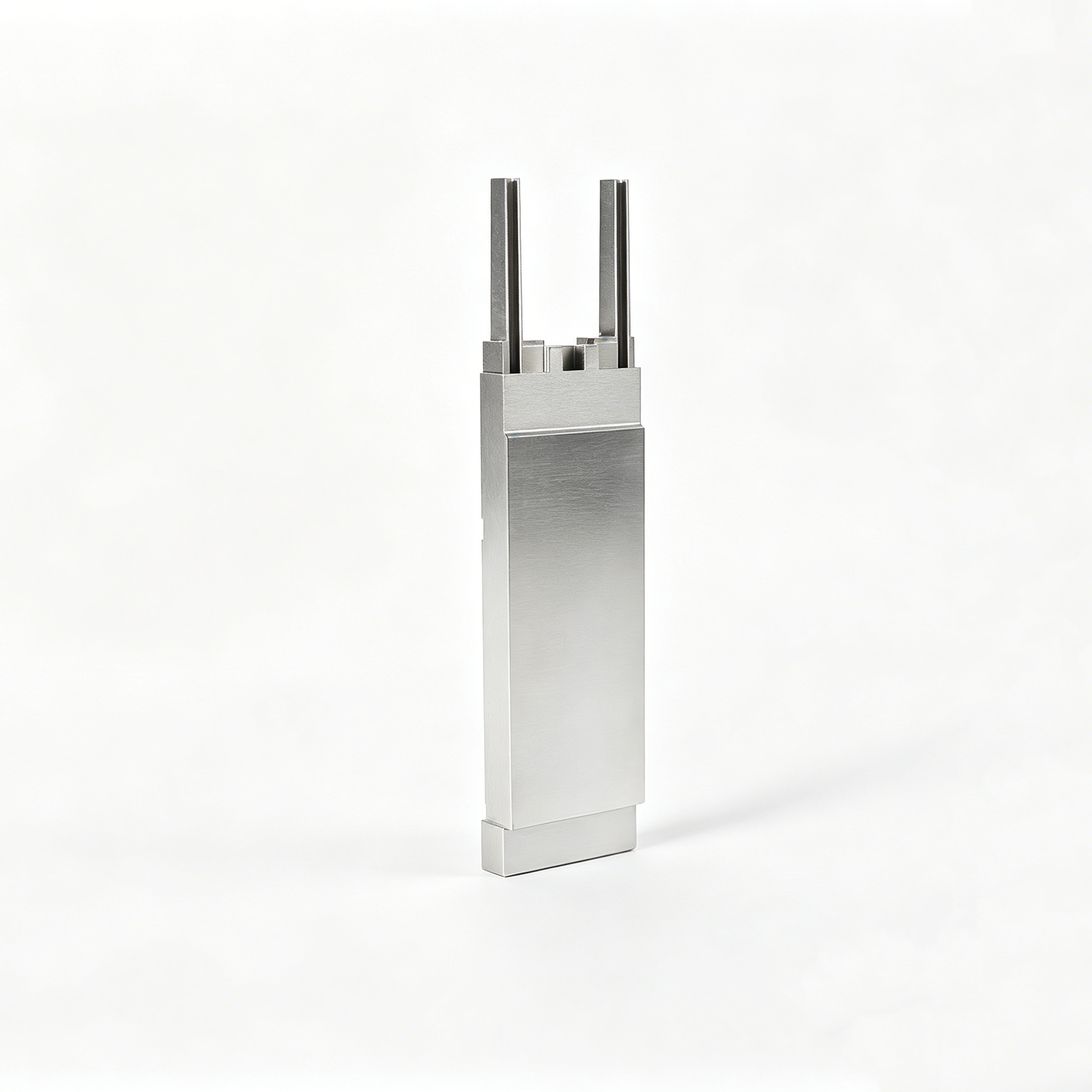
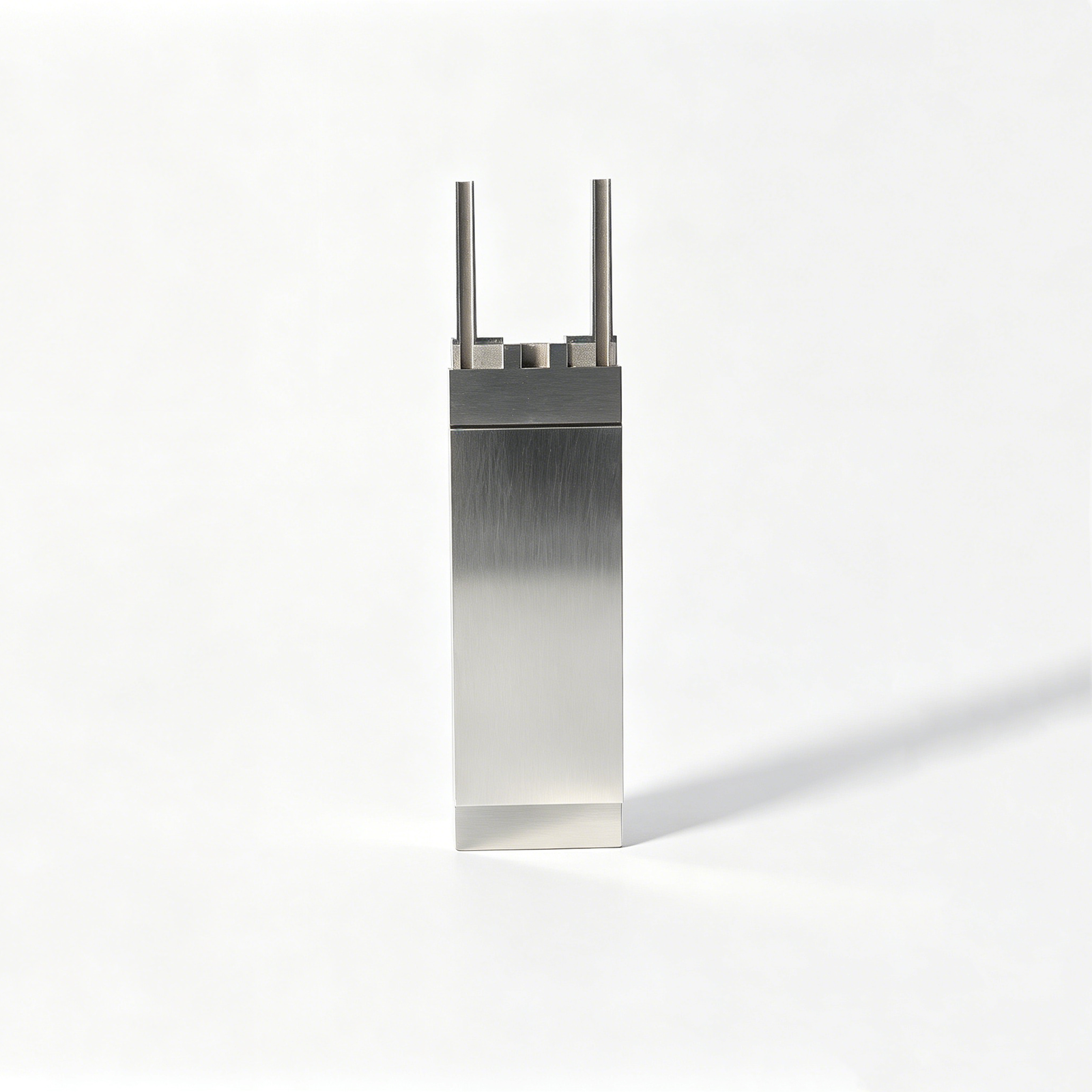
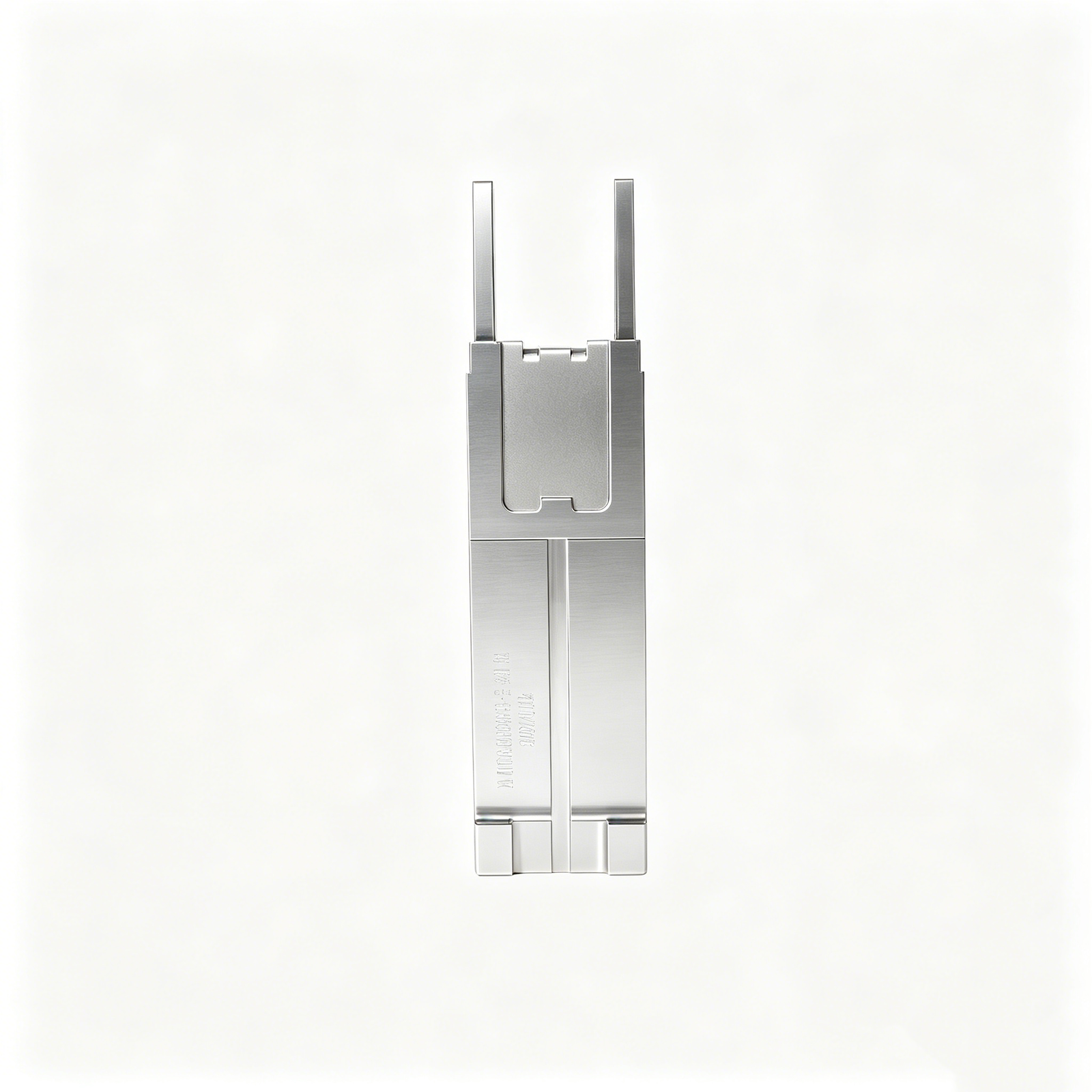
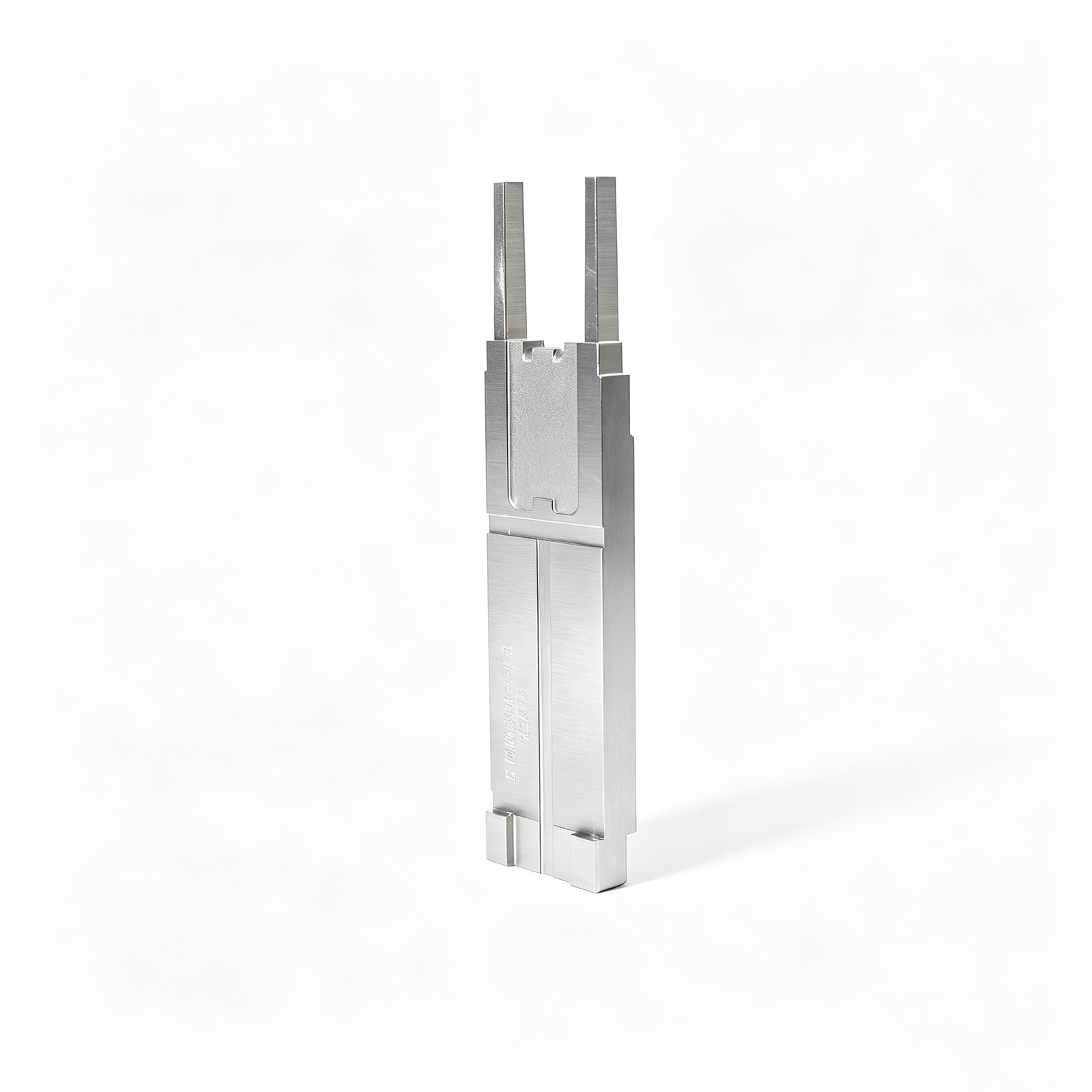
Plastic film parts · Precision mold insert
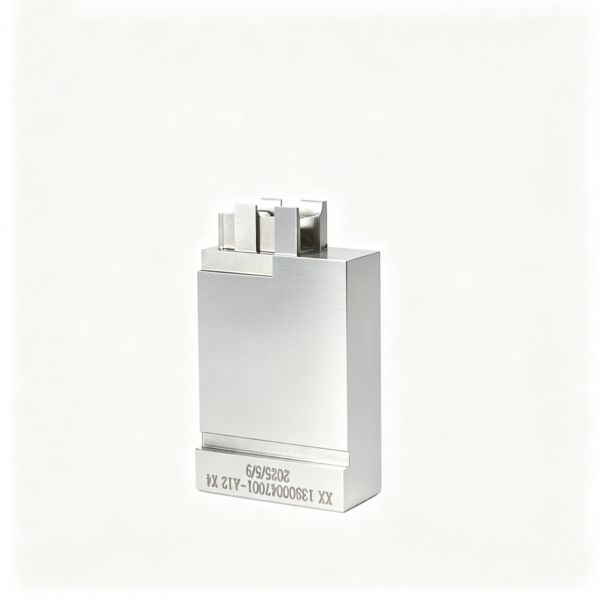
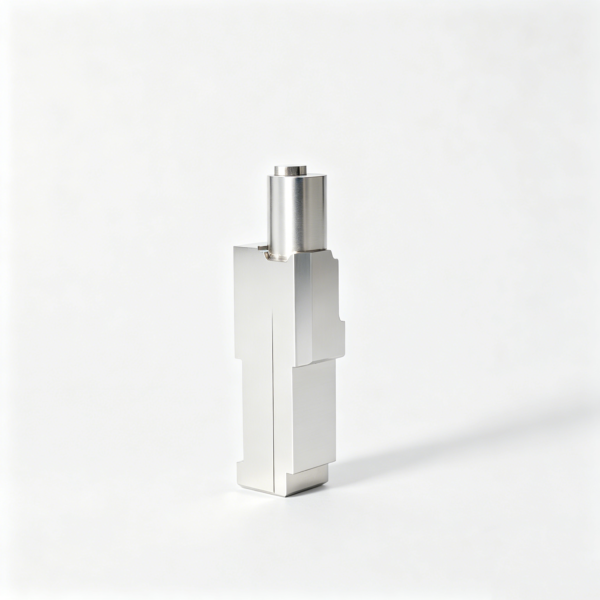
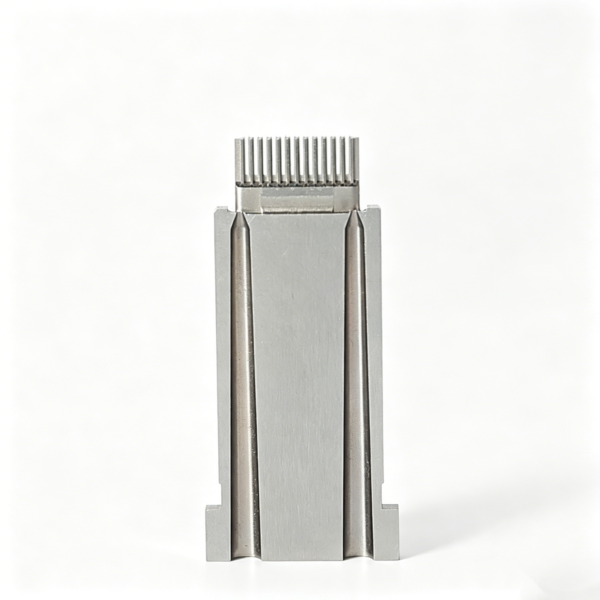
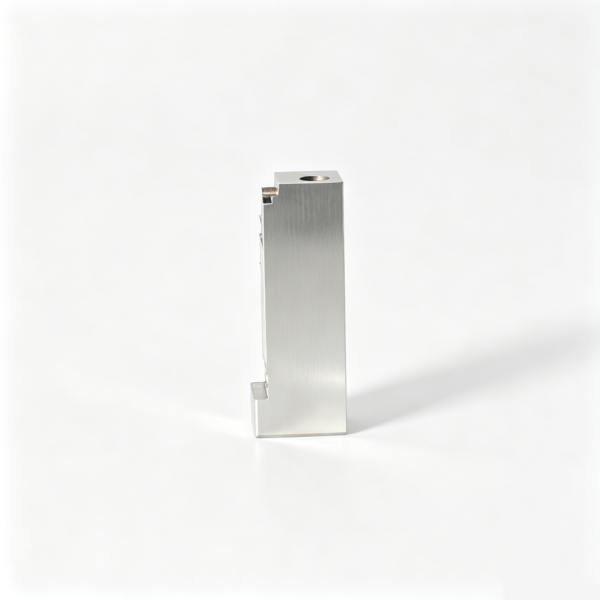
Precision Mold Components for Automotive Connectors – Fine-Pitch Cavities, Cores & Ejector Pins
Brand Xuxiang Mold
Availability Made to drawing
RFQ pricing
Quote from STEP / PDF & quantity
Engine high-yield connector tooling with precision mold components for automotive connectors engineered for fine-pitch, multi-cavity molds. Each core, cavity, sleeve and ejector pin is produced from hardened tool steel for consistent demolding and excellent wear resistance in high-cavitation tools. Optimized surface finishes help you maintain tight tolerances on micro-sized terminals and locking features, even under demanding cycle times. Upgrade existing connector molds or build new platforms that run faster, last longer, and deliver stable dimensions across every shot.
- ISO 9001:2015–oriented process & documented inspection paths
- Zeiss / Nikon class metrology available for critical dimensions
- DFM feedback from 10+ senior tooling engineers
- Dongguan HQ + Quanzhou capacity for volume programs
High-Precision Tooling Components for Demanding Automotive Connector Molds
Automotive electrical connectors must assemble and lock reliably, seal against moisture, and maintain signal integrity under vibration, temperature swings, and long service life in vehicles. To achieve this, the plastic housings and inserts require highly accurate injection molds with robust, stable components such as cores, cavities, sleeves, and ejector pins.[1][9] Our precision mold components for automotive connectors are engineered specifically for this application, helping mold makers and Tier suppliers deliver consistent, dimensionally stable parts over long production runs.
These components support single- and multi-row connectors, fine-pitch terminal layouts, and complex latch or secondary lock geometries used in modern automotive wiring systems.[4][9] Whether you are building a new connector mold or retrofitting an existing tool to extend its life, these mold parts are designed to integrate smoothly into standard mold bases while supporting advanced cooling layouts and optimized demolding.
Key Features & Benefits
- Fine-pitch geometry control – Components are manufactured to tight dimensional tolerances suitable for micro-sized terminal windows, thin walls, and small locking fingers often found in modern automotive connector designs.[3][6][12]
- Hardened tool steel construction – Typical materials for connector molds include high-quality tool steels chosen for wear resistance, polishability, and dimensional stability during high-cycle injection molding.[4][9][14]
- Stable performance in high-cavitation molds – Optimized core and cavity designs support uniform filling, balanced cavity layout and robust cooling, helping maintain part consistency across multi-cavity tools running at high throughput.[4][9][11]
- Smooth demolding of delicate parts – Precisely finished ejector pins and sleeves help release thin ribs, latch details and undercut features without flash, drag marks or deformation, reducing the risk of damaging terminal pockets or seal grooves.[4][7]
- Support for challenging connector shapes – Suitable for blade-style, pin-and-socket, sealed and unsealed connectors with snap fits, keying features and strain relief geometries commonly used in automotive harness systems.[4][9][11]
- Optimized for long tool life – Proper material selection and surface treatment strategies help minimize wear from glass-fiber reinforced plastics and high-temperature resins, extending maintenance intervals and reducing downtime.[4][9][11]
Specifications & Typical Attributes
The following table summarizes representative attributes for precision mold components used in automotive connector tooling. Actual specifications are customized according to your connector design, mold base, and injection molding process requirements.
| Attribute | Description |
|---|---|
| Product type | Precision mold components set for automotive connector injection molds (cores, cavities, sleeves, ejector pins and related inserts) |
| Typical application | Plastic housings and inserts for automotive electrical connectors, including multi-pole, sealed and unsealed connector families |
| Recommended mold materials | High-quality tool steel or stainless steel grades selected for wear resistance, corrosion resistance and polishability in connector molds[4][9] |
| Manufacturing processes | Precision grinding, CNC machining, EDM and polishing for fine details, sharp corners and smooth demolding surfaces[3][6][8][12] |
| Connector design support | Fine-pitch terminal spacing, thin walls, snap latches, keying features, strain relief and seal groove geometries for automotive connectors[4][7][9] |
| Mold types | Single- and multi-cavity tools, high-cavitation family molds, hot-runner systems and cold-runner systems for connector housing production[4][9][11] |
| Cooling system compatibility | Components designed to accommodate integrated cooling channels and optimized cooling layouts for dimensional stability and reduced cycle time[4][11] |
| Demolding solutions | Ejector pins, sleeves and special demolding elements configured for delicate connector geometries and smooth part release[4][7] |
| Industry focus | Automotive wiring harnesses, powertrain and body electronics, ADAS sensors, infotainment connectors and other vehicle electronics |
| Customization options | Custom dimensions, special profiles, surface finish levels and coatings can be configured according to project needs |
Use Cases & Who These Components Are For
These precision mold components are suited for a wide range of automotive connector programs, from high-volume platform connectors to specialized harness interfaces for advanced electronics. Typical users include:
- Mold makers building new tools or refurbishing existing connector molds that require high repeatability and fine details for micro features and complex locking systems.[1][3][6][12][14]
- Tier 1 and Tier 2 automotive suppliers producing connector housings for body control modules, engine sensors, transmission controllers, lighting systems and driver-assistance electronics.[9][11][15]
- OEM engineering teams seeking to standardize connector families across vehicle platforms and looking for tooling solutions that minimize part variation and scrap.
- Specialty electronics manufacturers that require automotive-grade reliability for connectors used in electric vehicles, charging infrastructure or in-vehicle infotainment systems.
Using precision components for the mold base, core, cavity and demolding systems helps manufacturers maintain tight dimensional control, achieve consistent mating forces, and avoid issues such as flash, warpage and deformed latch features that can compromise connector performance.[4][7][9][11]
Care, Maintenance & Buying Guidance
To get the best life and performance from your precision mold components, proper selection and maintenance practices are essential. Automotive connectors often use technical plastics that can be abrasive or run at elevated temperatures, so attention to detail in the tooling pays off.
- Select materials aligned with your resin – When molding glass-fiber reinforced or high-temperature engineering resins, choose component materials and surface treatments capable of resisting abrasion and heat-related wear over long campaigns.[4][9][11]
- Design in adequate cooling – Work with your mold designer to use these components in a layout that provides uniform cooling around the connector geometry, helping to reduce warpage and maintain tight dimensional tolerances.[4][7][11]
- Plan regular inspection intervals – Periodically inspect core and cavity surfaces, ejector pins and sleeves for wear patterns, micro-cracking or buildup that could affect part quality or cause sticking.[4][9]
- Use gentle cleaning methods – Clean components with compatible solvents and non-abrasive tools to protect surface finishes and sharp edges, especially in terminal window areas and fine latch details.
- Document adjustments – Track shim changes, repairs and component replacements to maintain a clear history of the mold’s dimensional baseline, supporting stable connector quality over time.
When specifying a set of precision mold components, share connector drawings, tolerance requirements, resin data and expected production volumes so the component configuration can be matched to the performance level you require. Collaboration with tooling engineers and connector designers during the early design phase helps ensure the final components provide the right balance of precision, durability and affordability.[4][7][9][11]
FAQ
Are these precision mold components compatible with my existing connector mold base?
In most projects, components such as cores, cavities, sleeves and ejector pins can be produced to fit your existing mold base dimensions. Provide detailed drawings and stack-up data so the components can be matched to your current mold layout and shut-off surfaces.
What types of automotive connectors can these components be used for?
They are suitable for many automotive connector types, including sealed and unsealed housings, multi-pin connectors, sensor interfaces and control module connectors where tight tolerances and reliable locking features are required.
How do I ensure the components will hold the tolerances needed for fine-pitch designs?
Share your critical dimensions, tolerance scheme and resin information with the tooling supplier so the manufacturing process, steel selection and surface finishing can be specified to support fine-pitch terminal spacing and thin wall sections.
What maintenance do these mold components require in high-volume automotive production?
Regular cleaning, lubrication of moving elements, and periodic inspection for wear on key surfaces are recommended. Establish maintenance intervals based on resin abrasiveness, cycle time and the number of shots to prevent unexpected downtime.
Can these components be used with hot-runner connector molds?
Yes, the components can be integrated into hot-runner or cold-runner systems. When working with hot runners, share the gate layout and thermal profile so the component design supports uniform filling and dimensional stability.
What information should I provide when requesting a quotation?
Include connector 3D models or drawings, desired cavity count, mold base standard, target resin, expected annual volume and any specific tolerance or surface finish requirements. This ensures the quotation reflects the correct level of precision and durability.
How are the components shipped and protected during transport?
Components are typically packaged in protective trays or individual wrapping with corrosion-inhibiting materials. This helps prevent damage to precision surfaces and edges during shipping and storage.
What is the usual lead time for custom connector mold components?
Lead time depends on the complexity and number of components, as well as current production capacity. Simple standard-style parts can often be delivered faster, while highly customized multi-part sets require additional engineering and machining time.
Is there any warranty or support for dimensional issues after installation?
Most suppliers provide support for verifying dimensions and addressing manufacturing nonconformities within a defined warranty period. Coordinate measurement reports or trial molding results may be requested to evaluate any concerns.
Can I order replacement components individually instead of as a full set?
Yes, you can typically order individual replacement cores, cavities, inserts or ejector pins when specific elements reach their wear limit or need to be updated for design changes, helping you manage tooling costs efficiently.
Related products
Same drawing, predictable results—next batch
Share revision, quantity ramp, and inspection level. We quote process route, ship date, and documentation in one structured response.