
Plastic film parts · Precision mold insert
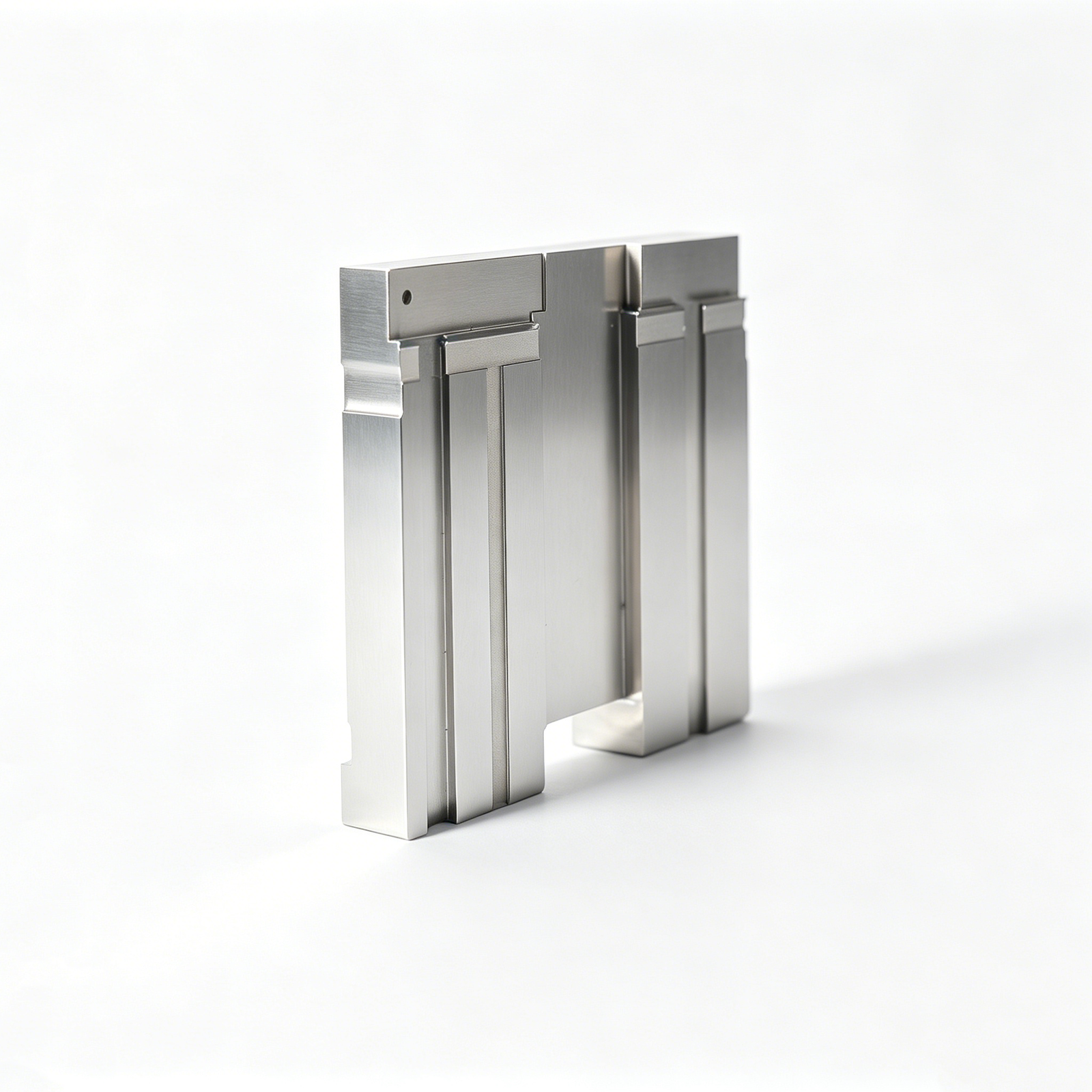
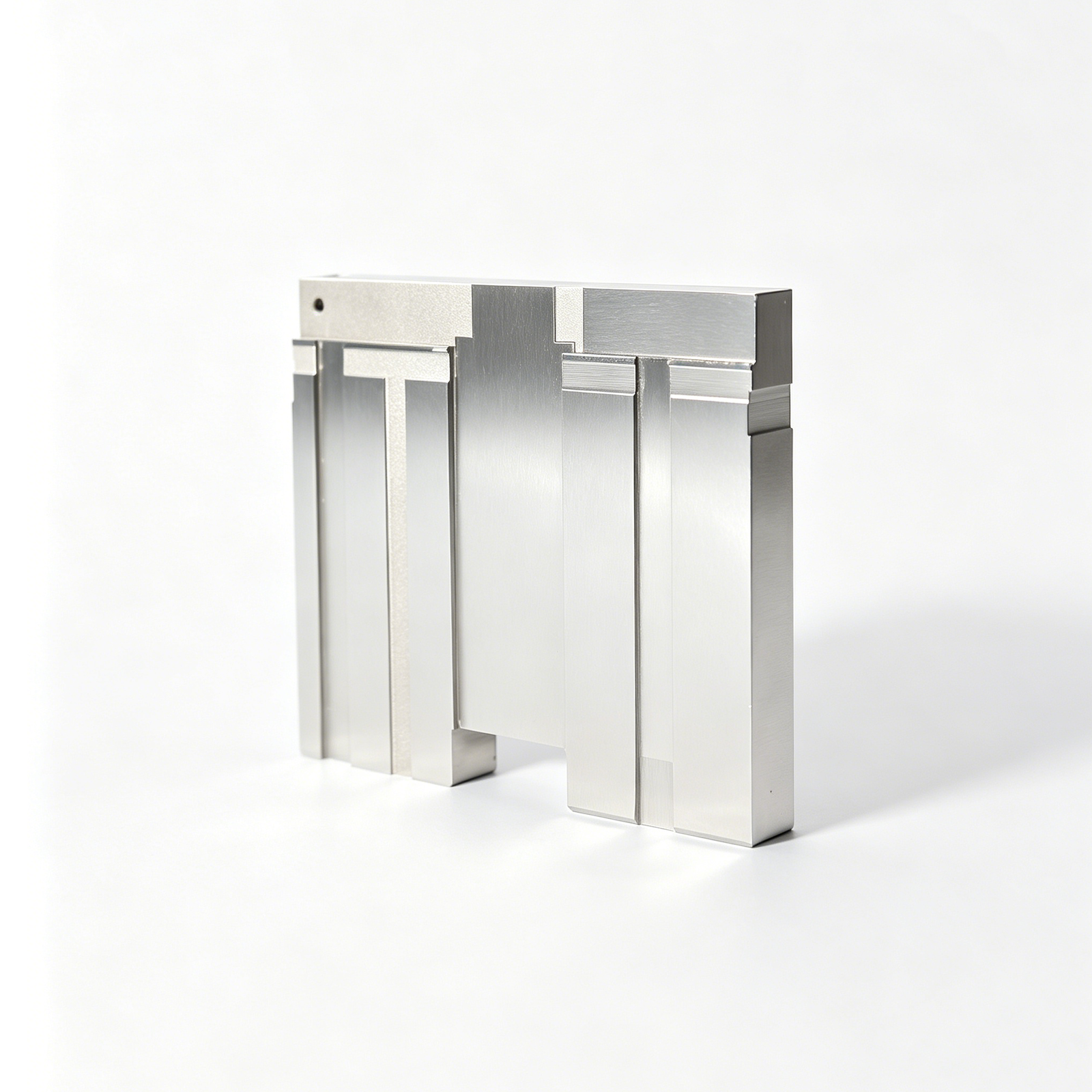
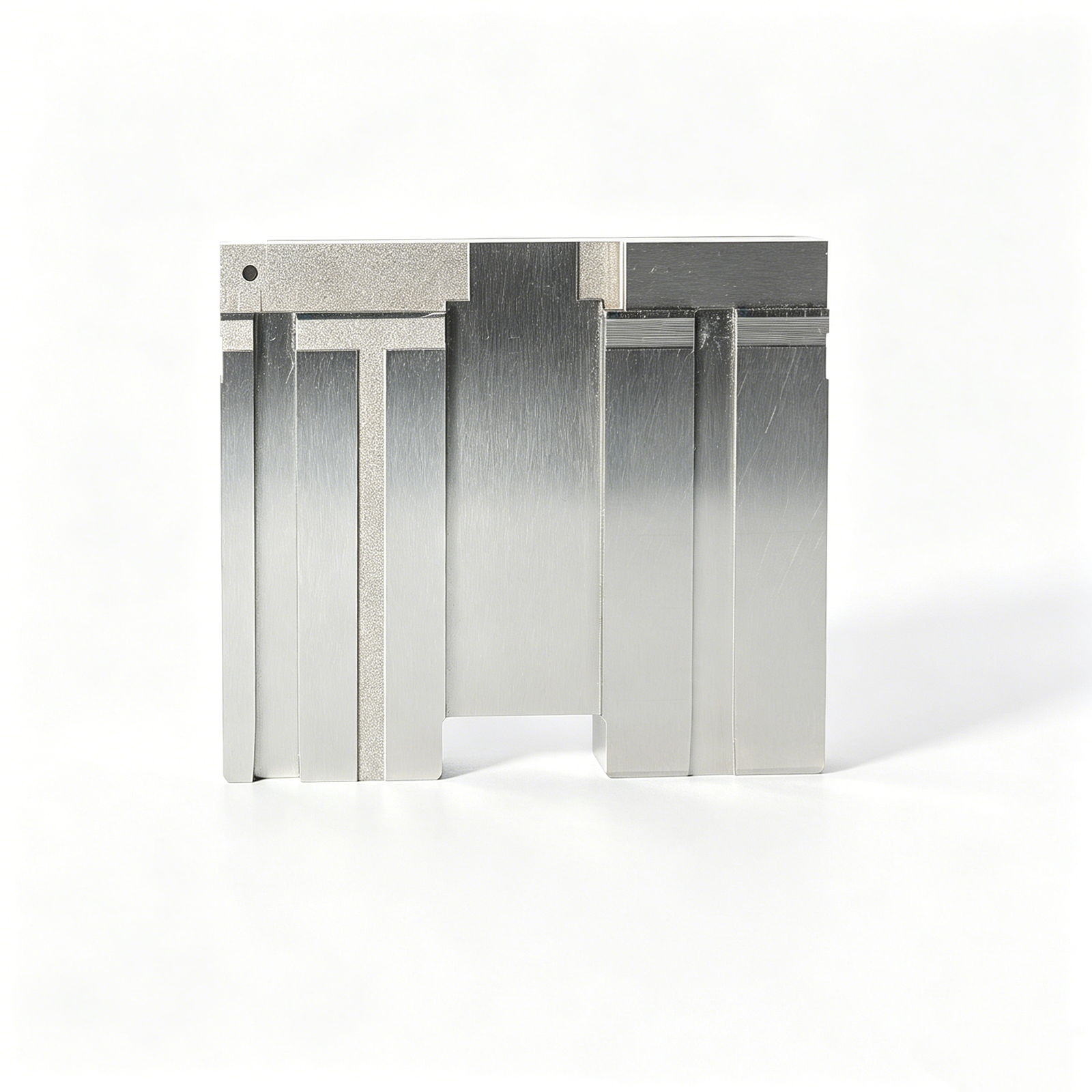
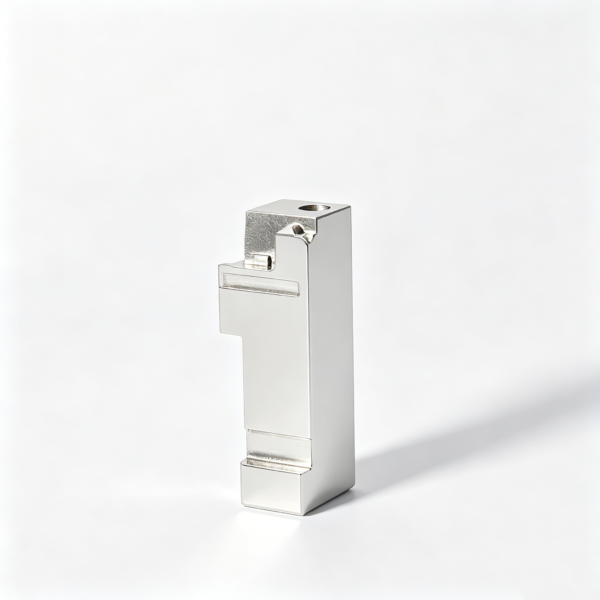
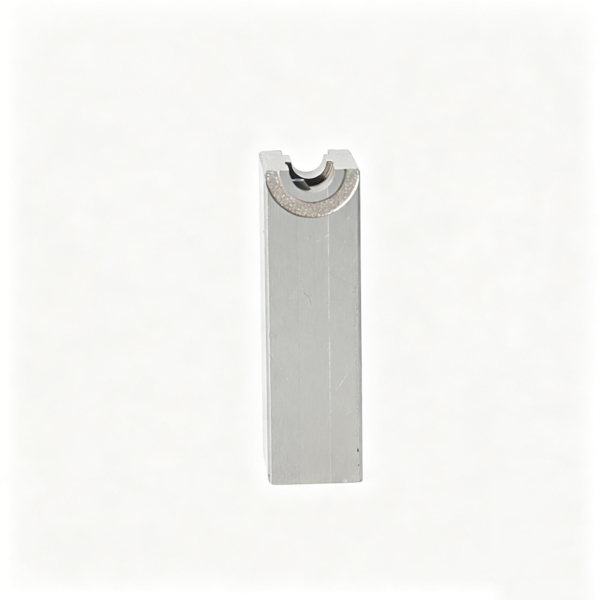
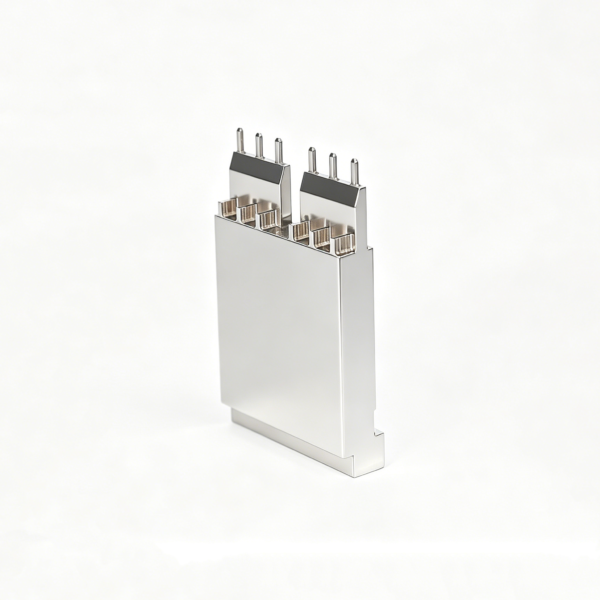
Precision Mold Components for Automotive Connectors – Fine-Pitch Core Pins & Insert Assemblies
Brand Xuxiang Mold
Availability Made to drawing
RFQ pricing
Quote from STEP / PDF & quantity
Engineered for connector tooling specialists, these precision mold components for automotive connectors deliver reliable performance in high-cavitation, fine-pitch molds. Optimized core pins, inserts and sleeves help you maintain tight dimensional control so every housing, terminal cavity and latch detail molds cleanly. Durable tool steels and optimized surface finishes support long service life under demanding automotive production. Whether you build new connector tools or refurbish existing molds, this kit helps reduce downtime and stabilizes part quality shot after shot.
- ISO 9001:2015–oriented process & documented inspection paths
- Zeiss / Nikon class metrology available for critical dimensions
- DFM feedback from 10+ senior tooling engineers
- Dongguan HQ + Quanzhou capacity for volume programs
Fine-Pitch Precision Mold Components for Automotive Connector Tooling
These precision mold components for automotive connectors are designed specifically for modern multi-pin and high-density connector housings used across vehicles, from engine bays and powertrain systems to infotainment and ADAS modules. Each component is engineered to support the extremely tight tolerances, miniature pin spacing and complex geometries required for robust electrical performance in harsh automotive environments.
In an automotive connector mold, every micron of deviation in a cavity, core pin or sleeve can translate into poor pin alignment, difficult mating, or sealing issues in the finished part. Purpose-built connector mold components help you maintain dimensional integrity, repeatable processing windows and stable cycle times, even as tooling runs high volumes over extended production campaigns.
This component range is ideal for tooling engineers, mold makers and Tier 1/Tier 2 suppliers who need configurable, replaceable and maintainable inserts, core pins and associated hardware tailored to automotive-grade connector projects.
Key Features & Benefits
The components are optimized from the ground up for high-precision automotive connector molding, balancing dimensional accuracy, durability and ease of tool maintenance.
- Fine-pitch geometry control – Components are configured for narrow terminal spacing, thin walls and complex latch details common in modern connectors, helping you achieve consistent pin-hole diameter and spacing.
- High dimensional stability – Carefully selected tool steels and heat treatment strategies are used to resist wear, deformation and thermal fatigue in demanding injection molding conditions.
- Clean demolding and low flash – Precision-ground parting and sealing surfaces support low flash levels, reducing secondary trimming and improving connector fit with mating parts.
- Modular, replaceable construction – Core pins, inserts and small wear parts are designed for straightforward replacement from the parting line or rear of the tool, minimizing downtime during maintenance.
- Support for automotive-grade plastics – Components are suitable for typical connector resins, such as high-temperature nylons and PBT blends, helping to control shrinkage and reduce warpage when the molding process is properly tuned.
- Consistent cavity-to-cavity performance – When applied across full connector families, these mold components help align performance between multiple cavities and multiple tools, simplifying process validation and PPAP submissions.
Specifications & Typical Configuration
The exact configuration of the set can be tailored to your connector tooling concept. Typical component types include core pins, cavity inserts, sleeves, ejector elements and various locating and support pieces used in connector molds.
| Attribute | Description |
|---|---|
| Product type | Precision mold components set for automotive connector injection molds (core pins, cavity inserts, sleeves, related parts) |
| Primary application | Plastic housings and components for automotive electrical connectors and terminals |
| Typical materials | Tool steel and alloy steel grades commonly used for high-precision injection molds, with heat treatment for hardness and wear resistance |
| Surface condition | Precision ground and/or polished functional surfaces to support low friction, clean ejection and reduced flash |
| Geometry focus | Fine-pitch terminal cavities, alignment features, latch details and sealing surfaces for automotive connectors |
| Compatibility | Designed for use in custom connector molds for injection molding machines commonly used in automotive plastics production |
| Customization options | Dimensions, head shapes, retention features and cooling/venting details can be adapted to project-specific mold designs |
| Typical usage | New mold builds, cavity expansions, tool refurbishments and replacement of worn connector mold components |
| Industry focus | Automotive electrical and electronic systems, including powertrain, body electronics, safety and infotainment connectors |
Use Cases & Who This Set Is For
These precision components are suitable for a wide range of automotive connector tooling projects, from prototype tools to multi-cavity production molds.
- Connector mold manufacturers who need reliable, fine-tolerance cores and inserts for high-cavitation molds and complex connector families.
- Tier 1 and Tier 2 suppliers responsible for molding automotive connector housings that must meet strict OEM dimensional and reliability requirements.
- Tooling engineers upgrading existing connector molds to improve cavity balance, reduce wear issues or extend service life through better core and insert design.
- Maintenance and repair teams tasked with replacing worn core pins, sleeves and small inserts without redesigning the entire mold.
- New program launches where connector miniaturization, higher pin counts and new resin grades require more refined and stable mold component performance.
By adopting dedicated components tailored to automotive connector geometries, you can simplify mold layouts, improve filling consistency and support reliable automatic demolding even with complex undercuts and latch structures when used in conjunction with suitable side actions and lifter designs.
Care, Maintenance & Buying Guidance
To get the best return from your investment in these precision mold components, it is important to integrate them into a proactive tooling maintenance plan and to select configurations that align with your connector portfolio.
- Maintenance best practices – Clean and inspect components at scheduled intervals, especially in high-cavitation tools. Pay close attention to fine-pitch core pins, seal-off surfaces and vent areas that can accumulate residue.
- Wear monitoring – Track dimensional changes in critical features, such as terminal cavity diameter and alignment surfaces, and replace components once wear approaches your internal tolerance limits.
- Resin-specific considerations – For reinforced or high-temperature resins, coordinate with your tooling team to ensure the selected component materials and coatings are appropriate for abrasion and thermal loads.
- Spare strategy – Keep spare core pins, inserts and sleeves for your highest-volume connector molds to minimize downtime in case of damage during production or maintenance.
- Project alignment – When ordering, share representative connector drawings, expected cavitation and resin details so component configurations can be matched to your exact application rather than relying on generic sizes.
With the right selection and care, these mold components can contribute to stable, repeatable automotive connector production, supporting efficient validation, consistent quality and sustained output across the lifecycle of your connector programs.
FAQ
Are these mold components compatible with my existing automotive connector molds?
The components are designed for use in custom automotive connector tooling and can often be integrated into existing mold bases when dimensions and retention features are matched to your current design. Providing drawings or 3D data to your tooling partner will help verify compatibility before ordering.
What information do I need to supply when selecting components for a new connector project?
It is helpful to provide connector drawings, target resin, estimated annual volume, preferred cavitation, and any special requirements such as fine-pitch terminals, sealing features or overmolding areas. This allows the component configuration to be tailored to your project.
How should I maintain fine-pitch core pins and inserts in high-volume production?
Establish regular cleaning intervals, avoid abrasive tools during cleaning, and check for wear or bending of slender pins. If you see increased flash, difficult ejection or changes in pin-hole dimensions, plan a controlled replacement before defects escalate.
Can these components handle high-temperature or glass-filled connector materials?
The components are intended for typical automotive connector resins, including many high-temperature and reinforced grades, when appropriate steels and treatments are selected. For particularly aggressive materials, consult your tooling supplier about material and surface treatment options.
What is the usual lead time for customized connector mold components?
Lead time depends on complexity and quantity. Standard geometries may be supplied faster, while fully customized core and cavity inserts require additional engineering and machining time. Confirm timing during quotation to align with your tool build schedule.
How are these precision mold components shipped and packaged?
Components are typically packed individually or in small sets with protective wrapping to prevent damage to critical surfaces during transport. For international shipments, robust outer packaging is used and documentation is included for customs clearance.
What should I consider when planning spares for my connector molds?
Review your highest-volume and most critical tools and stock spares for slender or high-wear components such as core pins, sleeves and small inserts. Keeping spares ready reduces downtime if a component is damaged or reaches its wear limit.
Is there any warranty or return policy for these mold components?
Warranty and returns are usually based on material and manufacturing quality. If components do not meet the agreed specification, coordinate with your supplier for assessment and resolution according to their terms and conditions.
How can I extend the service life of these automotive connector mold components?
Operate within recommended molding parameters, maintain proper cooling and lubrication where applicable, and follow a documented mold maintenance schedule. Avoid excessive clamp force misalignment and ensure clean, dry resin to minimize abrasion and corrosion.
Related products
Same drawing, predictable results—next batch
Share revision, quantity ramp, and inspection level. We quote process route, ship date, and documentation in one structured response.