
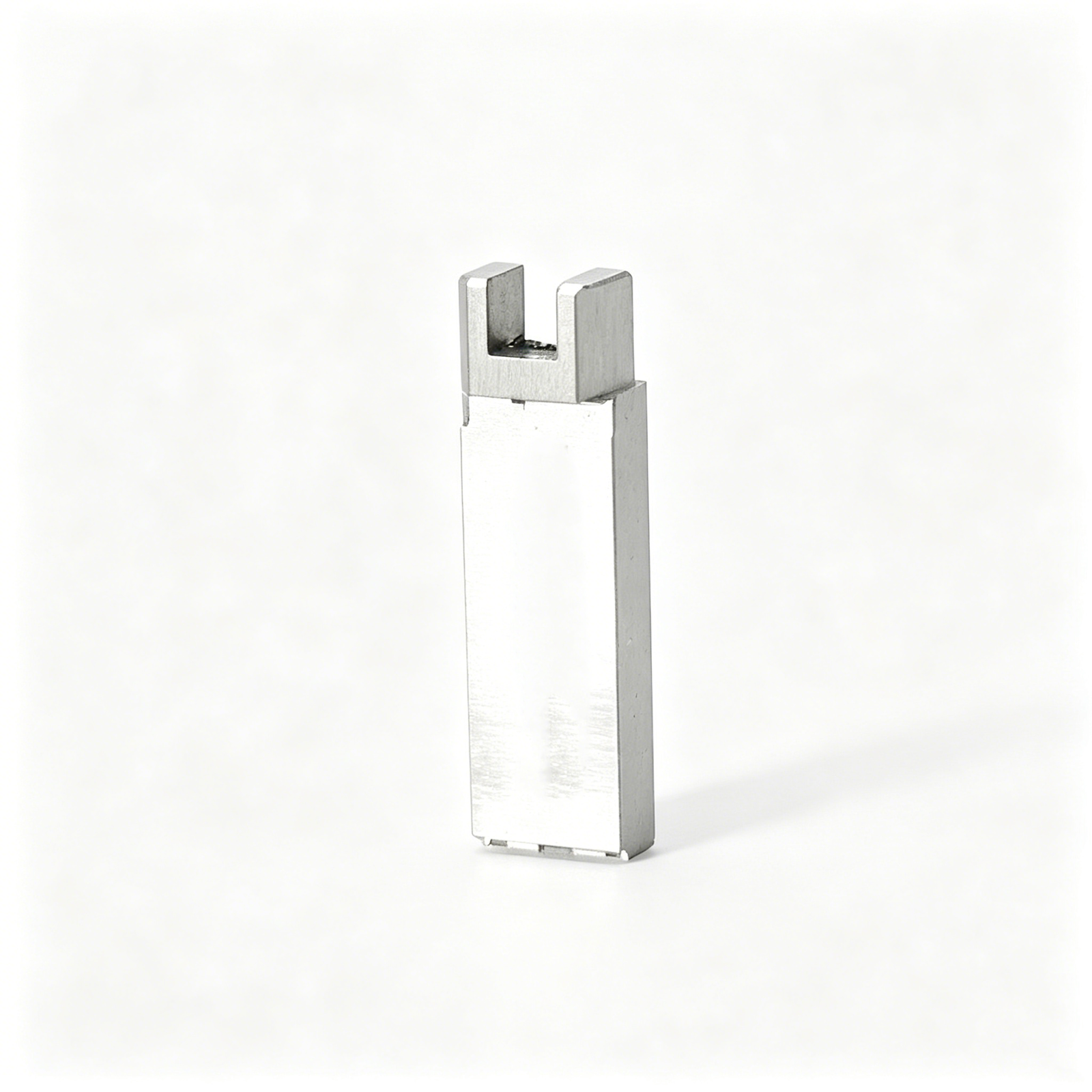
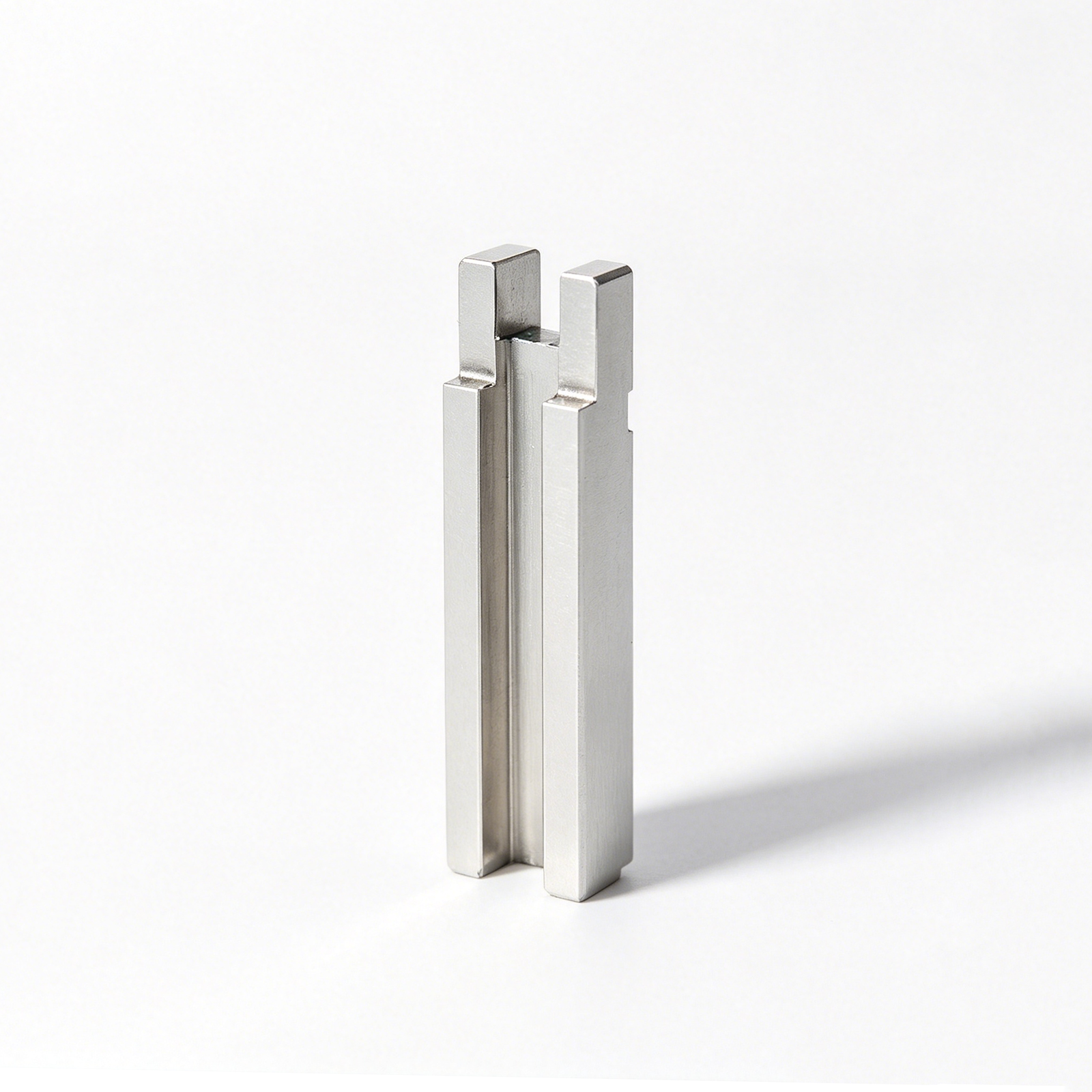
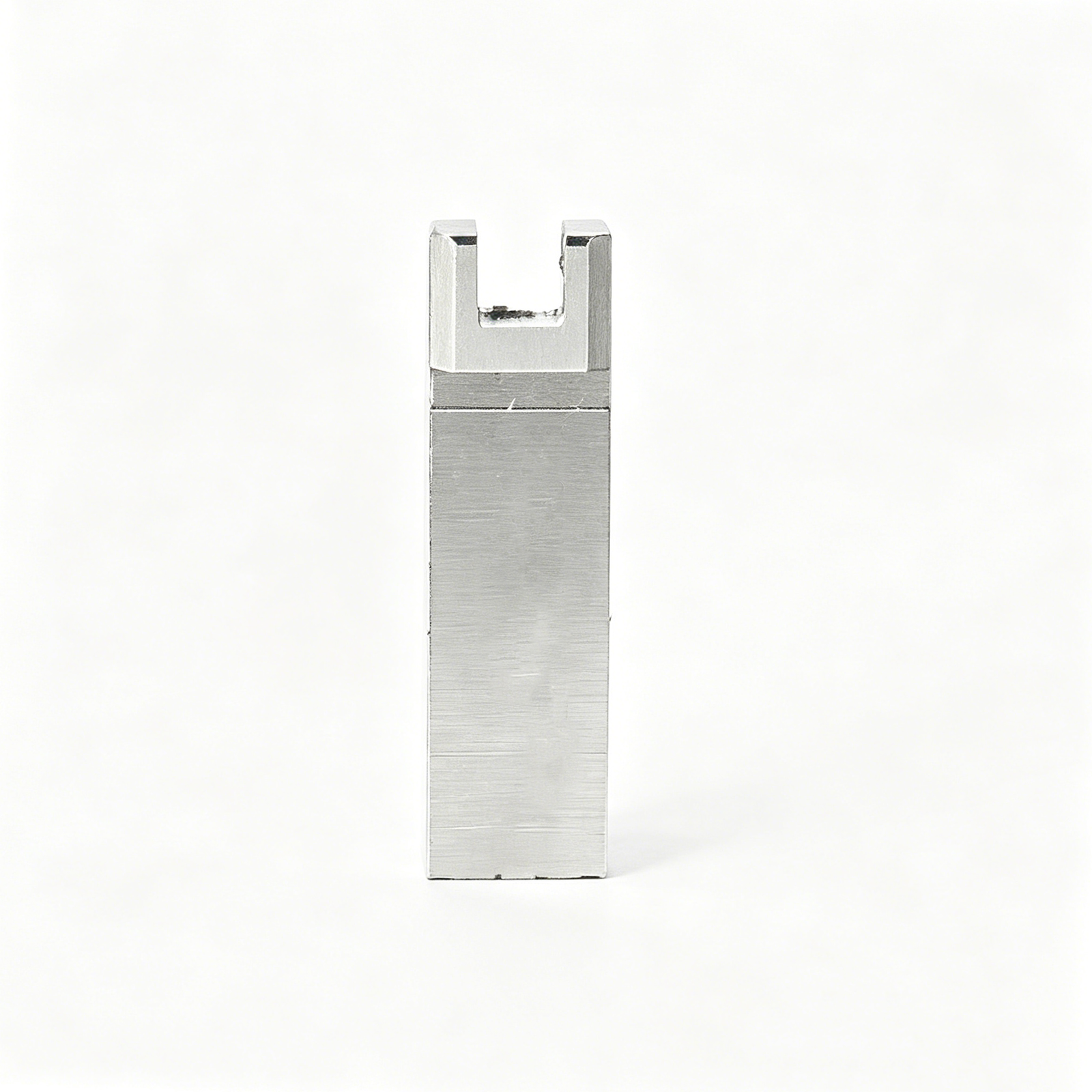
Plastic film parts · Precision mold insert
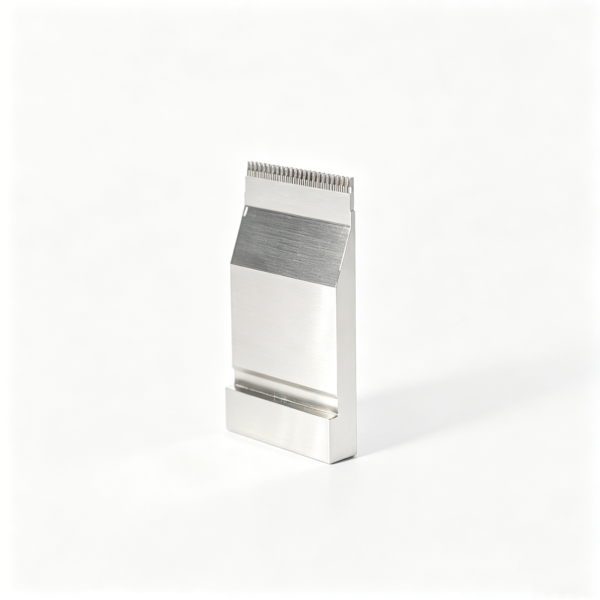
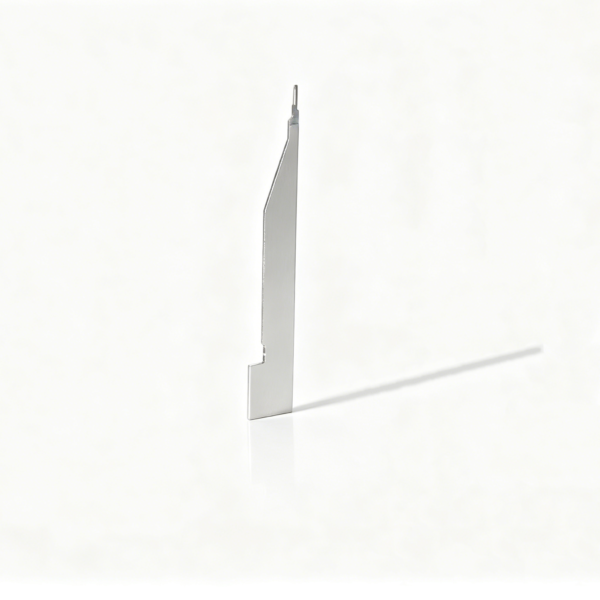
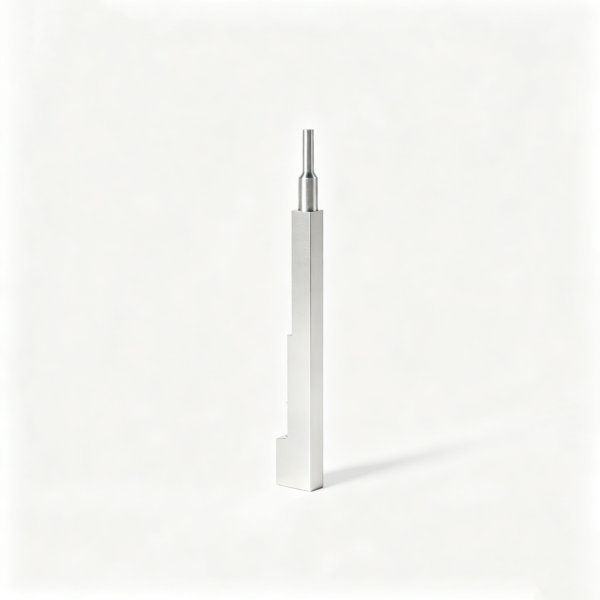
Mobile Connector Precision Mold Components for Multi-Row Contact Blocks
Brand Xuxiang Mold
Availability Made to drawing
RFQ pricing
Quote from STEP / PDF & quantity
Engineered for demanding connector tooling, these Mobile Connector Precision Mold Components are designed to deliver clean, consistent molding of multi-row contact blocks and housings. Each insert and cavity is machined from premium tool steel for high wear resistance and minimal dimensional drift over long production runs. Optimized parting lines, venting, and cooling paths help reduce flash, warpage, and scrap on fine-pitch mobile connectors. Whether you are updating an existing mold or building a new platform, these components integrate smoothly into standard mold bases. Ideal for OEMs and precision mold shops looking to stabilize quality while shortening cycle times and maintenance intervals.
- ISO 9001:2015–oriented process & documented inspection paths
- Zeiss / Nikon class metrology available for critical dimensions
- DFM feedback from 10+ senior tooling engineers
- Dongguan HQ + Quanzhou capacity for volume programs
Mobile Connector Precision Mold Components for Multi-Row Contact Blocks
These Mobile Connector Precision Mold Components are specialized tooling parts developed for the precise molding of multi-row mobile connector contact blocks and housings used in smartphones, tablets, wearables, and other compact electronics. Designed around the strict tolerances and fine-pitch geometries required by modern mobile interconnects, they help mold makers and OEMs achieve repeatable quality in high-volume injection molding.
As connector designs become smaller and more densely populated, the mold components responsible for forming each cavity, terminal window, and alignment feature must deliver exceptional dimensional stability and surface finish. By using high-grade tool steels, refined machining processes, and application-specific design details, these components support stable mass production of complex multi-row connector families.
Key Features & Performance Benefits
The components are engineered to address the real-world challenges of molding compact, multi-row contact blocks for mobile devices. From initial sampling through to mature, fully ramped production, they help you maintain a steady process window and consistent part quality.
- Optimized for multi-row layouts – Cavity inserts and core pins are designed to support staggered and parallel contact rows, keeping terminal slots straight and uniform across every cavity.
- High precision machining – CNC milling, grinding, and EDM processes are applied to achieve tight dimensional control and sharp feature definition needed for fine-pitch connector tooling.
- Wear-resistant tool steels – Components are produced from appropriate hardened tool steels and undergo heat treatment to improve hardness and wear resistance, extending service life in long production runs.
- Stable molding of small details – Accurate cores and cavity details help maintain center distances, wall thickness, and locking features that directly affect electrical performance and connector fit.
- Enhanced venting and flow – Properly designed vents and gate regions help reduce burn marks, short shots, and voids in thin sections common in mobile connector housings.
- Consistent alignment – Precisely matched inserts and guided components reduce misalignment between mold halves, controlling flash and improving parting line quality.
By focusing on practical shop-floor needs—ease of assembly, predictable maintenance, and compatibility with common mold bases—these components support stable and efficient production cells for mobile connector families.
Specifications & Core Attributes
The following table summarizes the typical characteristics and options associated with these Mobile Connector Precision Mold Components. Exact details can be tailored to your connector program and tooling standards.
| Attribute | Description |
|---|---|
| Product type | Precision mold components for mobile connector multi-row contact blocks |
| Typical applications | Mobile device connectors, board-to-board and FFC connectors, charging ports, signal and data interfaces |
| Main component forms | Cavity inserts, cores, core pins, slides, lifters, support blocks, gate inserts |
| Base materials | Tool steel or stainless tool steel selected for strength, polishability, and wear resistance |
| Heat treatment | Quenching and tempering applied according to material grade and required hardness range |
| Manufacturing processes | CNC milling, turning, grinding, wire-cut EDM, sinker EDM, hand fitting and polishing |
| Surface finish options | Fine polishing in critical areas, texture-ready surfaces, or functional finishes per project |
| Connector pitch support | Suitable for fine-pitch and ultra-fine-pitch multi-row connectors, depending on project design |
| Mold compatibility | Custom-sized to match your mold base, ejector layout, and existing tooling standards |
| Target production | High-volume, stable injection molding of mobile connector housings and contact blocks |
Typical Use Cases & Who These Components Are For
These Mobile Connector Precision Mold Components are intended for tooling engineers, mold designers, and manufacturing teams involved in high-volume connector production. They are particularly beneficial when you are dealing with complex cavity layouts or planning a product family that shares a common platform.
- OEMs and Tier suppliers – Support platform-based mobile connector programs where multiple pin counts and configurations share similar multi-row contact block geometries.
- Precision mold makers – Provide reliable inserts and cores for new mold builds, engineering changes, and productivity upgrades on existing connector tooling.
- Electronics and mobile device manufacturers – Improve process capability and reduce downtime on production lines that run miniature connectors with tight dimensional requirements.
- R&D and pilot lines – Use highly accurate inserts for prototype and pilot molds to evaluate new connector designs before scaling to multi-cavity, high-output tools.
Typical applications include multi-row board-to-board connectors, mezzanine connectors, compact charging ports, micro signal interfaces, and other mobile interconnect systems where stable positioning of multiple contact rows is critical to electrical performance and assembly reliability.
Care, Maintenance & Buying Guidance
To get the best performance and longest life from your Mobile Connector Precision Mold Components, proper handling and maintenance are essential. Attention to routine care helps preserve dimensional accuracy and surface quality, especially in fine-pitch multi-row layouts.
- Routine cleaning – Remove residue and deposits from cavity and core surfaces using appropriate cleaning agents and non-abrasive tools to avoid scratching critical areas.
- Lubrication of moving elements – If slides, lifters, or other moving components are included, use compatible lubricants and follow recommended intervals to prevent galling or seizure.
- Regular inspection – Periodically inspect gate areas, parting lines, and fine detail regions for wear or damage that could affect connector geometry or surface finish.
- Controlled storage – Store spare inserts and precision pins in a dry, protected environment with corrosion protection to maintain their condition between production runs.
When specifying or purchasing these components, share as much information as possible about your connector design and molding conditions. This includes the connector 3D model and drawings, resin selection, expected shot volume, target cycle time, mold base details, and any specific quality or test requirements. Clear communication at the quotation and design stages helps ensure that the supplied components match your multi-row connector layout, fit seamlessly into your tooling concept, and support your long-term production goals.
FAQ
Are these mold components compatible with my existing connector mold base?
The components are produced to your supplied drawings and mold base standards, so they can be tailored to fit existing molds or new tools. Providing details on your current mold layout helps ensure correct interfaces and mounting dimensions.
What information do I need to provide to order components for a multi-row contact block?
You should provide connector 3D models or drawings, pitch and row configuration, chosen resin, mold base dimensions, and any specific tolerances or quality requirements. This data allows the components to be designed around your exact connector layout.
How do I know if these components will handle fine-pitch mobile connectors?
The components are designed specifically for precision connector tooling and can support fine and ultra-fine pitches when the connector design and manufacturing requirements are clearly defined. Discussing your target pitch and performance needs during the quotation stage is recommended.
What is the typical lead time for customized mold components?
Lead time depends on component complexity, quantity, and current production load. After reviewing your drawings and requirements, a more accurate schedule can be provided so you can coordinate mold build and sampling plans.
How should I maintain the components to extend their service life?
Regular cleaning, proper lubrication of moving parts, and scheduled inspections for wear or damage are important. Avoid abrasive cleaning methods on critical surfaces and follow your standard mold maintenance procedures.
Can these mold components be used with different plastic resins?
Yes, they can be designed to work with a range of engineering plastics commonly used in connectors. Informing the supplier about the resin and processing window allows adjustments to venting, gating, and surface treatment if needed.
What happens if a core pin or insert is damaged during production?
Most designs allow for individual components such as core pins or cavity inserts to be replaced without rebuilding the entire mold. Keeping documented drawings and part identification speeds up re-ordering and replacement.
Is there any warranty or quality assurance on these precision components?
Precision mold components are generally supplied under a quality assurance system with inspection records. Warranty or after-sales support options can be discussed at the time of quotation, based on your tooling standards and usage conditions.
Do you offer support for tuning the mold after installation?
Technical support is typically available to review trial results and suggest adjustments related to component fit, venting, or minor corrections. Sharing trial data and sample parts can help optimize the mold setup more quickly.
How are the components packaged and shipped to avoid damage?
Components are usually packed in protective materials, with sensitive surfaces individually wrapped or capped, then boxed for safe transport. For international shipments, extra cushioning and moisture protection are commonly used.
Related products
Same drawing, predictable results—next batch
Share revision, quantity ramp, and inspection level. We quote process route, ship date, and documentation in one structured response.