
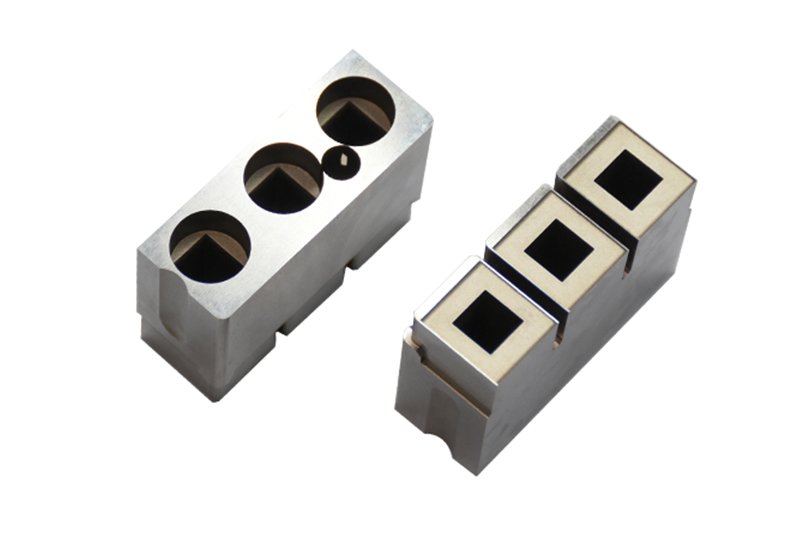
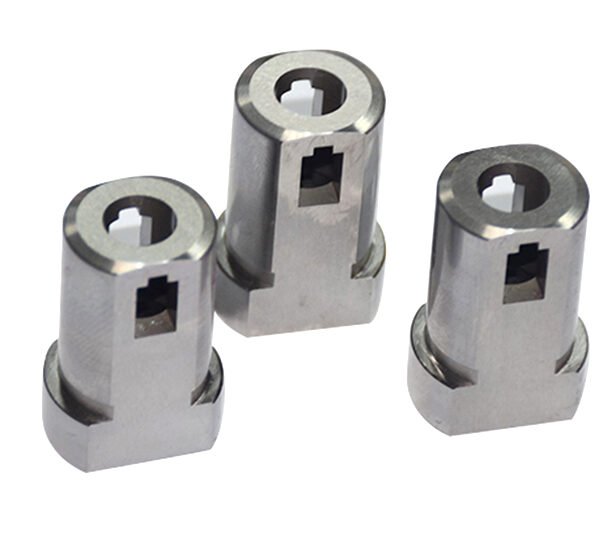
Plastic film parts · Precision mold insert
Automotive Connector Parts – Universal Electrical Connectors & Terminals Assortment
Brand Xuxiang Mold
Availability Made to drawing
RFQ pricing
Quote from STEP / PDF & quantity
Equip your repairs and custom wiring projects with a dependable range of automotive connector parts designed for modern vehicles and harsh environments. This versatile assortment helps you quickly restore broken harness plugs, extend circuits, or create clean, OEM-style connections without cutting corners. Durable housings, secure terminals, and reliable locking mechanisms keep your electrical system stable on the road. Whether you are a professional technician or a DIY enthusiast, you will appreciate the organized, ready-to-use selection that saves diagnostic and installation time. Build safer, neater, and longer-lasting circuits with quality automotive connector parts you can trust.
- ISO 9001:2015–oriented process & documented inspection paths
- Zeiss / Nikon class metrology available for critical dimensions
- DFM feedback from 10+ senior tooling engineers
- Dongguan HQ + Quanzhou capacity for volume programs
Professional-Grade Automotive Connector Parts for Reliable Electrical Connections
Automotive electrical systems depend on secure, low-resistance connections to keep everything from engine management and sensors to lighting and infotainment systems running smoothly. Our comprehensive selection of automotive connector parts is designed to help you create, repair, or upgrade wiring harnesses with confidence, whether you are working on passenger cars, trucks, off-road vehicles, marine applications, or motorsport builds.
From sealed multi-pin plugs to quick-disconnect terminals and harness accessories, this range focuses on durability, ease of installation, and compatibility with widely used connector families in the automotive industry. That means you can achieve clean, OEM-style results without the guesswork or the frustration of ill-fitting components.
What Are Automotive Connector Parts?
Automotive connector parts are the individual components used to build or service electrical connectors in vehicles. They typically include plastic or composite housings, male and female terminals, seals, secondary locks, and accessories such as cable ties and boots. These parts are used wherever wires need to be joined, terminated, or disconnected in an organized and serviceable way.
Unlike household connectors, automotive connectors must withstand vibration, temperature extremes, moisture, chemicals, and contaminants commonly found in engine bays and underbody locations. Quality parts are engineered for strong mechanical retention, reliable electrical contact, and environmental protection so systems remain stable over thousands of operating hours.
Key Features & Benefits
This collection of automotive connector parts is carefully curated to support both professional workshops and serious DIY installers.
- Versatile connector selection – Includes common connector styles used across engine management, lighting, sensors, actuators, and interior electronics, helping you cover a wide range of repair and upgrade scenarios.
- Secure locking mechanisms – Positive latch designs and secondary locks help prevent accidental disconnection due to vibration or handling, minimizing intermittent faults and electrical gremlins.
- Durable housing materials – Automotive-grade plastics and composites resist heat, oils, fuels, and general under-hood contamination, supporting long service life in demanding environments.
- Reliable electrical performance – Precision-stamped terminals with strong spring forces maintain consistent contact pressure on mating pins, reducing voltage drops, signal loss, and overheating at the connection point.
- Weather-resistant options – Many connector types include seals and grommets to protect contacts from water ingress, road spray, and dirt, ideal for engine bay, chassis, off-road, and marine applications.
- Clean, OEM-style installations – Using proper connector parts instead of splices or makeshift joins results in a more professional, serviceable harness that mirrors factory standards.
- Time-saving organization – Clearly differentiated housings and terminals help speed up identification and assembly, reducing time spent sorting through mixed hardware.
Specifications & Key Attributes
The table below summarizes typical characteristics of the automotive connector parts range. Exact details vary by connector series and kit configuration, but this overview will help you understand what to expect.
| Attribute | Description |
|---|---|
| Connector Types | Multi-pin plug and receptacle housings, single-wire connectors, blade and pin terminals, spade terminals, ring terminals, and harness accessories. |
| Typical Applications | Engine sensors, fuel injectors, ignition components, lighting, auxiliary accessories, interior electronics, and trailer or towing circuits. |
| Housing Material | Automotive-grade plastic or composite housings designed for impact and heat resistance in vehicle environments. |
| Terminal Material | Copper alloy or similar conductive metals with protective surface treatments to improve conductivity and corrosion resistance. |
| Environmental Protection | Options with wire seals, grommets, and sealing plugs for moisture and dust resistance in engine bay and chassis locations. |
| Wire Size Compatibility | Designed to suit common automotive wire gauges typically used in low-voltage vehicle circuits; select terminals to match your wire size. |
| Connection Method | Crimp-style terminals for use with suitable crimp tools; some connectors may support soldered terminations where appropriate. |
| Locking Features | Primary latches on housings plus secondary terminal locks or clips to prevent terminal back-out and accidental disconnection. |
| Operating Environment | Suitable for under-hood, interior, and exterior locations when used with appropriate sealed or unsealed connector families. |
| Compatibility Guidance | Intended for use on 12 V and 24 V automotive electrical systems in cars, trucks, off-road, agricultural, and marine vehicles. |
Use Cases & Who These Parts Are For
Automotive connector parts are essential wherever you need durable, serviceable electrical connections in vehicles. They are particularly useful in the following situations:
- Repairing damaged connectors – Replace broken, burnt, or corroded plugs and terminals on sensors, lights, fuel pumps, or other components instead of replacing entire harness sections.
- Custom wiring projects – Build clean, modular harnesses for auxiliary lighting, winches, audio upgrades, camper conversions, and motorsport electronics using proper connectors instead of temporary splices.
- Engine swaps and modifications – Adapt or extend factory harnesses when integrating new engines, ECUs, or standalone management, while maintaining reliable connections and easy serviceability.
- Fleet and commercial maintenance – Workshops and fleet operators can stock common connector parts to minimize downtime associated with electrical faults on work vehicles.
- Educational and training environments – Ideal for automotive training programs and technical schools that teach proper wiring and harness repair techniques.
This assortment is well suited for automotive electricians, general repair shops, mobile technicians, vehicle upfitters, motorsport teams, and experienced DIYers who value reliability and professional results.
Installation, Care & Buying Guidance
To get the best performance and lifespan from your automotive connector parts, it is important to select the correct components and follow sound installation practices.
Choosing the Right Parts
- Match the connector style and pin layout to the original part whenever possible to ensure compatibility with existing components and harnesses.
- Check wire size compatibility and select terminals designed for the gauge of cable you are using.
- Use sealed connectors with wire grommets for any circuits exposed to moisture, road spray, or engine bay conditions.
- Consider serviceability: choose connectors that are easy to disconnect where regular maintenance or diagnostics are expected.
Best Practices for Installation
- Use an appropriate quality crimp tool matched to the terminal type to achieve consistent, gas-tight crimps.
- Strip only the recommended length of insulation and avoid nicking or cutting conductor strands.
- Ensure seals are correctly positioned on the wire before crimping terminals in sealed connector systems.
- After assembly, gently pull on each wire to confirm proper terminal retention in the housing.
- Route wiring away from sharp edges, moving parts, and high-heat sources, securing with clips or ties.
Care, Inspection & Maintenance
- Periodically inspect connectors in high-stress areas for signs of corrosion, broken latches, or damaged insulation.
- Use suitable electrical contact cleaners when contamination is present; avoid aggressive chemicals that may attack plastics.
- Replace worn or damaged housings and terminals promptly to prevent intermittent faults and overheating.
FAQ
Are these automotive connector parts compatible with my vehicle?
These connector parts are designed to work with common automotive wiring and connector styles used across many makes and models. However, you should always compare the shape, locking features, and pin count with your original connector and verify wire size compatibility before installation. When in doubt, consult a wiring diagram or a professional technician.
Do I need special tools to install these connectors?
Most terminals in automotive connector systems are intended for crimping. For best results, use a quality crimp tool designed for open-barrel or insulated terminals that matches the style you are working with. Using pliers or unsuitable tools can lead to weak crimps, poor electrical contact, and premature failure.
Can I use these connector parts on both 12 V and 24 V systems?
Yes, the connector parts are suitable for typical low-voltage automotive systems, including 12 V passenger vehicles and 24 V trucks or equipment, as long as wire size, current capacity, and installation practices are correctly matched to the application.
How should I protect connectors used in harsh outdoor conditions?
For exposed locations, choose sealed connector types with appropriate wire grommets and make sure they are fully seated. Route and secure wiring to minimize movement and strain. In particularly harsh environments, you may complement the connector sealing with loom, conduit, or additional protective sleeving.
What is the best way to troubleshoot a faulty connector?
Start with a visual inspection for broken latches, corrosion, burnt plastic, or loose wires. Then perform a continuity or voltage drop test across the connector while the circuit is under load. If you suspect a poor connection, replace the affected terminals and housing rather than reusing damaged components.
How are these automotive connector parts packaged and shipped?
Connector housings, terminals, and accessories are securely packaged to prevent damage and mixing during transport. Shipments are typically sent in sturdy cartons, and small parts may be grouped in labeled bags or compartments for easy identification upon arrival.
What is your returns or warranty policy on connector parts?
Unused, unmodified connector parts can usually be returned within the specified returns period, provided they are in resalable condition and original packaging. If you encounter a suspected manufacturing defect, contact customer service with details and photos so the issue can be assessed under the applicable warranty terms.
How do I know which wire gauge these terminals fit?
Each terminal type is designed for a specific range of wire sizes. Refer to the product listing or packaging information to match the terminal to your cable gauge. Installing terminals on wire that is too large or too small for the design can compromise the crimp and lead to unreliable performance.
Do these connectors require any maintenance after installation?
Under normal conditions, properly installed connectors require minimal maintenance. In high-vibration, high-moisture, or corrosive environments, periodic inspection is recommended. If you notice signs of wear, corrosion, or damage, replace the affected connectors to maintain system reliability.
Can I mix different connector brands with these parts?
In some cases, connectors with very similar designs may appear interchangeable, but there can be subtle differences in dimensions and retention features. For best fit and reliability, it is recommended to use matching connector families and terminal systems rather than mixing and matching between brands without verification.
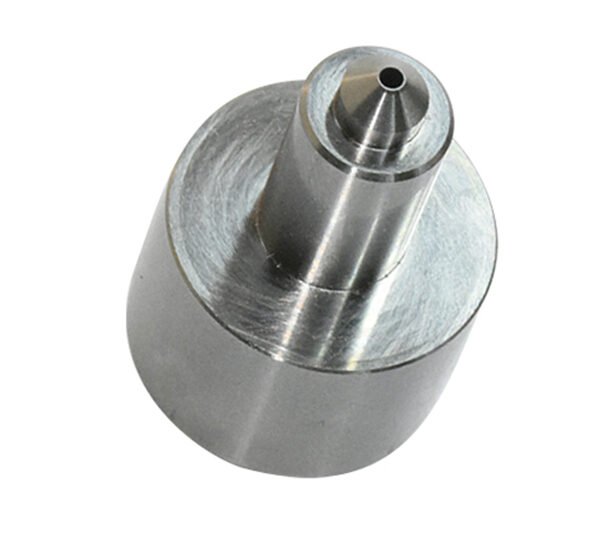
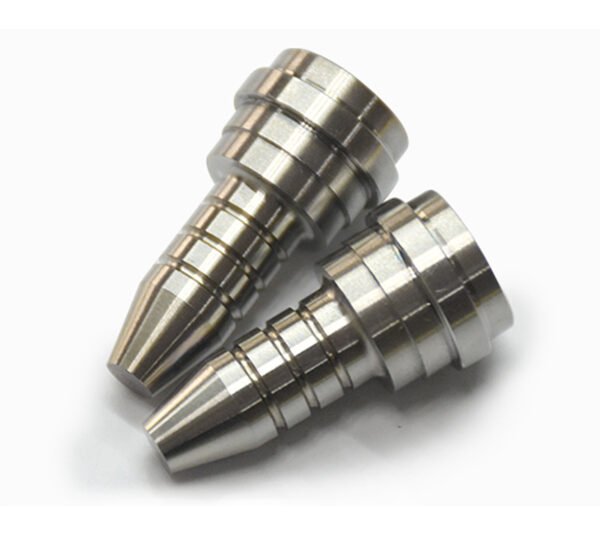
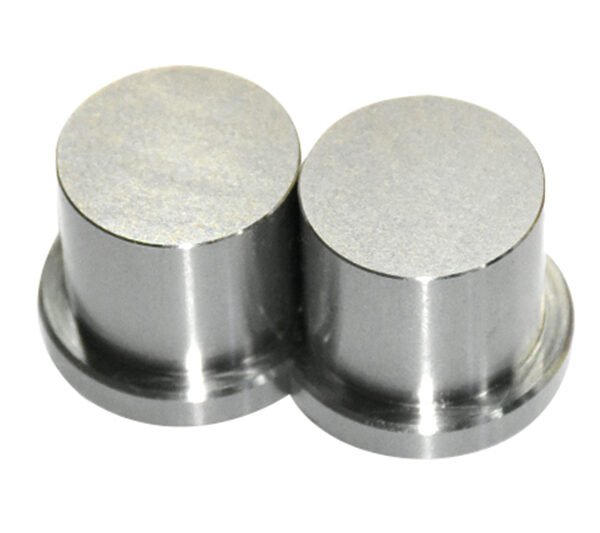
Same drawing, predictable results—next batch
Share revision, quantity ramp, and inspection level. We quote process route, ship date, and documentation in one structured response.