
Precision Mold Components for Medical Injection Molding — Micron-Stable Tooling, 24-Hour Quotes
XUXIANG delivers precision mold components and tooling for medical injection molding held to +/-0.001 mm, backed by ZEISS CMM validation, ISO 9001:2015 quality and quotes returned within 24 hours.
Featured Precision Mold Components & Tooling
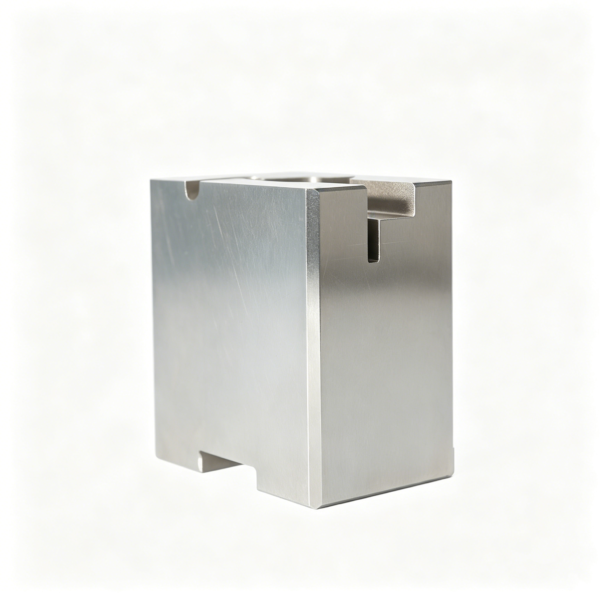
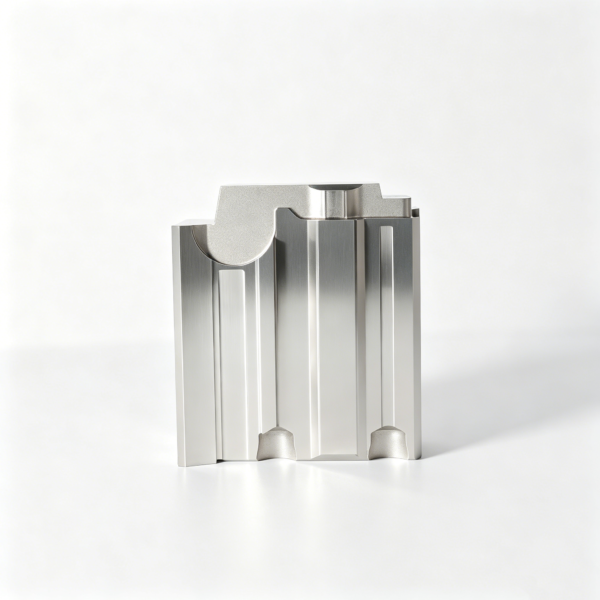
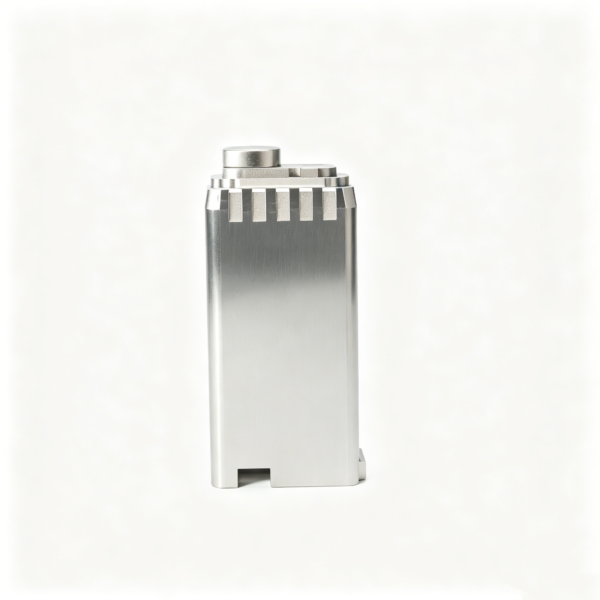
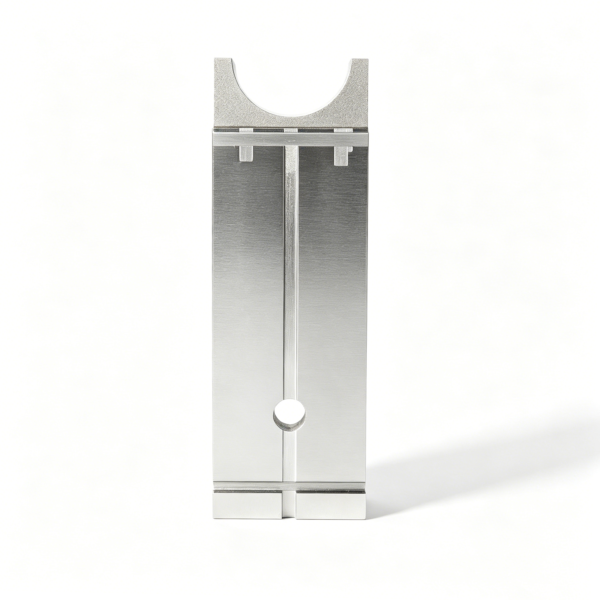
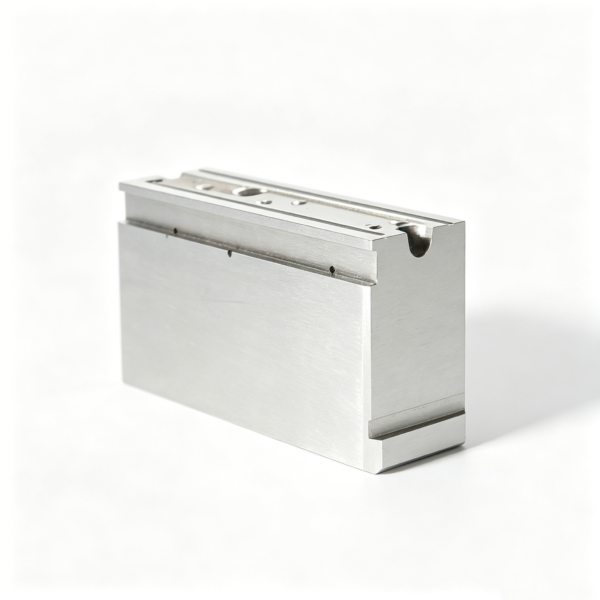
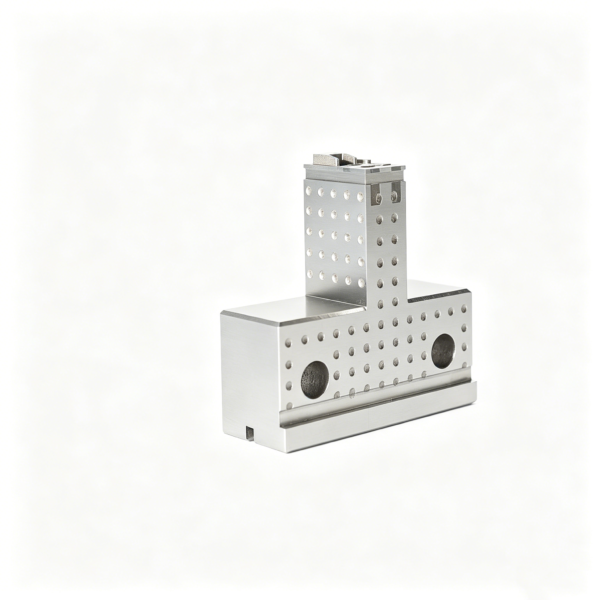
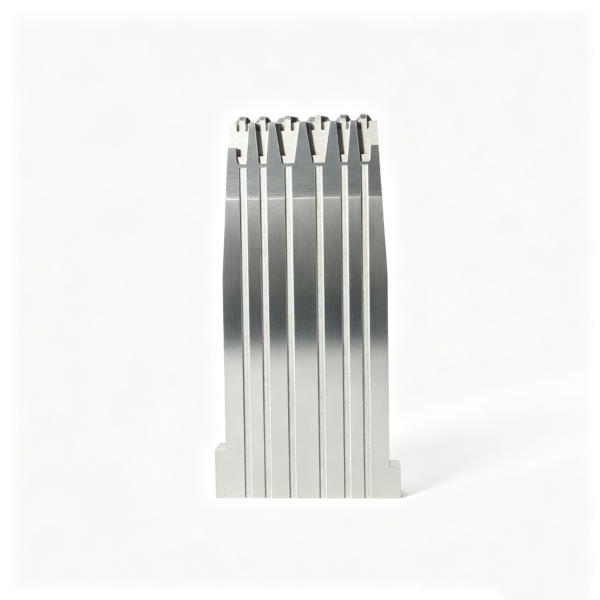
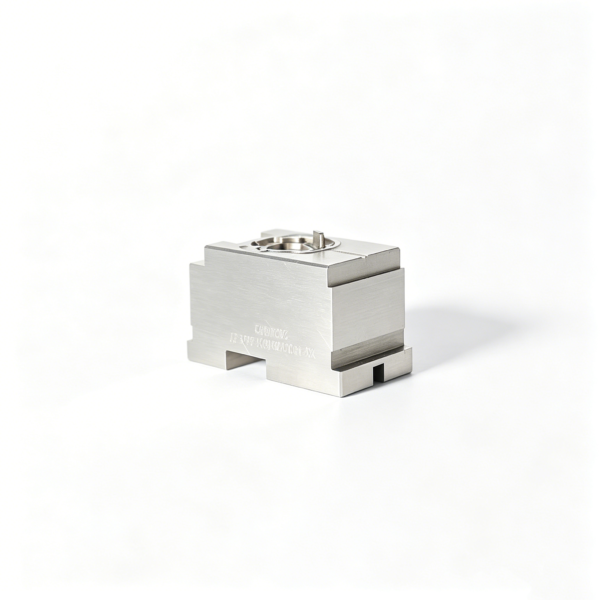
Precision Mold Components in Action
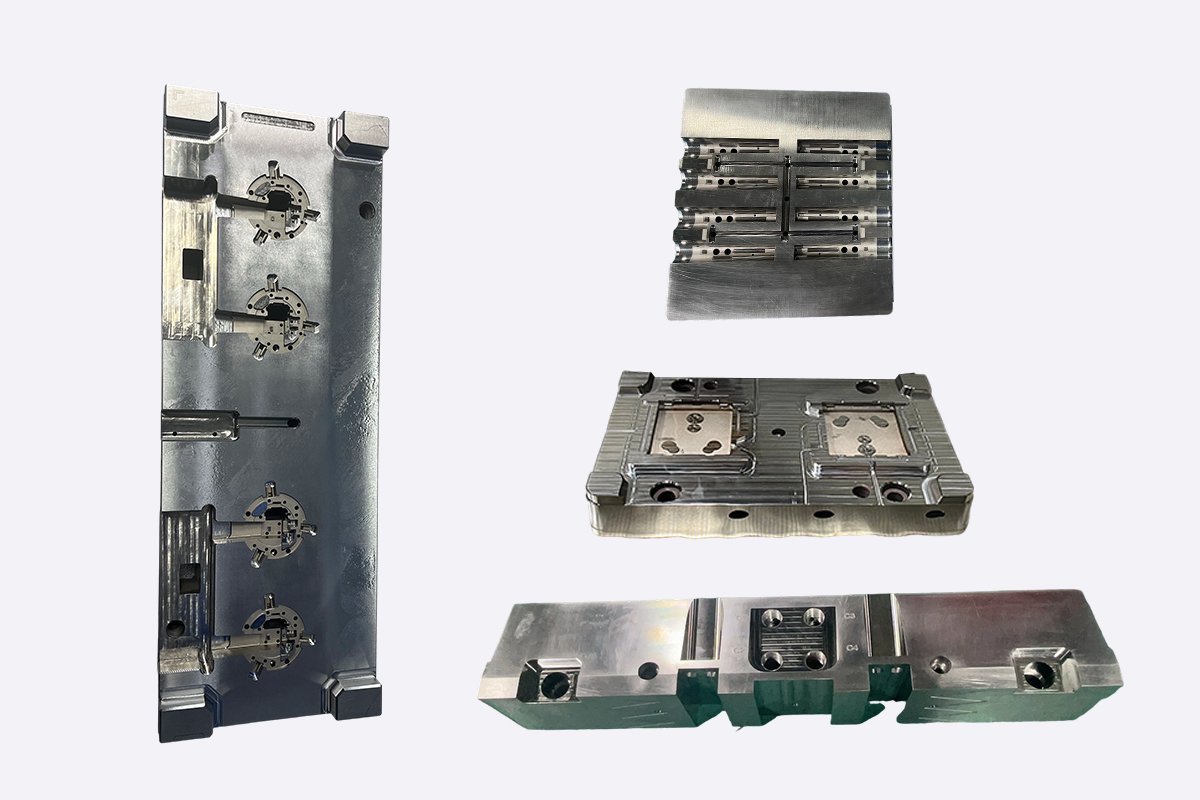
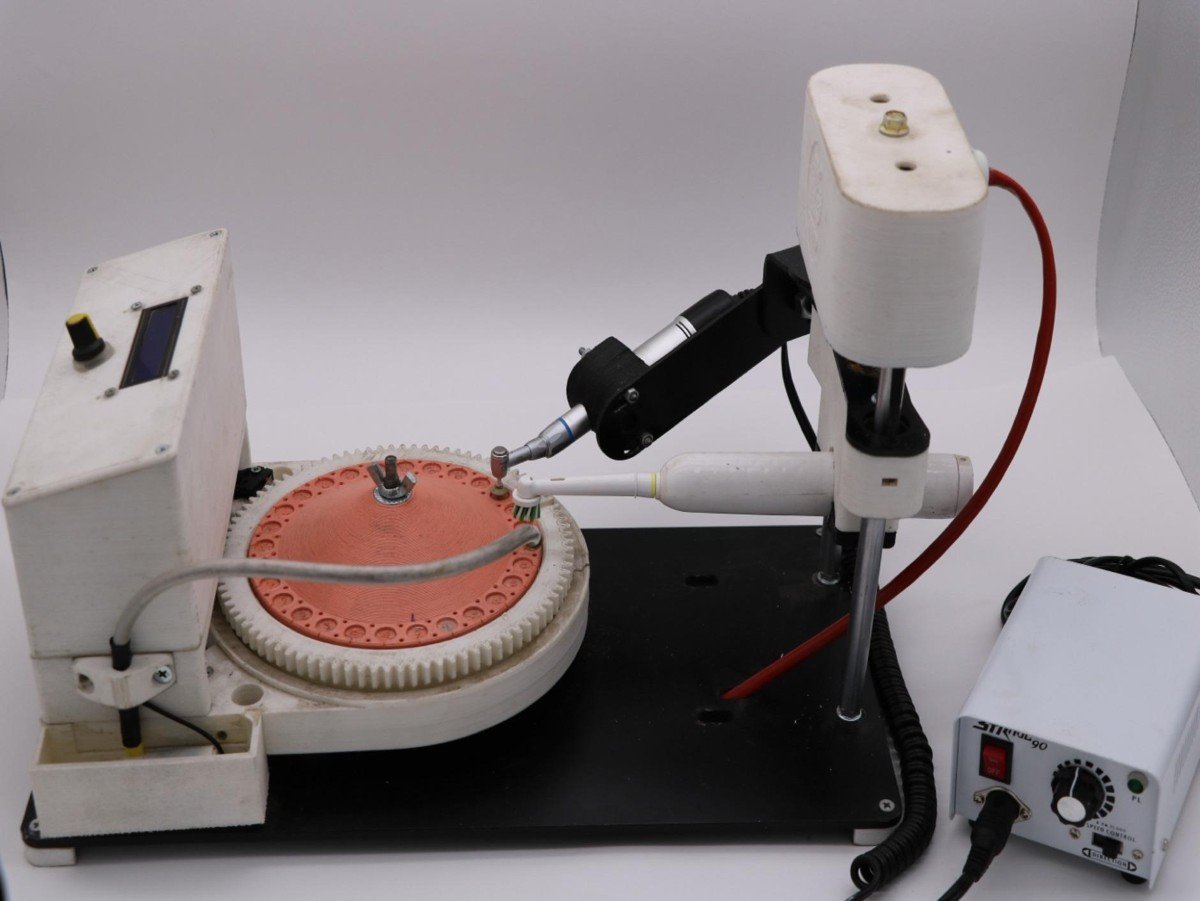
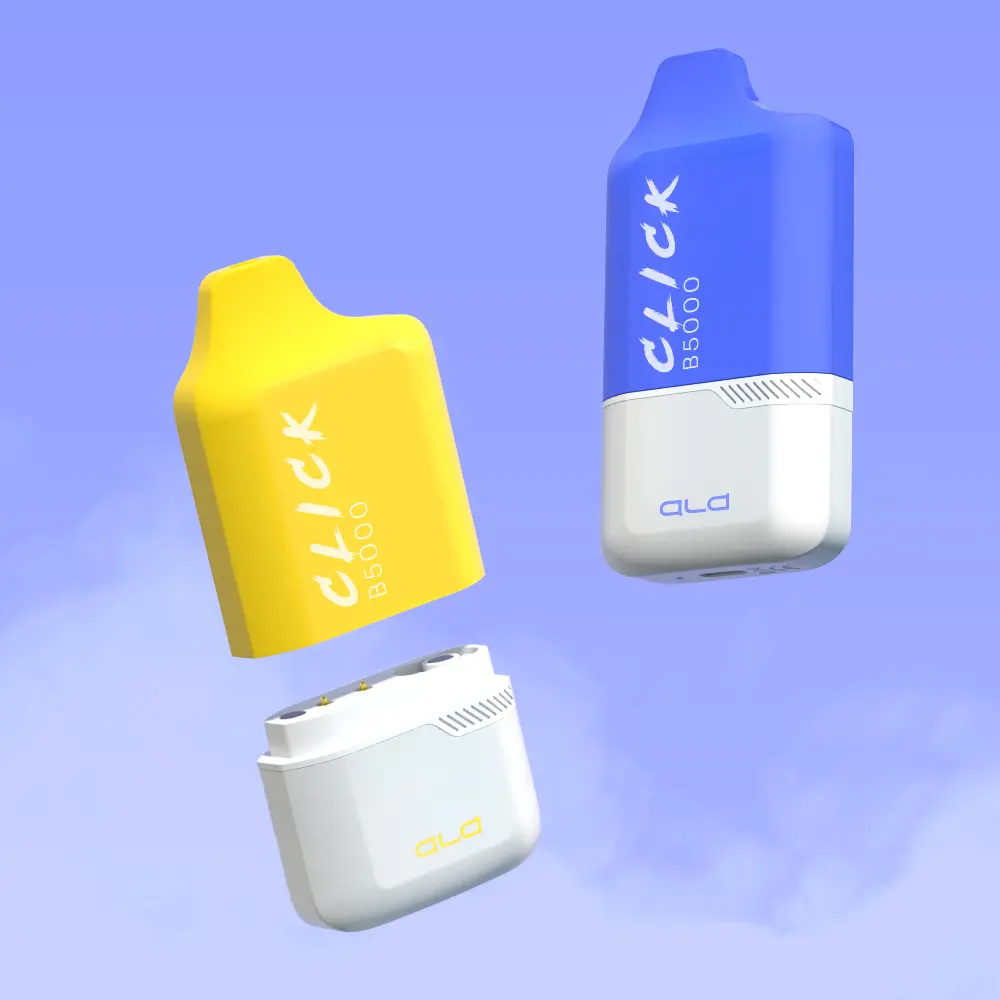
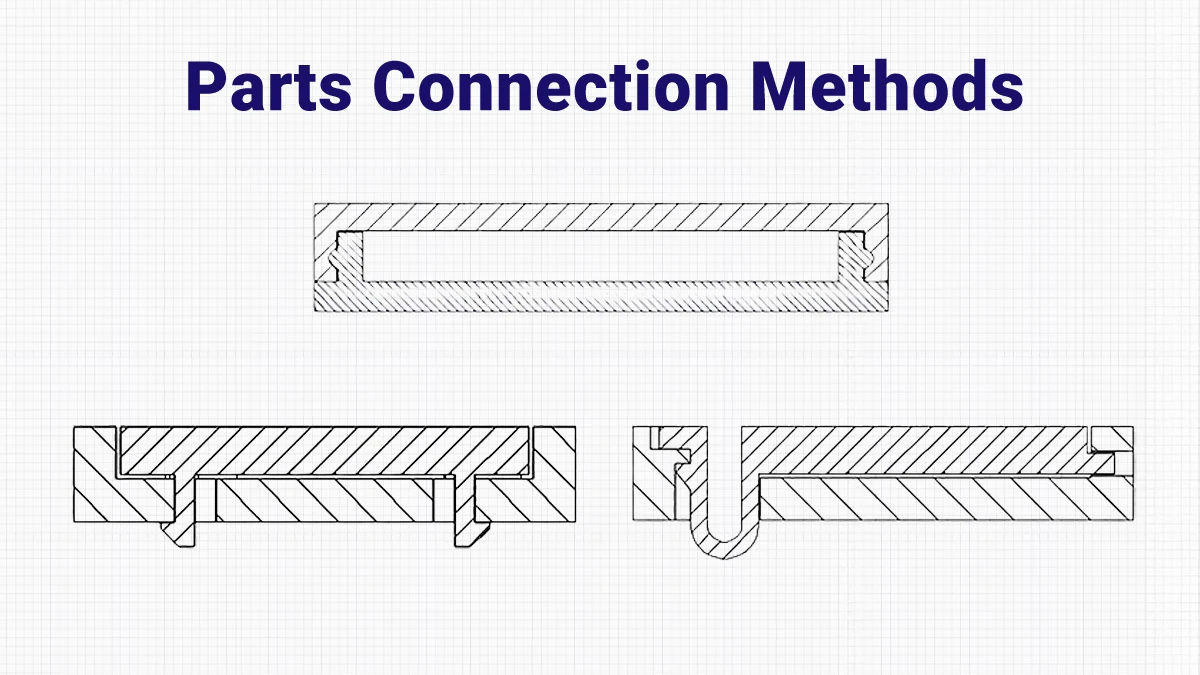

Why XUXIANG’s Precision Mold Components for Medical Injection Molding Stand Out
+/-0.001 mm Machining Precision
ZEISS MICURA CMM validation to 0.7um and mirror-grade Ra 0.1um EDM finishes ensure zero-defect medical component tooling every time.
24-Hour Quote Turnaround
Upload your CAD files and receive a detailed quote within one business day, eliminating procurement delays and approval bottlenecks.
Dual-Factory Mass Production Capacity
Dongguan R&D center plus Quanzhou volume facility deliver 200% greater output, cutting lead times by 30% versus industry average.
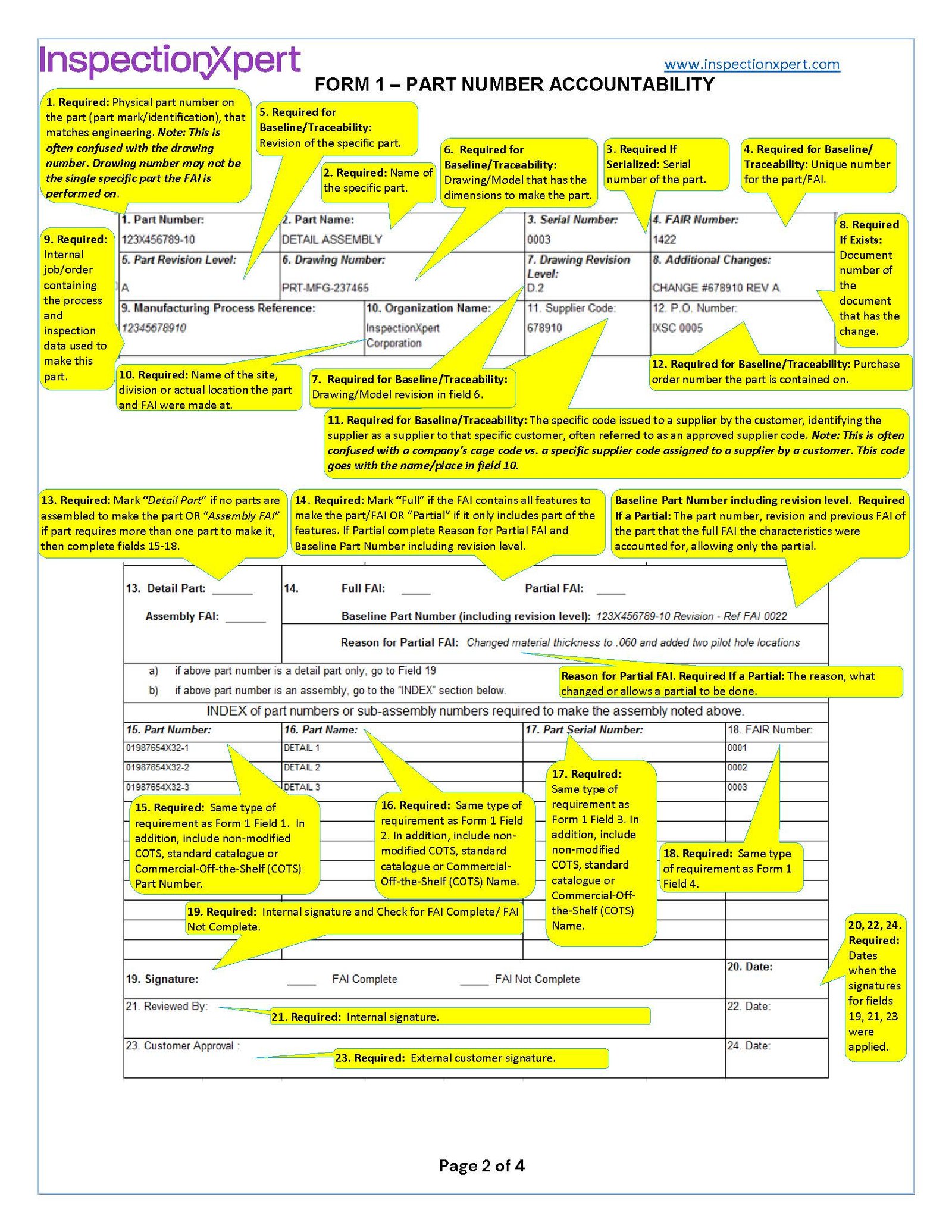
Full FAI Reports & Certificates
Every shipment includes First Article Inspection documentation, material certificates and CMM measurement data for complete traceability and regulatory compliance.
DFM Engineering Support
10+ precision-mold experts review your designs before production, flagging tolerance risks and optimizing manufacturability to prevent costly rework.
3–7 Day Rapid Sampling
Validate fit, form and function with prototype mold components delivered in under a week, accelerating your product development cycle.
Precision Mold Components by Application
Micro-Precision Mold Cores
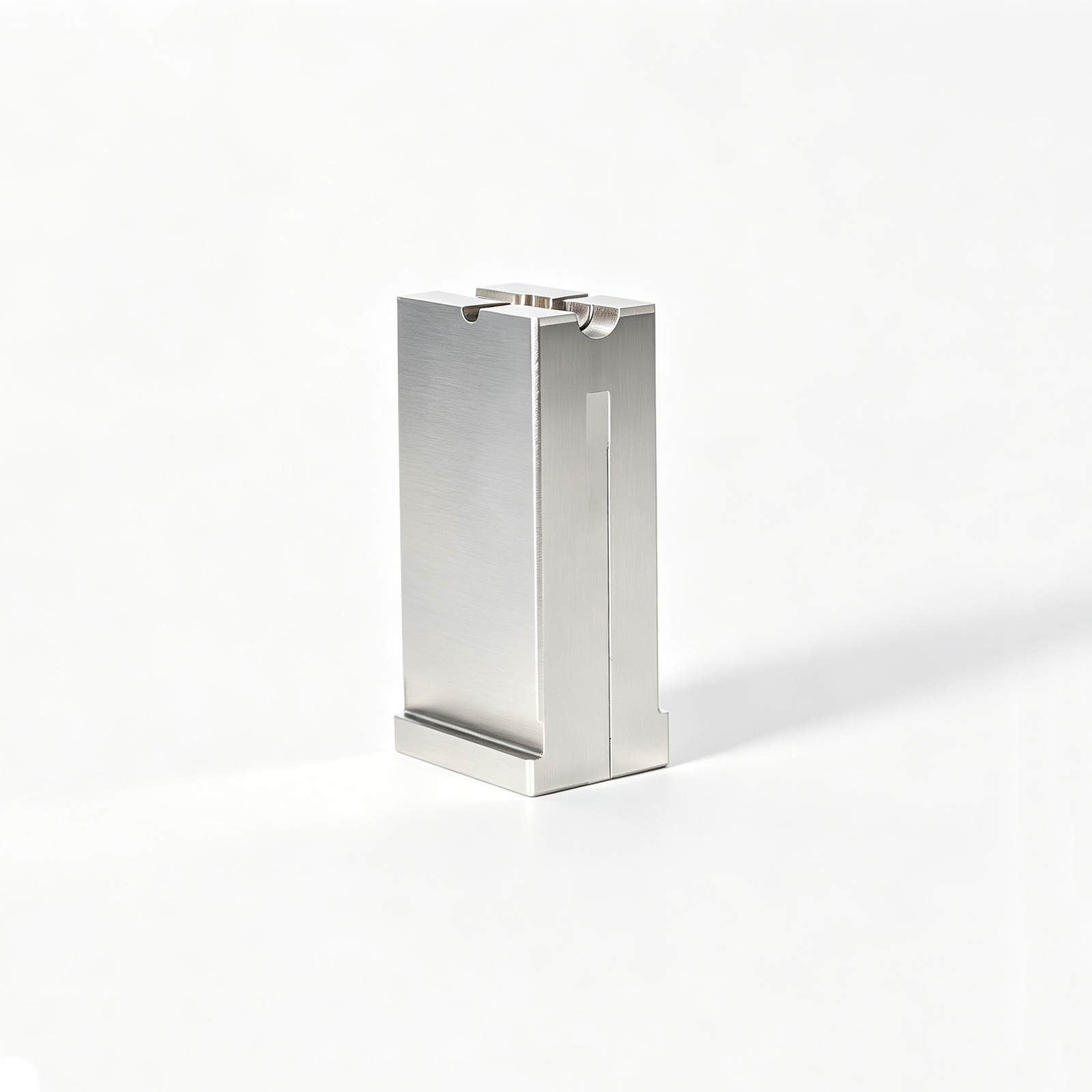
Multi-cavity cores machined to +/-0.001 mm on Sodick slow-wire EDM, with mirror-grade Ra 0.1um finishes for electronics, 5G and medical-device molds. ZEISS MICURA CMM verification to 0.7um ensures dimensional stability across production runs. Conformal cooling geometries and thin-wall features down to 0.3 mm supported.
Get a Quote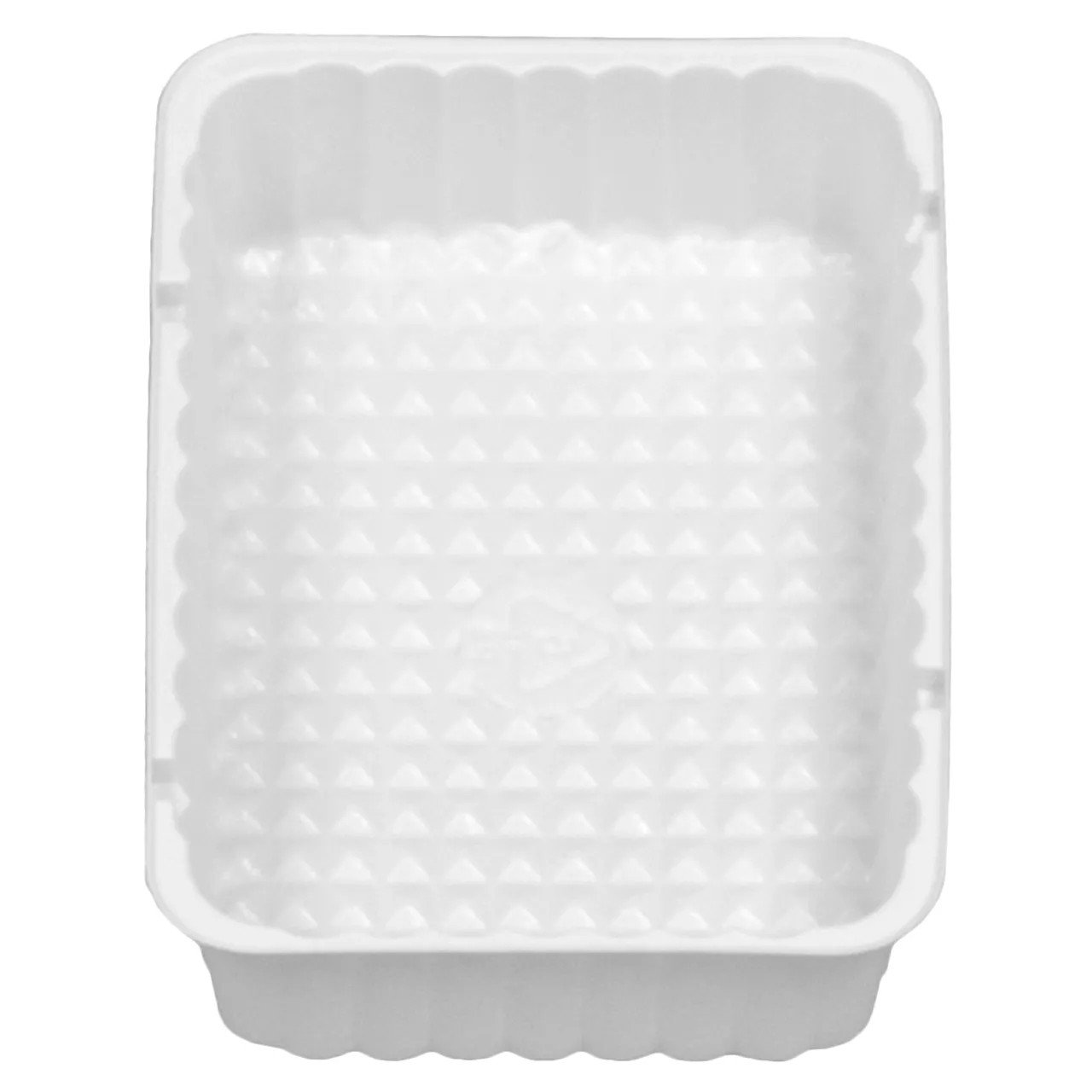
Cavity Inserts
High-precision inserts for multi-impression tooling, held to +/-0.002 mm positional tolerance. Mitsubishi mirror EDM delivers optical-grade surface integrity for cosmetic parts. Material options include NAK80, S136, H13 and beryllium copper, all with spectral analysis and full FAI documentation.
Get a Quote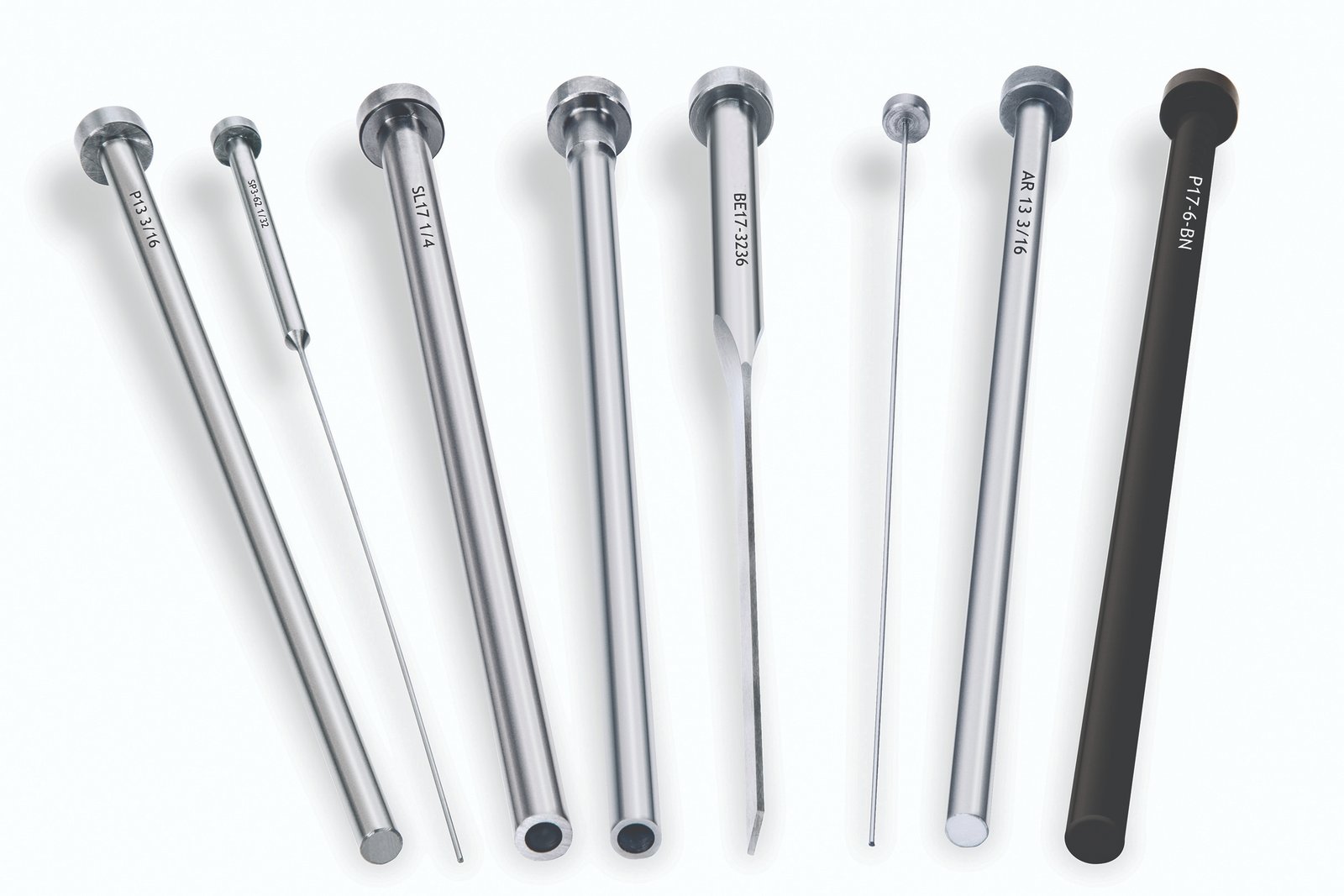
Ejector Pin Systems
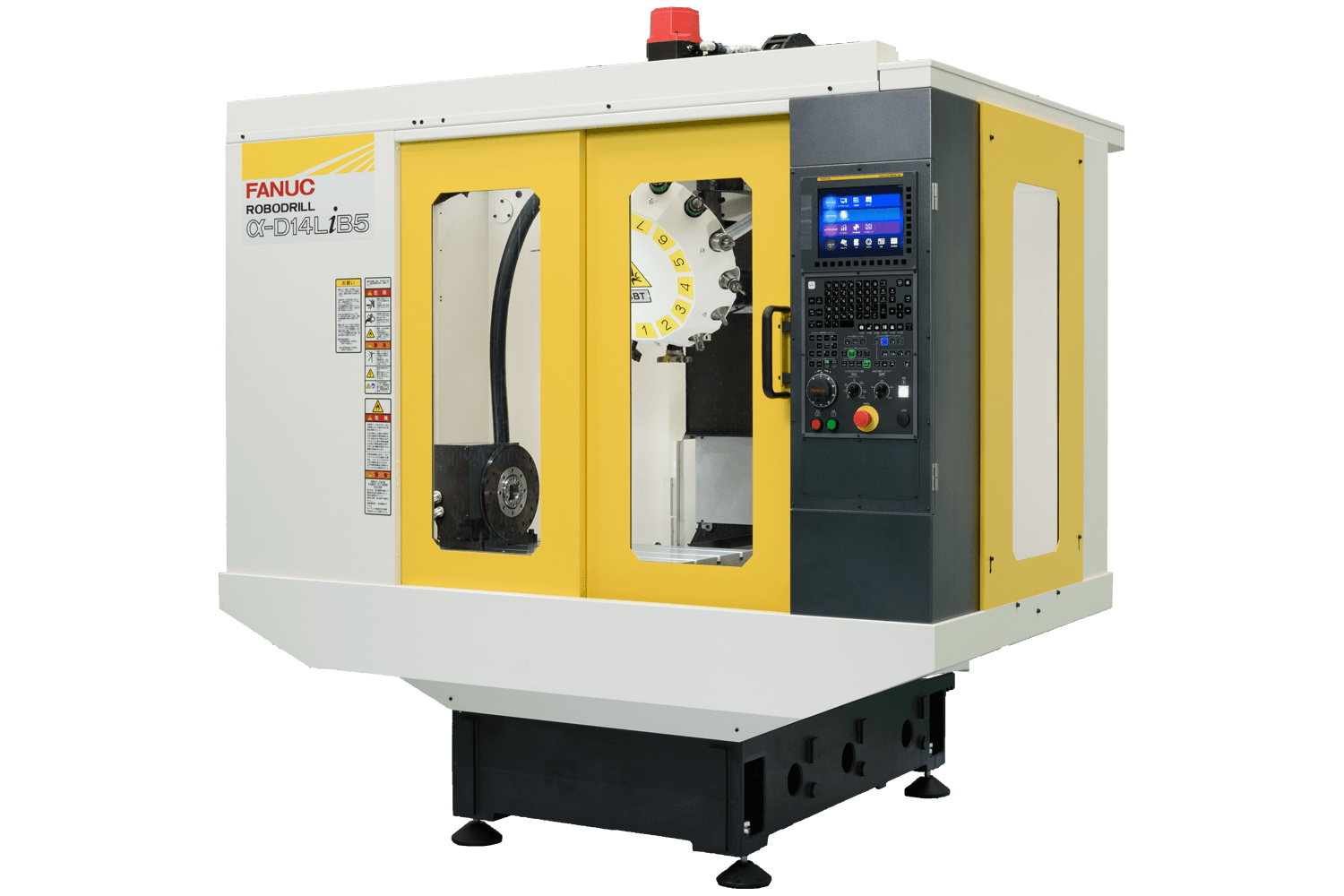
Precision ejector pins and sleeves machined on Fanuc CNC and Dawn grinding centers, with concentricity to 0.003 mm and surface finish to Ra 0.2um. Nitride-hardened options available for high-cycle automotive and consumer-electronics applications. Supplied with material certificates and dimensional reports.
Get a Quote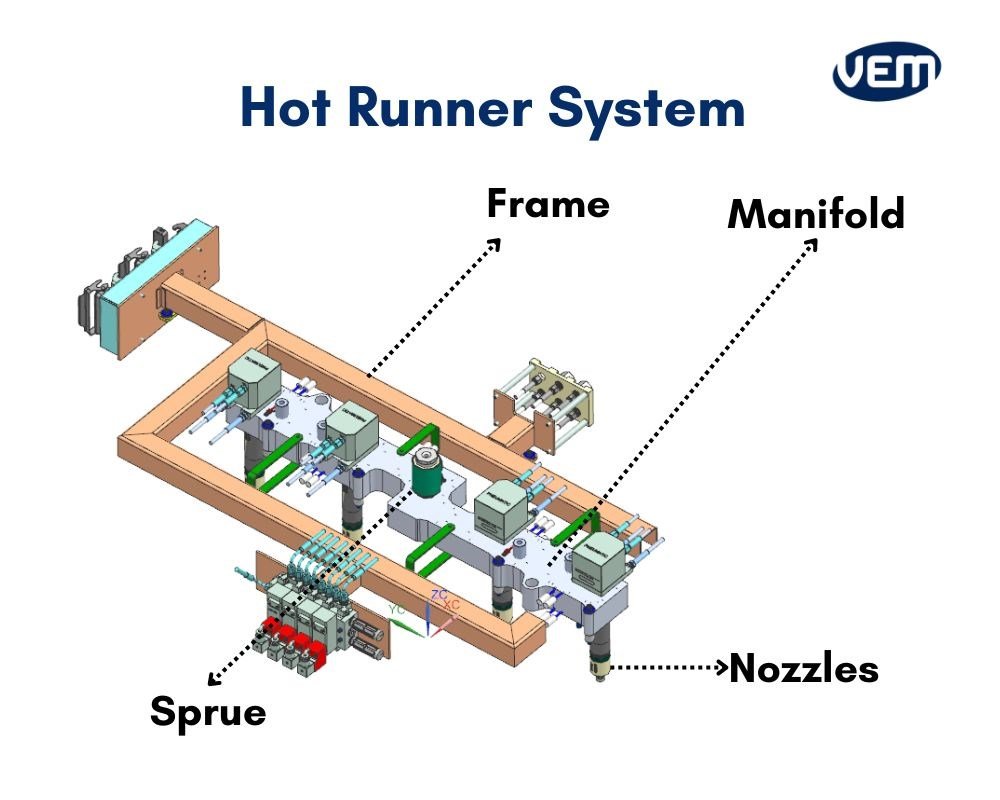
Hot Runner Components
Hot runner manifolds, nozzles and thermal gates machined to OEM specifications, supporting multi-drop layouts and valve-gate systems. CNC-milled flow channels held to +/-0.005 mm; thermal-expansion modeling and DFM review by 10+ engineering experts included. Compatible with Husky, Mold-Masters and Yudo platforms.
Get a Quote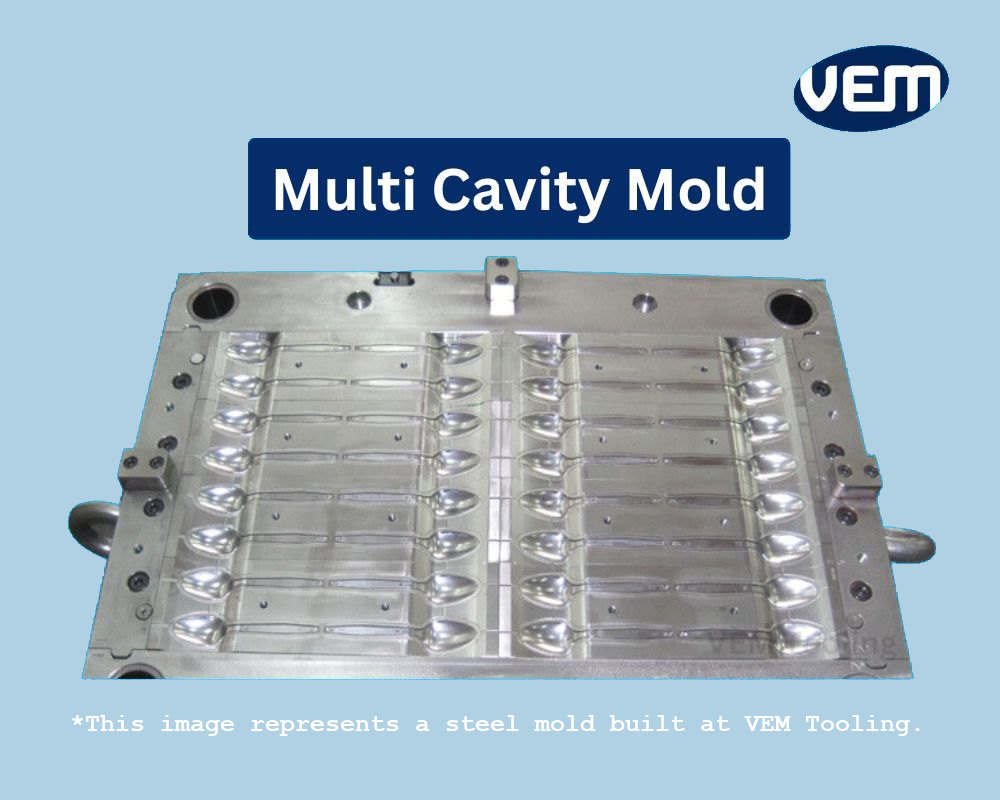
Medical-Grade Mold Bases
ISO 13485-ready mold bases and core sets for implantable-device and diagnostic housings, machined from pre-hardened S136 or 420 stainless. ZEISS CMM validation, cleanroom-compatible surface finishes to Ra 0.1um, and full traceability documentation. Designed for biocompatibility testing and regulatory submission.
Get a Quote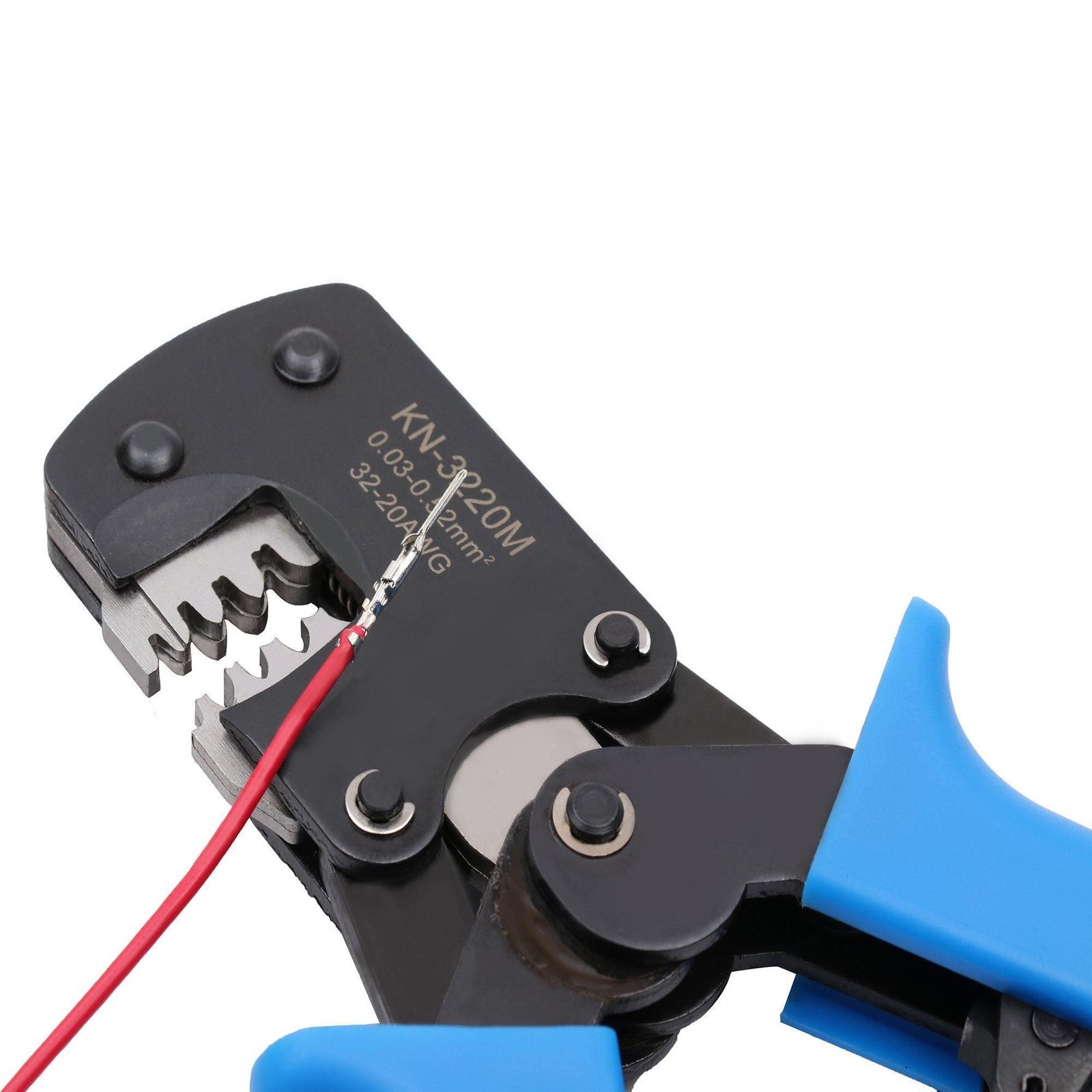
Micro-Connector Tooling
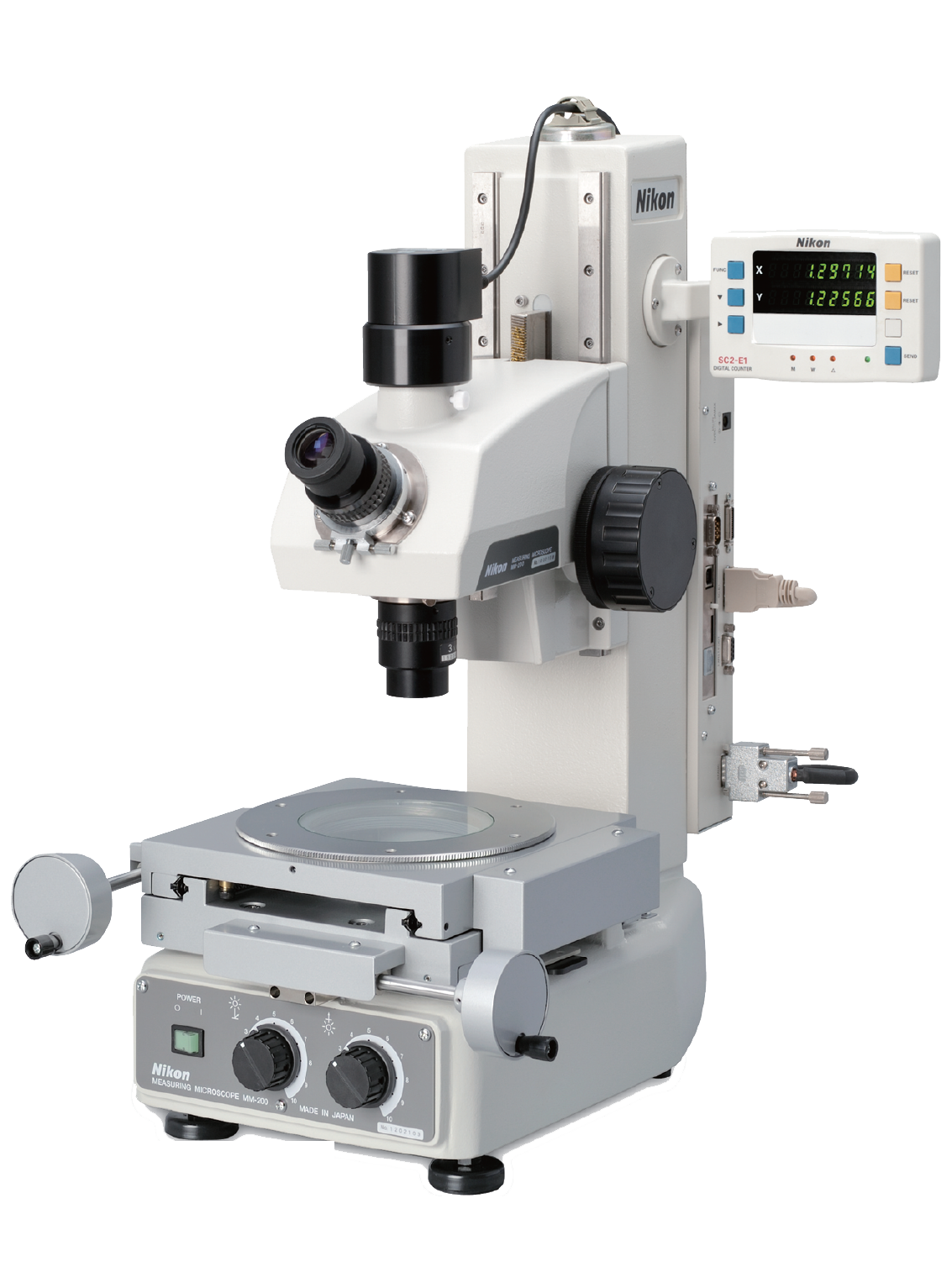
Micro-pin and socket tooling for board-to-board, FPC, RF and high-density terminal connectors in 5G and mobile devices. Slow-wire EDM achieves corner radii down to R 0.015 mm and wall thickness to 0.08 mm. Nikon toolmaker’s microscope inspection ensures sub-micron feature fidelity for pitch-critical applications.
Get a Quote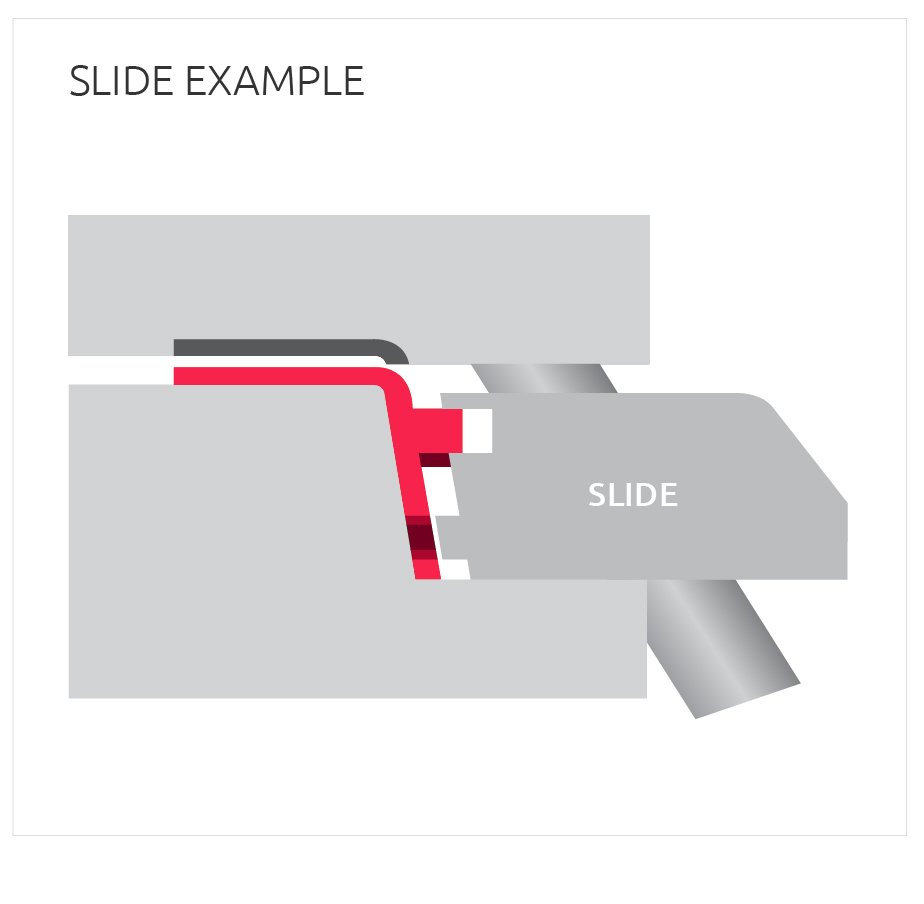
Slider & Lifter Mechanisms
Slider cores, lifter blocks and angle-pin assemblies machined to +/-0.002 mm, with hardened wear surfaces and precision guide rails. Sodick sinker EDM and CNC profiling support complex undercut geometries. Pre-assembly tolerance stacks validated; supplied with lubrication specs and maintenance schedules for high-volume production.
Get a Quote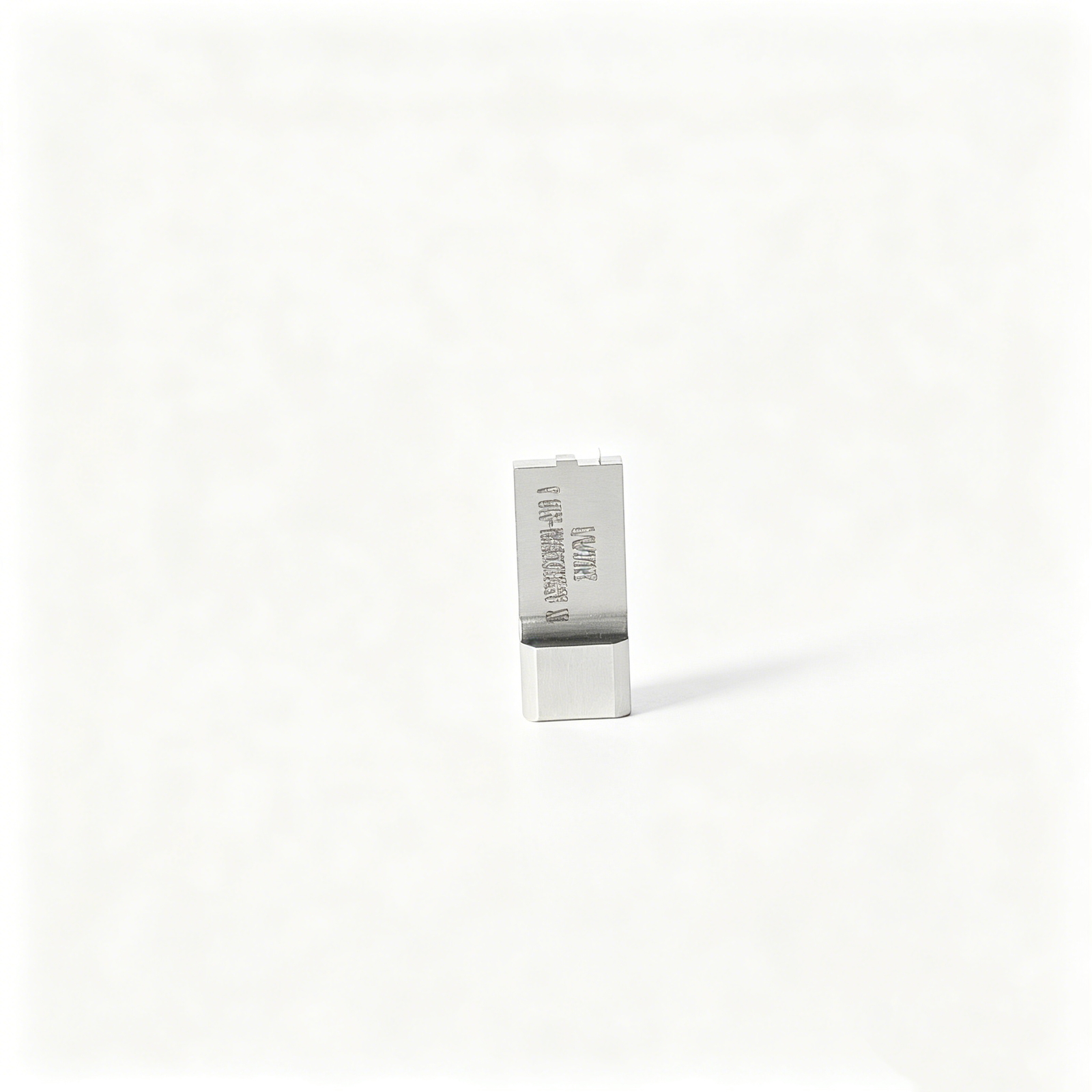
Gate & Runner Systems
Cold runner systems, sprue bushings and sub-gates optimized for balanced fill and minimal scrap. CNC and EDM profiling to +/-0.003 mm; gate-land geometry reviewed for shear sensitivity in engineering resins. Material flow simulation and DFM feedback provided; compatible with family-mold and stack-mold architectures.
Get a Quote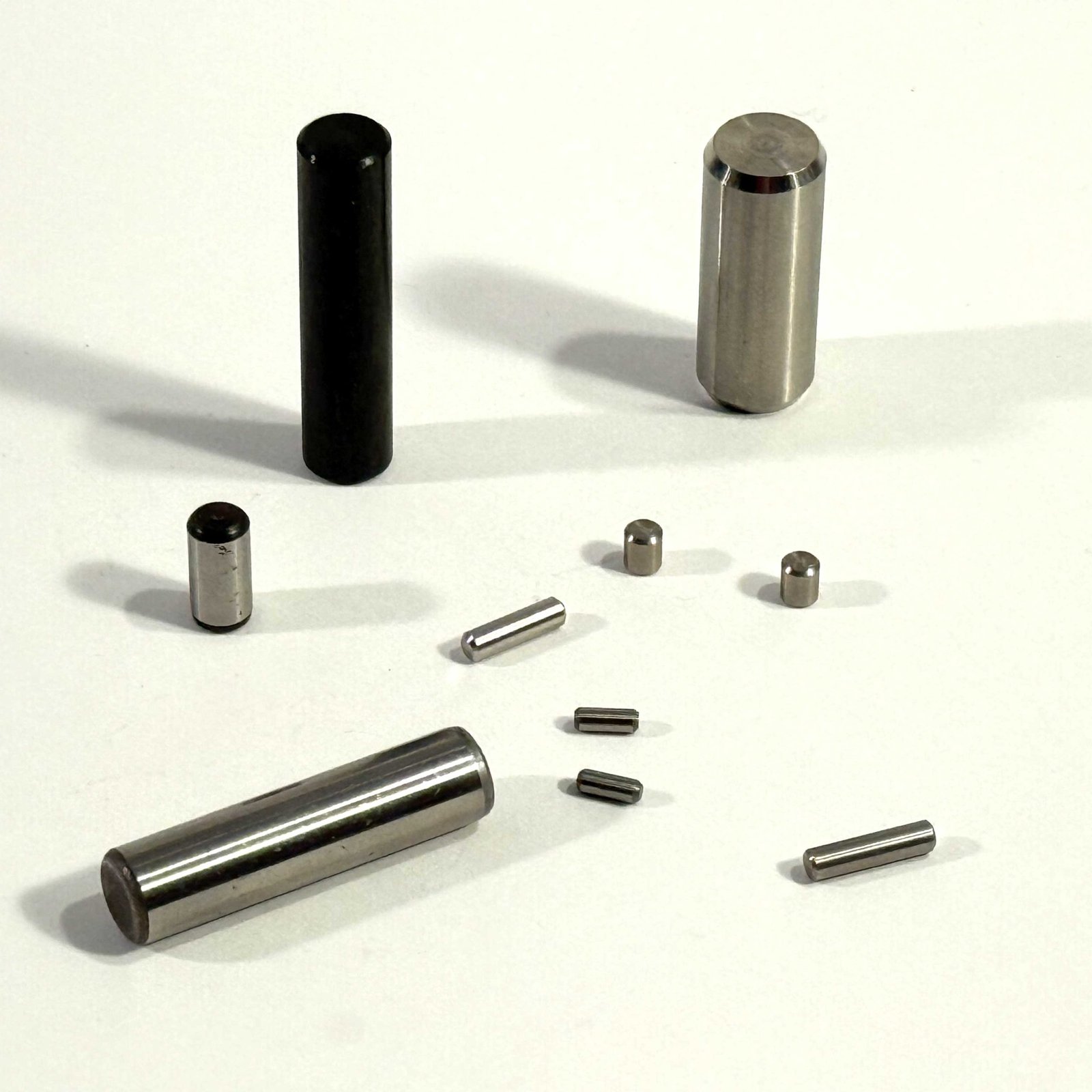
Precision Alignment Pins
Dowel pins, locating pins and guide-pin assemblies ground to h6 tolerance, with perpendicularity to 0.002 mm over length. Precision-ground on Dawn centers and inspected under Nikon microscopes. Supplied in hardened tool steel, stainless or carbide; critical for repeatable mold setup and multi-cavity registration in high-precision tooling.
Get a QuoteMaterials & Specifications for Injection Molding Machines for Medical Components
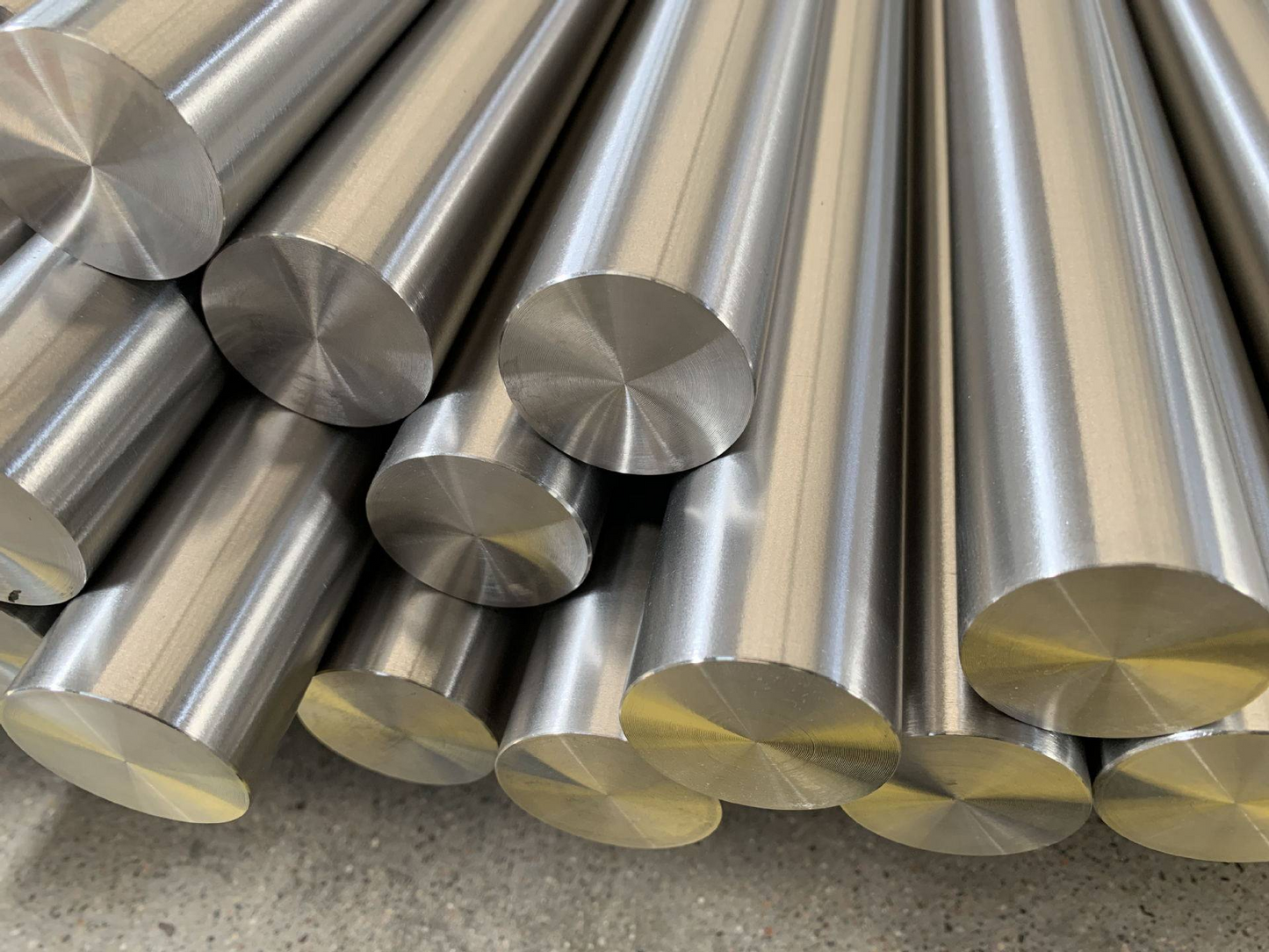
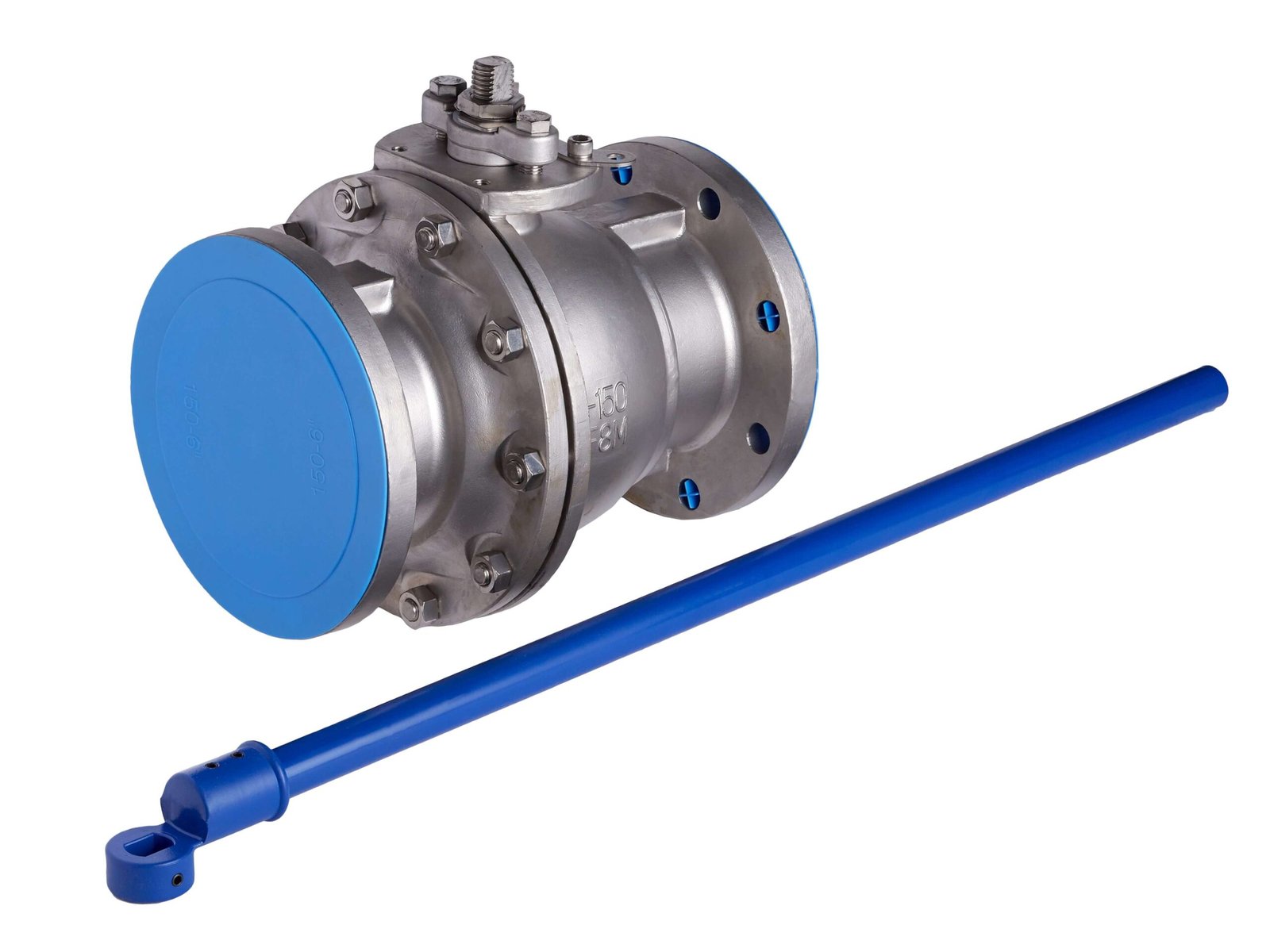
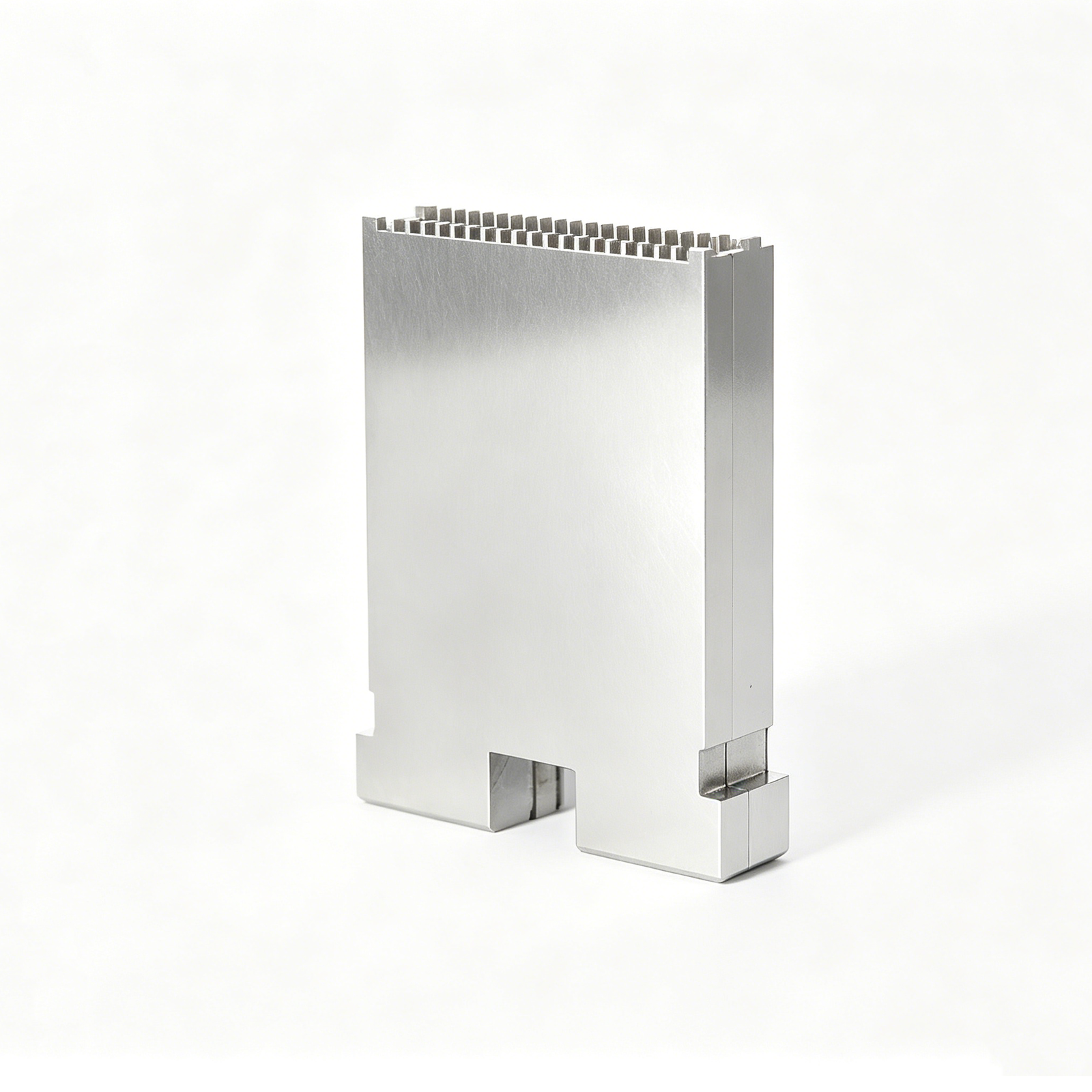
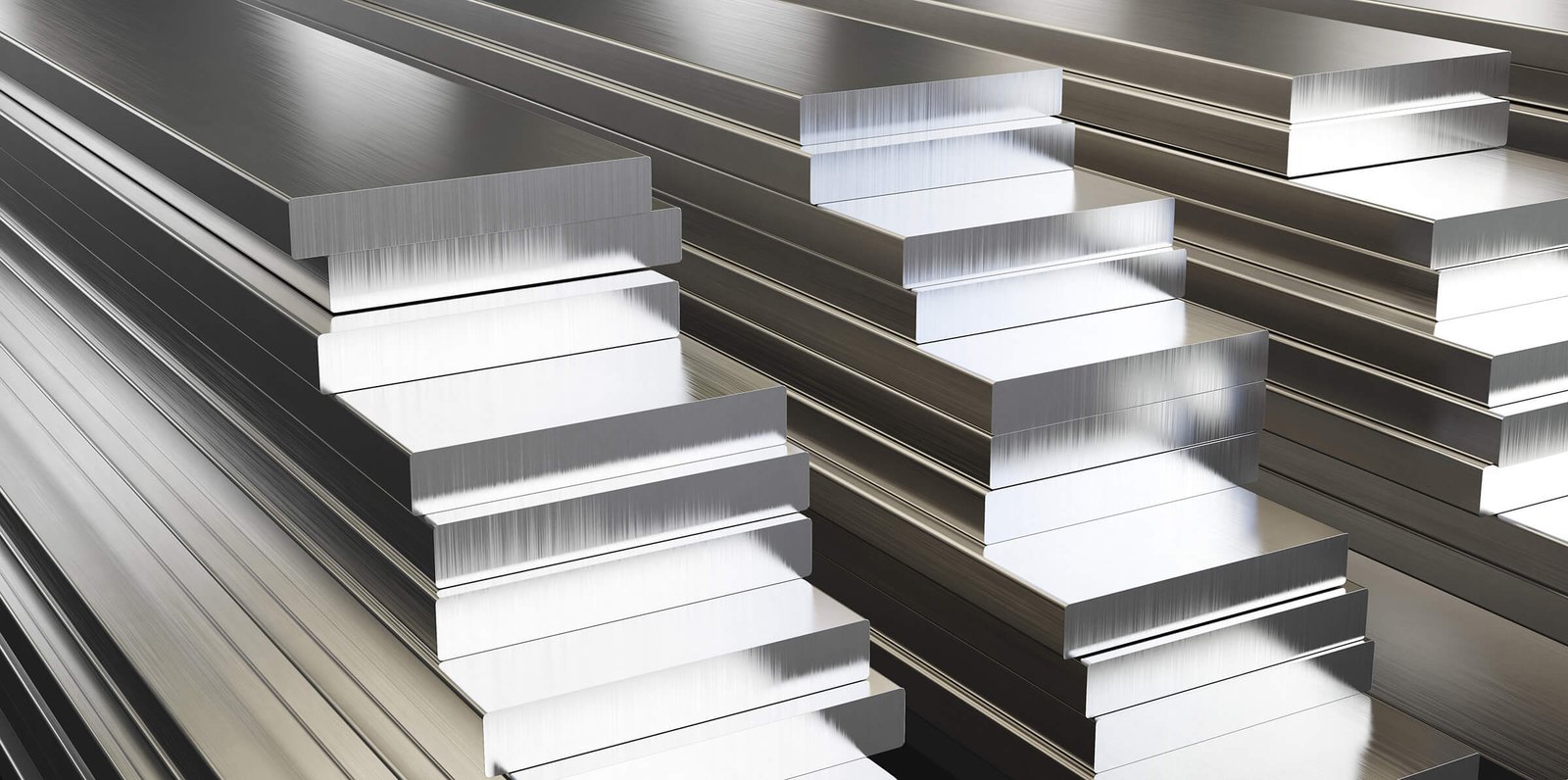
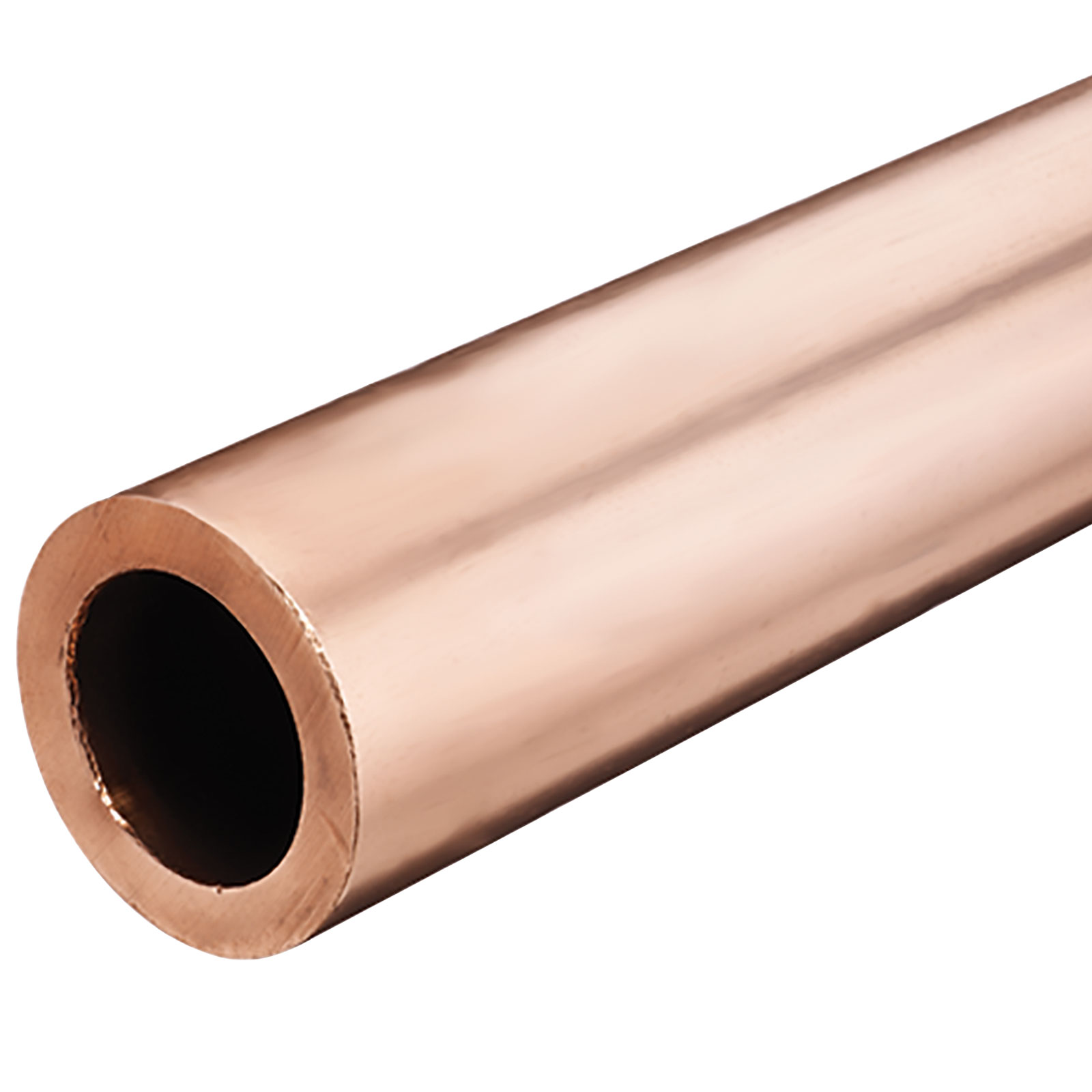
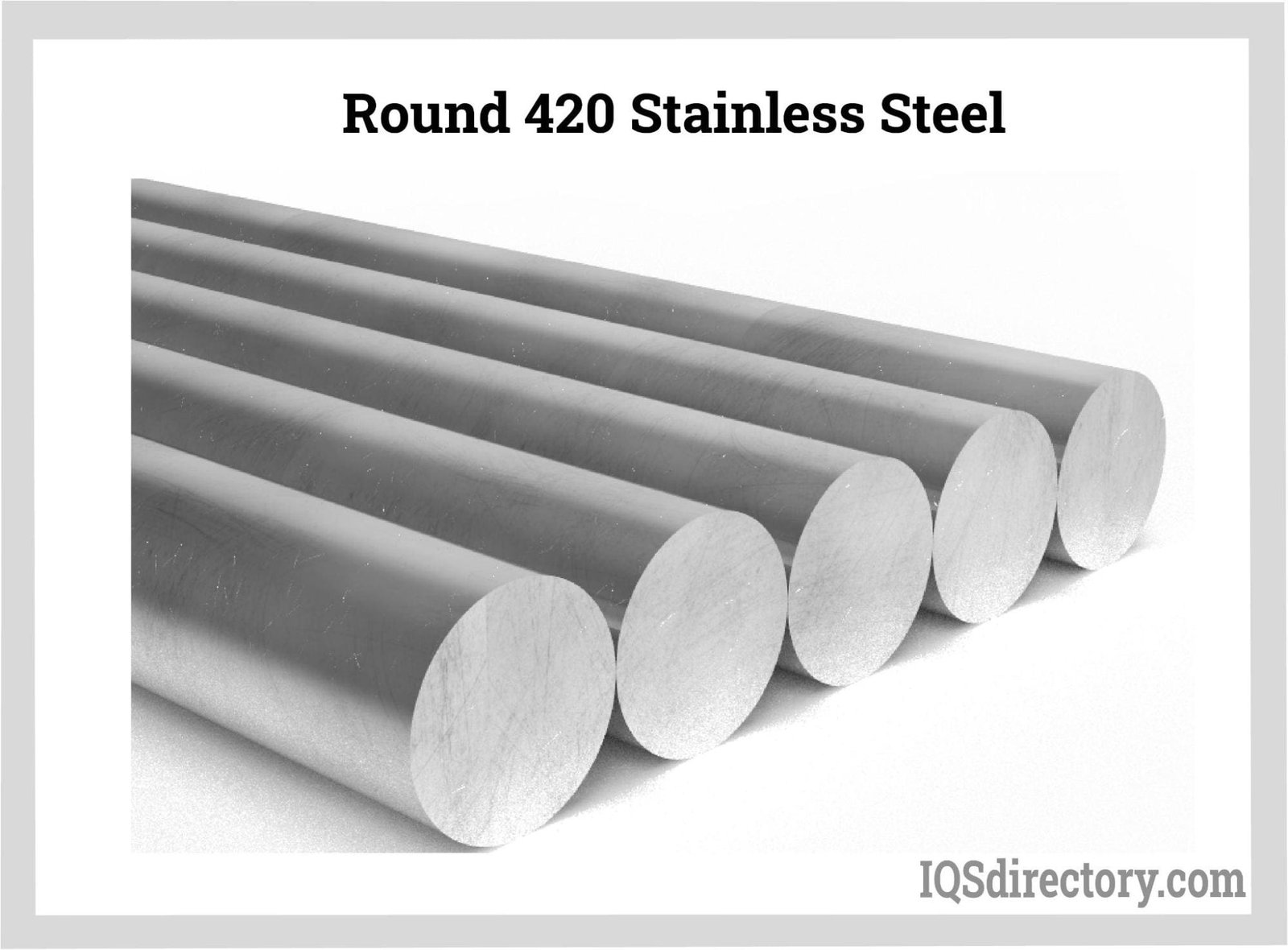
Materials & Specifications for Medical-Grade Precision Mold Components
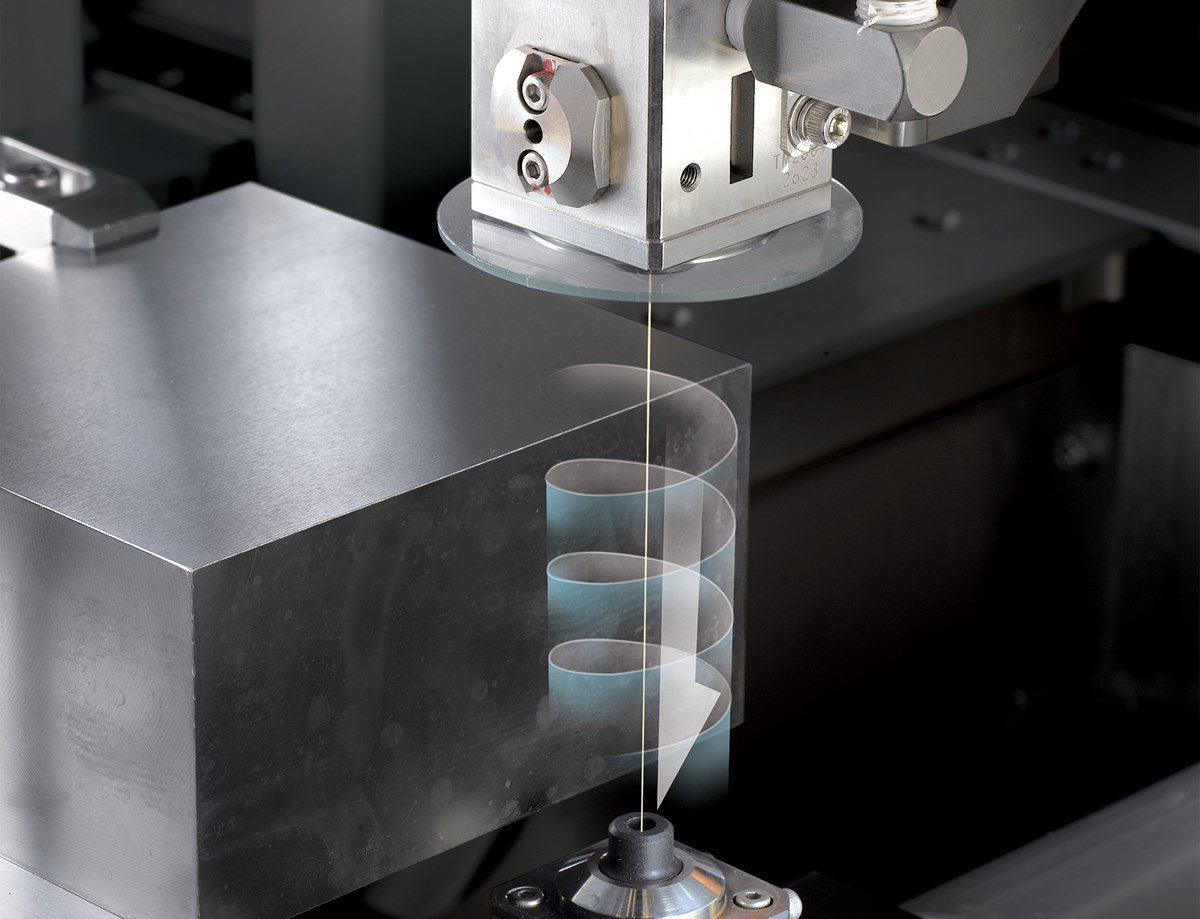
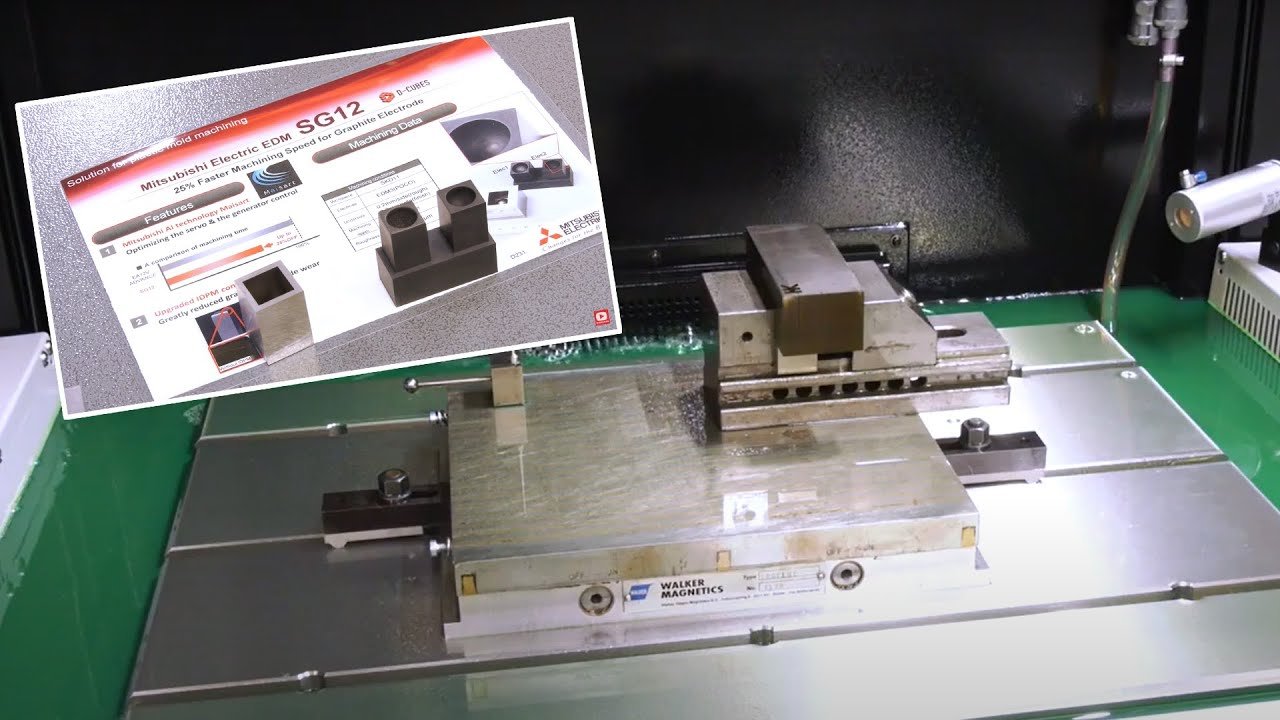
Mitsubishi Mirror EDM
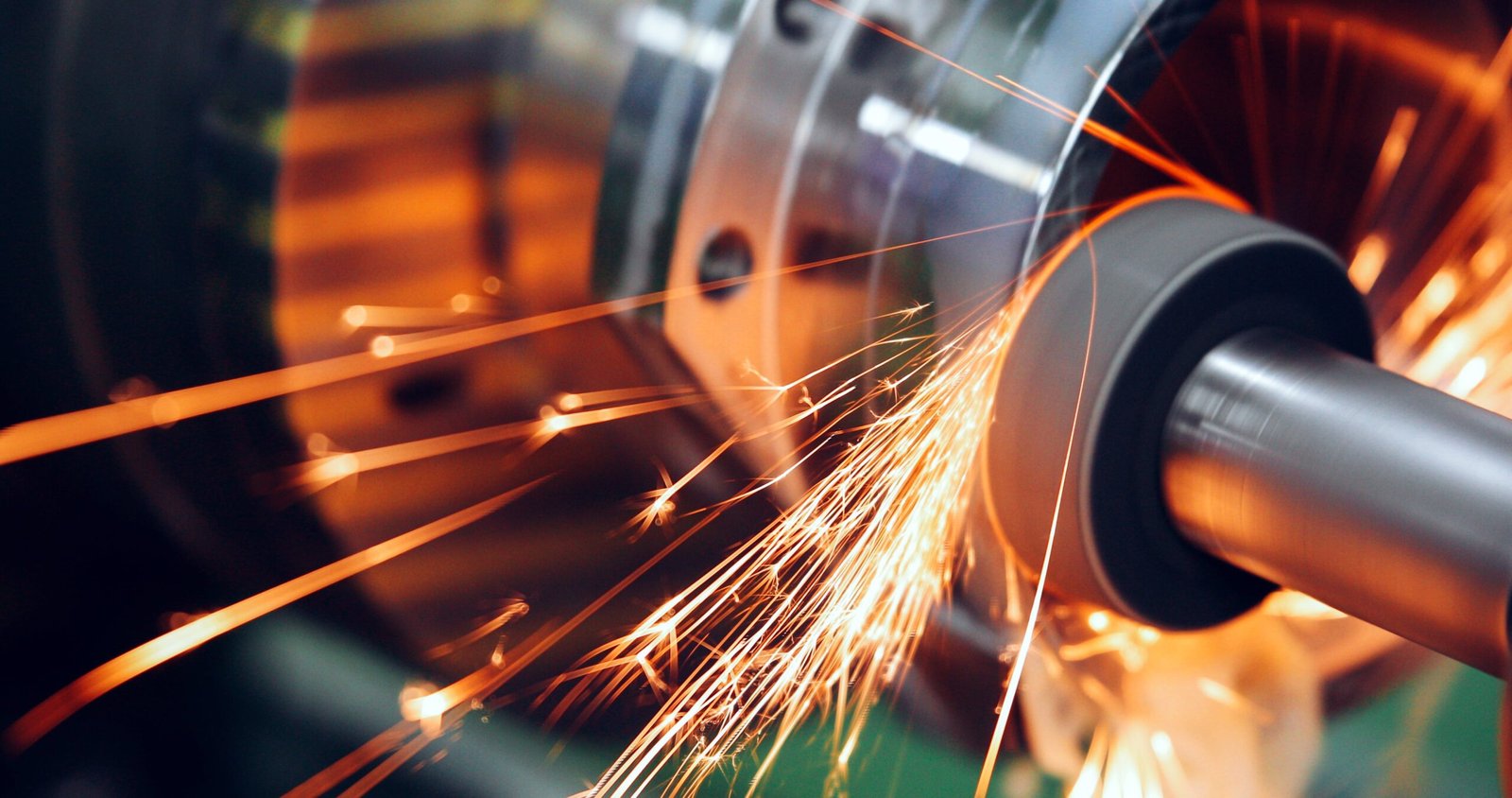
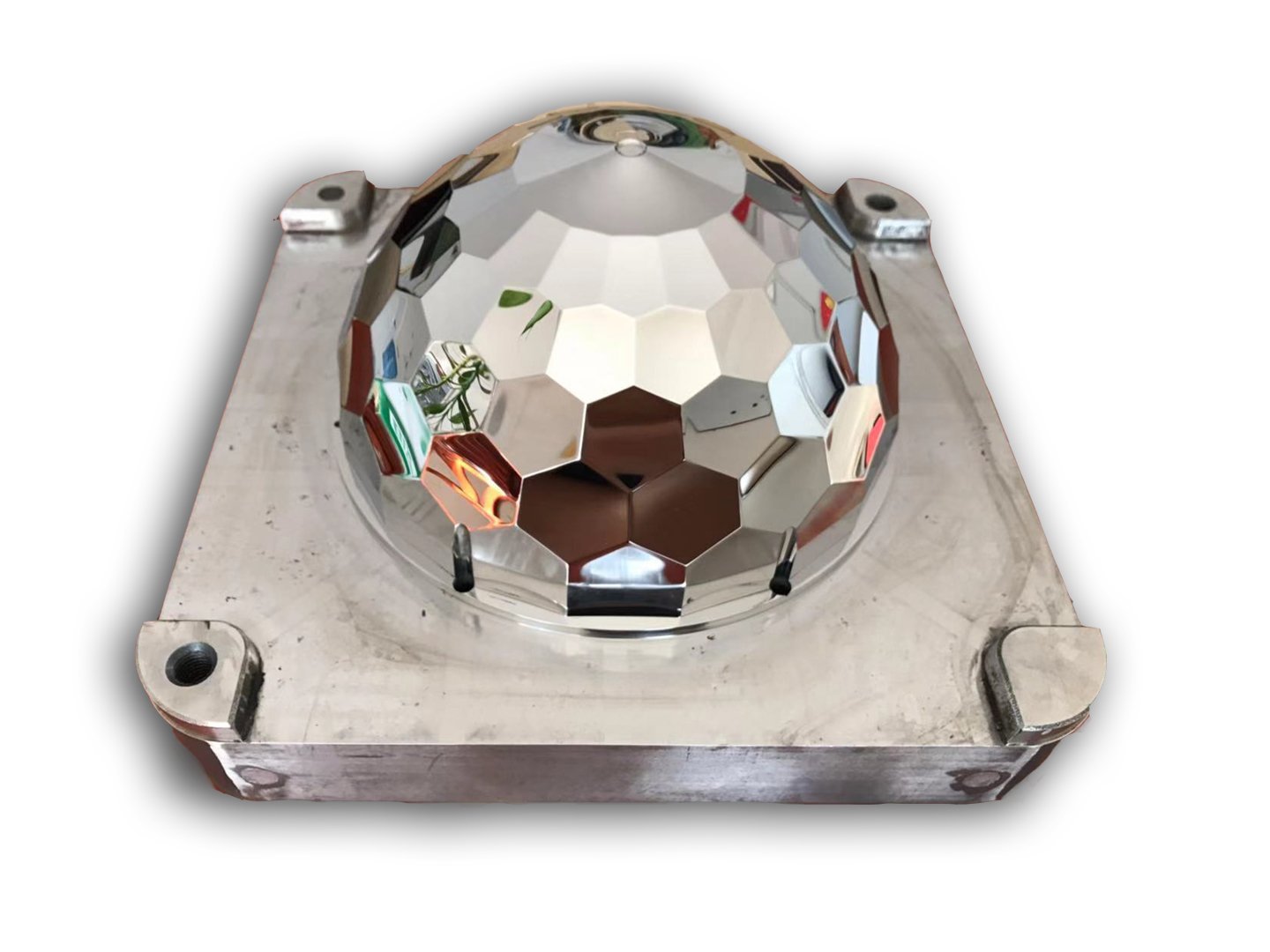
Mirror-grade sinker EDM achieves Ra 0.1 µm surface finishes and +/-0.003 mm tolerance, delivering optically clear core surfaces for medical-device housings, sensor cavities and cosmetic-class molded components.
ZEISS CMM Metrology
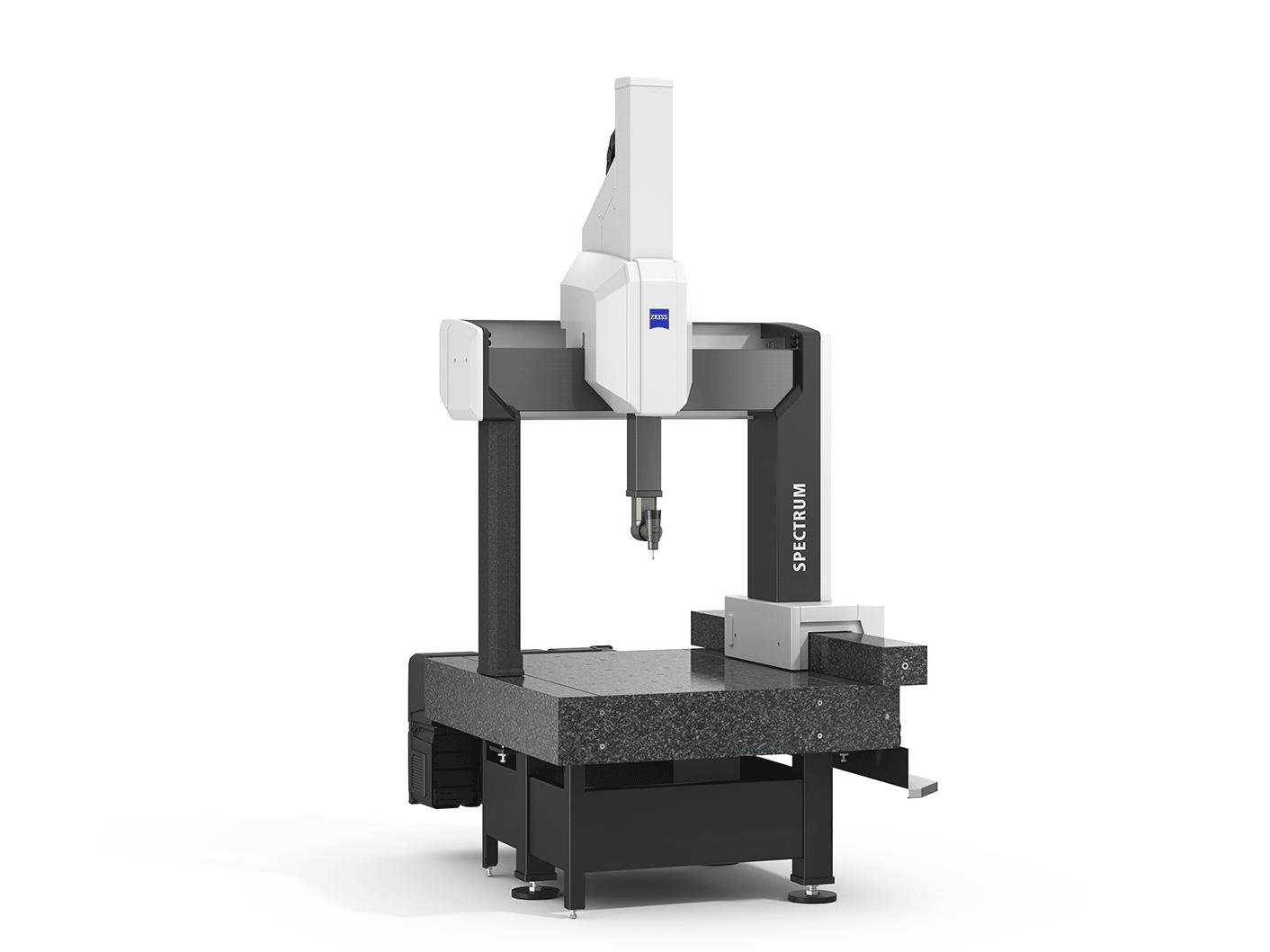
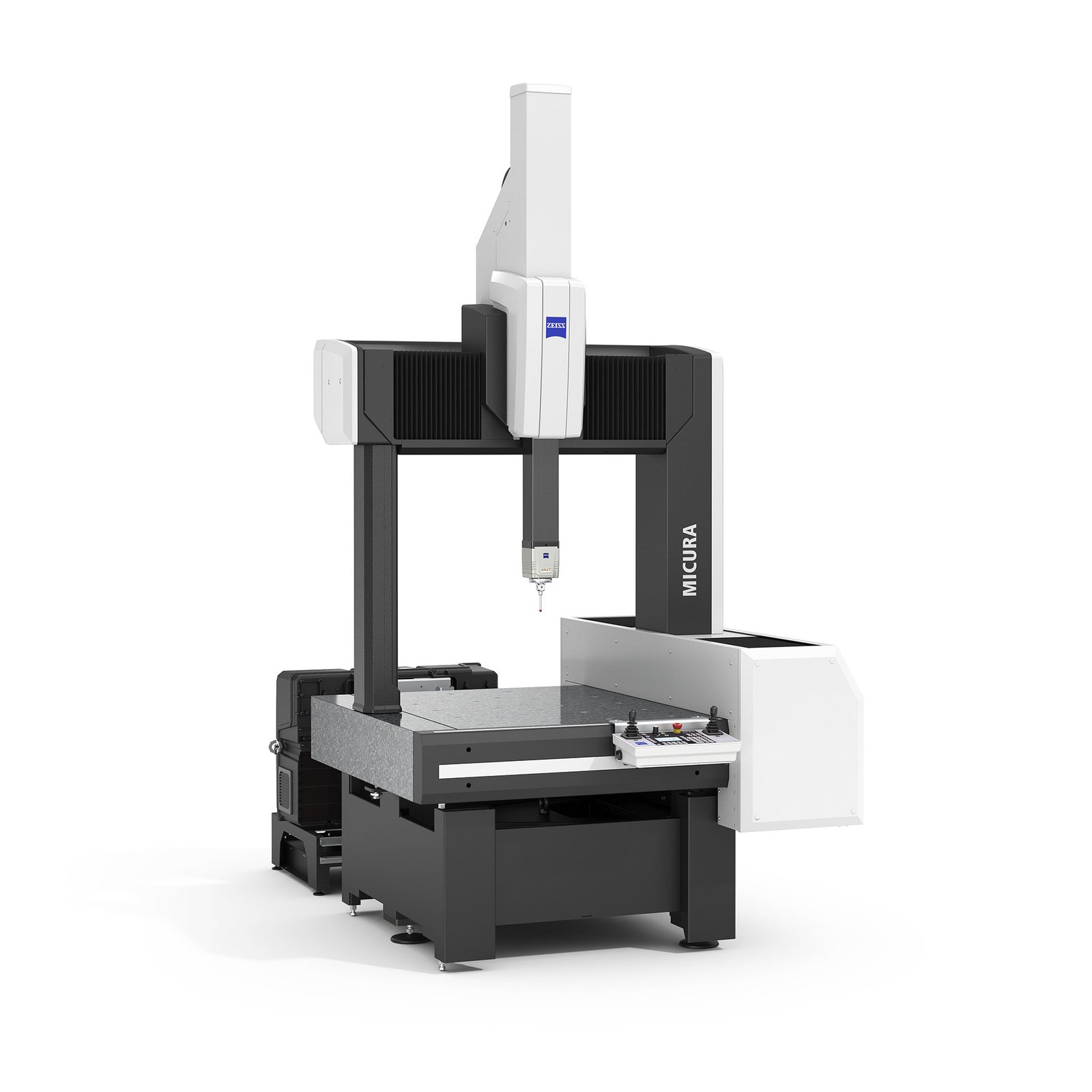
ZEISS MICURA coordinate measuring machine validates geometry to 0.7 µm resolution, supported by Nikon toolmaker’s microscopes, producing full FAI reports with material certificates for every medical-component tooling shipment.
Advanced Machining & EDM Processes for Medical-Grade Precision Mold Components

Mirror-Grade Polishing
Ra 0.1um EDM surface finishes and hand-polished mirror-class cores eliminate drag marks, reduce particle shedding and ensure defect-free medical-component ejection. Critical for Class II/III device tooling.
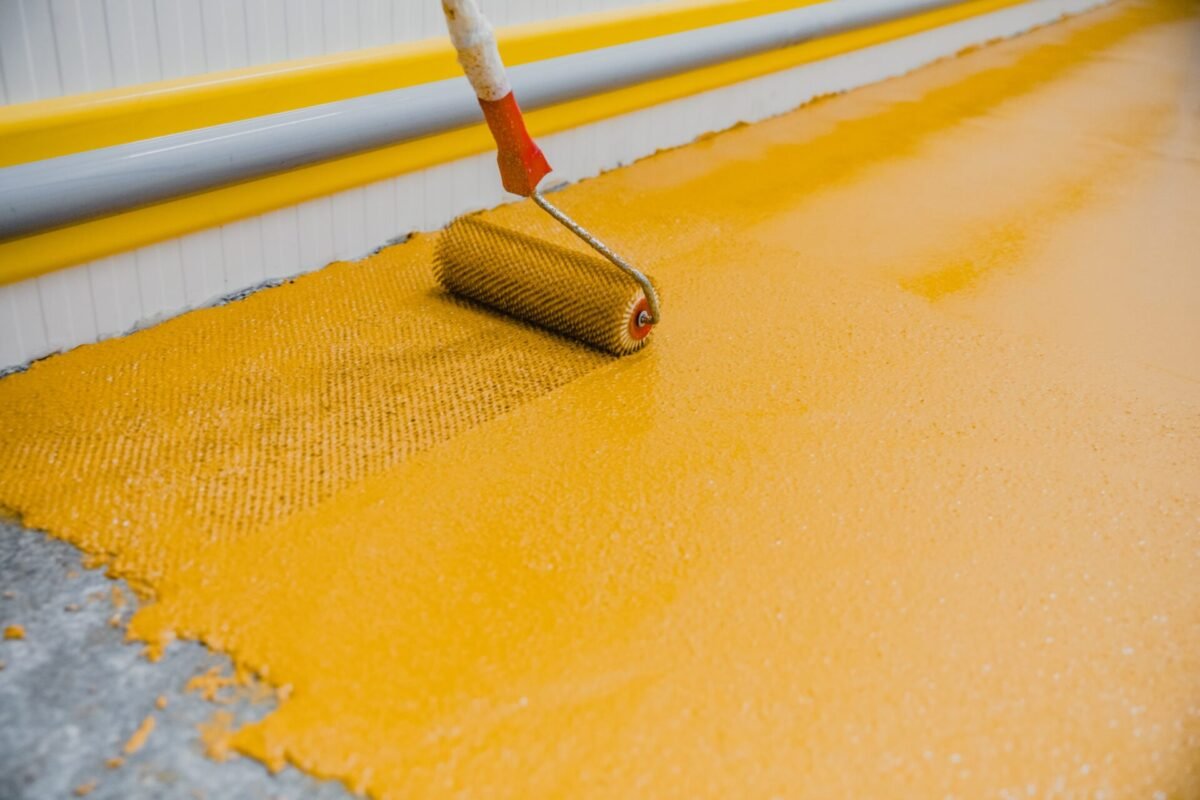
Protective Coating
PVD, nitriding and hard-chrome treatments extend tool life by 3–5× in high-cycle medical molding. Corrosion resistance meets autoclave sterilization and bio-compatible resin chemistries without galling or wear.

Clean-Room Assembly
Multi-cavity core sets, micro-connector sub-assemblies and precision inserts assembled under controlled-environment protocols to eliminate contamination. Delivered bagged, labeled and ready for immediate mold integration.
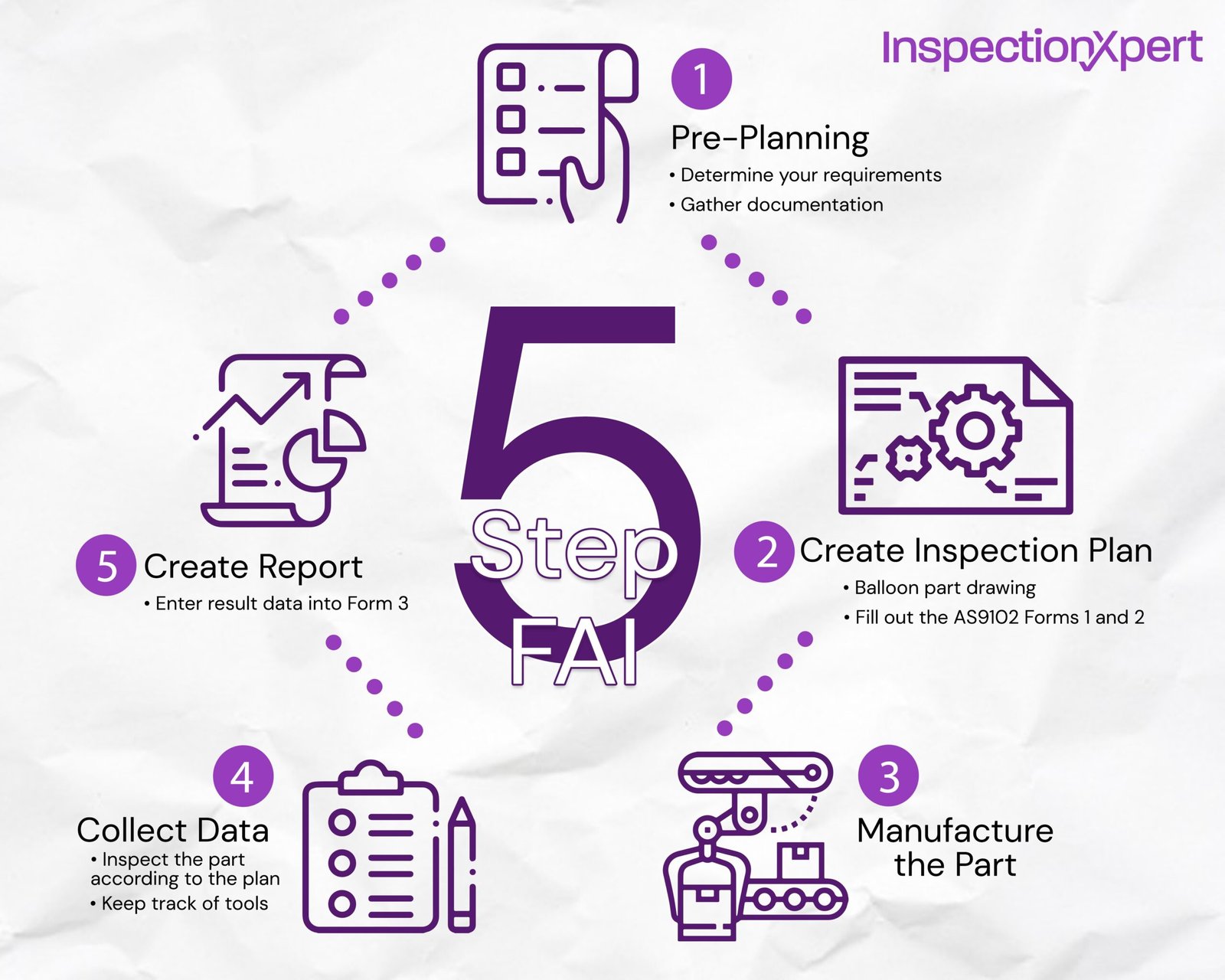
FAI Documentation
First-article inspection reports include ZEISS CMM dimensional data, Nikon optical validation, surface-integrity checks and tolerance verification to +/-0.001 mm. Full traceability for FDA and ISO 13485 audits.
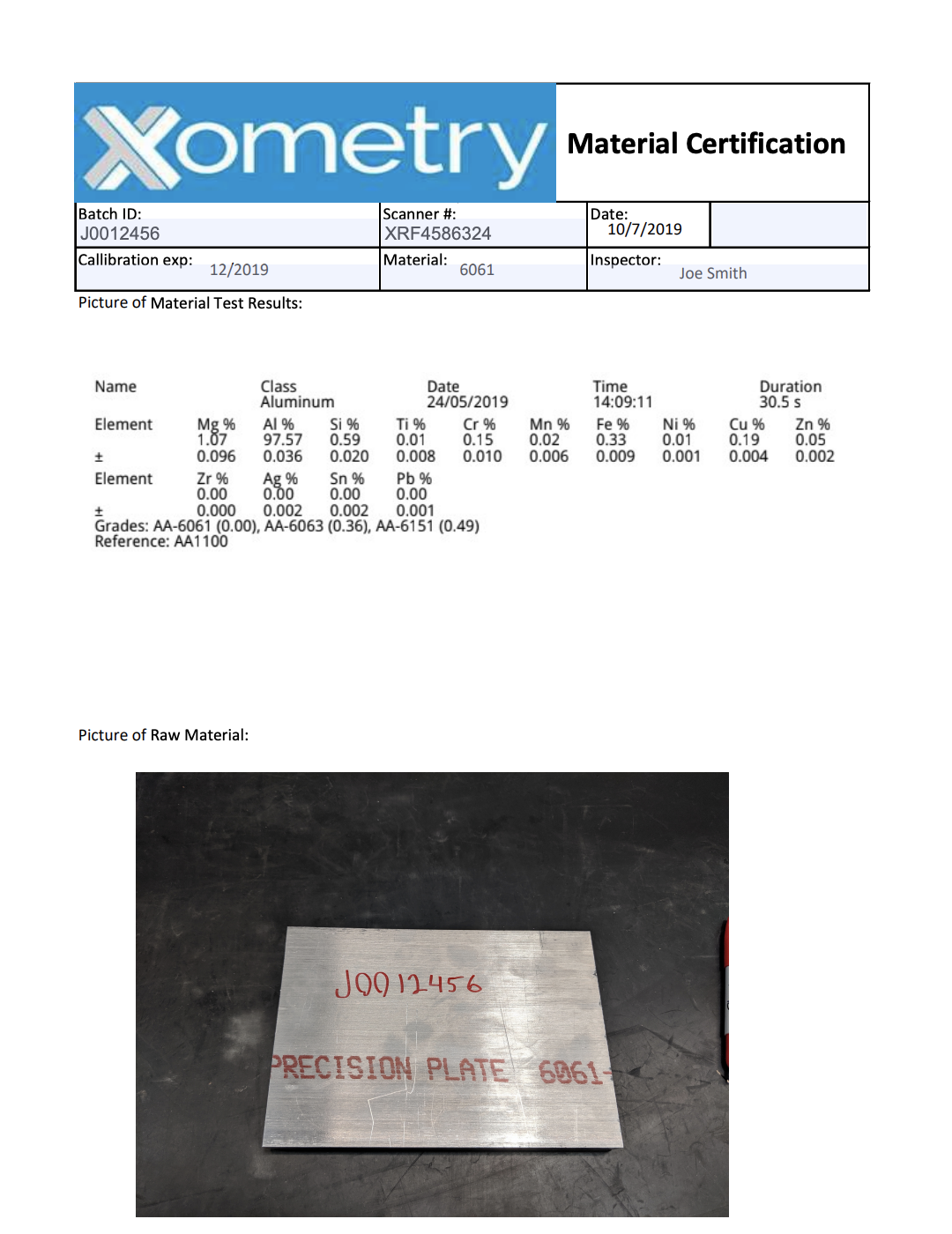
Material Certification
Every shipment includes spectral-analysis certificates, heat-lot traceability and hardness test records for tool steels (H13, S136, NAK80, SKD61). Ensures compliance with medical-device supply-chain material-control requirements.
Precision Finishing & Assembly Services for Medical-Grade Mold Components
Founded in 2010 in Chang’an, Dongguan, XUXIANG began as a specialist mold-core machining shop and has grown into a dual-factory precision manufacturing group. Over 16 years, we’ve bridged the gap between complex CAD designs and high-performance physical parts, supplying electronics, 5G/telecom, automotive & NEV, industrial-automation and medical-device customers worldwide with injection molding machines for medical components and precision tooling held to +/-0.001 mm.
Our dual-factory footprint — a 2,000 m² Dongguan R&D and micro-machining center plus a 1,400 m² Quanzhou volume-production facility launched in 2025 — delivers +200% capacity expansion. Equipped with Sodick slow-wire EDM, Mitsubishi mirror EDM, Fanuc CNC and ZEISS MICURA CMM metrology, every project benefits from DFM engineering support by 10+ experts, five-step QC validation and full FAI documentation with material certificates.
ISO 9001:2015 governs every process. We solve the buyer’s two biggest pain points — tolerance failure and delivery delay — with micron-stable precision, evidence-driven quality control and lead times roughly 30% faster than industry average. Our mission is dependable precision, responsive partnership and transparent pricing for customers who demand more than promises.
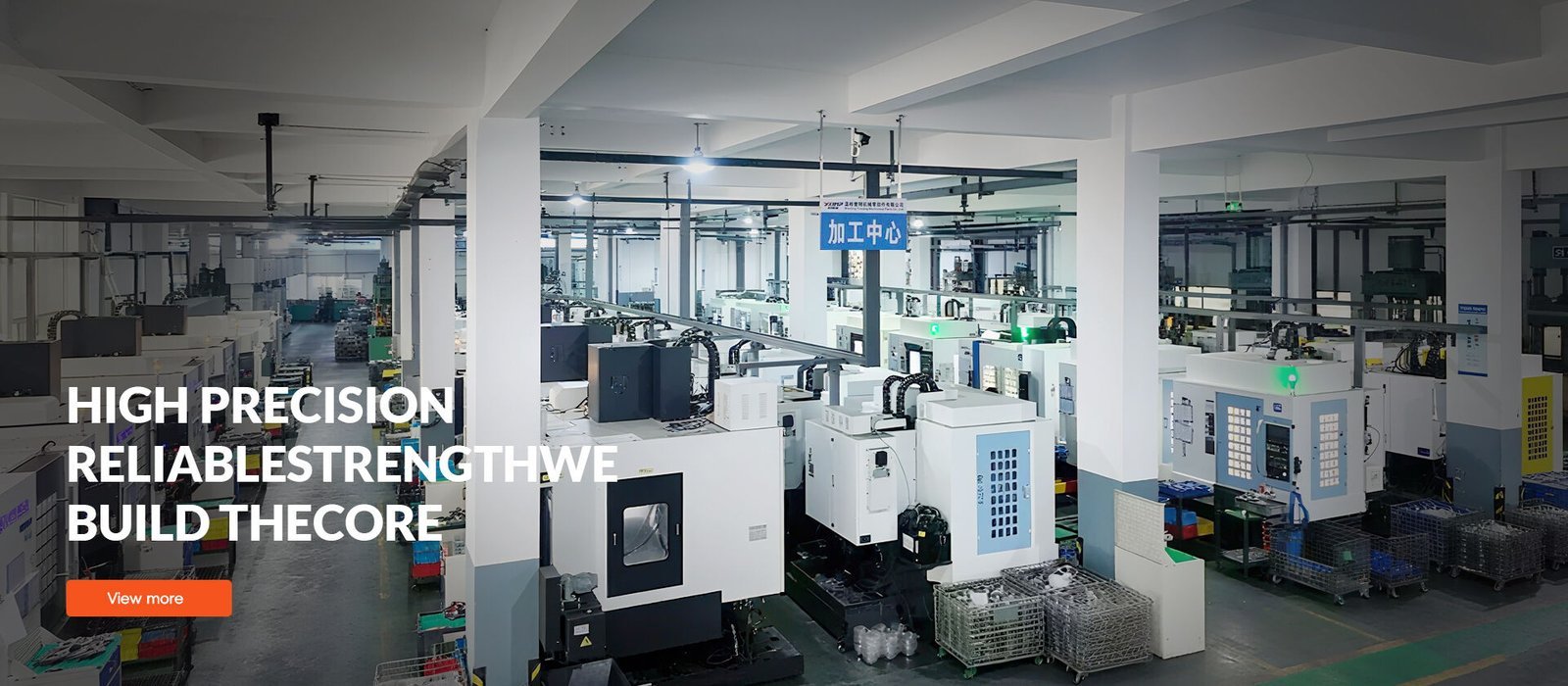
Precision Capabilities That Define XUXIANG’s Injection Molding Machines for Medical Components
Micron-Stable Tolerance Validation
Every medical-component mold core and insert is validated through ZEISS MICURA CMM metrology (0.7um resolution) and Nikon toolmaker’s microscopes, ensuring +/-0.001 mm machining precision across critical dimensions. Five-step QC flow includes in-process monitoring, spectral material verification and full FAI documentation with material certificates.
- ZEISS MICURA CMM measuring to 0.7um resolution for dimensional integrity
- Nikon V-12B / MM-400 class microscopes for micro-feature inspection
- +/-0.001 mm maximum machining accuracy across all mold components
- Full FAI reports and material certificates with every shipment
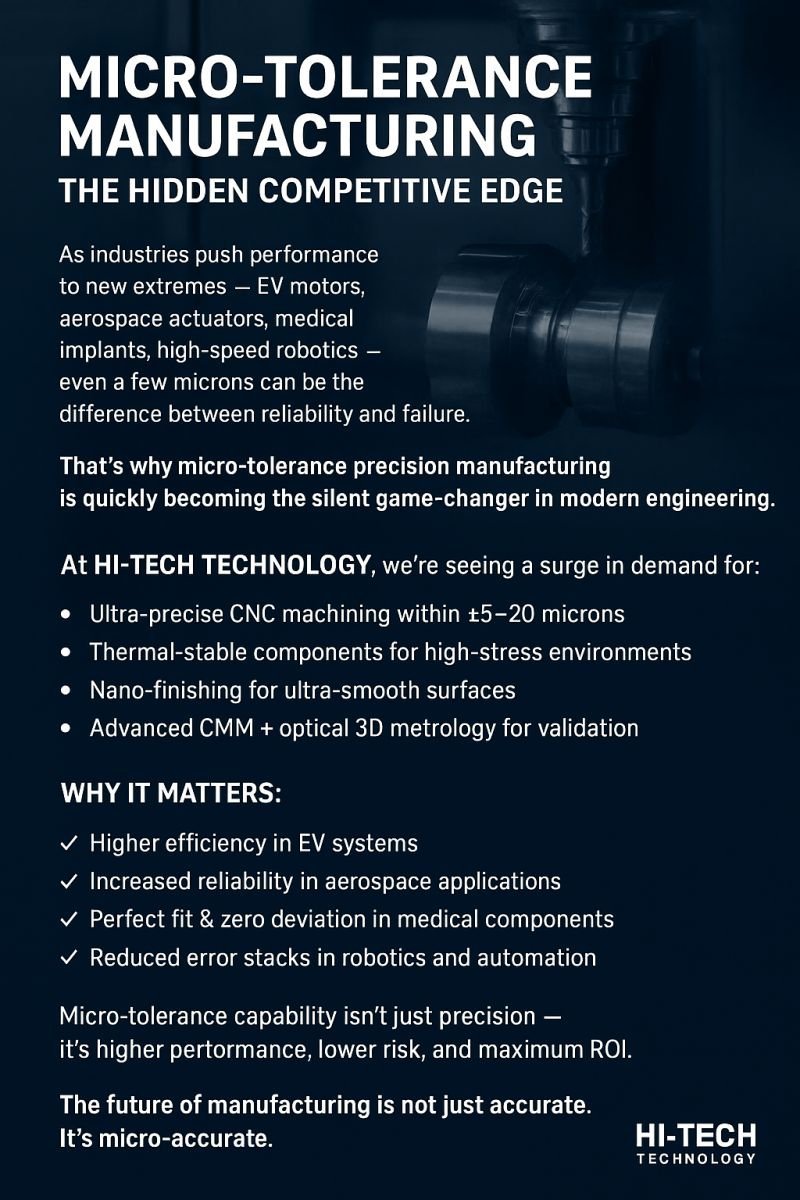
Mirror-Grade EDM Surface Finish
Sodick and Seibu slow-wire EDM, paired with Mitsubishi mirror EDM, deliver Ra 0.1um surface finishes on medical mold cavities and micro-connector tooling. Mirror-class surfaces eliminate post-polish cycles, reduce contamination risk and accelerate mold-release performance for Class II and Class III device components.
- Ra 0.1um mirror-grade EDM finish for biocompatible mold surfaces
- Sodick & Seibu slow-wire EDM with +/-0.002 mm positioning accuracy
- Mitsubishi mirror EDM for ultra-smooth cavity and core details
- Corner radii down to R ≤ 0.015 mm for micro-connector pins and sockets
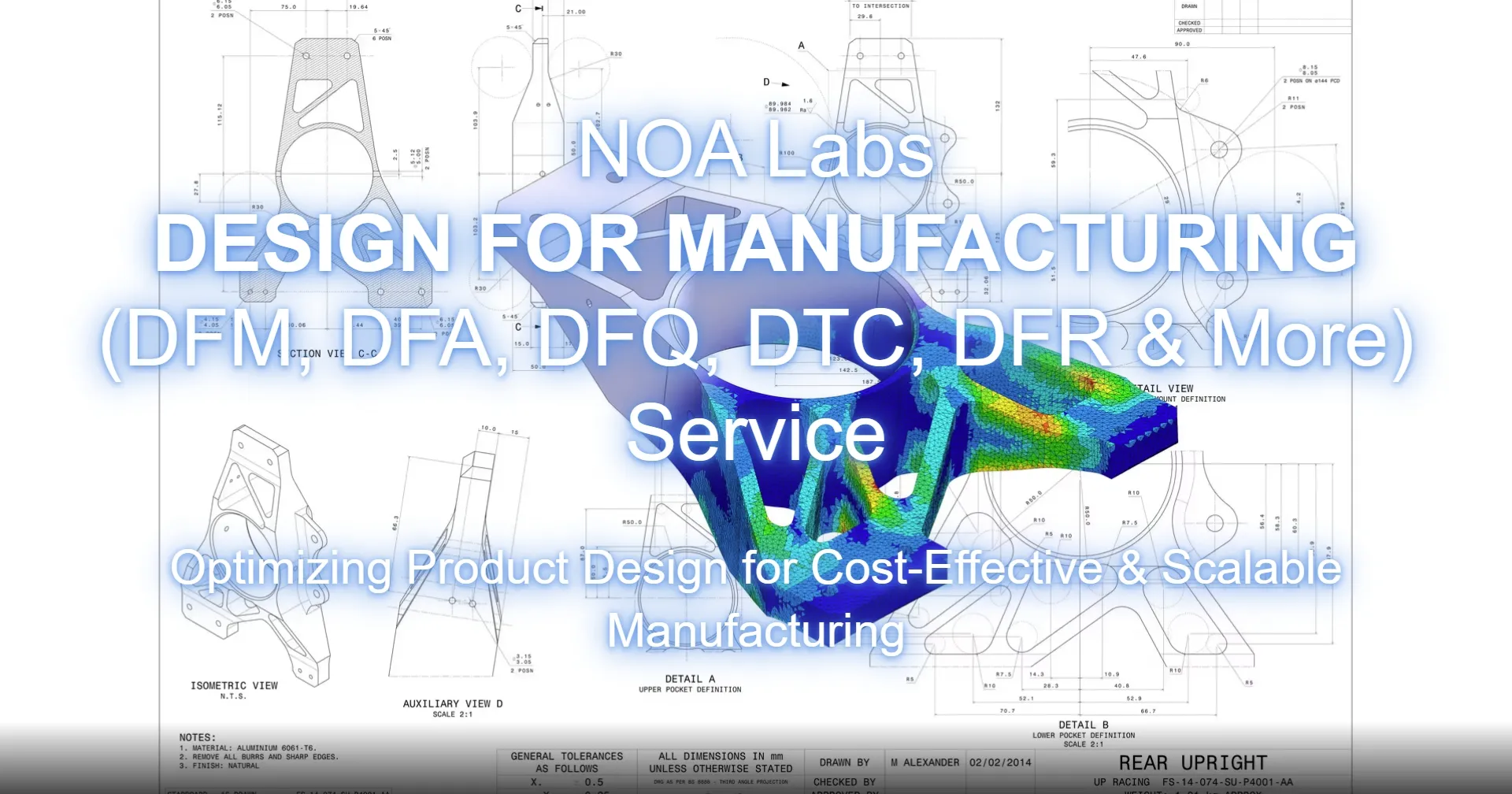
DFM Engineering by 10+ Experts
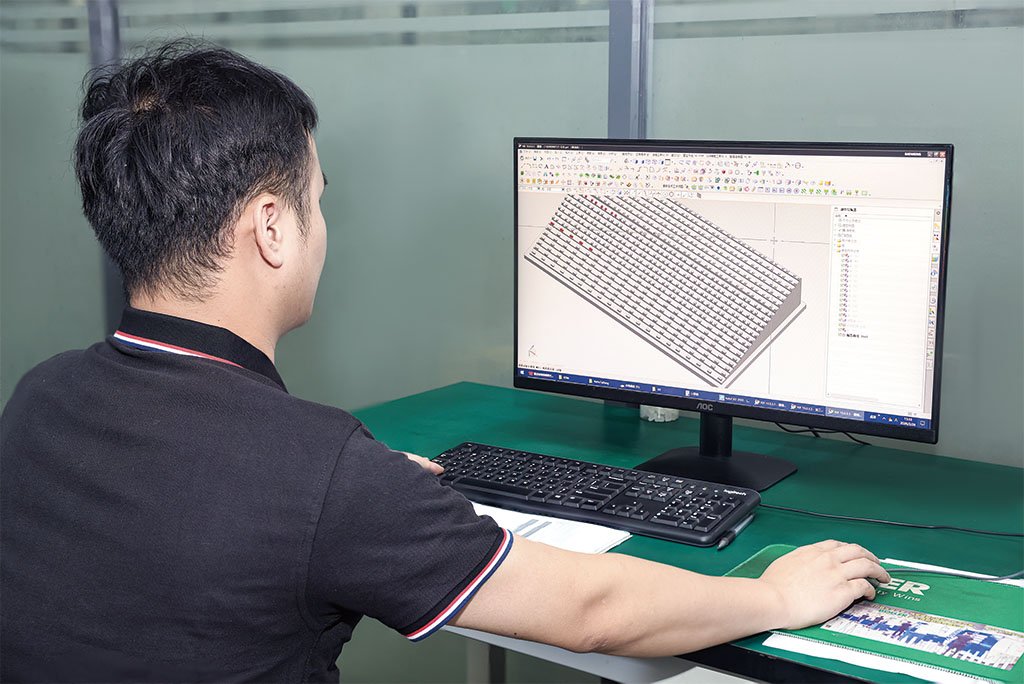
Before machining begins, every medical-component mold design is reviewed by XUXIANG’s 10+ engineering specialists for manufacturability, tolerance optimization and material selection. DFM feedback identifies draft angles, gate locations and cooling-channel geometry to prevent tolerance failure, reduce cycle time and extend tool life.
- Pre-production DFM review by 10+ precision-mold engineers
- Tolerance optimization for Class II and Class III medical devices
- Conformal cooling and gate-location analysis to minimize warpage
- Material and hardness recommendations for biocompatible applications
Dual-Factory Production Capacity
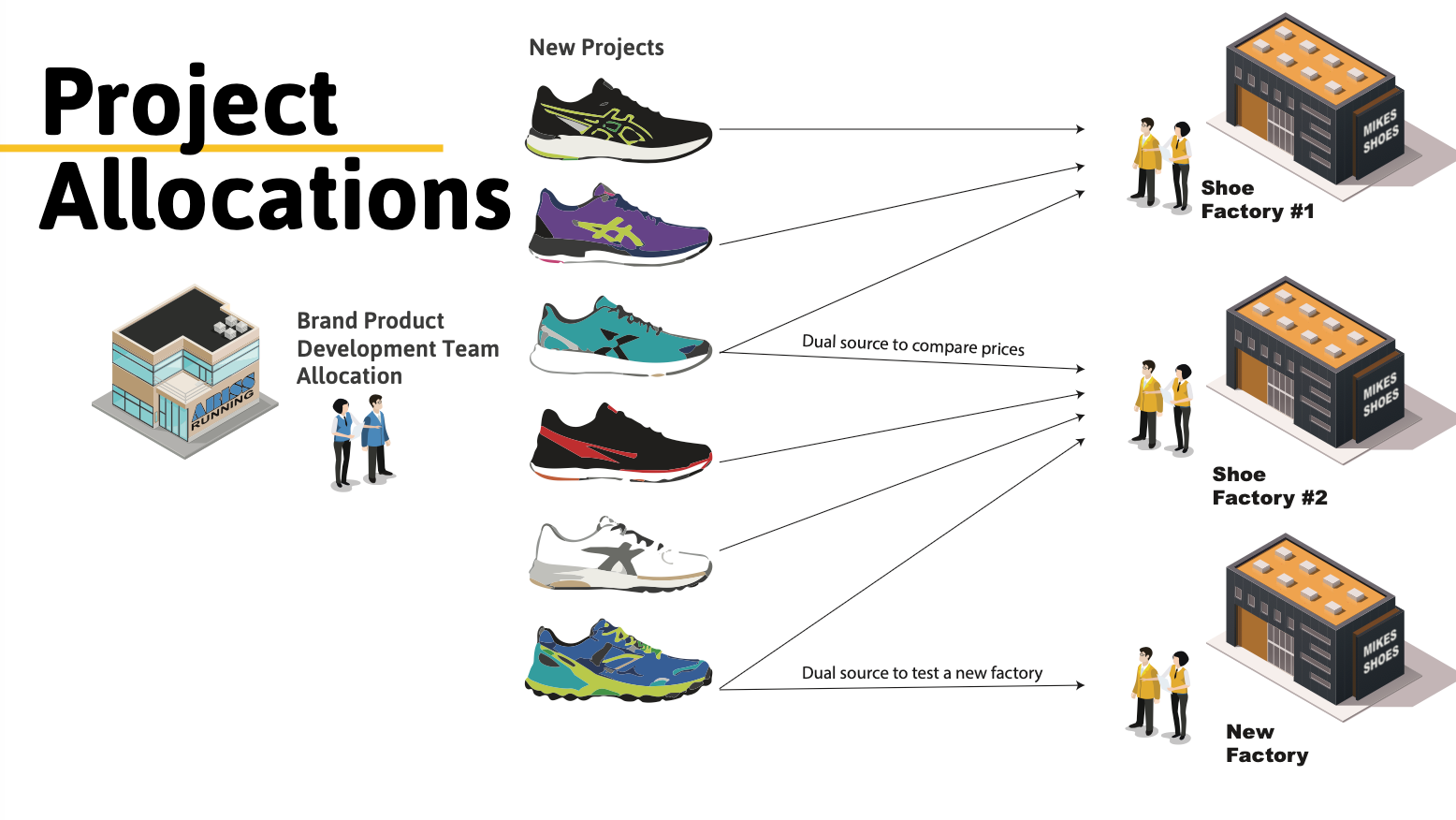
XUXIANG operates two ISO 9001:2015 facilities: a 2,000 m² Dongguan R&D and micro-machining center, plus a 1,400 m² Quanzhou volume-production plant added in 2025. This dual-factory model lifts annual output by 200 percent, delivering sample molds in 3–7 days and mass production in 15–25 days.
- Dongguan 2,000 m² R&D + micro-machining hub with Sodick & Fanuc CNC
- Quanzhou 1,400 m² volume-production facility operational since 2025
- +200% capacity increase for medical-device tooling programs
- Lead times: 3–7 days samples, 15–25 days mass production, 24-hour quotes
Precision Capabilities That Define XUXIANG’s Medical-Grade Mold Components
When medical-device tolerances, regulatory traceability and on-time delivery are non-negotiable, verifiable precision separates qualified suppliers from the rest.
← 左右滑动查看 →
XUXIANG vs. Typical Precision Mold Component Suppliers for Medical Devices
When medical-device mold tolerances, regulatory traceability and on-time delivery are non-negotiable, verifiable precision in tooling separates qualified suppliers from the rest.
DFM Engineering Review
10+ engineers analyze your CAD files for manufacturability, tolerance feasibility and cost optimization — feedback delivered before machining begins to eliminate costly revisions downstream.
CNC & EDM Machining
Sodick slow-wire EDM, Mitsubishi mirror EDM and Fanuc CNC systems machine cores, inserts and fixtures to +/-0.001 mm, with Ra 0.1um mirror finishes on critical surfaces.
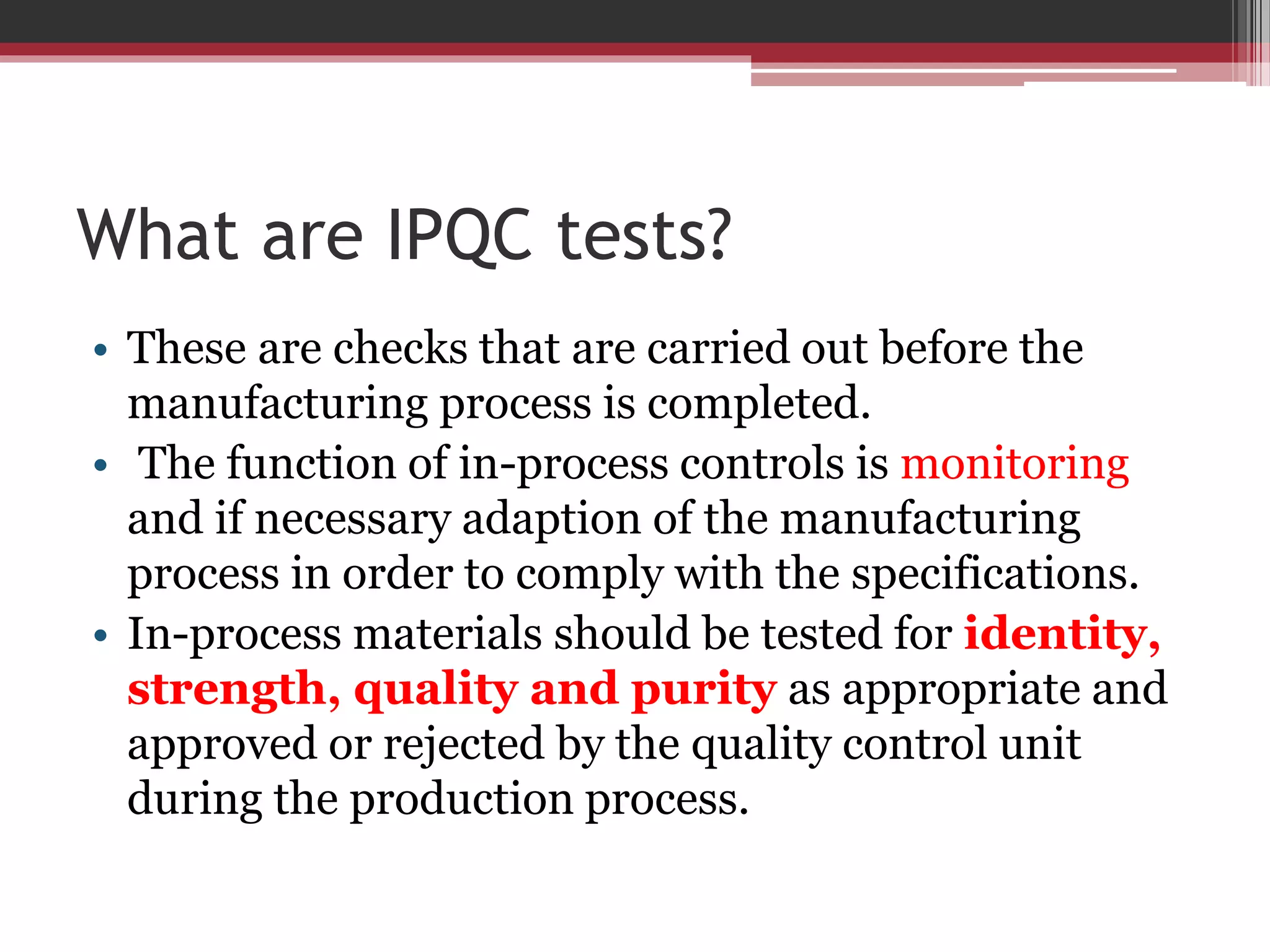
In-Process Tolerance Monitoring
Real-time dimensional checks at every setup change using calibrated micrometers and toolmaker’s microscopes — deviations flagged and corrected before the next operation begins.
CMM Verification & Surface Checks
ZEISS MICURA CMM measures critical dimensions to 0.7um resolution; Nikon toolmaker’s microscopes verify edge radii, corner breaks and surface integrity against drawing tolerances.
FAI Documentation & Certification
Full First Article Inspection report, material spectral analysis and dimensional data package — every shipment includes certificates traceable to ISO 9001:2015 quality records.
Secure Packaging & Shipping
Parts individually wrapped, cushioned and labeled with lot numbers; expedited logistics options available — samples in 3–7 days, production batches in 15–25 days worldwide.
How We Manufacture Precision Mold Components for Medical Injection Molding
From CAD upload to mass production, our streamlined process removes friction from precision medical tooling procurement — with 24-hour quotes, DFM engineering feedback and ISO 9001:2015 quality at every step.
Submit Your CAD and Technical Requirements
Upload 2D/3D files, tolerances and material specs. Our 10+ engineering experts review your design and return a detailed quote within 24 hours.
Review DFM Feedback and Approve Quote
Receive manufacturability analysis, tolerance validation and cost-optimized recommendations. Approve the proposal or request adjustments — no hidden fees, transparent pricing guaranteed.
Order Precision Samples for Validation
We machine first-article samples in 3–7 days, validated on ZEISS MICURA CMM to +/-0.001 mm and shipped with full FAI reports and material certificates.
Scale to Mass Production Seamlessly
Once samples pass your inspection, mass orders ship in 15–25 days from our dual factories, with in-process monitoring and final CMM verification on every batch.
How to Partner with XUXIANG for Precision Mold Components in Medical Devices
Customer Testimonials: Injection Molding Machines for Medical Components
XUXIANG’s injection molding machines for medical components reduced our tolerance failures by 92%. Their ZEISS CMM validation and +/-0.001 mm precision gave us the confidence to scale production across three product lines.
We needed micro-connector tooling for a Class II device with ±0.0005 mm on critical pins. XUXIANG delivered 30% faster than our previous supplier, with full FAI documentation and zero rework. Exceptional precision and service.
Their mirror-grade EDM finish at Ra 0.1 µm eliminated post-processing on our surgical instrument molds. The DFM feedback from their engineering team caught two design issues before we cut steel, saving us weeks and thousands in tooling costs.
FAQ: Injection Molding Machines for Medical Components
What tolerances can XUXIANG hold on injection molding machines for medical components?
What is the minimum order quantity for injection molding machines for medical components?
How long does it take to receive samples and production parts for injection molding machines for medical components?
Does XUXIANG provide DFM support and engineering review?
What certifications does XUXIANG hold for medical-component manufacturing?
How does XUXIANG protect intellectual property and proprietary designs?
What payment terms are available for first-time buyers?
Can XUXIANG handle high-volume production for injection molding machines for medical components?
FAQ: Precision Mold Components for Medical Injection Molding
Navigate the critical selection criteria for medical-grade injection molding equipment. This guide delivers a proven decision framework, supplier evaluation benchmarks, and the five costly mistakes that derail procurement projects—so you source machines that deliver ±0.001 mm precision and regulatory compliance.
1. What Are Injection Molding Machines for Medical Components?
Injection molding machines for medical components are specialized thermoplastic processing systems designed to meet the stringent cleanliness, repeatability and regulatory demands of healthcare manufacturing. Unlike general-purpose industrial presses, medical-grade machines operate in cleanroom-compatible enclosures (ISO Class 7 or 8), maintain shot-to-shot process stability within +/-0.5% and provide full material traceability from resin lot to finished part. Typical tonnage ranges from 10 to 500 tons, with micro-molding cells often rated below 50 tons for parts under 5 grams — syringes, catheter hubs, microfluidic chips and surgical instrument housings.
Core functional principles mirror conventional injection molding: polymer pellets are melted, injected under high pressure into a precision mold cavity, cooled and ejected. Medical applications, however, demand closed-loop control of melt temperature (+/-2 °C), injection velocity (+/-1 mm/s) and holding pressure, plus automated in-mold validation to prevent defects that compromise sterility or biocompatibility. Regulatory frameworks — FDA 21 CFR Part 820, ISO 13485 and EU MDR — require documented process validation, IQ/OQ/PQ protocols and full batch genealogy, elevating machine selection from a procurement decision to a quality-system cornerstone.
2. Evolution of Injection Molding Machines for Medical Components
In the 1960s, general-purpose hydraulic presses dominated medical plastics production, offering limited repeatability and no environmental controls. By the late 1980s, ISO 13485 certification requirements and FDA 21 CFR Part 11 electronic-record mandates forced machine builders to integrate data logging, traceability and closed-loop process control — transforming injection molding from a mechanical operation into a validated, auditable manufacturing step.
The 2000s saw the rise of all-electric, servo-driven platforms that eliminated hydraulic oil contamination risks and delivered shot-to-shot repeatability within +/-0.5 % for critical dimensions. Real-time cavity-pressure sensors and multi-zone barrel control became standard on cleanroom-rated machines, enabling ISO Class 7 and 8 operation without secondary enclosures.
Today’s micro-molding machines handle shot weights below 0.1 g with screw diameters as small as 14 mm, supporting minimally invasive devices such as catheter hubs, microfluidic connectors and drug-delivery components. Industry 4.0 integration — OPC-UA interfaces, cloud-based SPC and predictive maintenance algorithms — now links machine performance directly to enterprise quality systems, closing the loop between tooling precision and process validation.
3. Types of Injection Molding Machines for Medical Components
Medical-grade injection molding machines fall into four architectures, each optimized for distinct precision, cleanroom and throughput requirements. Understanding shot-size ranges, energy profiles and ISO-class compatibility ensures alignment with your component’s tolerance and regulatory demands.
All-Electric Servo Machines
All-electric platforms deliver +/-0.001 mm repeatability, zero hydraulic-oil risk and ISO Class 7/8 cleanroom compatibility. Shot sizes typically range 5–500 g; energy consumption is 30–50% lower than hydraulic equivalents.
Ideal for luer connectors, syringe barrels and micro-fluidic housings where dimensional stability and particle-free environments are non-negotiable.
Hybrid Hydraulic-Electric Machines
Hybrid designs combine servo-electric injection with hydraulic clamping, balancing cost and precision. Shot sizes span 10–1,000 g; cycle times are 10–15% faster than full hydraulic, with 20–30% energy savings.
Suited for IV components, diagnostic-device housings and medium-volume surgical instruments where cleanroom access is limited but tolerance remains critical.
Full Hydraulic Machines
Legacy hydraulic platforms excel in high-tonnage (>500 T) applications. Shot sizes exceed 1,000 g; energy use is highest, and cleanroom deployment requires extensive enclosures.
Reserved for large orthopedic trays, sterilization containers and legacy production lines with established process validation.
Specialized Micro-Molding Platforms
Micro-molding machines handle shot weights under 1 g, with screw diameters as small as 10 mm. Cycle precision reaches +/-0.0005 mm; cleanroom integration is standard.
Essential for drug-delivery micro-needles, implantable sensor housings and miniature catheter tips where sub-milligram shot consistency drives device performance.
4. Materials and Resins for Medical Injection Molding Machines
Medical injection molding machines for medical components must pair micron-stable thermal control with certified resins. PEEK, PC, PP, COC and LSR dominate because they meet USP Class VI and ISO 10993 biocompatibility standards while surviving gamma, EtO or autoclave sterilization.
| Resin | Biocompatibility | Sterilization | Processing Temp (°C) | Typical Parts |
|---|---|---|---|---|
| PEEK | USP VI / ISO 10993 | Gamma, EtO, Autoclave | 360–400 | Surgical instruments, spinal implants |
| Polycarbonate (PC) | USP VI / ISO 10993 | Gamma, EtO | 280–320 | Syringe barrels, IV connectors |
| Polypropylene (PP) | USP VI / ISO 10993 | Gamma, EtO, Autoclave | 200–280 | Vial caps, diagnostic housings |
| COC | USP VI / ISO 10993 | Gamma, EtO | 260–330 | Prefilled syringes, optical lenses |
| LSR | USP VI / ISO 10993 | Gamma, EtO, Autoclave | 170–200 | Seals, catheters, respiratory masks |
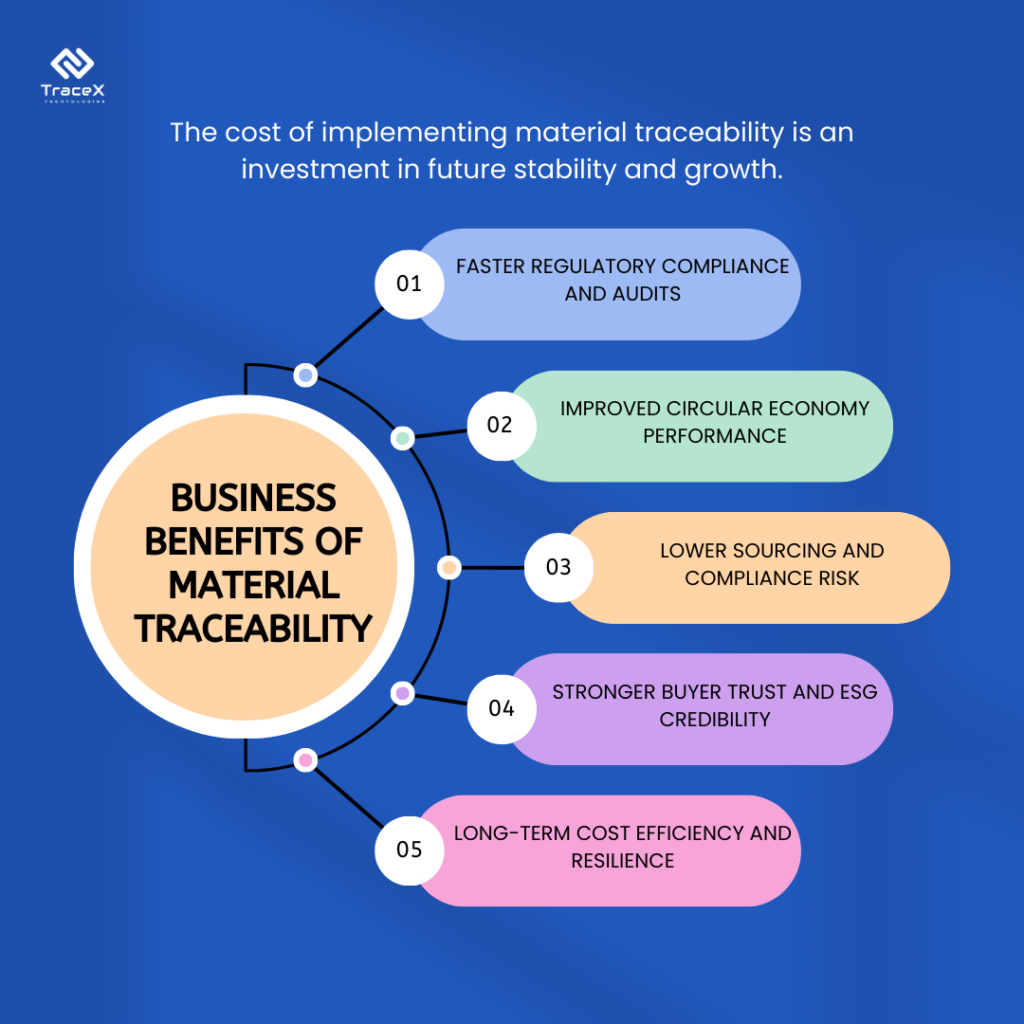
Why Material Traceability Is Non-Negotiable
Regulatory audits (FDA 21 CFR Part 11, EU MDR) require full lot traceability from resin batch to finished device. XUXIANG validates every incoming material with spectral analysis and archives certificates of conformance, linking lot numbers to CMM inspection reports.
Without documented chain-of-custody, a single non-conforming batch can trigger market recalls costing millions. Medical-grade molders maintain resin storage under ISO Class 8 conditions and timestamp every material changeover to preserve audit integrity.
5. Key Quality and Precision Features in Injection Molding Machines for Medical Components
Medical-grade injection molding machines incorporate six critical engineering attributes that separate them from general-purpose equipment. Each feature directly addresses dimensional stability, part-to-part consistency, and the audit-trail compliance demanded by ISO 13485 and FDA 21 CFR Part 11.
Closed-Loop Cavity-Pressure Control
±0.5% pressure repeatability ensures uniform packing across multi-cavity molds, eliminating density variation between shots. Real-time sensor feedback adjusts hydraulic or servo injection force within milliseconds, critical for thin-wall devices and micro-connectors where 1% pressure drift can shift wall thickness beyond tolerance.
Servo-Driven Screw Positioning
±0.01 mm screw-stroke accuracy guarantees shot-weight consistency below 0.3% coefficient of variation. Brushless servo motors replace hydraulic cylinders, delivering repeatable melt delivery for parts where 0.5 mg weight variation violates specification — common in implantable components and diagnostic cartridges.
Mold-Temperature Control and Data Logging
±1 °C zone stability prevents warpage and residual stress in biocompatible resins. Integrated PLCs log temperature, pressure, cycle time and material lot to meet process-validation requirements, generating the audit trail necessary for design-history files and batch-release documentation.
6. Customization and Automation Options for Medical Molding Machines
Factory-configurable automation and cleanroom options transform standard injection molding machines for medical components into validated production cells. ROI depends on volume, part complexity, and regulatory documentation requirements.
Multi-Cavity Hot-Runner and Part-Handling Automation
Multi-cavity hot-runner systems with valve-gate control eliminate runners and reduce cycle times by 15–25% for high-volume medical parts. Robotic part-removal arms with integrated vision inspection verify gate quality, detect flash, and reject out-of-spec parts before binning.
Inline weight checking (±0.001 g) flags shot-to-shot drift, while automated degating cells remove sprues without operator handling. Serialization and laser-marking stations apply UDI codes or lot numbers directly on-press, ensuring traceability at the molding stage.
Cleanroom Enclosures and Material-Handling Upgrades
Class 100,000 (ISO 8) cleanroom enclosures with HEPA filtration are specified when parts contact sterile fluid paths or implantable surfaces. Nitrogen-purge hoppers prevent moisture absorption in hygroscopic resins (PA, PC, PEEK) that degrade under ambient humidity, preserving mechanical properties and dimensional stability.
IIoT Connectivity and Lights-Out Cell ROI
OPC-UA and MQTT protocols enable real-time SPC dashboards, feeding injection pressure, melt temperature, and cavity fill time into centralized MES platforms. Lights-out cells pair robotic tending with inline CMM and auto-packaging, amortizing capital over three-shift unmanned runs — typical payback is 18–24 months at volumes above 500,000 parts per year.
7. How to Choose a Manufacturer of Injection Molding Machines for Medical Components
Selecting a supplier for injection molding machines for medical components demands a structured scorecard that balances regulatory compliance, validation support and field service capability. Five criteria separate qualified vendors from those unprepared for medical-device production.
ISO 13485 and FDA-Registered Quality Systems
Verify that the manufacturer maintains ISO 13485:2016 certification and, if shipping to the U.S., FDA establishment registration. These credentials confirm that the machine builder follows design controls, risk management and traceability protocols aligned with device-industry expectations.
IQ/OQ/PQ Validation Support
Request sample Installation Qualification, Operational Qualification and Performance Qualification protocols. Vendors experienced in regulated markets provide templated documentation, on-site commissioning and process-validation data packages that accelerate your device-master-file submissions.
Local Service and Spare-Parts Inventory
Confirm <24-hour response time and regional spare-parts depots. Downtime in medical molding translates directly to batch delays and compliance risk; proximity of trained technicians and critical consumables (heater bands, check valves, screws) protects uptime in audited environments.
Proven Case Studies in Your Device Category
Ask for references in disposables (syringes, luer fittings) versus implantables (orthopedic components, drug-delivery reservoirs). Material compatibility, cycle stability and cleanroom-integration experience differ sharply; case studies reveal whether the vendor understands your contamination and biocompatibility constraints.
21 CFR Part 11 Software Capabilities
Ensure the machine controller supports electronic signatures, audit trails and user-access controls mandated by 21 CFR Part 11. Software that logs every parameter change and restricts recipe edits simplifies FDA inspections and eliminates paper-based batch records.
8. Common Mistakes Buyers Make When Sourcing Injection Molding Machines for Medical Components
Even experienced procurement teams make avoidable errors when sourcing injection molding machines for medical components — mistakes that multiply cost and delay validation by months. Five pitfalls consistently erode ROI and regulatory readiness.
Under-Specifying Tonnage or Shot Size
Buyers often size machines for current parts, ignoring future families. A 120-ton press adequate for single-cavity diagnostic housings cannot economically mold eight-cavity syringe barrels. Specify tonnage and shot weight with 20–30% headroom to accommodate next-generation designs without capital reinvestment.
Ignoring Total Cost of Ownership
Purchase price represents roughly 40% of ten-year TCO; energy, maintenance and revalidation consume the rest. Machines lacking servo drives or efficient barrel heaters can cost USD 15,000–25,000 more annually in utilities and unplanned downtime.
Selecting Machines Without Cavity-Pressure Transducers
Real-time cavity-pressure monitoring is essential to validate critical dimensions and detect micro-voids. Machines lacking integrated transducer ports force retrofits or make process validation nearly impossible under ISO 13485 and FDA 21 CFR Part 11 traceability requirements.
Overlooking Cleanroom Compatibility and Material Handling
Standard machines shed particulates and require manual material loading incompatible with ISO Class 7/8 environments. Ensure stainless covers, closed-loop desiccant dryers and automated vacuum conveyors are factory-integrated, not field add-ons.
Failing to Negotiate IQ/OQ Documentation and Training
Upfront installation qualification (IQ) and operational qualification (OQ) protocols save 4–6 weeks during site acceptance. Demand factory-issued templates, on-site operator training and machine-specific process parameters as contract deliverables before purchase-order release.
9. Steps to Launch Your Medical Component Production Line
Launching a production line for injection molding machines for medical components requires a disciplined, seven-phase roadmap that integrates engineering validation, regulatory compliance and process capability from day one. Each phase builds on documented outputs, ensuring traceability and repeatability in cleanroom environments.
Define Part Specifications and Annual Volume
Start with a complete part specification: material (USP Class VI, ISO 10993 biocompatibility), dimensional tolerances (typically +/-0.01 to +/-0.05 mm for medical), annual volume forecast and end-use classification (Class I, II or III). This baseline drives every downstream decision, from machine tonnage to cleanroom class.
Document wall thickness, gate location, surface finish (Ra ≤ 0.2 µm for implant contact surfaces) and sterilization method (gamma, EtO, autoclave) in a design-for-manufacturing (DFM) checklist. XUXIANG’s 10+ engineering experts routinely validate these inputs before mold-flow simulation.
Conduct Mold-Flow Simulation to Size Machine
Run mold-flow analysis to determine clamping tonnage, shot weight, injection pressure and cycle time. For a 5 g polycarbonate syringe barrel, simulation may specify 80–120 tons and 15–20 g shot capacity, accounting for runner and sprue.
Simulation also predicts weld lines, air traps and sink marks — critical for Class II and III devices. Share the validated simulation report with machine vendors to ensure tonnage, screw diameter (18–28 mm for micro-molding) and control resolution (0.001 s injection-speed resolution) match the part’s process window.
Issue RFQ with Detailed Technical Annexes
Prepare a request for quotation (RFQ) that includes part drawings, material data sheets, annual volume, quality standards (ISO 13485, FDA 21 CFR Part 11 for electronic records) and validation deliverables (IQ/OQ/PQ protocols).
Specify machine features: closed-loop process control, shot-to-shot repeatability (Cpk ≥ 1.67), cleanroom compatibility (ISO Class 7 or 8), and traceability (batch logs, material lot tracking). Attach the mold-flow report and DFM checklist to ensure apples-to-apples proposals.
Evaluate Proposals on Precision and Validation Support
Score each vendor on machine precision (injection-pressure resolution, screw-position encoder accuracy), validation support (pre-written IQ/OQ/PQ templates, on-site commissioning) and after-sales service (spare-parts lead time, remote diagnostics, annual preventive-maintenance contracts).
Request references from medical-device OEMs and ask for sample process-capability studies (Cpk data for critical dimensions). XUXIANG’s ZEISS MICURA CMM (0.7 µm resolution) and five-step QC flow provide the measurement infrastructure to validate supplier claims during factory acceptance testing.
Witness Factory Acceptance Test with Cpk Study
Conduct a factory acceptance test (FAT) at the machine builder’s facility. Run 30+ consecutive cycles with production-intent resin and a sample mold, measuring critical dimensions (inner diameter, wall thickness, gate vestige) to calculate process capability (Cpk ≥ 1.67 for Class II/III).
Verify barrel-temperature stability (+/-1 °C), injection-speed repeatability (+/-1 %) and clamp-force consistency. Collect FAT documentation — calibration certificates, Cpk reports, cycle-time data — for regulatory submission and internal design-history files.
Coordinate Site Preparation and Cleanroom Utilities
Prepare the installation site: electrical supply (three-phase 380–480 V, verify amperage with machine nameplate), cooling-water loop (chiller capacity, flow rate, temperature stability +/-0.5 °C), compressed air (6–8 bar, oil-free for medical) and cleanroom HVAC (ISO Class 7/8, positive pressure, HEPA filtration).
Schedule rigging, anchor-bolt installation and utility connections two weeks before delivery. Confirm floor loading (machine weight plus auxiliary equipment) and vibration isolation if required for precision molding or nearby metrology labs.
Execute Site Acceptance Test and IQ/OQ/PQ Validation
Perform site acceptance test (SAT) to verify machine performance in the production environment. Execute Installation Qualification (IQ) to document as-built configuration, Operational Qualification (OQ) to verify parameter ranges (temperature, pressure, speed) and Performance Qualification (PQ) to demonstrate process capability over three production runs.
Complete operator certification (machine setup, parameter adjustment, troubleshooting) and hand over full documentation: calibration records, validation protocols, maintenance schedules and material certificates. This package supports FDA inspections, ISO 13485 audits and continuous process monitoring.
10. Pricing and Total Cost of Ownership
Entry all-electric machines (50–100 ton, single-cavity) start at USD 45,000–75,000, while mid-range hybrid systems (150–250 ton, 4–8 cavities, basic automation) range USD 120,000–220,000; premium micro-molding cells with vision inspection and cleanroom enclosures exceed USD 350,000. Five-year total cost of ownership includes capital, energy (USD 800–3,200 per 10,000 shots), annual maintenance (3–7% of machine cost) and often-overlooked validation services, spare-parts kits and software licenses that add 8–15% to the initial outlay.
Payback periods for high-volume medical disposables — syringes, luer caps, diagnostic cartridges — typically span 18–36 months when cycle times drop below 10 seconds and scrap rates hold under 0.5%. XUXIANG’s +/-0.001 mm machining tolerance on mold cores reduces rework loops and accelerates validation, shortening time-to-revenue. Buyers should model energy cost per part, not per hour, and budget 10–12% annual reserve for consumables, calibration and process-qualification documentation to maintain ISO 13485 and FDA 21 CFR Part 11 compliance.
| Machine Configuration | Capital Cost (USD) | Cycle Time (s) | Energy Cost per 10k Shots (USD) | Annual Maintenance (USD) | 5-Year TCO (USD) |
|---|---|---|---|---|---|
| Entry All-Electric (50–100 ton, single-cavity) | 45,000–75,000 | 8–12 | 800–1,200 | 1,800–3,500 | 60,000–95,000 |
| Mid-Range Hybrid (150–250 ton, 4–8 cavities, automation) | 120,000–220,000 | 5–8 | 1,500–2,400 | 4,500–9,000 | 165,000–290,000 |
| Premium Micro-Molding Cell (all-electric, vision, cleanroom) | 350,000+ | 3–6 | 2,000–3,200 | 12,000–18,000 | 450,000–600,000 |
Start Your Injection Molding Machines for Medical Components Project Today
Submit your drawings now and receive a detailed quote within 24 hours — backed by +/-0.001 mm precision and ISO 9001:2015 quality assurance.