
Precision Mold Components & CNC Machining for Critical Industries
XUXIANG delivers +/-0.001 mm machining precision, ISO 9001:2015 quality and 24-hour quotes to electronics, 5G/telecom, automotive, industrial automation and medical-device industries worldwide.
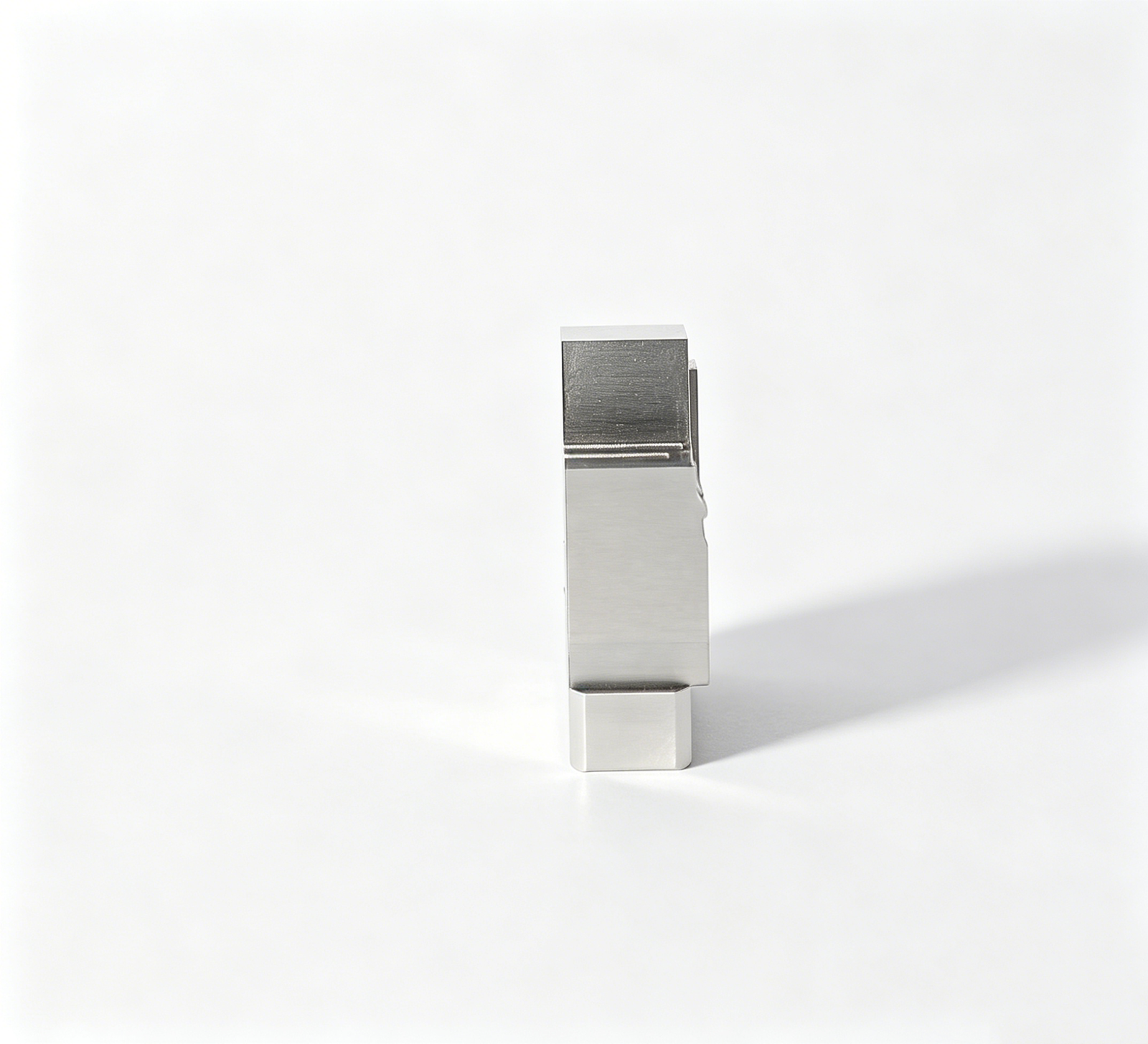
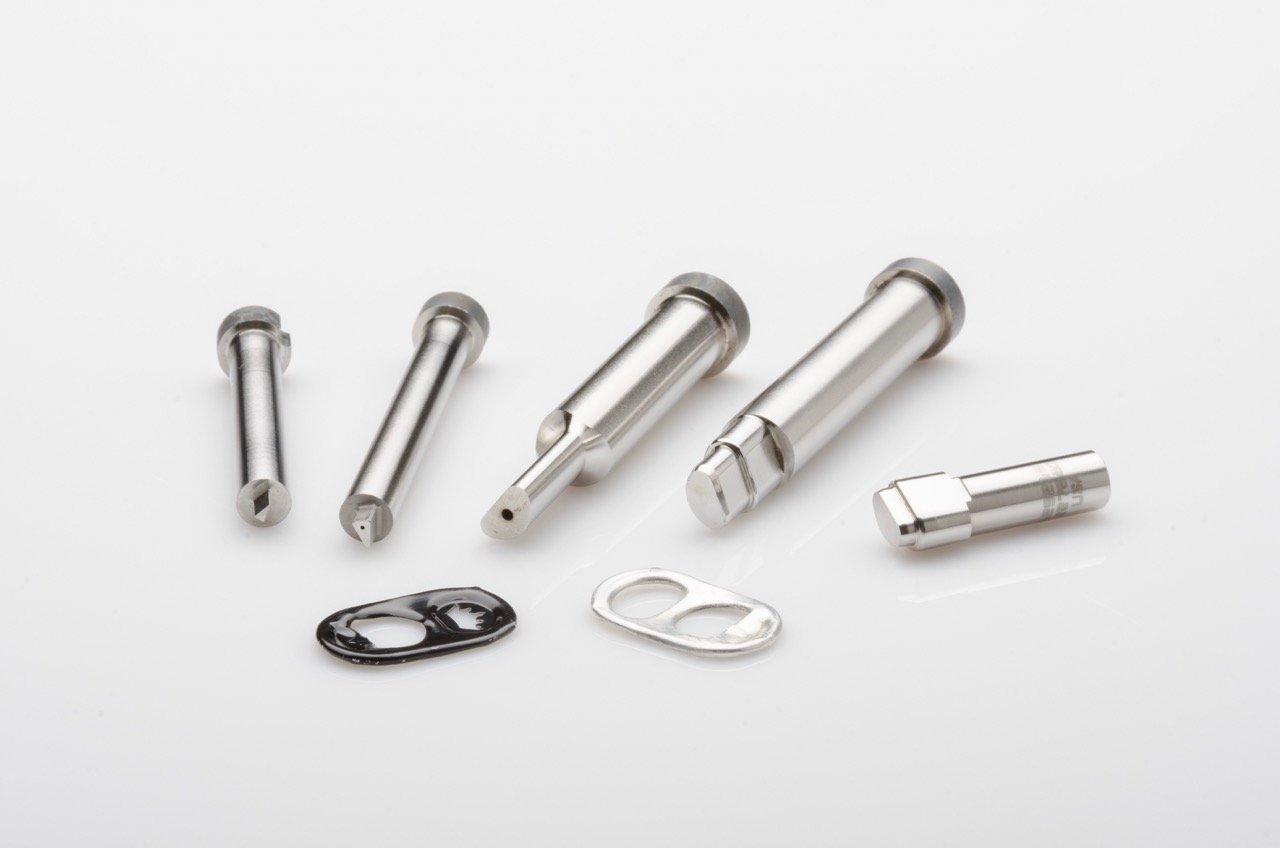
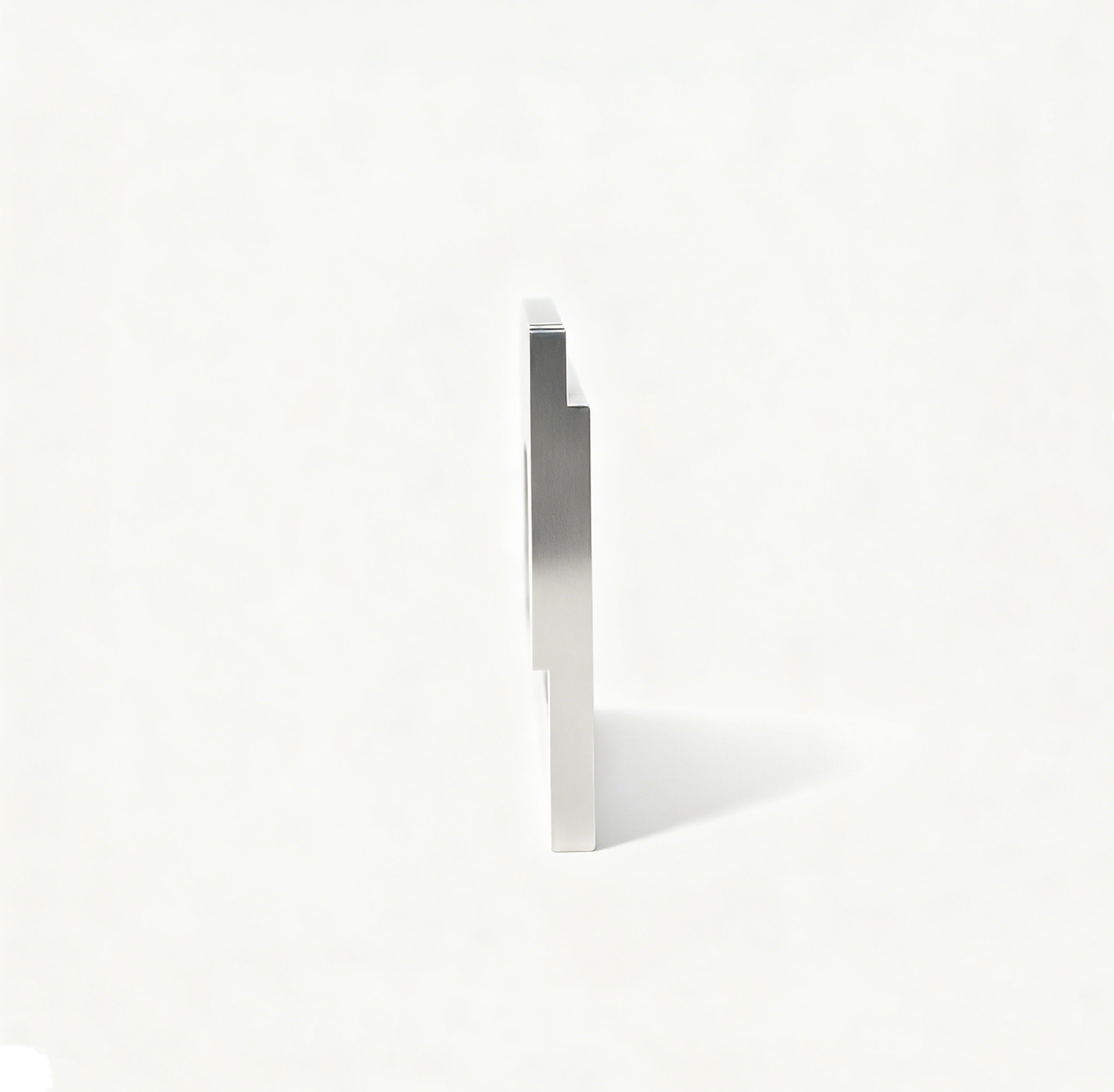
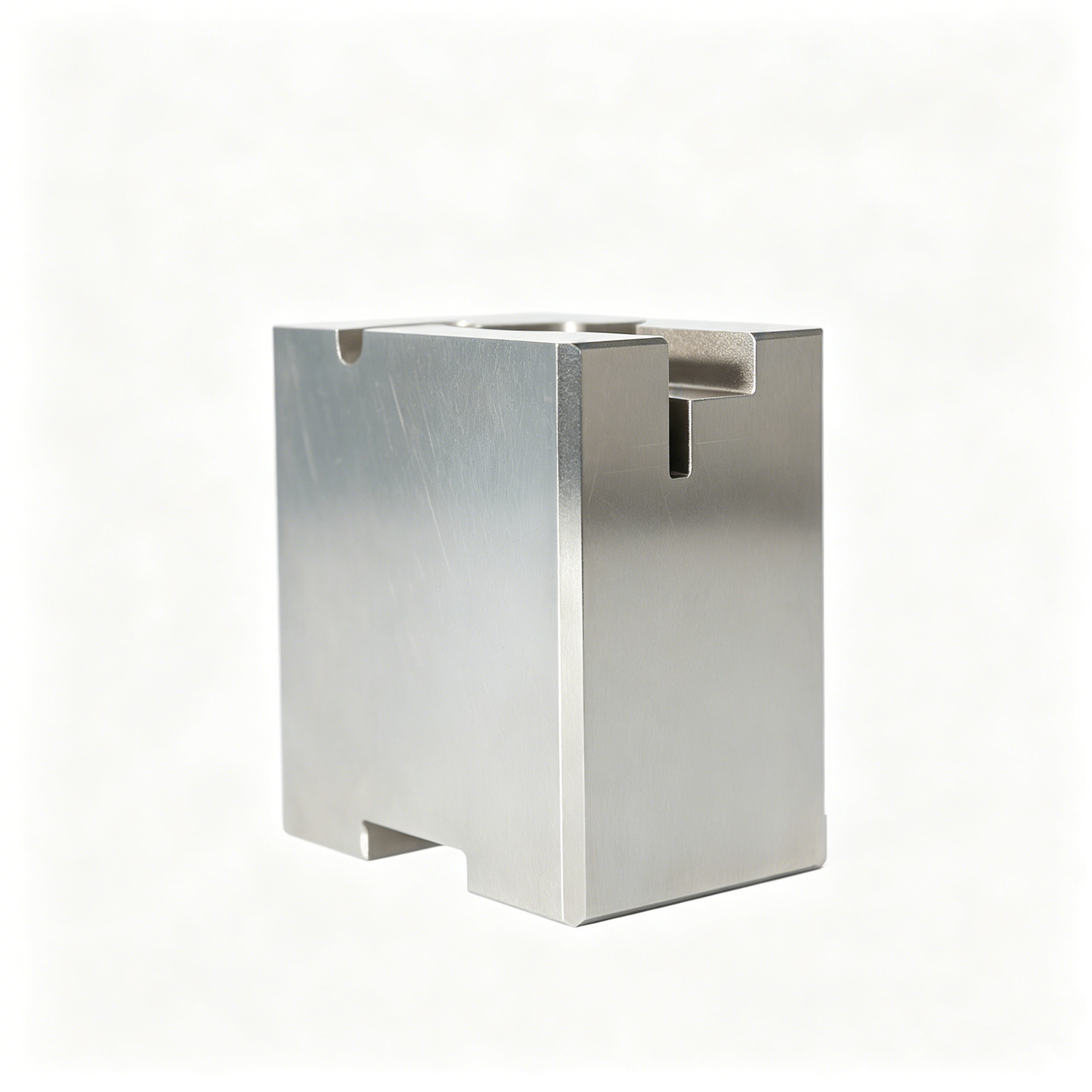
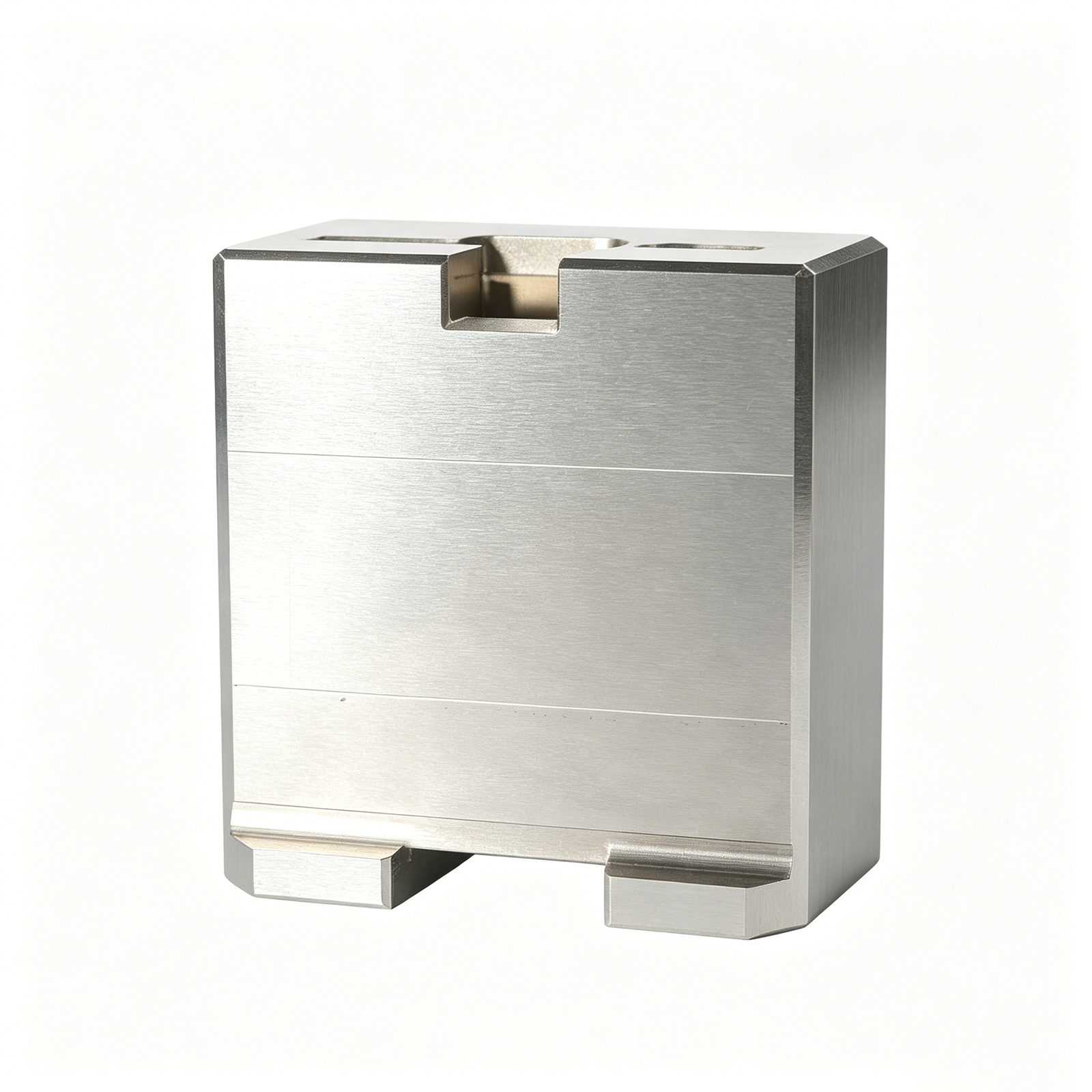
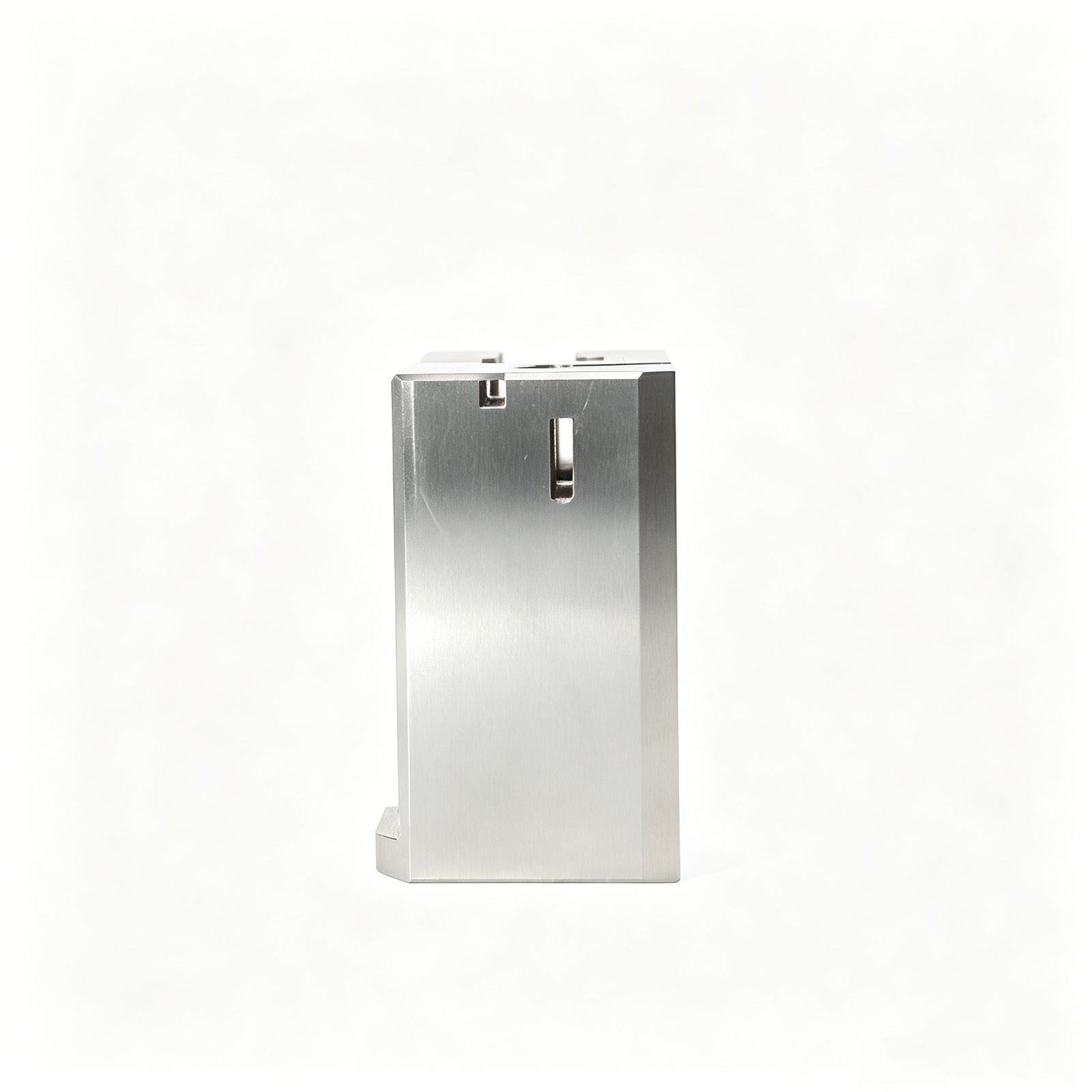
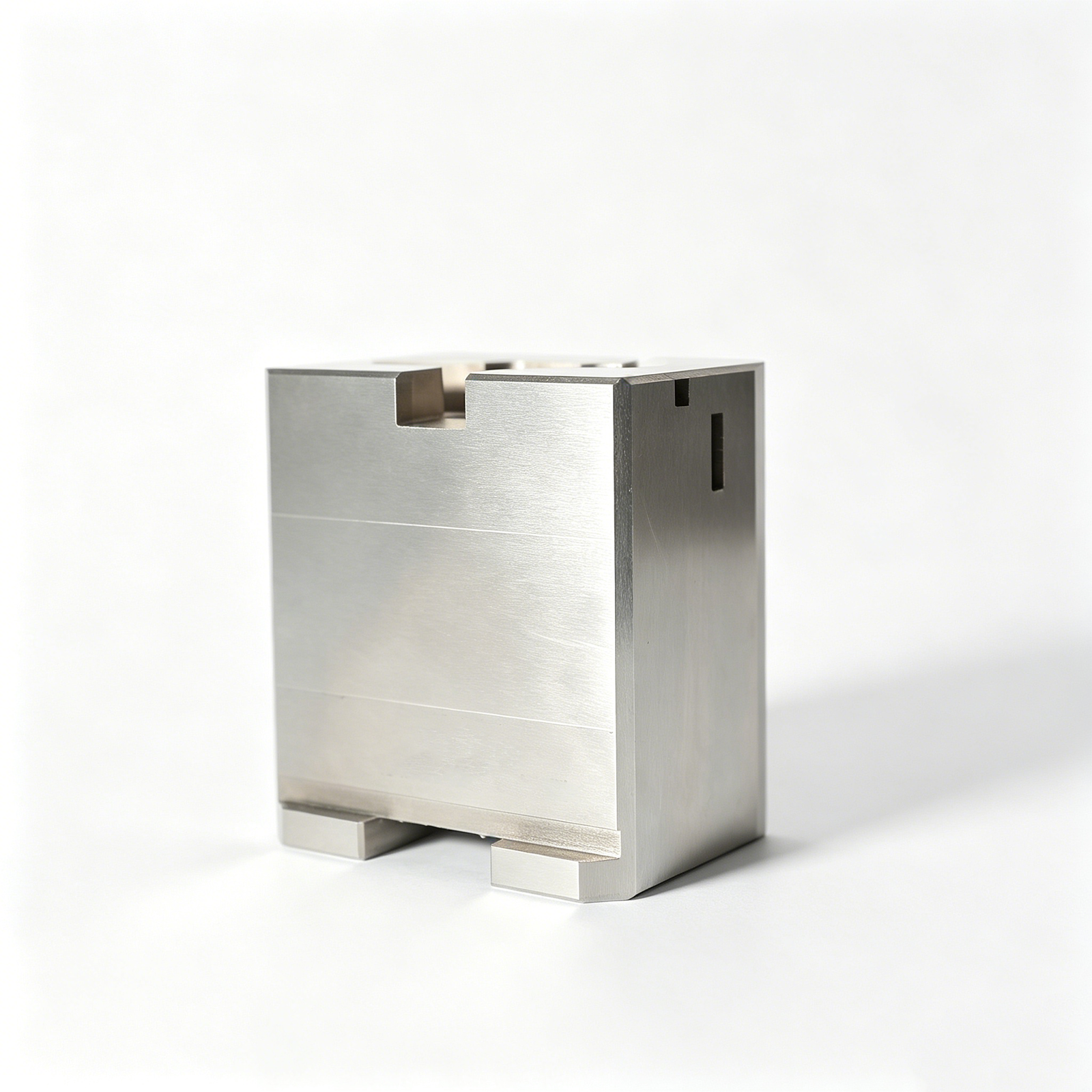
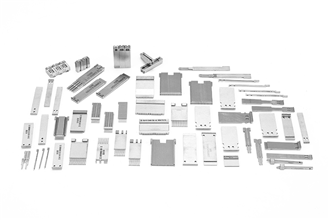
Precision Tooling & Components Gallery
Why Industries Choose XUXIANG for Precision Manufacturing
+/-0.001 mm Machining Precision
Micron-stable accuracy on every part, verified with ZEISS MICURA CMM metrology to 0.7um and Nikon toolmaker’s microscopes for dimensional confidence.
Ra 0.1um Mirror-Grade EDM
Sodick slow-wire and Mitsubishi mirror EDM deliver flawless surface finishes for high-performance connector tooling and precision mold cores.
24-Hour Quote, 3-7 Day Samples
Quote returned within 24 hours; sample parts delivered in 3-7 days, mass production in 15-25 days — 30% faster delivery than typical suppliers.
Dual-Factory Capacity Since 2025
Dongguan R&D hub plus Quanzhou volume facility add 1,400 m2 and 200% output increase, ensuring scalable, dependable production for global buyers.
DFM Engineering from 10+ Experts
Pre-production design-for-manufacture feedback, five-step QC validation and full FAI documentation with material certificates on every shipment.
ISO 9001:2015 Quality System
16 years of precision-mold experience governed by ISO 9001:2015, with spectral analysis, in-process monitoring and final CMM verification on all parts.
Precision Tooling Across Ten Mission-Critical Industries
From medical-device housings to automotive sensor tooling, XUXIANG delivers +/-0.001 mm machining accuracy, full FAI documentation and 24-hour quoting to global electronics, 5G/telecom, automotive, industrial automation and medical-device supply chains.
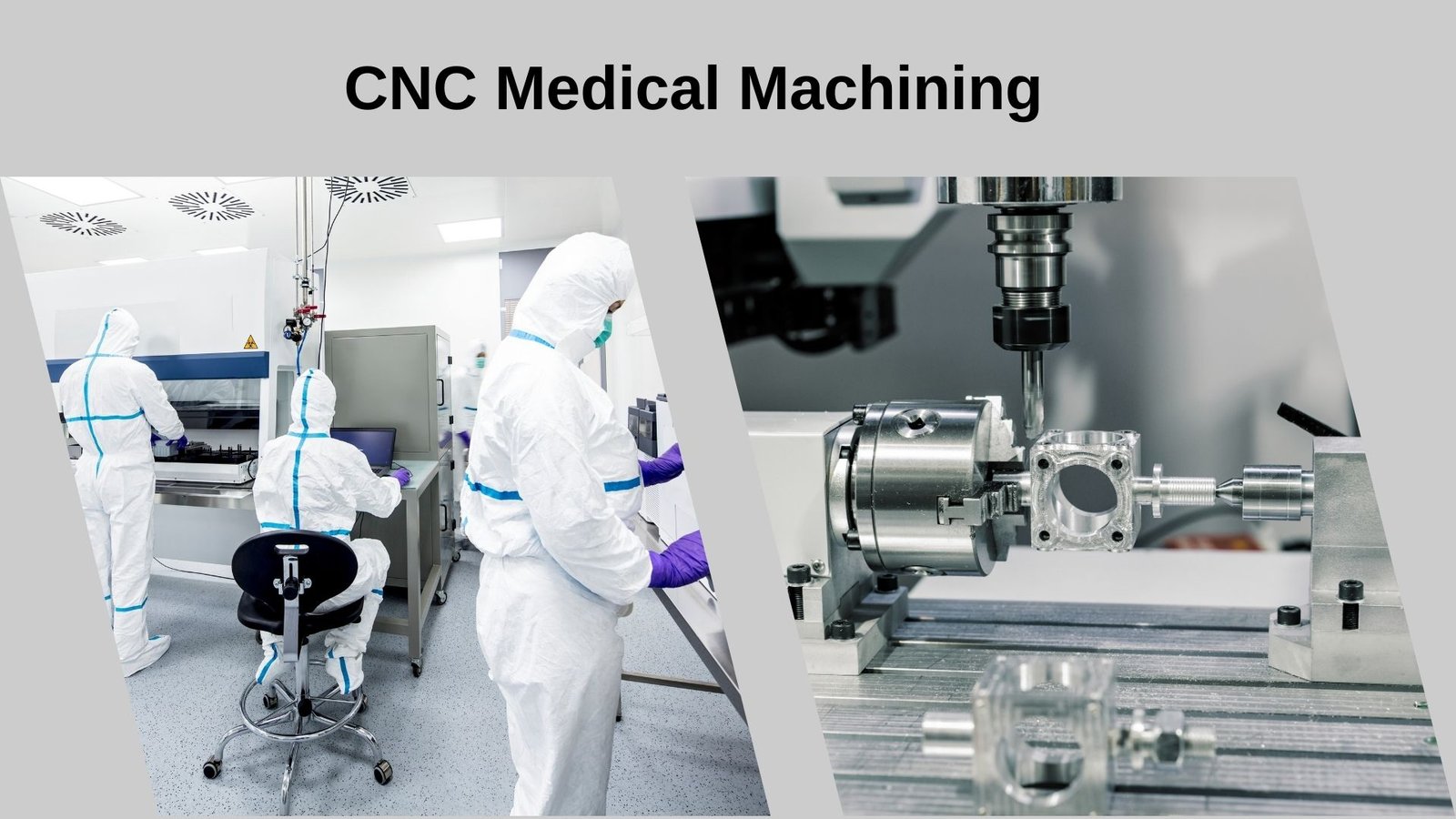
Medical Precision Machining
Medical-device OEMs require biocompatible polymer housings, micro-luer fittings and diagnostic-cartridge tooling held to sub-5-micron tolerances. XUXIANG machines injection-mold cores and inserts for surgical instruments, diagnostic analyzers and wearable-health enclosures with ZEISS MICURA CMM validation, full material certificates and ISO 9001:2015 traceability to meet FDA and MDR documentation standards.
Get a Quote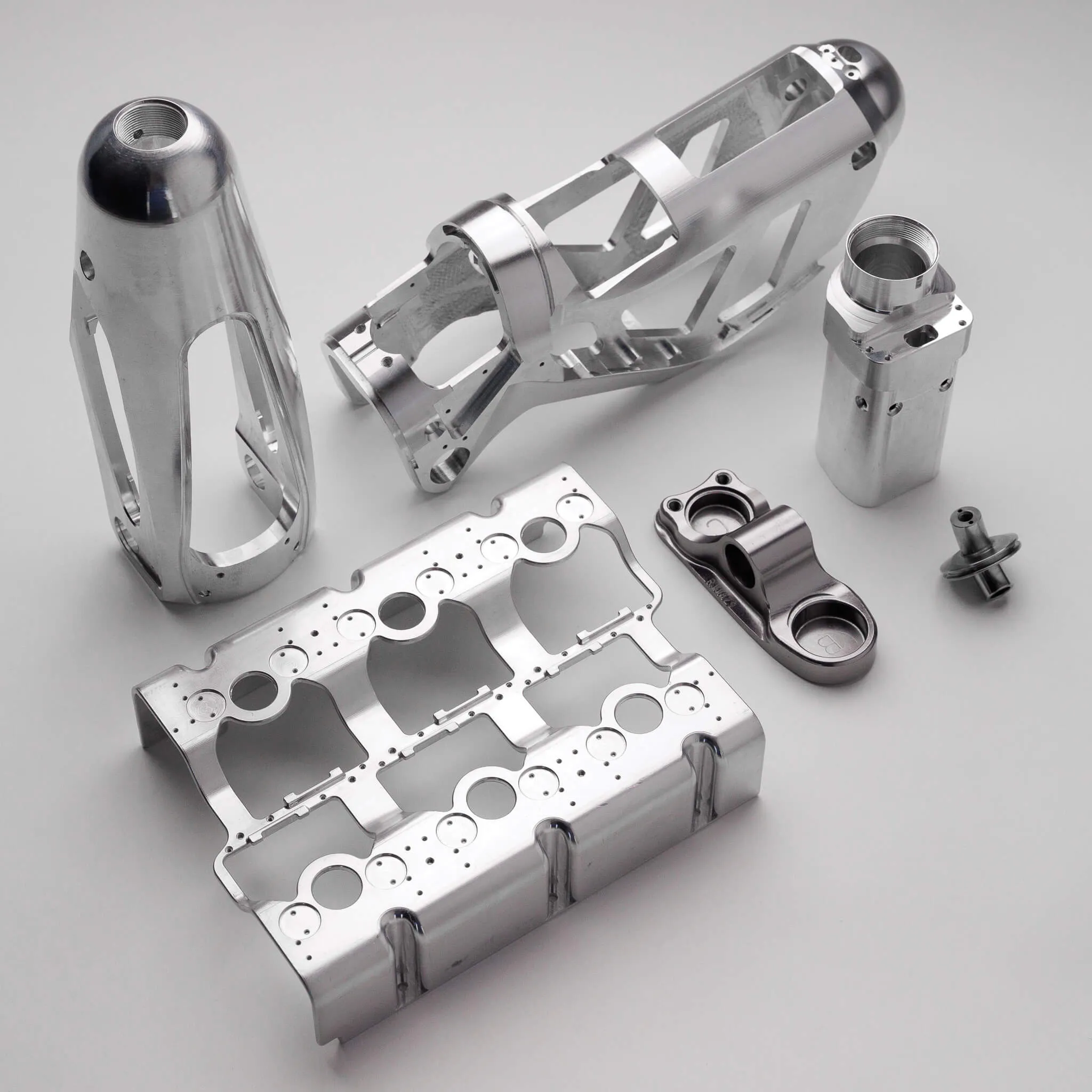
Aerospace Precision Machining
Aerospace-grade high-performance polymers—PEEK, PEI, PPS—demand mirror-finish cavity surfaces, zero-draft micro-ribs and flame-smoke-toxicity compliance. Our Sodick slow-wire EDM and Mitsubishi mirror EDM achieve Ra 0.1 µm finishes on complex core geometries for avionics housings, ducting components and lightweight structural brackets, with DFM review by 10+ engineers before first cut.
Get a Quote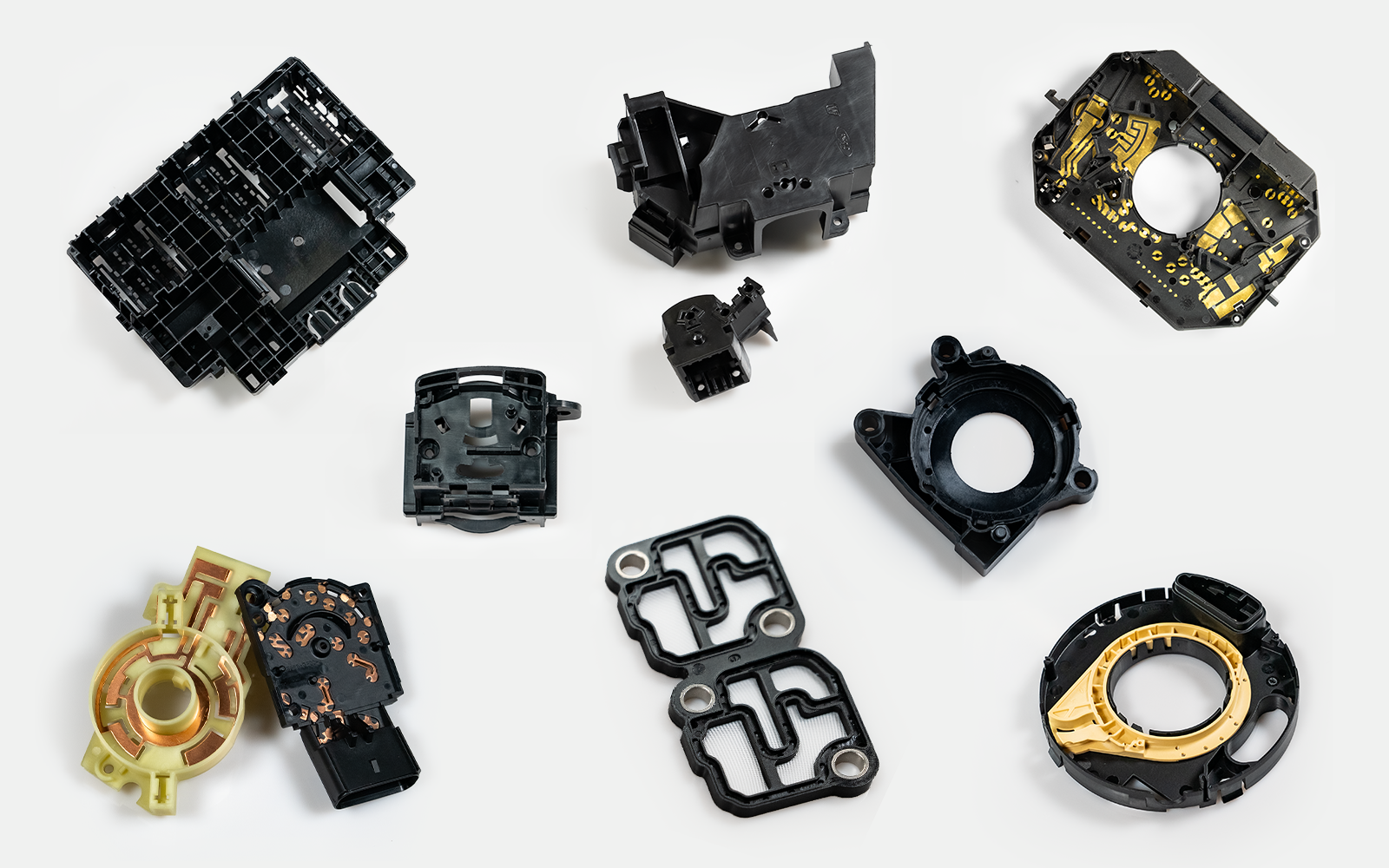
Automotive Precision Components
Automotive and new-energy-vehicle programs need ADAS sensor housings, battery-management-system terminal tooling, interior trim inserts and powertrain connector molds that survive thermal cycling and vibration. XUXIANG supplies precision cores, lifters and conformal-cooling inserts machined to +/-0.002 mm, validated through five-step QC and shipped with full first-article inspection reports in 15–25 days for production tooling.
Get a Quote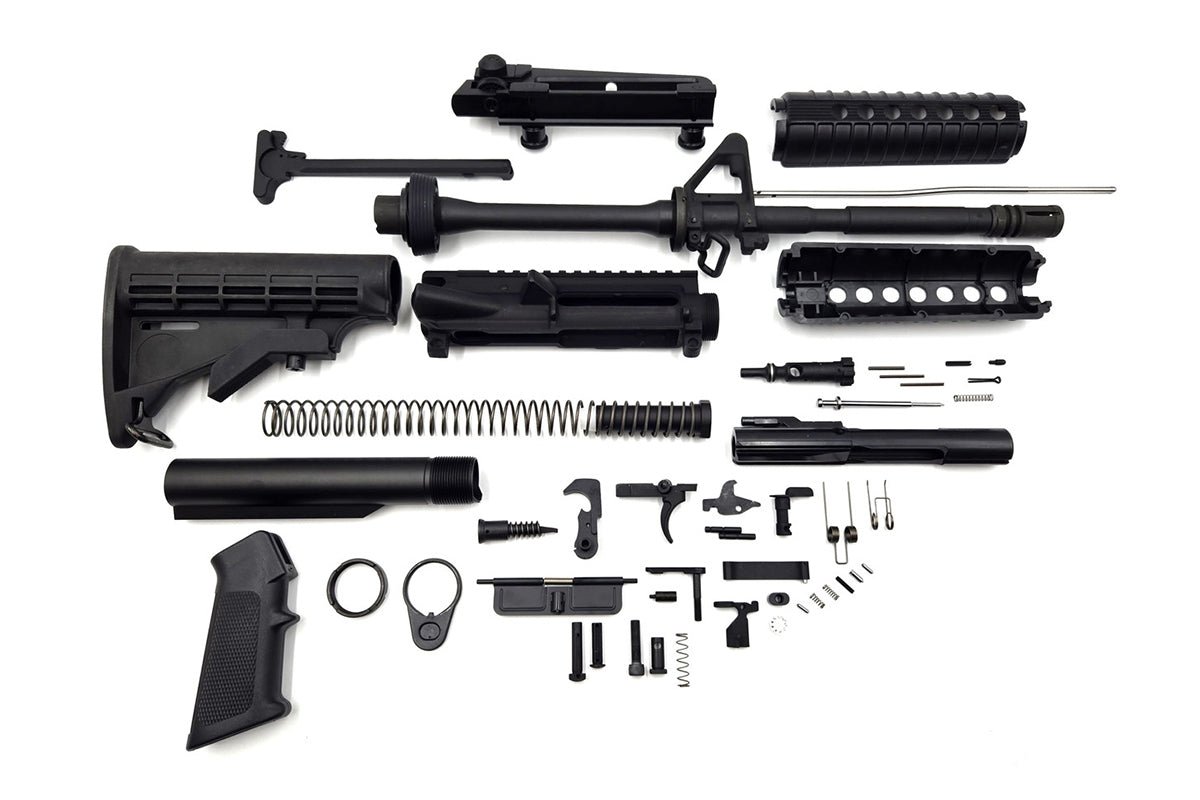
Defense & Firearms Components
Defense and firearms applications require hardened-steel inserts, trigger-guard tooling and magazine-component molds machined to exacting dimensional stability under recoil and environmental extremes. We machine H13, S136H and NAK80 to +/-0.001 mm on Fanuc CNC and Sodick EDM, with Nikon toolmaker’s-microscope verification, ensuring repeatable tolerances across multi-cavity arrays and delivering sample parts in 3–7 days.
Get a Quote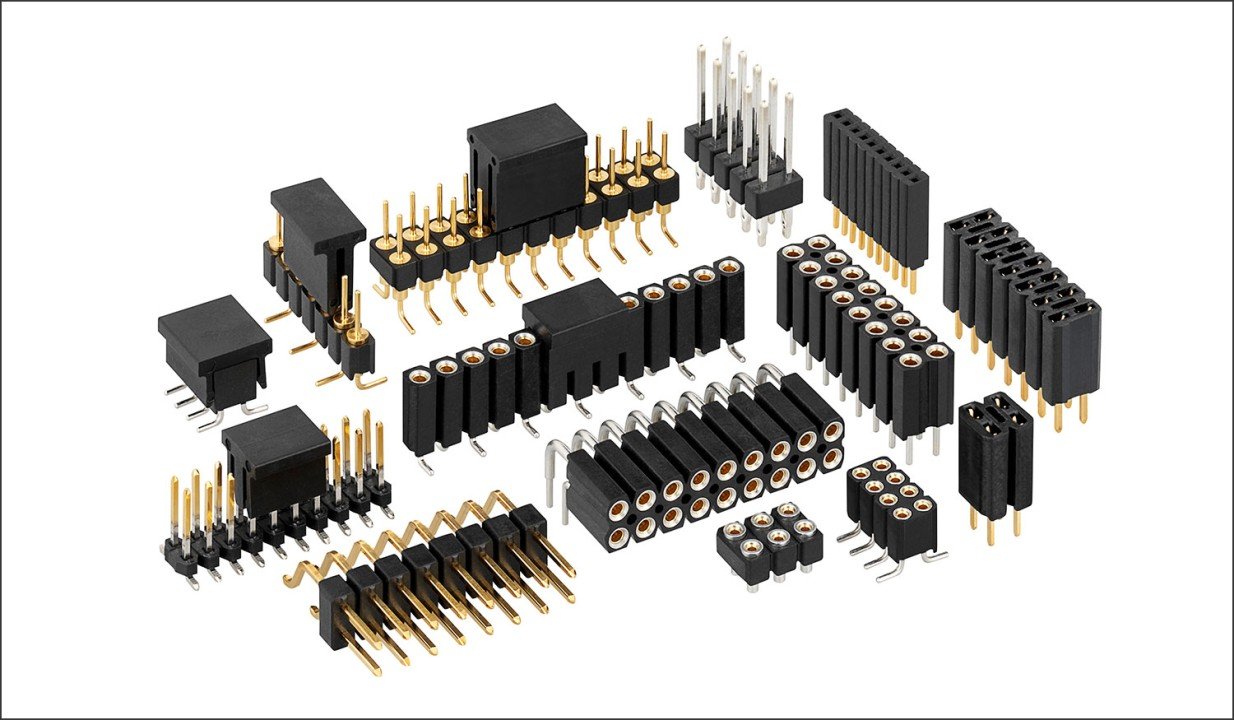
Electronics & Connector Components
Electronics and micro-connector tooling for 5G modules, board-to-board sockets, FPC terminals and RF connectors drive our tightest work: thin-wall pins down to 0.3 mm, corner radii R ≤ 0.015 mm and mirror-class cavity finishes. Sodick and Seibu slow-wire EDM, ZEISS 0.7 µm CMM metrology and Beijing Jingdiao electrode CNC enable high-density terminal arrays and micro-pitch geometries that meet signal-integrity and insertion-force specs.
Get a Quote
Oil & Gas / Energy Components
Oil, gas and energy applications demand corrosion-resistant valve components, downhole-tool housings and high-pressure seal inserts machined from stainless steels and engineered thermoplastics. XUXIANG’s precision grinding centers and Dawn surface grinders hold +/-0.003 mm on complex profiles, with spectral material analysis and surface-integrity checks to ensure performance in high-temperature, high-vibration oilfield and power-generation environments.
Get a Quote
Heavy Machinery Components
Heavy machinery and construction equipment require large-format structural brackets, hydraulic-cylinder end caps and wear-resistant guide inserts that endure shock loads and abrasive duty cycles. Our dual-factory capacity—2,000 m² Dongguan R&D plus 1,400 m² Quanzhou volume production—supports both prototype cores and series tooling, with CNC machining, EDM and grinding integrated under ISO 9001:2015 process control.
Get a Quote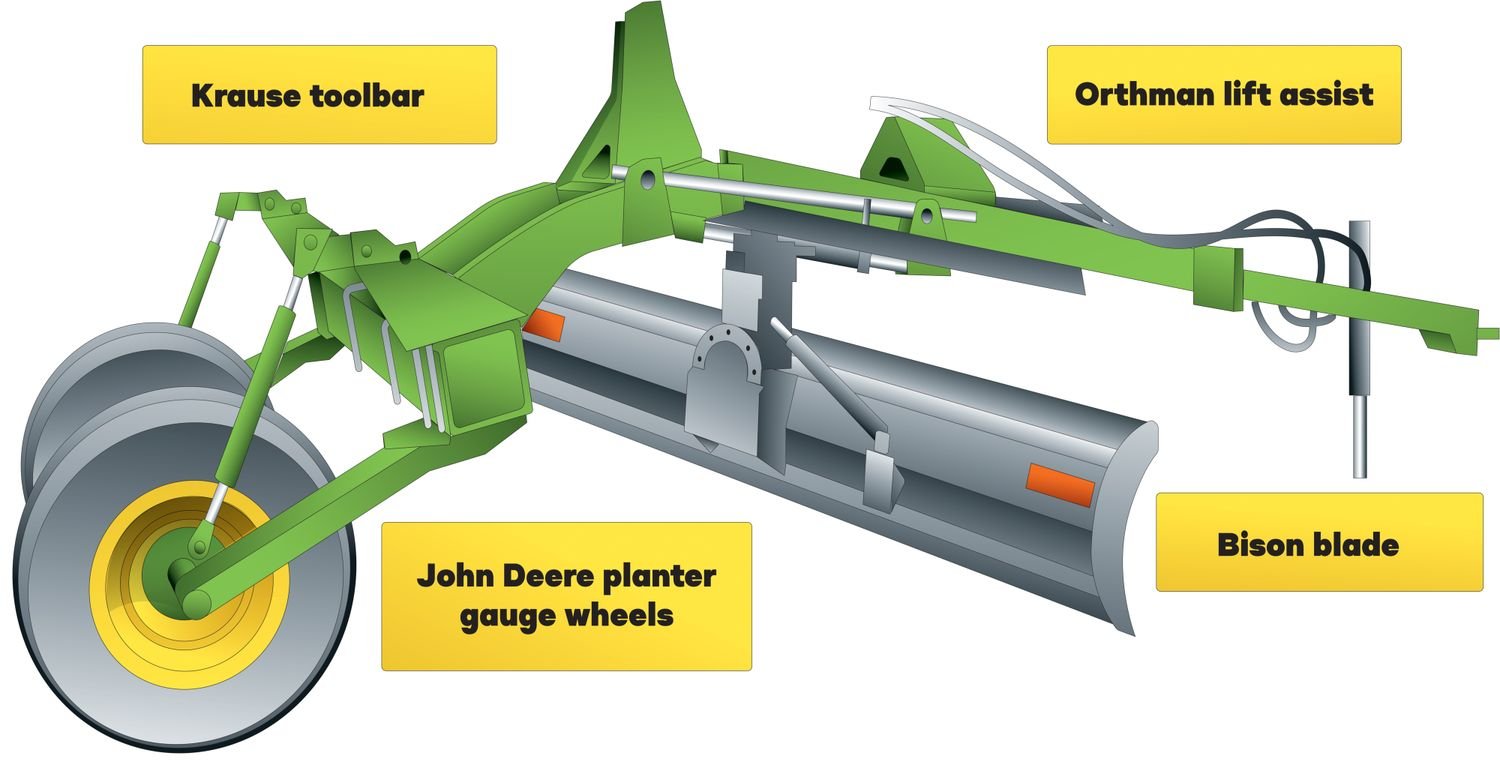
Agriculture Equipment Components
Agriculture equipment manufacturers need UV-stable housings for precision-seeding modules, sensor brackets for autonomous tractors and fertilizer-dispenser components that resist chemical exposure and field vibration. XUXIANG’s CNC machining and precision grinding services deliver mold inserts and metal parts to +/-0.001 mm, backed by DFM engineering support, in-process tolerance monitoring and material certificates with every shipment.
Get a Quote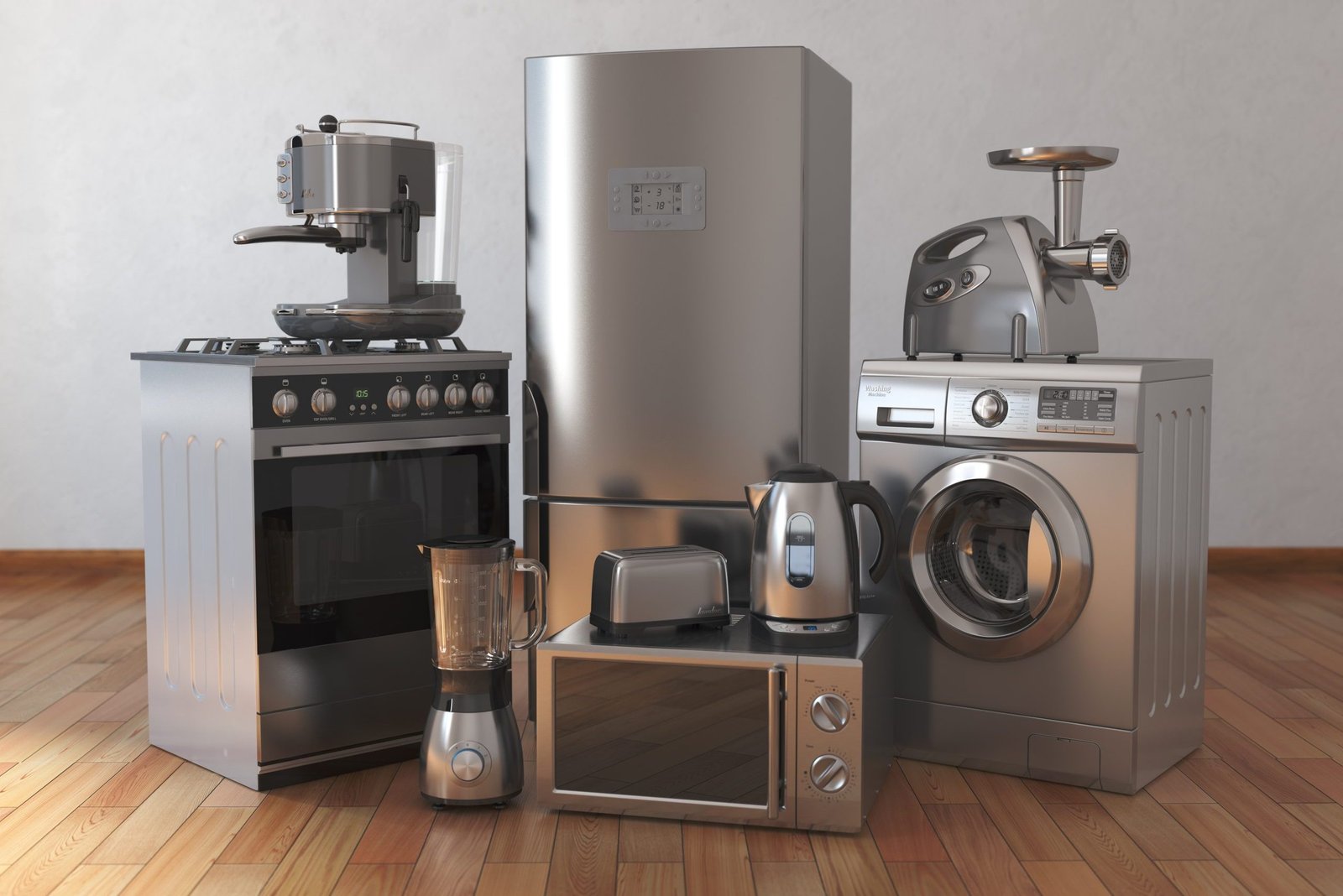
Appliance Components
Appliance brands source ABS, PC and PP component molds for refrigerator door handles, washing-machine control panels and small-appliance housings at consumer-grade cost but industrial-grade consistency. We machine multi-cavity inserts with mirror EDM finishes down to Ra 0.1 µm, run full CMM validation on first articles and scale to volume production roughly 30 percent faster than industry average through our expanded Quanzhou facility.
Get a Quote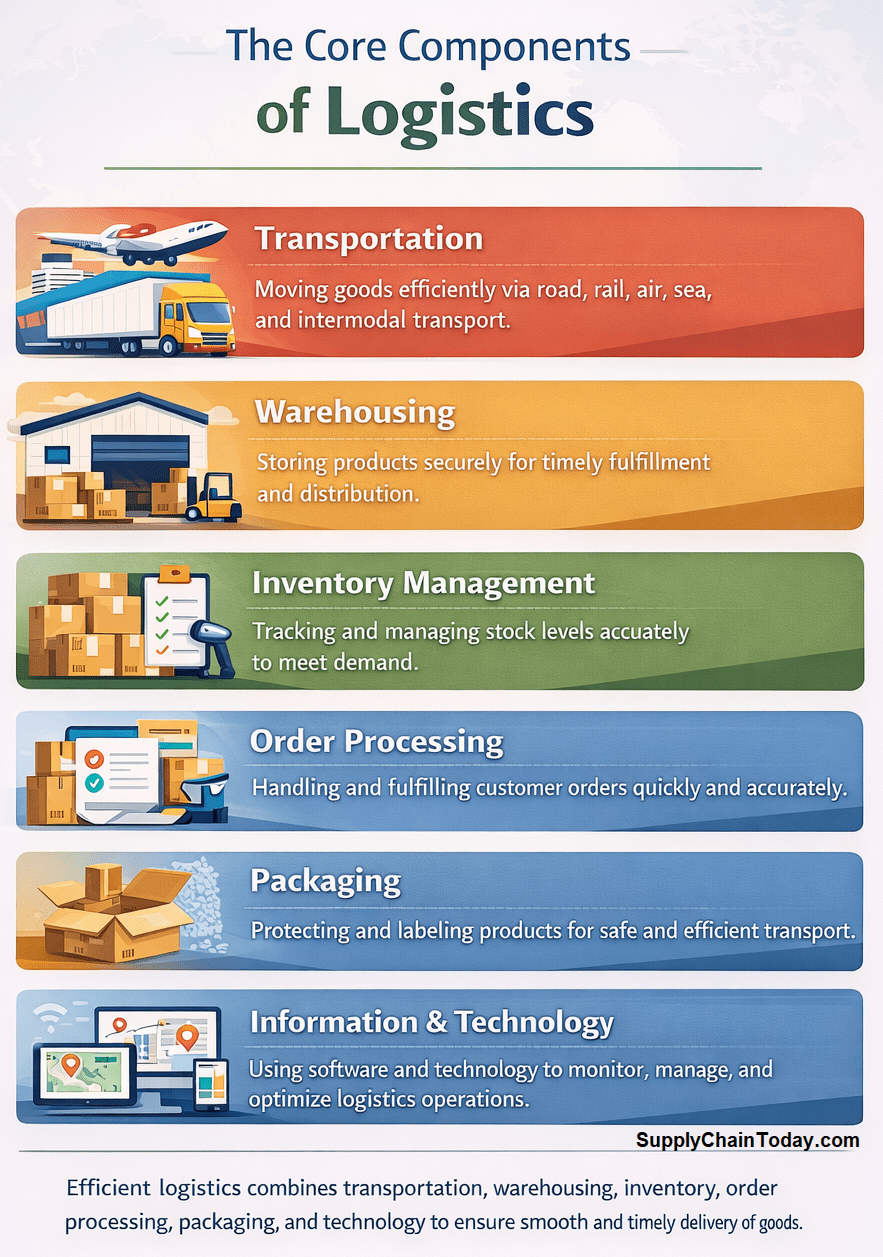
Transportation Components
Transportation applications—rail interiors, e-bike enclosures, marine control panels—require flame-retardant plastic molded components with tight assembly fits and long service life. XUXIANG supplies precision cores, sliders and ejector systems machined on Sodick EDM and Fanuc CNC, validated through Nikon microscope and ZEISS CMM inspection, and shipped with full FAI documentation to support just-in-time logistics and global tier-supplier quality audits.
Get a QuoteMaterials & Specifications Across Industries

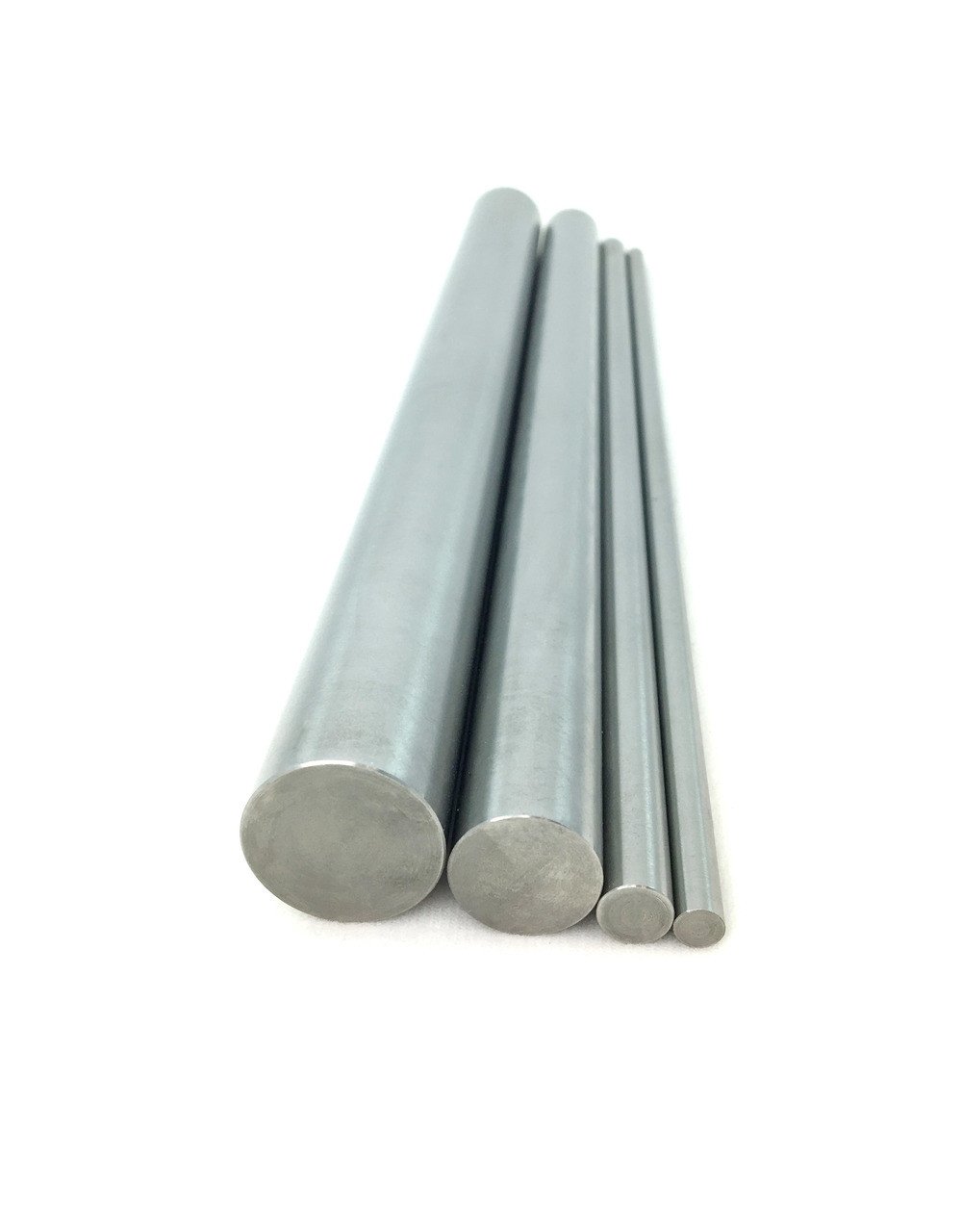
Precision Manufacturing Processes Across Industries
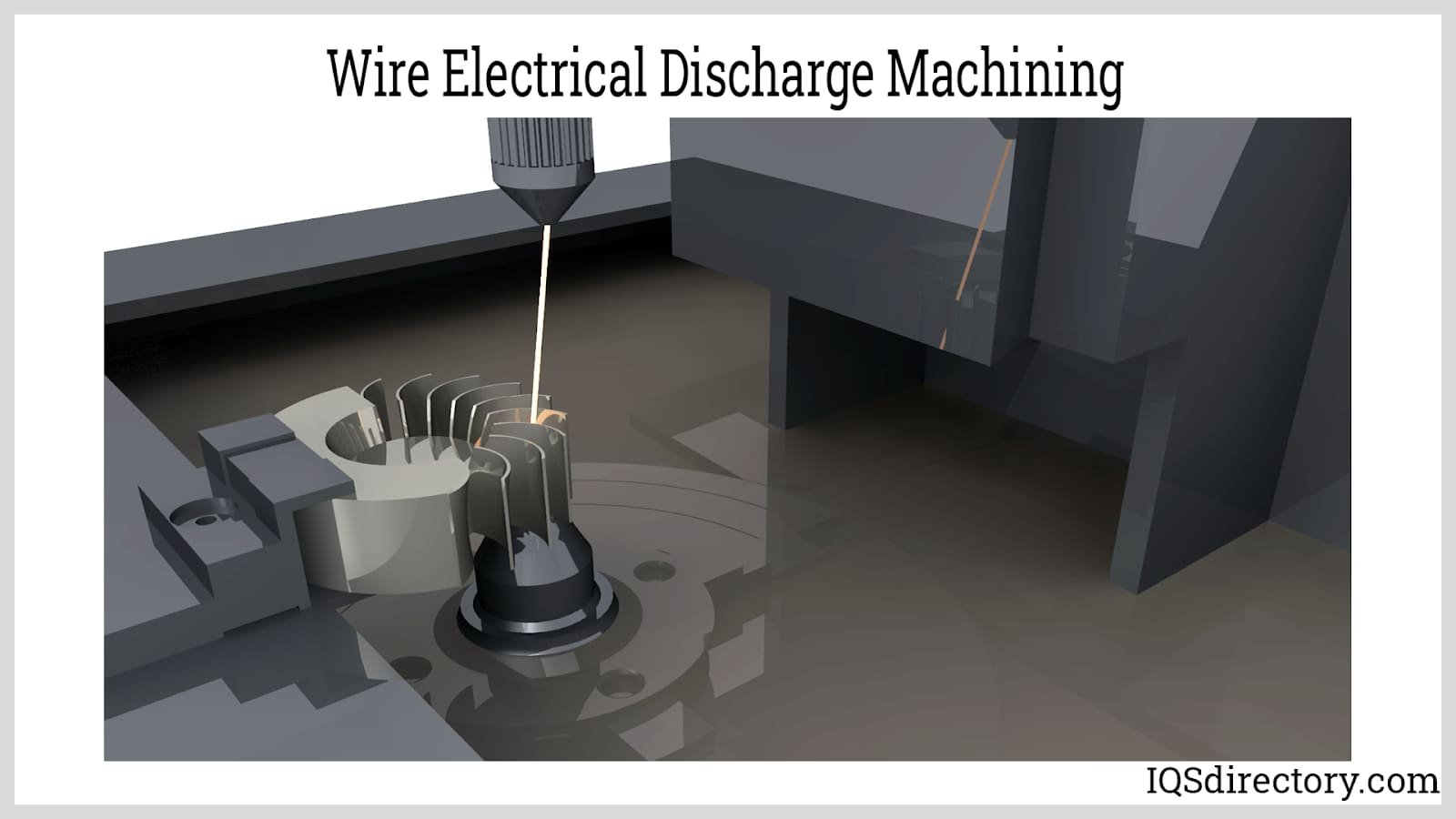
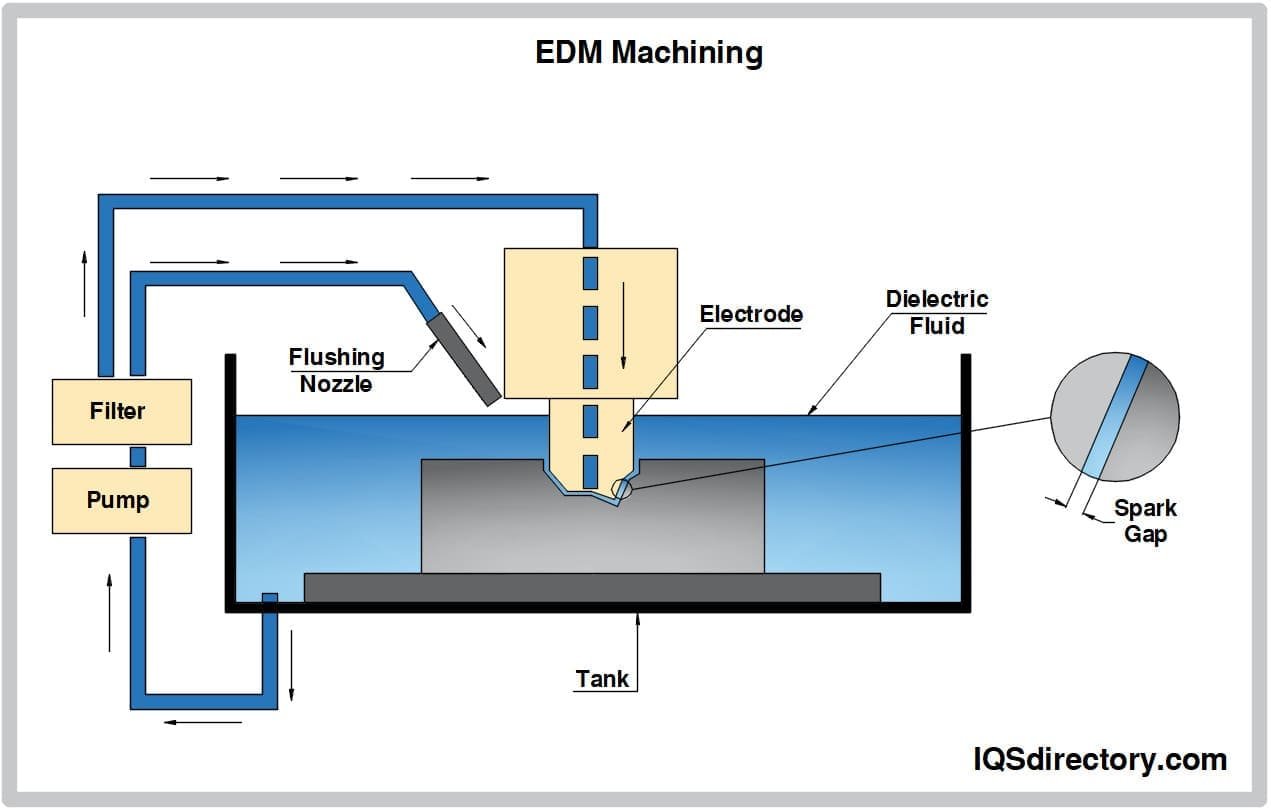
Sinker EDM
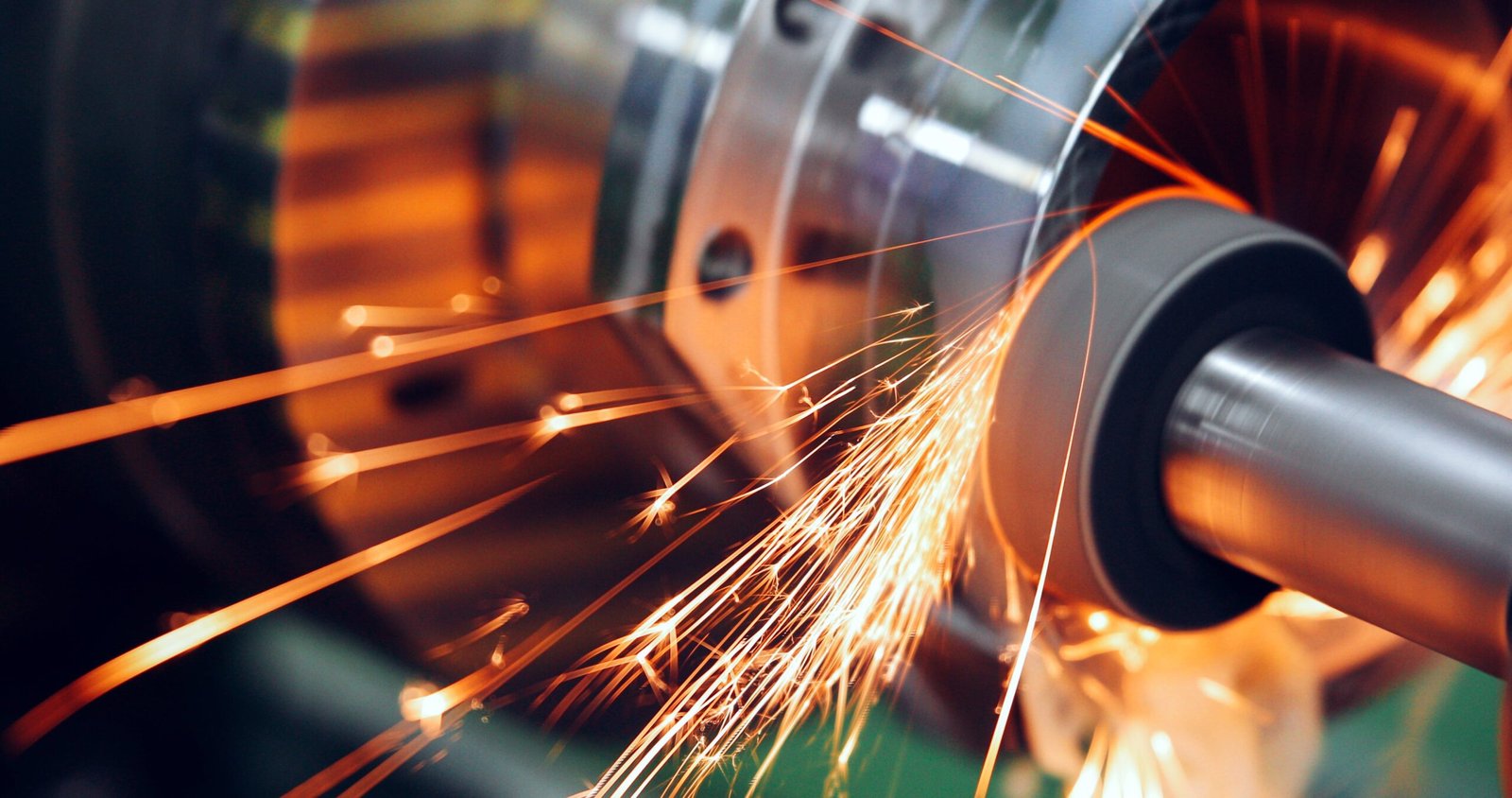
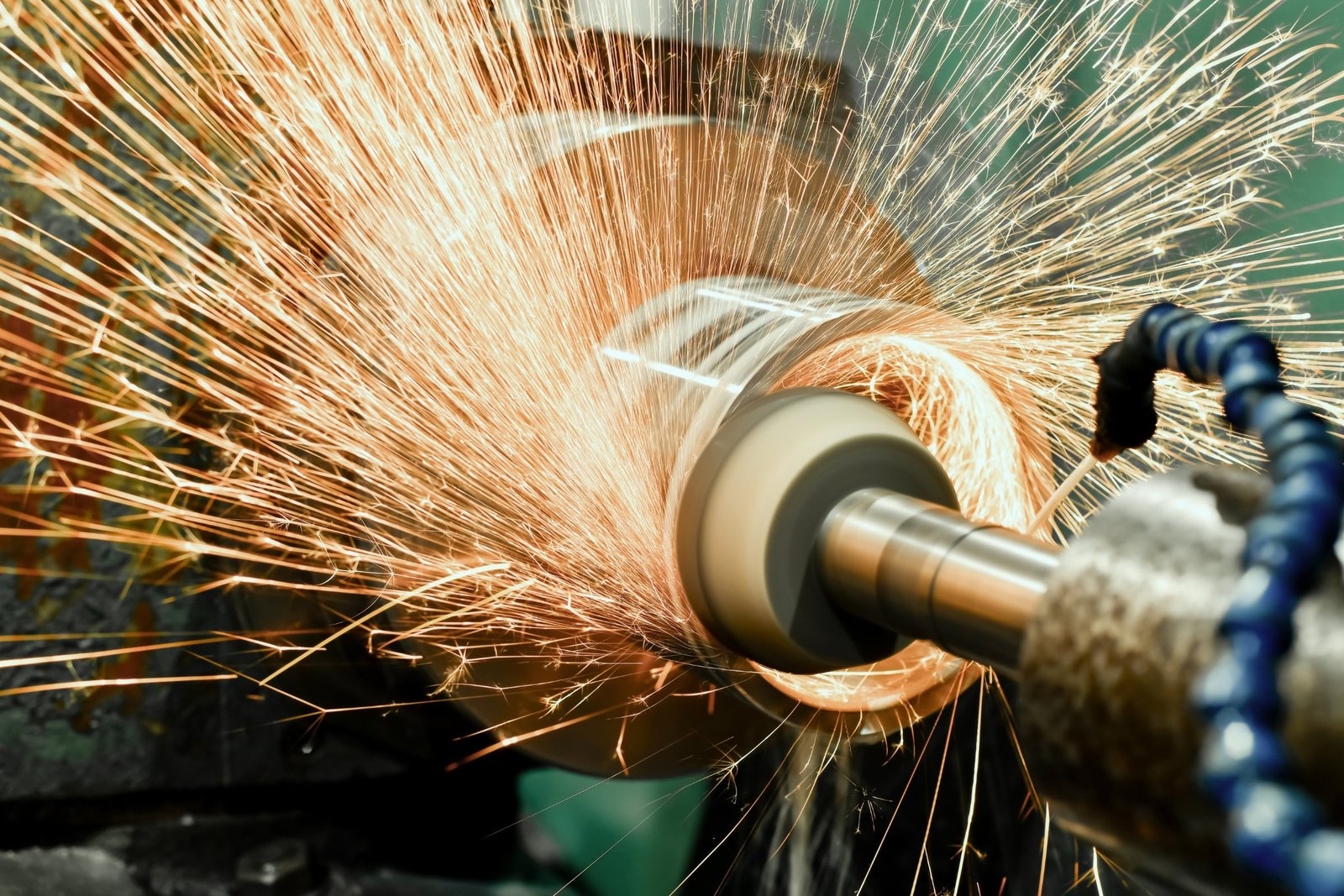
Sodick and Charmilles sinker EDM machines achieve +/-0.003 mm accuracy on deep-cavity cores, multi-cavity inserts and conformal-cooling channels. Mirror-class Mitsubishi mirror EDM produces Ra 0.1 µm finishes for optical-grade mold surfaces in electronics and medical-device applications, eliminating secondary polishing.
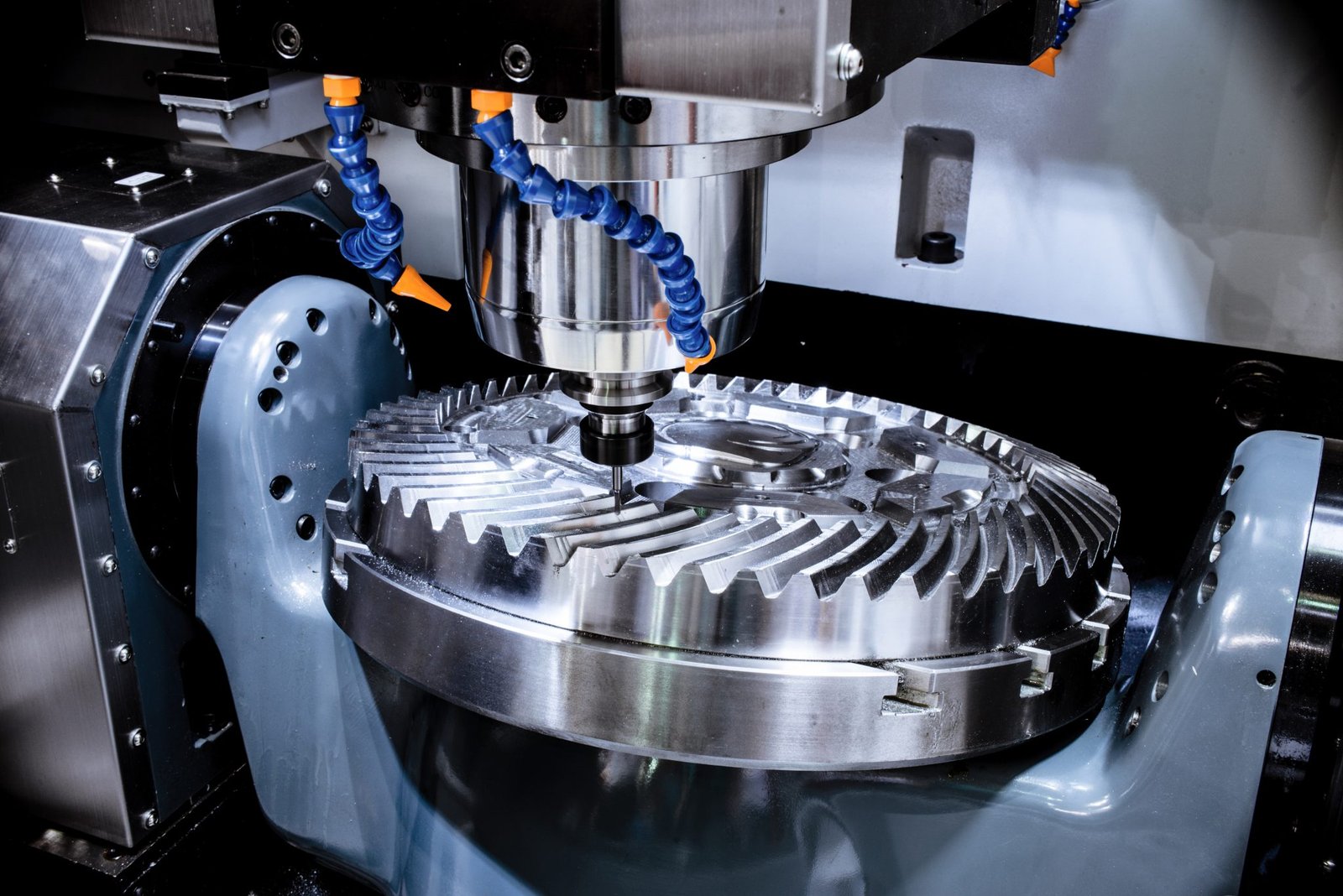
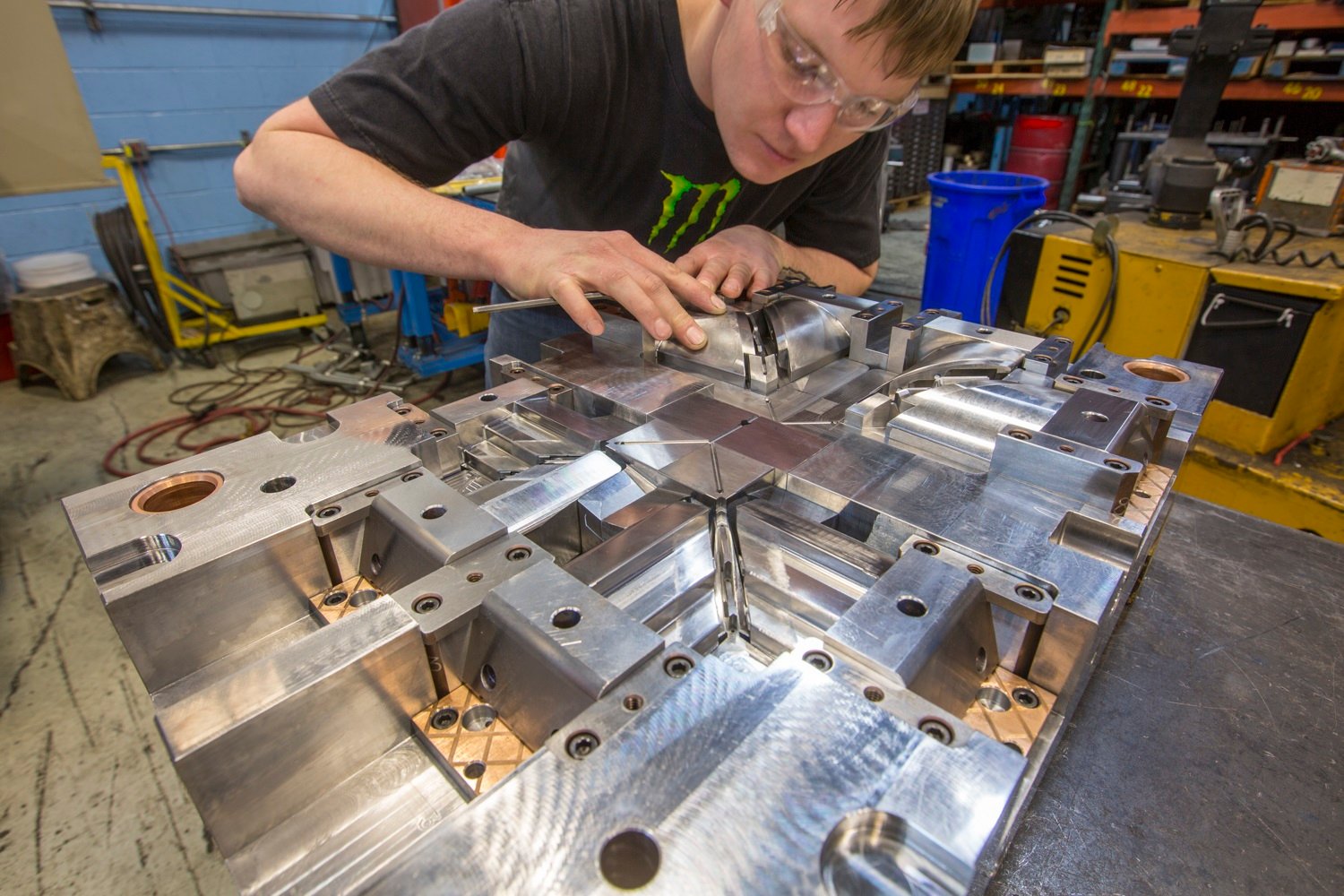
Mold Components & Accessories Across Industries
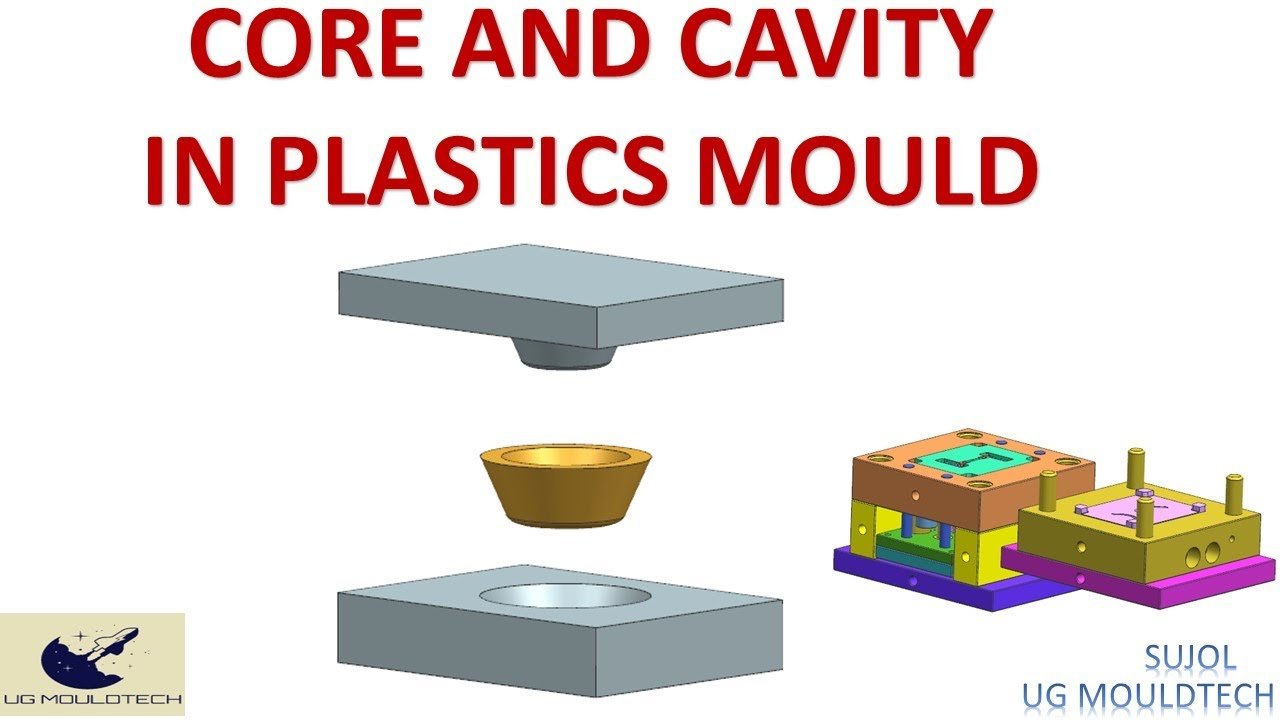


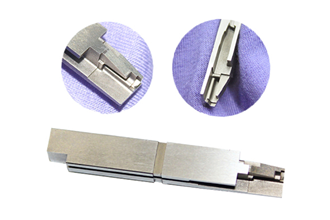
Conformal Cooling Channels
3D-contoured cooling circuits machined or EDM-drilled to optimize cycle time and part quality. Designed with DFM input from 10+ engineering experts, ensuring thermal uniformity and moldability for automotive, medical and electronics tooling.
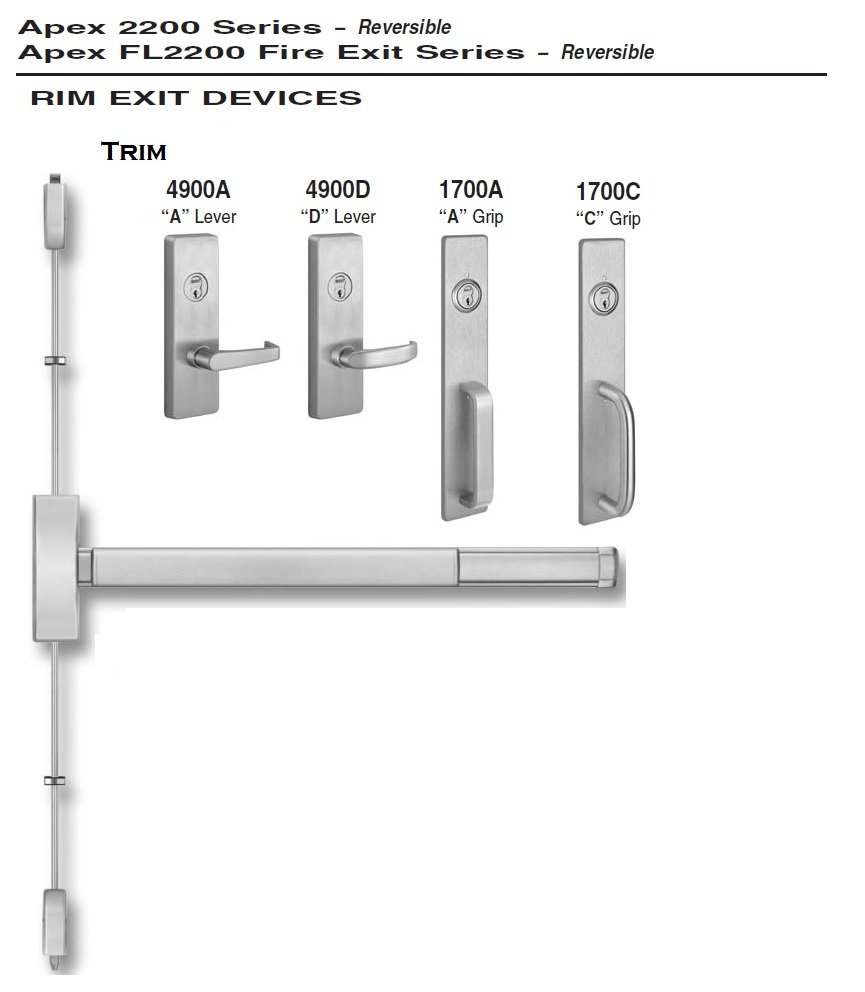
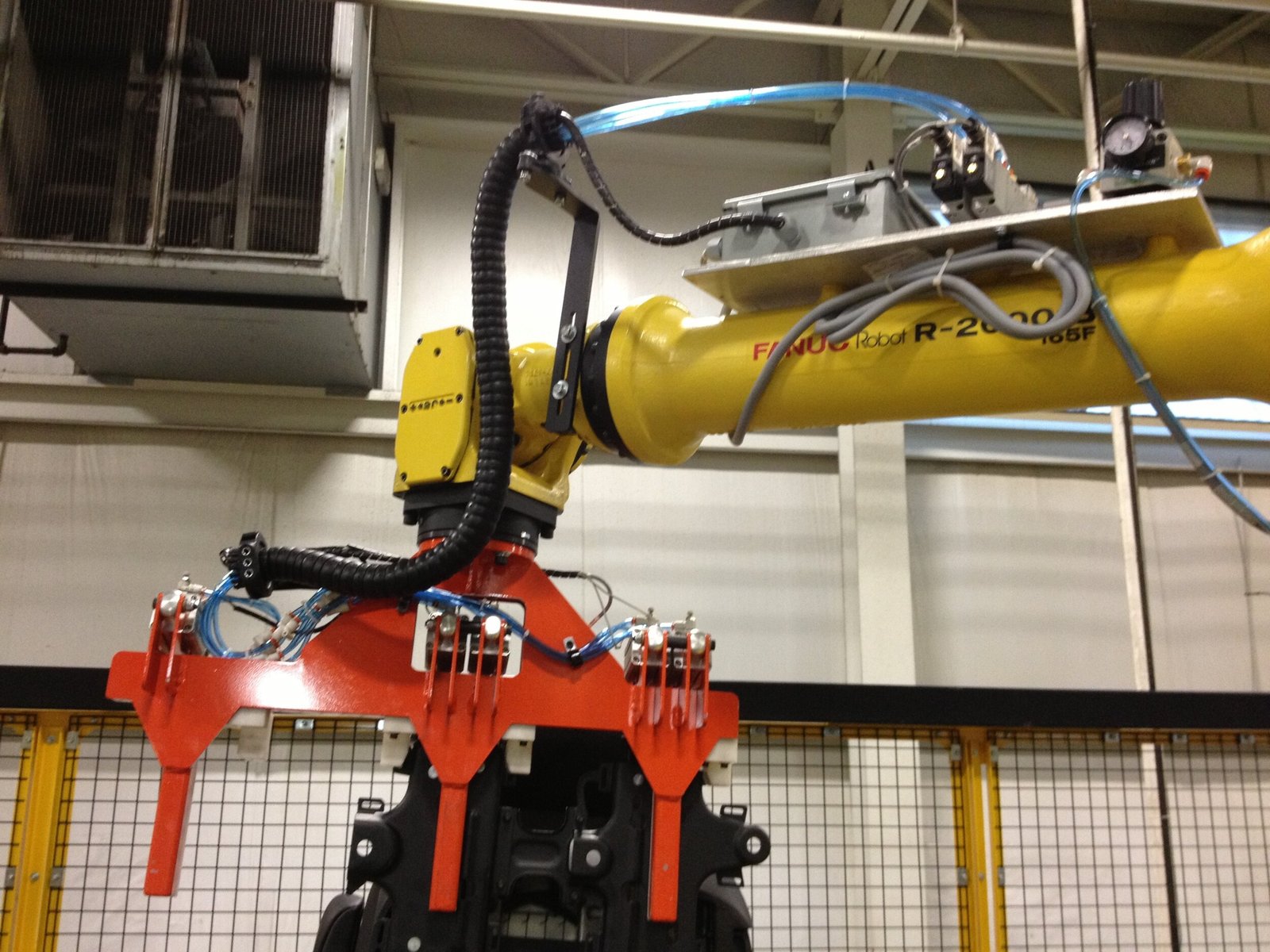
End Effectors & Grippers
High-tolerance jigs, fixtures, robotic grippers and LED structural supports for industrial automation. Manufactured with +/-0.003 mm EDM precision, Dawn grinding and five-step QC validation to ensure repeatability in high-speed assembly environments.
About XUXIANG — 16 Years of Precision Engineering
Founded in 2010 in Dongguan’s Chang’an manufacturing hub, XUXIANG has grown from a specialist mold-core machining shop into a dual-factory precision manufacturing group serving electronics, 5G/telecom, automotive and NEV, industrial automation and medical-device industries worldwide. Our mission: eliminate tolerance failure and delivery delay for OEM/ODM brands, tier suppliers and mold makers who demand micron-stable components.
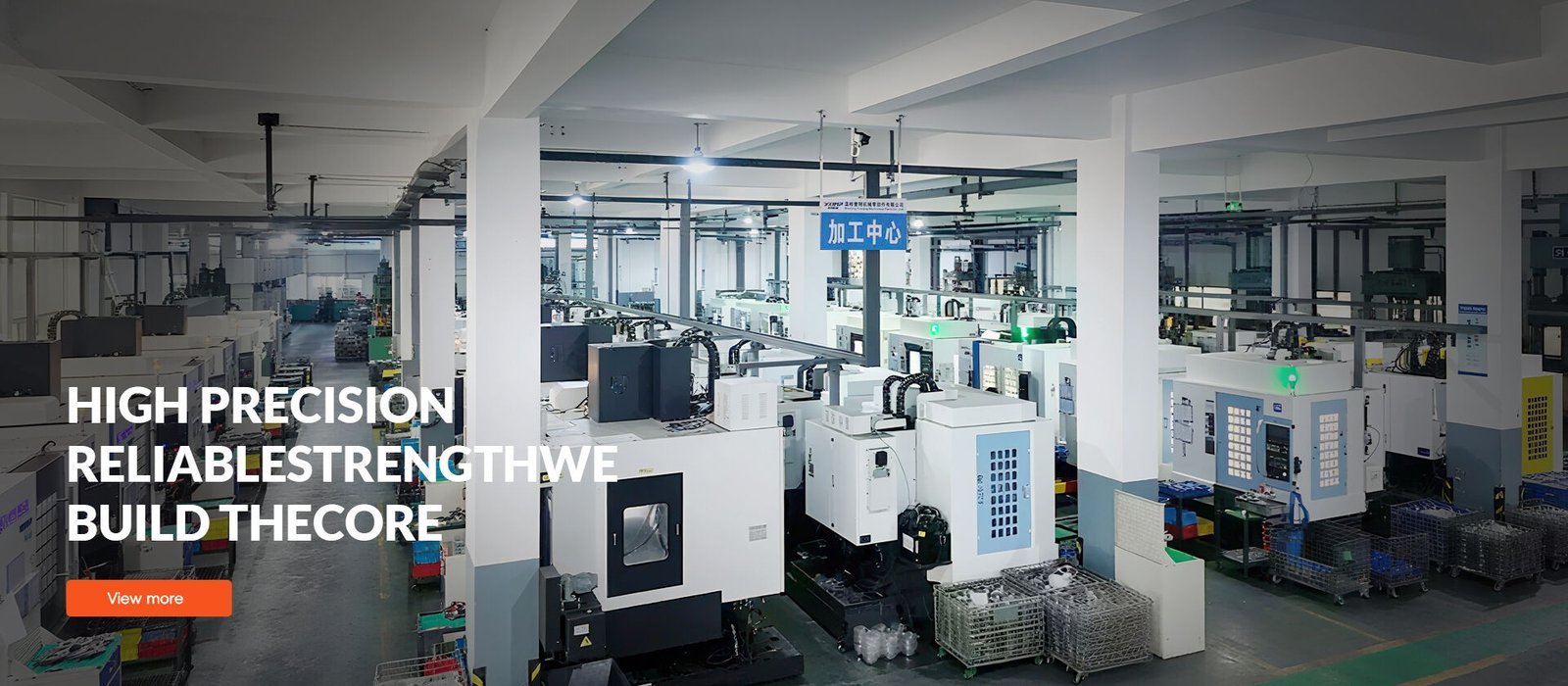
Today XUXIANG operates 2,000 m² in Dongguan for R&D and micro-machining, plus 1,400 m² in Quanzhou (launched 2025) for volume production—together delivering +200% capacity expansion. We’ve invested over CNY 8 million in Japanese Sodick and Seibu slow-wire EDM, Mitsubishi mirror EDM, Fanuc CNC, German ZEISS MICURA CMM and Swiss Charmilles systems, achieving +/-0.001 mm machining accuracy and Ra 0.1um mirror finishes.
ISO 9001:2015 governs every stage: DFM review by 10+ engineers, five-step QC validation with ZEISS/Nikon metrology, and full FAI documentation with material certificates. We quote within 24 hours, deliver samples in 3–7 days and production in 15–25 days—roughly 30% faster than industry average—so you can meet launch windows without sacrificing precision.
Core Capabilities Across Industries — Micron-Stable Precision & Fast Turnaround
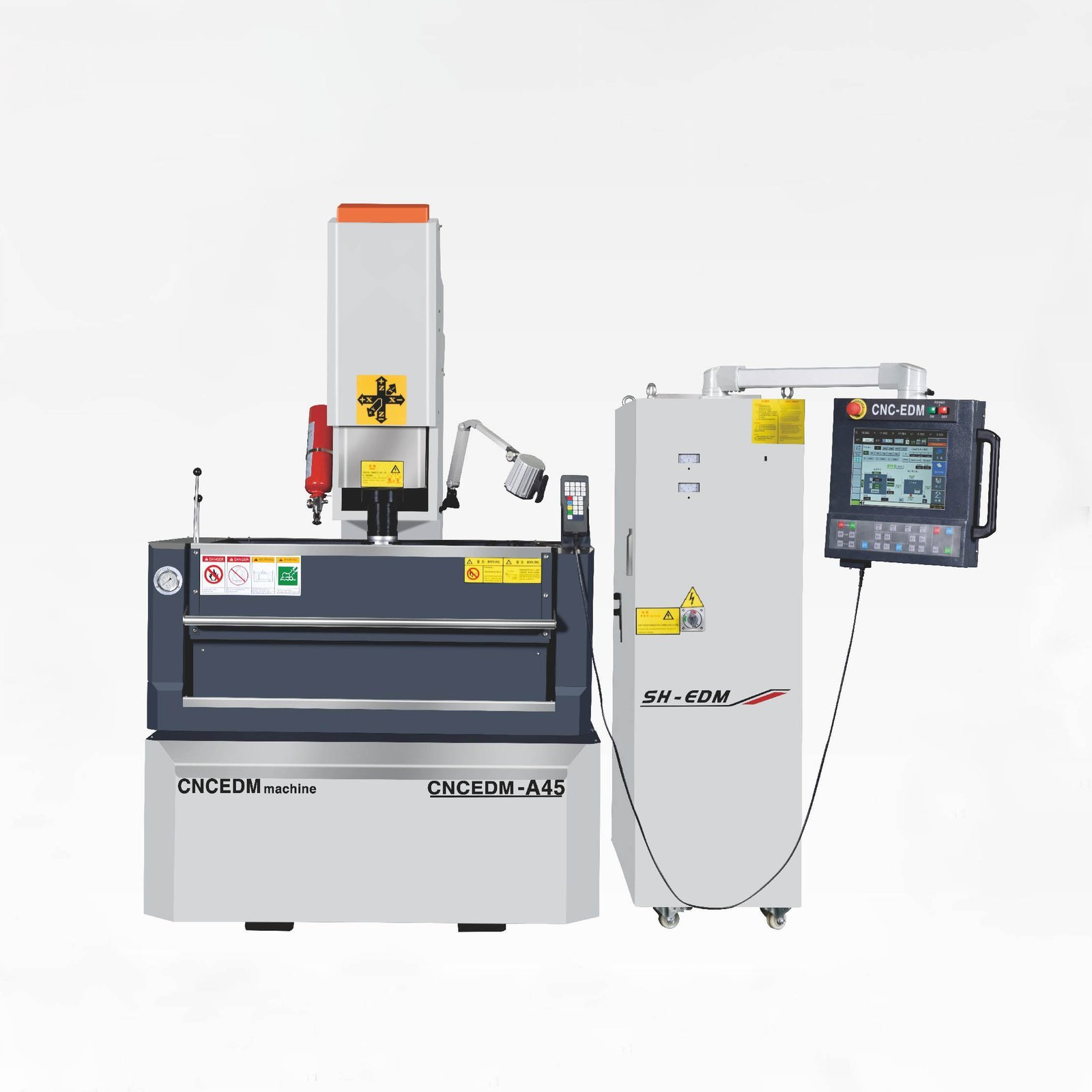
Mirror-Grade EDM & Precision Grinding
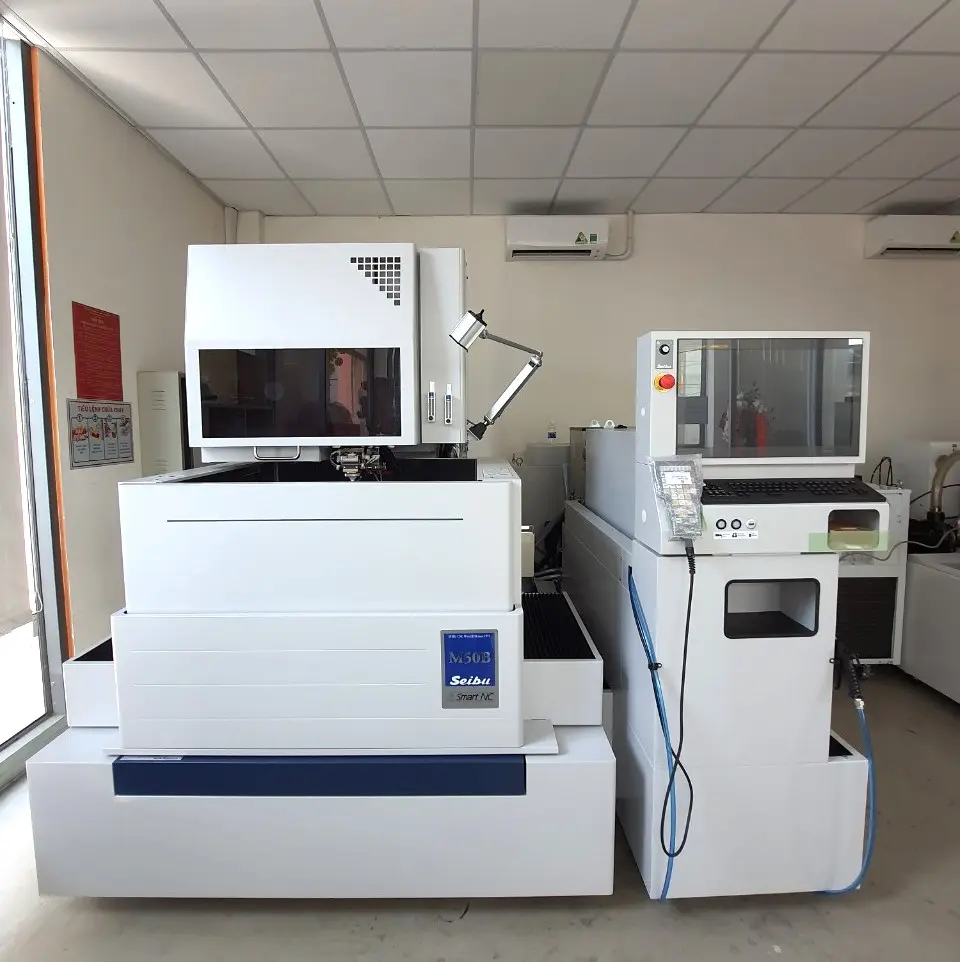
Sodick and Seibu slow-wire EDM, Mitsubishi mirror EDM and Dawn precision grinding centers deliver Ra 0.1um surface finishes, +/-0.002 mm positioning and corner radii down to R <= 0.015 mm — critical for micro-connector tooling, high-density terminal molds and conformal-cooling core inserts across electronics, 5G, automotive and medical-device industries.
- Ra 0.1um mirror-grade EDM finish for optical-quality mold surfaces
- +/-0.002 mm slow-wire positioning on complex 3D geometries
- Corner radii R <= 0.015 mm for micro-pin and high-density connector tooling
- Sodick, Seibu and Mitsubishi EDM systems — over CNY 8M invested in Japanese precision
CNC Machining & Expert DFM Support
Fanuc-class CNC machining, Beijing Jingdiao high-precision electrode fabrication and full mold design services backed by DFM engineering from 10+ experts ensure every component is manufacturable, cost-optimized and ready for mass production — serving automotive, NEV, industrial automation, robotics and telecom industries with complex geometries and tight tolerances.
- +/-0.001 mm machining precision on CNC milling and turning operations
- DFM feedback from 10+ engineers before production to eliminate tolerance failures
- Full mold design, electrode fabrication and core-insert engineering in-house
- Complex 3D contours, thin walls and multi-cavity inserts for high-volume tooling

ZEISS Metrology & Full FAI Validation
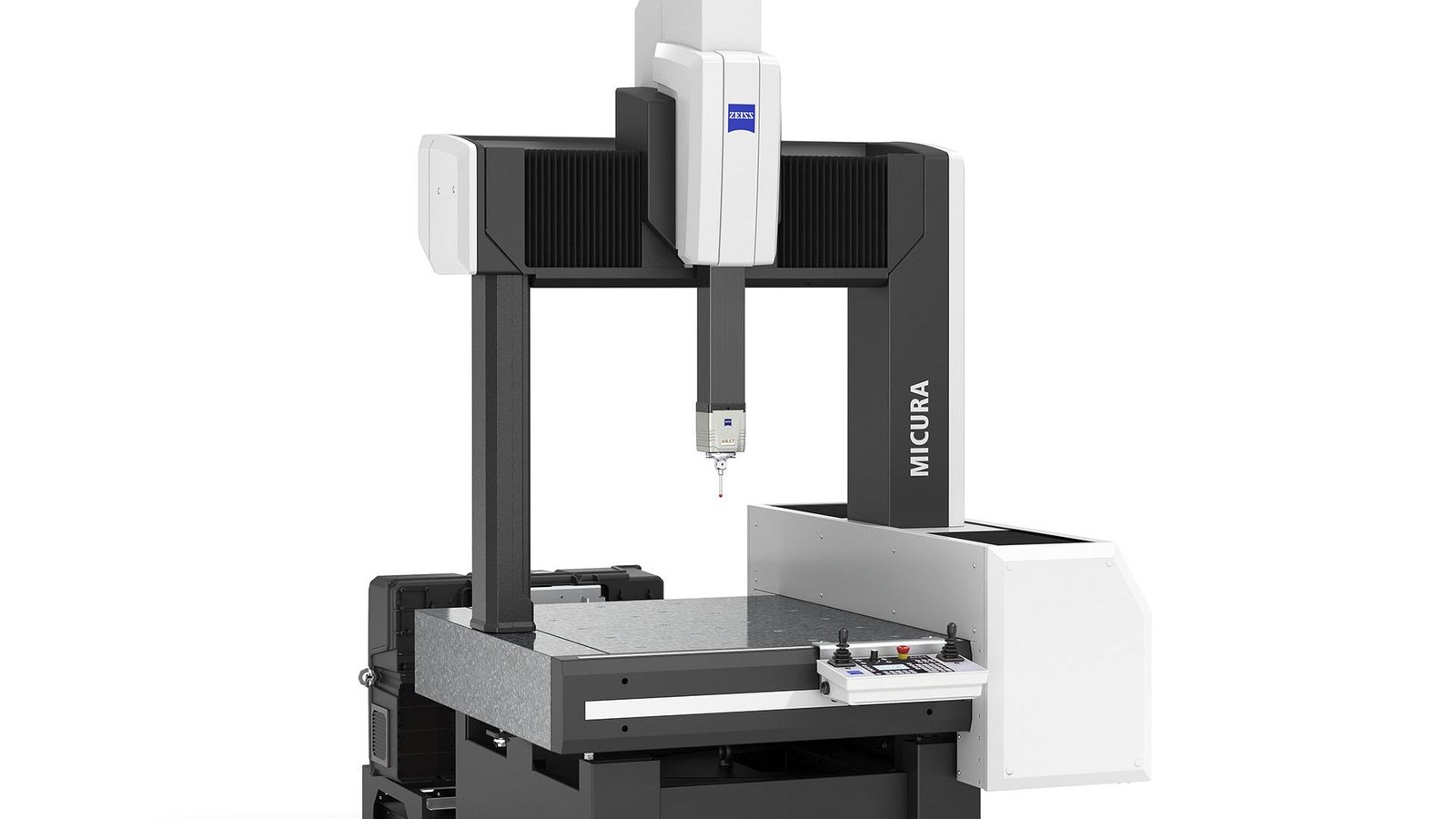
ZEISS MICURA CMM measuring to 0.7um resolution, Nikon V-12B and MM-400 class toolmaker’s microscopes, and a five-step QC flow — material spectral analysis, in-process monitoring, CMM verification, surface-integrity checks and final FAI documentation with material certificates — guarantee traceable, validated precision for regulated industries including medical devices, automotive and aerospace.
- ZEISS MICURA CMM with 0.7um resolution for micron-level validation
- Nikon toolmaker's microscopes (V-12B / MM-400 class) for optical inspection
- Full FAI reports + material certificates shipped with every order
- Five-step QC flow from spectral analysis to final dimensional verification

Dual-Factory Capacity & 30% Faster Delivery
Dual facilities — 2,000 m² Dongguan R&D and micro-machining hub plus 1,400 m² Quanzhou volume-production plant (2025 expansion) — deliver +200% capacity increase, 3–7 day sample lead times, 15–25 day mass production and roughly 30% faster turnaround than industry average, serving global electronics, 5G, automotive, industrial and medical customers with dependable on-time delivery.
- Dongguan 2,000 m² (R&D + micro-machining) + Quanzhou 1,400 m² (volume production)
- +200% capacity increase since 2025 expansion for scalable mass production
- 3–7 days for samples, 15–25 days for mass production — 30% faster than average
- 24-hour quote turnaround and ISO 9001:2015 process governance

XUXIANG vs. Typical Precision Suppliers Across Industries
When your project demands micron-stable precision and dependable delivery, equipment, tolerance capability and process rigor separate industry leaders from the rest. Here’s how XUXIANG stacks up against typical precision suppliers serving electronics, automotive, 5G and medical-device industries.
← 左右滑动查看 →
How XUXIANG Delivers Micron-Stable Precision Across Industries
When your project demands micron-stable precision and dependable delivery, equipment capability, tolerance control and process rigor separate precision leaders from the rest. Here’s how XUXIANG compares to typical precision suppliers serving electronics, automotive, 5G and medical-device industries.
DFM Review & Engineering
10+ engineering experts analyze your CAD files, flag tolerance risks and provide actionable DFM feedback before production begins — ensuring manufacturability across electronics, automotive, 5G and medical industries.
Tooling & Electrode Design
Precision electrode fabrication on Beijing Jingdiao CNC and toolpath optimization for Sodick slow-wire EDM, Mitsubishi mirror EDM and Fanuc CNC machining centers — optimized for +/-0.001 mm accuracy.
EDM, Grinding & Machining
Sodick and Seibu slow-wire EDM achieve +/-0.002 mm positioning; mirror-grade sinker EDM delivers Ra 0.1um finishes; Dawn grinding centers hold corner radii down to R ≤ 0.015 mm.
Metrology Validation & FAI
ZEISS MICURA CMM measures to 0.7um resolution; Nikon toolmaker’s microscopes verify surface integrity; full FAI reports document dimensional conformance, material spectral analysis and surface-finish data.
Quality Assurance & Certification
ISO 9001:2015 five-step QC flow — material certificates, in-process tolerance monitoring, final inspection and traceability documentation — ensures every part meets spec before shipment to industries worldwide.
Packing & On-Time Logistics
Anti-corrosion packaging, protective foam inserts and secure crating; dual-factory coordination between Dongguan and Quanzhou enables 3–7 day sample delivery and 15–25 day mass-production lead times — roughly 30% faster than industry average.
How to Partner with XUXIANG Across Industries
From CAD upload to mass production, our five-step workflow reduces procurement friction and ensures micron-stable precision for electronics, automotive, 5G, medical-device and industrial-automation industries worldwide.
Submit Your CAD & Requirements
Upload 2D/3D drawings, technical specifications and target tolerances. Our engineering team reviews your design for manufacturability across all precision industries we serve.
Receive DFM & Quote in 24 Hours
Get detailed DFM feedback from 10+ experts, tolerance validation and a transparent quote — all within one business day, no matter your industry.
Approve Sampling in 3–7 Days
Review first-article samples machined to +/-0.001 mm on Sodick EDM and Fanuc CNC. Adjust design or approve for mass production with full confidence.
Validate FAI & Material Certificates
Inspect ZEISS MICURA CMM reports, surface-finish data, spectral analysis and ISO 9001:2015 material certificates before shipment — every part documented and traceable.
Launch Mass Production in 15–25 Days
Scale to volume with consistent micron-level quality, roughly 30% faster delivery than industry average, and dedicated support throughout your production lifecycle.
Certifications & Quality Assurance Across All Industries


Trusted Across Industries — Real Results from Precision Manufacturing
XUXIANG held +/-0.002 mm on our micro-connector tooling for 5G modules — zero tolerance failures across 12,000 parts. Their ZEISS CMM reports gave us full traceability, and delivery was 8 days ahead of schedule.
We cut our ADAS sensor housing rework rate from 11% to under 1% after switching to XUXIANG. Their DFM team caught a draft-angle issue in pre-production that saved us three weeks and roughly $18,000 in scrap.
Mirror-finish EDM cores for our catheter-tip molds arrived in 19 days with Ra 0.12 µm verified — better than spec. The FAI package and material certs let us pass our FDA design-history file audit without a single question.
FAQ — Precision Mold & CNC Machining for Industries Worldwide
Clear answers to the most common questions from procurement managers, tooling buyers and engineers across electronics, 5G/telecom, automotive, industrial automation and medical-device industries.
What industries does XUXIANG serve with precision mold components and CNC machining?
What is your minimum order quantity (MOQ) for precision mold components?
How quickly can you deliver samples and production orders across different industries?
Do you charge for sampling, and can the cost be credited toward production?
What payment terms do you offer for international buyers?
How do you protect intellectual property and confidential designs?
Can you guarantee the +/-0.001 mm tolerance you advertise?
Do you source materials in-house, or can I supply my own for critical industries?
Do you provide DFM engineering support before I commit to production?
The Complete Buyer’s Guide to Precision Manufacturing Across Industries
Navigate the complexities of sourcing precision mold components and CNC-machined parts across diverse industries. This guide delivers a proven decision framework, supplier evaluation criteria, and the critical mistakes to avoid when selecting manufacturing partners for mission-critical applications.
1. What Are Precision Manufacturing Industries?
Precision manufacturing industries are sectors where component tolerances are measured in microns, not millimeters, and where failure carries regulatory, safety or performance consequences. These industries share three requirements: dimensional accuracy typically +/- 0.001–0.005 mm, traceable quality documentation and zero-defect expectations for mission-critical assemblies.
Five core sectors drive global demand for precision mold components and CNC-machined metal parts. Electronics and 5G/telecom require micro-connector tooling, thin-wall inserts and high-density terminal molds to support miniaturization and signal integrity. Automotive and new-energy vehicles (NEV) depend on precision cores for ADAS sensor housings, battery-management-system interconnects and powertrain components that must survive thermal cycling and vibration. Industrial automation, robotics and medical devices demand custom jigs, end effectors and implant-grade tooling held to ISO 13485 or equivalent standards.
Supplier selection directly impacts yield, time-to-market and warranty exposure. A mold-component partner with ZEISS CMM verification, mirror-grade EDM capability and documented process control reduces scrap, shortens validation cycles and protects brand reputation across all five industries.
2. Evolution of Precision Component Manufacturing Across Industries
The 1960s–70s marked the first inflection point: injection molding scaled from prototyping into mass production, demanding interchangeable cores and repeatable cavity geometry that manual machining could not guarantee. By the 1990s, consumer electronics miniaturization — mobile phones, PDAs, laptops — pushed tolerance bands from +/-0.05 mm to +/-0.01 mm, driving adoption of multi-axis CNC and sinker EDM across industries.
The 2000s automotive lightweighting shift introduced aluminum and magnesium alloy molds, conformal cooling channels and complex undercuts, requiring slow-wire EDM capable of +/-0.003 mm and corner radii below R 0.02 mm. Tier suppliers invested in CMM inspection and DFM software to meet OEM quality gates.
Today’s 5G/NEV/medical-device boom has raised the bar again: micro-connector tooling for board-to-board assemblies, high-voltage battery interconnects and implantable-device housings now specify sub-micron tolerances — +/-0.001 mm machining accuracy, Ra 0.1 µm mirror finishes and ZEISS-class metrology — capabilities that define the leading edge of precision component manufacturing across industries.
3. Types of Industries Requiring Precision Mold Components
Five industries drive the majority of precision mold component demand, each with distinct tolerance, material and regulatory profiles. Understanding these differences helps procurement teams specify the right parts, volumes and certifications upfront.
Electronics & 5G/Telecom
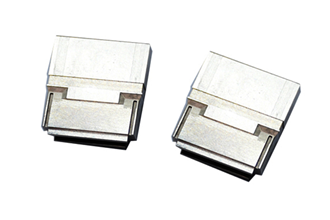
Buyers source micro-connector tooling (thin-wall pins, sockets, board-to-board inserts), ejector pins and mirror-finish EDM cores. Tolerances run +/-0.002 mm; materials include H13, SKD61 and beryllium-copper. Production volumes span 10,000–500,000 cycles. RoHS compliance is mandatory; halogen-free and UL94 V-0 certifications are common for consumer and infrastructure deployments.
Automotive & New-Energy Vehicles
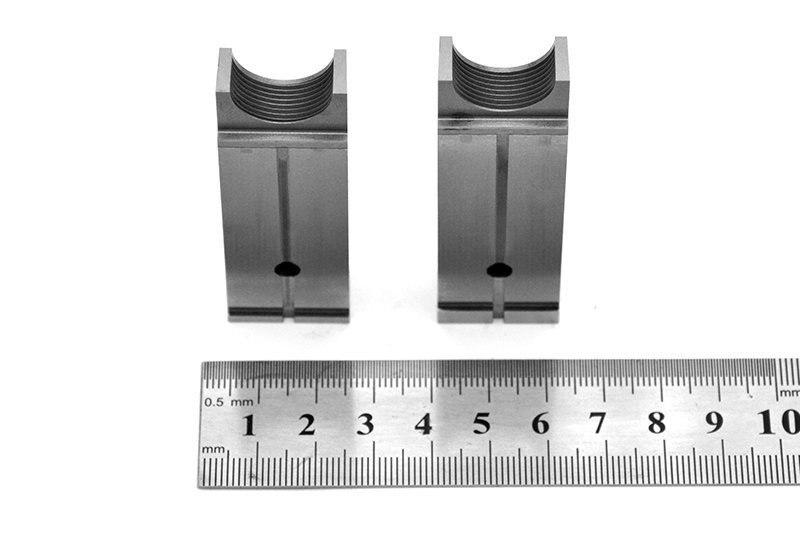
ADAS sensor housings, BMS/HV interconnect tooling and powertrain inserts dominate. Tolerances tighten to +/-0.001 mm for safety-critical parts; materials include stainless steel 316L, Inconel and hardened tool steels. Volumes range from 50,000 to 1 million+ cycles. IATF 16949 and AEC-Q200 compliance are baseline; PPAP documentation is required for tier-one supply.
Medical Devices
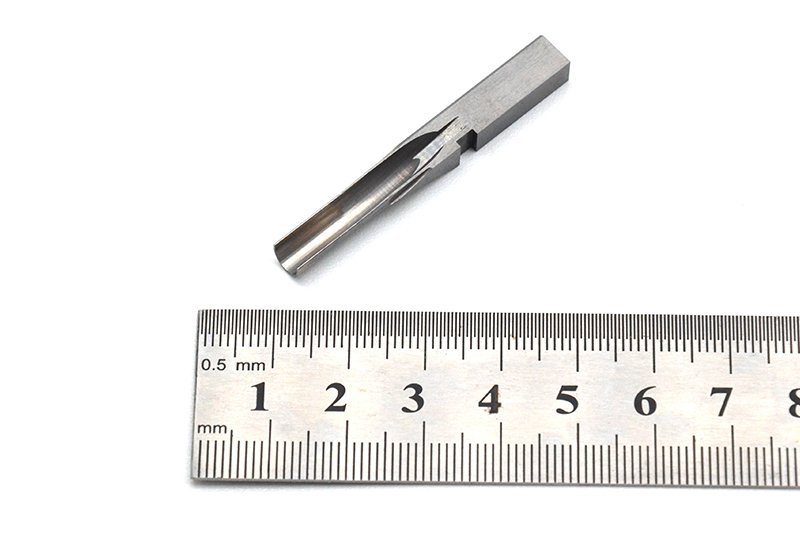
Surgical instrument molds, diagnostic housings and micro-fluidic cores require biocompatible materials (316L stainless, PEEK inserts) and +/-0.001 mm tolerances. Volumes are typically 5,000–50,000 cycles. ISO 13485 certification, material traceability and full FAI documentation are non-negotiable for regulatory submissions.
4. Materials and Alloys Used Across Industries
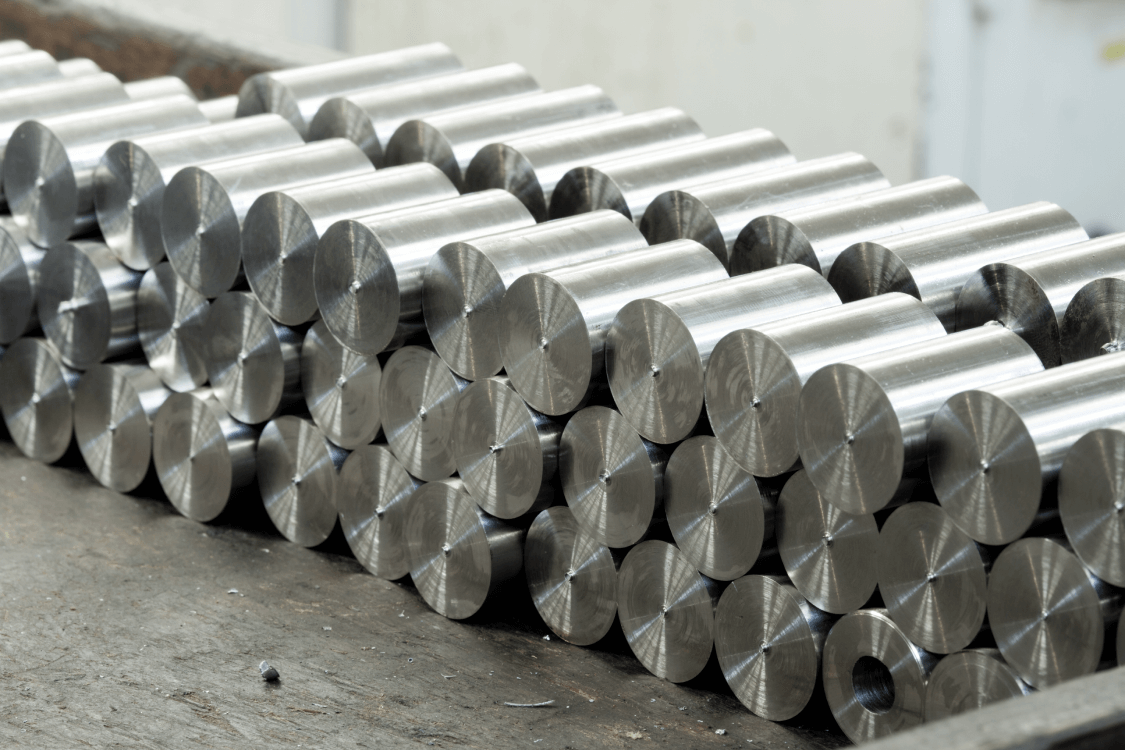
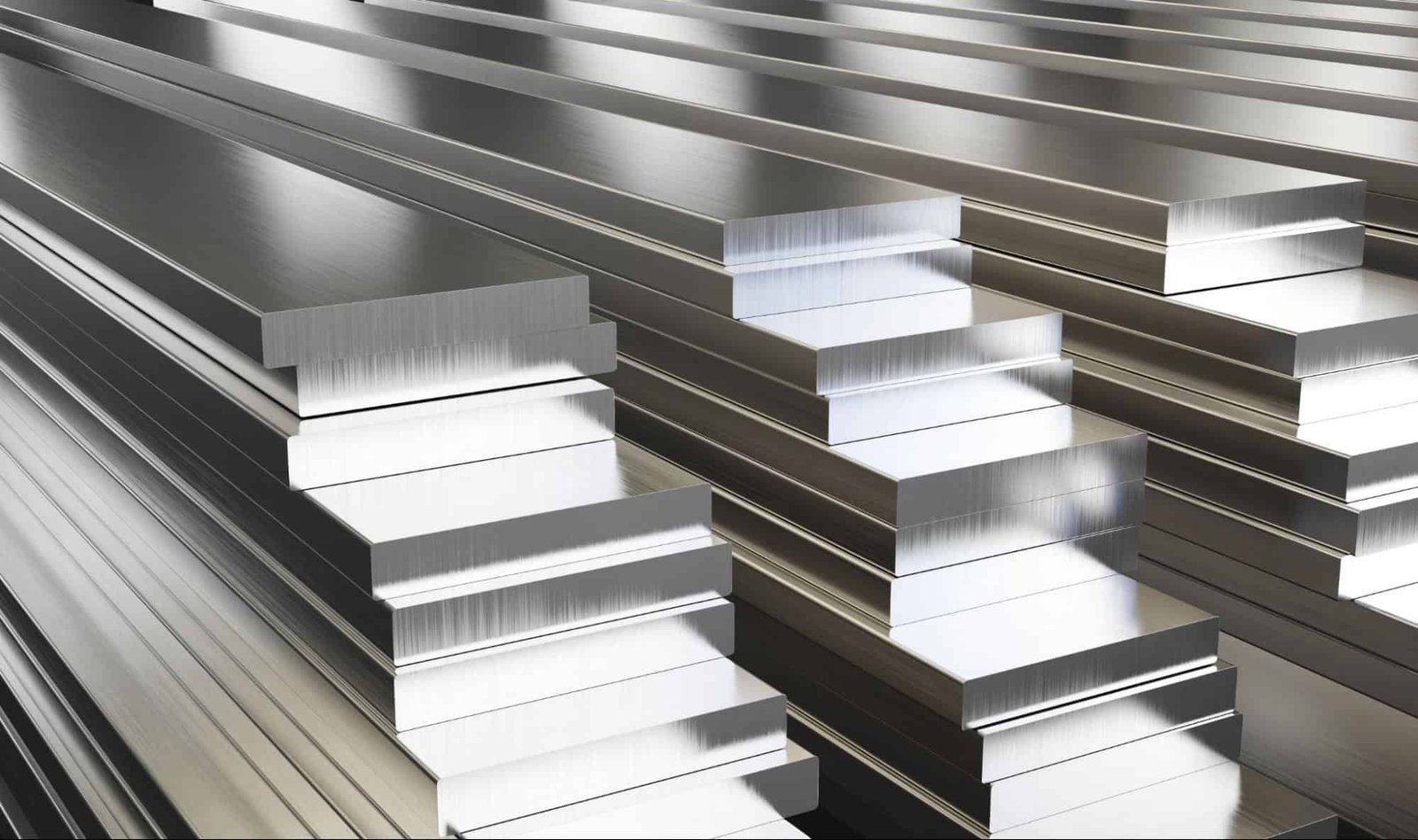
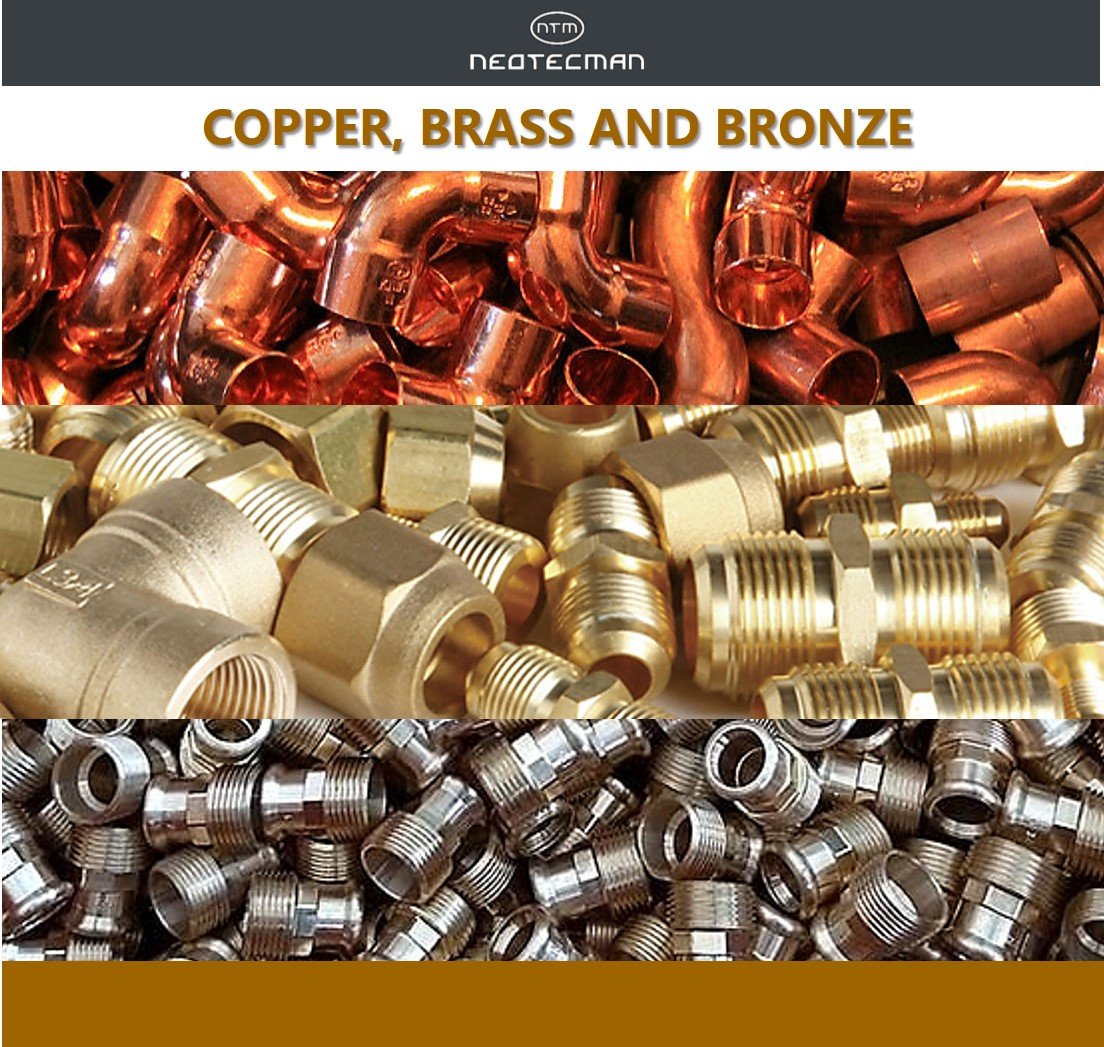
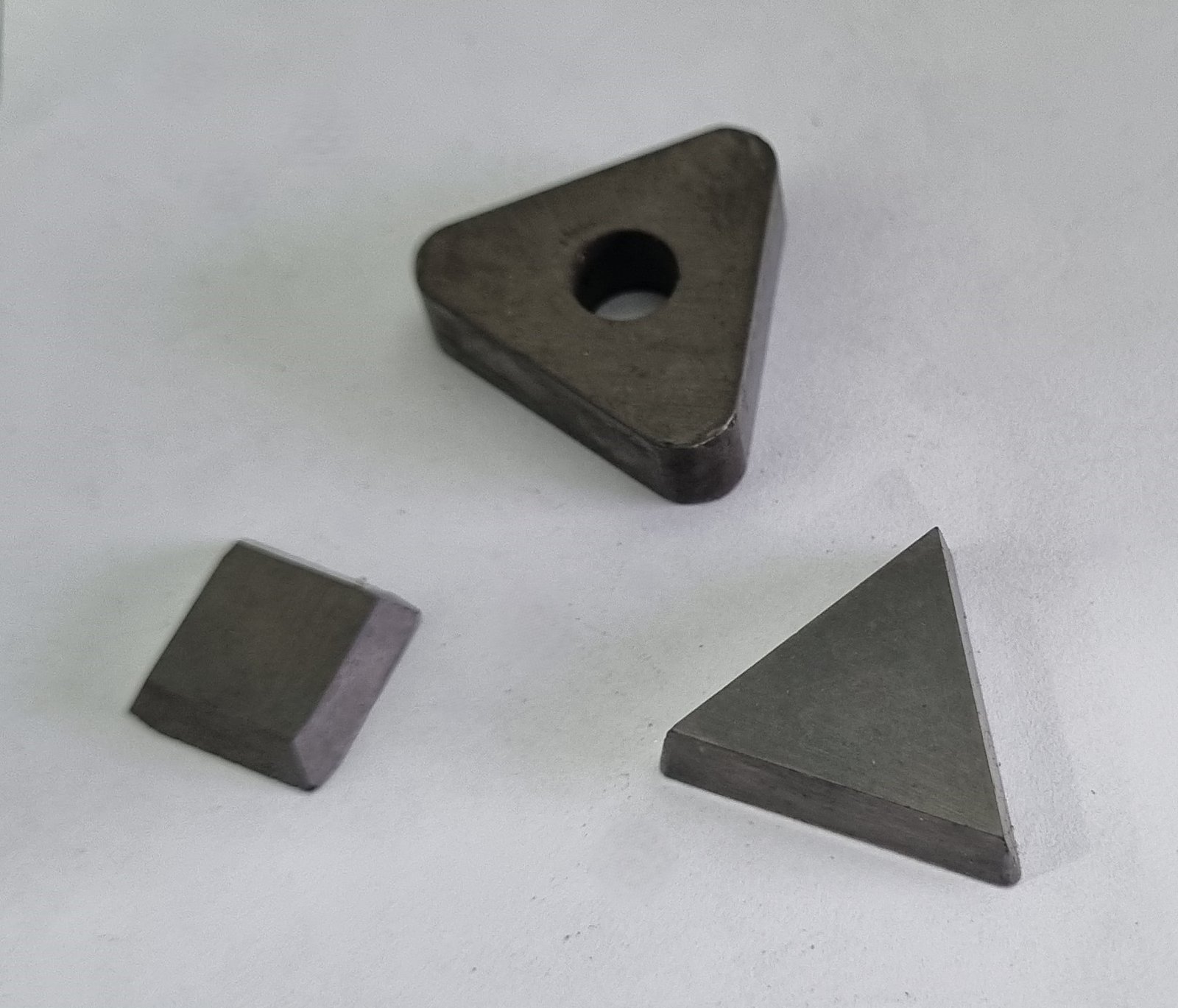
Material selection drives mold-component performance across industries: hardness, corrosion resistance and thermal conductivity must align with end-use environment and cycle-life targets. XUXIANG machines tool steels, stainless alloys, beryllium copper, tungsten carbide and engineering plastics to tolerances of ±0.001 mm, matching material properties to application-critical demands.
| Material | Hardness (HRC) | Typical Industries | Key Properties |
|---|---|---|---|
| H13 tool steel | 48–52 | Automotive, industrial automation | Wear resistance, toughness, high-temperature stability |
| S136 / NAK80 | 38–42 / 37–43 | Medical devices, electronics | Mirror polish, corrosion resistance, low maintenance |
| 316L stainless | ≤95 HRB | Medical devices, food-contact | Biocompatibility, corrosion resistance, cleanability |
| 440C stainless | 58–60 | High-wear tooling, precision jigs | Hardness, corrosion resistance, edge retention |
| Beryllium copper | 35–42 | Electronics, 5G/telecom connectors | High thermal/electrical conductivity, spring temper |
| Tungsten carbide | 88–92 | High-volume production, micro-features | Extreme wear resistance, dimensional stability |
| PEEK / PEI | Shore D 85 / 88 | Overmolding inserts, medical | Chemical resistance, biocompatibility, low friction |
Tool Steels for Automotive and High-Cycle Applications
H13 tool steel dominates automotive mold cores and ADAS sensor housings because its 48–52 HRC hardness withstands 500,000+ injection cycles without dimensional creep. NAK80 pre-hardened steel (37–43 HRC) supports mirror EDM finishes down to Ra 0.1 µm for interior trim and lens inserts, reducing post-polish labor by roughly 40%. XUXIANG heat-treats and tempers H13 in-house to maintain ±1 HRC uniformity across multi-cavity inserts.
Stainless Grades for Medical and Corrosive Environments
316L stainless offers biocompatibility and cleanability for surgical-instrument molds and pharmaceutical packaging tooling, meeting ISO 10993 contact requirements without surface coatings. 440C stainless (58–60 HRC) combines corrosion resistance with hardness for high-wear ejector pins and gate inserts in humid or chemical-exposure environments. XUXIANG validates material chemistry via spectral analysis and issues mill certificates with every medical-grade stainless shipment.
Beryllium Copper for Electronics and Thermal Management
Beryllium copper (C17200) delivers thermal conductivity above 100 W/m·K and electrical conductivity ~20% IACS, making it the standard for micro-connector terminal tooling, 5G antenna inserts and board-to-board socket molds. Its 35–42 HRC spring temper supports thin-wall geometries below 0.15 mm without cracking during EDM or CNC. XUXIANG machines BeCu electrodes and core pins with corner radii ≤0.015 mm for high-density interconnect applications.
5. Customization Options for Industry-Specific Components
Precision component buyers across industries demand tailored specifications to meet application-critical performance thresholds. Customization spans surface integrity, dimensional tolerance classes, metallurgical treatments and geometric complexity — each choice directly impacting cost, lead time and functional reliability.
| Customization Method | Cost Impact | Lead-Time Delta |
|---|---|---|
| Mirror EDM finish (Ra ≤0.2 µm) | +5–8 % | +1–2 days |
| PVD coating (TiN, TiAlN) | +10–15 % | +3–4 days |
| Tolerance ±0.001–0.002 mm | +10–15 % | +2–3 days |
| Nitriding / vacuum hardening | +8–12 % | +5–7 days |
| Micro-features (R ≤0.015 mm) | +12–18 % | +3–5 days |
| Kitting & laser marking | +3–5 % | 0 days (parallel) |
Surface Finishes and Coatings
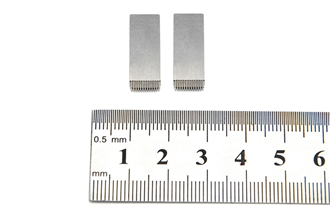
Mirror-grade EDM finishes down to Ra 0.1 µm enable cosmetic-class mold cavities for consumer electronics housings, while controlled EDM textures (VDI 18–36) support draft-free ejection in automotive interiors. PVD coatings — TiN, TiAlN, CrN — extend tool life 3–5× in high-wear connector tooling and medical-device inserts.
XUXIANG’s Sodick and Charmilles sinker EDM centers deliver repeatable mirror finishes without secondary polishing, reducing cycle time and preserving tight corner radii.
Dimensional Tolerance Classes
Standard mold components ship at ±0.01 mm; high-precision 5G micro-connector tooling requires ±0.002 mm slow-wire tolerances, validated by ZEISS MICURA CMM at 0.7 µm resolution. Tighter tolerances add 10–15 % cost and 2–3 days lead time but eliminate field rework in ADAS sensor housings and BMS interconnects.
- ±0.001 mm: Micro-pin tooling, ultra-precision cores
- ±0.002–0.003 mm: Connector inserts, lifters, sliders
- ±0.005–0.01 mm: Standard ejector pins, support pillars
Heat Treatments and Hardening
Nitriding (HV 950–1100) and vacuum hardening (HRC 48–62) tailor wear resistance and core toughness for high-cycle automotive and industrial-automation tooling. Treatment selection depends on substrate alloy — SKD61, NAK80, S136 — and expected shot count, typically adding 5–7 days and 8–12 % to baseline cost.
Special Geometries and Micro-Features
Undercuts, conformal cooling channels, corner radii ≤ R0.015 mm and thin-wall ribs demand multi-axis CNC and precision slow-wire EDM. XUXIANG’s Beijing Jingdiao electrode centers and Sodick wire-cut systems resolve micro-features without tool deflection, critical for FPC and RF connector molds where feature density exceeds 50 pins/cm².
Value-Added Services
Assembly, sub-component kitting and laser marking consolidate supply chains and reduce inbound inspection overhead. Kitted insert sets arrive pre-matched and serialized, cutting mold-build time 15–20 %. Laser marking ensures traceability for ISO 13485 medical-device programs and IATF 16949 automotive quality systems, with no added lead time when specified at order.
6. Key Quality Elements When Sourcing for Critical Industries
Sourcing precision components for critical industries demands verifiable quality systems, not supplier promises. Non-negotiable elements include dimensional verification with traceable metrology, material certifications tied to batch records, real-time process control and comprehensive compliance documentation.
Dimensional Accuracy Verification
CMM inspection reports — ideally from ZEISS, Mitutoyo or equivalent coordinate measuring machines — must cite actual measured values against nominal CAD geometry, with GD&T callouts and measurement uncertainty (typically ±0.7–2 µm for precision CMMs). Optical comparators and toolmaker’s microscopes (Nikon V-12B class) verify edge radii, surface finish and micro-features below CMM resolution.
First-article inspection (FAI) reports should accompany every new part number, documenting 100 % of critical dimensions, material hardness and surface integrity before series production.
Material Traceability and Certifications
Every lot must ship with mill test certificates (MTC 3.1 per EN 10204) tracing heat number, chemical composition and mechanical properties to the steel mill or alloy supplier. Spectral analysis via handheld XRF or optical emission confirms grade identity at goods-in.
RoHS and REACH declarations are mandatory for EU-bound electronics and automotive parts; PPAP (Production Part Approval Process) Level 3 or higher is standard for IATF 16949 automotive programs, bundling material certs, process FMEA, control plans and capability studies (Cpk ≥ 1.33).
Process Control and Management-System Certifications
ISO 9001:2015 is the baseline for any precision supplier; IATF 16949:2016 adds automotive-specific controls (layered process audits, mistake-proofing, advanced product quality planning). ISO 13485 governs medical-device component manufacturing, emphasizing design-history files and risk management.
Real-time SPC (Statistical Process Control) charts for critical dimensions, coupled with in-process gauge R&R studies, demonstrate capability before and during production. Request evidence of calibration schedules traceable to national metrology institutes (NIST, PTB, NIM).
7. How to Choose a Manufacturer for Multi-Industry Precision Parts
Selecting a precision partner for multi-industry programs requires a structured evaluation that balances technical capability, process maturity and scalability. A supplier serving electronics, automotive, medical and telecom industries simultaneously must demonstrate both micron-level control and flexible production architecture.
Verify Machine Park and Tolerance Capability
Request a detailed machine list with brand names — Sodick, Charmilles, Fanuc-class CNC — and published accuracy. Look for +/-0.001 mm machining, slow-wire EDM holding +/-0.002 mm, and mirror finishes to Ra 0.1 µm. Cross-industry suppliers need grinding, sinker EDM and high-speed electrode CNC under one roof to avoid outsourcing delays.
Review Certifications and Customer References
ISO 9001:2015 is baseline; request FAI documentation and material certificates from recent programs in your target industries. Ask for customer references spanning at least three sectors — electronics, automotive, medical — to confirm process versatility and reliability under differing regulatory environments.
Evaluate Engineering Support and DFM
Suppliers with 10+ engineering staff can deliver DFM feedback before production, catching tolerance conflicts and material mismatches early. Confirm prototyping capability — single-cavity trials, rapid EDM iterations — and willingness to co-develop fixtures or custom inspection protocols for your application.
Compare Lead Times, MOQs and Scalability
Industry-average lead times range 4–6 weeks; best-in-class suppliers achieve 30% faster through dual-factory capacity and parallel machining. Verify flexible MOQs for prototypes (1–10 pcs) and production runs (100–10,000+ pcs) without punitive pricing jumps, essential for NPI and volume ramp.
8. Common Mistakes Buyers Make When Sourcing Across Industries
Sourcing precision components across industries often exposes buyers to avoidable risks that cascade into production delays, compliance failures and cost overruns. Understanding these pitfalls and their real-world consequences is essential for procurement managers and design engineers alike.
Choosing Lowest Bid Without Quality Validation
Accepting the cheapest quote without verifying ISO 9001:2015 certification, CMM calibration records or FAI documentation frequently results in out-of-tolerance parts that fail at assembly. A 5G connector mold priced 20% below market may lack ZEISS-class metrology, leading to pin-misalignment and batch rejection in high-volume production.
Neglecting Material Certifications
Omitting spectral-analysis certificates or RoHS/REACH compliance data triggers regulatory rejections, especially in automotive and medical-device industries. XUXIANG provides material certificates and traceability for every lot, preventing costly audits and shipment holds at customs or final assembly.
Underestimating Lead Times for Complex Geometries
Buyers often assume standard turnarounds for mirror-EDM cores with R ≤0.015 mm radii or conformal cooling channels. Multi-axis slow-wire EDM and electrode fabrication require 30–50% longer cycles; XUXIANG’s DFM review flags geometry-driven timeline risks before PO signature, avoiding missed launch windows.
9. Steps to Launch a Precision Component Program for Your Industry
Launching a precision component program across industries demands a structured procurement lifecycle that balances technical rigor with commercial clarity. Whether you’re piloting a 5G micro-connector prototype or scaling automotive sensor housings to 500,000 units annually, each phase — from specification to supplier performance review — requires documented tolerances, inspection criteria and delivery milestones.
Define Technical Requirements and Tolerances
Start by documenting dimensional tolerances (+/-0.001 to +/-0.005 mm for critical features), surface finish (Ra 0.1–0.4 µm for mirror EDM cores), material specifications (NAK80, SKD61, H13, Ti-6Al-4V) and functional constraints such as conformal cooling geometry or corner radii below R 0.015 mm.
For prototype runs, specify FAI (first-article inspection) with full CMM reporting; for high-volume production, define AQL sampling plans and in-process SPC checkpoints to ensure lot-to-lot consistency across industries.
Issue RFQs with Detailed Drawings and Material Specs
Include 3D STEP or IGES files, 2D GD&T drawings with datum references, material certificates (EN 10204 3.1 or equivalent), and application context — connector pin count, automotive operating temperature or medical biocompatibility.
Request DFM feedback within 48–72 hours; suppliers with 10+ engineering experts can flag tolerance stack-ups, electrode access and mold-flow risks before quoting, reducing change orders by 30–40 percent.
Request Samples and Conduct First-Article Inspections
Validate samples using CMM (ZEISS MICURA-class, 0.7 µm resolution), toolmaker’s microscopes (Nikon V-12B or MM-400) and surface profilometers. Compare measured data against drawing callouts for position, profile and surface texture.
For multi-cavity inserts or high-density terminal tooling, inspect cavity-to-cavity variation and confirm mirror-finish uniformity across all EDM surfaces before approving production tooling.
Negotiate Pricing and Lead-Time Agreements
Typical prototype lead times range 7–14 days; production tooling 15–25 days. XUXIANG’s dual-factory model targets delivery roughly 30 percent faster than industry averages.
Negotiate tiered pricing for prototype (10–50 pcs), pilot (100–500 pcs) and mass production (5,000+ pcs) volumes, locking material surcharge formulas and expedite fees in writing to avoid mid-program surprises.
Establish Quality Agreements and Performance Reviews
Formalize inspection plans (material spectral analysis, in-process monitoring, final FAI), non-conformance escalation paths and corrective-action timelines under ISO 9001:2015 frameworks.
Schedule quarterly supplier scorecards tracking on-time delivery, PPM defect rates and responsiveness, ensuring continuous improvement across industries and enabling long-term capacity planning for new product introductions.
10. Pricing and Cost Structures Across Industries
Precision component pricing varies by complexity, material and volume. Simple ejector pins in H13 tool steel typically cost USD 8–15 per piece at 100-unit quantities, dropping to USD 3–6 at 10,000 pieces, with 7–10 day lead times. Complex mirror-EDM core inserts requiring +/-0.002 mm tolerances range from USD 120–280 per piece at 100 units and USD 45–90 at 10,000 units, with 12–18 day lead times due to multi-stage machining and ZEISS CMM validation.
Material surcharges apply across industries: tungsten carbide adds 40–60% over H13, while stainless 316L adds 15–25%. Automotive and medical-device buyers face additional costs for PPAP documentation, material certificates and extended metrology — typically 8–12% of part cost. 5G connector tooling with sub-0.01 mm positional tolerance commands a 20–30% premium due to slow-wire EDM cycle time and electrode precision.
Lead times compress 25–35% for repeat orders when electrode libraries and validated programs are retained, rewarding long-term partnerships with faster turns and tighter pricing.
| Component Type | 100 pcs (USD/pc) | 1,000 pcs (USD/pc) | 10,000 pcs (USD/pc) | Lead Time (days) |
|---|---|---|---|---|
| Simple pin (H13) | 8–15 | 5–9 | 3–6 | 7–10 |
| Standard insert (NAK80) | 35–70 | 18–35 | 12–22 | 10–14 |
| Complex core (mirror EDM) | 120–280 | 65–130 | 45–90 | 12–18 |
| Tungsten carbide insert | +40–60% vs. H13 | +40–60% vs. H13 | +40–60% vs. H13 | +2–3 |
| With PPAP / cert package | +8–12% base | +8–12% base | +8–12% base | +1–2 |
Ready to Solve Your Precision Challenges Across Industries?
Quote in 24 hours, samples in 3-7 days, production in 15-25 days — backed by +/-0.001 mm tolerance and ISO 9001:2015 quality.