
Precision Mold Components for Aerospace High-Performance Polymers — +/-0.001 mm Tooling Accuracy
XUXIANG machines precision mold cores, inserts and tooling for aerospace polymer injection molding — micron-stable EDM, ZEISS CMM validation, ISO 9001:2015 quality. Quotes in 24 hours.
Precision Mold Components & Aerospace Tooling Gallery



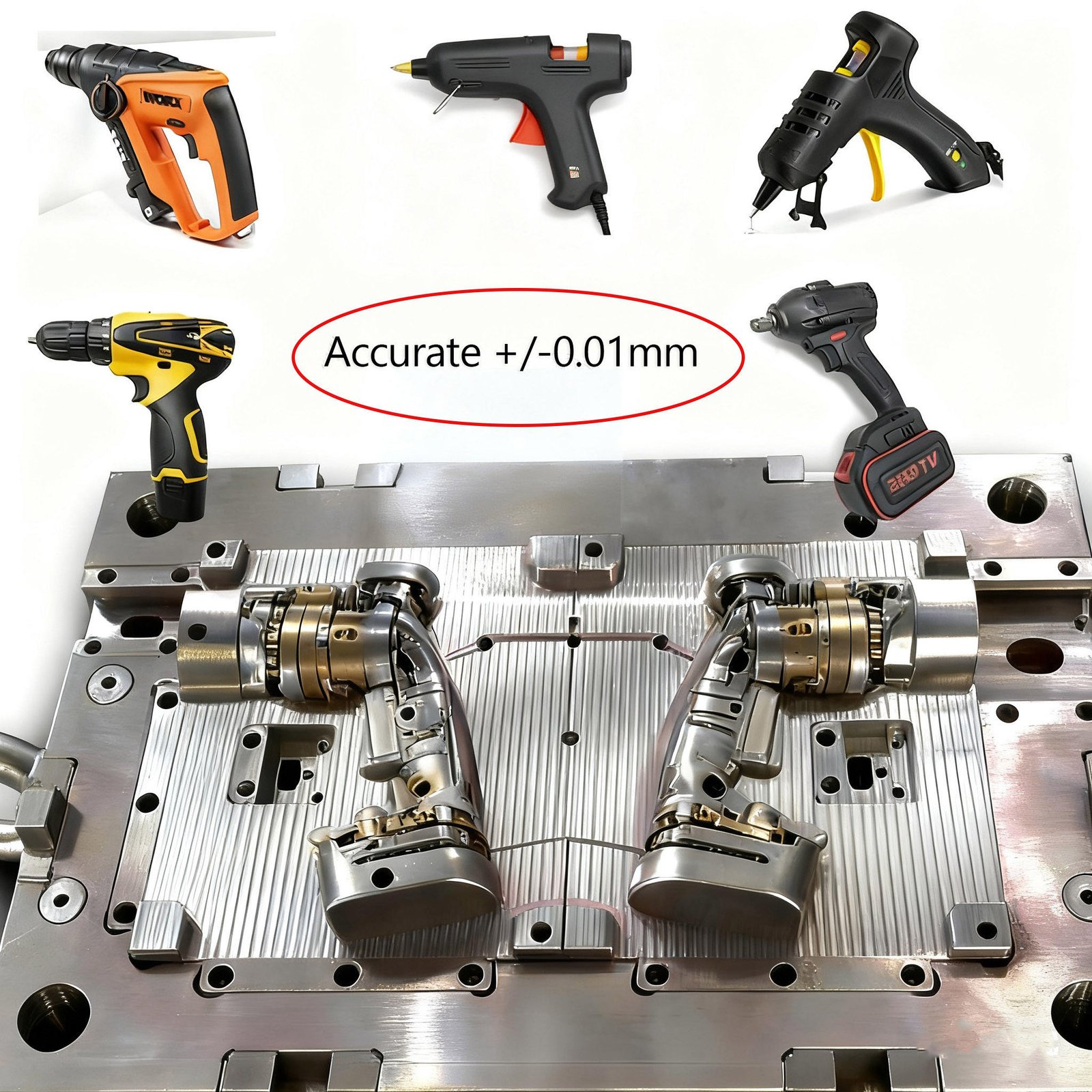
Why XUXIANG Leads in Precision Mold Components for Aerospace Polymer Tooling
Micron-Stable +/-0.001 mm Precision
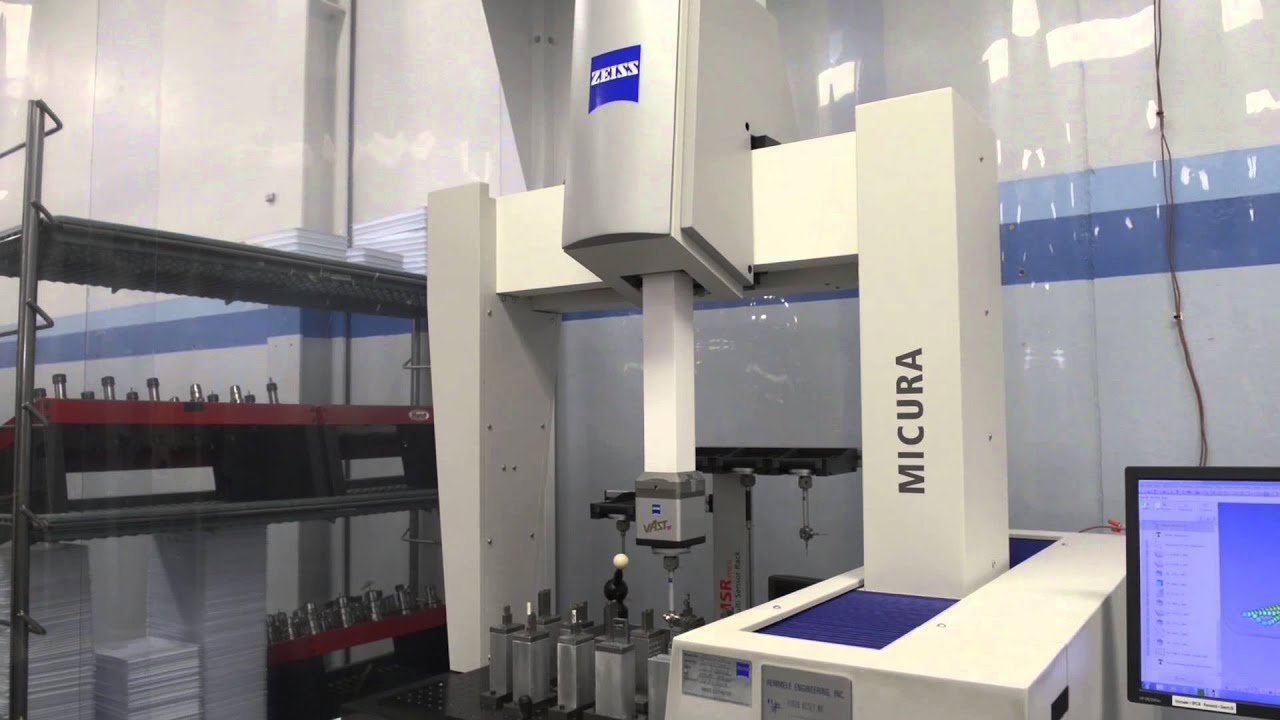
ZEISS MICURA CMM metrology to 0.7um and Sodick slow-wire EDM eliminate tolerance failure on aerospace-critical mold cores and inserts.
24-Hour Quote Turnaround
Engineering-reviewed quotes for precision mold components returned within one business day, with DFM feedback from 10+ mold-core experts to accelerate your tooling timeline.
Dual-Factory +200% Capacity Expansion
Dongguan R&D center plus Quanzhou volume facility deliver 3-7 day samples and 15-25 day mass production without bottlenecks.
Full FAI & Material Certificates
ISO 9001:2015 five-step QC flow with spectral analysis, in-process monitoring and complete first-article inspection documentation on every aerospace shipment.
DFM Support for Custom Mold Core Inserts
Pre-production design-for-manufacturability reviews optimize custom mold core inserts, draft angles and gate placement for injection-molded high-performance polymers before tooling fabrication starts.
Mirror EDM Core Inserts to Ra 0.1um
Mitsubishi mirror EDM and Sodick sinker systems deliver mirror EDM core inserts with Ra 0.1um surface finish for aerospace-grade PEEK, PEI and PPS mold cavities.
Precision Mold Components by Aerospace Polymer Application
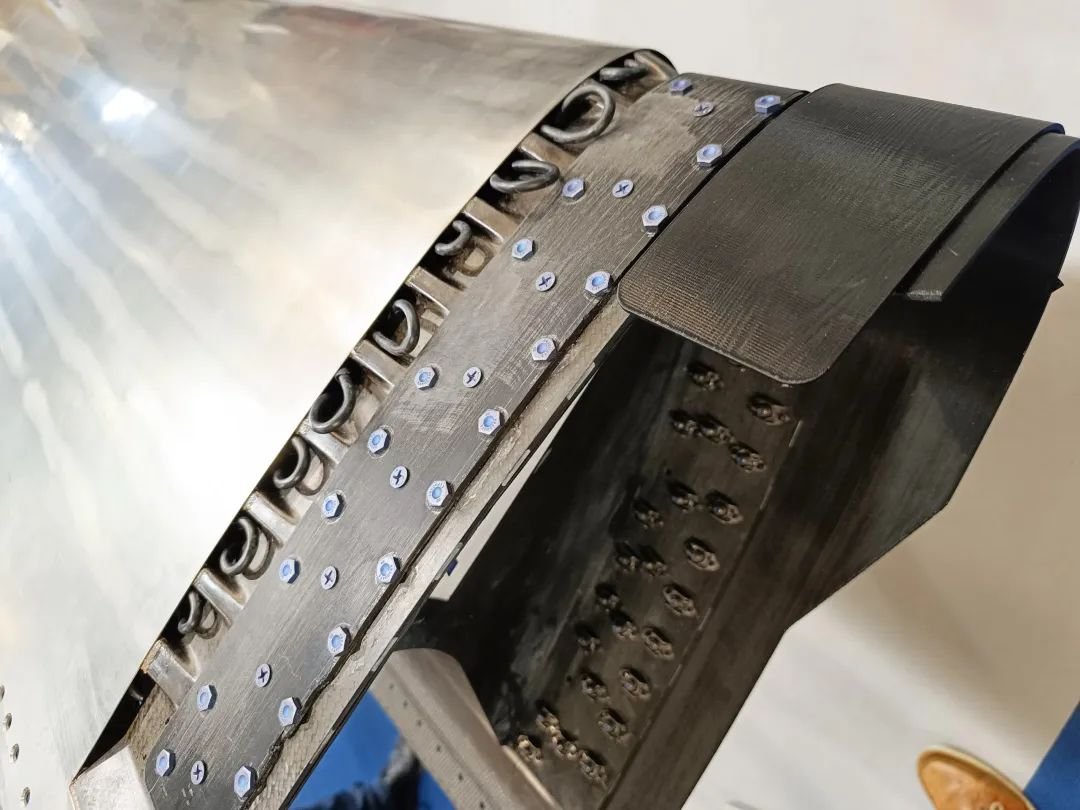
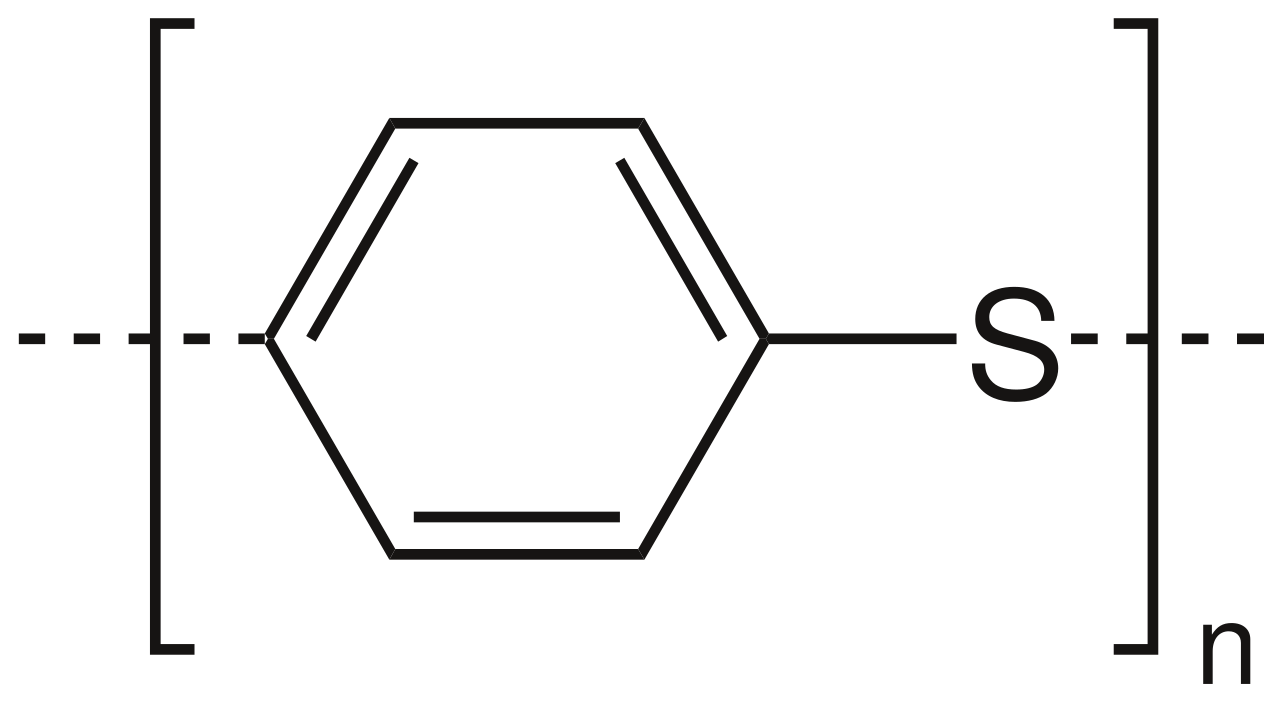
PEEK Aerospace Components
PEEK aerospace components machined and molded to +/-0.001 mm, with mirror-grade EDM tooling for high-temperature structural brackets, sensor housings and lightweight interior fittings. ZEISS MICURA CMM validation, full FAI documentation and material certificates supplied with every shipment. Ideal for weight-critical aerospace and defense applications requiring continuous service above 250°C.
Get a Quote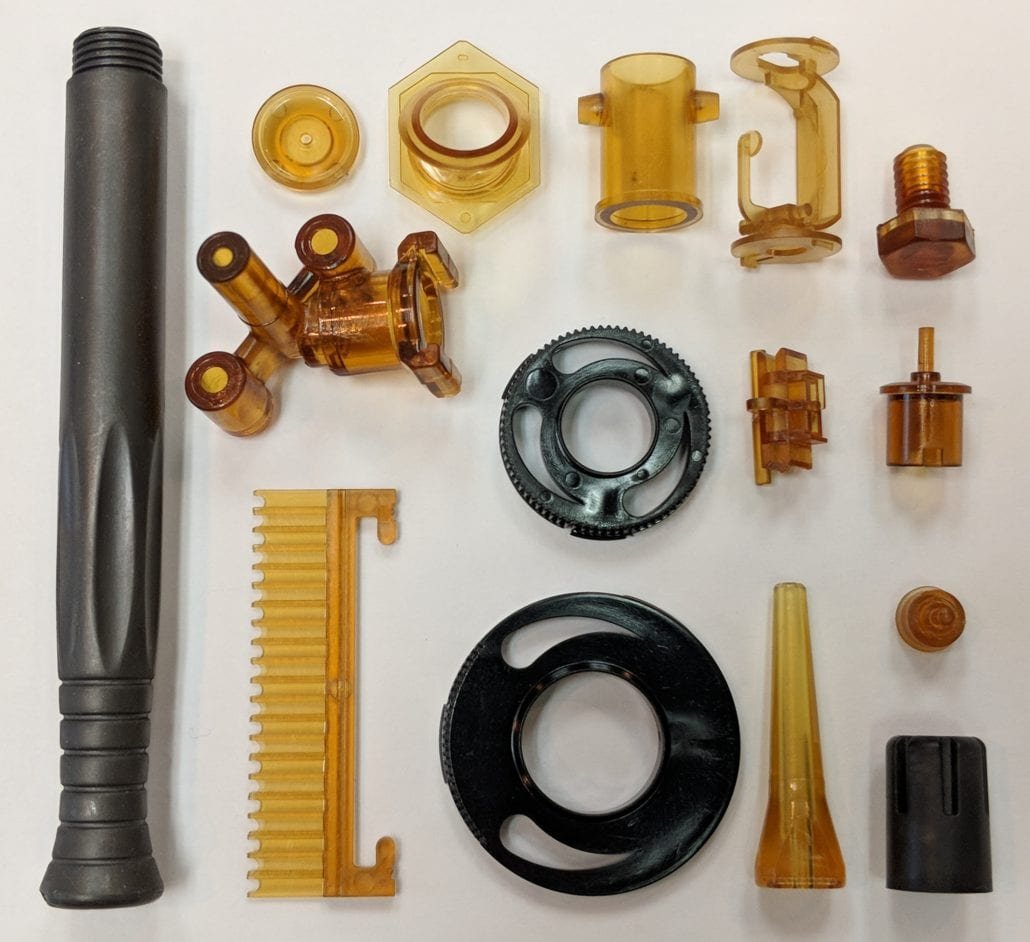
PEI Ultem Parts
PEI Ultem parts injection-molded using precision cores held to +/-0.002 mm, optimized for flame-retardant electrical enclosures, medical-device housings and automotive interior components. Sodick slow-wire EDM ensures sharp corners down to R 0.015 mm. DFM review by 10+ engineers reduces warpage and cycle time. ISO 9001:2015 quality system governs every run.
Get a Quote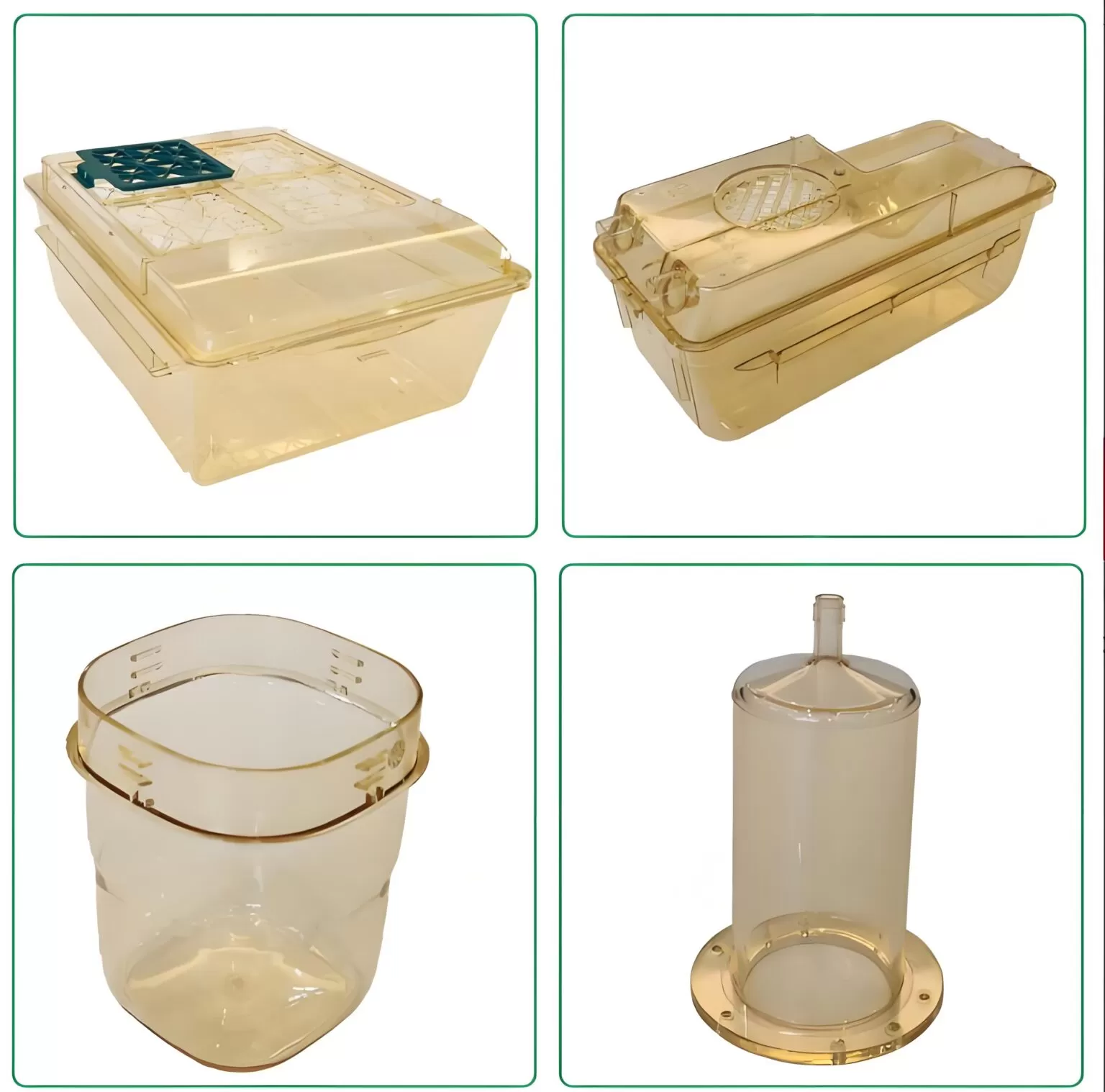
PPSU Injection Molding
PPSU injection molding for medical-grade sterilizable components, aircraft interior panels and high-impact transparent housings. Tooling fabricated on Mitsubishi mirror EDM to Ra 0.1 µm surface finish, validated by Nikon toolmaker microscopes. Lead times 15–25 days for production runs, with spectral material analysis and in-process tolerance monitoring included.
Get a Quote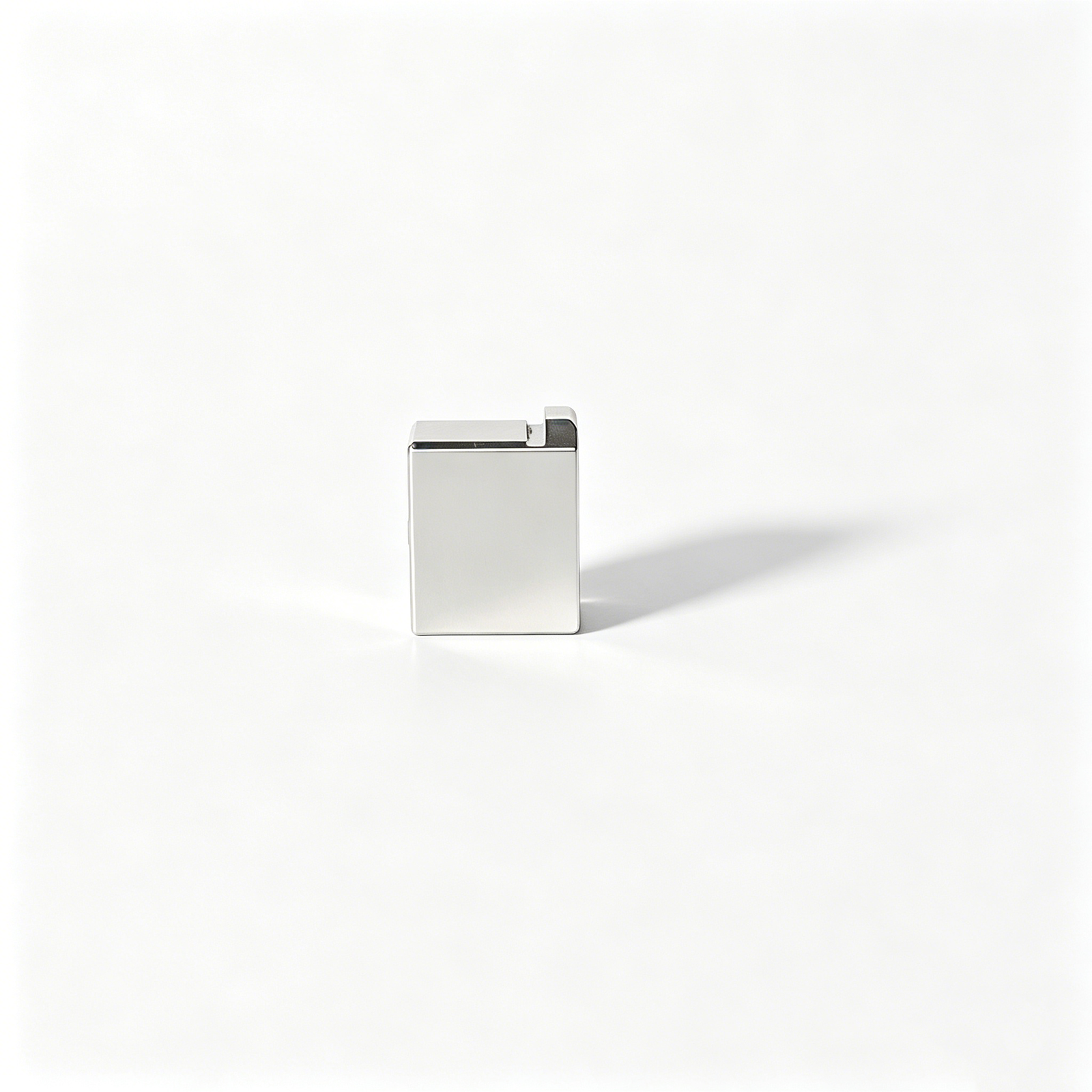
LCP Precision Connectors
LCP precision connectors for 5G, telecom and mobile applications, featuring thin-wall micro-pins, high-density terminal tooling and board-to-board assemblies. Machined on Beijing Jingdiao high-precision CNC and Sodick slow-wire EDM to hold +/-0.002 mm positioning. Quanzhou volume-production facility delivers 200% capacity expansion for mass orders, quotes returned in 24 hours.
Get a Quote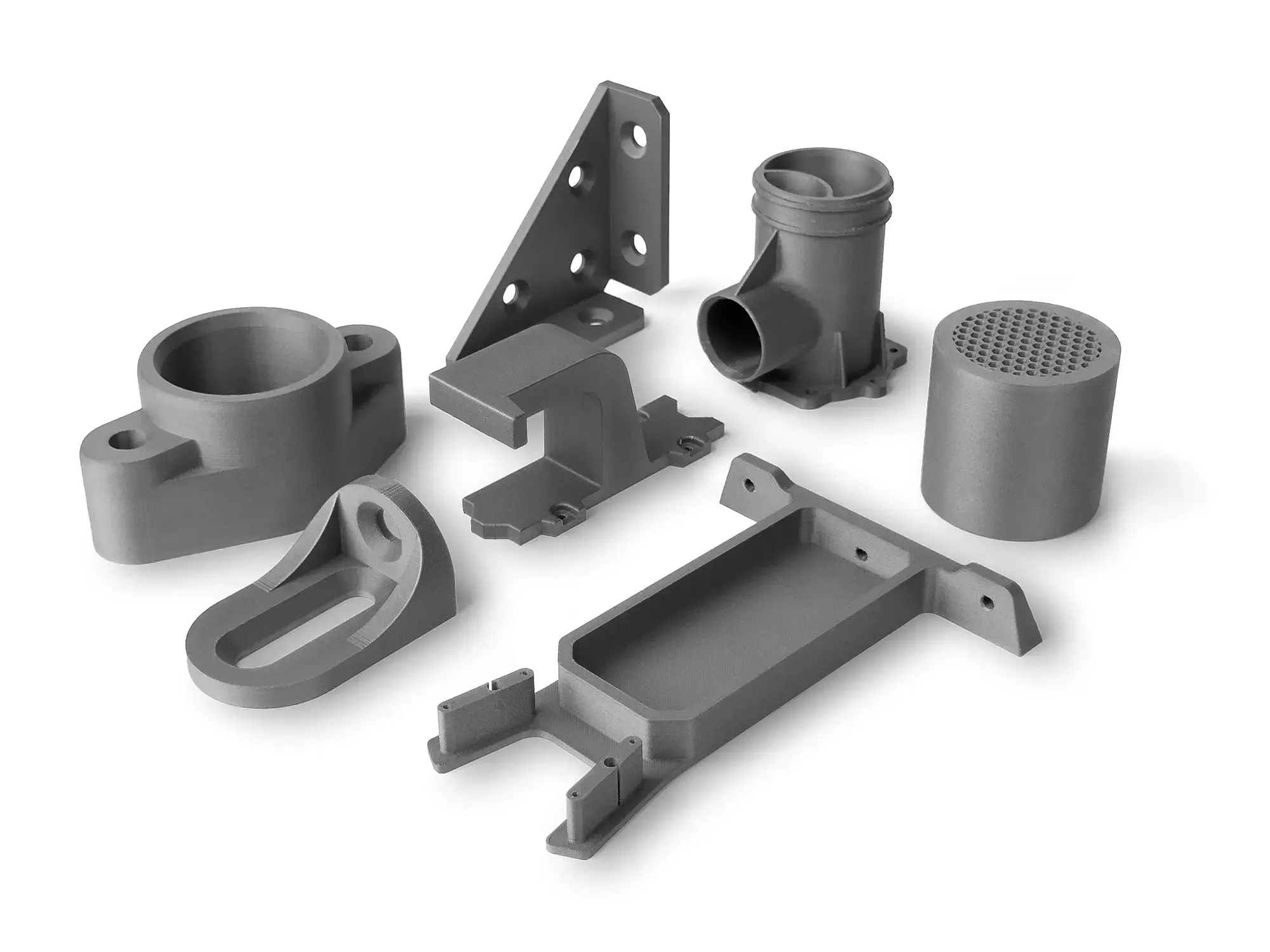
PPS Structural Components
PPS structural components for automotive under-hood, powertrain sensor housings and chemical-resistant industrial hardware. Precision mold cores ground on Dawn grinding centers, inspected to 0.7 µm repeatability on ZEISS CMM. Conformal cooling and multi-cavity layouts reduce cycle time. Full material certificates and dimensional reports accompany every batch.
Get a Quote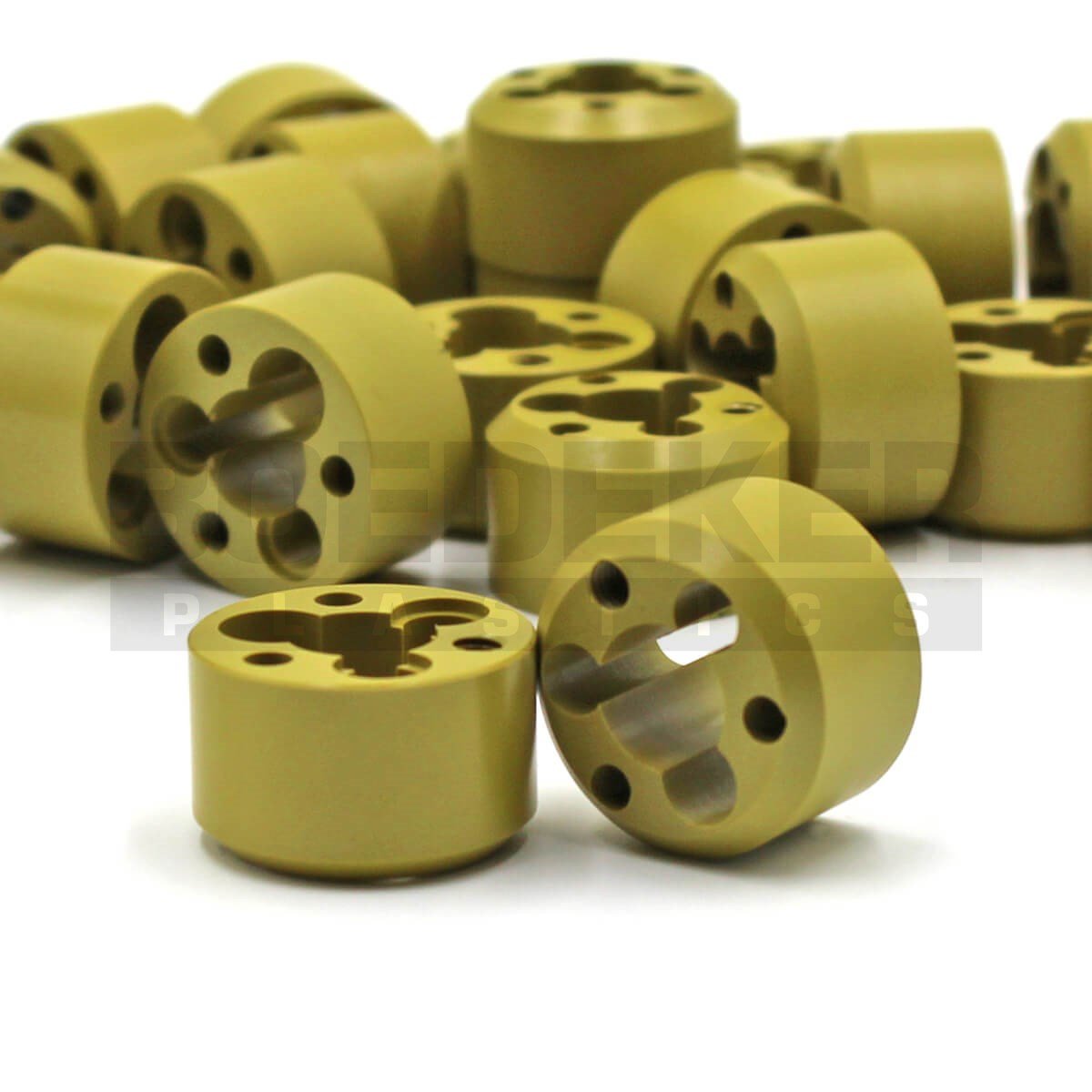
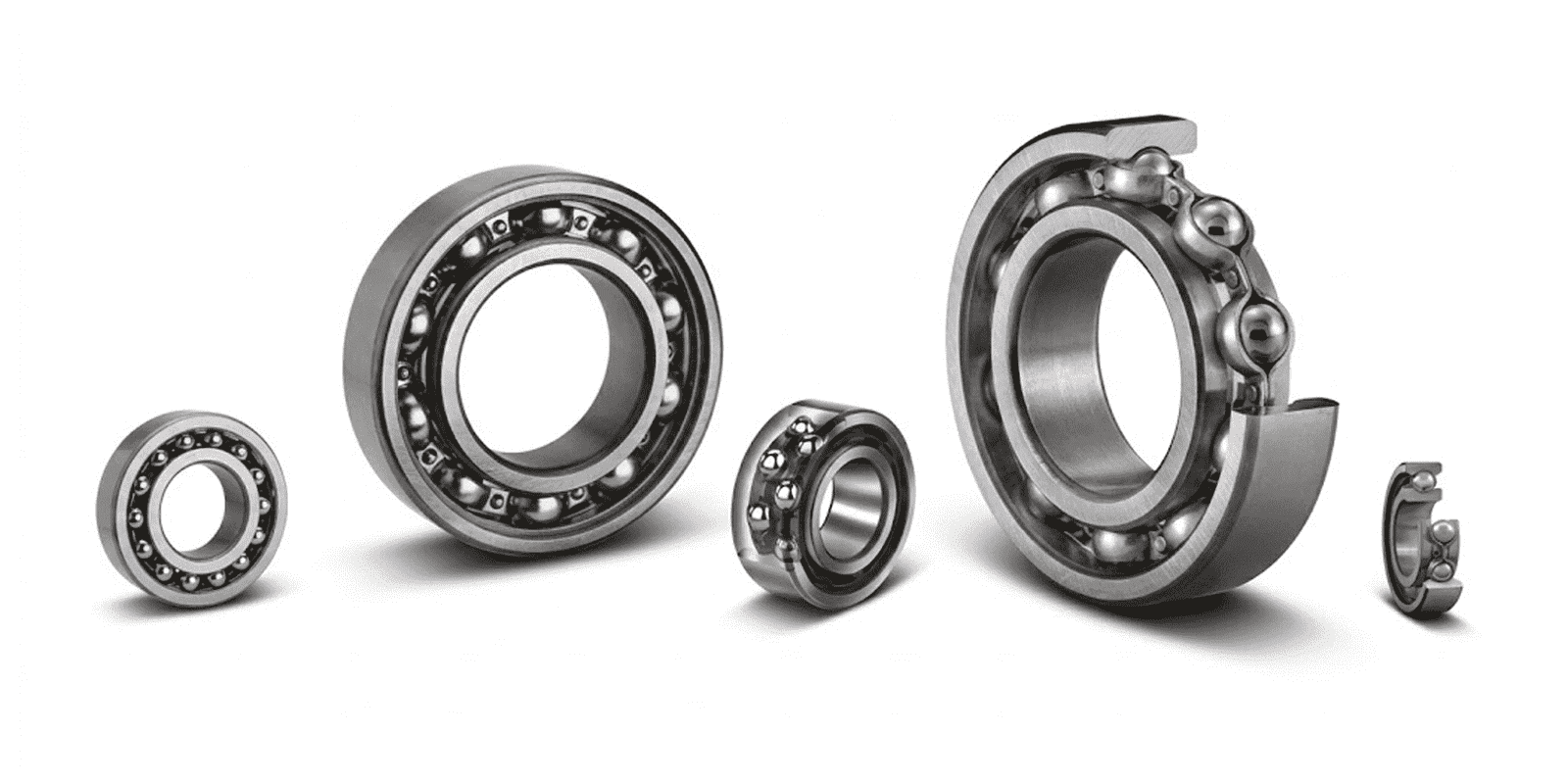
PAI High-Temp Parts
PAI high-temp parts injection-molded for extreme-environment seals, bearing cages and electrical insulators operating above 275°C. Tooling designed with DFM input from 16 years of mold-core experience, machined to +/-0.003 mm on Fanuc CNC and Charmilles sinker EDM. Five-step QC flow ensures zero tolerance failure at final inspection.
Get a Quote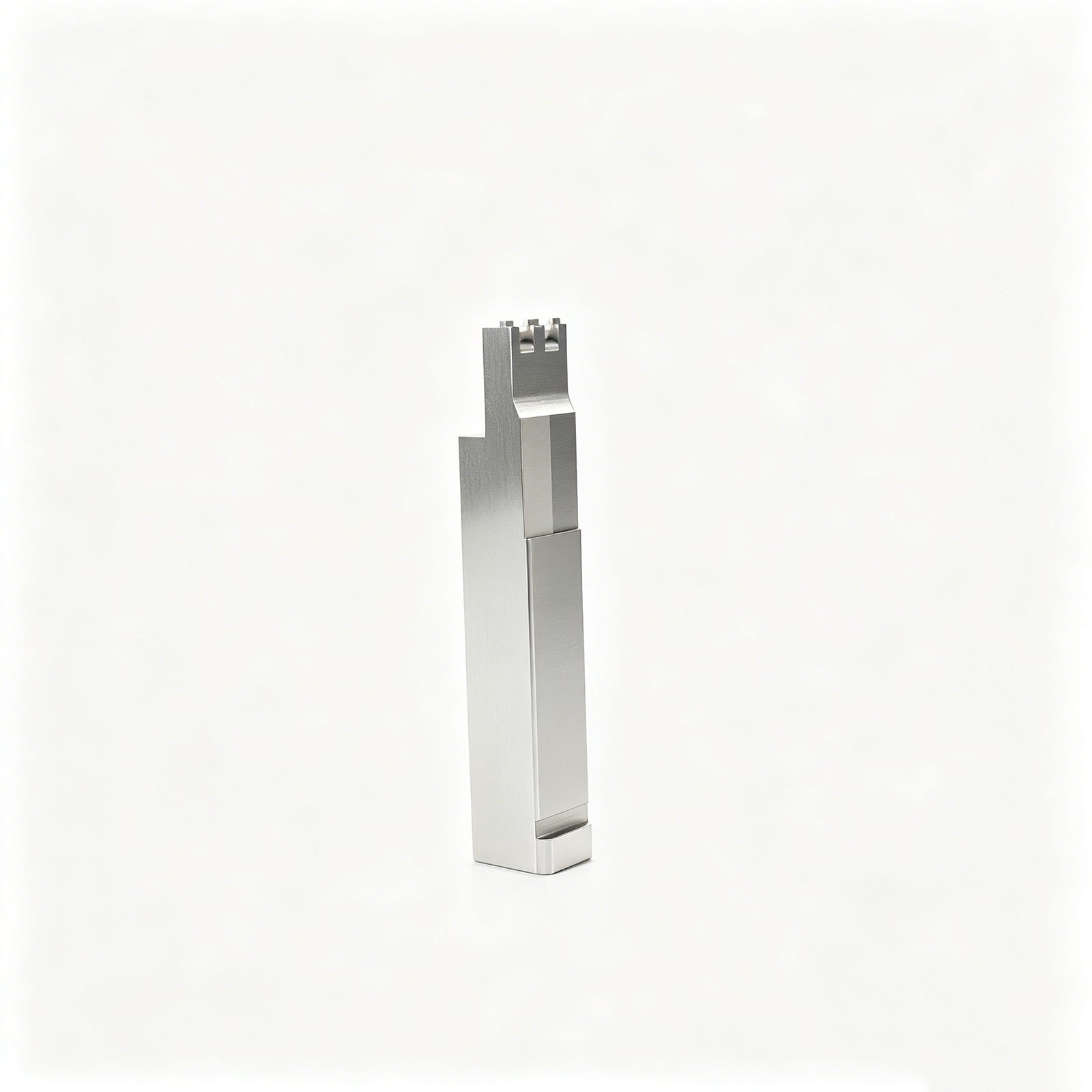
PTFE Sealing Components
PTFE sealing components and precision gaskets for chemical processing, semiconductor and medical fluid-handling systems. Machined and molded using mirror-class EDM cores, validated by Nikon V-12B microscopes for surface integrity. Dual-factory setup in Dongguan and Quanzhou supports both prototype (3–7 days) and volume production with transparent, fair pricing.
Get a Quote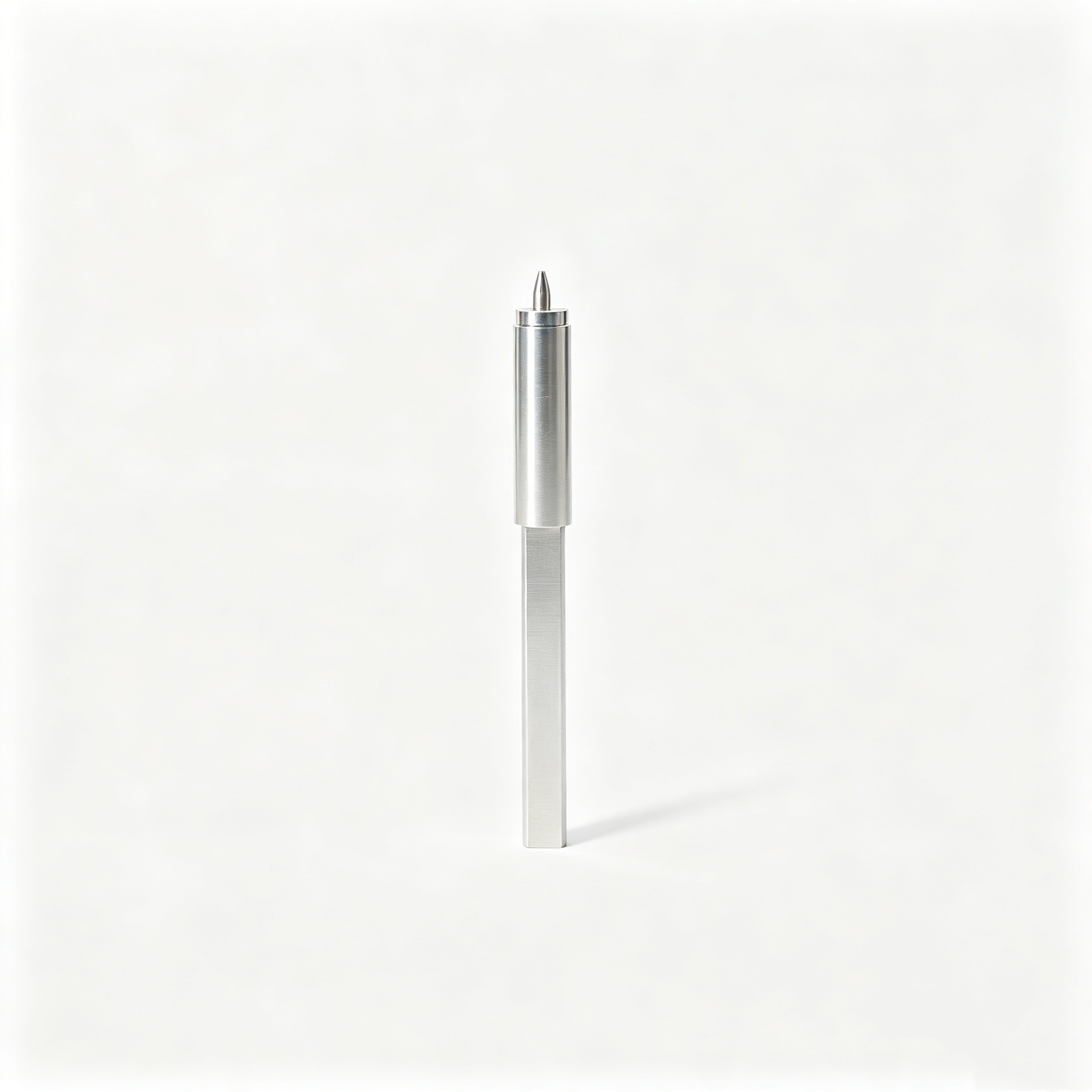
Glass-Filled Nylon Parts
Glass-filled nylon parts engineered for high-stiffness automotive brackets, industrial-automation end effectors and robotics grippers. Mold inserts fabricated on Sodick and Seibu slow-wire EDM, holding +/-0.001 mm machining precision. In-process monitoring and ZEISS metrology eliminate warpage. Lead times roughly 30% faster than industry average.
Get a Quote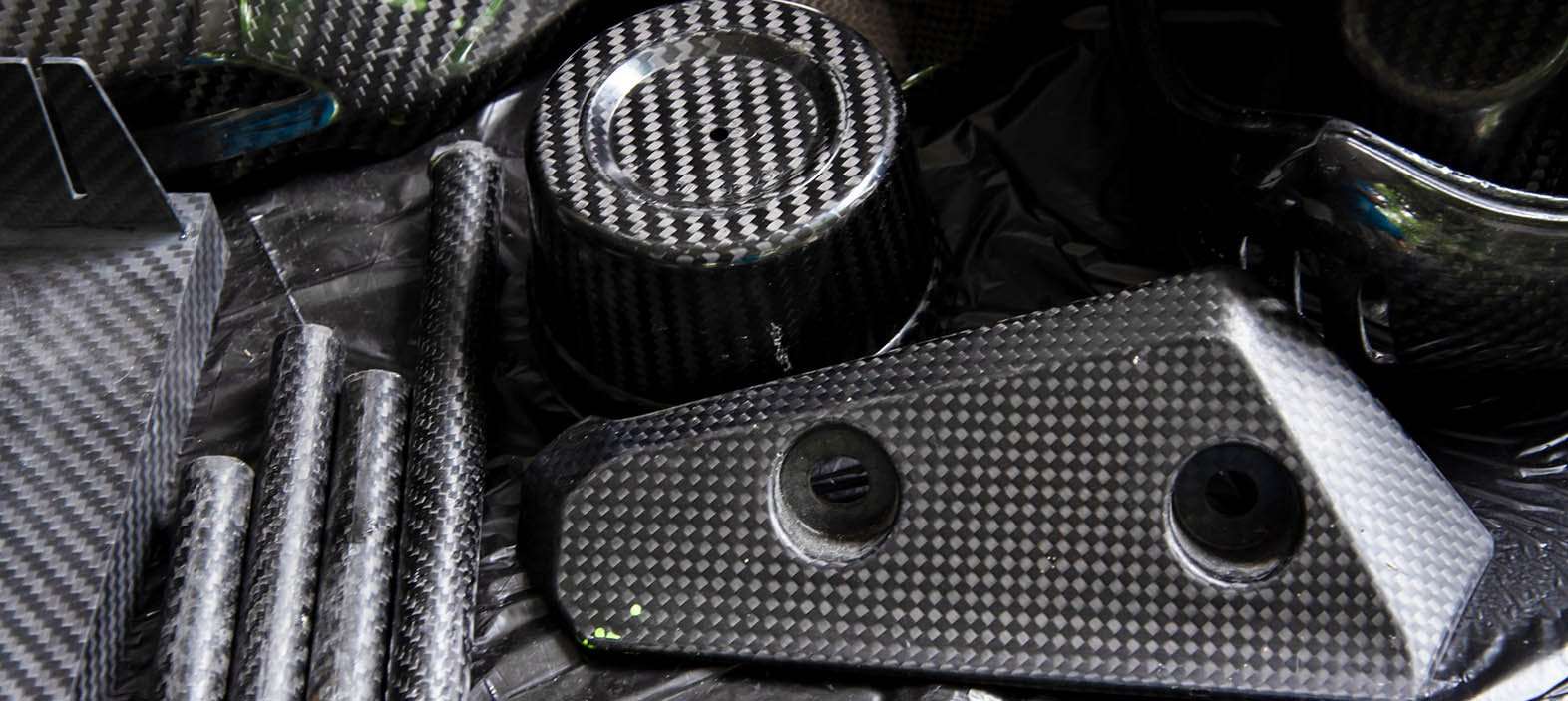
Carbon-Fiber Composite Molding
Carbon-fiber composite molding for lightweight, high-strength automotive & NEV structural inserts, ADAS sensor mounts and industrial jigs. Precision tooling combines CNC electrode fabrication, slow-wire EDM and mirror-finish grinding. ISO 9001:2015 process control, full FAI reports and responsive engineering support from 10+ experts ensure dependable quality and on-time delivery.
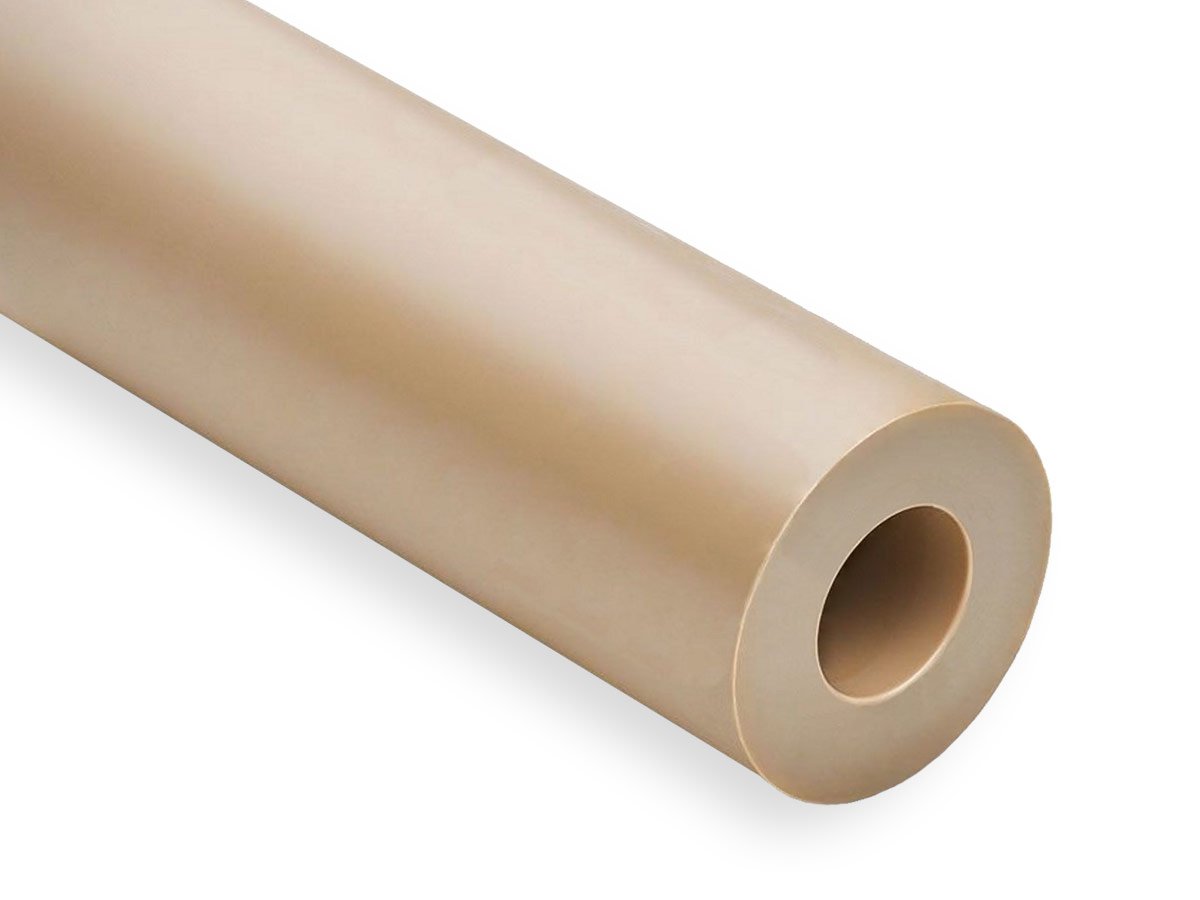
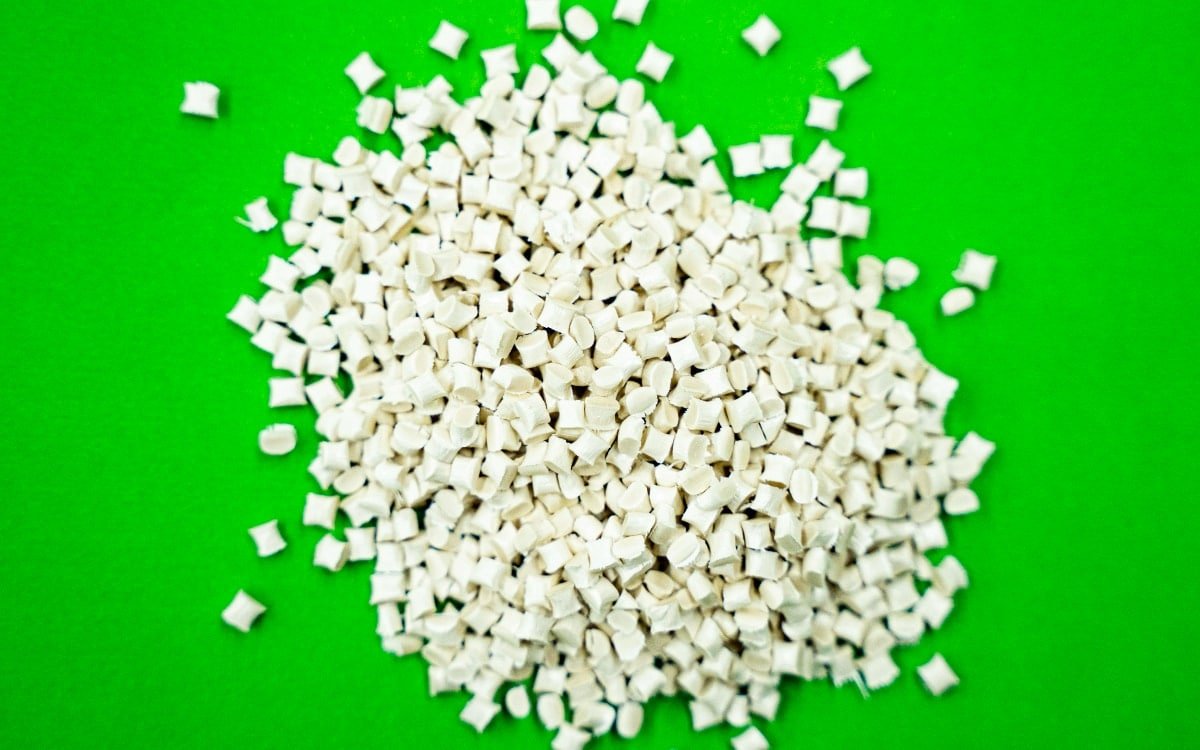
Get a QuoteAdvanced Materials for Aerospace Components Injection-Molded High-Performance Polymers
Precision Manufacturing Processes for Aerospace Components Injection-Molded High-Performance Polymers
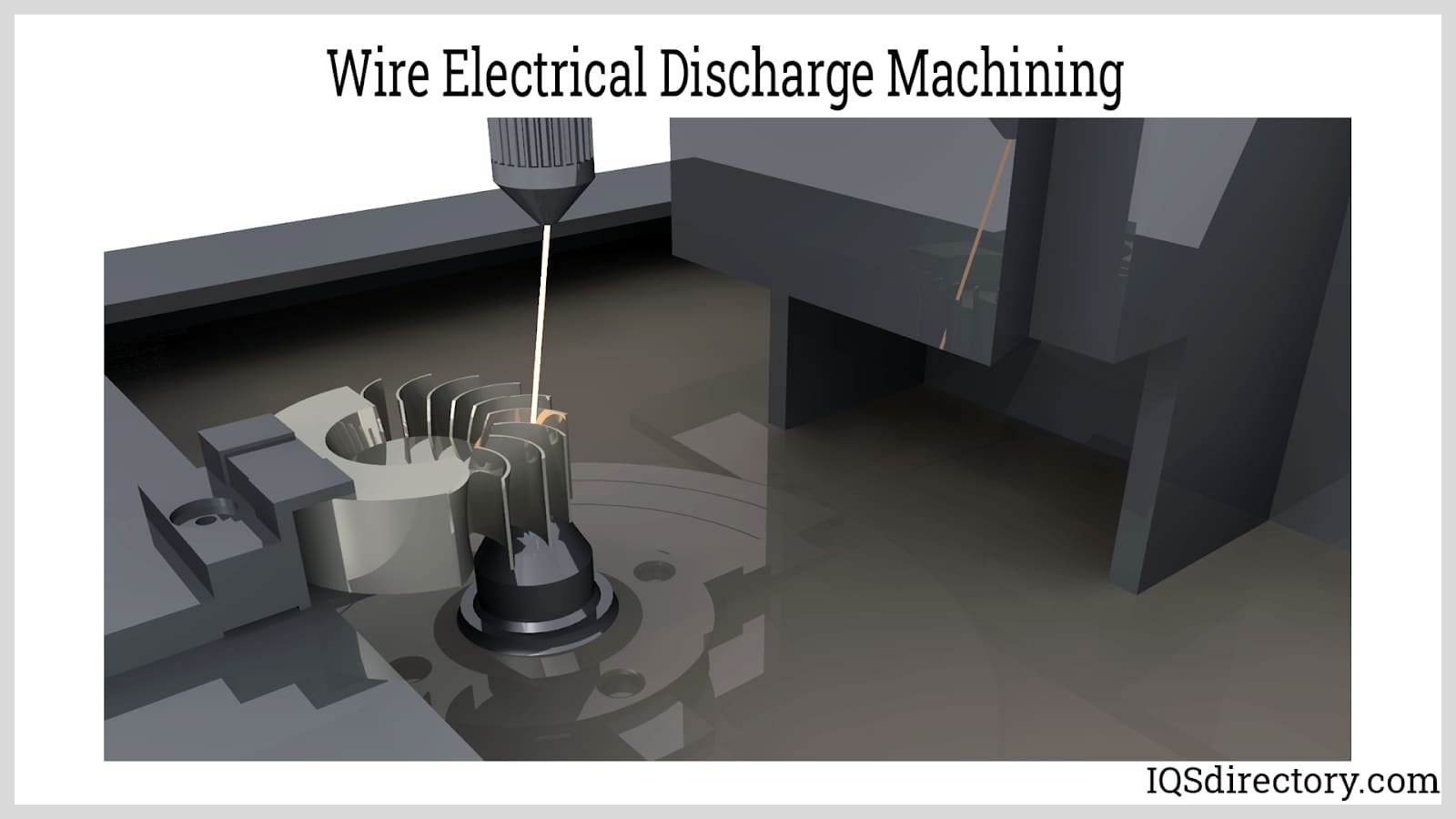
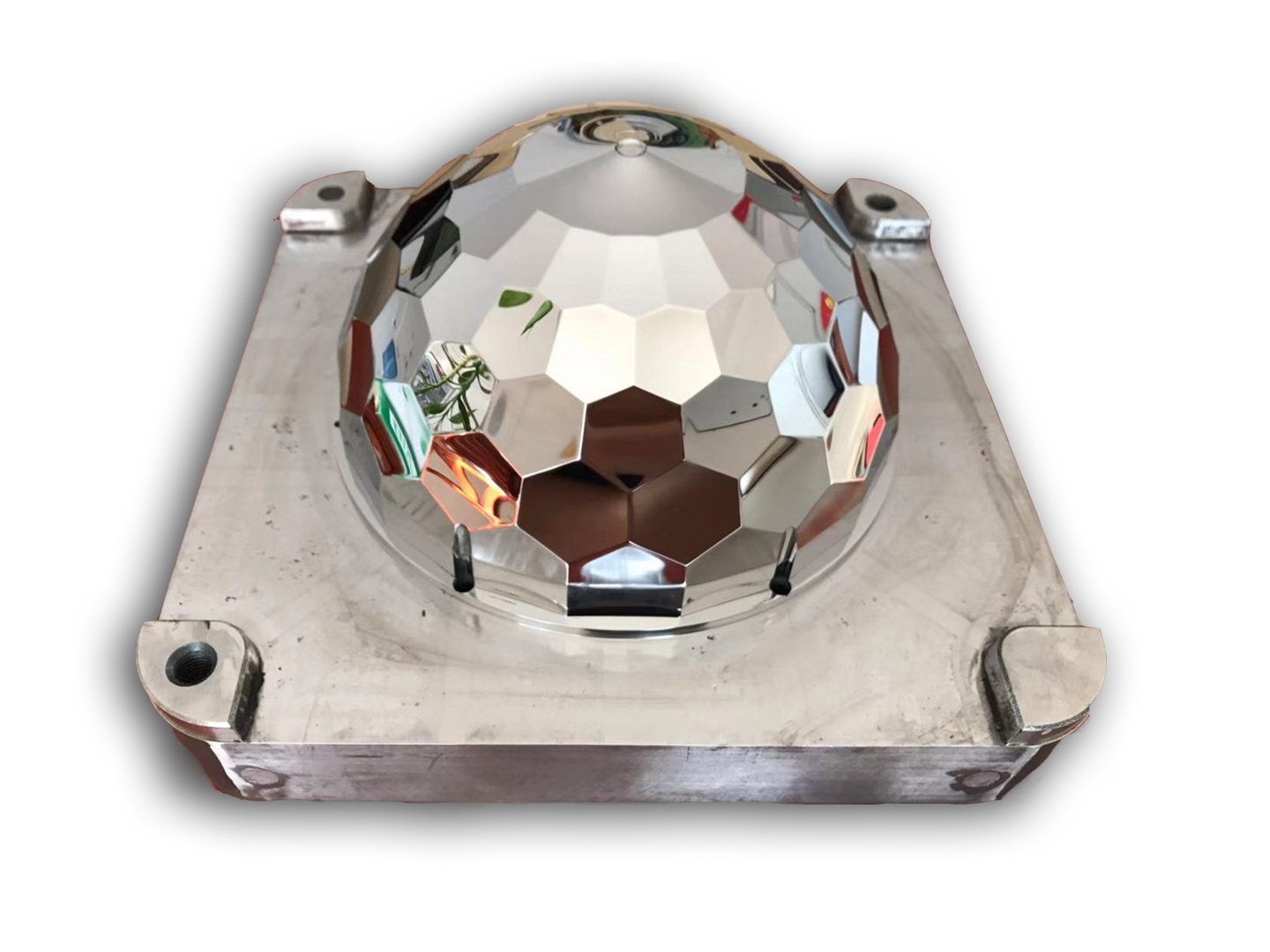
Mirror EDM
Mitsubishi sinker EDM achieves Ra 0.1 μm mirror-grade surface finishes on cavity walls and complex contours, eliminating secondary polishing and ensuring optical-class mold surfaces for high-performance polymer components.


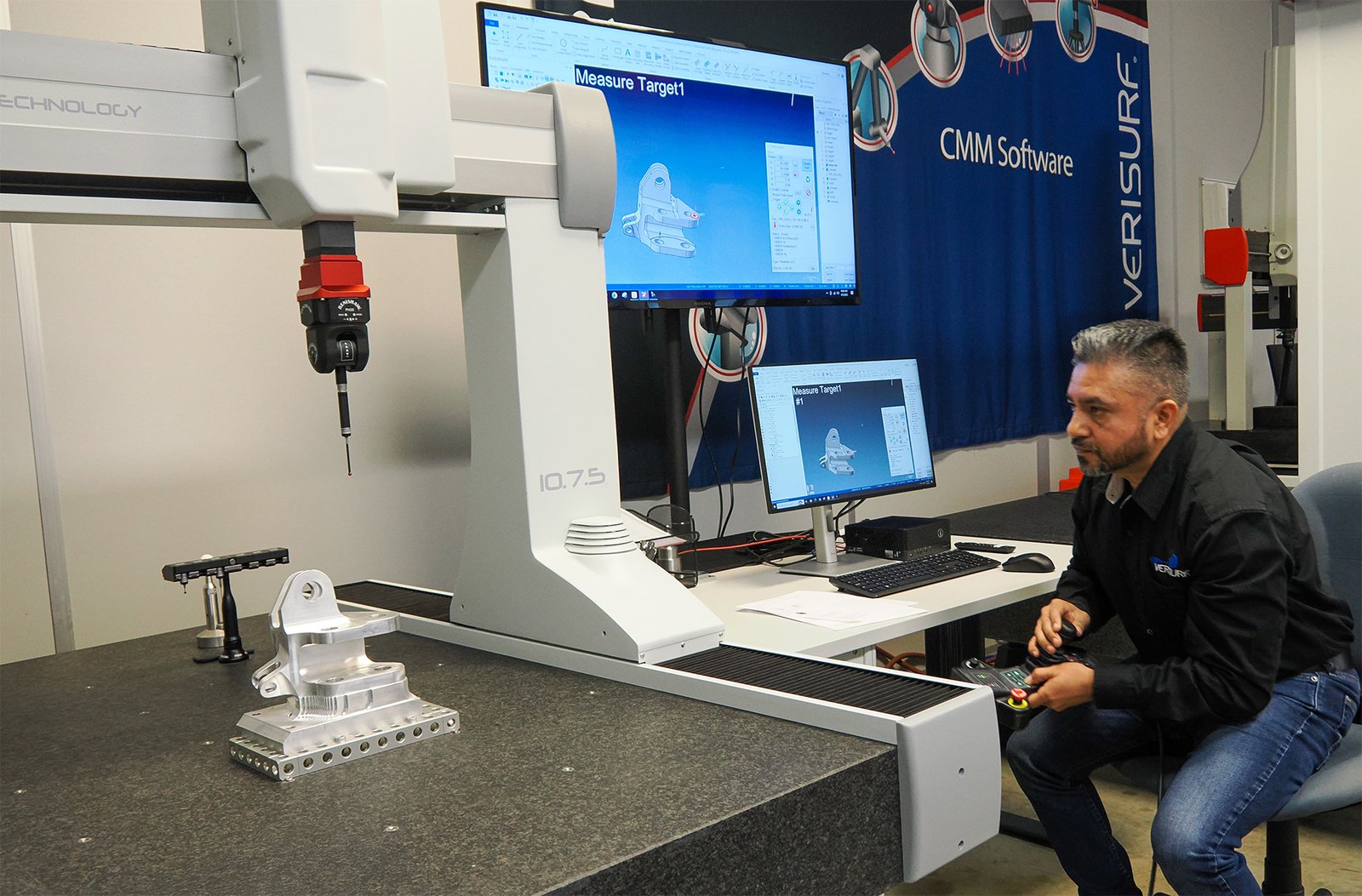
CMM Metrology
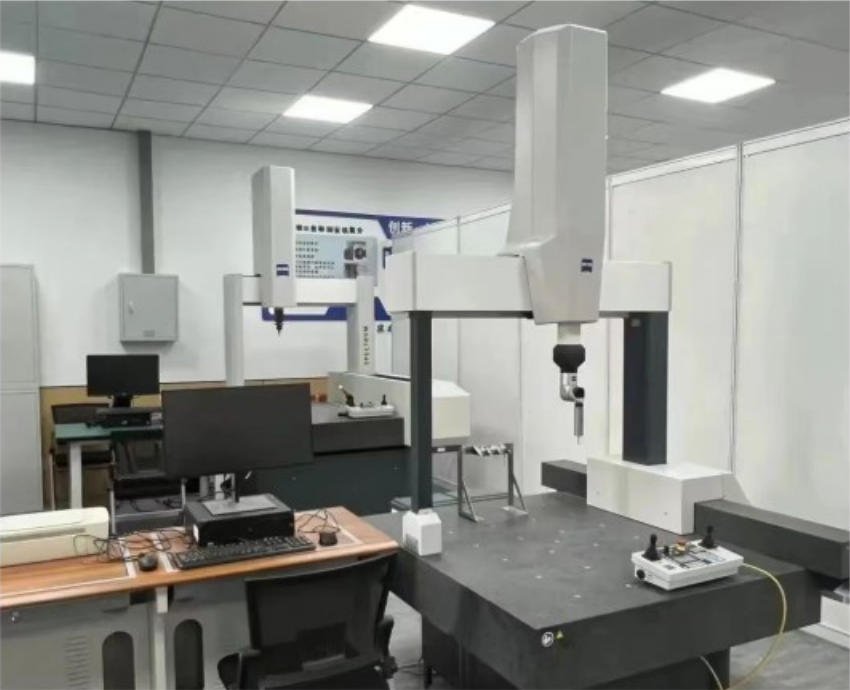
ZEISS MICURA coordinate measuring machine validates every critical dimension to 0.7 μm resolution, backed by Nikon toolmaker’s microscopes, delivering full FAI reports and material certificates that satisfy AS9100 and IATF 16949 audit trails.
Aerospace-Grade Finishing & Hardware Accessories
Mirror-Grade Polishing
Ra 0.1 µm mirror EDM finish achieved through Mitsubishi mirror-EDM and precision hand-lapping. Essential for optical housings, sensor covers and cosmetic aerospace interior surfaces where surface integrity and light reflection are critical to function and certification.
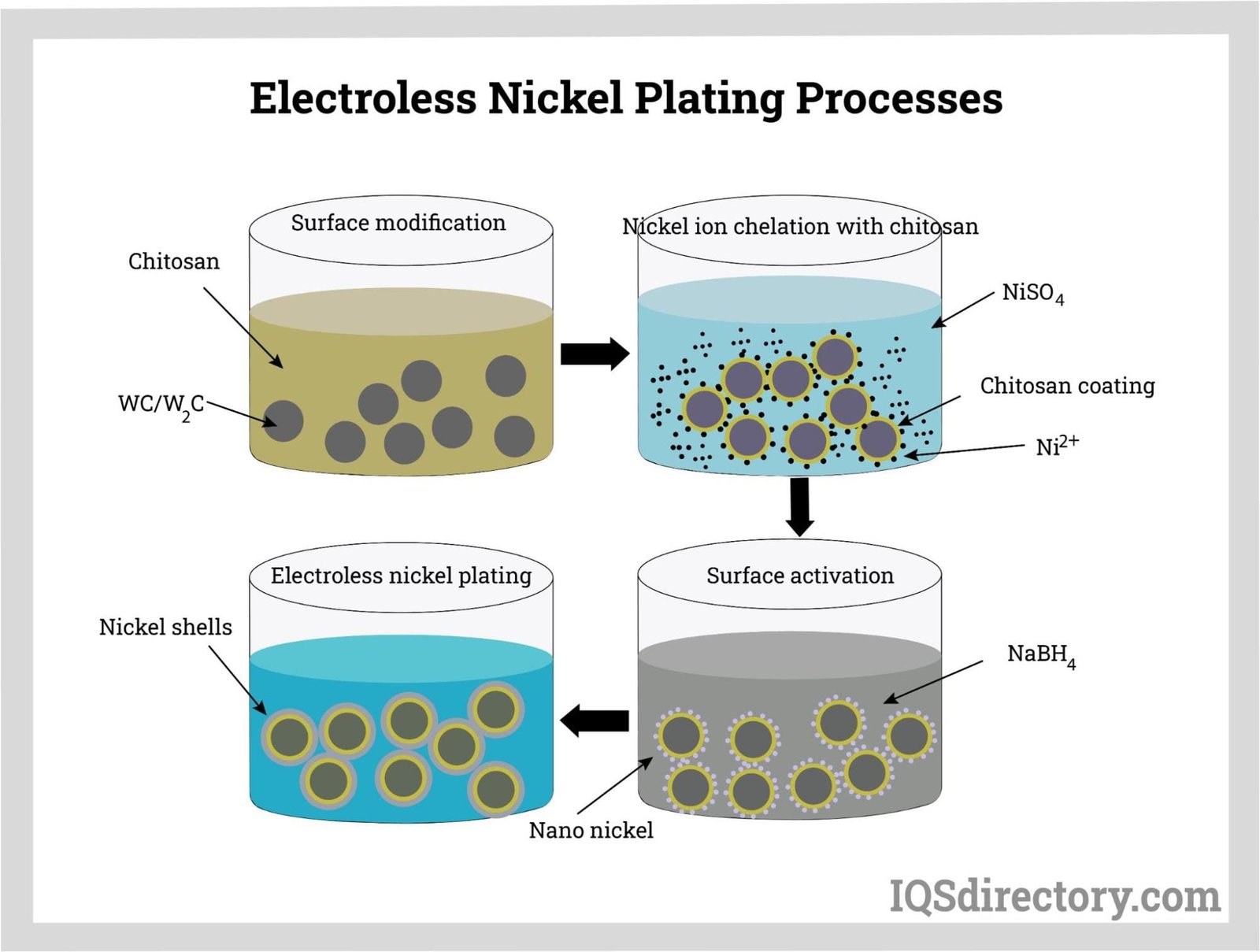
Electroless Nickel Plating
Uniform corrosion-resistant coating applied to mold cores and metal inserts, meeting ASTM B733 standards. Provides wear resistance, dimensional stability and EMI shielding for avionics enclosures, connector tooling and high-cycle aerospace production molds operating in harsh environments.
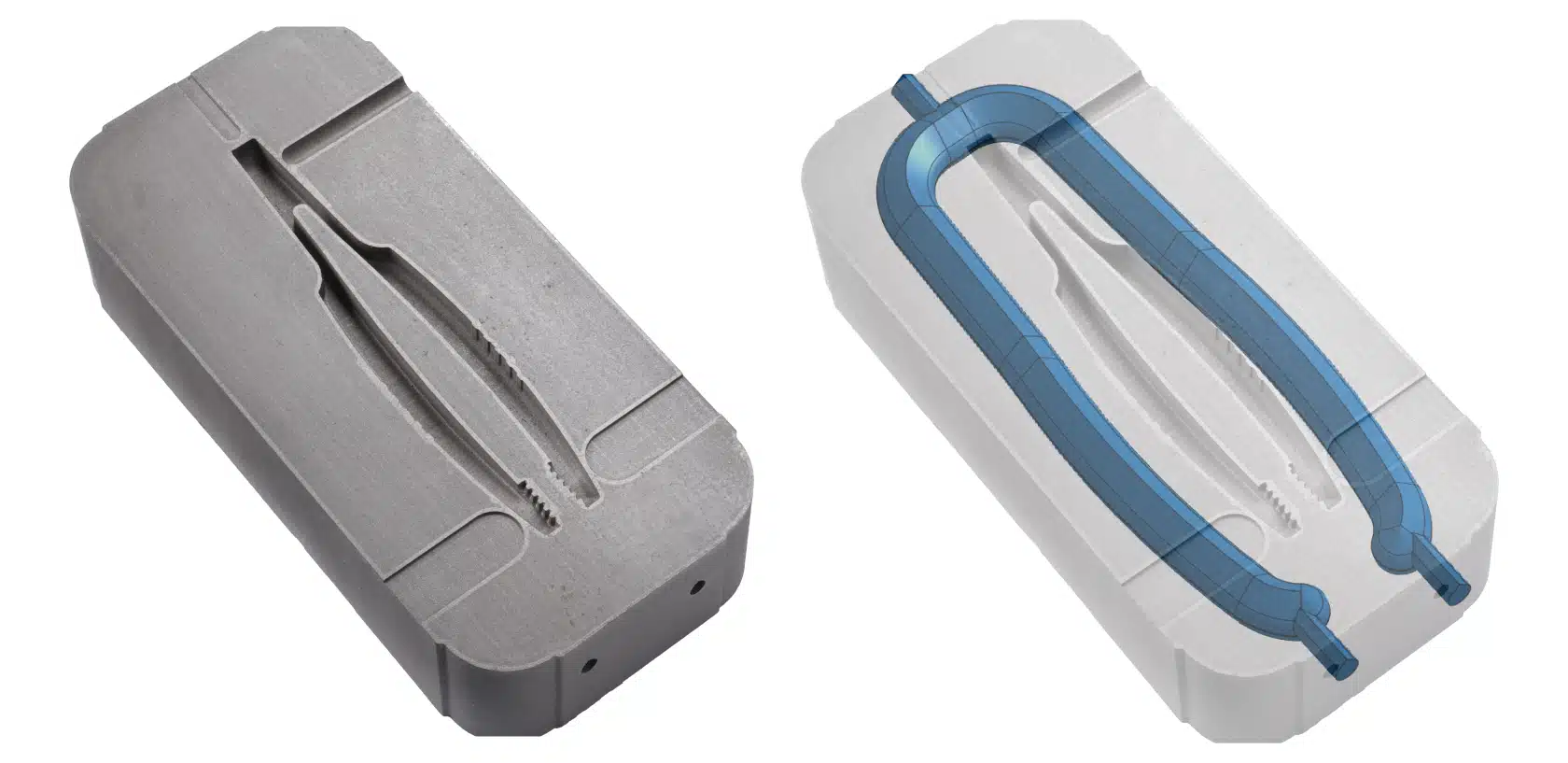
Conformal Cooling Channels
3D-contoured cooling circuits machined or EDM-formed within mold cores to follow part geometry. Reduces cycle time by 20–35%, minimizes warpage in thin-wall aerospace housings and ensures uniform crystallinity in high-performance polymers like PEEK, PPS and PAI.
XUXIANG: 16 Years Precision Mold Engineering
Founded in 2010 in Dongguan’s Chang’an manufacturing hub, XUXIANG began as a specialist mold-core machining shop and has grown into a dual-factory precision manufacturing group serving aerospace, electronics, 5G/telecom, automotive and medical-device customers worldwide. Our mission is to bridge the gap between complex CAD designs and high-performance physical parts — delivering aerospace components injection-molded high-performance polymers and precision tooling held to +/-0.001 mm tolerances.
Over 16 years we have invested more than CNY 8 million in Japanese, Swiss, German and domestic machining and metrology systems — Sodick and Seibu slow-wire EDM, Mitsubishi mirror EDM, Fanuc CNC and ZEISS MICURA CMM measuring to 0.7um — to solve the buyer’s two biggest pain points: tolerance failure and delivery delay. Every project receives DFM feedback from 10+ engineering experts before production, and every shipment includes full FAI documentation and material certificates.
With our 2025 Quanzhou expansion adding 1,400 m2 and lifting capacity by 200%, XUXIANG now combines precision-grade tooling with dependable mass production. ISO 9001:2015 governs every process, and our engineering-led, customer-centric culture ensures responsive service, transparent pricing and delivery roughly 30% faster than industry average — building long-term partnerships on evidence, not promises.
Precision Mold Engineering & CNC Machining Services for Aerospace Polymer Tooling
Micron-Stable Machining to +/-0.001 mm
XUXIANG delivers aerospace-grade dimensional stability through Sodick and Seibu slow-wire EDM, Fanuc CNC and Beijing Jingdiao electrode fabrication—achieving +/-0.001 mm maximum machining accuracy across all tooling for injection-molded high-performance polymers.
- +/-0.002 mm class positioning on slow-wire EDM operations for critical aerospace core inserts
- +/-0.003 mm repeatability on sinker EDM for complex cavity geometries and micro-connector tooling
- Corner radii down to R ≤ 0.015 mm for high-density terminal and sensor-housing applications
- Over CNY 8 million invested in Japanese, Swiss and German precision machining assets
Mirror-Grade EDM Finishes to Ra 0.1um
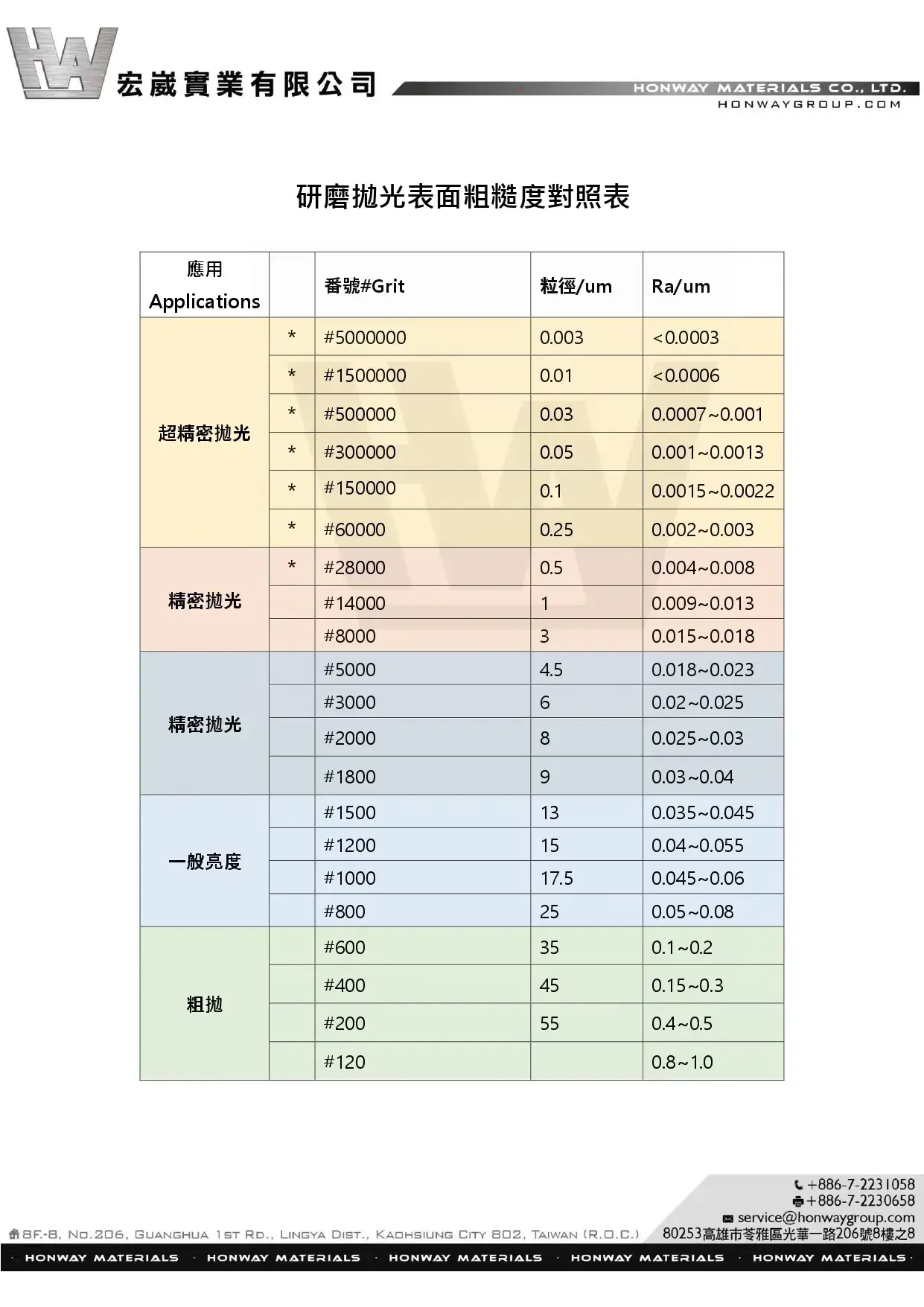
Mitsubishi mirror EDM and Sodick slow-wire systems produce surface finishes down to Ra 0.1um—eliminating secondary polishing, reducing cycle time and ensuring optical-quality part surfaces for aerospace injection-molded components straight from the mold.
- Ra 0.1um mirror-grade surface integrity on ejector pins, core inserts and cavity walls
- Eliminates hand-polishing and secondary finishing for faster tooling delivery and lower cost
- Ensures consistent part release and minimal flash on thin-wall aerospace polymer components
- Critical for PEEK, PPS, LCP and other high-performance thermoplastics requiring ultra-smooth surfaces
ZEISS MICURA CMM Verification to 0.7um
Fanuc-class multi-axis CNC machining services and Beijing Jingdiao high-precision mills machine electrodes, custom mold core inserts and structural tooling to +/-0.001 mm, supporting both rapid prototyping and volume aerospace mold production with repeatable dimensional integrity.
- 0.7um measurement resolution ensures sub-micron confidence on critical aerospace tolerances
- Full FAI (First Article Inspection) reports with dimensional data, material certificates and traceability
- Nikon toolmaker's microscopes verify corner radii, edge breaks and micro-pin geometries under magnification
- Five-step QC flow: material spectral analysis, in-process monitoring, CMM verification, surface integrity and final documentation
DFM Engineering & ISO 9001:2015 Quality
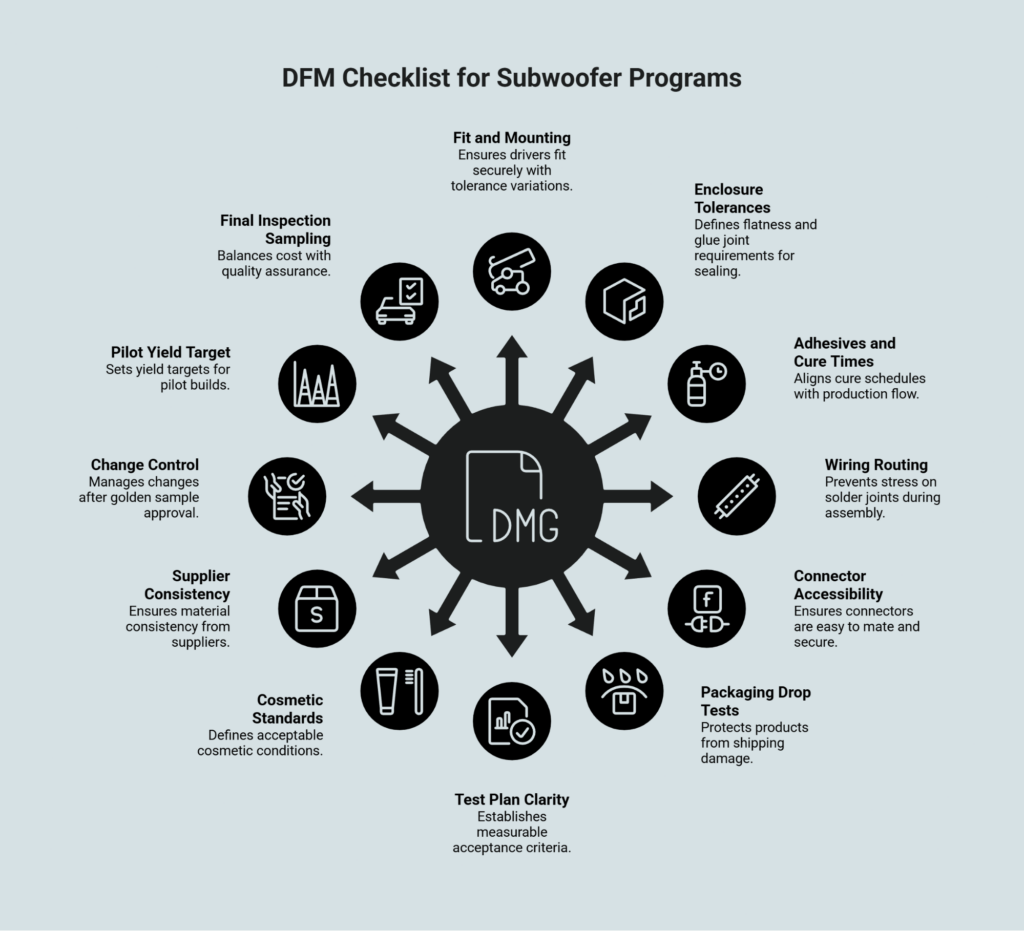
Before production begins, 10+ engineering experts review every aerospace tooling design for manufacturability, tolerance optimization and material compatibility—backed by ISO 9001:2015 process controls that govern every step from quoting to final shipment.
- Design-for-manufacturing feedback identifies tolerance conflicts, draft angles and gate placement before tooling starts
- 16 years of precision-mold experience applied to aerospace injection-molded high-performance polymer challenges
- ISO 9001:2015 quality system ensures repeatable, auditable processes across dual factories in Dongguan and Quanzhou
- 24-hour quote turnaround, 3–7 day sampling and 15–25 day production—roughly 30% faster than industry average
XUXIANG vs. Typical Aerospace Mold Suppliers: Aerospace Components Injection-Molded High-Performance Polymers
Procurement managers evaluating aerospace-grade tooling need evidence, not promises. This side-by-side comparison shows how XUXIANG’s precision machining, metrology infrastructure, and dual-factory capacity deliver micron-stable aerospace components injection-molded high-performance polymers with faster lead times and full traceability.
← 左右滑动查看 →
Our Aerospace Components Injection-Molded High-Performance Polymers Manufacturing Process
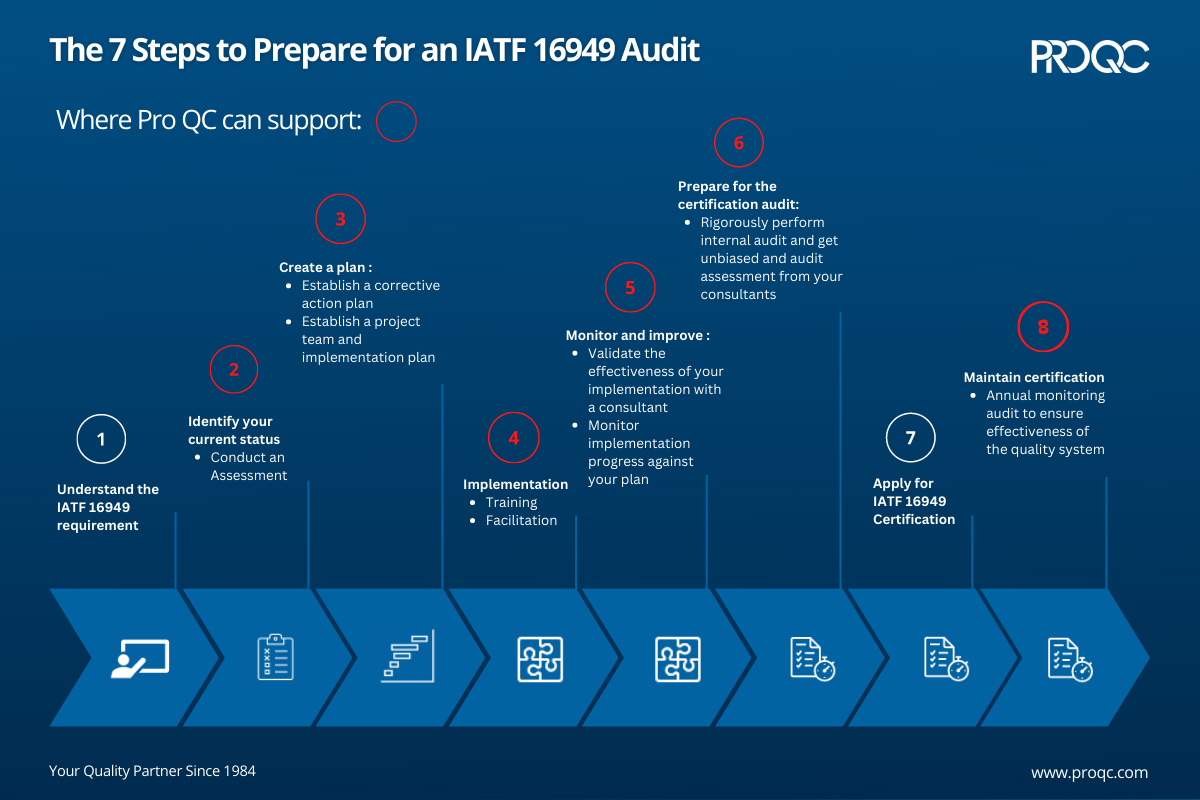
Precision is engineered into every stage — from DFM review to final FAI documentation. XUXIANG’s eight-phase workflow ensures aerospace-grade accuracy, not just end-of-line inspection.
DFM Engineering Review
10+ engineering experts analyze your CAD files for manufacturability, tolerance feasibility and material compatibility — feedback delivered within 24 hours to prevent costly rework downstream.
Precision Tool Design
CAD/CAM programming for mold cores, inserts and electrodes, optimized for +/-0.001 mm machining accuracy, mirror-grade EDM finishes and conformal cooling where applicable.
EDM, CNC & Grinding
Sodick slow-wire EDM, Mitsubishi mirror EDM, Fanuc CNC and Dawn precision grinding centers machine aerospace components to +/-0.002 mm wire tolerance and Ra 0.1um surface finish.
In-Process QC Monitoring
Real-time dimensional checks at each machining stage using Nikon toolmaker’s microscopes (V-12B / MM-400 class) to catch deviations before they propagate through the workflow.
ZEISS CMM Verification
ZEISS MICURA coordinate measuring machine (0.7um resolution) validates critical dimensions, flatness, perpendicularity and geometric tolerances against aerospace blueprint specifications.
FAI Documentation & Certificates
Full First Article Inspection reports, material spectral analysis, surface-integrity checks and material certificates are compiled and issued with every aerospace tooling shipment.
Protective Packaging
Anti-corrosion treatment, foam cushioning and moisture-proof sealing protect mirror-grade surfaces and micron-tolerance features during international shipping to aerospace OEMs and tier suppliers.
On-Time Shipment
Samples ship in 3–7 days, mass production in 15–25 days — roughly 30% faster than industry average — with full traceability and logistics support to your facility.
How to Partner with XUXIANG for Aerospace Components Injection-Molded High-Performance Polymers
From initial CAD submission to final delivery, our five-step process ensures precision, transparency and speed — with quotes returned in 24 hours and lead times 30% faster than industry average.
Submit CAD Files & Technical Requirements
Upload your 3D CAD models, drawings and material specifications. Our 10+ engineering experts review every design for manufacturability and tolerance feasibility before quoting.
Receive Detailed Quote Within 24 Hours
You receive a transparent quotation with pricing, lead time, DFM feedback and recommended process routes — CNC, EDM or grinding — tailored to your aerospace application.
Approve First-Article Sample in 3-7 Days
We machine and validate your sample using ZEISS MICURA CMM and Nikon microscopes, then ship with full FAI documentation and material certificates for your approval.
Launch Mass Production with ISO Process
Once approved, your order enters our ISO 9001:2015 production flow across dual factories, with in-process tolerance monitoring and five-step QC ensuring every part meets specification.
Receive On-Time Delivery in 15-25 Days
Your aerospace components injection-molded high-performance polymers tooling ships complete with inspection reports, certificates and traceability — ready for immediate use in your production line.
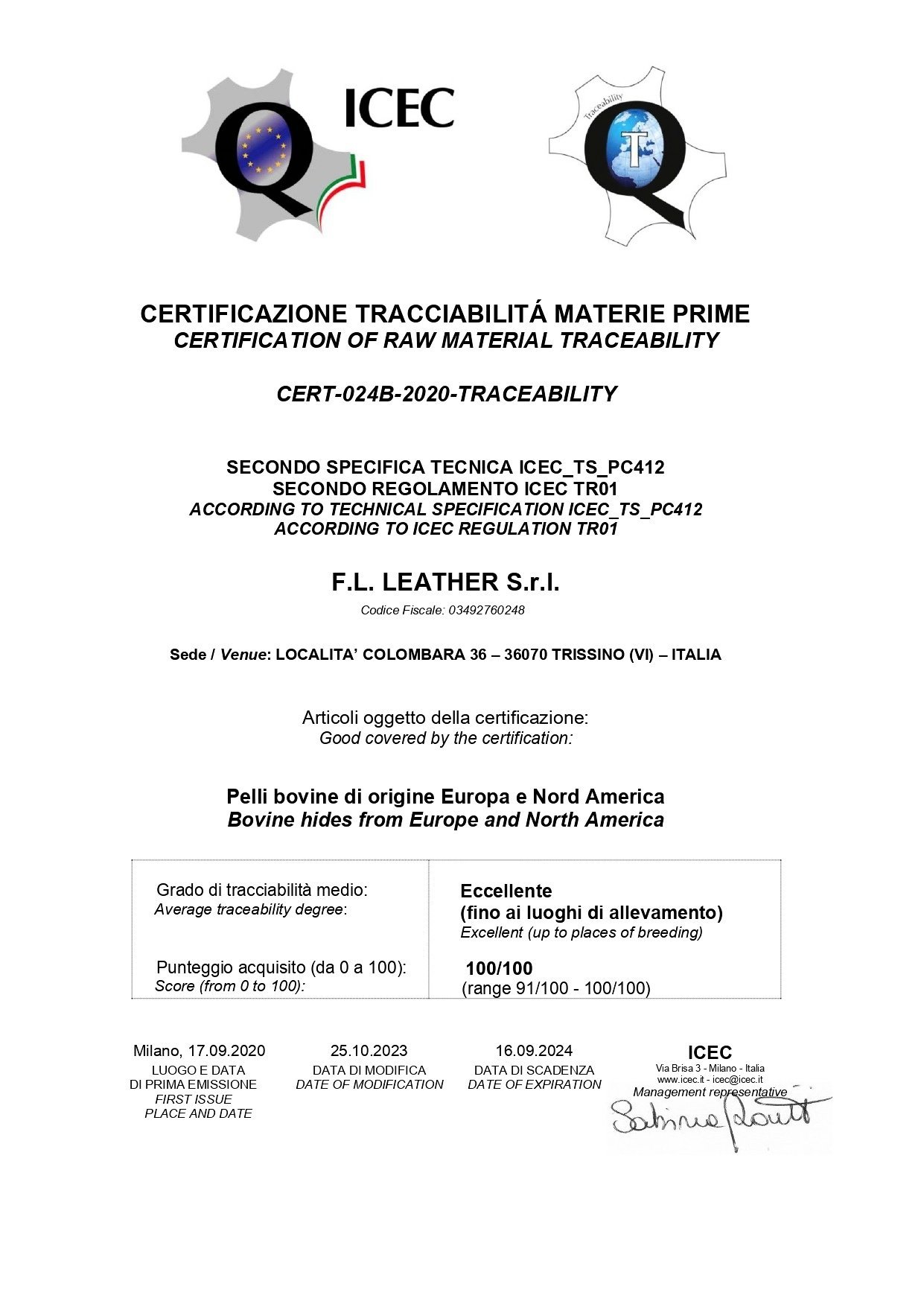
ISO 9001:2015, IATF 16949 & Aerospace Quality Certifications for High-Performance Polymers


Aerospace Customers Trust XUXIANG for Aerospace Components Injection-Molded High-Performance Polymers
XUXIANG delivered our PEEK sensor housing mold cores at +/-0.0015 mm — tighter than our print spec — and cut our lead time from 35 days to 18. Their ZEISS CMM reports gave us full traceability for our AS9100 audit.
We switched to XUXIANG for our PEI actuator inserts after two failed suppliers. Their DFM team caught a draft angle issue before machining, and the mirror EDM finish eliminated our secondary polishing step, saving us 22% per part.
For high-performance polymer tooling in aerospace, XUXIANG is our benchmark. Their Sodick slow-wire work holds +/-0.002 mm on micro-pin cavities, and we received full FAI documentation and material certs with every shipment — zero rework in 14 months.
Aerospace Precision Molding & Tooling: Frequently Asked Questions
What tolerances can XUXIANG hold on aerospace components injection-molded high-performance polymers?
What is your minimum order quantity for aerospace tooling and components?
How long does it take to produce aerospace components injection-molded high-performance polymers?
Do you charge for sampling or DFM support?
Which high-performance polymers can you mold for aerospace applications?
How do you protect intellectual property and confidential designs?
What payment terms and shipping options are available for international orders?
Can XUXIANG provide full first-article inspection reports for aerospace qualification?
The Complete Buyer’s Guide to Aerospace Components Injection-Molded High-Performance Polymers
Navigate the complex landscape of aerospace-grade polymer components with confidence. This guide delivers a proven decision framework, critical supplier evaluation criteria, and the costly mistakes to avoid when sourcing injection-molded high-performance polymers for mission-critical aerospace applications.
1. What Are Aerospace Components Injection-Molded High-Performance Polymers?
Aerospace components injection-molded high-performance polymers are precision-manufactured parts produced by injecting engineered thermoplastics into tooling cavities under controlled pressure and temperature, then cooled to net or near-net shape. A polymer qualifies as ‘high-performance’ when it sustains continuous service temperatures above 150 °C, exhibits tensile strength exceeding 70 MPa, maintains a strength-to-weight ratio superior to aluminum alloys on a per-volume basis, and resists jet fuel, hydraulic fluid and cleaning solvents without dimensional change or stress cracking.
Typical aerospace applications include interior mounting brackets, environmental control system (ECS) ducting, avionics and electrical connector housings, and secondary structural supports in cabin monuments and cargo systems. These parts replace metal to cut weight while meeting flammability (FAR 25.853), smoke-density and toxicity standards.
Aerospace injection molding enforces tolerances of +/-0.05 mm or tighter — compared to +/-0.1 mm in consumer goods — and mandates full material traceability: resin lot numbers, melt-flow-index certificates and first-article inspection (FAI) reports traceable to raw-material mills, ensuring every component meets airworthiness documentation requirements.
2. Evolution of High-Performance Polymers in Aerospace Manufacturing
Before 1980, aerospace interiors and structural brackets relied almost exclusively on aluminum and titanium, limiting design flexibility and adding weight penalties of 15–25% compared to modern polymer assemblies. The introduction of PEEK (polyetheretherketone) in the mid-1980s marked the first commercial deployment of injection-molded high-performance polymers capable of continuous service above 240 °C with inherent flame resistance meeting FAA 25.853(a) vertical-burn and smoke-density thresholds.
Regulatory evolution accelerated material adoption: FAR Part 25 flammability amendments in 1988, EASA CS-25 harmonization in the 1990s, and REACH registration of PEKK and PPS grades after 2007 established clear compliance pathways. Weight-reduction mandates — targeting 20% airframe mass savings by 2025 under IATA fuel-efficiency goals — drove OEMs to specify polyimides, PEKK and glass-reinforced PPS for brackets, ducts and sensor housings.
Today, additive manufacturing prototypes validate geometry before injection-molded production runs, compressing development cycles by 30–40% while maintaining the dimensional stability and batch repeatability that only precision injection molding delivers for aerospace components injection-molded high-performance polymers.
3. Types of Aerospace Components Injection-Molded High-Performance Polymers
Aerospace components injection-molded high-performance polymers span six performance tiers, each engineered for distinct thermal, mechanical and regulatory envelopes. Understanding the temperature ceiling, chemical resistance and cost multiplier of each family ensures you specify the right resin for your application.
PEEK and PEKK: Ultra-High Temperature Structural Resins
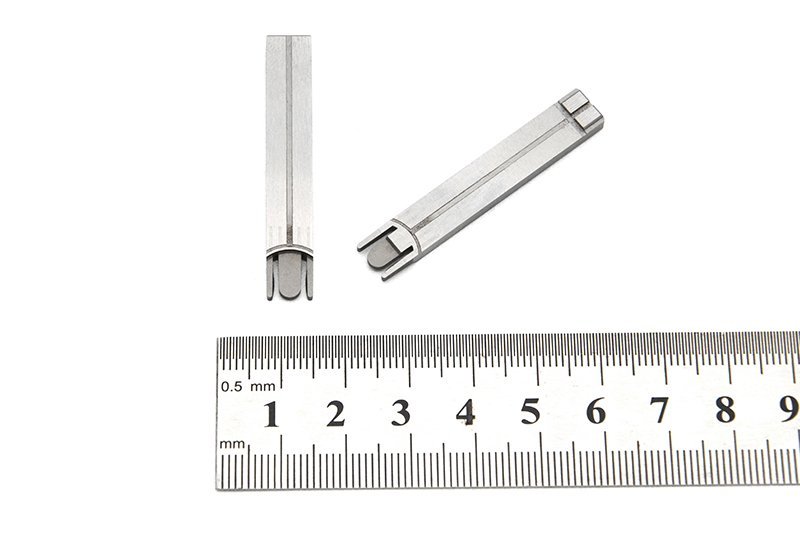
PEEK operates continuously to 260°C, PEKK to 280°C, both offering tensile strengths above 90 MPa and excellent fatigue resistance. Typical aerospace parts include bearing cages, cable insulation clips, sensor housings and fuel-system fittings. Material cost runs 15–25× commodity polymers; XUXIANG machines PEEK cores to ±0.002 mm for micro-connector terminal cavities.
PPS and LCP: Chemical Resistance and Electrical Precision
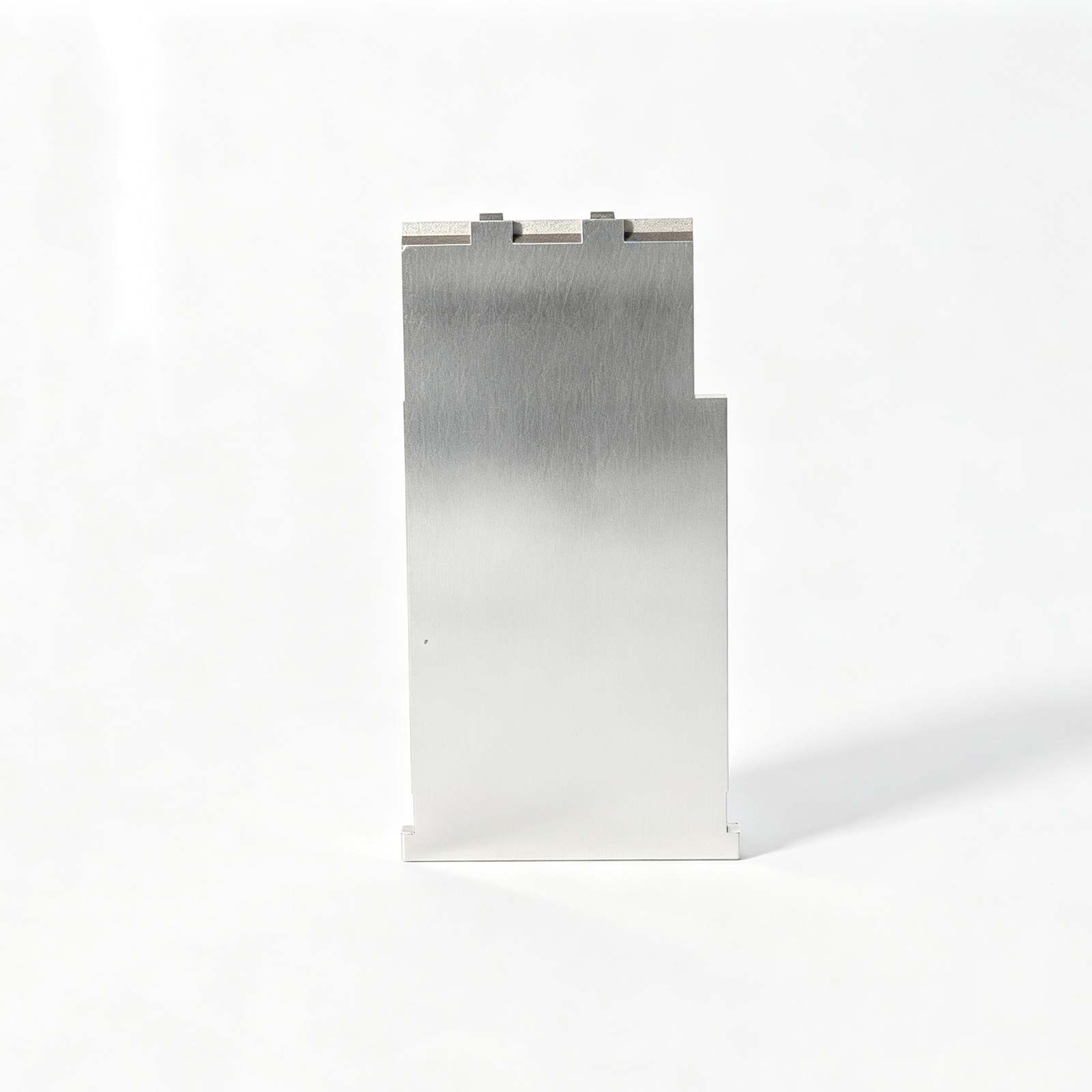
PPS withstands acids, bases and solvents to 200°C; LCP offers near-zero moisture absorption and ultra-low CTE for high-frequency connectors. Common uses: fuel-pump housings, EMI shields and board-to-board terminal blocks. Cost is 8–12× commodity resins.
PPSU and PEI: Flame-Smoke-Toxicity Compliance
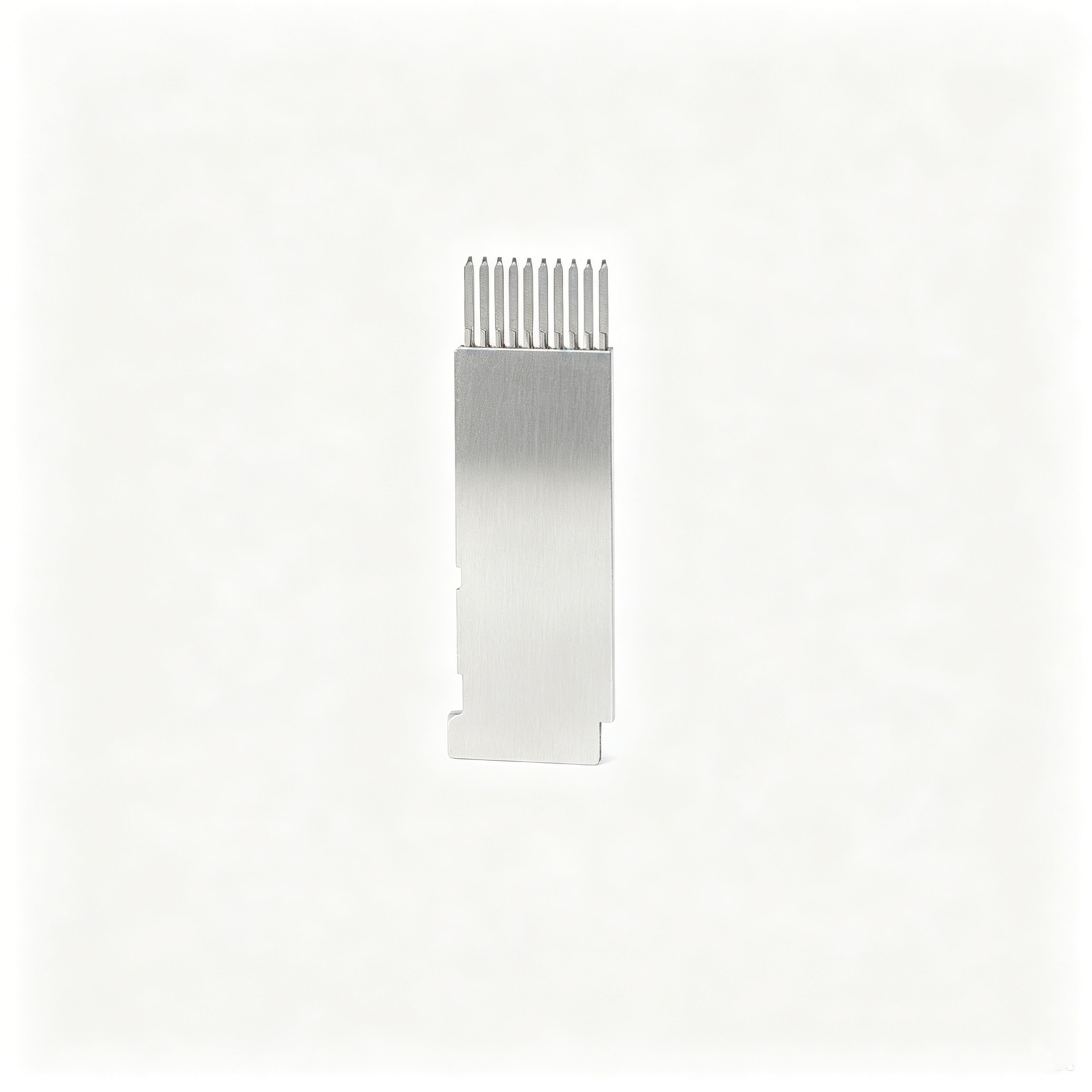
PPSU and PEI meet FAR 25.853 flammability and low-smoke requirements, with service temperatures to 180°C (PPSU) and 170°C (PEI). Interior brackets, ducting clips and cabin-electronics housings are typical. Cost is 6–10× standard resins; both offer excellent impact toughness.
4. Material Selection and Reinforcement Options
Selecting the right resin and reinforcement for aerospace components injection-molded high-performance polymers starts with three baseline criteria: maximum operating temperature, chemical exposure profiles and sustained load-bearing requirements. Glass fiber reinforcement typically ranges from 10–50% by weight, carbon fiber delivers EMI shielding plus stiffness, and mineral fillers (glass beads, talc) stabilize dimensions and reduce warpage.
| Resin Family | Max Service Temp (°C) | Tensile Strength (MPa) | Typical Reinforcement | Aerospace Certs |
|---|---|---|---|---|
| PEEK | 250–260 | 90–170 | 30% CF / GF | FAA, EASA |
| PEI (Ultem) | 170–217 | 105–165 | 20–40% GF | FAA, UL94 V-0 |
| PPS | 200–240 | 90–240 | 40% GF / mineral | FAA, REACH |
| PA66 (high-temp) | 120–150 | 80–185 | 30–50% GF | UL, RoHS |
5. Customization and Secondary Operations for Aerospace Polymer Components
Aerospace components injection-molded from high-performance polymers often require secondary operations to meet assembly, traceability and environmental specifications. DFM reviews before production minimize the need for post-molding work by optimizing geometry and material selection upfront.
CNC Machining for Tight Tolerances
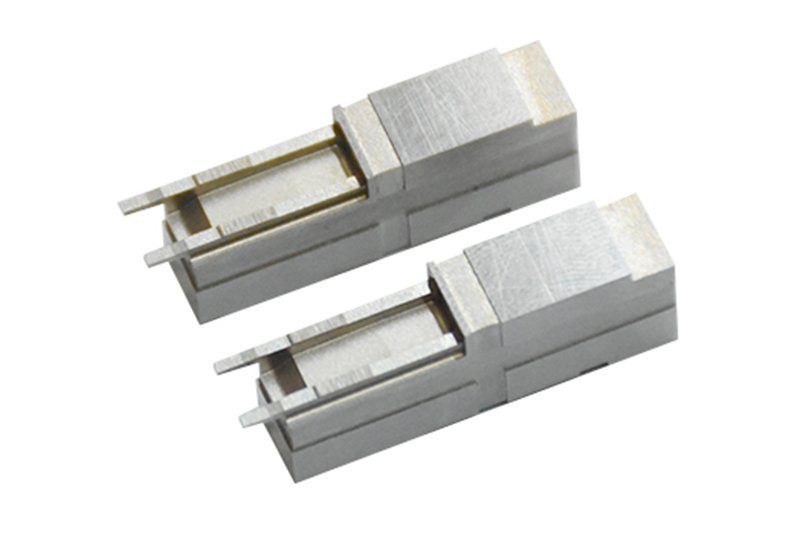
When injection molding alone cannot hold +/-0.005 mm tolerances on critical features, CNC post-machining is applied to bearing bores, mounting faces and mating surfaces. XUXIANG’s high-precision CNC centers maintain +/-0.001 mm accuracy on PEEK, PPS and PEI components, preserving surface integrity without delamination.
Assembly Processes: Welding and Bonding
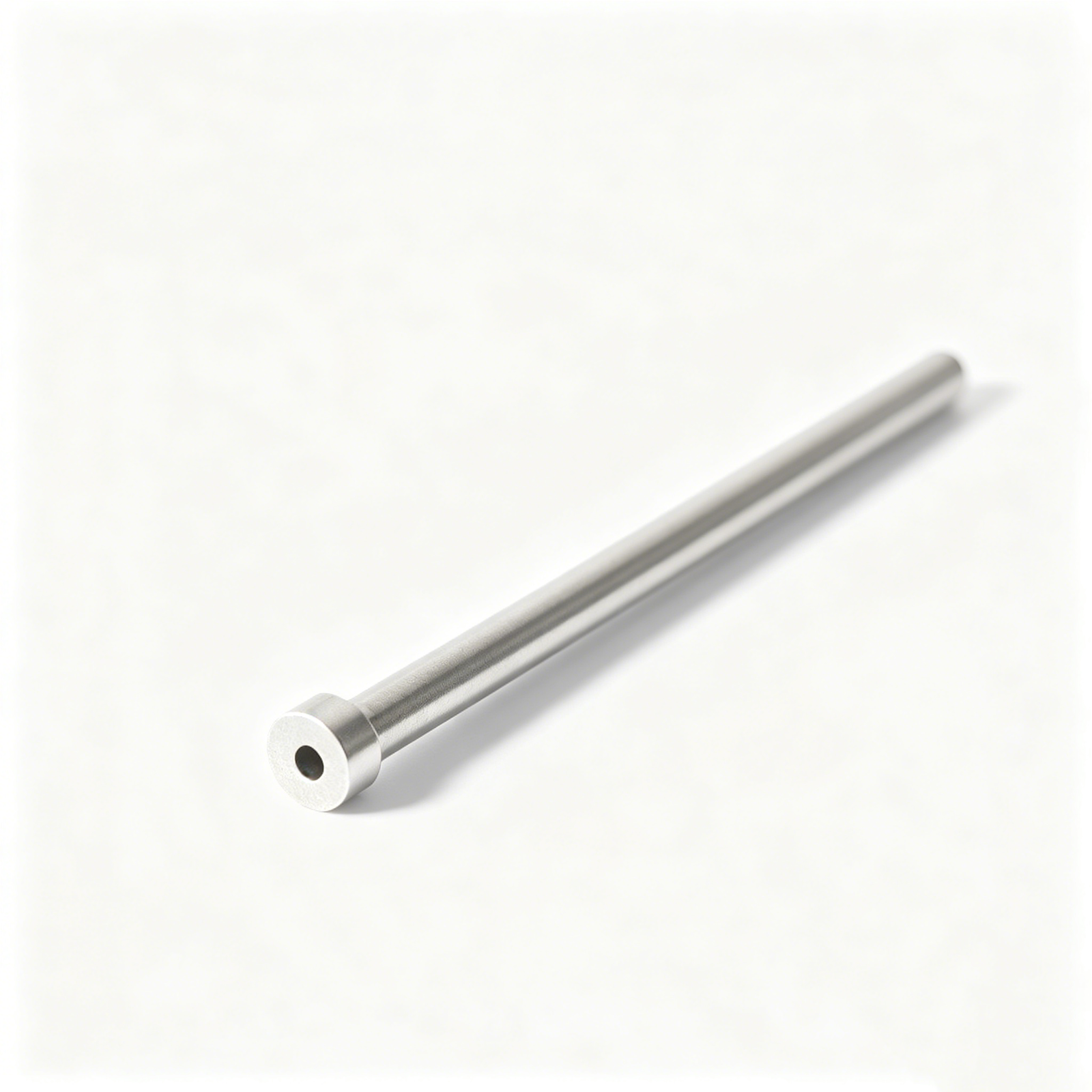
Ultrasonic welding joins amorphous polymers like PEI and PSU at 20–40 kHz, creating hermetic seals without consumables. Adhesive bonding with aerospace-grade epoxies (e.g., 3M Scotch-Weld) is preferred for semi-crystalline resins like PEEK and PPS, where weld energy may degrade fiber reinforcement.
Laser Marking and Traceability
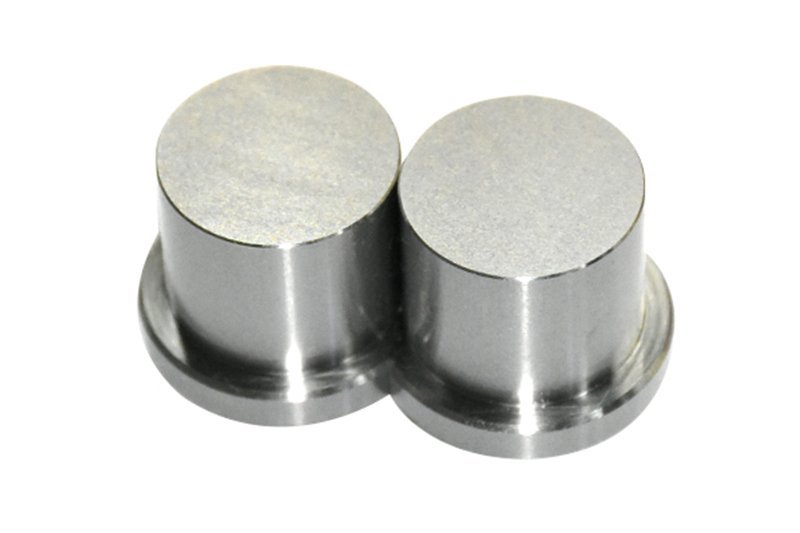
Fiber-laser marking at 1,064 nm wavelength etches permanent 2D DataMatrix codes, serial numbers and date codes on dark polymers without compromising structural integrity. Marks remain legible after thermal cycling, solvent exposure and UV aging per AS9132 traceability standards.
Over-Molding and Insert Integration
Metal inserts (brass, stainless steel) are over-molded for threaded bosses and electrical contacts. Silicone or fluoroelastomer seals are co-molded in a second shot to create environmental gaskets. Insert placement accuracy of +/-0.02 mm ensures leak-free performance in pressurized cabin and fuel-system applications.
Color, UV and Flame-Retardant Additives
Aerospace color masterbatches must pass Boeing D6-17487 and Airbus AITM standards for lightfastness and low outgassing. UV stabilizers (benzotriazoles, HALS) are compounded at 0.5–2.0 wt% for exterior applications. Halogen-free flame retardants (aluminum diethylphosphinate, melamine polyphosphate) achieve UL 94 V-0 at 1.5 mm without compromising mechanical properties.
6. Critical Quality and Certification Requirements
Aerospace supply chains impose stricter quality gates than any other sector. Material certifications, process validations, dimensional inspection and traceability documentation are mandatory at every stage, and non-conformance can ground entire production runs.
Material Certifications and Flammability Testing
Mill certificates trace resin lot provenance and confirm composition. UL 94 V-0 flammability and FAR 25.853 smoke/toxicity tests are baseline requirements for cabin-interior aerospace components injection-molded high-performance polymers. Suppliers must provide certified test reports for each batch.
Process Validation and Dimensional Inspection
IQ/OQ/PQ protocols validate injection-molding equipment before production. CMM systems — such as ZEISS MICURA measuring to 0.7 µm — verify critical dimensions against CAD nominals. Optical scanning detects surface defects, and X-ray inspection reveals internal voids that compromise structural integrity.
AS9100, NADCAP and First-Article Inspection
AS9100 certification governs aerospace quality management. NADCAP accreditation covers special processes like heat treatment and non-destructive testing. First-article inspection reports (FAIR) and Production Part Approval Process (PPAP) submissions document every dimension, material property and traceability code before serial production begins.
7. How to Choose a Manufacturer for Aerospace Components Injection-Molded High-Performance Polymers
Selecting a supplier for aerospace components injection-molded high-performance polymers requires rigorous vetting across certification, process control and engineering depth. A scorecard approach ensures traceability, quality and delivery performance from first article through serial production.
Certifications and Cleanroom Capabilities
AS9100 certification is the baseline for aerospace supply chains; ISO 13485 adds value for cabin medical systems and emergency equipment. Cleanroom molding — Class 8 (ISO 7) or better — prevents particulate contamination in optical, sensor and fluidic assemblies.
XUXIANG operates under ISO 9001:2015 with controlled environments for micro-connector and precision insert production, ensuring sub-micron cleanliness for high-density terminal tooling and conformal-cooled cores used in aerospace-adjacent electronics.
In-House Material Testing and Validation
Material spectral analysis and dimensional CMM validation are non-negotiable. Look for ZEISS or Mitutoyo CMM systems with <1 µm resolution, Nikon toolmaker's microscopes and documented FAI protocols that include material certificates, dimensional reports and surface-integrity scans.
XUXIANG’s metrology lab features a ZEISS MICURA CMM (0.7 µm accuracy) and Nikon V-12B / MM-400 class microscopes, enabling five-step QC from raw-material verification through final inspection for every mold component and aerospace-grade insert.
Design Collaboration and IP Protection
DFM feedback before tooling kickoff reduces costly revisions. Seek suppliers offering mold-flow simulation, tolerance stack-up analysis and rapid CNC prototyping. Mutual NDAs and secure file-transfer protocols protect proprietary geometries and material formulations.
XUXIANG provides DFM review by 10+ engineering experts, covering gate location, ejection strategy and thermal management, with strict IP confidentiality and secure CAD handoff for every aerospace-critical project.
OEM References and Lead-Time Flexibility
Request case studies or references from Boeing, Airbus or tier-1 aerostructure suppliers. Verify capacity for expedited tooling (4–6 weeks) and scalable production (100–10,000+ units). Post-delivery support — spare-part availability, re-qualification assistance and design iteration — extends program lifecycle value.
8. Common Mistakes Buyers Make When Sourcing Aerospace Polymer Components
Even experienced procurement teams stumble when sourcing aerospace components injection-molded high-performance polymers. Common errors — material mismatches, inadequate supplier validation and rushed timelines — trigger costly non-conformances, rework cycles and program delays that erode both margin and credibility.
Specifying Commercial-Grade Resins Instead of Certified Materials
Aerospace applications demand traceable, lot-certified polymers (PEEK, PEI, PPS) that meet flame, smoke and toxicity (FST) standards such as FAR 25.853. Specifying commercial grades without UL94 V-0 or aerospace traceability certificates renders parts non-compliant, forcing re-tooling and material re-buys that can double lead times and triple unit cost.
Ignoring Mold Maintenance and Cavity Wear
High-performance polymers — especially glass-filled PEEK and carbon-reinforced PPS — accelerate cavity wear. Buyers who skip preventive maintenance clauses or fail to audit tool life see dimensional drift beyond +/-0.05 mm after 50,000 cycles, triggering reject rates above 15% and emergency re-machining that halts production for weeks.
Choosing Low Bid Without Validating Process Capability
Price alone is a poor proxy for aerospace readiness. Suppliers lacking ZEISS-class CMM validation, controlled thermal profiling or AS9100-aligned change control cannot sustain +/-0.02 mm tolerances or material traceability. Skipping capability audits and prototype tooling reviews leads to first-article failures, delaying qualification by 8–12 weeks and inflating total program cost by 40% or more.
9. Steps to Launch Your Aerospace Injection-Molded Polymer Component Program
Launching a program for aerospace components injection-molded high-performance polymers demands a disciplined, phase-gated workflow that aligns material science, tooling precision and regulatory compliance. Each step builds verifiable evidence — from resin selection through serial production — to satisfy both OEM specifications and airworthiness authorities.
Define Performance Requirements and Select Resin
Begin by translating service conditions — maximum continuous-use temperature, flame-smoke-toxicity (FST) targets, mechanical load cases and chemical exposure — into a material shortlist. Cross-reference UL 94, FAR 25.853 and OEM-approved polymer lists to ensure candidates meet flammability and smoke-density thresholds.
Engage resin suppliers early to obtain technical data sheets, processing windows and long-term thermal-aging curves. Document every requirement in a material specification that will anchor DFM reviews and first-article inspections.
Partner with a Certified Molder for DFM and Mold Design
Select a manufacturer with ISO 9001:2015 certification, precision machining capability (+/-0.002 mm or tighter) and a track record in high-performance polymers. XUXIANG’s ZEISS MICURA CMM and Sodick EDM assets, for example, support the tight core tolerances and mirror finishes critical to aerospace-grade tooling.
Conduct a formal DFM workshop to optimize wall thickness, gate location, draft angles and ejection strategy, reducing warp and ensuring consistent fiber orientation in reinforced resins.
Build Prototype Tooling and Run Material Validation
Commission single-cavity or family prototype molds to validate fill, cooling and dimensional stability before committing to multi-cavity production tools. Run short-shot studies and measure actual cycle times, melt temperatures and cavity pressures.
Submit molded samples for material confirmation via spectral analysis and mechanical testing (tensile, flexural, impact) per ASTM D638, D790 and D256 to verify lot-to-lot consistency and compliance with the approved resin grade.
Conduct First-Article Inspection and Flammability Testing
Perform full FAI using calibrated CMM and optical comparators, generating dimensional reports traceable to the engineering drawing. Simultaneously, send representative parts to accredited labs for vertical-burn (UL 94 V-0) and smoke-density tests (ASTM E662) to confirm FST compliance.
Document every result in a first-article package that includes material certificates, process parameters, inspection data and test reports — the foundation of your design history file.
Ramp to Production with Process Monitoring
Lock process parameters — melt temperature, injection speed, pack pressure, cooling time — in a controlled manufacturing plan and implement statistical process control (SPC) on critical dimensions. Monitor cavity-to-cavity variation in multi-cavity tools and establish control limits.
Schedule periodic process audits and maintain traceability through lot numbers, enabling rapid root-cause analysis if non-conformances arise during serial production.
Establish Ongoing Quality Audits and Supply-Chain Redundancy
Institute quarterly supplier audits covering calibration records, material traceability and change-control procedures. Require formal Engineering Change Order (ECO) approval for any deviation in resin lot, tooling modification or process parameter.
Develop a dual-source strategy for critical resins and maintain safety stock of validated material lots to buffer against supply disruptions, ensuring uninterrupted aerospace component delivery.
10. Pricing and Cost Structures for Aerospace Components Injection-Molded High-Performance Polymers
Pricing for aerospace components injection-molded high-performance polymers breaks into three cost drivers: resin premiums (PEEK certified material runs 40–60% higher than PPS), tooling amortization (multi-cavity molds for complex assemblies add $8,000–$15,000 versus $3,000–$6,000 for simple brackets), and volume leverage (unit costs drop 50–65% from prototype runs to 10,000-piece orders). Material certification — full traceability, batch testing and aerospace-grade documentation — typically adds 15–25% to raw resin cost.
Secondary operations (CNC post-machining, ultrasonic welding, laser marking) contribute $0.50–$3.00 per part depending on complexity. Lead time compresses as volume rises because tooling setup is amortized across more cycles; 100-unit PEEK runs require 6–8 weeks, while 10,000-unit orders stabilize at 4–5 weeks after mold validation.
XUXIANG’s +/-0.001 mm machining and ZEISS CMM validation ensure first-article approval without costly rework, protecting both schedule and budget. Volume commitments unlock tier pricing and dedicated production slots, reducing per-part cost by up to 60% at the 10,000-unit threshold.
| Quantity Tier | PEEK Simple Bracket ($/unit) | PPS Multi-Cavity Assembly ($/unit) | Tooling Amortization ($) | Lead Time (weeks) |
|---|---|---|---|---|
| 100 units | $18–28 | $12–18 | $3,000–6,000 | 6–8 |
| 500 units | $12–16 | $7–11 | $5,000–9,000 | 5–7 |
| 2,500 units | $8–11 | $4.50–6.50 | $6,000–12,000 | 4–6 |
| 10,000 units | $6–8 | $3–4.50 | $8,000–15,000 | 4–5 |
Ready to Source Aerospace Components Injection-Molded High-Performance Polymers? Get Your Quote in 24 Hours
Upload your CAD files today and receive a detailed quote with DFM feedback from our 10+ engineering experts within 24 hours. Sample delivery in 3-7 days.