
Hot Runner Mold Components — Precision-Grade Tooling for 5G, Automotive & Medical
XUXIANG delivers hot runner mold components machined to +/-0.001 mm, ISO 9001:2015 certified, with quotes returned in 24 hours and full FAI documentation.
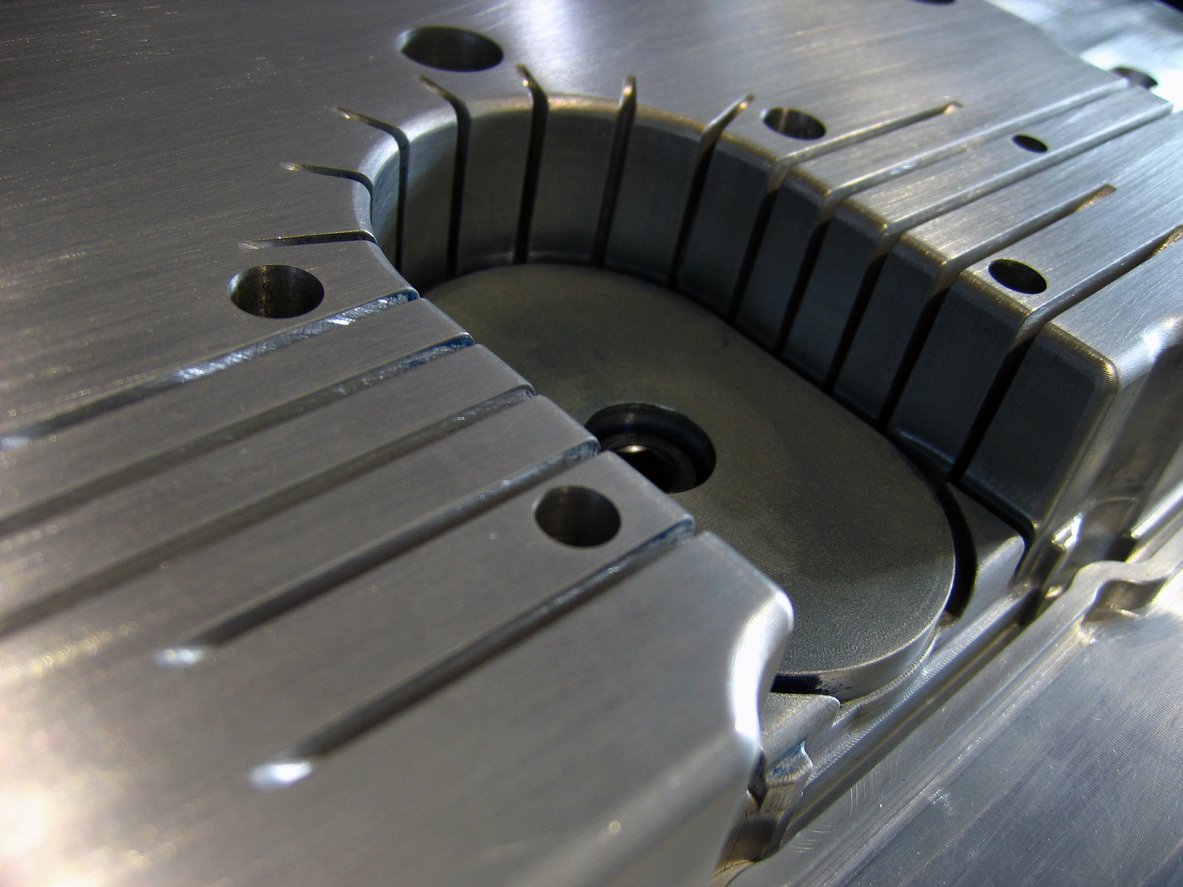
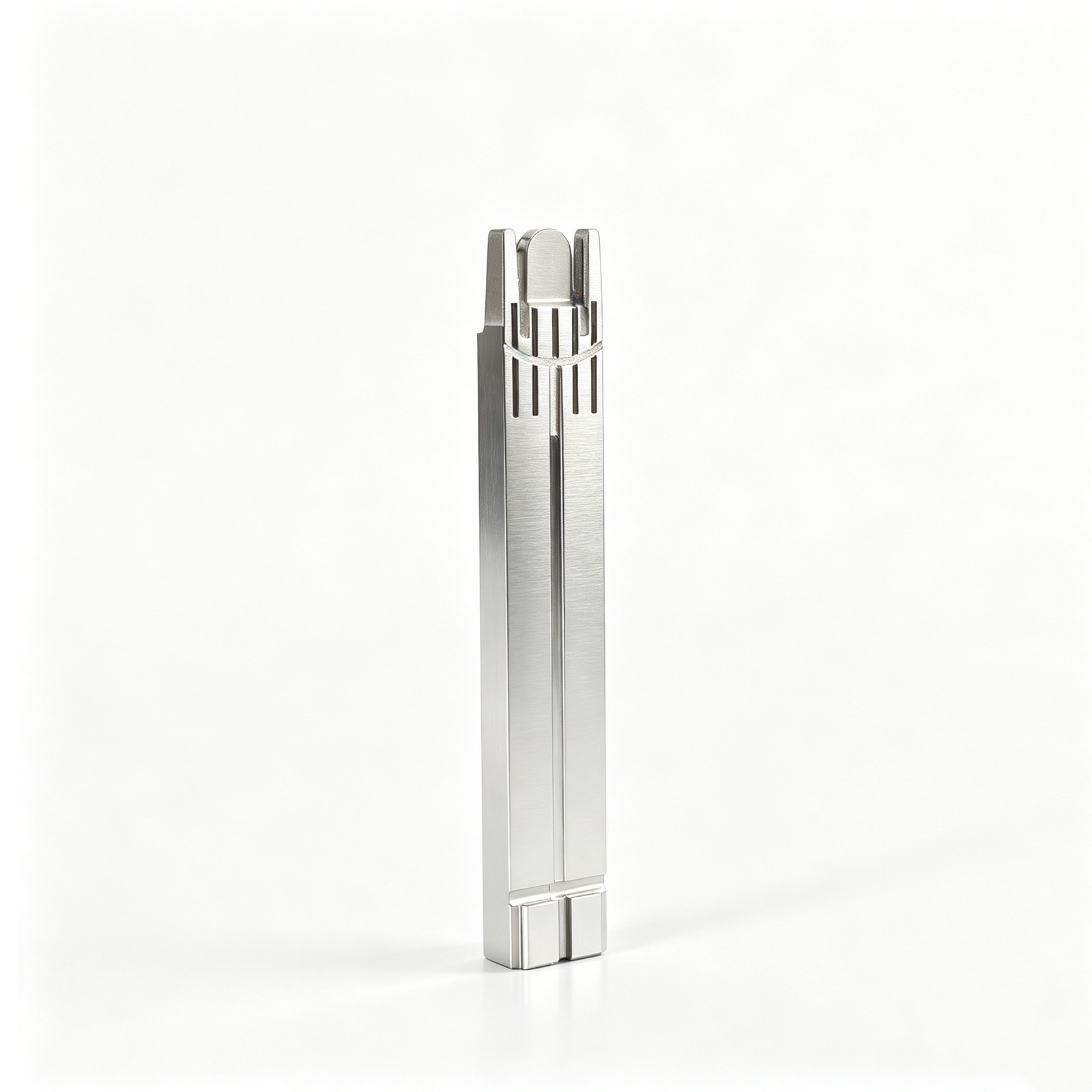
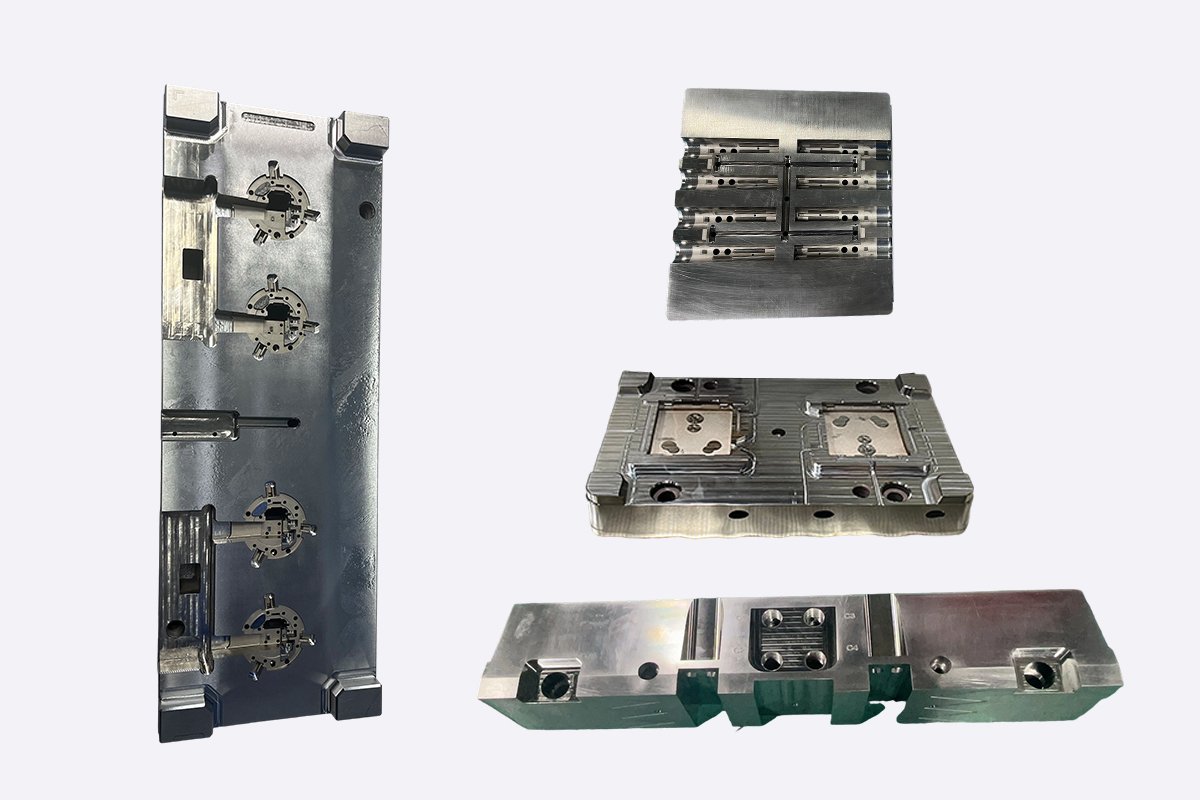
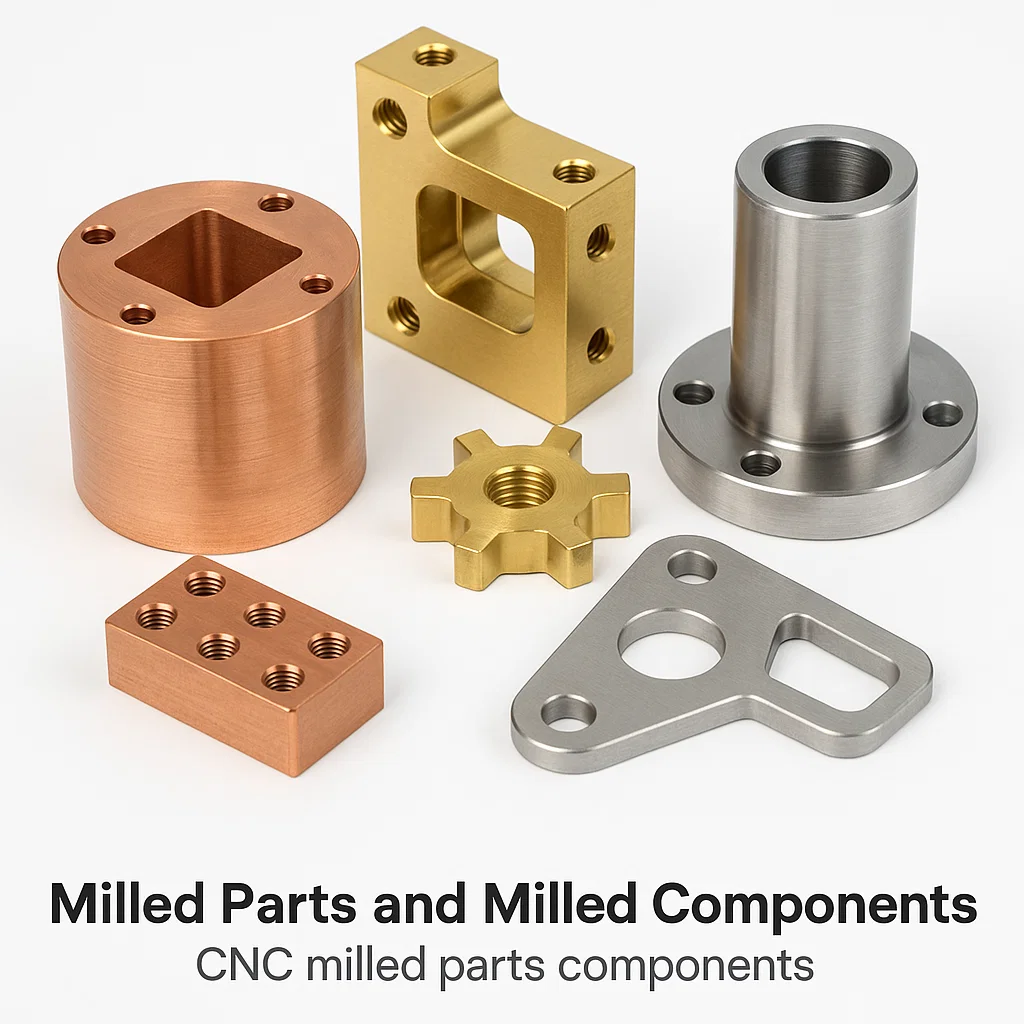
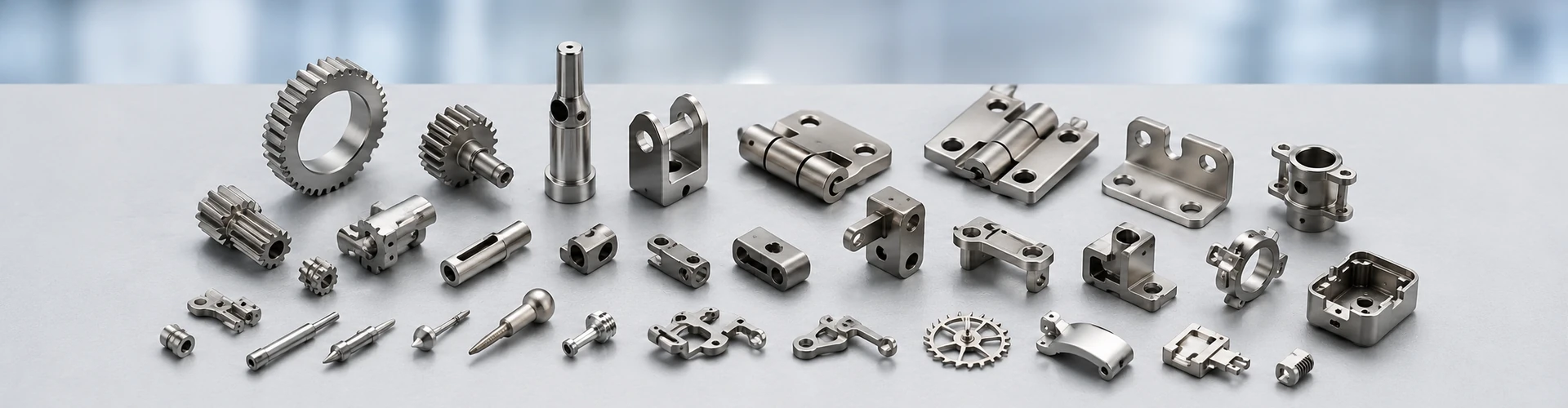
Featured Hot Runner Components & Precision Mold Parts
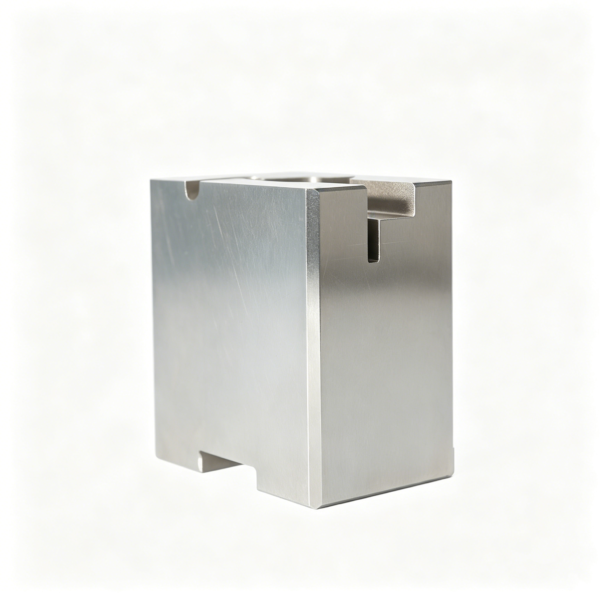
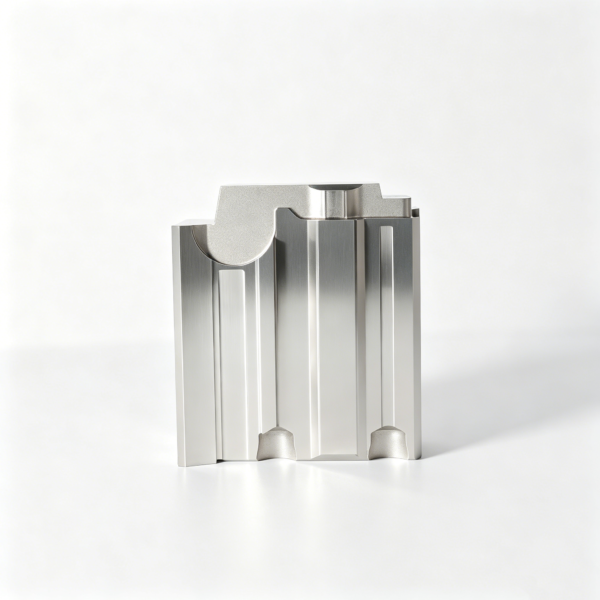
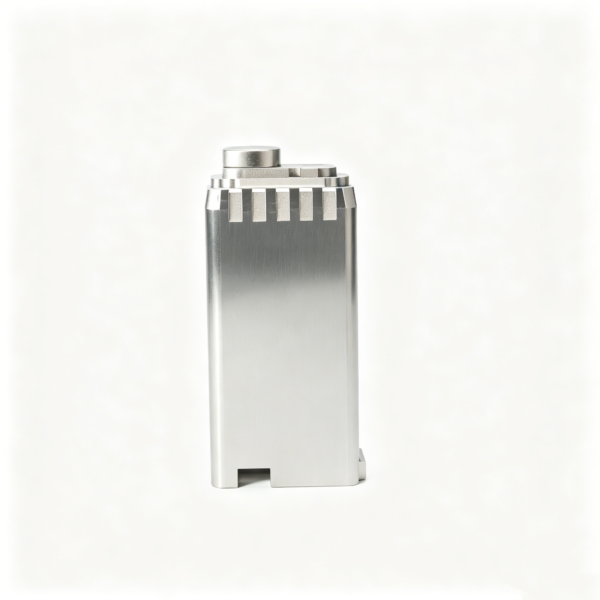
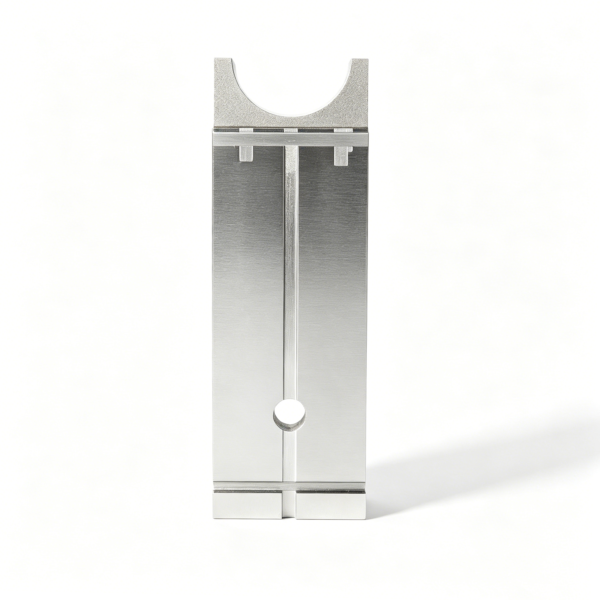
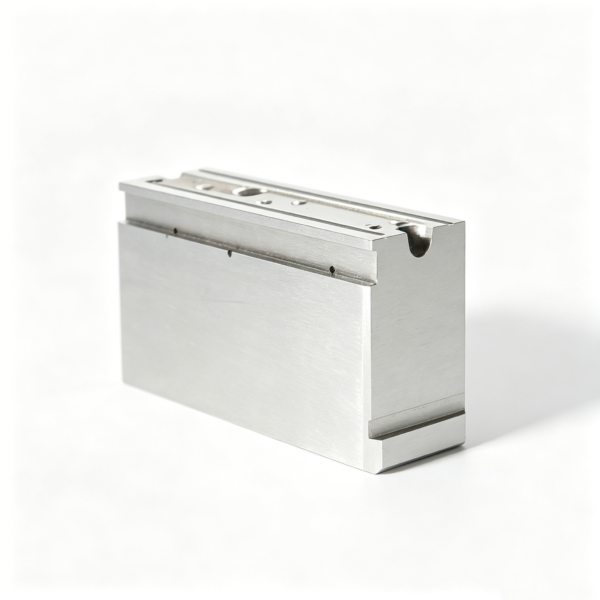
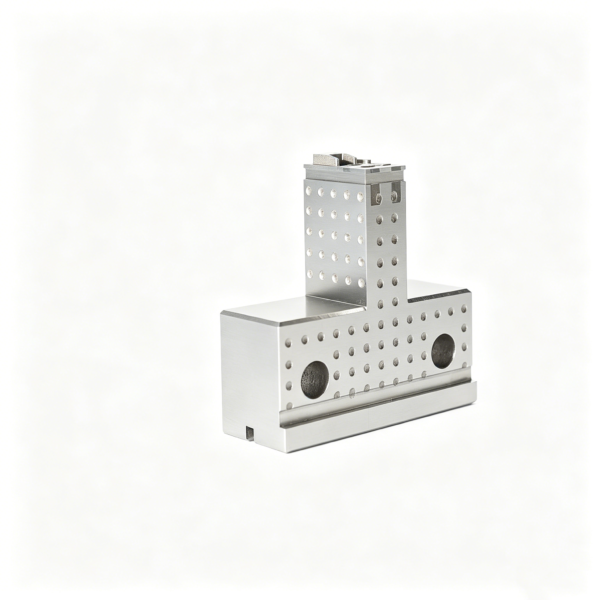
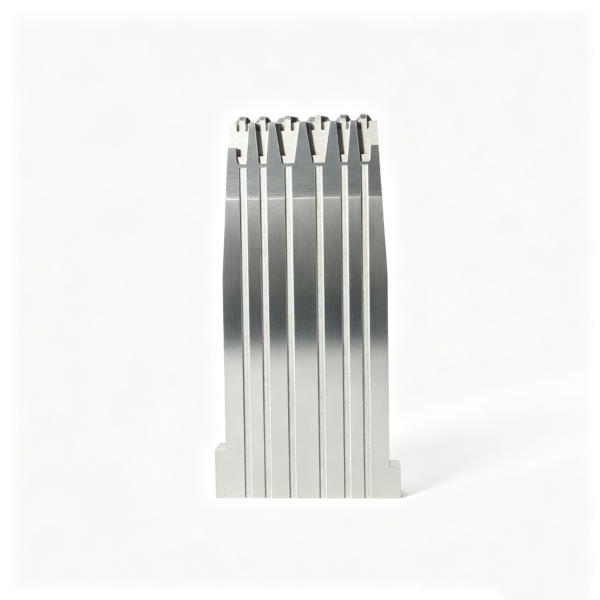
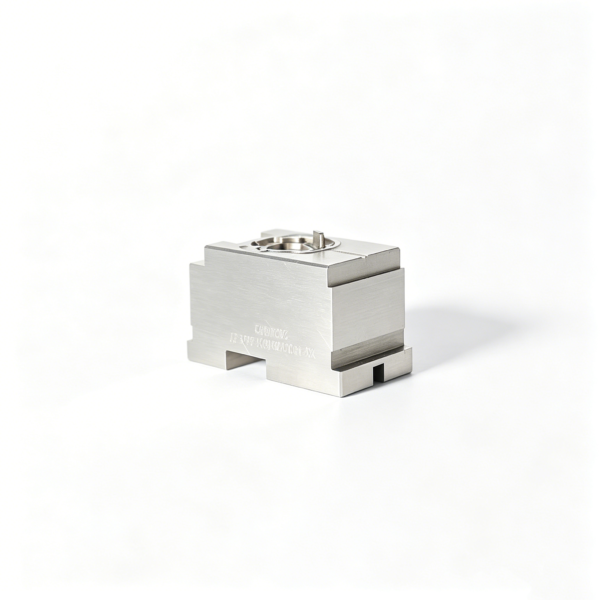
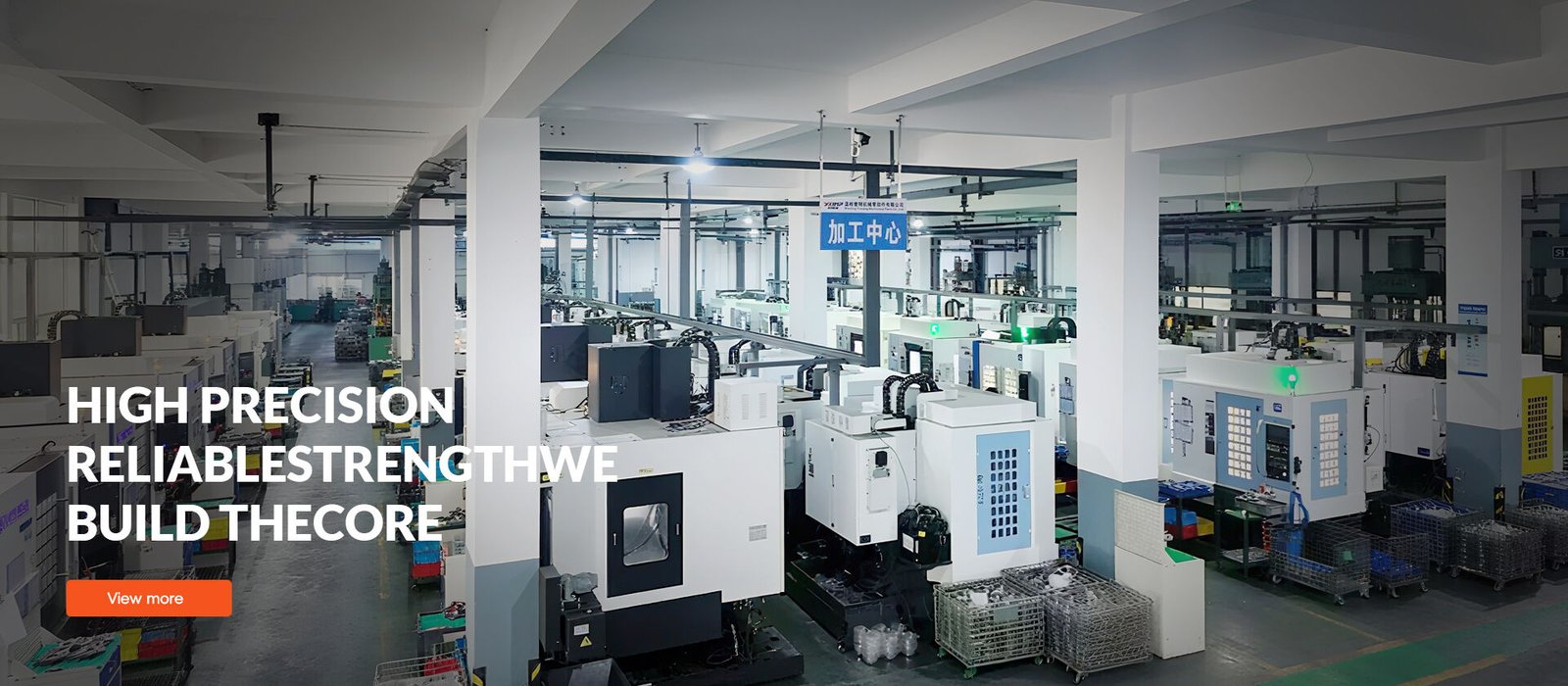
Precision Mold Components in Action


Why XUXIANG’s Hot Runner Mold Components Stand Out
+/-0.001 mm Machining Precision
Maximum machining accuracy of +/-0.001 mm and mirror-grade Ra 0.1um EDM finishes ensure micron-stable hot runner mold components every time.
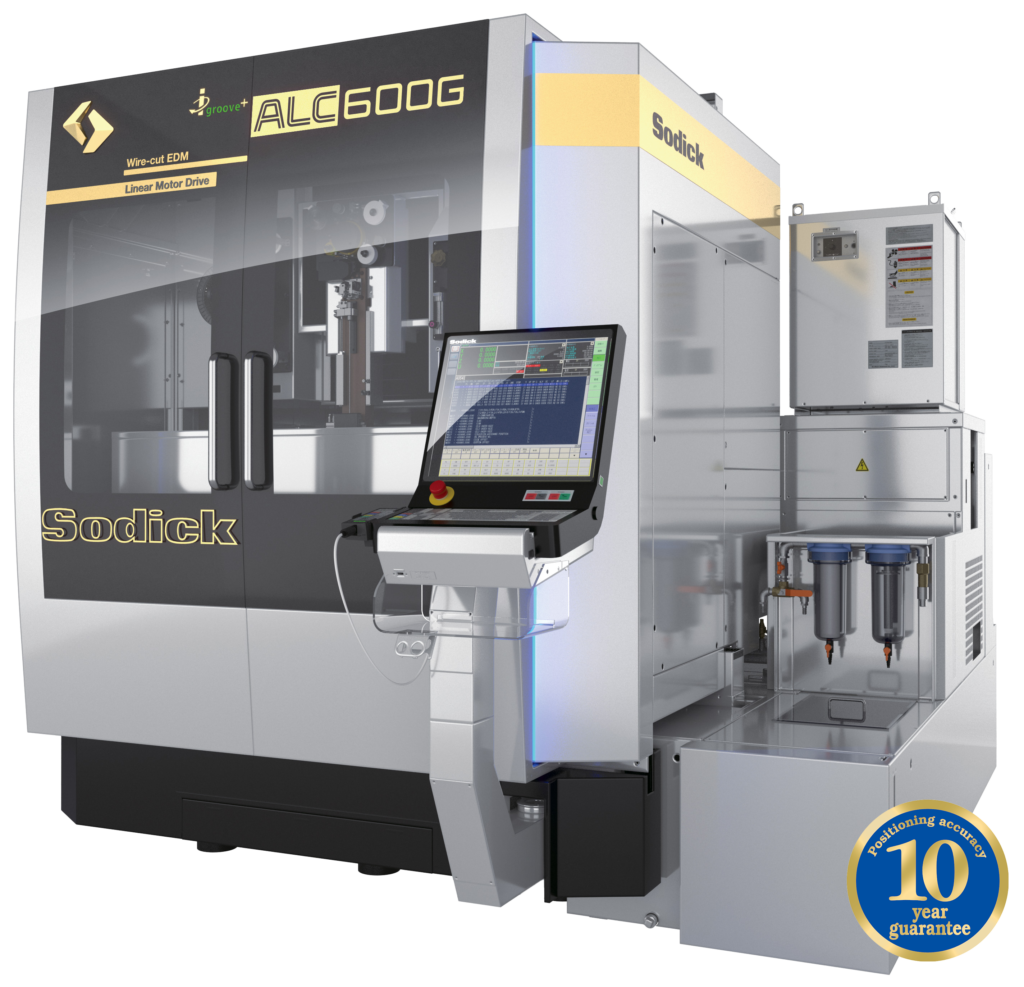
Sodick & Mitsubishi EDM Equipment
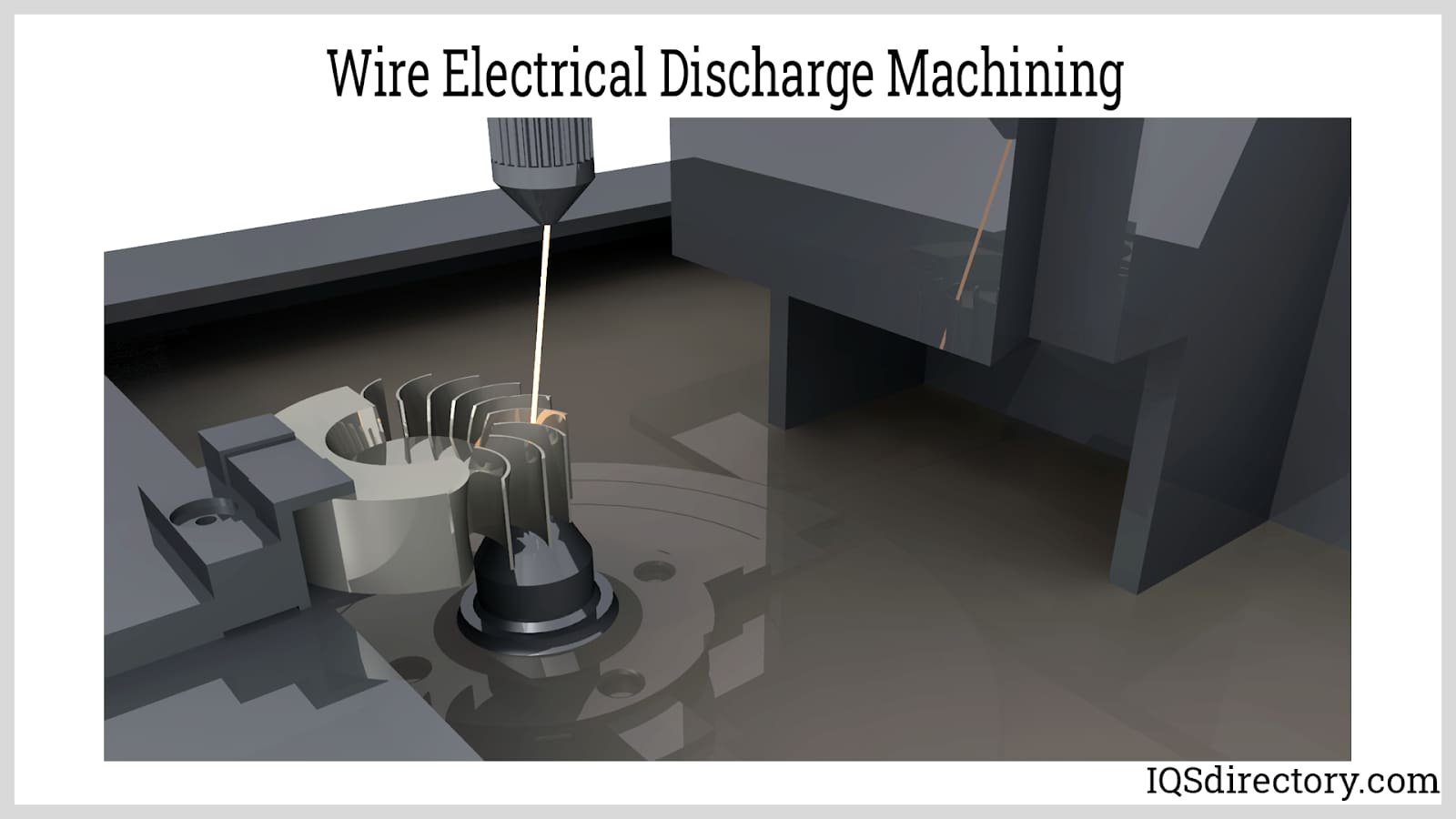
Sodick slow-wire EDM, Seibu wire EDM and Mitsubishi mirror EDM deliver +/-0.002 mm positioning and corner radii down to R 0.015 mm.
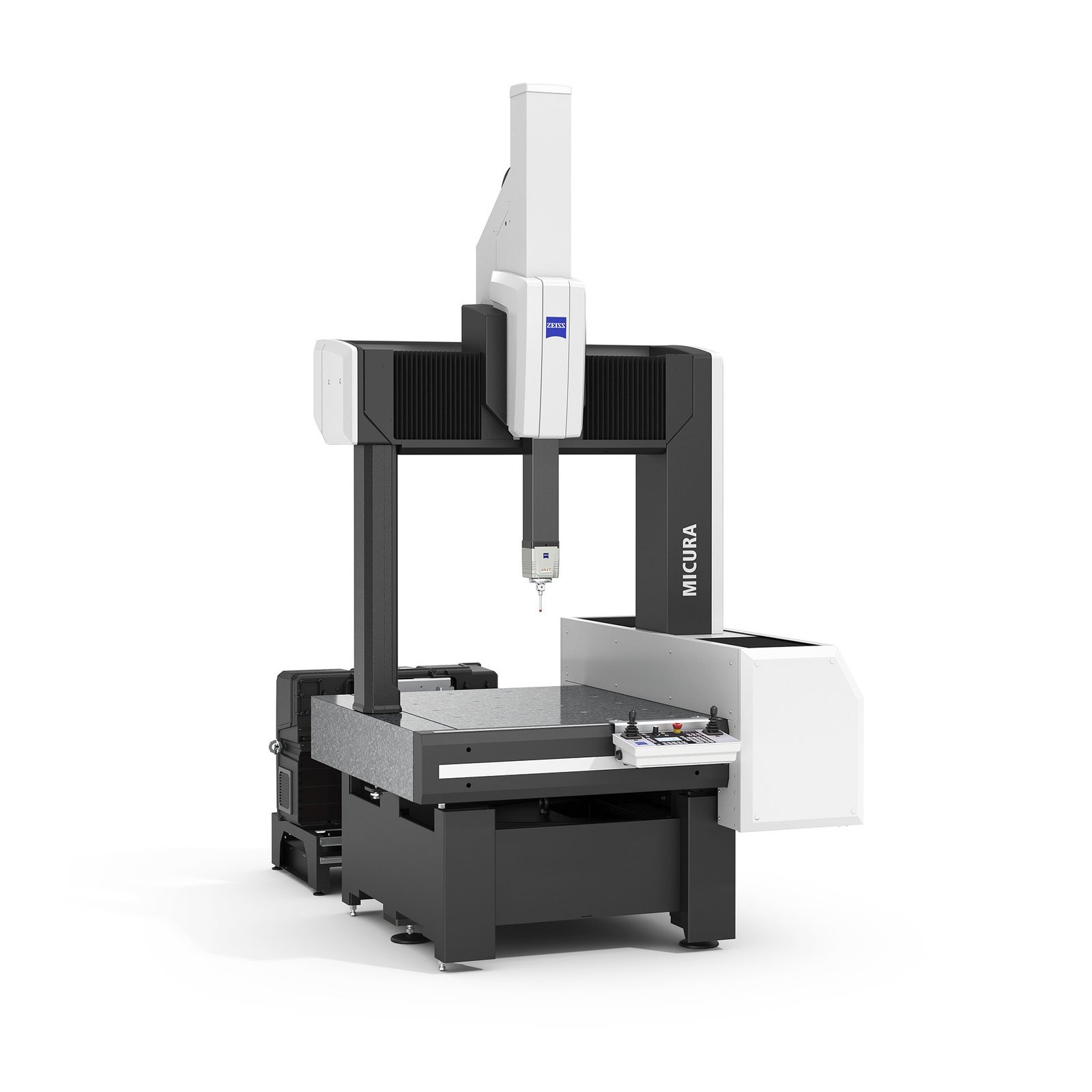
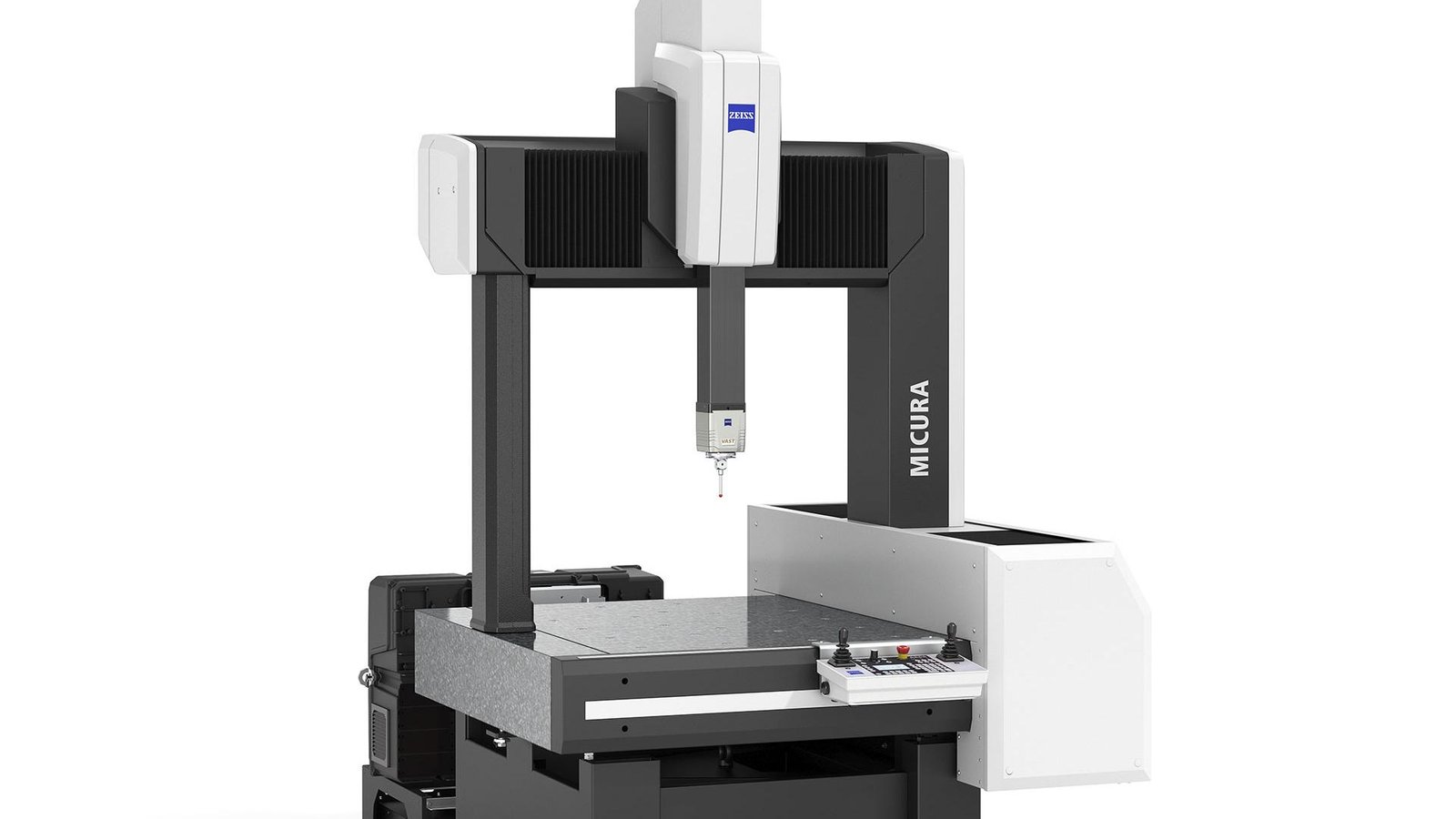
ZEISS MICURA CMM Metrology
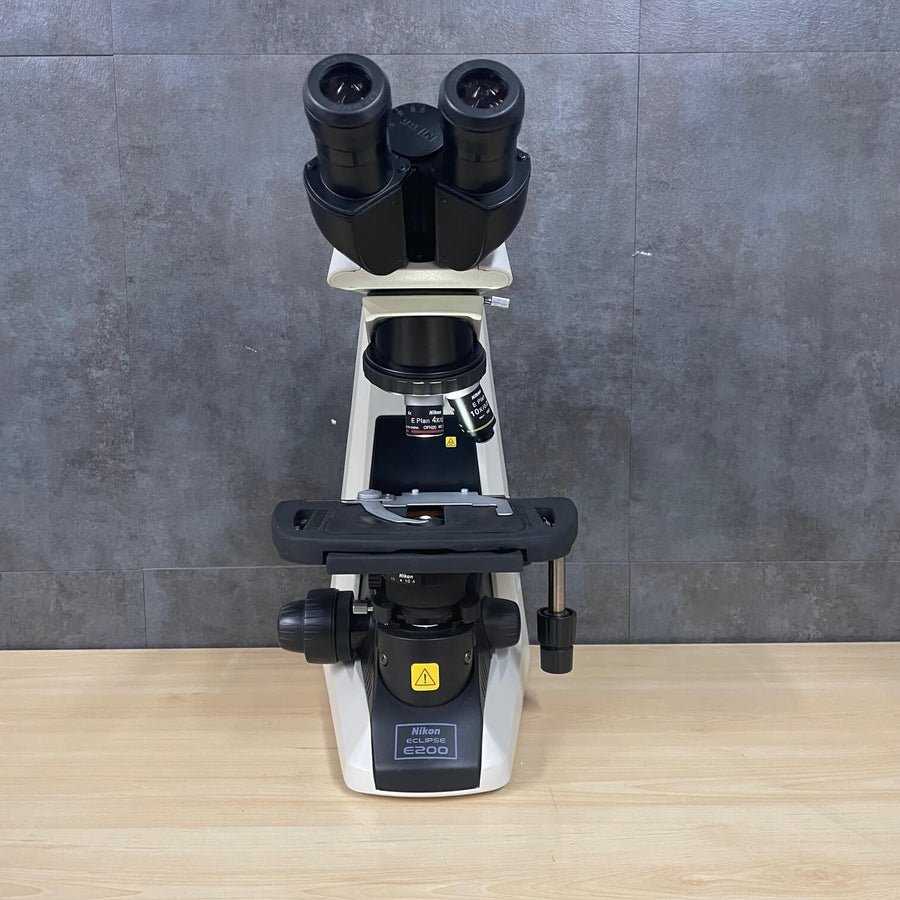
Every hot runner component validated with ZEISS MICURA CMM measuring to 0.7um and Nikon toolmaker’s microscopes, backed by full FAI documentation.
24-Hour Quote Turnaround
Submit your hot runner mold component drawings and receive a detailed quote within 24 hours, with DFM feedback from 10+ engineering experts.
Dual-Factory Production Capacity
Dongguan R&D facility plus Quanzhou volume plant deliver +200% expanded capacity, cutting lead times roughly 30% below industry average.
DFM Engineering Support
10+ precision-mold engineers review every hot runner component design before production, preventing tolerance failure and optimizing manufacturability from day one.
Hot Runner Mold Components for Every Industry
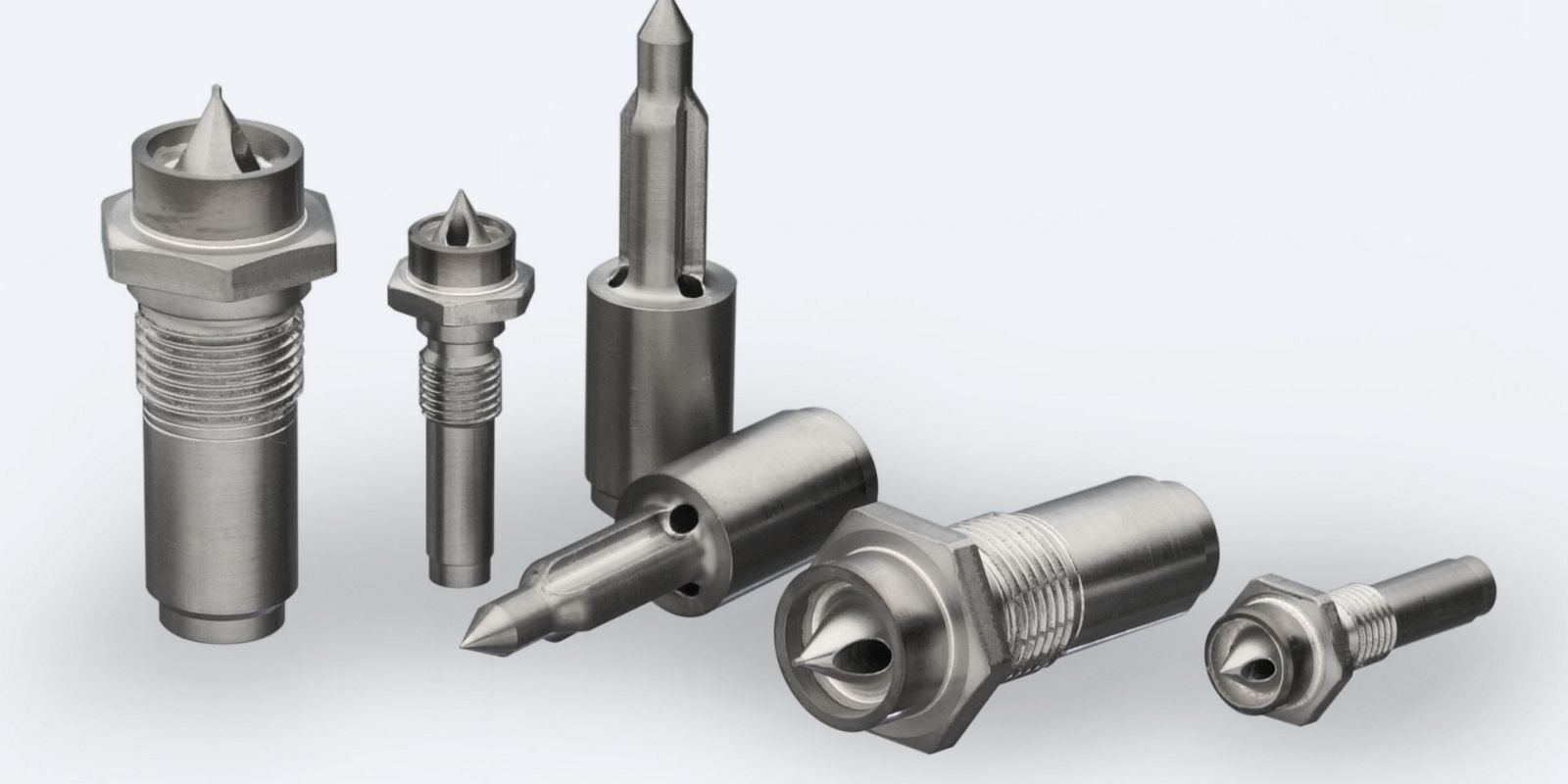
Hot Runner Nozzles
Precision hot runner nozzles machined to +/-0.002 mm on Sodick slow-wire EDM and Fanuc CNC, with mirror-grade internal flow channels down to Ra 0.1um. Designed for uniform melt distribution in multi-cavity electronics, automotive and medical-device molds. Full DFM support and ZEISS CMM validation ensure thermal stability and gate-to-gate consistency across high-volume production runs.
Get a Quote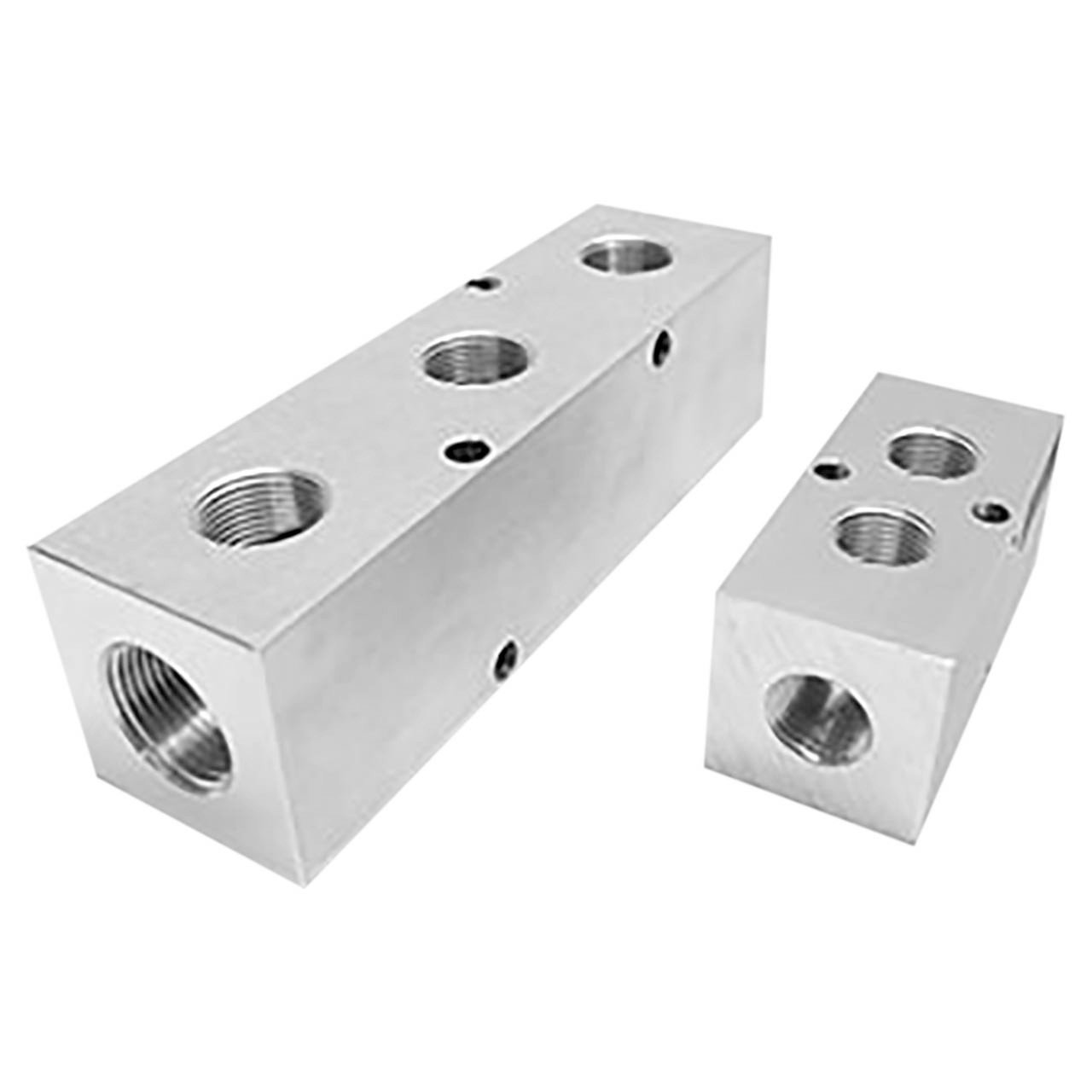
Manifold Blocks
Custom manifold blocks held to +/-0.001 mm flatness and parallelism, CNC-machined from pre-hardened or H13 tool steel with integrated thermal-balance flow paths. Equipped with spectral material verification and five-step QC to eliminate hot spots and pressure drop. Ideal for complex multi-drop systems in 5G connector tooling, automotive sensor housings and high-cavitation consumer-electronics molds.
Get a Quote
Nozzle Tips
Micro-precision nozzle tips with gate diameters down to 0.3 mm and corner radii R ≤ 0.015 mm, produced on Sodick wire EDM and Beijing Jingdiao electrode CNC. Mirror-polished internal geometry minimizes shear and prevents material degradation. Validated by Nikon toolmaker’s microscope and supplied with FAI reports and material certificates for critical telecom, automotive and medical applications.
Get a Quote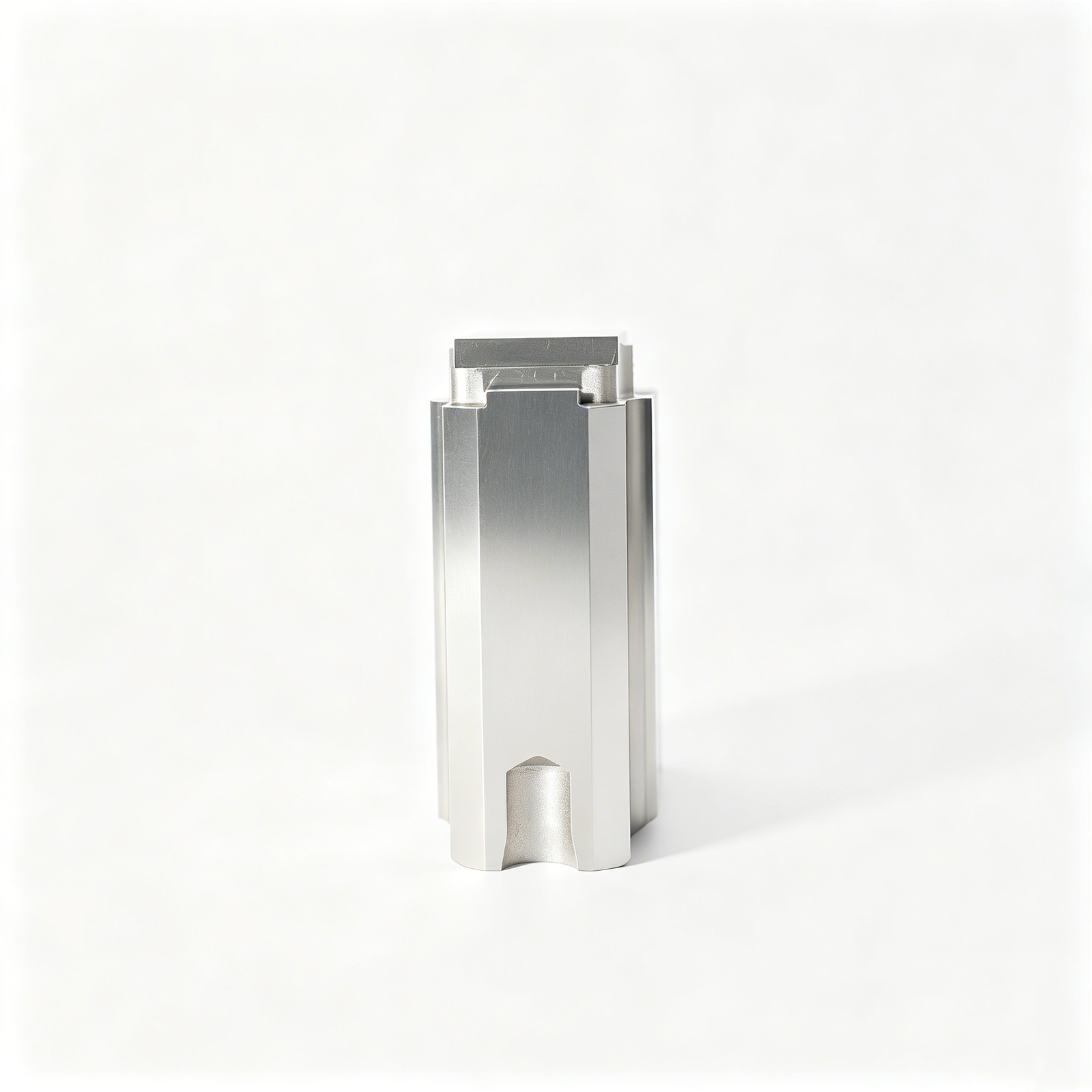
Torpedo Heaters
Torpedo heaters and thermal cores machined to tight concentricity and surface finish specifications, ensuring even heat transfer and minimal cycle-time variation. CNC-turned and ground on Dawn precision centers, then EDM-finished where required. Full dimensional inspection on ZEISS MICURA CMM. Suitable for high-thermal-demand applications in automotive, industrial automation and thick-wall molding programs.
Get a Quote
Gate Inserts
Hot runner gate inserts engineered for wear resistance and dimensional repeatability, with tolerances held to +/-0.002 mm and Ra 0.2um or better. Slow-wire EDM profiling and mirror-grade polishing eliminate gate vestige and improve part cosmetics. Compatible with valve-gate, open-gate and sequential systems. Backed by material certificates and in-process tolerance monitoring for automotive, 5G and medical-device OEMs.
Get a Quote
Thermocouple Sleeves
Thermocouple sleeves and sensor bores machined to precise depth, diameter and position tolerances, enabling accurate closed-loop temperature control in multi-zone hot runner systems. CNC-milled and reamed on Fanuc machining centers, with CMM verification of critical dimensions. Supplied with full traceability documentation to support ISO 9001:2015 and IATF compliance in automotive and industrial tooling programs.
Get a Quote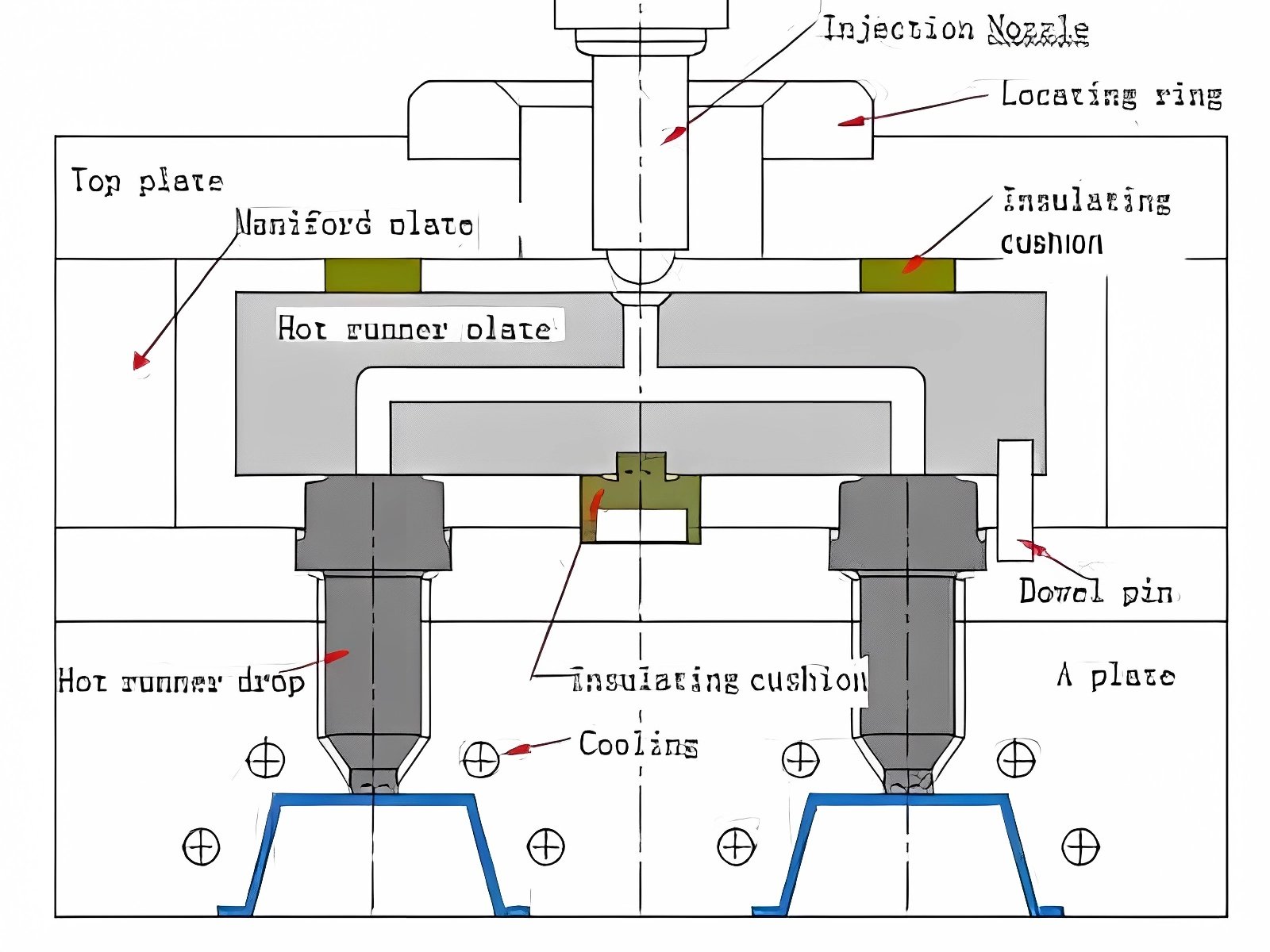
Hot Runner Plates
Hot runner plates and backing plates CNC-machined from pre-hardened steel or aluminum, held to +/-0.005 mm flatness over large areas and equipped with precision locating features. Integrated cooling channels and manifold pockets ensure thermal uniformity and mechanical stability. Ground on Dawn precision centers and inspected on ZEISS CMM. Designed for electronics, automotive NEV and high-cavitation consumer-product molds.
Get a Quote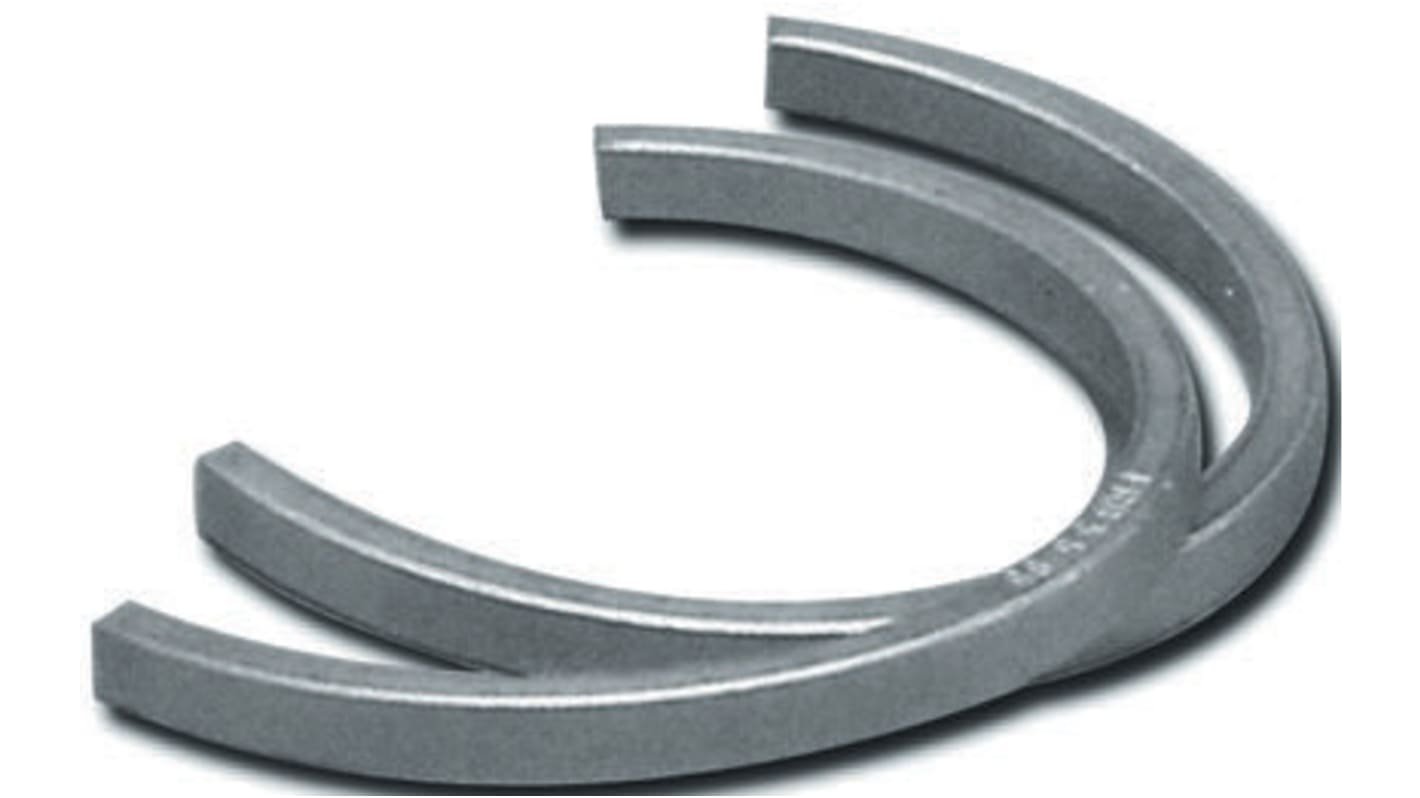
Locating Rings
Locating rings and sprue-bushing interfaces machined to tight concentricity and perpendicularity, ensuring repeatable nozzle alignment and mold clamping. CNC-turned and ground to +/-0.003 mm, with mirror-class mating surfaces. Compatible with standard and custom hot runner systems. Validated through CMM inspection and supplied with dimensional reports for automotive, telecom and industrial-automation tooling.
Get a Quote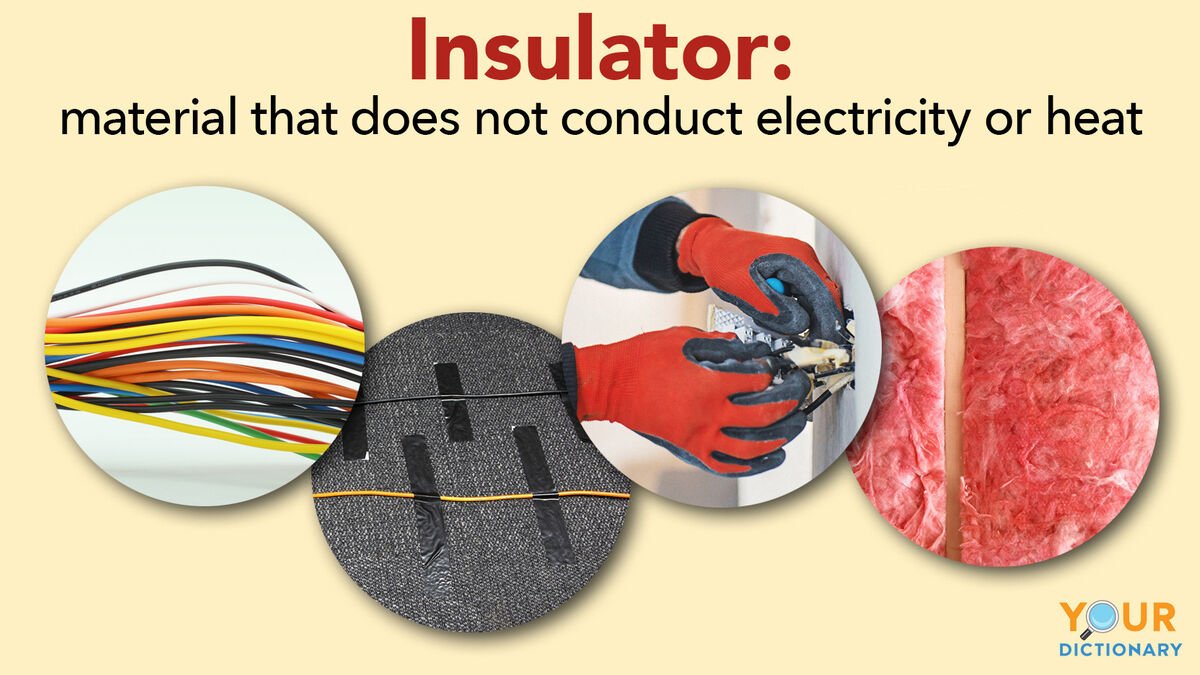
Thermal Insulators
Thermal insulators and heat-shield components precision-machined from low-conductivity materials or engineered polymers, with tolerances held to +/-0.01 mm where critical. CNC-milled on Fanuc centers and inspected for flatness, thickness uniformity and hole position. Designed to minimize heat loss, protect mold bases and maintain process stability in high-temperature molding of automotive, 5G and industrial parts.
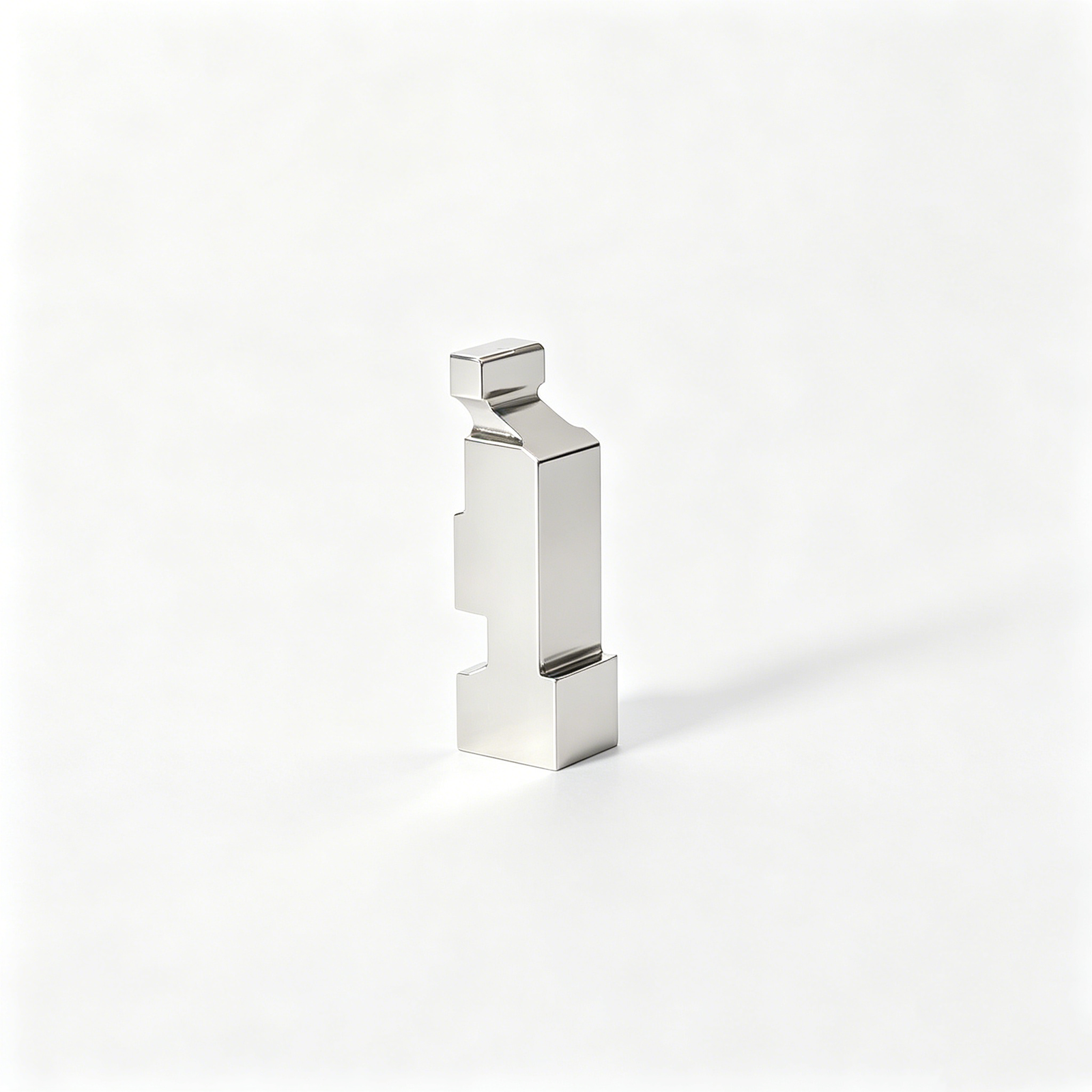
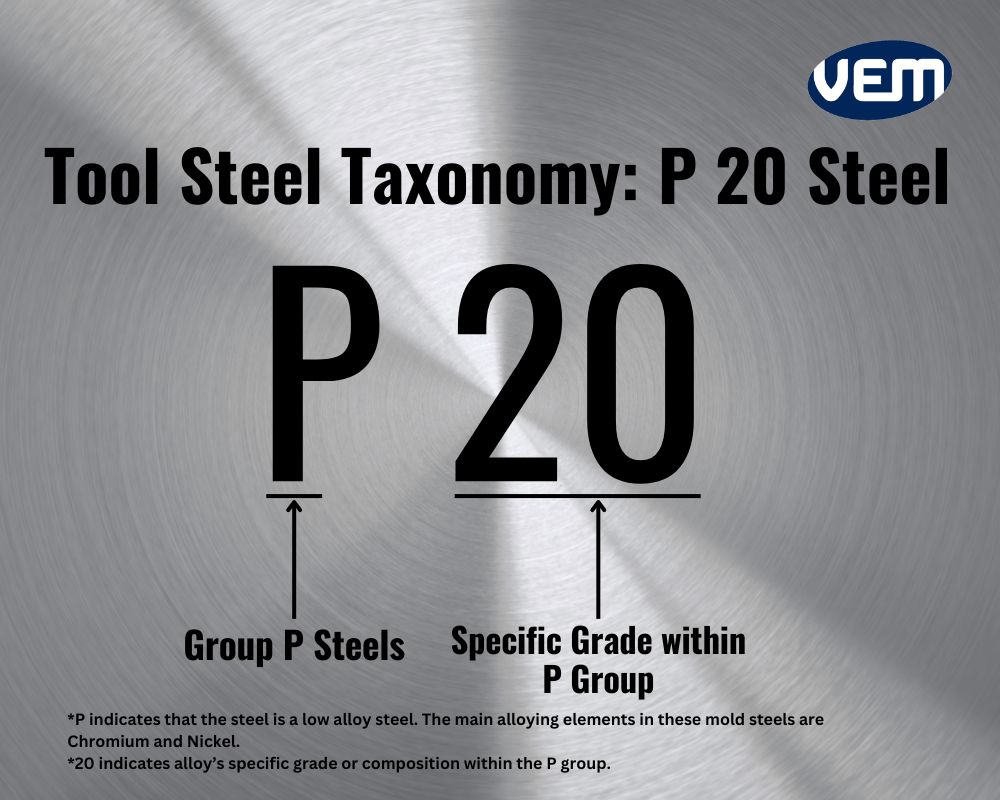
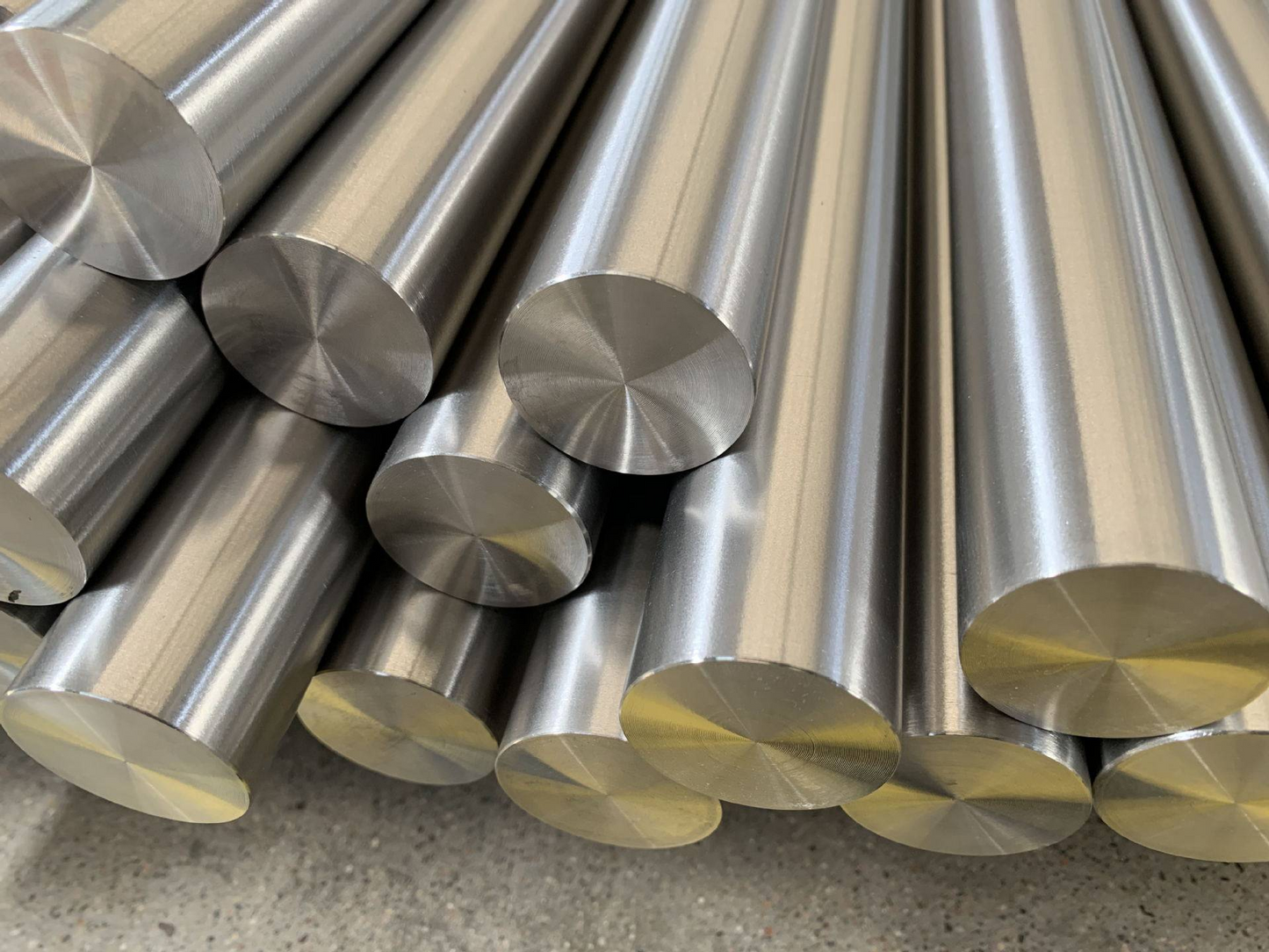
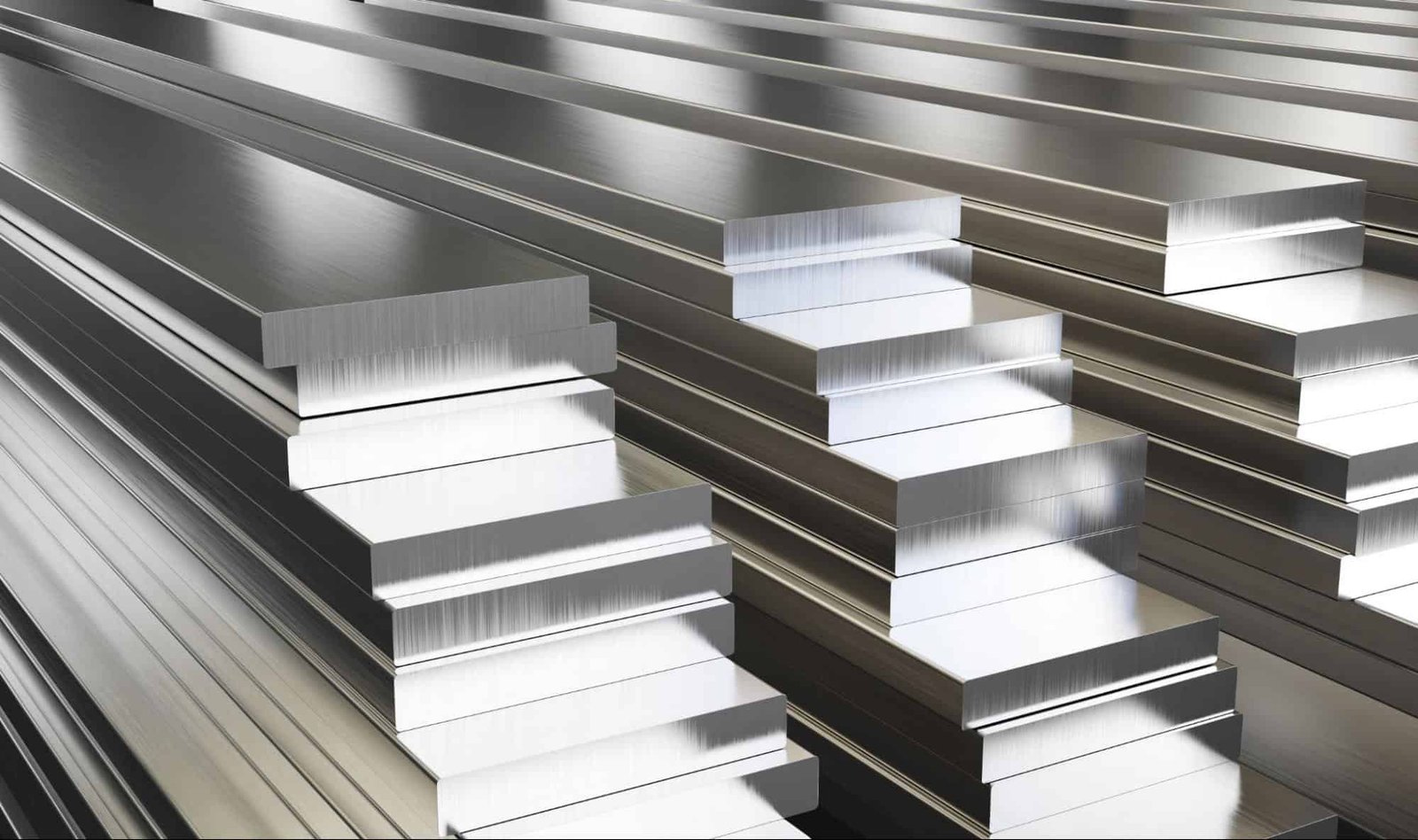
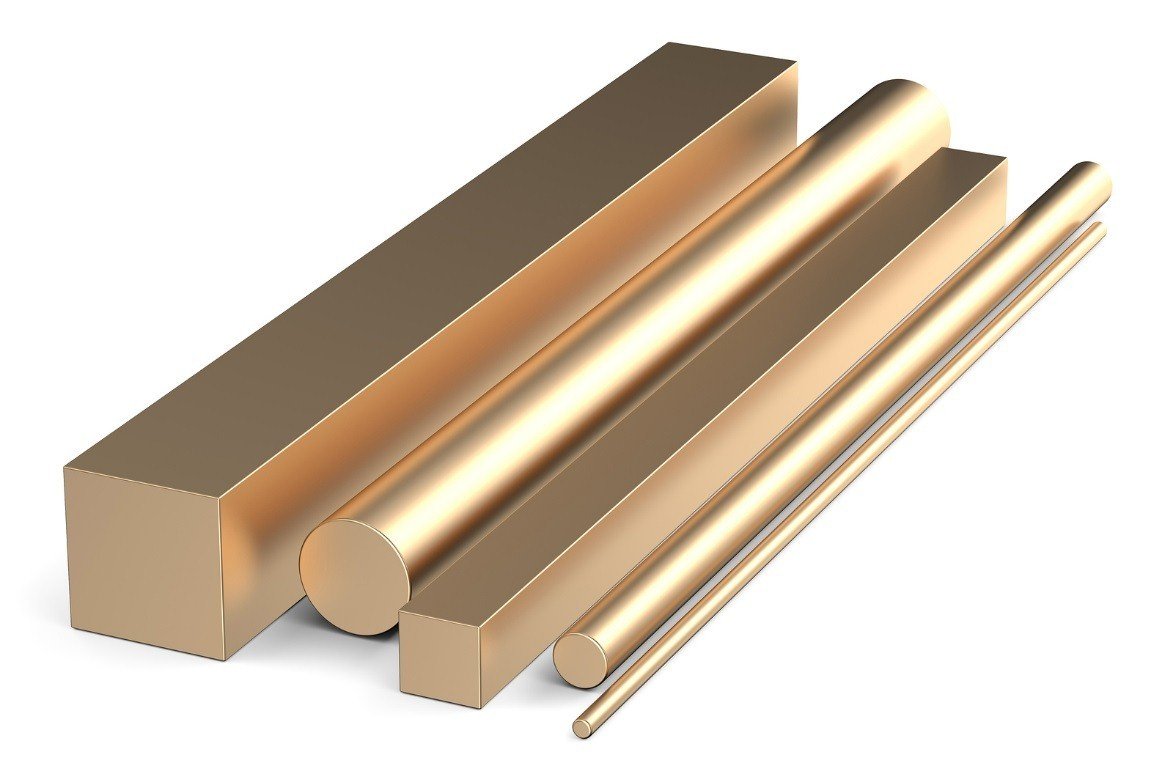
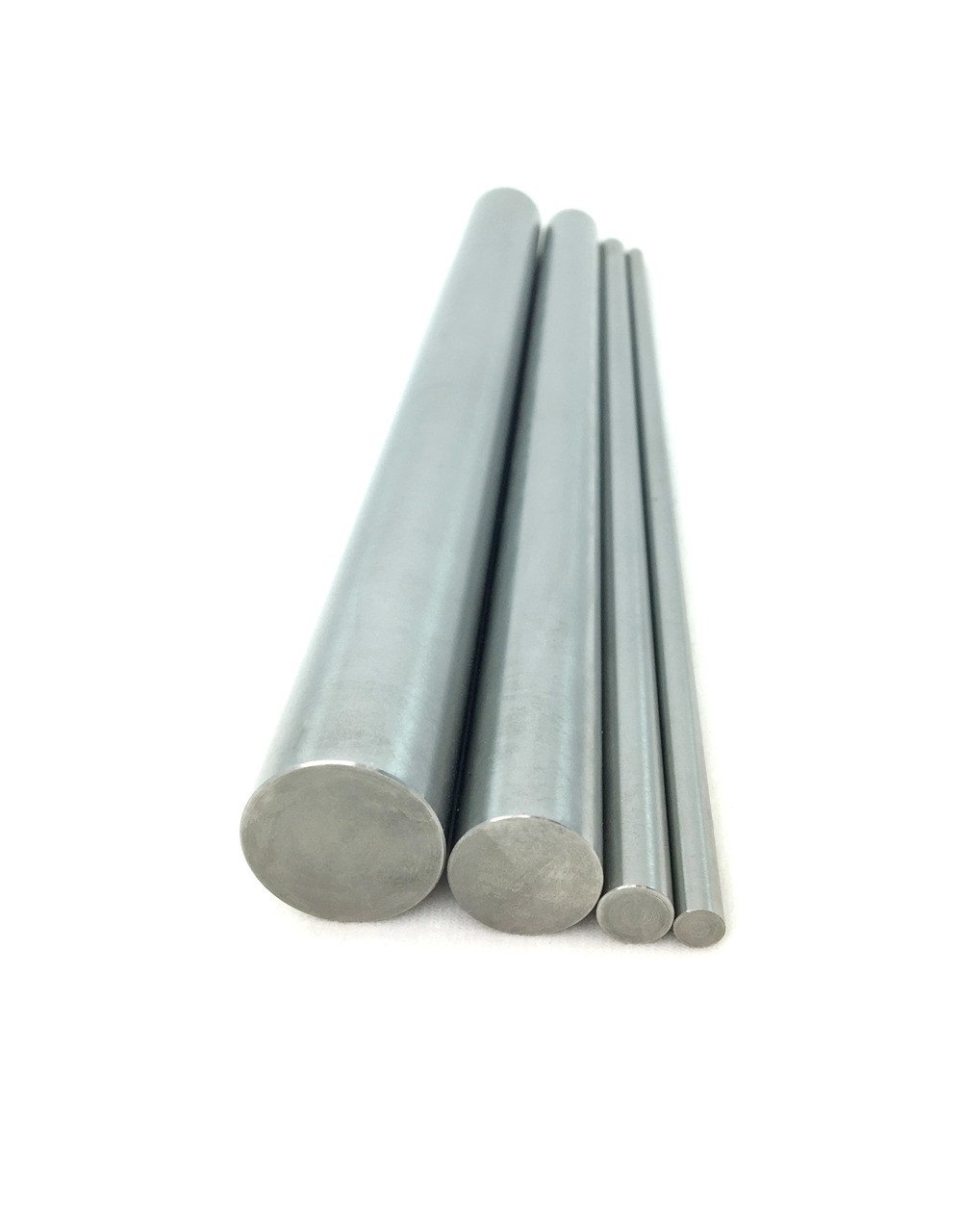
Get a QuoteMaterials We Machine for Hot Runner Mold Components
Precision Processes for Hot Runner Mold Components
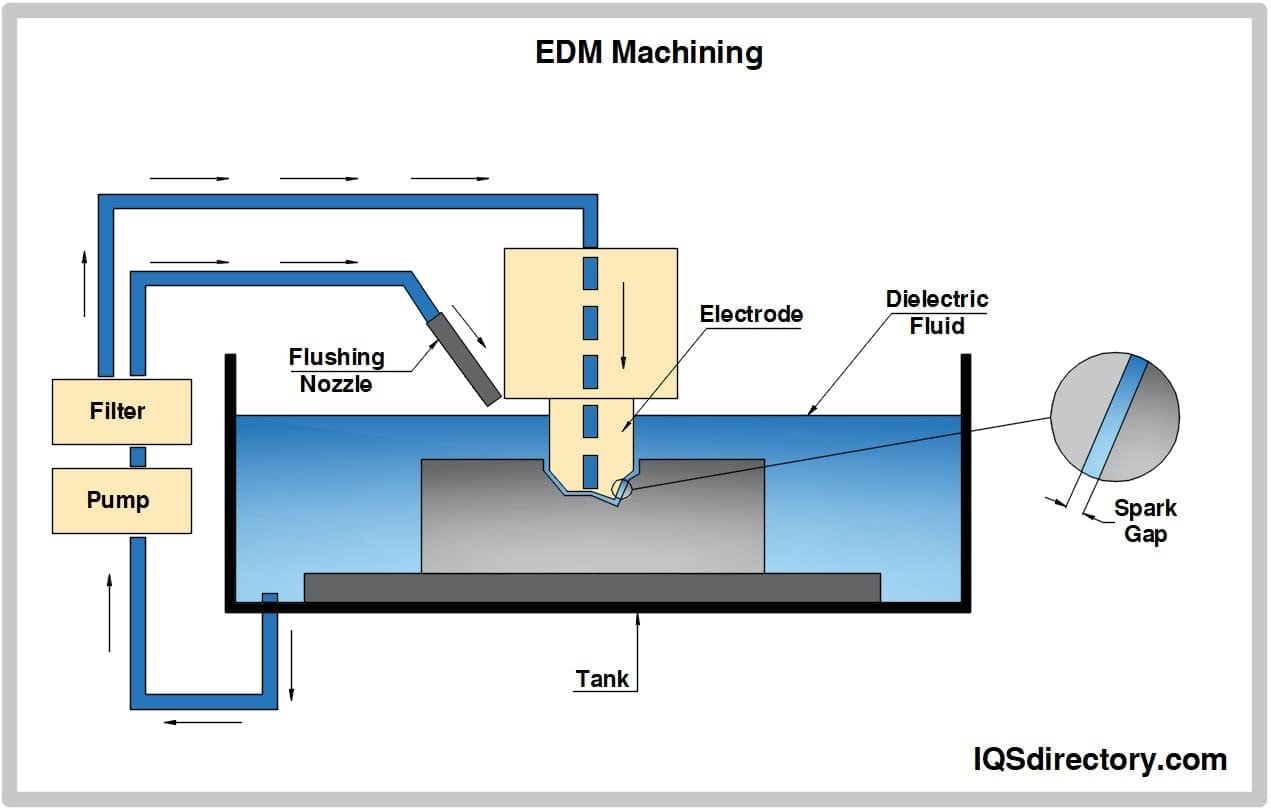
Sinker EDM
Sodick and Charmilles sinker EDM machines produce deep cavities, manifold pockets and complex contours in hardened tool steels with +/-0.003 mm accuracy, ideal for hot runner nozzle housings and thermal-management channels.
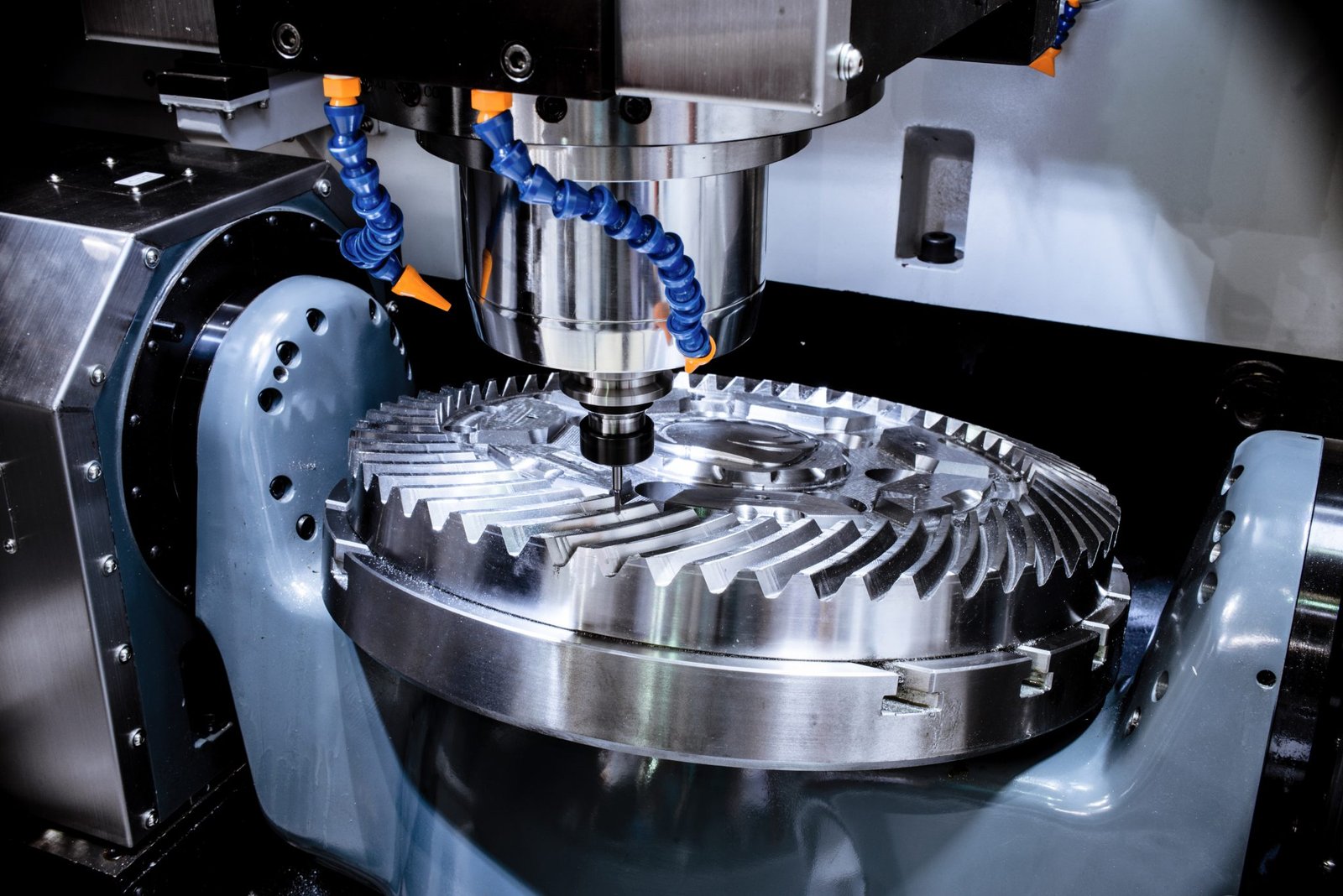
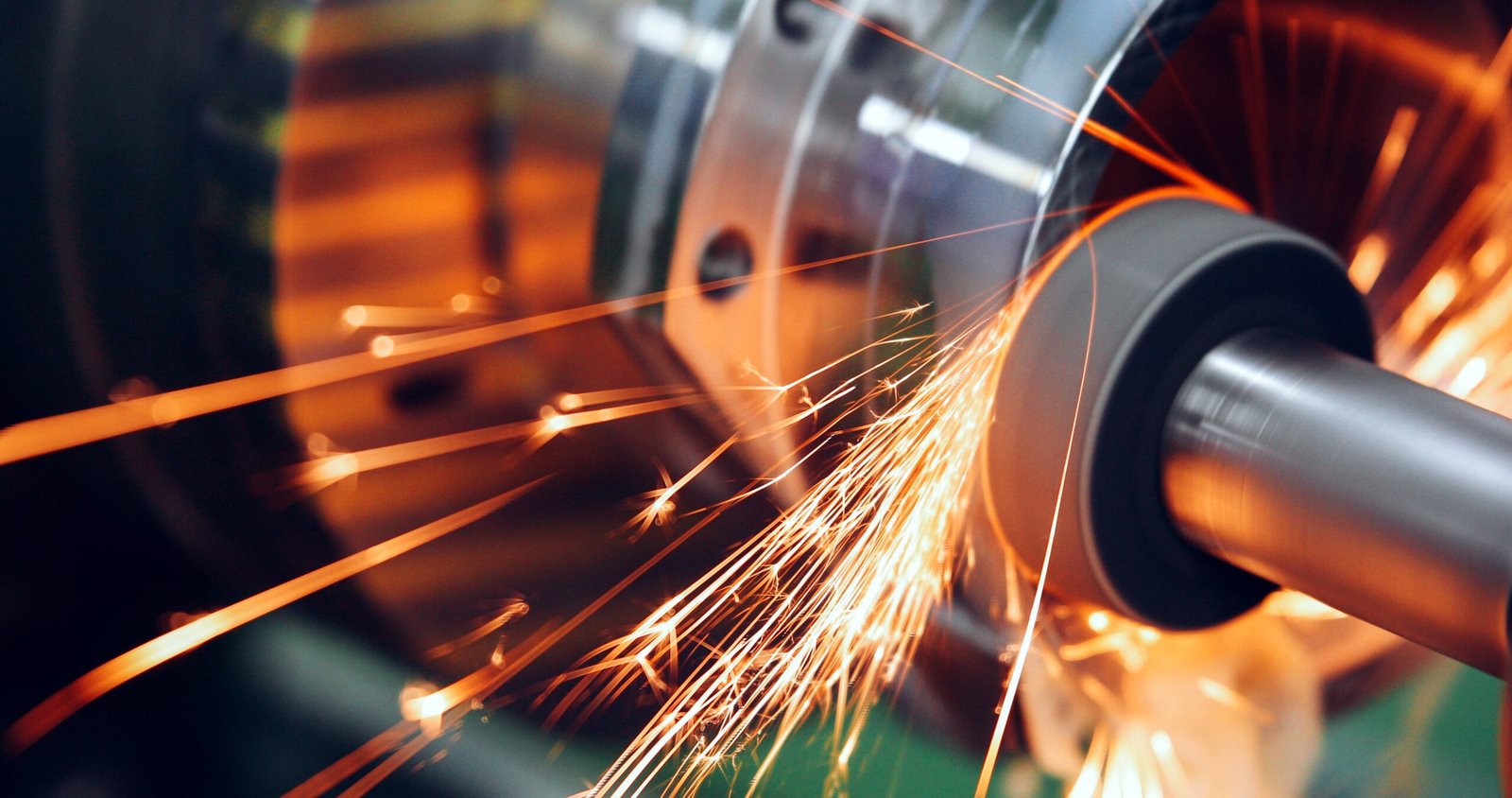
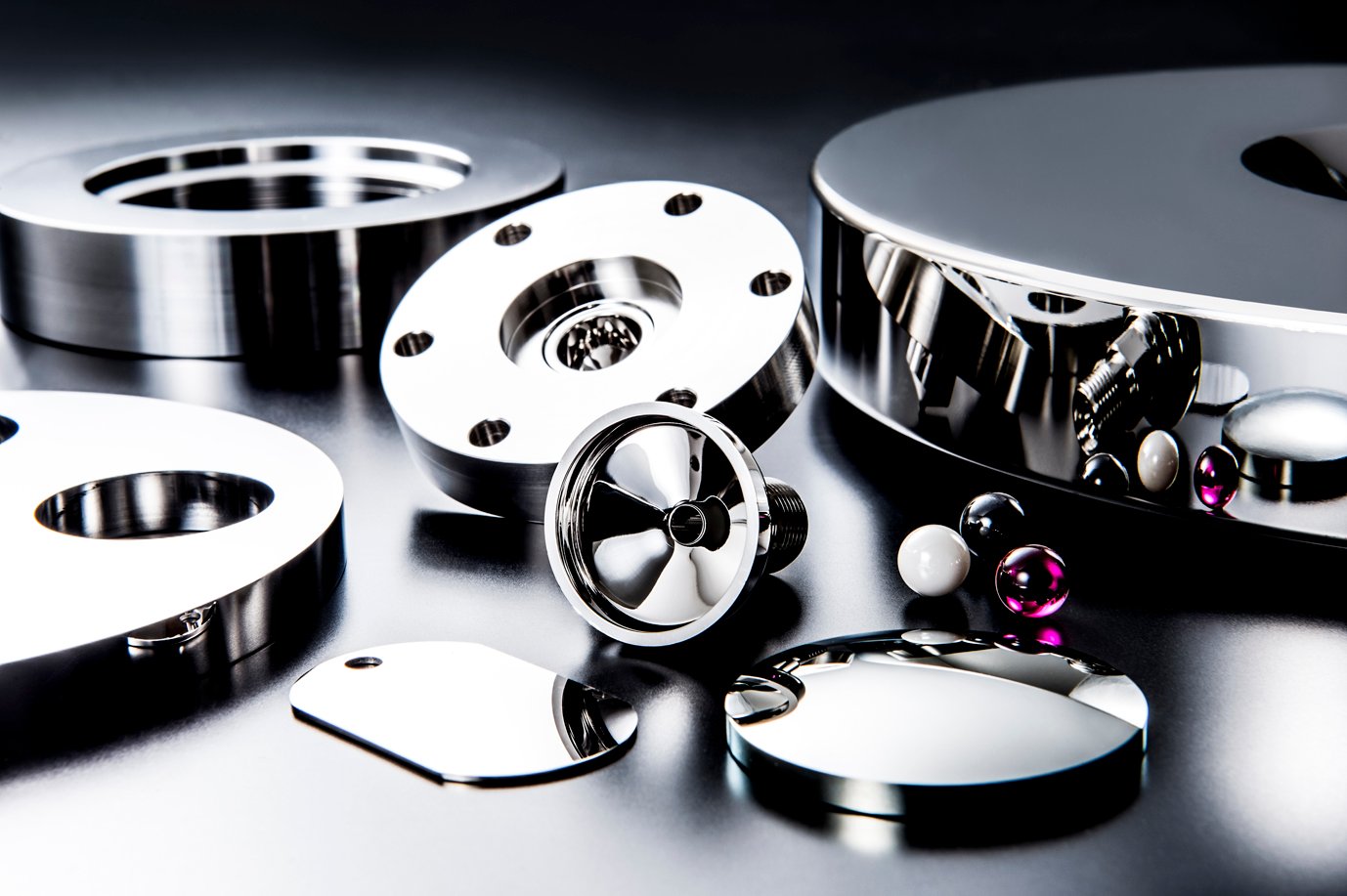
Mirror Polishing
Mitsubishi mirror EDM and hand-polishing techniques achieve Ra 0.1 µm surface finishes on gate inserts, nozzle tips and flow channels, eliminating flow marks, reducing cycle times and extending component service life.
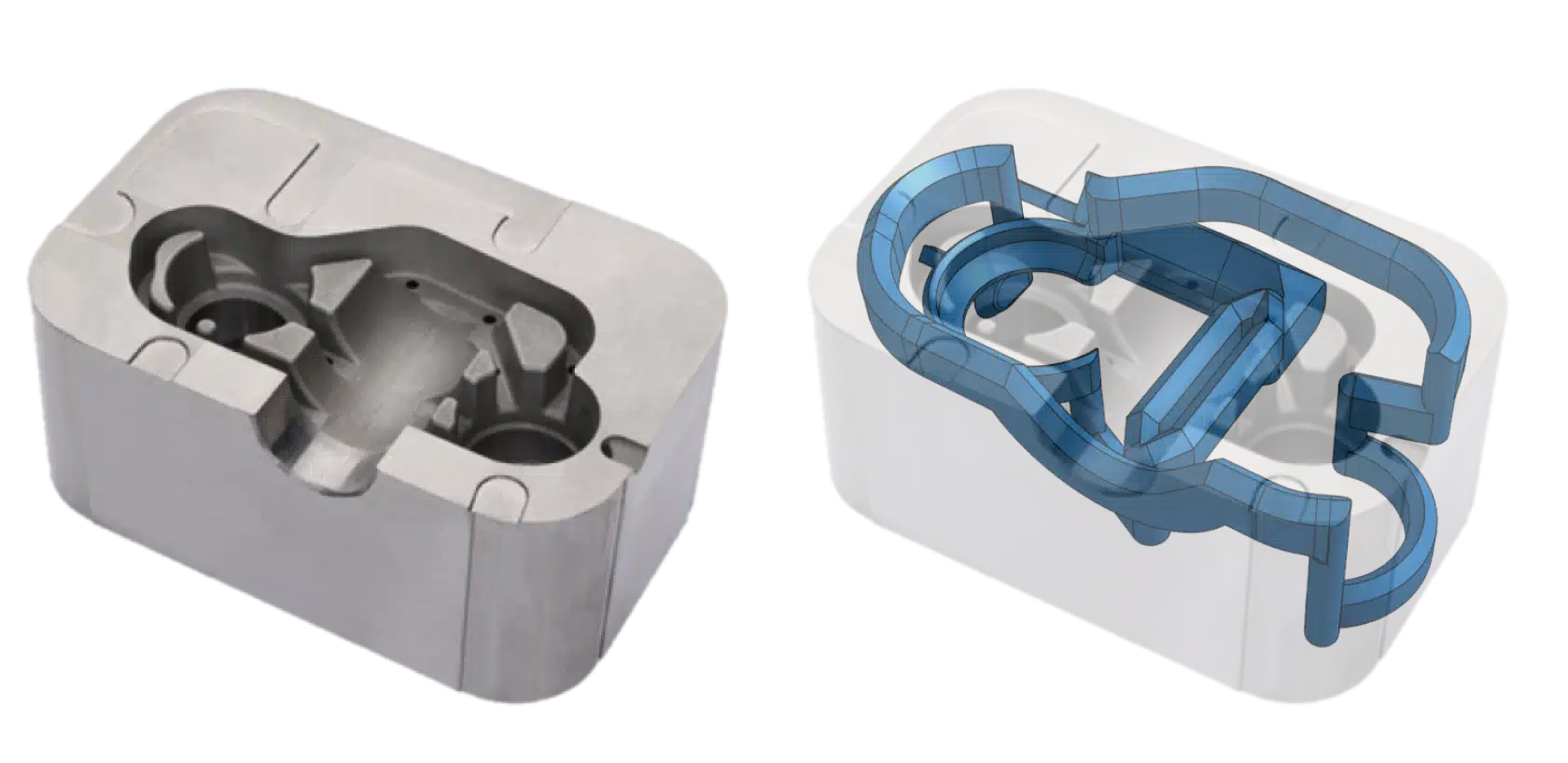
Conformal Cooling Design
Engineering-driven conformal cooling channel design and machining optimize thermal uniformity in hot runner systems, reducing warp, improving cycle consistency and enabling tighter process windows for high-precision molding applications.
Finishing & Assembly Options for Hot Runner Mold Components
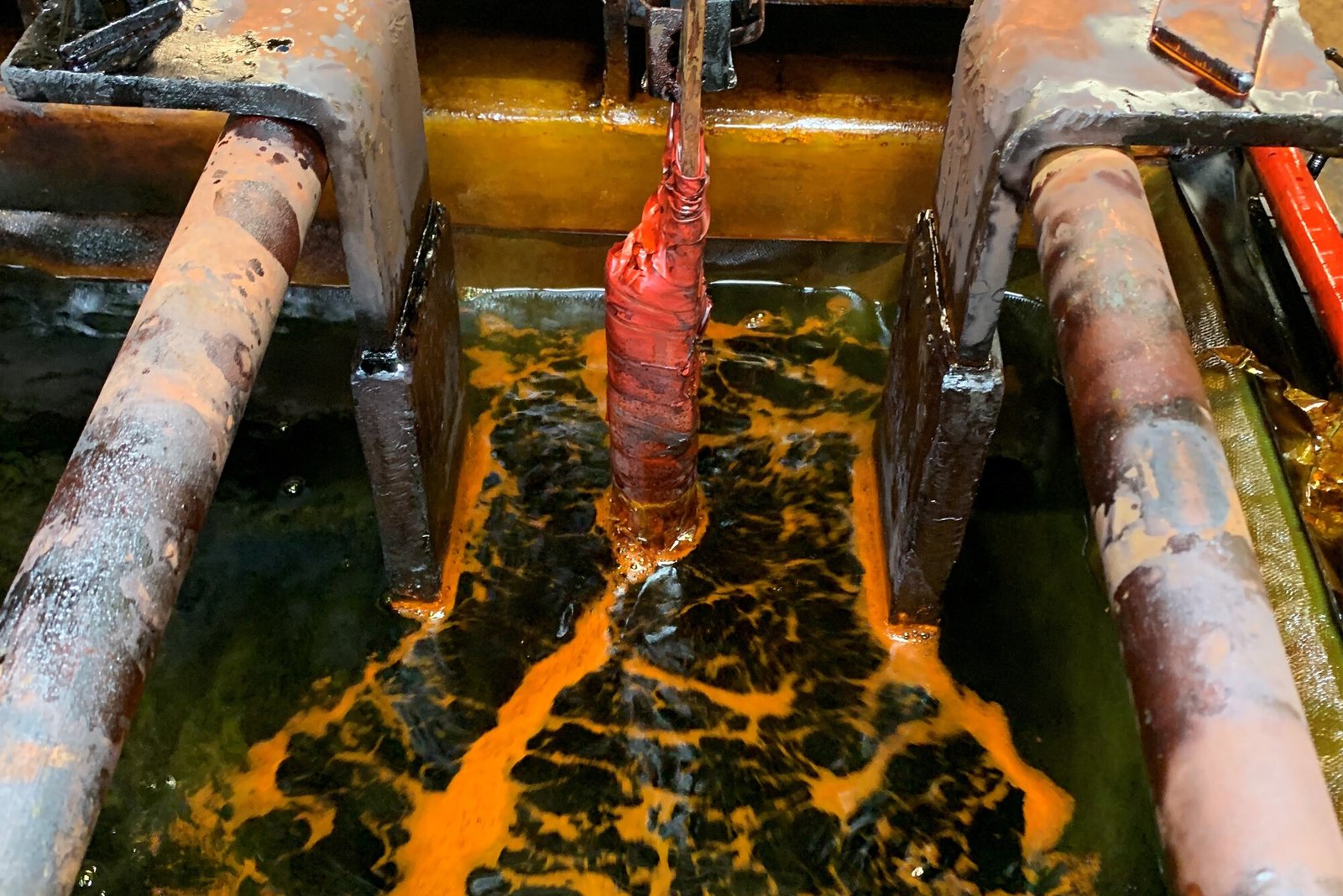
Hard-Chrome Plating
Electroplated hard chromium coating (HRC 60–70) applied to nozzles, manifolds and wear surfaces to resist abrasion, corrosion and thermal cycling. Ideal for high-volume hot runner mold components processing engineering resins and filled polymers.
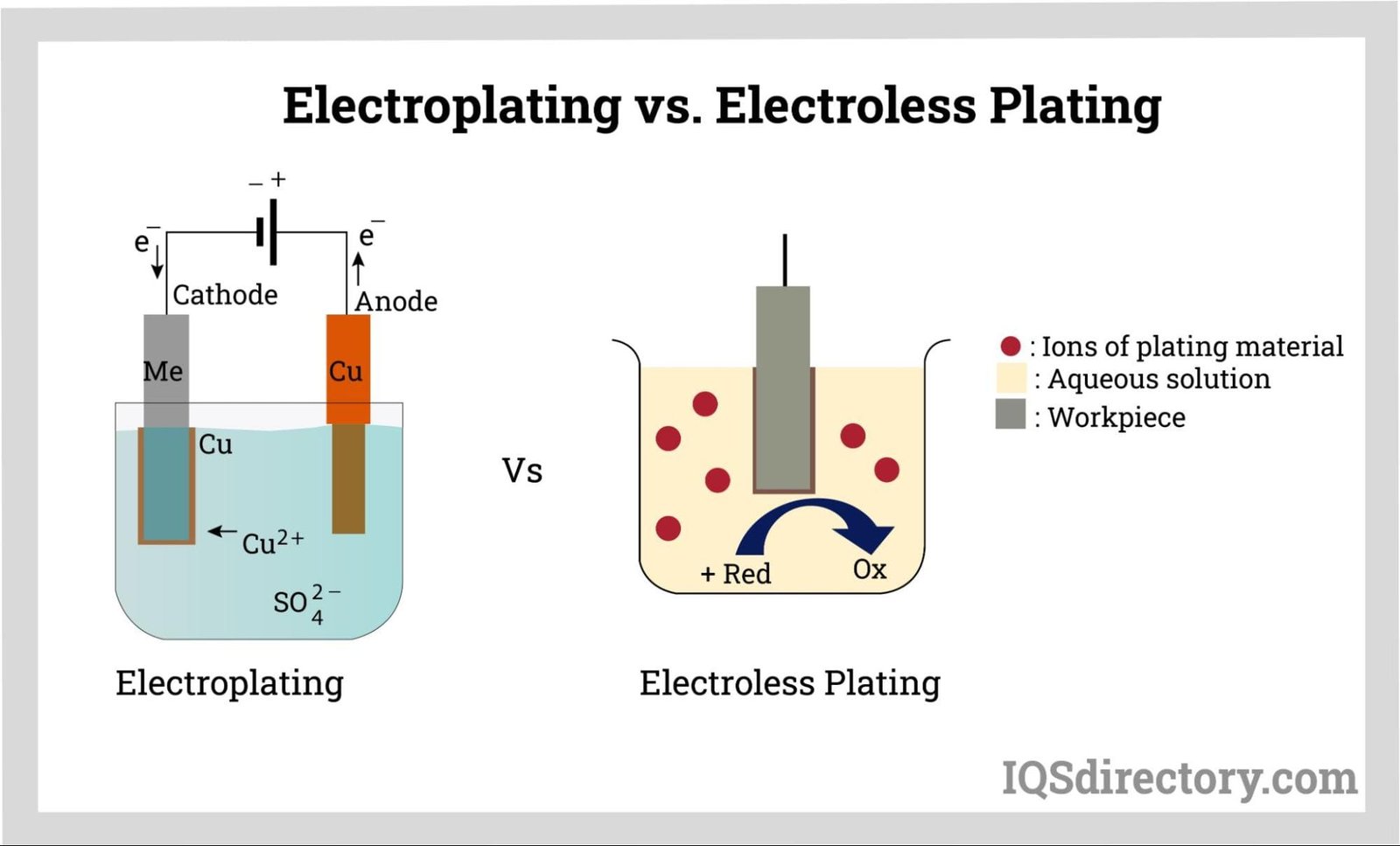
Nickel Plating
Electroless or electrolytic nickel finish for enhanced corrosion resistance and uniform surface hardness. Commonly specified for medical-grade and food-contact hot runner mold components where chemical compatibility and cleanliness are critical.
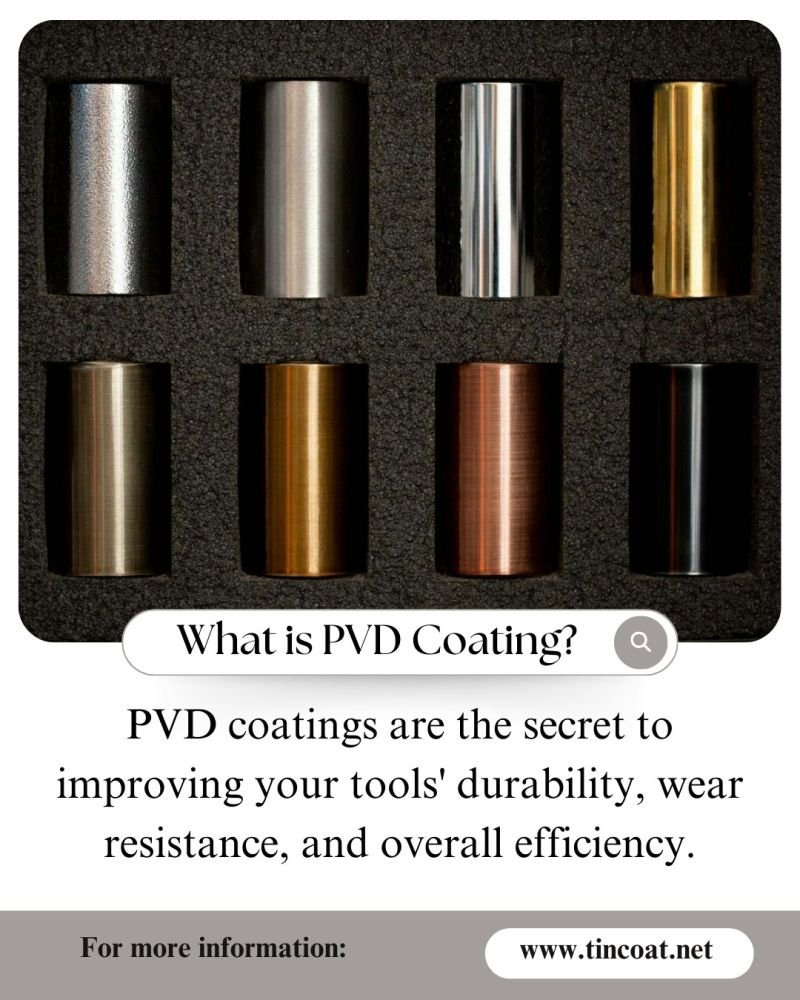
PVD Coating
Physical vapor deposition of TiN, TiCN or CrN for extreme hardness (HV 2000+), low friction and high-temperature stability. Recommended for micro-connector tooling, thin-wall gates and precision hot runner mold components under severe thermal stress.
Pressure Testing
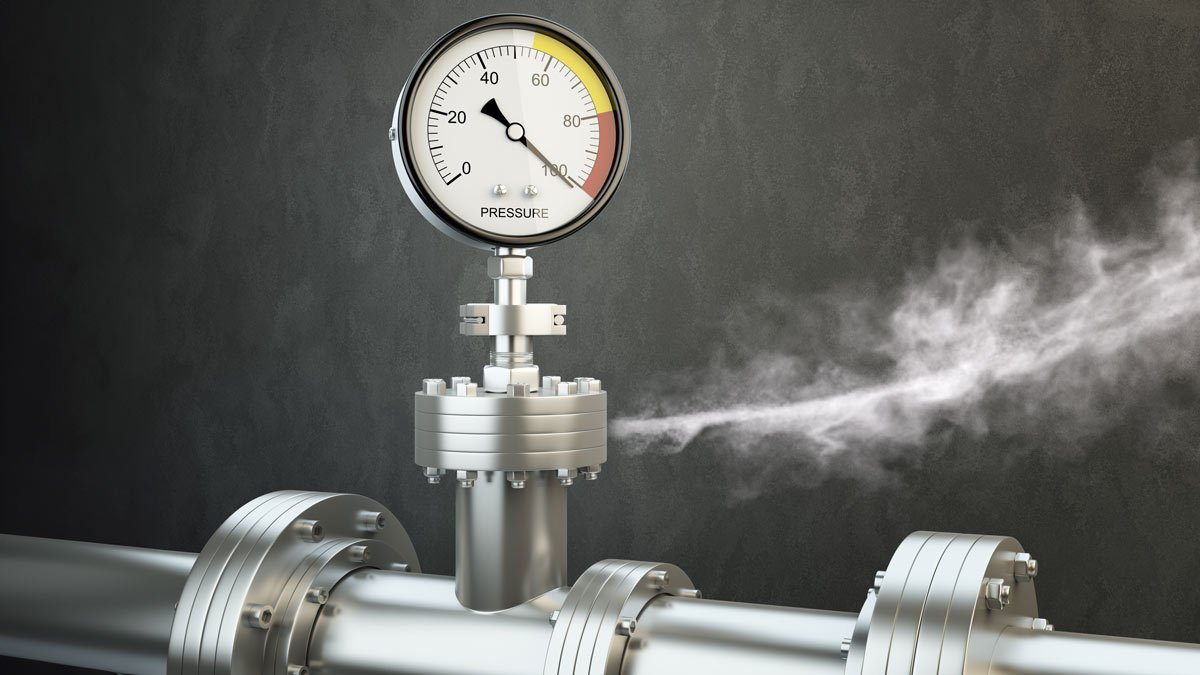
Hydrostatic or pneumatic leak testing of hot runner manifolds and cooling circuits to customer-specified pressures, with documented test reports. Ensures zero coolant or melt leakage before the component reaches your press floor.

FAI Documentation
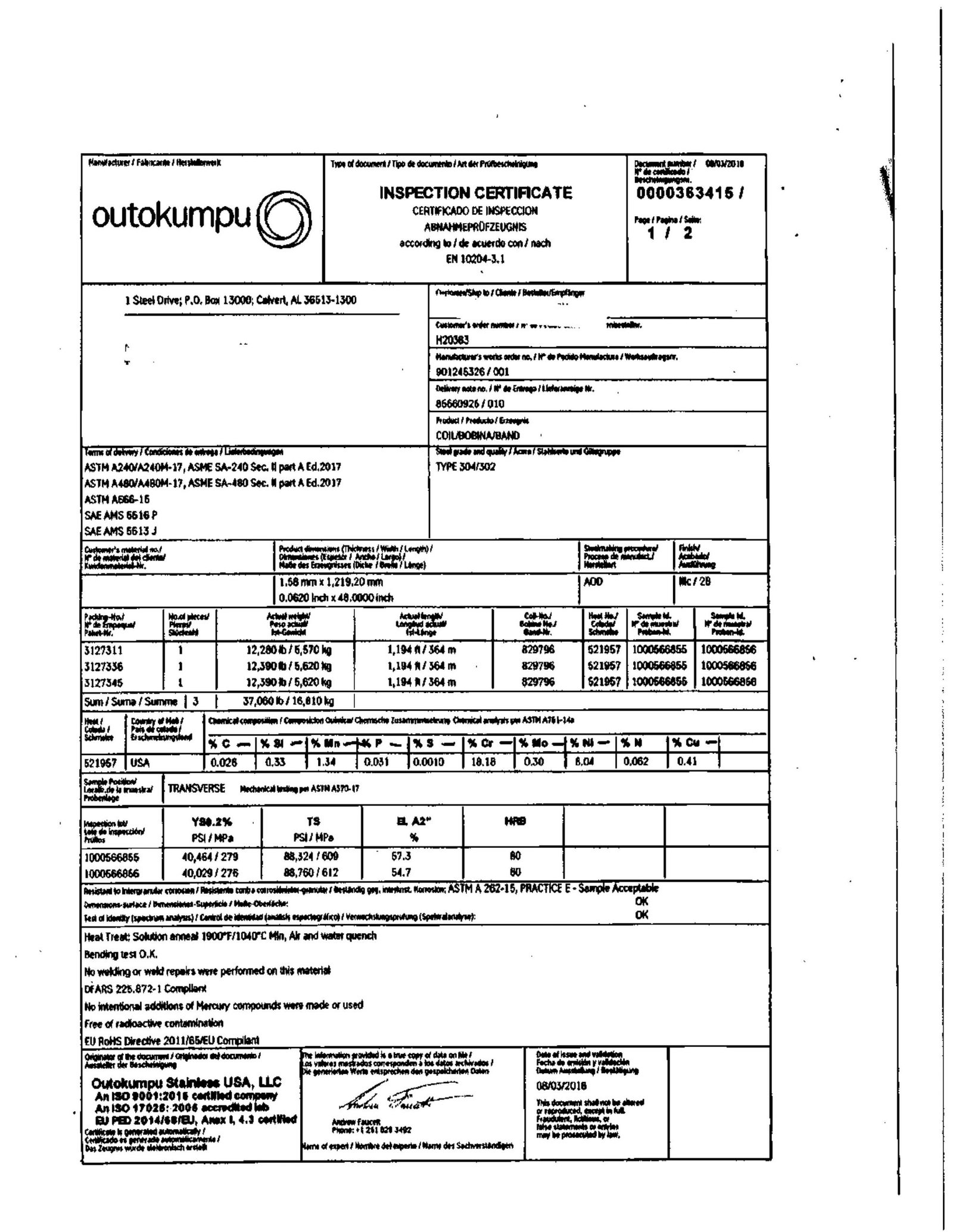
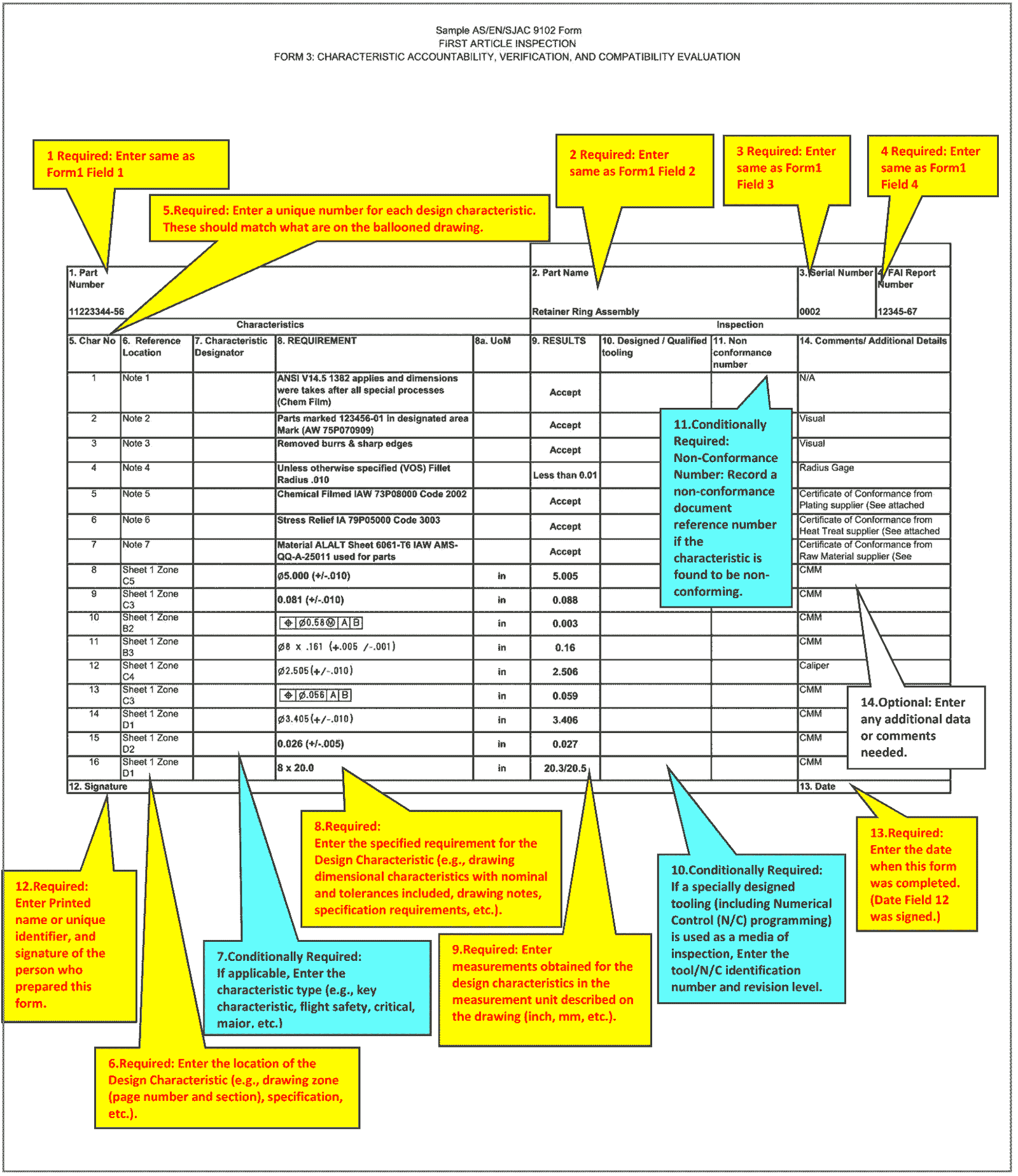
Full First Article Inspection package with ZEISS CMM dimensional reports, material certificates, surface-finish readings and photographic evidence. Every hot runner mold component ships with traceable quality records that satisfy AS9102 and PPAP-level audits.
About XUXIANG — 16 Years of Precision Mold Manufacturing
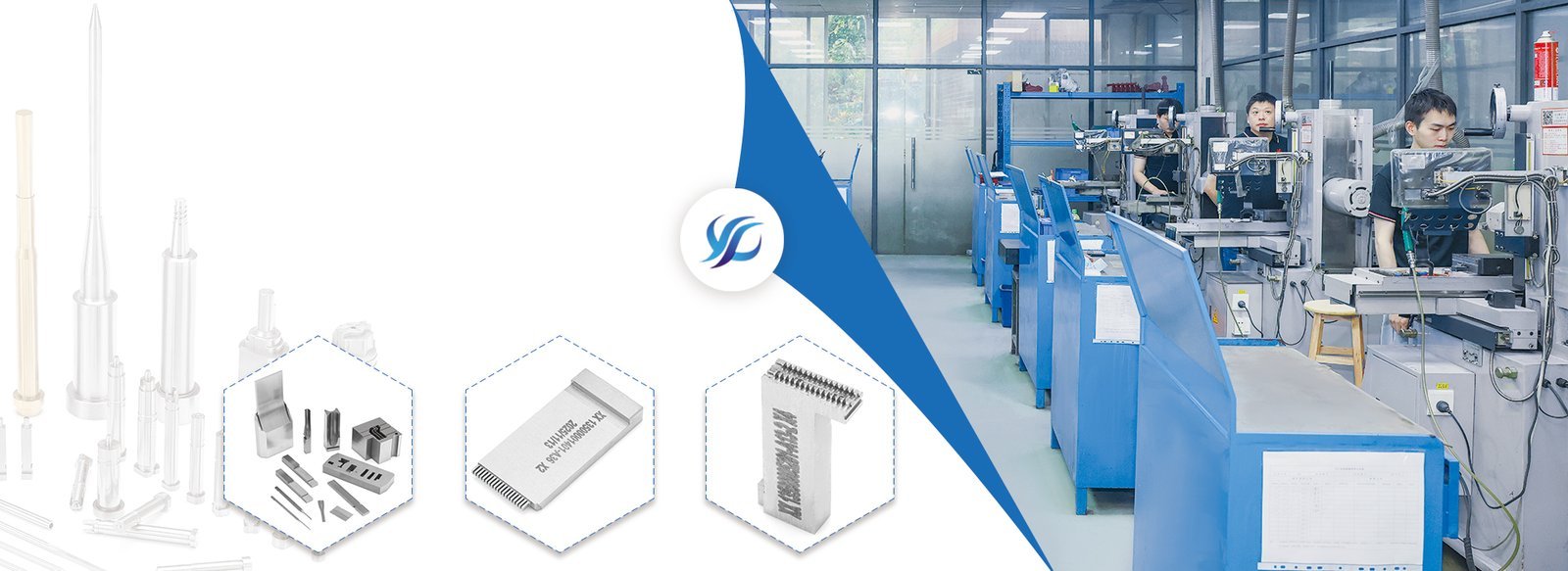
Founded in 2010 in Dongguan’s Chang’an manufacturing hub, XUXIANG has grown from a specialist mold-core machining shop into a dual-factory precision manufacturing group serving electronics, 5G/telecom, automotive & NEV, industrial-automation and medical-device customers worldwide. Today we operate 2,000 m² of R&D and micro-machining capacity in Dongguan plus 1,400 m² of volume production in Quanzhou, delivering hot runner mold components, micro-connector tooling and CNC-machined metal parts held to +/-0.001 mm.
Our ISO 9001:2015-certified process integrates over CNY 8 million in Japanese, Swiss and German equipment — Sodick and Seibu slow-wire EDM, Mitsubishi mirror EDM, Fanuc CNC and ZEISS MICURA CMM metrology measuring to 0.7um — backed by a five-step QC flow that includes material spectral analysis, in-process tolerance monitoring and full FAI documentation with every shipment.
With 16 years of precision-mold expertise, DFM support from 10+ engineering experts and a 2025 capacity expansion targeting 200% output growth, XUXIANG bridges the gap between complex CAD designs and high-performance physical parts — solving tolerance failure and delivery delay with engineering-led quality, transparent pricing and quotes returned in 24 hours.
Core Capabilities: Micron-Stable Precision in Hot Runner Mold Components
+/-0.001 mm Tolerance & Ra 0.1um Finish
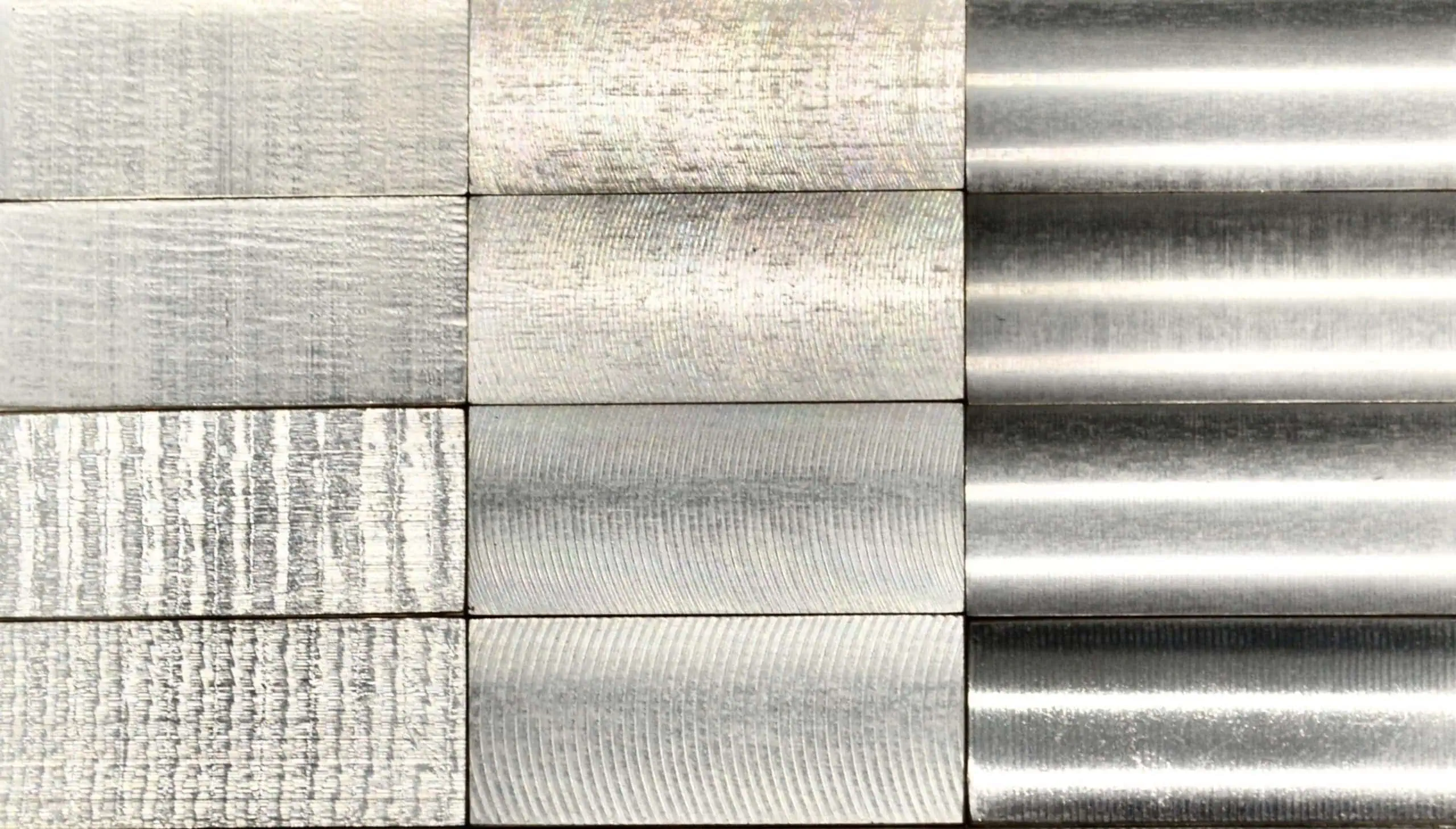
XUXIANG delivers micron-stable accuracy on every hot runner mold component through Sodick and Seibu slow-wire EDM, Mitsubishi mirror EDM and Fanuc CNC machining — achieving +/-0.001 mm dimensional precision and mirror-grade Ra 0.1um surface finishes that eliminate gate marks and ensure repeatable shot-to-shot performance.
- Sodick & Seibu slow-wire EDM for +/-0.002 mm class positioning on complex gate geometries
- Mitsubishi mirror EDM produces Ra 0.1um surfaces, eliminating post-polish and reducing cycle time
- Corner radii down to R ≤ 0.015 mm for micro-gate and thin-wall hot runner applications
- Over CNY 8 million invested in Japanese, Swiss and German precision machining assets
ZEISS MICURA CMM Metrology & Full FAI
Every hot runner mold component is validated — not just inspected — in a metrology lab anchored by a ZEISS MICURA CMM measuring to 0.7um resolution, backed by Nikon toolmaker’s microscopes. Full first-article inspection reports, material certificates and dimensional data ship with every order, ensuring traceability and zero tolerance surprises.
- ZEISS MICURA CMM with 0.7um resolution verifies gate diameter, pitch and concentricity
- Nikon V-12B / MM-400 class toolmaker's microscopes for surface-integrity checks
- Five-step QC flow: spectral analysis, in-process monitoring, CMM verification, surface checks, FAI documentation
- ISO 9001:2015 quality system governs every process, from material receipt to final shipment
DFM Engineering & 10+ Expert Review
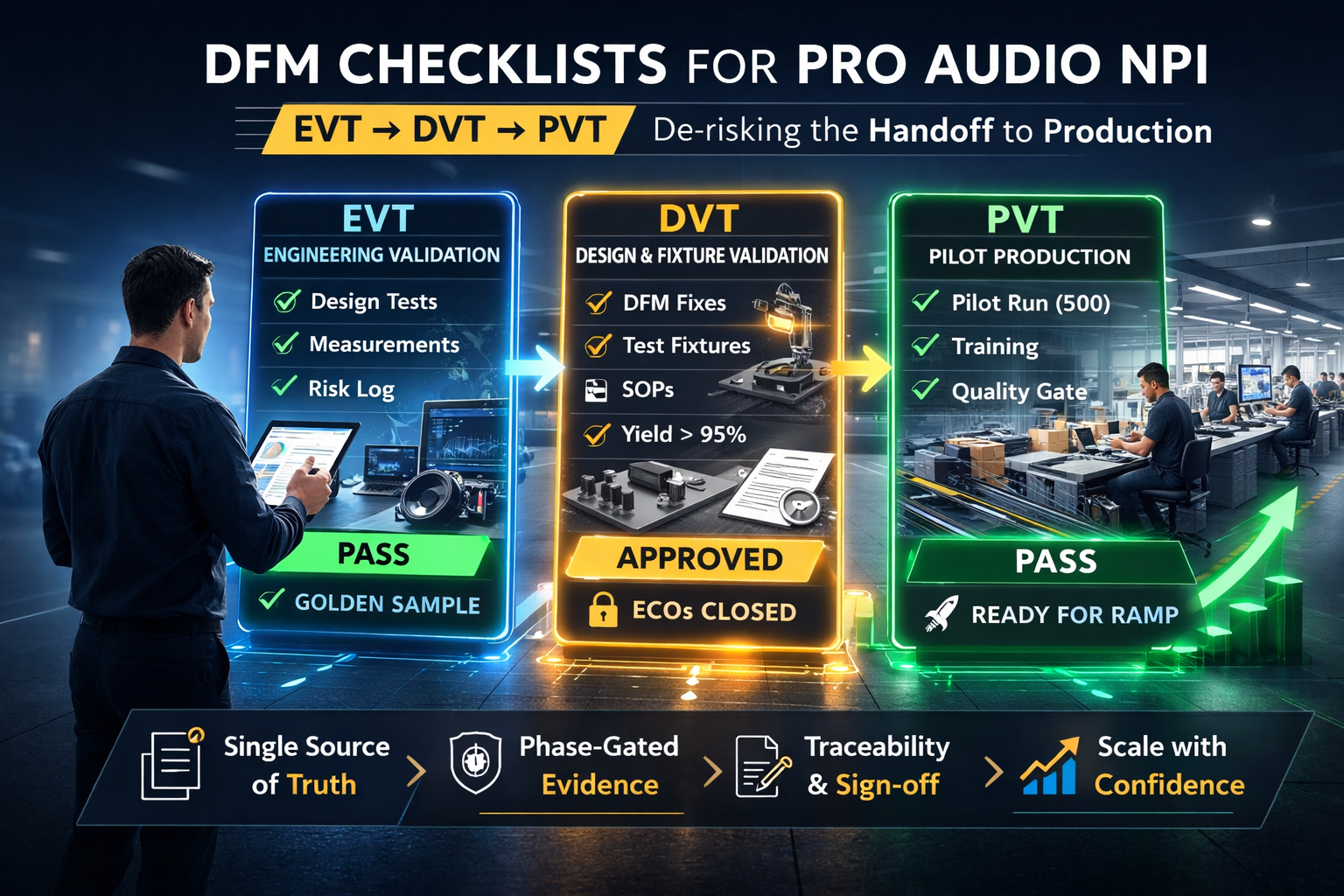
Before machining begins, your hot runner mold component design is reviewed by 10+ engineering experts who provide DFM feedback on gate placement, thermal balance, ejection clearance and manufacturability — catching costly issues early and accelerating your time to production with confidence.
- DFM analysis by 10+ experts with 16 years of precision-mold experience
- Feedback on gate geometry, wall thickness, cooling channels and ejection systems
- CAD optimization for EDM electrode design, wire-path efficiency and inspection access
- Proactive recommendations reduce rework, lower tooling cost and shorten lead times
Dual-Factory Capacity & 30% Faster Delivery
XUXIANG operates dual factories — a 2,000 m² Dongguan R&D and micro-machining center plus a 1,400 m² Quanzhou volume-production facility launched in 2025 — delivering +200% capacity expansion, 30% faster lead times than industry average, and the rare combination of precision-grade tooling with dependable mass production.
- Dongguan facility: R&D, prototyping and micro-precision hot runner components
- Quanzhou facility: volume production with +200% capacity since 2025 expansion
- Lead times: 3–7 days for samples, 15–25 days for mass production; quote within 24 hours
- Integrated logistics and dual-site inventory buffer ensure on-time delivery, even during peak season
XUXIANG Hot Runner Mold Components vs. Commodity Suppliers
Evidence-based advantages in precision, equipment, quality systems and delivery — no hype, just verifiable performance data.
← 左右滑动查看 →
Our Hot Runner Mold Component Production Process
Every precision hot runner component passes through six engineering-validated checkpoints — from CAD review to final FAI — ensuring +/-0.001 mm accuracy and zero tolerance failures before shipment.
CAD Review & DFM
10+ engineering experts analyze your drawings for manufacturability, tolerance feasibility and thermal performance, returning DFM feedback within 24 hours to prevent costly downstream revisions.
Material Sourcing & Spectral Analysis
Certified raw materials are spectral-analyzed on arrival to verify alloy composition, hardness and thermal conductivity — ensuring every hot runner component meets specification from the first cut.
CNC, EDM & Precision Grinding
Sodick slow-wire EDM, Mitsubishi mirror EDM, Fanuc CNC and Dawn grinding centers machine features to +/-0.001 mm, with mirror-grade Ra 0.1 µm finishes and corner radii down to R 0.015 mm.
In-Process Tolerance Monitoring
Real-time dimensional checks at each machining stage catch drift before it compounds, maintaining +/-0.002 mm positioning on wire work and +/-0.003 mm on EDM throughout production.
ZEISS & Nikon CMM Verification
Final parts are validated on ZEISS MICURA CMM (0.7 µm resolution) and Nikon toolmaker’s microscopes, verifying critical dimensions, surface integrity and geometric tolerances against your CAD model.
FAI Documentation & Shipping
Every order ships with full First Article Inspection reports, material certificates and dimensional data under ISO 9001:2015 traceability — ready for your incoming QC or direct assembly.
How to Partner with XUXIANG for Hot Runner Mold Components
From technical drawings to validated production parts, our engineering-led process ensures precision, speed and full traceability at every milestone.
Submit Your CAD or Tech Pack
Upload drawings, 3D models or technical specifications through our secure portal. Our team begins tolerance and manufacturability review within hours of receipt.
Receive DFM Feedback & 24-Hour Quote
10+ engineering experts analyze geometry, material and tolerance requirements, then deliver DFM recommendations and a transparent, itemized quote within one business day.
Approve Sample or Tooling Proof
We machine a first article in 3–7 days, validated by ZEISS CMM and shipped with full dimensional reports for your sign-off before mass production.
Launch Production with FAI Documentation
Approved parts enter our ISO 9001:2015 production flow. Every batch ships with FAI reports, material certificates and in-process inspection records for full traceability.
Delivery, Support & Continuous Improvement
Completed orders ship 30% faster than industry average. Post-delivery, our team remains available for re-orders, design revisions and technical troubleshooting at no extra cost.
Quality Certifications & Standards for Hot Runner Mold Components

Customer Testimonials — Hot Runner Mold Components That Deliver Results
XUXIANG’s hot runner mold components reduced our tolerance failures by 92% in the first six months. Their ZEISS validation and mirror EDM finish gave us the repeatability we couldn’t achieve with our previous supplier.
We switched to XUXIANG for 5G connector hot runner tooling and cut lead times by 28%. Their DFM feedback caught three design issues before machining, saving us weeks and eliminating costly rework cycles.
For automotive sensor housings, XUXIANG holds +/-0.001 mm on hot runner nozzle seats consistently across production runs. Their FAI documentation and material traceability meet our tier-1 supplier requirements without exception.
FAQ — Hot Runner Mold Components & Precision Tooling
What is the minimum order quantity for hot runner mold components?
How long does it take to manufacture custom hot runner mold components?
Do you charge for sampling and DFM engineering support?
What payment terms and methods does XUXIANG accept for hot runner mold components?
How do you ensure tolerance guarantees on precision hot runner mold components?
What shipping options are available, and how is product protection handled?
How does XUXIANG protect my intellectual property and design files?
Where do you source materials for hot runner mold components, and can I specify grades?
What does your DFM process include for hot runner mold component projects?
The Complete Buyer’s Guide to Hot Runner Mold Components for Precision Manufacturing
Navigate the complexities of sourcing hot runner mold components with confidence. This guide delivers a proven decision framework, critical supplier evaluation criteria, and the top mistakes to avoid when specifying precision tooling for high-volume production.
1. What Are Hot Runner Mold Components?
Hot runner mold components are precision-machined heated manifolds, nozzles, gates and control assemblies that maintain molten plastic at injection temperature from the machine barrel to each cavity gate, eliminating solidified runners and sprues after every cycle. Unlike cold runner systems — which require post-molding trimming and generate 15–30% scrap by weight — hot runner architectures deliver melt directly into cavities through independently heated channels, enabling zero-waste shot-to-shot production and cycle times 20–40% shorter in multi-cavity tooling.
Core functions include thermal stability across the melt path (typically +/-2 °C zone control), gate-freeze prevention through tip heaters or valve pins, and micron-level gate positioning to ensure balanced fill in 8-, 16- or 32-cavity arrays. Electronics OEMs demand hot runners for thin-wall micro-connector housings where gate vestige must stay under 0.05 mm; automotive and NEV suppliers rely on them for ADAS sensor covers and BMS housings requiring cosmetic A-surfaces and predictable weld-line placement; medical-device manufacturers specify them to meet traceability and contamination-control standards in cleanroom molding.
2. Evolution of Hot Runner Technology in Precision Molding
Cold runner systems dominated injection molding until the 1970s, when material waste and cycle-time penalties drove the first commercial hot runner manifolds into production. Early thermal control relied on cartridge heaters and manual zone adjustment, producing temperature swings of +/-5°C or more — acceptable for commodity housings but catastrophic for optical lenses and precision connector pins.
Valve-gate technology emerged in the mid-1980s, enabling sequential injection and eliminating vestige marks on visible surfaces. By the late 1990s, micro-molding for mobile-phone connectors and telecom terminal blocks demanded gate diameters below 0.3 mm and thermal stability within +/-1°C, pushing hot runner suppliers toward PID controllers and multi-zone manifolds with embedded thermocouples.
Industry 4.0 connectivity and the rise of NEV battery-management systems after 2015 have redefined precision thresholds. High-density board-to-board connectors and ADAS sensor housings now require hot runner mold components that hold +/-0.5°C thermal stability across 16+ zones, maintain +/-0.002 mm nozzle-tip concentricity, and log real-time process data for traceability — standards that legacy cold runner tooling simply cannot meet.
3. Types of Hot Runner Mold Components Explained
Hot runner mold components form a tightly integrated thermal system; specifying the wrong combination leads to gate freeze, flash or degraded resin. Below are the five categories every procurement engineer must understand before issuing an RFQ.
Manifolds
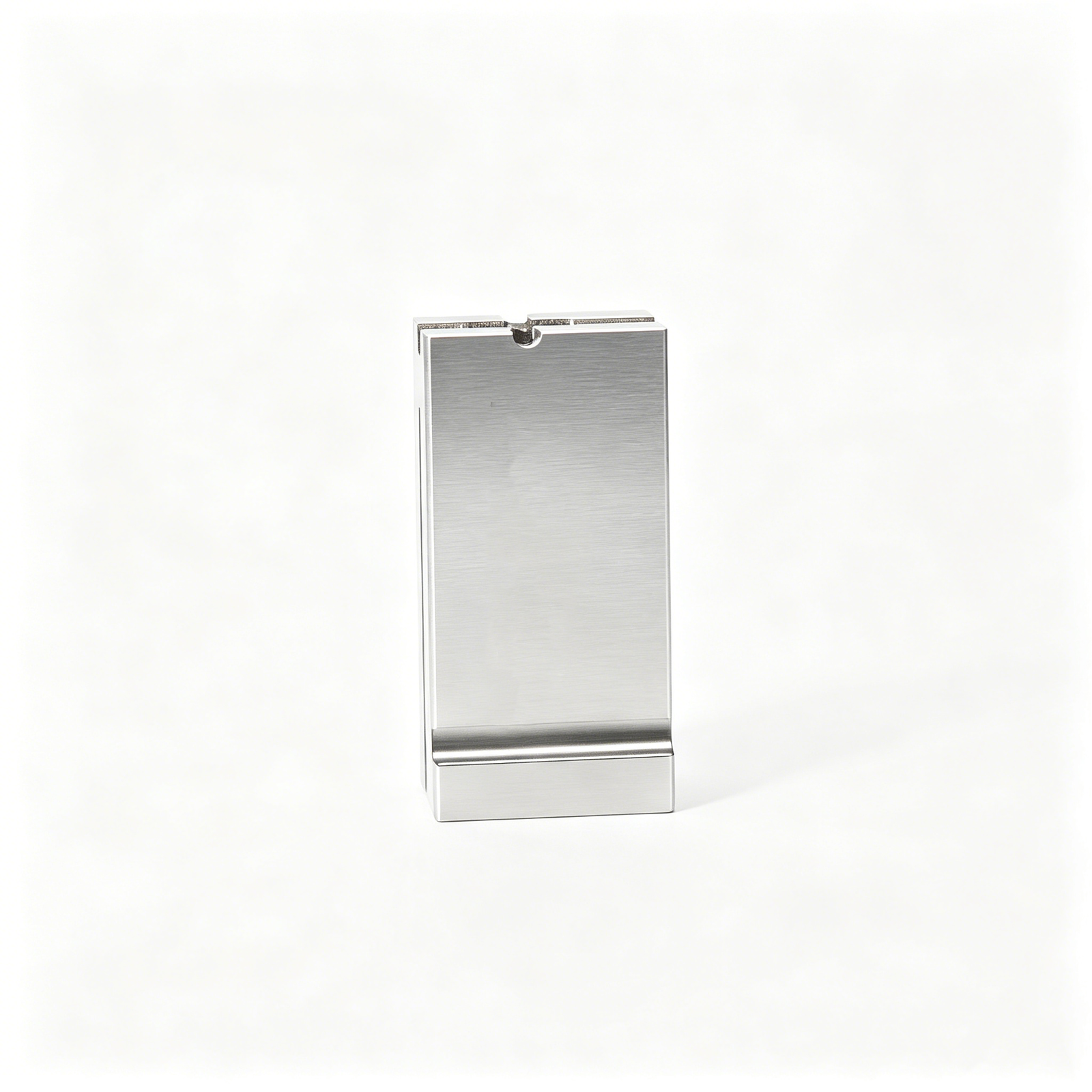
Manifolds are heated distribution blocks that route molten polymer from the machine nozzle to multiple cavity nozzles. Machined from H13 or similar tool steel and drilled with precision channels, they maintain uniform melt temperature across all flow paths.
For micro-connector tooling, balanced manifold layouts prevent short-shot and ensure fill symmetry across 16–32 cavities. Automotive housing molds often use multi-level manifolds to reach deep or offset gate locations.
Nozzles
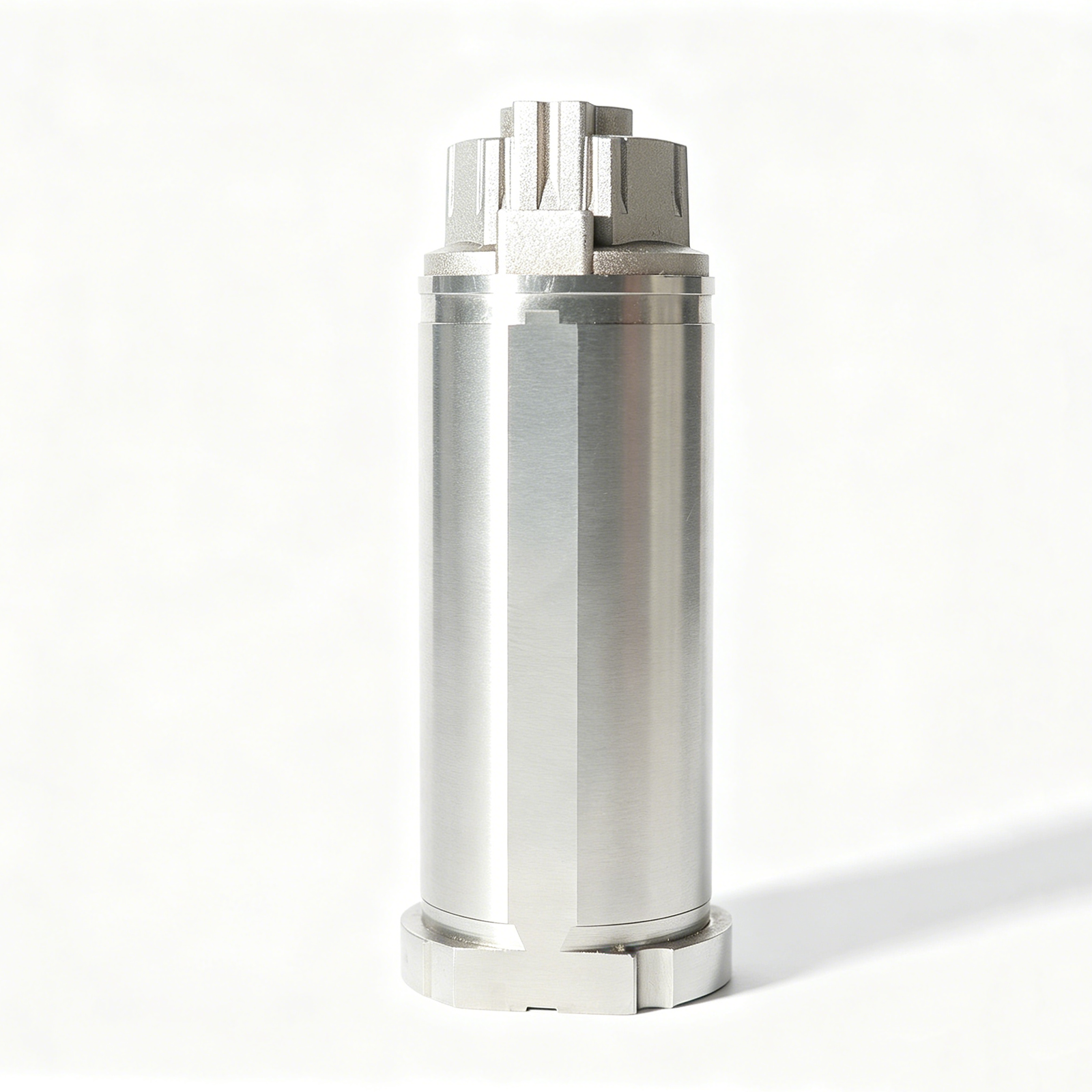
Direct-gate nozzles deliver melt continuously; valve-gate nozzles use a mechanical pin to open and close the gate, eliminating stringing and vestige marks. Valve gates add cost but are essential for visible Class-A surfaces in automotive interiors and medical housings.
Micro-connector molds typically run direct gates at 0.3–0.6 mm diameter to minimize pressure drop and cycle time.
Heaters and Controllers
Cartridge or coil heaters embedded in manifolds and nozzles maintain setpoint within +/-2 °C. Closed-loop PID controllers monitor thermocouples and adjust power zone by zone.
Precision applications—5G RF connectors, ADAS sensor housings—demand multi-zone control to prevent hot spots that degrade glass-filled or flame-retardant resins.
Thermal Barriers and Gate Inserts
Thermal barriers (air gaps or insulating sleeves) isolate the hot manifold from the cooled mold base, preventing heat loss and warpage. Gate inserts, often hardened to HRC 58–62, define the final gate geometry and are replaced as wear items.
High-cycle connector tooling may swap gate inserts every 500k–1M shots to hold +/-0.01 mm gate diameter tolerance.
4. Materials and Metallurgy for Hot Runner Mold Components
Material selection drives thermal stability, wear life and cycle reliability in hot runner mold components. H13 tool steel, beryllium copper, stainless steel 420 and advanced coatings each solve distinct engineering challenges across electronics, automotive and medical applications.
| Material | Thermal Conductivity (W/m·K) | Hardness (HRC) | Cost Index | Typical Application |
|---|---|---|---|---|
| H13 Tool Steel | 24.3 | 48–52 | 1.0× | Manifolds, nozzle bodies, general hot runner |
| Beryllium Copper | 105–210 | 35–42 | 3.5× | Tip inserts, high-cycle electronics, 5G connectors |
| SS 420 | 24.9 | 50–54 | 1.2× | Medical-grade, corrosive resins, food contact |
| TiN / CrN Coated | — | 1,500–2,500 HV | +0.3× | Abrasive fills, extended wear, automotive NEV |
Core Alloys and Their Performance Envelopes
H13 tool steel dominates manifold and nozzle bodies, offering 48–52 HRC hardness and stable thermal conductivity near 24.3 W/m·K at operating temperatures up to 540°C. Beryllium copper (BeCu) delivers 2–5× faster heat transfer (105–210 W/m·K) for tip inserts and critical thermal zones, reducing cycle time by 15–20% in high-volume runs.
Stainless steel 420 (50–54 HRC) resists corrosive engineering resins—PPS, PPA, glass-filled nylon—and is specified for medical-grade and food-contact tooling. Material certificates and spectral analysis reports verify alloy composition and trace contaminants, a non-negotiable for regulated industries.
Protective Coatings: TiN, CrN and Wear Extension
Titanium nitride (TiN) and chromium nitride (CrN) coatings add 1,500–2,500 HV surface hardness, extending wear life 3–5× in abrasive glass- or mineral-filled polymers. CrN offers superior corrosion resistance below 700°C; TiN provides lower friction and faster mold release. XUXIANG applies coatings post-finish to preserve Ra 0.1 µm mirror surfaces and ±0.001 mm tolerances.
5. Precision Tolerances and Quality Standards in Hot Runner Mold Components
Micron-level precision in hot runner mold components directly determines gate alignment, thermal stability and part-to-part repeatability across million-cycle production runs. XUXIANG holds +/-0.001 mm machining accuracy and validates every dimension through ZEISS MICURA CMM inspection to 0.7 µm resolution.
Why +/-0.001 mm Tolerances Matter
Gate-to-nozzle concentricity errors beyond 0.005 mm cause flow imbalance, visible gate marks and short shots in multi-cavity tooling. Thermal expansion of H13 steel reaches ~12 µm/°C per 100 mm; a 0.01 mm clearance gap at assembly can close under operating temperatures of 250–350°C, binding slides or cracking manifolds.
XUXIANG’s slow-wire EDM achieves +/-0.002 mm positioning and corner radii down to R ≤ 0.015 mm, ensuring gate inserts seat flush and thermal expansion remains predictable across the service envelope.
Critical Quality Checkpoints
Every hot runner component passes five-stage QC: material spectral analysis, in-process tolerance monitoring, ZEISS/Nikon CMM verification, surface-integrity checks (Ra ≤ 0.1 µm mirror EDM finish on gate lands) and final FAI documentation with material certificates.
Concentricity of nozzle bores, surface finish Ra ≤ 0.2 µm on melt-contact zones, thermal uniformity testing via infrared imaging and helium leak testing at 1×10⁻⁹ mbar·L/s are standard for automotive and medical applications governed by IATF 16949 and ISO 13485.
Compliance and Inspection Protocols
ISO 9001:2015 governs XUXIANG’s entire process flow; IATF 16949 and ISO 13485 compliance is available for automotive/NEV and medical-device programs. First-article inspection includes full CMM dimensional reports, material certificates and thermal-imaging validation of heater-zone uniformity before serial release.
6. How to Choose a Hot Runner Mold Components Manufacturer
Selecting the right partner for hot runner mold components demands a disciplined evaluation of both technical capabilities and supply-chain responsiveness. A structured framework ensures that precision, lead time and engineering support align with your program requirements.
Technical Capabilities to Verify
Confirm machining accuracy: +/-0.001 mm CNC precision and slow-wire EDM tolerance of +/-0.002 mm are baseline for critical heater bores and nozzle seats. Ask whether sinker EDM, wire-cut and grinding are performed in-house, and whether the supplier operates named metrology systems — ZEISS CMM or equivalent — to validate dimensional stability.
In-house heat treatment and thermal simulation software (Moldflow, Moldex3D) indicate process control over material performance and thermal balance.
Supply-Chain and Service Factors
Lead time benchmarks matter: 24-hour quoting and 7–14 day delivery signal efficient planning and capacity. Request material certificates and traceability for hot-work steels (H13, 1.2344) to ensure metallurgical integrity.
DFM engineering support before production prevents costly rework. Confirm that the factory provides dimensional FAI reports, CMM data and after-sales technical assistance for installation and troubleshooting.
Key RFQ and Audit Questions
During factory audits and RFQ reviews, ask: What is your maximum machining accuracy and corner-radius capability? Which EDM and CMM brands are on your floor? Do you offer DFM review before tooling kickoff? What is your standard lead time, and can you provide material certificates and full FAI documentation?
7. Common Mistakes When Sourcing Hot Runner Mold Components
Procurement errors in hot runner mold components often cascade into cycle-time overruns, scrap rates above 5%, and unplanned downtime exceeding 72 hours. Five recurring mistakes account for most field failures in electronics and automotive tooling.
Under-Specifying Thermal Control Requirements
Electronics connector molds with pitch ≤ 0.4 mm demand zone-to-zone temperature uniformity within +/-2°C; vague specs like ‘standard hot runner’ yield gate-to-gate melt variation of 8–12°C, causing short shots and flash. Automotive lens tooling without documented thermal-response curves suffers weld-line defects when cycle times drop below 18 seconds.
Correction: specify controller resolution (+/-1°C), heater watt density (W/cm²), and thermocouple placement tolerance (+/-0.5 mm) in the RFQ. XUXIANG’s DFM reviews flag thermal-zone mismatches before tooling begins.
Ignoring Material Certifications
Nozzle bodies from uncertified H13 exhibit hardness scatter (42–48 HRC vs. target 46–50 HRC), leading to galling and premature wear in glass-filled resins. Medical-device molds without material traceability fail FDA audits.
Correction: require mill certificates, spectral analysis reports and hardness maps for every heat-treated component. XUXIANG’s five-step QC includes incoming spectral verification on all tool steels.
Choosing Suppliers Without DFM Collaboration
Buyers who send CAD files without thermal simulation often discover gate-freeze issues only after T1 sampling, adding 3–4 weeks and rework costs exceeding 20% of tool value. Automotive sensor housings with blind manifold pockets require flow-balancing that CAD alone cannot predict.
Correction: select manufacturers offering pre-production DFM and mold-flow analysis. XUXIANG’s 10+ engineering experts provide feedback within 24 hours of file receipt.
Neglecting Spare-Part Availability
A single failed heater or thermocouple can halt production for 48–96 hours if replacements are not on-site. High-volume automotive programs lose USD 15,000–50,000 per day during hot-runner downtime.
Correction: order consumable spares (heaters, thermocouples, nozzle tips) at tool commissioning and establish supplier lead times ≤ 5 days for critical wear parts.
8. Integration and Maintenance Best Practices
Proper integration and routine maintenance extend the service life of hot runner mold components by 40–60% and prevent costly downtime. Pre-assembly thermal calibration, precise alignment and disciplined preventive care are non-negotiable for micron-stable production.
Pre-Assembly Thermal Calibration and Alignment
Before installation, verify each heater zone with a benchtop controller to confirm rated output and uniform resistance. Mismatched heater zones cause temperature drift that leads to gate freeze-off or polymer degradation.
Align manifold bores to mold-base datums within +/-0.01 mm; thermal expansion under operating temperature (typically 200–320 °C) can shift nozzle tips by 0.05 mm or more if initial positioning is loose. Use dial indicators and CMM verification before final bolt-down.
Preventive Maintenance Schedule
Inspect cartridge heaters and thermocouples every 50,000 cycles or six months, whichever comes first. Nozzle tips require ultrasonic cleaning every 100,000 cycles to remove carbonized resin that restricts flow.
Calibrate thermal controllers annually against NIST-traceable standards; drift beyond +/-2 °C undermines process repeatability. Document all maintenance events in a digital log to support root-cause analysis and warranty claims.
Troubleshooting Common Issues
Gate freeze-off signals insufficient tip temperature or prolonged cooling; raise set-point by 5–10 °C increments and verify heater continuity. Uneven fill across cavities often traces to manifold imbalance or blocked runner channels — check flow simulation against actual cycle data.
Heater burnout is typically caused by moisture ingress or voltage spikes; install surge protection and store spare heater cartridges on-site to minimize line stoppages.
9. Pricing and Cost Considerations for Hot Runner Mold Components
Hot runner system pricing is driven by five core factors: material grade (H13 vs. premium tool steel), machining complexity (mirror EDM finish, conformal channels), number of drops (4-drop vs. 32-drop manifolds), valve-gate vs. open-gate architecture, and order volume. A typical 8-drop valve-gate manifold with +/-0.002 mm positioning can cost 40–60% more than an equivalent open-gate system, but cycle-time reductions of 15–25% and near-zero sprue scrap deliver payback within 50,000–100,000 shots.
XUXIANG’s pricing reflects verifiable precision: ZEISS MICURA CMM validation to 0.7 µm, Sodick slow-wire EDM tolerances of +/-0.002 mm, and full FAI documentation with material certificates. Lead times average 30% faster than industry norms, supported by the 2025 Quanzhou expansion targeting 200% output growth.
Total cost of ownership extends beyond unit price. Upfront tooling investment in hot runner mold components — manifolds, nozzles and controllers — is offset by eliminated runner material (3–12% resin savings per cycle), faster cooling and reduced labor for degating. Over a 500,000-shot production life, cycle-time gains and scrap reduction typically recover the premium within the first 10–15% of total volume.
| Component Type | Unit Price Range (USD) | Typical Lead Time | Minimum Order Qty |
|---|---|---|---|
| Manifold (8-drop) | $2,800–$5,500 | 18–25 days | 1 pc |
| Valve-gate nozzle | $180–$420 | 12–18 days | 4 pcs |
| Open-gate nozzle | $80–$180 | 10–15 days | 4 pcs |
| Temperature controller | $650–$1,200 | 7–12 days | 1 unit |
Start Your Hot Runner Mold Component Project Today
Upload your drawings now and receive a detailed quote within 24 hours — backed by dual-factory capacity and +/-0.001 mm precision.