
Transportation Plastic Molded Components — Micron-Stable Precision for OEM & Tier Suppliers
XUXIANG delivers transportation plastic molded components held to +/-0.001 mm, backed by ISO 9001:2015, ZEISS CMM metrology, and 24-hour quotes — precision tooling you can trust.
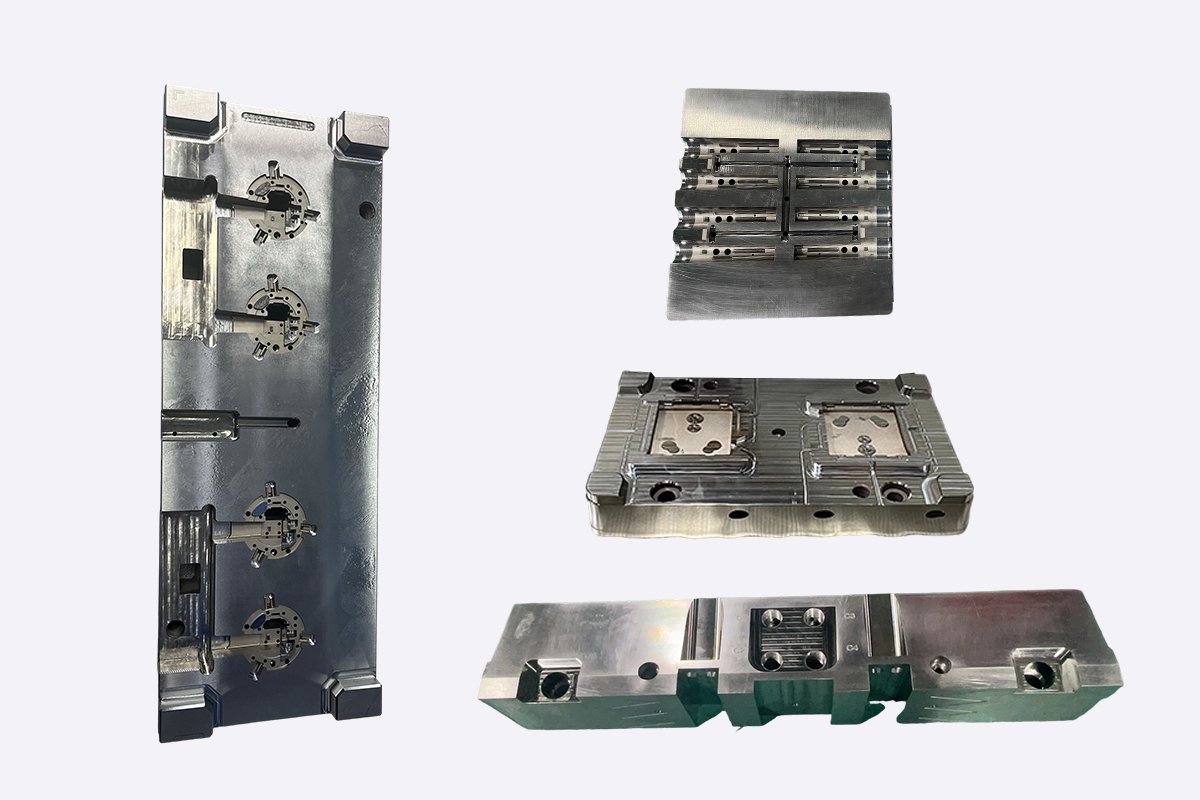
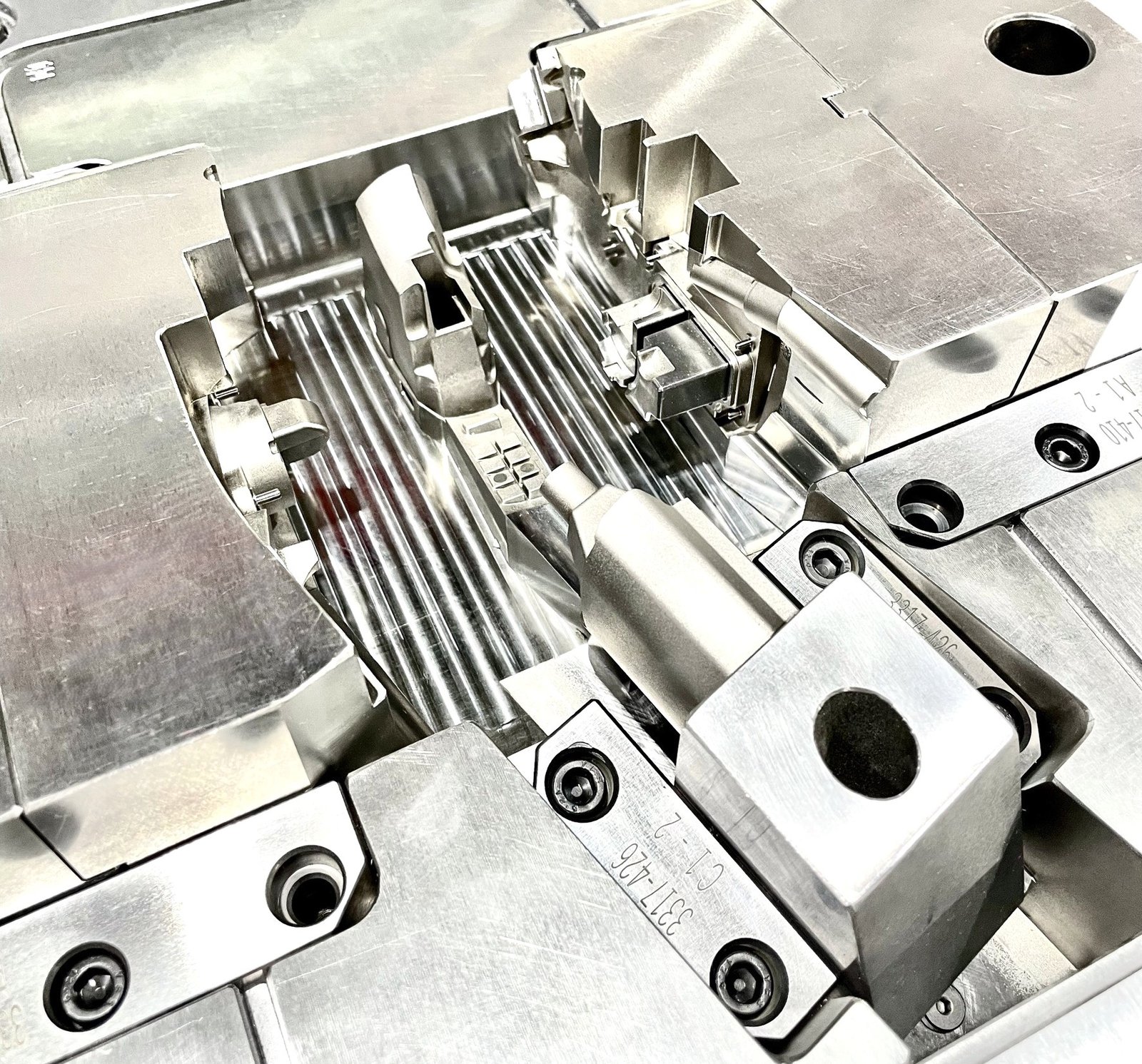
Precision Mold Components in Action


Why XUXIANG Transportation Plastic Molded Components Stand Apart
Micron-Stable Tolerance Control
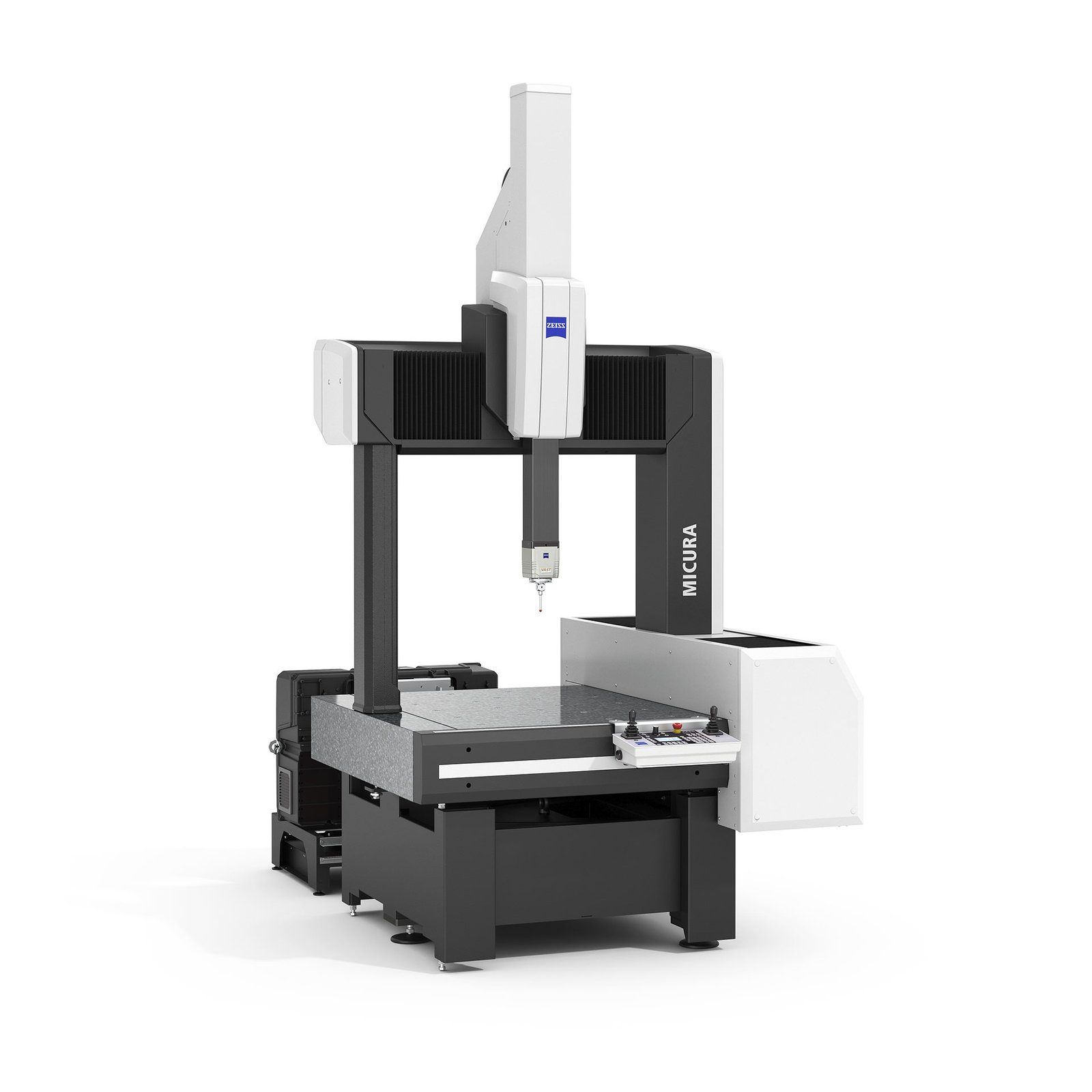
Maximum machining accuracy of +/-0.001 mm on precision mold components, validated by ZEISS MICURA CMM measuring to 0.7um resolution.
Mirror-Grade EDM Finishes
Ra 0.1um surface finish using Sodick slow-wire and Mitsubishi mirror EDM — eliminating secondary polishing for critical mold cores.
24-Hour Quote Turnaround
Engineering-backed quotations returned within one business day, with DFM feedback from 10+ precision-mold experts before production begins.
Dual-Factory Production Capacity
Dongguan R&D facility plus Quanzhou volume plant — 3,400 m2 combined floor space delivering 200% increased output since 2025.
Full DFM Engineering Support
Pre-production design-for-manufacturability analysis ensures tooling feasibility, cost efficiency and first-article success for every transportation component project.
ISO 9001:2015 Certified Quality
Five-step QC flow with material spectral analysis, in-process monitoring, CMM verification and complete FAI documentation for every shipment.
Precision Mold Components Across Every Application
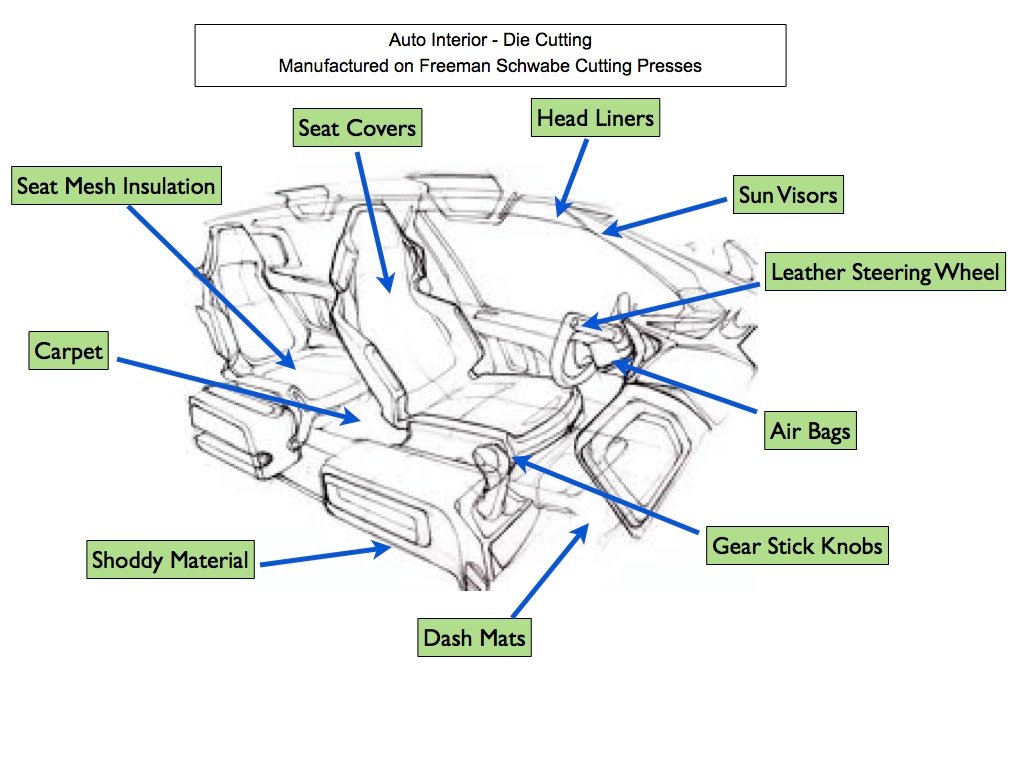
Interior Trim Components
High-tolerance inserts and core components for automotive interior trim molds—armrests, door panels, center consoles—machined to +/-0.002 mm on Sodick slow-wire EDM and finished to Ra 0.2 µm for Class-A surface replication. DFM review identifies draft, ejection and texture feasibility before steel is cut. Full FAI documentation and material certificates included.
Get a Quote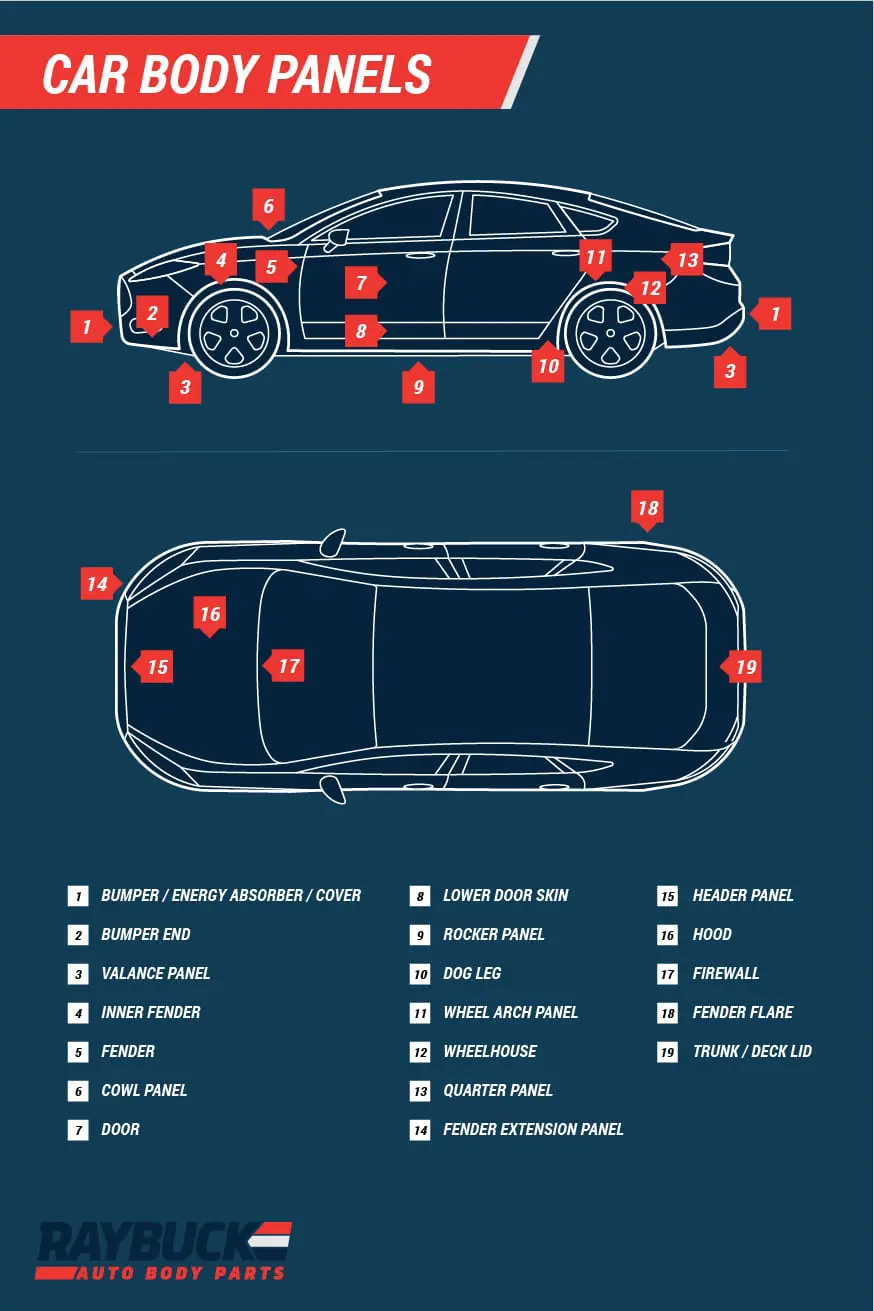
Exterior Body Parts
Precision tooling for exterior body panels, grilles, lamp bezels and emblems requiring mirror-grade EDM finishes down to Ra 0.1 µm. Mitsubishi mirror EDM and ZEISS MICURA CMM validation ensure dimensional stability across high-volume production. Conformal cooling channels and multi-cavity core inserts held to +/-0.001 mm for consistent part quality and reduced cycle time.
Get a Quote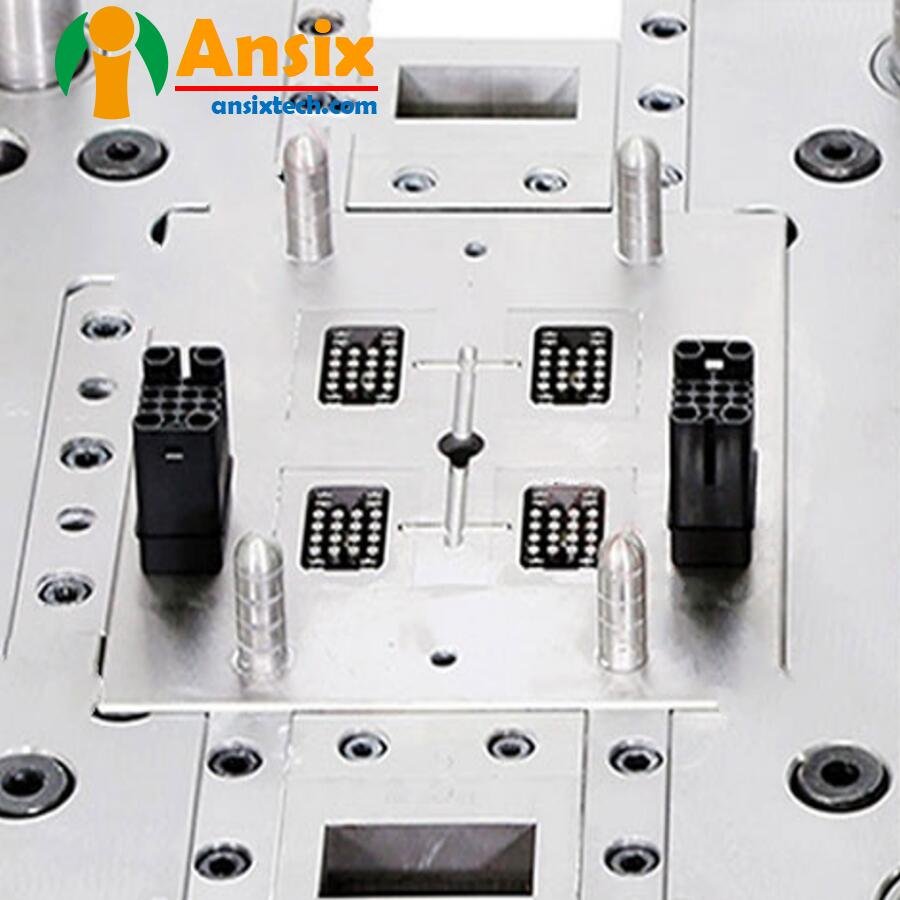
Connector Housing Molds
Micro-connector mold cores and inserts for 5G, mobile and industrial applications—thin-wall micro-pins, high-density terminal cavities, board-to-board and FPC housings—machined to +/-0.001 mm with corner radii down to R 0.015 mm. Sodick and Seibu slow-wire EDM deliver positioning accuracy of +/-0.002 mm, validated by Nikon toolmaker’s microscopes and ZEISS metrology for zero-defect connector performance.
Get a Quote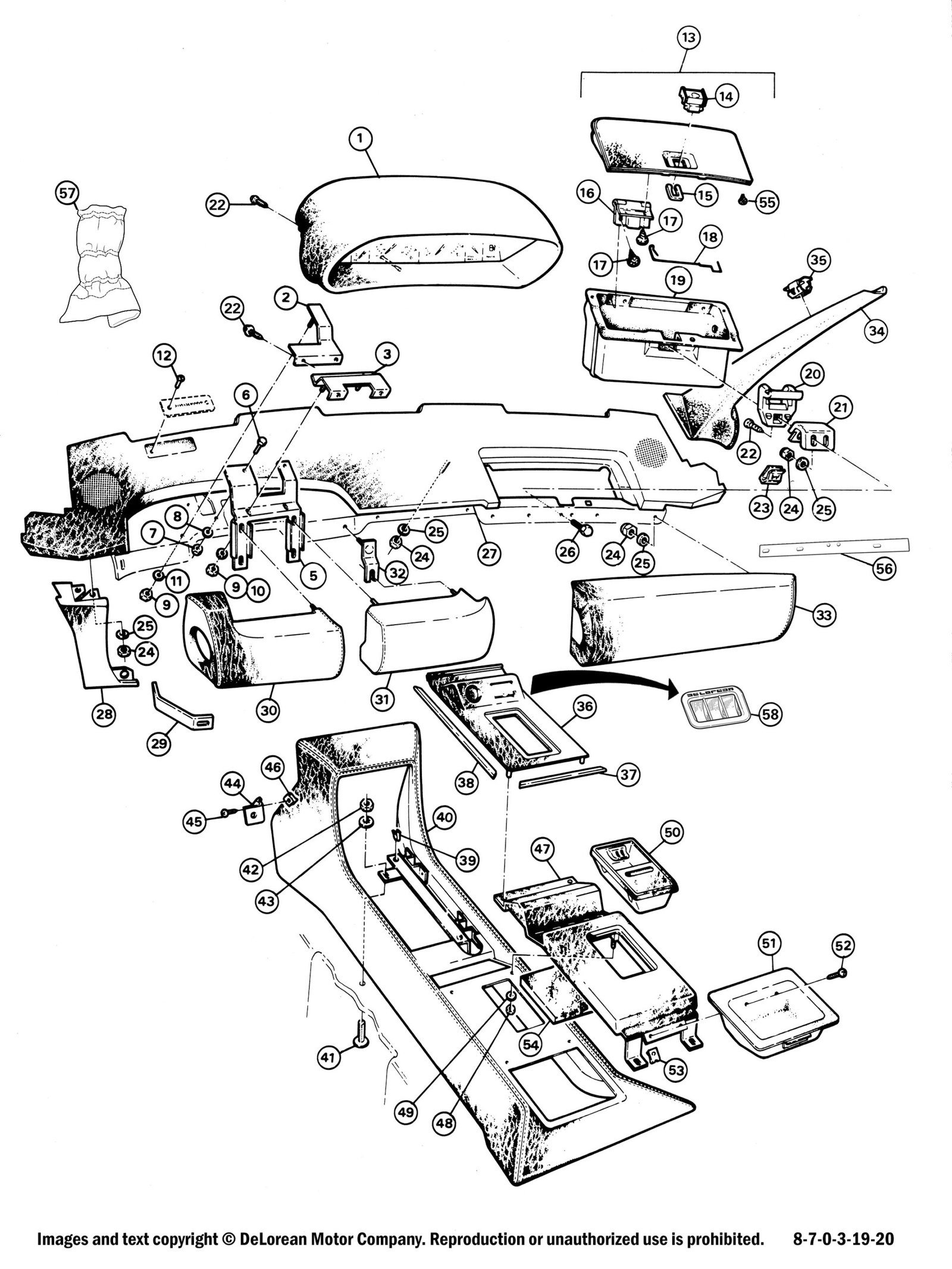
Dashboard & Console Parts
Core inserts, lifters and sliders for automotive dashboard and console assemblies, including HVAC vents, switch housings and display bezels. Fanuc CNC and precision grinding centers hold +/-0.003 mm on complex geometries. Ten-plus engineering experts provide DFM feedback on gate location, ejection strategy and surface finish to eliminate warpage and sink marks in production.
Get a Quote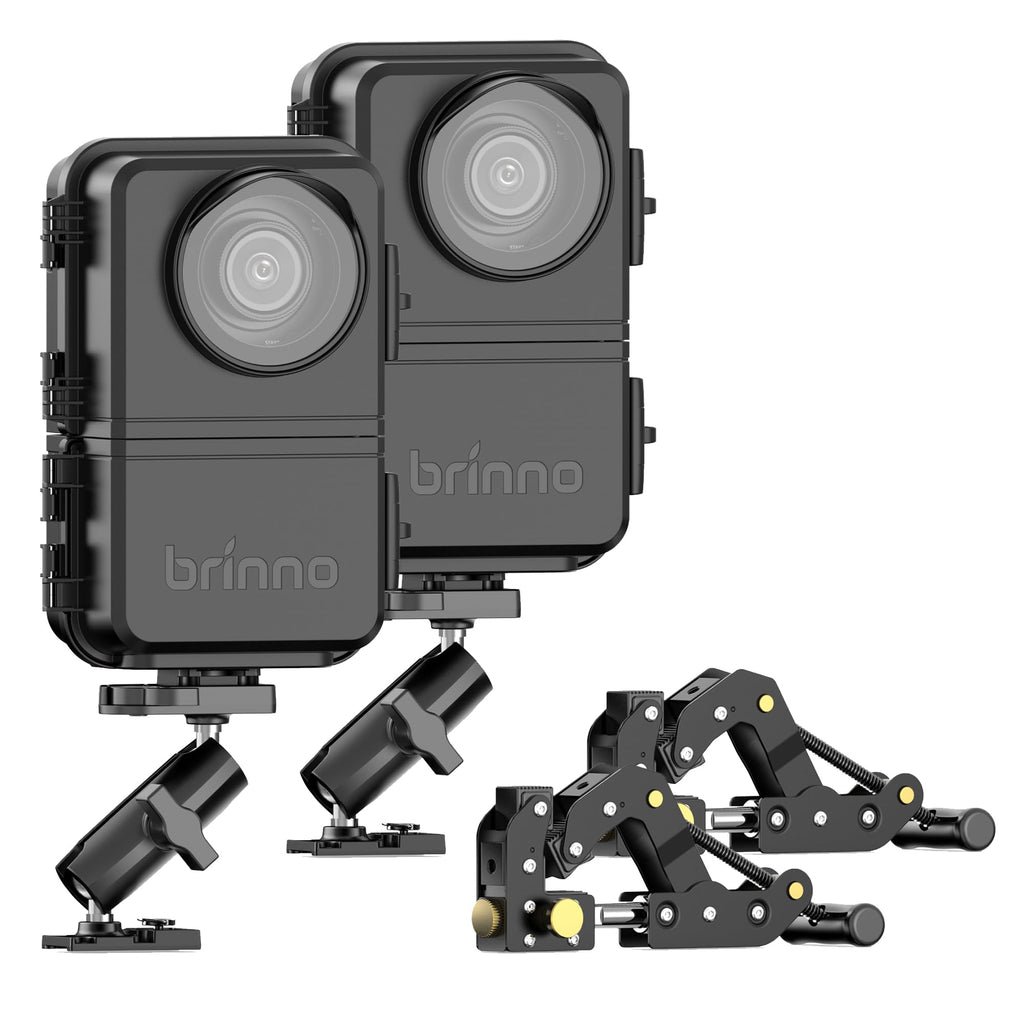
Sensor & Camera Housings
Precision tooling for ADAS sensor housings, camera mounts and lidar brackets in automotive and NEV platforms. Machined to +/-0.001 mm on Beijing Jingdiao high-precision CNC and validated with ZEISS MICURA CMM measuring to 0.7 µm. Material spectral analysis and five-step QC flow ensure dimensional integrity under thermal cycling and environmental stress.
Get a Quote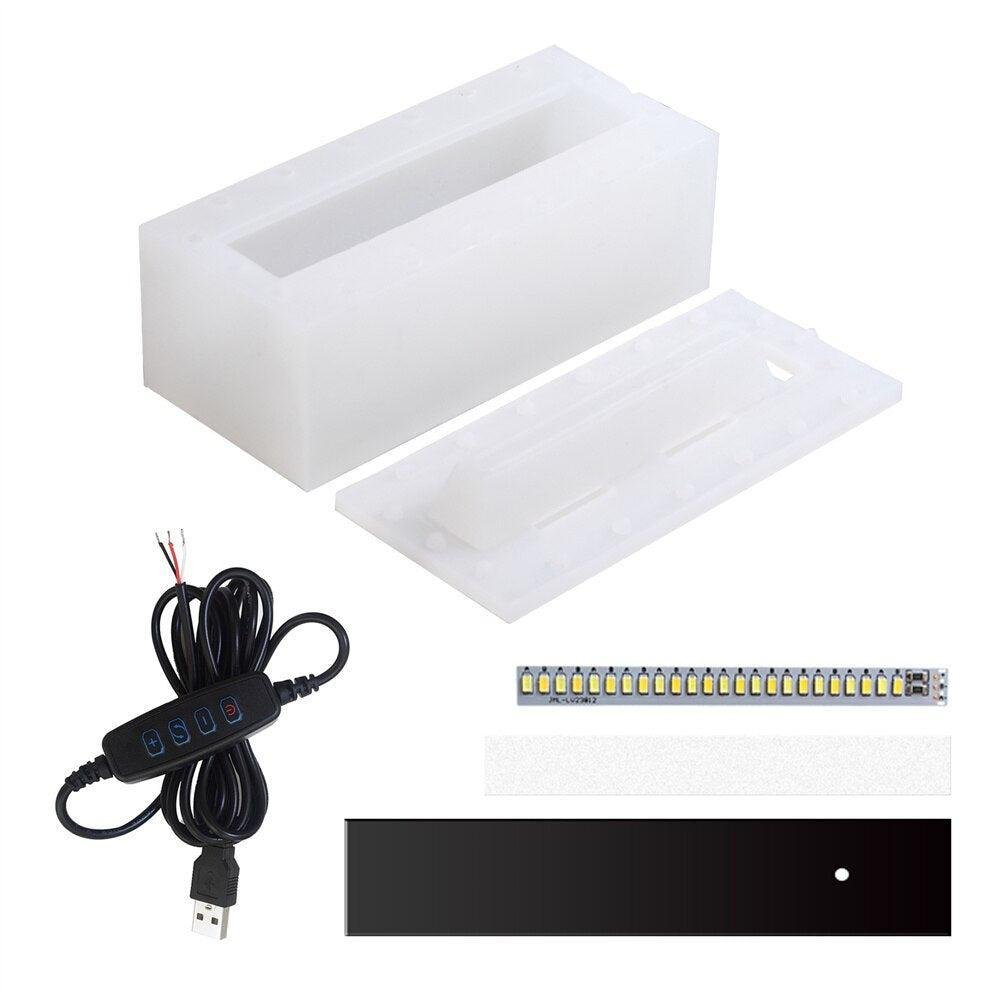
Lighting Component Molds
Mold components for automotive and architectural lighting—reflector inserts, lens cavities, LED bracket tooling and diffuser cores—requiring mirror-grade EDM finishes and optical-grade surface replication. Sodick sinker EDM and Dawn precision grinding deliver Ra 0.1 µm surfaces. In-process tolerance monitoring and final CMM verification ensure repeatable optical performance across high-volume runs.
Get a Quote
HVAC System Components
Core inserts and tooling for automotive HVAC components—blower housings, duct connectors, vent grilles and climate-control interfaces—machined to +/-0.002 mm with optimized cooling channels for cycle-time reduction. DFM engineering addresses wall thickness, flow balance and ejection to prevent flash and dimensional drift. ISO 9001:2015 quality system governs every step from design to delivery.
Get a Quote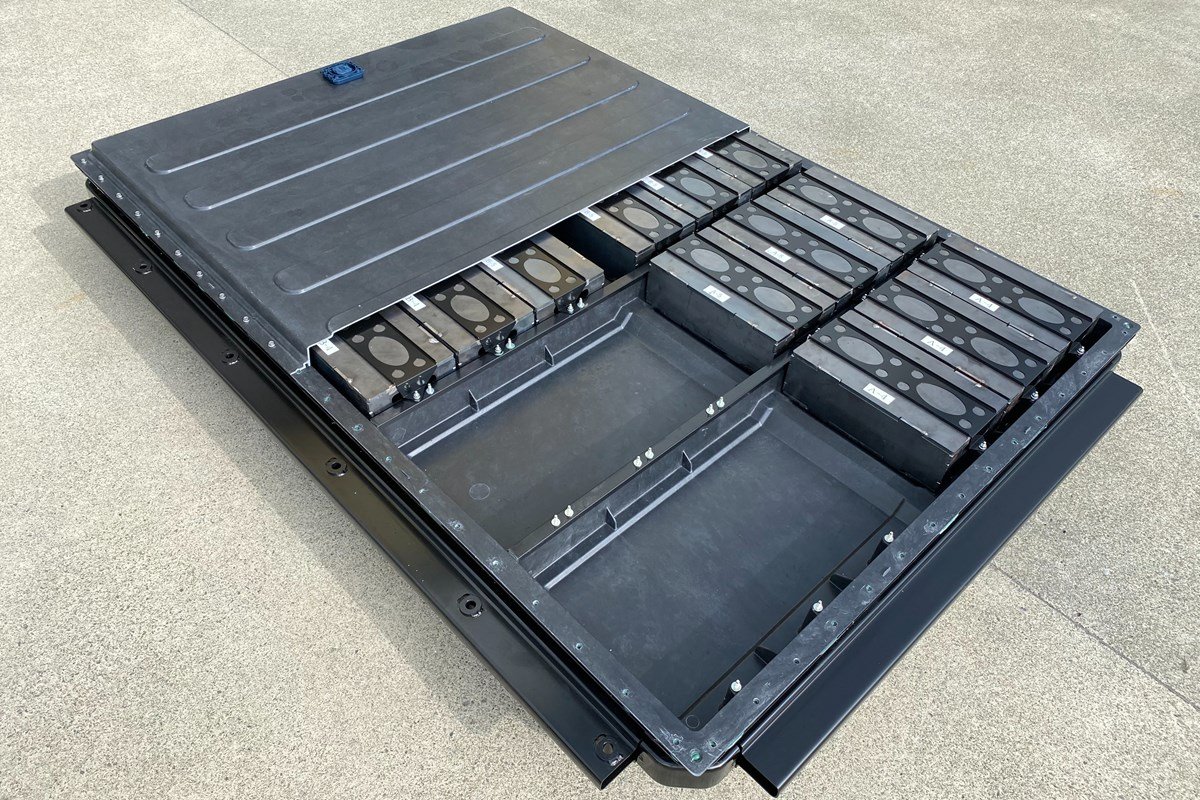
Battery Pack Enclosures
Precision mold inserts for NEV battery pack enclosures, BMS housings and high-voltage interconnect components, held to +/-0.001 mm for reliable sealing and assembly. Sodick slow-wire EDM and Fanuc CNC machining ensure dimensional stability under mechanical load and thermal expansion. Full material certificates, FAI reports and CMM data included with every shipment for traceability and compliance.
Get a Quote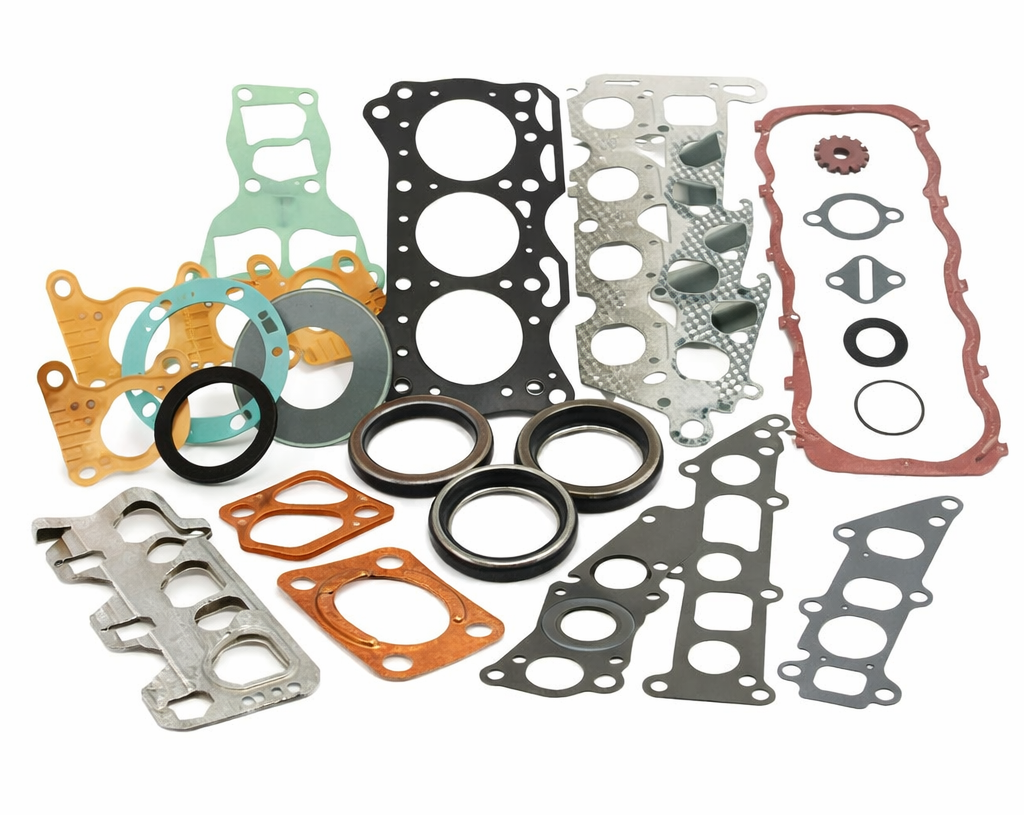
Sealing & Gasket Parts
High-precision cores and cavity inserts for sealing rings, O-ring grooves, gasket molds and elastomeric components requiring tight tolerances and controlled surface finish. Slow-wire EDM positioning accuracy of +/-0.002 mm and ZEISS CMM validation prevent leakage and ensure consistent compression performance. DFM review optimizes parting line, draft and ejection to minimize flash and post-molding deflection.
Get a QuoteMaterials We Master for Transportation Plastic Molded Components

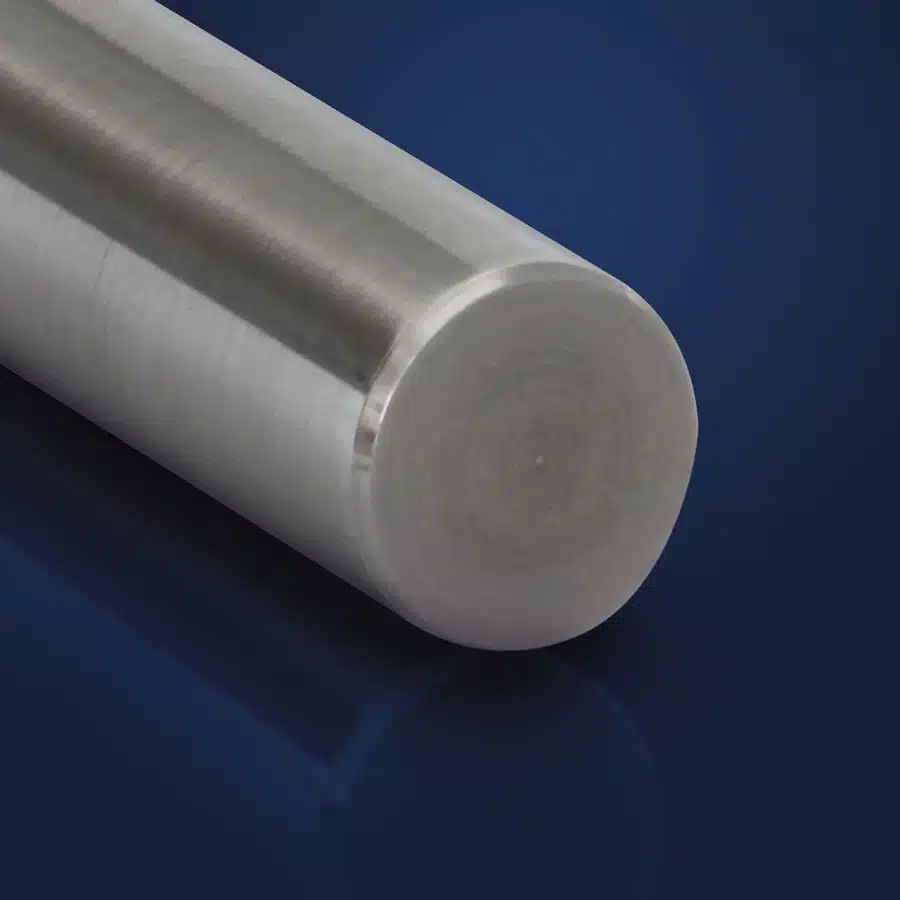
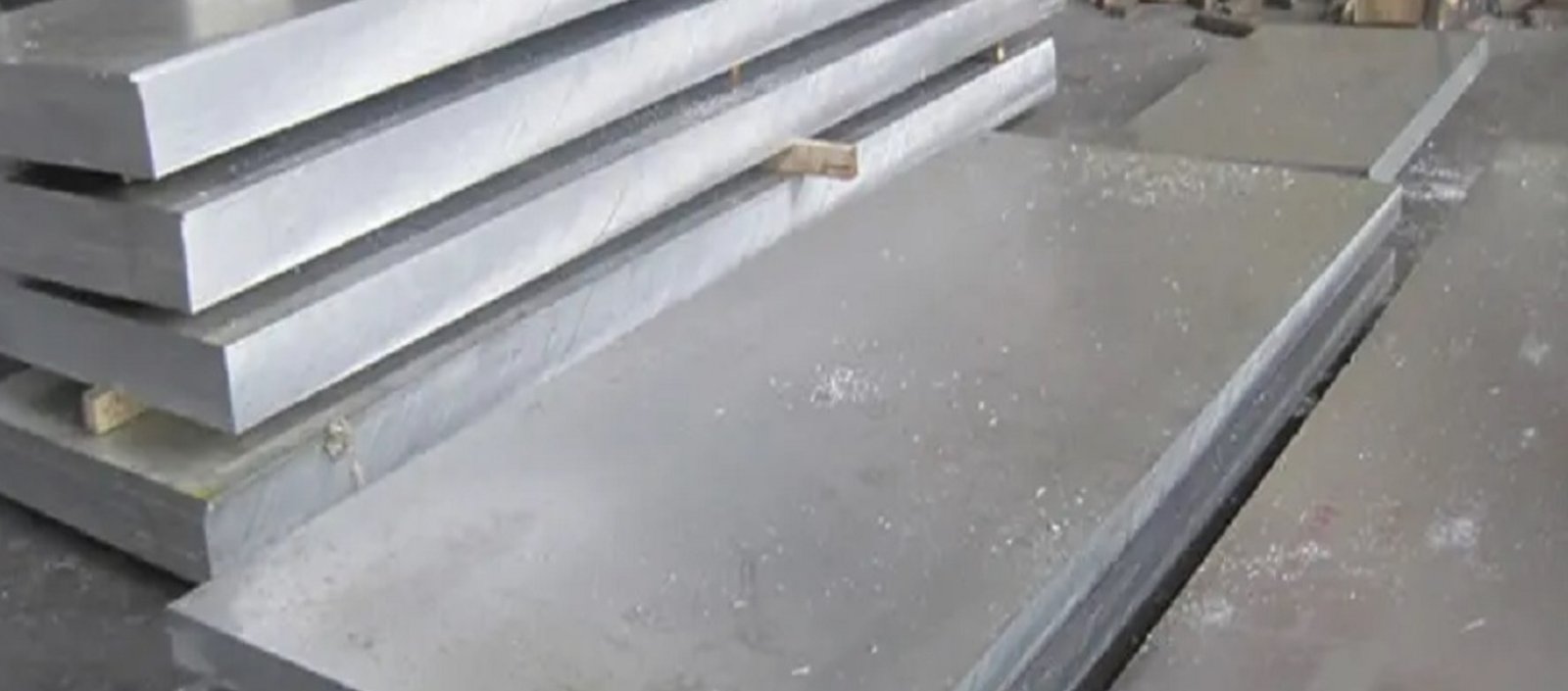

Advanced Machining & EDM Processes for Transportation Plastic Molded Components
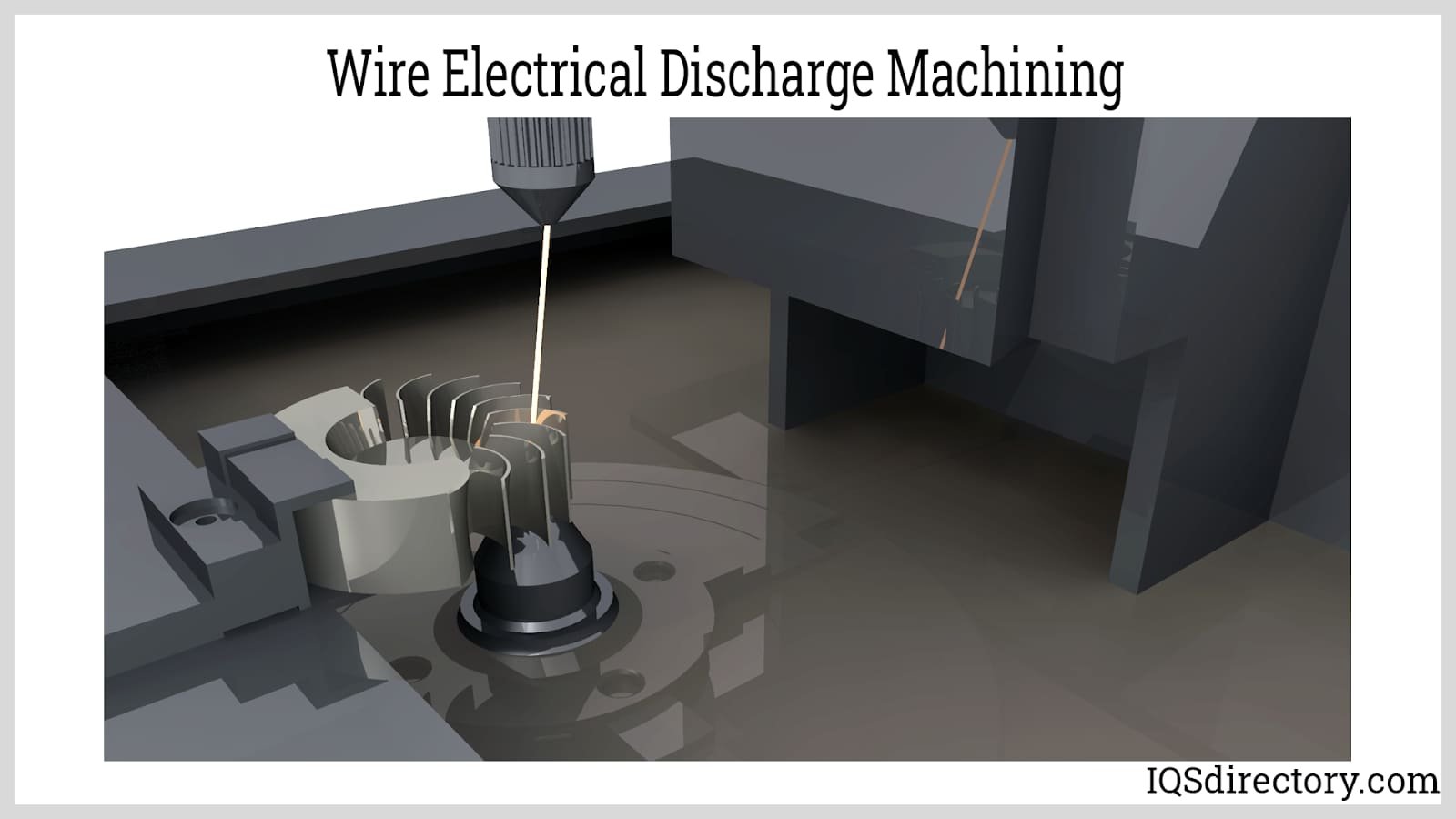
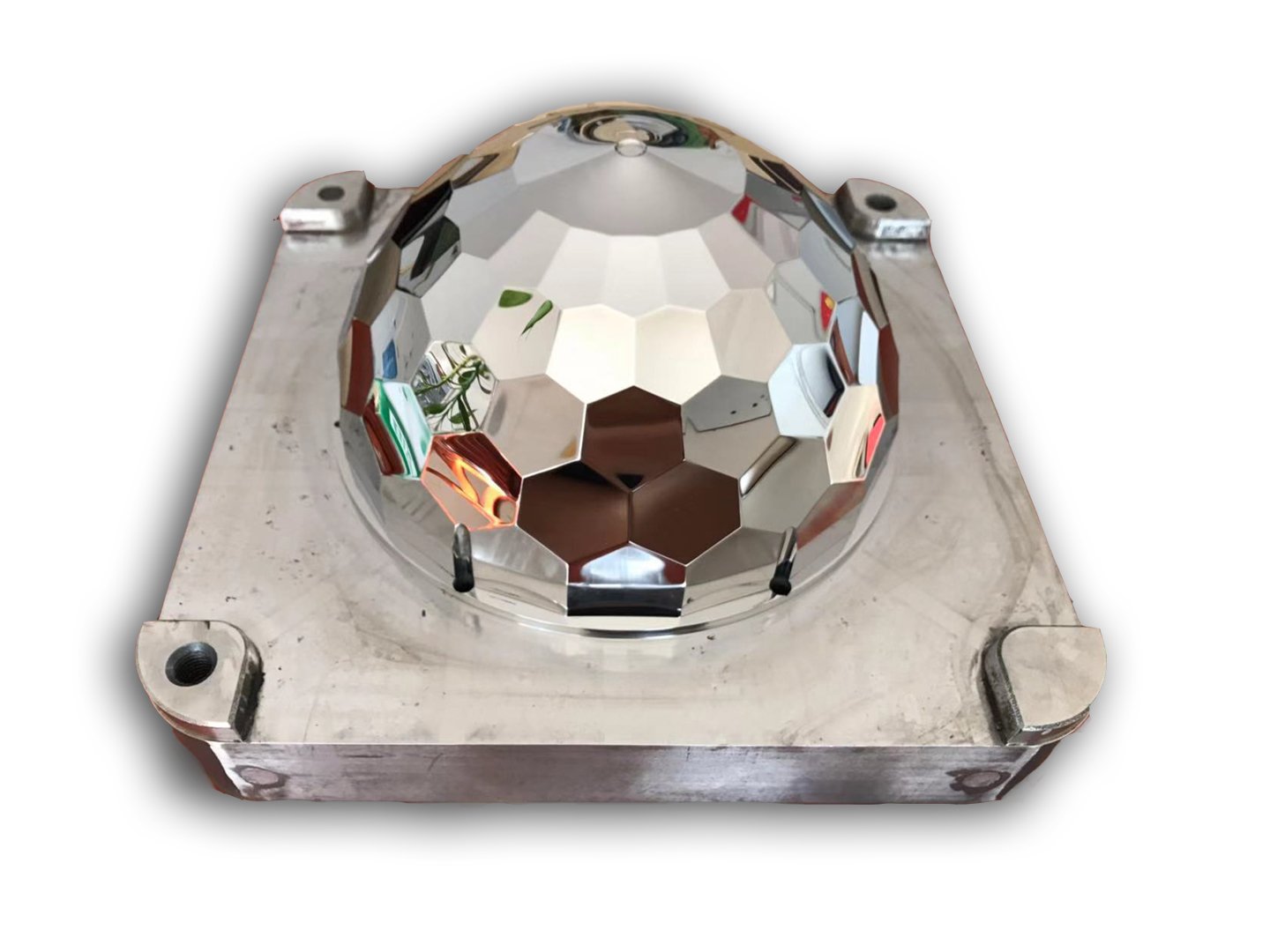
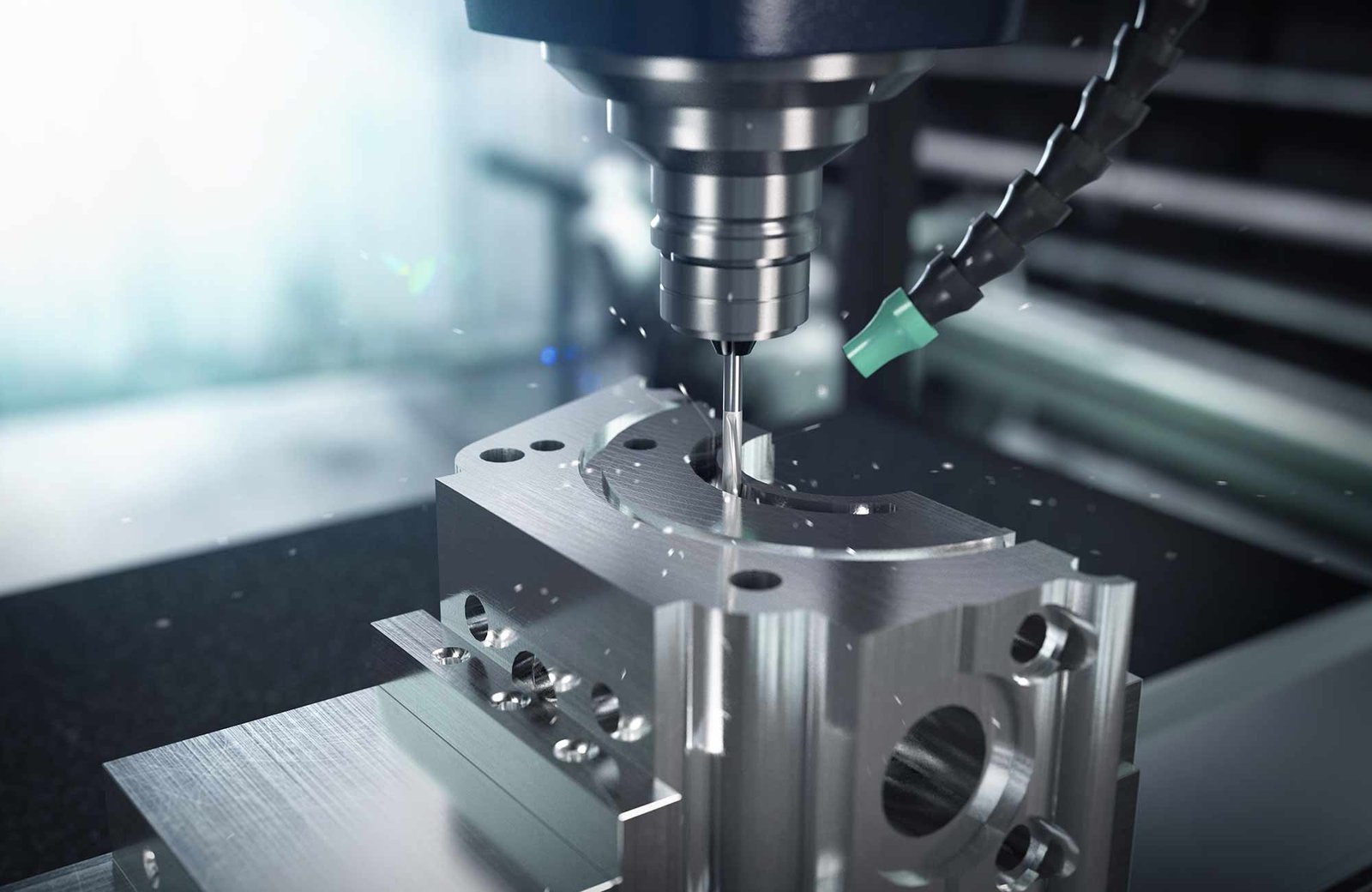
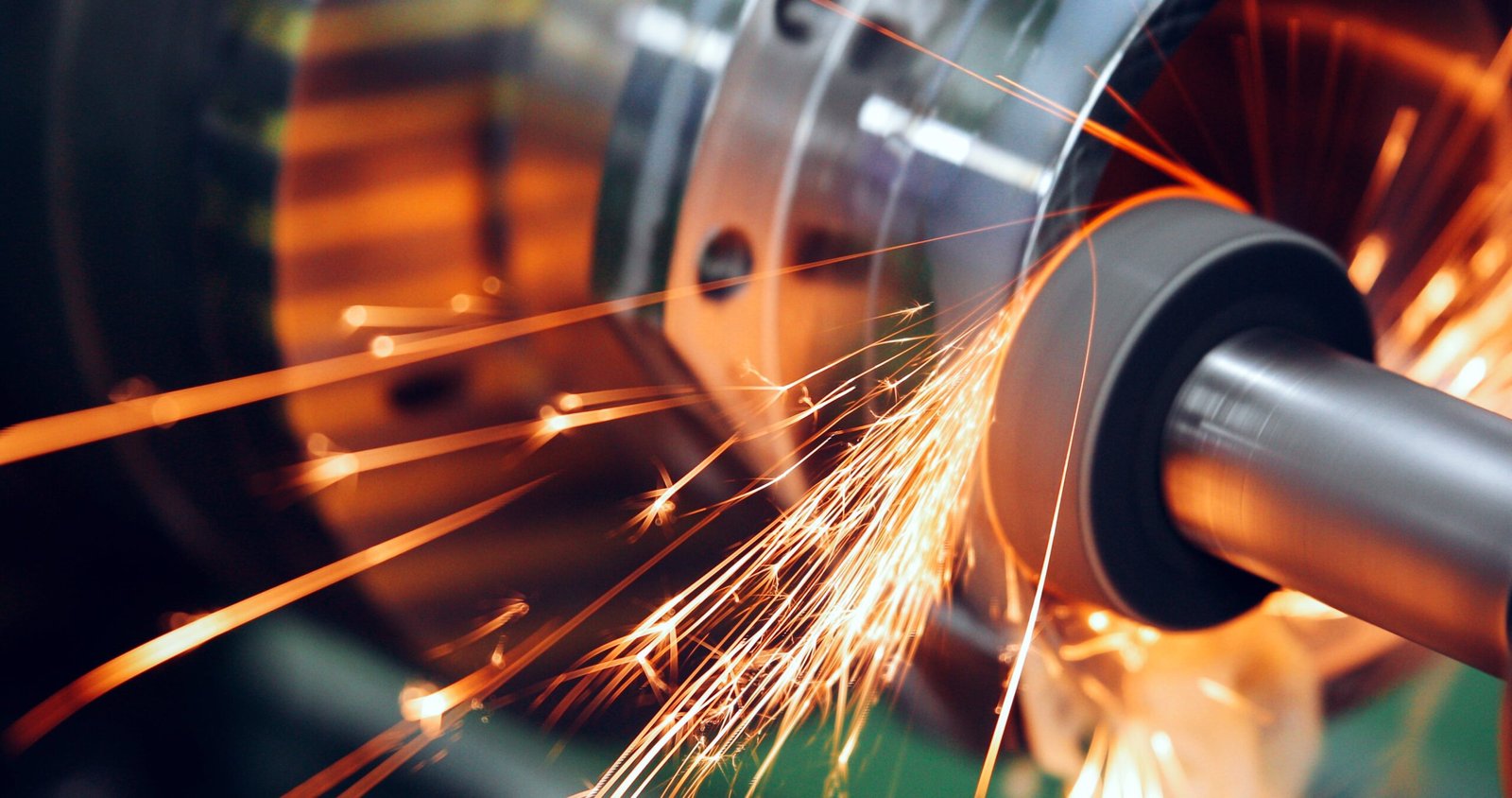
Mirror EDM
Mitsubishi mirror-grade sinker EDM achieves Ra 0.1 µm surface finish with +/-0.003 mm tolerance class — eliminating secondary polishing for optical-grade mold cores, ADAS sensor housings and high-gloss automotive interior components.
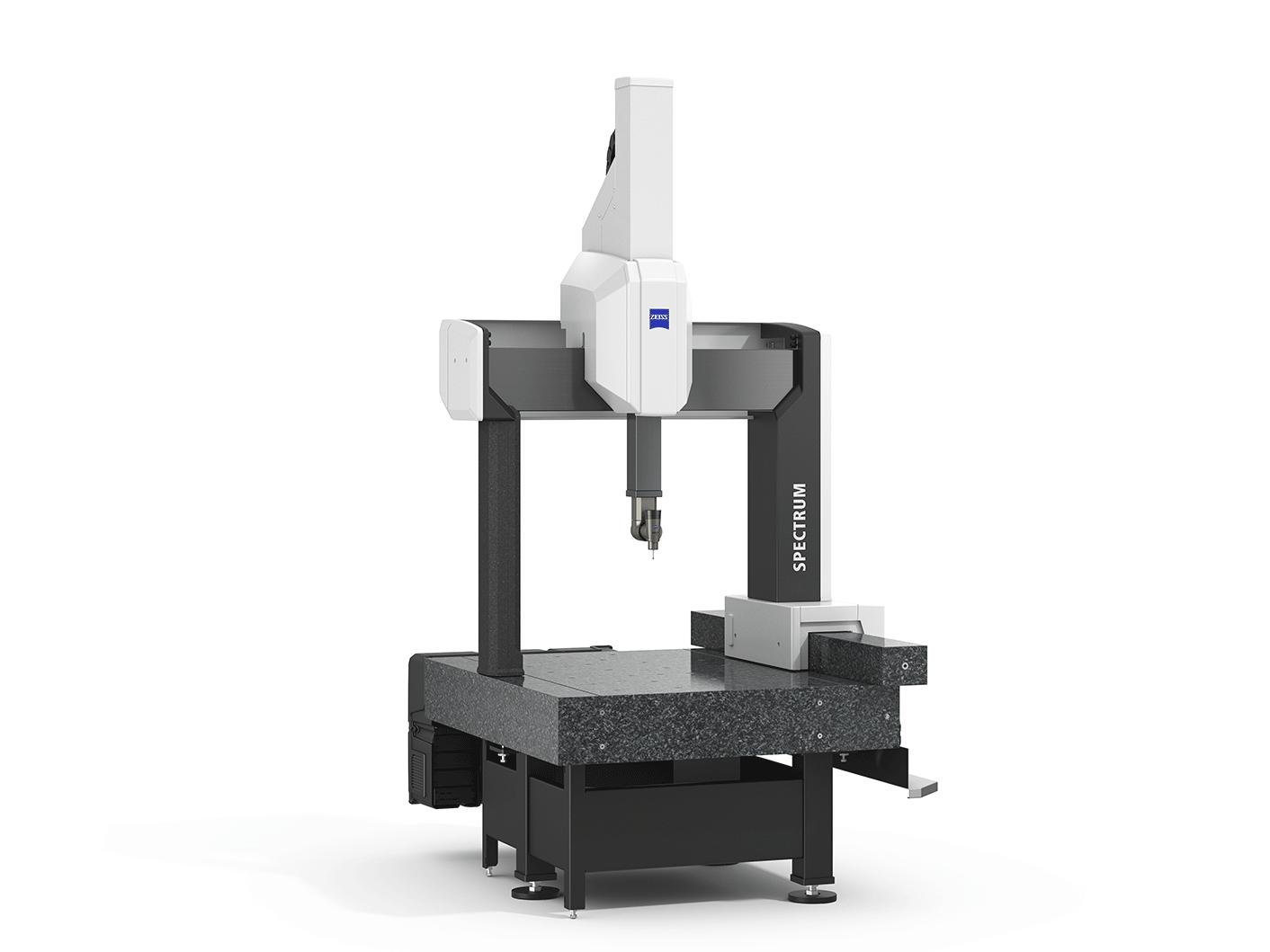
ZEISS CMM Metrology
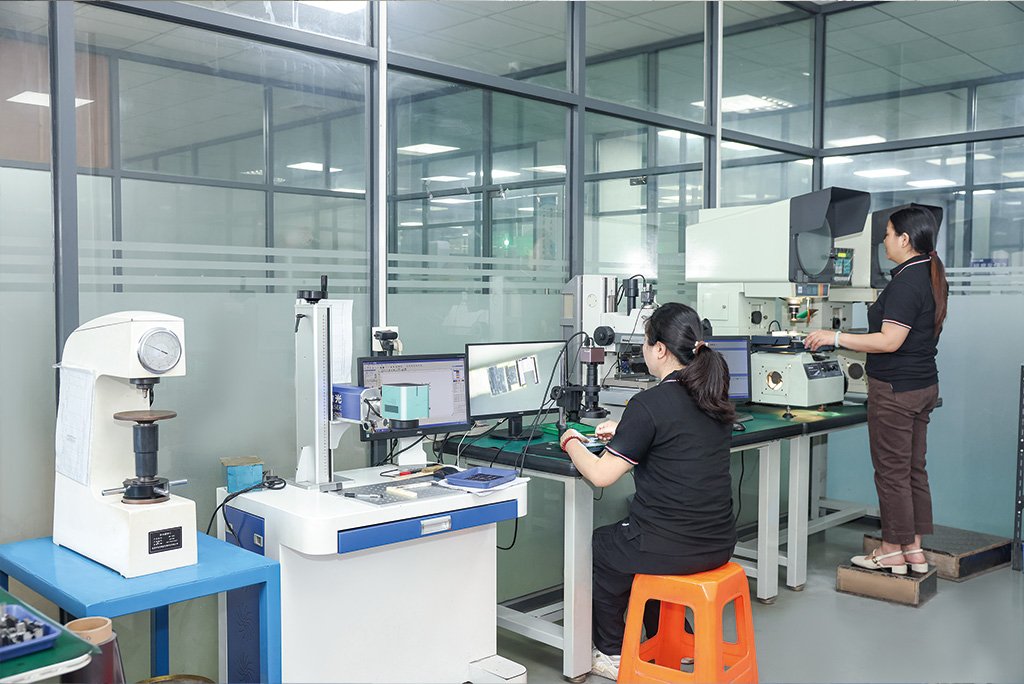
ZEISS MICURA coordinate measuring machine verifies every dimension to 0.7 µm resolution, backed by Nikon toolmaker’s microscopes — providing traceable inspection reports, material certificates and full geometric validation for ISO 9001:2015 compliance.
Finishing & Assembly Options for Transportation Plastic Molded Components
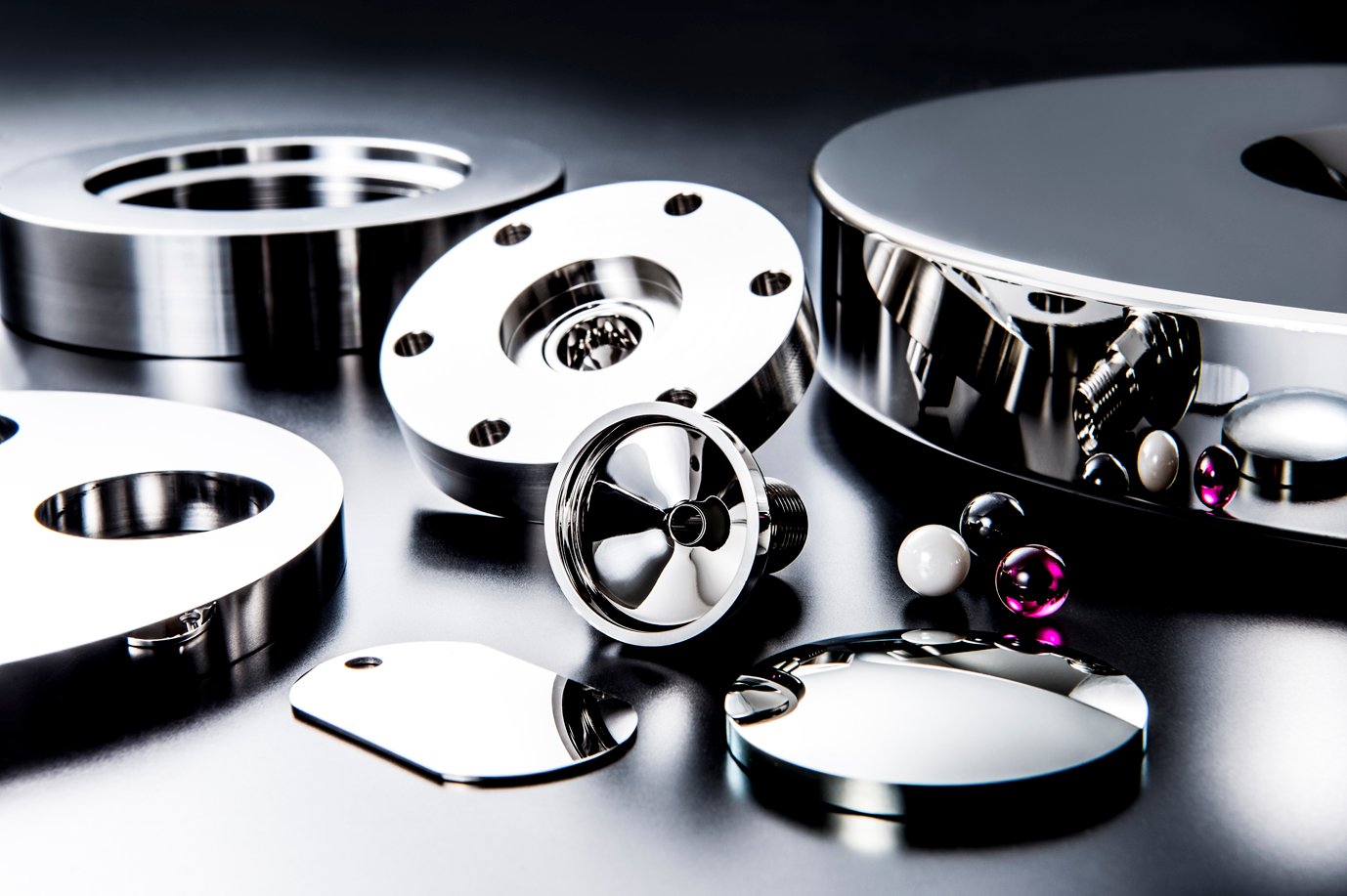
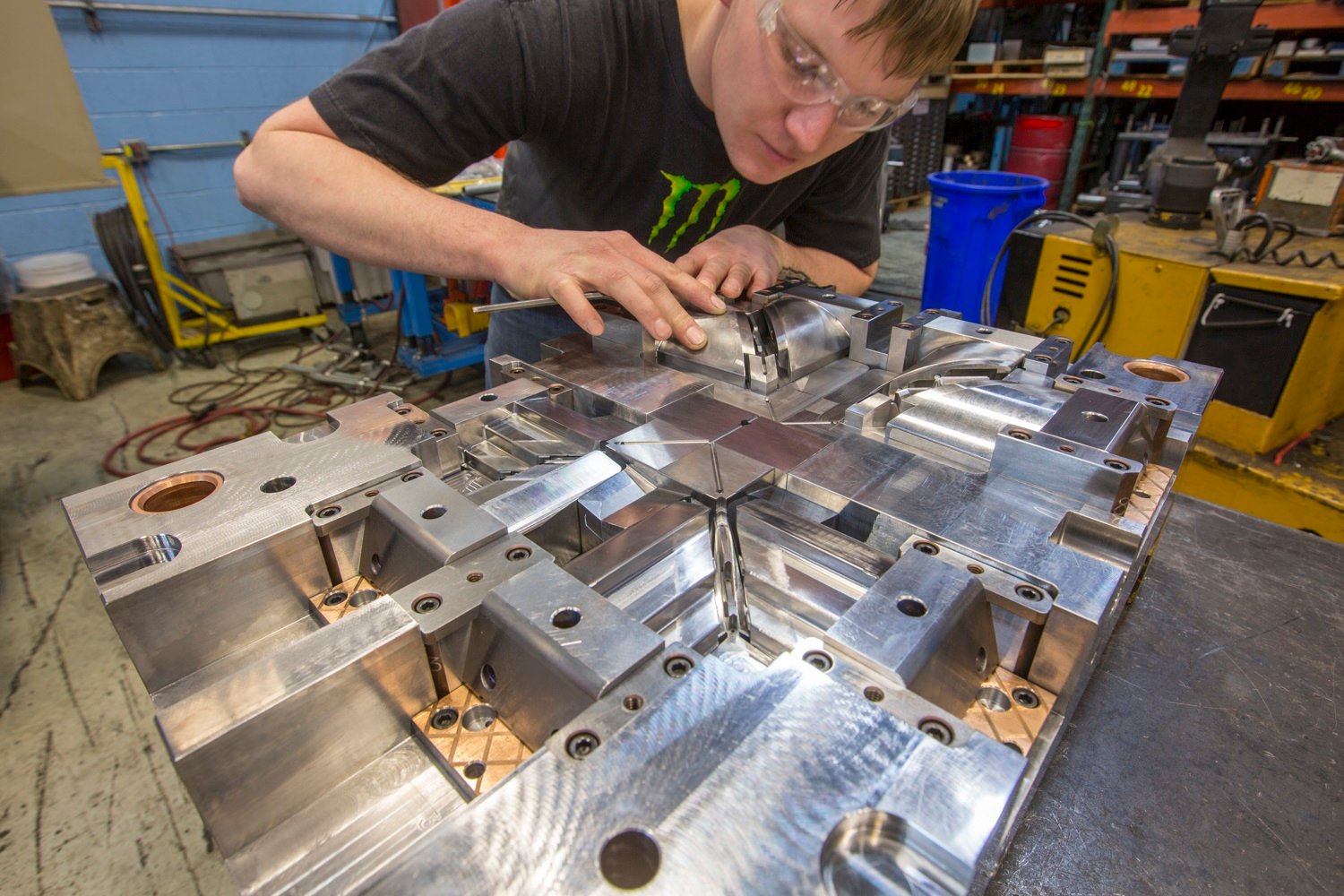
Mirror Polishing
Achieve Ra 0.1 µm mirror-grade surfaces on mold cores and inserts using precision hand-finishing techniques, essential for optical-grade plastic parts, automotive interior components and high-gloss connector housings where surface integrity drives part performance.
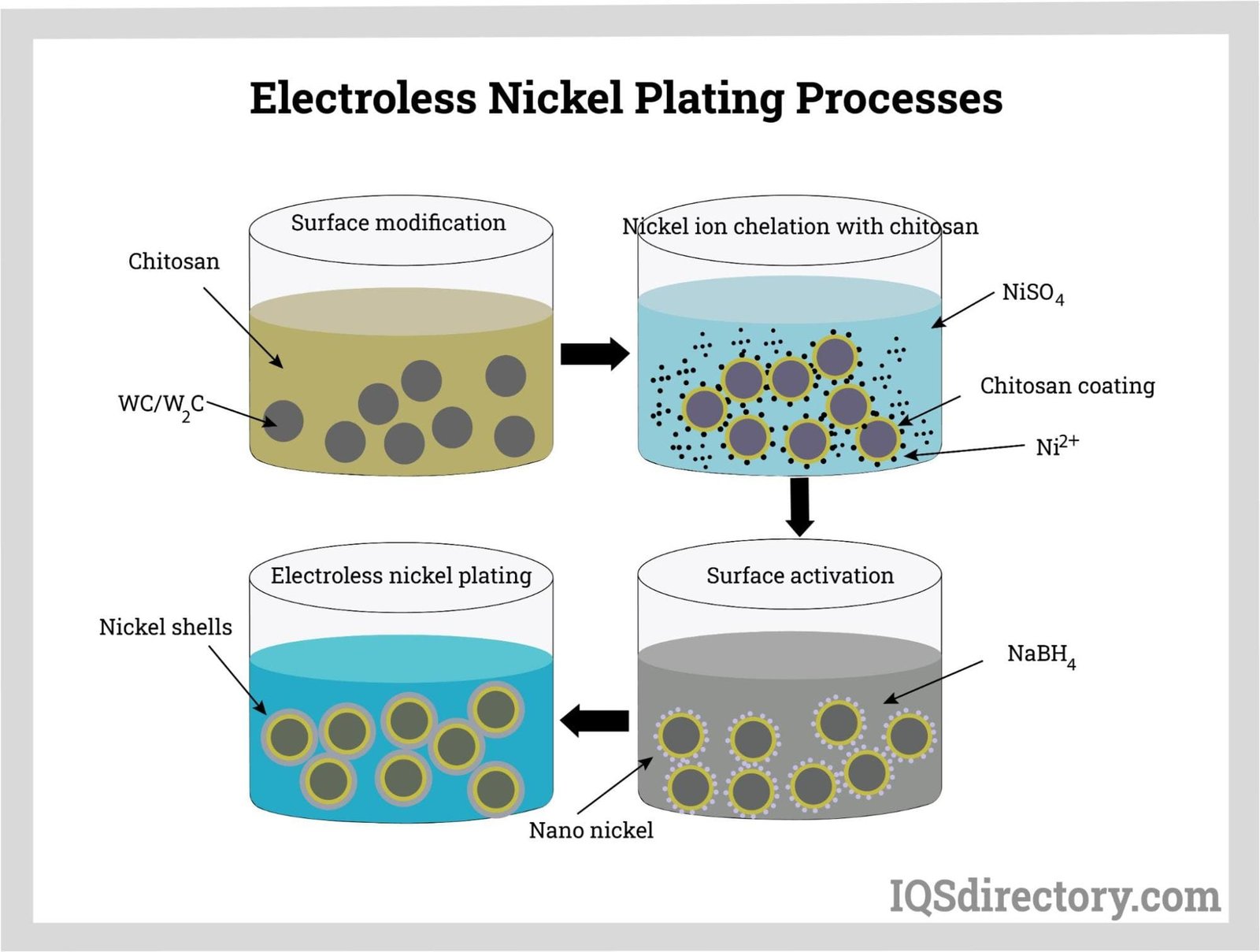
Electroless Nickel Plating
Uniform nickel-phosphorus coating applied to critical mold surfaces for enhanced wear resistance, corrosion protection and extended tool life — ideal for high-volume automotive sensor housings, NEV battery interconnect tooling and humid-environment transportation components.
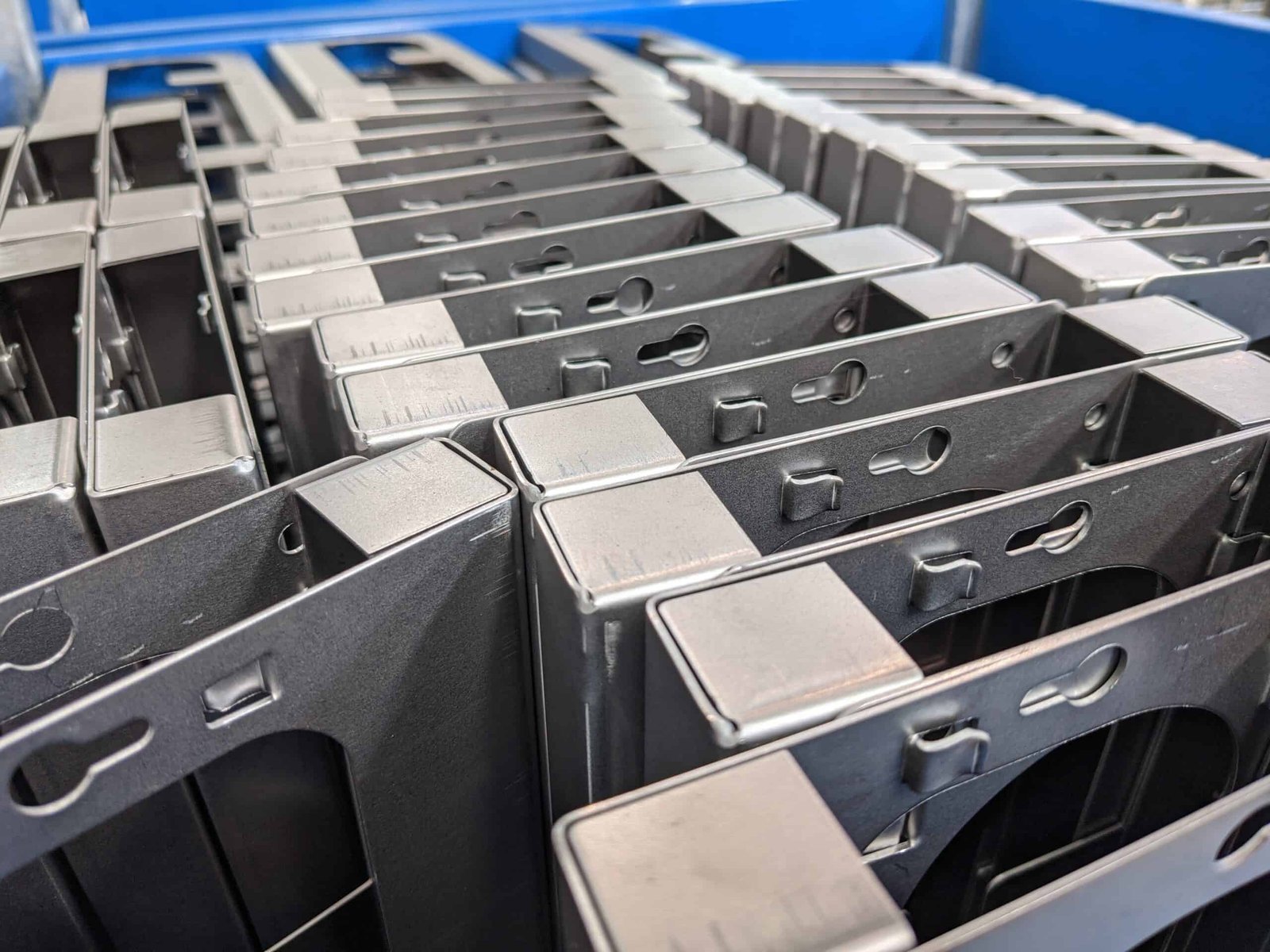
Assembly & Sub-Assembly
In-house precision assembly of multi-component tooling, insert stacks and fixture kits, validated under ISO 9001:2015 protocols — reduces your supply-chain complexity, shortens lead times and delivers ready-to-install solutions for automotive and industrial automation customers.

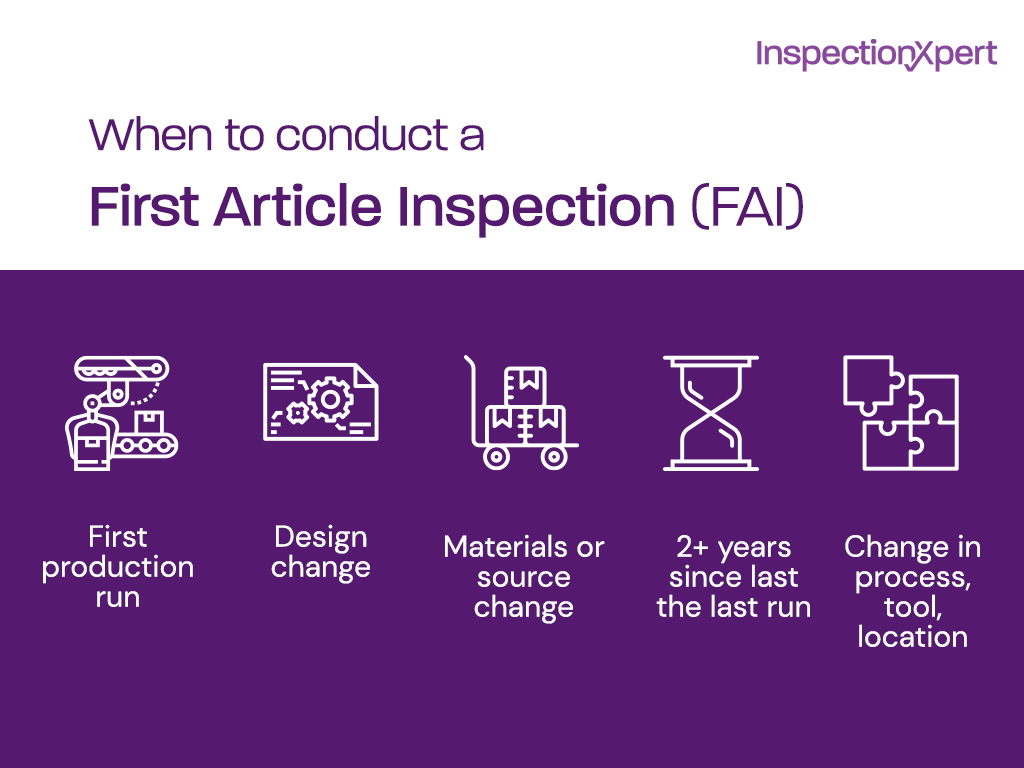
FAI Documentation
Complete First Article Inspection reports with ZEISS CMM dimensional data, Nikon microscope imagery, surface-finish measurements and material certificates — provides full traceability and audit-ready validation for PPAP, APQP and tier-supplier qualification processes.
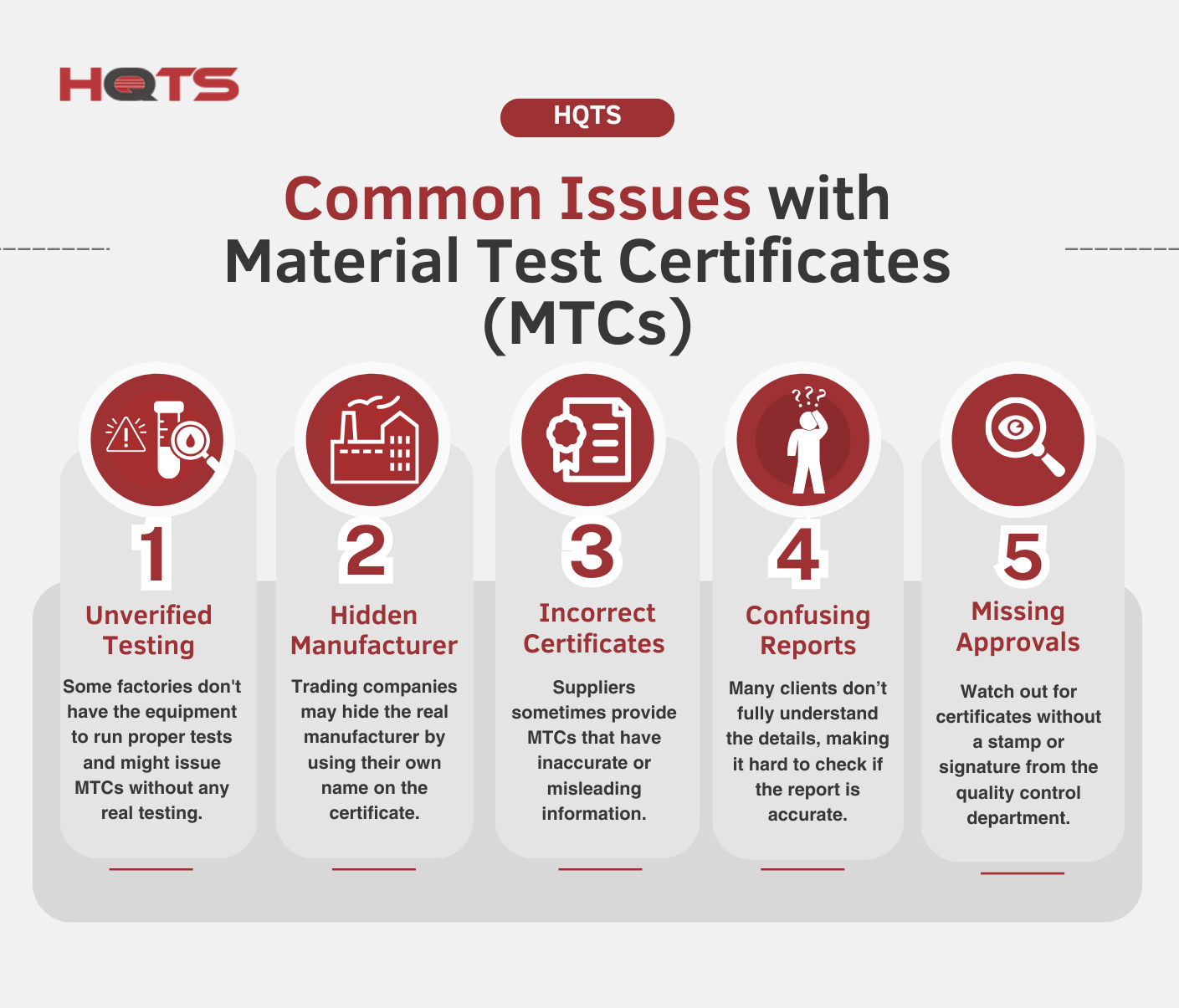
Material Certificates
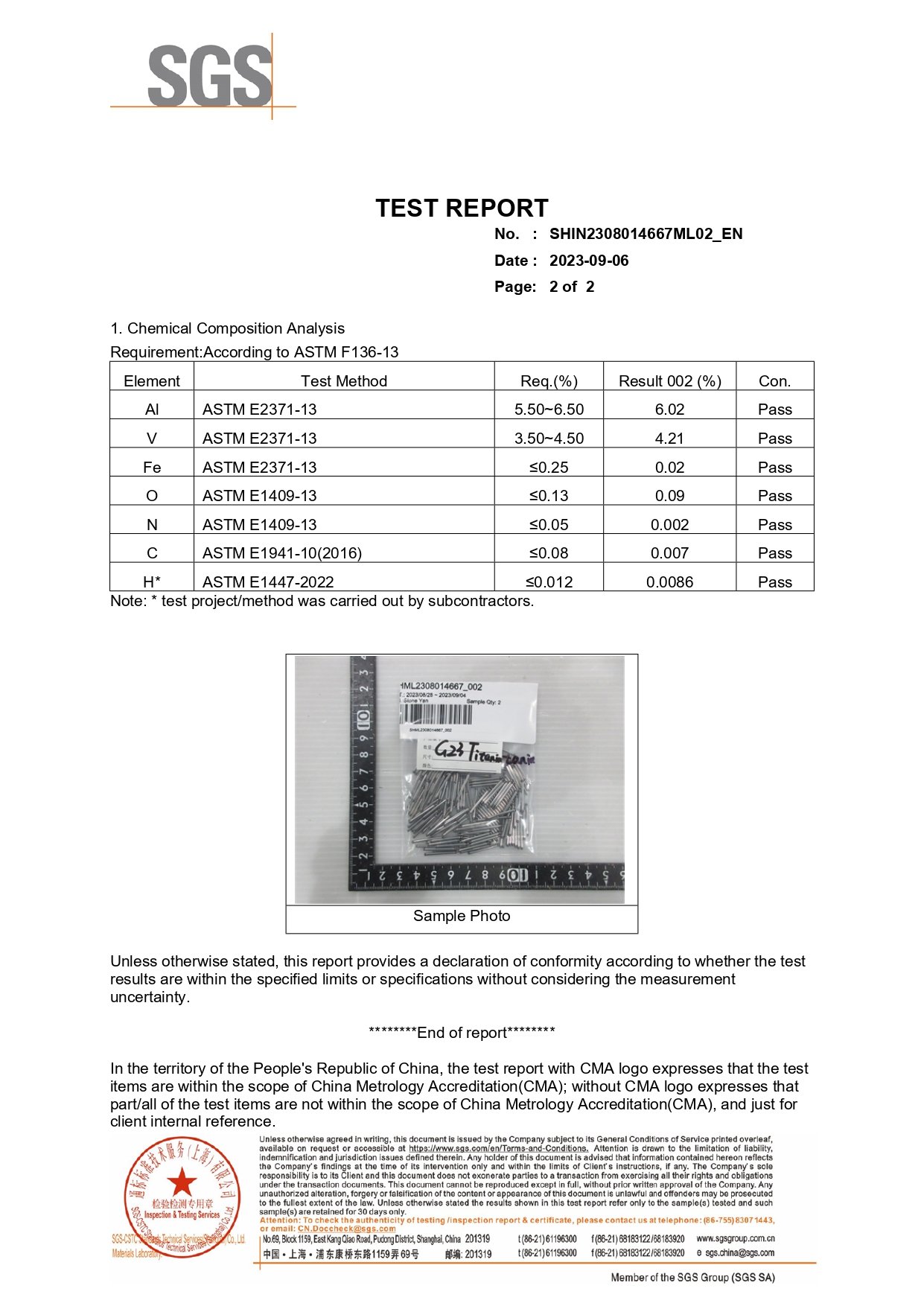
Certified mill test reports and spectral analysis documentation for every batch of steel, aluminum and specialty alloys — guarantees material traceability, mechanical properties and compliance with automotive OEM, medical-device and aerospace sourcing standards.
About XUXIANG — 16 Years of Precision Engineering
Founded in 2010 in Dongguan’s Chang’an manufacturing hub, XUXIANG has grown from a specialist mold-core machining shop into a dual-factory precision manufacturing group. Today we supply transportation plastic molded components, micro-connector tooling and CNC-machined metal parts to electronics, 5G/telecom, automotive & NEV, industrial-automation and medical-device customers worldwide, backed by ISO 9001:2015 certification and over CNY 8 million in Japanese, Swiss and German machining assets.
Our dual-site footprint spans a 2,000 m² Dongguan R&D and micro-machining center plus a 1,400 m² Quanzhou volume-production facility launched in 2025, delivering a 200% capacity expansion. Every part is validated on a ZEISS MICURA CMM measuring to 0.7um, Sodick and Seibu slow-wire EDM, Mitsubishi mirror EDM and Fanuc CNC — ensuring +/-0.001 mm machining precision and Ra 0.1um mirror-grade surface finishes.
What sets XUXIANG apart is our engineering-led approach: DFM feedback from 10+ experts before production, full FAI reports and material certificates with every shipment, and quotes returned within 24 hours. We solve the buyer’s two biggest pain points — tolerance failure and delivery delay — with micron-stable precision and lead times roughly 30% faster than the industry average.
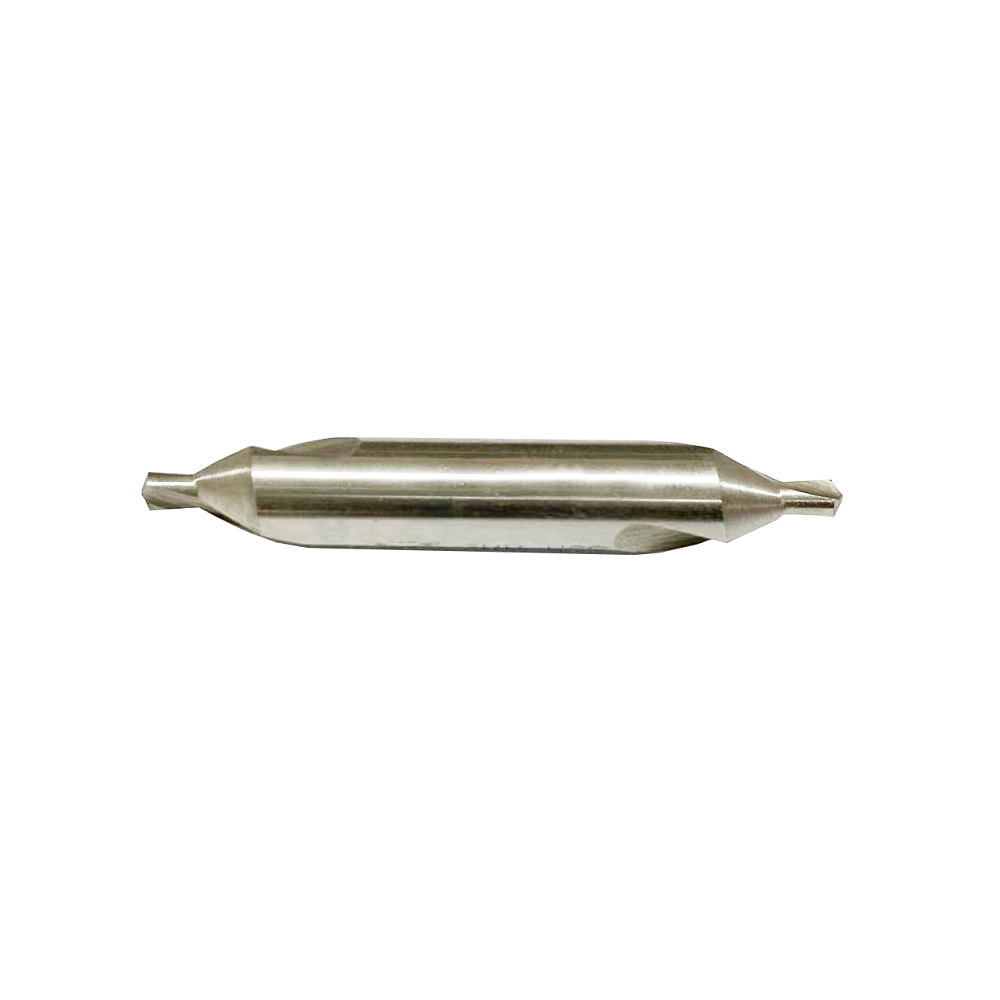
Transportation Plastic Molded Components: Core Capabilities That Deliver Micron-Stable Precision
Micron-Grade Tolerance & Metrology Validation
Every transportation plastic molded component is verified on ZEISS MICURA CMM measuring to 0.7um and Nikon toolmaker’s microscopes, ensuring +/-0.001 mm machining accuracy across multi-cavity inserts, lifters, sliders and conformal-cooling cores for automotive, NEV and industrial applications.
- ZEISS MICURA CMM with 0.7um resolution for dimensional verification
- Nikon V-12B / MM-400 class toolmaker's microscopes for edge and surface inspection
- +/-0.001 mm maximum machining tolerance on CNC and slow-wire EDM
- Full FAI reports with material certificates shipped with every order
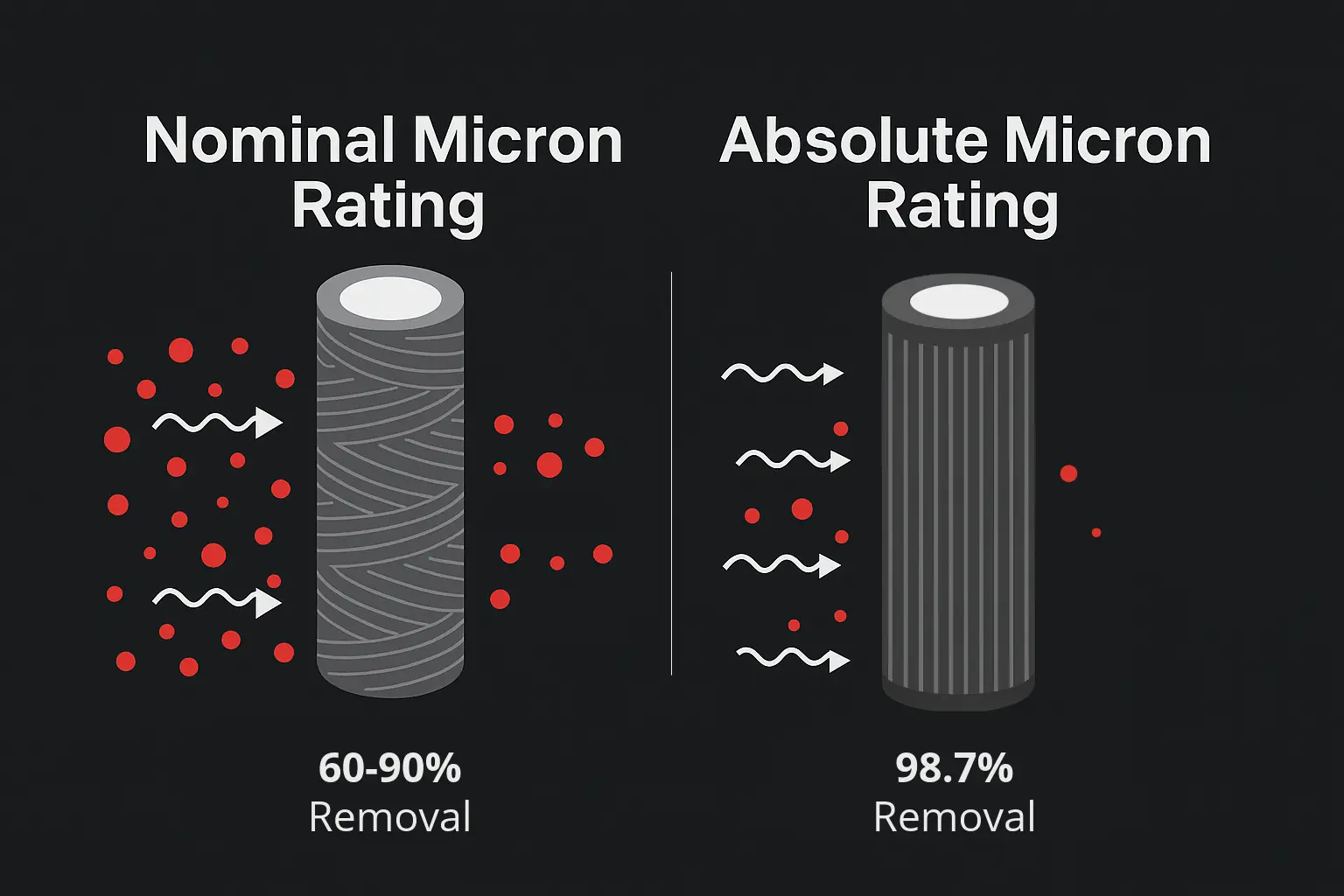
Mirror-Grade EDM Surface Finish
Sodick and Seibu slow-wire EDM, paired with Mitsubishi mirror EDM, deliver Ra 0.1um surface finishes on electrode-free cores and micro-connector cavities — eliminating secondary polishing and protecting critical geometry in high-density terminal tooling and sensor housings.
- Ra 0.1um mirror-grade finish on EDM cores and inserts
- Sodick & Seibu slow-wire EDM for +/-0.002 mm class positioning
- Mitsubishi mirror EDM for electrode-free micro-feature machining
- Corner radii down to R ≤ 0.015 mm for thin-wall and micro-pin tooling
DFM Engineering & Five-Step QC
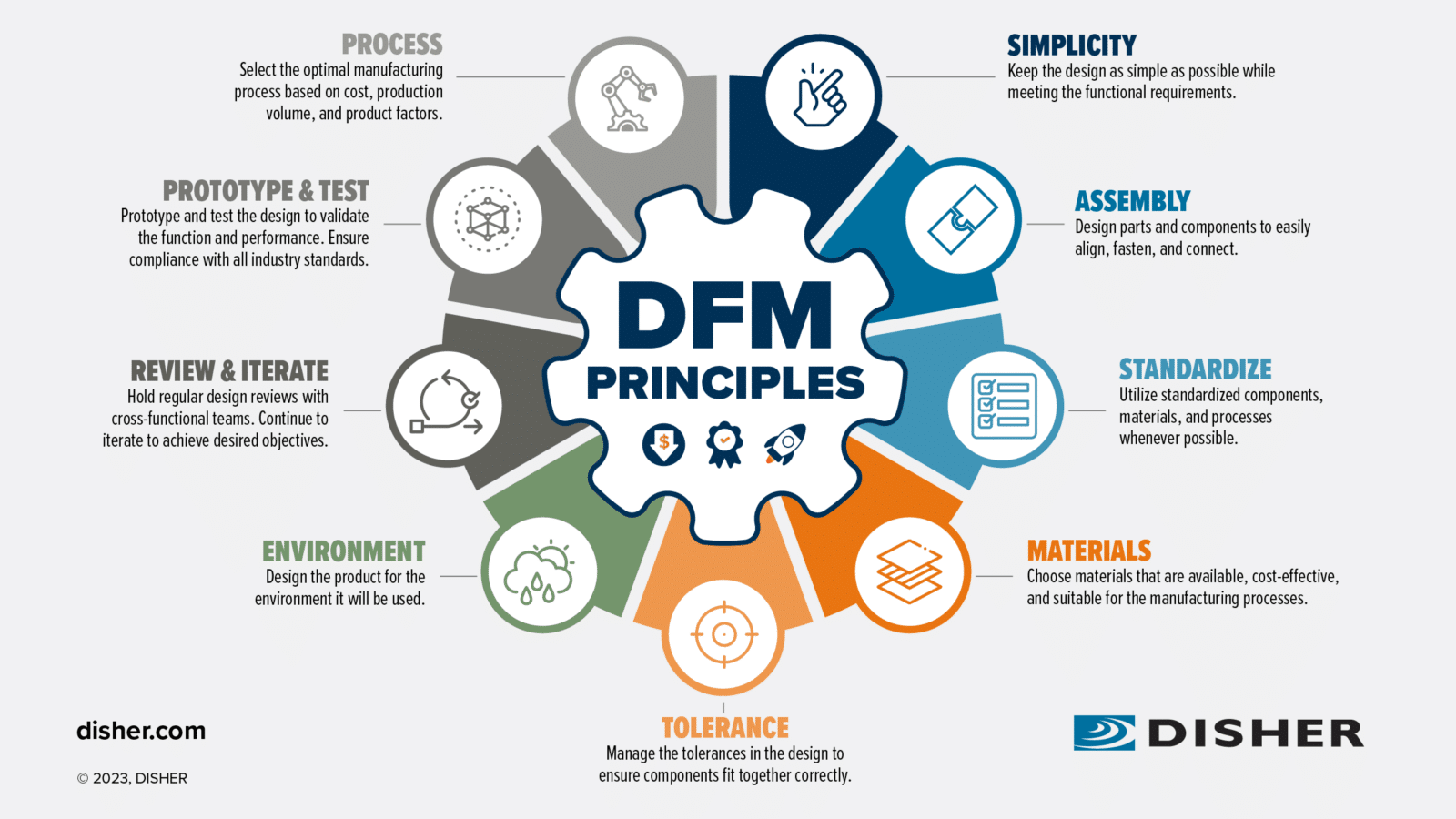
Before machining begins, 10+ engineering experts review your CAD for manufacturability, tolerance stack-up and parting-line optimization. Every transportation plastic molded component then moves through a five-step QC flow — material spectral analysis, in-process monitoring, CMM verification, surface integrity and final FAI.
- DFM feedback from 10+ precision-tooling engineers before production
- Five-step QC: material analysis, in-process monitoring, CMM, surface check, FAI documentation
- ISO 9001:2015 process control across machining, EDM, grinding and assembly
- Real-time tolerance monitoring on Fanuc CNC and Beijing Jingdiao electrode centers
Dual-Factory Speed & Capacity
With a 2,000 m² Dongguan R&D and micro-machining center plus a 1,400 m² Quanzhou volume-production facility, XUXIANG delivers samples in 3–7 days and mass production in 15–25 days — roughly 30% faster than industry average, with +200% capacity since 2025.
- Dual factories: Dongguan (R&D + micro-machining) + Quanzhou (volume production)
- 3–7 day sample lead time; 15–25 day mass-production turnaround
- ~30% faster delivery than typical mold-component suppliers
- 24-hour quote response with detailed DFM notes and material recommendations
XUXIANG vs. Typical Transportation Plastic Molded Components Suppliers
Verifiable equipment, tolerances and systems that separate precision-grade tooling from commodity mold shops.
← 左右滑动查看 →
How XUXIANG Manufactures Transportation Plastic Molded Components — From CAD to Certified Shipment
Every project follows a six-step engineering and quality-control flow designed to eliminate tolerance failure and delivery delay. DFM review, precision machining, multi-point validation and full FAI documentation are standard — not optional.
DFM & Design Review
10+ engineering experts analyze your CAD files for manufacturability, tolerance feasibility and cost optimization before tooling begins. Feedback typically returned within 24 hours.
Tooling & Electrode Fabrication
Precision electrodes machined on Beijing Jingdiao CNC to +/-0.002 mm; mold bases and inserts prepared on Fanuc-class CNC and Dawn grinding centers.
EDM & CNC Machining
Sodick and Seibu slow-wire EDM achieve +/-0.002 mm positioning; Mitsubishi mirror EDM delivers Ra 0.1 µm finishes; final CNC holds +/-0.001 mm tolerances.
Multi-Step Quality Control
Five-phase QC: material spectral analysis, in-process tolerance monitoring, ZEISS MICURA CMM verification to 0.7 µm, surface-integrity checks and dimensional sign-off.
FAI & Material Certification
Full First Article Inspection report with dimensional data, surface-finish measurements, material certificates and traceability documentation packaged with every shipment.
Packing & Logistics
Parts cleaned, individually protected and packed to ISO 9001:2015 standards. Coordinated shipping from Dongguan or Quanzhou facilities ensures on-time delivery worldwide.
How to Order Transportation Plastic Molded Components from XUXIANG
From CAD submission to certified delivery, our five-step process ensures micron-stable precision, transparent communication and on-time shipment for every project.
Submit CAD and Technical Requirements
Upload your 3D files, drawings and specifications. Our engineering team reviews material, tolerance and production-volume requirements to scope your transportation plastic molded components project.
Receive DFM Feedback and Quote
Within 24 hours, 10+ precision engineers deliver Design-for-Manufacturability recommendations, tooling feasibility analysis and a detailed quote with lead times and pricing.
Approve Samples in 3–7 Days
We machine first-article samples on Sodick slow-wire EDM and Fanuc CNC, validate dimensions with ZEISS MICURA CMM and ship with inspection reports for your approval.
Confirm Production Order
Lock in your quantity, delivery schedule and any custom finishing. ISO 9001:2015 controls govern every stage from material sourcing through final EDM surface finishing.
Receive FAI and Material Certificates
Your transportation plastic molded components ship with full First Article Inspection documentation, material spectral analysis and dimensional reports—typically 15–25 days after order confirmation.
Certifications & Quality Standards for Transportation Plastic Molded Components


Customer Outcomes — Transportation Plastic Molded Components Precision Delivered
XUXIANG’s transportation plastic molded components for our NEV battery management system achieved +/-0.002 mm on every dimension. We cut rejection rates from 4.1% to zero and launched production 8 days ahead of schedule.
Their micro-connector tooling for 5G infrastructure modules held 0.003 mm positional tolerance across 12,000-cycle validation. We achieved first-article approval in one submission and reduced our sampling window by 40%.
We needed mirror-finish EDM cores for industrial sensor housings with Ra 0.12 µm. XUXIANG delivered in 18 days—5 days faster than quoted—with full CMM reports and material certs. Zero rework, immediate production release.
FAQ — Transportation Plastic Molded Components & Sampling
What is the minimum order quantity for transportation plastic molded components?
How quickly can I receive sample transportation plastic molded components?
Do you charge for sampling, and is the cost refundable?
What are typical lead times for bulk production of transportation plastic molded components?
What payment terms does XUXIANG offer for mold component orders?
How does XUXIANG protect my intellectual property and design files?
How fast will I receive a quote for custom transportation plastic molded components?
Can you guarantee +/-0.001 mm tolerances on all transportation plastic molded components?
Do you provide material traceability and certificates for regulated industries?
The Complete Buyer’s Guide to Transportation Plastic Molded Components
Navigate supplier selection with confidence. This guide delivers a proven decision framework, critical quality criteria, material comparisons, and the five most costly mistakes procurement teams make when sourcing transportation plastic molded components.
1. What Are Transportation Plastic Molded Components?
Transportation plastic molded components are precision-engineered polymer parts designed for automotive, rail, aerospace and marine applications, where dimensional stability, weight reduction and design complexity converge. Modern transport platforms integrate these components to achieve 20–40% weight savings over equivalent metal assemblies, directly improving fuel economy, range (in NEVs) and payload capacity.
Typical applications span interior trim panels, under-hood air-intake manifolds and thermal shields, electrical connector housings for powertrain and ADAS sensors, structural brackets and mounting clips, and multi-material sealing systems. Injection-molded plastics enable geometries — thin walls, integrated snap-fits, over-molded seals — that would require multi-part metal fabrication, reducing assembly steps and total cost.
Plastics have displaced stamped steel and die-cast aluminum in many transport sectors because they resist corrosion, dampen vibration, permit complex surface textures in a single shot, and tolerate tighter packaging around electronics. XUXIANG holds +/-0.001 mm machining accuracy on mold cores that produce connector housings and sensor brackets, ensuring repeatable part-to-part fit across million-cycle production runs.
2. Evolution of Transportation Plastic Molded Components
The 1973 oil crisis triggered the first wave of metal-to-plastic substitution in automotive manufacturing, as OEMs sought to cut vehicle weight by 10–15% to meet new fuel-economy mandates. ABS and polycarbonate entered dashboards, instrument panels and interior trim by the late 1970s, reducing part weight by up to 50% versus steel while enabling complex geometries impossible with stamping.
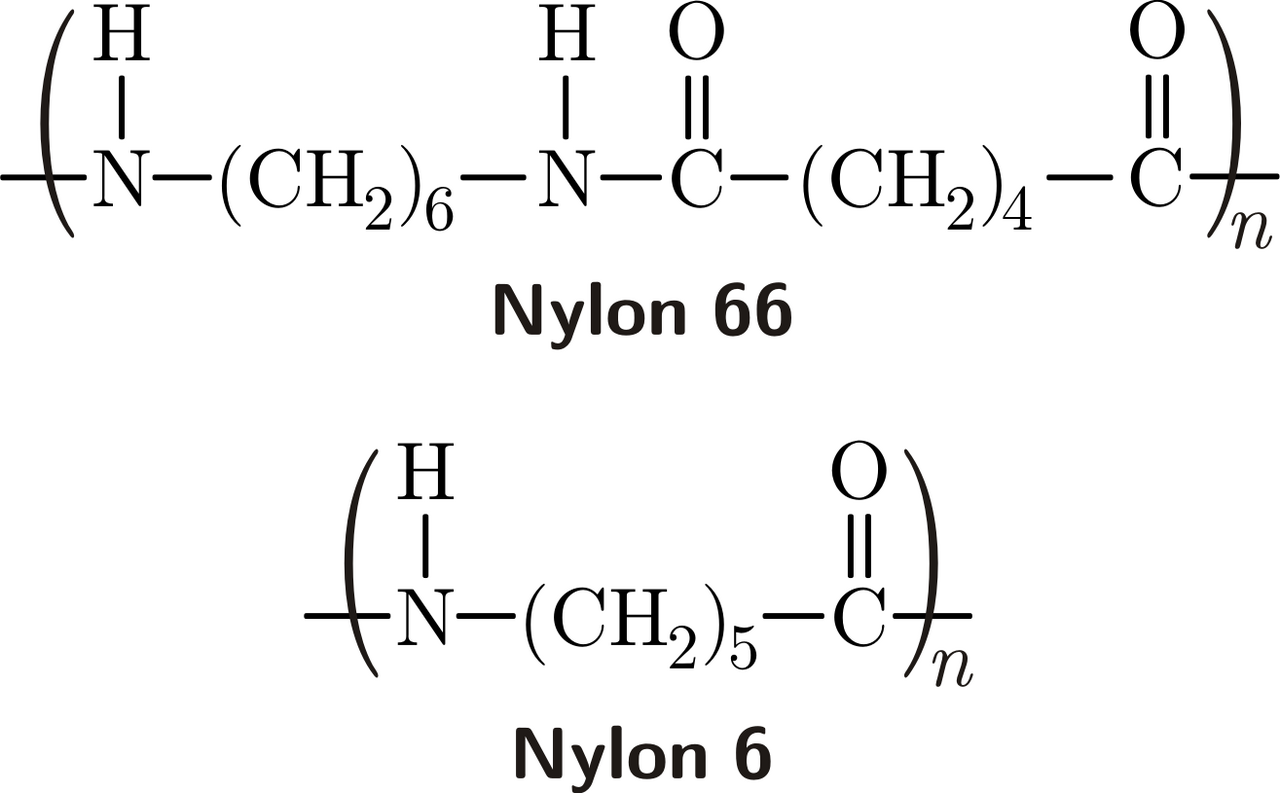
Glass-fiber reinforced polymers gained traction in the 1980s for semi-structural applications — door panels, seat frames and under-hood covers — delivering specific strength comparable to aluminum at lower tooling cost. By the 1990s, nylon 6/6 and PBT compounds were standard in connectors, sensors and underbody brackets, driven by tightening emissions regulations in the EU and North America.
Carbon-fiber composites and bio-based polyamides have accelerated since 2010, particularly in electric-vehicle battery enclosures and lightweighting programs targeting sub-1,500 kg curb weights. Regulatory CO₂ targets below 95 g/km in the EU and Corporate Average Fuel Economy standards in the U.S. now make transportation plastic molded components essential to compliance, not optional.
3. Types of Transportation Plastic Molded Components
Transportation plastic molded components span five functional categories, each with distinct tolerance, material and performance demands. Understanding these groups helps procurement teams specify the right tooling, process controls and validation protocols from day one.
Interior Trim and Aesthetic Components

Dashboards, door panels and center consoles require Class A surface finishes, tight color matching and dimensional stability across -40 to +85°C. Typical tolerances run +/-0.10 to +/-0.25 mm; XUXIANG mirror-grade EDM (Ra 0.1 µm) and ZEISS CMM validation ensure fit and gloss consistency for high-volume cabin assemblies.
Under-Hood and Powertrain Parts
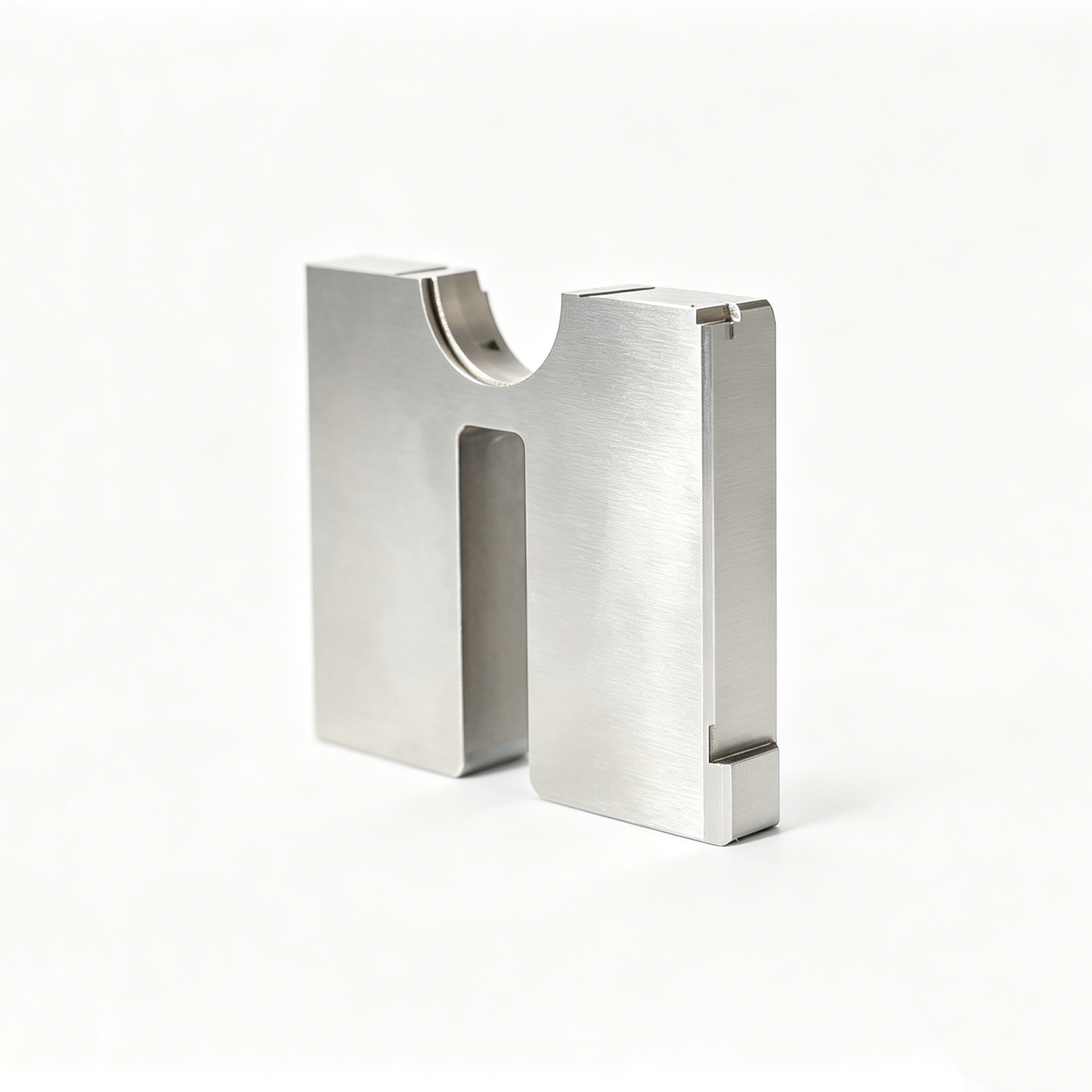
Air intake manifolds, coolant reservoirs and engine covers face continuous thermal cycling, chemical exposure and vibration. Glass-fiber reinforced PA or PPS is common; tolerances tighten to +/-0.05 mm on sealing surfaces. XUXIANG’s +/-0.001 mm machining accuracy supports leak-proof core inserts for high-pressure fluid systems.
Electrical and Connector Housings
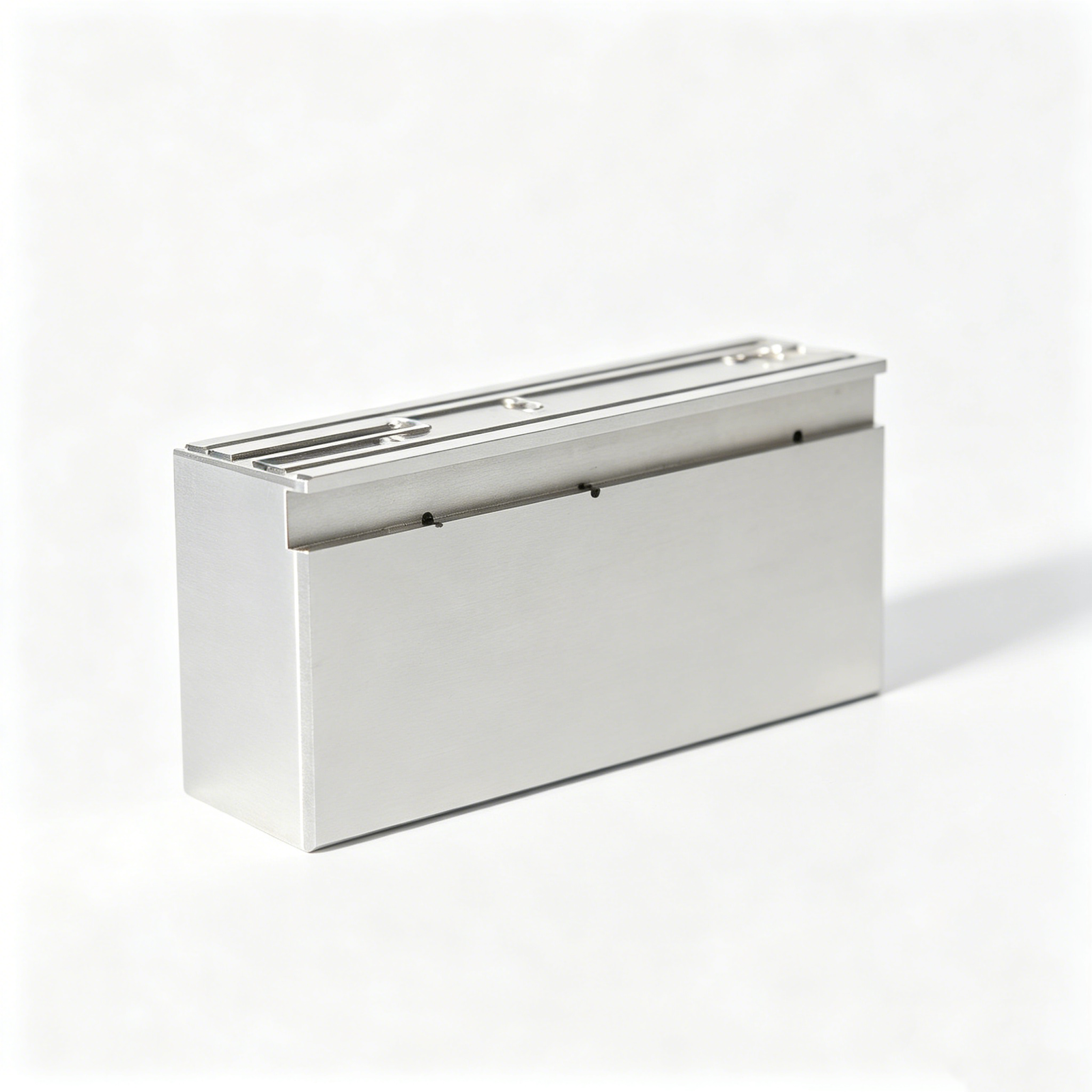
Wiring-harness connectors and sensor housings demand micro-pin alignment (+/-0.02 mm), flame ratings (UL 94 V-0) and IP67+ sealing. XUXIANG’s slow-wire EDM holds +/-0.002 mm positioning and corner radii ≤R0.015 mm, critical for high-density terminal tooling in NEV battery-management and ADAS applications.
4. Materials for Transportation Plastic Molded Components
Material selection for transportation plastic molded components directly impacts part performance, tooling complexity and cycle economics. Engineering thermoplastics span a wide range of mechanical, thermal and chemical properties, each driving specific mold-design decisions — from gate sizing and cooling-channel geometry to ejection force and cycle time.
| Material | Tensile (MPa) | HDT (°C) | Impact | Chem. Resist. | Typical Application |
|---|---|---|---|---|---|
| ABS | 40–50 | 95–105 | High | Moderate | Interior trim, consoles, bezels |
| PC | 60–70 | 130–145 | Very high | Good | Lenses, instrument panels, glazing |
| PC/ABS | 50–60 | 110–125 | High | Good | Structural housings, brackets |
| PP | 30–40 | 100–110 | Moderate | Excellent | Battery trays, ducting, clips |
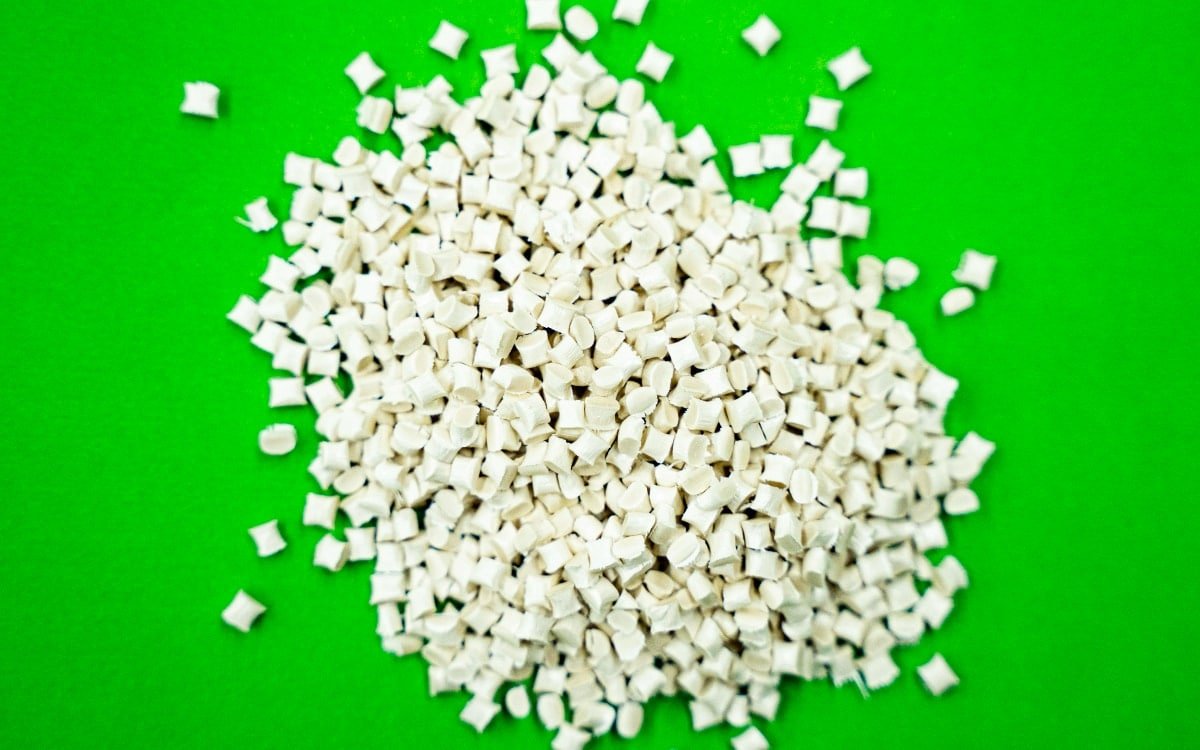
| PA6/PA66 | 70–85 | 75–90 (dry) | Moderate | Good | Under-hood connectors, cable ties |
| GF-PA (30%) | 140–160 | 220–240 | Moderate | Excellent | Powertrain mounts, sensor housings |
| PBT | 50–60 | 150–200 | Moderate | Excellent | Electrical connectors, relays |
| PPS | 75–85 | 260+ | Low | Excellent | High-temp sensors, fuel systems |
| PEEK | 90–100 | 315+ | Moderate | Excellent | Aerospace brackets, extreme duty |
5. Customization and Surface Finishing Options
Surface finishing transforms functional transportation plastic molded components into production-ready parts that meet Class-A appearance standards, enhance durability, and integrate multi-material assemblies. Each process introduces distinct cost, lead-time, and MOQ implications that procurement teams must evaluate during the design phase.
| Finish Type | Durability (Years) | Cost Multiplier | Common Applications |
|---|---|---|---|
| EDM Texture | Mold life (1M+ shots) | 0× per part | Interior trim, dashboards |
| Class-A Paint | 5–7 | 1.5–2× | Exterior body panels, bezels |
| Insert Molding | 10+ (metal) | +10–15% mold | Sensor housings, terminal blocks |
| Overmolding (TPE) | 3–5 | +20–40% cycle | Grips, seals, vibration mounts |
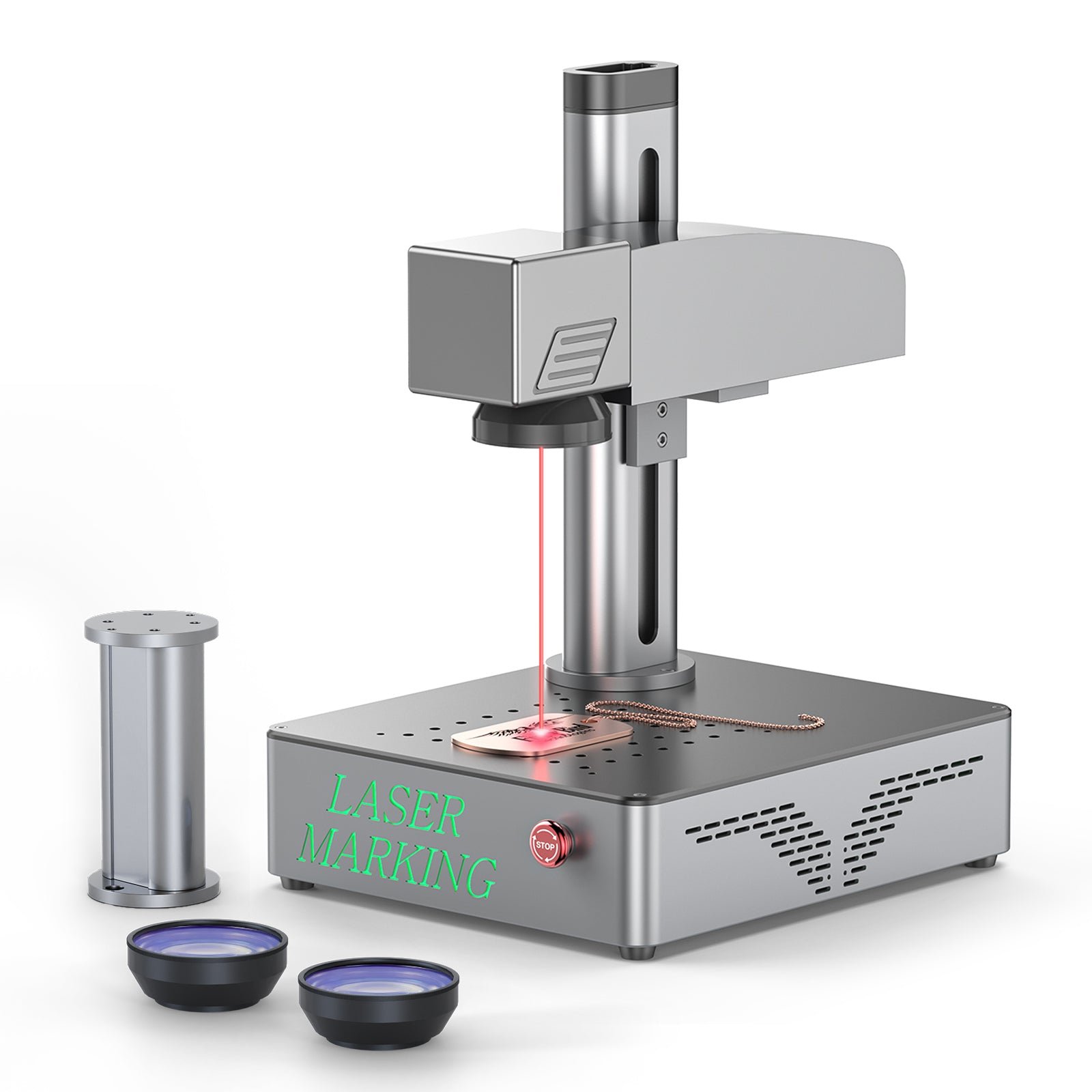
| Laser Etching | Permanent | <0.1× | Serial numbers, compliance marks |
| IMD/IML | 5+ | 1–3 USD/part | Control panels, branded badges |
Texturing and Aesthetic Finishes
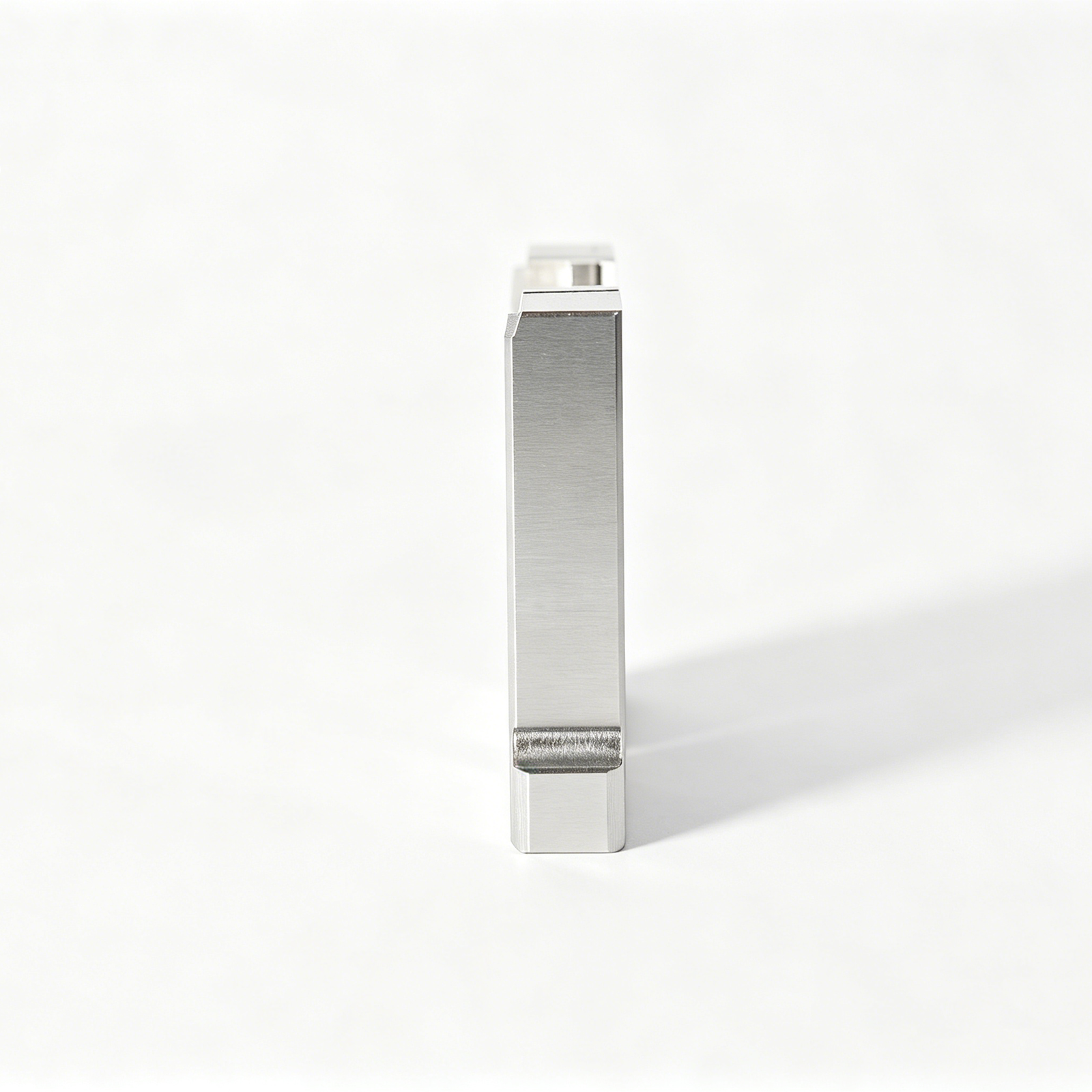
EDM-applied textures — grain, leather, carbon-fiber patterns — are etched directly into mold cavities at depths of 0.03–0.15 mm, eliminating secondary operations. Mirror finishes down to Ra 0.1 µm are achievable through precision electrode machining and sinker EDM.
Texturing adds 5–10 days to mold fabrication but carries no per-part cost. Grain depth affects draft angles and ejection force, requiring DFM review to prevent sink marks or surface defects in high-cycle production.
Painting, Coating, and UV Protection
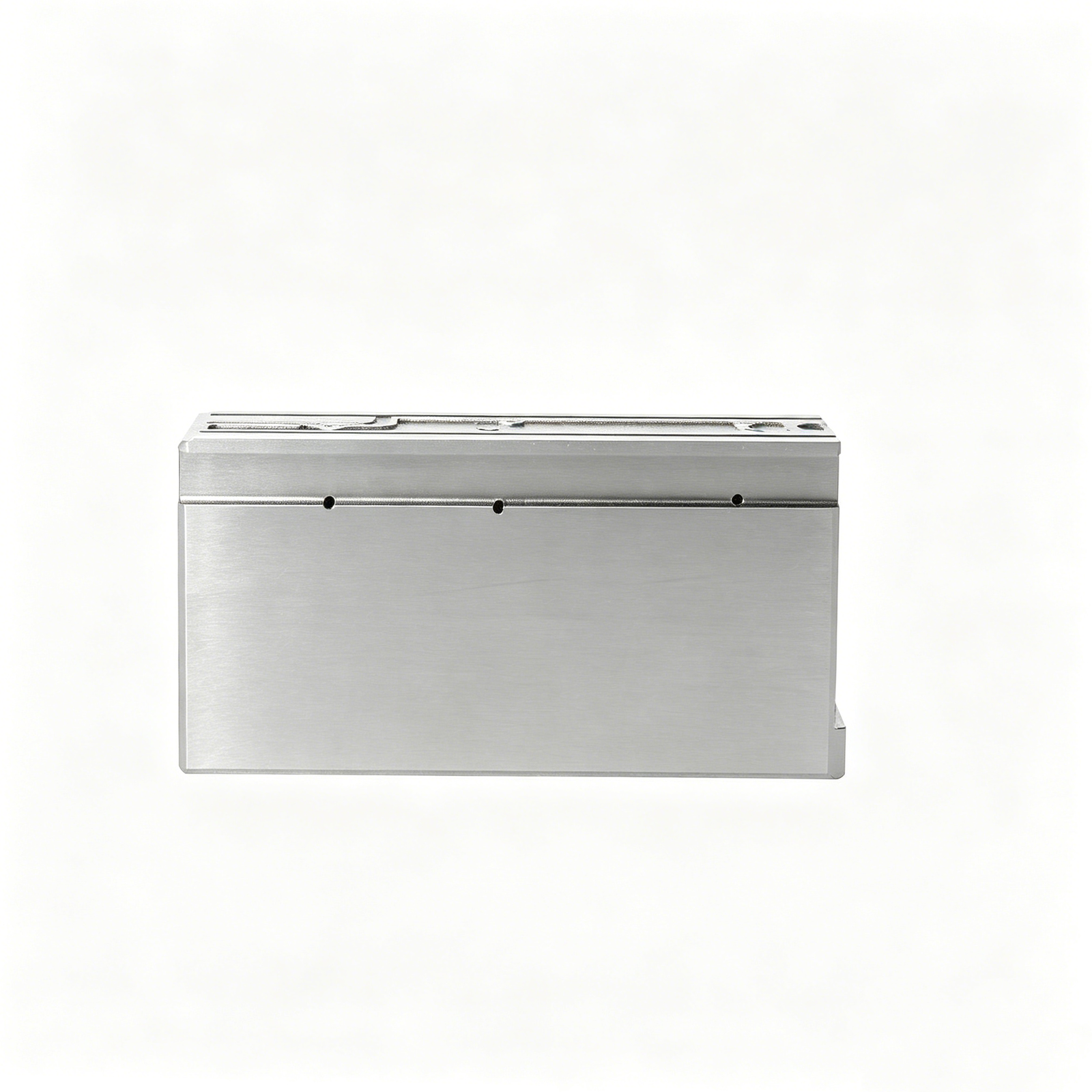
Class-A automotive finishes require multi-layer processes: primer, base coat, and clear coat, each with 2–4 hour cure cycles. UV-resistant topcoats extend outdoor service life to 5+ years in direct sunlight.
Painting typically adds 1.5–2× to part cost and 7–10 days to lead time. MOQs rise to 500–1,000 pieces to amortize masking fixtures and color-match validation.
Insert Molding and Overmolding
Insert molding encapsulates threaded brass inserts, steel pins, or terminal contacts in a single shot, eliminating press-fit assembly. Overmolding bonds TPE or silicone to rigid substrates for soft-touch grips and vibration damping.
Insert tooling adds 10–15% to mold cost; overmolding requires two-shot or rotary-platen machines. Cycle times increase 20–40%, but assembly labor drops to zero.
Laser Etching, Hot Stamping, and IMD
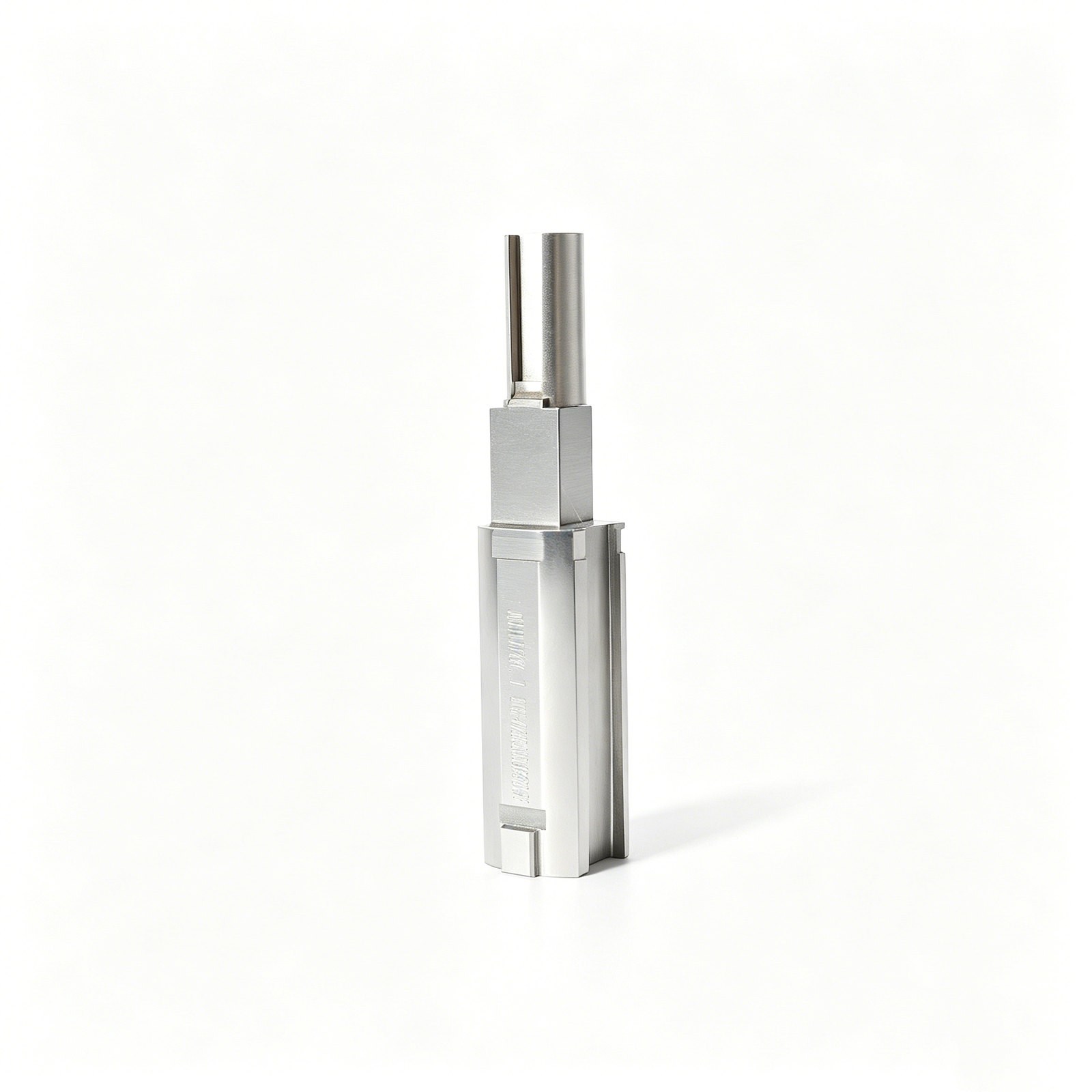
Laser etching delivers permanent, high-contrast serial numbers and logos with 0.05 mm line width, no consumables, and <3 second cycle time. Hot stamping applies metallic foil for brand badges. In-mold decoration (IMD/IML) laminates printed films during molding for scratch-resistant graphics.
Laser systems add minimal per-part cost; hot stamping adds 0.3–0.5× per part. IMD film costs 1–3 USD per piece but eliminates painting, reducing total finishing time by 40%.
6. Key Quality and Performance Criteria
Specifying transportation plastic molded components demands verifiable performance thresholds, not supplier promises. Every criterion — dimensional tolerance, surface integrity, material certification and environmental durability — directly governs field reliability in automotive, rail and aerospace applications.
Dimensional Tolerance and Fit
Connector housings and sensor enclosures require +/-0.001 mm tolerances to ensure mating repeatability and seal integrity; structural brackets and trim accept +/-0.05 mm. XUXIANG validates every critical dimension on a ZEISS MICURA CMM (0.7 µm resolution) and issues FAI reports with measured data. Loose tolerances cause vibration-induced wear, water ingress and connector dropout under thermal cycling.
Surface Finish and Class-A Standards
Interior visible parts demand Ra ≤0.2 µm (Class-A mirror finish) to eliminate light scatter and maintain brand perception; underhood housings accept Ra 0.8–1.6 µm. XUXIANG’s mirror-grade EDM achieves Ra 0.1 µm on core surfaces, eliminating post-mold polishing. Poor finish traps contaminants and accelerates UV degradation in exterior applications.
Material Traceability and Certifications
Request UL yellow-card certification, REACH and RoHS compliance, and IATF 16949 traceability for every resin lot. XUXIANG provides material certificates and spectral analysis for each batch, linking part serial numbers to supplier mill reports. Missing traceability voids warranty claims and blocks automotive production audits.
Environmental and Mechanical Testing
Specify UL94 V-0 flame retardancy for cabin components, salt-spray resistance (ASTM B117, 1,000+ hours) for exterior hardware, and thermal-cycle endurance (-40 to +85 °C, 500 cycles minimum). XUXIANG coordinates third-party testing and archives results for audit. Skipping aging tests guarantees field failures within warranty periods.
7. How to Choose a Transportation Plastic Molded Components Manufacturer
Selecting the right partner for transportation plastic molded components requires a systematic evaluation of certifications, technical capabilities and supply-chain resilience. Five critical checkpoints separate precision-grade manufacturers from commodity shops.
Verify Certifications and Compliance
IATF 16949 is the baseline for automotive and NEV tooling; ISO 9001:2015 governs general quality systems. Medical-transport devices (ambulance monitors, portable diagnostic housings) require ISO 13485. XUXIANG holds ISO 9001:2015 across both facilities, ensuring traceability and process control for every transportation plastic molded components project.
Assess In-House Capabilities
Full-service shops consolidate mold design, EDM tooling, injection molding, CNC finishing and assembly under one roof, eliminating handoff delays. XUXIANG integrates Sodick/Charmilles EDM, Beijing Jingdiao CNC and Dawn grinding centers to deliver +/-0.001 mm machining accuracy, enabling single-source accountability from CAD to first article.
Review Quality Control Systems
CMM inspection (ZEISS MICURA at 0.7um repeatability), Nikon toolmaker’s microscopes and in-process SPC distinguish precision manufacturers. XUXIANG’s five-step QC flow—spectral analysis, in-process monitoring, CMM verification, surface checks and FAI documentation—validates every dimension before shipment.
Evaluate Supply-Chain Resilience
Dual-sourcing of engineering resins, geographic redundancy and lead-time guarantees protect against disruption. XUXIANG’s 2025 Quanzhou expansion adds 1,400 m² and targets 200% output growth, delivering roughly 30% faster turnaround than industry average.
Request Case Studies in Your Segment
Ask for documented projects in automotive OEM, Tier 1, rail or aerospace. XUXIANG supplies ADAS sensor housings, BMS/HV interconnect tooling and powertrain components to NEV and industrial-automation customers, backed by material certificates and dimensional FAI reports.
8. Common Mistakes When Sourcing Transportation Plastic Molded Components
Sourcing errors in transportation plastic molded components routinely add 20–40% to total program cost and push launch schedules by weeks. Most pitfalls stem from incomplete design reviews, unrealistic tolerances or poor supplier vetting — all preventable with disciplined procurement practices.
Specifying Tighter Tolerances Than Necessary
Calling for +/-0.01 mm on non-critical features can double tooling cost and extend cycle time by 15–25%. Reserve micron-class tolerances (+/-0.002 mm) for mating surfaces, seal grooves and connector pin pockets; general cosmetic walls tolerate +/-0.05 mm.
XUXIANG’s DFM team flags over-specified tolerances during pre-production review, recommending ISO 2768-m or -f where function permits and reserving ZEISS CMM validation for critical dimensions only.
Ignoring Material Shrinkage and Warpage
Glass-filled PA66 shrinks 0.3–0.8%, PP 1.5–2.5%; failing to compensate in CAD leads to out-of-spec parts at T0. Thin ribs, uneven wall thickness and abrupt transitions amplify warp, especially in long automotive housings.
Mitigation requires mold-flow simulation and shrinkage-adjusted core dimensions. XUXIANG applies material-specific compensation tables and conformal cooling to minimize differential shrinkage across complex geometries.
Underestimating Tooling Lead Time and Validation
Standard automotive connector tooling runs 8–12 weeks; micro-pin EDM inserts with +/-0.003 mm positioning add another 2–3 weeks for ZEISS verification. Skipping FAI or compressing validation invites field failures.
XUXIANG’s five-step QC flow — material spectral analysis, in-process monitoring, CMM verification, surface integrity and final FAI — typically completes 30% faster than industry average, yet buyers should budget 10–14 weeks gate-to-gate for precision programs.
Choosing the Lowest Quote Without Verifying Cpk
A 15% price advantage means little if the supplier cannot demonstrate Cpk ≥ 1.33 on critical dimensions. Low quotes often hide underspecified equipment, manual inspection or rework loops that erode delivery reliability.
Request CMM reports, process-capability studies and equipment lists (Sodick EDM, ZEISS or Mitutoyo CMM) before award. XUXIANG provides FAI documentation, material certificates and Cpk data as standard, ensuring traceability from first article through serial production.
Skipping Early DFM Reviews
Launching tooling from untested CAD files locks in draft angles, ejector-pin marks and parting-line flash that surface only at T1 sampling — adding 4–6 weeks of rework. Early DFM catches 70–80% of manufacturability issues before steel is cut.
XUXIANG’s 10+ engineering experts review every design for moldability, tolerance stack-up and material selection, returning marked-up models within 48–72 hours to prevent costly mid-program changes.
9. Pricing and Cost Drivers for Transportation Plastic Molded Components
Total cost of ownership for transportation plastic molded components divides into five elements: tooling, material, cycle time, post-processing and order volume. Tooling cost scales with cavity count (single-cavity versus 8+ cavity), mold complexity (lifters, sliders, conformal cooling) and steel grade (P20 versus H13 or S136 for corrosion resistance); a precision 4-cavity automotive connector mold typically runs USD 8,000–25,000, amortized across production runs. Material cost reflects resin grade (commodity PP versus engineering-grade PA66 GF30), glass-fill percentage (0–50%) and colorant or UV stabilizers; glass-reinforced nylon can cost 2–3× unfilled PP per kilogram.
Cycle time is driven by part geometry, wall thickness and cooling-channel design; conformal cooling can cut cycle time by 20–35%, lowering per-unit cost at volume. Post-processing — ultrasonic welding, laser marking, insert molding, CMM validation — adds USD 0.02–0.50 per part depending on complexity. Tolerance stack-up below +/-0.05 mm typically requires EDM finishing and ZEISS-class inspection, raising tooling cost by 15–30% but ensuring fit and function in safety-critical assemblies.
| Order Quantity | Unit Price Range (USD) | Tooling Amortization | Typical Lead Time |
|---|---|---|---|
| 1,000 pcs | $2.50 – $8.00 | High impact per unit | 3–4 weeks |
| 10,000 pcs | $0.80 – $3.00 | Moderate spread | 4–5 weeks |
| 100,000 pcs | $0.25 – $1.20 | Minimal per-unit burden | 5–7 weeks |
10. Steps to Launch Your Transportation Plastic Molded Components Project
Launching transportation plastic molded components demands a phased approach that aligns engineering, tooling and production milestones. Each stage includes formal collaboration checkpoints with your supplier to catch design or process risks before they compound into cost or schedule overruns.
Concept and Feasibility
Begin with material selection against your load, temperature and regulatory matrix — PA6-GF30 for structural brackets, PC/ABS for interior trim, PPA-GF for under-hood sensors. XUXIANG’s DFM analysis identifies draft angles, wall-thickness transitions and gating locations that prevent warp or sink marks, typically within 48 hours of CAD upload.
Tooling Design and Approval
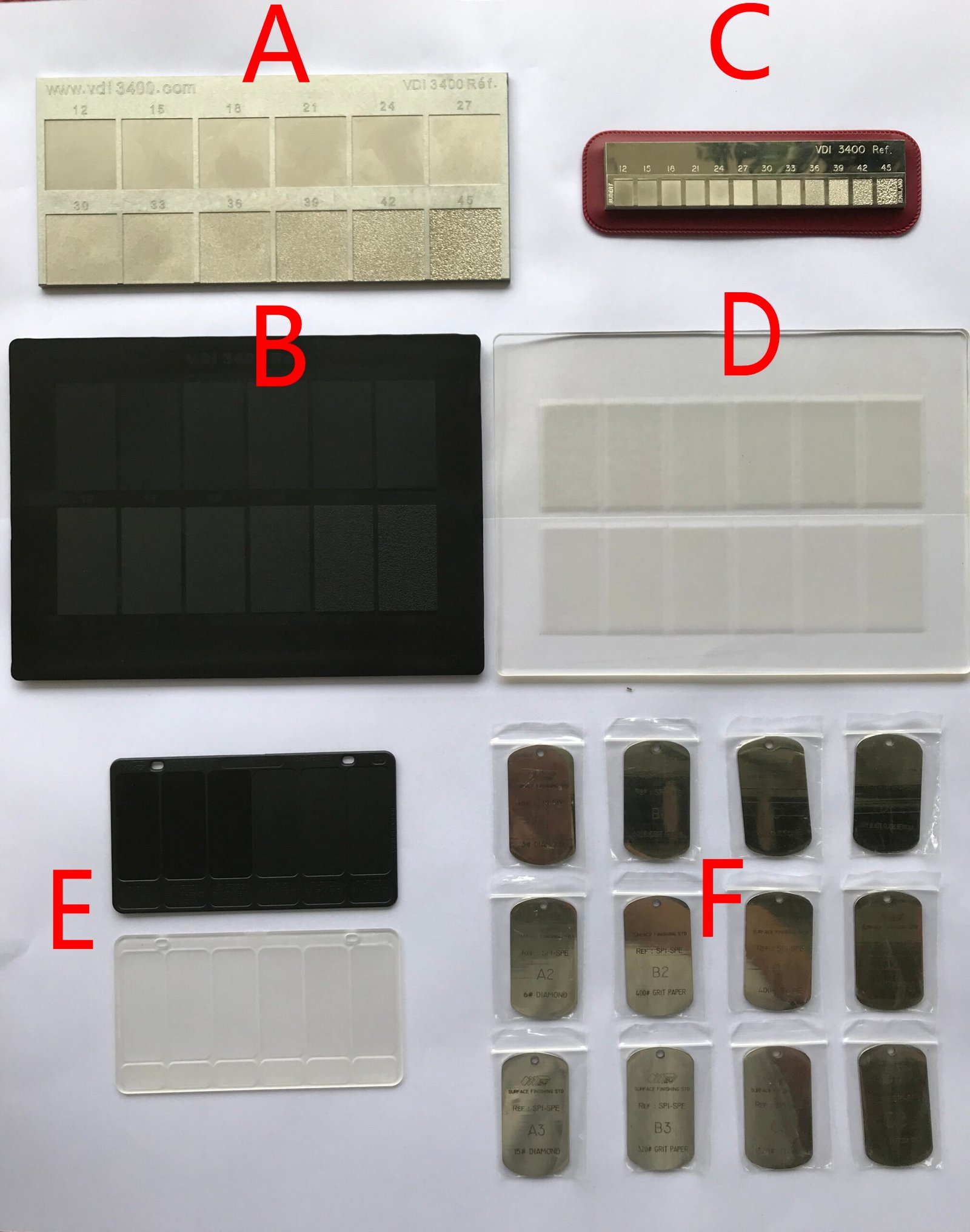
Mold-flow simulation predicts fill balance, weld-line position and cooling uniformity before steel is cut. T1 sample review validates cavity dimensions on a ZEISS MICURA CMM (0.7 µm resolution) and confirms surface finish meets Ra 0.1 µm mirror-grade or textured VDI 3400 requirements.
Prototype and Validation
Dimensional inspection verifies +/-0.002 mm tolerance on critical features. Environmental testing — thermal cycling, UV aging, vibration per ISO 16750 — confirms durability. OEM approval gates progression to pilot tooling and locks process parameters.
Pilot Run and Process Optimization
SPC setup monitors cavity pressure, melt temperature and cycle time across 300–500 shots. Cycle-time reduction through conformal cooling or optimized gate design can cut unit cost 10–15 percent without sacrificing quality.
Full-Scale Production and Continuous Improvement
Yield monitoring flags scrap trends in real time. Cost-down initiatives — material substitution, multi-cavity expansion or automation — are reviewed quarterly. ISO 9001:2015 audit trails and FAI documentation ensure traceability across every production batch.
Ready to Source Transportation Plastic Molded Components?
Get your quote in 24 hours. Samples ship in 3-7 days. ISO 9001:2015 certified precision with full FAI documentation and material certificates.