
Plastic Precision Machining Services — Micron-Stable Tolerances, 24-Hour Quotes
XUXIANG delivers plastic precision machining services held to +/-0.001 mm, backed by Sodick EDM, ZEISS CMM metrology, and quotes returned in 24 hours.
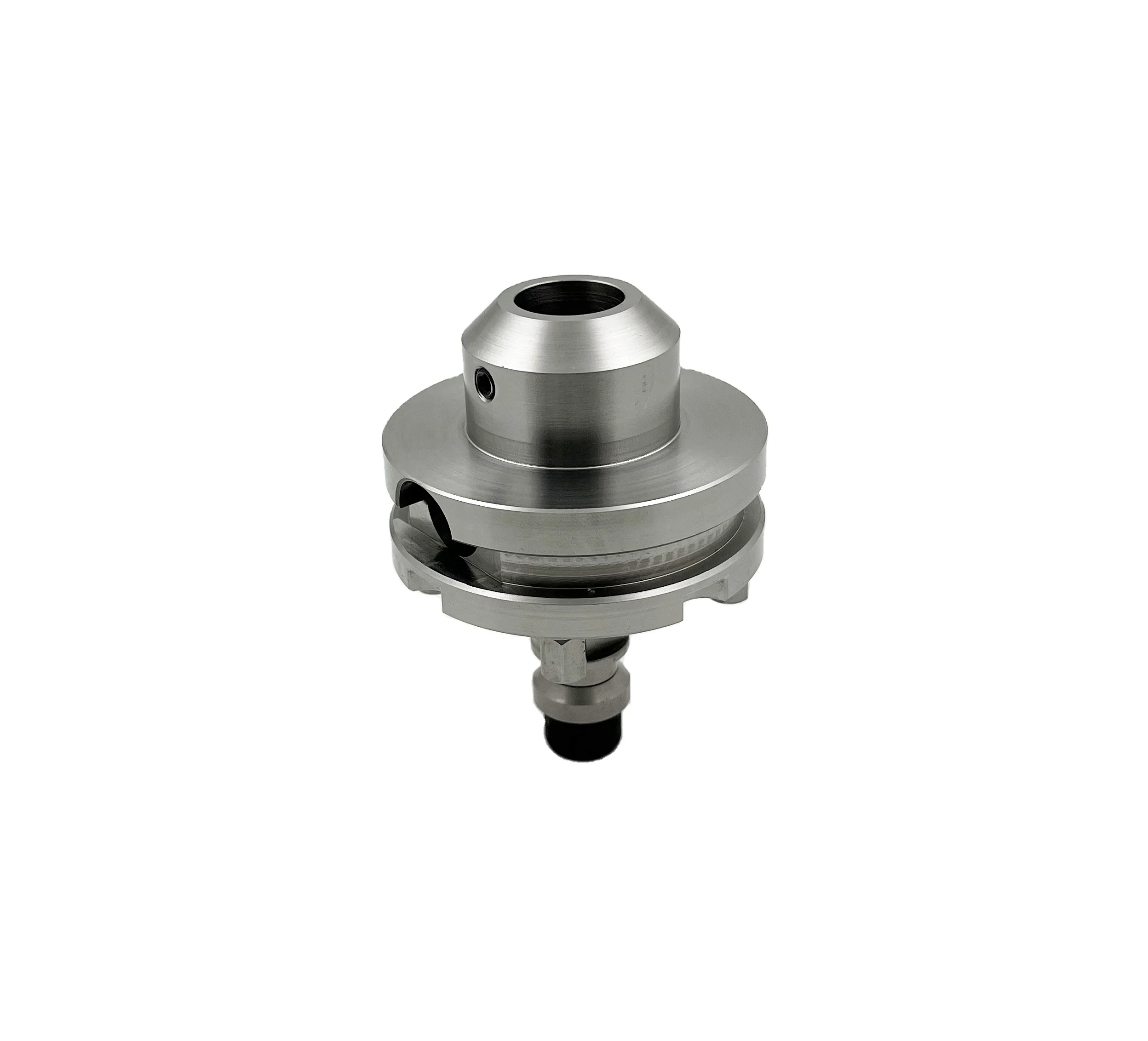
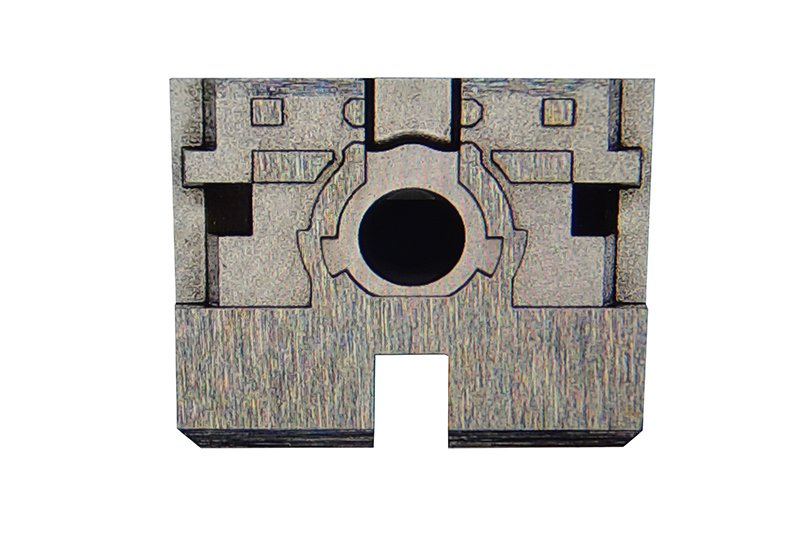
Precision Mold Components & Tooling Gallery

Why XUXIANG Plastic Precision Machining Services Win
+/-0.001 mm Machining Precision
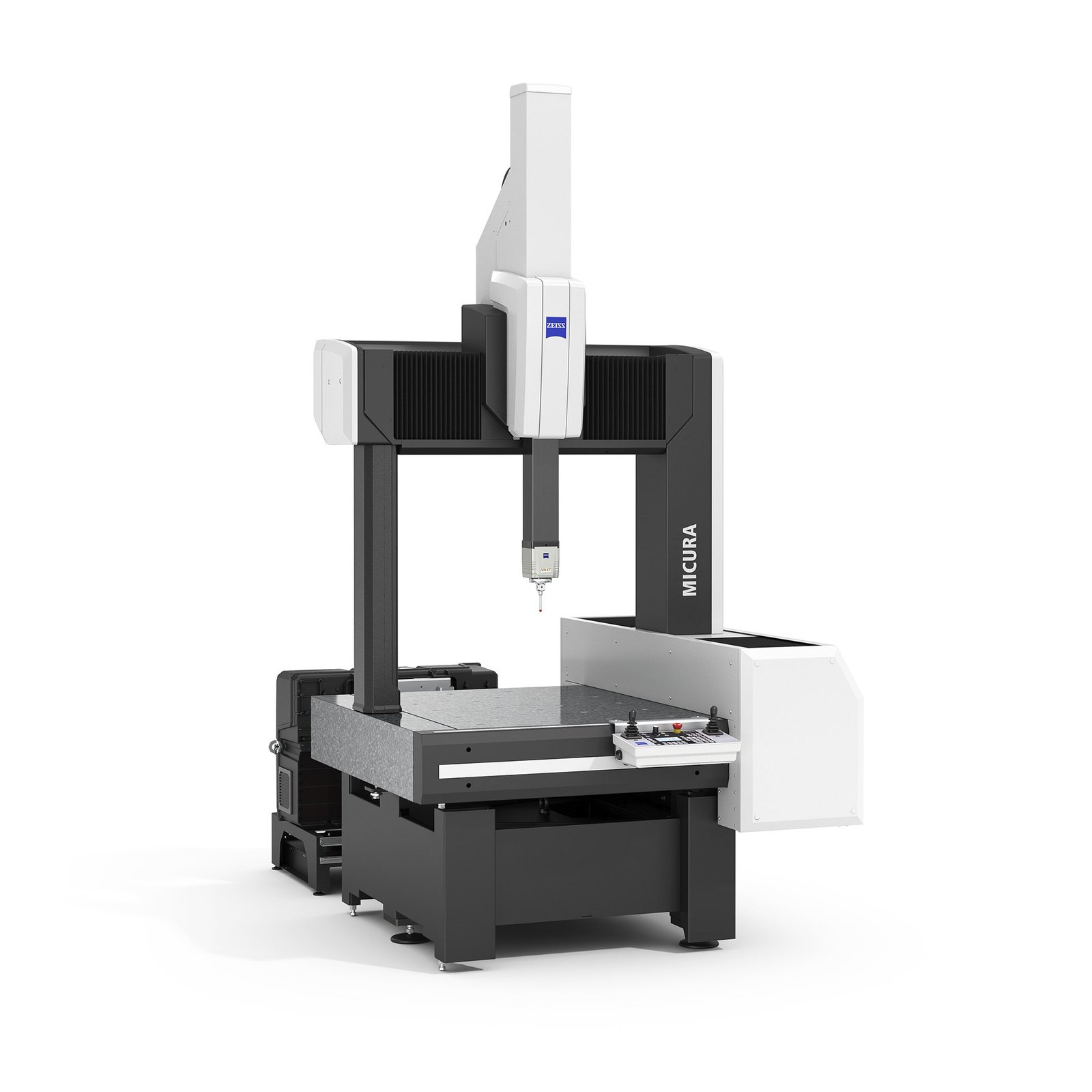
Maximum machining accuracy of +/-0.001 mm on slow-wire EDM and CNC, validated by ZEISS MICURA CMM measuring to 0.7um resolution.
Mirror-Grade EDM Surface Finish
Sodick and Mitsubishi mirror EDM deliver Ra 0.1um surface finish on mold cores, eliminating secondary polishing and reducing lead times.
ZEISS CMM Metrology Validation
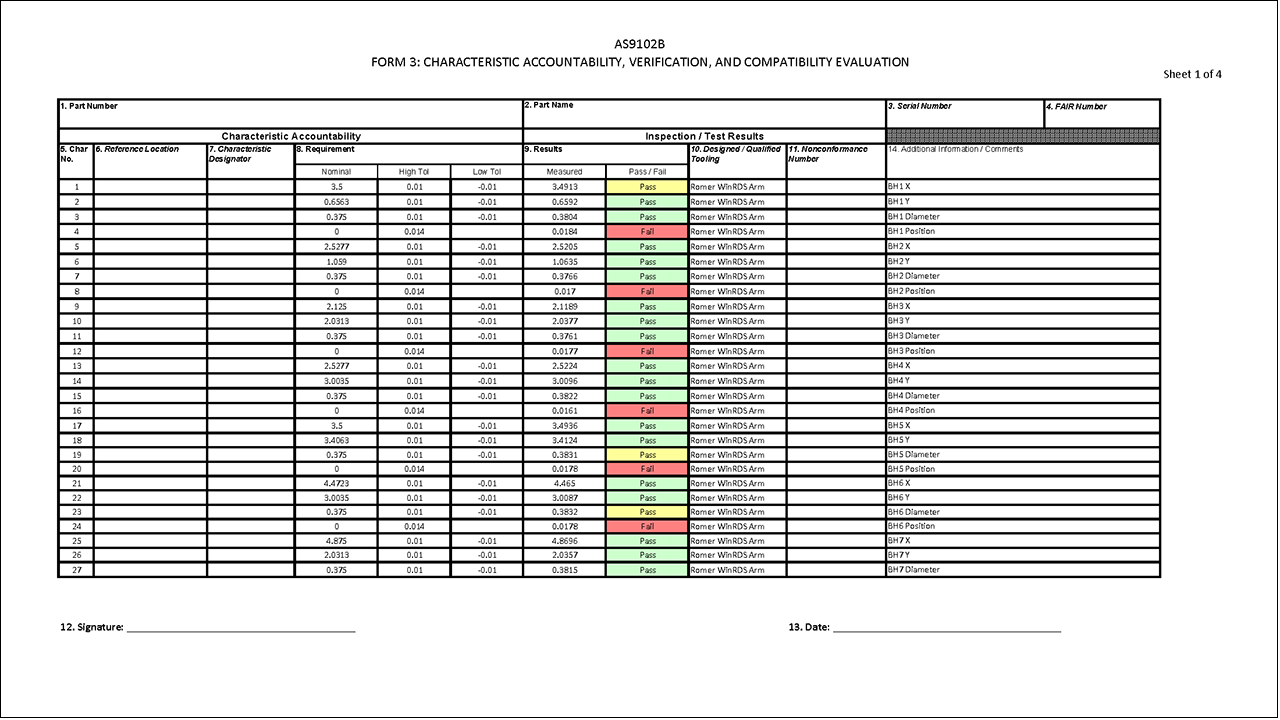
Every part verified with ZEISS MICURA CMM and Nikon toolmaker’s microscopes; full FAI reports and material certificates included with every shipment.
24-Hour Quote Turnaround
Upload your CAD files and receive a detailed quote within 24 hours, with DFM feedback from 10+ engineering experts before production starts.
Dual-Factory Production Capacity
Dongguan R&D facility plus Quanzhou volume plant totaling 3,400 m2, delivering 200% capacity increase and 30% faster delivery than industry average.
ISO 9001:2015 Quality System
16 years of precision-mold experience backed by ISO 9001:2015 certification, five-step QC flow, and spectral material analysis on every project.
Precision Machining Across Materials
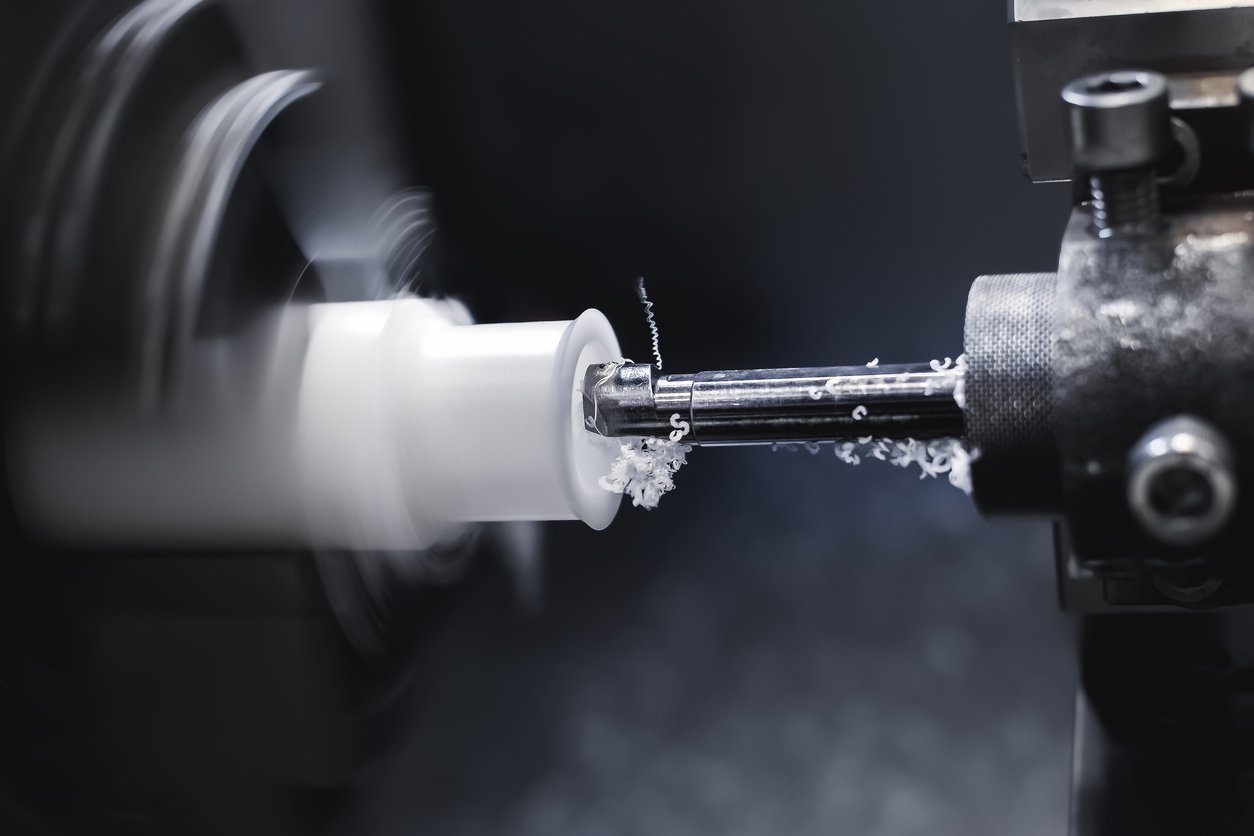
Precision Plastic Machining
Full-service CNC milling, turning and EDM for high-performance engineering plastics including POM, PA, PPS and PC. Ideal for low-wear inserts, jigs, prototype cores and non-conductive tooling fixtures. Tolerances to +/-0.001 mm, with DFM review and dimensional validation on ZEISS MICURA CMM before shipment.
Get a Quote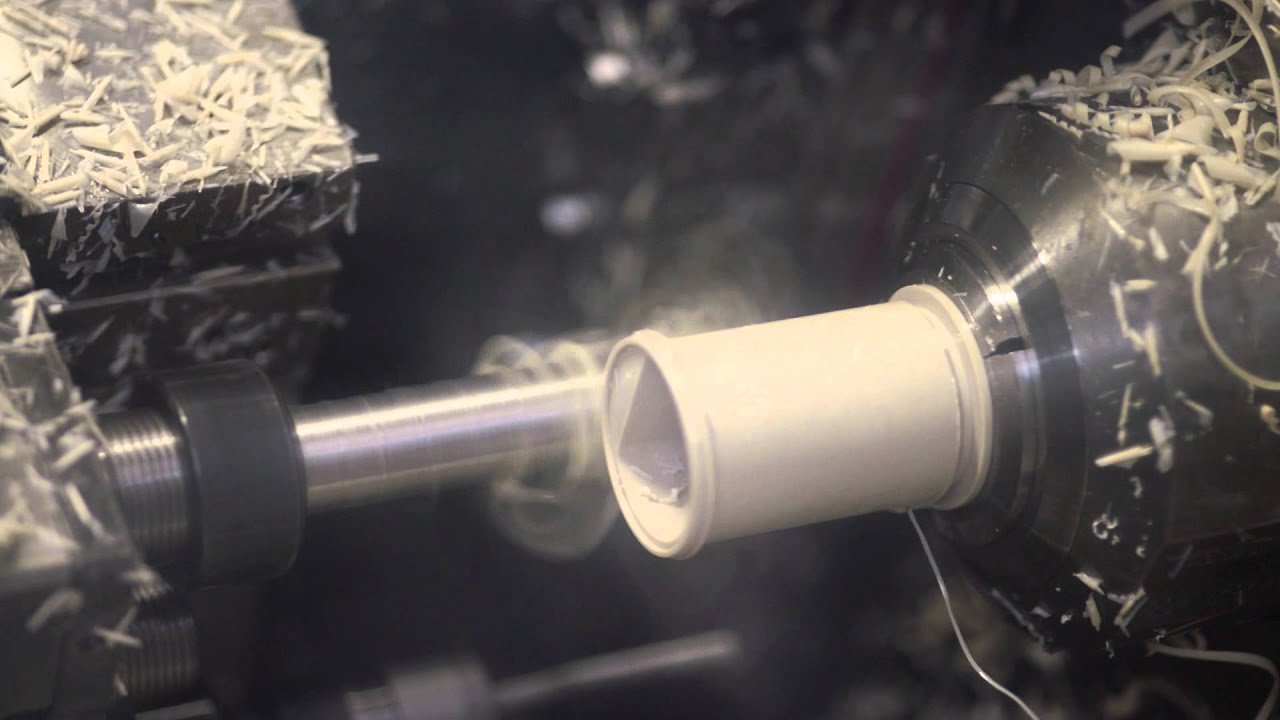
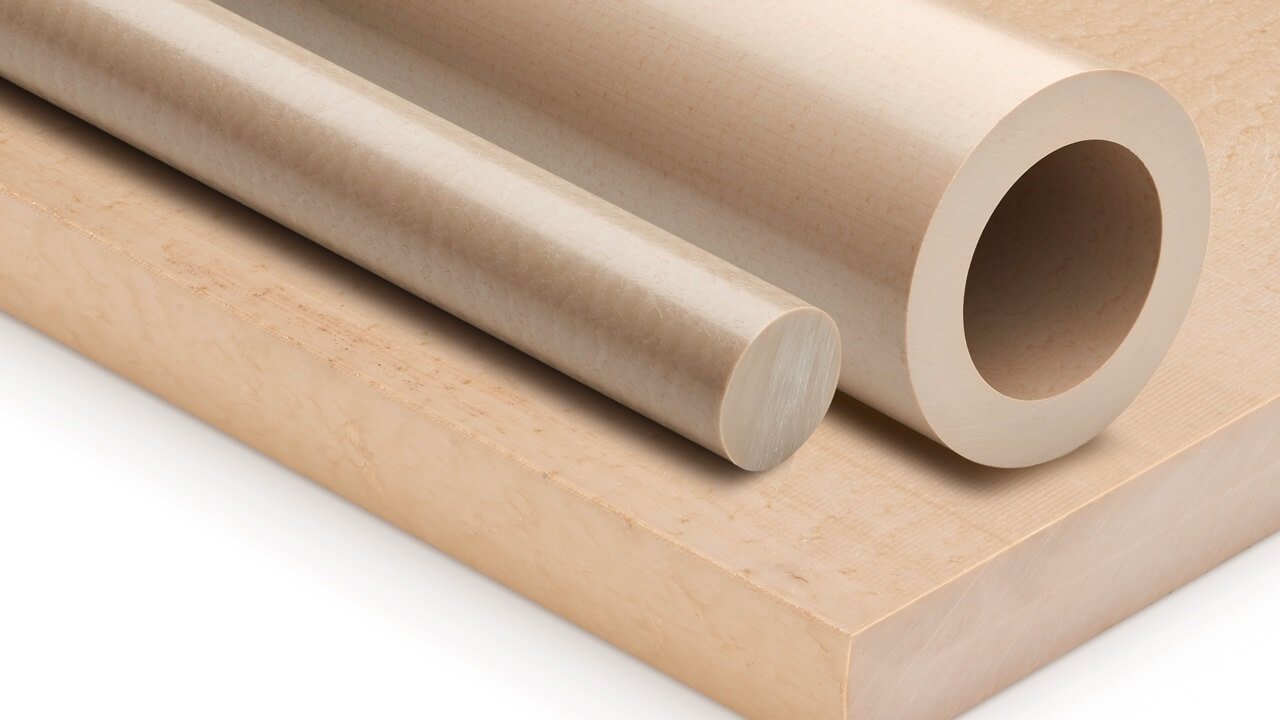
PEEK Machining
PEEK and modified PEEK machining for medical-device sterilization trays, semiconductor handling fixtures, aerospace bushings and high-temperature mold inserts. Fanuc CNC and precision grinding deliver +/-0.002 mm positional accuracy, Ra 0.4 µm surface finish, and full FAI documentation including material certificates for biocompatibility or flame-retardant grades.
Get a Quote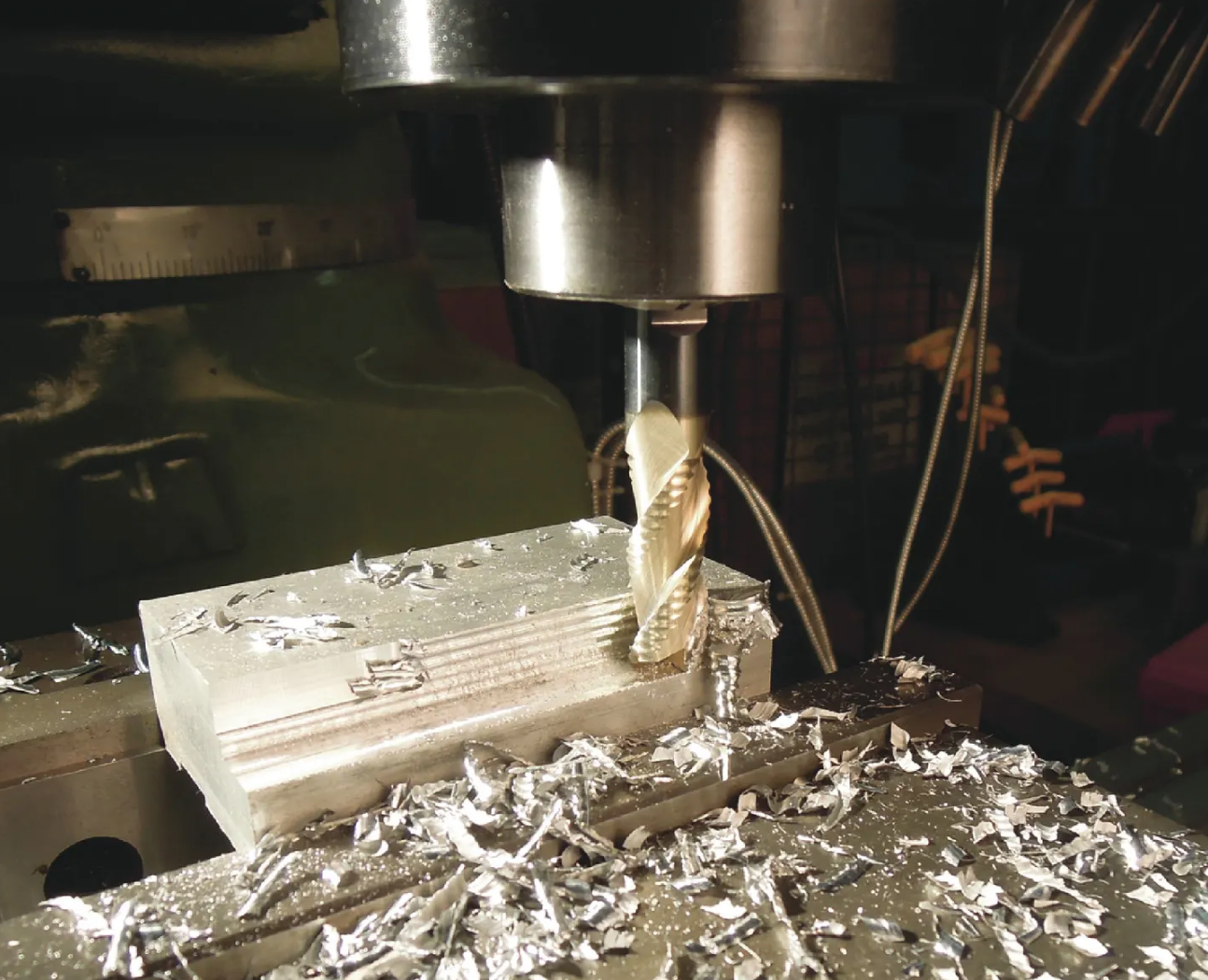
Aluminum Machining
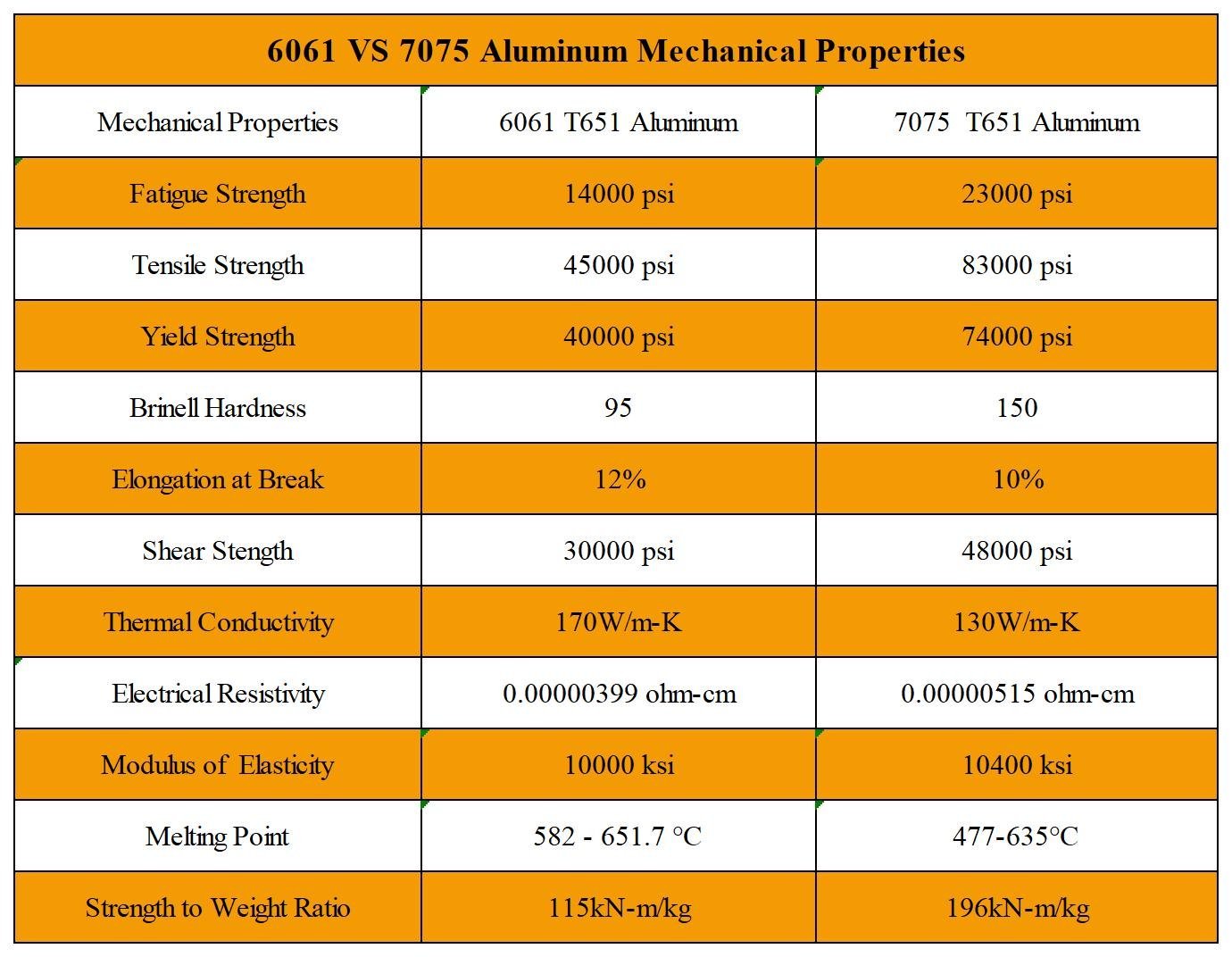
Precision aluminum milling and turning for automotive sensor housings, 5G heat sinks, robotics end-effector brackets and LED structural supports. 6061-T6, 7075-T6 and die-cast alloy A380 held to +/-0.005 mm, anodized or bead-blasted per specification. Lead time 3–7 days for prototypes, 15–25 days for volume runs.
Get a Quote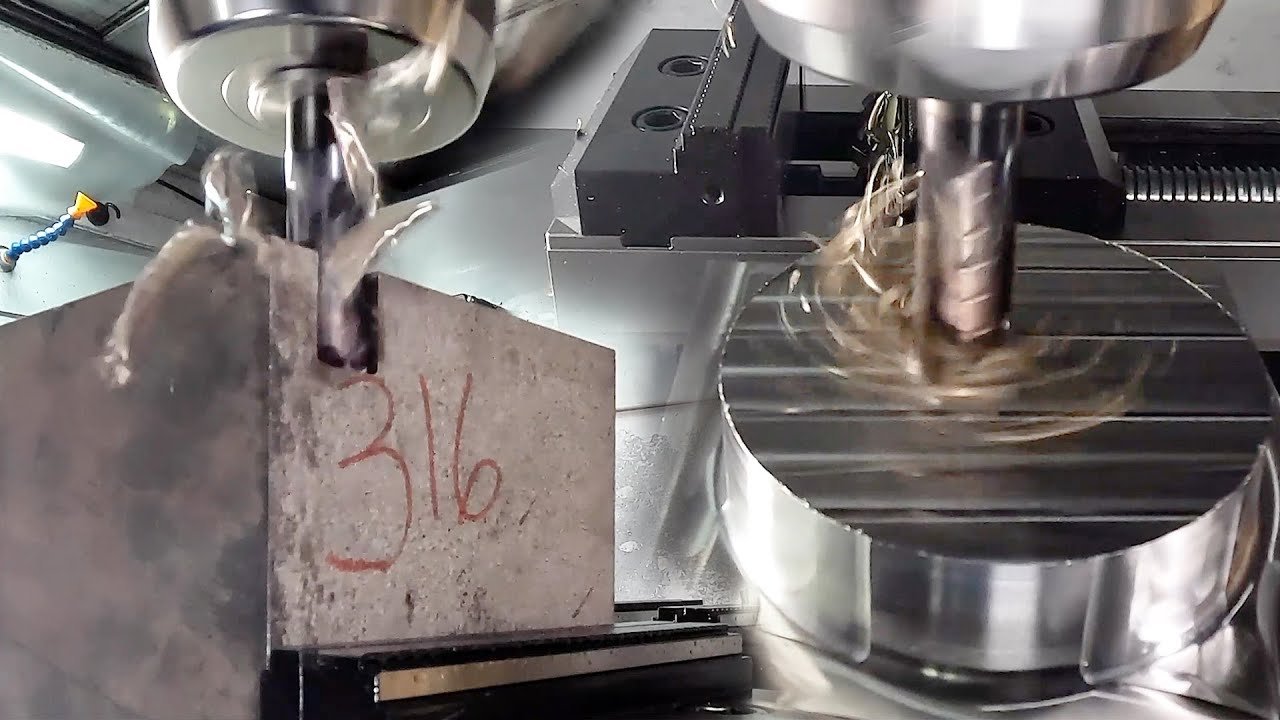
Stainless Steel Machining
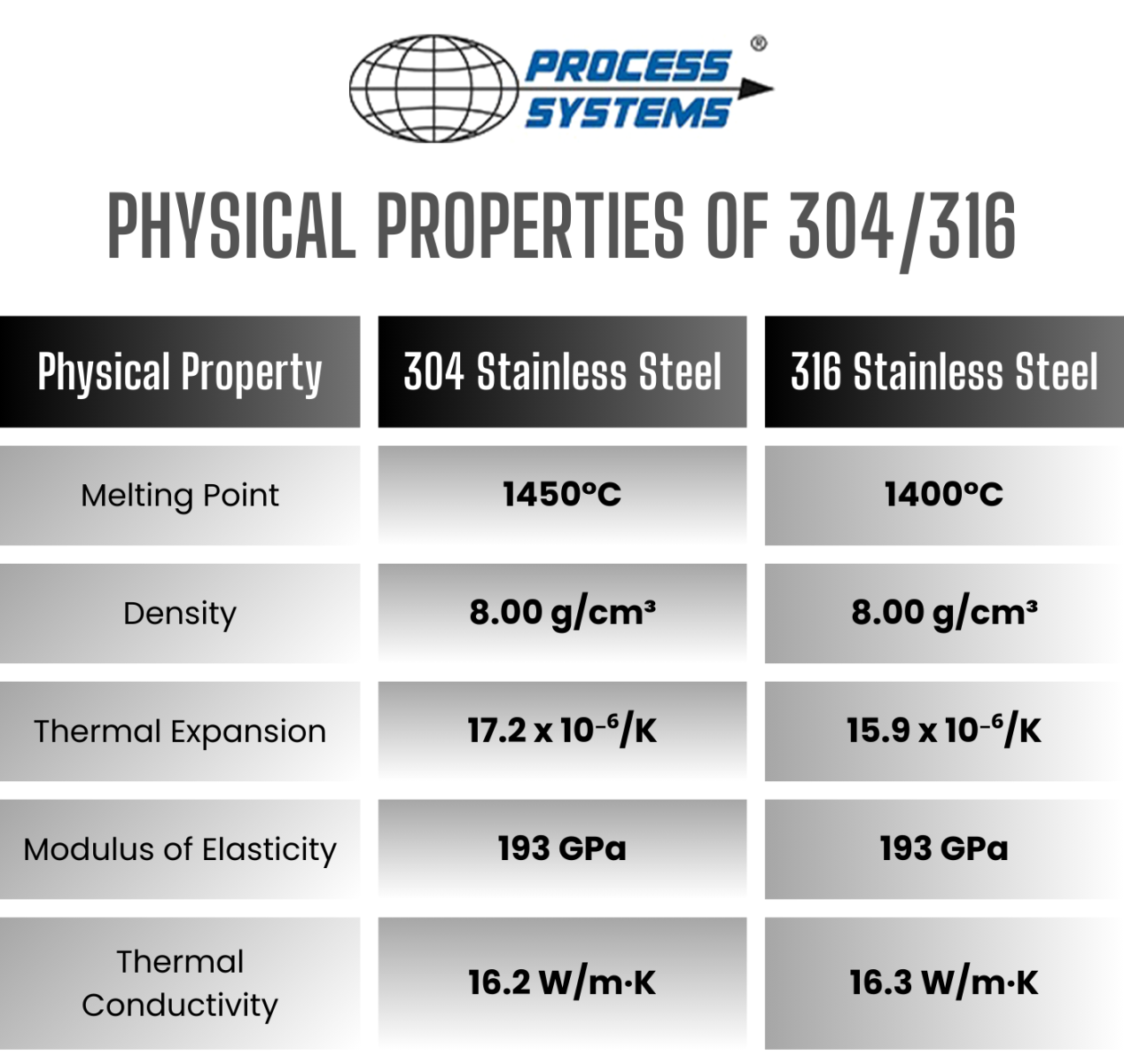
Stainless steel 304, 316L and 17-4PH machining for corrosion-resistant mold cores, medical connector shells, stamped-then-CNC hybrid parts and food-grade automation hardware. Mirror EDM finish to Ra 0.1 µm, passivation available. Five-step QC includes spectral material analysis and Nikon toolmaker’s microscope inspection of critical features.
Get a Quote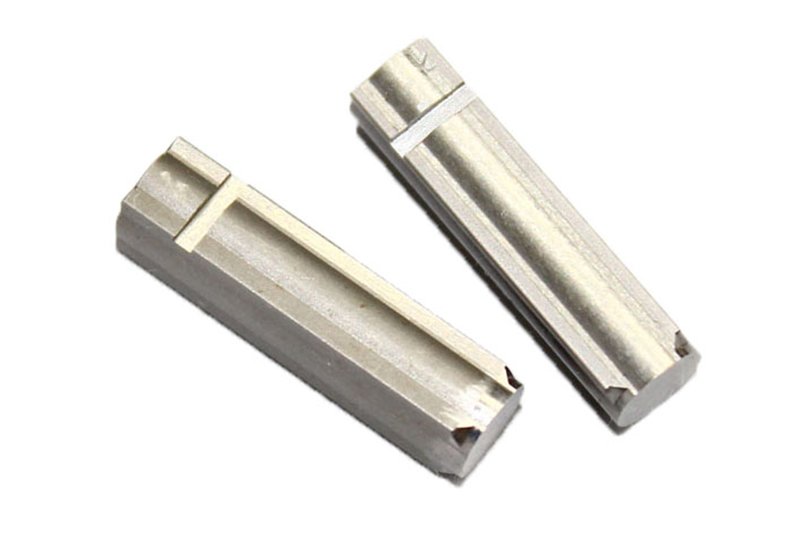
Titanium Machining
Titanium alloy (Ti-6Al-4V, Grade 2) CNC machining for aerospace jigs, medical implant tooling, high-strength lightweight brackets and corrosion-critical mold inserts. Sodick slow-wire EDM and Dawn precision grinding maintain +/-0.003 mm on complex geometries. Every part ships with material certificate, dimensional report and surface-integrity verification.
Get a Quote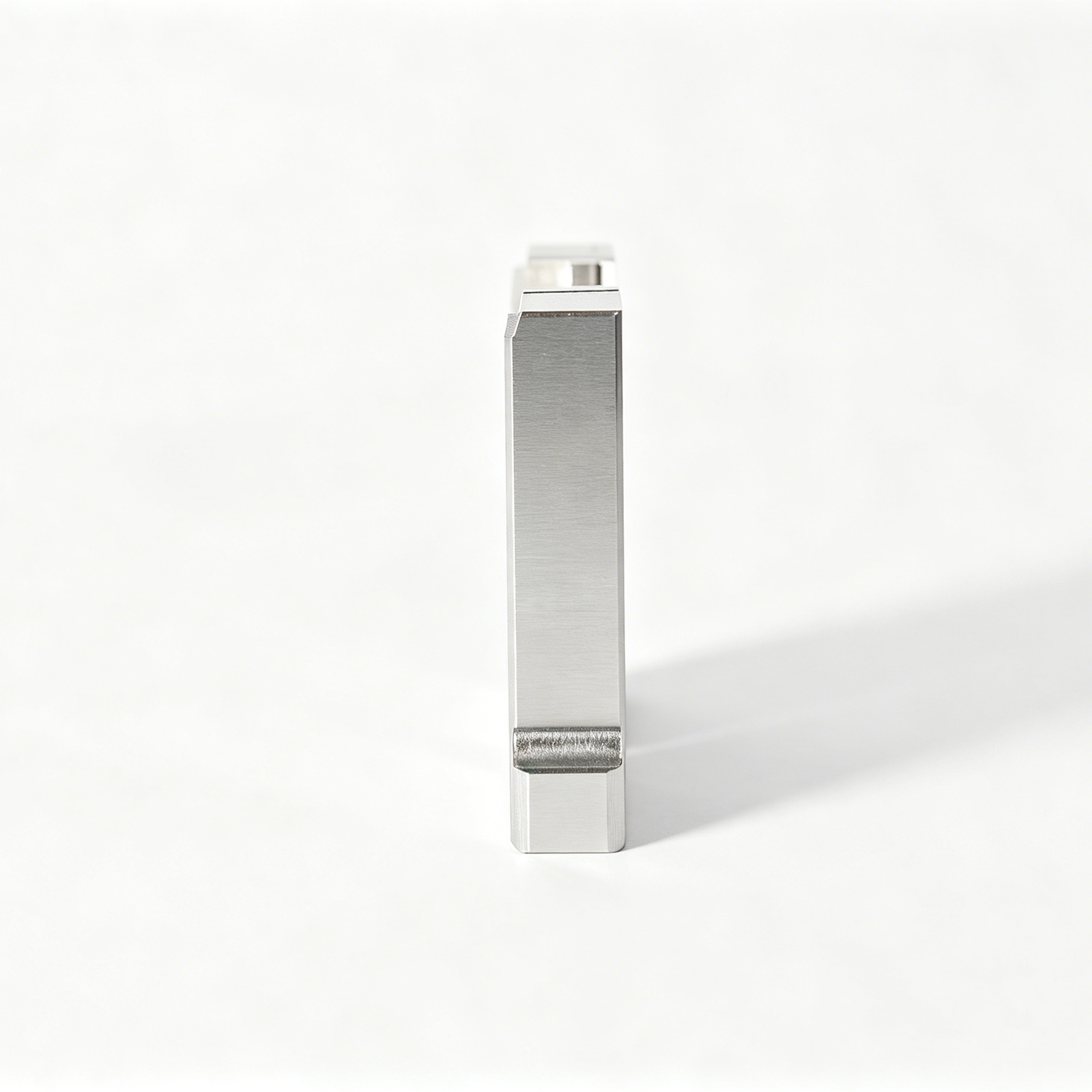
Brass & Copper Machining
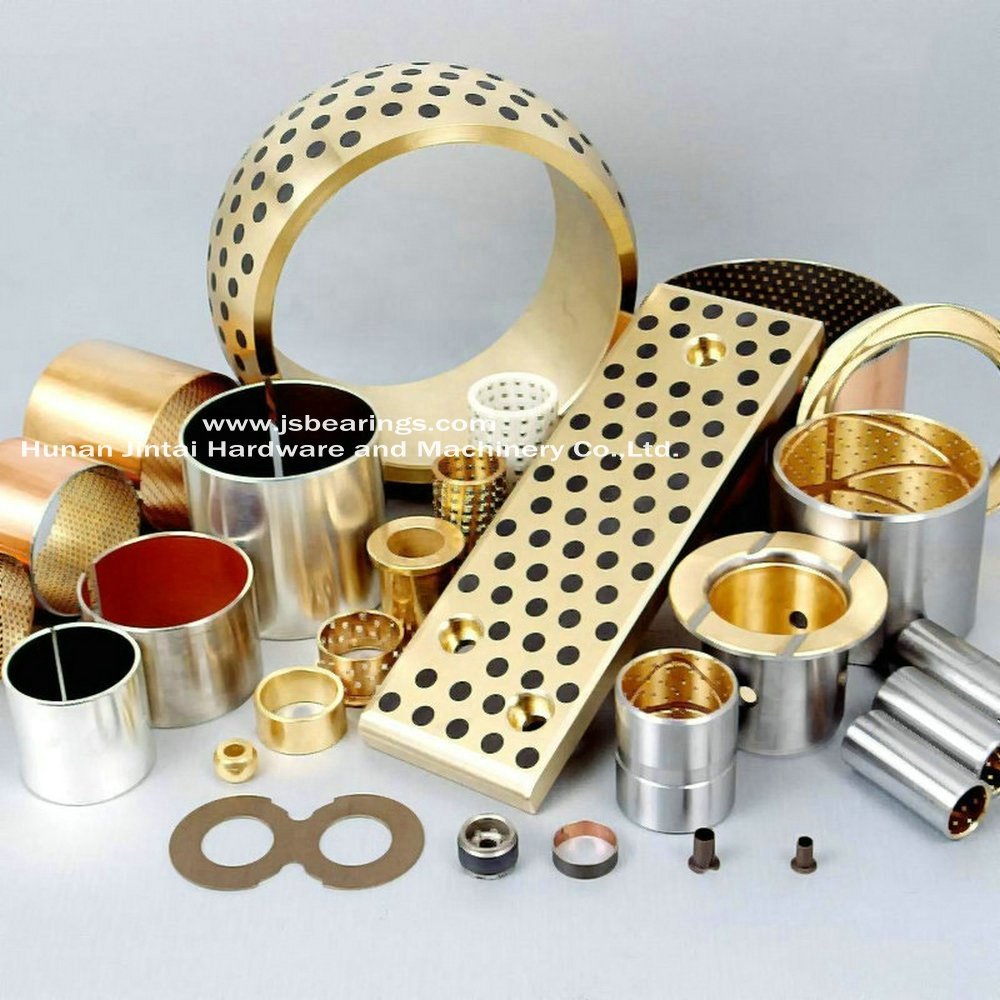
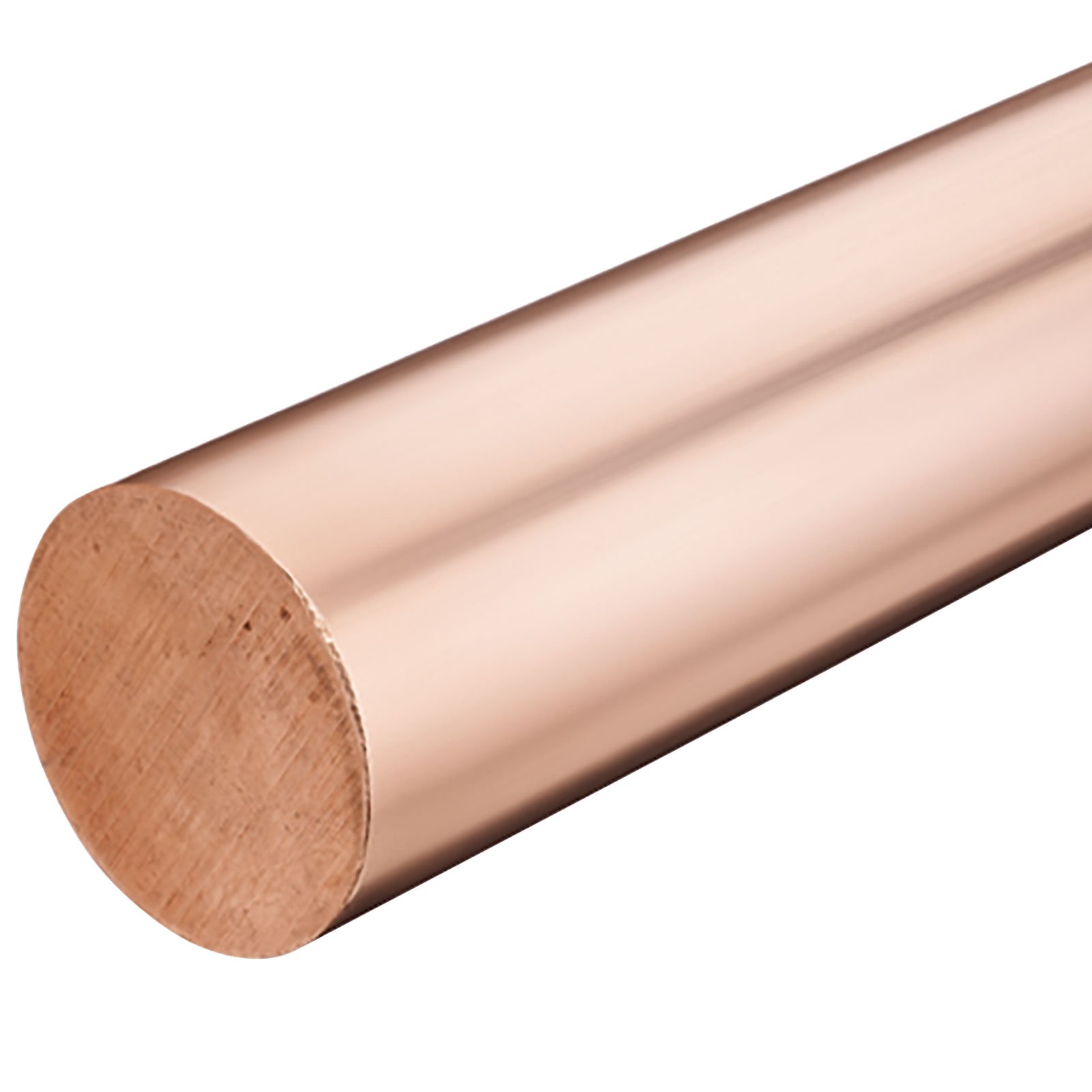
Brass C36000, copper T2 and beryllium copper CNC turning, milling and micro-EDM for electrical connector terminals, grounding pins, RF shielding inserts and thermal-management hardware. Corner radii down to R 0.015 mm, positional tolerance +/-0.002 mm. Plating-ready deburring and ultrasonic cleaning standard; full traceability for automotive and telecom supply chains.
Get a Quote
Tool Steel & Hardened Steel Machining
Tool steel (NAK80, S136, H13, SKD61) and hardened-steel precision machining for injection-mold cores, hot-runner manifolds, punch-and-die sets and wear-resistant automation components. Heat treatment to HRC 48–62, then finish-ground and mirror-EDM to Ra 0.1 µm. Mitsubishi sinker EDM and Sodick wire-cut maintain +/-0.001 mm on hardened geometries.
Get a Quote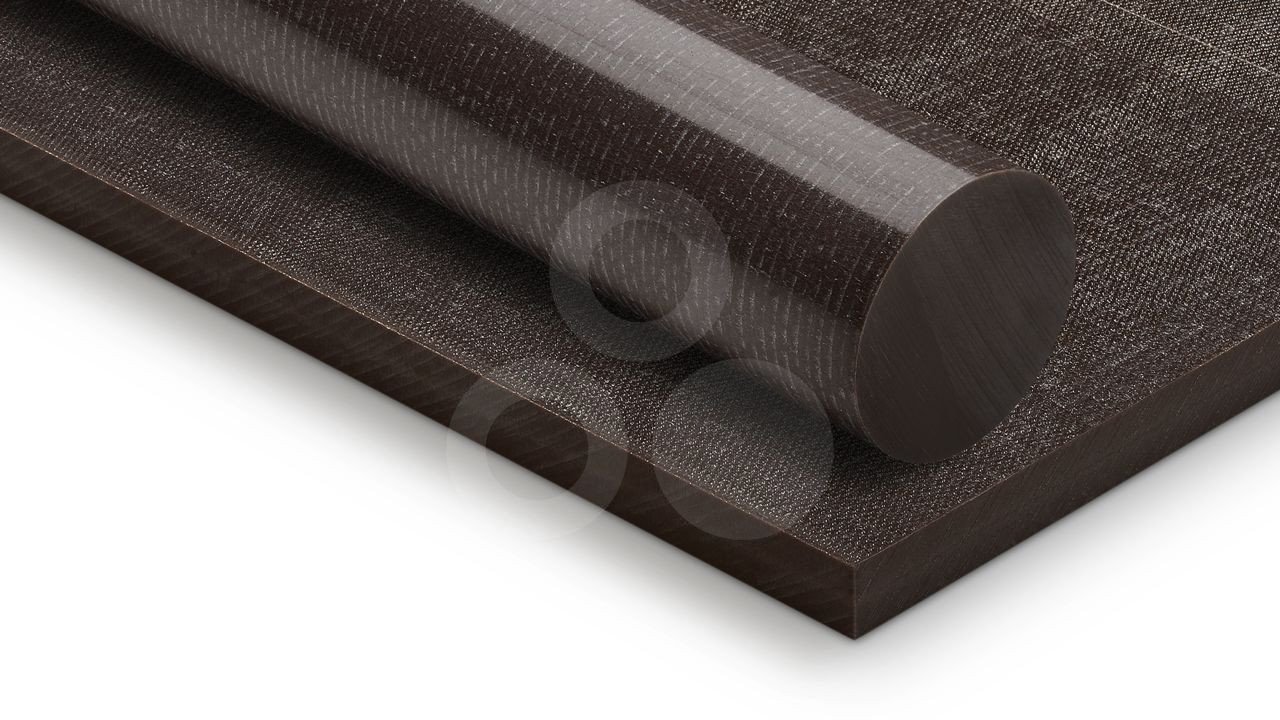
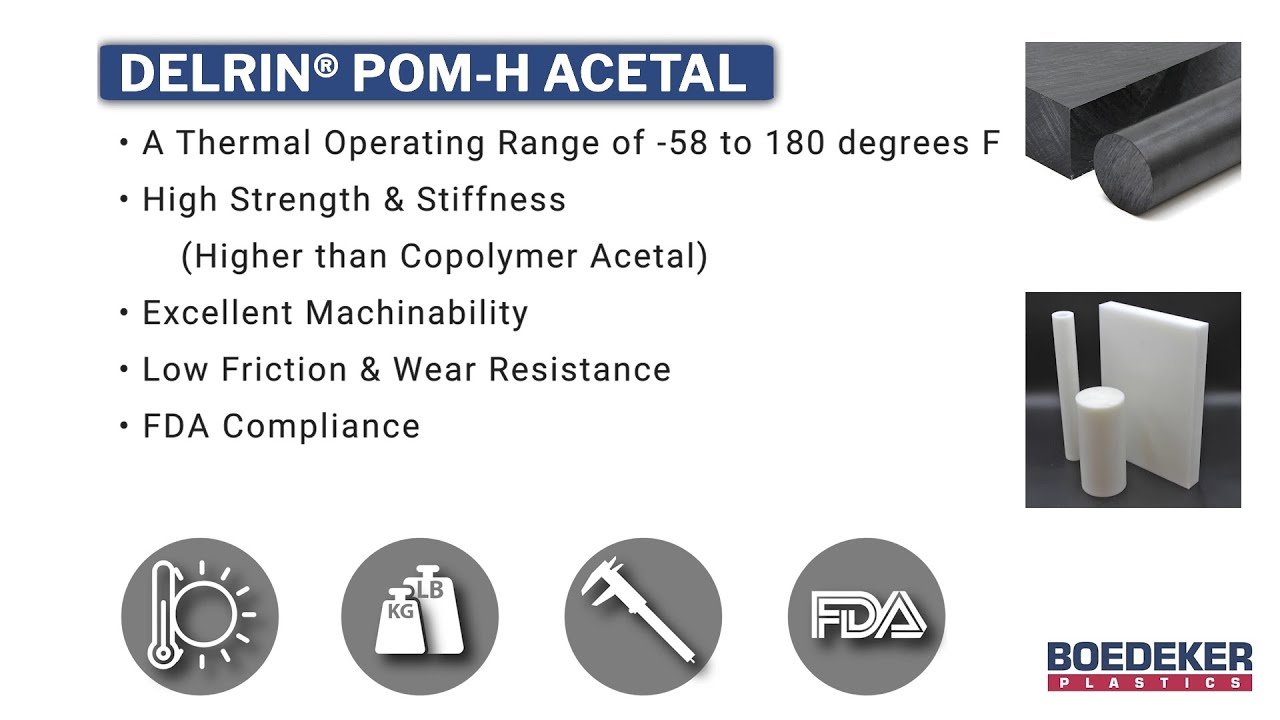
Engineering Plastics (Delrin/POM/PTFE)
Delrin (POM-H), acetal copolymer, PTFE and nylon CNC machining for low-friction bushings, valve seats, insulating spacers and chemical-resistant fixtures. Precision turning and milling to +/-0.005 mm, with dimensional stability verified across temperature cycles. Fast-turn prototyping in 3–5 days; volume orders supported by expanded Quanzhou facility.
Get a QuoteMaterials: Engineering Plastics & Precision Metals for Plastic Precision Machining Services
Plastic Precision Machining Services: Six Core Processes
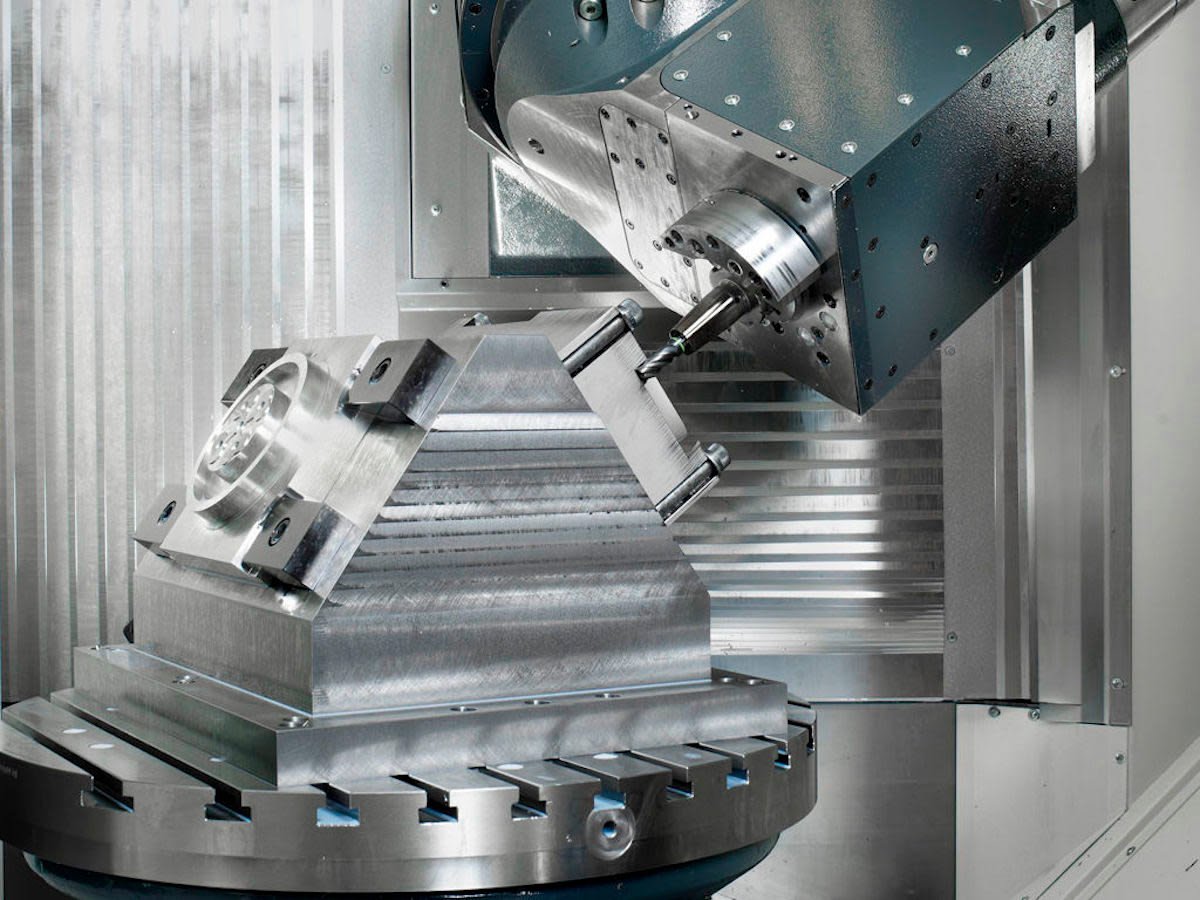


Sinker EDM
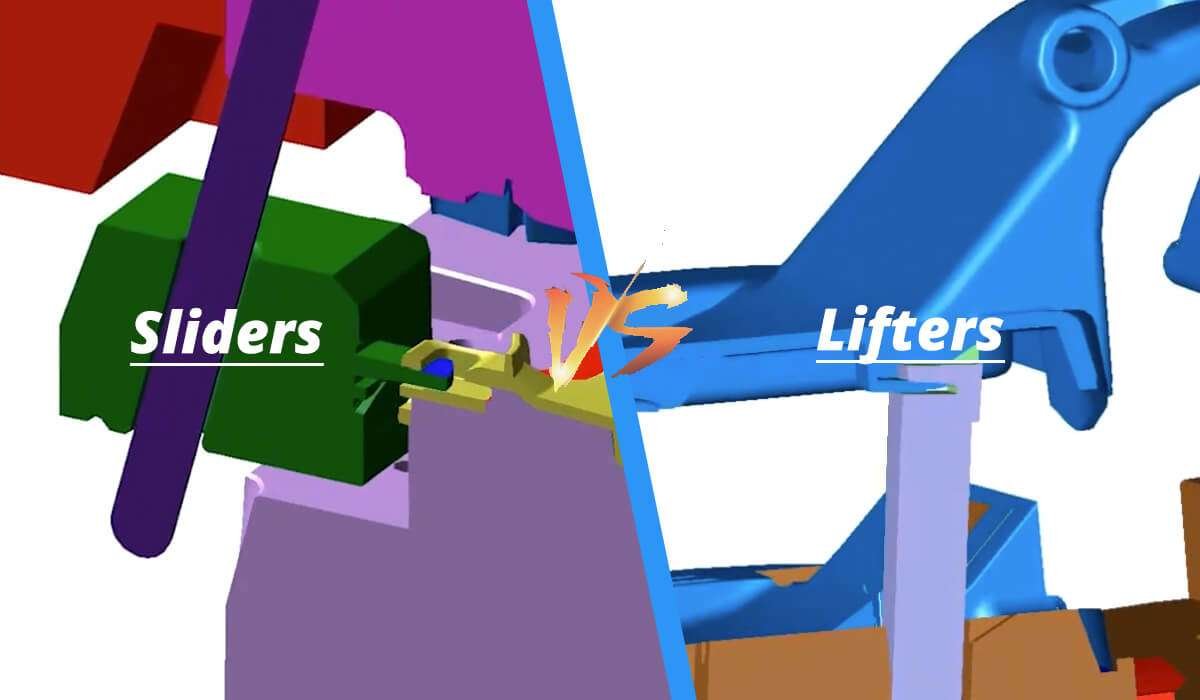
Sodick and Charmilles sinker EDM machines hold +/-0.003 mm on deep ribs, undercuts and conformal cooling channels, producing multi-cavity plastic mold inserts, lifters and sliders with repeatable micron-class accuracy.
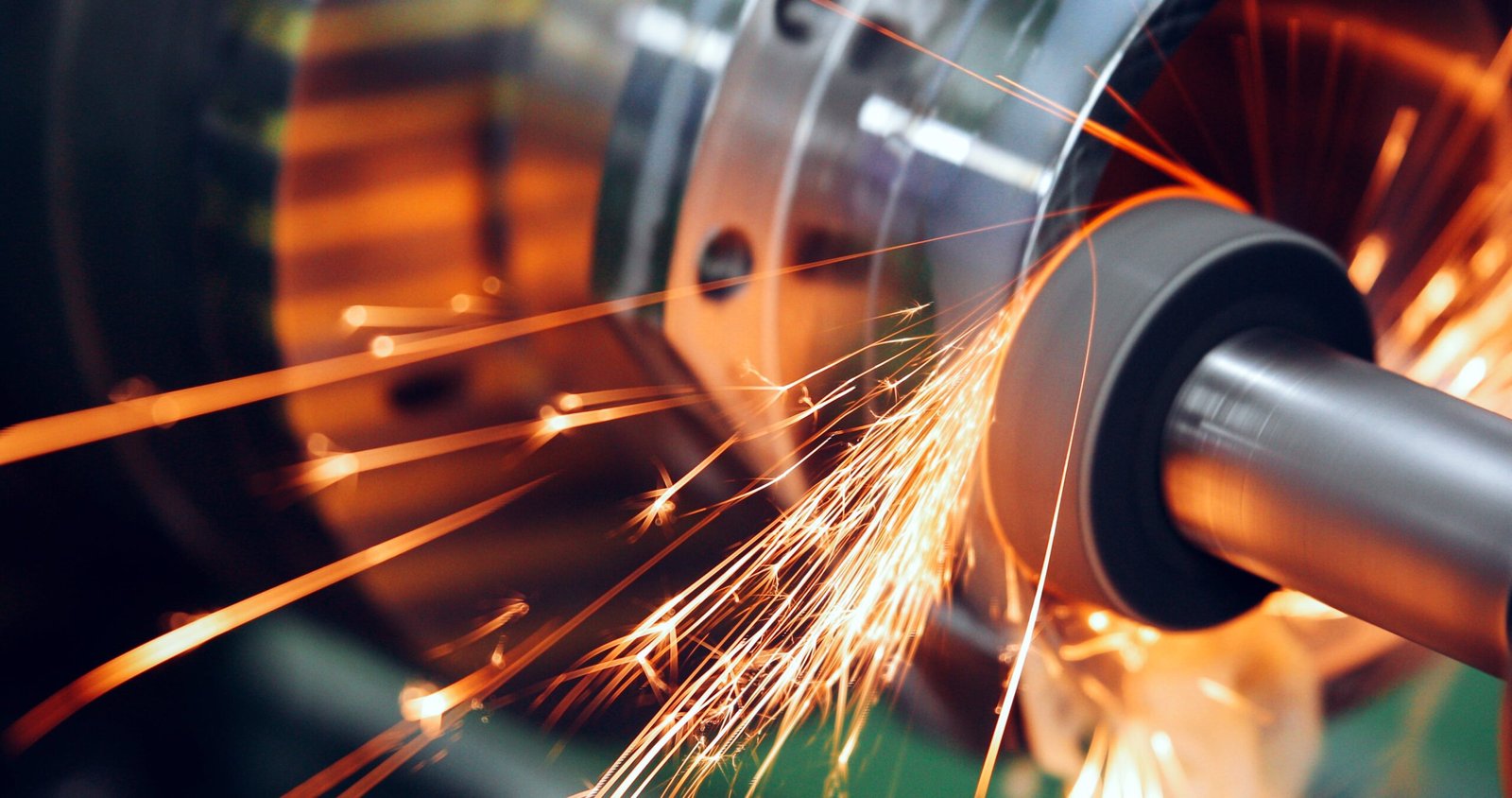

Mirror Finishing
Mitsubishi mirror EDM and hand-polishing workflows deliver Ra 0.1 μm surface finishes on optical-grade mold cavities, connector housings and medical-device components — eliminating post-mold texturing and reducing cycle time.

Precision Tooling Accessories & Inserts for Plastic Precision Machining Services
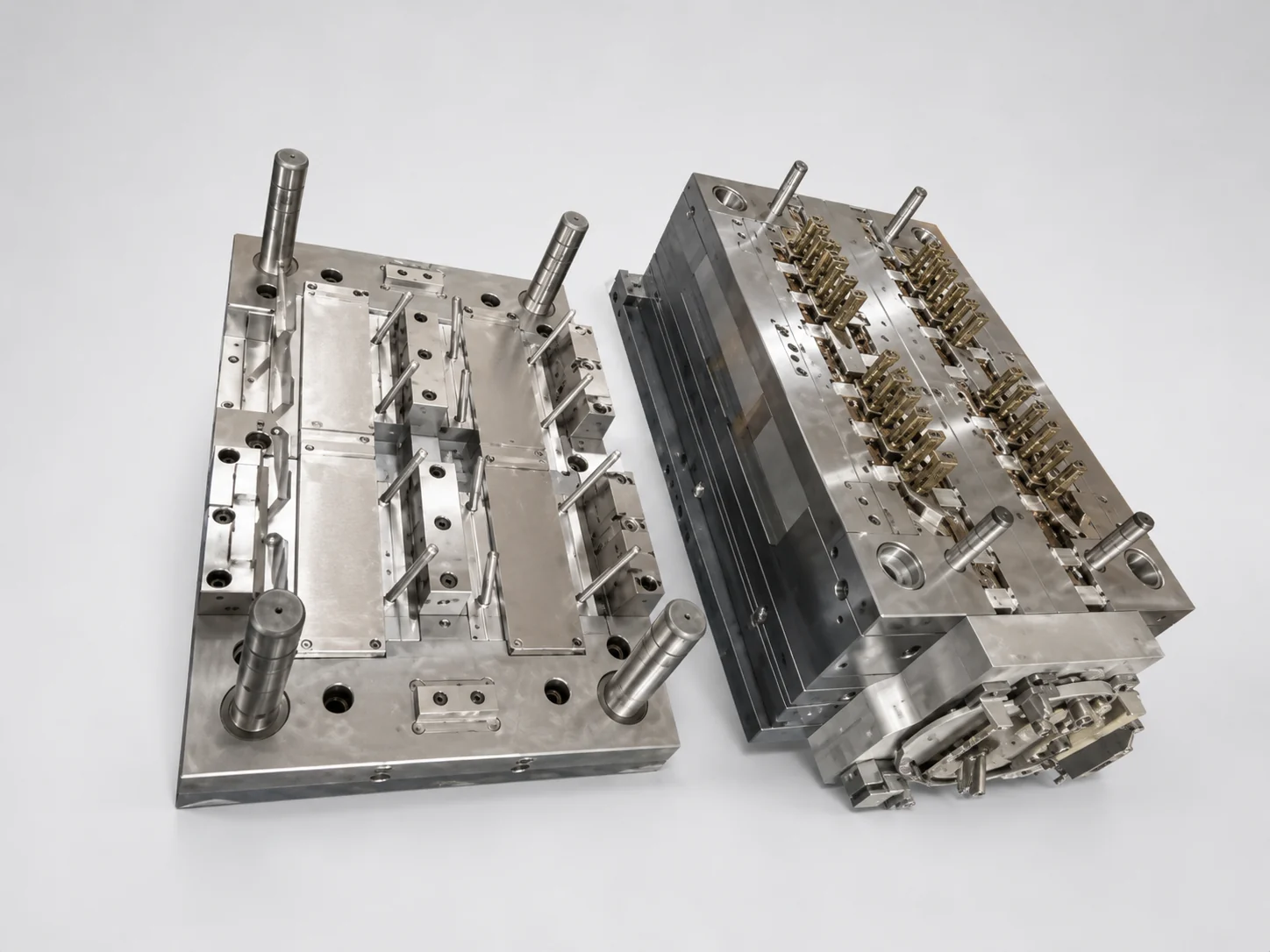
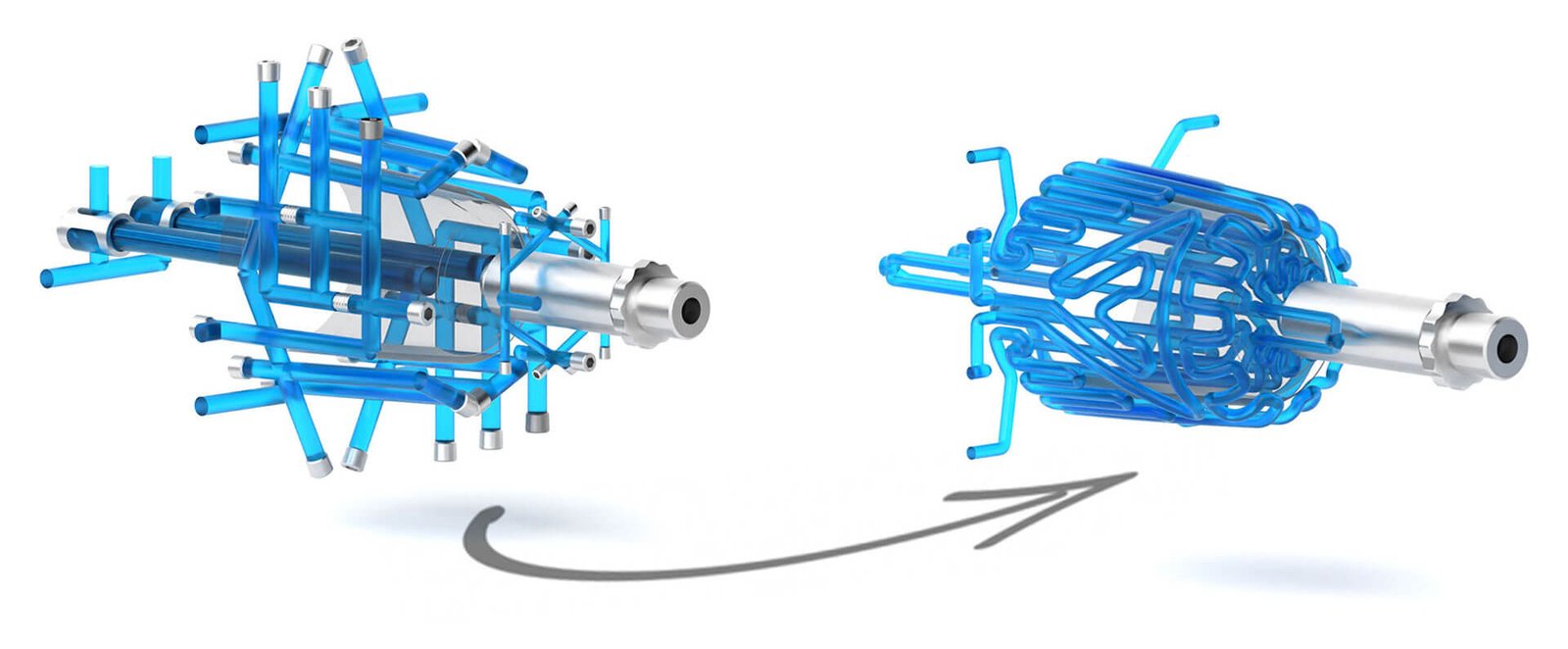
Conformal Cooling Circuits
Precision-drilled or additive-manufactured cooling channels that follow part geometry, reducing cycle time by up to 30%. Machined with +/-0.005 mm positional accuracy, leak-tested and integrated into mold bases for automotive, medical-device and high-volume consumer-electronics tooling.
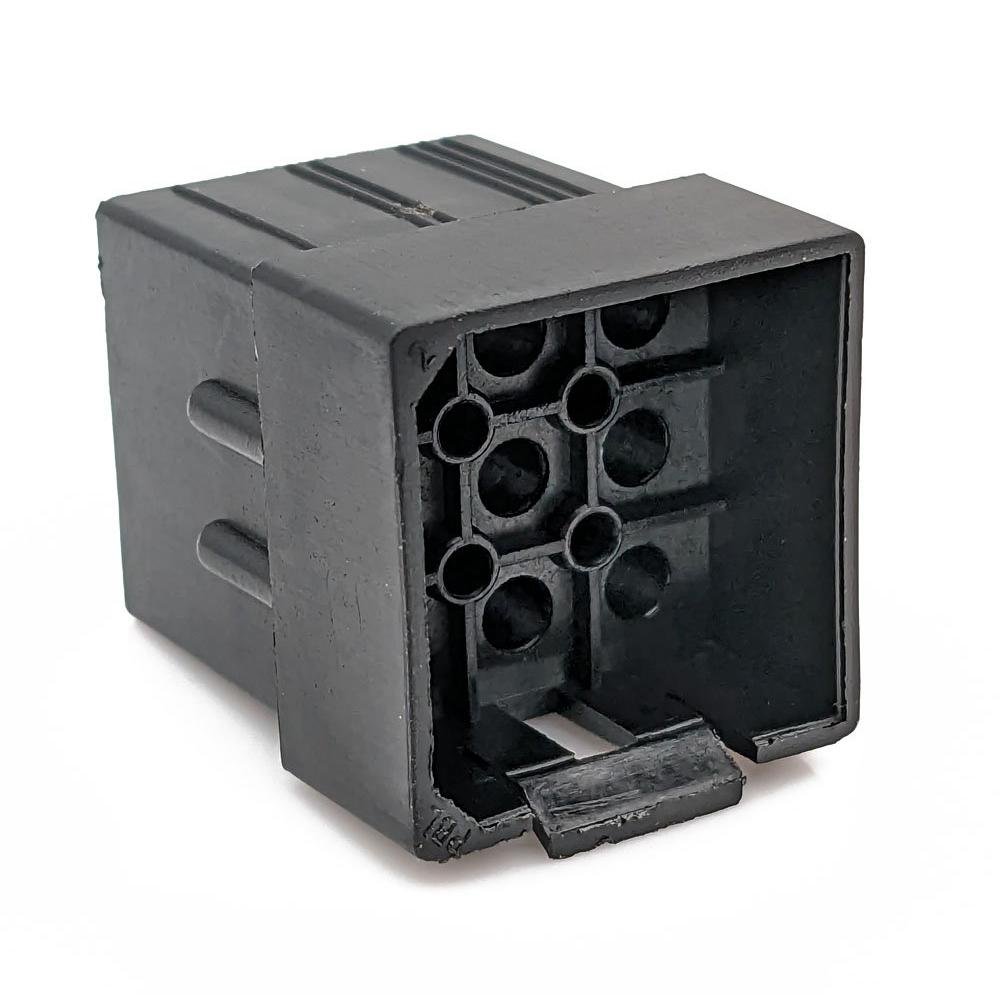
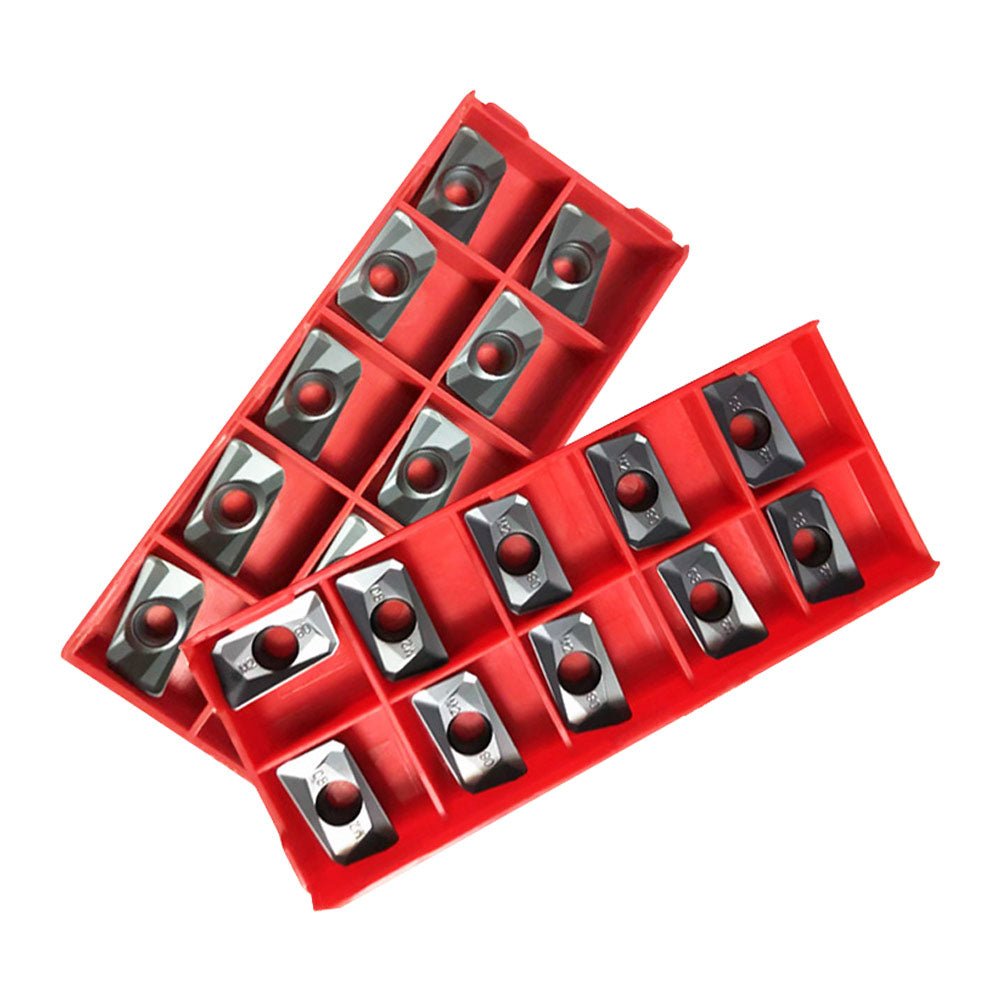
Terminal Tooling Inserts
High-density terminal cavity inserts for board-to-board, RF and industrial connector molds. Machined on Mitsubishi mirror EDM to Ra 0.1 µm, with corner radii ≤ R0.015 mm, ensuring clean parting lines and defect-free contact surfaces in telecom and automotive harness applications.

Mirror-Class EDM Cores
Ultra-smooth cavity cores finished to Ra 0.1 µm using Sodick and Mitsubishi mirror EDM. Ideal for optical lenses, transparent housings and cosmetic-grade plastic parts in medical devices, consumer electronics and automotive interior trim requiring Class A surface finish.
About XUXIANG: Plastic Precision Machining Services Since 2010
Founded in 2010 in Dongguan’s Chang’an manufacturing hub, XUXIANG began as a specialist mold-core machining shop and has grown into a dual-factory precision manufacturing group. Today we deliver plastic precision machining services, micro-connector tooling and complete mold programs to electronics, 5G/telecom, automotive and medical-device OEMs worldwide, backed by ISO 9001:2015 quality systems and over CNY 8 million invested in Japanese, Swiss and German machining and metrology equipment.
Our mission is to solve the two biggest pain points in precision tooling: tolerance failure and delivery delay. Every project receives DFM feedback from 10+ engineering experts before production, and every part is validated through a five-step QC flow anchored by ZEISS MICURA CMM metrology measuring to 0.7um. With our 2025 Quanzhou expansion adding 1,400 m² of volume-production capacity, we now combine micron-stable precision with dependable mass production and lead times roughly 30% faster than industry average.
XUXIANG’s engineering-led culture is built on evidence, not hype. We speak in verifiable tolerances—+/-0.001 mm machining accuracy, Ra 0.1um mirror-grade EDM finishes—and back every shipment with full FAI reports and material certificates. From complex micro-pin tooling to high-cavity mold inserts, we bridge the gap between demanding CAD designs and high-performance physical parts with precision, transparency and partnership.
Plastic Precision Machining Services: Micron-Stable Capabilities at Scale
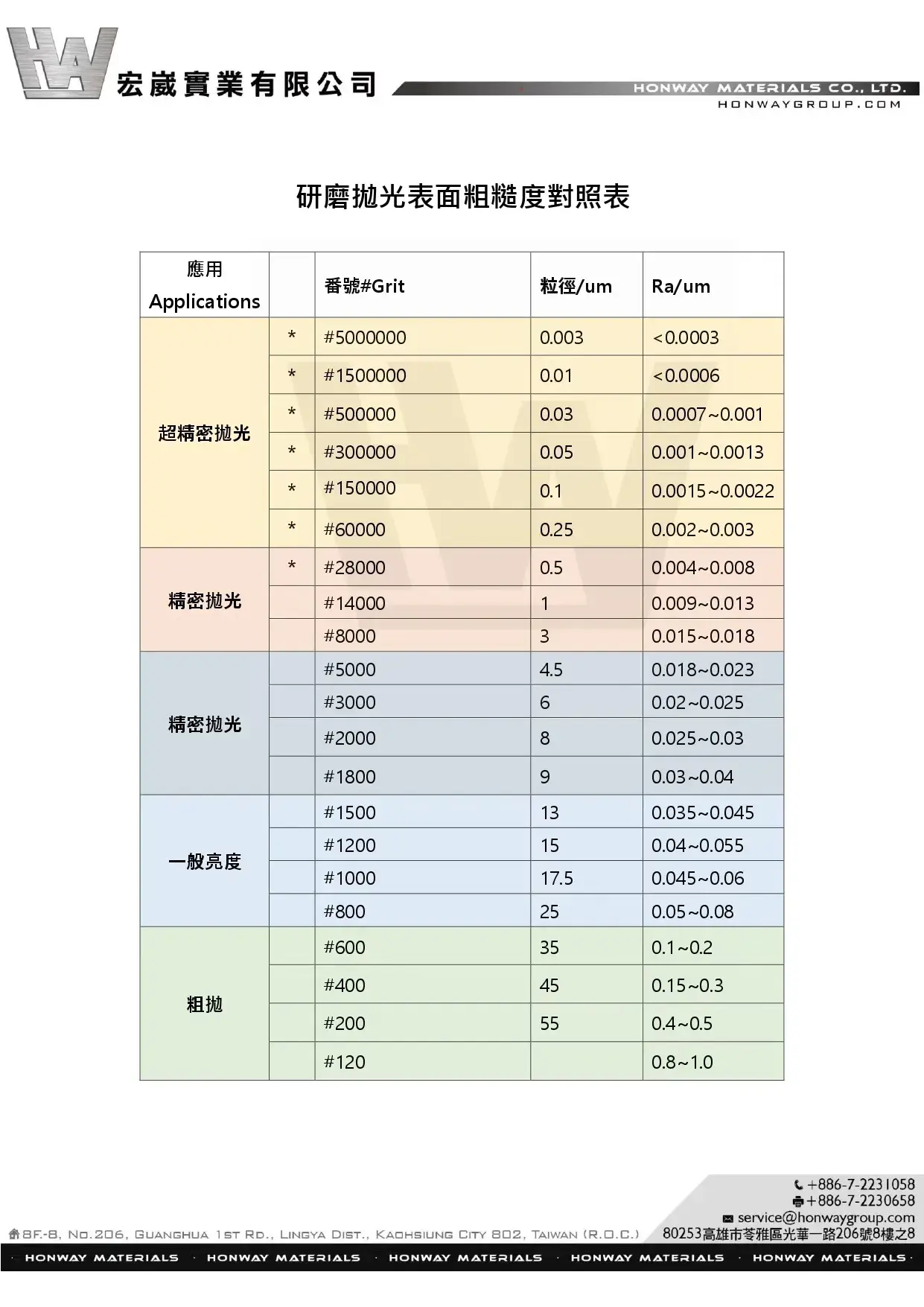
Mirror-Grade EDM Finishing to Ra 0.1um
XUXIANG plastic precision machining services deliver mirror-class surface integrity through Sodick slow-wire EDM and Mitsubishi mirror EDM, achieving Ra 0.1um finishes on complex core geometries, micro-connector cavities and optical-grade mold inserts without secondary polishing.
- Ra 0.1um mirror finish on EDM cores and inserts
- Sodick & Seibu slow-wire EDM for +/-0.002 mm positioning
- Mitsubishi mirror EDM for optical-grade mold surfaces
- Eliminates hand-polishing variability and lead-time risk
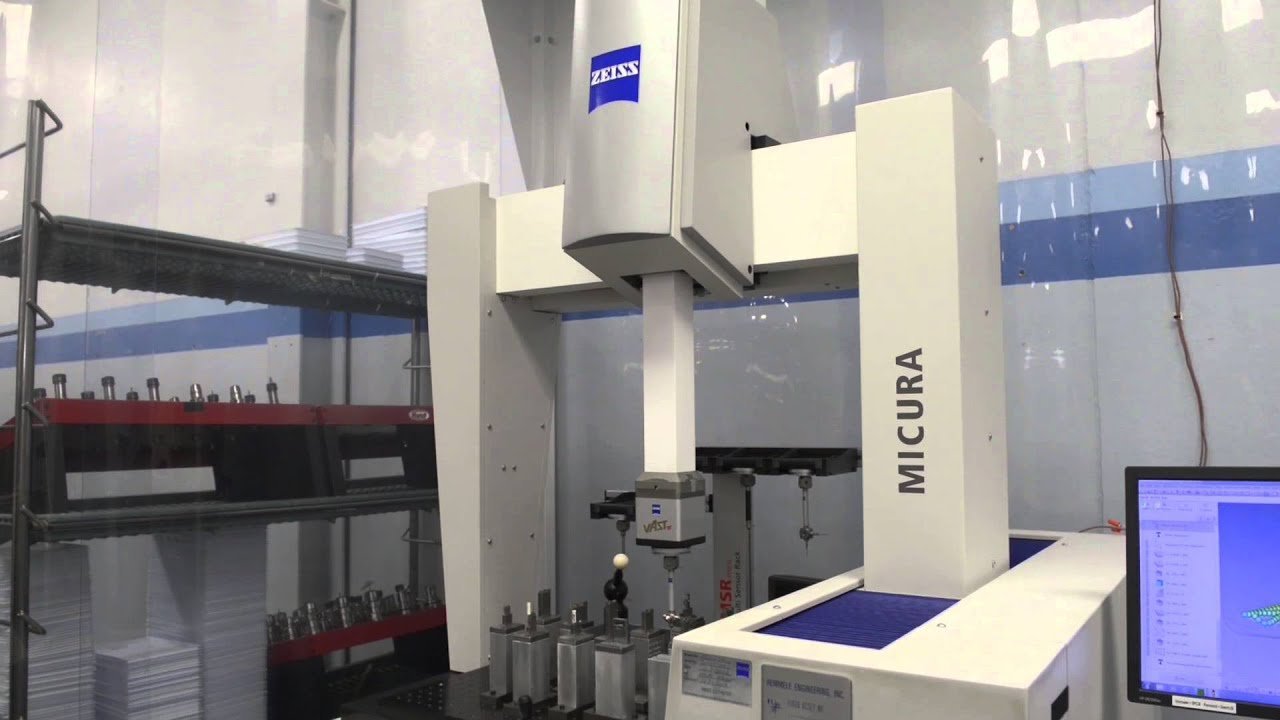
ZEISS MICURA CMM Metrology (0.7um Resolution)
Every precision-machined plastic mold component is validated on a ZEISS MICURA coordinate measuring machine with 0.7um resolution, backed by Nikon V-12B and MM-400-class toolmaker’s microscopes, ensuring dimensional stability across production runs and full FAI traceability.
- ZEISS MICURA CMM measuring to 0.7um accuracy
- Nikon toolmaker's microscopes for micro-feature inspection
- Full FAI reports with material certificates on every shipment
- In-process tolerance monitoring prevents drift and scrap
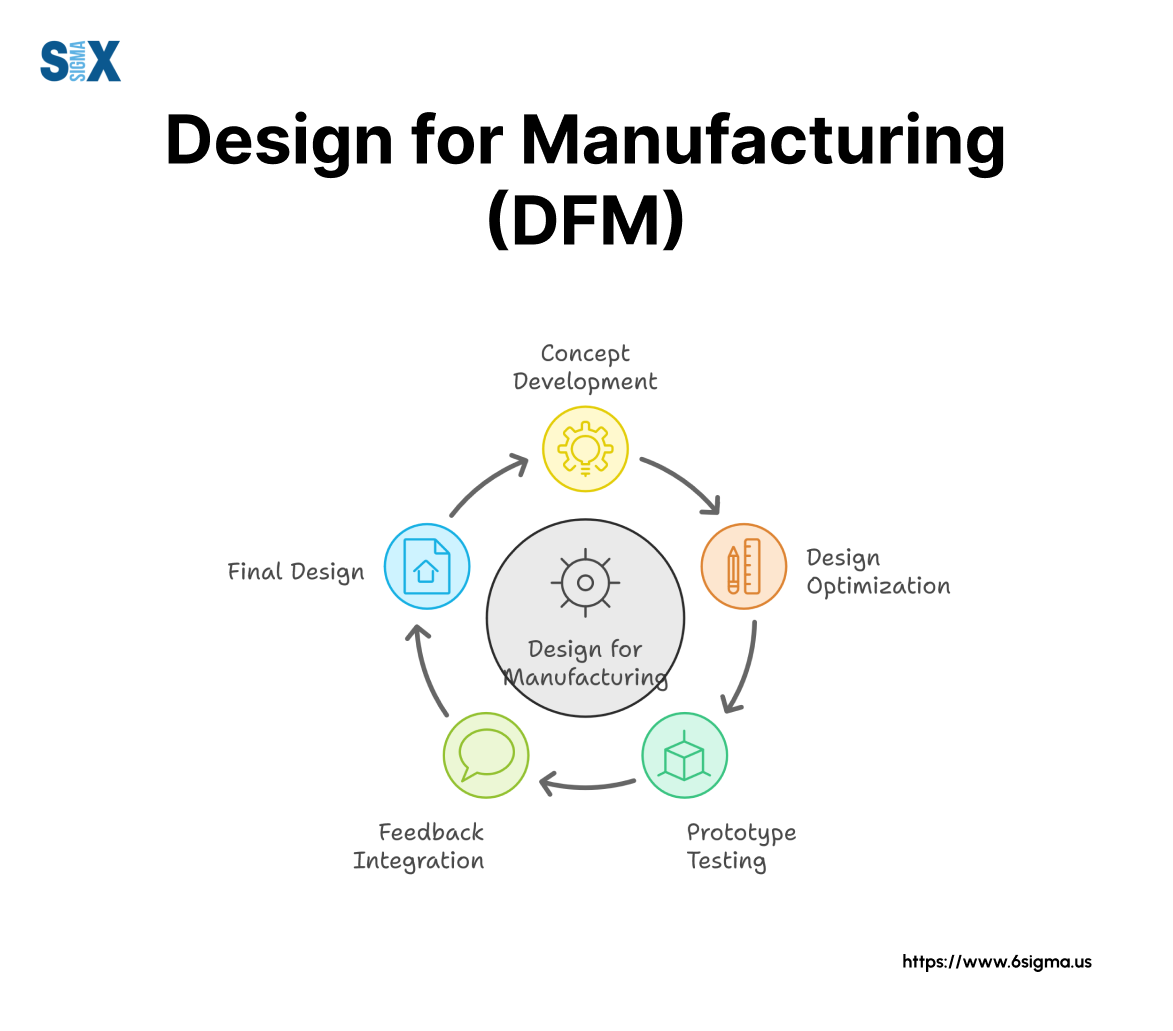
DFM Engineering & Five-Step QC Validation
Before machining begins, 10+ engineering experts review your CAD for manufacturability, tolerance stack-up and tooling risk. Parts then pass through spectral material analysis, in-process monitoring, CMM verification, surface-integrity checks and final FAI documentation.
- DFM feedback from 10+ precision-tooling engineers
- Five-step QC: material analysis, in-process, CMM, surface, FAI
- ISO 9001:2015 process governance on every project
- Prevents tolerance failure and costly design iterations
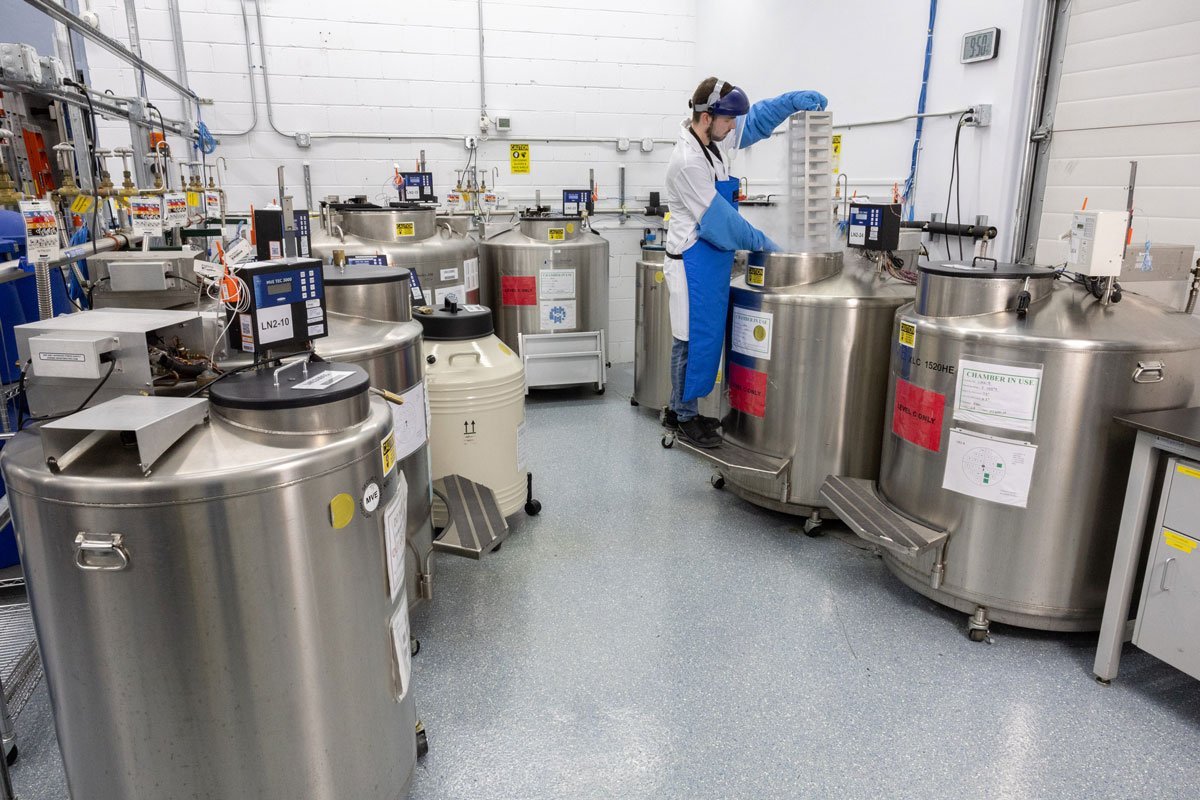
Dual-Factory Capacity: Samples to Mass Production
With 2,000 m² in Dongguan for R&D and micro-machining plus 1,400 m² in Quanzhou for volume production, XUXIANG scales from 3-day sample runs to mass production in 15–25 days—200% faster capacity since 2025, with lead times 30% shorter than industry average.
- Dongguan: 2,000 m² R&D, prototyping & micro-machining
- Quanzhou: 1,400 m² mass-production expansion (2025)
- 3–7 days for samples; 15–25 days for volume orders
- 200% capacity increase supports OEM/ODM scale-up
XUXIANG vs. Standard Plastic Precision Machining Services
Evidence-based comparison: tolerance class, metrology, quote speed, DFM support, capacity and lead times. ISO 9001:2015 certified with 16 years of precision-mold experience.
← 左右滑动查看 →
Our Plastic Precision Machining Services Process
From DFM engineering review to ZEISS CMM validation, every project follows a six-phase, ISO 9001:2015-governed workflow that locks in +/-0.001 mm tolerances and delivers full FAI documentation with every shipment.
DFM Review & Quote
10+ engineering experts analyze your CAD files for manufacturability, flag tolerance risks, and return a detailed quote within 24 hours — no hidden costs.
Tooling & Electrode Fabrication
Beijing Jingdiao high-precision CNC machines graphite and copper electrodes to +/-0.002 mm, enabling mirror-grade EDM performance downstream.
CNC & EDM Machining
Sodick slow-wire EDM, Mitsubishi mirror EDM and Fanuc CNC centers hold +/-0.001 mm machining accuracy with Ra 0.1 µm surface finishes.
Precision Grinding & Finishing
Dawn precision grinding centers refine flatness, parallelism and corner radii down to R ≤ 0.015 mm, meeting micro-connector and mold-core specifications.
CMM Validation & FAI
ZEISS MICURA CMM measures every critical dimension to 0.7 µm resolution; Nikon toolmaker’s microscopes verify edge quality. Full FAI report and material certificates issued.
Packing & Shipping
Parts are cleaned, corrosion-protected and packaged with traceability labels. Samples ship in 3–7 days; mass production in 15–25 days.
How to Partner with XUXIANG for Plastic Precision Machining Services
From CAD upload to validated production parts, our five-step engagement process delivers micron-stable precision tooling with DFM support, 24-hour quotes and transparent lead times.
Submit CAD and Technical Requirements
Upload your 3D files, drawings and specifications through our inquiry form or email. Include material, tolerance, finish and volume requirements for accurate quoting.
Receive Quote and DFM Feedback
Within 24 hours, our 10+ engineering experts return a detailed quote, feasibility analysis and design-for-manufacturing recommendations to optimize cost and precision.
Approve and Place Sample Order
Review pricing, lead time and DFM adjustments. Confirm the sample order and we begin production using Sodick EDM, Fanuc CNC and ZEISS CMM validation.
Validate Samples in 3–7 Days
Receive first articles with full FAI reports and material certificates. Inspect dimensions, surface finish and fit to confirm readiness for mass production.
Scale to Mass Production
Once approved, we transition to volume manufacturing in our dual-factory system, delivering production quantities in 15–25 days with ISO 9001:2015 traceability.
Quality Certifications & Metrology Standards for Plastic Precision Machining Services


Customer Success: Plastic Precision Machining Services Delivered On Time
XUXIANG reduced our tolerance rework by 95% on micro-connector tooling. Their +/-0.001 mm capability and ZEISS verification eliminated the scrap issues we had with our previous supplier. Lead time dropped from 35 to 18 days.
We needed automotive sensor housings held to +/-0.0005 mm for ADAS modules. XUXIANG’s Sodick slow-wire EDM and mirror-grade finishing delivered first-article approval on the initial run — zero iterations. Their DFM feedback saved us two design cycles.
Delivery speed improved 40% compared to our legacy mold-component vendor. XUXIANG’s dual-factory setup and 24-hour quoting let us compress new-product introduction timelines for medical-device enclosures without sacrificing Ra 0.2 µm finish requirements.
Plastic Precision Machining Services FAQ: MOQ, Lead Time, Sampling & Pricing
What is the minimum order quantity for plastic precision machining services?
How fast can you deliver sample parts for plastic precision machining services?
Do you offer free samples for plastic precision machining services?
What are your payment terms?
Can XUXIANG handle IP confidentiality and NDA agreements?
Do you ship plastic precision machining services worldwide?
What is your quote turnaround time for plastic precision machining services?
What tolerance can you hold on plastic mold components?
Can you provide design-for-manufacturing support before quoting?
The Complete Buyer’s Guide to Plastic Precision Machining Services
Navigate supplier selection with confidence. This guide delivers a proven decision framework, critical quality criteria, and the most common procurement mistakes to avoid when sourcing plastic precision machining services for mission-critical components.
1. What Are Plastic Precision Machining Services?
Plastic precision machining services encompass CNC milling, turning, and multi-axis operations on engineering polymers — PEEK, POM, PTFE, PEI, and polycarbonate — to micron-level tolerances typically between ±0.001 mm and ±0.005 mm. Unlike injection molding, which requires costly tooling and long lead times, machining delivers complex geometries from solid stock in days rather than weeks, making it the preferred route for prototypes, low-volume production (1–500 units), and parts with undercuts, thin walls, or tight concentricity that challenge mold design.
Buyers in 5G/telecom, medical devices, and automotive choose machining when dimensional stability and surface finish are non-negotiable. Common applications include connector housings with pin-alignment features down to ±0.002 mm, insulator components for high-voltage assemblies, medical device housings requiring biocompatible polymers, and sensor brackets where metal-to-plastic conversion cuts weight without sacrificing precision.
XUXIANG operates Sodick and Seibu slow-wire EDM alongside Fanuc-class CNC centers to hold ±0.001 mm on critical features, validated by ZEISS MICURA CMM measuring to 0.7 µm resolution.
2. Evolution of Plastic Precision Machining in Industrial Manufacturing
In the mid-1990s, electronics miniaturization and automotive lightweighting forced CNC shops to move beyond metal-only capabilities; by 2000, dedicated polymer machining centers emerged with spindle speeds exceeding 20,000 RPM and diamond-coated tooling optimized for PEEK, POM and PTFE. These advances, paired with CAM software capable of adaptive tool-path compensation, pushed repeatability below 10 microns and opened high-volume production of micro-connector housings, sensor brackets and medical-device components.
The 2010s saw 5G infrastructure and new-energy-vehicle (NEV) programs demand even tighter tolerances on thin-wall plastic parts — board-to-board terminal tooling, ADAS sensor housings and BMS interconnects — where metal was too heavy or cost-prohibitive. XUXIANG entered this wave in the early 2010s, equipping its Dongguan facility with Sodick slow-wire EDM, ZEISS MICURA CMM validation and +/-0.001 mm machining protocols to serve telecom and automotive supply chains.
Today, plastic precision machining services bridge the gap between injection-mold tooling and final-assembly hardware, with sub-micron metrology and mirror-grade finishes once reserved for aerospace metal parts.
3. Types of Plastic Precision Machining Services
Plastic precision machining services deploy five core process families, each optimized for distinct geometries, tolerance bands and production economics. Matching the right technology to your part profile cuts setup count, shortens cycle time and ensures micron-stable repeatability across production runs.
CNC Milling: 3-Axis and 5-Axis Centers
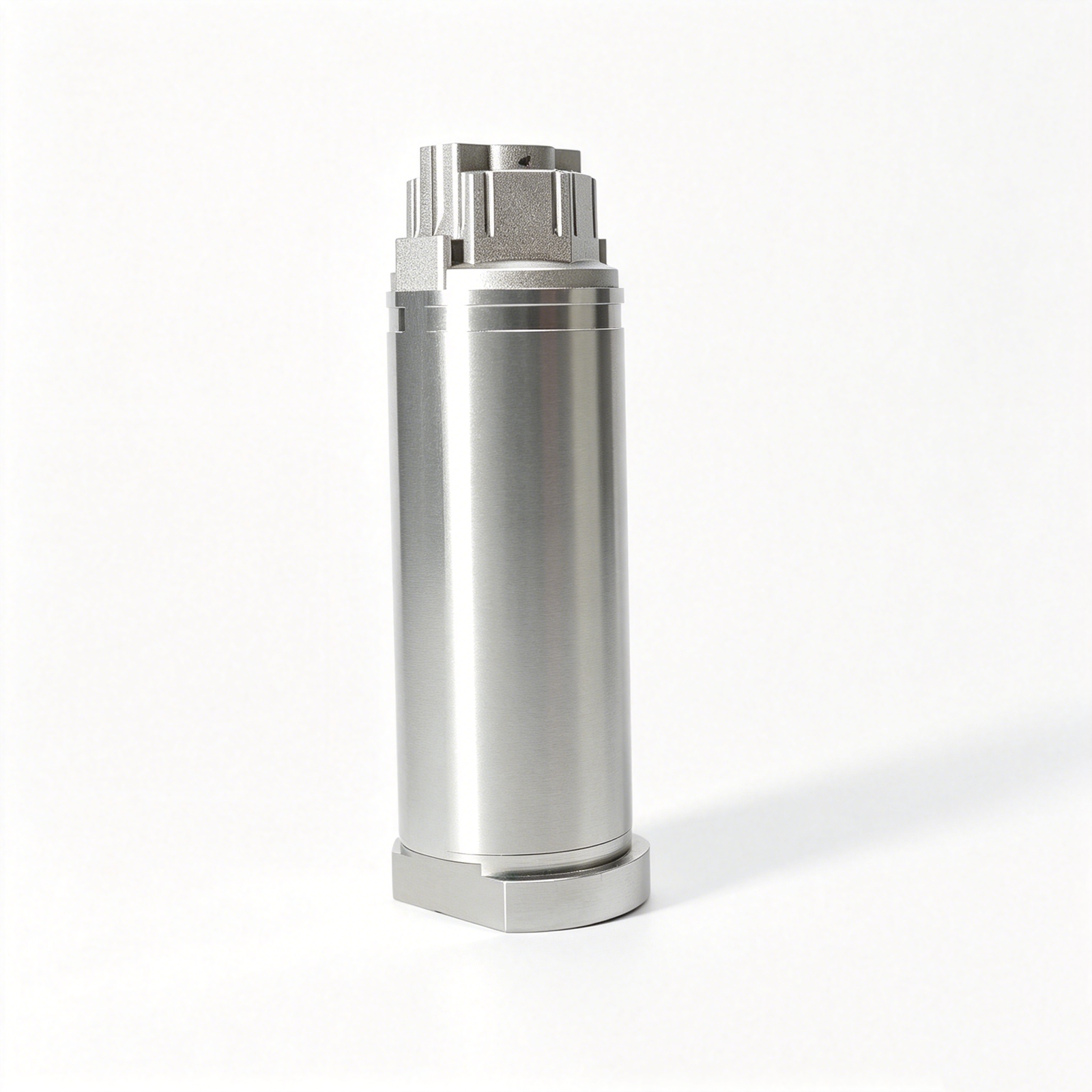
3-axis mills handle prismatic mold inserts and flat-face components to +/-0.005 mm; 5-axis centers eliminate multiple setups, holding +/-0.002 mm on complex contours and improving concentricity for micro-connector pins. Multi-axis work reduces fixture-induced error and shortens lead time by 20–30 % for sculptured cores.
CNC Turning and Swiss-Type Lathes
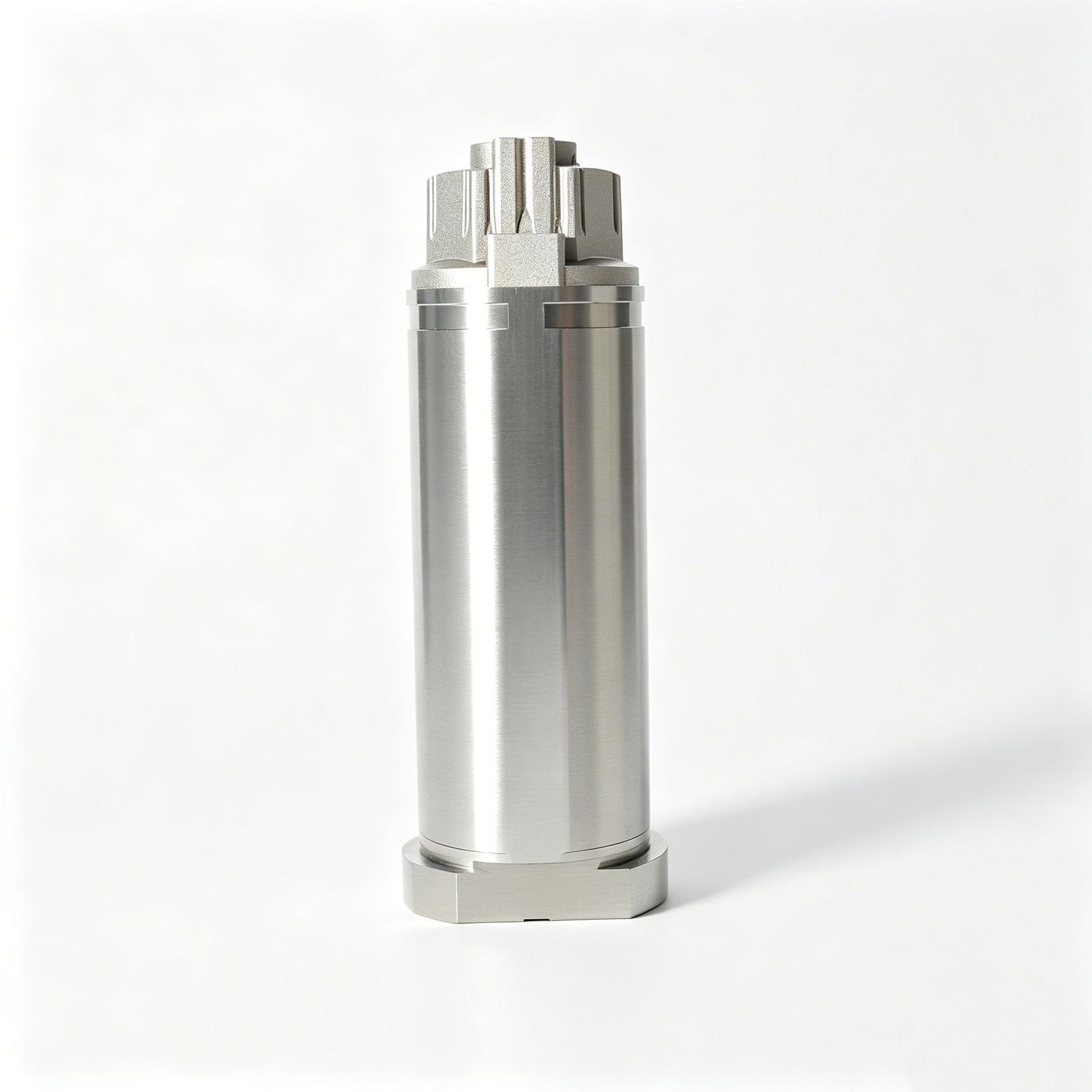
Turning centers machine cylindrical features — pins, bushings, threaded inserts — to +/-0.003 mm. Swiss-type lathes with guide bushings achieve +/-0.002 mm on slender, high-aspect-ratio pins common in board-to-board and FPC connector tooling, balancing speed with sub-5 µm runout.
Wire EDM for Ultra-Thin Features
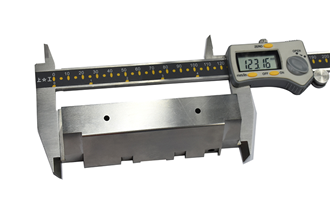
Slow-wire EDM cuts slot widths below 0.1 mm and corner radii down to R ≤ 0.015 mm without mechanical stress, ideal for thin-wall micro-sockets and high-density terminal cavities. Sodick and Seibu platforms deliver +/-0.002 mm positioning, with cycle times longer than milling but unmatched for fragile geometries.
Hybrid Additive-Subtractive Workflows
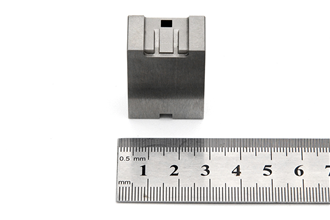
Additive pre-forms near-net shapes; CNC finish passes bring critical surfaces to final tolerance. This hybrid route cuts material waste by up to 40 % on complex inserts and shortens roughing time, though it requires design-for-AM expertise and post-process validation to maintain +/-0.005 mm class accuracy.
4. Engineering Plastics and Material Selection for Precision Machining
Material choice drives tolerance stability, tool life and part performance in plastic precision machining services. XUXIANG’s metrology lab validates six engineering-grade resins across medical, 5G/telecom and automotive applications, each with distinct machinability and thermal limits.
| Material | Max Service Temp (°C) | Dielectric (kV/mm) | Typical Tolerance (mm) | Cost Tier |
|---|---|---|---|---|
| PEEK | +250 | 20+ | +/-0.005 | Premium |
| POM (Delrin) | +100 | 18 | +/-0.01 | Mid |
| PTFE | +260 | 20 | +/-0.05 | High |
| Ultem (PEI) | +170 | 17 | +/-0.01 | Premium |
| Polycarbonate | +120 | 16 | +/-0.02 | Economy |
| Glass/Carbon-Filled | +150–200 | 15–18 | +/-0.005 | Mid–High |
PEEK – Ultra-High Performance
PEEK machines with continuous chips and moderate tool wear; carbide tooling holds edge life across multi-cavity runs. Dimensional stability remains within +/-0.005 mm across -40 to +250°C, making it ideal for autoclavable medical housings and ADAS sensor brackets. Dielectric strength exceeds 20 kV/mm, supporting high-voltage BMS connectors in NEV powertrains.
POM (Delrin) – Precision Workhorse
POM produces short, brittle chips with minimal burr formation, enabling +/-0.01 mm tolerances on micro-connector pins and thin-wall terminal tooling. Service temperature reaches +100°C with excellent dimensional recovery. Low friction and high stiffness suit 5G board-to-board mold inserts and industrial gripper jaws.
PTFE – Chemical and Thermal Inertness
PTFE’s soft, ductile nature demands sharp tooling and slow feeds to prevent smearing; typical tolerances relax to +/-0.05 mm. Continuous service to +260°C and near-universal chemical resistance make it the choice for medical fluid-path seals and RF connector insulators in telecom infrastructure.
Ultem (PEI) – Flame-Retardant Strength
Ultem machines similarly to PEEK but with higher brittleness, yielding clean chips and low tool wear. Max service temperature of +170°C and inherent flame resistance (UL 94 V-0) suit aerospace sensor housings and LED structural supports. Dimensional stability supports +/-0.01 mm on complex geometries.
Polycarbonate – Optical Clarity and Impact
Polycarbonate requires controlled feed rates to avoid stress cracking; achievable tolerances reach +/-0.02 mm with proper annealing. Service to +120°C and high impact strength make it suitable for automotive interior functional inserts and transparent sensor covers in industrial automation.
Glass and Carbon-Filled Grades
Glass-filled (10–30%) and carbon-filled resins increase stiffness and reduce thermal expansion but accelerate tool wear by 2–3×. Tolerances tighten to +/-0.005 mm with reduced creep. Applications include high-load robotic end effectors, automotive powertrain sensor housings and reinforced mold core inserts where dimensional stability under load is critical.
5. Customization Options in Plastic Precision Machining Services
Plastic precision machining services extend far beyond raw CNC or EDM cuts. Integrated secondary operations, surface treatments, marking and kitting reduce touch points by 40–60% and compress lead time by eliminating handoffs to third-party finishers.
Secondary Operations and Insert Technologies
Ultrasonic inserts, heat-staking bosses and threaded brass inserts are commonly specified for snap-fit housings, sensor enclosures and connector assemblies. XUXIANG machines pilot holes to +/-0.01 mm, ensuring concentric insert placement and pull-out strength above 300 N for M2–M4 threads in PA66-GF30 and PPS substrates.
Surface Finishes and Achievable Roughness
Mirror-grade EDM cores reach Ra 0.1 μm; precision-ground faces land at Ra 0.4–0.8 μm; standard CNC milling yields Ra 1.6–3.2 μm. Vapor polishing on PC and PMMA improves optical clarity to 92% light transmission; bead blasting (80–120 mesh alumina) delivers uniform Ra 3.2 μm for tactile grips.
| Finish Type | Achievable Ra (μm) | Typical Applications |
|---|---|---|
| Mirror EDM | 0.1–0.2 | Optical lenses, micro-connector cores |
| Precision grinding | 0.4–0.8 | Seal faces, medical device housings |
| Vapor polish | 0.6–1.0 | Transparent enclosures, light guides |
| Bead blast | 3.2 | Grip surfaces, non-reflective panels |
Laser Marking and Serialization
Fiber-laser marking etches alphanumeric codes, 2D DataMatrix and QR symbols at 0.1 mm character height with <10 μm line width, traceable through ISO 9001:2015 batch records. Black-on-white contrast exceeds ANSI Grade C on POM, PA and PBT without thermal stress cracking.
Assembly and Sub-Assembly Kitting
In-house kitting pairs machined plastic components with O-rings, springs and fasteners under Class 100,000 cleanroom protocols. Pre-assembled sub-modules arrive ready for final integration, cutting your receiving inspection time by 50% and eliminating supplier coordination overhead.
6. Key Quality Indicators When Evaluating Plastic Precision Machining Services
Micron-level repeatability in plastic precision machining services depends on verifiable quality systems, not vendor promises. The following five indicators separate precision-capable shops from general machinists during supplier qualification.
ISO 9001 and IATF 16949 Certification
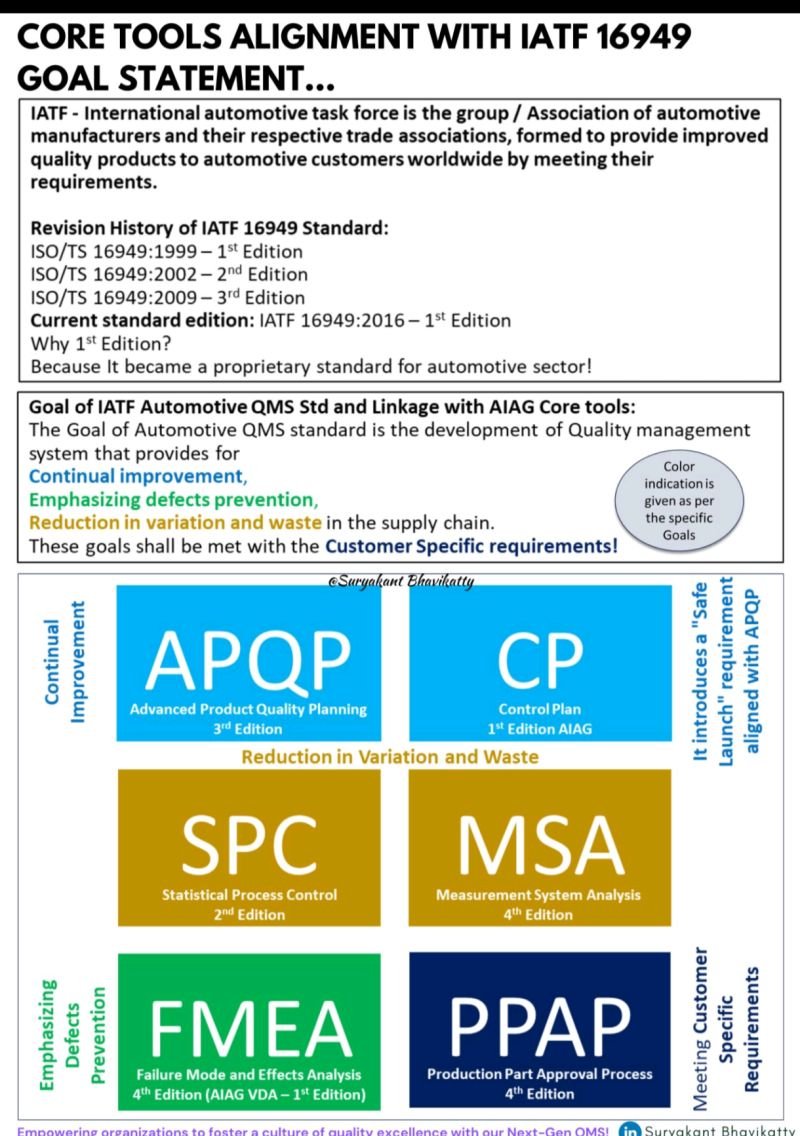
ISO 9001:2015 ensures documented process control; IATF 16949 adds automotive-grade traceability and FMEA rigor. Request certification scopes and audit dates — expired or narrow-scope certificates signal gaps in governance that compromise +/-0.002 mm tolerances under volume.
In-Process CMM and Optical Inspection
ZEISS or Mitutoyo CMM with ≤1 µm resolution, calibrated quarterly, is the baseline for +/-0.001 mm work. Ask for SPC chart samples and inspection frequency — every nth part or 100 % first-article. Shops without real-time SPC cannot detect drift before scrap.
Tool-Life Management and Preventive Calibration
Electrode wear and spindle runout degrade precision. Verify preventive-maintenance logs for EDM, CNC and grinding assets, plus tool-change intervals tied to cycle counts or measured wear, not calendar guesses.
Cleanroom or ESD-Safe Environments
Medical and electronics components require ISO Class 8 (100,000) cleanrooms or ESD-protected zones. Tour the production floor; static mats, ionizers and particulate monitoring are non-negotiable for connector tooling and sensor housings.
Traceability: Lot Codes and Material Certificates
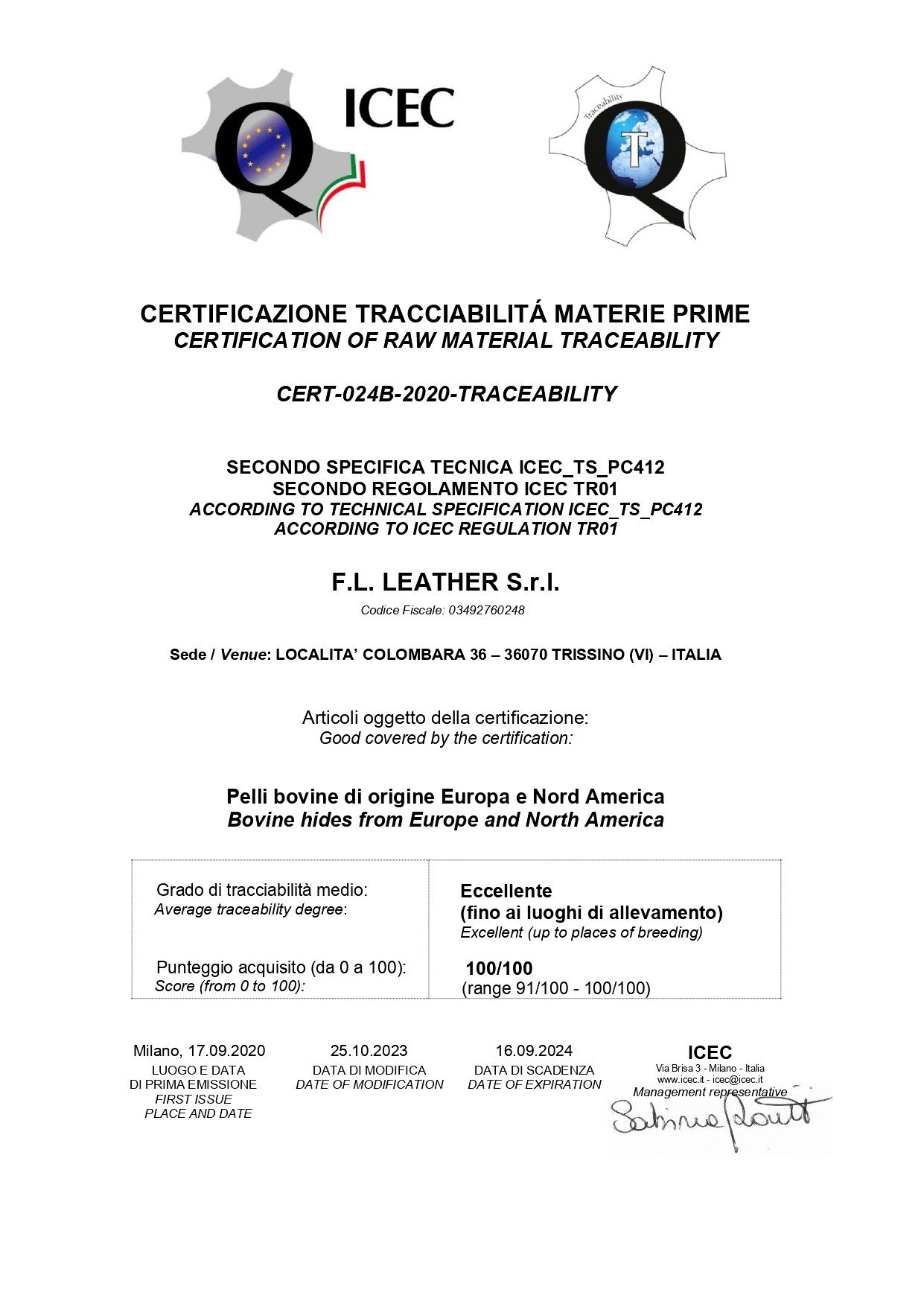
Every batch needs laser-engraved lot codes and mill certificates (resin grade, supplier, date). Request a sample FAI package — missing spectral analysis or vague material IDs indicate weak traceability that blocks root-cause analysis during field failures.
7. How to Choose the Right Plastic Precision Machining Services Provider
Selecting a plastic precision machining services partner requires evaluating hard capabilities, not marketing claims. Focus on verifiable equipment specs, material traceability and engineering depth to avoid costly rework and schedule delays.
Machine-Park Capability and Tolerance Verification
Demand named equipment brands — Sodick, Fanuc, Charmilles — with spindle speeds above 15,000 RPM and five-axis capability for complex geometries. Ask for work-envelope dimensions and actual achieved tolerances, not catalog specifications.
Red flag: any provider unwilling to share CMM reports or citing ‘high precision’ without micron-level numbers (+/-0.001 mm or tighter).
Material Expertise and Inventory Breadth
Verify on-site stock of engineering-grade resins — PEEK, PPS, POM, PTFE — with spectral-analysis certificates. Prototype-to-production scaling requires consistent material lots and traceability.
Red flag: no material certificates or vague ‘we can source anything’ claims without inventory proof.
Engineering Support and DFM Feedback
Insist on tolerance stack-up analysis and DFM reviews before tooling kickoff. XUXIANG’s 10+ engineering experts catch design issues that add 20–30% to cost if discovered mid-production.
Red flag: no formal DFM process or engineering contact limited to sales staff.
8. Common Mistakes Buyers Make When Sourcing Plastic Precision Machining Services
Even experienced procurement teams encounter recurring pitfalls when sourcing plastic precision machining services — mistakes that inflate costs, delay timelines and compromise part performance. Most errors stem from incomplete specifications, unrealistic tolerance expectations or skipping validation steps that catch problems before production.
Specifying Tighter Tolerances Than Functionally Required
Blanket +/-0.005 mm callouts across entire prints drive cost up 40–70% versus tolerance zoning. XUXIANG’s DFM reviews identify which features need +/-0.002 mm and which accept +/-0.02 mm, cutting machine time and inspection overhead.
Apply tight tolerances only to mating surfaces, datum features and functional interfaces; relax non-critical zones to standard machining grades.
Ignoring Material Anisotropy and Thermal Expansion
PEEK expands 5× more than aluminum; POM absorbs moisture and swells. Buyers who dimension at 20°C without thermal or hygroscopic coefficients see field failures.
Share operating temperature ranges and humidity exposure during RFQ; XUXIANG compensates machining offsets and recommends stabilization cycles for hygroscopic resins like PA66.
Underestimating Lead Time for Exotic Polymers
PPSU, PEI and medical-grade PEEK often require 2–3 weeks material lead time plus post-machining stress relief. Buyers assuming ‘plastic is fast’ miss launch windows.
Request material availability confirmation upfront; XUXIANG stocks common engineering grades and flags long-lead exotics during quotation.
Skipping First-Article Inspection Sign-Off
Launching production without formal FAI approval locks in dimensional drift or surface defects across thousands of parts. XUXIANG’s five-step QC — spectral analysis, in-process monitoring, ZEISS CMM, surface integrity, FAI documentation — requires buyer sign-off before batch release.
9. Steps to Launch a Precision Plastic Component Program
Launching a precision plastic component program requires structured cross-functional collaboration between design, quality and procurement teams. Each phase gates the next, ensuring that dimensional risk and supply-chain delays are mitigated before serial production begins.
Requirements Definition and Material Down-Selection
Engineering defines dimensional tolerances, surface finish (Ra ≤ 0.2 µm for optical, ≤ 0.8 µm for connectors) and environmental loads (thermal cycling, chemical exposure). Quality and procurement jointly down-select materials — PEEK for 260 °C service, POM for wear resistance, or PA66-GF30 for structural rigidity — and lock resin grades with UL file numbers to avoid late substitutions.
RFQ Preparation: CAD, Inspection Plan and Volume Forecast
Procurement packages 2D GD&T drawings, 3D STEP or Parasolid models, an inspection plan citing critical-to-quality features and a three-year volume forecast (NPI, ramp, steady state). Including annual volume triggers supplier capital investment in dedicated fixtures and SPC tooling, shortening lead time by 20–30 %.
First-Article Build and Dimensional Validation
The supplier machines T1 samples, measures every GD&T callout on a ZEISS-class CMM and issues a full FAI report with material certificates. Automotive buyers require PPAP Level 3 (dimensional results, process FMEA, control plan). XUXIANG’s five-step QC — spectral analysis, in-process monitoring, CMM verification, surface integrity and FAI documentation — satisfies PPAP and accelerates design freeze.
Transition to Serial Production with SPC Monitoring
After design sign-off, production launches under ISO 9001:2015 process control. Real-time SPC charts track Cpk ≥ 1.33 on critical dimensions; any drift triggers corrective action before non-conformance. Cross-functional review meetings (monthly in ramp, quarterly in steady state) align engineering changes, capacity planning and cost reduction.
10. Pricing and Cost Drivers for Plastic Precision Machining Services
Cost per part in plastic precision machining services is driven by four primary factors: raw-material grade (PEEK and PPS command 3–5× the price of POM or nylon), machine-hour rates (5-axis CNC runs CNY 150–300/hr versus CNY 80–120/hr for 3-axis), setup and fixturing complexity (custom soft jaws and vacuum plates add CNY 500–2,000 per job), and tolerance tightness (achieving +/-0.001 mm requires ZEISS CMM validation and adds 15–25% inspection overhead). Order quantity drives unit economics through setup amortization: at 10 pieces setup represents 40–60% of total cost, dropping to under 5% at 1,000+ units.
Machining remains cost-competitive against injection molding below approximately 500–800 pieces for complex geometries, where a steel mold tool runs CNY 50,000–200,000 but machined prototypes deliver in 5–7 days. Above 2,000 units, molding economics typically prevail unless design changes are frequent or tolerances exceed +/-0.02 mm capability of standard tooling.
| Quantity Tier | Unit Price Range (CNY) | Typical Lead Time | Setup Share of Cost |
|---|---|---|---|
| 10 pcs | 180–450 | 5–7 days | 40–60% |
| 100 pcs | 65–150 | 7–10 days | 15–25% |
| 1,000 pcs | 28–75 | 10–14 days | 5–10% |
| 5,000 pcs | 18–50 | 14–21 days | <5% |
Ready to Source Plastic Precision Machining Services? Get Your Quote
Upload your CAD drawing and receive a detailed quote plus DFM feedback within 24 hours. No MOQ, no setup fee for samples.