
Precision Injection Molded Plastic Components — +/-0.001 mm Tolerance, 24-Hour Quotes
ISO 9001:2015-certified injection molded plastic components machined to micron-level accuracy with Sodick EDM, Fanuc CNC and ZEISS CMM validation — quotes returned in 24 hours, samples in 3–7 days.
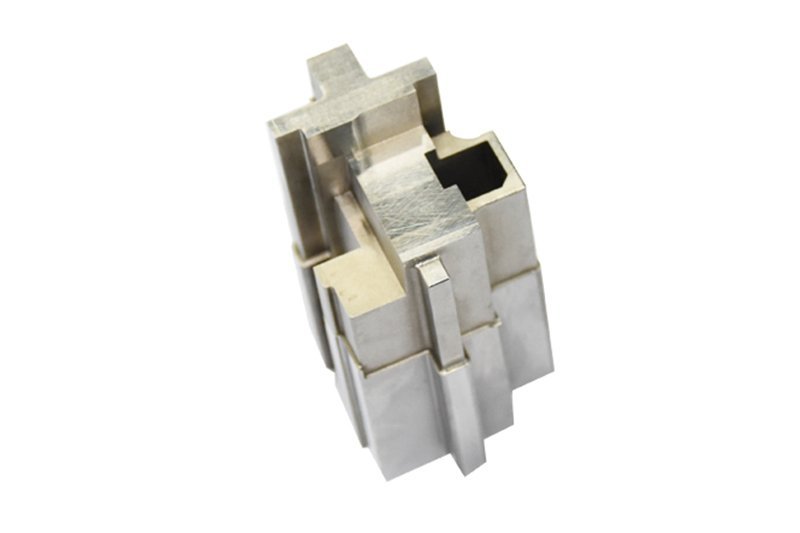
Featured Precision Components
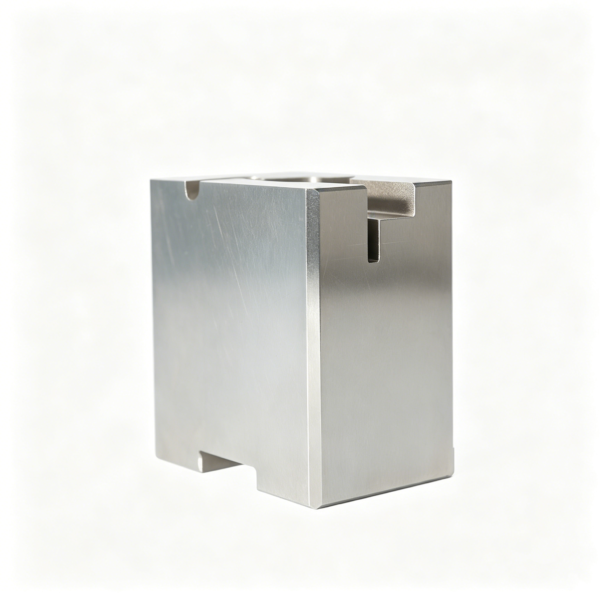
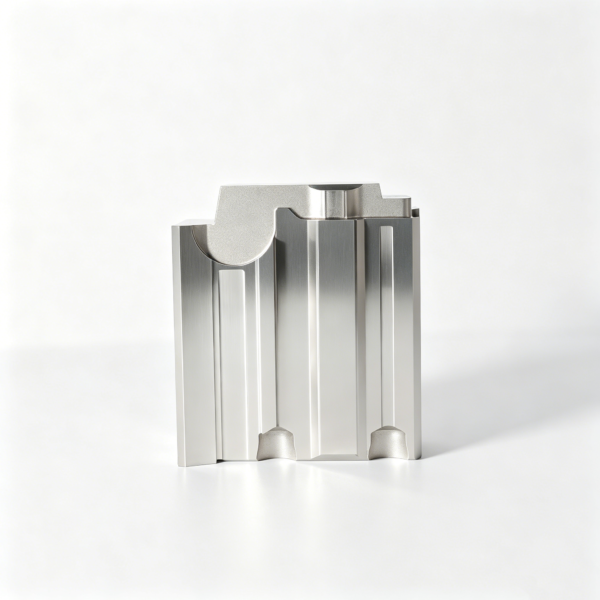
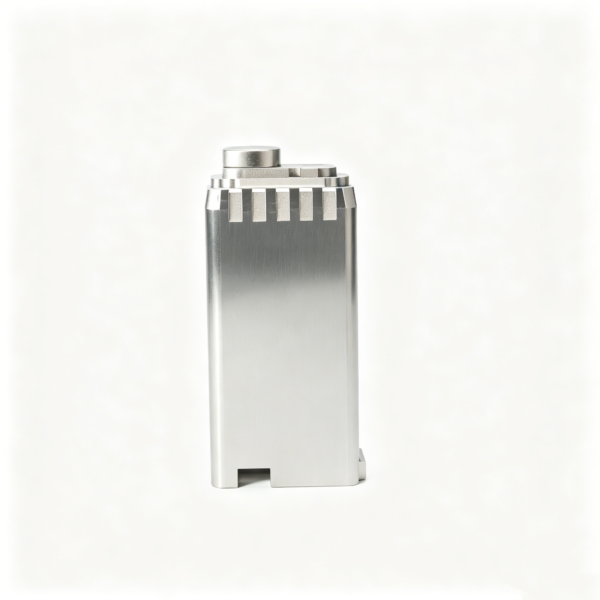
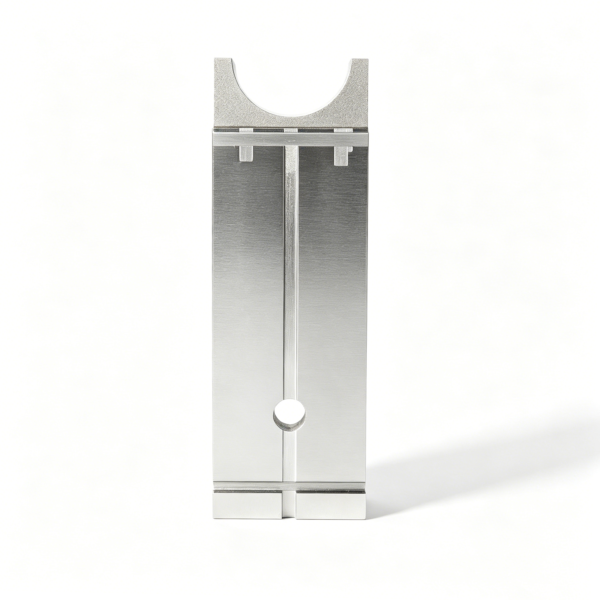
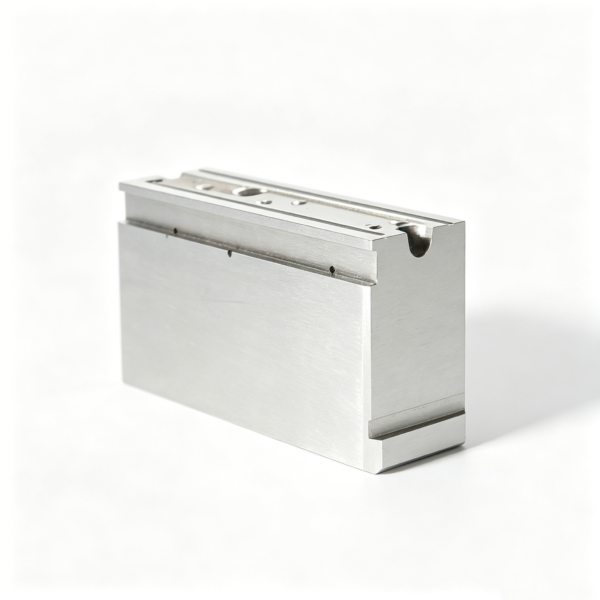
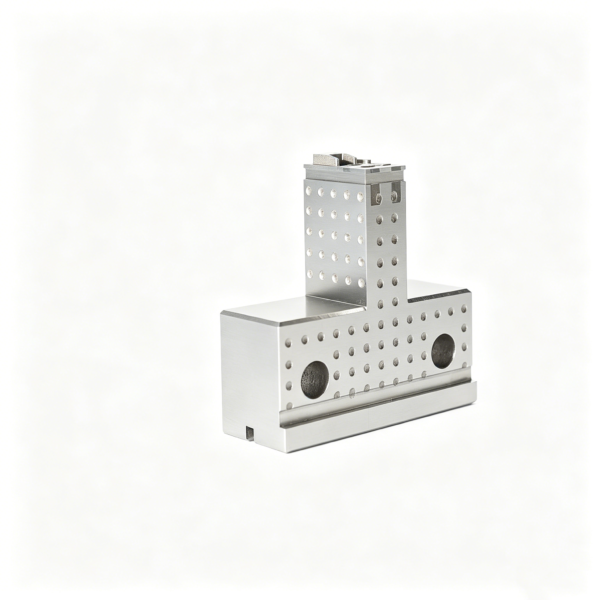
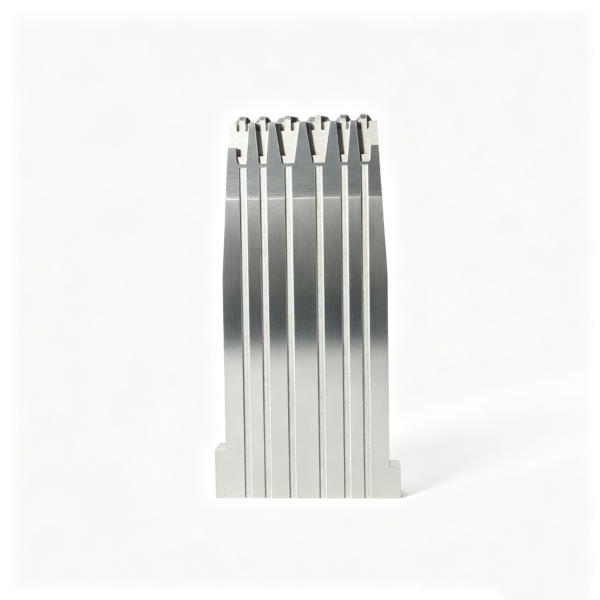
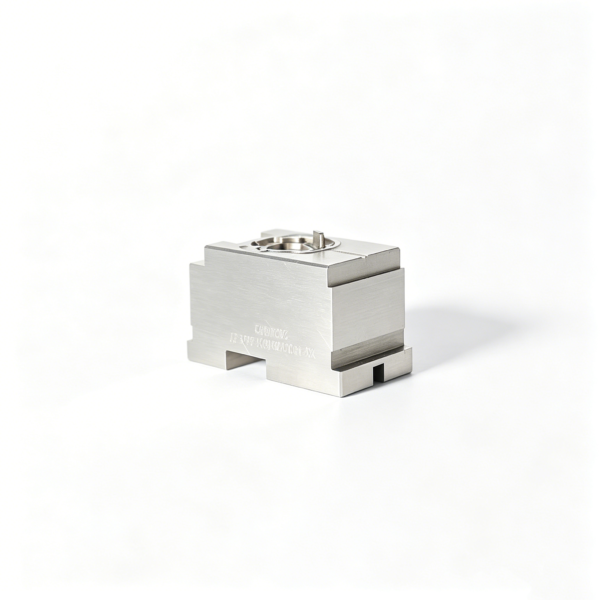
Product Gallery & Samples
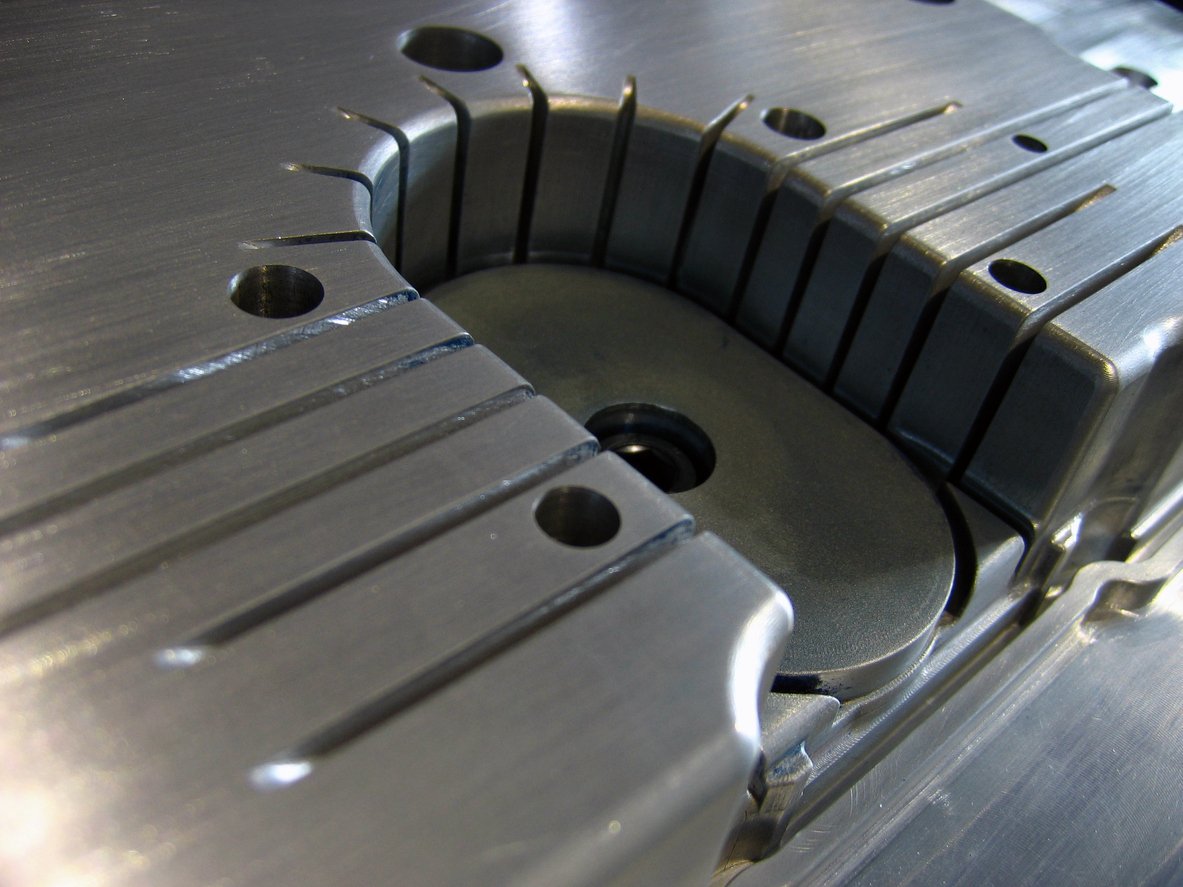

Why Precision Matters for Injection Molded Plastic Components
XUXIANG solves the two biggest procurement pain points — tolerance failure and delivery delay — with micron-stable precision, mirror-grade finishes, and dual-factory capacity backed by ISO 9001:2015 quality systems.
+/-0.001 mm Machining Precision
Micron-stable tolerances on every injection molded plastic component, verified by ZEISS MICURA CMM with 0.7um accuracy and full FAI documentation.
Mirror-Grade EDM Surface Finish
Ra 0.1um finish achieved with Sodick slow-wire and Mitsubishi mirror EDM — eliminating secondary polishing and reducing assembly friction.
3–7 Day Rapid Sampling
Fast-track prototypes and first articles in 3–7 days, with 24-hour quote turnaround — approximately 30% faster than industry average.
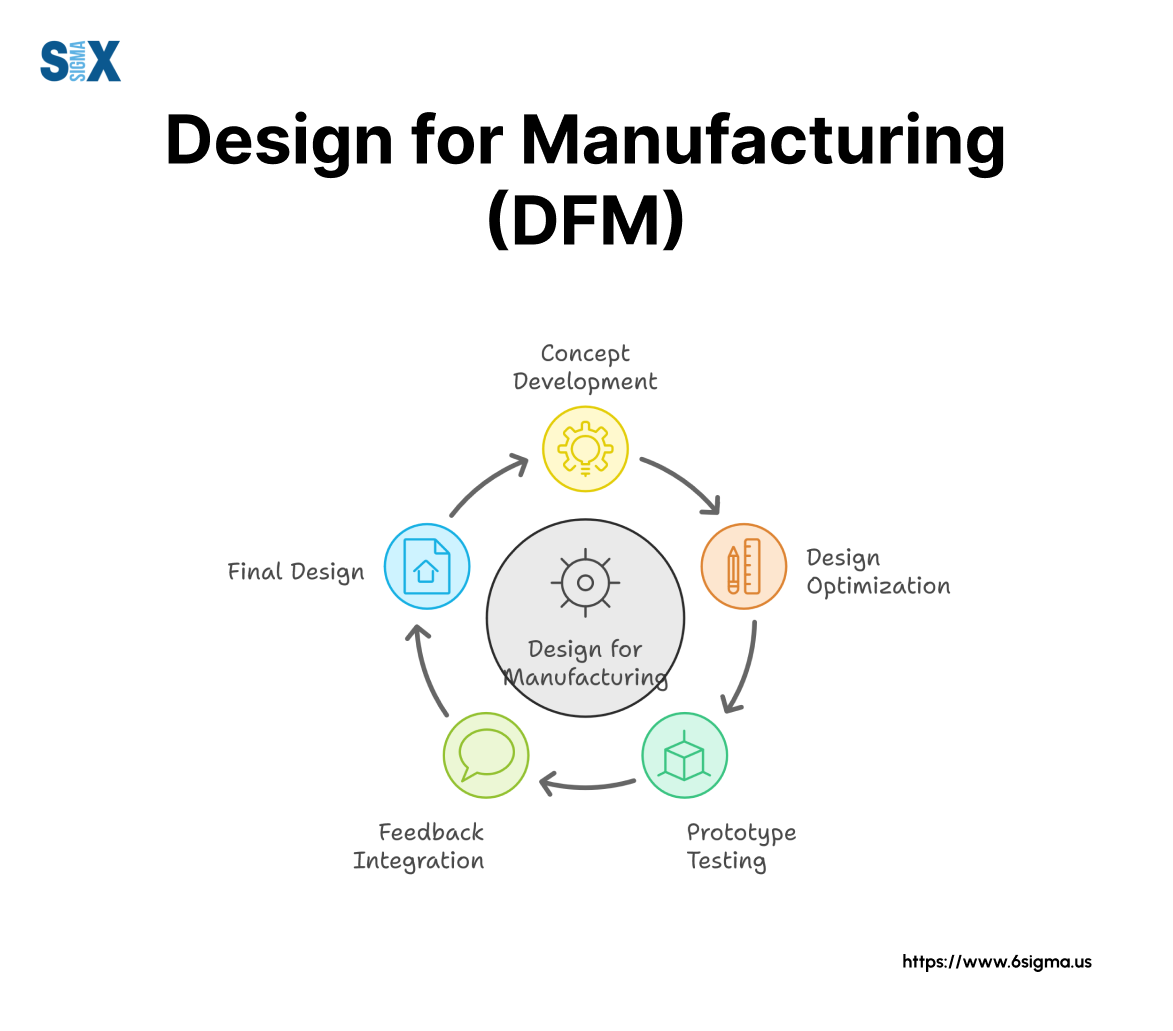
DFM Engineering Support
Pre-production design-for-manufacturability feedback from 10+ precision engineers, catching tolerance and tooling issues before they reach the shop floor.
Dual-Factory Production Capacity
Dongguan R&D hub plus Quanzhou volume plant — 3,400 m² total, +200% capacity expansion in 2025 for dependable mass production.
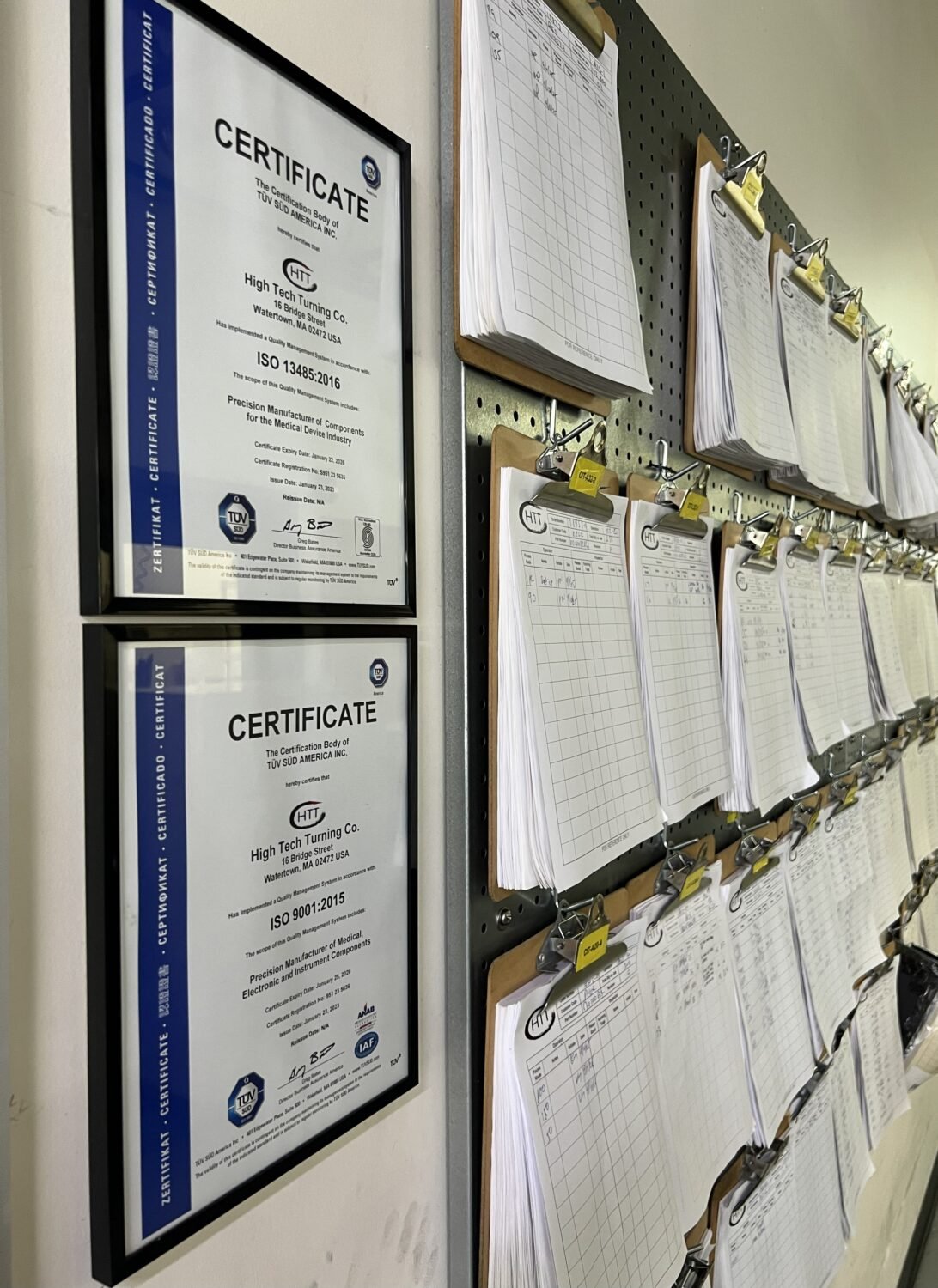
ISO 9001:2015 Quality Assurance
Five-step QC flow with material spectral analysis, in-process monitoring, CMM verification and final inspection — zero tolerance failures at delivery.
Injection Molded Components by Industry Challenge
Precision tooling and molded parts engineered for 5G/telecom, automotive & NEV, medical devices, industrial automation and electronics—held to +/-0.001 mm and validated with ZEISS CMM.
Custom Injection Molded Components
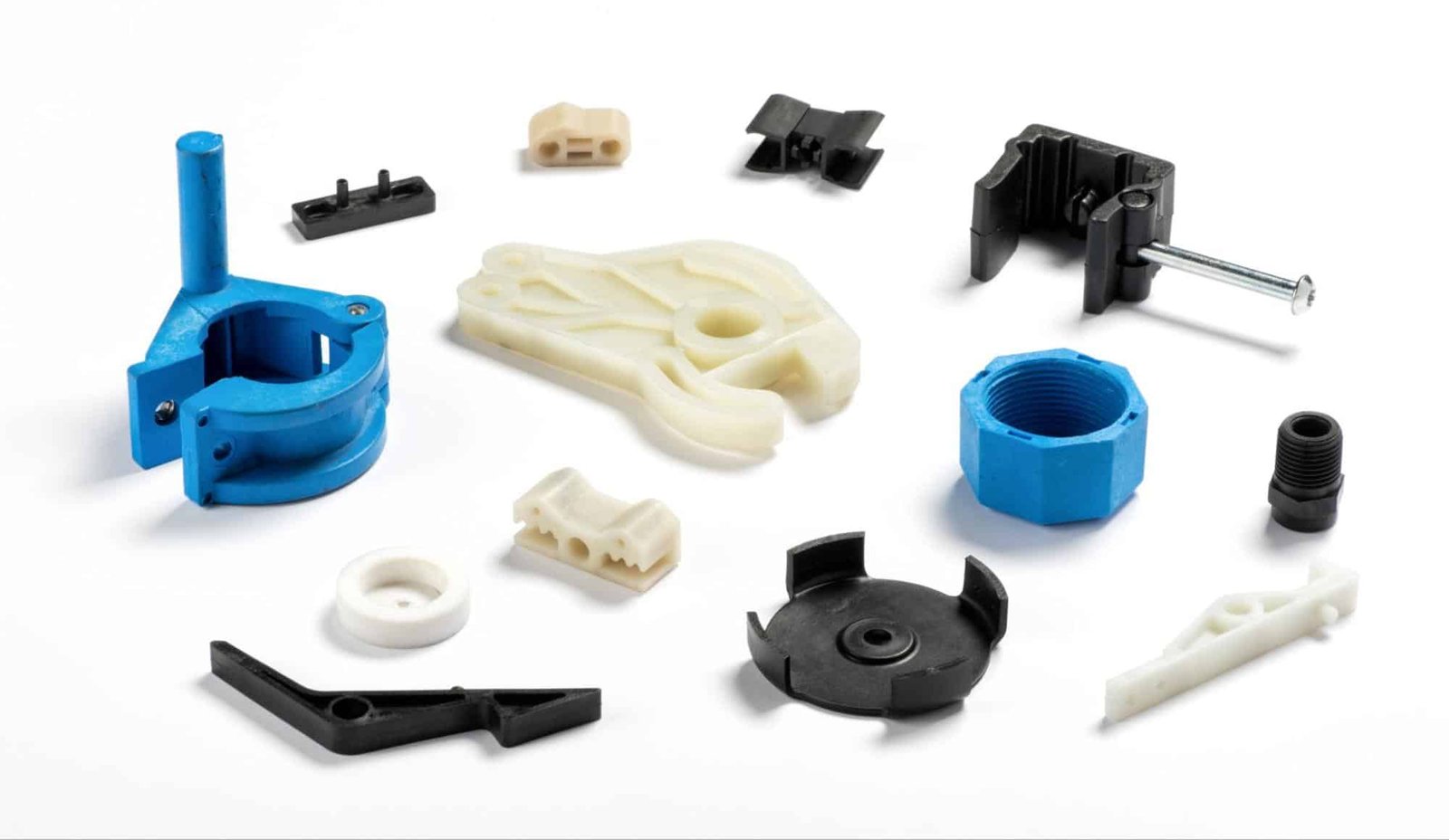
Engineered for 5G micro-connectors, automotive sensor housings and industrial end effectors where catalog parts fail. XUXIANG designs and machines custom mold cores with +/-0.001 mm positioning, mirror EDM finishes to Ra 0.1um, and DFM validation from 10+ experts. Every custom insert ships with FAI reports and material certificates, solving tolerance drift in high-volume production.
Get a Quote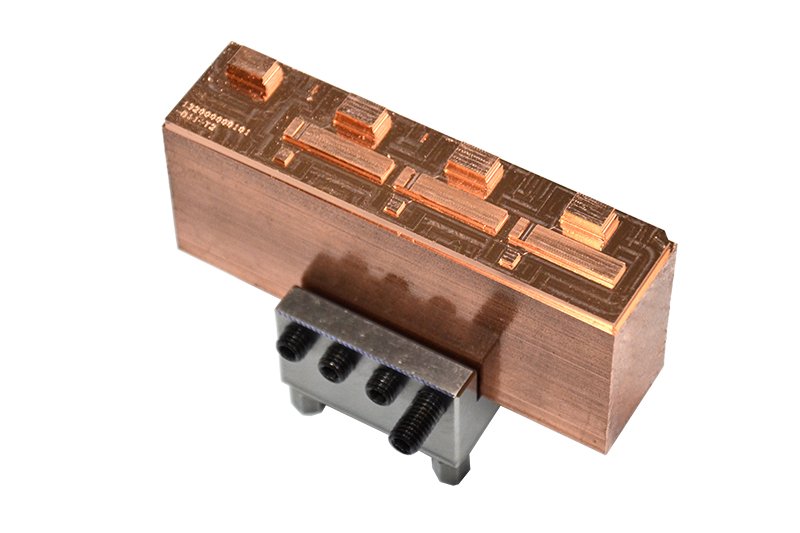
Insert Molding & Overmolding
Combines precision metal stamping with thermoplastic overmolding for BMS terminals, ADAS sensor assemblies and board-to-board connector shells. Mold cores hold +/-0.002 mm on slow-wire EDM to prevent flash and ensure metal-to-plastic bond integrity. ZEISS MICURA CMM verifies insert position and wall thickness. Ideal for automotive NEV interconnects and industrial hybrid components requiring EMI shielding or structural reinforcement.
Get a Quote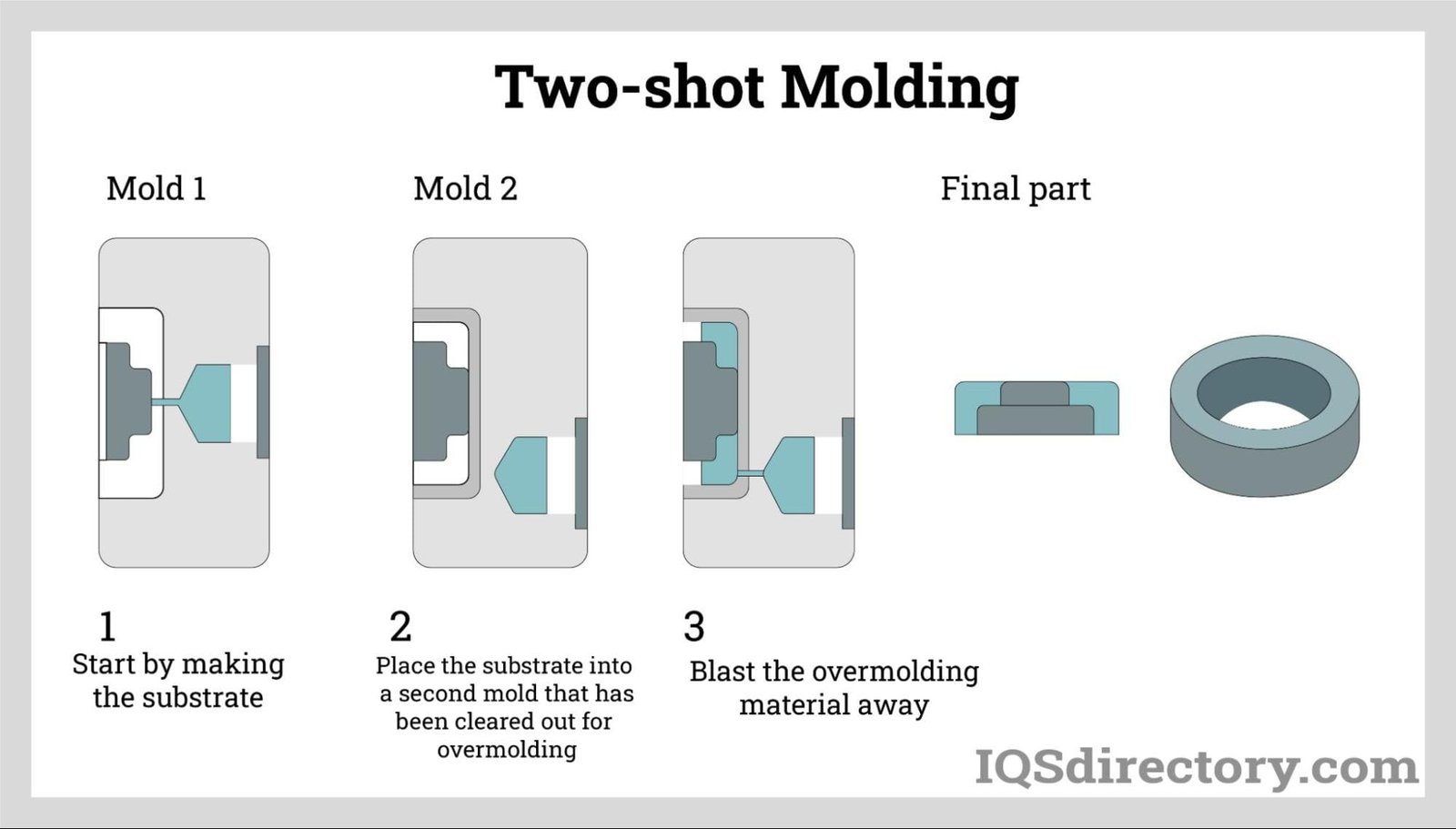
Two-Shot / Multi-Component Molding
Two-shot and multi-material injection molding for soft-touch grips, sealed housings and color-coded medical assemblies. Sodick slow-wire EDM machines core cavities with R ≤ 0.015 mm corner radii and +/-0.003 mm parting-line flatness to eliminate material bleed. Nikon toolmaker microscopes verify shot-to-shot registration. Supports LSR/thermoplastic, PC/TPE and PA/TPU combinations with cycle-time optimization and full process documentation.
Get a Quote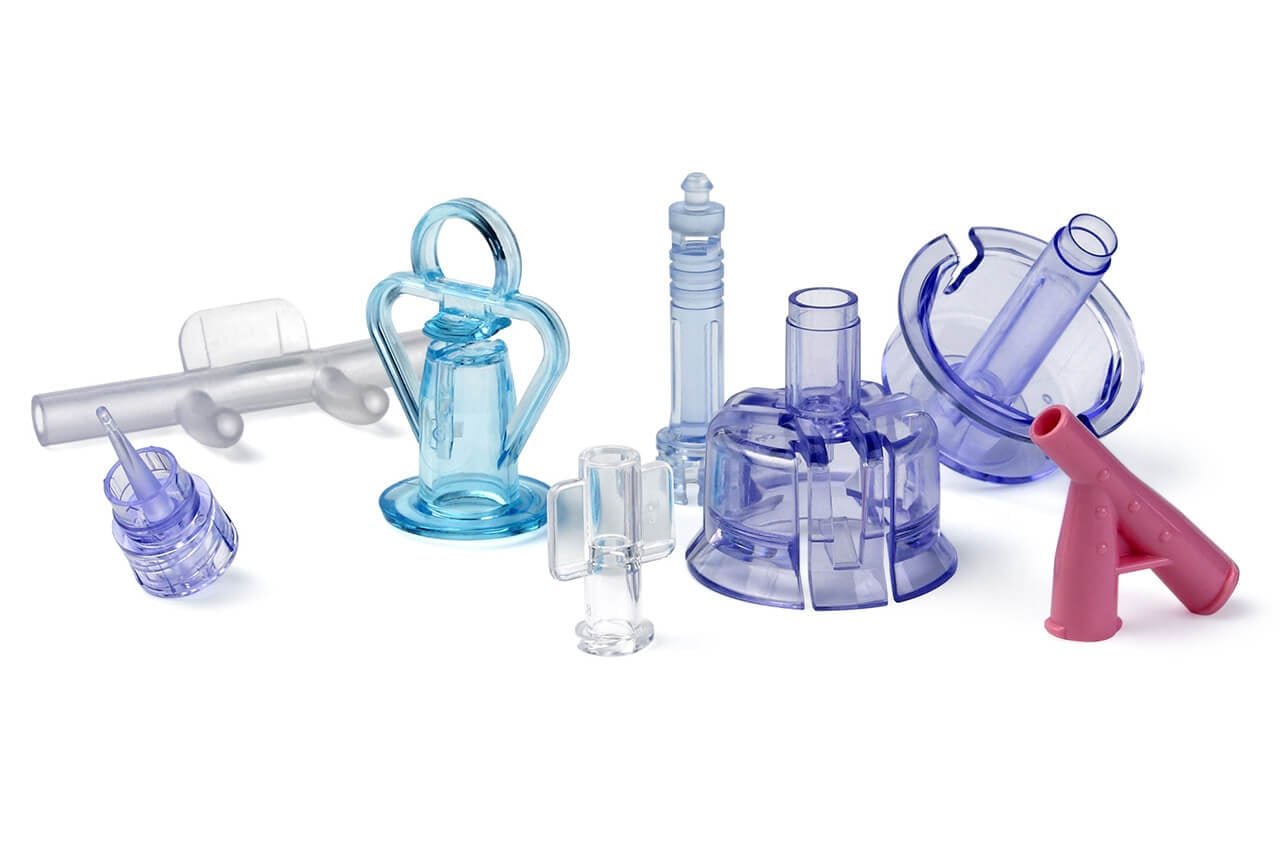
Medical Injection Molded Components
ISO 9001:2015 tooling and molded parts for diagnostic devices, surgical instruments and drug-delivery systems. Mold inserts machined to +/-0.001 mm, validated under Class 100,000 protocols with spectral material analysis and biocompatibility certificates. ZEISS CMM inspection confirms luer taper geometry, snap-fit tolerances and surface finish. Lead time 15–25 days for production tooling, 3–7 days for prototype inserts with full traceability.
Get a Quote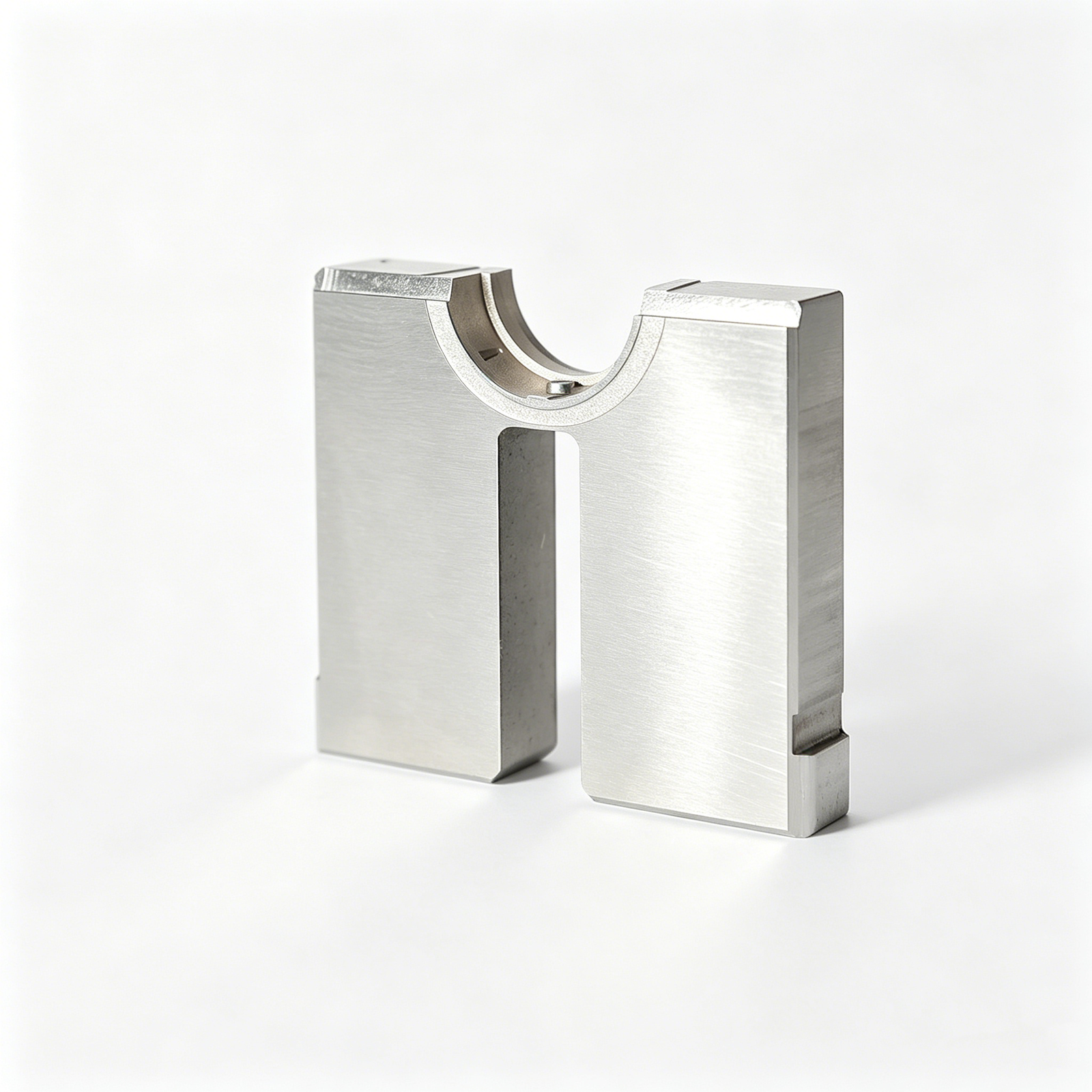
Plastic Molded Components
High-precision plastic molded components for electronics housings, 5G antenna supports, LED brackets and robotics enclosures. Mitsubishi mirror EDM delivers Ra 0.1um cavity finish; conformal cooling channels reduce cycle time by up to 30 percent. Every part validated through five-step QC: material check, in-process monitoring, CMM verification, surface integrity and FAI. Designed to eliminate warpage, sink marks and dimensional drift across million-cycle tool life.
Get a Quote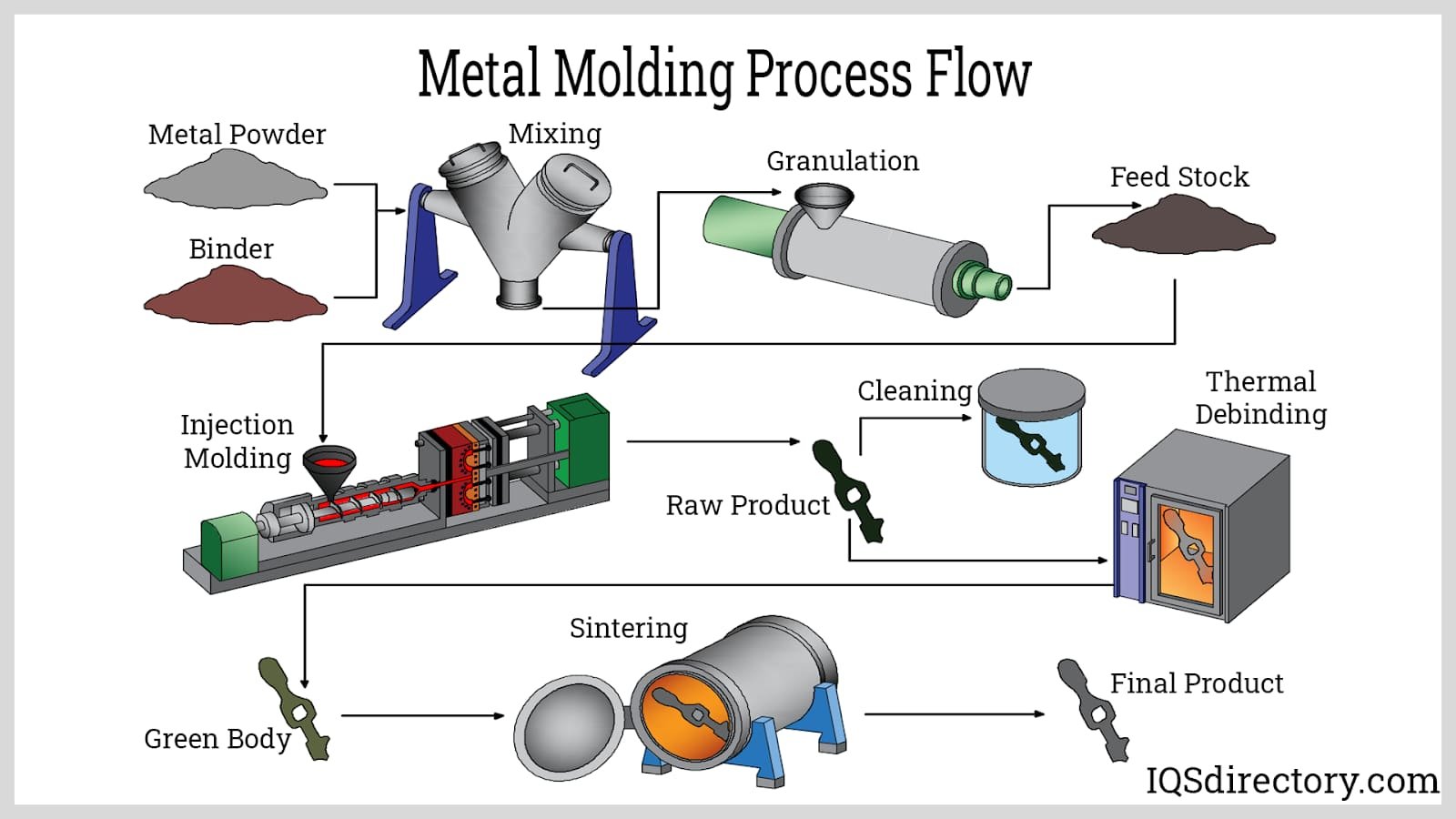
Metal Injection Molding (MIM)
Metal injection molding (MIM) for complex geometries in stainless steel, titanium alloy and soft magnetic materials—automotive micro-gears, medical implant components and miniature industrial fittings. Tooling machined on Fanuc CNC and Sodick EDM with +/-0.002 mm cavity accuracy. Sintering process controlled to achieve 96–98 percent theoretical density. ZEISS metrology verifies final part tolerance, surface finish and material homogeneity, with full material certificates and dimensional reports.
Get a Quote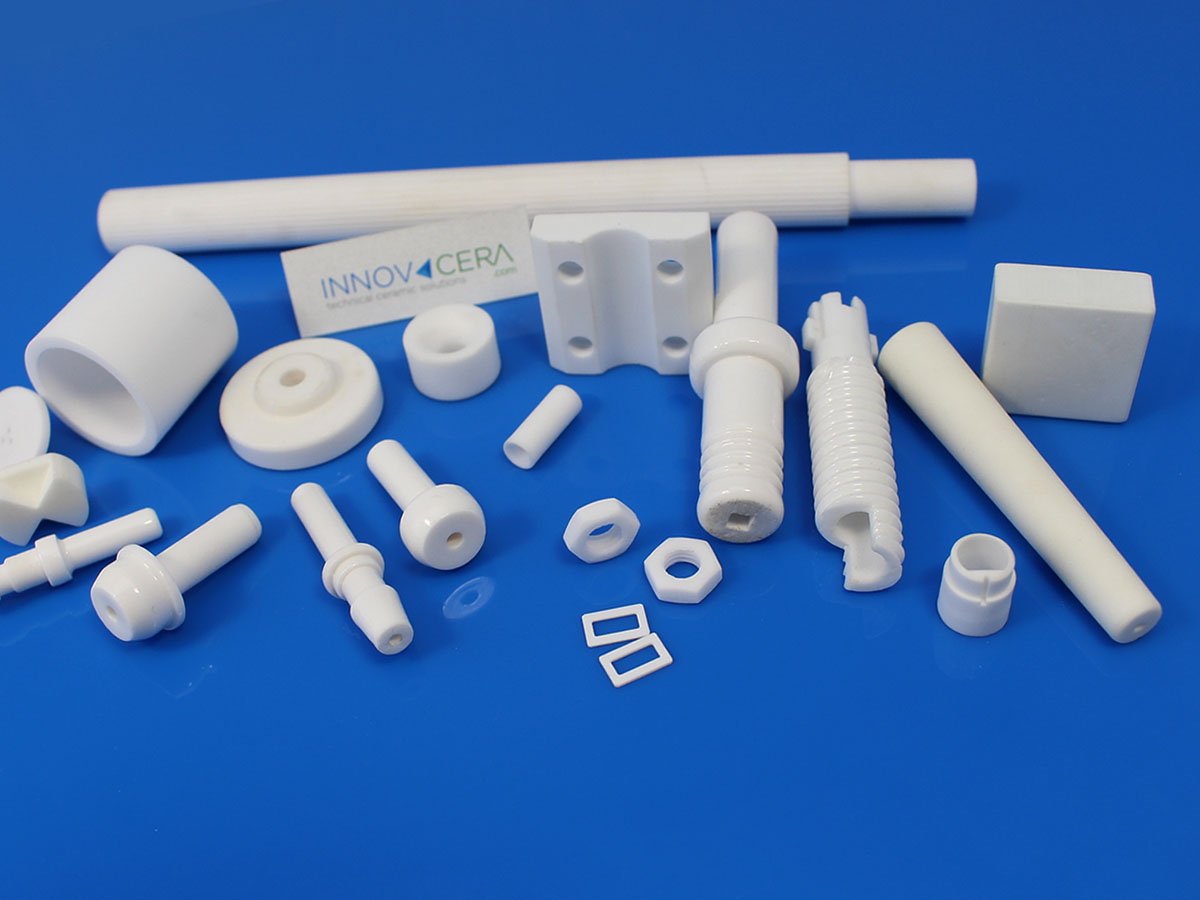
Ceramic / ZTA Injection Molding
Ceramic injection molding (CIM) for zirconia (ZTA), alumina and silicon nitride components in high-wear, high-temperature or biocompatible applications—medical cutting tools, semiconductor handling and aerospace insulators. Mold cores held to +/-0.001 mm and polished to Ra 0.1um. Debinding and sintering profiles tuned for dimensional stability within +/-0.3 percent. ZEISS CMM and Nikon microscopy confirm grain structure, flatness and edge sharpness, supported by full process traceability and material certification.
Get a QuoteEngineering Resins for Precision Injection Molded Plastic Components
Precision Processes Behind Every Injection Molded Plastic Component
Sinker EDM
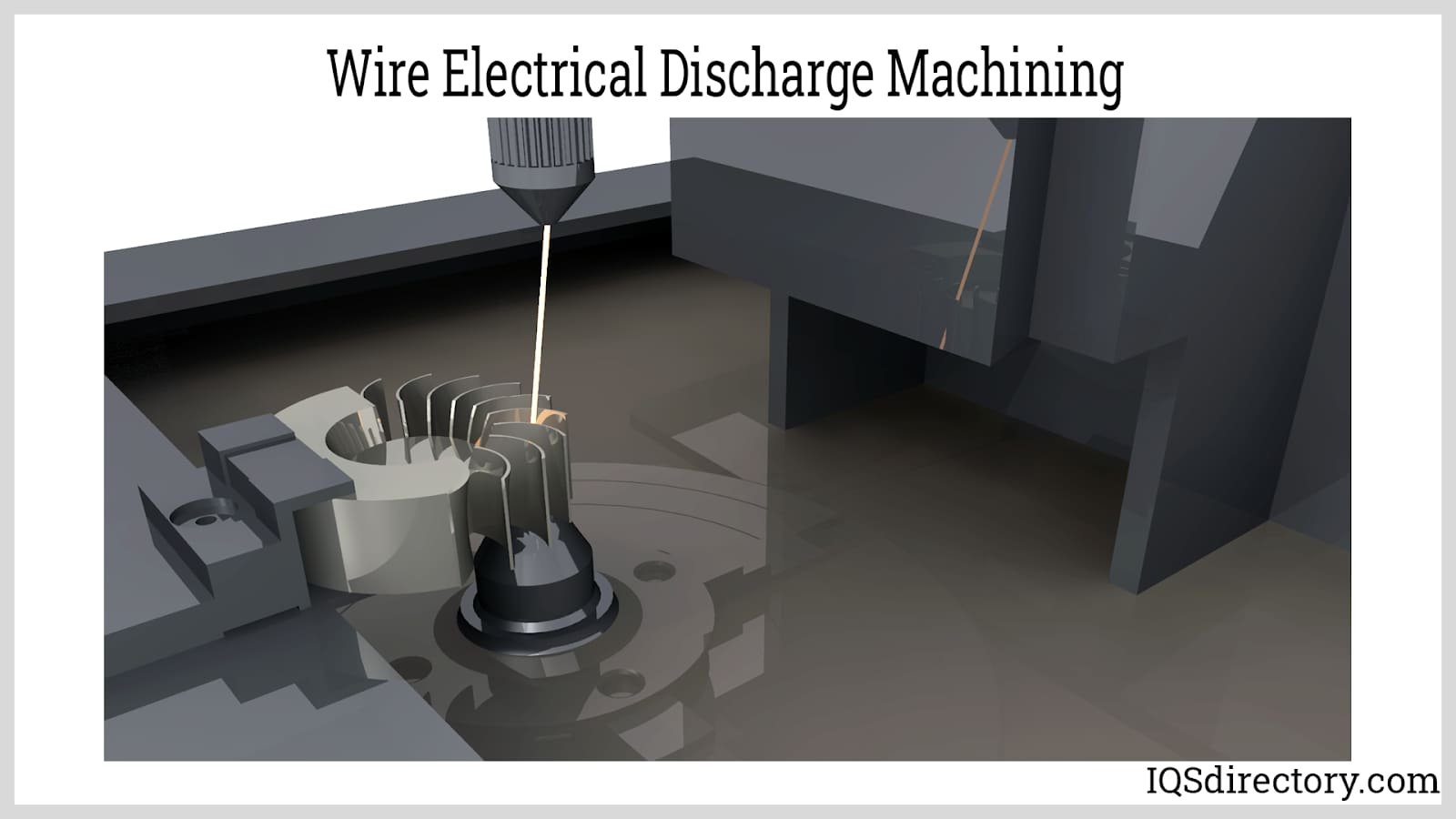
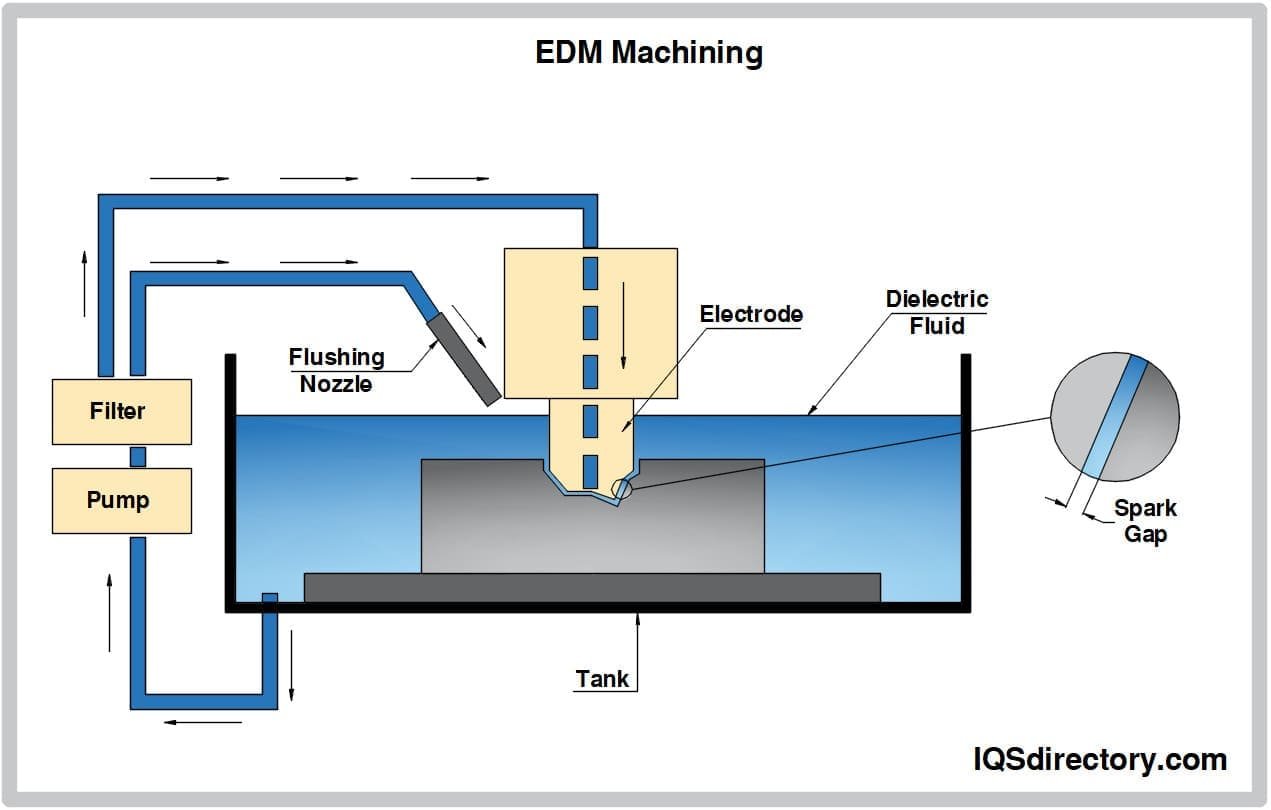
Sodick and Charmilles sinker EDM machines produce deep cavities, conformal cooling channels and mirror-class core details with +/-0.003 mm accuracy and Ra 0.1um surface finish, eliminating secondary polishing and reducing cycle times in production molds.
Mirror Finishing
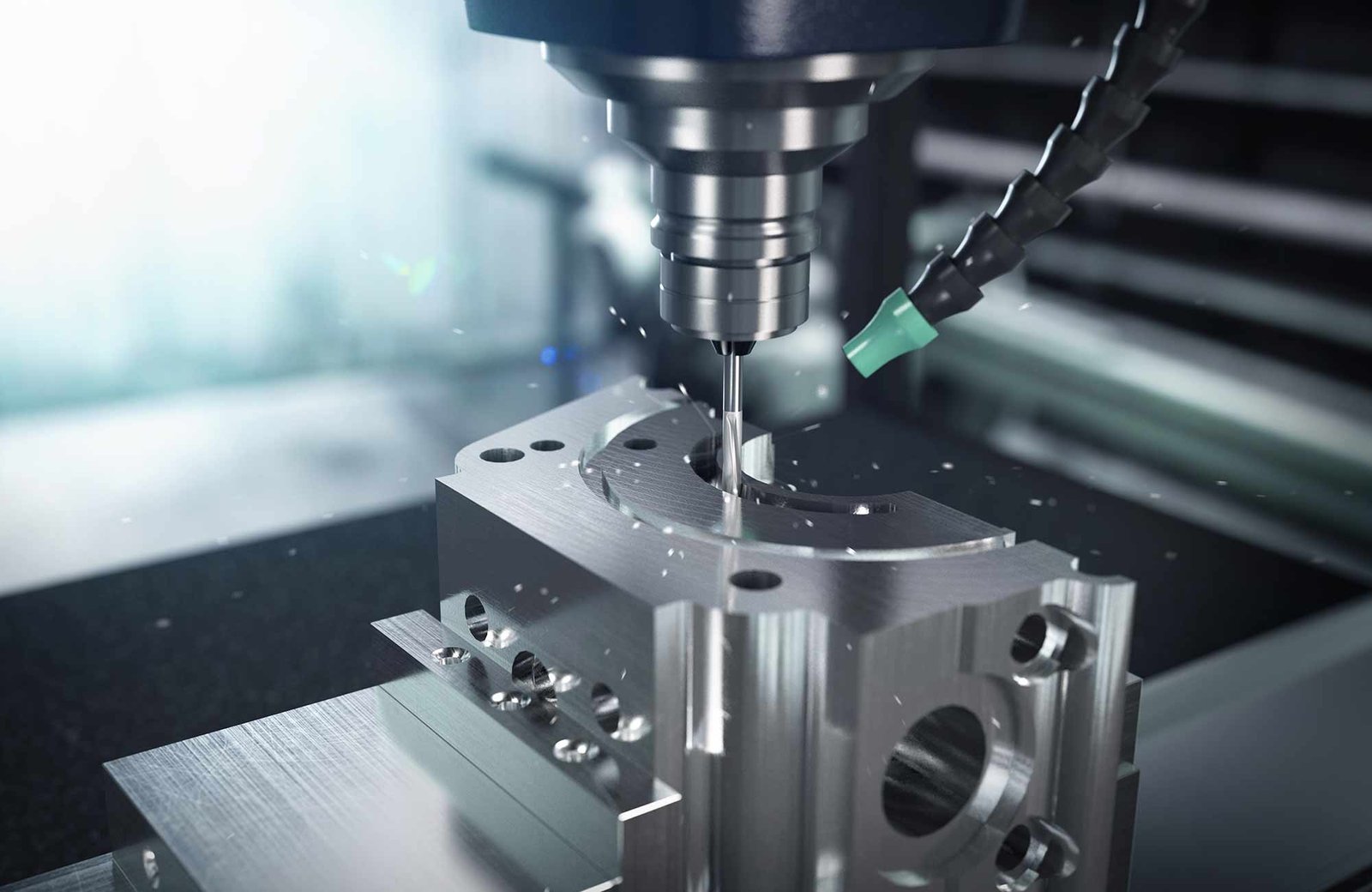
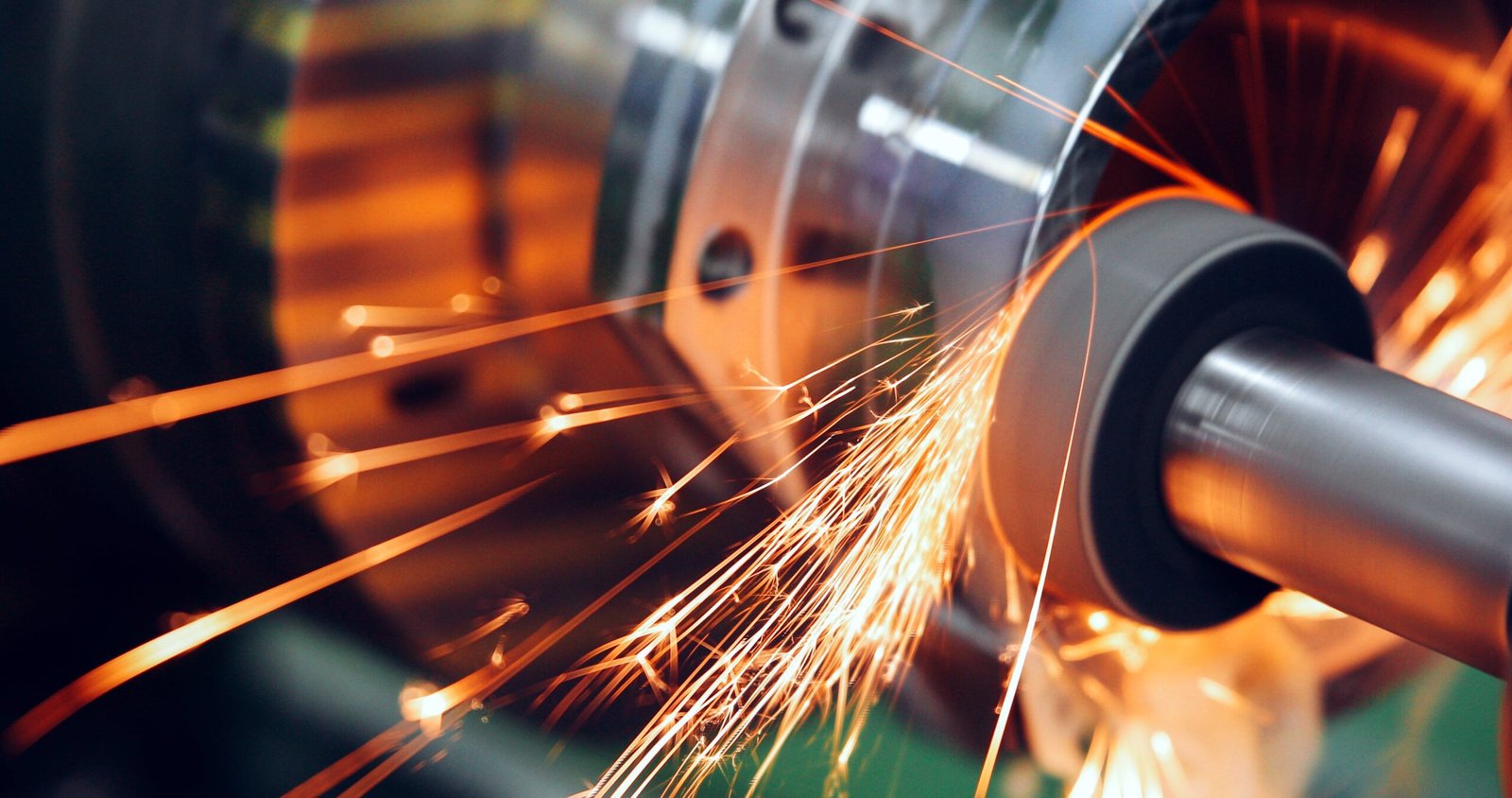
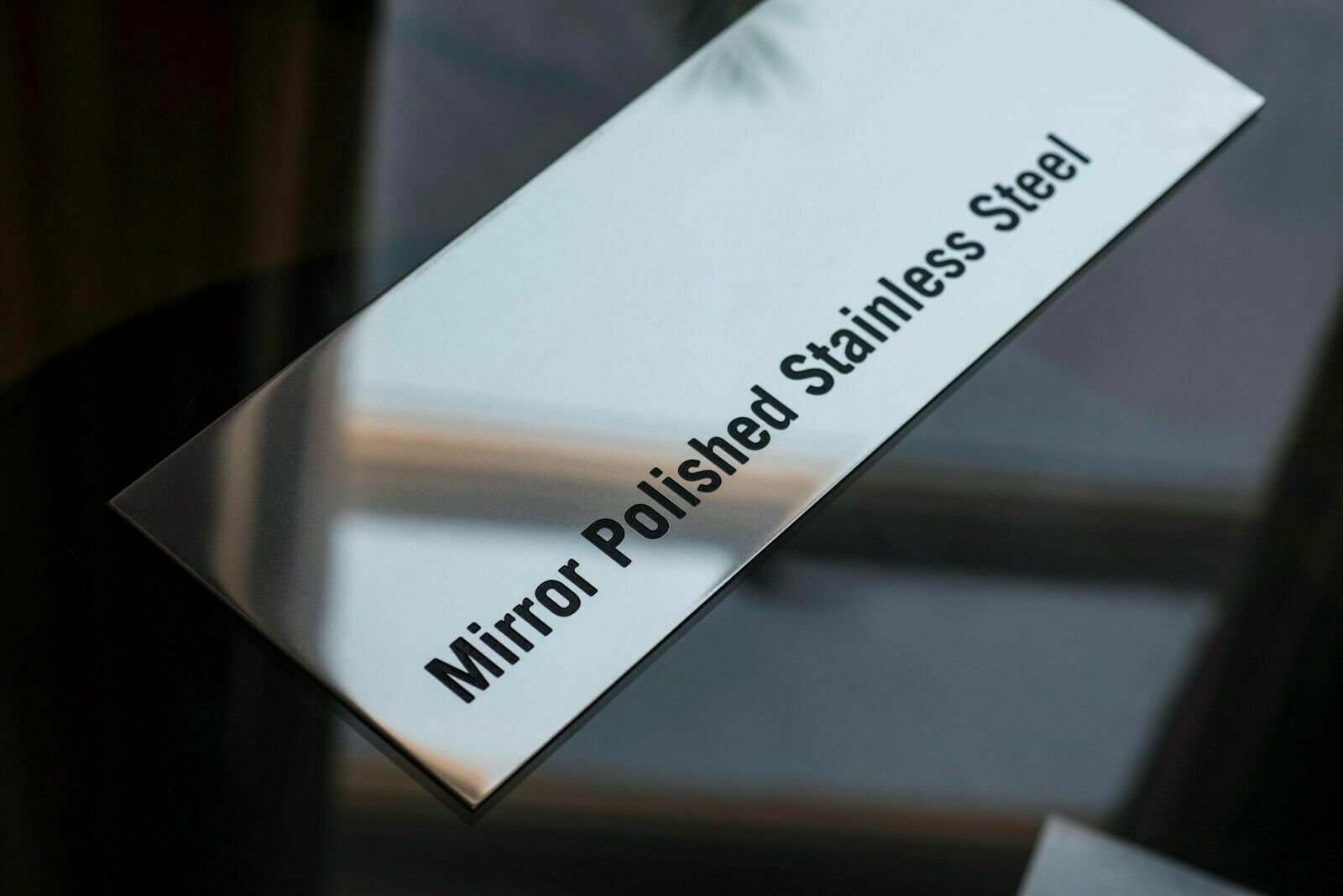
Mitsubishi mirror EDM technology produces optical-grade surface finishes down to Ra 0.1um on cavity walls and core details, eliminating drag marks, enabling clean part ejection and delivering the cosmetic quality required for visible consumer-facing injection molded plastic components.
Value-Add Services for Injection Molded Plastic Components

Full FAI Documentation
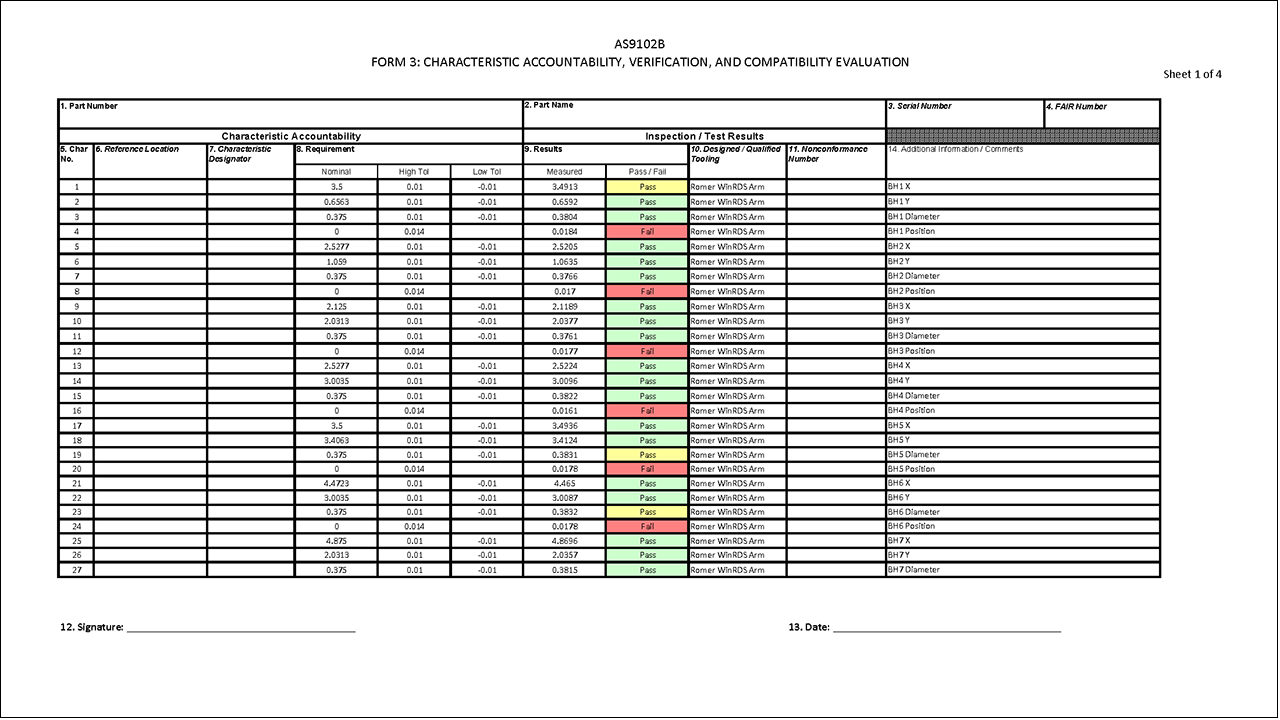
First-article inspection reports generated on ZEISS MICURA CMM (0.7 µm resolution) with dimensional data, surface-finish readings and material certificates — validating every injection molded plastic component against your drawing before shipment.
Material Certification & Traceability
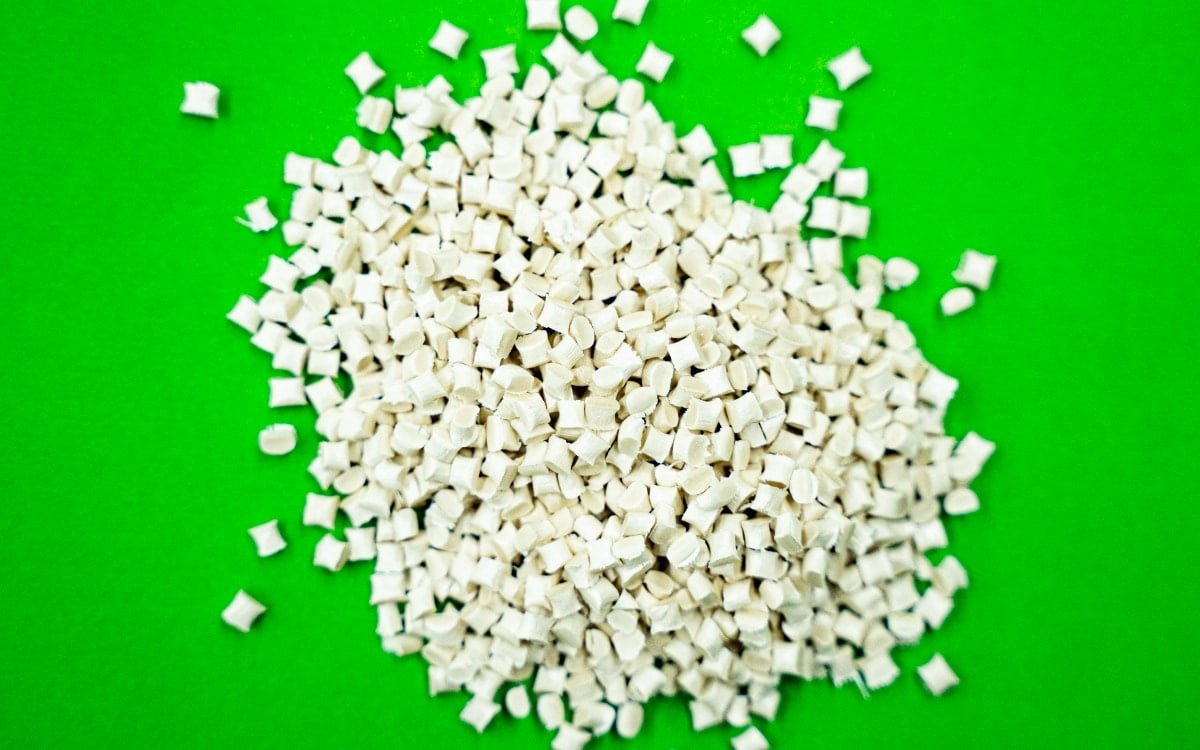
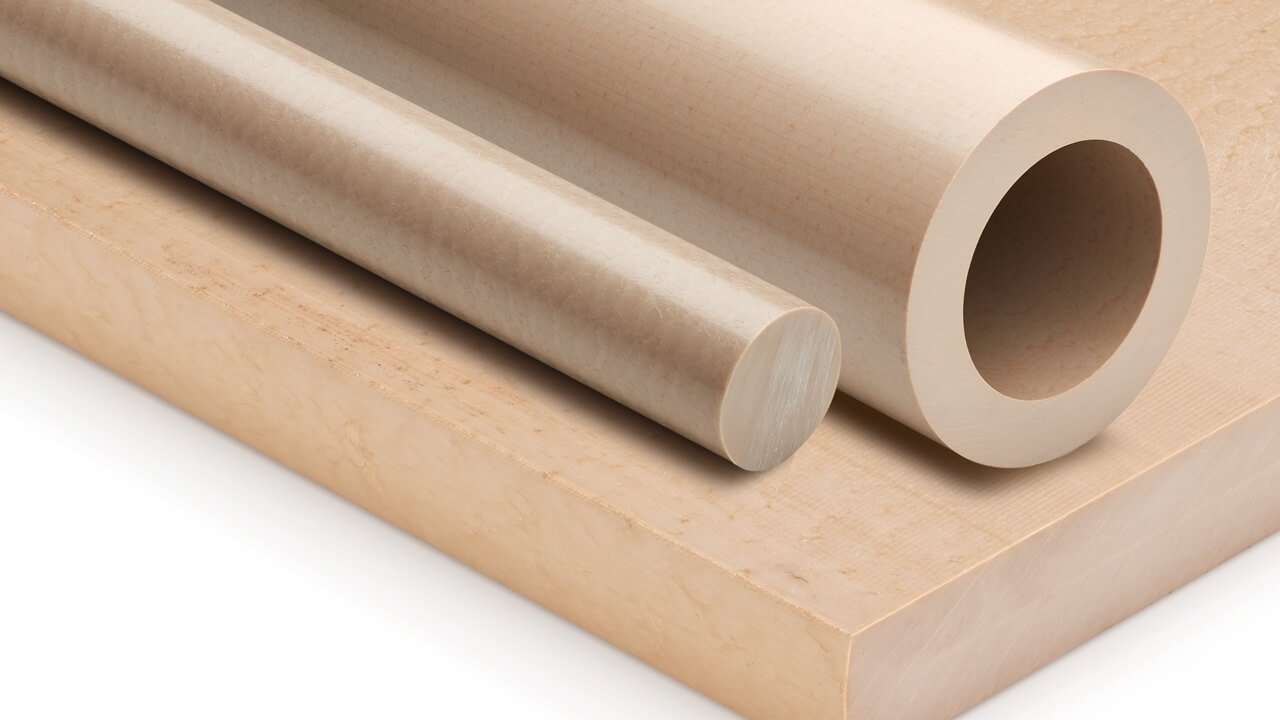
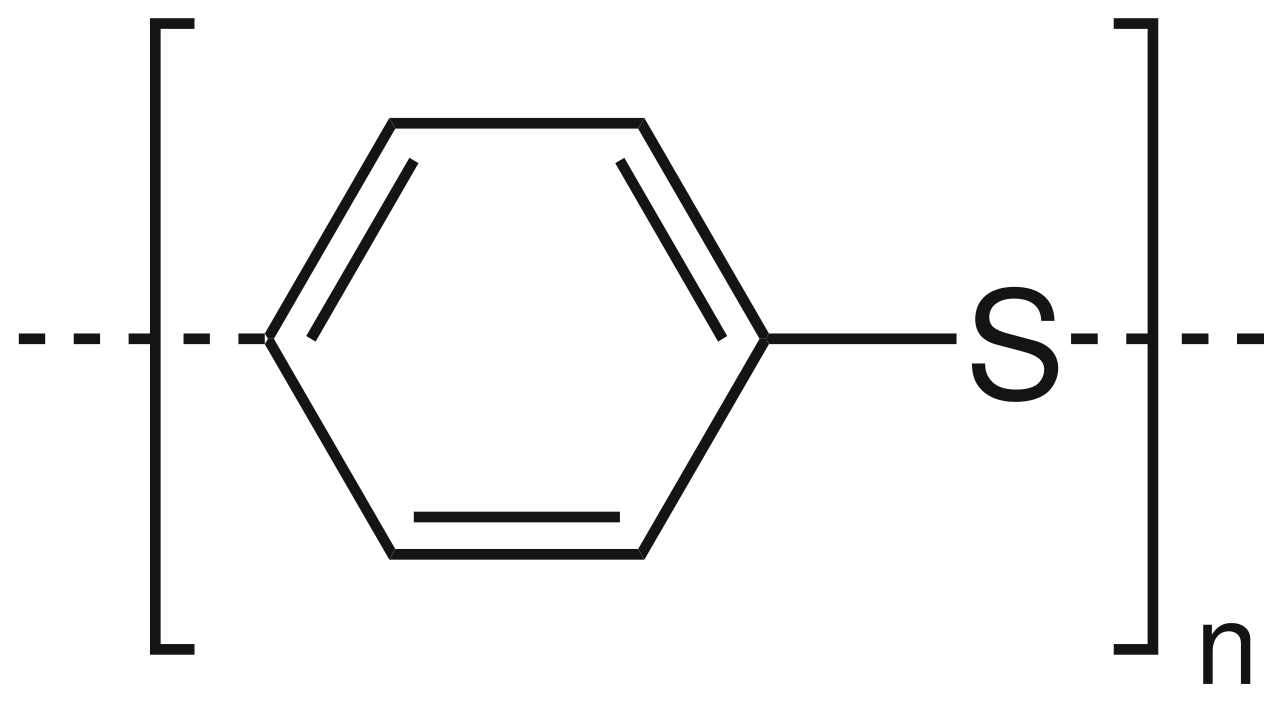
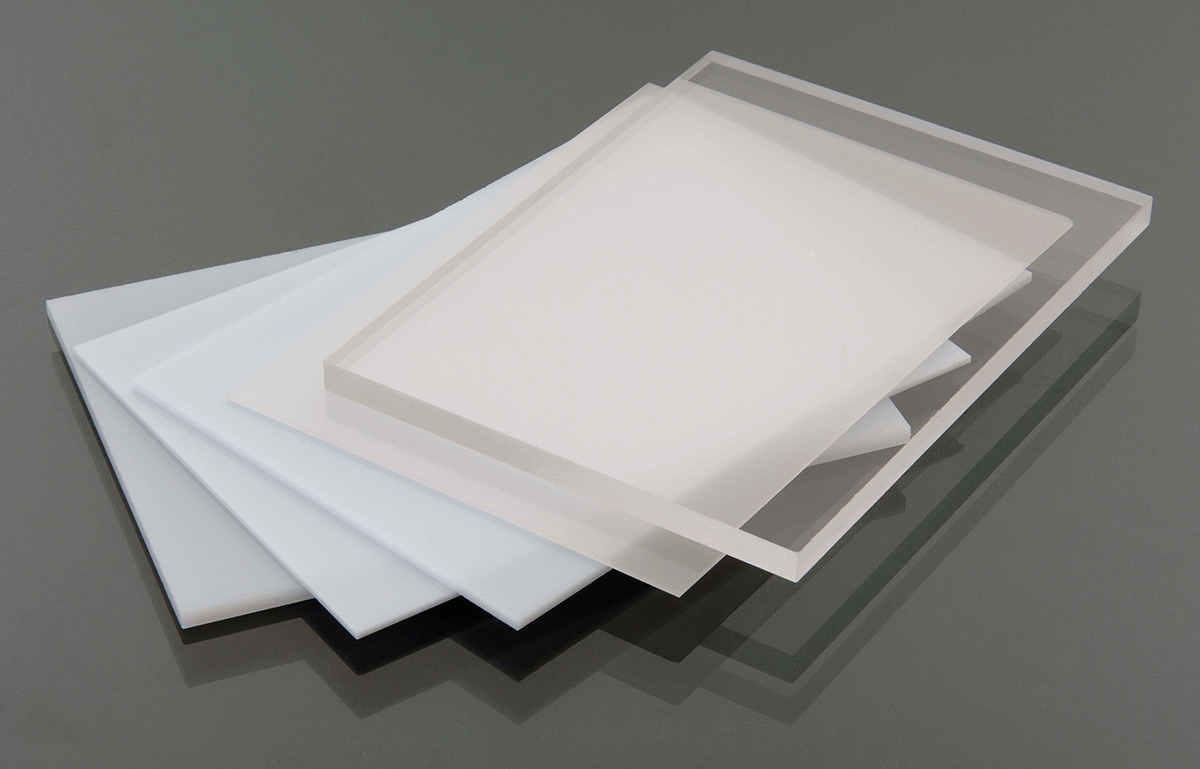
Spectral analysis certificates, mill test reports and batch traceability for engineering resins (POM, PA66-GF, PEEK, LCP) ensure material compliance for automotive, medical and 5G injection molded plastic components requiring full supply-chain documentation.
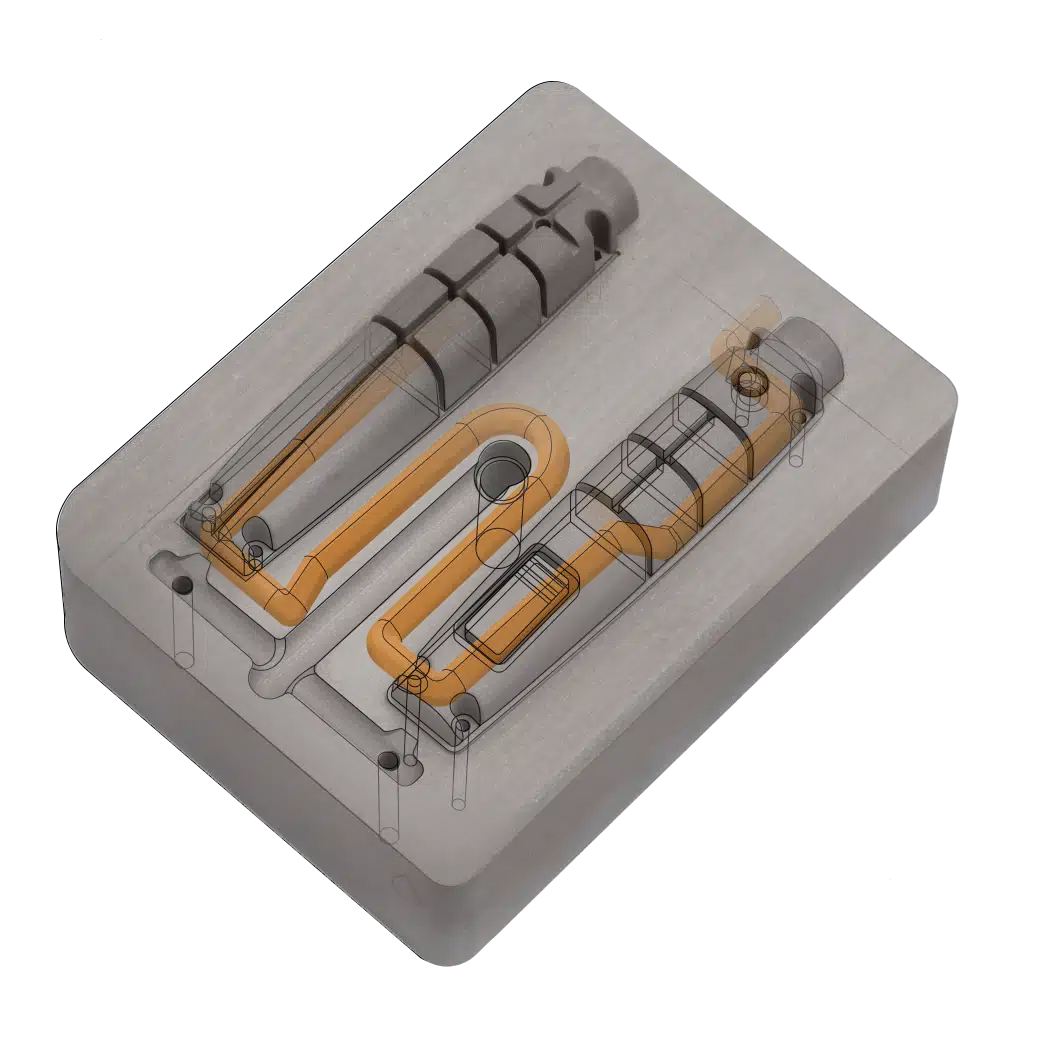
Conformal Cooling Integration
Advanced cooling-channel design and machining for molds producing high-volume injection molded plastic components — shortens cycle time by 20–35%, improves dimensional stability and reduces warpage in thin-wall geometries below 0.5 mm.
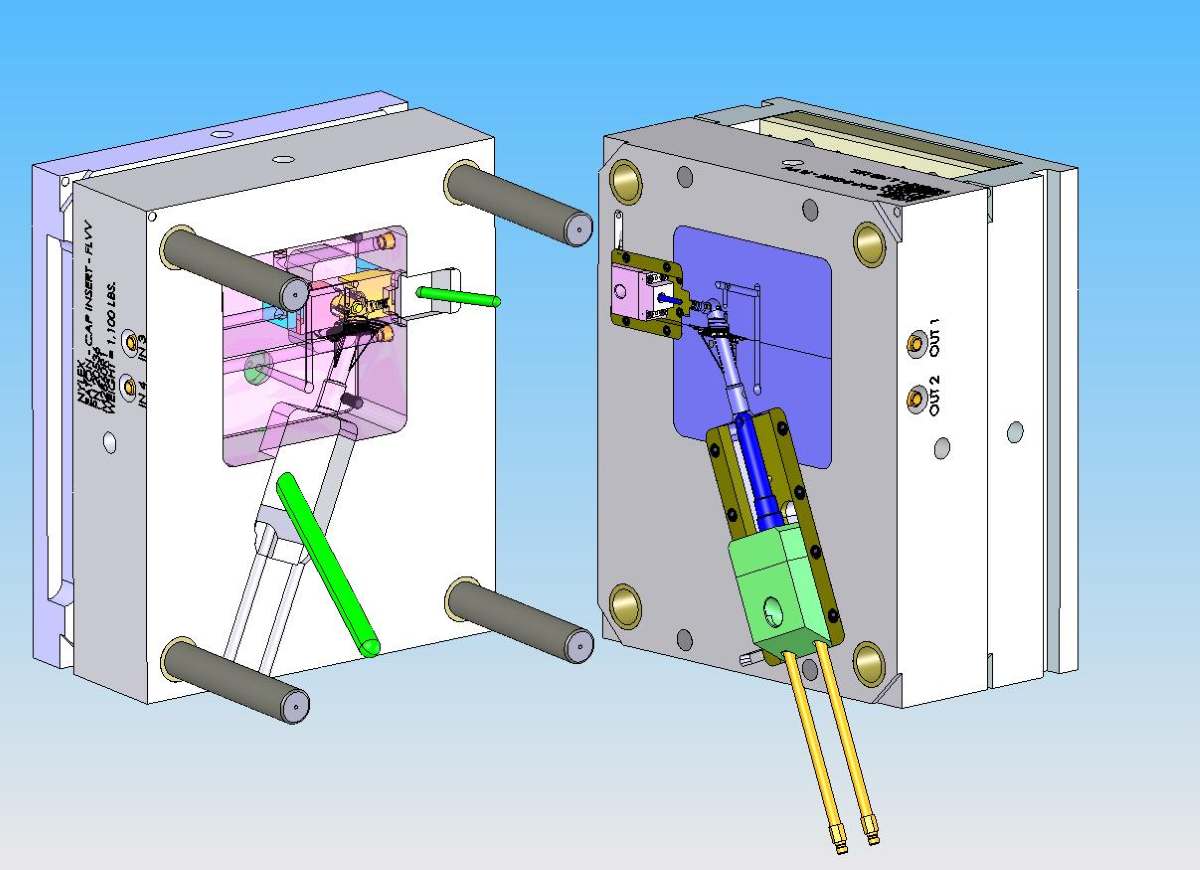
Lifter & Slider Fabrication
Precision-ground lifters, angled slides and cam mechanisms machined to +/-0.002 mm for complex undercuts and side-action features — enabling injection molded plastic components with snap-fits, threads and multi-plane geometries in single-shot tooling.

About XUXIANG: 16 Years of Precision Manufacturing
Founded in 2010 in Chang’an, Dongguan, XUXIANG began as a specialist mold-core machining shop and has evolved into a full-service precision manufacturer of injection molded plastic components, micro-connector tooling and CNC-machined metal parts. Our mission is to bridge the gap between complex CAD designs and high-performance physical parts with micron-stable precision, serving electronics, 5G/telecom, automotive & NEV, industrial-automation and medical-device customers worldwide.
Today XUXIANG operates dual factories — a 2,000 m² Dongguan facility focused on R&D and micro-machining, plus a 1,400 m² Quanzhou expansion launched in 2025 that has increased annual production capacity by 200%. We have invested over CNY 8 million in Japanese, Swiss, German and domestic machining and inspection systems, including Sodick slow-wire EDM, Mitsubishi mirror EDM, Fanuc CNC and a ZEISS MICURA CMM measuring to 0.7um resolution.
What sets us apart is engineering-led precision: every project receives DFM feedback from 10+ experts before production, and every part undergoes five-step QC validation — material spectral analysis, in-process tolerance monitoring, ZEISS/Nikon CMM verification, surface-integrity checks and final FAI documentation. ISO 9001:2015 governs our entire workflow, ensuring injection molded plastic components held to +/-0.001 mm with mirror-grade Ra 0.1um finishes and delivery roughly 30% faster than industry average.
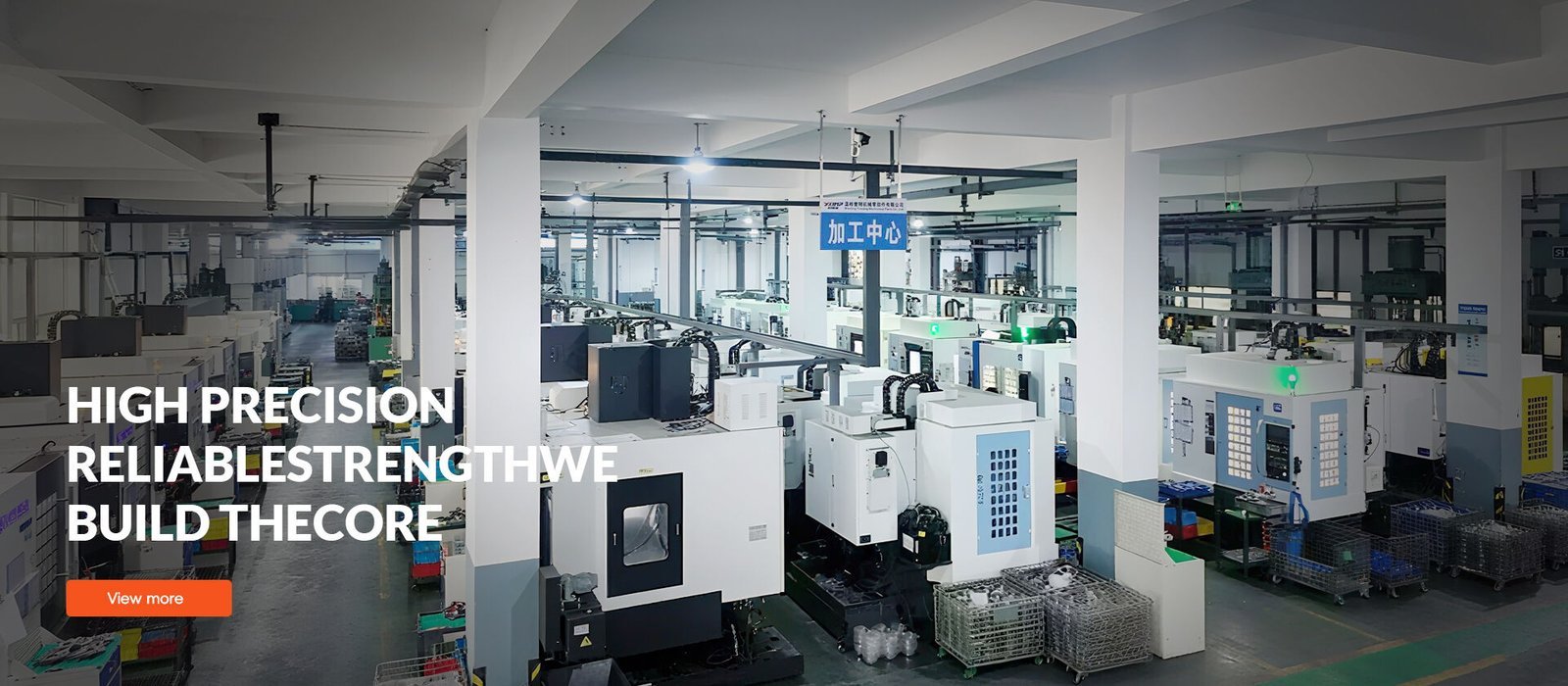
Precision Injection Molded Plastic Components Start Here: Our Machining & Metrology Arsenal
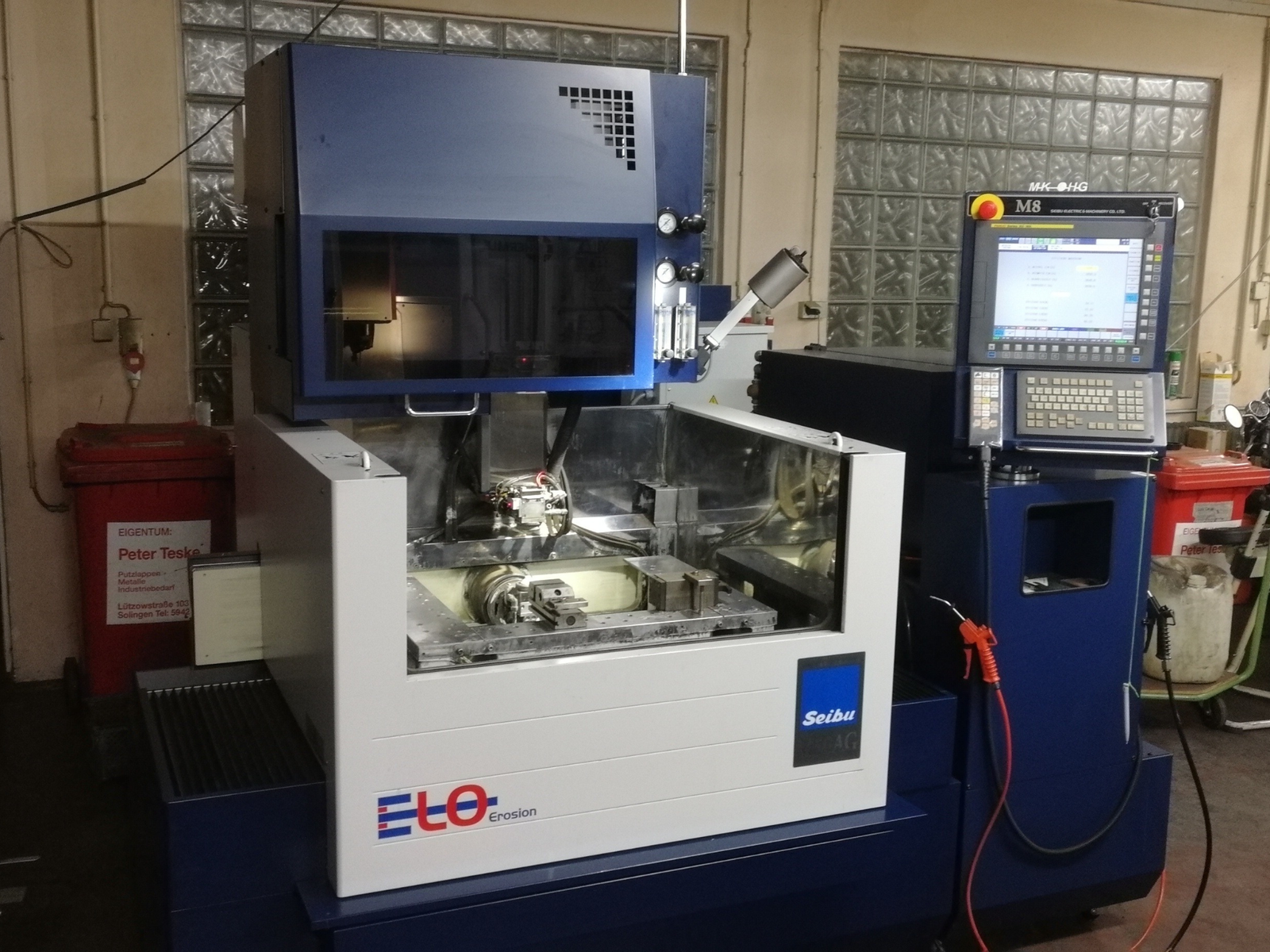
Sodick & Seibu Slow-Wire EDM
Sodick and Seibu slow-wire EDM systems deliver +/-0.002 mm positional accuracy and mirror-grade surface finishes down to Ra 0.1 µm, enabling intricate micro-cavity cores, thin-wall inserts and high-density connector tooling for injection molded plastic components in 5G, automotive and medical applications.
- Positional accuracy to +/-0.002 mm on complex 3D profiles
- Mirror-grade finish Ra 0.1 µm — zero secondary polishing
- Corner radii down to R ≤ 0.015 mm for micro-connector pins
- Automated electrode changer for lights-out precision runs
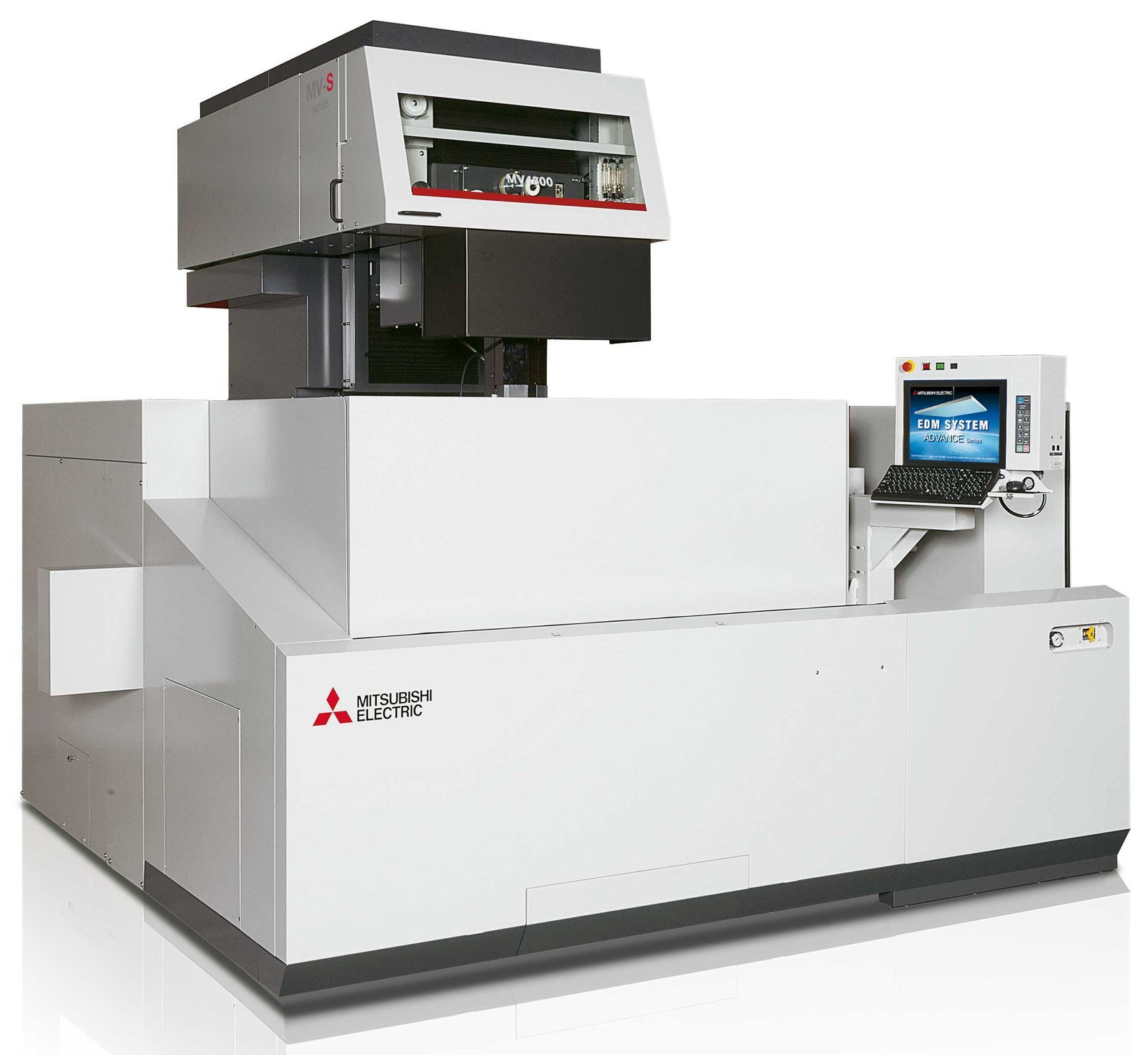
Mitsubishi Mirror EDM Systems
Mitsubishi sinker EDM platforms produce optical-quality cavity surfaces and deep-rib geometries with +/-0.003 mm tolerance, reducing hand-polishing time by up to 80 percent and ensuring first-article approval for high-cosmetic injection molded plastic components in consumer electronics and automotive interiors.
- Sinker EDM accuracy to +/-0.003 mm on deep cores
- Optical-grade mirror finish — eliminates manual polishing
- Conformal cooling channels for cycle-time reduction
- Stable discharge control for consistent micro-feature replication
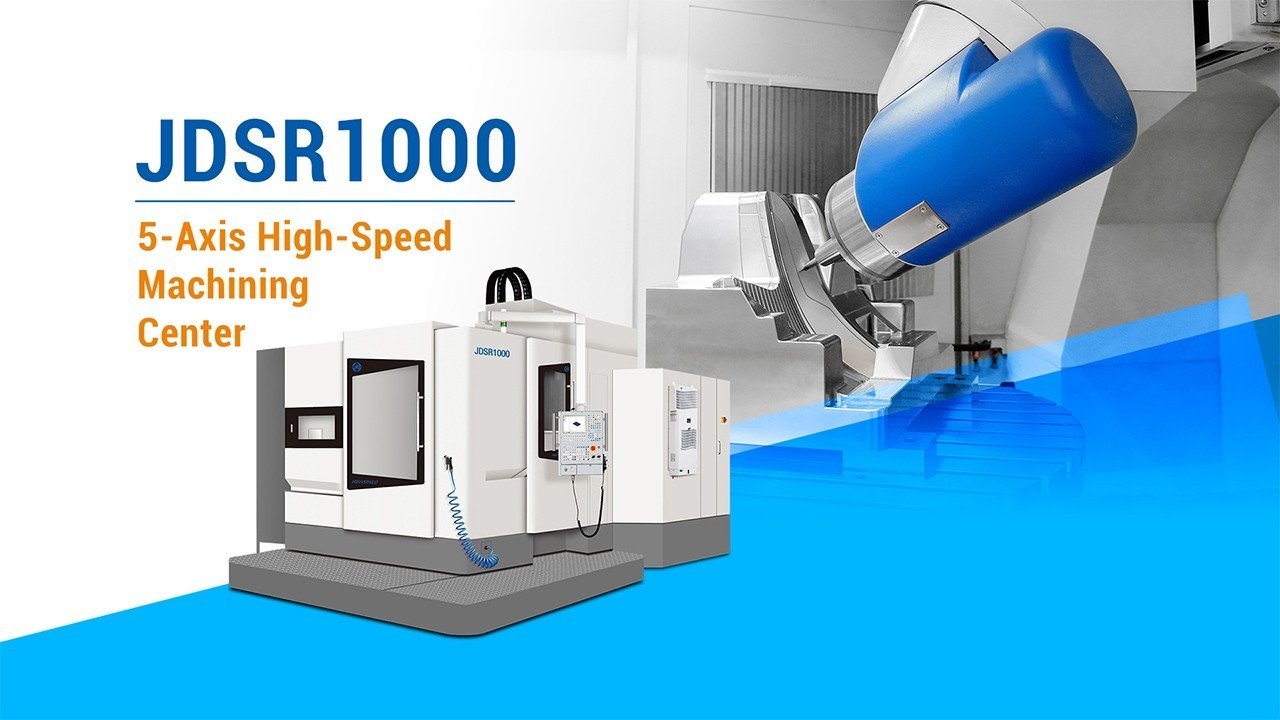
Fanuc CNC & Jingdiao Machining Centers
Fanuc-class CNC machining centers and Beijing Jingdiao high-precision mills hold +/-0.001 mm on electrode fabrication and steel inserts, ensuring dimensional stability across multi-cavity molds and enabling rapid iteration of injection molded plastic components from prototype to mass production.
- Machining precision to +/-0.001 mm on hardened tool steel
- Five-axis simultaneous contouring for complex geometries
- High-speed spindle (24,000+ RPM) for micro-electrode milling
- Integrated tool-length compensation for batch consistency
ZEISS MICURA CMM & Nikon Microscopy
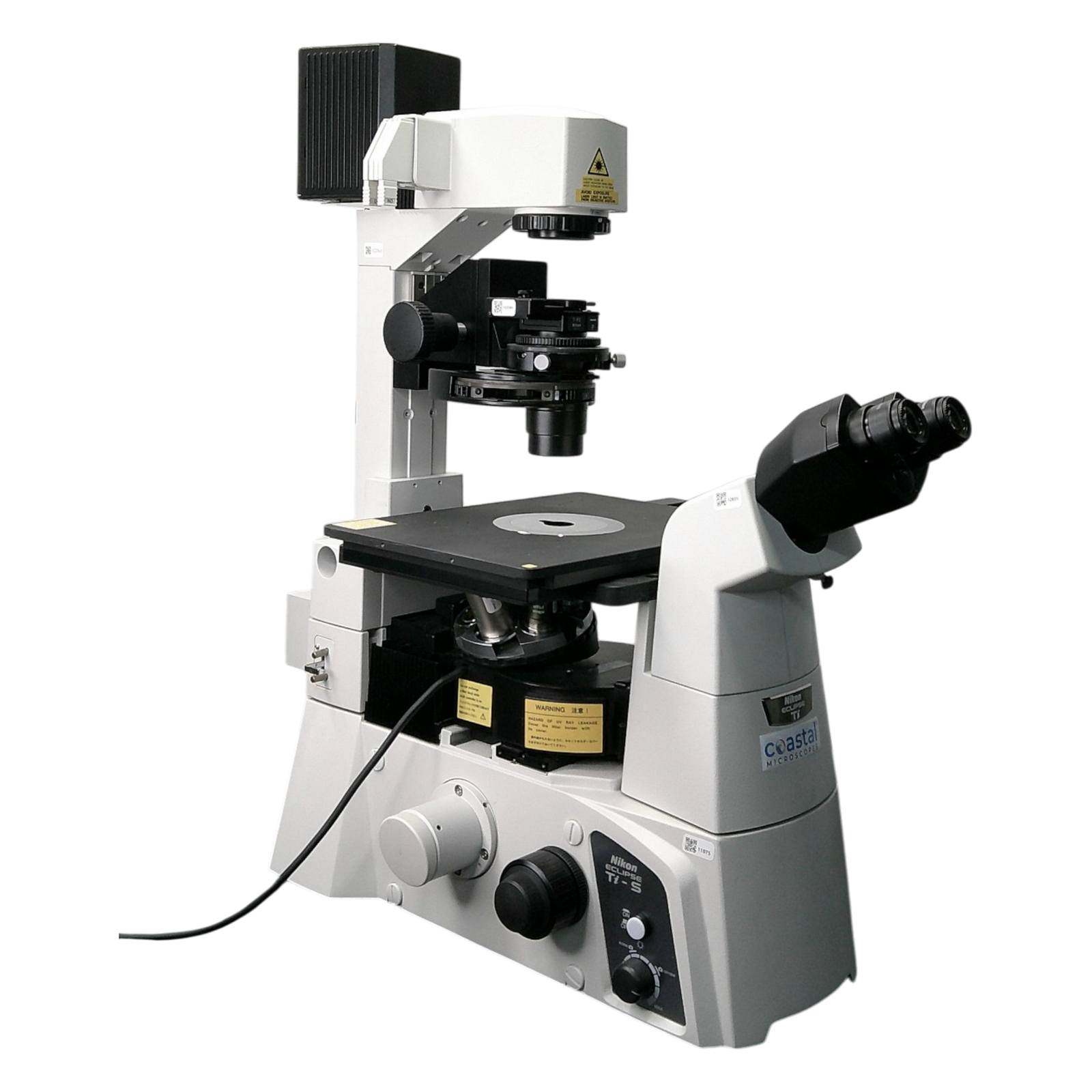
ZEISS MICURA coordinate measuring machine with 0.7 µm resolution and Nikon V-12B / MM-400 toolmaker’s microscopes validate every critical dimension, delivering full FAI reports and material certificates that guarantee injection molded plastic components meet your print — before shipment.
- ZEISS MICURA CMM: 0.7 µm measurement resolution
- Nikon toolmaker's microscopes for edge-quality inspection
- Automated GD&T reporting tied to ISO 9001:2015 workflows
- Full FAI documentation + material certificates with every order
Why Choose XUXIANG for Injection Molded Plastic Components
Evidence-based comparison: how XUXIANG’s precision tooling and injection molded plastic components deliver measurable advantages over standard regional mold suppliers.
← 左右滑动查看 →
How XUXIANG Delivers Precision Injection Molded Plastic Components
Every part follows a six-phase validation process — from DFM engineering review through ZEISS CMM certification — to guarantee +/-0.001 mm accuracy and mirror-grade surface finish before shipment.
Design Review & DFM
10+ engineering experts analyze your CAD files, flag tolerance risks and draft optimization recommendations within 24 hours to prevent costly rework downstream.
Material Prep & Electrode Fabrication
Certified steel and alloys undergo spectral analysis; Beijing Jingdiao high-precision CNC machines graphite or copper electrodes to sub-micron tolerances for EDM operations.
EDM & CNC Machining
Sodick slow-wire EDM achieves +/-0.002 mm positioning; Mitsubishi mirror EDM delivers Ra 0.1 μm finishes; Fanuc CNC mills complex geometries and conformal cooling channels.
In-Process QC Monitoring
Real-time dimensional checks at every machining stage catch deviations early, ensuring injection molded plastic components stay within tolerance bands before final inspection.
ZEISS & Nikon CMM Validation
ZEISS MICURA CMM measures to 0.7 μm resolution; Nikon V-12B toolmaker’s microscopes verify surface integrity, corner radii and micro-feature fidelity against blueprint specs.
FAI Documentation & Shipment
Full First Article Inspection reports, material certificates and dimensional data accompany every order; parts ship within 3–7 days for samples, 15–25 days for production runs.
How to Partner With XUXIANG for Injection Molded Plastic Components
From CAD file to certified production parts in five transparent steps — engineered to remove friction and set clear expectations for procurement teams sourcing precision injection molded plastic components.
Submit CAD and Technical Requirements
Upload your 3D model (STEP, IGES, or X_T) and technical pack via our secure portal or email. Our engineering team reviews material specs, tolerances, and production volumes within hours.
Receive Quote and DFM Feedback
Within 24 hours, you’ll receive a detailed quotation plus Design-for-Manufacturing recommendations from our 10+ expert engineers to optimize moldability, cost, and cycle time.
Approve Samples and Validate Tolerances
We machine first-article samples in 3–7 days, validated on our ZEISS MICURA CMM to +/-0.001 mm. You approve dimensional integrity and surface finish before mass production.
Launch Mass Production
Upon sample sign-off, full production begins across our dual-factory network. Typical lead time is 15–25 days, backed by ISO 9001:2015 in-process quality monitoring.
Receive Parts with Full FAI Documentation
Every shipment includes First Article Inspection reports, material certificates, and CMM measurement data — complete traceability for your procurement and quality records.
Certifications & Quality Standards for Injection Molded Plastic Components





Customer Testimonials: Proven Results for Injection Molded Plastic Components
XUXIANG delivered our micro-connector injection molded plastic components at +/-0.002 mm — 40% tighter than our previous supplier. First-article inspection passed without a single revision, saving us three weeks on our 5G module launch.
We needed automotive sensor housings with mirror-finish cores and conformal cooling. XUXIANG’s EDM work hit Ra 0.12 μm and cut our cycle time by 22%. Their DFM feedback caught two critical draft issues before tooling.
For our Class II medical device, XUXIANG provided full FAI documentation and material certificates with every batch of injection molded plastic components. Lead time was 18 days versus the 28-day industry norm — critical for our FDA submission timeline.
Frequently Asked Questions About Injection Molded Plastic Components
What is the minimum order quantity (MOQ) for injection molded plastic components?
How long does it take to receive samples and production batches of injection molded plastic components?
Do you charge for sampling or DFM review of injection molded plastic components?
What payment terms does XUXIANG offer for injection molded plastic components orders?
How do you protect intellectual property and confidential designs for injection molded plastic components?
Can XUXIANG help with material selection and sourcing for injection molded plastic components?
What shipping and logistics options are available for international orders of injection molded plastic components?
Do you offer design support and engineering consultation for custom injection molded plastic components?
The Complete Buyer’s Guide to Injection Molded Plastic Components
Navigate supplier selection with confidence. This guide delivers a proven decision framework, critical quality criteria, material selection insights, and the most common procurement mistakes to avoid when sourcing injection molded plastic components for electronics, automotive, medical, and industrial applications.
1. What Are Injection Molded Plastic Components?
Injection molded plastic components are discrete parts produced by injecting molten thermoplastic resin into a precision-machined steel or aluminum mold cavity under high pressure (typically 10,000–30,000 psi), then cooling and ejecting the solidified geometry. The process delivers dimensional repeatability of ±0.001 mm on critical features when tooling is manufactured to micron-class tolerances, making it the dominant manufacturing method for high-volume production runs from 10,000 to millions of parts annually.
The core cycle — melt, inject, pack, cool, eject — completes in 15 to 90 seconds depending on part mass and wall thickness, enabling output rates that no subtractive or additive process can match. Cycle-to-cycle consistency is governed by mold precision, material flow simulation and real-time process monitoring.
Typical applications span electronics (micro-connector housings, terminal inserts, board-to-board socket bodies), automotive and NEV (ADAS sensor enclosures, interior trim clips, BMS connector shells), medical devices (diagnostic enclosures, single-use surgical instrument handles) and industrial automation (gripper fingers, sensor brackets, high-tolerance jigs). Each demands tight tolerances, surface finish and material traceability that only validated tooling and in-process inspection can guarantee.
2. Evolution and History of Injection Molded Plastic Components
In 1872 John Wesley Hyatt patented the first injection molding machine to process celluloid, but the technology remained manual and low-volume until the 1940s, when thermoplastics such as polyethylene and polystyrene enabled repeatable, high-speed production. By the 1950s screw-type injection machines replaced plunger designs, cutting cycle times and improving melt homogeneity.
The 1980s brought micro-molding into electronics manufacturing, driven by consumer demand for miniaturized connectors and housings; tolerances tightened from +/-0.1 mm to +/-0.01 mm. CNC-controlled multi-cavity molds and sinker EDM allowed mass production of complex geometries with mirror finishes down to Ra 0.2 µm.
Today Industry 4.0 integration — real-time sensor monitoring, predictive maintenance and digital twin validation — supports +/-0.001 mm machining accuracy on equipment such as Sodick slow-wire EDM and ZEISS CMM inspection. 5G micro-connectors and implantable medical devices now demand sub-micron stability, while bio-based resins such as PLA and PHA address sustainability mandates without sacrificing dimensional control.
3. Types of Injection Molded Plastic Components
Injection molded plastic components span five distinct application categories, each defined by tolerance class, part mass and cycle economics. Understanding these segments helps buyers match tooling capability to performance requirements.
Micro-Precision Connectors and Terminals for 5G/Telecom
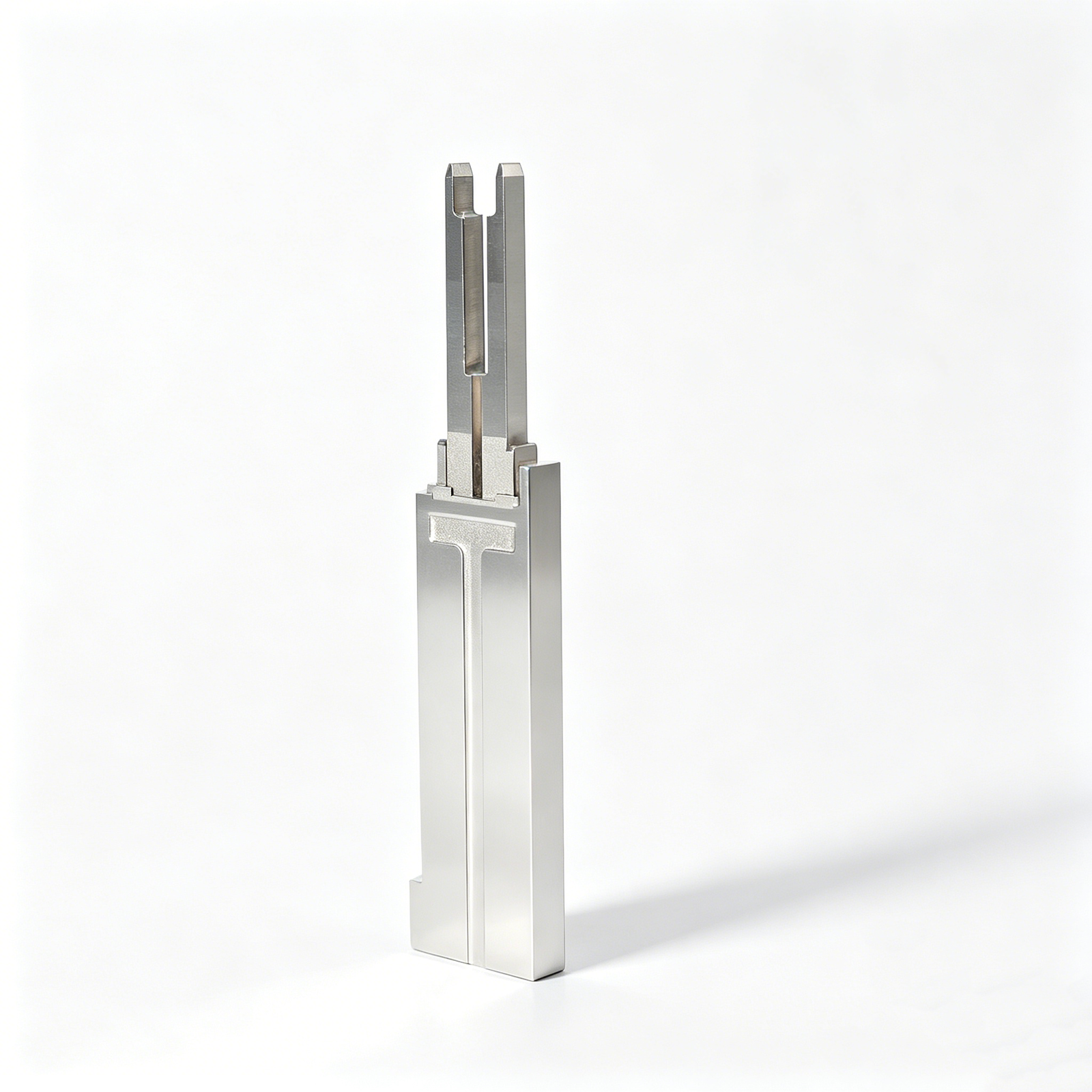
5G board-to-board, FPC and RF connectors demand +/-0.002 to +/-0.005 mm positional accuracy on pin arrays and socket cavities. Typical part weights range 0.1–2 g; cycle times run 8–15 seconds for thin-wall geometries. XUXIANG holds +/-0.002 mm on slow-wire EDM tooling for high-density terminal inserts.
Automotive Interior and Under-Hood Components
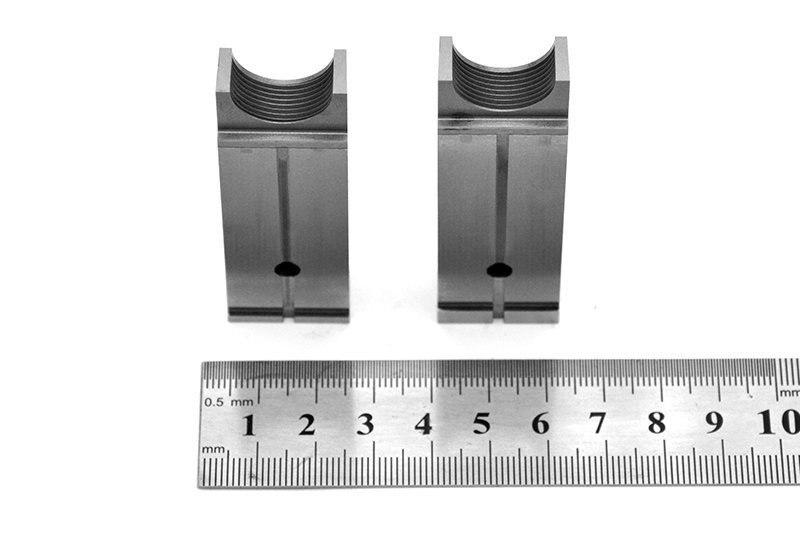
Interior trim clips, ADAS sensor housings and BMS enclosures typically specify +/-0.05 to +/-0.15 mm general tolerance, with critical mounting features to +/-0.02 mm. Part weights span 5–150 g; cycles range 20–60 seconds depending on wall thickness and glass-fiber loading.
Medical Device Housings and Disposable Parts
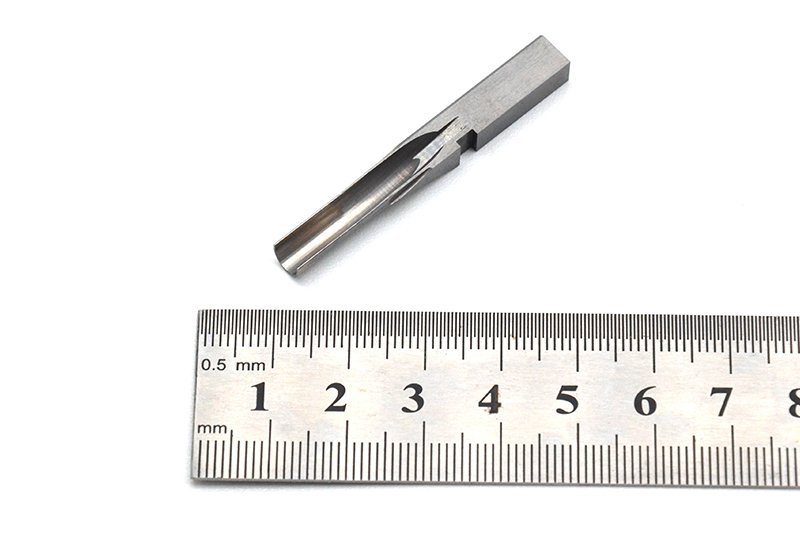
Diagnostic cartridges, syringe components and instrument housings require +/-0.03 to +/-0.08 mm on sealing surfaces and luer interfaces. Weights typically fall below 10 g; cycles run 10–25 seconds. Mirror-finish EDM (Ra ≤0.2 µm) prevents contamination and aids sterilization.
Industrial Automation and Robotic End-Effector Parts
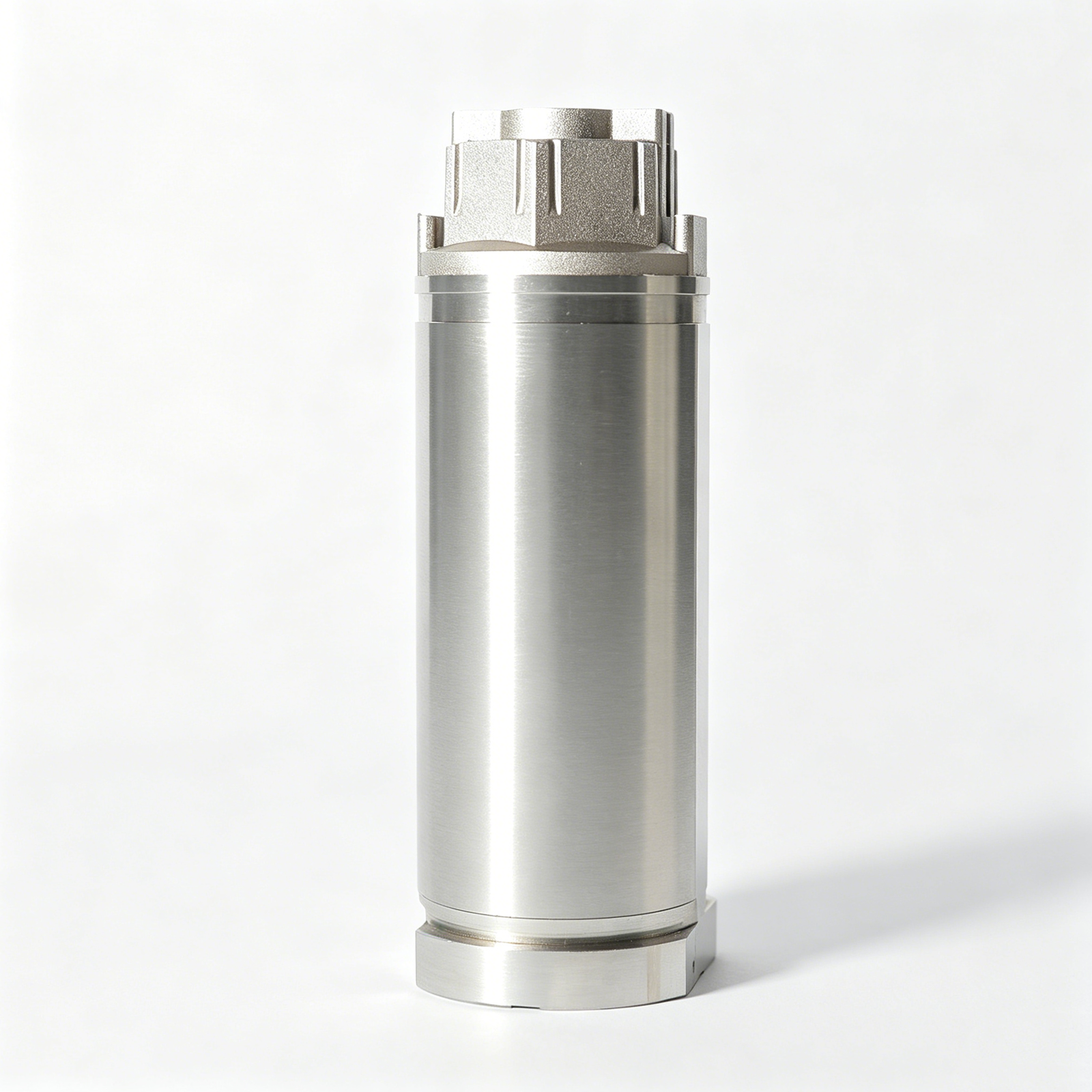
Gripper jaws, pneumatic manifold blocks and sensor brackets demand +/-0.02 to +/-0.05 mm on mounting interfaces. Part weights range 10–200 g; cycles span 25–90 seconds for reinforced engineering resins. XUXIANG’s ZEISS CMM validates dimensional stability across production runs.
Consumer Electronics Casings and Structural Elements
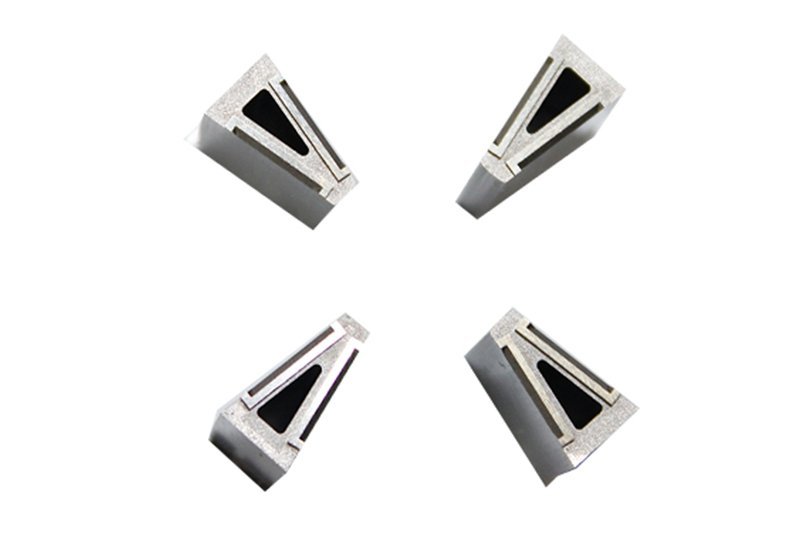
Smartphone frames, LED brackets and charger shells specify +/-0.05 to +/-0.10 mm general tolerance, with snap-fit features to +/-0.02 mm. Weights range 2–50 g; cycles run 15–40 seconds. High-gloss Class A surfaces require mirror EDM and precision ejection to avoid witness marks.
4. Materials for Injection Molded Plastic Components
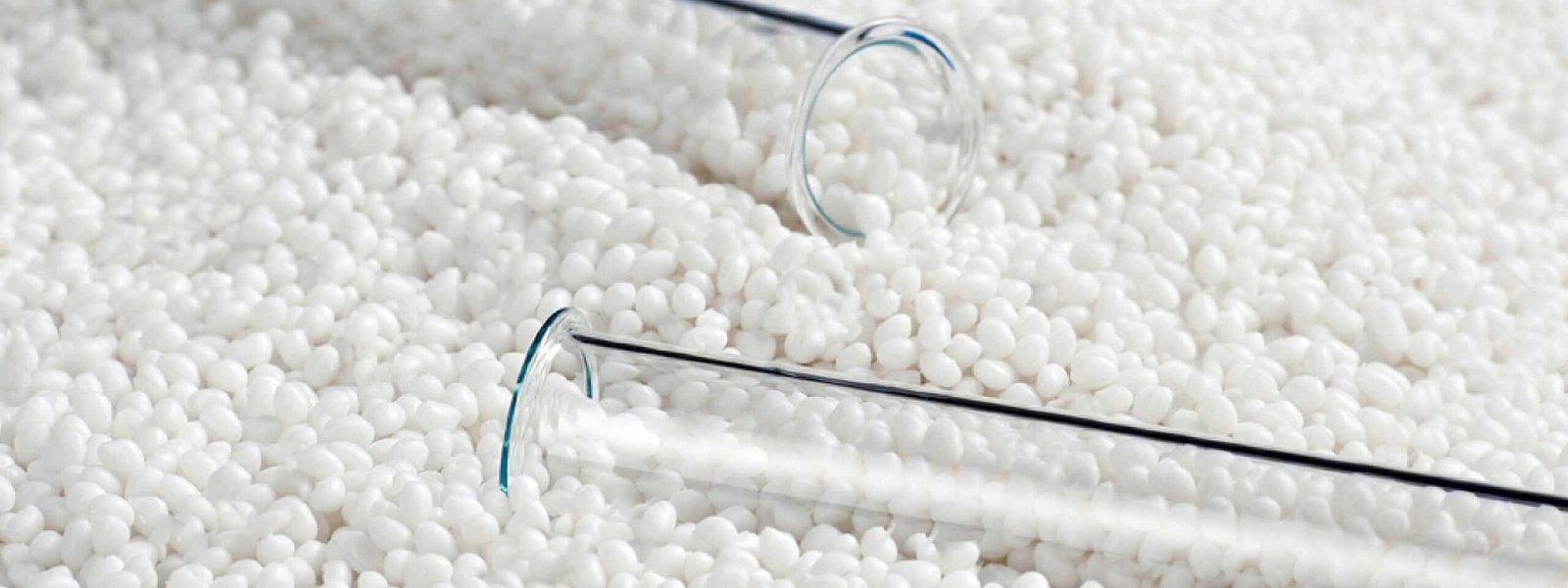
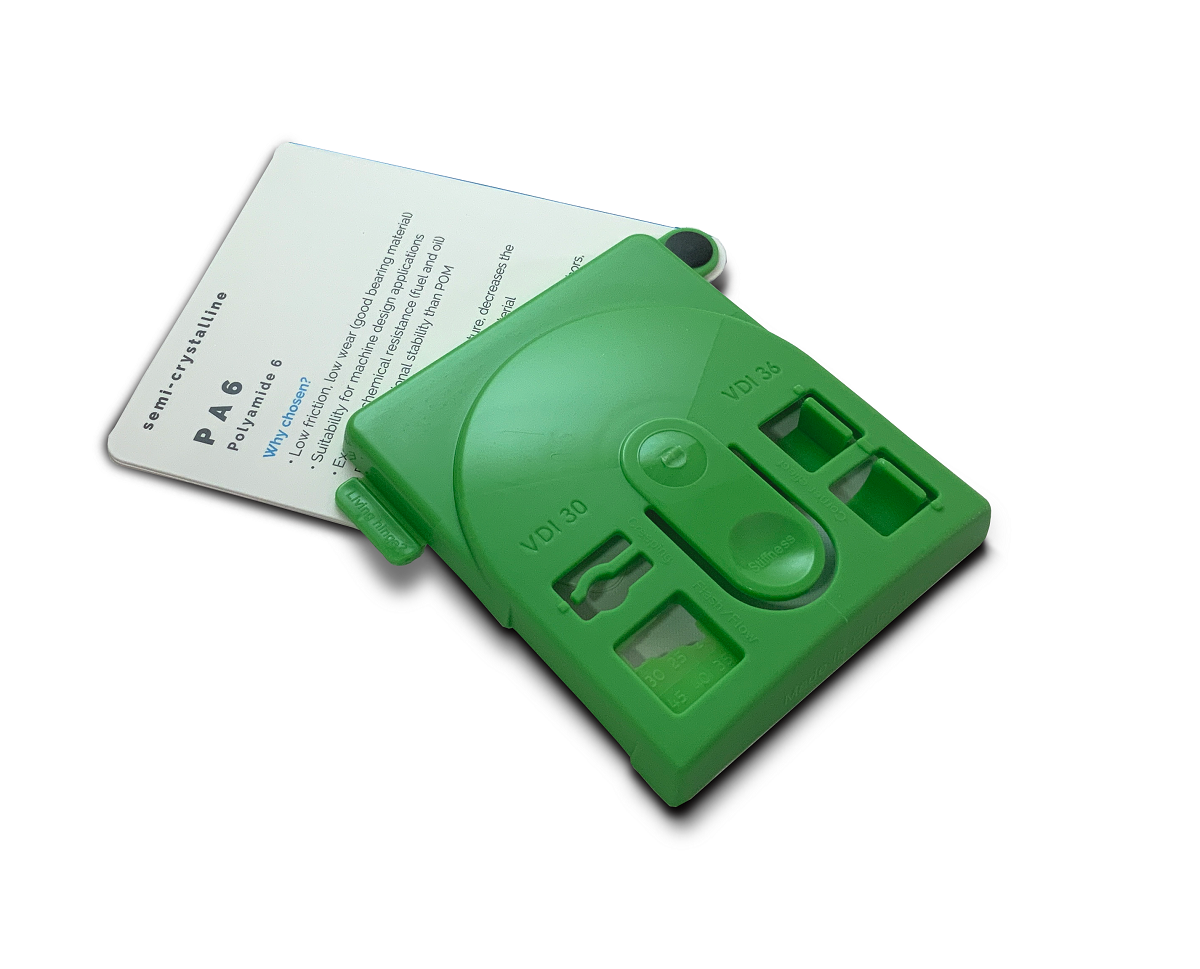
Material selection drives every aspect of injection molded plastic components — from mold design and cycle time to final part performance. The seven most common engineering thermoplastics span a spectrum of mechanical strength, thermal stability and cost, each requiring specific processing parameters and tooling considerations.
| Material | Tensile Strength (MPa) | Heat Deflection Temp (°C) | Key Applications | Relative Cost |
|---|---|---|---|---|
| ABS | 40–50 | 95–105 | Housings, enclosures, consumer electronics | Low |
| PC (Polycarbonate) | 60–70 | 130–140 | Optical lenses, safety shields, automotive glazing | Medium |
| PA (Nylon) | 75–85 | 80–120 | Gears, bearings, structural fasteners | Medium |
| POM (Acetal) | 65–70 | 110–125 | Precision gears, connectors, sliding components | Medium |
| PEEK | 90–100 | 315–330 | Medical implants, aerospace, high-temp seals | Very High |
| LCP | 130–180 | 220–280 | Micro-connectors, 5G RF modules, thin-wall terminals | High |
| Glass-Filled PA/PC | 120–160 | 140–200 | Automotive sensor housings, BMS/HV interconnects | Medium-High |
5. Customization and Surface Finishing Options
Post-molding customization and surface finishing transform injection molded plastic components from functional blanks into brand-differentiated, regulatory-compliant assemblies. XUXIANG applies mirror-grade EDM finishes to Ra 0.1 µm and integrates texture, decoration and coating processes to meet branding, tactile, shielding and compliance requirements across electronics, automotive and medical applications.
| Decoration Method | Setup Cost (USD) | Durability (Cycles) | Lead Time (Days) |
|---|---|---|---|
| Pad Printing | 200–500 | 50,000–100,000 | 3–5 |
| Laser Etching | 0 (no tooling) | Permanent | 1–2 |
| In-Mold Decoration (IMD) | 1,500–2,000 | Permanent | 7–10 |
| UV / Conductive Coating | 300–800 | 5+ years / Permanent | 5–7 |
Texture Finishes: EDM, Bead-Blast and Polish
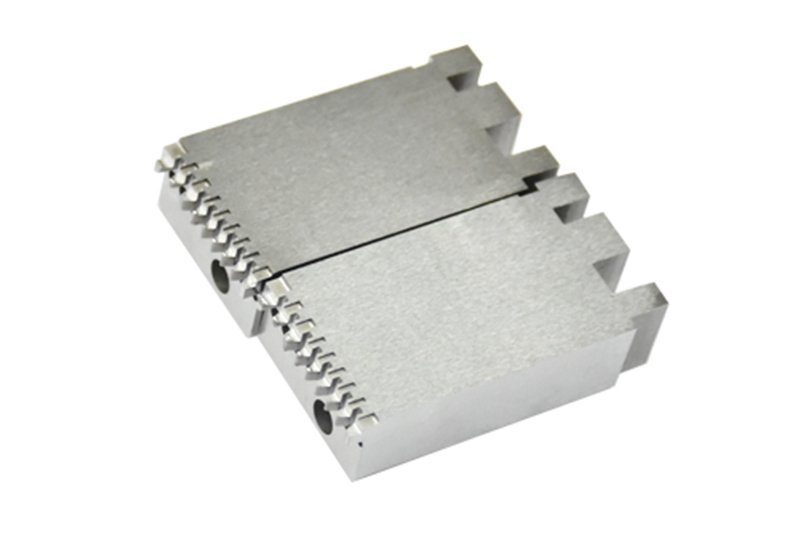
EDM texturing delivers repeatable micro-patterns at Ra 0.1–0.8 µm for soft-touch grips and anti-glare surfaces; bead-blast yields matte finishes (Ra 1.6–3.2 µm) ideal for automotive interiors; mirror polish achieves Ra ≤ 0.05 µm for optical lens housings and medical-device enclosures.
XUXIANG’s Sodick and Charmilles EDM systems reproduce customer-specified VDI or SPI texture grades directly into mold cavities, eliminating secondary operations and ensuring batch-to-batch consistency across multi-cavity tools.
Overmolding and Insert Molding
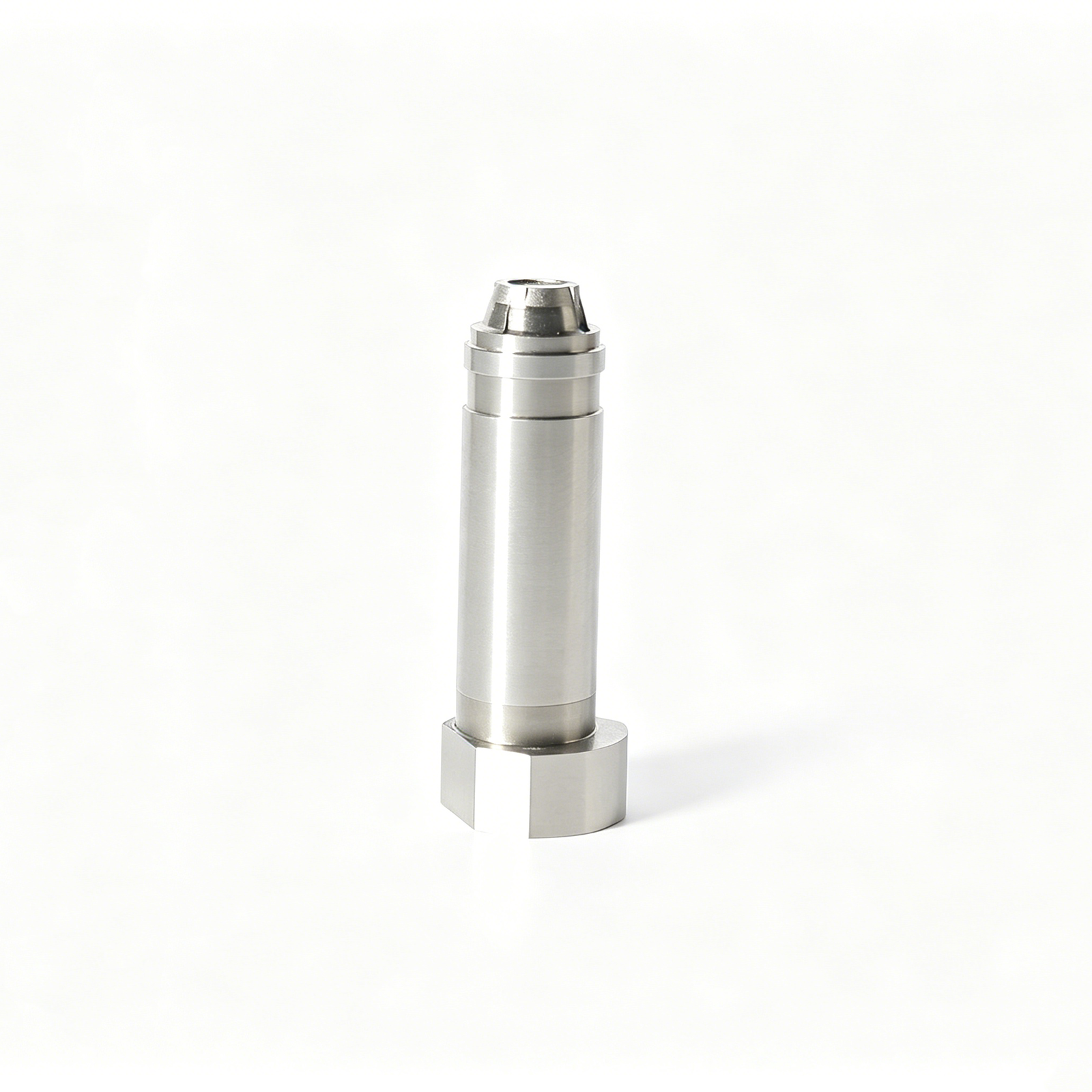
Overmolding bonds TPE or silicone grips onto rigid PC or PA substrates in a single cycle, reducing assembly cost by 40–60% versus adhesive bonding; insert molding encapsulates metal terminals, threaded inserts or PCBs, ensuring micron-level alignment for 5G micro-connectors and automotive sensor housings.
Both techniques demand +/-0.002 mm mold-core positioning and real-time cavity-pressure monitoring — capabilities validated by XUXIANG’s ZEISS MICURA CMM and in-process SPC — to prevent delamination and maintain IP67/IP68 sealing integrity.
Decoration: IMD, Laser Etching and Pad Printing
In-mold decoration (IMD) embeds graphics during the molding cycle, yielding scratch-proof branding for consumer electronics and automotive dashboards; laser etching provides permanent traceability (serial numbers, QR codes) without consumables; pad printing applies multi-color logos at 50–100 µm resolution for medical-device faceplates.
Setup cost ranges from USD 200 (pad printing) to USD 2,000 (IMD film tooling); durability spans 50,000 cycles (pad print) to permanent (laser, IMD); typical lead time is 3–5 days for pad printing, 7–10 days for IMD film preparation.
Functional Coatings: UV, Conductive and Antimicrobial
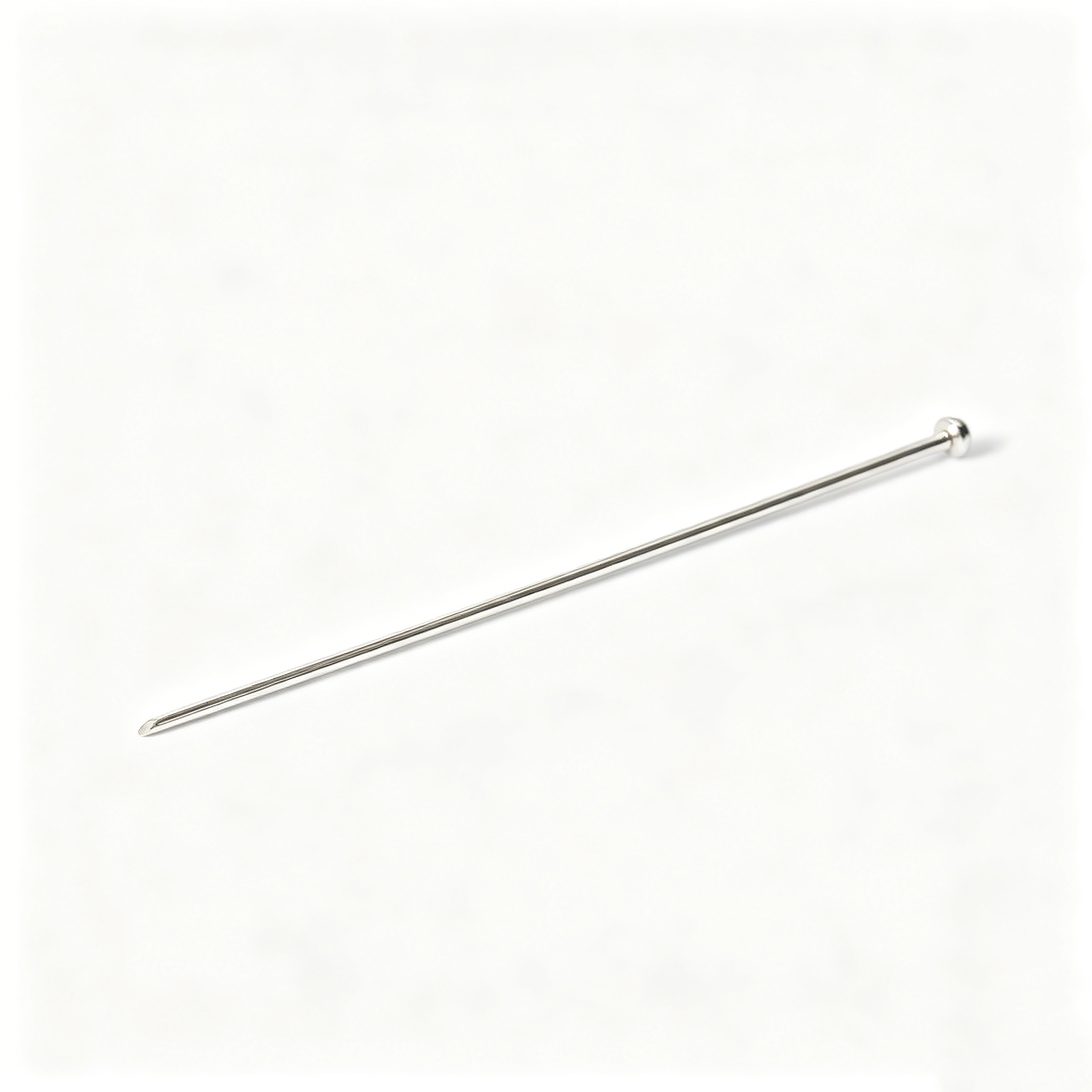
UV-resistant coatings extend outdoor service life to 5+ years (ASTM G154); conductive coatings (nickel, copper, carbon-loaded) provide 10–100 Ω/sq EMI shielding for 5G modules; antimicrobial coatings (silver-ion, copper-oxide) meet ISO 22196 for medical touchpoints.
XUXIANG coordinates third-party coating with in-house masking and post-cure inspection, ensuring adhesion (cross-hatch ASTM D3359 ≥ 4B) and dimensional stability within +/-0.01 mm after thermal cure cycles up to 150 °C.
6. Key Quality Elements in Injection Molded Plastic Components
Quality in injection molded plastic components hinges on verifiable dimensional stability, defect-free surfaces and traceable material pedigree. XUXIANG’s five-step QC flow — spectral analysis, in-process monitoring, ZEISS MICURA CMM verification (±0.7 µm), surface-integrity checks and FAI with material certificates — ensures every part meets design intent before shipment.
Dimensional Tolerance Control
Critical features demand ±0.001–0.01 mm tolerances depending on function. XUXIANG achieves ±0.001 mm maximum machining accuracy through Sodick slow-wire EDM (±0.002 mm positioning) and ZEISS CMM validation. First-article inspection (FAI) with full dimensional reports locks in baseline geometry; statistical process control (SPC) tracks Cpk ≥1.33 across production lots to prevent drift.
Defect Prevention and Surface Integrity
Gate and ejector-pin marks must fall in non-critical zones; parting-line flash ≤0.05 mm is standard. Mold flow analysis — Moldex3D or Moldflow — predicts sink marks, warpage and weld lines before steel-cut. Mirror-grade EDM finishes to Ra 0.1 µm eliminate post-mold polishing and ensure consistent optical clarity or texture replication.
Material Traceability and Certification
ISO 9001:2015 governs all XUXIANG processes; automotive projects align with IATF 16949, medical components with ISO 13485. Every shipment includes material certificates, spectral analysis reports and dimensional FAI data. Lot codes trace resin batch, machine cell and inspection timestamp, enabling rapid root-cause analysis if field issues arise.
7. How to Choose an Injection Molded Plastic Components Manufacturer
Choosing the right partner for injection molded plastic components requires a systematic audit of seven critical capabilities. A checklist approach reduces risk and ensures your supplier can meet both tolerance and timeline commitments.
Verify Mold-Making Precision and Equipment
Confirm EDM (sinker and slow-wire) and CNC machining accuracy. XUXIANG maintains +/-0.001 mm capability via Sodick, Charmilles and Beijing Jingdiao assets. Ask for cavity-count experience and corner-radius minimums (R ≤ 0.015 mm signals micro-connector competence).
Assess Press Tonnage and Clean-Room Infrastructure
Match press tonnage to part size and material viscosity. For medical and electronics applications, ISO Class 7/8 clean rooms prevent contamination. Verify environment controls if you serve regulated markets.
Review Certifications and Material Policies
ISO 9001:2015 is baseline; IATF 16949 for automotive, ISO 13485 for medical. Confirm virgin-resin policies and material traceability certificates. XUXIANG issues spectral-analysis reports and FAI documentation for every batch.
Evaluate DFM Support and Communication
Request DFM feedback timelines and mold-flow simulation samples. Audit NDA enforcement, IP safeguards and after-sales responsiveness. XUXIANG’s 10+ engineering experts provide pre-production DFM to prevent costly mold revisions.
8. Common Mistakes When Sourcing Injection Molded Plastic Components
Even experienced buyers lose time and budget on avoidable sourcing errors. Six pitfalls recur across electronics, automotive and industrial projects when procuring injection molded plastic components.
Skipping DFM and Mold-Flow Analysis
Buyers who omit Design-for-Manufacturability review before tooling lock face costly revisions — wall-thickness imbalances, sink marks and warp that surface only after first-article trials. XUXIANG’s 10+ engineering experts provide DFM feedback upfront, flagging gate position, draft angles and cooling-channel geometry to prevent mid-program corrections.
Choosing Price Over Mold Steel Grade
The cheapest quote often specifies P20 pre-hardened steel; high-volume or corrosive-resin applications demand H13 or S136 stainless. Validating steel certificates before deposit protects tool life — P20 suits <500k shots, H13 extends to 1M+, S136 resists PVC and flame-retardant compounds.
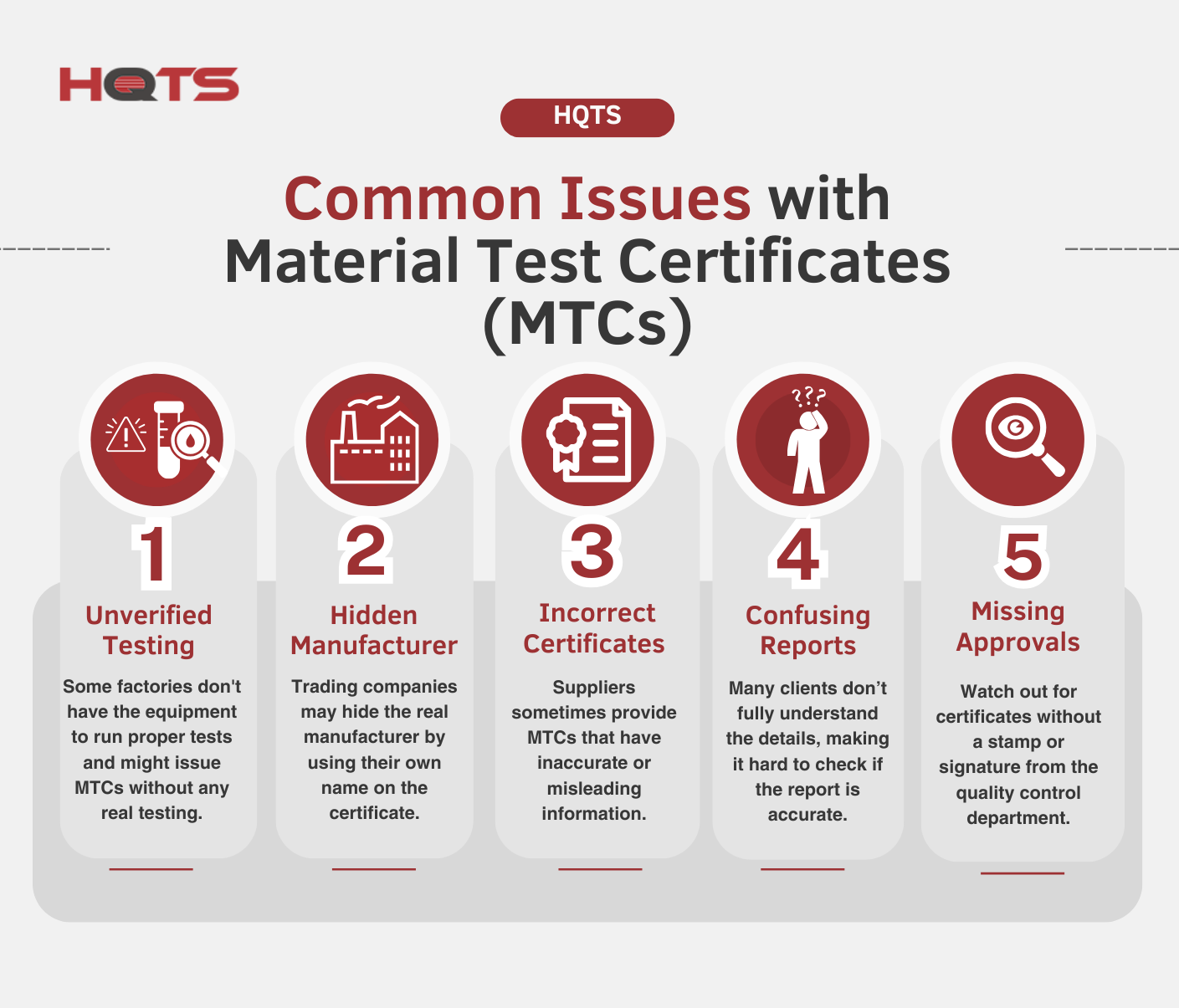
Ignoring Material Certification and Traceability
Medical-device and automotive tier-1 supply chains require full material traceability and RoHS/REACH compliance. Buyers who skip spectral-analysis reports and resin batch certificates risk audit failures. XUXIANG’s five-step QC includes material certification and FAI documentation with every shipment.
9. Pricing and Cost Factors for Injection Molded Plastic Components
Injection molding costs split into one-time tooling and recurring per-part expenses. Tooling fabrication — core/cavity machining, EDM finishing and assembly — ranges from USD 2,000 for simple single-cavity prototypes to USD 25,000+ for multi-cavity production molds with +/-0.001 mm tolerances and mirror-grade surfaces. Material cost per shot varies by resin grade: commodity ABS or PP runs USD 0.05–0.15 per part, while engineering-grade PC, PEEK or glass-filled nylon can reach USD 0.80–2.50 per part.
Cycle time drives labor efficiency: a 15-second cycle yields 240 parts per hour, while complex thin-wall micro-connector housings may require 45–60 seconds. Post-processing — deburring, ultrasonic cleaning, pad printing or laser marking — adds USD 0.02–0.30 per part. Cavity count, tolerance class (+/-0.01 mm vs. +/-0.001 mm) and surface finish (SPI-A1 mirror vs. textured) together shift total project cost by 40–120%.
| Order Quantity | Unit Price (USD) | Tooling Amortization | Lead Time (weeks) |
|---|---|---|---|
| 100–500 pcs (prototype) | $1.80–4.50 | Full tooling cost / qty | 2–3 |
| 1,000–5,000 pcs (pilot) | $0.45–1.20 | Partial amortization | 3–4 |
| 10,000+ pcs (production) | $0.08–0.35 | Negligible per unit | 4–6 |
10. Next Steps: Launching Your Injection Molded Plastic Components Project
Turning specifications into production-ready injection molded plastic components requires a structured six-step launch sequence. Each milestone reduces risk and locks in cost, quality and delivery predictability before tooling investment begins.
Finalize CAD and Tolerance Documentation
Export STEP or IGES files with full GD&T callouts, draft angles and wall-thickness annotations. XUXIANG’s engineering team reviews every model against +/-0.001 mm machining capability and flags potential sink marks, ejection conflicts or cooling inefficiencies before quoting.
Request DFM and Mold-Flow Analysis
Shortlist suppliers who provide written DFM feedback and mold-flow simulation reports within 48–72 hours. XUXIANG delivers both at no charge, highlighting gate location, weld-line risk and cycle-time optimization to prevent costly post-tooling revisions.
Compare Total-Cost Quotes and Lead Times
Evaluate tooling amortization, per-part price at target volumes and calendar lead time. XUXIANG averages 30 % faster delivery than industry norms, combining Sodick EDM precision with dual-factory capacity for parallel production runs.
Approve First-Article and CMM Inspection
Require ZEISS or equivalent CMM reports, material certificates and FAI documentation before production release. XUXIANG’s five-step QC flow—spectral analysis, in-process monitoring, ZEISS MICURA verification, surface checks and final FAI—ensures every dimension meets ISO 9001:2015 standards.
Establish Quality Agreements and AQL Levels
Define acceptable quality limits (AQL 0.65–1.5 for critical features), sampling plans and corrective-action protocols in writing. XUXIANG maintains traceability from raw-material lot to shipping carton for full audit compliance.
Plan Inventory and Logistics
Coordinate lead times, safety stock and shipping Incoterms (FOB Shenzhen or DDP) to avoid line-down penalties. Contact XUXIANG today for a free DFM consultation, ZEISS-validated sample and transparent quote on your next injection molded plastic components project.
Ready to Source Precision Injection Molded Plastic Components?
Get +/-0.001 mm tolerance, ISO 9001:2015 quality, and a detailed quote in 24 hours. Submit your tech pack or drawings today.