
Custom Injection Molded Components — Micron-Stable Precision for OEM Tooling
XUXIANG delivers custom injection molded components held to +/-0.001 mm, backed by ISO 9001:2015 certification, ZEISS CMM metrology, and 24-hour quote turnaround for electronics, automotive and medical-device supply chains worldwide.
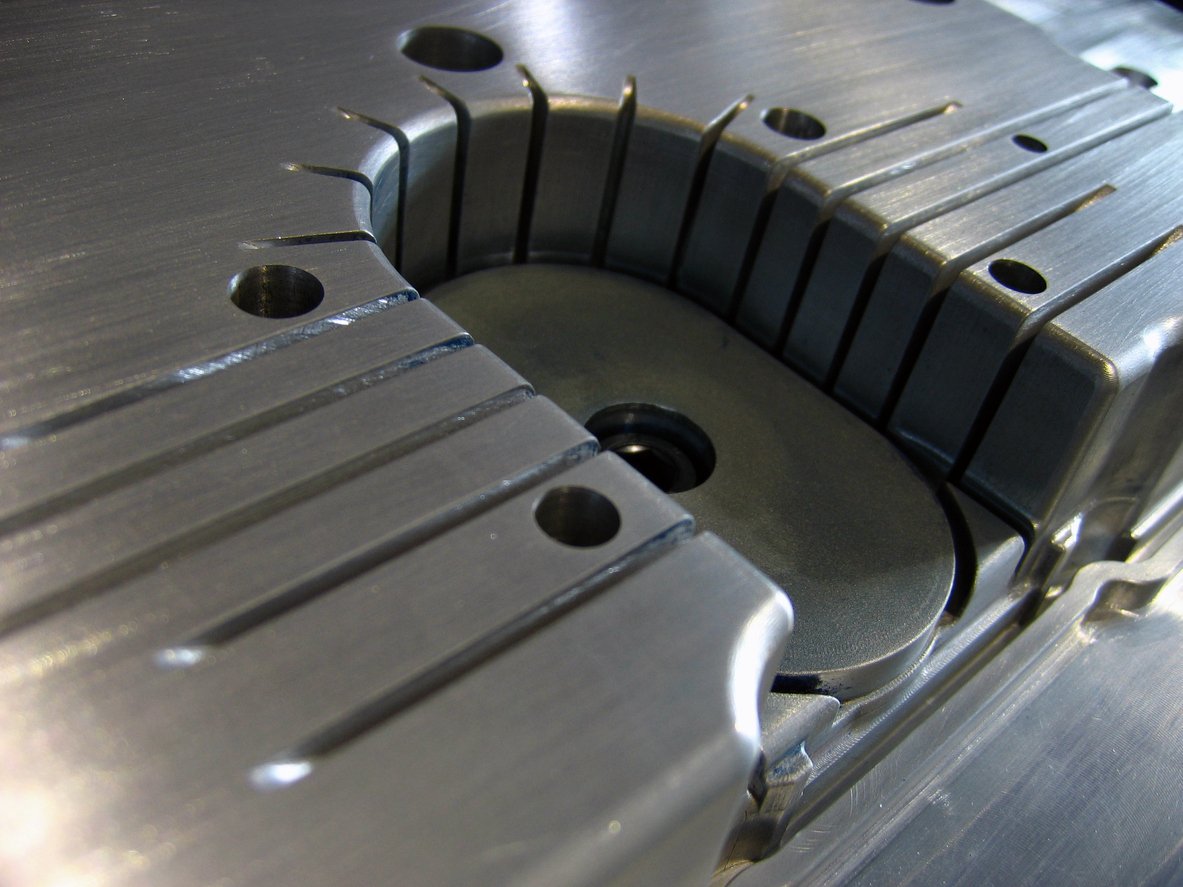
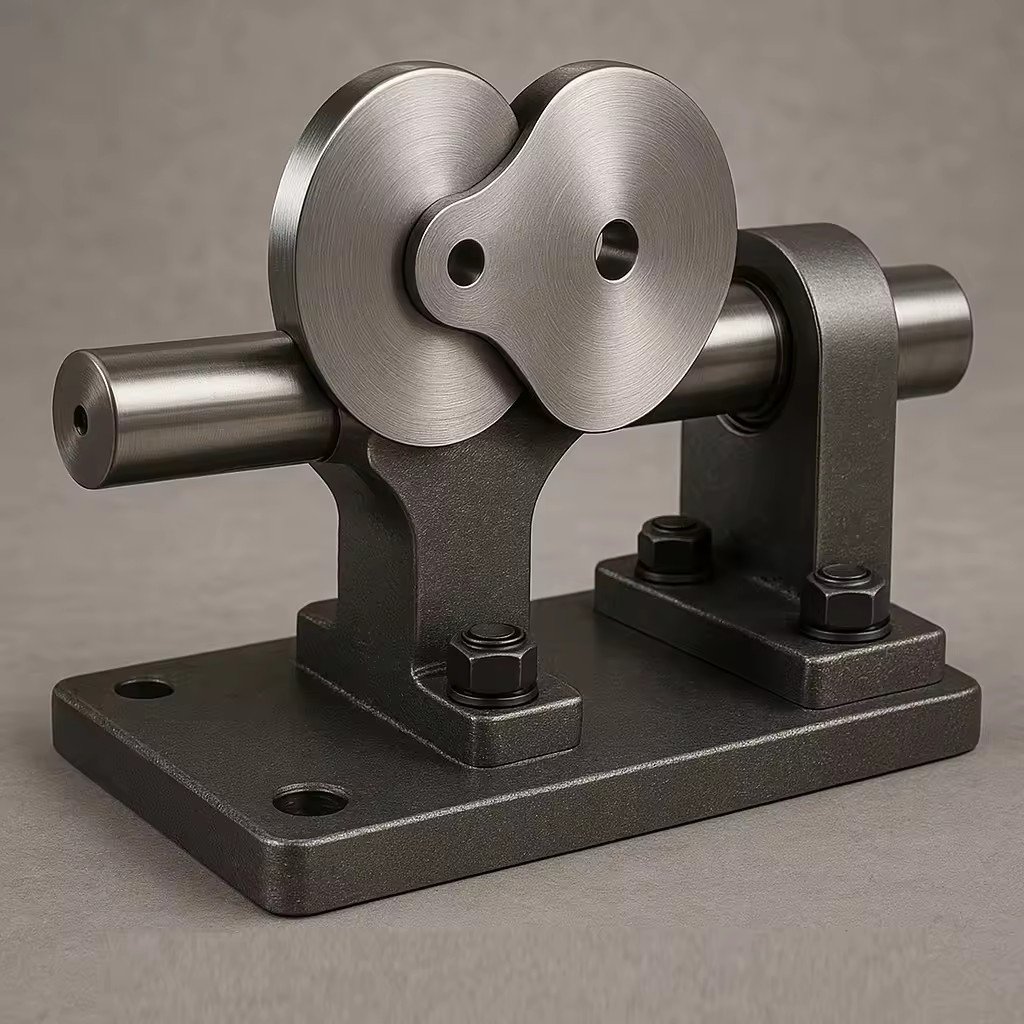
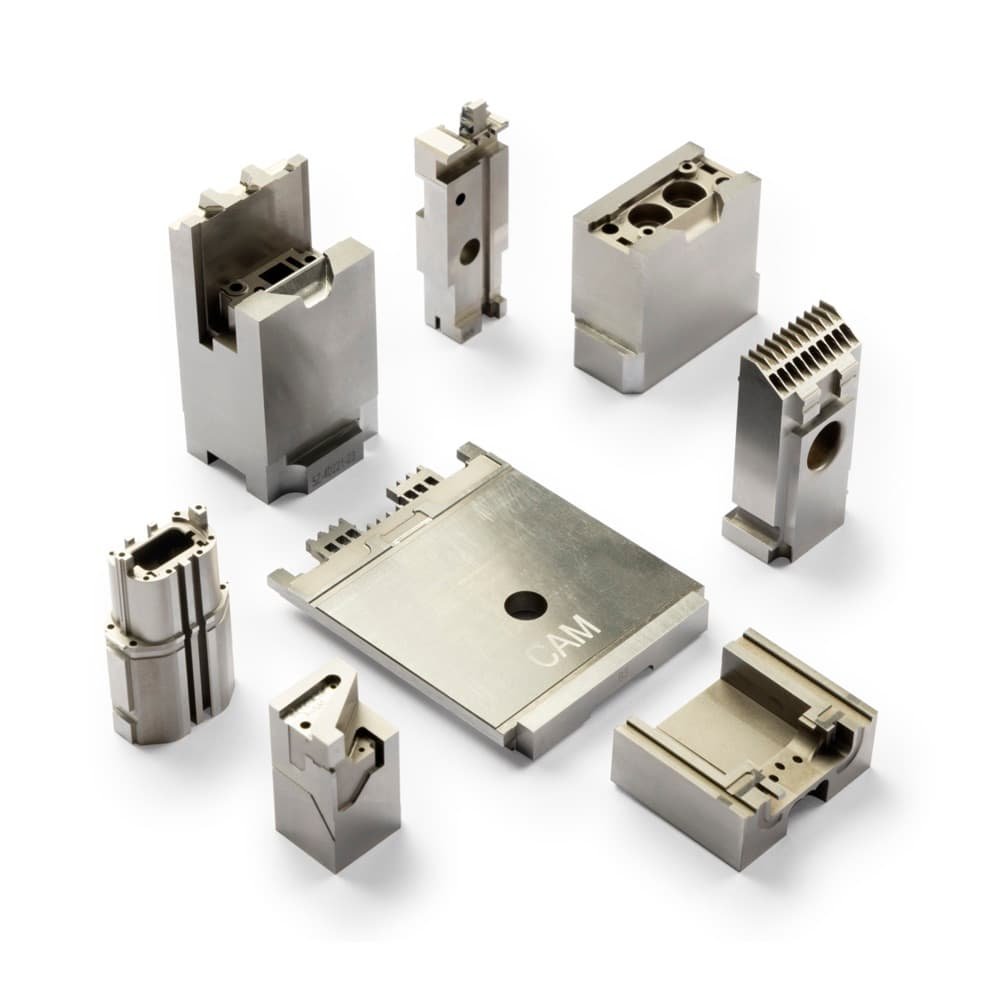
Featured Mold Components & Tooling
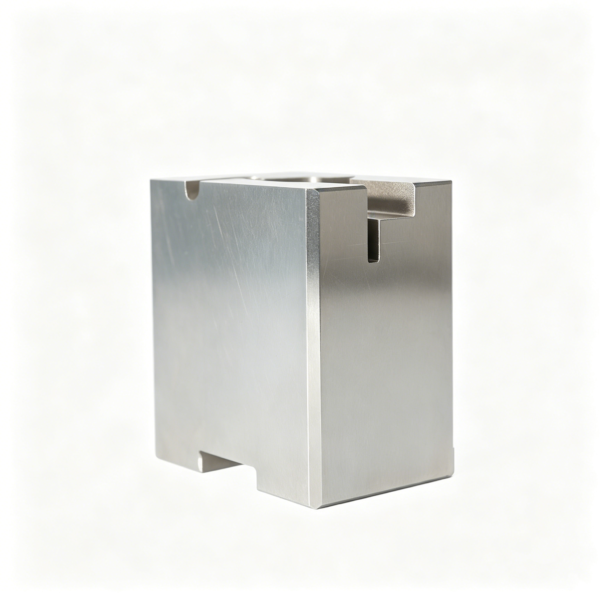
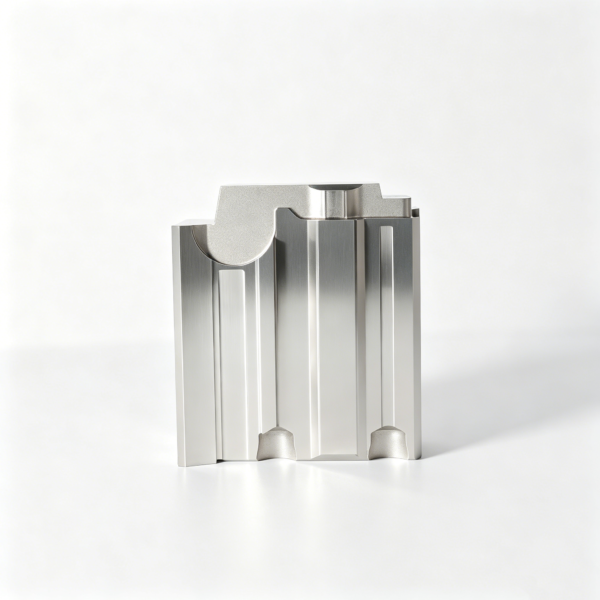
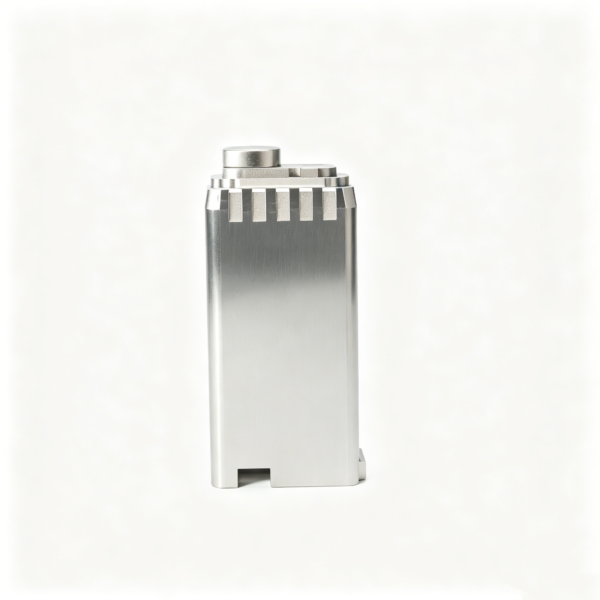
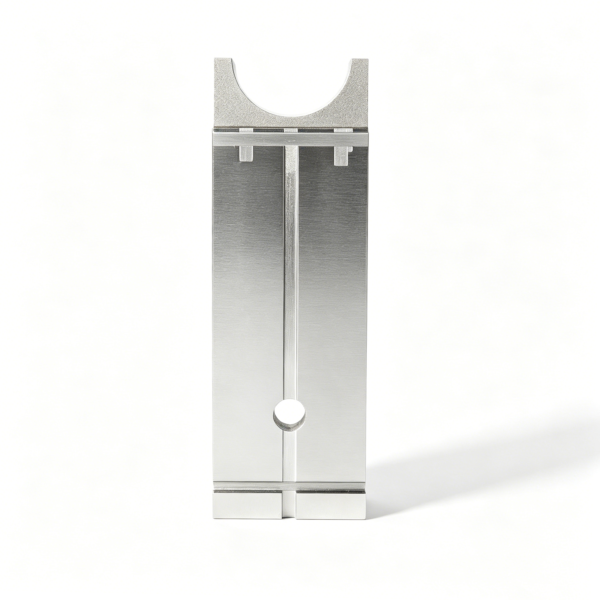
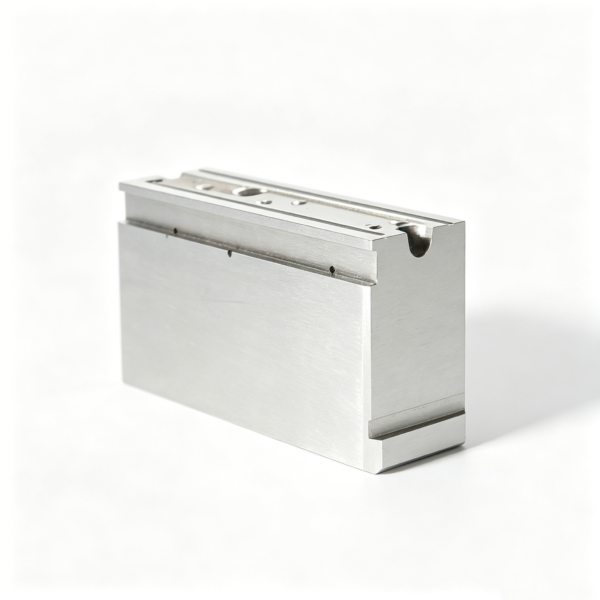
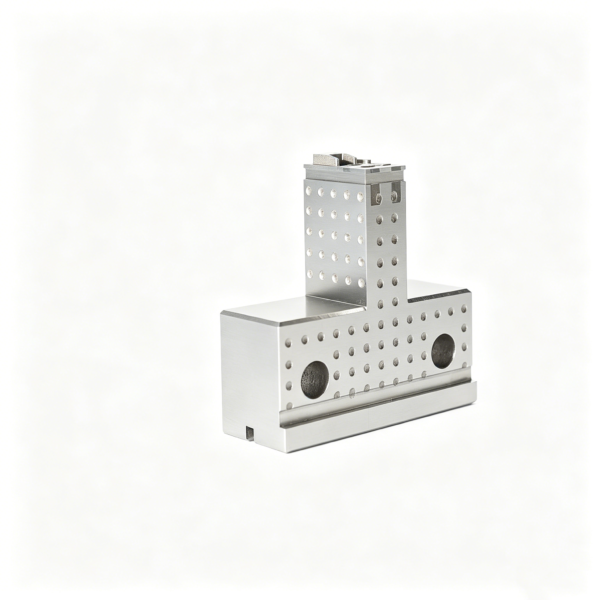
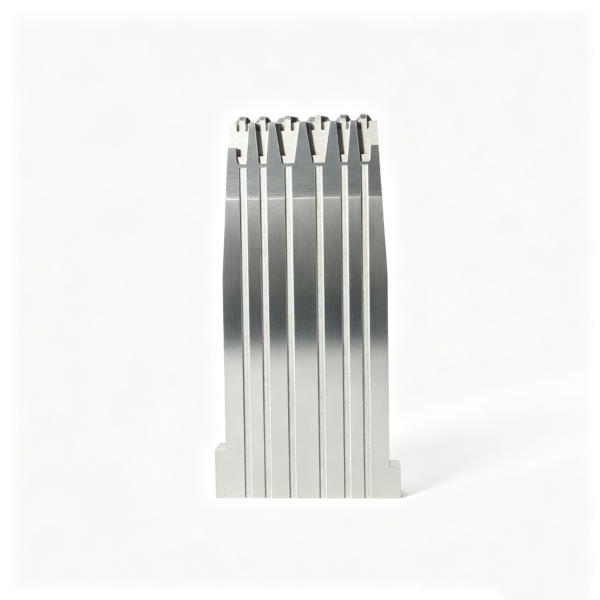
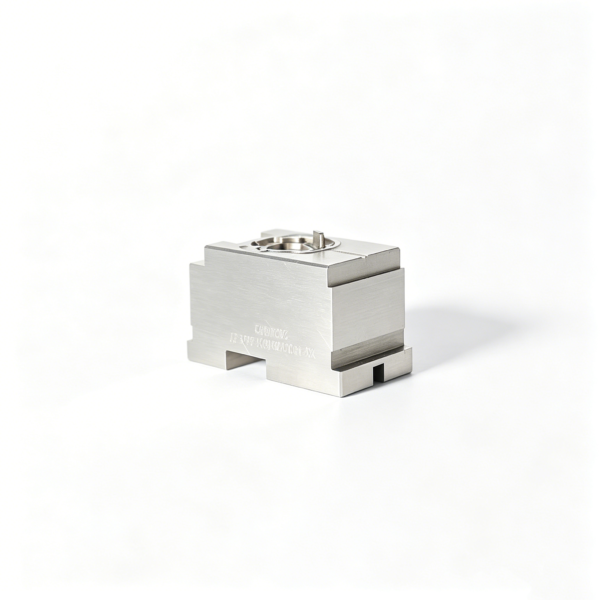
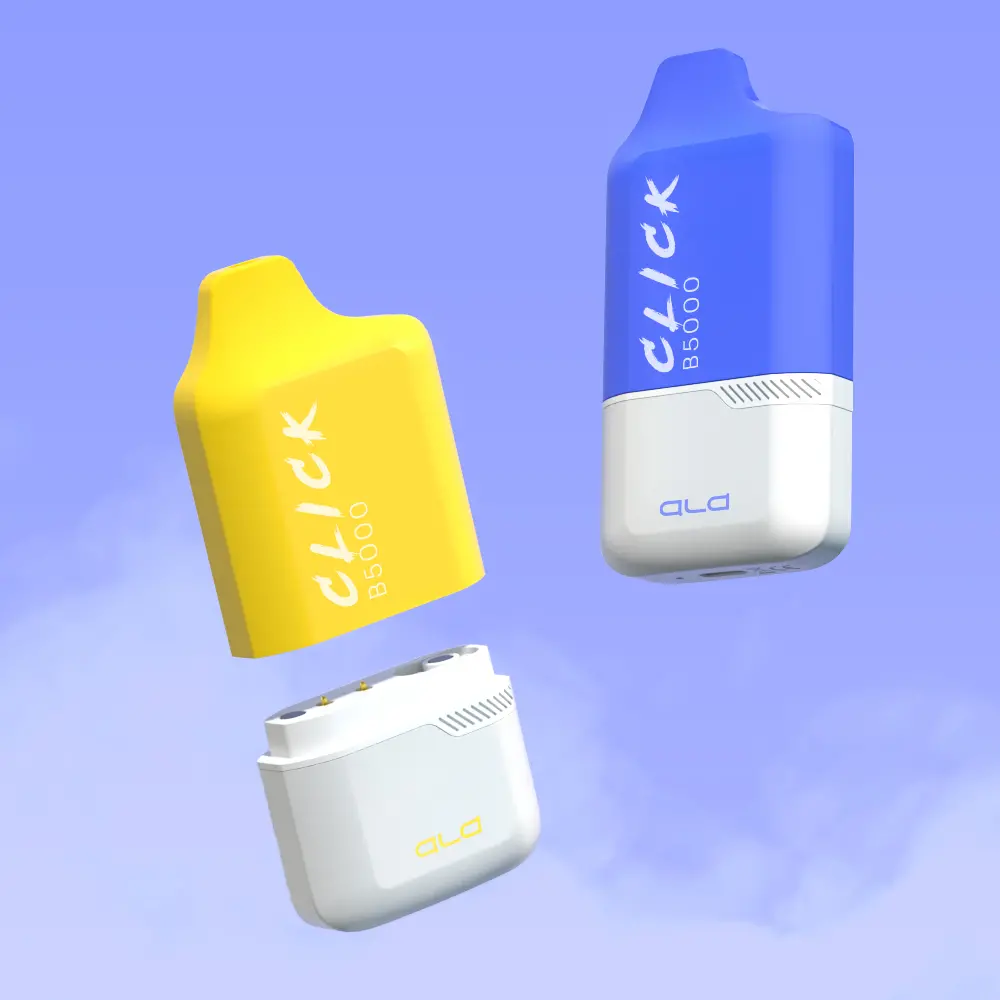
Product Gallery & Precision Samples
Why Custom Injection Molded Components Demand Precision — Core Advantages
+/-0.001 mm Machining Accuracy
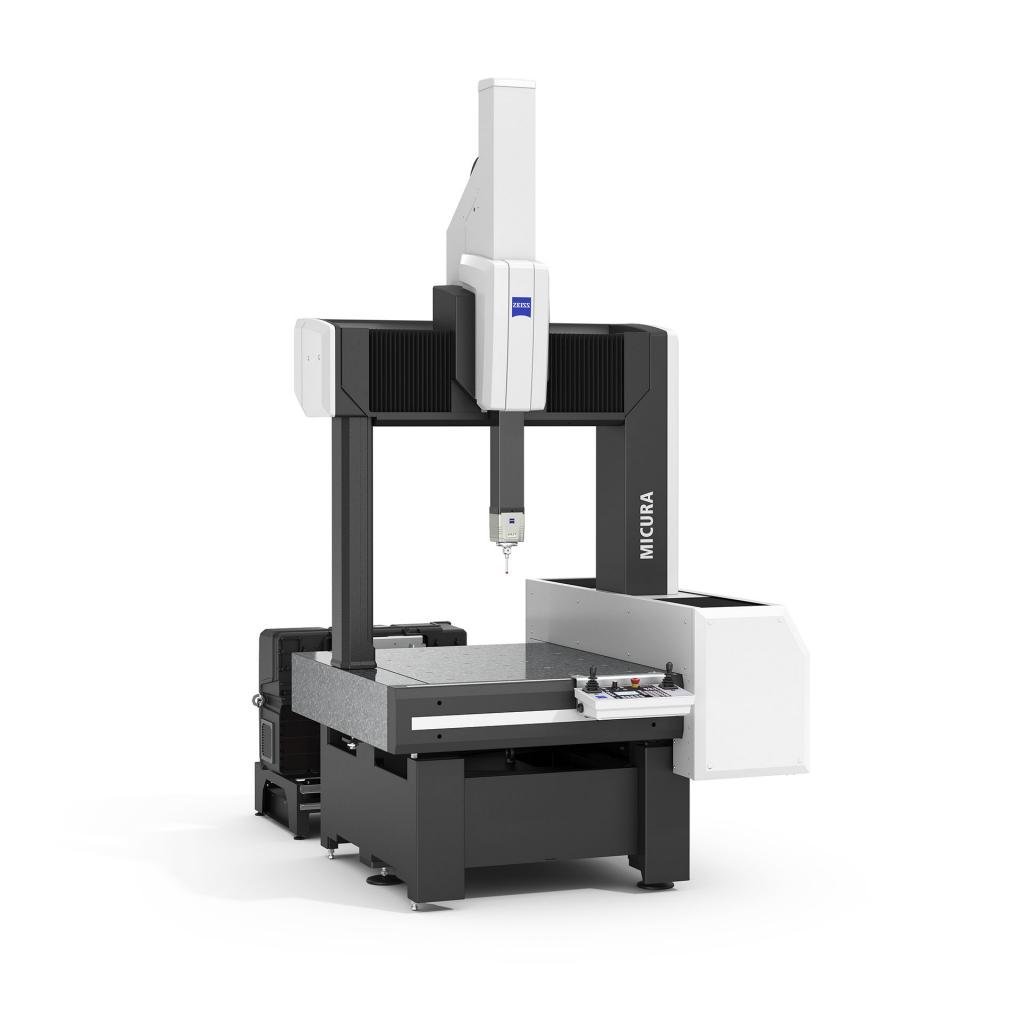
Sodick slow-wire EDM and Fanuc CNC deliver micron-stable tolerances verified by ZEISS MICURA CMM to 0.7um resolution—eliminating fit and flash issues.
Mirror-Grade EDM Surface Finish
Mitsubishi mirror EDM achieves Ra 0.1um finishes on cores and inserts, reducing post-polish labor and ensuring optical-grade part aesthetics.
24-Hour Quote Turnaround
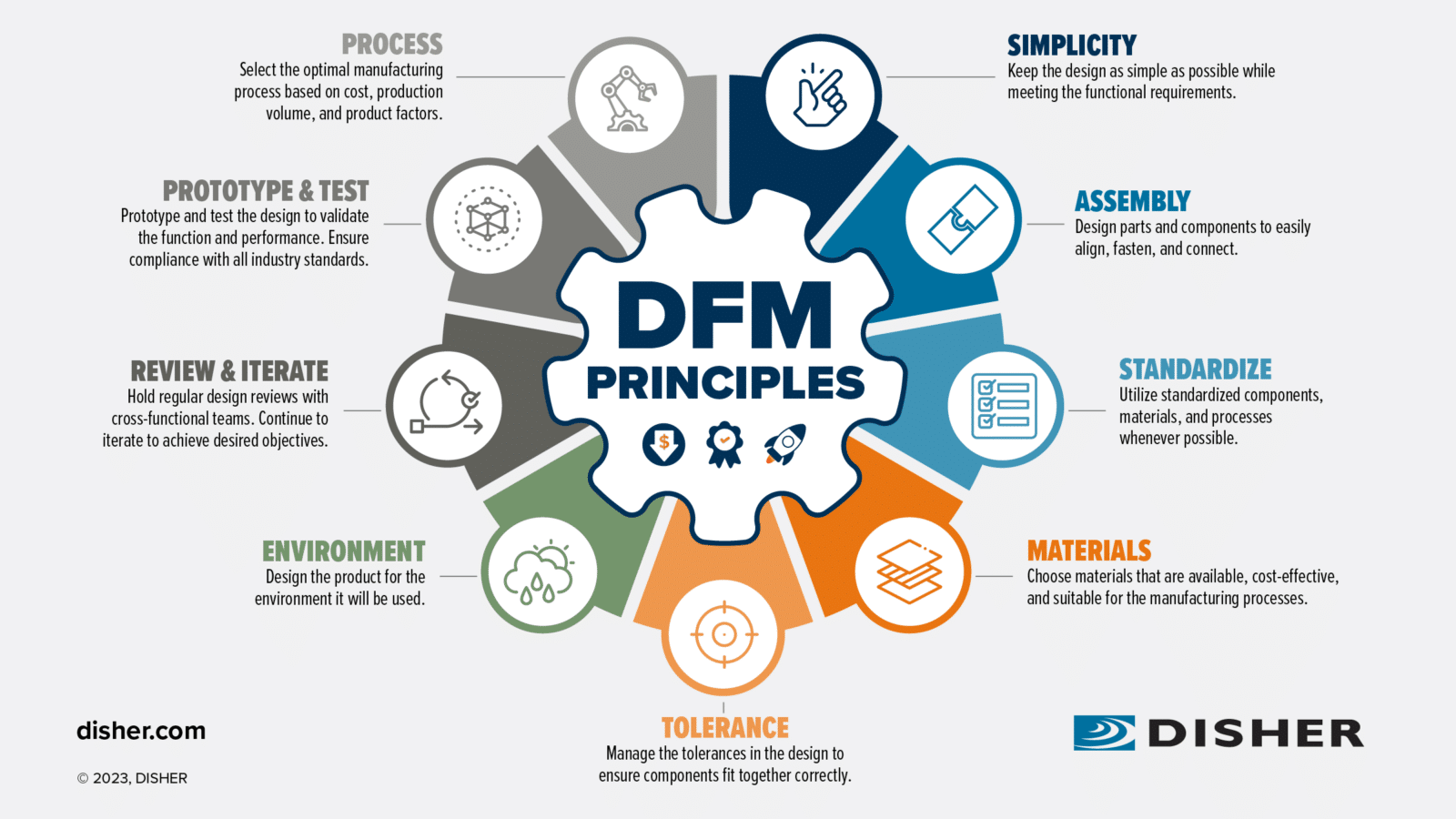
Engineering-led DFM review and transparent pricing returned within one business day—so your sourcing timeline never stalls waiting for feedback.
Dual-Factory Production Capacity
Dongguan R&D hub plus Quanzhou volume facility deliver 200% greater output since 2025, balancing prototype agility with mass-production reliability.
DFM Engineering Support
10+ mold-design experts review every CAD file before machining, flagging tolerance conflicts, draft angles and ejection risks to prevent costly rework.
Full FAI & Material Certificates
Every shipment includes first-article inspection reports, CMM data, material spectral analysis and ISO 9001:2015 traceability—no guesswork, only evidence.
Precision Mold Components & OEM Tooling Solutions
Nine product families engineered to solve tolerance, delivery and durability challenges across electronics, 5G, automotive and medical supply chains.
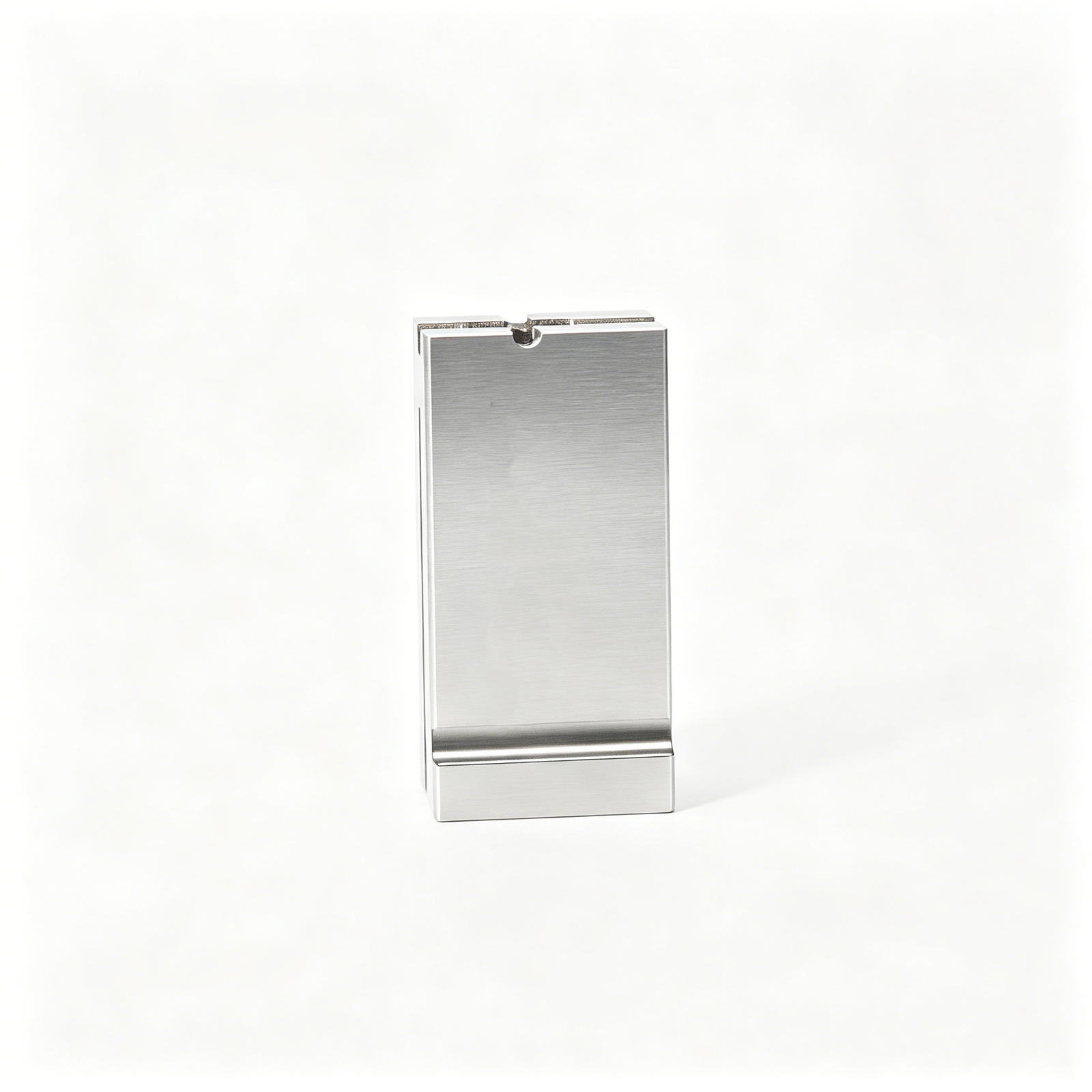
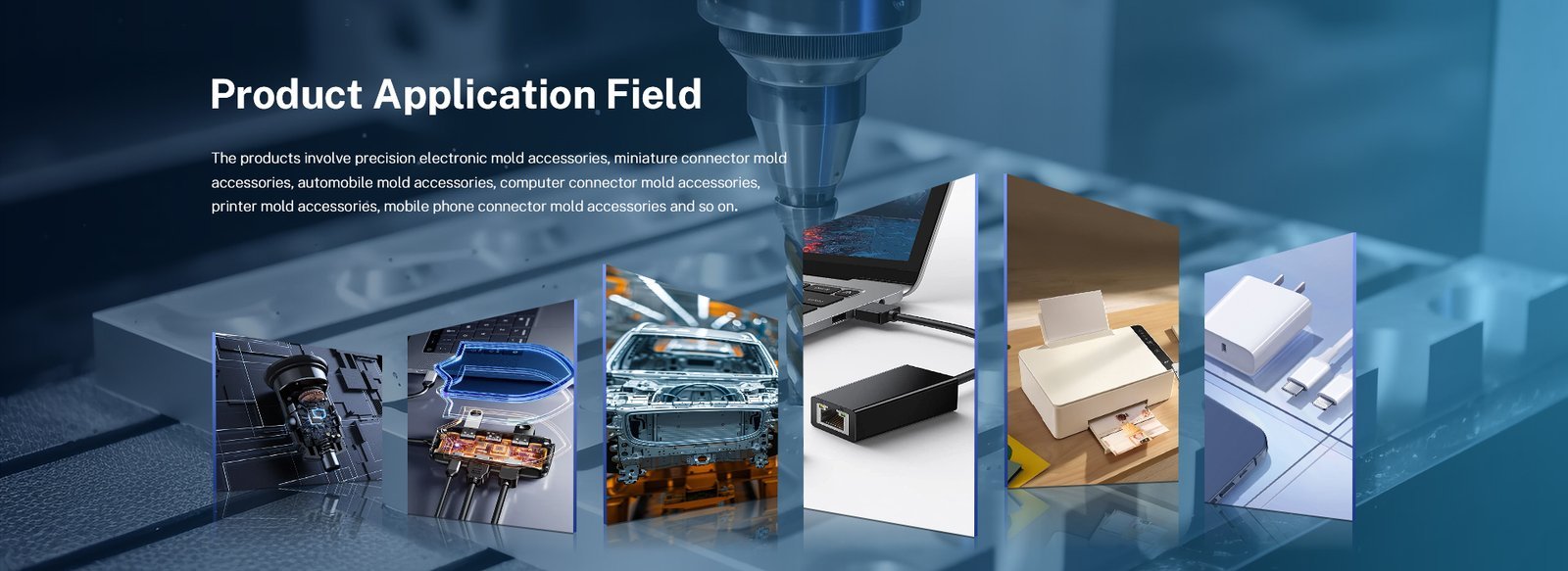
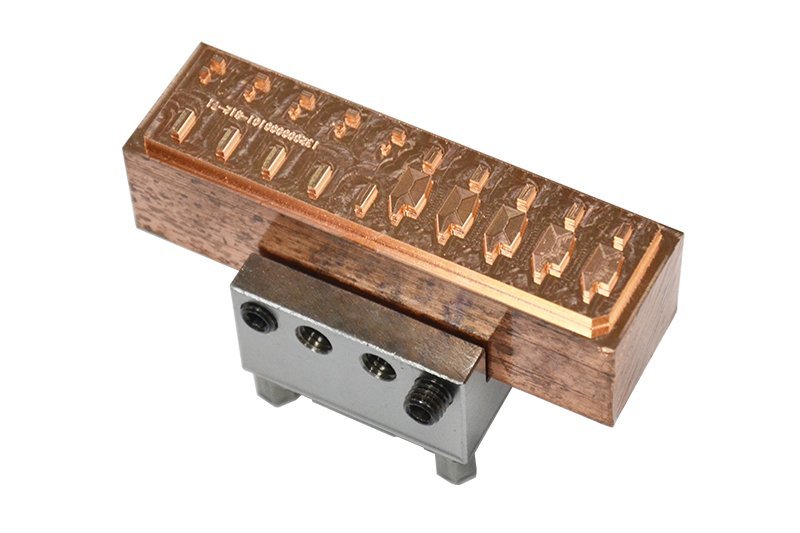
Micro-Connector Mold Components
High-density terminal tooling, thin-wall micro-pins and sockets for board-to-board, FPC, RF and industrial connectors. Sodick slow-wire EDM holds +/-0.002 mm positioning; mirror EDM finishes to Ra 0.1um ensure zero-burr contact surfaces. Validated by ZEISS MICURA CMM to 0.7um repeatability, with full FAI documentation and material certificates included with every shipment.
Get a Quote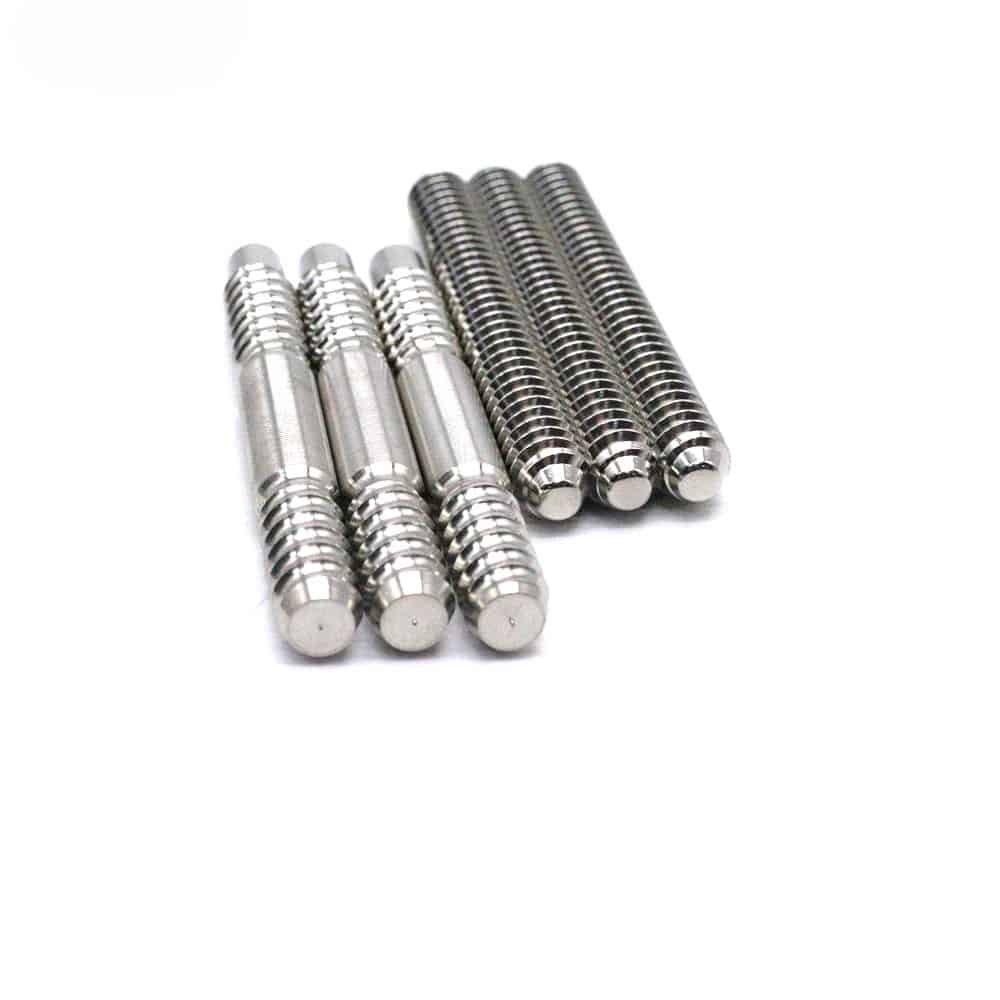
Precision Insert Pins
Core pins, locating pins and precision inserts machined to +/-0.001 mm for multi-cavity molds and high-cycle tooling. Fanuc CNC and Beijing Jingdiao electrode fabrication deliver corner radii down to R 0.015 mm. DFM review by 10+ engineers identifies interference and wear risks before production; Nikon toolmaker’s microscopes verify geometry at final inspection.
Get a Quote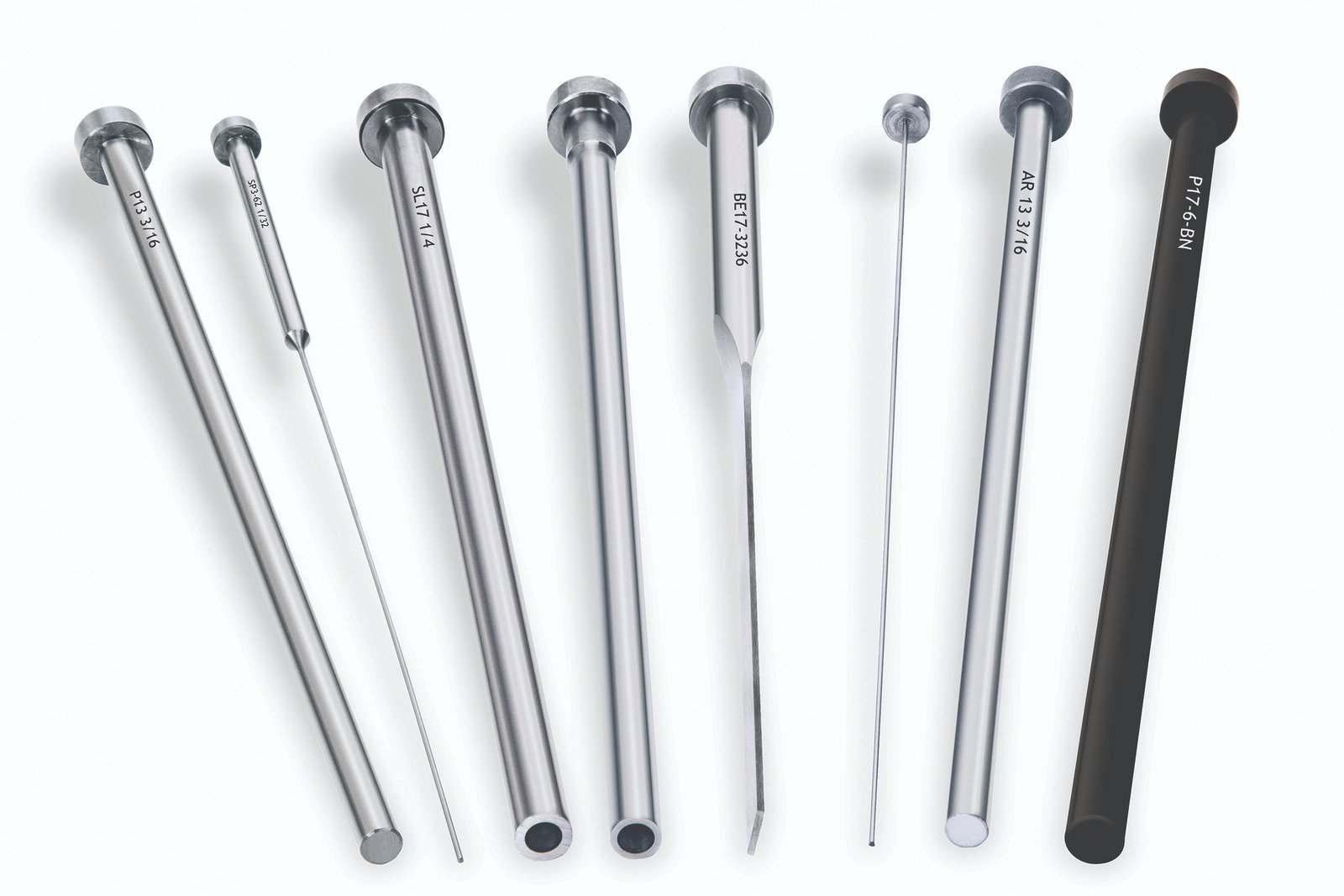
Ejector Pin Systems
Ejector pins, sleeves, return pins and guided ejector assemblies held to +/-0.002 mm straightness and concentricity. Precision grinding centers and slow-wire EDM ensure consistent ejection force across 500k+ cycle life. Five-step QC flow includes material spectral analysis, in-process monitoring and CMM validation; lead time 15–25 days for volume orders, 3–7 days for samples.
Get a Quote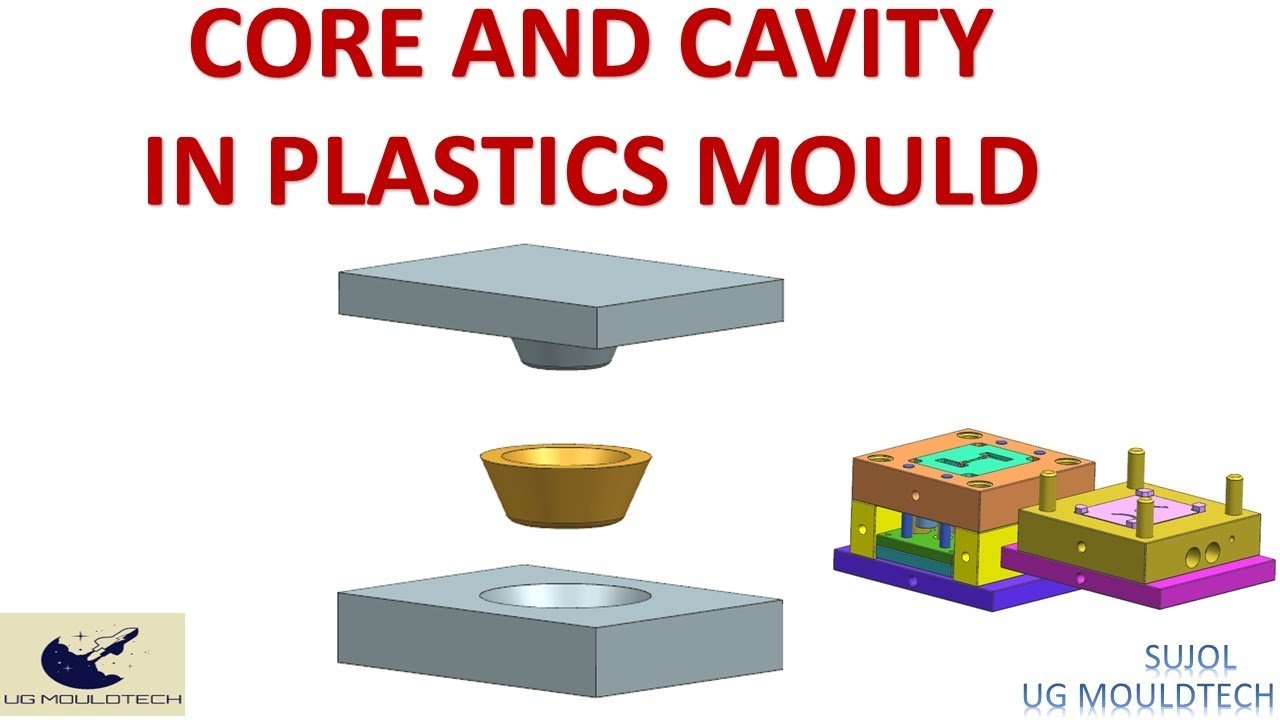
Core & Cavity Inserts
Multi-cavity core and cavity inserts with mirror-grade EDM finishes, conformal cooling channels and complex geometry for electronics, automotive and consumer-goods molds. Mitsubishi mirror EDM achieves Ra 0.1um; ZEISS CMM verifies wall thickness, draft and parting-line fit. ISO 9001:2015 process control minimizes rework and supports high-volume replication with zero tolerance drift.
Get a Quote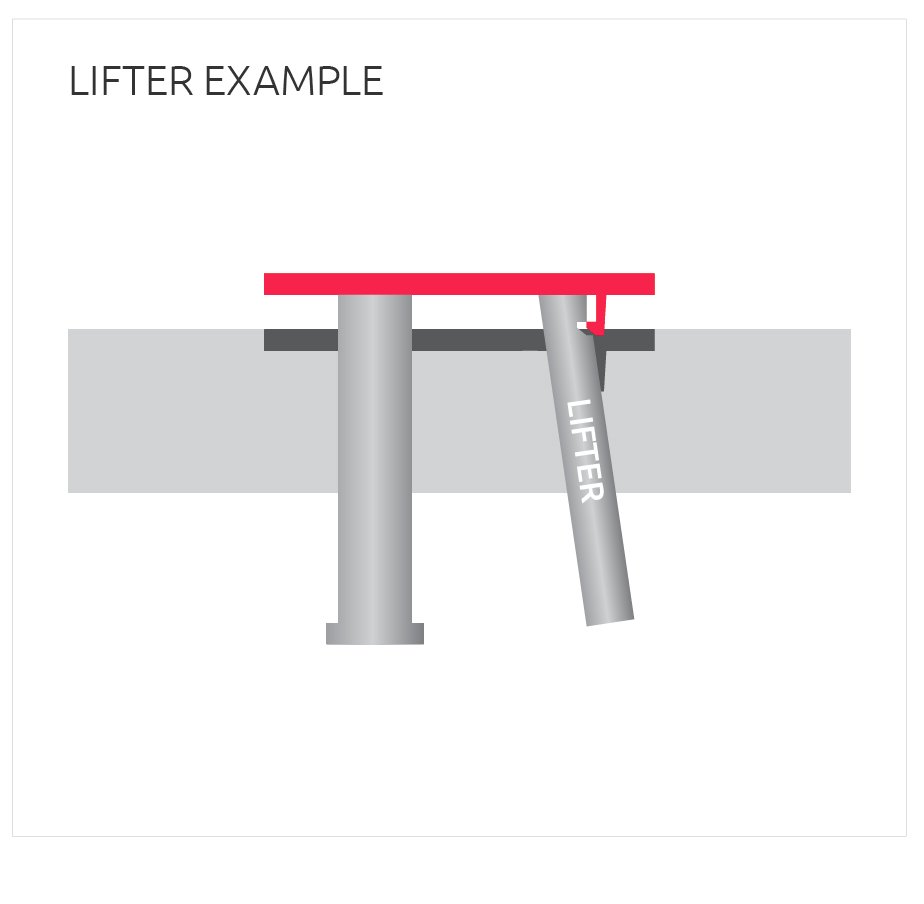
Slider & Lifter Components
Slider blocks, lifter arms, angle pins and cam mechanisms machined to +/-0.003 mm for undercut release and side-action tooling. Sodick and Charmilles sinker EDM handle complex pocket geometry; Dawn grinding centers deliver flatness and parallelism within 0.002 mm. Engineering support includes motion simulation, wear analysis and material selection for 300k+ cycle durability.
Get a Quote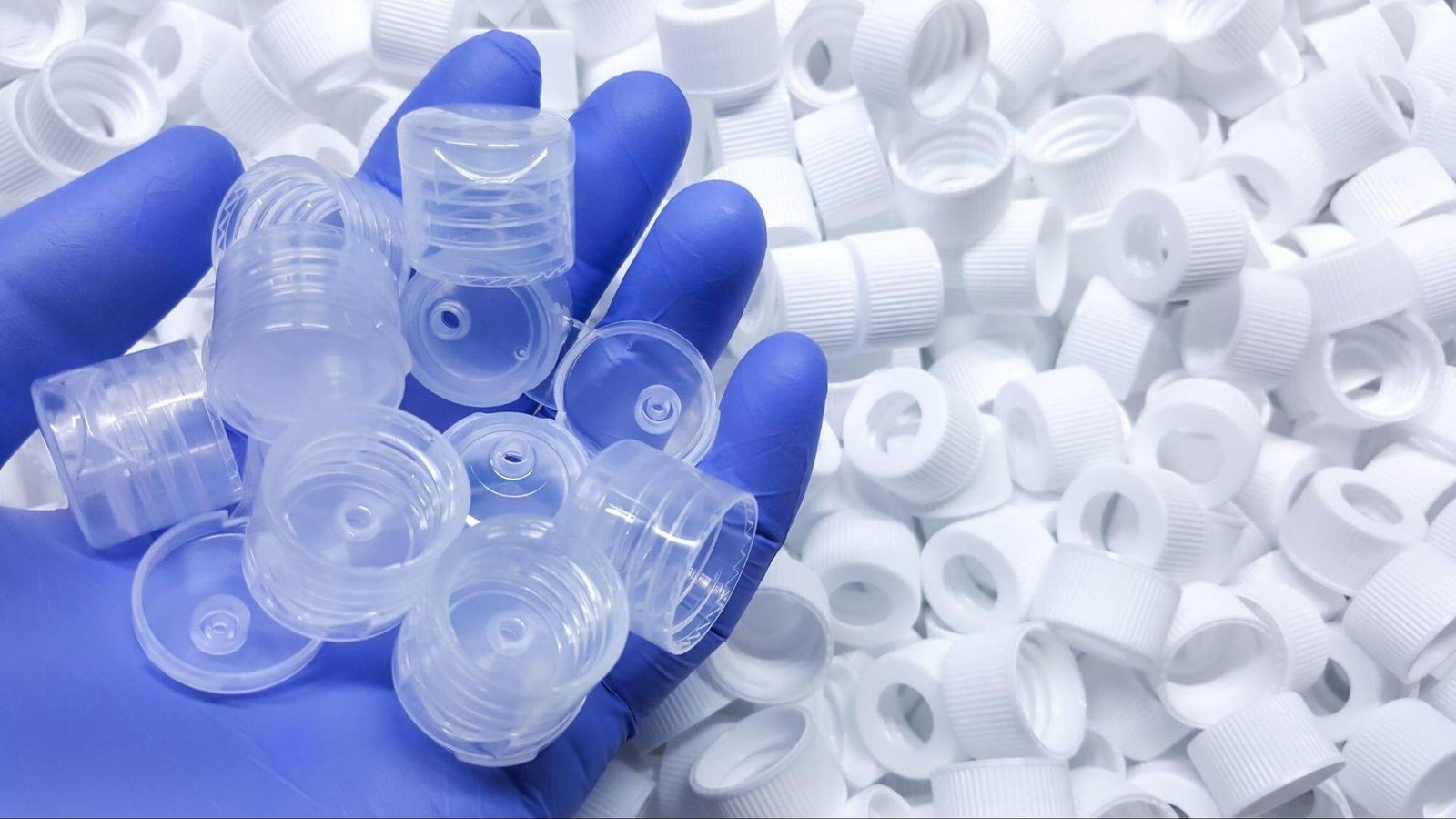
Medical Device Molded Parts
Biocompatible mold inserts, micro-feature cores and precision housings for diagnostic devices, surgical instruments and implantable components. Clean-room-compatible finishing, Ra 0.1um mirror surfaces and full traceability via FAI reports with material certificates. ZEISS MICURA CMM and Nikon microscope inspection meet ISO 13485 documentation requirements; quote returned within 24 hours.
Get a Quote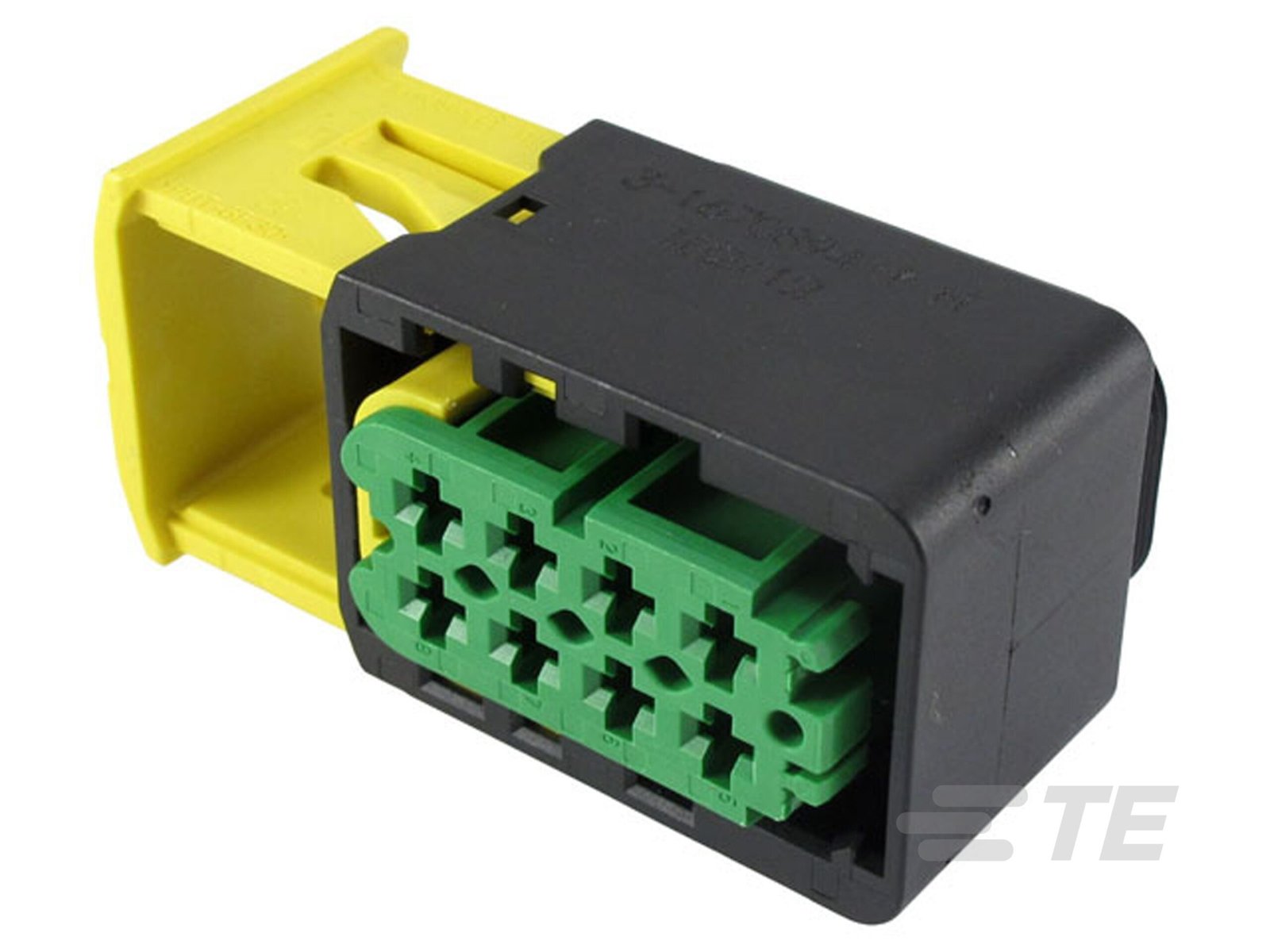
Automotive Connector Housings
ADAS sensor housings, BMS and HV interconnect tooling, powertrain connector molds and interior functional inserts for NEV and traditional automotive. +/-0.001 mm machining precision supports high-density terminal arrays and IP67/IP69K sealing geometries. Dual-factory capacity—Dongguan R&D plus Quanzhou volume production—delivers 30% faster lead times than industry average, with scalable output for tier-supplier programs.
Get a Quote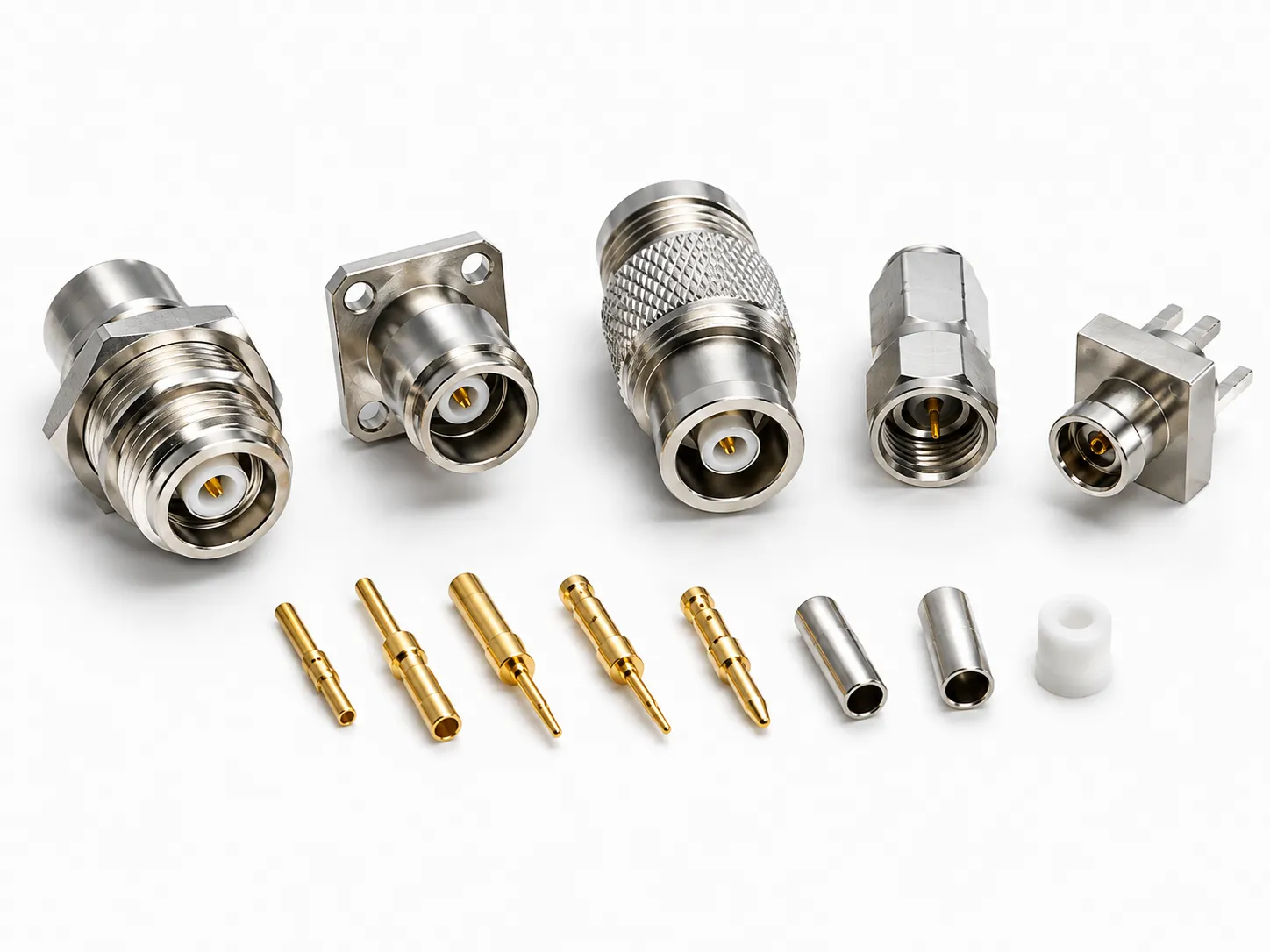
5G Telecom Precision Parts
Antenna connector tooling, base-station RF components, high-frequency terminal molds and thin-wall micro-connector inserts for 5G infrastructure and mobile devices. Slow-wire EDM holds +/-0.002 mm on sub-millimeter features; mirror EDM ensures signal-integrity surfaces. In-process tolerance monitoring and ZEISS CMM verification prevent insertion-loss and impedance variation; engineering team provides DFM feedback before first article.
Get a Quote
Optical Component Tooling
Precision cores, cavity inserts and micro-feature tooling for LED lenses, camera modules, fiber-optic housings and display components. Mirror-grade Ra 0.1um finishes eliminate post-polish; +/-0.001 mm accuracy maintains optical-path geometry across production runs. Nikon toolmaker’s microscopes verify edge definition and surface integrity; full metrology reports and material certificates included with every order.
Get a QuoteMaterials for Custom Injection Molded Components

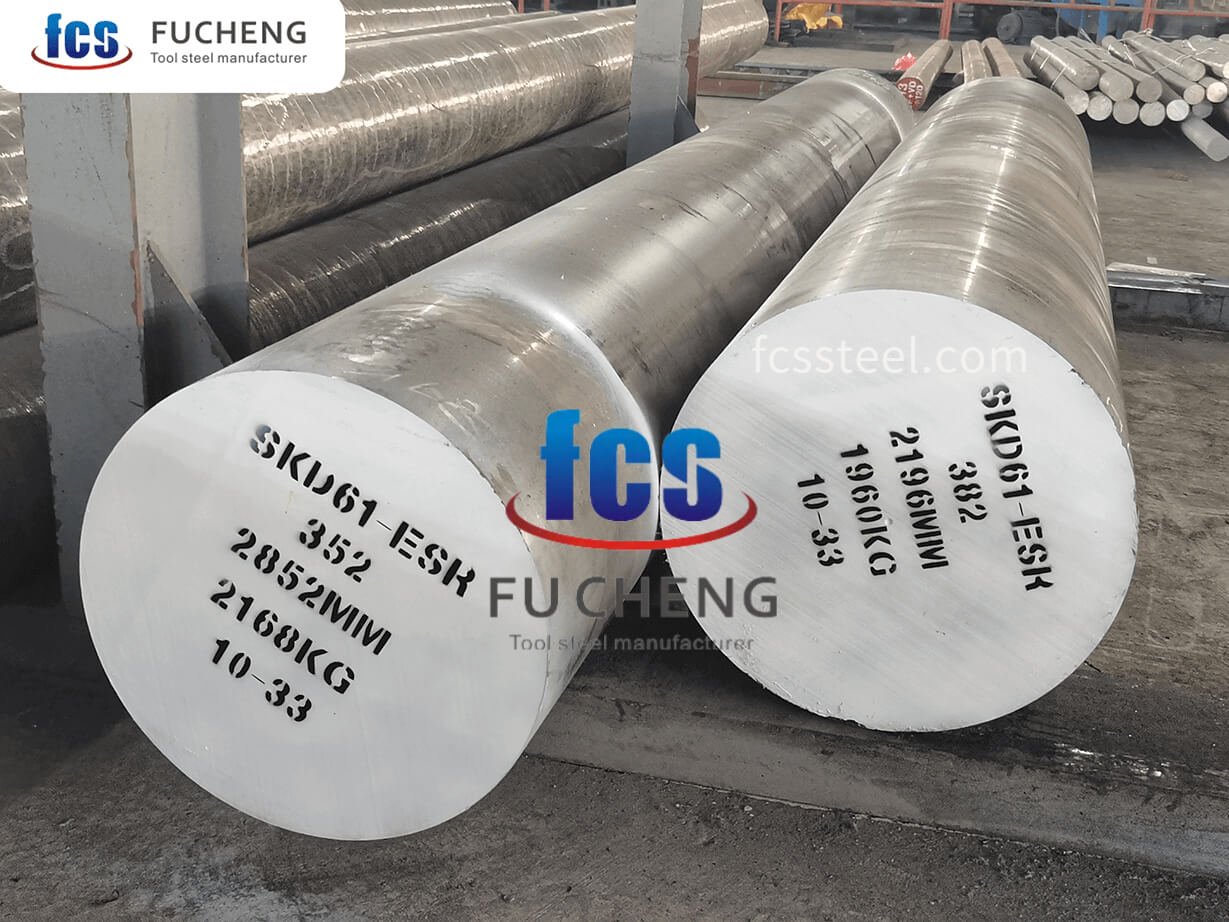
Precision Manufacturing Processes for Custom Injection Molded Components
Mirror EDM
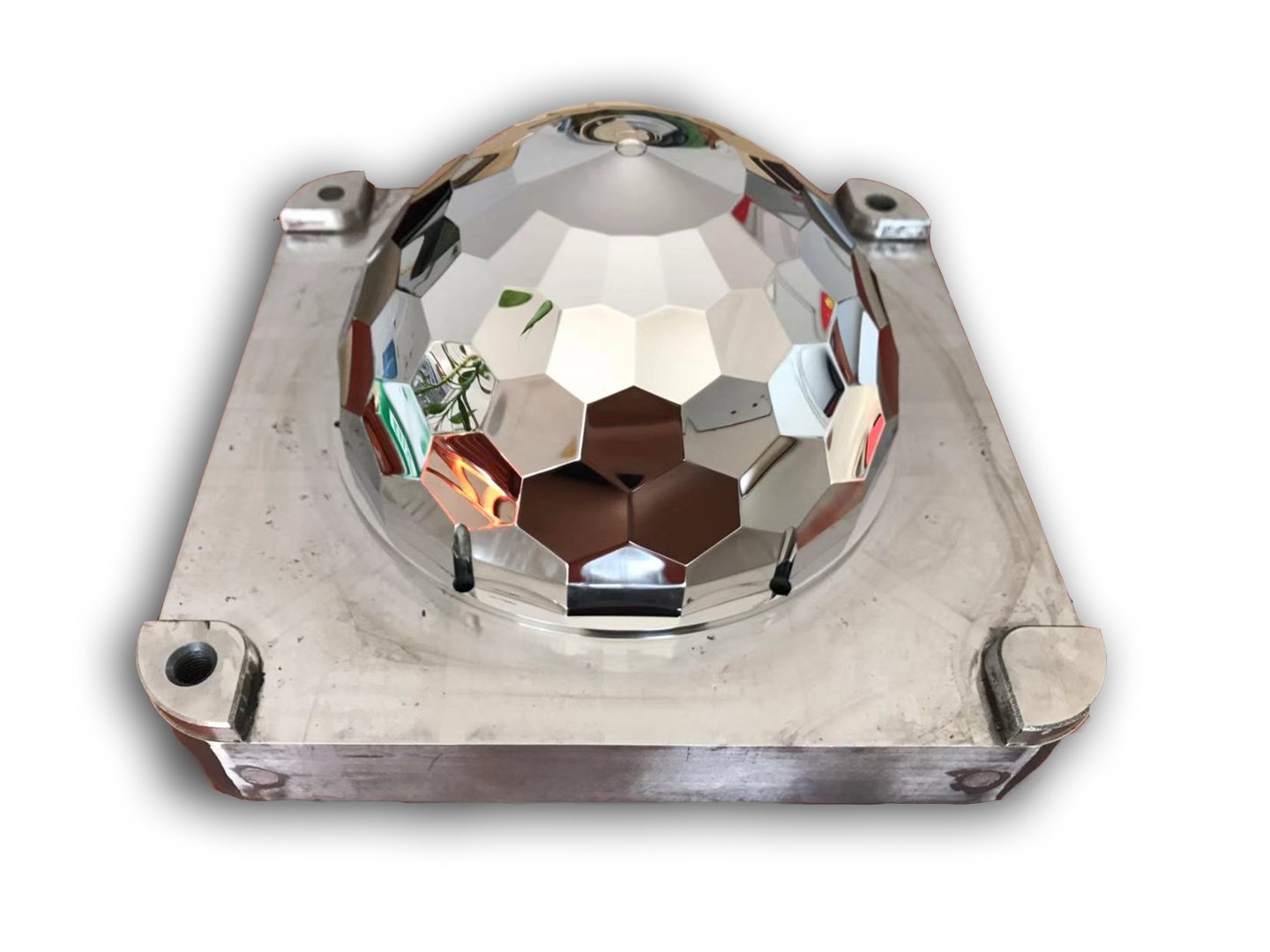
Mitsubishi mirror-grade sinker EDM achieves Ra 0.1 µm surface finishes on cavity faces and insert details, eliminating secondary polishing while ensuring optical-class surface integrity for high-cosmetic injection molded components.


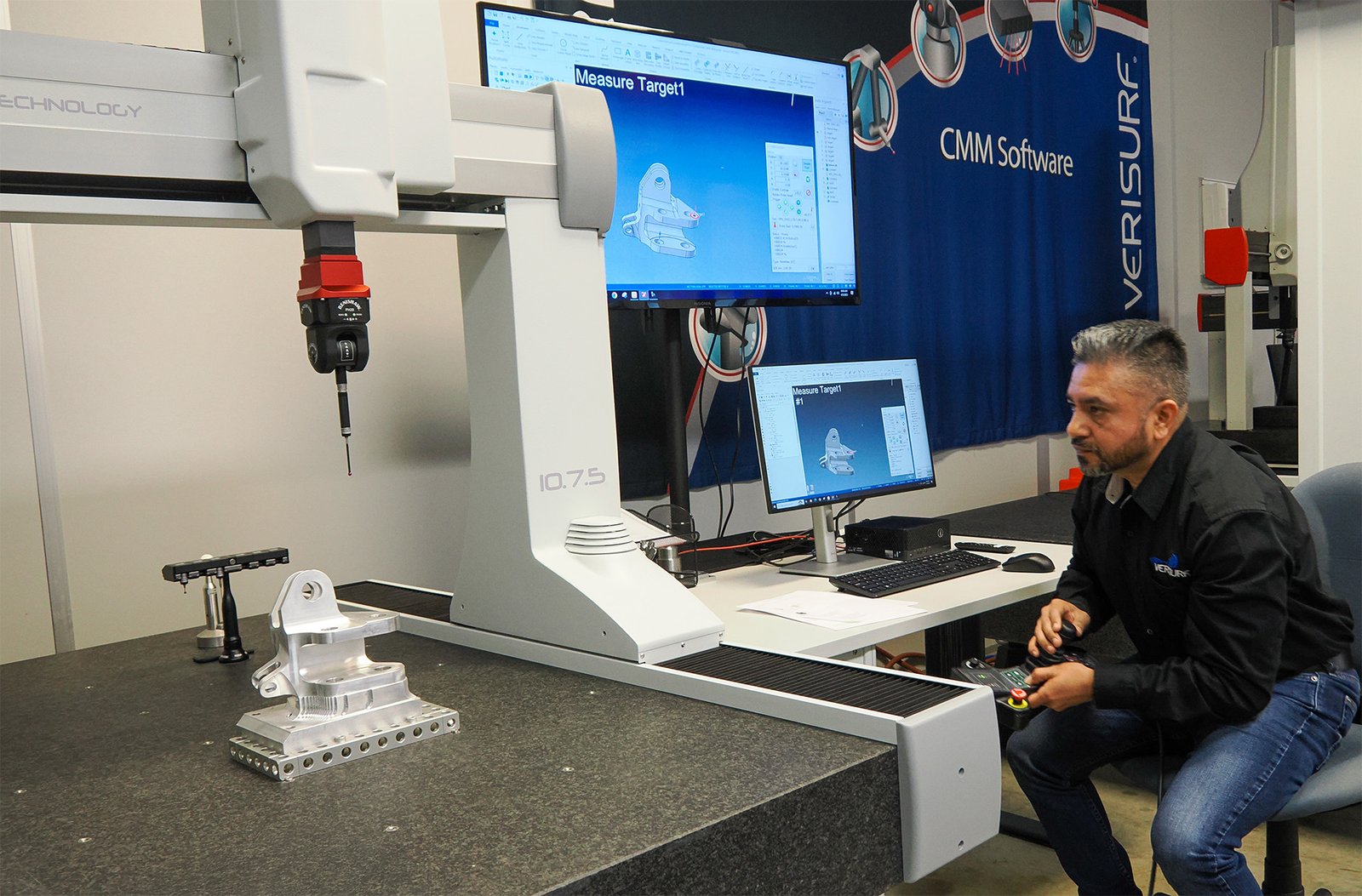
CMM Metrology
ZEISS MICURA coordinate measuring machine with 0.7 µm resolution and Nikon toolmaker’s microscopes verify every critical dimension, ensuring full FAI documentation, material certificates and traceable quality records for custom injection molded components.
Value-Add Services & Finishing for Custom Injection Molded Components

FAI Documentation
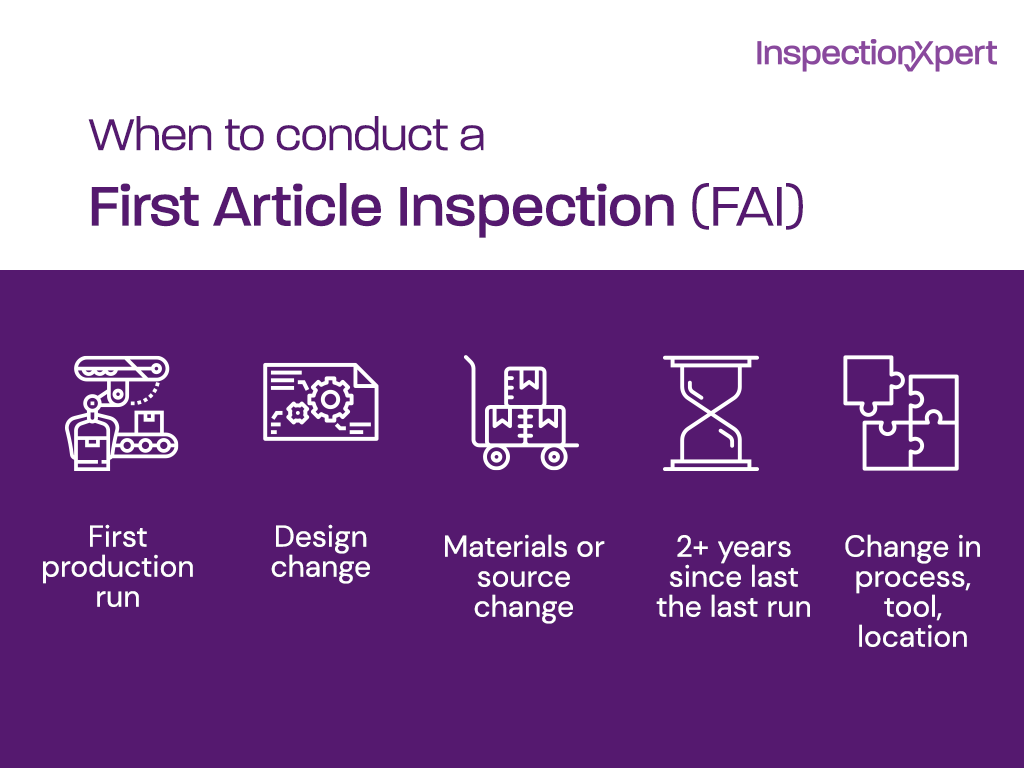
Full First Article Inspection reports with dimensional data from ZEISS MICURA CMM (0.7um resolution), material certificates and surface-finish validation — mandatory for ISO 13485 medical devices, IATF 16949 automotive and AS9100 aerospace supply chains.
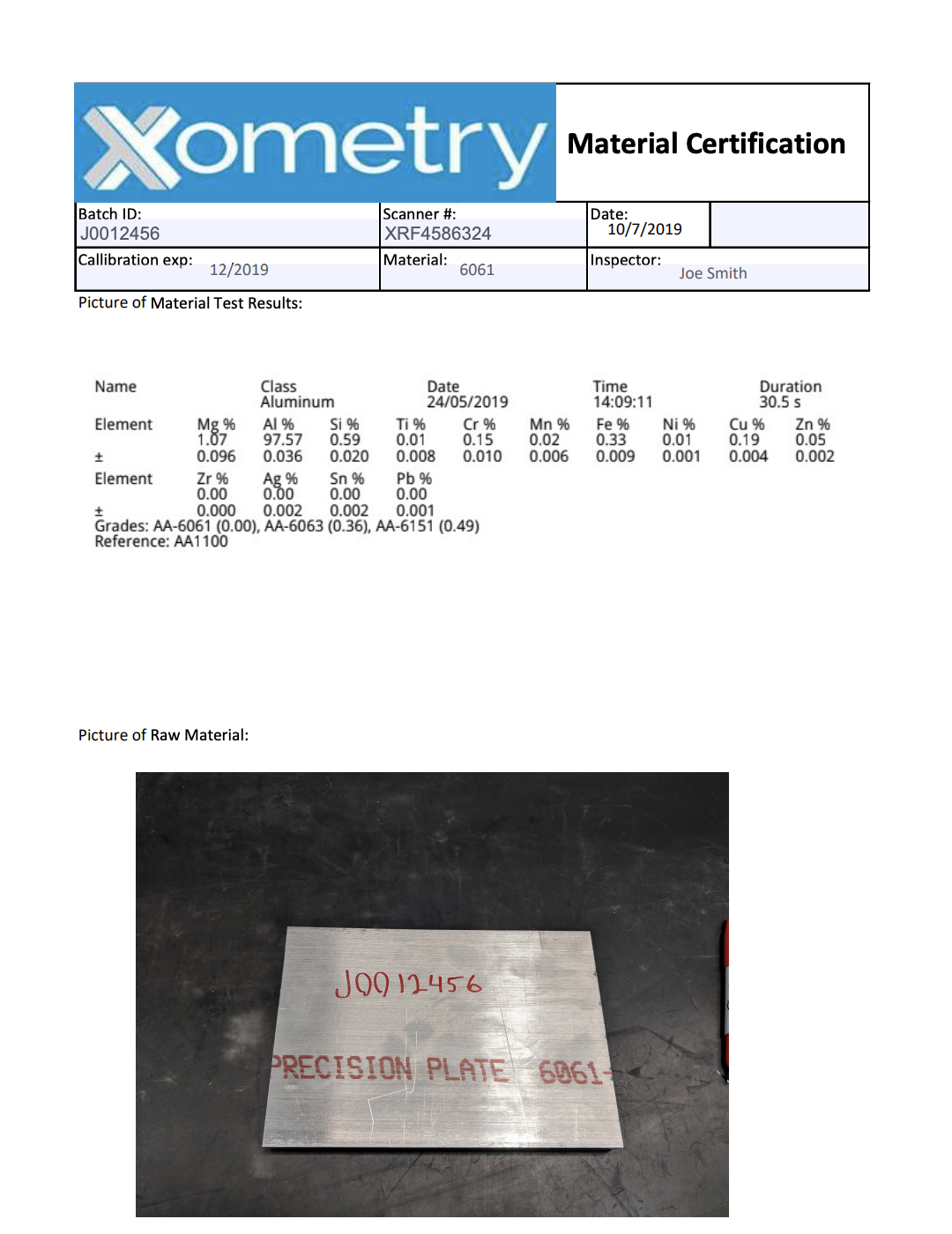
Material Certificates
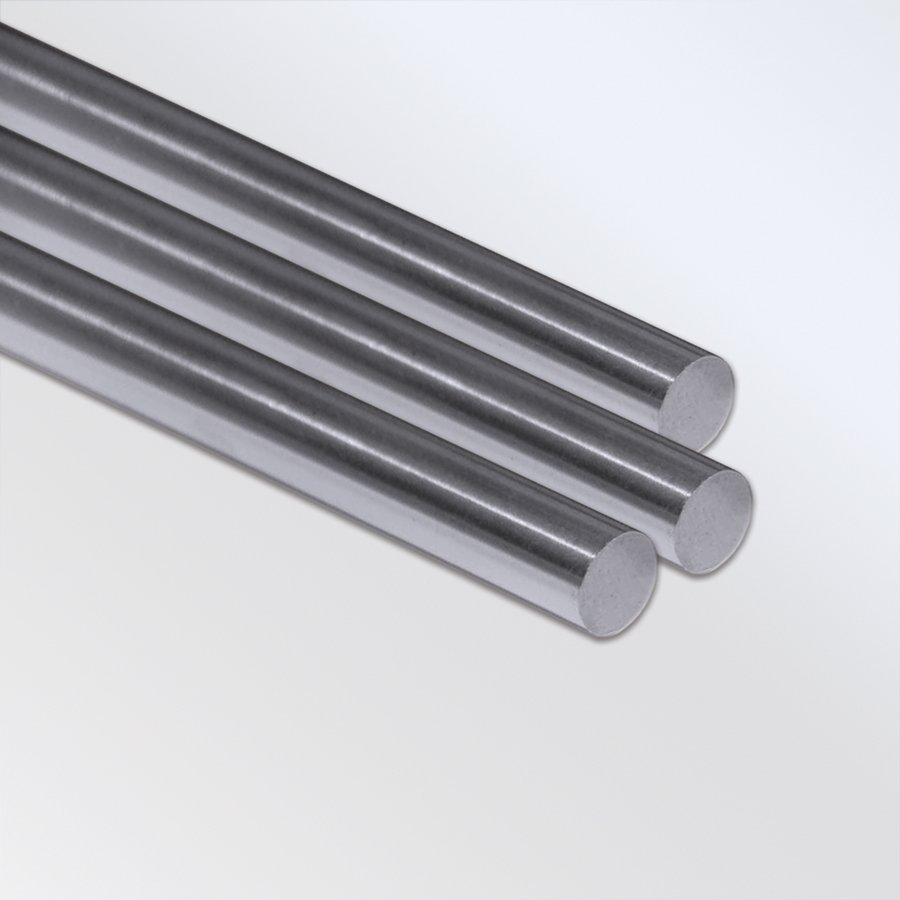
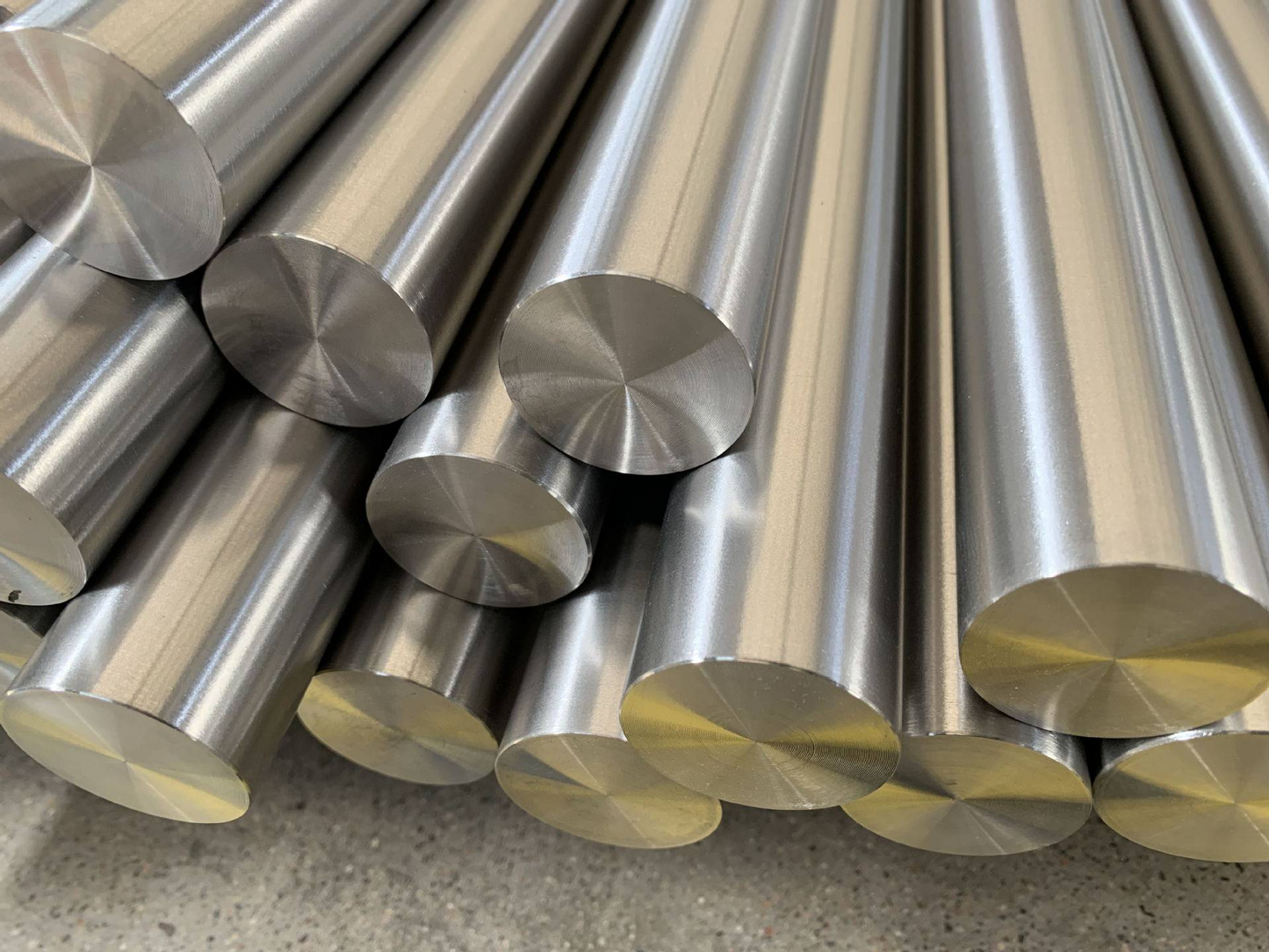
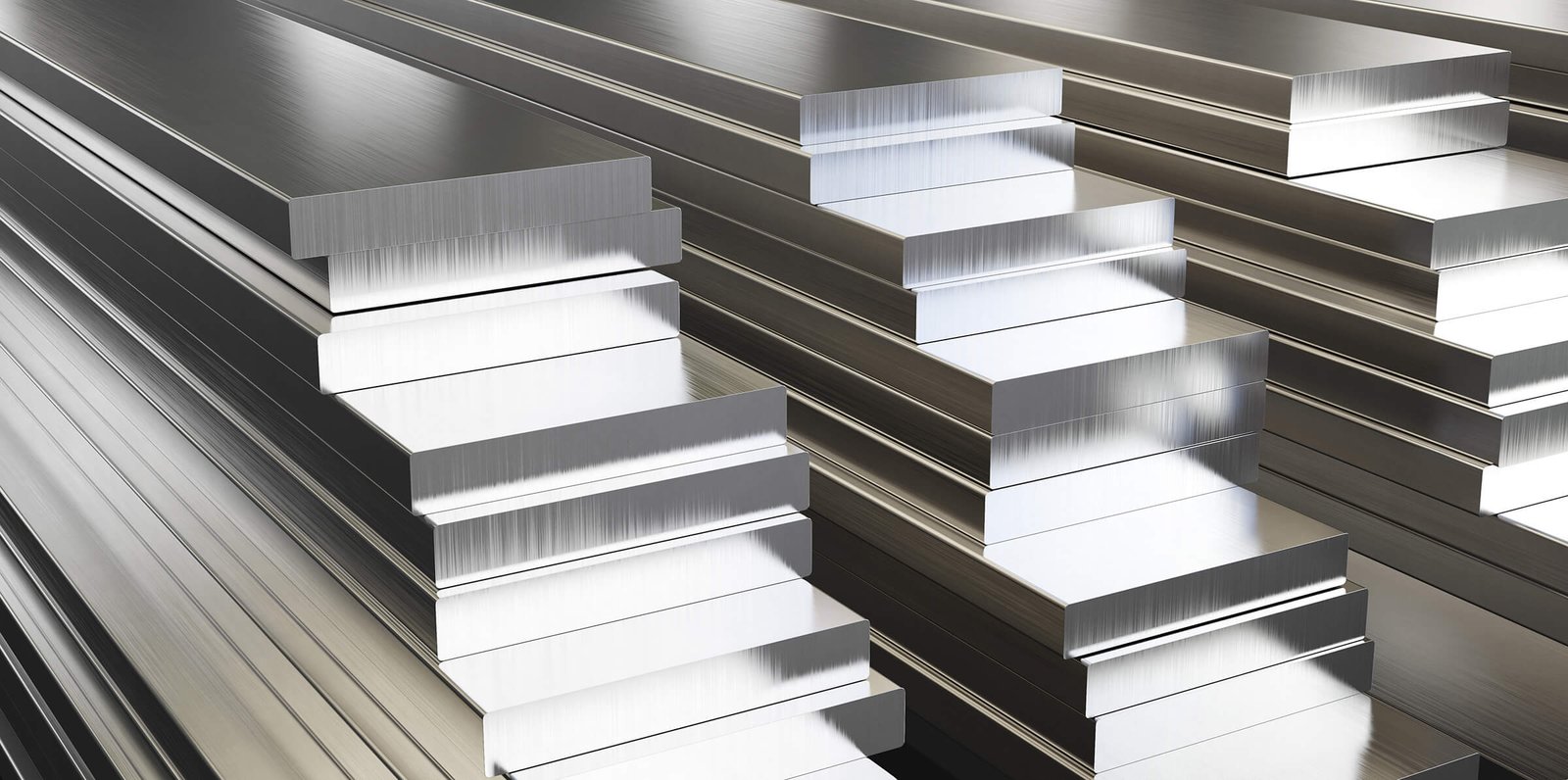
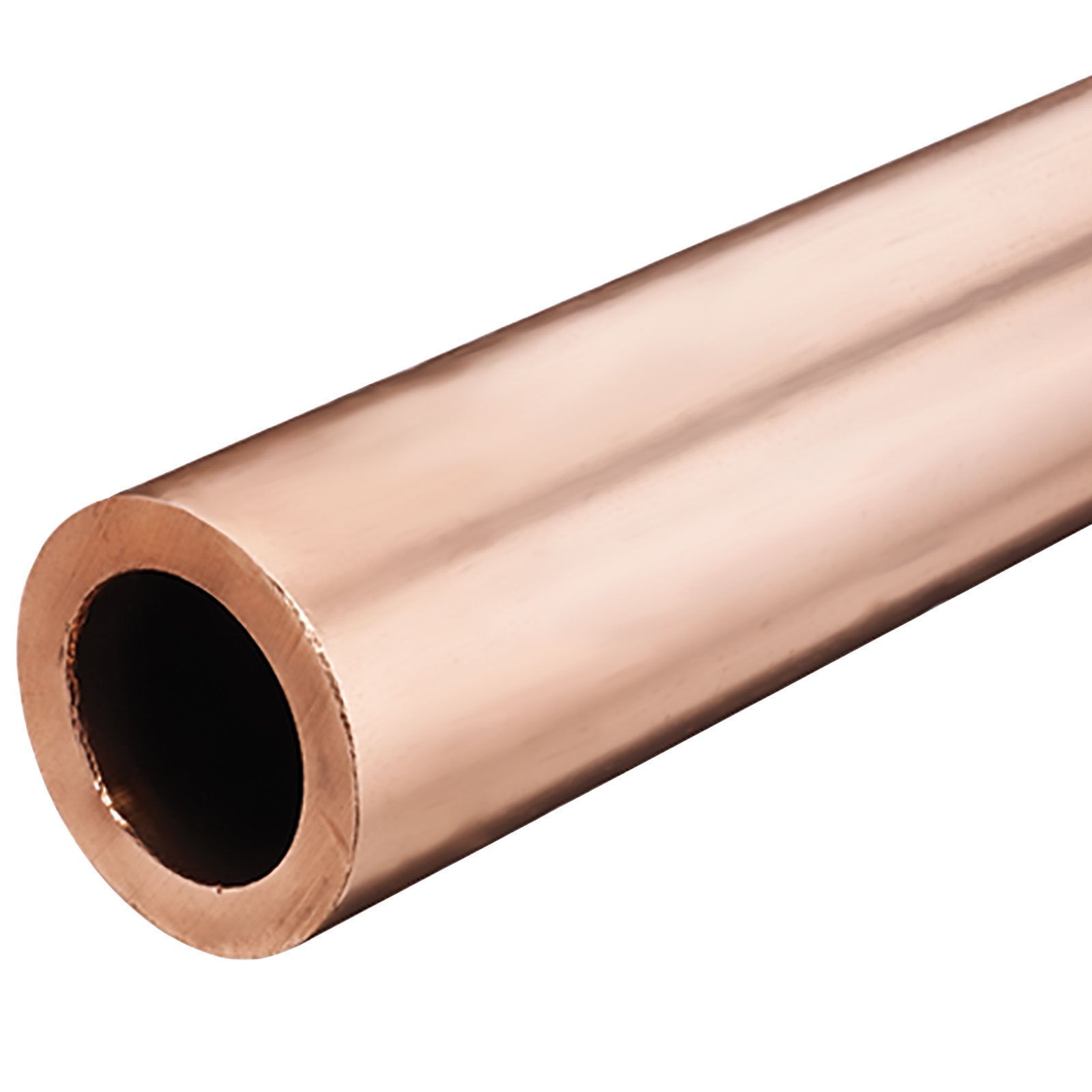
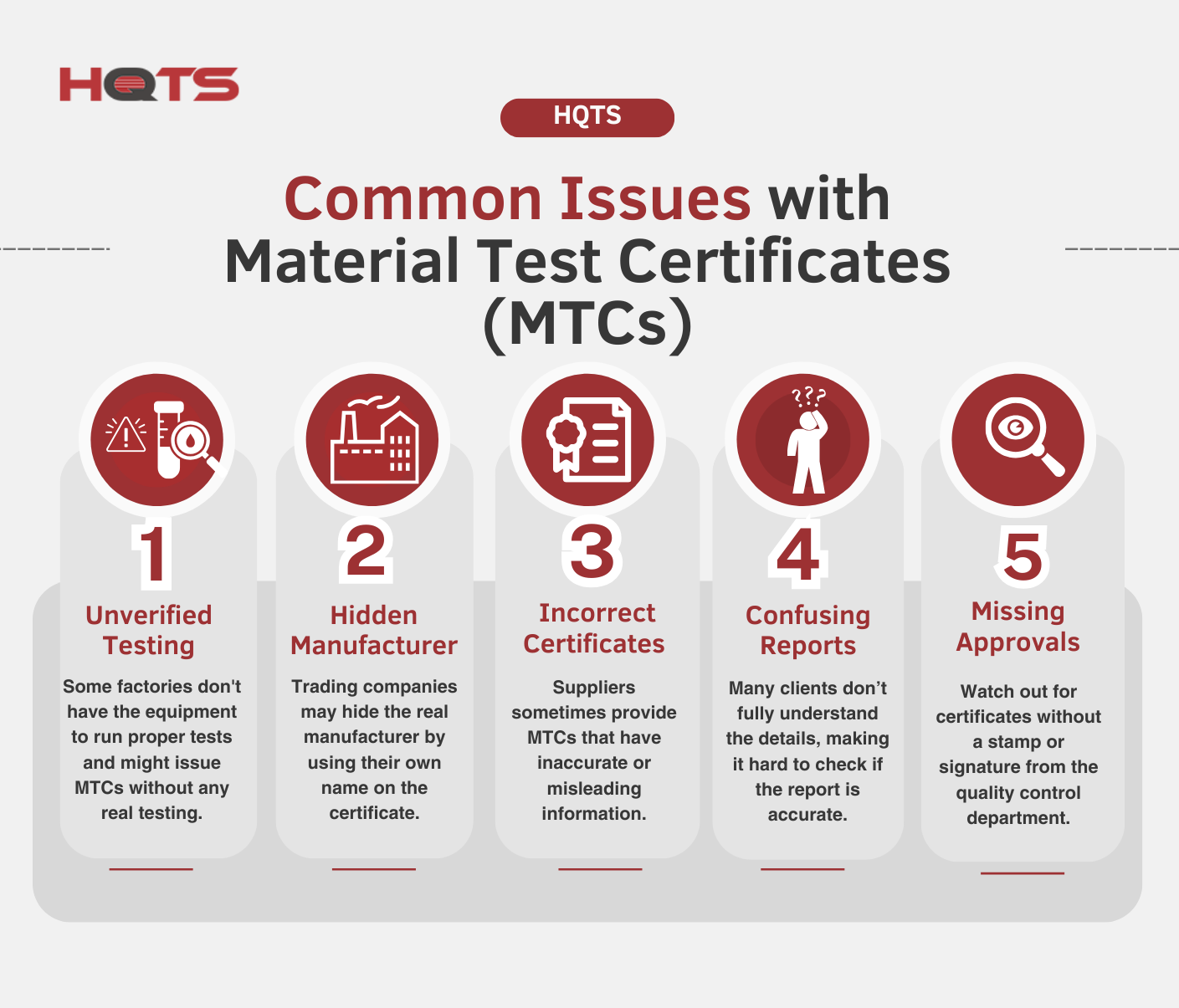
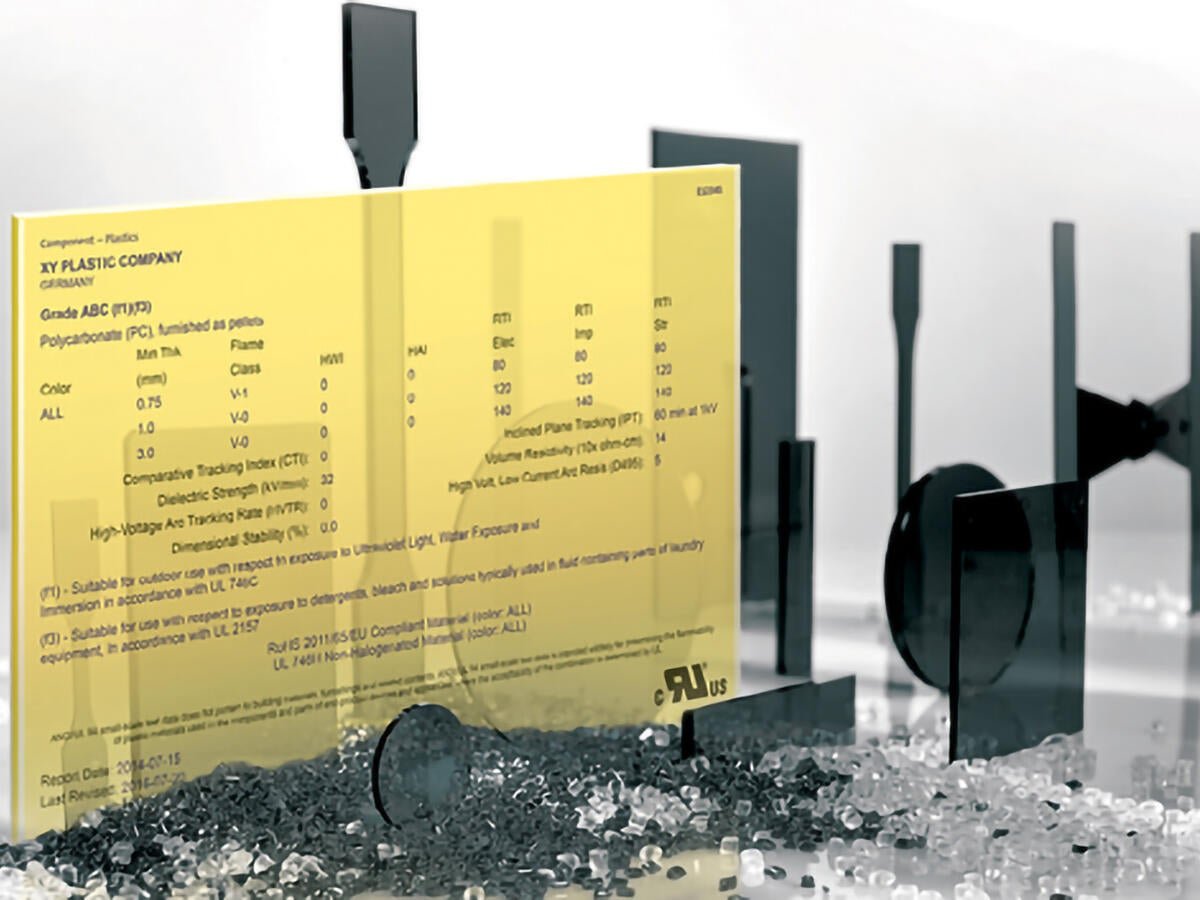
Mill certificates, RoHS/REACH compliance declarations and spectral analysis reports for every lot of tool steel, stainless, tungsten carbide and specialty alloys — ensuring traceability and regulatory compliance for custom injection molded components in regulated industries.

About XUXIANG — Custom Injection Molded Components Since 2010
Founded in 2010 in Chang’an, Dongguan, XUXIANG began as a specialist mold-core machining shop and has evolved into a dual-factory precision manufacturing group serving electronics, 5G/telecom, automotive & NEV, industrial-automation and medical-device supply chains worldwide. Our mission: bridge the gap between complex CAD designs and high-performance custom injection molded components that meet micron-stable tolerances.
Today XUXIANG operates 2,000 m² of R&D and micro-machining capacity in Dongguan plus 1,400 m² of volume production in Quanzhou (Fujian), delivering +/-0.001 mm machining precision, Ra 0.1um mirror-grade EDM finishes, and ZEISS MICURA CMM metrology down to 0.7um. Our 2025 Quanzhou expansion increased annual output by a targeted 200%, enabling precision-grade tooling with dependable mass production and lead times approximately 30% faster than industry average.
What sets us apart: ISO 9001:2015 governance, over CNY 8 million invested in Sodick, Mitsubishi, Fanuc and ZEISS equipment, DFM engineering support from 10+ experts, and full FAI documentation with material certificates on every shipment. We address the buyer’s two critical pain points — tolerance failure and delivery delay — with engineering-led precision, transparent pricing and responsive partnership.
Precision Arsenal Behind Every Custom Injection Molded Component
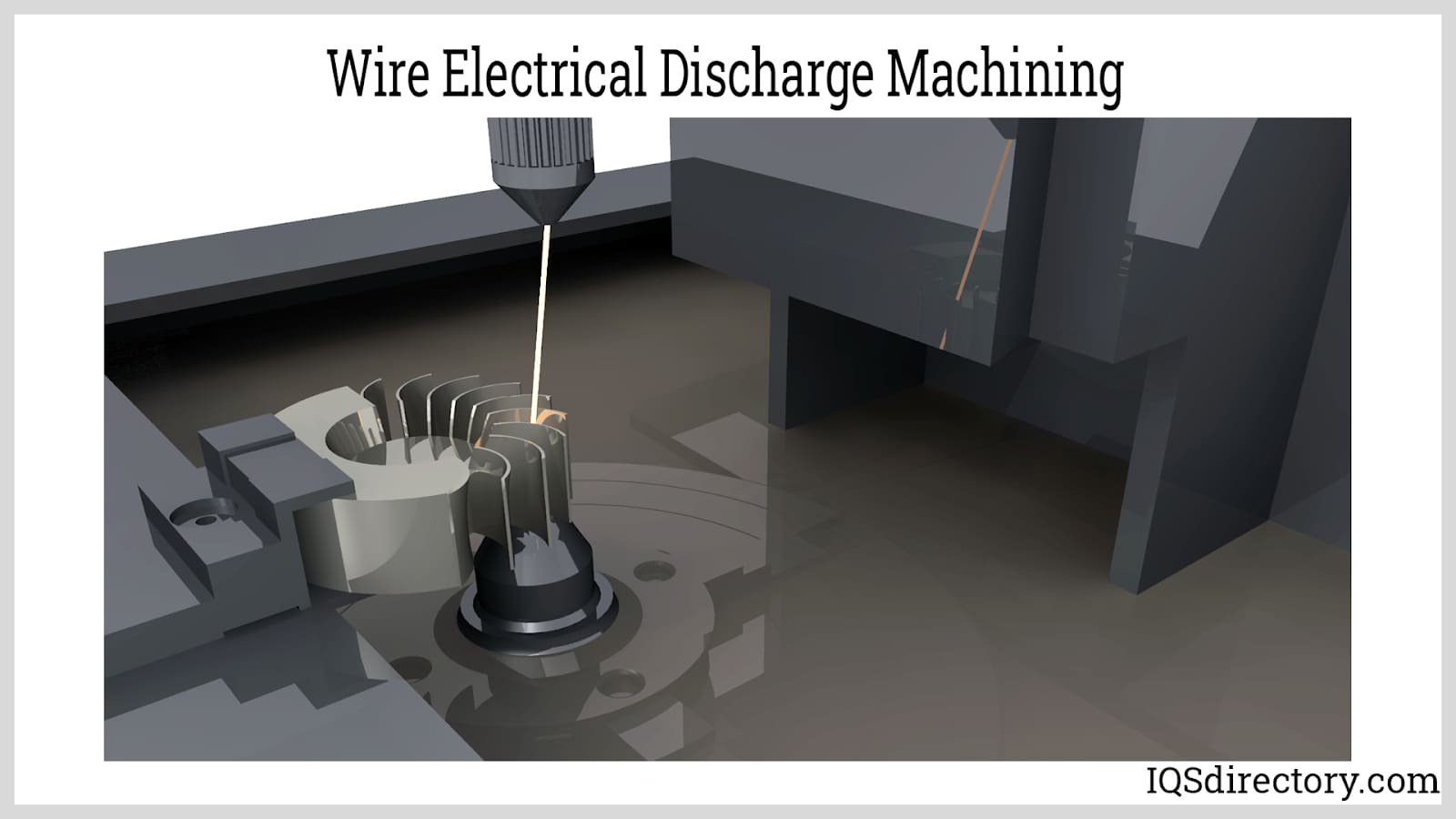
Sodick & Seibu Slow-Wire EDM
Achieving ±0.002 mm positional accuracy on complex core geometries, our Sodick and Seibu slow-wire EDM centers cut intricate profiles, micro-slots and thin ribs essential for high-density custom injection molded components in 5G, automotive and medical applications.
- ±0.002 mm class positioning tolerance on multi-axis wire paths
- Corner radii down to R ≤ 0.015 mm for micro-connector tooling
- Mirror-grade surface finish preparation for final EDM polish
- Automated electrode threading for unattended, lights-out precision runs

Mitsubishi Mirror EDM & Ra 0.1μm Finish
Mitsubishi sinker EDM delivers mirror-grade Ra 0.1 μm surfaces on cavity cores and inserts, eliminating hand-polishing variability and ensuring optical-class clarity for transparent housings, lens molds and cosmetic-grade custom injection molded components.
- Ra 0.1 μm mirror finish certified by stylus profilometry
- ±0.003 mm sinker EDM accuracy for deep-cavity cores
- Graphite and copper electrode compatibility for complex 3D geometries
- Stable spark control minimizes thermal stress and micro-cracking
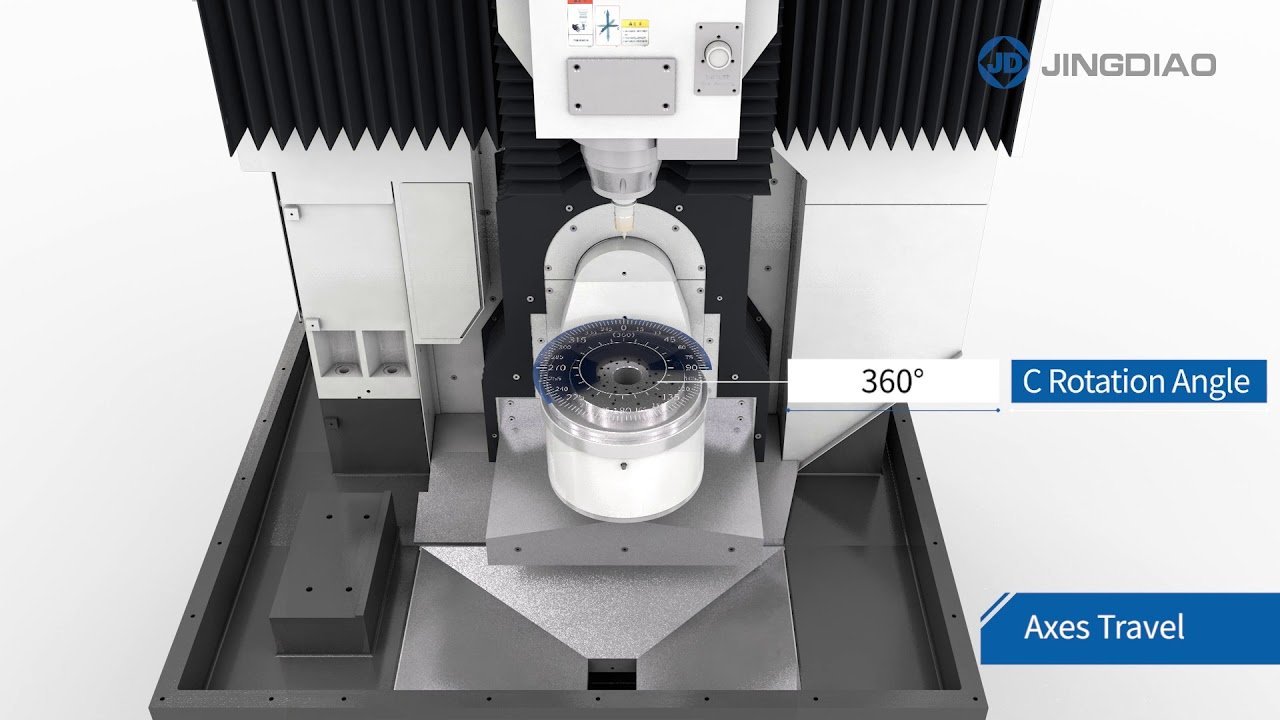
Fanuc CNC & Beijing Jingdiao Machining
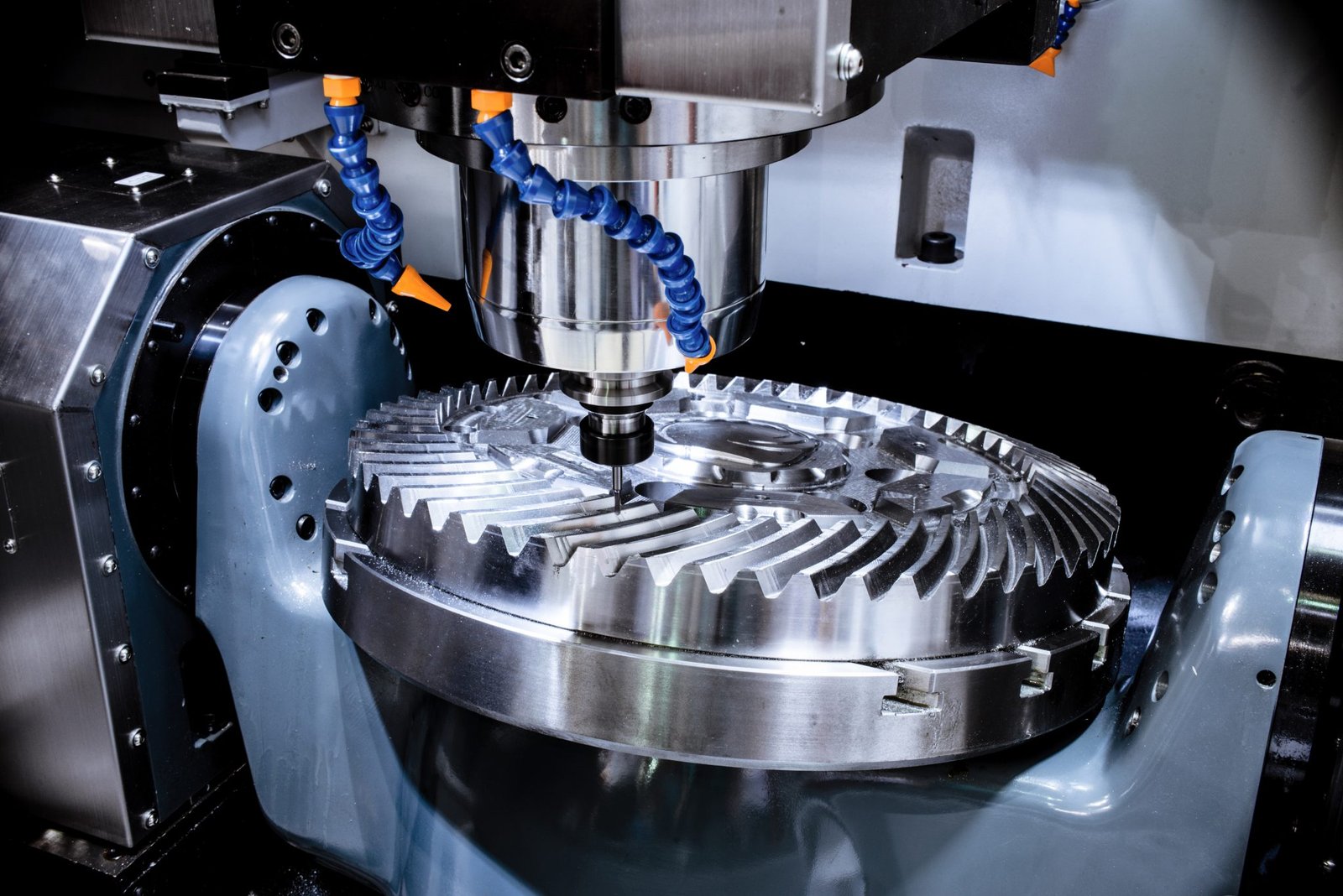
Fanuc-class CNC machining centers and Beijing Jingdiao high-precision mills fabricate electrodes, fixture plates and metal inserts with ±0.001 mm repeatability, feeding our EDM chain and enabling rapid iteration on custom injection molded components prototypes.
- ±0.001 mm maximum machining tolerance on hardened tool steels
- 5-axis simultaneous contouring for undercuts and free-form surfaces
- Graphite electrode roughing and finishing in a single setup
- Integrated tool-length compensation and thermal-drift correction
ZEISS MICURA CMM & Nikon Microscopy
Every custom injection molded component batch undergoes ZEISS MICURA CMM validation at 0.7 μm resolution, cross-checked by Nikon V-12B and MM-400 toolmaker microscopes, generating full FAI reports with GD&T conformance and material certificates before shipment.
- 0.7 μm CMM measurement resolution traceable to national standards
- Automated GD&T evaluation: position, profile, concentricity, perpendicularity
- Nikon optical microscopy for edge-break inspection and surface defect analysis
- Full FAI documentation including material certs, dimensional reports and photos
Custom Injection Molded Components — XUXIANG vs. Commodity Suppliers
When your tooling program demands micron-stable precision, verifiable quality and on-time delivery, the choice of supplier defines your outcome. Here’s how XUXIANG’s dual-factory, DFM-led model compares to typical commodity molders.
← 左右滑动查看 →
How XUXIANG Delivers Custom Injection Molded Components — Fast, Without Compromise
From CAD to certified shipment, every custom injection molded component passes through six engineering checkpoints — ensuring 3–7 day sample turnarounds and 15–25 day production runs meet +/-0.001 mm precision without shortcuts.
DFM Engineering Review
10+ engineers analyze CAD geometry, draft angles, ejection strategy and tolerance feasibility. Feedback returned within 24 hours to prevent downstream tolerance failure or mold-life issues.
Precision Machining & EDM
Sodick slow-wire EDM, Mitsubishi mirror EDM and Fanuc CNC machines cut cores and inserts to +/-0.001 mm. Real-time tool-wear monitoring maintains micron stability across production batches.
In-Process QC Monitoring
Dimensional checks at every setup change using calibrated micrometers and height gauges. Material spectral analysis verifies alloy composition before machining begins, eliminating batch-mix risk.
ZEISS CMM Verification
ZEISS MICURA coordinate measuring machine, accurate to 0.7 µm, validates critical features. Nikon toolmaker’s microscopes confirm edge radii, surface integrity and micro-feature geometry.
FAI Documentation & Certification
First Article Inspection report generated with full dimensional data, material certificates and surface-finish readings. ISO 9001:2015 traceability locks every measurement to part serial number.
Secure Packaging & Shipment
Components cleaned, vacuum-sealed and packed in anti-static foam. All documentation—drawings, inspection reports, material certs—ships digitally and physically with every order for seamless receiving.
How to Source Custom Injection Molded Components with XUXIANG
From initial CAD upload to FAI-certified delivery, our five-step engagement process gives procurement managers full visibility into timelines, DFM support and quality gates—reducing risk and accelerating time-to-market.
Submit Your CAD & Tech Pack
Upload 2D/3D files, material specs and tolerances via our secure portal or email. Our engineering team acknowledges receipt within two hours and assigns a dedicated project contact.
Receive DFM Review & Quote
Within 24 hours, 10+ precision-mold experts analyze manufacturability, flag tolerance risks and deliver a fully costed quotation with lead-time breakdown and recommended process routing.
Approve First-Article Samples
Sample tooling or prototype parts ship in 3–7 days with preliminary CMM reports. You validate fit, function and finish before committing to volume production tooling.
Launch Bulk Tooling & Production
Mass-production molds or components are machined on Sodick EDM and Fanuc CNC lines, monitored through five-stage QC, and held to +/-0.001 mm across 15–25 day cycles.
Receive FAI & Certified Delivery
Every shipment includes ZEISS MICURA CMM dimensional reports, material certificates, surface-finish data and full FAI documentation—ensuring traceability and compliance for your supply chain.
Certifications & Quality Standards for Custom Injection Molded Components




Custom Injection Molded Components — Real Outcomes from OEM Supply Chains
XUXIANG’s custom injection molded components reduced our tolerance failures by 42% in Q2. Their ZEISS CMM reports and DFM feedback caught design issues before first article, saving us three revision cycles.
Sample lead time dropped from 14 days to 5 days, and every custom injection molded component passed first-article inspection on first submission. Their Sodick EDM finish quality is unmatched in our tier-supplier network.
We needed +/-0.002 mm on micro-connector tooling for an FDA Class II device. XUXIANG delivered full FAI documentation, material certificates and Ra 0.15um surface finish — approved by our quality team without rework.
Frequently Asked Questions About Custom Injection Molded Components
What is the minimum order quantity (MOQ) for custom injection molded components?
How long does it take to receive samples of custom injection molded components?
Do you charge for sampling custom injection molded components?
What are your standard payment terms for custom injection molded components?
How do you protect intellectual property when manufacturing custom injection molded components?
What if I need design revisions during production of custom injection molded components?
Do you source materials in-house or require customer-supplied stock for custom injection molded components?
What shipping and logistics options are available for international orders of custom injection molded components?
How do I get started ordering custom injection molded components from XUXIANG?
The Complete Buyer’s Guide to Custom Injection Molded Components for Precision Manufacturing
Navigate supplier selection, material choices, and quality benchmarks with confidence. This guide delivers a proven decision framework, critical supplier criteria, and the top mistakes to avoid when sourcing custom injection molded components for high-precision applications.
1. What Are Custom Injection Molded Components?
Custom injection molded components are precision-engineered plastic parts manufactured to exact OEM specifications through injection molding — a process in which molten thermoplastic resin is injected under high pressure into a custom-machined mold cavity, cooled to solidify, and ejected as a finished part. Cycle times typically range from 10 to 90 seconds, enabling repeatable production of complex geometries at scale.
These components serve critical functions in electronics housings, micro-connector assemblies for 5G and mobile devices, automotive interior trim and sensor enclosures, medical device housings requiring biocompatibility, and industrial automation fixtures. Each application demands precise dimensional control: connector pins may require +/-0.01 mm positional accuracy, while medical enclosures must meet FDA material traceability.
Customization — geometry, wall thickness, draft angles, tolerances and resin selection — is non-negotiable for B2B buyers. Off-the-shelf parts rarely satisfy the mechanical load, environmental exposure or assembly-interface requirements of modern OEM designs. XUXIANG’s +/-0.001 mm machining capability and ZEISS CMM validation ensure mold cavities translate CAD intent into physical parts without tolerance drift across production runs.
2. Evolution of Custom Injection Molded Components in High-Precision Manufacturing
In 1907 Leo Baekeland’s Bakelite launched commercial injection molding, with early presses holding tolerances around ±0.5 mm — adequate for electrical housings but far from today’s precision. The 1950s–1970s introduction of engineering resins (nylon in 1959, polycarbonate in 1960) expanded applications into automotive and industrial sectors, yet manual machining of steel mold cores still limited repeatability to ±0.1 mm.
CNC machining and sinker EDM in the 1980s–1990s brought multi-cavity tooling and tolerances down to ±0.02 mm, enabling mass production of connectors and consumer electronics. Wire EDM and high-speed graphite electrode milling further tightened core positioning to ±0.005 mm by the early 2000s.
Since 2010, conformal cooling channels (often 3D-printed into mold bases) have cut cycle times by 20–40 % while improving dimensional stability. Industry 4.0 process monitoring — cavity-pressure sensors, real-time temperature mapping — now holds ±0.002 mm batch-to-batch variance. Demand from 5G micro-connectors, NEV high-voltage terminals and implantable medical devices has pushed leaders like XUXIANG to achieve ±0.001 mm machining accuracy, validated by ZEISS CMM metrology at 0.7 µm resolution.
3. Types of Custom Injection Molded Components by Application
Custom injection molded components serve distinct technical requirements across four high-precision sectors. Dimensional tolerances, material chemistry and regulatory compliance vary sharply by application.
Electronics & 5G/Telecom

Micro-connectors, RF shields and fiber-optic housings demand +/-0.002 to +/-0.005 mm positional accuracy to ensure signal integrity and mating cycles above 10,000. LCP, PBT and PA66 dominate for dielectric stability and dimensional recovery. UL 94 V-0 flame rating and RoHS compliance are baseline requirements.
Automotive & NEV
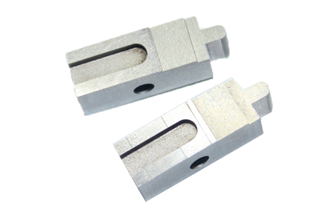
Interior trim, sensor housings and battery-pack insulators require +/-0.05 to +/-0.15 mm tolerances and materials rated to 120–150 °C continuous use. PC/ABS, PA6-GF30 and flame-retardant PP meet IATF 16949 and UL standards. High-voltage insulation parts follow IEC 60664 creepage and clearance rules.
Medical Devices
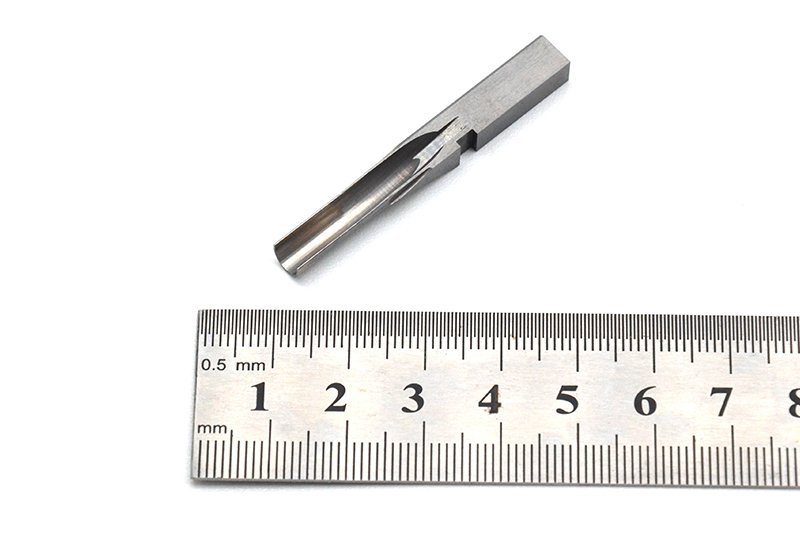
Surgical handles, diagnostic enclosures and sterilizable housings hold +/-0.05 mm and surface finishes to Ra 0.4 µm for cleanability. PEEK, PC and medical-grade PP resist autoclaving at 134 °C. ISO 13485 traceability, biocompatibility testing (ISO 10993) and FDA material master-file compliance are mandatory.
Industrial Automation & Robotics
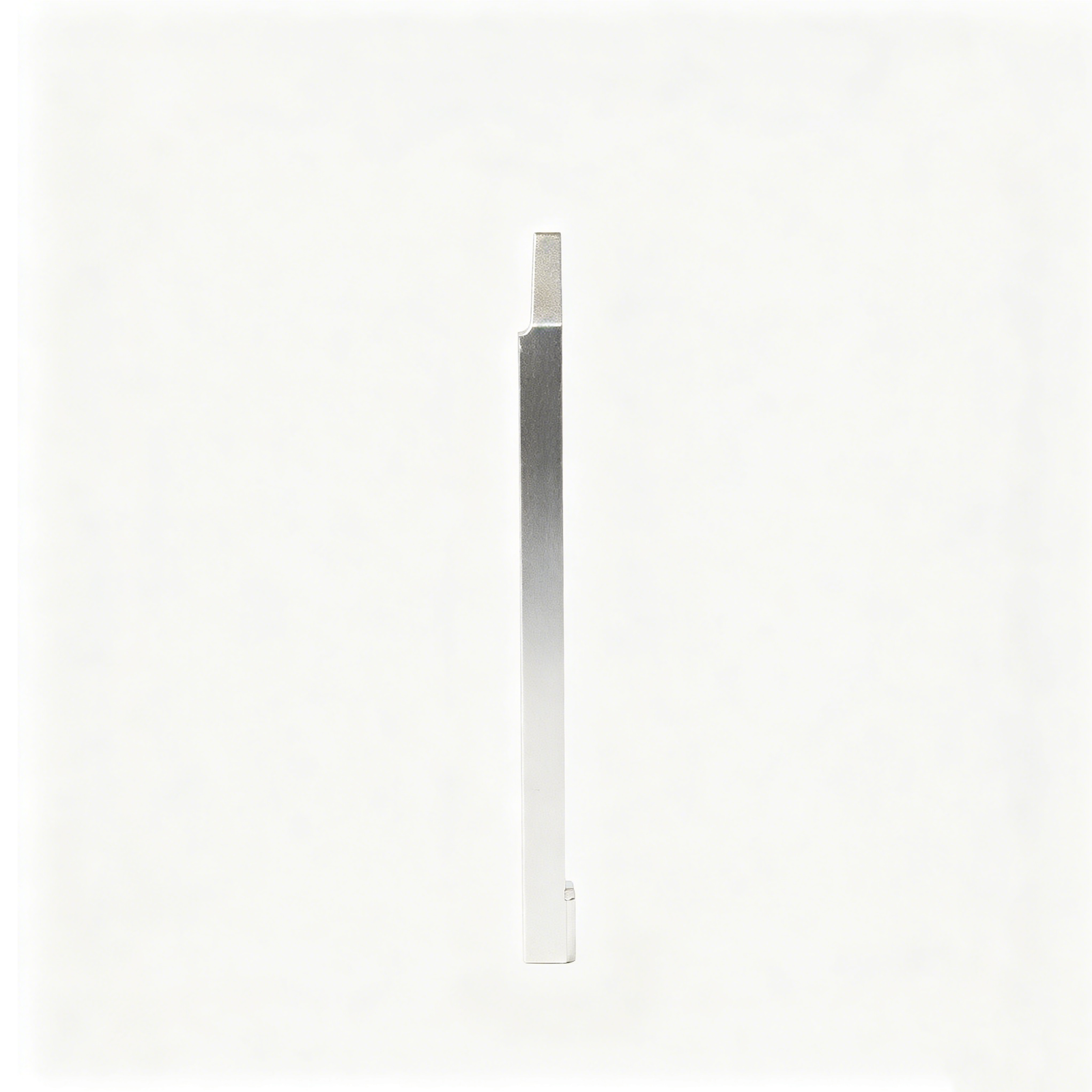
Actuator bodies, sensor mounts and cable-management clips specify +/-0.03 to +/-0.08 mm to ensure repeatability over millions of cycles. PA6, POM and reinforced nylon offer wear resistance and creep stability. IP65/IP67 sealing geometry and CE marking drive design.
4. Materials for Custom Injection Molded Components: Engineering Resins & Performance Trade-Offs
Material selection drives tolerance capability, cycle economics and end-use performance in custom injection molded components. Resin families span commodity thermoplastics suited to general enclosures, engineering grades for structural and thermal duty, and high-performance polymers that meet extreme environments.
| Material Family | Typical Tolerance | Temperature Range | Key Properties | Common Applications |
|---|---|---|---|---|
| ABS, PP, PE | +/-0.05–0.10 mm | 80–120 °C | Low cost, fast cycle, good impact | Consumer housings, packaging |
| PA, PC, POM | +/-0.02–0.05 mm | 120–150 °C | High strength, rigidity, wear resistance | Gears, structural brackets, connectors |
| PEEK, PPS, LCP | +/-0.01 mm | 200–260 °C | Extreme thermal & chemical stability | Aerospace, medical implants, RF |
| Glass-filled grades | +/-0.02–0.06 mm | Varies by base resin | 3× modulus, anisotropic shrinkage | Automotive under-hood, industrial |
| Flame-retardant | +/-0.03–0.08 mm | Varies by base resin | UL 94 V-0, higher viscosity | Electronics enclosures, telecom |
| Medical-grade | +/-0.02–0.05 mm | Varies by base resin | USP Class VI, biocompatible, traceable | Surgical instruments, diagnostic devices |
Commodity Resins: ABS, PP, PE
ABS, polypropylene and polyethylene anchor high-volume production where cost and processability outweigh thermal limits. Typical tolerance capability ranges +/-0.05 to +/-0.10 mm on conventional tooling. Service temperatures reach 80–100 °C for ABS, 100–120 °C for PP. These resins fill thin walls rapidly, shortening cycle times by 15–25 % versus engineering grades, but demand careful gate design to avoid warp in multi-cavity layouts.
Engineering Resins: PA, PC, POM
Nylon (PA), polycarbonate and acetal (POM) deliver higher strength, rigidity and dimensional stability under load. Tolerance capability tightens to +/-0.02–0.05 mm with precision molds. Service range extends to 120–150 °C continuous. Hygroscopic nylons require pre-drying (80 °C, 4–6 hours) and conformal cooling to minimize sink; PC benefits from elevated mold temperatures (80–100 °C) to reduce residual stress.
High-Performance Polymers: PEEK, PPS, LCP
PEEK, polyphenylene sulfide and liquid-crystal polymers serve aerospace, medical-implant and high-frequency connector applications where continuous-use temperatures exceed 200 °C. Tolerance capability approaches +/-0.01 mm with hardened H13 or beryllium-copper tooling. Melt temperatures reach 340–400 °C, demanding hot-runner systems, extended cycles and mirror-class EDM surface finishes to prevent sticking.
Specialty Grades & Fillers
Glass-filled variants (15–50 % by weight) triple tensile modulus but introduce anisotropic shrinkage (0.2–0.8 % flow vs. cross-flow), requiring flow simulation and asymmetric cooling. Flame-retardant compounds (UL 94 V-0) add bromine or phosphorus, raising viscosity and extending fill time by 10–20 %. Medical-grade resins carry USP Class VI certification and full traceability, with material certificates traceable to batch-level spectral analysis.
5. Customization Options for Custom Injection Molded Components
Beyond dimensional accuracy, custom injection molded components offer extensive customization across color, finish, secondary operations and decoration. XUXIANG’s dual-factory infrastructure supports Pantone and RAL color matching, SPI-A1 mirror finishes (Ra 0.1 µm EDM), and integrated post-molding processes that eliminate multi-vendor delays.
| Decoration Method | Setup Cost | Durability (cycles) | Typical MOQ |
|---|---|---|---|
| Pad Printing | Low (~$200–500) | 50,000–100,000 | 1,000 pcs |
| Laser Etching | Medium (~$800–1,500) | Permanent | 500 pcs |
| In-Mold Labeling | High (~$2,000–5,000) | >1,000,000 | 5,000 pcs |
Color Matching & Resin Tinting

Pantone and RAL color systems enable precise brand-color reproduction in engineering resins. XUXIANG validates color batches via spectral analysis before production, ensuring consistency across multi-cavity tooling and repeat orders.
Typical lead time for custom color compounding: 5–7 days; minimum order quantities start at 500 pieces for specialty tints.
Surface Finishes & Texturing
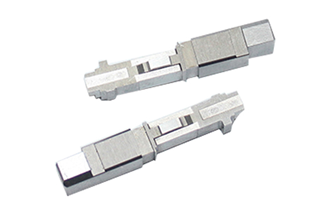
SPI finish grades range from A-1 diamond polish (mirror, Ra ≤0.1 µm) to D-3 dry-blast texture. XUXIANG’s Sodick and Charmilles EDM systems deliver A-1/A-2 finishes directly on core inserts, eliminating secondary polishing.
EDM texturing patterns — leather grain, matte, geometric — are applied at the tooling stage with +/-0.003 mm repeatability, verified under Nikon V-12B toolmaker’s microscopes.
Secondary Operations
Ultrasonic welding, insert molding and overmolding are performed in-house on the same production floor. Insert molding integrates brass terminals or steel pins during the injection cycle; overmolding bonds TPE grips onto rigid substrates in a single setup.
XUXIANG’s +/-0.001 mm machining tolerance ensures alignment between metal inserts and cavity geometry, critical for micro-connector and ADAS sensor housings.
6. Key Quality Elements in Custom Injection Molded Components
Quality in custom injection molded components is defined by four measurable pillars that determine both part performance and total cost of ownership. Buyers must verify each element through documented evidence, not supplier assurances alone.
Dimensional Tolerance & Repeatability
Maximum machining accuracy of +/-0.001 mm separates precision tooling from commodity work. XUXIANG validates every part with ZEISS MICURA CMM inspection to 0.7um and Nikon toolmaker’s microscopes (V-12B / MM-400 class), ensuring cavity-to-cavity repeatability across multi-impression molds.
Poor repeatability drives scrap, rework and field failures — especially in 5G micro-connectors and automotive sensor housings where sub-micron drift breaks electrical or sealing performance.
Mold Tool Precision
Core and cavity accuracy starts with CNC-machined electrodes and slow-wire EDM holding +/-0.002 mm positional tolerance. XUXIANG uses Sodick and Charmilles sinker EDM plus Sodick and Seibu wire EDM to achieve mirror-grade Ra 0.1um finishes and corner radii down to R <= 0.015 mm, critical for thin-wall micro-pin tooling and conformal cooling channels.
Process Control & Validation
ISO 9001:2015 governs every stage; buyers in automotive and medical must also confirm IATF 16949 readiness. XUXIANG applies five-step QC — material spectral analysis, in-process tolerance monitoring, CMM verification, surface-integrity checks and FAI documentation — backed by cavity pressure monitoring and SPC charting to detect drift before it becomes defect.
Material Traceability
Resin lot tracking and material certificates close the loop on liability and regulatory compliance. Every shipment includes spectral analysis reports and resin batch records, essential for medical-device and automotive applications where traceability audits are routine and non-compliance halts production.
7. How to Choose a Custom Injection Molded Components Manufacturer
Supplier selection determines whether custom injection molded components meet tolerance, cost and delivery targets. A structured evaluation framework isolates technical risk before tooling investment begins.
Technical Capabilities
Verify machine tonnage range (15–650 ton typical), shot-weight precision (+/-0.5% for micro-molding) and cleanroom availability (Class 8/ISO 7 for medical). Ask for CMM reports showing +/-0.001 mm capability on production parts, not samples.
Tooling In-House vs. Outsourced
Vertically integrated mold-making cuts lead time ~30% and eliminates handoff errors. Confirm EDM (sinker and wire), CNC electrode fabrication and grinding are on-site; outsourced tooling adds 2–4 weeks and complicates revision cycles.
Certifications & Compliance
ISO 13485 is mandatory for medical-device components; IATF 16949 for automotive tier suppliers; UL certification for flame-rated electronics housings. Request current certificates and audit dates—expired or pending renewals signal process gaps.
Communication & Support
DFM feedback from 10+ engineering experts before tooling kickoff prevents costly mid-project changes. Confirm English-language project management, CAD-native file exchange (STEP/IGES) and weekly progress reporting with dimensional data.
8. Common Mistakes When Sourcing Custom Injection Molded Components
Even experienced procurement teams make sourcing errors that add weeks to timelines and thousands to tooling budgets. Five mistakes account for the majority of mold rework, compliance failures and yield losses in custom injection molded components.
Underspecifying Tolerances
Assuming ‘standard’ precision is sufficient often results in parts that fail assembly or function tests. General-purpose injection tolerances (+/-0.05–0.10 mm) cannot support micro-connectors, medical housings or automotive sensor brackets.
Define dimensional limits explicitly on drawings — critical features to +/-0.01 mm or tighter — and verify the supplier’s CMM capability (e.g., ZEISS MICURA at 0.7 µm resolution) before committing to tooling.
Ignoring DFM Early
Skipping design-for-manufacturability review before steel-cutting locks in costly mold revisions. Wall-thickness variations, undercuts without slides and gate placement that causes weld lines drive rework cycles averaging 2–4 weeks each.
Share CAD files for DFM feedback during the RFQ phase; XUXIANG’s 10+ engineering team flags issues before production, cutting revision risk by roughly 70 %.
Choosing Price Over Precision
Low-bid suppliers often lack metrology infrastructure, yielding scrap rates of 5–15 % versus <1 % at precision shops. Hidden costs — rework labor, delayed shipments, warranty claims — erase initial savings within two production runs.
Compare total landed cost including reject allowances, not piece price alone, and audit inspection reports (CMM data, surface-finish measurements) during supplier qualification.
Overlooking Material Certification
Accepting generic resin without material certificates (mill test reports, RoHS/REACH declarations) exposes medical and automotive programs to regulatory non-compliance and recall liability.
Require spectral analysis and traceable material documentation as part of first-article inspection; ISO 9001:2015-certified suppliers like XUXIANG include certificates in every FAI package.
Skipping Pilot Runs
Moving directly from T1 samples to mass production hides process-window issues — cycle-time drift, gate freeze, ejection marks — that surface only at volume, halting lines and triggering emergency mold tuning.
Schedule a pilot run of 500–1,000 shots to validate cavity balance, cooling uniformity and dimensional stability across shifts before releasing full POs.
9. Pricing & Cost Drivers for Custom Injection Molded Components
Tooling cost for custom injection molded components typically accounts for 40–70% of total project expense on low-volume runs (under 5,000 units), driven by mold design, CNC machining hours, EDM electrode fabrication and cavity count. A single-cavity prototype mold may cost USD 2,000–5,000, while an eight-cavity production tool with +/-0.002 mm tolerances and mirror-finish EDM cores can reach USD 15,000–35,000. XUXIANG’s ZEISS MICURA CMM and Sodick slow-wire EDM infrastructure supports tight-tolerance tooling without outsourcing premium, reducing lead time by roughly 30%.
Per-part economics shift dramatically above 50,000 units as tooling amortization drops below USD 0.10 per component. Resin choice matters: commodity PP runs USD 1.50–2.00/kg, whereas flame-retardant PC/ABS or glass-filled nylon costs USD 4.00–7.00/kg. Cycle time and scrap rate — often 1–3% on precision work — directly scale labor and material waste. Secondary operations (insert molding, ultrasonic welding, laser marking) add USD 0.05–0.50 per unit depending on complexity.
| Quantity Tier | Unit Price Range (USD) | Tooling Amortization | Lead Time | Cost-Reduction Levers |
|---|---|---|---|---|
| 500 | $8.00–15.00 | High (~40–70%) | 2–3 weeks | Single-cavity mold, standard resin |
| 5,000 | $2.50–6.00 | Moderate (~15–25%) | 3–4 weeks | Multi-cavity (4×), cycle optimization |
| 50,000 | $0.80–2.00 | Low (~3–8%) | 4–5 weeks | 8× cavity, automated gating, commodity resin |
| 500,000 | $0.30–0.80 | Negligible (<1%) | 5–6 weeks | High-cavity tool, in-mold assembly, lean scrap |
10. Next Steps: Launching Your Custom Injection Molded Components Project
Moving from concept to production-ready custom injection molded components requires a clear roadmap and disciplined handoffs. The four steps below guide buyers from RFQ preparation through full-scale manufacturing, minimizing rework and shortening time-to-market.
Preparing Your RFQ
Supply STEP or IGES CAD files with GD&T callouts, material designation (grade and supplier), tolerance class (+/-0.01 mm or tighter), annual and per-order volume forecasts, and surface-finish requirements (Ra, texture). XUXIANG’s 10+ engineering team reviews every RFQ for manufacturability before quoting.
Evaluating Samples & First Articles
Request dimensional reports from ZEISS CMM or equivalent, material certificates (spectral analysis), surface-integrity scans and photographic FAI documentation. Cross-check critical features against GD&T; reject samples outside tolerance before tooling payment.
Negotiating Terms
Clarify tooling ownership, payment milestones (deposit, T1 approval, production release), IP confidentiality agreements and mold-storage terms. XUXIANG offers transparent pricing and formal NDA protection for proprietary designs.
Scaling to Production
Validate process capability (Cpk ≥ 1.33), establish safety-stock levels and schedule periodic on-site or third-party quality audits. Ready to start? Request a free DFM review or quote from XUXIANG today.
Ready to Source Custom Injection Molded Components? Start Your Quote Today
Upload your tech pack now and receive a detailed quote within 24 hours. Sample parts ship in 3–7 days with full FAI documentation.