
Precision Die Button Components — +/-0.001 mm Accuracy, 24-Hour Quotes
XUXIANG manufactures high-tolerance die button components with mirror-grade EDM finishes, ZEISS CMM validation and ISO 9001:2015 traceability — engineered for mold makers, OEMs and tier suppliers in electronics, automotive, 5G/telecom and medical-device supply chains worldwide.
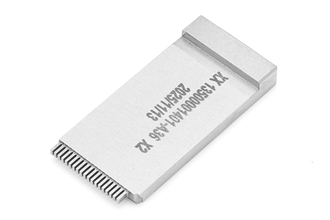
Featured Die Button & Precision Mold Spare Parts
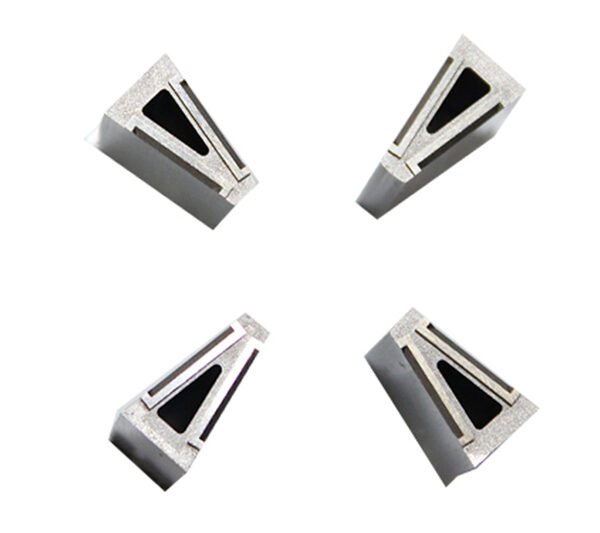
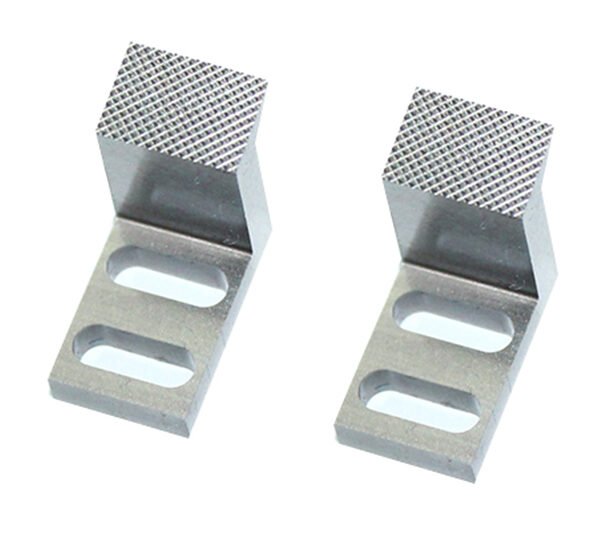
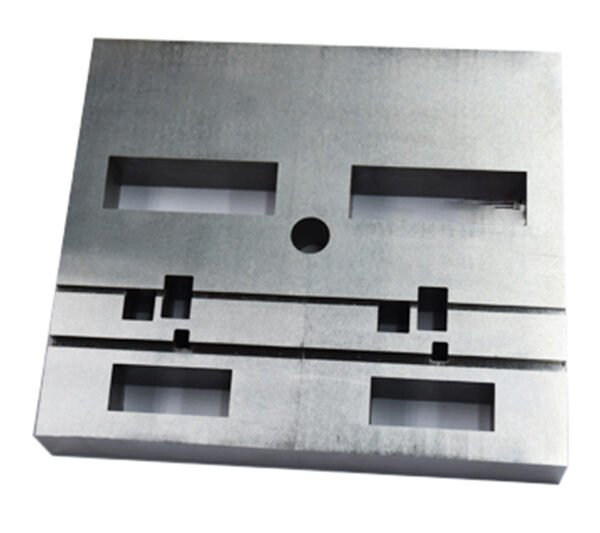
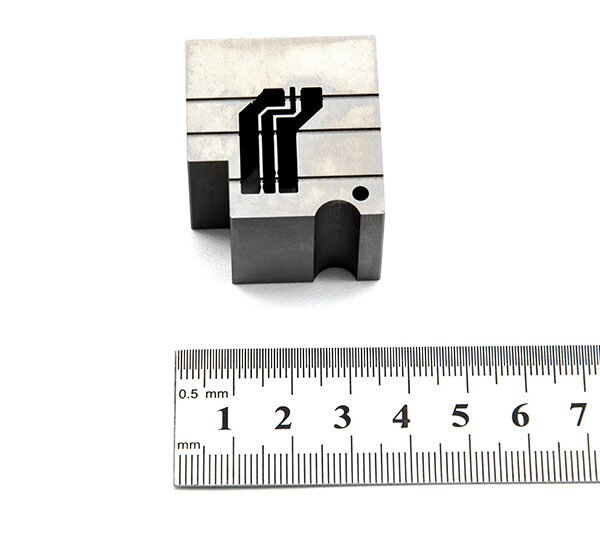
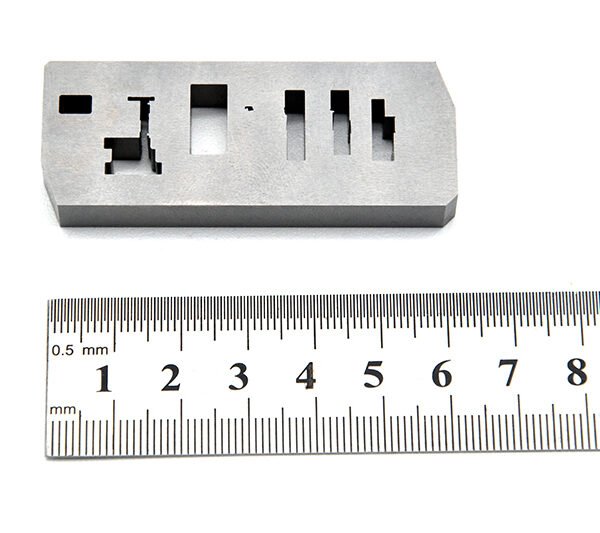
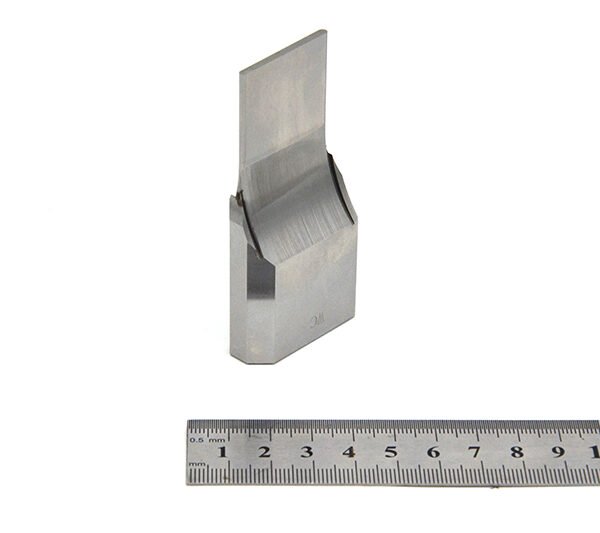
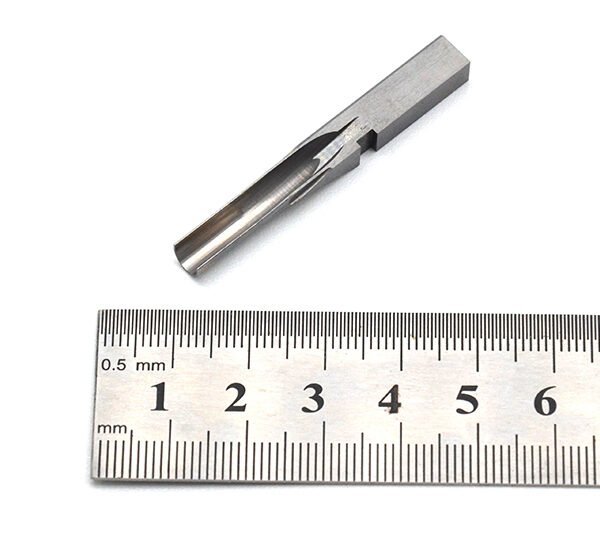
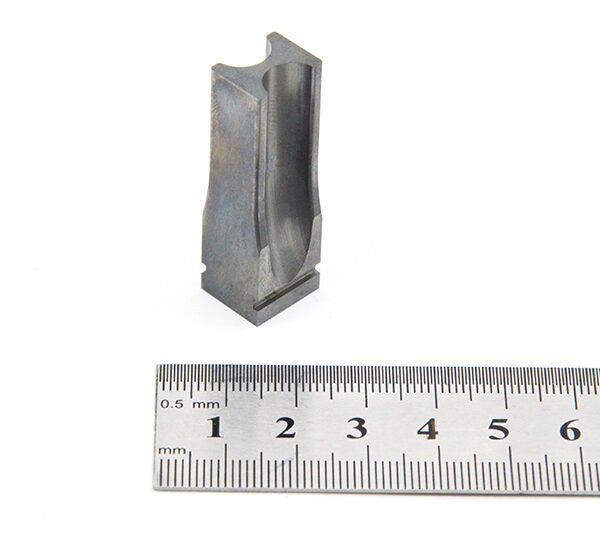
Die Button & Mold Component Gallery


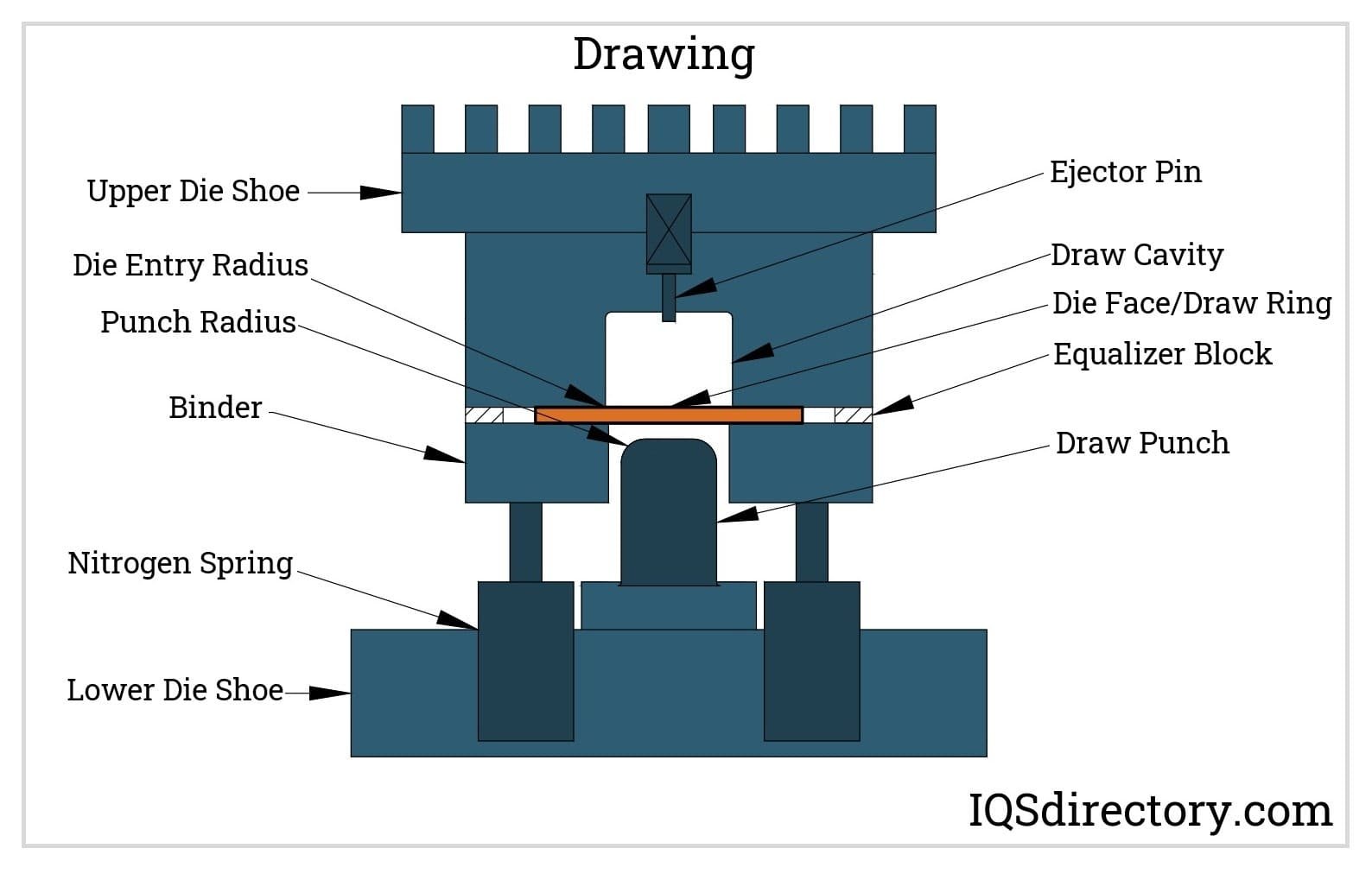
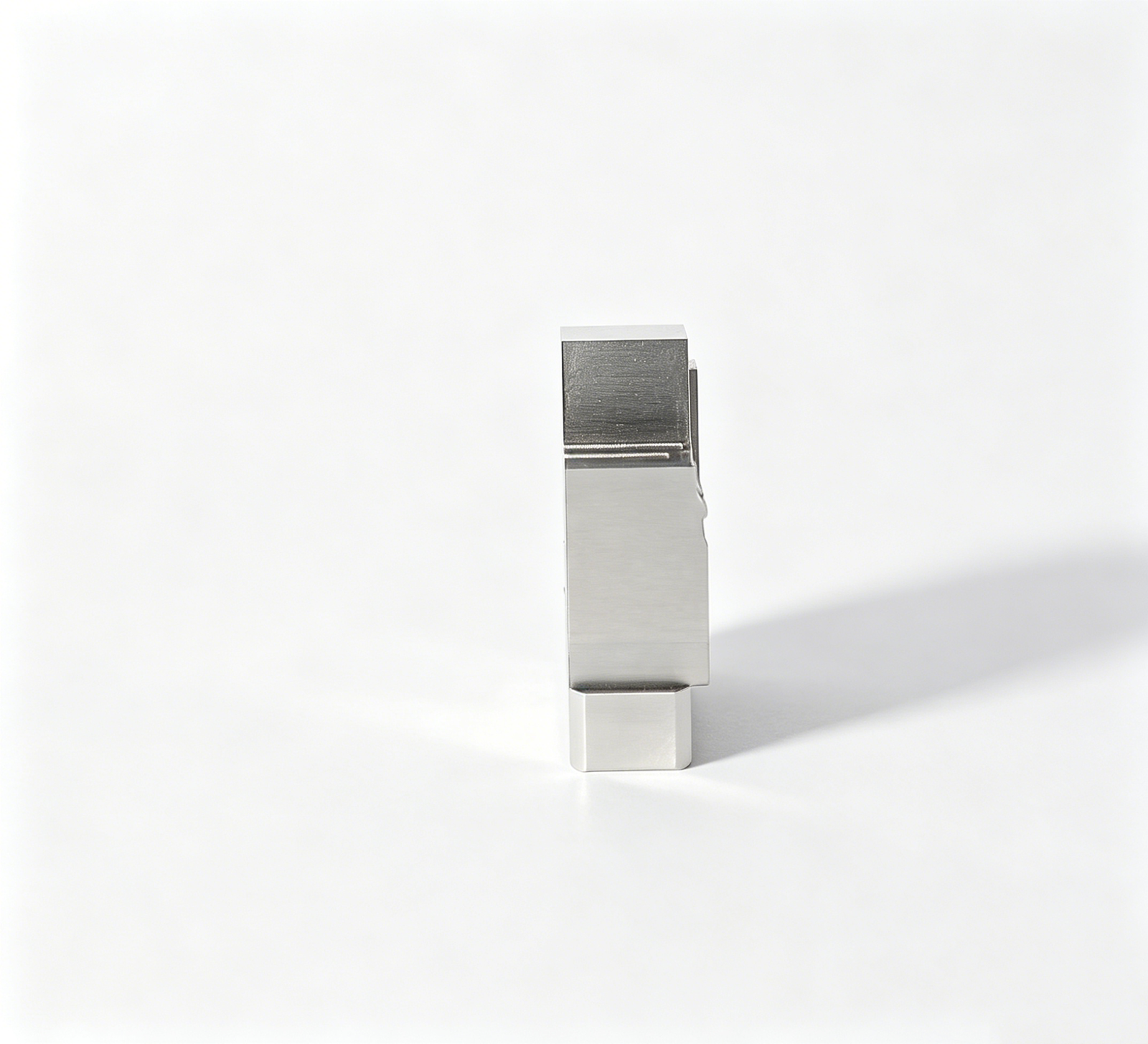
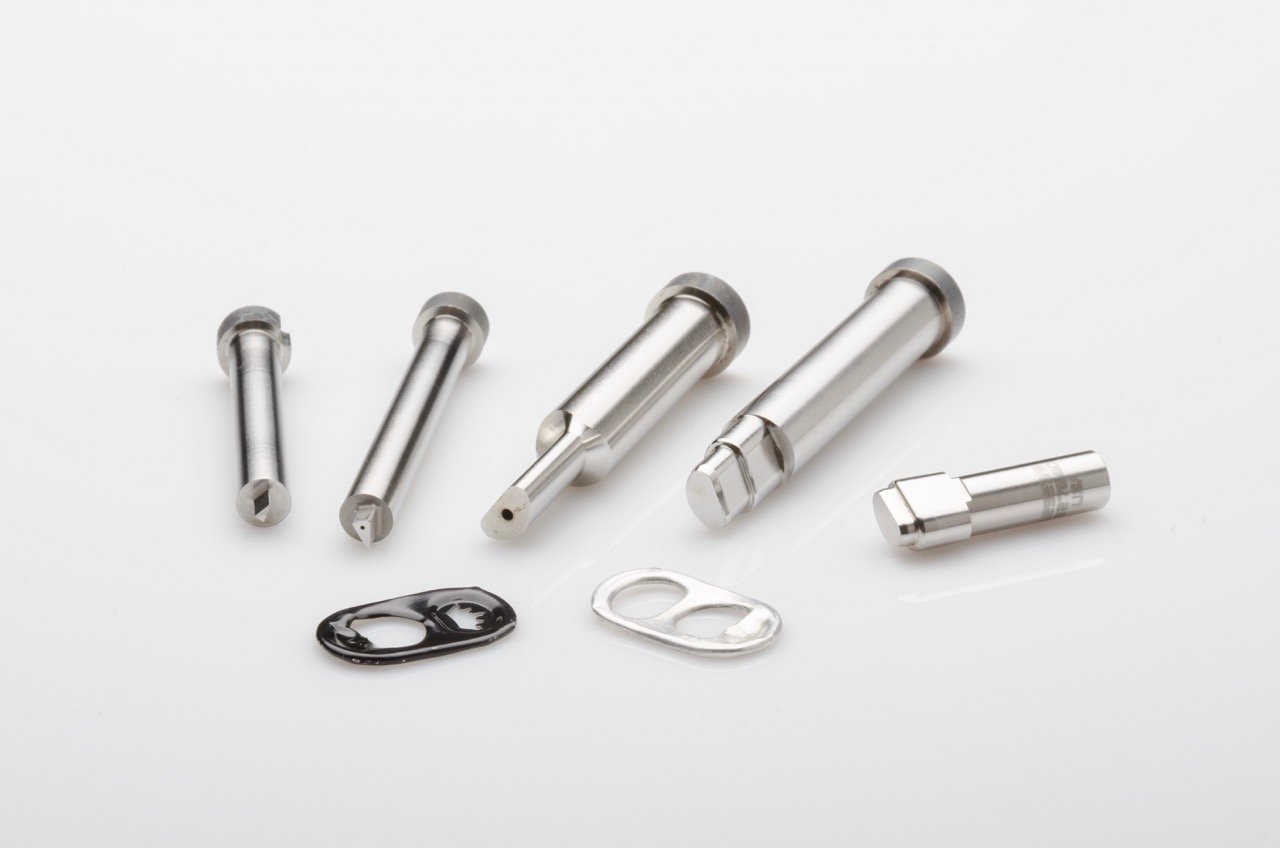
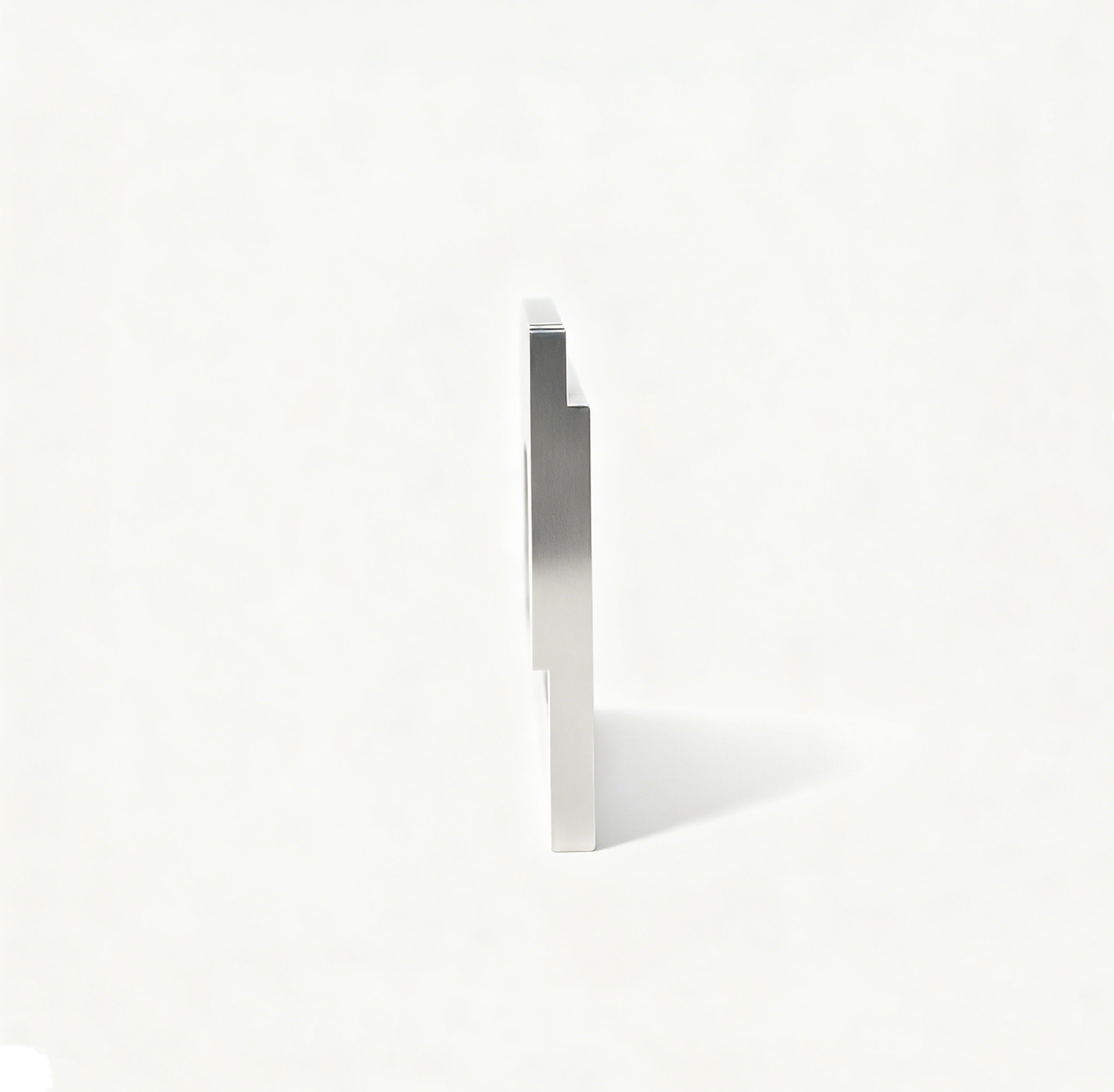
Why XUXIANG Die Buttons Deliver Precision and Speed
+/-0.001 mm Machining Precision
Every die button held to micron-stable tolerances on Sodick slow-wire EDM and Fanuc CNC, verified by ZEISS MICURA CMM at 0.7um resolution.
Mirror-Grade EDM Surface Finish
Ra 0.1um achievable on Mitsubishi mirror EDM for high-gloss cavity surfaces, eliminating secondary polishing and reducing cycle time.
ZEISS CMM Validation Every Order
Full FAI inspection reports with material certificates, ZEISS dimensional data and Nikon microscope surface verification included with every shipment.
24-Hour Quote Turnaround
Upload your drawing and receive DFM feedback plus a firm quote within one business day, backed by our precision-tooling engineering team.
3–7 Day Sample Delivery
Fast-track prototyping on dedicated micro-machining lines in our Dongguan facility, with mass production in 15–25 days from Quanzhou.
Dual-Factory Capacity Since 2025
2,000 m² Dongguan R&D hub plus 1,400 m² Quanzhou volume plant deliver 200% higher output and roughly 30% faster lead times.
Die Button & Precision Mold Component Categories
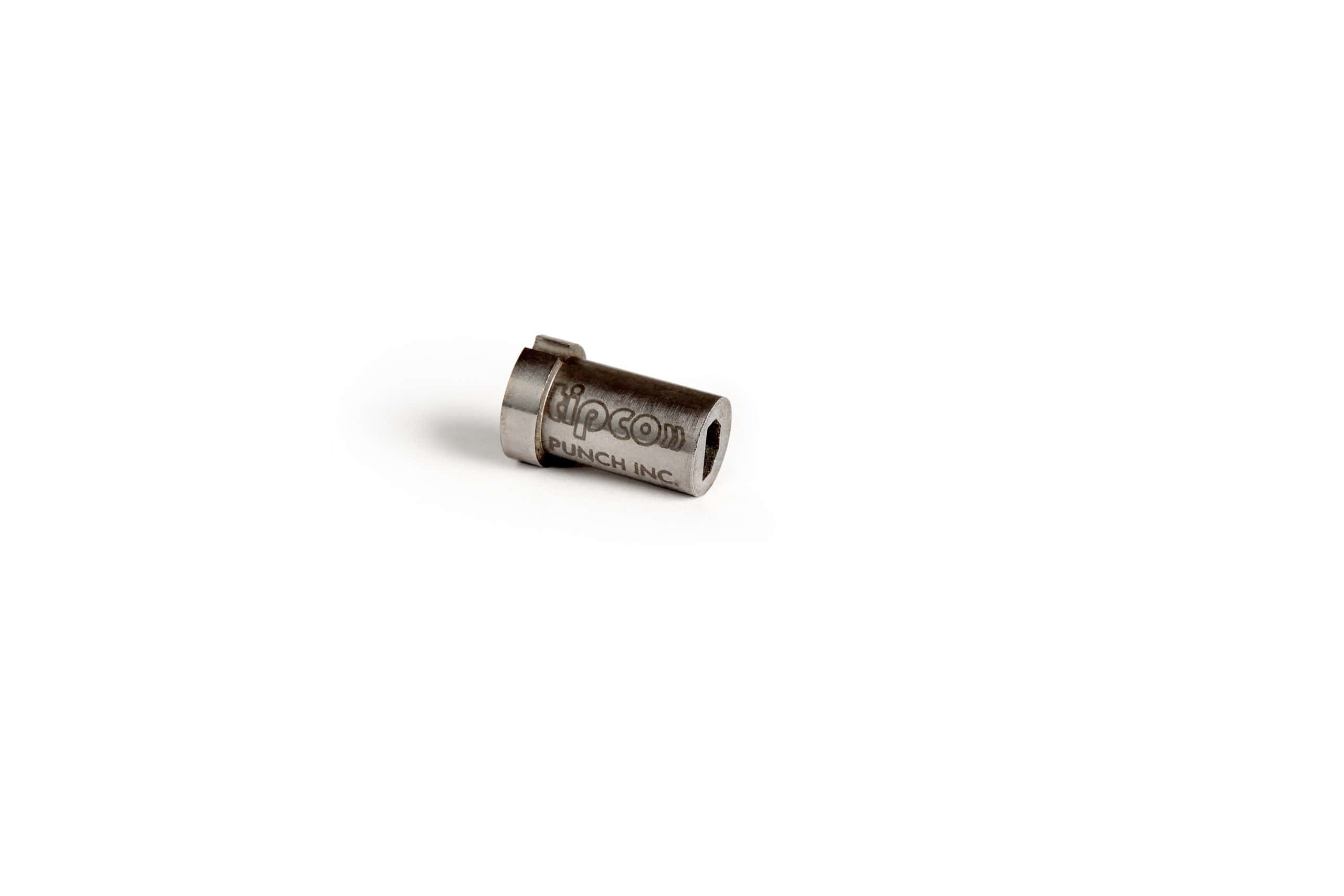
Standard Die Buttons
Cylindrical press-fit buttons for standard stamping and plastic molds, machined to +/-0.002 mm diameter tolerance on Fanuc CNC and precision ground to Ra 0.4 µm or better. Available in SKD61, SKH51 and P20 grades, heat-treated 48–54 HRC. Full dimensional inspection on ZEISS CMM; material certificates and FAI reports included.
Get a Quote
Guided Die Buttons
Guided die buttons with integral pilot stems or guide pins for precise alignment in progressive dies, injection molds and board-to-board connector tooling. Concentricity held to 0.003 mm over length; stem diameters ground to h6 tolerance. Machined from pre-hardened tool steel, post-hardened SKD61 or carbide-tipped variants. Ideal for high-cycle automotive and micro-connector tooling where repeatability is critical.
Get a Quote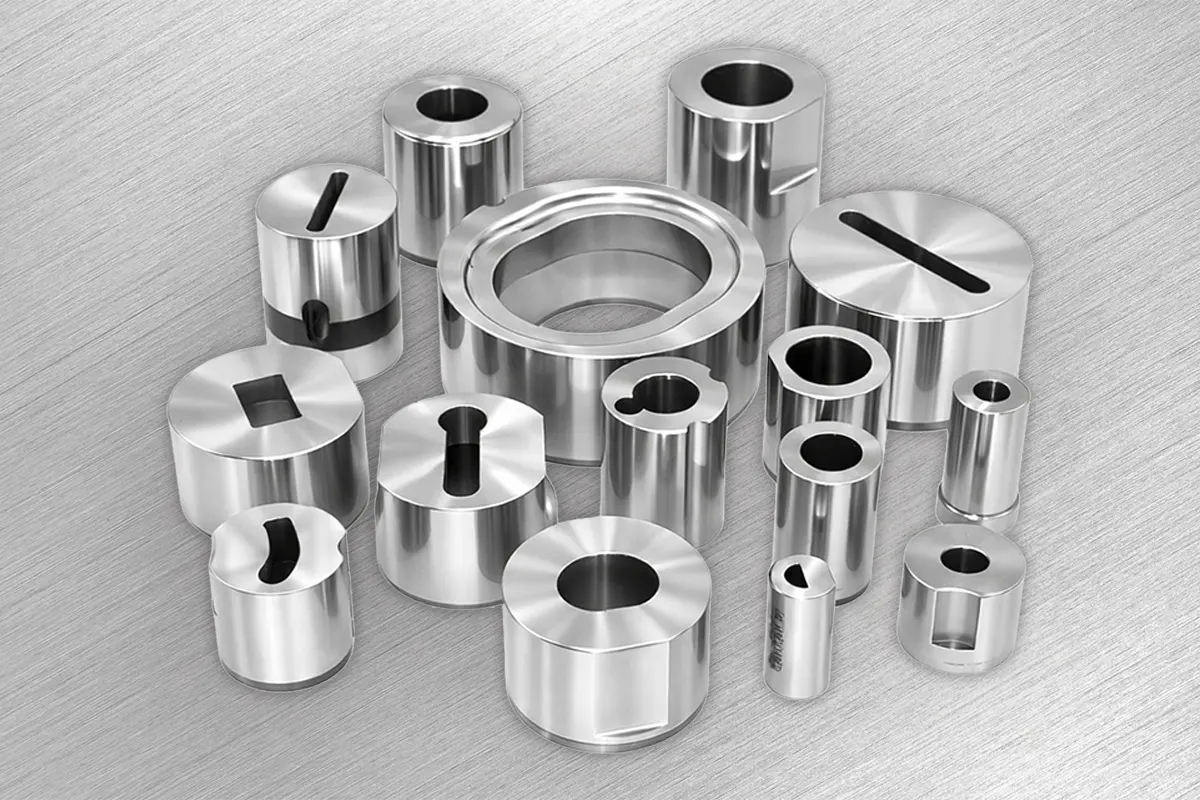
Shoulder Die Buttons
Shoulder-style buttons featuring precision-ground flanges or steps for positive Z-axis location in stripper plates and retainer assemblies. Shoulder perpendicularity ≤ 0.005 mm; face flatness ≤ 0.002 mm verified by CMM. Supplied in hardened SKD61, SKH51 or stainless 440C. Common in multi-cavity molds and fine-blanking dies requiring fast, tool-free replacement.
Get a Quote
Carbide Die Buttons
Tungsten-carbide (YG15, YG20) and carbide-tipped buttons for ultra-high-wear stamping of spring steel, stainless and high-silicon alloys. Carbide blanks sintered to 88–92 HRA, finish-ground on specialized diamond wheels to Ra 0.2 µm and diameter tolerance +/-0.001 mm. Wire-EDM profiling available for complex geometries. Verified hardness and grain-size certificates provided.
Get a Quote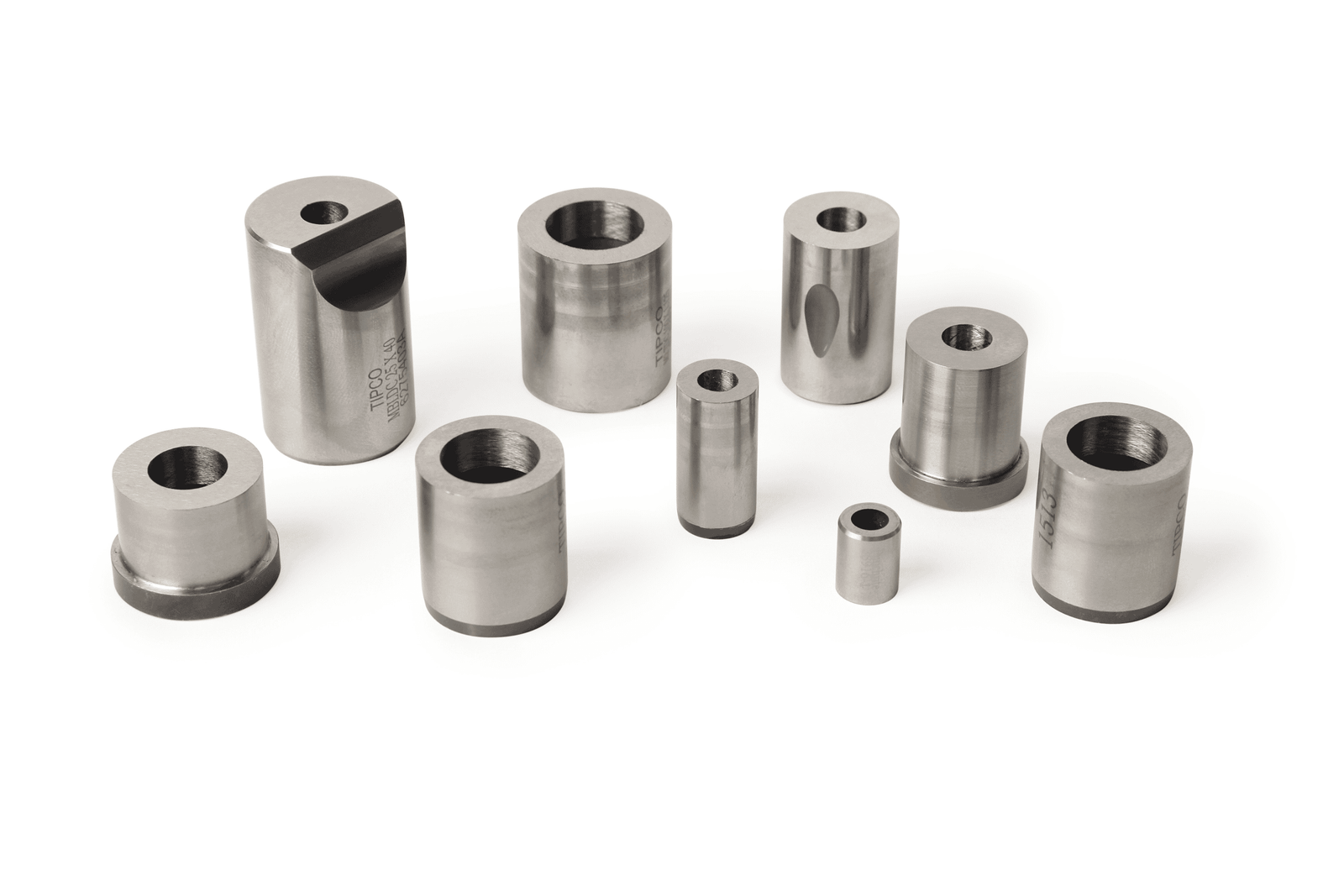
Custom Die Buttons
Fully custom-engineered die buttons designed to your CAD model—non-standard diameters, exotic materials (Inconel, titanium, beryllium copper), complex relief features or integrated cooling channels. DFM review by 10+ mold engineers before machining. Prototypes delivered in 3–7 days; production lots in 15–25 days with full traceability and dimensional reports.
Get a Quote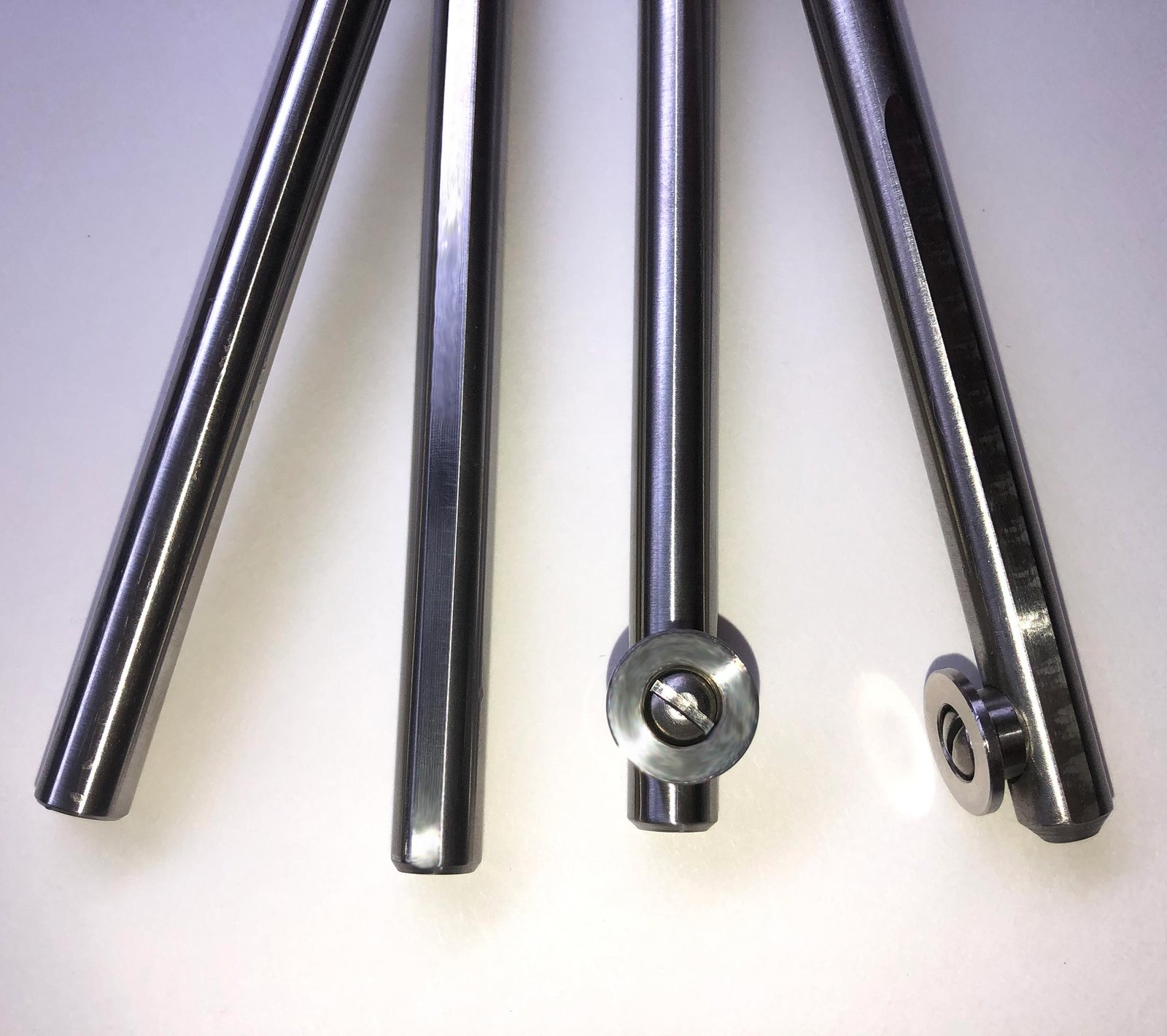
Precision Ground Buttons
Ultra-precision cylindrical and shaped buttons centerless- or surface-ground to +/-0.001 mm on Dawn grinding centers, with parallelism ≤ 0.002 mm and surface finish Ra 0.1–0.2 µm. Ideal for micro-connector tooling, medical-device molds and optical-component dies. Every piece inspected under Nikon toolmaker’s microscope (V-12B class) and logged in batch QC records.
Get a Quote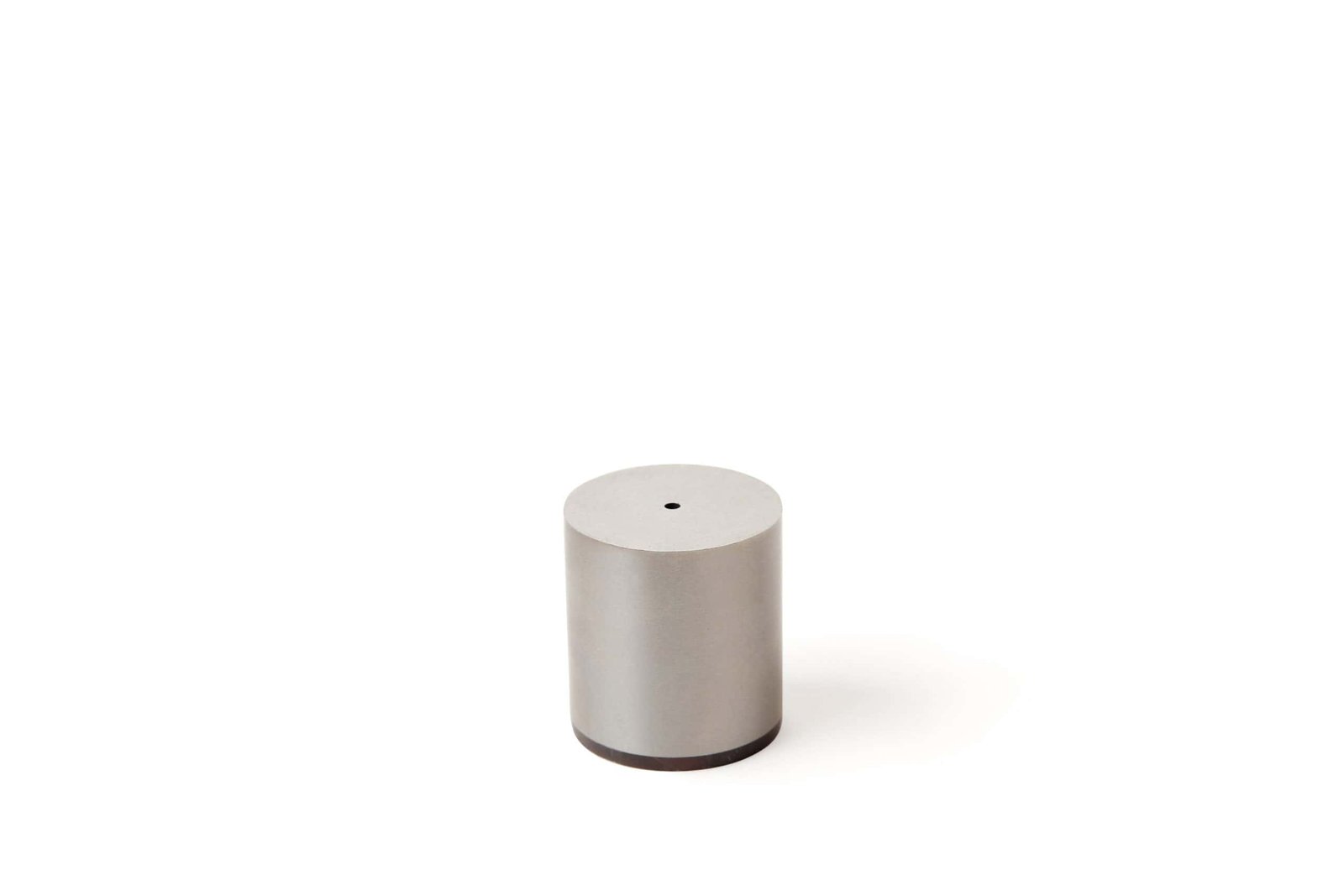
EDM Die Buttons
Complex-profile die buttons machined by Sodick or Seibu slow-wire EDM to +/-0.002 mm, with corner radii as tight as R 0.015 mm and mirror-finish sidewalls (Ra 0.1 µm) via Mitsubishi mirror EDM. Suited for intricate stripper openings, micro-pin cavities and thin-wall terminal punches in 5G and automotive connector dies. Full electrode and wire-path documentation retained.
Get a Quote
Micro Die Buttons
Miniature die buttons for micro-stamping, micro-molding and precision terminal tooling—diameters from 0.5 mm to 6 mm, machined on Beijing Jingdiao high-speed CNC and wire-cut to +/-0.001 mm. Surface finish Ra ≤ 0.2 µm; concentricity and perpendicularity verified at 50× magnification. Essential for board-to-board connectors, RF terminals and MEMS component molds.
Get a Quote
Hardened Die Buttons
Through-hardened or case-hardened (carburized) die buttons in SKD61, SKH51, or tool-grade stainless, heat-treated to 50–58 HRC with case depth 0.8–1.2 mm where specified. Post-hardening grinding ensures dimensional recovery to +/-0.002 mm; hardness mapping and microstructure analysis available on request. Designed for long-run progressive dies and high-impact blanking applications.
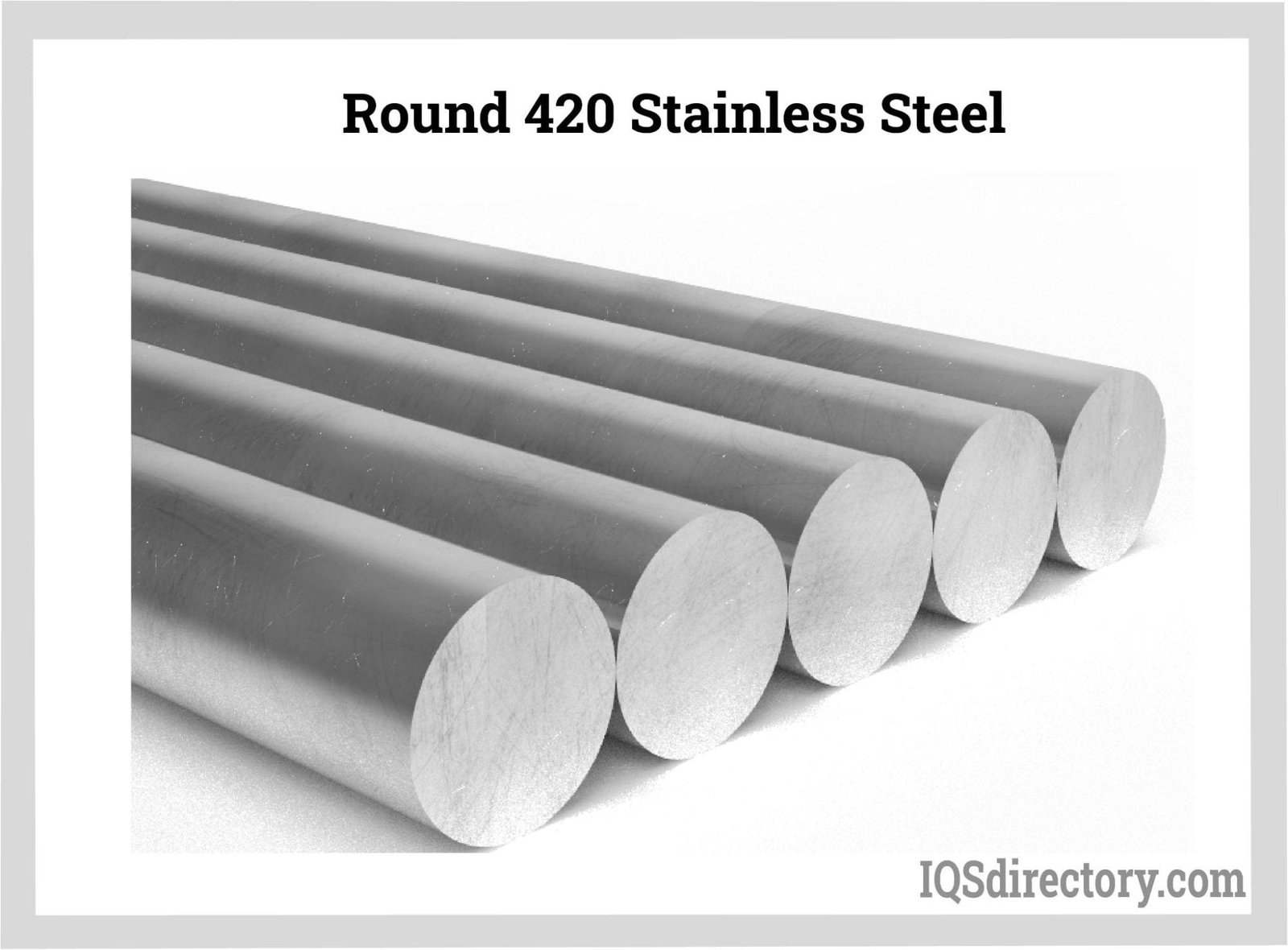
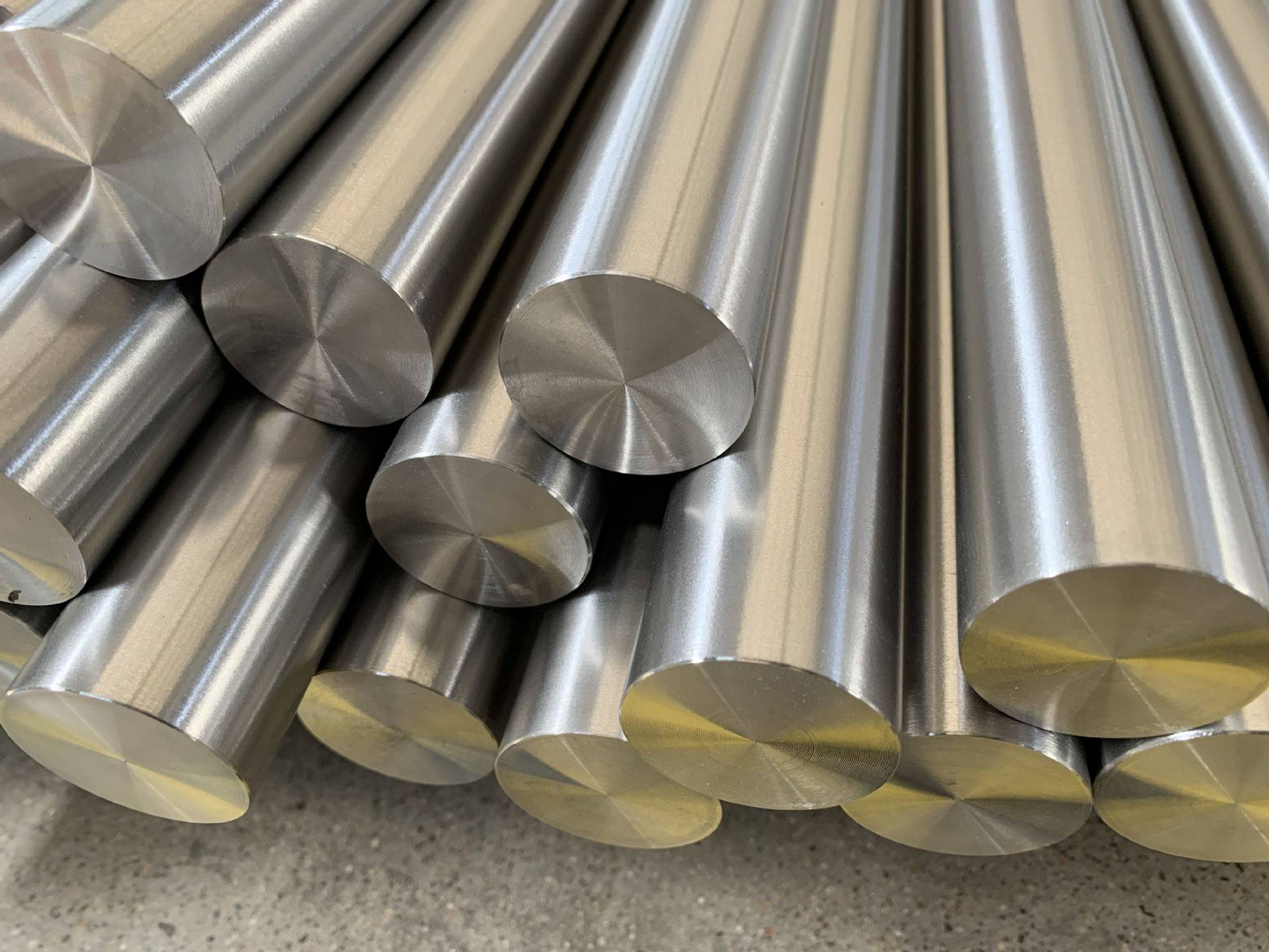
Get a QuoteDie Button Materials We Machine

Precision Processes for Die Button Manufacturing
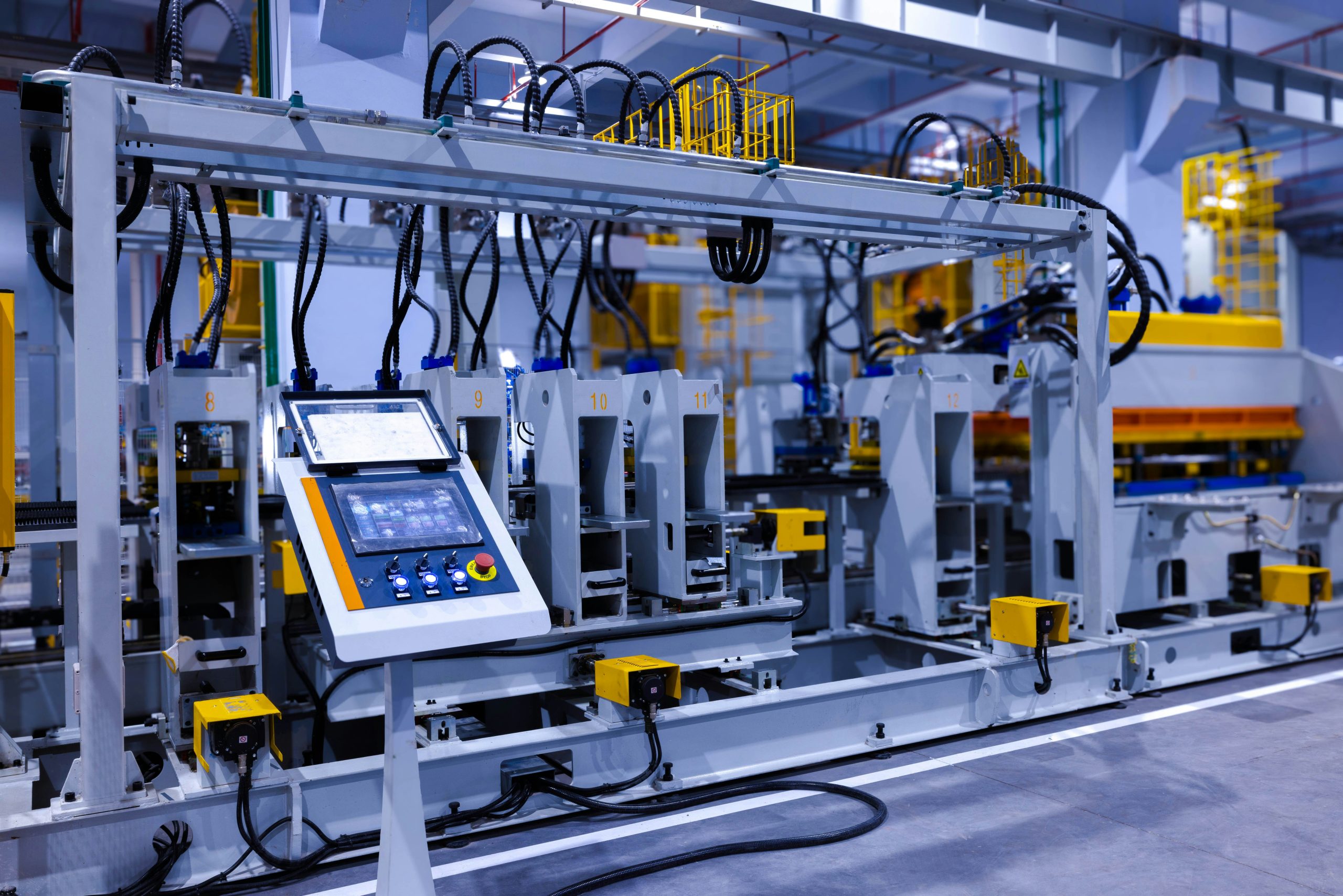
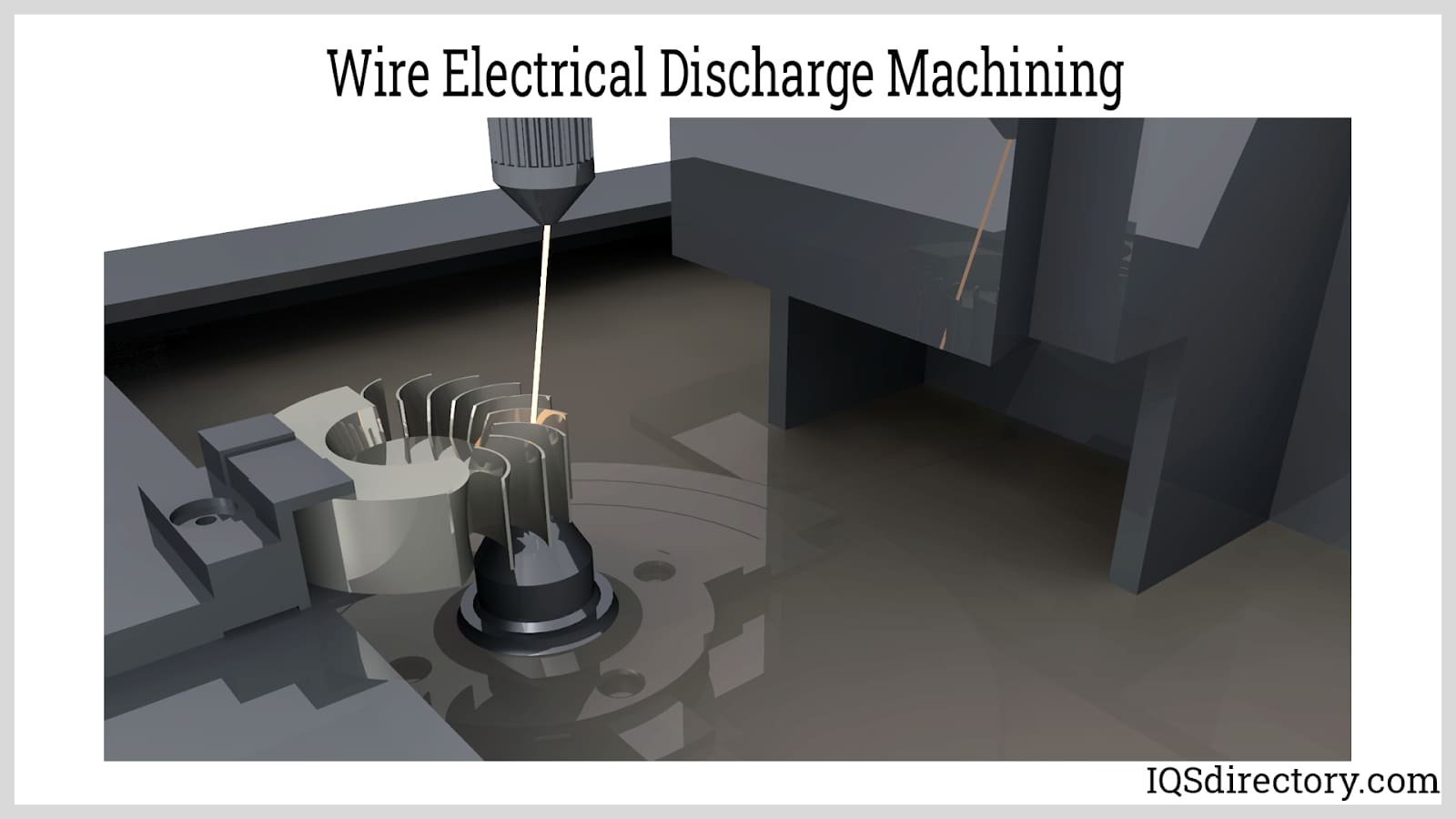
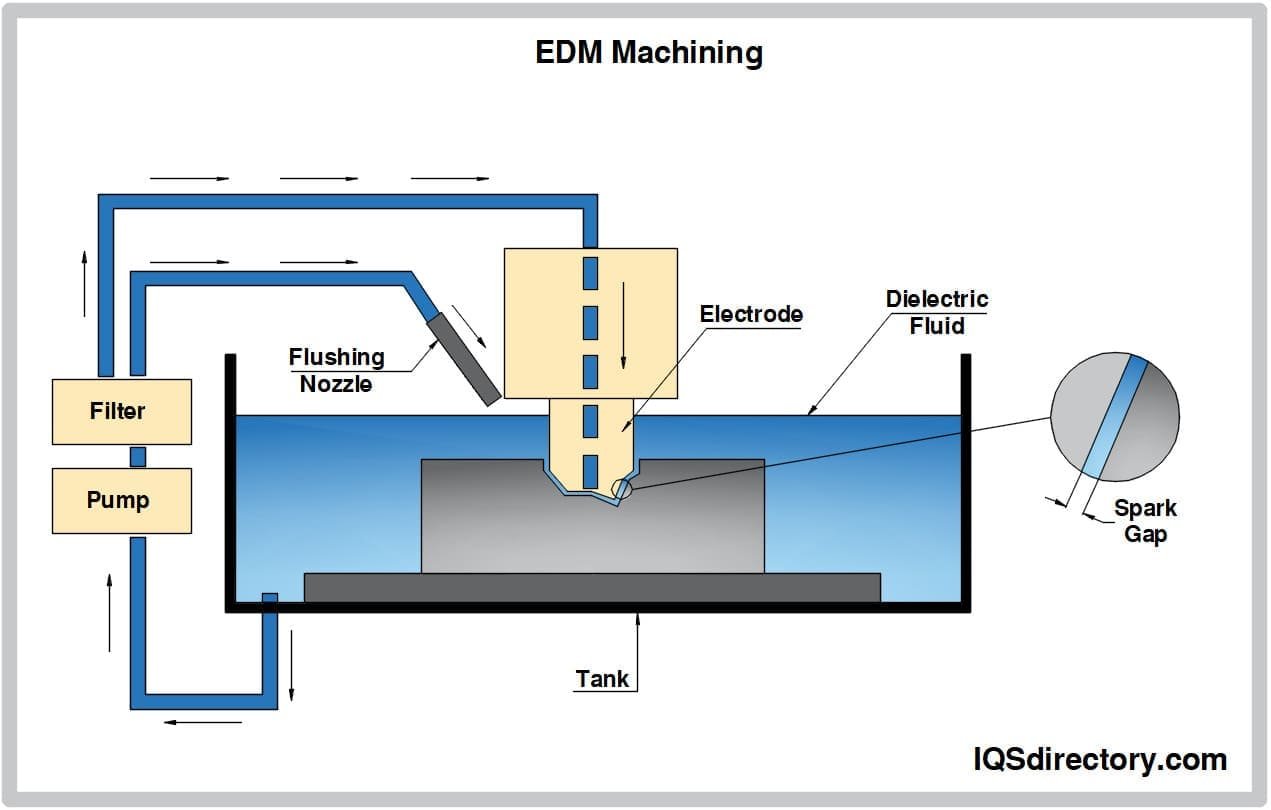
Sinker EDM
Sodick and Charmilles sinker EDM machines achieve +/-0.003 mm accuracy with complex 3D cavity forming. Enables deep-rib die button cores, undercuts and conformal cooling channels that conventional machining cannot reach.
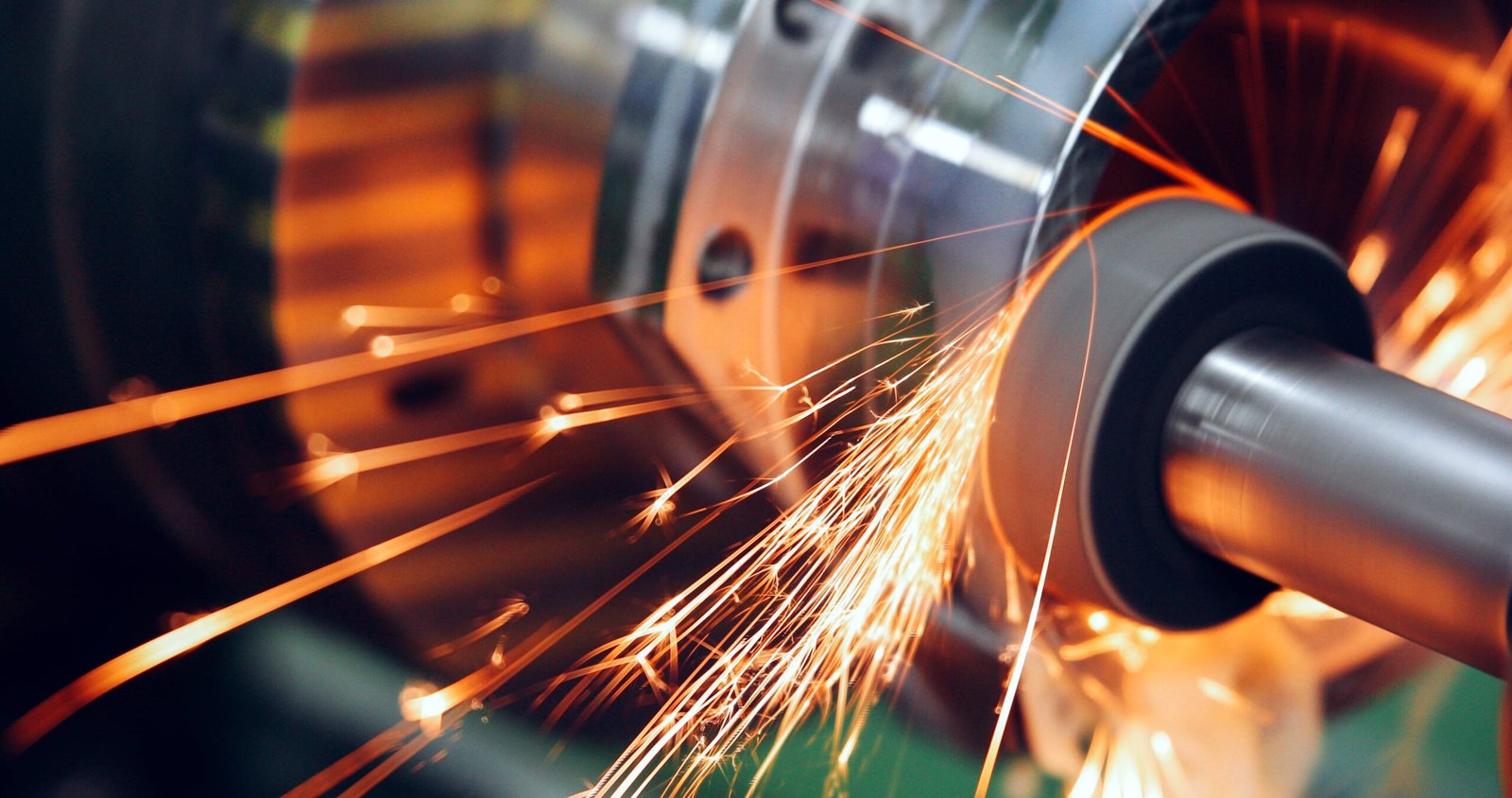
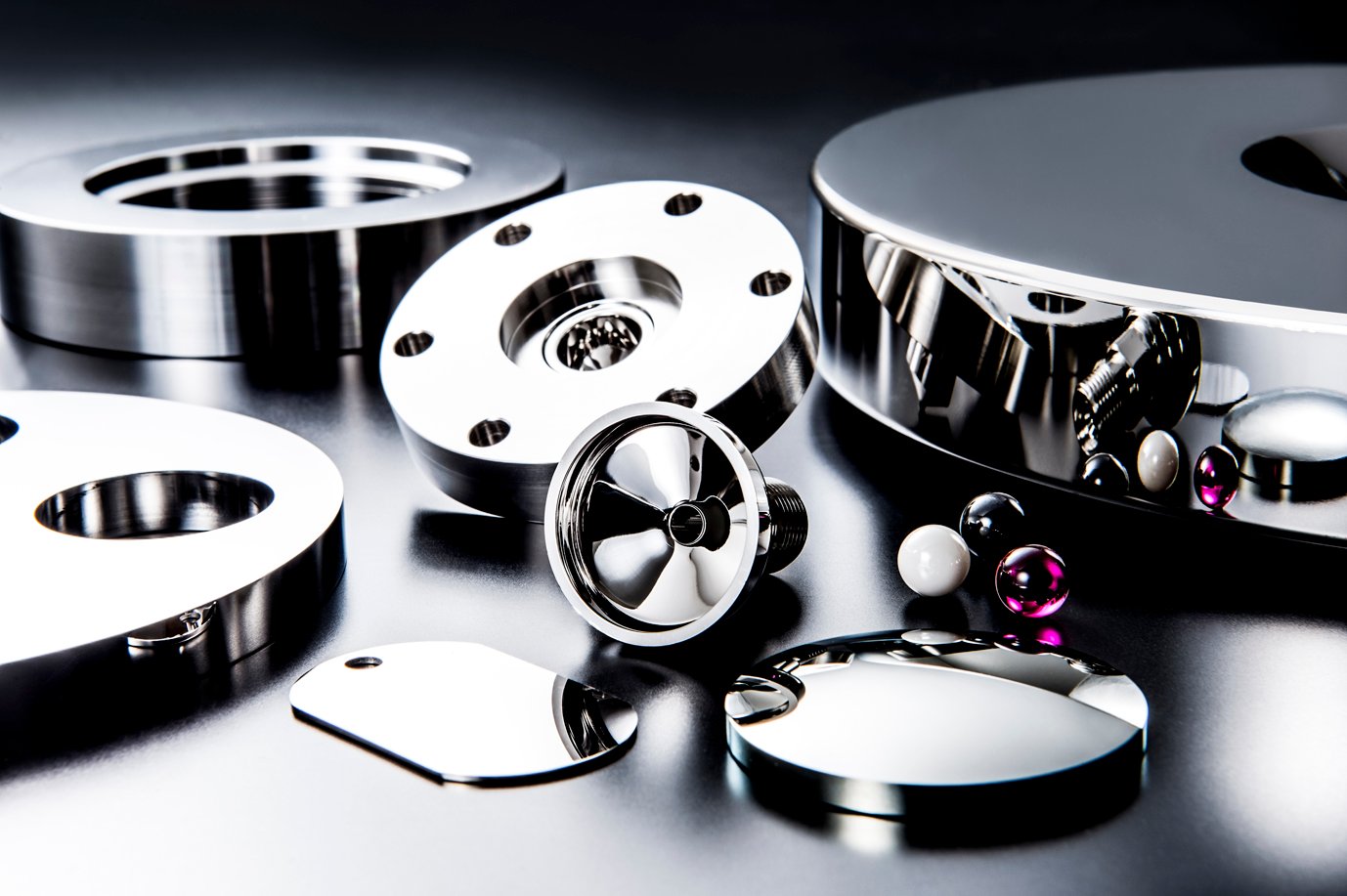
Mirror Polishing
Mitsubishi mirror EDM and manual polishing workflows achieve Ra 0.1 µm surface finishes on die button faces and ejector pins. Eliminates micro-scratches, reduces friction and ensures flawless part release in high-cycle molding applications.
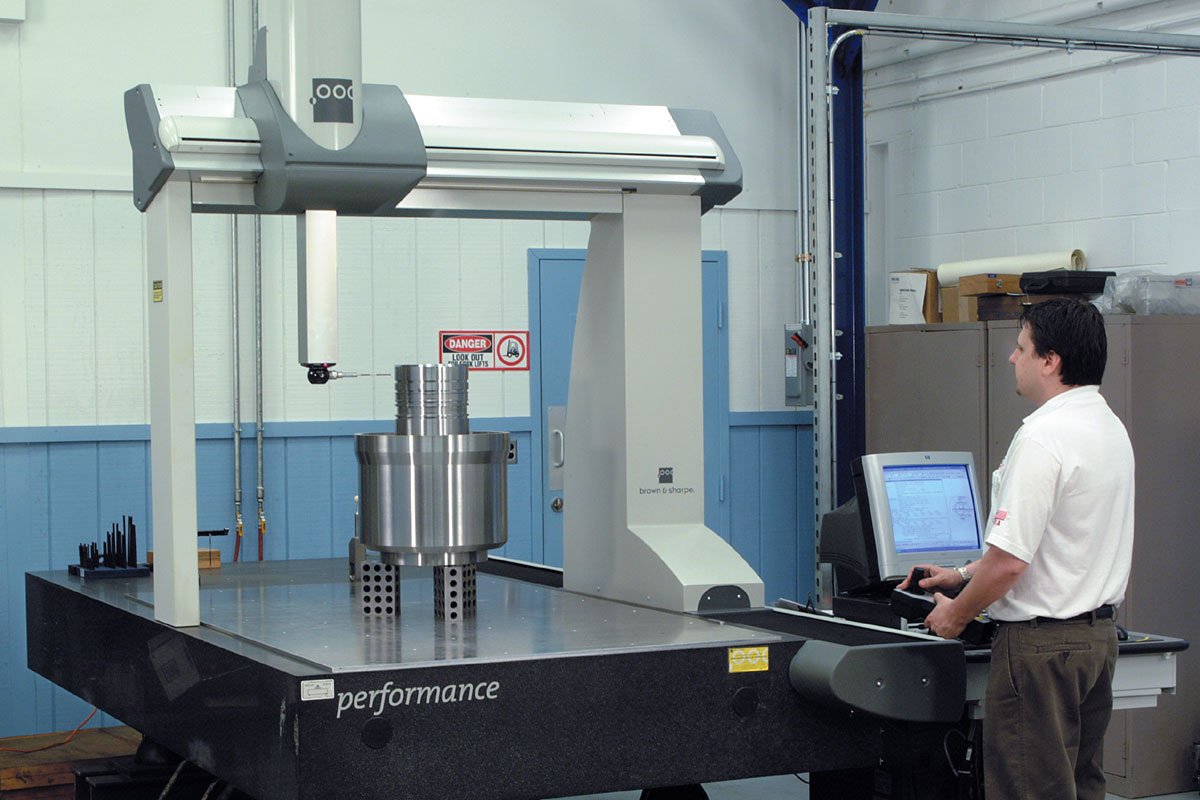
CMM Inspection
ZEISS MICURA CMM with 0.7 µm resolution and Nikon toolmaker’s microscopes verify every critical die button dimension. Full FAI reports with material certificates document conformance to your print before shipment.
Die Button Accessories & Add-On Services
Lifter & Slider Assemblies
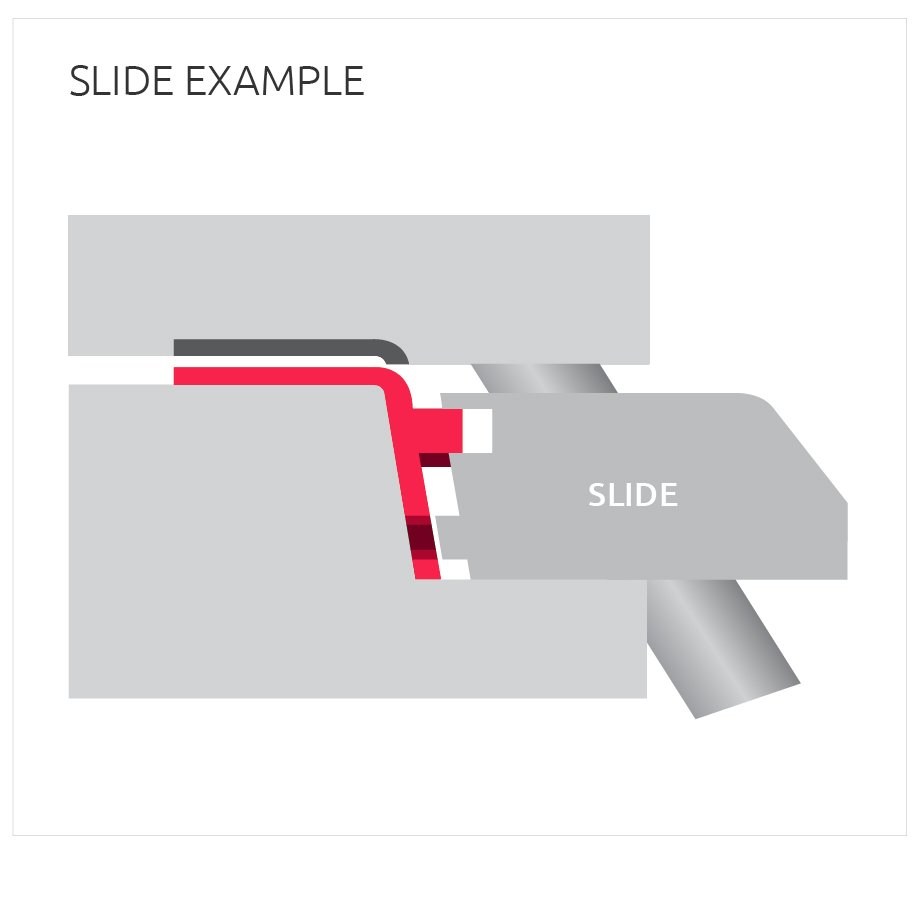
High-precision lifter cores and slider mechanisms machined on Sodick slow-wire EDM, holding +/-0.002 mm positioning accuracy. Ideal for undercut features and complex geometries in connector and automotive molds.
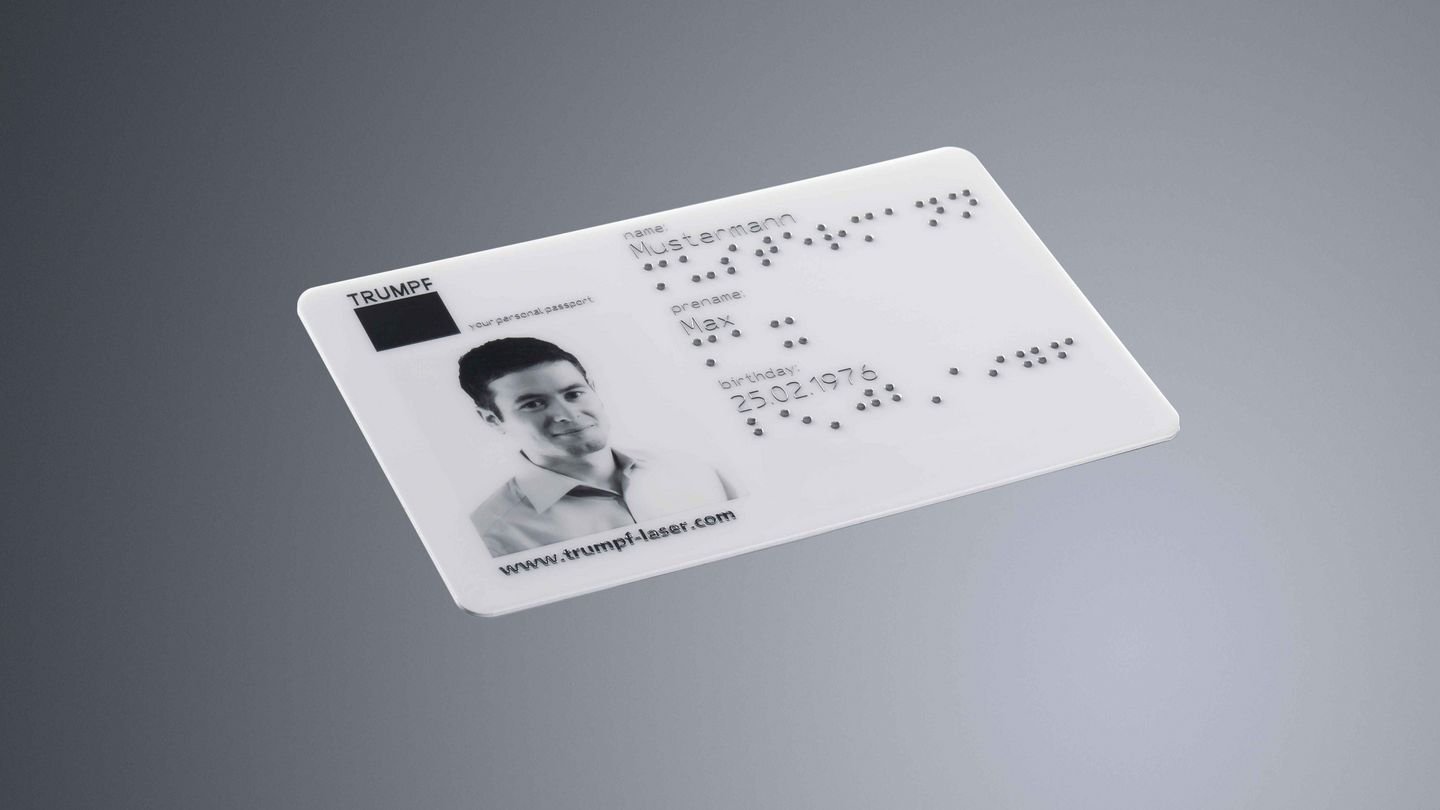
Laser Marking & Identification
Permanent laser engraving for part numbers, revision codes and traceability markings on die buttons and mold components. Meets automotive PPAP and medical-device serialization requirements without affecting tolerances.
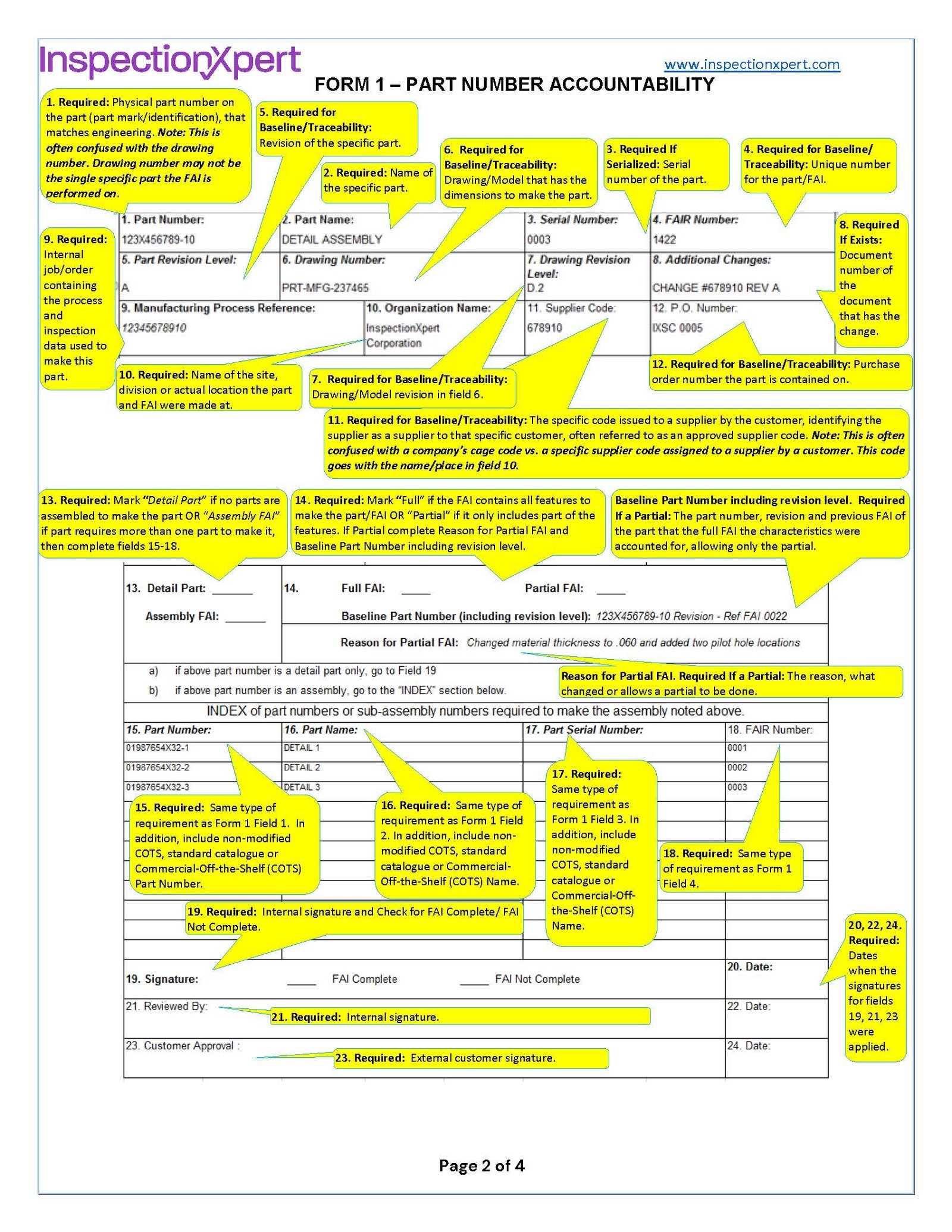
FAI Documentation Packages
Complete First Article Inspection reports with ZEISS CMM data, material certificates, surface-finish readings and dimensional verification. Supplied as PDF with every die button order — no extra charge for standard reports.
About XUXIANG — 16 Years of Precision Die Button Engineering
Founded in 2010 in Chang’an, Dongguan, XUXIANG began as a specialist mold-core machining shop and has grown into a dual-factory precision manufacturing group serving electronics, 5G/telecom, automotive & NEV, industrial-automation and medical-device customers worldwide. Today we operate a 2,000 m² R&D and micro-machining facility in Dongguan plus a 1,400 m² volume-production site in Quanzhou, delivering die button components, precision mold parts and complete tooling programs held to +/-0.001 mm.
Our engineering-led culture is built on over CNY 8 million in Japanese, Swiss and German equipment: Sodick and Seibu slow-wire EDM, Mitsubishi mirror EDM, Fanuc CNC and a ZEISS MICURA CMM measuring to 0.7um. Every die button project receives DFM feedback from 10+ experts, five-step QC validation with ZEISS/Nikon CMM verification, and full FAI documentation with material certificates—all governed by ISO 9001:2015.
With our 2025 Quanzhou expansion lifting annual output by 200%, we now combine micron-stable precision with dependable mass production, delivering samples in 3–7 days, production runs in 15–25 days, and quotes within 24 hours—roughly 30% faster than industry average.

Die Button Precision Capabilities — EDM, CNC & Metrology
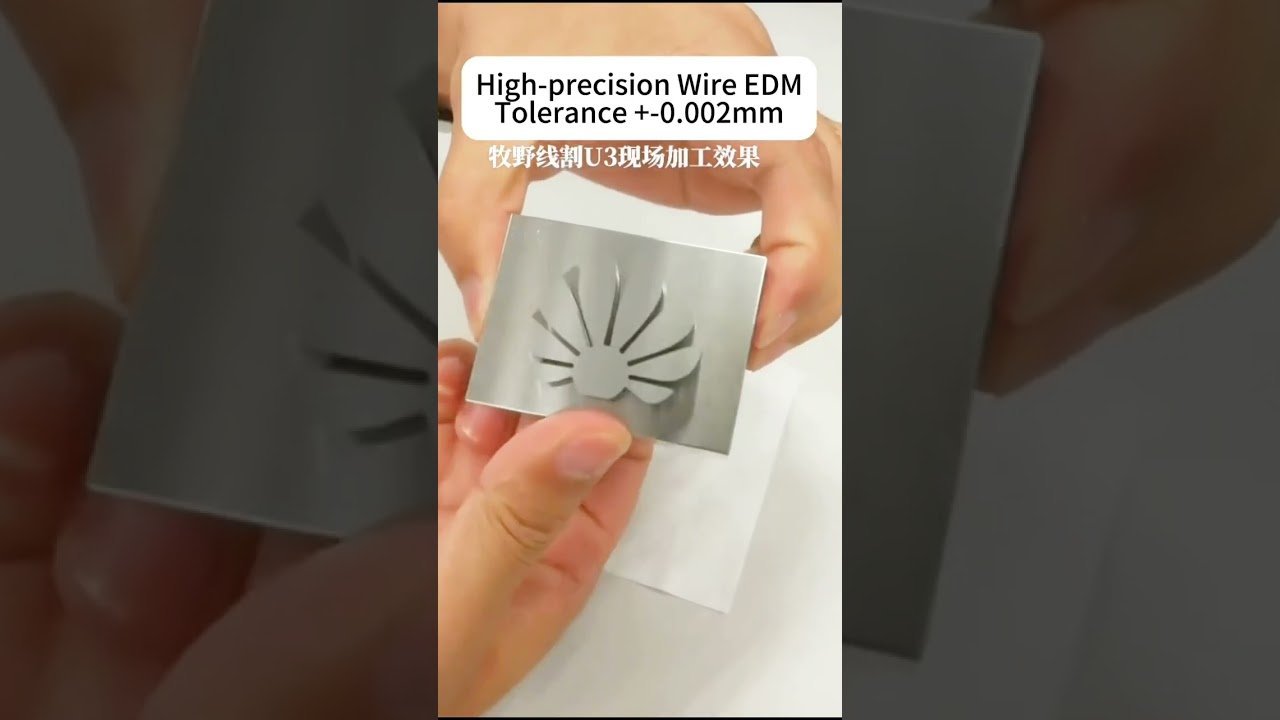
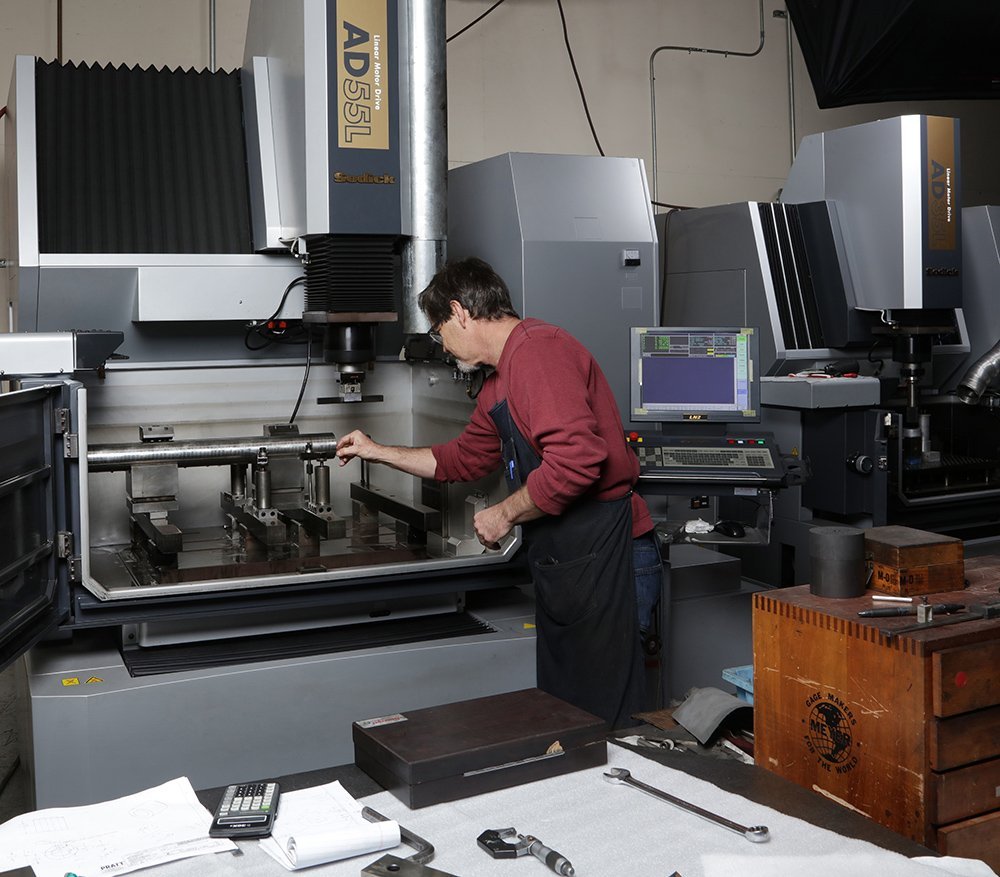
Slow-Wire EDM to +/-0.002 mm
Every die button passes through Sodick and Seibu slow-wire EDM systems calibrated to +/-0.002 mm positional accuracy. This ensures sharp corner radii down to R 0.015 mm, intricate profile cuts and micron-stable repeatability across high-volume runs without tool-wear drift.
- Sodick & Seibu slow-wire EDM with +/-0.002 mm positioning
- Corner radii as tight as R ≤ 0.015 mm for complex geometries
- Zero tool-wear variability for consistent batch-to-batch precision
- Ideal for thin-wall, micro-pin and high-density connector tooling
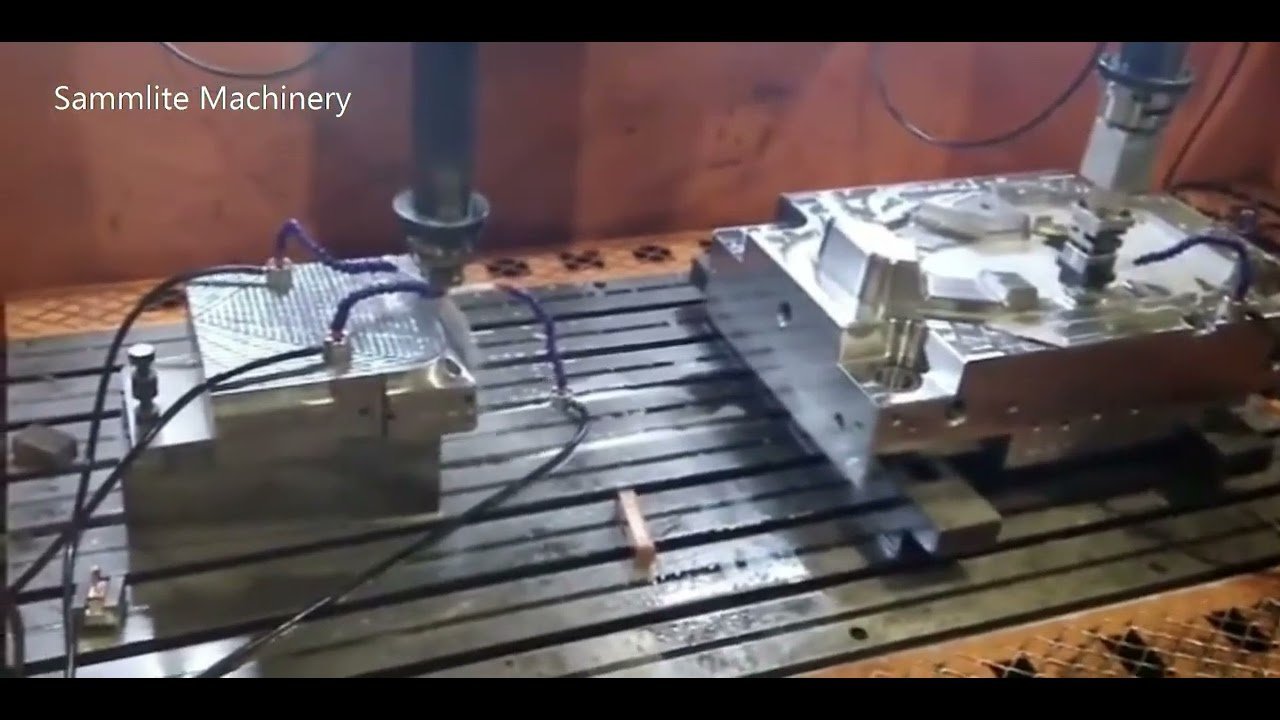
Mirror-Grade Sinker EDM (Ra 0.1um)
Mitsubishi mirror EDM delivers Ra 0.1um surface finishes on die button cavities and core details, eliminating secondary polishing. Mirror-class surfaces reduce friction, improve part ejection and extend mold life — critical for high-cycle automotive and medical applications.
- Mitsubishi sinker EDM achieving Ra 0.1um mirror finish
- No hand-polishing required; ready-to-run surface integrity
- Reduced cycle times and improved part release in production
- Backed by Sodick & Charmilles sinker EDM for complex 3D cavities
Fanuc CNC & Precision Grinding
Fanuc-class CNC machining centers and Dawn precision grinding deliver die button blanks, electrode geometries and mounting features to +/-0.001 mm. Beijing Jingdiao high-precision CNC fabricates electrodes with sub-micron form accuracy, ensuring perfect EDM burn profiles every time.
- Fanuc CNC machining to +/-0.001 mm on die button blanks & features
- Beijing Jingdiao high-precision CNC for electrode fabrication
- Dawn precision grinding for flat parallelism and tight ID/OD tolerances
- Integrated 5-axis capability for complex contours and undercuts
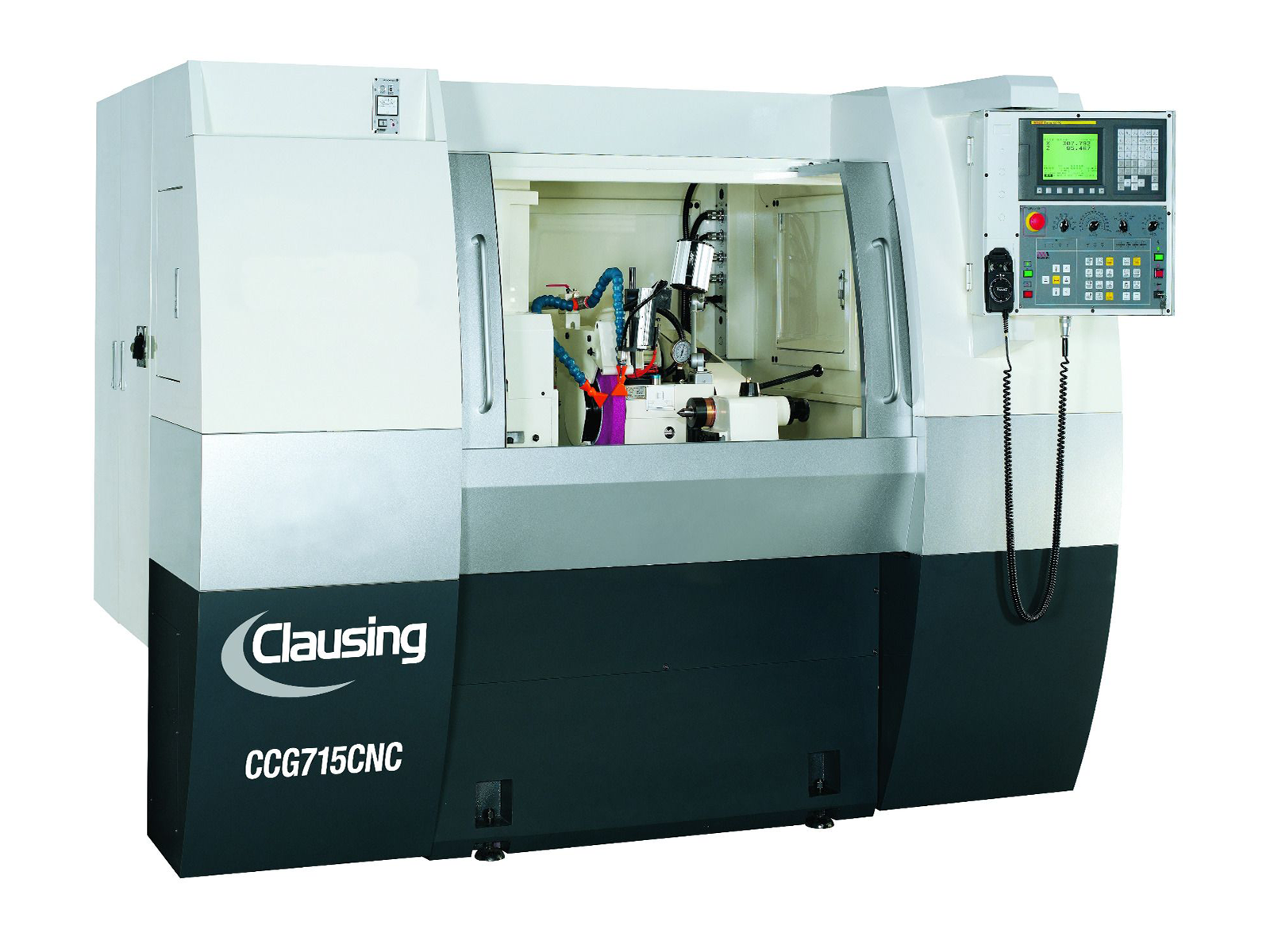
ZEISS MICURA CMM Validation (0.7um)
Every die button undergoes ZEISS MICURA CMM inspection with 0.7um measurement accuracy, plus Nikon toolmaker’s microscopes (V-12B / MM-400 class) for edge sharpness and surface detail. Full FAI reports with material certificates accompany each shipment, ensuring traceability and compliance.
- ZEISS MICURA CMM measuring to 0.7um for dimensional verification
- Nikon V-12B & MM-400 microscopes for edge and surface inspection
- Full FAI documentation + material certificates with every order
- ISO 9001:2015 five-step QC flow from material spectral analysis to final sign-off
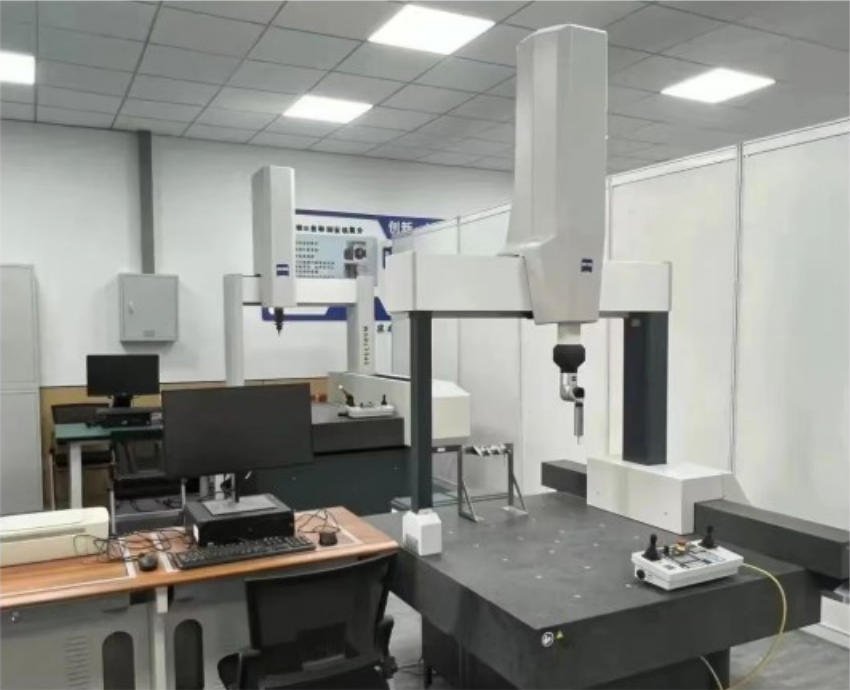
XUXIANG vs. Typical Die Button Suppliers
When tolerance failure and delivery delays jeopardize your production schedule, precision-grade die button components backed by verified metrology and transparent lead times make the difference between on-time assembly and costly rework.
← 左右滑动查看 →
Our Die Button Production & Quality Flow
When tolerance failure and delivery delays jeopardize your production schedule, precision-grade die button components backed by verified metrology and transparent lead times deliver on-time assembly and eliminate costly rework.
DFM & Design Review
Ten-plus engineering experts analyze your CAD file, flag tolerance risks, and optimize geometry for CNC and EDM machinability before any metal is cut.
Material Verification & Setup
Spectral analysis confirms alloy composition; Sodick slow-wire EDM, Fanuc CNC and Beijing Jingdiao electrode machines are programmed and fixturized to +/-0.001 mm targets.
In-Process Tolerance Monitoring
Real-time dimensional checks at every operation prevent drift; machinists adjust tool offsets immediately to hold +/-0.002 mm on wire EDM and +/-0.003 mm on sinker EDM.
ZEISS & Nikon CMM Inspection
ZEISS MICURA CMM measures to 0.7 um resolution; Nikon V-12B toolmaker’s microscope verifies edge radii, surface integrity and critical dimensions against your print.
Surface Integrity & FAI Documentation
Mirror-grade EDM finish down to Ra 0.1 um is confirmed with profilometry; full First Article Inspection report and material certificates are compiled for traceability.
Packing & Shipment
Parts are cleaned, individually protected and packed with inspection reports; shipment typically occurs 3–7 days for samples, 15–25 days for production runs.
How to Order Die Buttons from XUXIANG
From CAD file to precision-validated parts in five straightforward steps — backed by DFM engineering, ZEISS CMM metrology and ISO 9001:2015 quality control.
Submit CAD & Technical Requirements
Upload your die button drawings, 3D models and technical specifications through our online portal or email. Include material, tolerance, surface finish and volume requirements.
Receive DFM Feedback & Quote
Within 24 hours, our 10+ engineering experts review your design for manufacturability, flag tolerance risks and return a detailed quote with lead time and pricing.
Approve Sample Order
Confirm the quote and technical specifications. XUXIANG machines your die button samples using Sodick EDM, Fanuc CNC and precision grinding — delivered in 3–7 days.
Validate Samples with FAI Reports
Inspect sample die buttons against your specifications. Every piece ships with ZEISS MICURA CMM inspection data, material certificates and full first-article documentation for traceability.
Place Bulk Production Order
Once samples are approved, scale to mass production with 15–25 day lead times, five-step QC validation and on-time delivery backed by dual-factory capacity.
Quality Certifications & Inspection Standards for Die Button Production


Die Button Precision Delivered — What Our Customers Say
XUXIANG’s die buttons held +/-0.002 mm across 12,000 cycles in our automotive sensor mold. We reduced scrap by 38% and cut our tooling downtime in half compared to our previous supplier.
We needed mirror-finish die buttons for micro-connector tooling with 7-day delivery. XUXIANG delivered FAI reports, ZEISS CMM data, and every part on spec — in 6 days. Their responsiveness is exceptional.
After switching to XUXIANG die buttons for our 5G connector molds, we achieved Ra 0.12 µm finish consistency and eliminated rework. Their DFM feedback caught two critical design issues before production even started.
FAQ — Die Button Ordering, MOQ & Lead Times
What is the minimum order quantity for die button components?
How long does it take to receive die button samples?
Do you charge for die button samples, and are sample fees refundable?
What tolerances can you guarantee on custom die button designs?
What payment terms do you offer for die button orders?
How do you protect intellectual property for custom die button tooling?
Can you manufacture die buttons with complex geometries or micro features?
What inspection reports are included with die button shipments?
Do you offer international shipping for die button components?
The Complete Buyer’s Guide to Die Button Precision Tooling Components
Navigate the sourcing landscape for die buttons with confidence. This guide delivers a proven decision framework, critical supplier evaluation criteria, and the most common procurement mistakes to avoid when specifying precision mold components.
1. What Is a Die Button and Why It Matters in Precision Tooling
A die button is a precision-machined cylindrical bushing designed to locate, guide and support punches, ejector pins or core pins in injection molds, stamping dies and progressive tooling. Typical diameters range from 3 mm to 50 mm, with bore tolerances held to +/-0.002 mm or tighter to ensure repeatable alignment over millions of cycles. Unlike generic bushings, die buttons are engineered for micron-level positional stability — critical when molding micro-connectors, automotive sensor housings or multi-cavity electronics enclosures where gate misalignment of even 0.005 mm can cause flash, short shots or ejector-pin wear.
Dimensional stability and surface finish directly govern mold life and part quality. A die button machined to Ra 0.2 µm or better minimizes friction and galling, extending ejector-pin service intervals by 30–50% compared to standard-ground alternatives. Surface waviness below 0.5 µm prevents micro-scoring that propagates into the mold base, reducing unplanned downtime.
Procurement teams should prioritize die button specifications — material hardness (typically HRC 58–62), bore concentricity (≤0.003 mm TIR) and OD/ID parallelism — over cost alone, because a single out-of-spec button can halt production and trigger costly mold rework.
2. Evolution of Die Button Manufacturing and Industry Standards
Before the 1980s, die button production relied on manual grinding and lathe work, delivering tolerances of +/-0.05 mm at best. The introduction of CNC multi-axis grinding in the late 1980s reduced typical tolerances to +/-0.01 mm, while the adoption of tungsten carbide substrates in the 1990s extended tool life by 300–500% over high-speed steel.
Surface-coating milestones followed: titanium nitride (TiN) coatings appeared in the mid-1990s, offering hardness to HV 2,300 and friction reduction; titanium carbonitride (TiCN) emerged in the early 2000s, pushing hardness beyond HV 3,000. Miniaturization in 5G connectors and automotive sensors drove tolerance requirements below +/-0.005 mm by 2010, with many OEMs now specifying +/-0.002 mm for critical geometries.
ISO 286-2 defines hole and shaft tolerance classes; DIN 9861 governs carbide tool dimensions; MISUMI catalogs standardize die button diameter/height combinations. XUXIANG’s +/-0.001 mm machining accuracy, ZEISS MICURA CMM validation to 0.7 µm, and mirror-grade EDM finishes to Ra 0.1 µm align directly with current micron-tolerance demands in electronics and NEV connector tooling.
3. Types of Die Buttons: Configurations and Applications
Die button design varies by mounting method, load profile and precision demand. Standard round, flanged, shoulder and custom-profile variants each address specific ejector-pin guidance challenges in high-cycle tooling.
Standard Round Die Buttons

Standard round die buttons fit press-fit bores in mold plates and guide ejector pins through repetitive cycles. Typical OD tolerance is +0.000/−0.005 mm; bore fit H7/m6 or tighter. SKD61 or tool steel is preferred for automotive and industrial-automation tooling exceeding 500,000 cycles.
Flanged Die Buttons for Secure Mounting
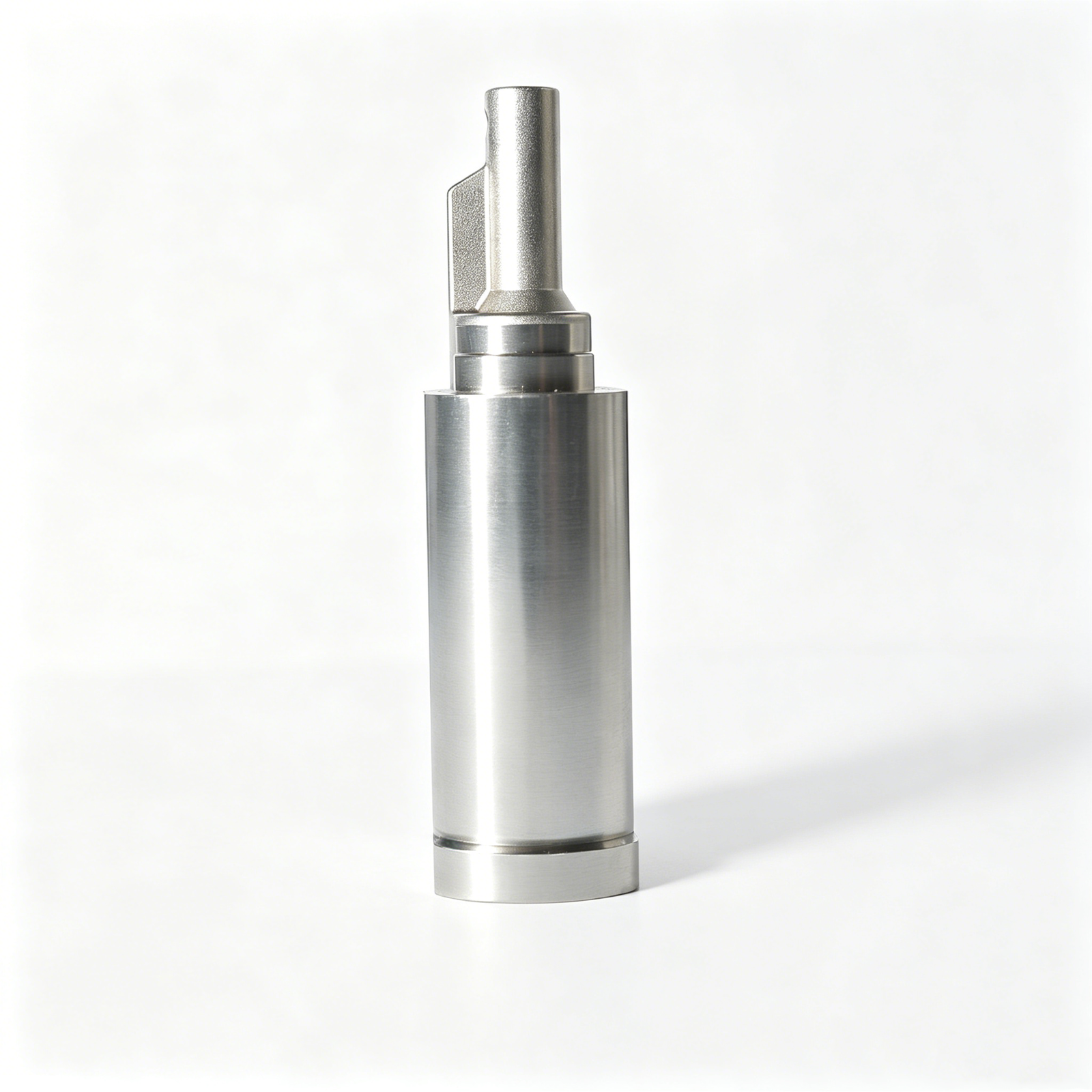
Flanged die buttons add a machined shoulder that registers against the plate face, preventing axial migration under high ejection force. Flange perpendicularity is held to ≤0.005 mm. Common in 5G micro-connector molds and medical-device tooling where misalignment risks part rejection.
Shoulder Die Buttons with Integrated Stops
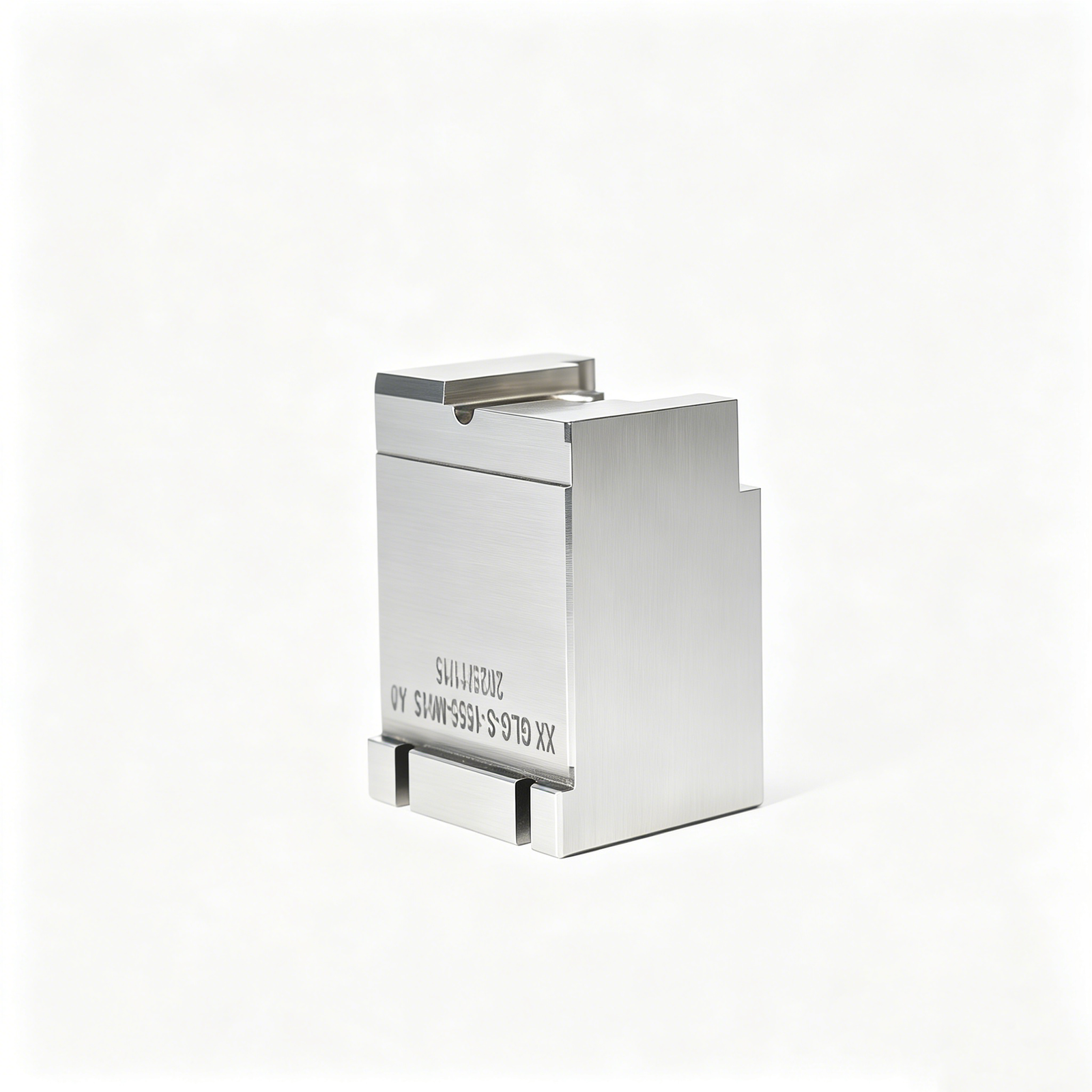
Shoulder die buttons incorporate a mid-body step that limits ejector-pin travel, eliminating separate stop pins. Step height tolerance ±0.01 mm; used in automotive sensor housings and NEV battery-interconnect tooling. XUXIANG machines shoulder profiles on Sodick wire EDM to maintain ±0.002 mm positional accuracy.
Custom-Profile Die Buttons
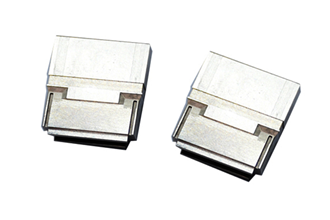
Custom-profile die buttons feature non-circular cross-sections, relief grooves or conformal cooling channels for micro-connector and telecom applications. XUXIANG’s ZEISS MICURA CMM verifies complex geometries to 0.7 µm, supporting thin-wall terminal tooling and high-density board-to-board connector molds in 5G infrastructure.
4. Materials and Heat Treatment for Die Button Durability
Die button longevity hinges on material selection and heat treatment. XUXIANG applies through-hardening, case-hardening and nitriding to achieve HRC 58–62, balancing wear resistance with dimensional stability across tool-steel, high-speed steel, carbide and bearing-steel variants.
| Material | Hardness (HRC) | Wear Resistance | Cost Tier | Recommended Application |
|---|---|---|---|---|
| SKD11 / D2 tool steel | 58–60 | Good | Low | General stamping, moderate cycles |
| SKH51 / M2 high-speed steel | 62–64 | Very good | Medium | Fine blanking, high shear |
| Tungsten carbide | ≥ 70 (HRA) | Excellent | High | Ultra-high volume (> 500k cycles) |
| SUJ2 bearing steel | 60–62 | Good | Low–Medium | Moderate wear, cost-sensitive |
Common Die Button Materials
Tool steels — SKD11 (JIS) and D2 (AISI) — dominate general-purpose die buttons, offering HRC 58–60 after through-hardening and excellent machinability. High-speed steels (SKH51, M2) reach HRC 62–64, suited to high-shear applications like fine blanking.
Tungsten carbide delivers wear resistance 10–20× that of tool steel but costs 3–5× more; specify it for ultra-high-volume runs (> 500,000 cycles). Bearing steel SUJ2 (GCr15) bridges cost and hardness for moderate-wear tooling.
Heat-Treatment Processes and Performance Impact
Through-hardening heats the entire die button to austenitizing temperature, then quenches to achieve uniform HRC 58–62 core hardness and maximum dimensional stability. Case-hardening (carburizing) hardens only the surface layer, preserving a tough core for impact resistance.
Nitriding diffuses nitrogen at 500–550 °C, forming a thin, ultra-hard skin (HV 900–1,100) without distortion — ideal for precision inserts where post-treatment grinding must be minimized.
Coatings for Extended Tool Life
TiN (titanium nitride) coatings add HV 2,000–2,400 surface hardness and reduce friction by ~30%, extending die button life in high-volume stamping (> 100,000 cycles). DLC (diamond-like carbon) offers even lower friction and non-stick properties for polymer-contact applications.
XUXIANG recommends coatings when cycle counts exceed 200,000 or when lubricant access is restricted, offsetting the 15–25% cost premium with 40–60% longer service intervals.
5. Precision Tolerances and Surface-Finish Requirements for Die Buttons
Die button performance hinges on micron-level dimensional control and surface integrity. Critical dimensions — outer diameter (OD), inner diameter (ID), length and concentricity — typically demand tolerances of ±0.002 to ±0.005 mm, with tighter bands required for high-density connector and medical tooling.
Critical Dimensional Tolerances
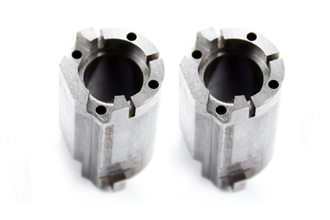
OD and ID tolerances govern fit and alignment in the mold base. Standard production tooling accepts ±0.005 mm; micro-connector and medical-device molds require ±0.002 mm or tighter. Concentricity between bore and outer surface must stay within 0.003 mm to prevent ejector-pin binding and premature wear.
Surface-Finish Specifications
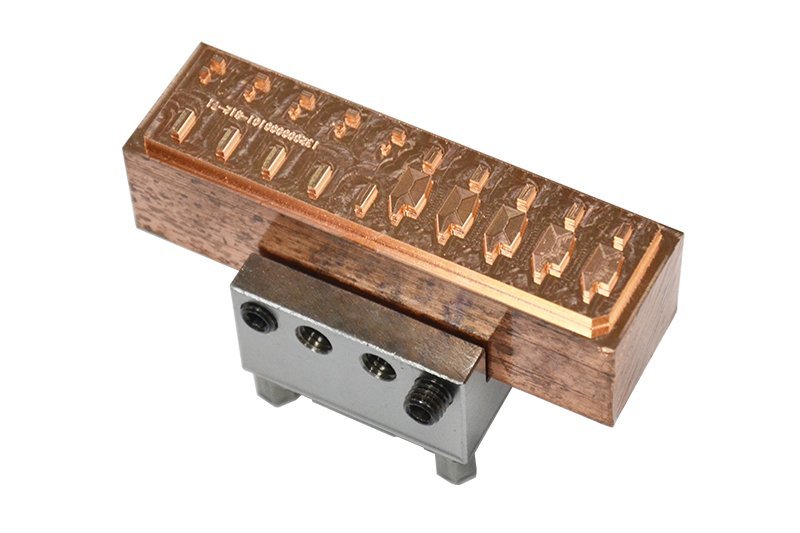
Mirror-polished bores with Ra 0.1–0.4 μm reduce friction, minimize galling and extend ejector-pin service life by 30–50%. XUXIANG achieves Ra 0.1 μm finishes using Sodick and Charmilles sinker EDM combined with precision grinding, validated by Nikon toolmaker’s microscopes (V-12B / MM-400 class).
Geometric Tolerances and Inspection
Cylindricity and perpendicularity tolerances ensure consistent ejection force and tool longevity. ZEISS MICURA CMM measuring to 0.7 μm verifies geometric form; optical comparators cross-check profile accuracy. Five-step QC — material spectral analysis, in-process monitoring, CMM verification, surface-integrity checks and FAI documentation — validates every die button batch.
6. Customization Options: Designing Die Buttons for Specialized Tooling
When catalog die button dimensions cannot meet the demands of high-density connector molds or multi-cavity NEV tooling, custom engineering becomes essential. XUXIANG offers five primary customization pathways — non-standard diameters, extended lengths, proprietary flange profiles, integrated cooling channels, and multi-cavity alignment features — all validated through a structured DFM review before production.
Non-Standard Diameters and Extended Lengths
Micro-connector tooling for 5G board-to-board assemblies often requires die button diameters below 3 mm or lengths exceeding 150 mm to reach deep cavity cores. XUXIANG machines these variants on Sodick slow-wire EDM and Beijing Jingdiao high-precision CNC, holding +/-0.002 mm positional tolerance and ensuring concentricity within 0.003 mm over the full length to prevent deflection during high-cycle molding.
Proprietary Flange Geometries and Cooling Channels
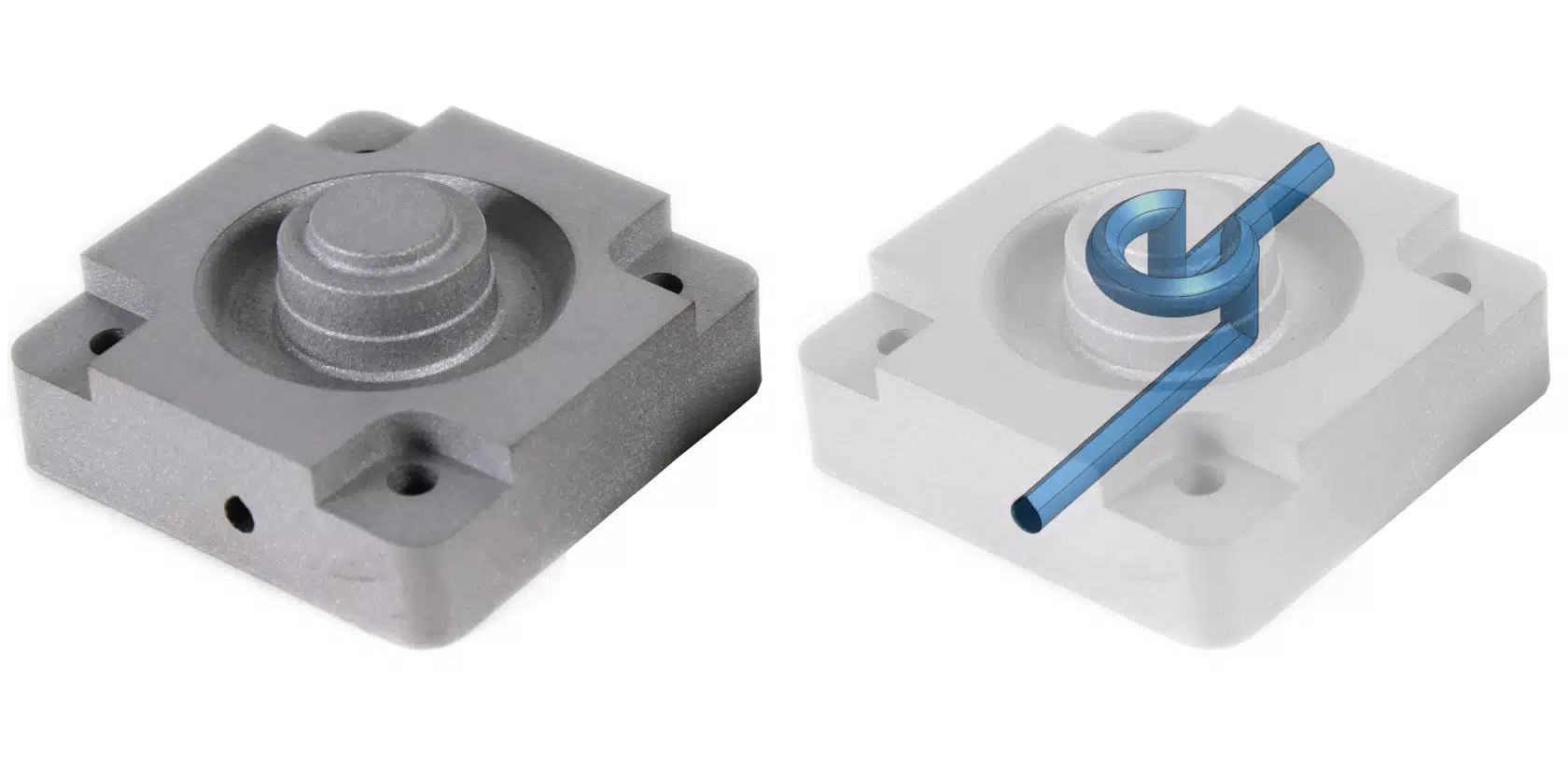
NEV battery-pack mold projects frequently specify custom flange profiles to mate with proprietary retainer plates, plus internal spiral cooling channels to manage heat in long-cycle insert molding. XUXIANG’s DFM team collaborates with mold makers to optimize channel diameter (typically 6–10 mm), pitch and wall thickness, balancing thermal performance against CNC machinability and post-heat-treatment distortion, verified on the ZEISS MICURA CMM to +/-0.001 mm.
DFM Review and Lead-Time Implications
Every custom die button design receives feedback from XUXIANG’s 10+ engineering experts within 24–48 hours, covering CNC tool-path optimization, heat-treatment distortion prediction, and assembly tolerance stack-up. Custom orders typically add 5–7 days to standard lead times, with MOQs starting at 10 pieces for fully bespoke geometries versus immediate availability for catalog SKUs, ensuring both agility and cost efficiency.
7. How to Choose a Die Button Manufacturer: Evaluation Criteria
Selecting a die button manufacturer requires a methodical assessment of technical capabilities, quality infrastructure and service reliability. Non-specialized vendors often introduce dimensional drift and inconsistent hardness, compromising tool life and part accuracy.
Machining and Grinding Capabilities
Verify that the supplier operates 5-axis CNC machining centers and precision grinding equipment capable of sub-micron repeatability. XUXIANG’s Dawn grinding centers and Sodick slow-wire EDM achieve +/-0.002 mm positioning, ensuring diameter and height tolerances remain stable across production runs. Ask for equipment lists and recent capability studies.
Heat Treatment and Coating Infrastructure
In-house heat treatment and surface coating eliminate subcontractor variability and protect lead times. Confirm the vendor controls hardness curves, tempering cycles and coating adhesion internally, rather than outsourcing critical thermal processes that affect dimensional stability.
Quality Certifications and Metrology
ISO 9001:2015 is baseline; automotive tooling buyers should require IATF 16949. Inspect metrology assets — XUXIANG’s ZEISS MICURA CMM measures to 0.7 µm and every die button ships with CMM reports and material certificates, ensuring traceability and dimensional verification.
Engineering Support and DFM Feedback
Evaluate the supplier’s design-for-manufacturability process. XUXIANG’s 10+ engineering experts review every project before production, flagging tolerance conflicts, material mismatches and assembly risks — reducing costly revisions and ensuring first-article success.
8. Common Mistakes Buyers Make When Sourcing Die Buttons
Even experienced procurement teams fall into avoidable traps when sourcing die buttons, often discovering tolerance failures or material shortfalls only after costly mold-build delays. Recognizing these pitfalls — and the red flags that signal an unreliable supplier — protects both project timelines and total cost of ownership.
Under-Specifying Tolerances and Surface Finish
Buyers frequently request +/-0.01 mm tolerances when the application demands +/-0.002 mm, accelerating wear and causing ejector-pin binding within 50,000 cycles. Omitting surface-finish callouts (Ra 0.2 µm or better) invites galling and premature failure.
Always cross-check tolerance requirements against cycle-life targets and specify mirror-grade EDM finishes when the die button interfaces with hardened pins or slides.
Choosing Material on Price Alone
Opting for unhardened steel over SKD61 or ASP23 may save 20–30% upfront but can triple replacement frequency, erasing any initial savings. Cycle-life economics — not unit price — determine true cost.
Request material certificates and hardness reports (HRC 58–62 typical) to verify heat treatment; suppliers who hesitate lack traceability.
Skipping Documentation and Lead-Time Planning
Failing to request dimensional inspection reports and material certs leaves you with no recourse when out-of-spec parts arrive. Custom geometries (non-catalog profiles, conformal cooling) add 7–14 days; last-minute orders cascade into mold-build delays.
Demand CMM reports (ZEISS-class preferred) and build 2–3 weeks into schedules for engineered die buttons. Red flag: any supplier unwilling to share metrology data.
9. Die Button Pricing and Cost Factors: What to Expect
Die button pricing typically ranges from USD 2–8 per unit for standard catalog components in 100–500 piece lots, climbing to USD 12–35 for tight-tolerance or carbide variants depending on material grade, heat treatment and coating. Material selection drives 40–60% of total cost: SKD11 or D2 tool steel sits at the lower end, while carbide or HSS with PVD coating adds USD 6–15 per piece. Tolerance class is the second-largest driver — holding +/-0.005 mm adds roughly 25–40% to machining cost versus +/-0.02 mm catalog tolerances.
Custom tooling setup costs range from USD 300–1,200 for electrode fabrication and first-article inspection, with break-even around 500–800 pieces compared to catalog pricing. Volume discounts typically begin at 1,000 pieces (10–15% reduction) and scale to 20–30% at 5,000+ units. Consignment inventory agreements lock in pricing for 12–24 months and eliminate minimum order quantities, making them ideal for high-mix, low-volume production environments where lead-time stability outweighs per-unit savings.
| Configuration | Quantity Tier | Unit Price (USD) | Lead Time |
|---|---|---|---|
| Standard catalog (SKD11, +/-0.02 mm) | 100–500 pcs | $2.00–5.00 | 7–10 days |
| Tight-tolerance custom (D2, +/-0.005 mm) | 500–2,000 pcs | $6.00–12.00 | 12–18 days |
| Carbide with PVD coating | 100–500 pcs | $15.00–35.00 | 18–25 days |
| High-volume catalog (SKD11) | 5,000+ pcs | $1.50–3.50 | 10–14 days |
10. Next Steps: Partnering with XUXIANG for Die Button Solutions
XUXIANG holds die button tolerances to +/-0.001 mm maximum machining accuracy, validated by a ZEISS MICURA CMM measuring to 0.7 µm and backed by Sodick and Charmilles sinker EDM for mirror-grade finishes down to Ra 0.1 µm. Material selection — from O1, D2, and S7 tool steels to SKH-51 high-speed steel and tungsten carbide — is matched to your application’s wear, impact, and thermal demands, with full spectral analysis and heat-treatment traceability in every FAI package.
Submit your technical drawing for a no-obligation quote within 24 hours, or request material certificates and CMM inspection reports to qualify XUXIANG against your existing supplier. The engineering team provides DFM feedback from 10+ specialists before production, identifying interference risks, optimizing corner radii, and recommending heat-treatment cycles that extend die button service life.
With proven track records in 5G micro-connector tooling, automotive ADAS sensor housings, and medical-device precision inserts, XUXIANG integrates CNC machining, precision grinding, EDM, and in-house heat treatment under ISO 9001:2015 — delivering approximately 30% faster than industry-average lead times while maintaining micron-stable repeatability across production runs.
Ready to Source Precision Die Buttons?
Get your quote in 24 hours and sample parts in 3–7 days. Upload your drawings or send your tech pack today.