
Stepped Ejector Pins — Micron-Stable Precision for High-Performance Mold Tooling
XUXIANG manufactures stepped ejector pins to +/-0.001 mm tolerance with mirror-grade EDM finishes and 24-hour quotes — trusted by OEM, ODM and tooling engineers worldwide.
Featured Stepped Ejector Pins & Mold Components
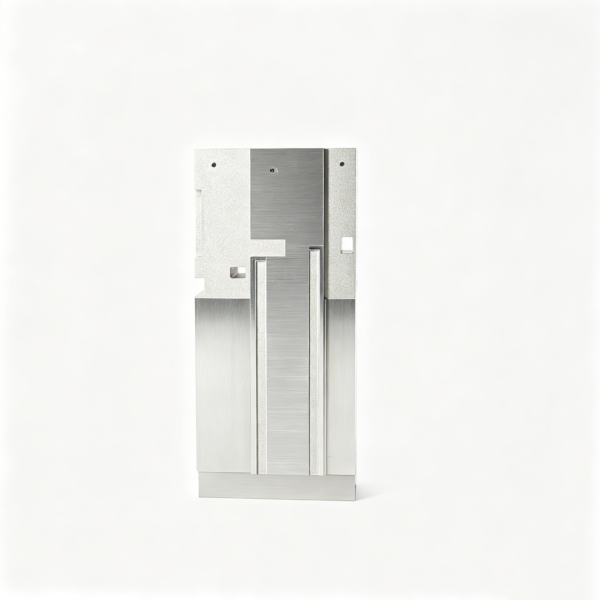
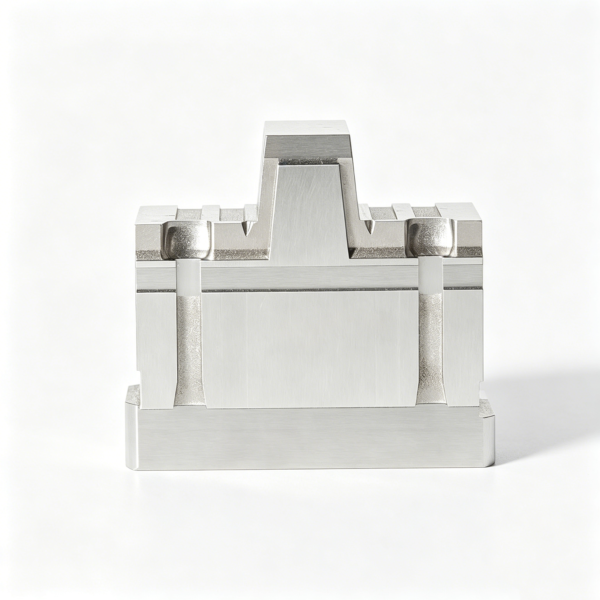
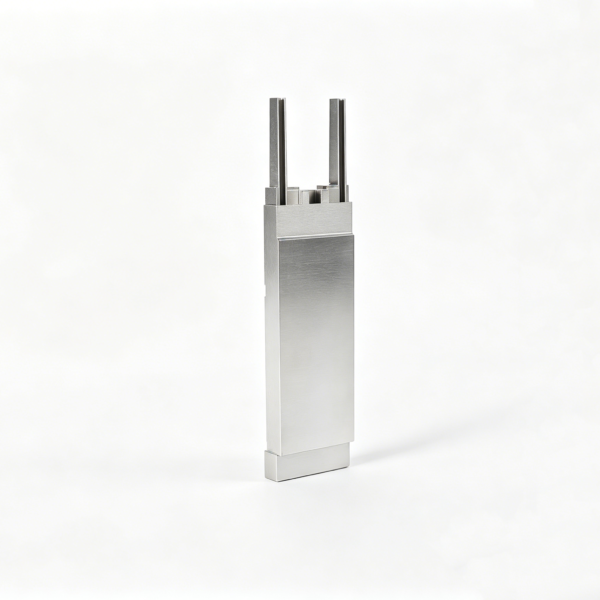
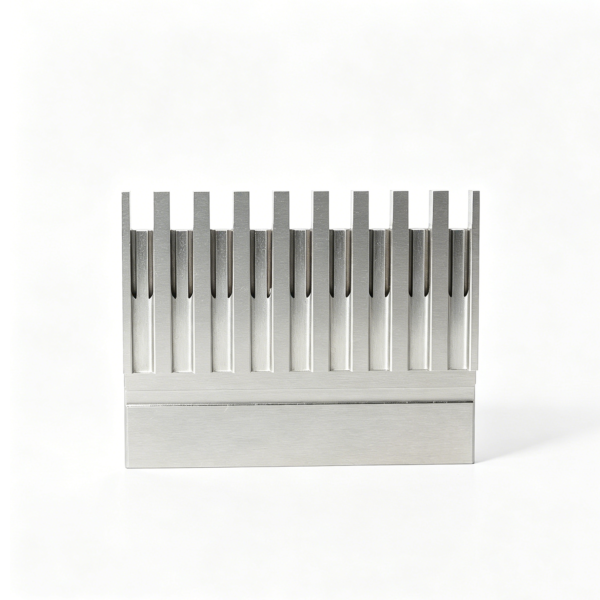
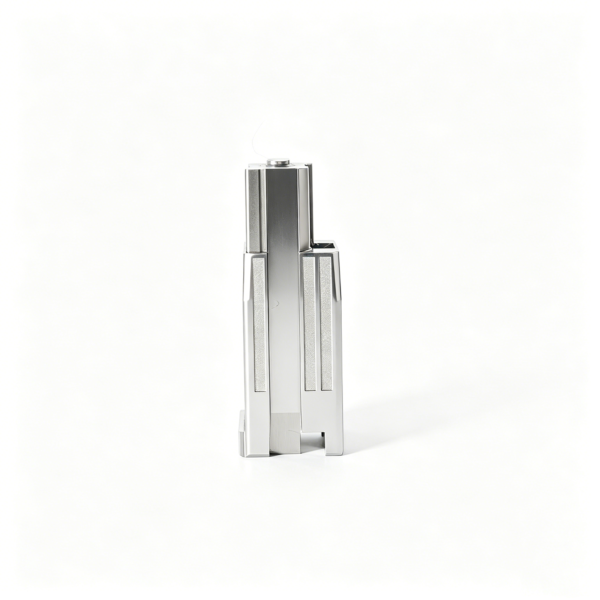
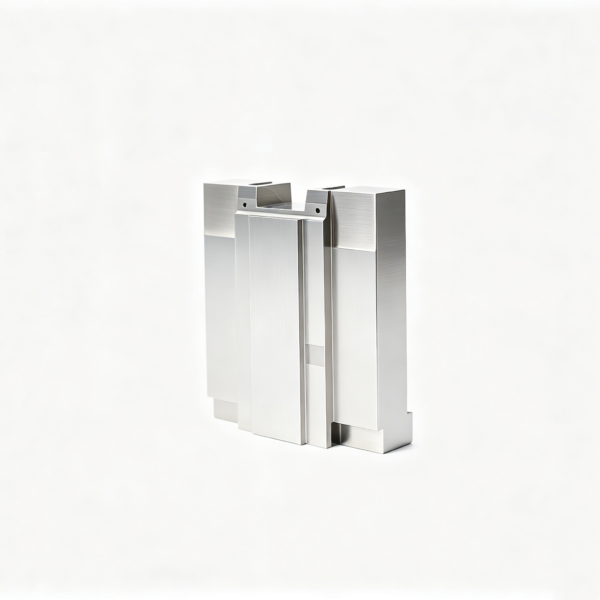
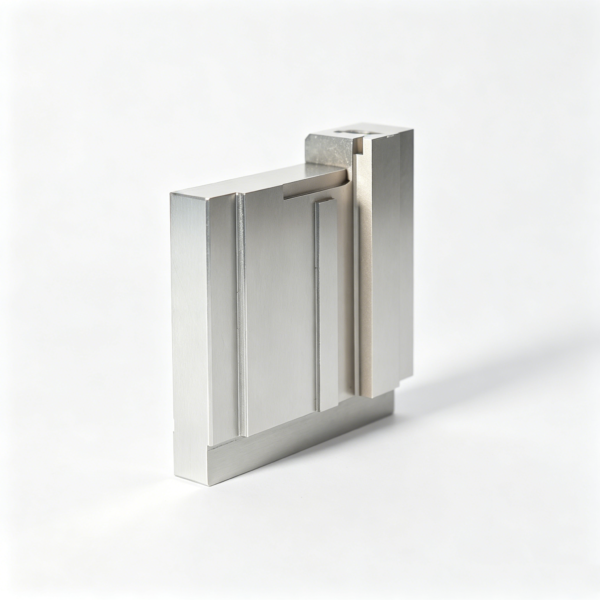
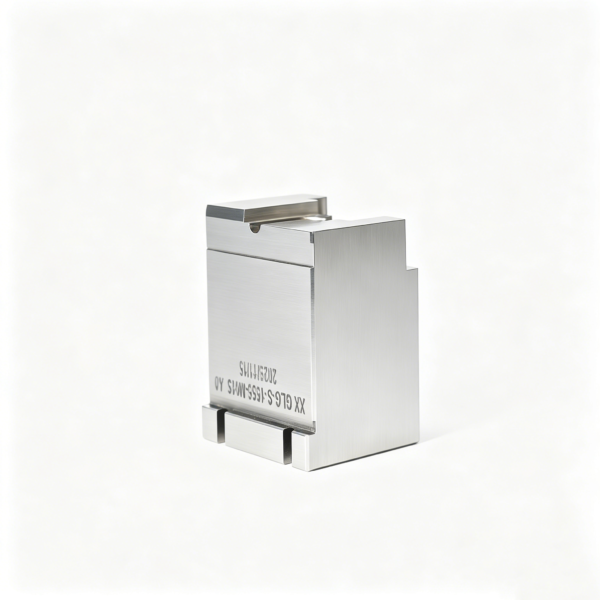
Product Gallery — Stepped Ejector Pins & Precision Mold Parts
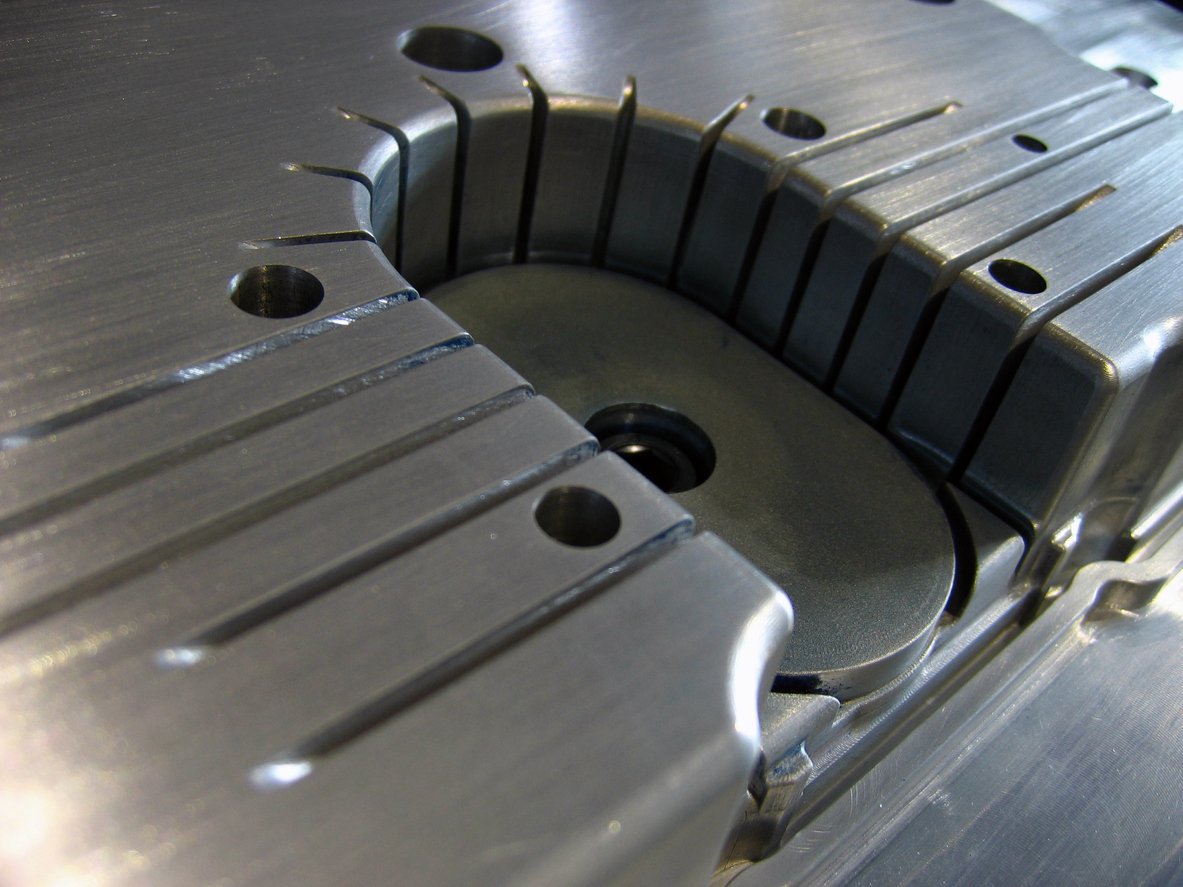
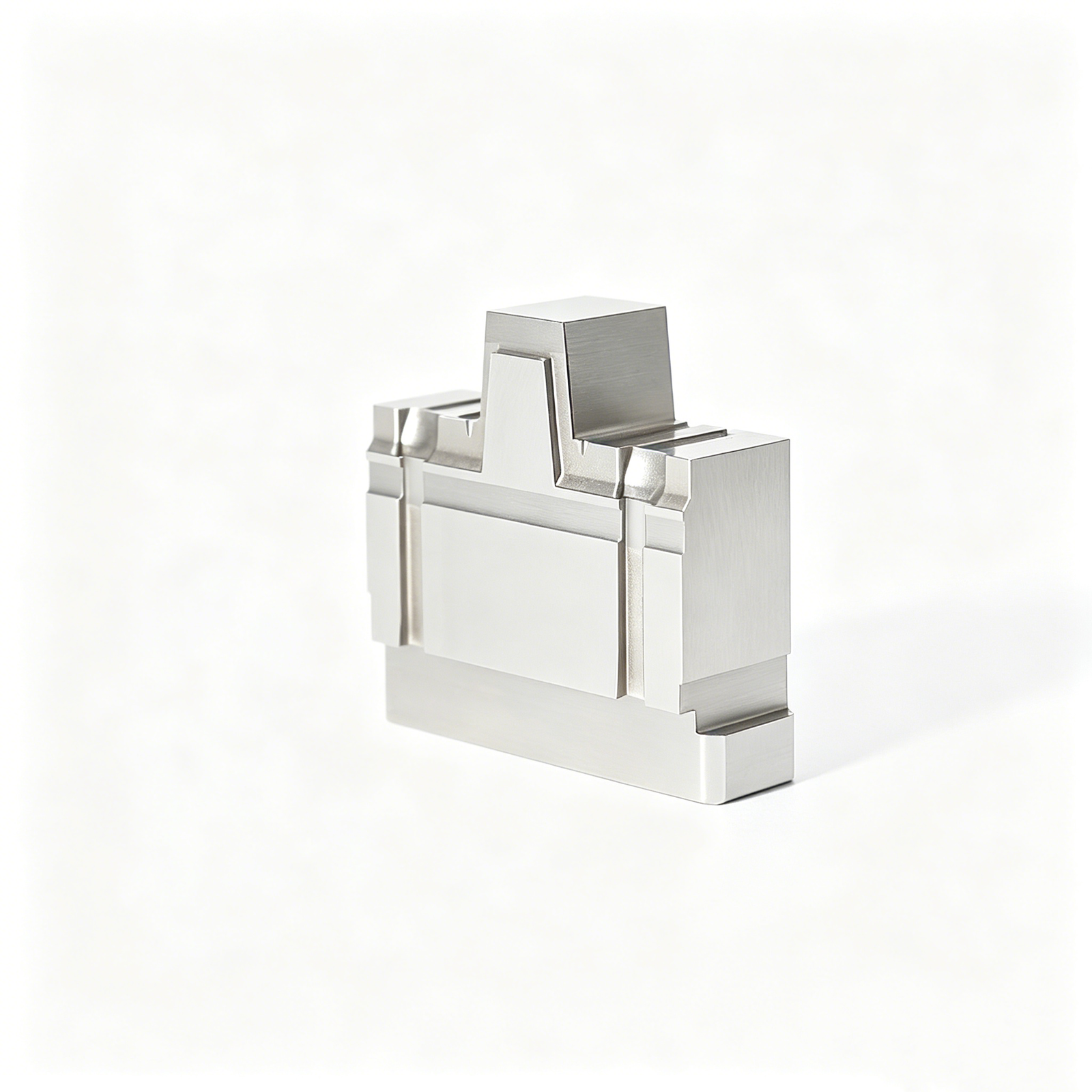
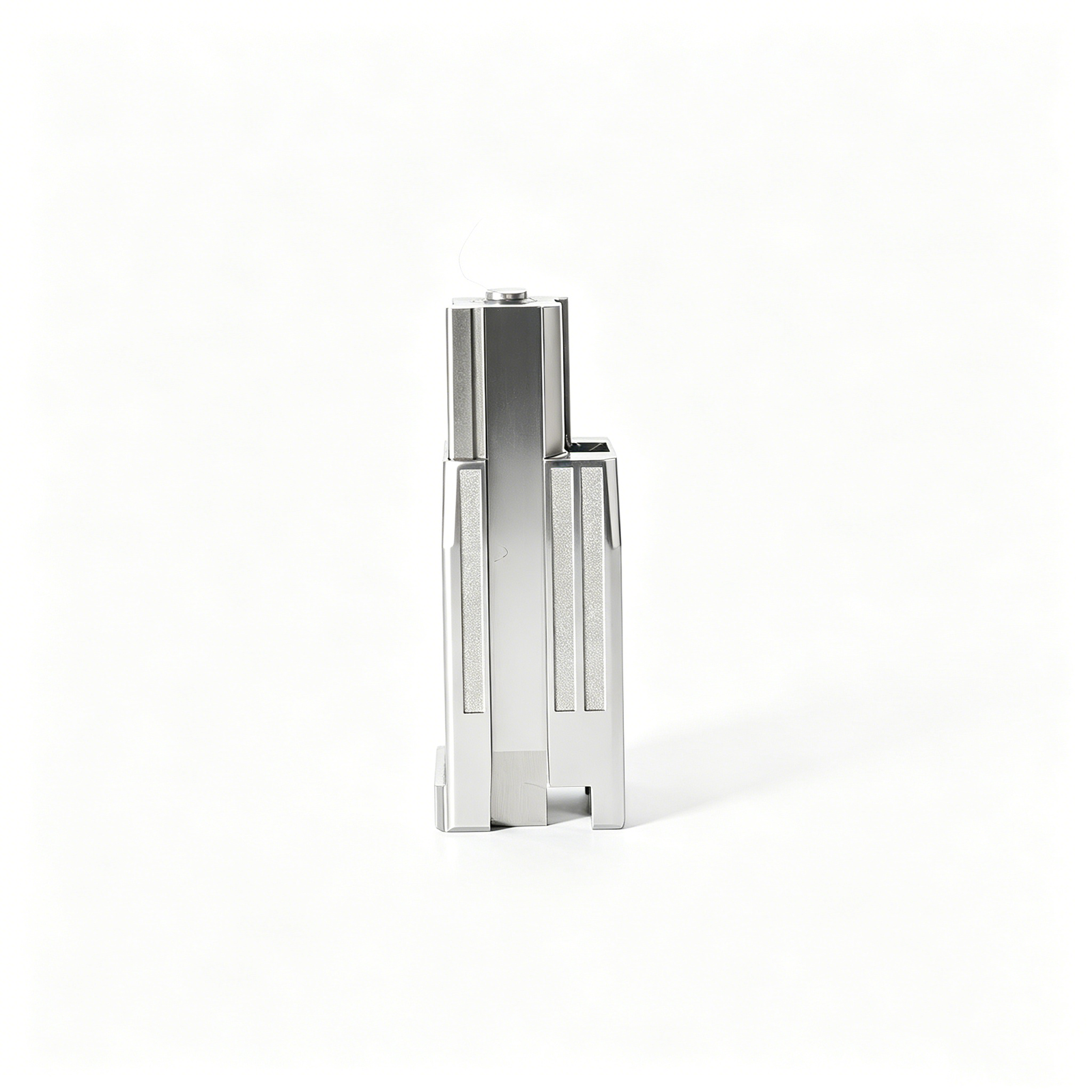
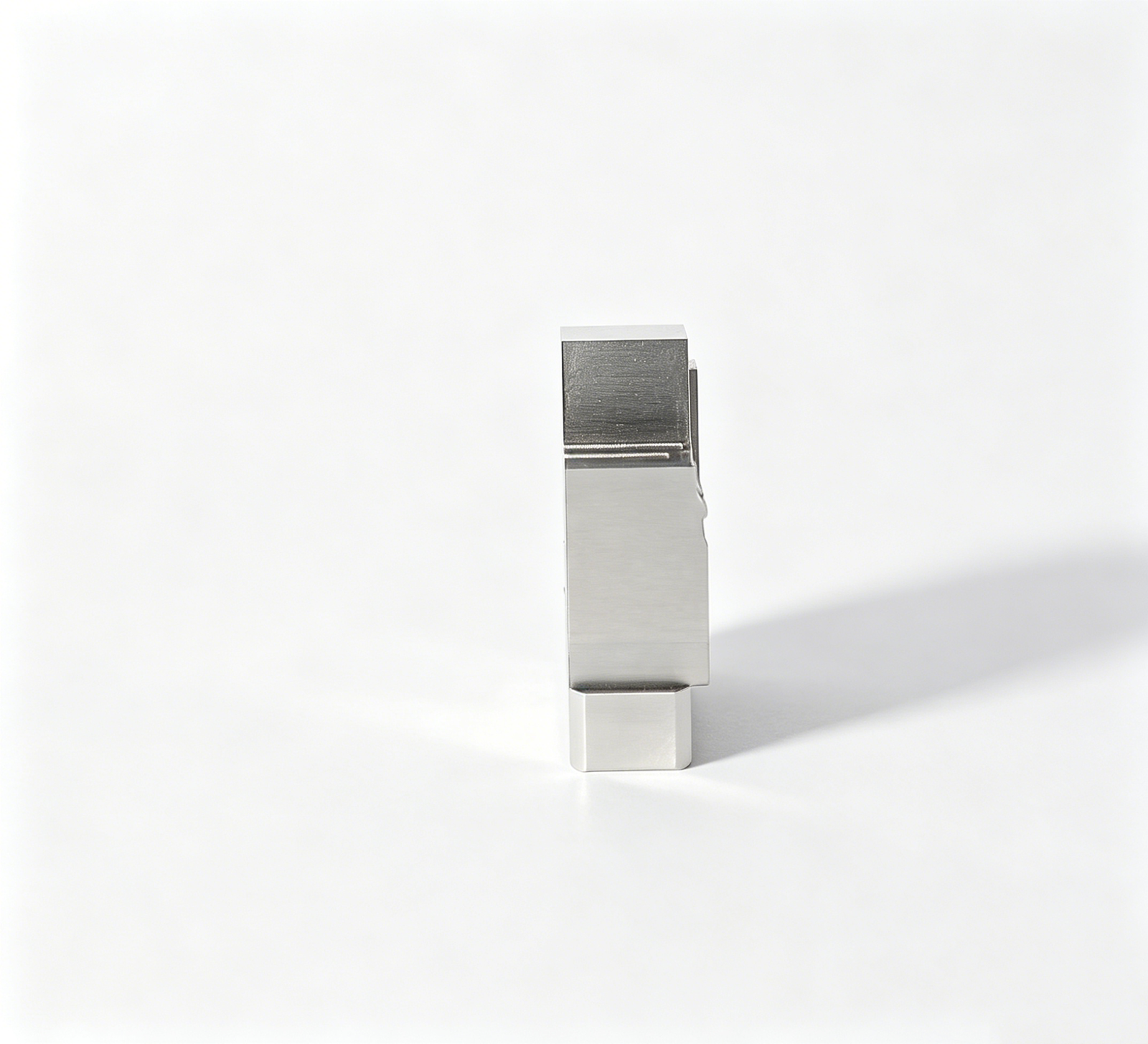
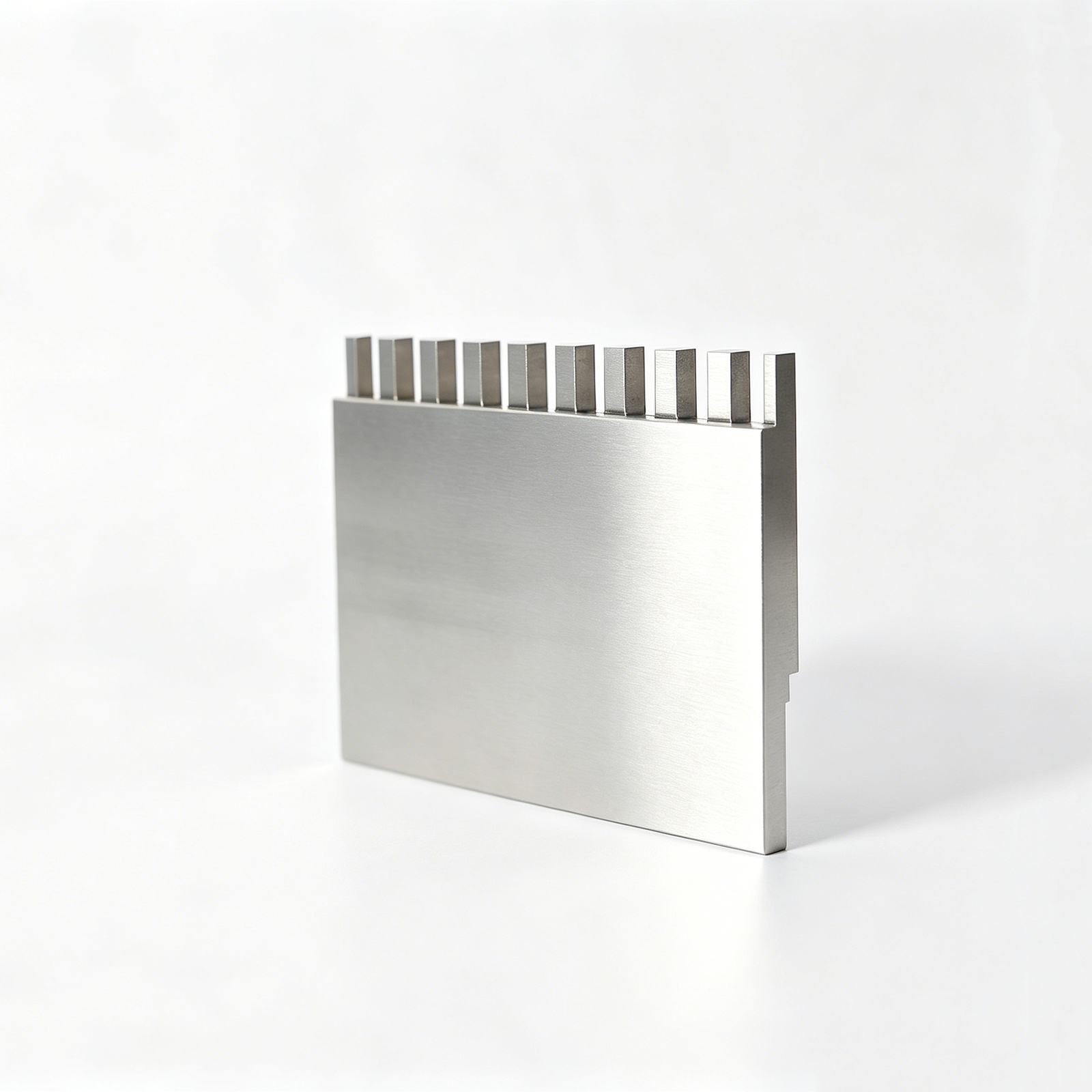
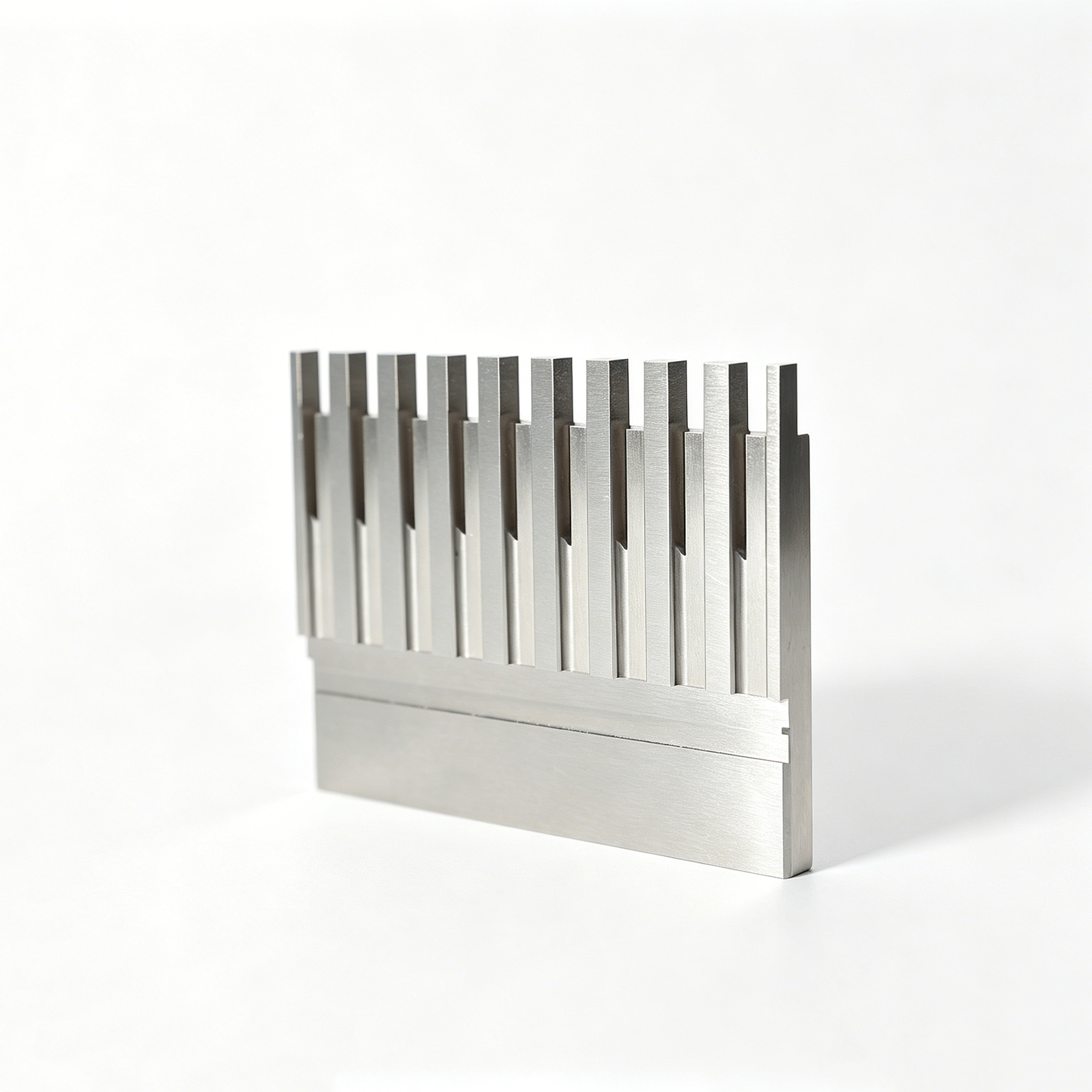
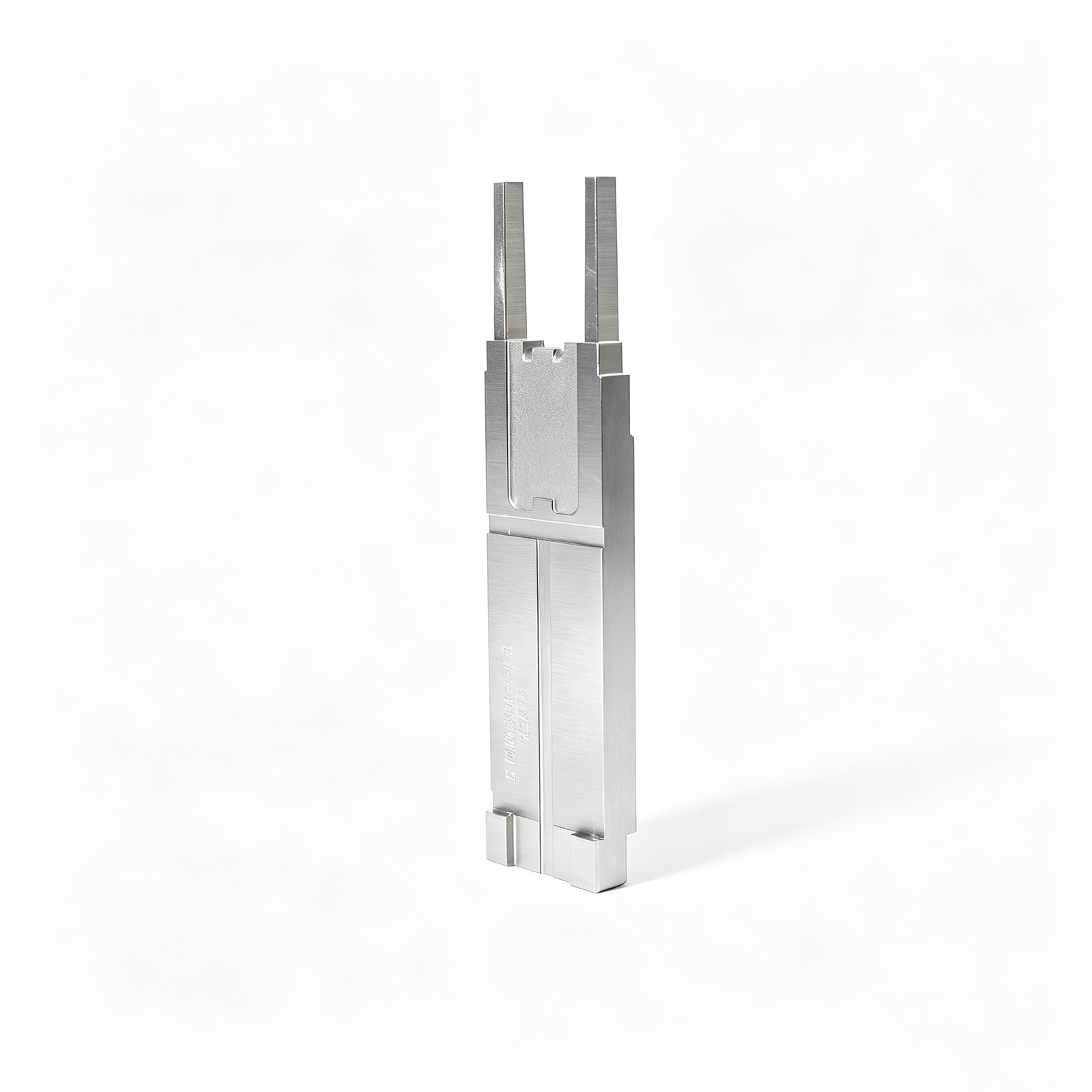
Why Stepped Ejector Pins Matter — Key Advantages
Micron-Stable +/-0.001 mm Precision
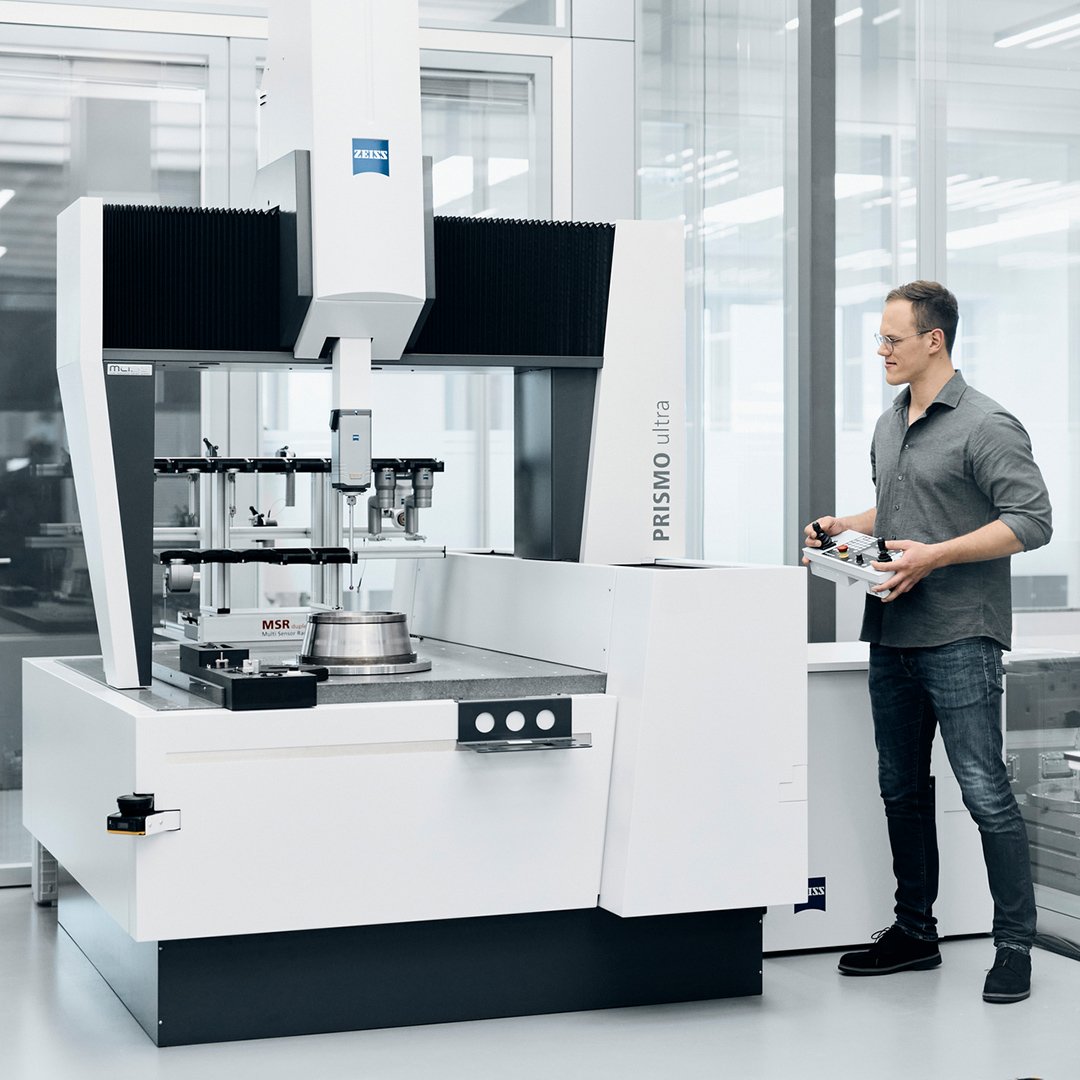
Every stepped ejector pin machined to +/-0.001 mm tolerance, verified by ZEISS MICURA CMM with 0.7um resolution for zero mismatch.
Mirror-Grade Ra 0.1um Finish
Sodick slow-wire EDM and Mitsubishi mirror EDM deliver Ra 0.1um surface integrity, eliminating drag marks and ejection defects.
Full FAI & Material Certificates
Complete first-article inspection reports, spectral analysis and material traceability documentation shipped with every batch — ISO 9001:2015 certified.
24-Hour Quote Turnaround
Upload your drawing; receive DFM feedback and a detailed quote within 24 hours from our 10+ engineering experts.
3-7 Day Sample Delivery
Rapid prototyping for stepped ejector pins in 3-7 days, with 15-25 day mass production lead times — 30% faster than industry average.
Five-Step QC Validation Process
Material spectral analysis, in-process monitoring, ZEISS CMM verification, surface integrity checks and final FAI — not just inspection, validation.
Stepped Ejector Pins for Electronics, Automotive, Medical & Industrial Applications
From 5G micro-connectors to medical-device tooling, stepped ejector pins deliver the dimensional control and surface integrity that high-stakes mold programs demand. Here’s how XUXIANG supports four critical verticals.
5G & Telecom Micro-Connectors
Board-to-board and FPC connector molds require ejection pins with sub-0.02 mm step tolerances and mirror finishes to prevent gate vestige and maintain terminal alignment across thousands of cycles.
XUXIANG stepped ejector pins machined to +/-0.001 mm and polished to Ra 0.1 µm eliminate burrs, hold positional accuracy cycle after cycle, and support defect-free demolding in high-density micro-terminal tooling.
Automotive & NEV Sensor Housings
ADAS radar, LiDAR and BMS connector housings demand ejector pins that withstand high-temperature resins, resist wear over millions of shots, and maintain tight step geometry for complex gating and cooling layouts.
Heat-treated alloy stepped ejector pins from XUXIANG deliver hardness up to HRC 58–62, dimensional stability under thermal cycling, and FAI-documented tolerances that meet tier-one automotive quality gates and PPAP requirements.
Medical-Device Precision Hardware
Surgical-instrument housings, diagnostic cartridges and implantable-component tooling require biocompatible-grade stepped ejector pins with full material traceability, zero-contamination surface finishes, and validated dimensional repeatability.
ISO 9001:2015 certified production, ZEISS CMM verification to 0.7 µm, spectral material certificates and clean-room-compatible mirror EDM finishes ensure every stepped ejector pin meets medical-grade documentation and regulatory traceability standards.
Industrial Automation & Robotics
End-effector housings, gripper jaws and sensor brackets require custom-stepped ejector pins with non-standard diameters, asymmetric step profiles, and rapid prototyping cycles to match agile production schedules and evolving fixture designs.
XUXIANG DFM engineers review every stepped ejector pin design within 24 hours, deliver CNC-machined samples in 3–7 days, and scale to mass production in 15–25 days — cutting time-to-fixture by 30 percent versus industry norms.
Materials & Specifications for Stepped Ejector Pins
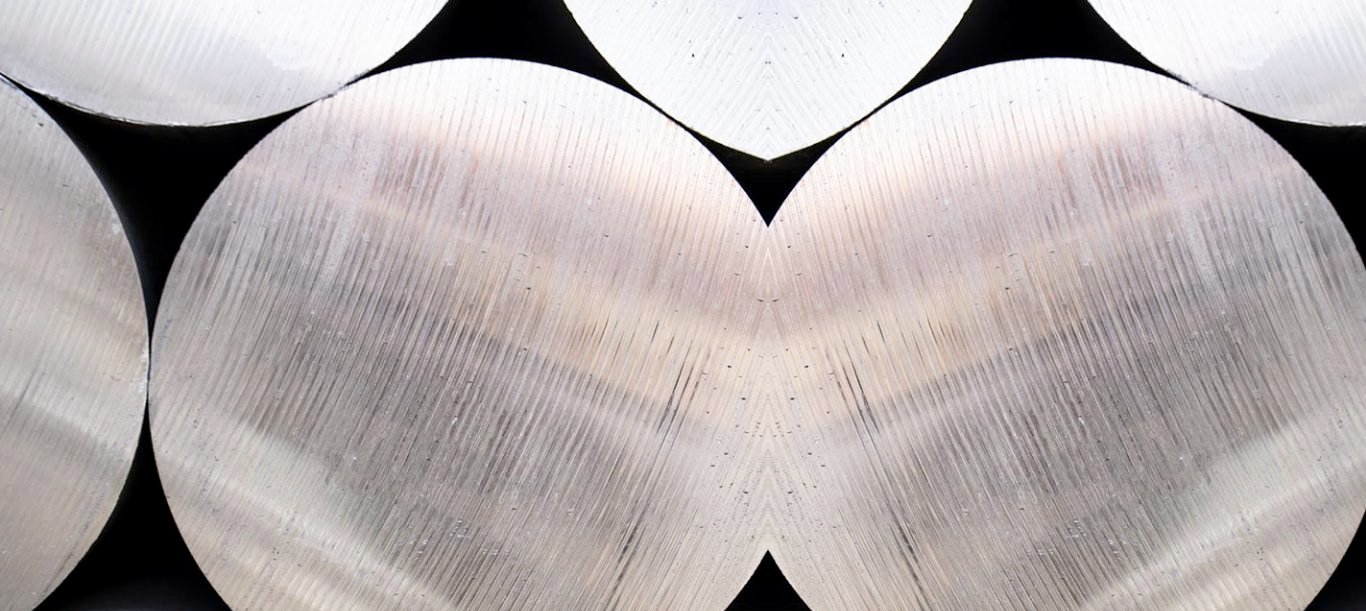
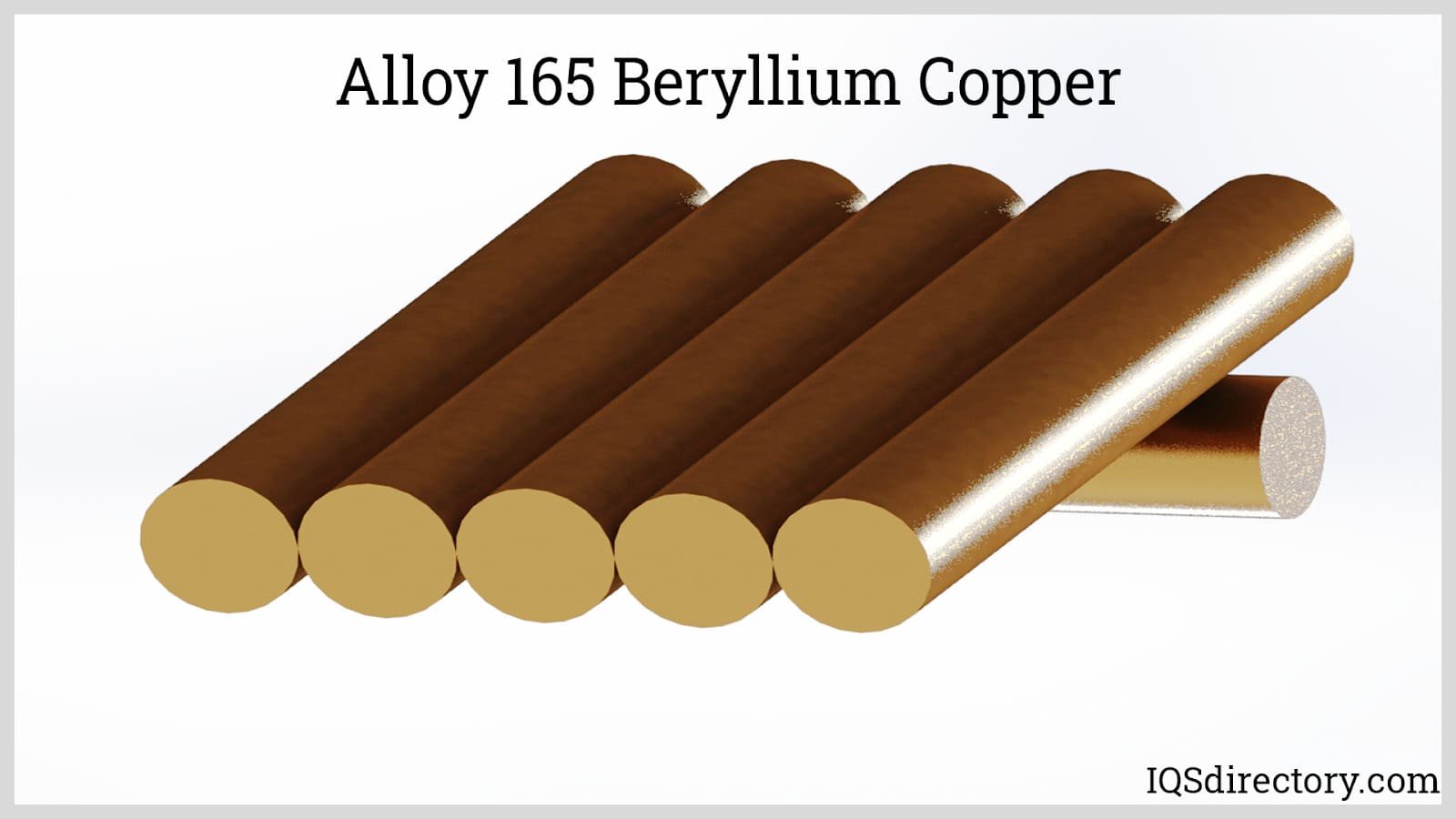
Precision Finishing Processes for Stepped Ejector Pins — EDM, Grinding & Surface Treatment
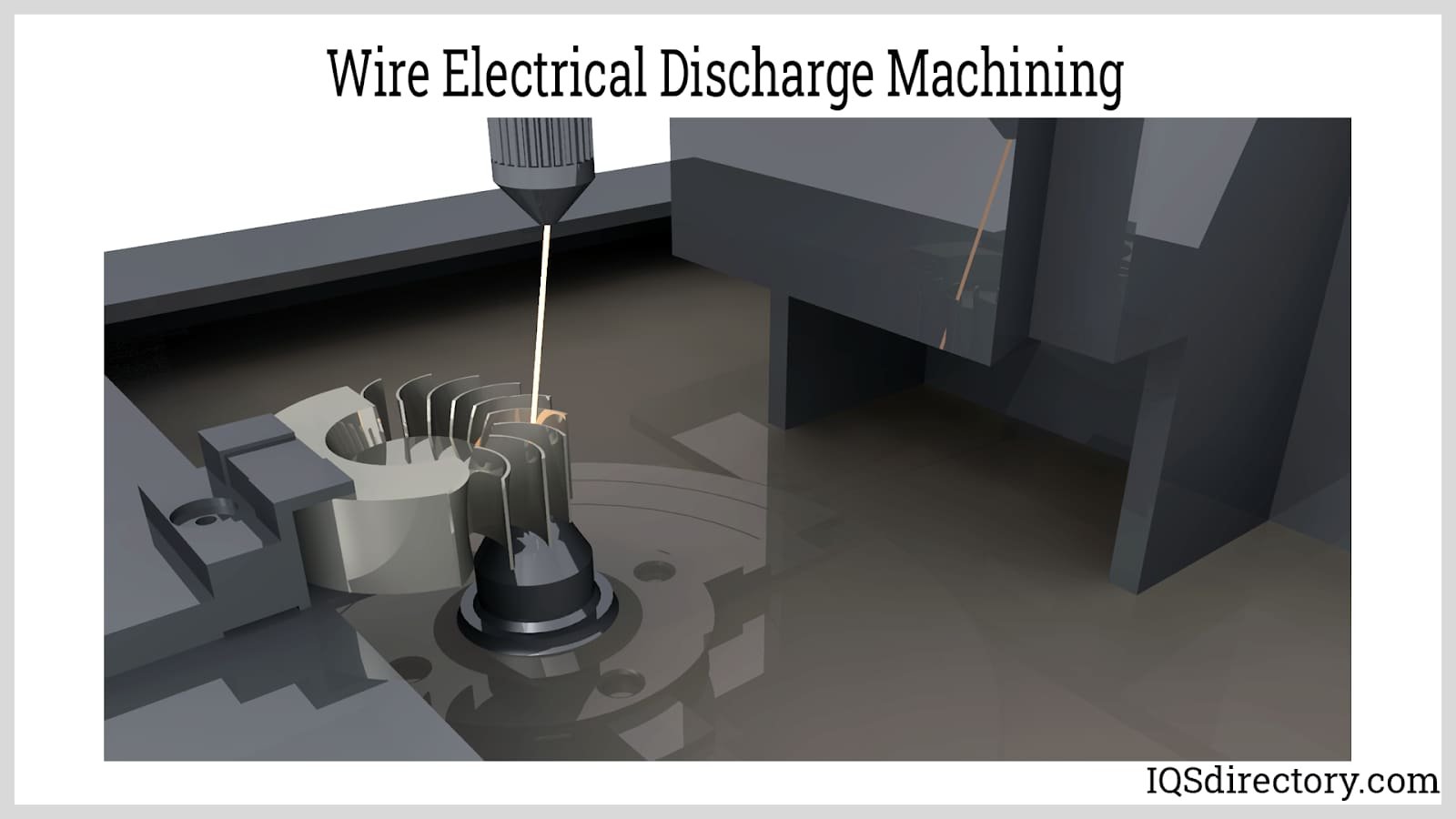
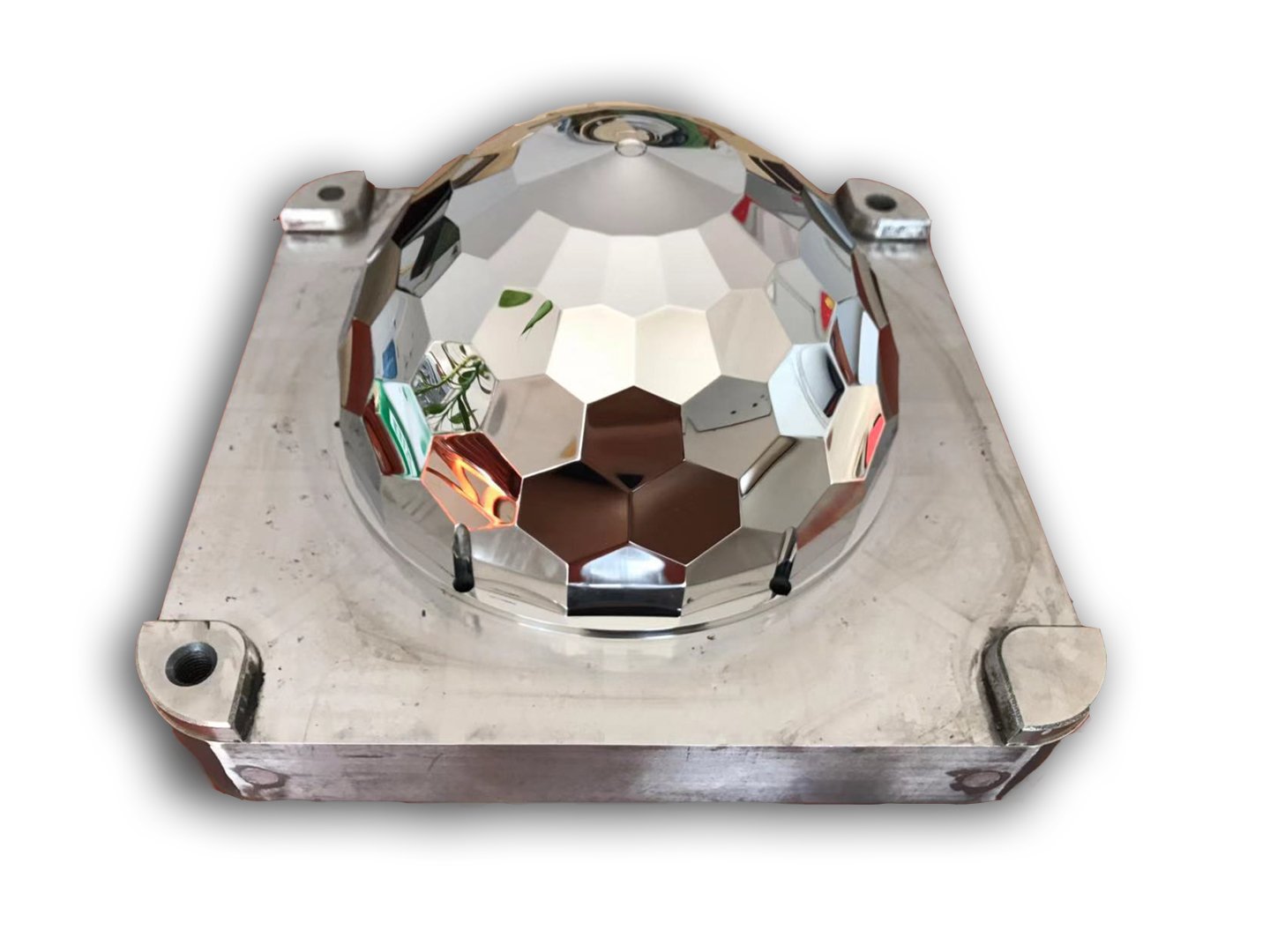
Mirror EDM
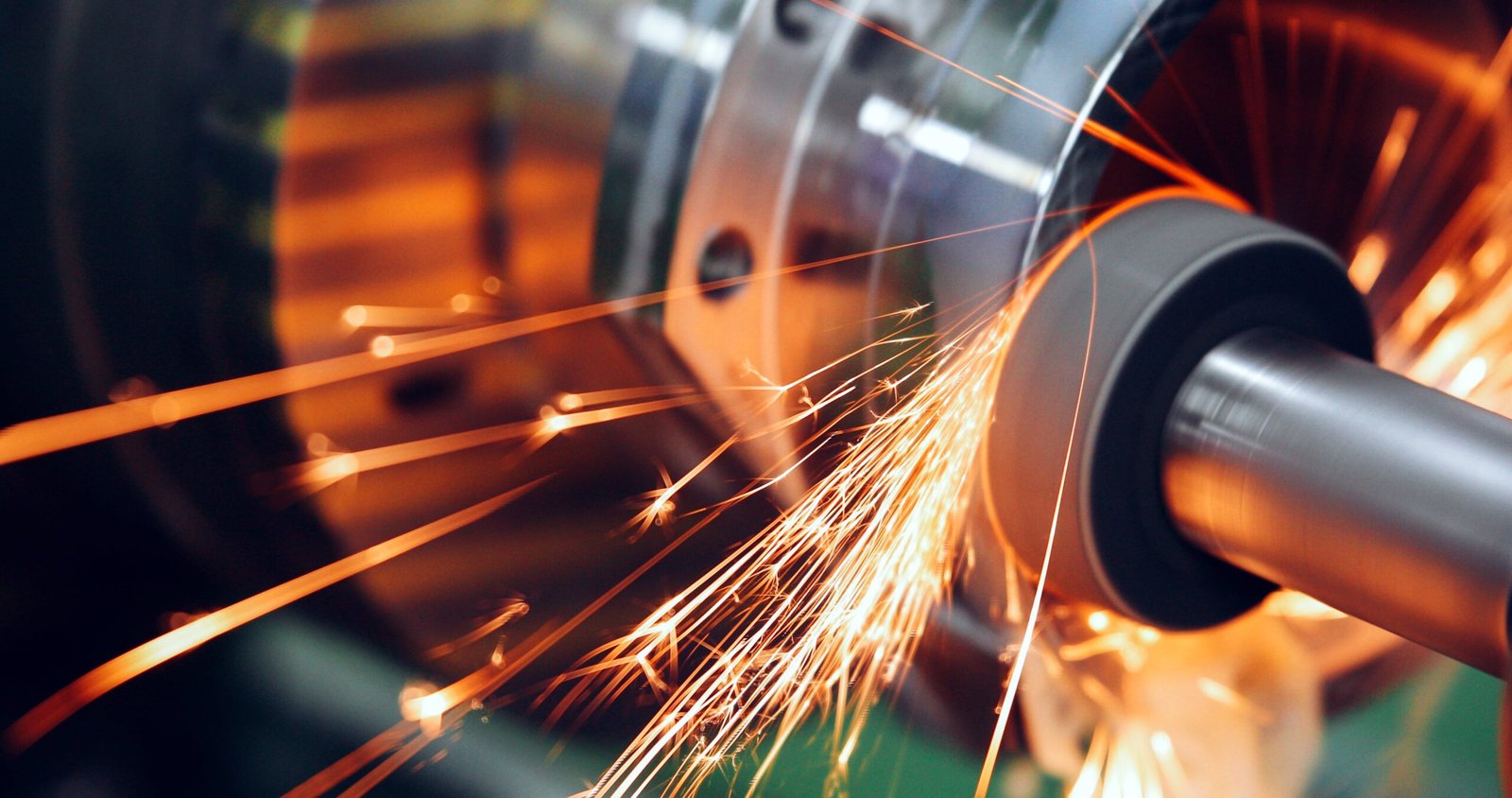
Mitsubishi mirror-grade EDM delivers Ra 0.1um surface finishes on ejector-pin contact faces, eliminating micro-scratches, reducing friction during ejection and preventing cosmetic defects on molded parts in high-gloss consumer electronics and automotive applications.
Nitriding Treatment
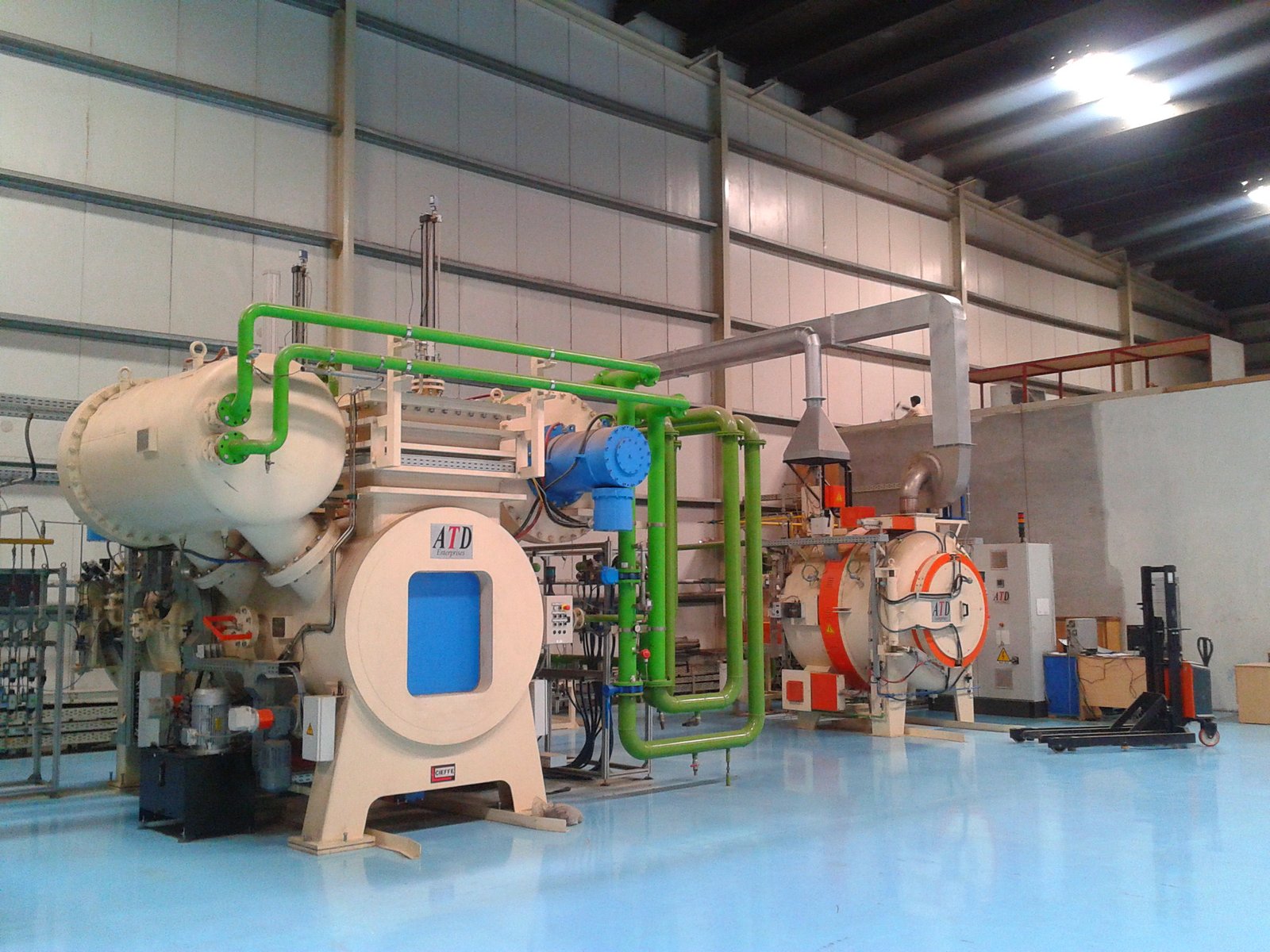
Gas or plasma nitriding hardens the surface layer to HV 900–1100, dramatically improving wear resistance, preventing galling and extending service life in high-volume production runs for automotive, medical and industrial molds.
Polishing & Finishing
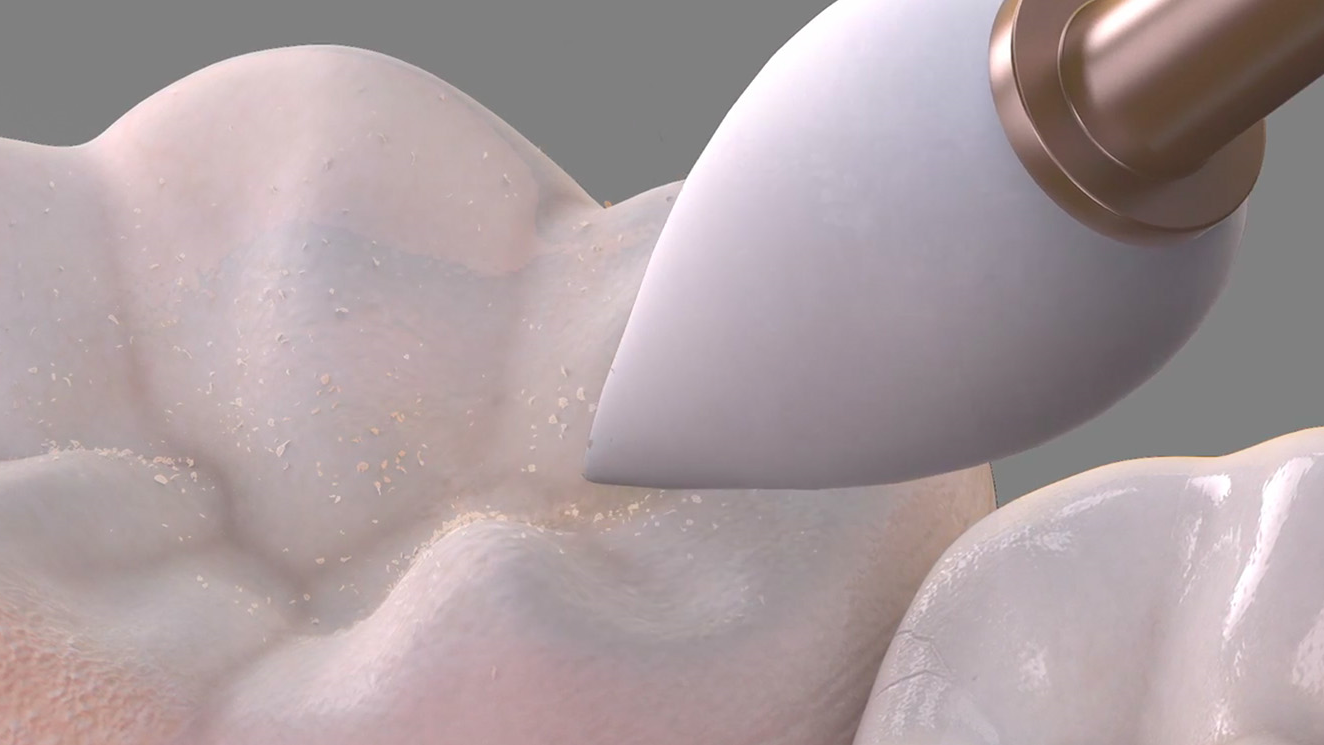
Multi-stage polishing removes burrs, refines surface texture to mirror-class Ra values and ensures smooth ejection without drag or witness marks, critical for thin-wall electronics housings, optical components and Class A automotive interiors.

CMM Validation
ZEISS MICURA CMM with 0.7um resolution validates every critical dimension—step height, diameter, concentricity and surface finish—backed by full FAI reports and material certificates, guaranteeing parts arrive inspection-ready and production-qualified.
Customization & Accessories for Stepped Ejector Pin Assemblies
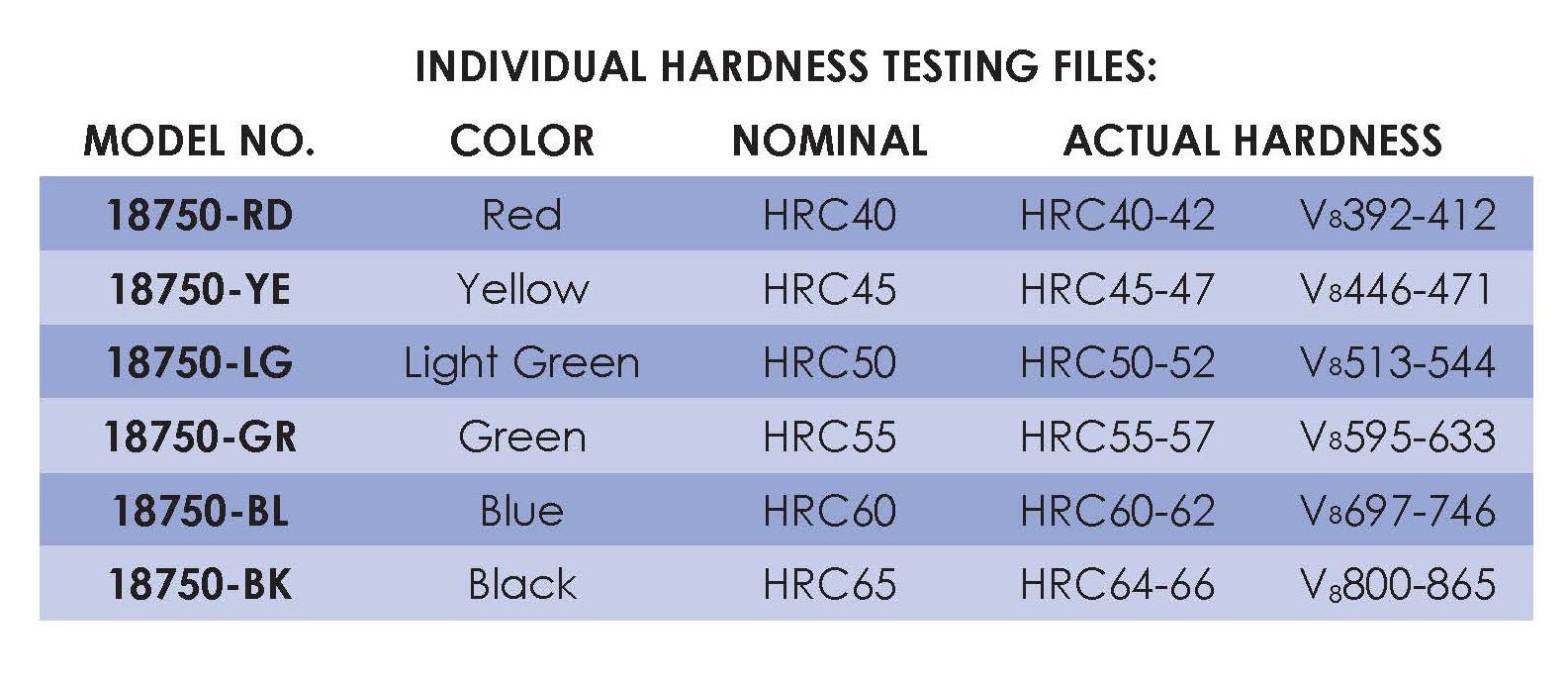
Hardness Specifications
Specify HRC 50–64 for ejector pins or custom hardness profiles for wear-critical zones — verified by Rockwell testing and documented in material certificates, ensuring consistent ejection force and service life across production runs.
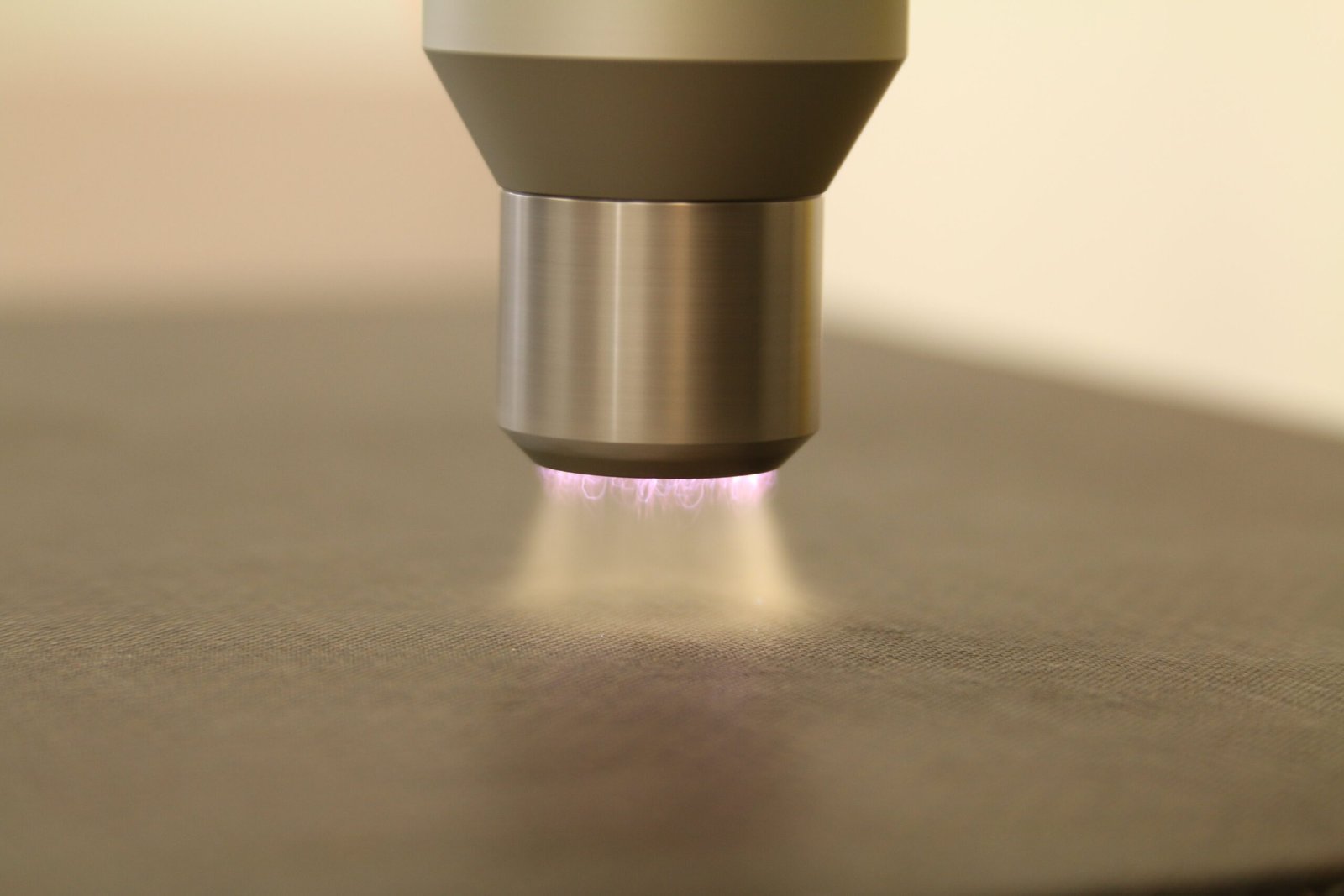

Packaging & Labeling
Individual anti-corrosion sleeves, foam trays or custom kitting for multi-pin assemblies — each package labeled with part number, batch code and QR traceability link, simplifying receiving inspection and mold-assembly workflows.
About XUXIANG — 16 Years of Stepped Ejector Pin Precision
Founded in 2010 in Dongguan’s Chang’an manufacturing hub, XUXIANG has evolved from a specialist mold-core machining shop into a dual-factory precision group serving electronics, 5G/telecom, automotive & NEV, industrial-automation and medical-device OEMs worldwide. Our mission: bridge the gap between complex CAD designs and high-performance physical parts with micron-stable reliability.
Today XUXIANG operates two ISO 9001:2015 certified facilities — a 2,000 m² Dongguan R&D and micro-machining center, plus a 1,400 m² Quanzhou volume-production plant launched in 2025. Together they deliver +/-0.001 mm machining precision, Ra 0.1um mirror-grade EDM finishes, and ZEISS MICURA CMM metrology to 0.7um, backed by Sodick slow-wire EDM, Mitsubishi mirror EDM and Fanuc CNC assets.
What sets XUXIANG apart is engineering-led validation, not just inspection. Every stepped ejector pin and mold component receives DFM feedback from 10+ experts, five-step QC with full FAI documentation, and material certificates with every shipment — solving the industry’s two biggest pain points: tolerance failure and delivery delay.
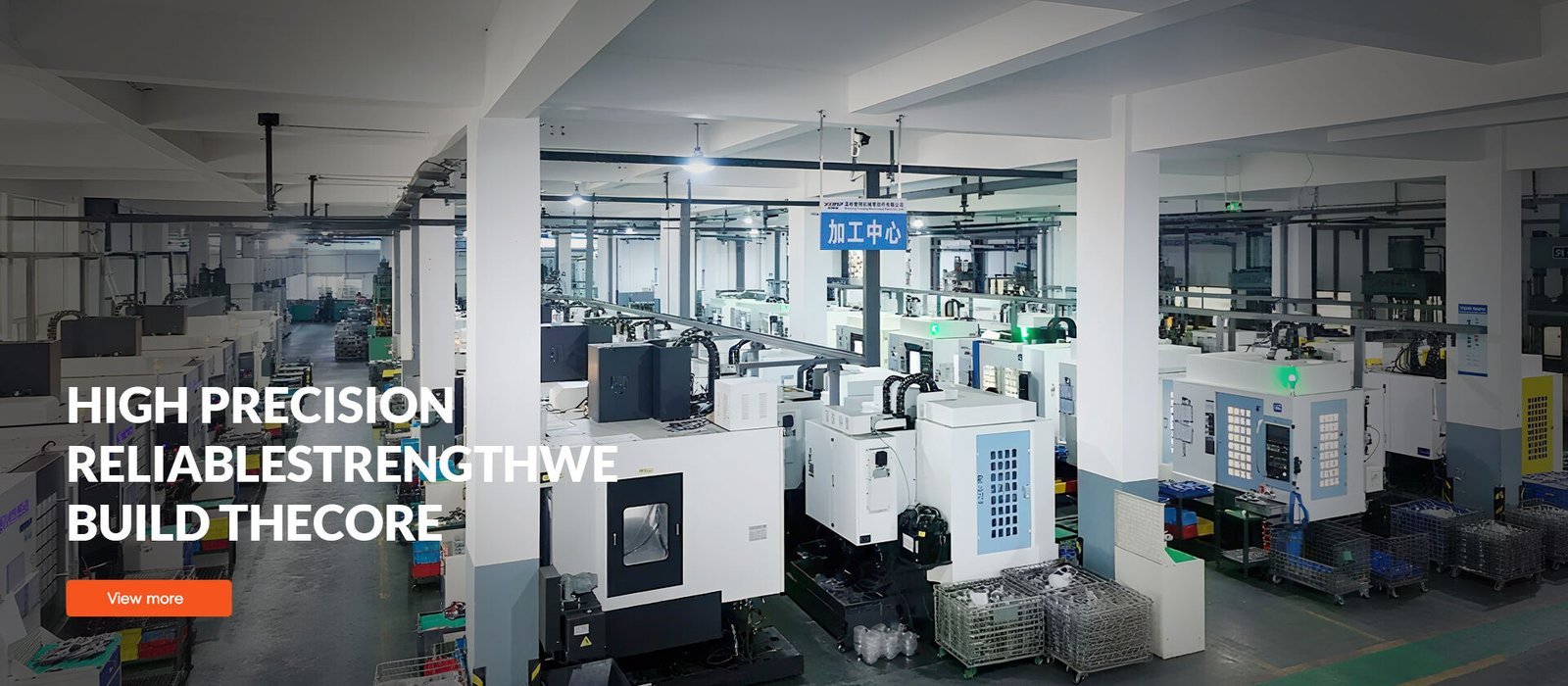
Precision Machining, EDM & Metrology for Stepped Ejector Pins
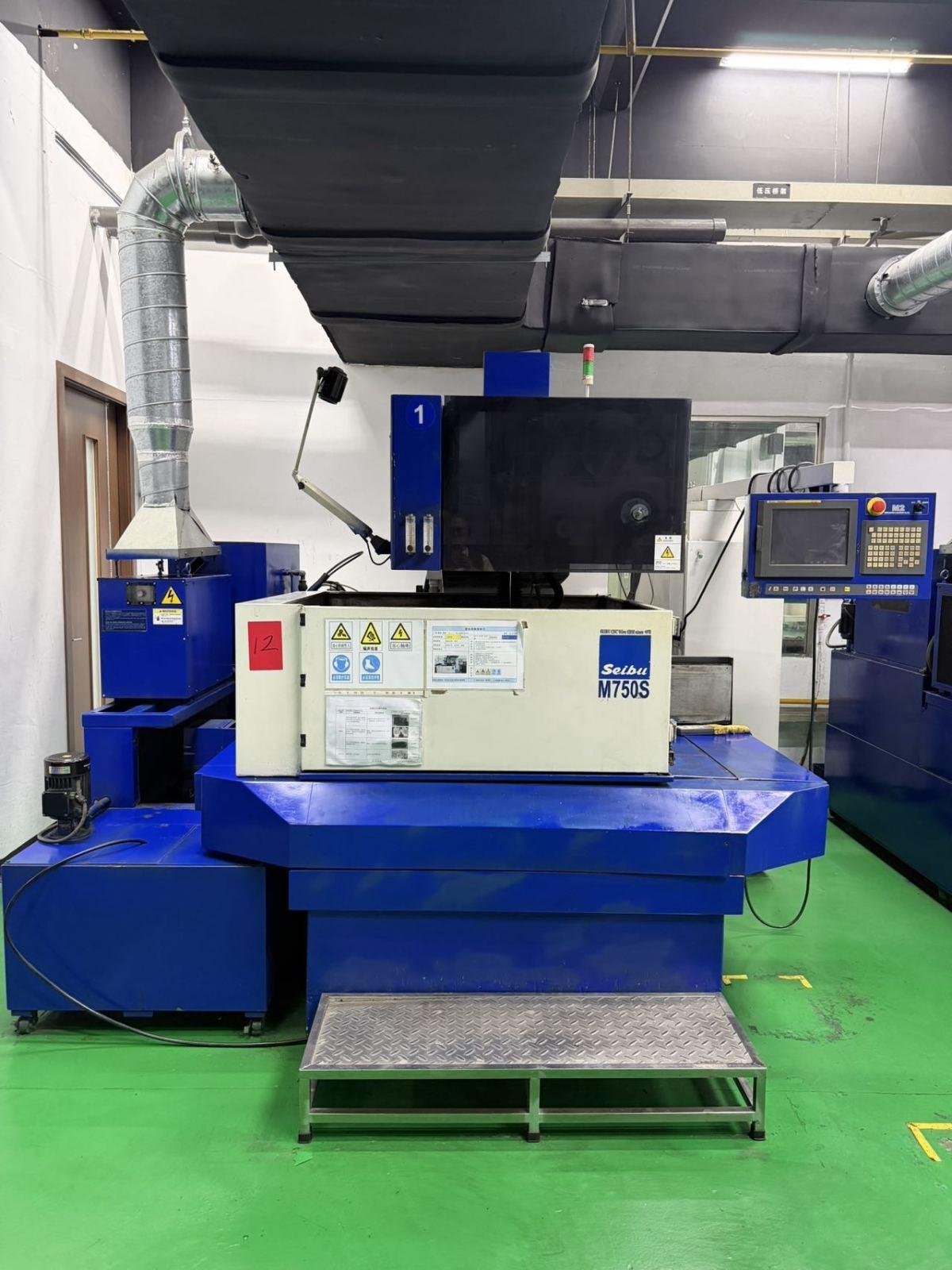
Sodick & Seibu Slow-Wire EDM
XUXIANG machines every stepped ejector pin on Sodick and Seibu slow-wire EDM systems, holding +/-0.002 mm class positioning and corner radii down to R ≤ 0.015 mm. This ensures concentric diameter transitions, burr-free step edges and dimensional repeatability across high-volume runs.
- +/-0.002 mm slow-wire EDM positioning tolerance on all diameter steps
- Corner radii down to R ≤ 0.015 mm for tight-clearance ejection
- Burr-free step edges and mirror-class surface finishes (Ra 0.1 µm)
- Sodick and Seibu equipment for high-precision, repeatable production
Mitsubishi Mirror EDM Finishing
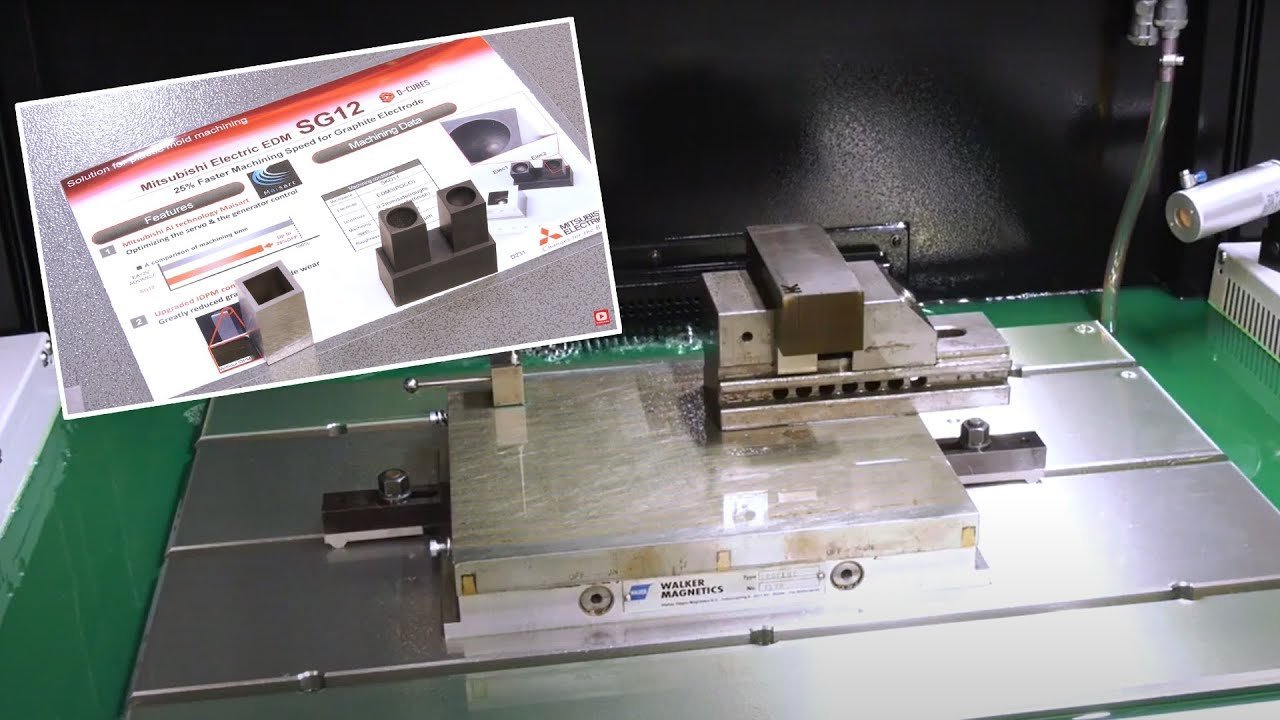
For stepped ejector pins requiring ultra-smooth surfaces or complex undercut profiles, XUXIANG deploys Mitsubishi mirror EDM to achieve Ra 0.1 µm finishes. This eliminates secondary polishing, reduces friction and extends pin service life in high-cycle molding operations.
- Ra 0.1 µm mirror-grade EDM finish straight from the machine
- Eliminates hand-polishing and secondary operations
- Reduces friction and wear in high-speed ejection cycles
- Ideal for medical, micro-connector and optical-grade mold tooling
ZEISS MICURA CMM Metrology
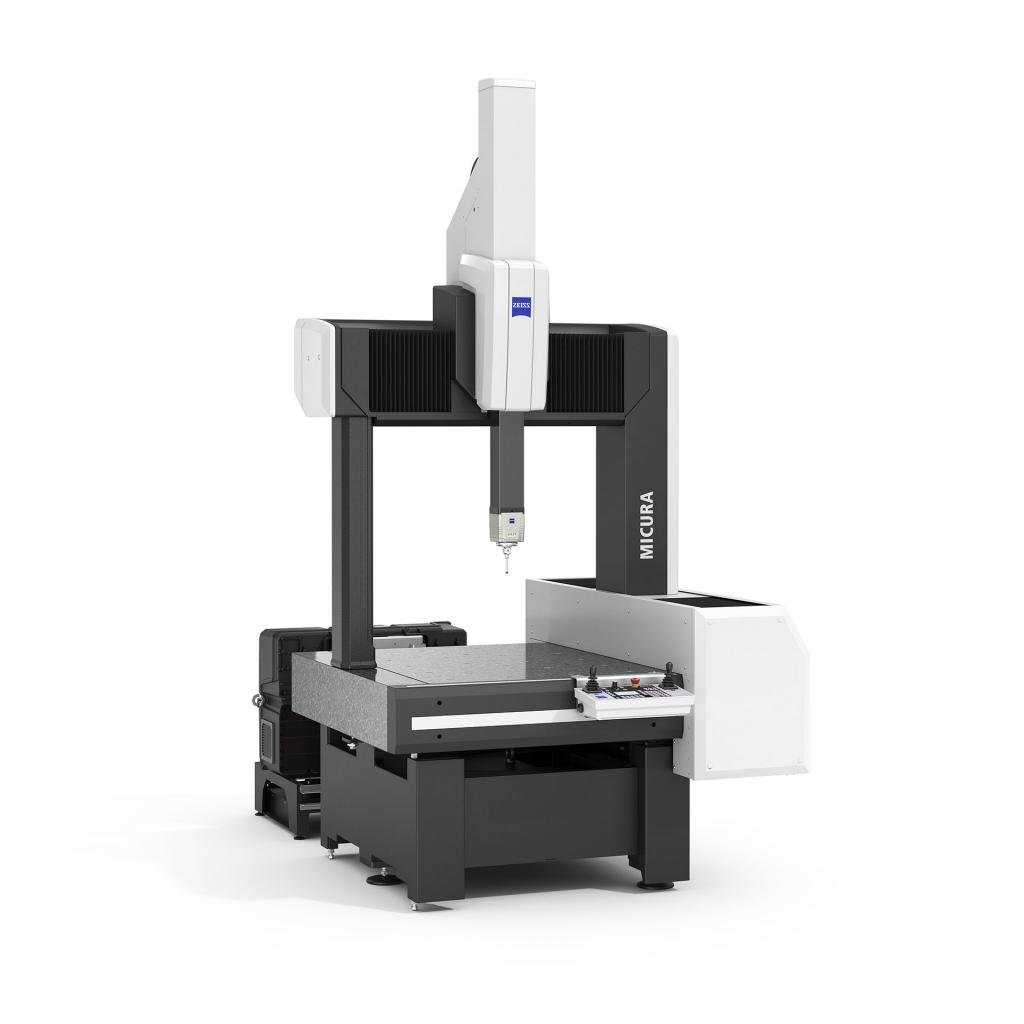
Every batch of stepped ejector pins is validated on a ZEISS MICURA coordinate measuring machine with 0.7 µm resolution. XUXIANG measures diameter, step height, concentricity and surface profile, delivering full FAI documentation and material certificates with every shipment.
- ZEISS MICURA CMM with 0.7 µm measurement resolution
- Full FAI reports with diameter, step height and concentricity data
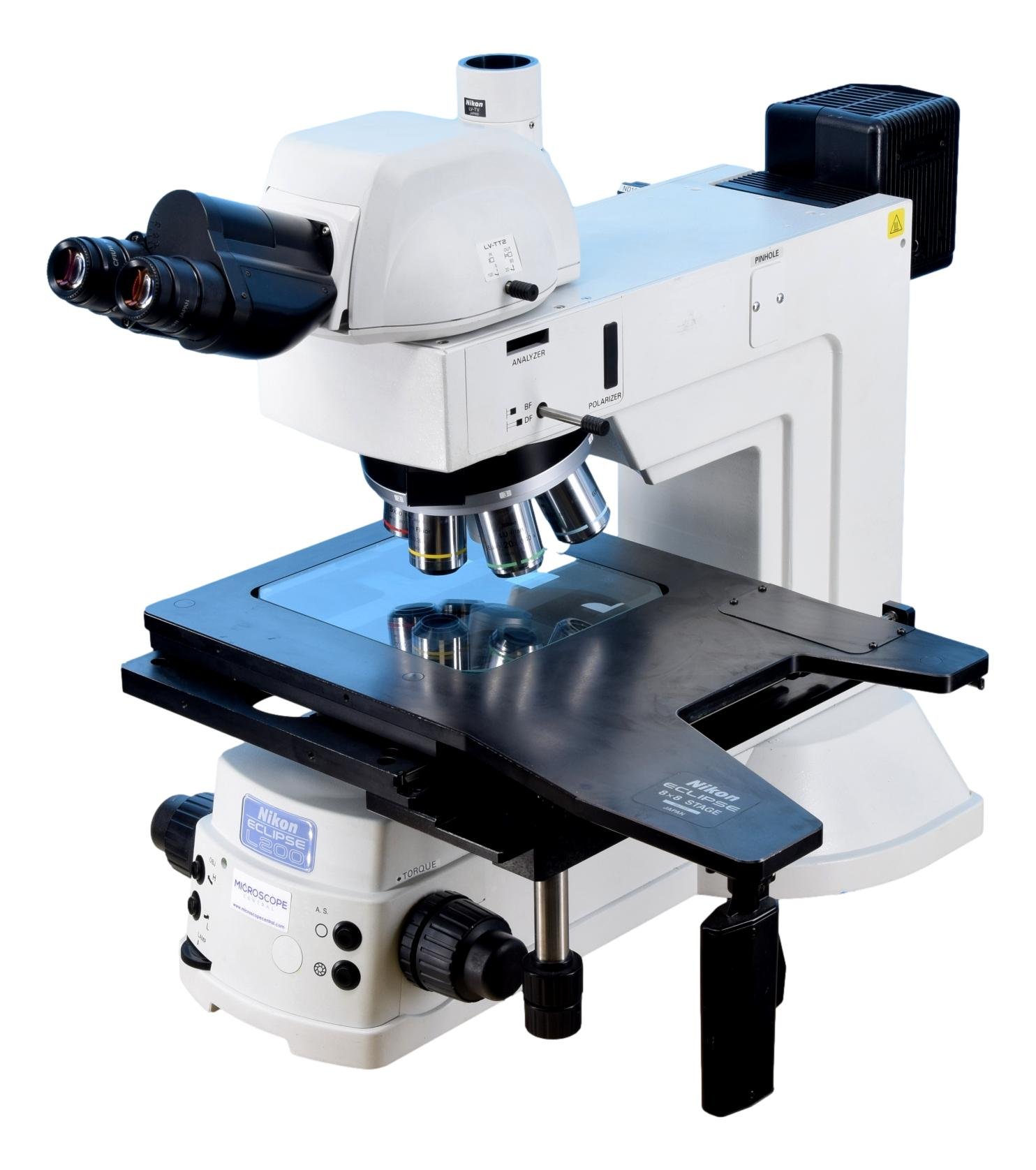
- Nikon toolmaker's microscopes (V-12B / MM-400 class) for edge inspection
- Material certificates and spectral analysis included with every order
DFM Engineering & CNC Grinding
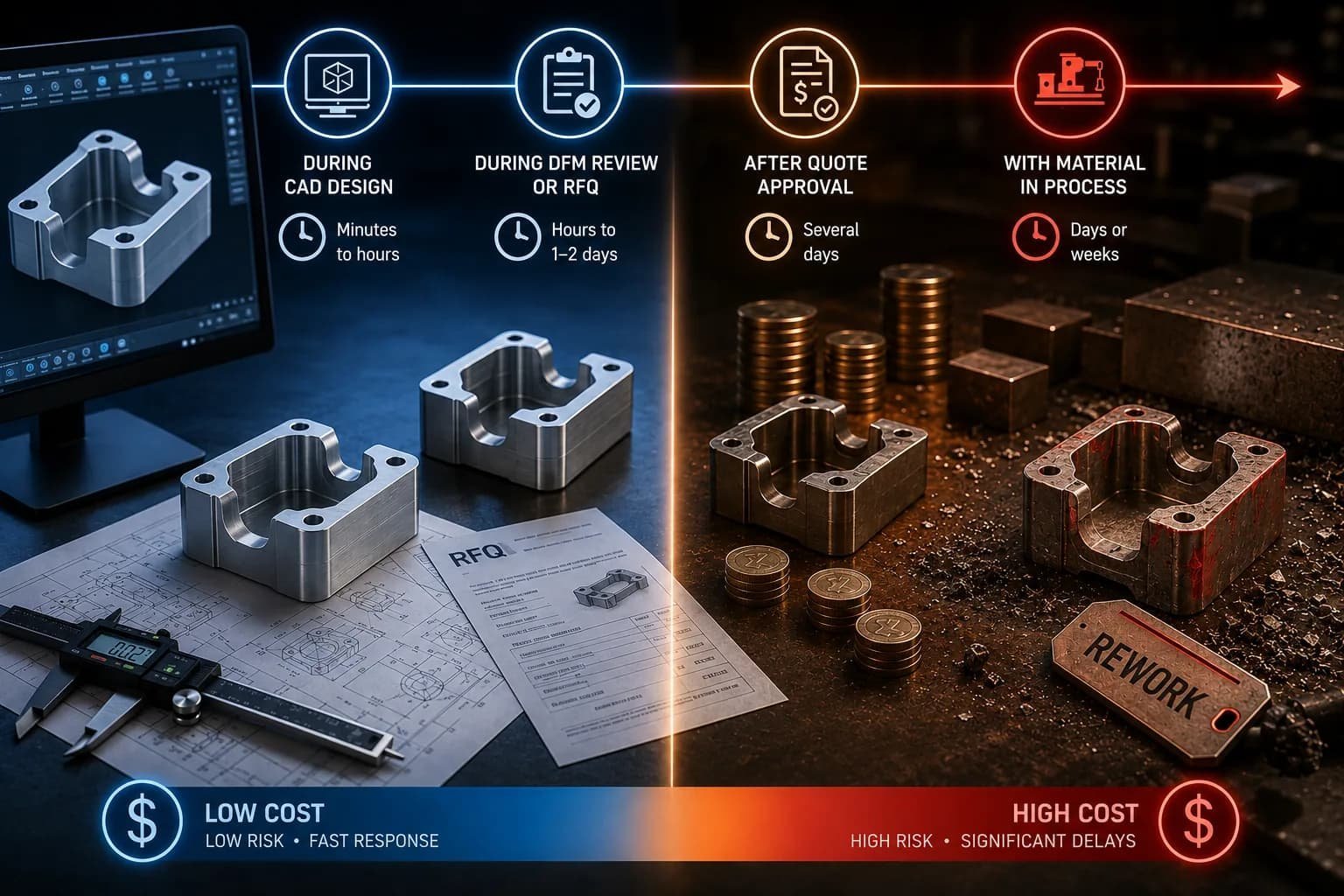
Before production begins, XUXIANG’s 10+ engineering experts review your stepped ejector pin design for manufacturability, tolerance stack-up and assembly fit. Precision grinding centers and Fanuc CNC assets refine diameters to +/-0.001 mm, ensuring drop-in compatibility with your mold base.
- DFM feedback from 10+ precision-tooling engineers before machining
- Fanuc CNC and Dawn precision grinding for +/-0.001 mm diameter control
- Tolerance stack-up analysis and assembly-fit optimization
- 24-hour quote turnaround with engineering recommendations included
XUXIANG vs. Standard Stepped Ejector Pin Suppliers — Why We Win
When precision, speed and documentation matter, XUXIANG delivers verifiable advantages that typical suppliers can’t match. Compare the evidence.
← 左右滑动查看 →
Our Stepped Ejector Pin Production Process — From Design to Delivery
Every stepped ejector pin is engineered, machined and validated through a six-phase quality flow that guarantees +/-0.001 mm precision, full material traceability and on-time delivery.
DFM Review & Design Validation
10+ engineering experts analyze your CAD files, verify tolerances, ejection geometry and draft angles, and provide actionable design-for-manufacturing feedback before production begins.
Material Sourcing & Spectral Analysis
Premium tool steels and alloys are procured with full material certificates, then verified by spectral analysis to ensure composition, hardness and dimensional stability meet specification.
Precision Machining & EDM
Stepped profiles, diameters and head geometries are CNC-machined and wire-EDM’d on Sodick, Seibu and Fanuc systems to +/-0.001 mm, with mirror-grade Ra 0.1um surface finishes.
In-Process Tolerance Monitoring
Real-time dimensional checks at every machining stage catch deviations early, ensuring critical stepped diameters, shoulder heights and concentricity remain within tolerance throughout production.
ZEISS & Nikon CMM Verification
Finished stepped ejector pins undergo full coordinate-measuring-machine inspection on ZEISS MICURA (0.7um resolution) and Nikon toolmaker’s microscopes to validate every diameter, step and surface.
Surface Integrity, FAI & Shipping
Surface roughness, hardness and visual integrity are verified; complete FAI documentation, material certificates and dimensional reports are packaged with every shipment for full traceability.
How to Order Stepped Ejector Pins from XUXIANG
When precision, speed and documentation matter, XUXIANG delivers measurable advantages. Compare the evidence.
Submit Your CAD or Tech Pack
Upload 2D/3D drawings, material specs and tolerance requirements. Our 10+ engineering experts review for manufacturability and provide DFM feedback before quoting.
Receive Your 24-Hour Quote
Get a detailed quotation with pricing, lead time and process recommendations—typically within one business day, backed by transparent cost breakdowns.
Approve Samples in 3–7 Days
We machine first-article samples using the same Sodick EDM and Fanuc CNC tools as production, complete with ZEISS CMM validation and dimensional reports.
Launch Mass Production
Once samples are approved, full-scale manufacturing begins across our dual factories, with in-process tolerance monitoring and ISO 9001:2015 quality controls.
Receive Parts with FAI & Certificates
Stepped ejector pins ship in 15–25 days with full FAI reports, material certificates and CMM data—ready for immediate mold integration.
Certifications & Quality Standards — ISO 9001, Material Traceability & FAI for Stepped Ejector Pins


Customer Testimonials — Precision Stepped Ejector Pins Delivered On Time
XUXIANG’s stepped ejector pins held +/-0.002 mm across 12,000 cycles in our smartphone connector molds. We cut scrap by 18% and haven’t missed a production window in nine months. Their DFM feedback caught a critical ejection angle issue before first article.
We switched from a European supplier to XUXIANG for our ADAS sensor housing tooling. Lead time dropped from 35 days to 22, cost reduced 27%, and the stepped ejector pins arrived with full FAI reports and material certificates — zero rework on first batch.
For our Class II medical device molds, tolerance and traceability are non-negotiable. XUXIANG delivered custom stepped ejector pins to +/-0.001 mm with ZEISS CMM validation reports. Their engineering team responded within hours, not days. A true partner.
FAQ — Stepped Ejector Pins, MOQ, Lead Times & Sampling
What is the minimum order quantity (MOQ) for stepped ejector pins?
How long does it take to receive sample stepped ejector pins?
Do you charge for stepped ejector pin samples, and is the cost refundable?
What tolerances can XUXIANG hold on custom stepped ejector pins?
What payment terms do you offer for stepped ejector pin orders?
How do you handle shipping and customs for international stepped ejector pin orders?
How is my design IP protected when ordering custom stepped ejector pins?
Can XUXIANG produce stepped ejector pins with non-standard materials or coatings?
What documentation do I receive with my stepped ejector pin order?
FAQ — Stepped Ejector Pins: MOQ, Lead Times & Quality Documentation
Navigate the complexities of sourcing stepped ejector pins with confidence. This guide delivers a proven decision framework, supplier evaluation criteria, material selection insights, and the critical mistakes to avoid when specifying precision mold components for high-volume production.
1. What Are Stepped Ejector Pins and Why They Matter
Stepped ejector pins are precision mold components featuring two or more distinct diameter transitions along a single shaft, engineered to eject molded plastic parts while minimizing visible witness marks on cosmetic surfaces. Unlike straight pins with uniform diameter, stepped designs concentrate ejection force on a smaller contact area — typically the larger-diameter head — then taper to a reduced-diameter body that passes through the mold base with minimal clearance, reducing deflection and improving alignment over 10,000+ cycle runs.
The functional advantage centers on witness-mark control: in micro-connector tooling for 5G terminals, automotive sensor housings and medical-device enclosures, a stepped pin’s smaller tip diameter (often 0.5–1.5 mm) leaves a contact mark under 0.8 mm, meeting Class A surface requirements. The diameter step also acts as a positive stop, preventing over-travel that can crush thin-wall features or pierce delicate gate vestiges.
Procurement teams choose stepped ejector pins when part aesthetics, tight ejection tolerances (+/- 0.01 mm positioning) and long tool life intersect — especially in high-cavity electronics molds, ADAS component tooling and implantable-device manufacturing where rework cost per defect exceeds USD 50–200.
2. Evolution of Stepped Ejector Pin Design and Manufacturing
Through the 1990s most ejector pins were single-diameter ground rods; multi-step geometries emerged in the early 2000s as mobile-phone mold cavities shrank below 0.5 mm wall thickness and required localized ejection without flash. Electronics miniaturization — particularly micro-USB, board-to-board connectors and later 5G antenna housings — drove demand for pins with two or more diameters, each held to ±0.005 mm or tighter.
Manufacturing capability evolved in parallel. CNC precision grinding centers replaced manual toolroom lathes by the mid-2000s, enabling repeatable shoulder transitions and concentricity within 0.003 mm. Slow-wire EDM — Sodick, Seibu and Charmilles machines — became the standard method for cutting micro-steps below 0.3 mm diameter and corner radii down to R ≤ 0.015 mm, where grinding wheels cannot reach. Surface treatments such as nitriding, TiN and DLC coatings extended service life from 50,000 to over 500,000 cycles in abrasive glass-filled resins.
By 2015 automotive NEV battery-management-system housings and ISO 13485–compliant medical-device molds required ±0.002 mm positional tolerances on stepped ejector pins, validated by CMM inspection. Today ZEISS MICURA-class metrology (0.7 µm resolution) and mirror-grade Ra 0.1 µm EDM finishes are the baseline for high-volume 5G, automotive and medical tooling programs.
3. Types of Stepped Ejector Pins by Geometry and Application
Stepped ejector pins are manufactured in five distinct geometric families, each optimized for specific part features, ejection forces and tolerance windows. Diameter transitions, step-height precision and surface finish collectively determine which profile solves a given mold challenge.
Two-Step Pins

Two-step pins feature one diameter change and account for roughly 70% of production orders. Typical diameters range from Ø2.0–Ø10.0 mm, with step heights held to +/-0.005 mm. They suit general-purpose ejection of ribs, bosses and shallow undercuts in consumer electronics and appliance housings. The single transition simplifies grinding and keeps unit cost 20–30% below multi-step designs.
Multi-Step Pins (3+ Diameters)
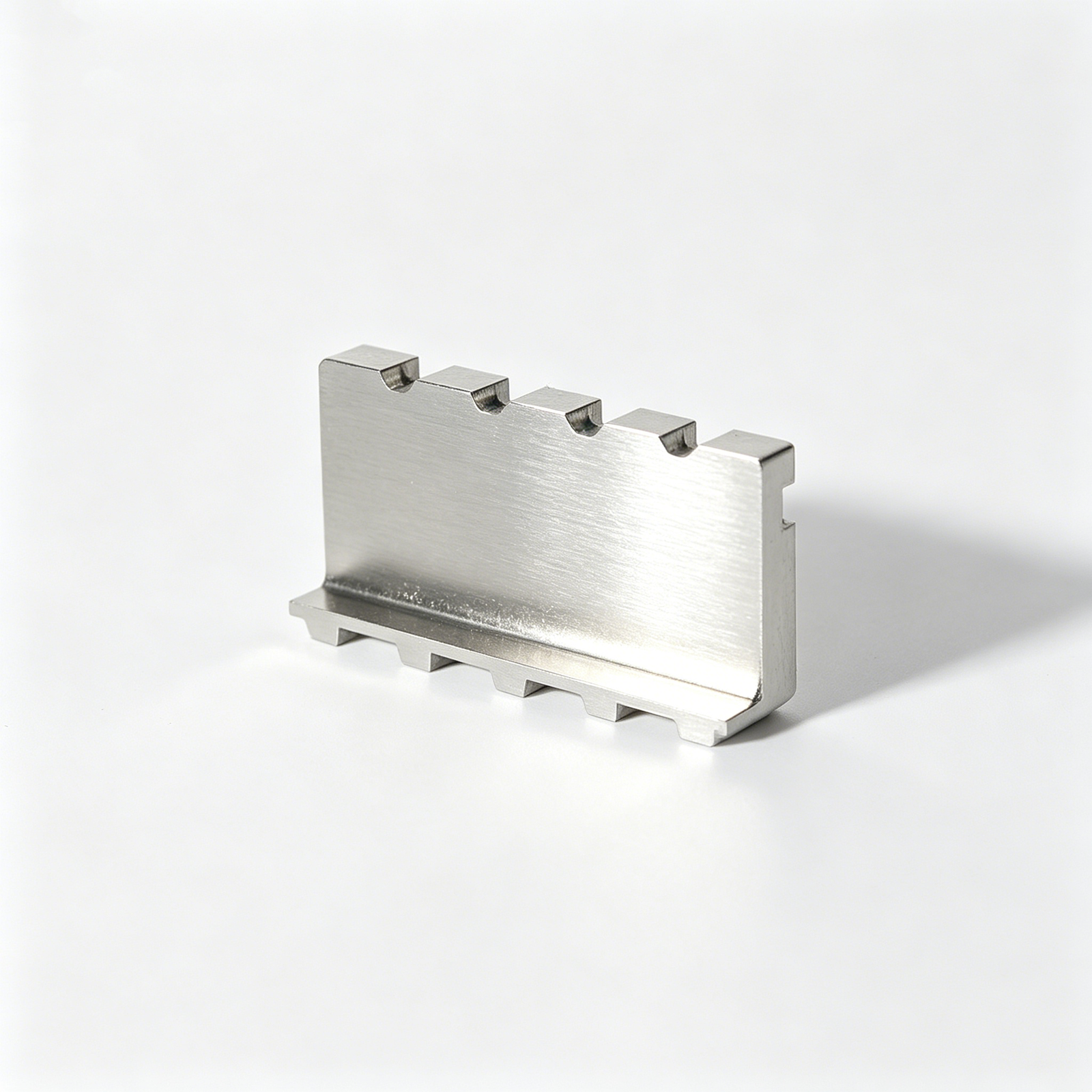
Multi-step profiles incorporate three or more diameter zones to clear nested features or staged draft angles. Step tolerances tighten to +/-0.003 mm; diameters span Ø1.5–Ø8.0 mm. Automotive sensor housings and complex medical-device cavities leverage these pins when a single transition cannot navigate the part geometry. Lead time extends 15–20% due to sequential grinding operations.
Micro-Stepped Pins
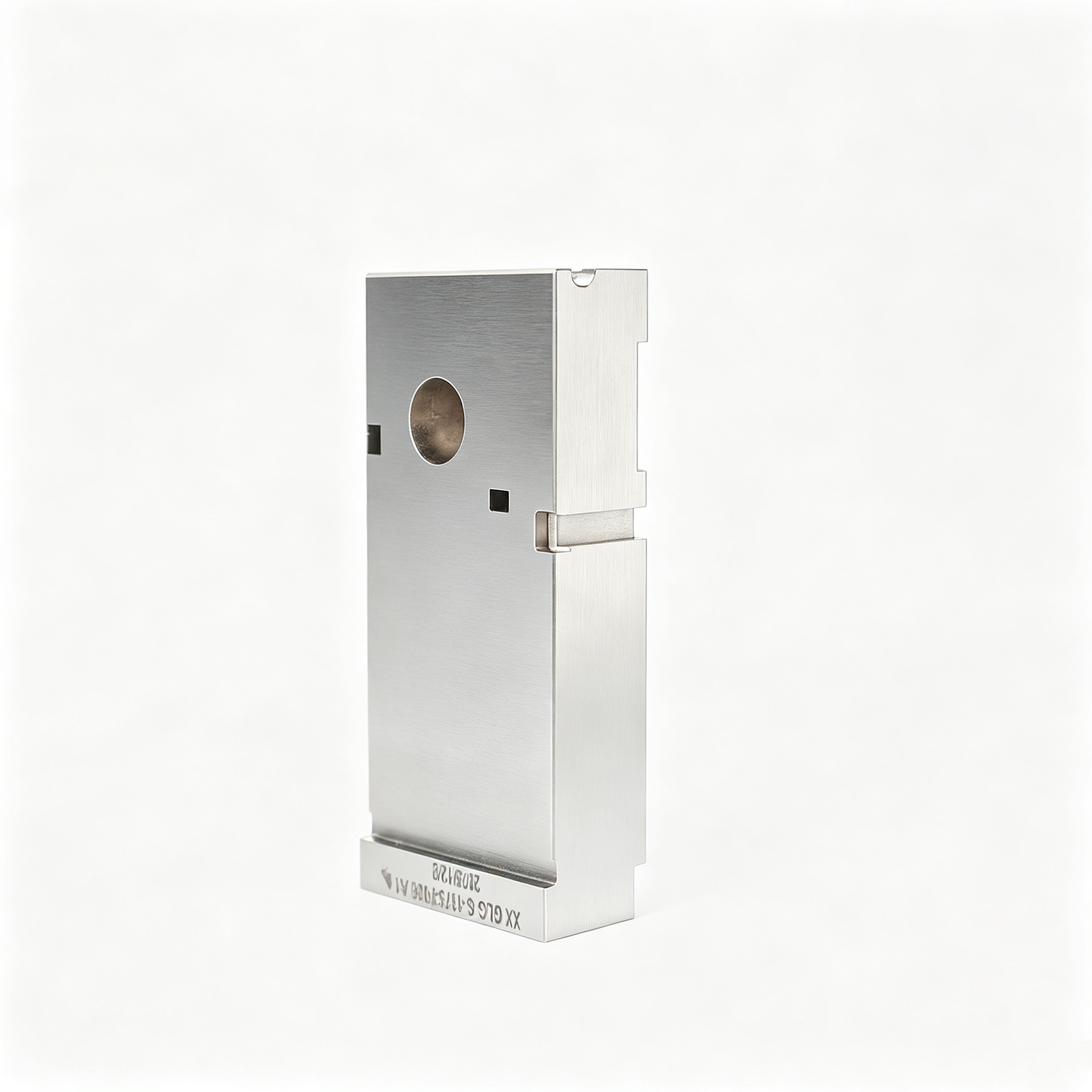
Micro-stepped pins deliver sub-1.0 mm step increments for high-density connector tooling in 5G modules and board-to-board assemblies. Diameters run Ø0.5–Ø3.0 mm, with step heights controlled to +/-0.002 mm and corner radii ≤ R0.015 mm. XUXIANG’s slow-wire EDM and ZEISS CMM validation ensure positional accuracy within +/-0.002 mm, critical for terminal cavities at 0.4–0.6 mm pitch.
Shoulder Pins

Shoulder pins employ a single, large-diameter step — often Ø3.0 mm to Ø12.0 mm — to stabilize deep cores or distribute high ejection loads across thick-wall automotive parts. Step height tolerances relax to +/-0.01 mm, but perpendicularity and flatness remain under 0.005 mm to prevent cocking. They are the preferred choice for ADAS housings and powertrain sensor covers where robustness outweighs fine feature resolution.
Custom-Profile Pins
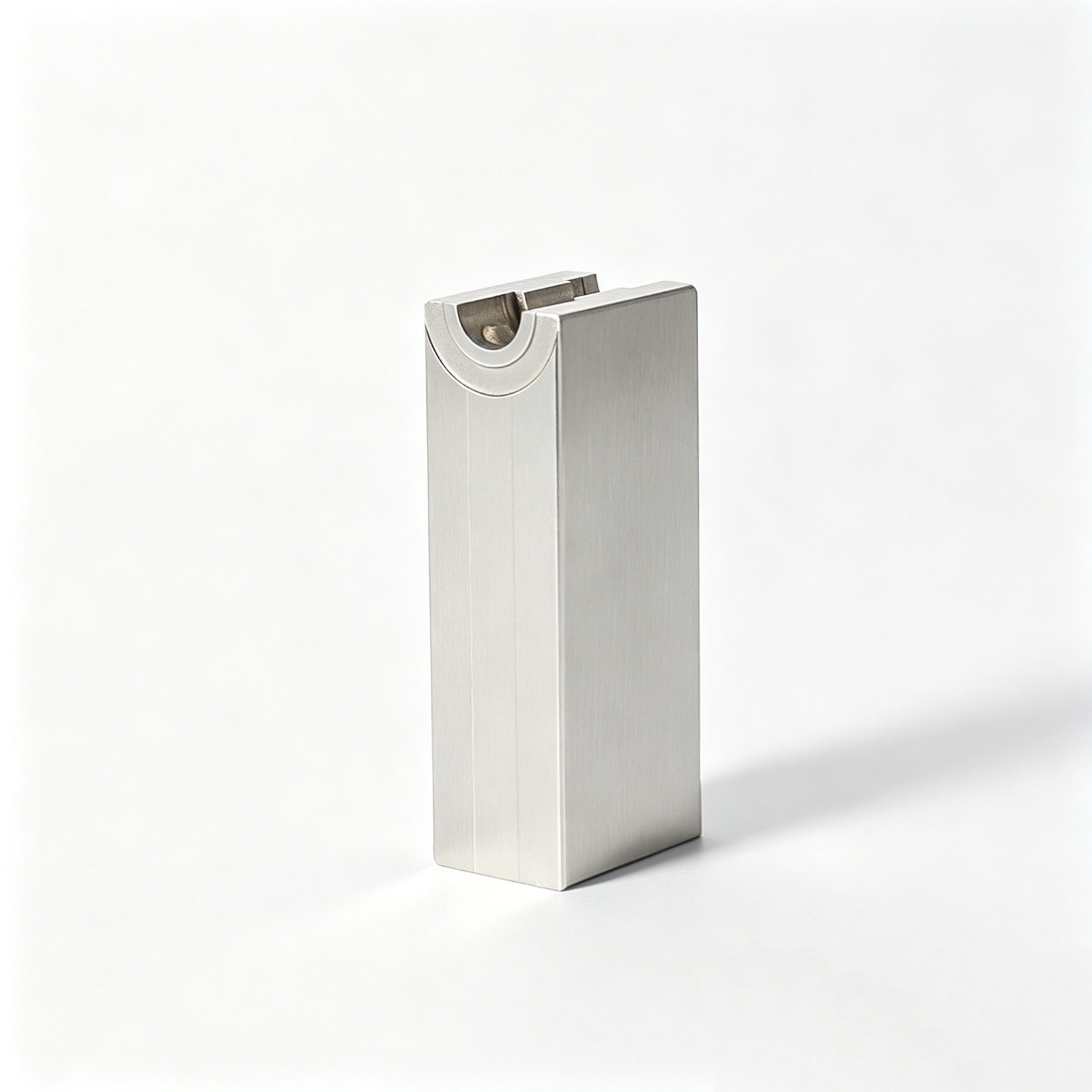
Custom-profile pins combine non-cylindrical transitions — tapers, flats or relief grooves — when standard geometries cannot match part draft or clearance requirements. XUXIANG’s DFM team models each profile in CAD, machines electrodes on Beijing Jingdiao CNC, then validates final dimensions via ZEISS MICURA to 0.7 µm. Lead time adds 25–35%, but the result eliminates secondary trimming or part damage during ejection.
4. Materials for Stepped Ejector Pins: Performance and Durability
Material selection determines stepped ejector pin life, cycle stability and total cost of ownership. Five families dominate precision mold tooling, each optimized for distinct thermal, wear and corrosion profiles.
| Material | Hardness (HRC) | Cost Tier | Ideal Use Case |
|---|---|---|---|
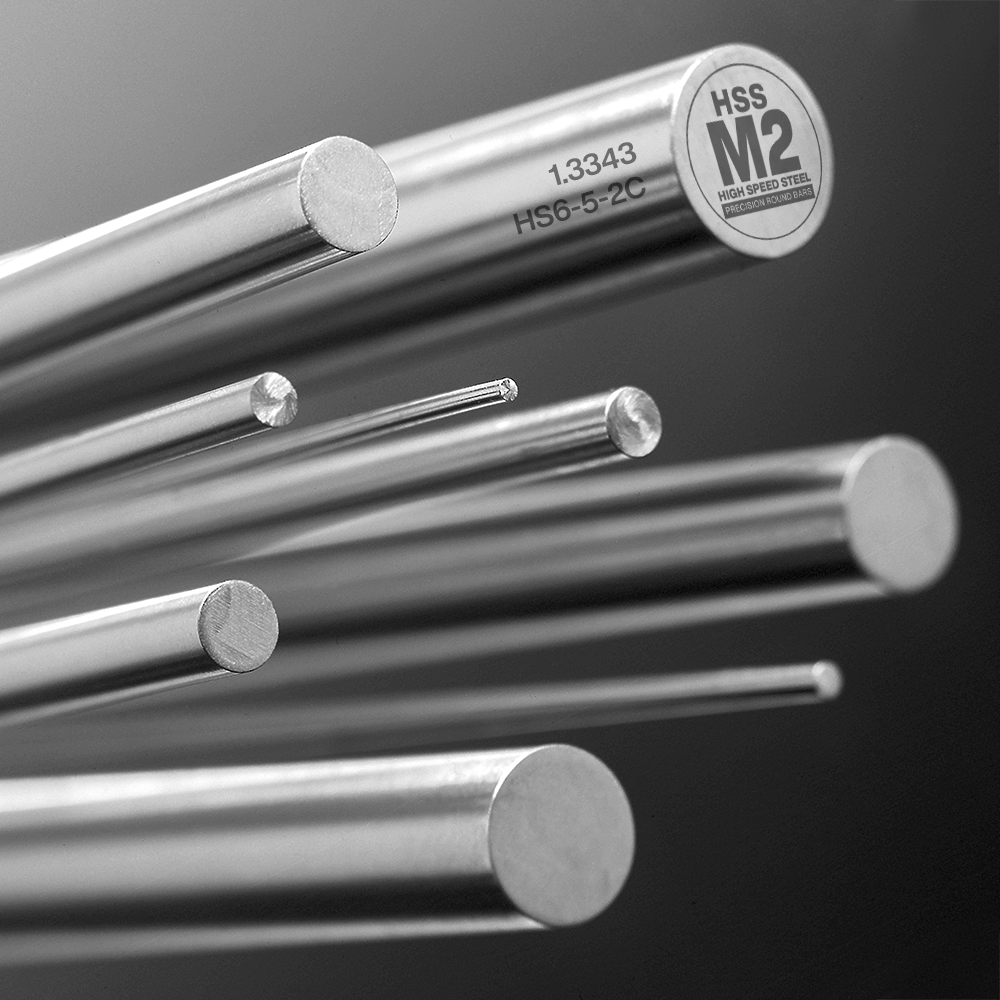
| SKH51 HSS | 62–64 | Mid | General injection, commodity resins |
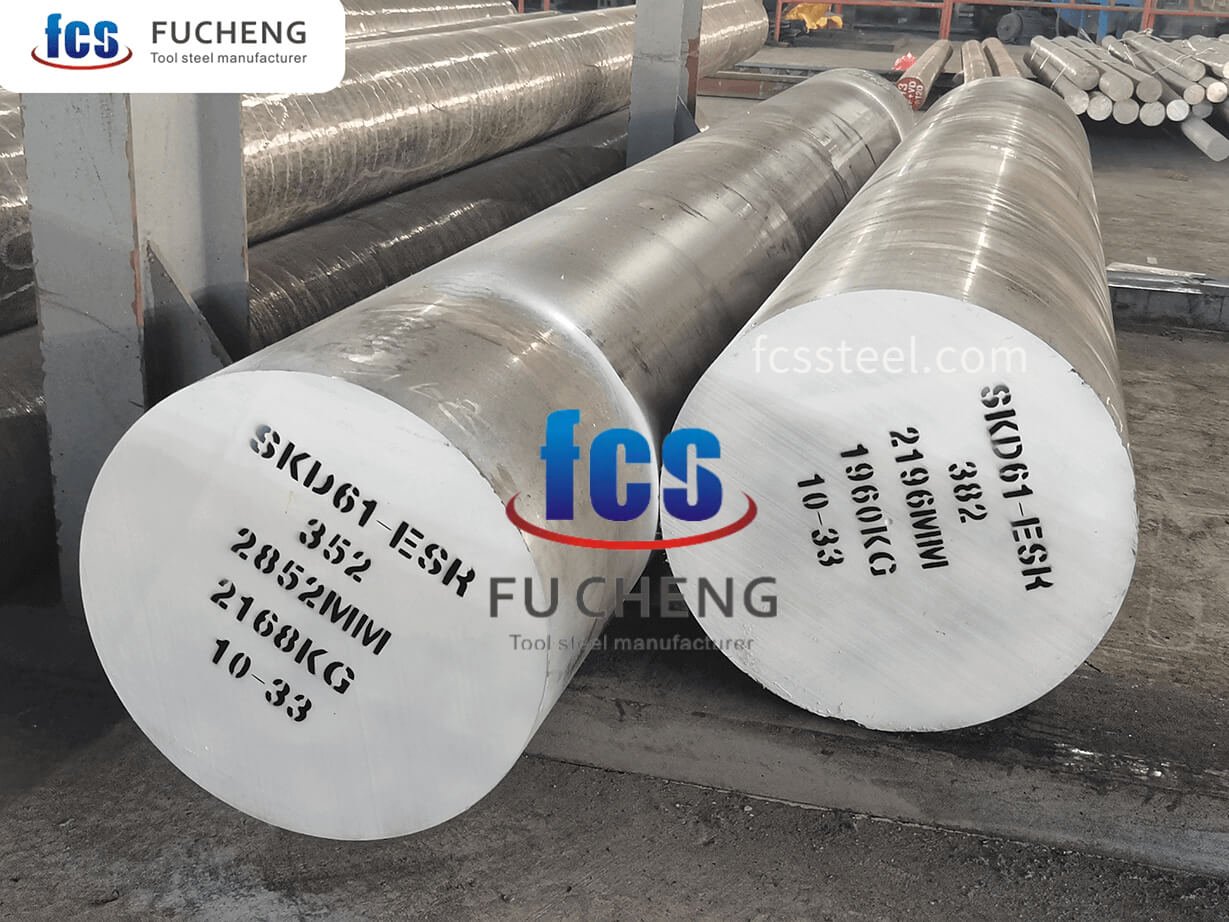
| SKD61 (H13) | 48–52 | Mid | Long-run automotive, thermal cycling |
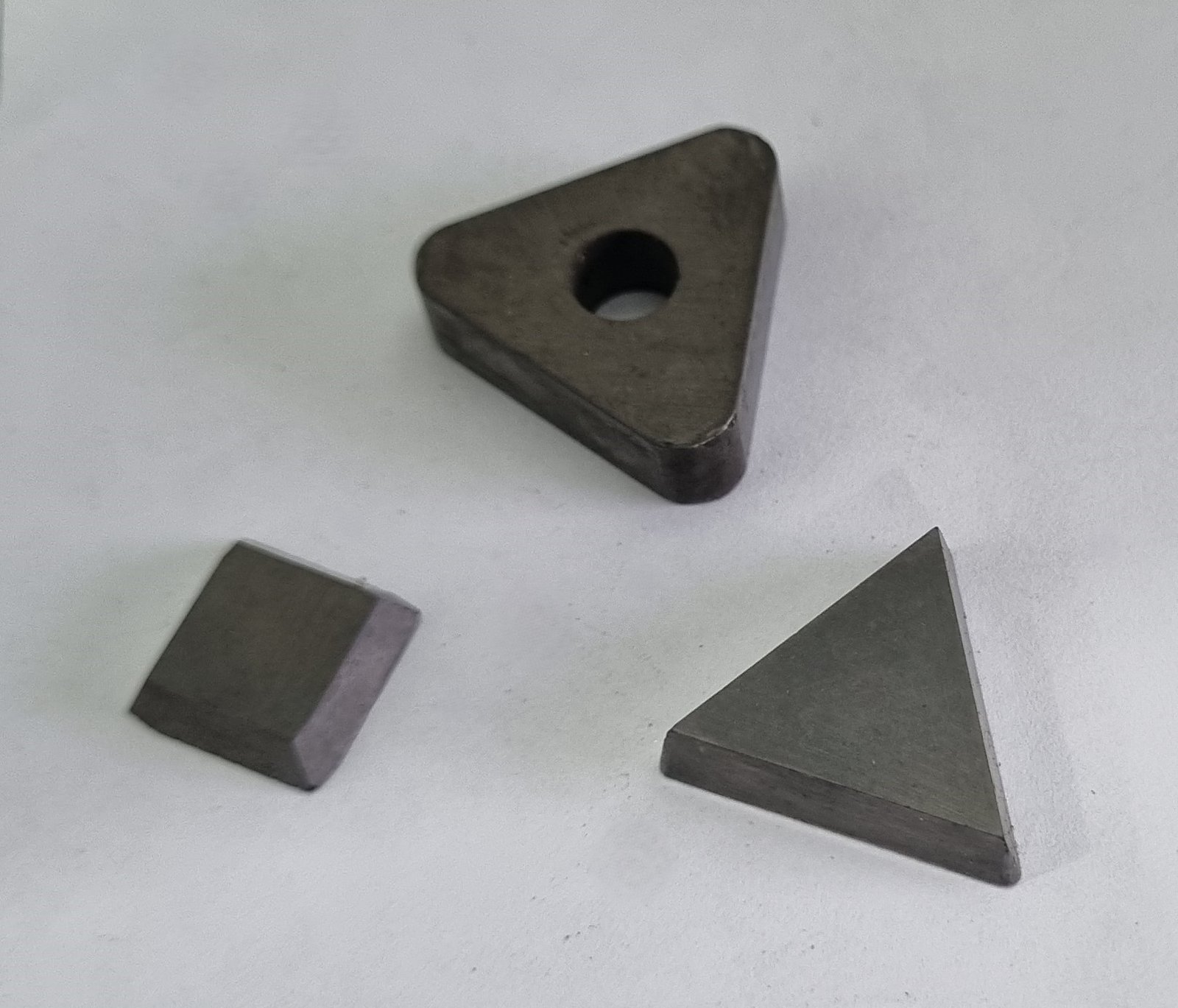
| Tungsten Carbide | 70+ | High (3–5×) | Micro-connectors, abrasive fillers |
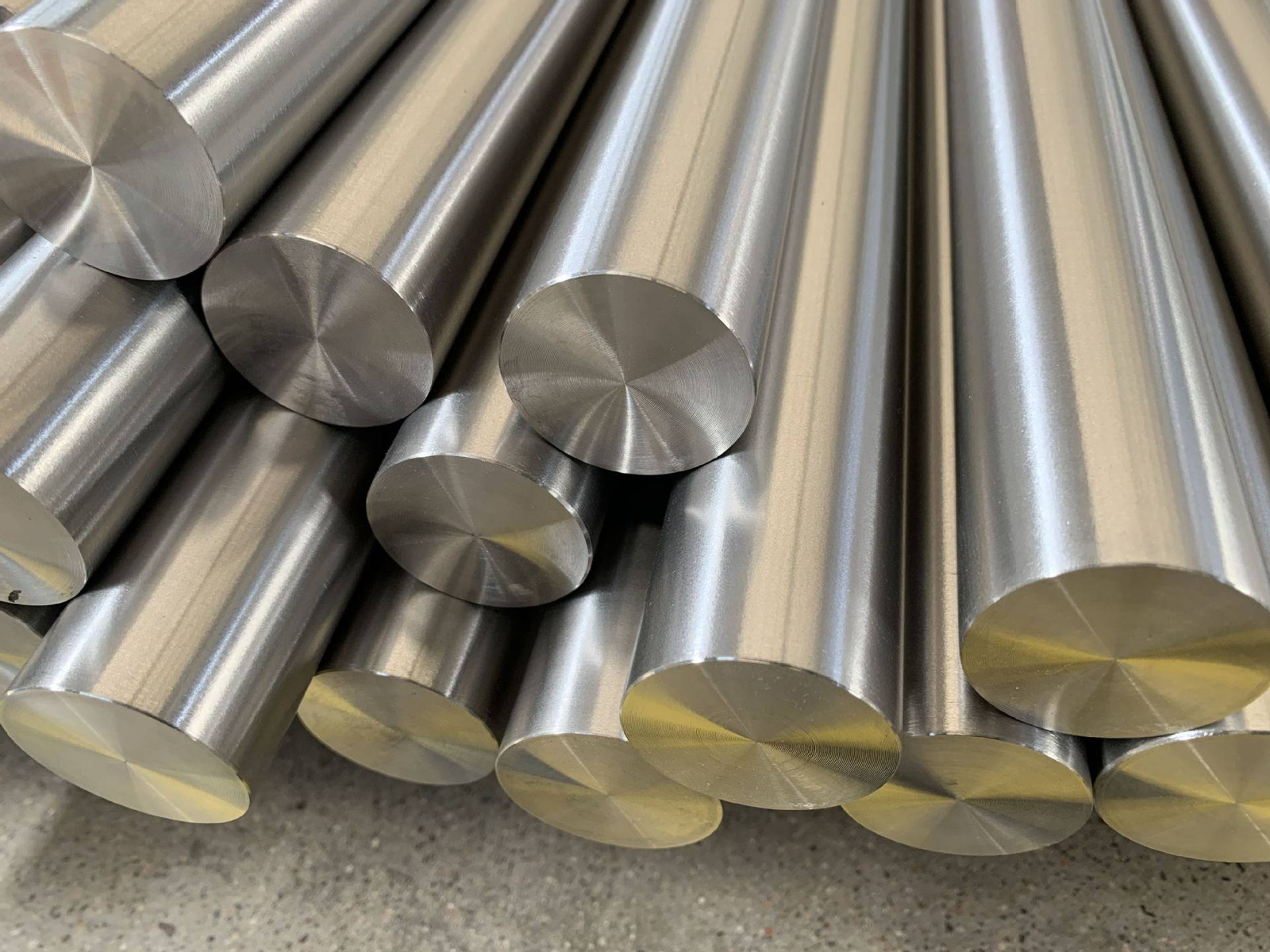
| Stainless (400) | 50–54 | Mid-High | Medical, corrosive environments |
| PM Alloys | 58–62 | High | Complex internal features |
SKH51 High-Speed Steel
SKH51 (JIS W-Mo-Cr HSS) delivers HRC 62–64 after quench-and-temper, balancing wear resistance with machinability. It serves general-purpose injection molds running commodity resins at moderate cycles, offering predictable tool life at mid-tier cost.
SKD61 Tool Steel
SKD61 (H13 equivalent) reaches HRC 48–52, prioritizing toughness over peak hardness. Its superior thermal-fatigue resistance suits long-run automotive and NEV molds where shock loading and temperature cycling dominate failure modes.
Tungsten Carbide
Carbide grades achieve HRC 70+ and enable micro-diameter stepped ejector pins below 0.5 mm for 5G connector tooling. Cost is 3–5× SKH51, justified only when abrasive fillers or ultra-high shot counts demand maximum wear life.
Stainless Steel and Powder Metallurgy
400-series stainless (HRC 50–54) resists corrosion in medical-device molds. PM alloys combine complex internal geometries with uniform carbide distribution, serving niche applications where conventional machining or EDM cannot reach critical features.
5. Surface Treatments and Coatings for Stepped Ejector Pins
Surface treatments extend stepped ejector pin life by 200–500% in high-cycle or corrosive environments. Selection depends on molding material, cycle count and tolerance stability: nitriding for wear, coatings for friction, polishing for release.
| Treatment | Friction Coeff. | Cost Impact | Cycle-Life Gain |
|---|---|---|---|
| Nitriding | 0.6–0.7 | +8–12% | +300% |
| TiN/TiCN | 0.4–0.5 | +15–20% | +400% |
| DLC | 0.1–0.15 | +25–35% | +500% |
| Electroless Ni | 0.5–0.6 | +10–15% | +200% |
| Mirror Polish | 0.4–0.5 | +3–8% | +150% |
Nitriding for Surface Hardness and Wear Resistance
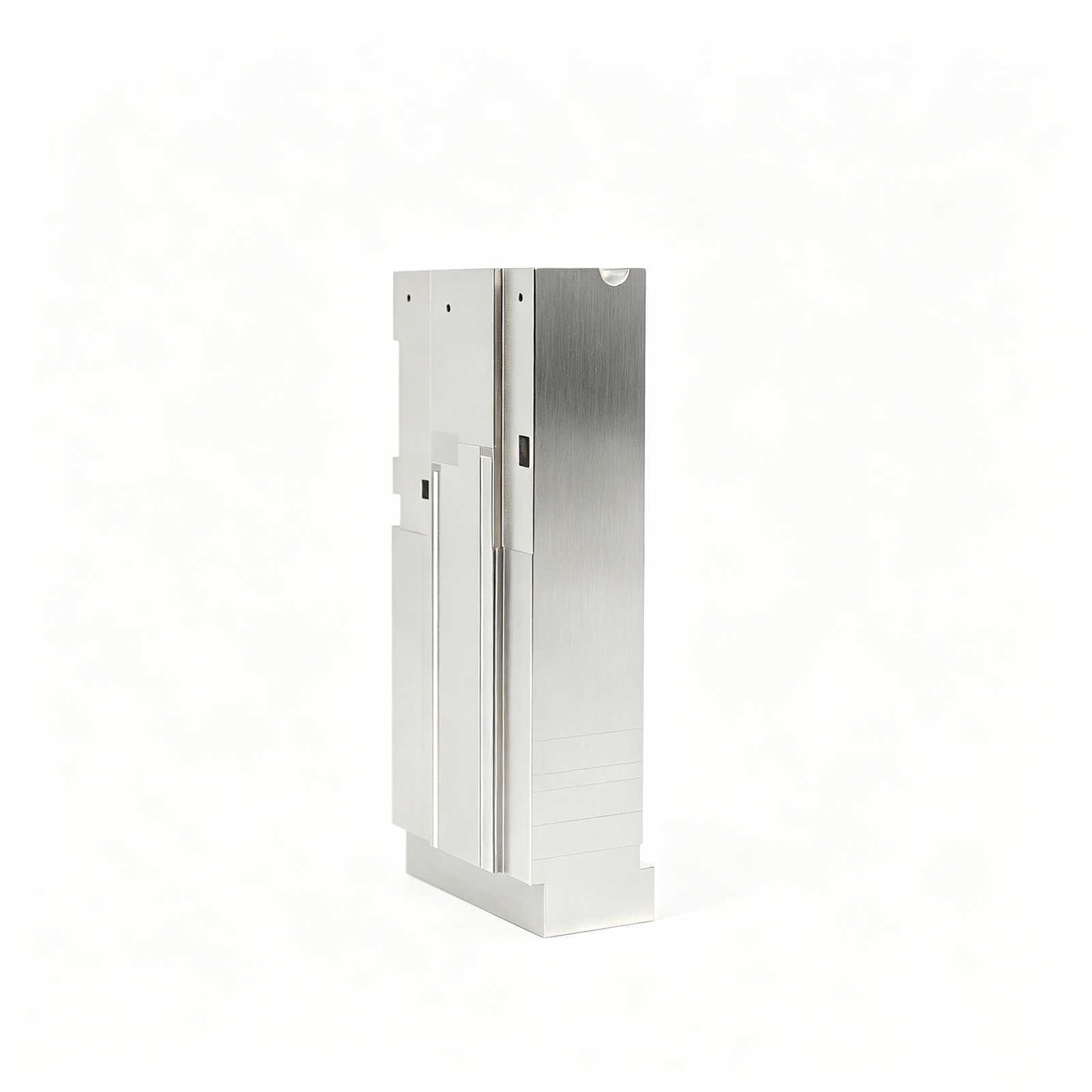
Gas nitriding diffuses nitrogen into steel, forming a 0.1–0.3 mm case hardened to 900–1100 HV without dimensional distortion. Cycle life increases 300% against glass-filled resins.
Cost adds 8–12% to pin price. Specify for automotive connectors and abrasive compounds where stepped ejector pins see >500k cycles.
TiN and TiCN PVD Coatings
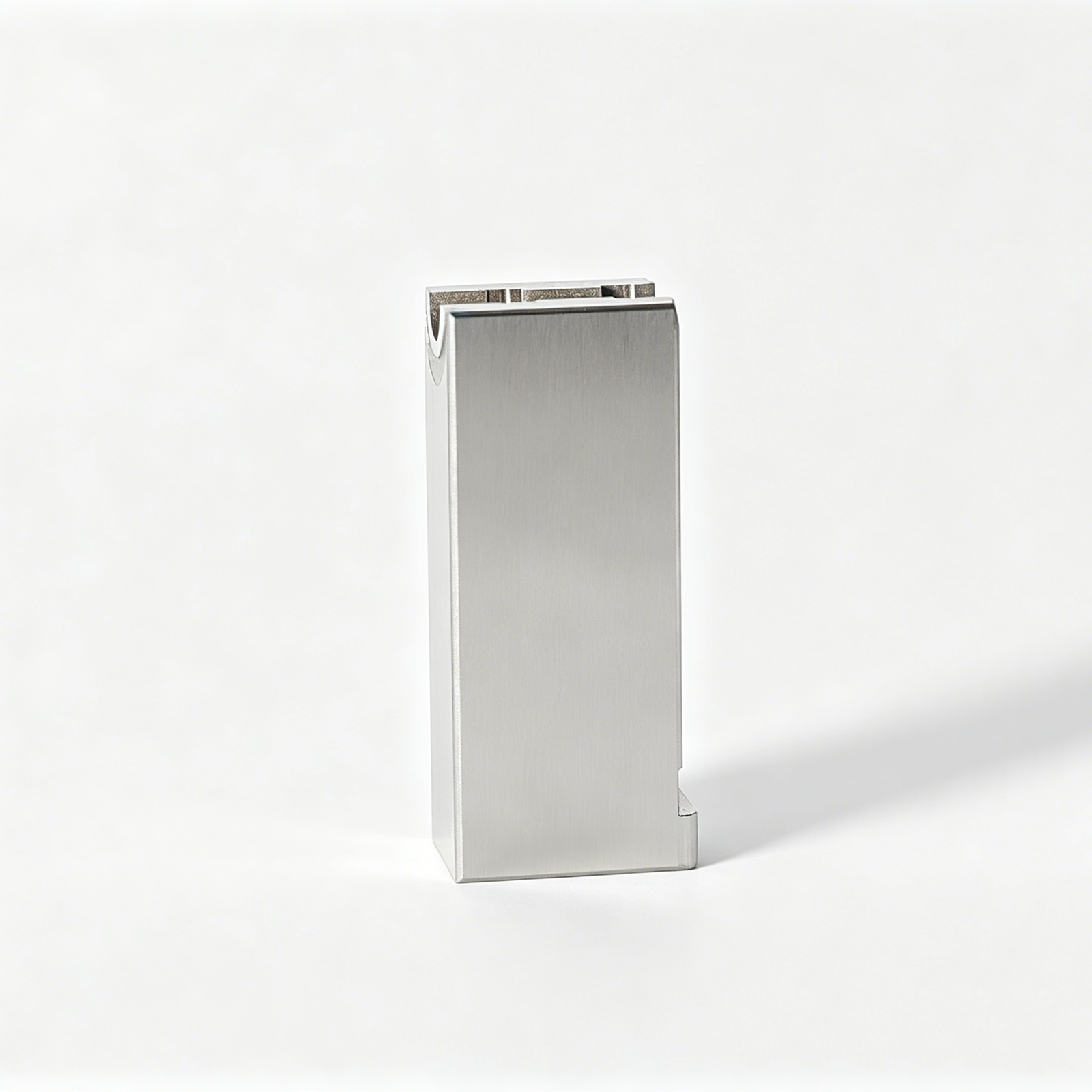
TiN (gold) and TiCN (gray-blue) deposit 2–4 µm layers at 80–85 HRC, reducing friction coefficient to 0.4–0.5. TiCN offers 20% better wear than TiN in filled polymers.
Cost premium: 15–20%. Standard for 5G micro-connector tooling and high-density terminal molds requiring low ejection force.
DLC Coating for Ultra-Low Friction
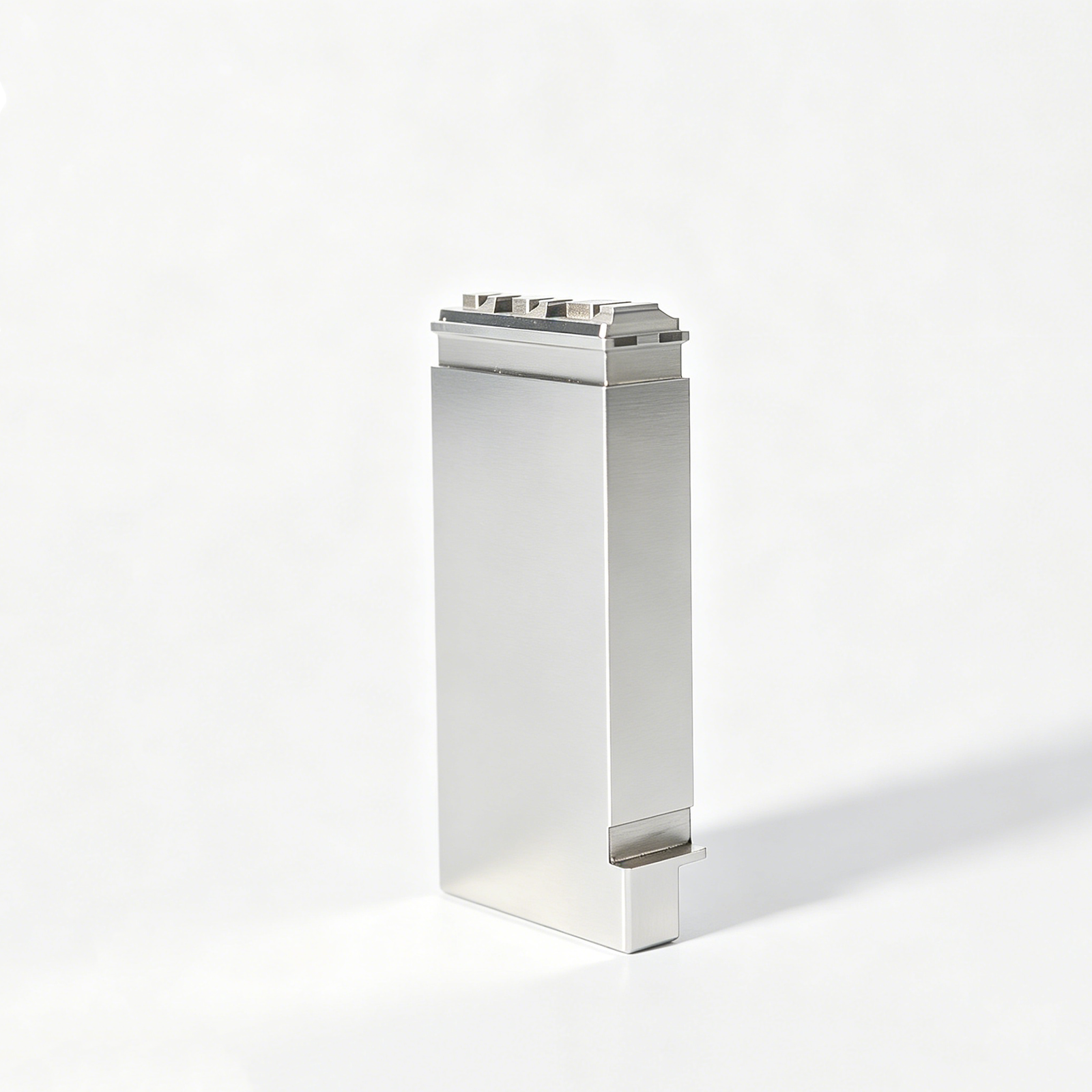
Diamond-like carbon achieves friction coefficients of 0.1–0.15 and hardness to 3000 HV in 1–3 µm films. Ideal for LCP, PEEK and micro-molding where sub-0.05 mm features demand minimal drag.
Cost: 25–35% adder. Reserve for ultra-precision applications exceeding 1M cycles.
Electroless Nickel and Mirror Polishing
Electroless nickel deposits 5–15 µm with 500–700 HV, protecting against corrosive resins and moisture. Mirror polishing to Ra ≤0.1 µm eliminates micro-sticking on textured cores.
Combined cost: 10–18%. Specify nickel for medical-device molds, mirror finish for optical-grade or high-gloss cosmetic housings.
6. Critical Quality Factors When Sourcing Stepped Ejector Pins
Stepped ejector pins demand six non-negotiable quality checkpoints to ensure reliable mold performance and part consistency. Each factor directly impacts cycle time, tool life, and defect rates — and each requires verifiable inspection data, not supplier assurances.
Dimensional Tolerance and Concentricity
Step-height accuracy of ±0.002 mm and concentricity within 0.005 mm are essential for uniform ejection force and zero flash. Variance beyond this range causes uneven part release, localized stress concentration, and premature wear on mold plates.
XUXIANG validates every stepped ejector pin on ZEISS MICURA CMM systems with 0.7 µm resolution, ensuring step transitions meet +/-0.001 mm machining accuracy and concentricity holds across the full pin length.
Surface Finish and Micro-Application Requirements
Ra ≤0.1 µm mirror finishes eliminate micro-scratches that trap resin, cause ejection marks, and accelerate corrosion in humid environments. Connector tooling and medical-device molds require this level to maintain cosmetic A-surfaces and prevent particulate contamination.
Mirror-grade EDM and precision grinding centers deliver consistent Ra values; Nikon toolmaker’s microscopes (V-12B class) verify surface integrity at 400× magnification before shipment.
Material Certification and Traceability
Full material certificates — spectral analysis, heat lot numbers, and mill test reports — are mandatory for stepped ejector pins in automotive, medical, and 5G applications. Traceability prevents counterfeit alloys and ensures compliance with OEM material specifications.
Every XUXIANG pin ships with material certificates and FAI documentation, traceable to the original steel supplier and heat-treatment batch.
Heat-Treatment Uniformity and Hardness Variance
Hardness variance exceeding ±2 HRC across the pin length signals uneven heat treatment, leading to differential wear, micro-cracking under cyclic load, and catastrophic failure in high-volume production.
ISO 9001:2015 heat-treatment protocols and post-treatment hardness mapping at multiple zones confirm uniformity before final grinding and inspection.
Straightness and Step Perpendicularity
Straightness deviation beyond 0.01 mm over 100 mm length causes binding in guide bushings, uneven ejection pressure, and accelerated bushing wear. Step perpendicularity errors create edge loading and part distortion during ejection.
CMM verification of straightness and perpendicularity is standard in XUXIANG’s five-step QC flow, with optical measurement backup for micro-diameter pins.
Inspection Protocols and Documentation
CMM and optical measurement protocols must be documented, repeatable, and traceable. Suppliers without calibrated metrology equipment cannot guarantee tolerance stability across production batches.
XUXIANG’s ZEISS and Nikon metrology lab provides full dimensional reports, surface-integrity checks, and material certificates with every order, ensuring zero-ambiguity traceability for audit and failure analysis.
7. How to Choose a Stepped Ejector Pin Manufacturer
Selecting the right partner for stepped ejector pins requires evaluating machining precision, material traceability, in-house process control, inspection capability, delivery responsiveness and engineering depth. OEM suppliers with integrated grinding, heat treatment and CMM validation typically deliver tighter tolerances and faster custom turnaround than catalog distributors.
CNC and Grinding Equipment Capabilities
Sub-micron stepped ejector pins demand 5-axis grinding centers and precision CNC with closed-loop feedback. XUXIANG operates Dawn precision grinders and Beijing Jingdiao high-precision CNC, achieving +/-0.001 mm machining accuracy and holding +/-0.002 mm on slow-wire EDM work.
Verify the supplier’s equipment roster by brand and age; machines older than 10 years or lacking thermal compensation may drift beyond specification on complex stepped profiles.
Material Sourcing and Certifications
ISO 9001:2015 certification governs traceability from raw stock to finished pin. For electronics and medical applications, confirm RoHS compliance and request material spectral analysis reports.
XUXIANG performs incoming spectral analysis on every batch, ensuring alloy chemistry meets SKD61, H13 or stainless-grade specifications before machining begins.
In-House Heat Treatment and Coating
Outsourced heat treatment adds 3–7 days and introduces batch-to-batch hardness variation. Integrated shops control tempering cycles, quench rates and post-treatment grinding to maintain dimensional stability.
Ask whether nitriding, PVD or DLC coating is performed on-site or subcontracted, and request hardness-depth profiles for critical stepped diameters.
Quality Inspection Systems
CMM inspection at 0.7–1.0 µm resolution is the baseline for validating stepped ejector pins below +/-0.005 mm. XUXIANG’s ZEISS MICURA CMM (0.7 µm) and Nikon toolmaker’s microscopes (V-12B / MM-400 class) verify every critical diameter, step height and concentricity before shipment.
Request sample FAI reports showing actual measured data, not ‘pass/fail’ stamps, to confirm the supplier’s metrology depth.
Lead-Time and MOQ Flexibility
Standard catalog pins ship in 5–10 days but rarely match custom step geometries. OEM manufacturers quote custom profiles in 24 hours and deliver prototypes in 7–10 days, production runs in 12–15 days — roughly 30% faster than industry average.
XUXIANG accepts prototype orders from 10 pieces and scales to thousands without retooling penalties, supporting both NPI and high-volume production.
Engineering Support for Custom Profiles
Complex stepped ejector pins require DFM review to avoid undercut interference, stress concentration at diameter transitions and grinding-wheel access issues. XUXIANG’s 10+ engineering experts provide CAD-based DFM feedback before production, optimizing fillet radii, step sequence and surface finish.
Confirm the supplier offers 2D/3D drawing iteration, tolerance stack-up analysis and material/coating recommendations as standard services, not billable add-ons.
8. Common Mistakes Buyers Make with Stepped Ejector Pins
Even experienced procurement teams fall into predictable traps when sourcing stepped ejector pins. Each error carries measurable cost — from witness marks that scrap molded parts to delayed production runs and regulatory compliance failures.
Specifying Incorrect Step Tolerances
Tolerances too loose — beyond +/-0.01 mm — permit radial play that leaves witness marks on high-gloss surfaces; tolerances tighter than +/-0.002 mm drive machining costs up 40–60% with no functional gain.
Correct practice: specify +/-0.005 mm for general work, +/-0.002 mm only for Class A surfaces, and always request DFM review before finalizing drawings.
Ignoring Material-Mold Compatibility
Corrosive resins — flame-retardant PA, glass-filled PBT, halogenated compounds — attack uncoated tool steel, causing pitting and dimensional drift within 50,000 cycles.
Correct practice: specify stainless (420 / 440C) or TiN-coated SKH51 for aggressive chemistries, and confirm resin compatibility in the RFQ.
Overlooking Surface Finish Requirements
Finish rougher than Ra 0.4 µm increases ejection force and causes polymer adhesion, leading to part sticking and cycle-time creep.
Correct practice: request Ra ≤ 0.2 µm for cosmetic zones and mirror polish (Ra 0.1 µm) for optical or medical parts.
Failing to Request Material Certificates
Medical and automotive molds require traceability; missing mill certs delay FAI approval and can halt production.
Correct practice: specify material certificates and dimensional inspection reports (CMM / Nikon) in the purchase order for regulated applications.
9. Pricing and Cost Considerations for Stepped Ejector Pins
Material grade drives the largest cost spread: carbide stepped ejector pins run 3–5× the price of tool steel equivalents, reflecting raw material cost and specialized grinding. Multi-step geometries add 15–30% to machining time versus single-diameter pins, since each shoulder requires independent setup and CNC programming.
Surface treatments such as DLC (diamond-like carbon) or TiN add 20–40% to unit cost but extend service life by 200–300%, making them cost-neutral over 500,000+ cycles. Tolerance class matters: holding ±0.002 mm demands ZEISS CMM verification and slow-wire EDM, adding 10–15% versus ±0.005 mm standard tolerance.
Volume discounts begin at 500 pieces, where per-unit cost drops 25–35%; orders above 1,000 pieces unlock faster lead times as batch setups amortize across larger runs. XUXIANG’s dual-factory model delivers quoted lead times roughly 30% faster than industry average, balancing precision-grade inspection with scalable throughput.
| Quantity Tier | Unit Price Range (USD) | Typical Lead Time |
|---|---|---|
| 10 pcs | $12–28 | 10–12 days |
| 100 pcs | $8–18 | 8–10 days |
| 500 pcs | $5–12 | 7–9 days |
| 1,000+ pcs | $4–9 | 6–8 days |
10. Next Steps: Launching Your Precision Mold Project with Stepped Ejector Pins
Turning specification into production starts with a clear workflow. XUXIANG’s engineering team responds to RFQs within 24 hours and collaborates on DFM to ensure stepped ejector pins meet your ejection, tolerance and cycle-life requirements from the first sample.
Define Geometry and Ejection Requirements
Document step diameters, lengths, transitions and ejection forces. Share CAD files (2D drawings plus STEP) showing pin location, clearance zones and mold-plate interfaces to enable accurate DFM feedback from XUXIANG’s 10+ engineering experts.
Select Material and Coating
Match steel grade to resin abrasiveness and cycle count: SKH-51 for glass-filled PA/PBT, SKD61 for moderate-volume PC/ABS, nitrided or TiN-coated for corrosive POM or high-cycle runs exceeding 500,000 shots.
Validate Samples with CMM Inspection
Request first-article inspection reports with ZEISS CMM data (0.7 µm resolution) verifying diameter, concentricity and surface finish. XUXIANG provides material certificates and full dimensional FAI documentation before production release.
Establish Supply Agreement with Lead-Time SLA
Negotiate lead times, MOQ and delivery schedules. XUXIANG’s dual-factory capacity and 200 % output expansion deliver stepped ejector pins roughly 30 % faster than industry average, supporting electronics, 5G, automotive and medical timelines with ISO 9001:2015 traceability.
Ready to Source Precision Stepped Ejector Pins? Get Your Quote in 24 Hours
Upload your drawings, receive DFM feedback and a detailed quote within 24 hours. Samples ship in 3–7 days, backed by ISO 9001 and full FAI documentation.