
Precision Mold Components for Medical Devices — ±0.001 mm Tolerance, 24-Hour Quote
XUXIANG delivers precision mold components and custom mold core inserts for medical-device tooling with ZEISS-verified ±0.001 mm tolerances, mirror-grade EDM and quotes returned in 24 hours.
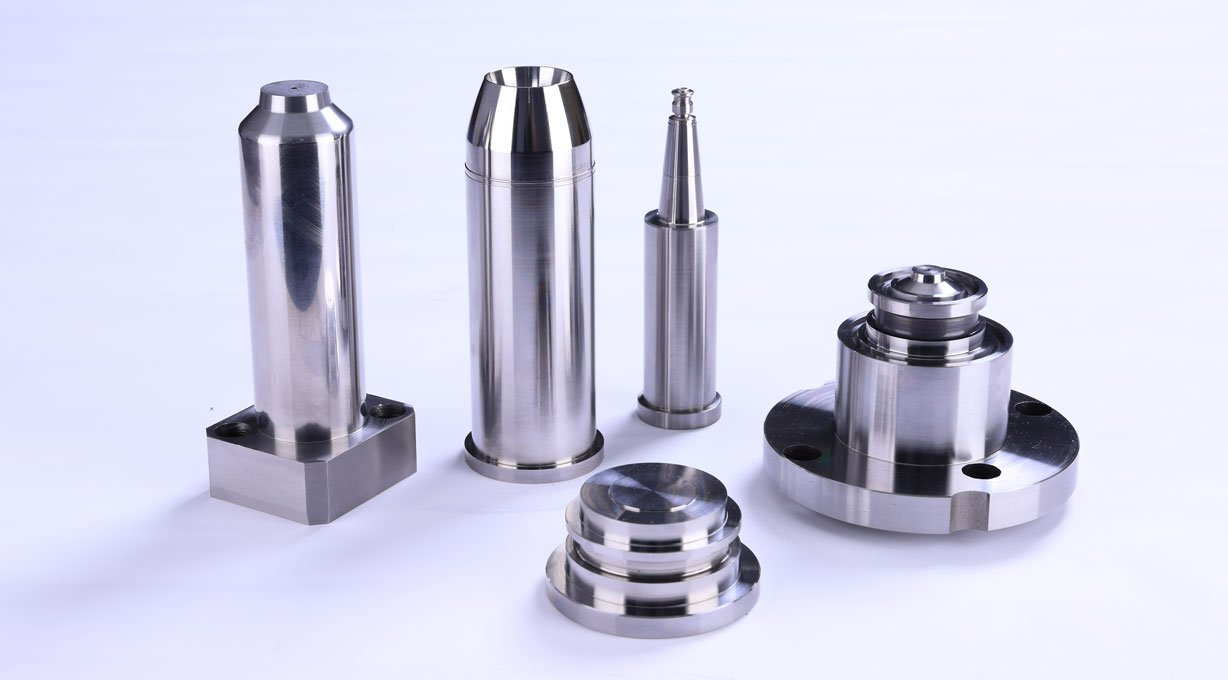
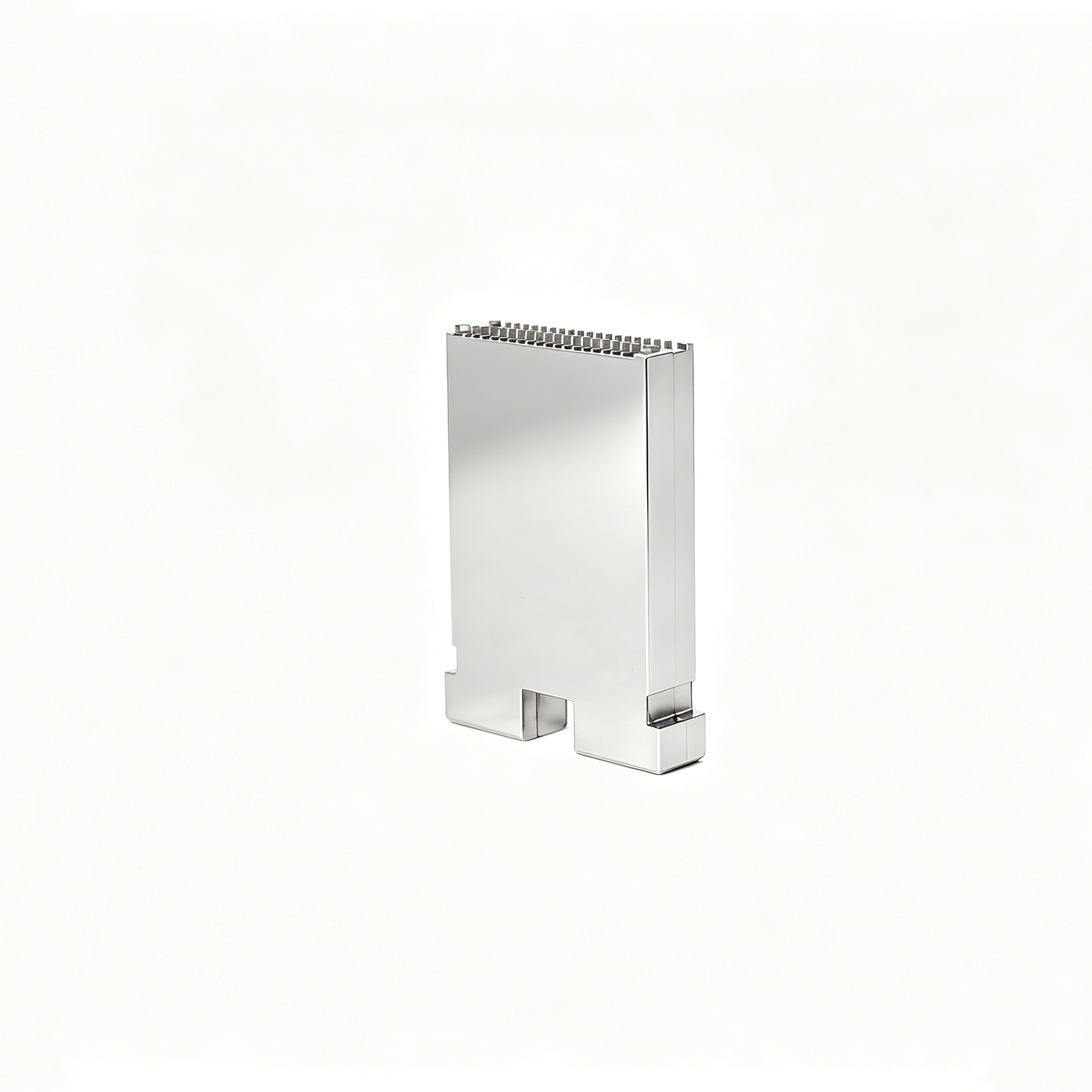
Precision Mold Components & Tooling Gallery
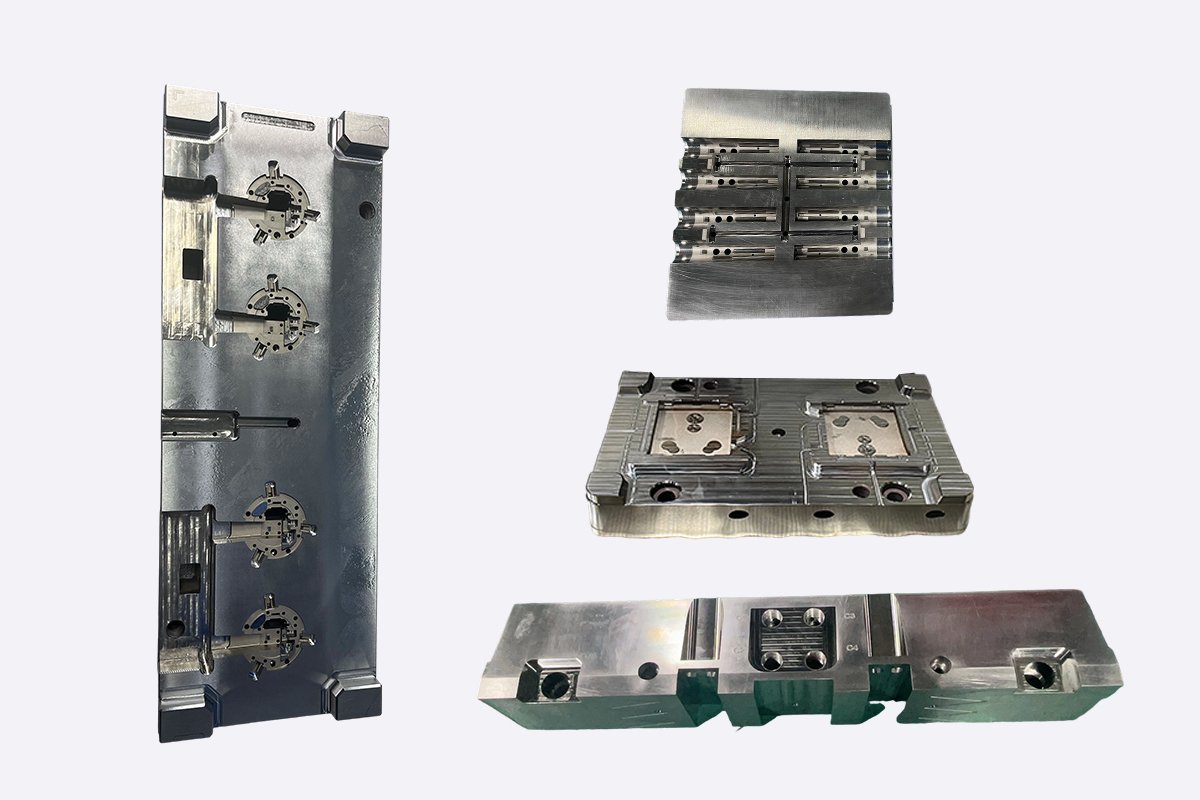
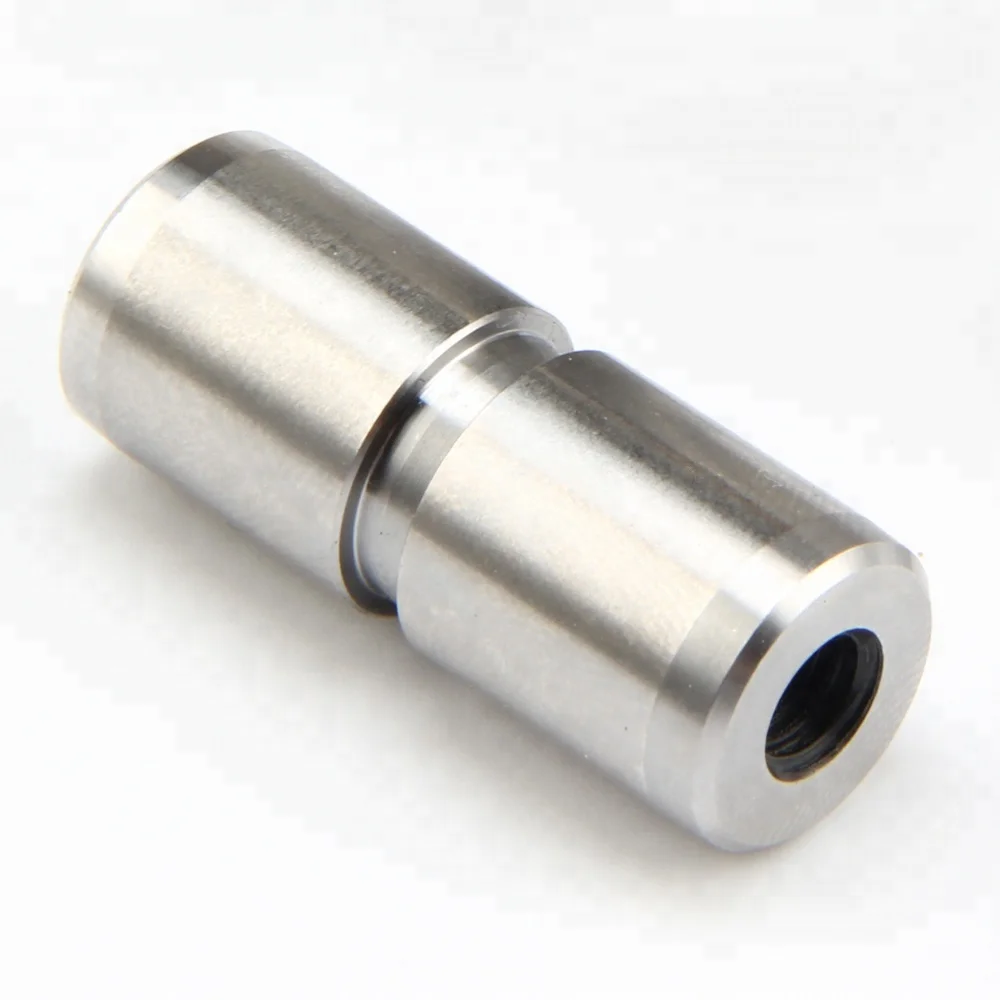
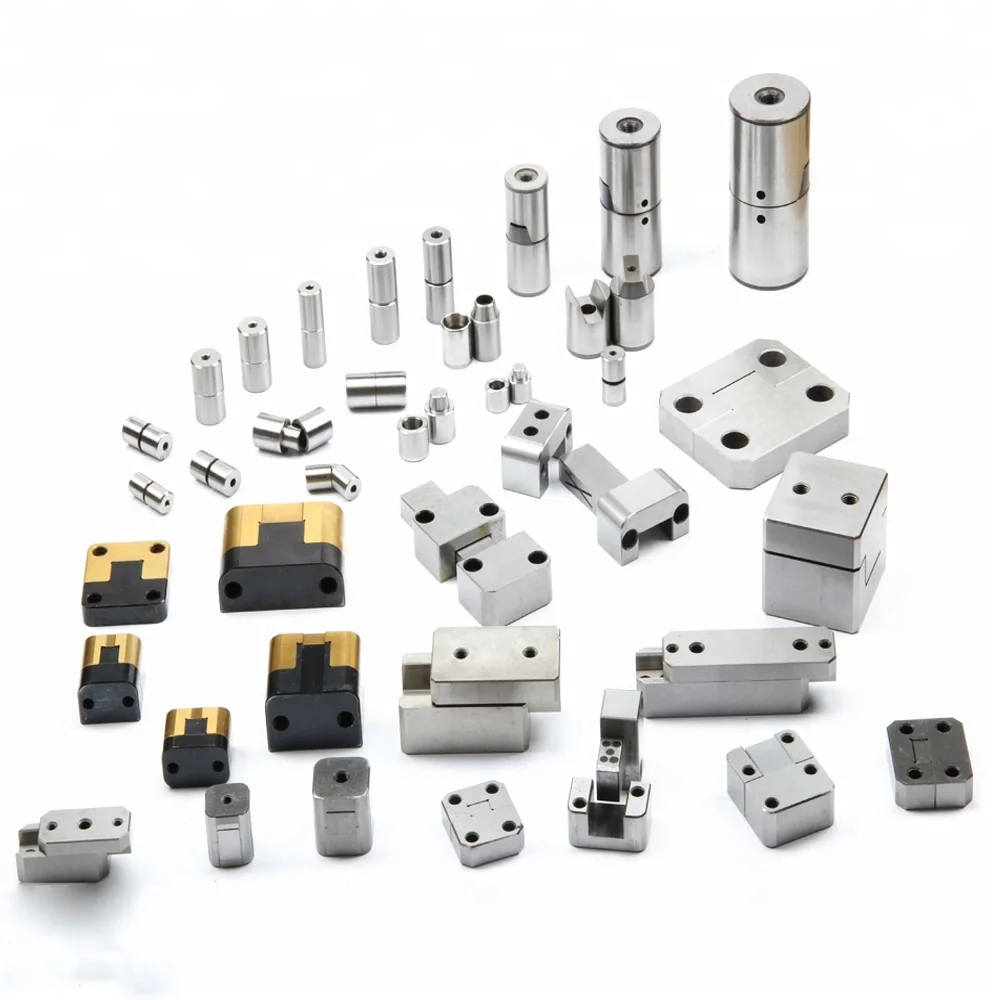
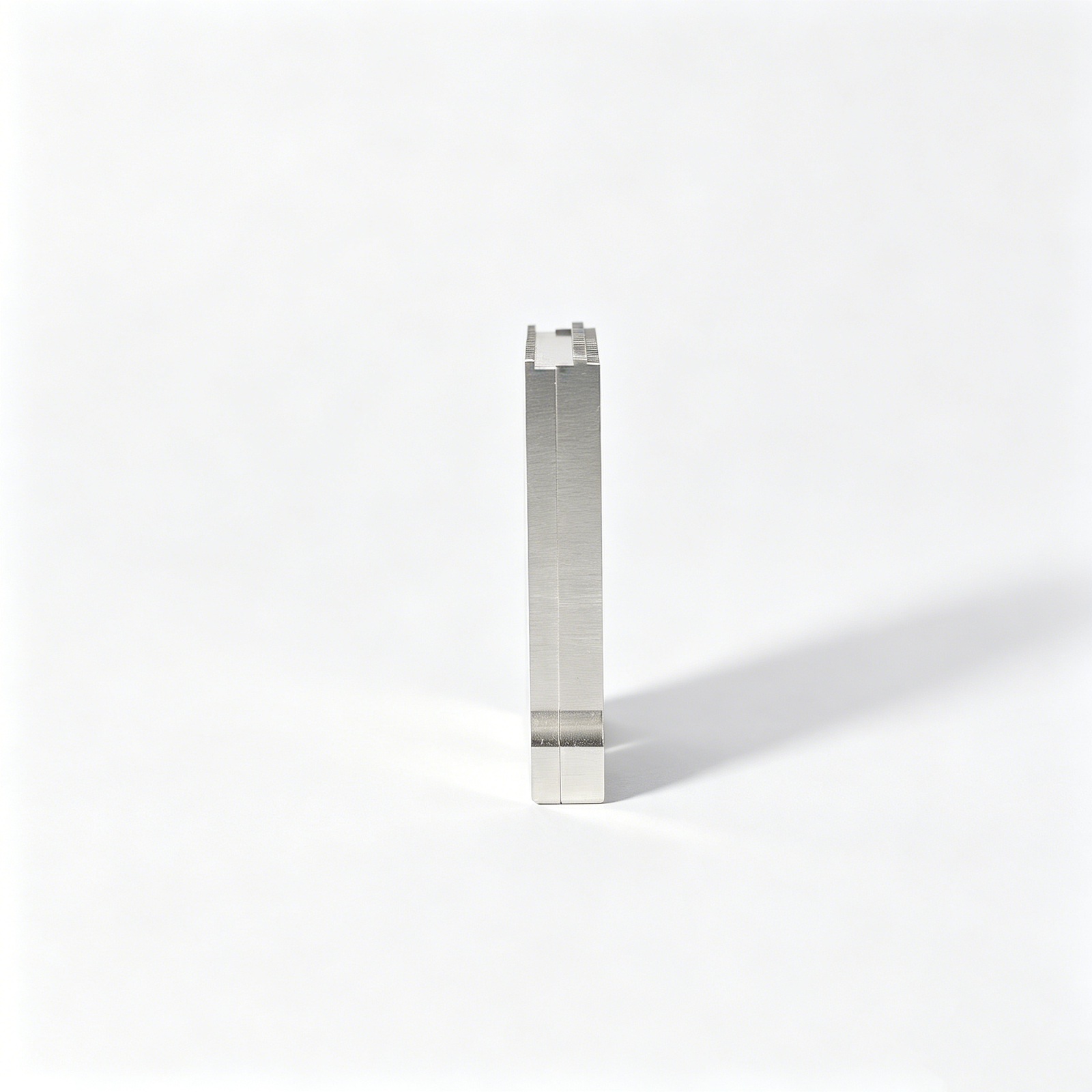

Why XUXIANG Precision Mold Components for Medical Devices Stand Out
±0.001 mm Machining Precision
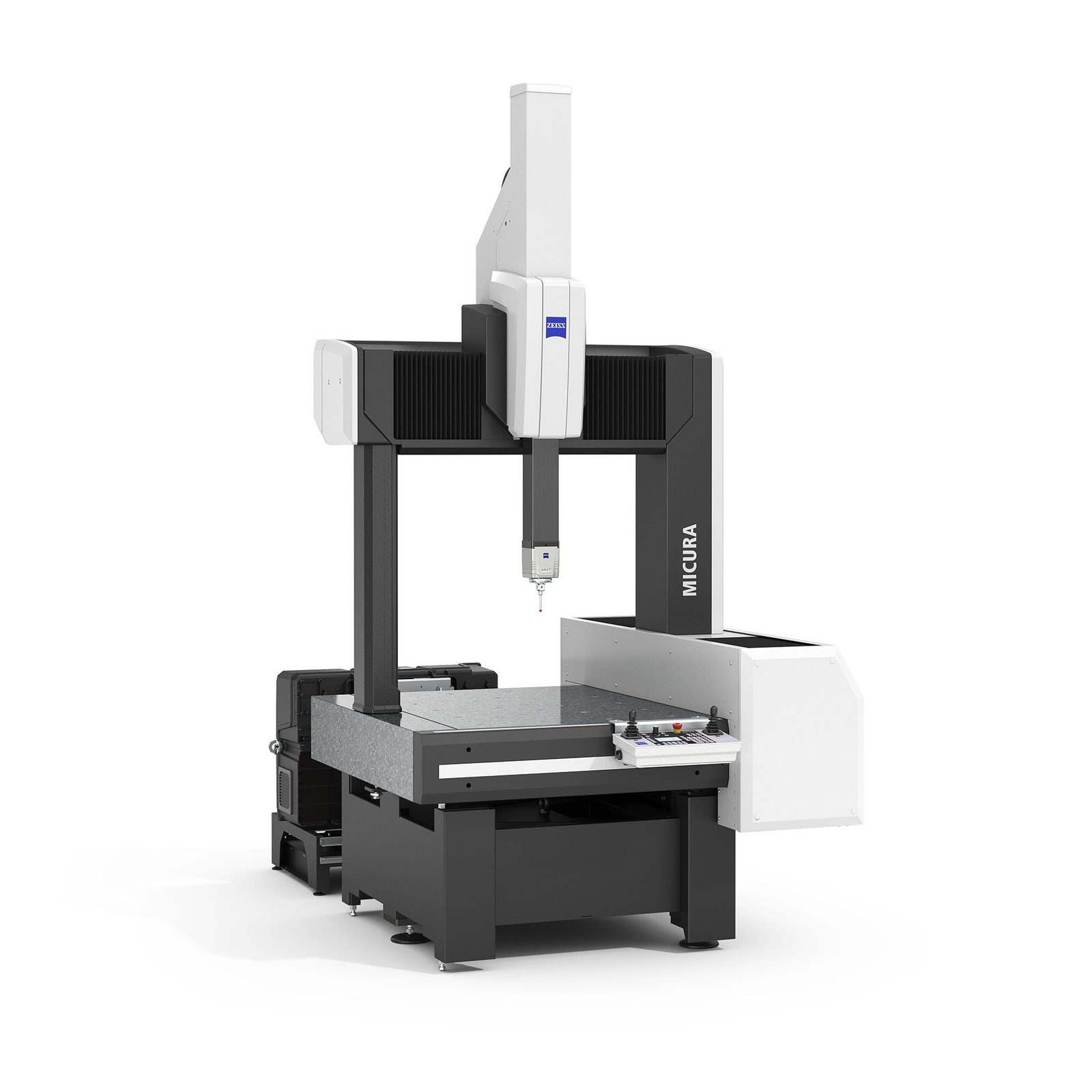
Micron-stable accuracy on every core, insert and cavity—validated with ZEISS MICURA CMM to 0.7 µm resolution for medical-grade repeatability.
Mirror-Grade EDM Surface Finish
Sodick slow-wire and Mitsubishi mirror EDM deliver Ra 0.1 µm finishes, eliminating post-polish and ensuring biocompatible surface integrity.
DFM Engineering Before Production
Our 10+ precision-mold engineers review every design for manufacturability, tolerance stack-up and parting-line optimization before tooling begins.
24-Hour Quote Turnaround
Upload your CAD files and receive a detailed, engineering-backed quotation within one business day—no waiting, no guesswork.
Dual-Factory Production Capacity
Dongguan micro-machining hub plus Quanzhou volume facility deliver 200 percent higher output and 30 percent faster lead times since 2025.
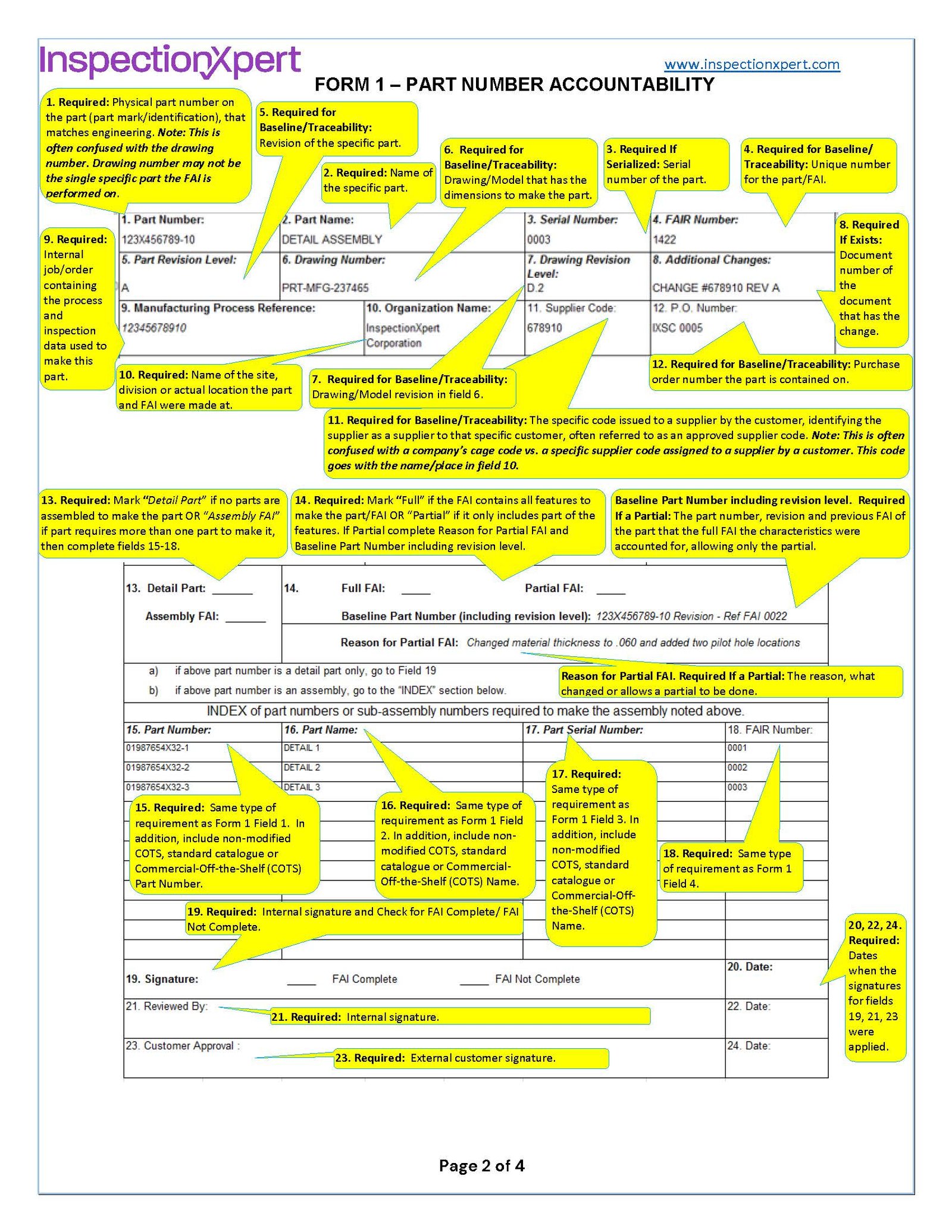
Full FAI & Material Certificates
Every shipment includes first-article inspection reports, spectral analysis and dimensional records—ISO 9001:2015 traceability from stock to dock.
Precision Mold Components, CNC Machining Services & Tooling Solutions
Micro Injection Molds
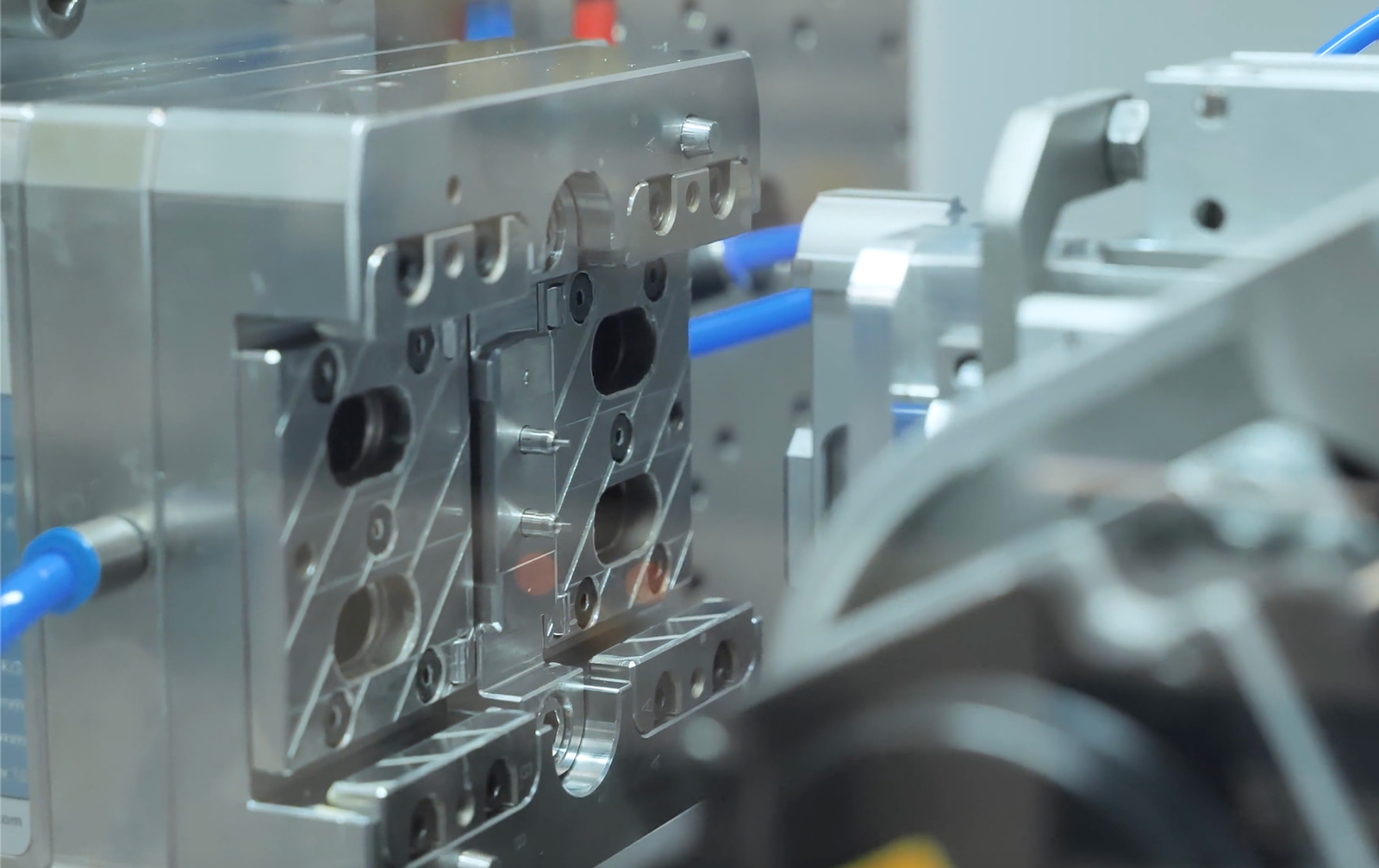
Multi-cavity micro injection molds engineered for high-density connector terminals, micro-pins and thin-wall housings in 5G, mobile and medical devices. Sodick slow-wire EDM and mirror-grade finishing deliver +/-0.002 mm positioning, corner radii to R 0.015 mm, and Ra 0.1 µm surfaces that eliminate post-polish cycles and ensure repeatable part quality across million-shot production runs.
Get a Quote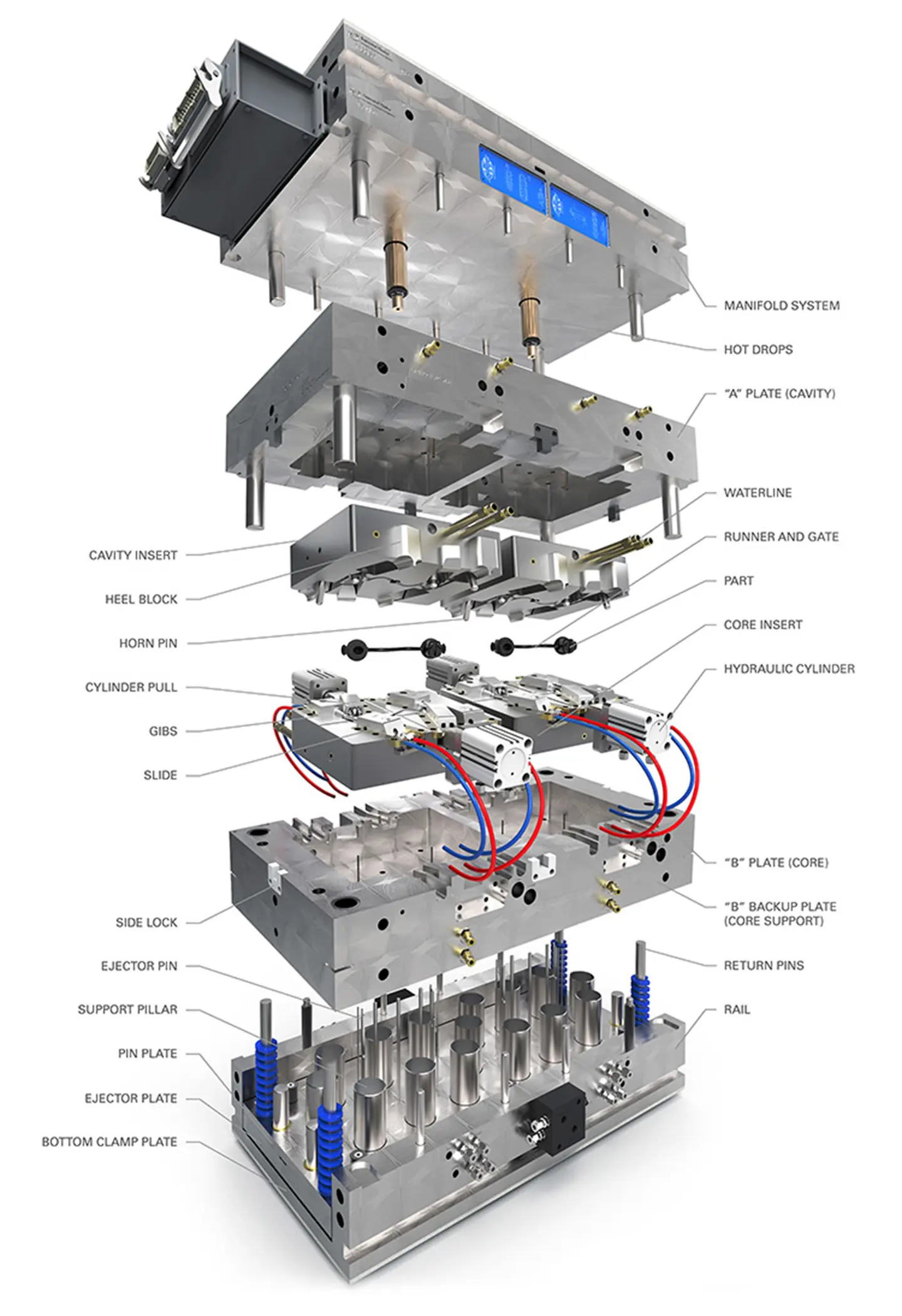
Medical Mold Cores
Mirror-class mold cores for medical-device housings, diagnostic cartridges and implantable-component tooling, held to +/-0.001 mm and validated on ZEISS MICURA CMM with 0.7 µm resolution. Every core ships with full FAI documentation, material certificates and DFM feedback from 10+ engineers to meet FDA-track traceability and biocompatibility material requirements without revision delays.
Get a Quote
Cavity Inserts
High-precision cavity inserts for multi-cavity electronics, automotive sensor housings and consumer-product molds, machined to +/-0.001 mm on Fanuc CNC and Sodick EDM systems. Conformal cooling channels, mirror EDM finishes and in-process tolerance monitoring reduce cycle time, eliminate sink marks and maintain dimensional stability over hundreds of thousands of cycles in high-volume injection environments.
Get a Quote
Ejector Pins
Precision ejector pins and sleeves manufactured to +/-0.002 mm diameter tolerance and Ra 0.2 µm or better, preventing flash, part sticking and ejector marks in thin-wall, deep-draw and micro-feature molding. Material options include SKD61, SKH51 and carbide, with spectral analysis and surface-integrity checks ensuring wear resistance and consistent ejection force across long production campaigns.
Get a Quote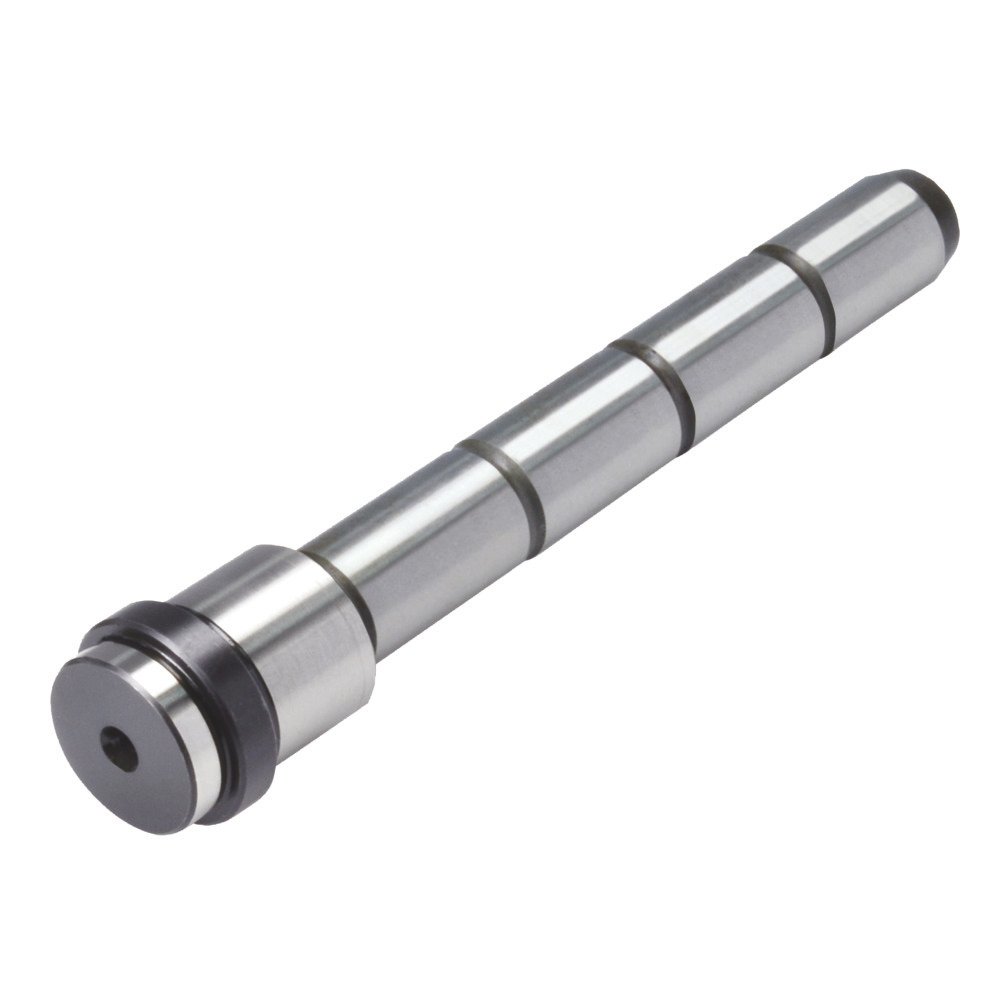
Guide Pillars Bushings
Guide pillars and guide bushings ground to +/-0.001 mm straightness and concentricity, ensuring mold-half alignment, eliminating core shift and protecting cavity inserts in high-speed automated molding. Manufactured on Dawn precision grinding centers with Nikon toolmaker’s microscope verification, compatible with HASCO, DME and MISUMI standards for drop-in replacement and global supply-chain compatibility.
Get a Quote
Hot Runner Components
Hot runner nozzle tips, manifold inserts and gate inserts machined to tight thermal-expansion tolerances and mirror-polished flow paths, minimizing pressure drop, gate vestige and color streaking in multi-cavity and family molds. CNC and EDM fabrication with DFM thermal-simulation feedback supports balanced filling, reduced scrap rates and faster mold commissioning for automotive, electronics and packaging applications.
Get a Quote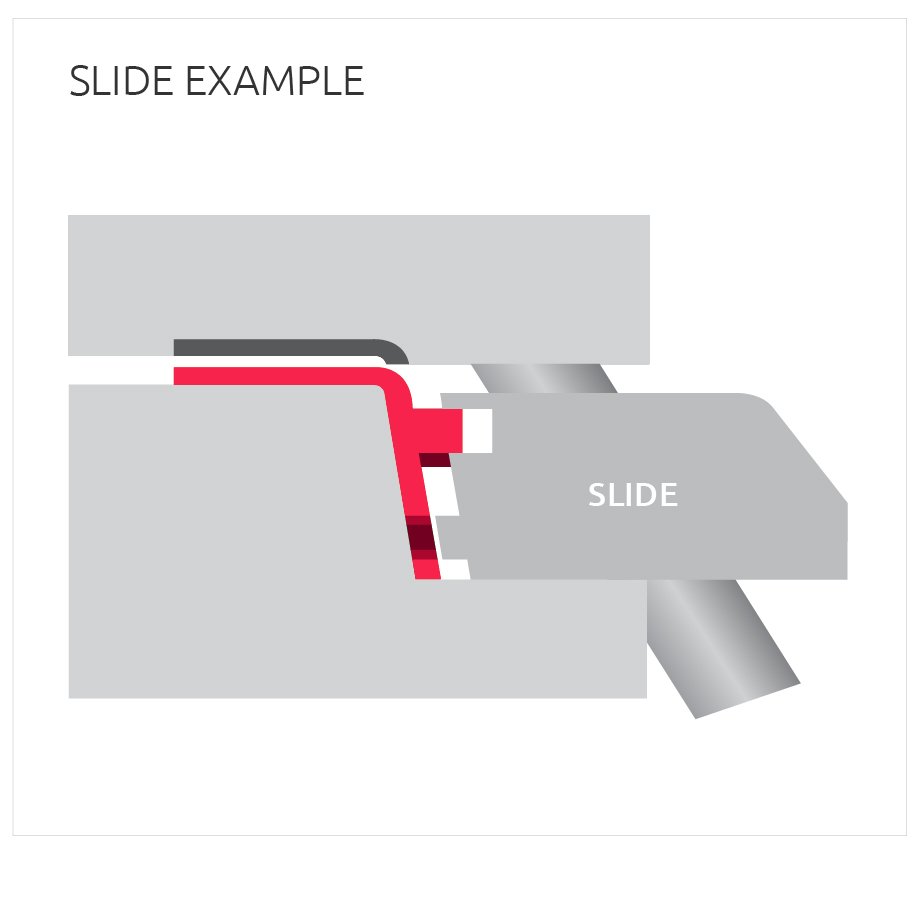
Slider Lifter Mechanisms
Slider and lifter mechanisms with +/-0.003 mm cam-angle accuracy and wear-resistant coatings, enabling complex undercuts, side actions and thread cores in automotive interior parts, connector housings and appliance components. Precision grinding, EDM and CMM validation ensure smooth actuation, minimal maintenance and zero interference over hundreds of thousands of mold cycles in automated production cells.
Get a Quote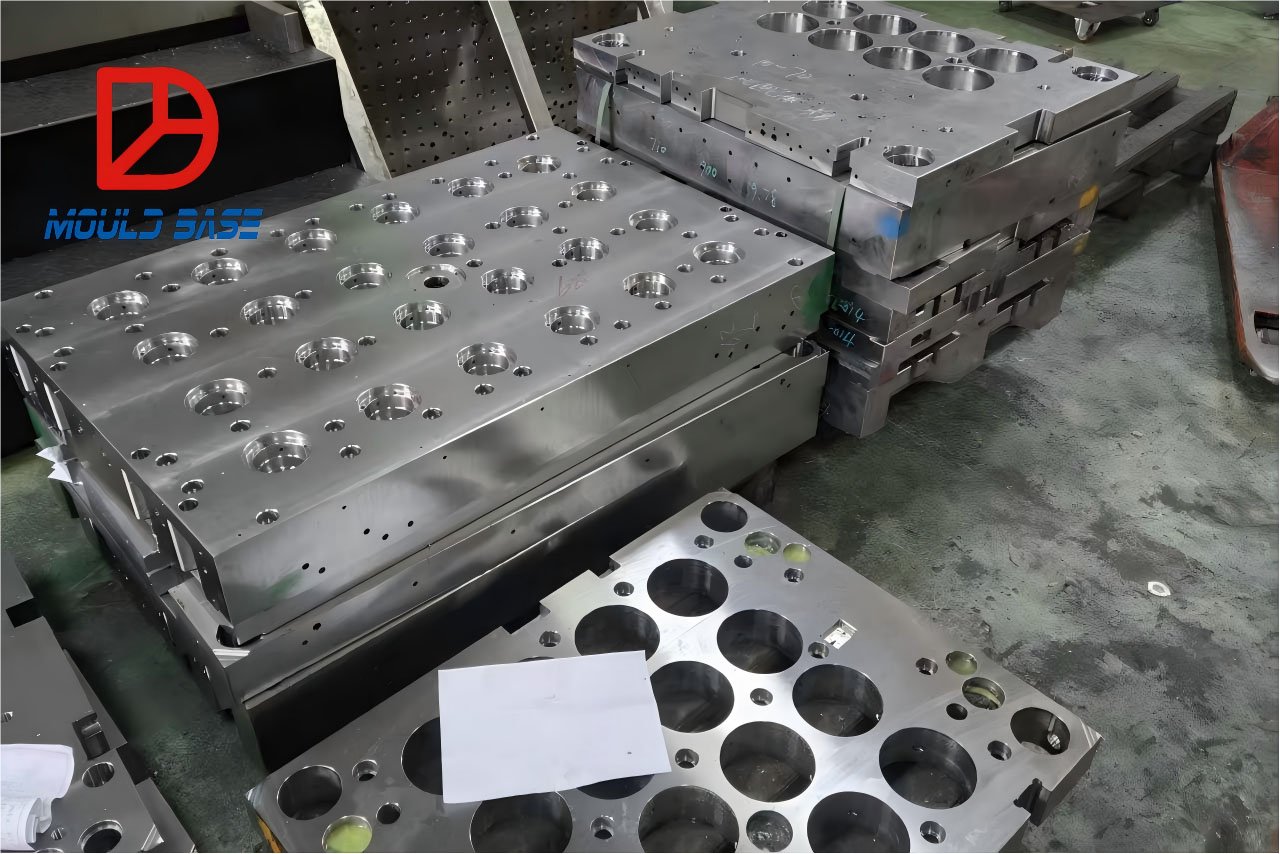
Precision Mold Bases
Precision mold bases manufactured to ISO, HASCO and DME standards with flatness to 0.005 mm and perpendicularity held across tie-bar clearances, providing stable foundations for multi-cavity, family and stack molds. CNC machining and coordinate grinding with full dimensional reports reduce mold setup time, improve cavity-to-cavity consistency and support modular insert programs for fast design iteration and spare-part availability.
Get a Quote
EDM Electrodes
EDM graphite and copper electrodes CNC-machined on Beijing Jingdiao high-precision centers to +/-0.002 mm for sinker EDM of complex ribs, logos, textured surfaces and micro-features. Electrode libraries, multi-axis profiling and inspection under Nikon microscopes enable consistent burn depths, sharp corner definition and repeatable surface finishes, cutting EDM programming time and eliminating hand-finishing on production cores and cavities.
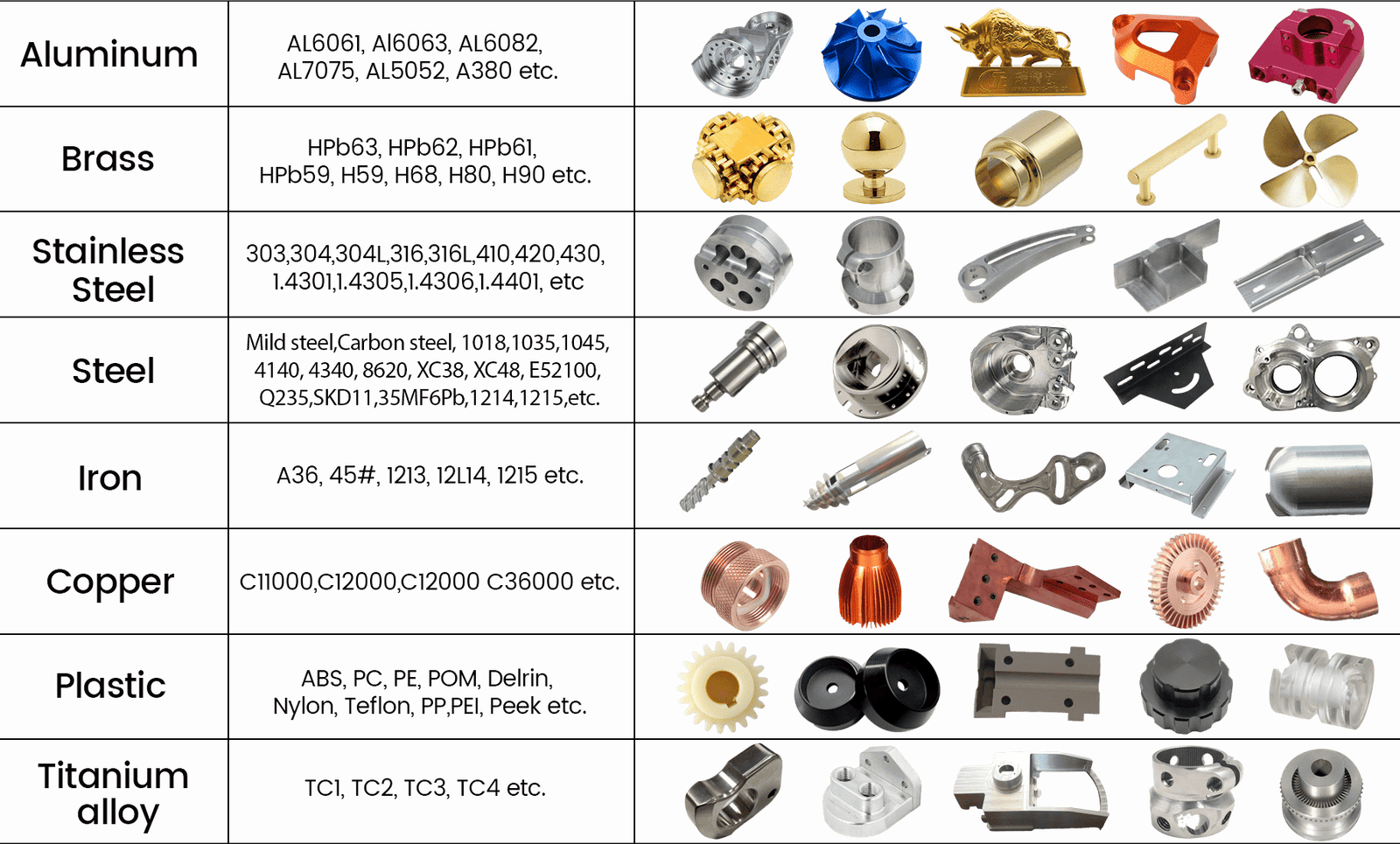
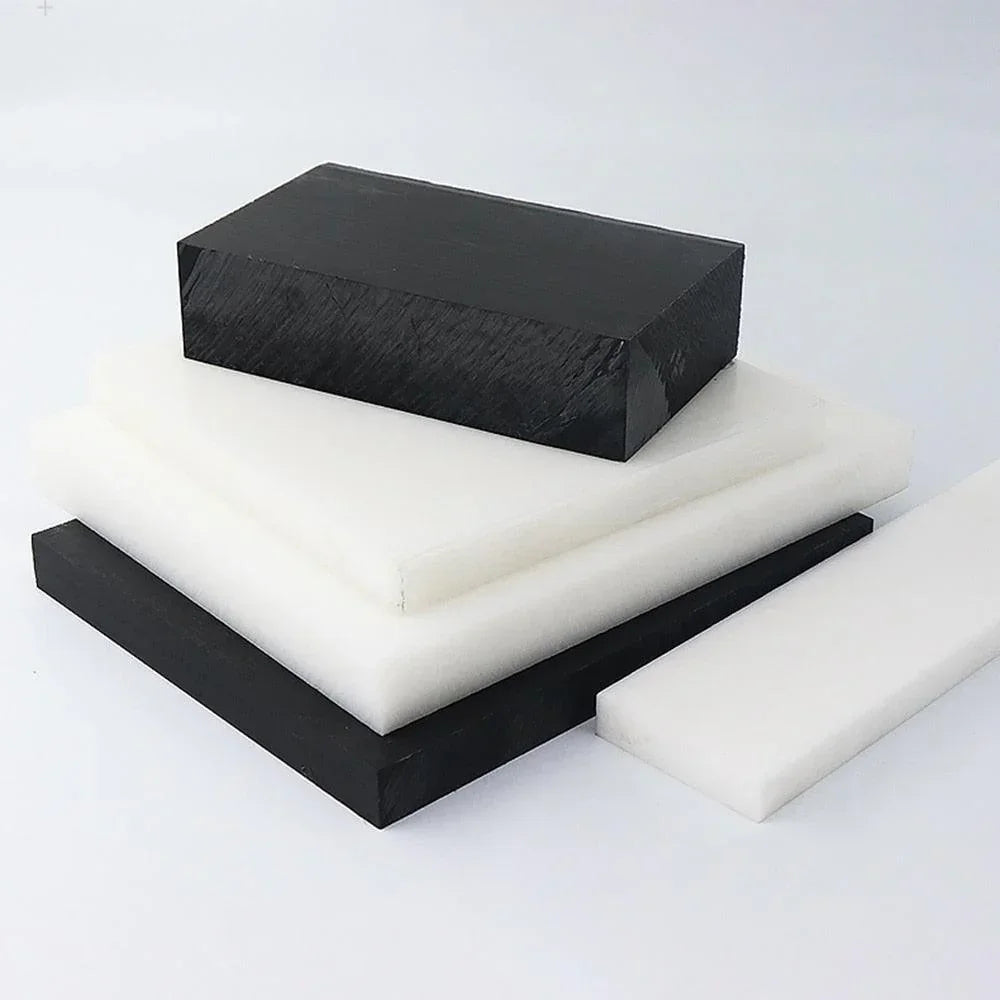
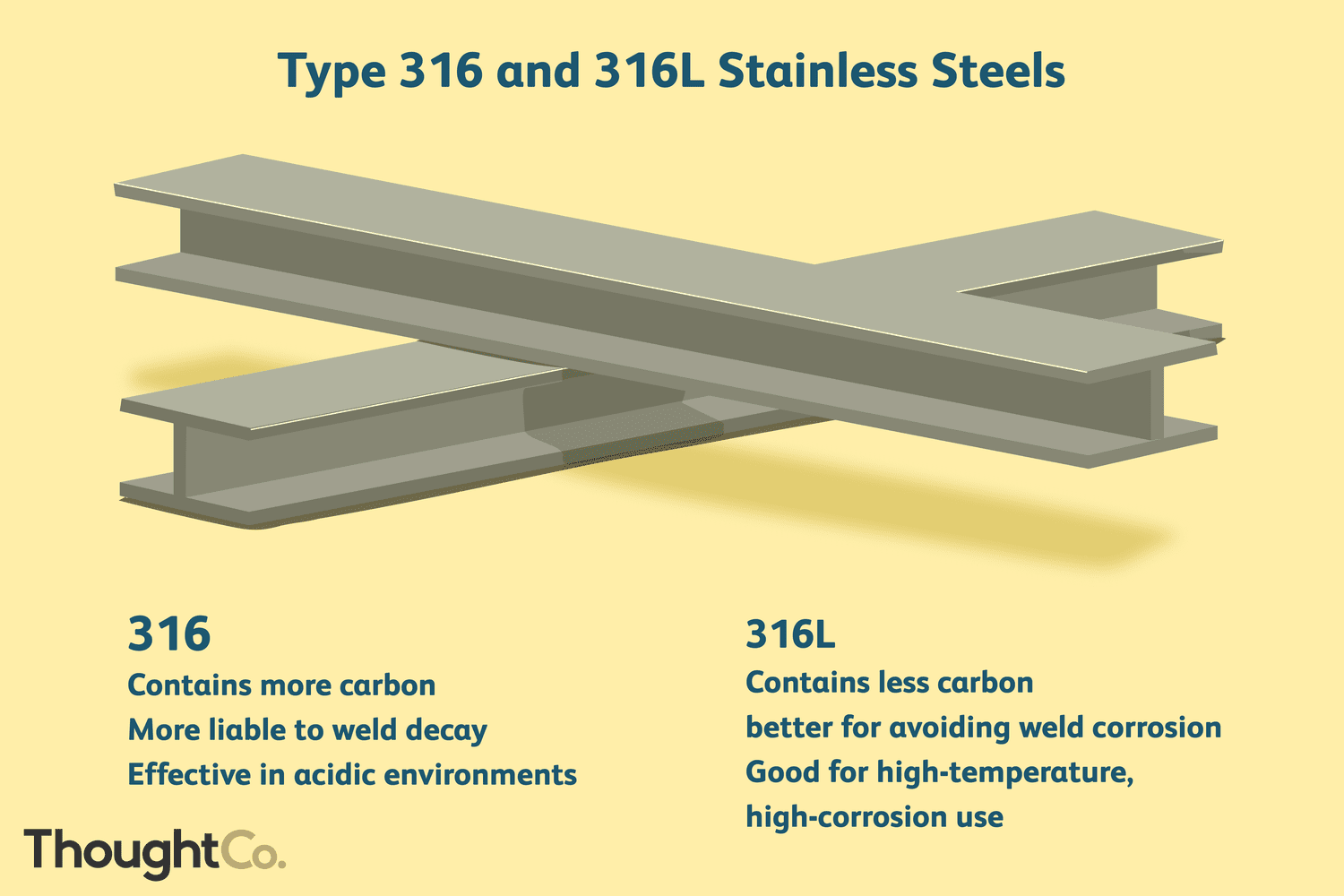
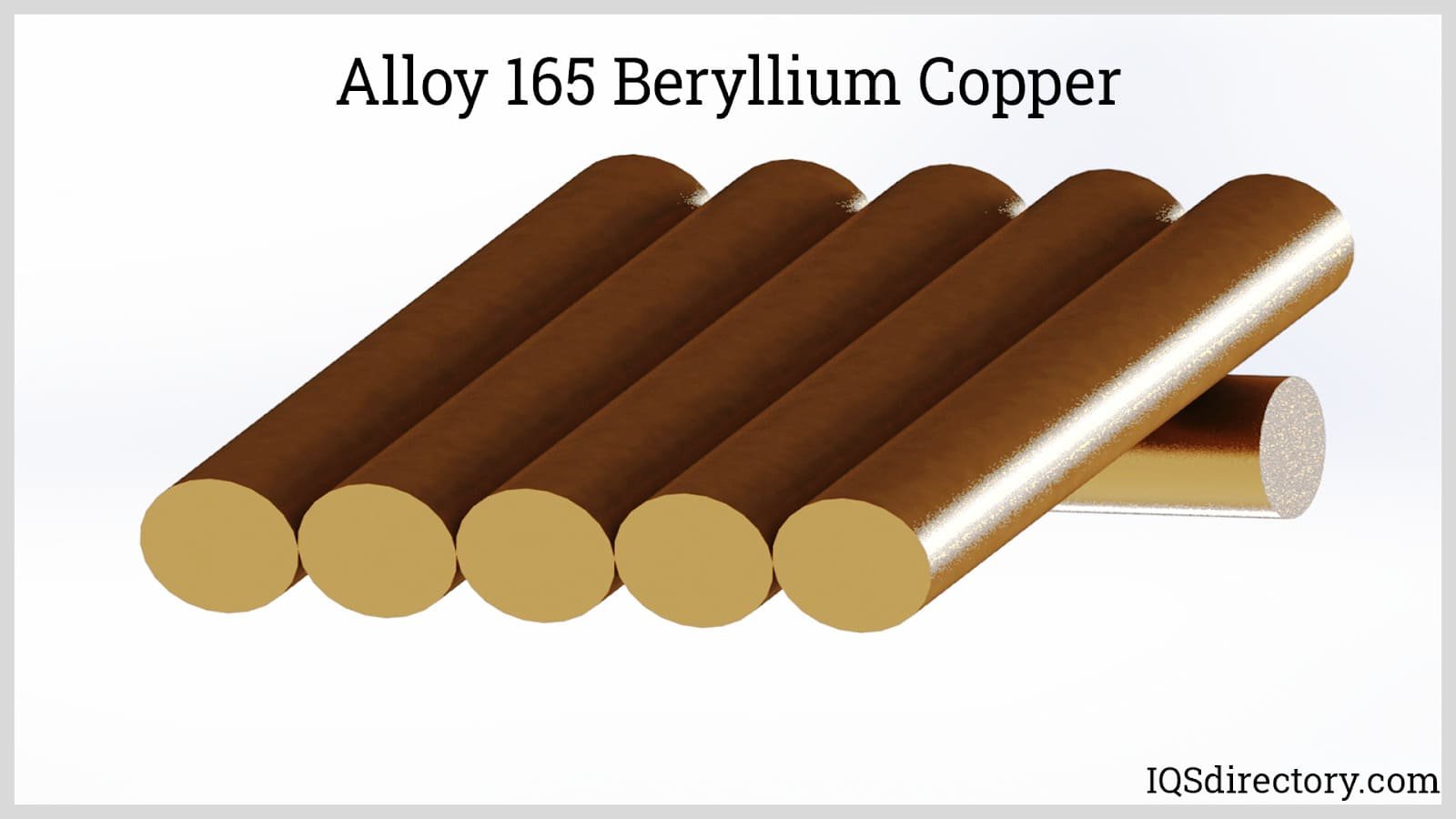
Get a QuoteMaterials We Machine for Injection Molding Machines for Medical Components


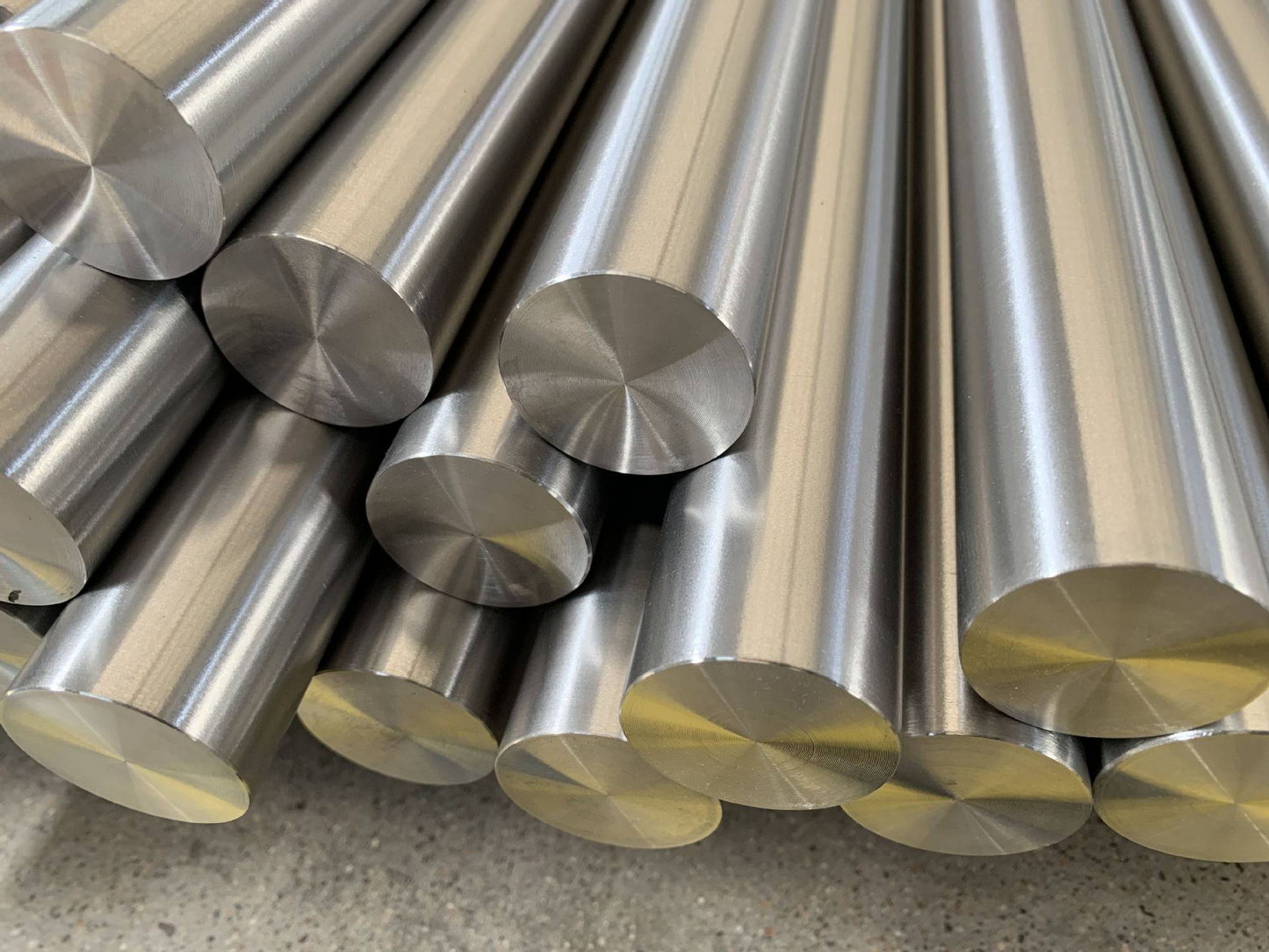
Advanced Precision Machining Services: EDM, CNC & Grinding for Medical Tooling
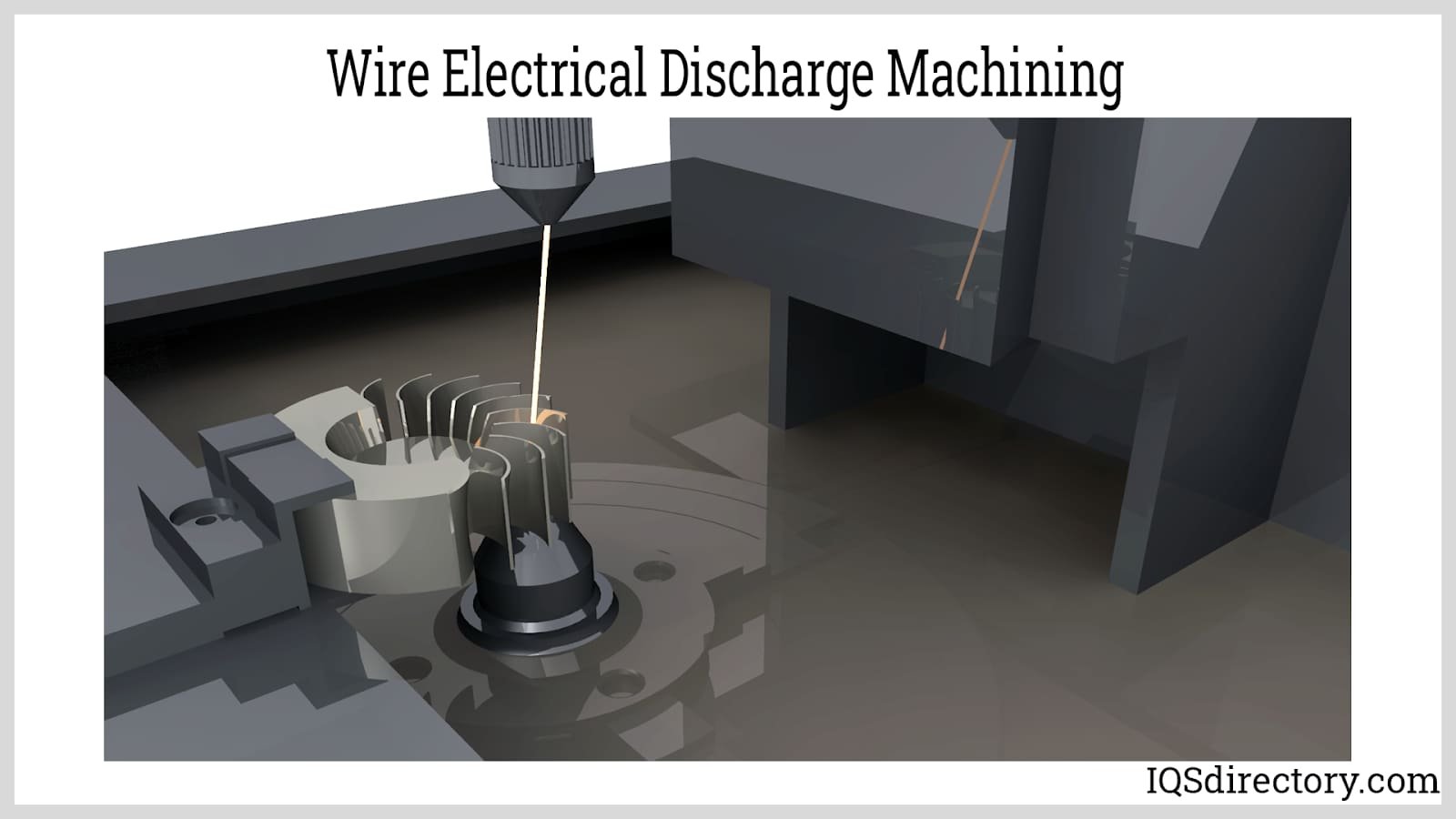
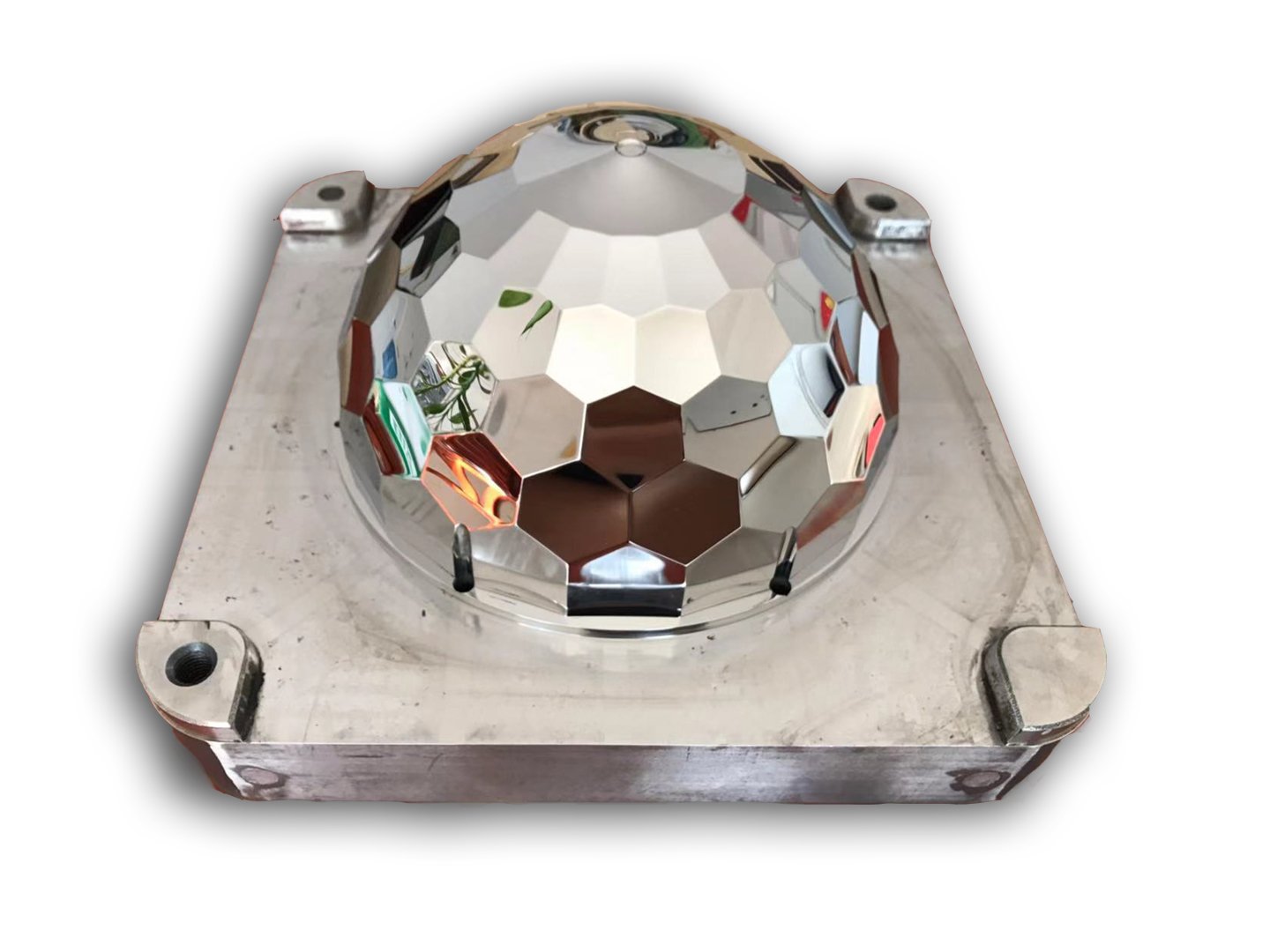
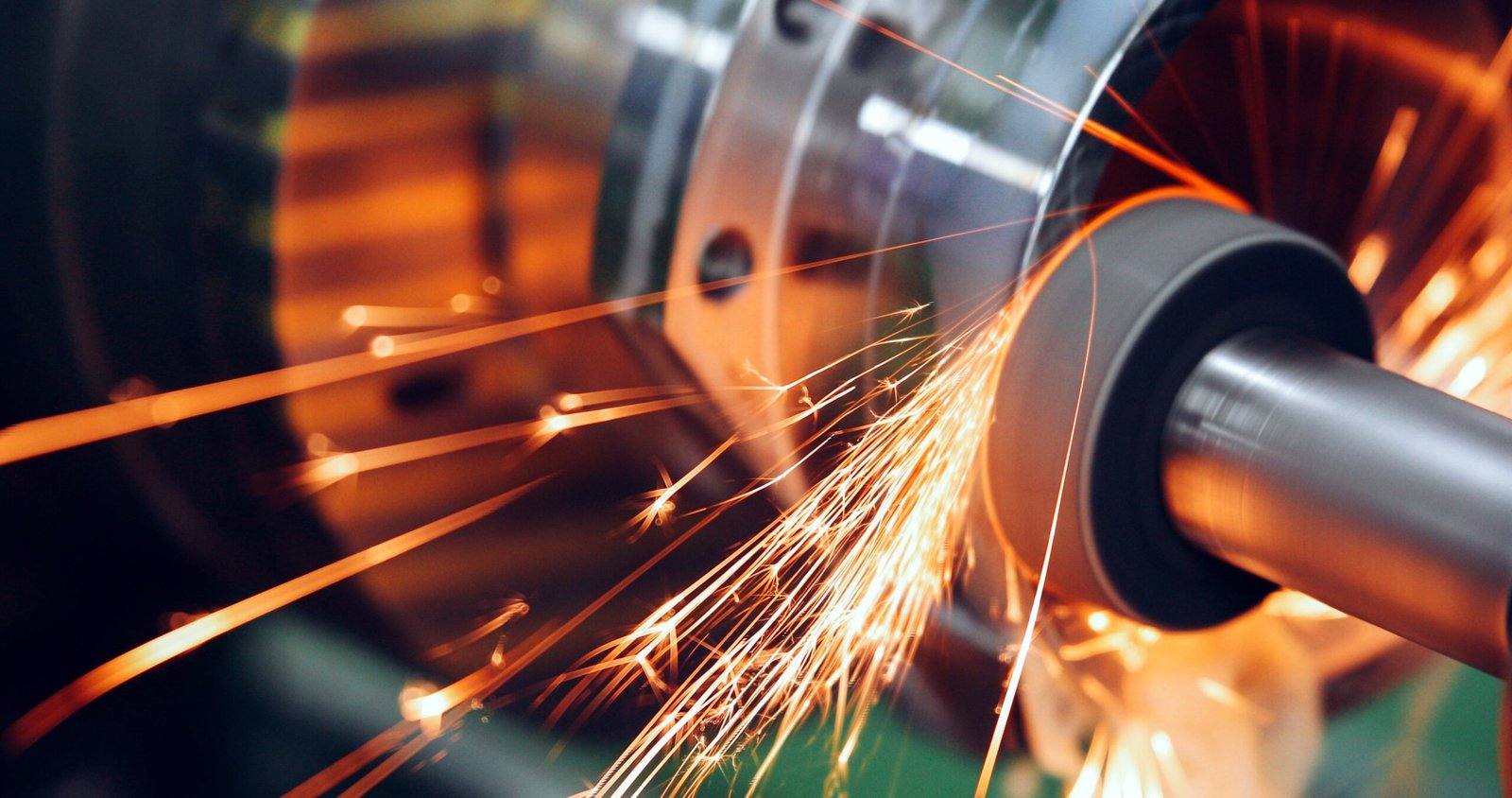
Mirror EDM
Mitsubishi and Sodick sinker EDM systems produce mirror-grade surface finishes down to Ra 0.1um with +/-0.003 mm accuracy, eliminating secondary polishing on complex cavities and core inserts for sterile, burr-free medical components.
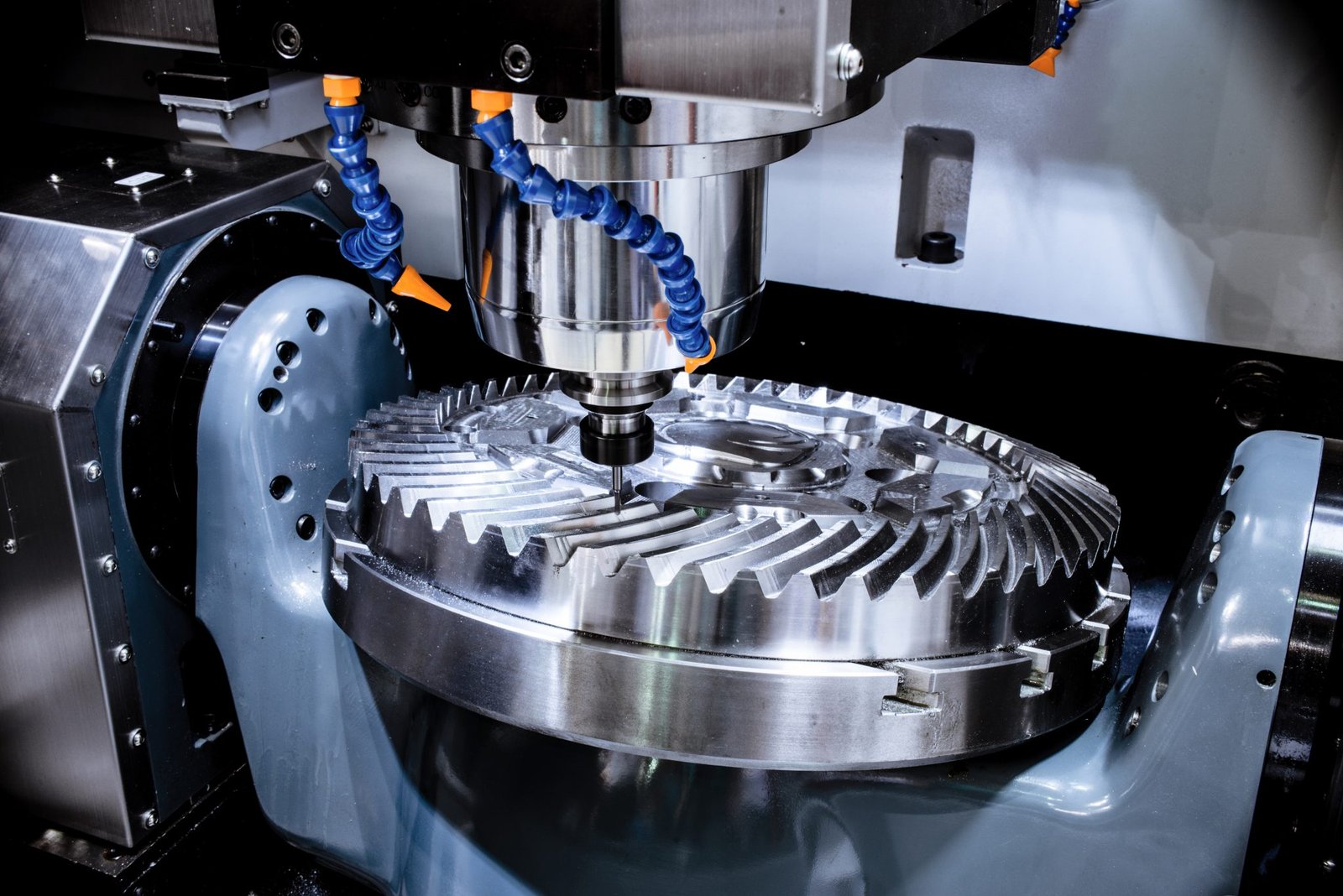
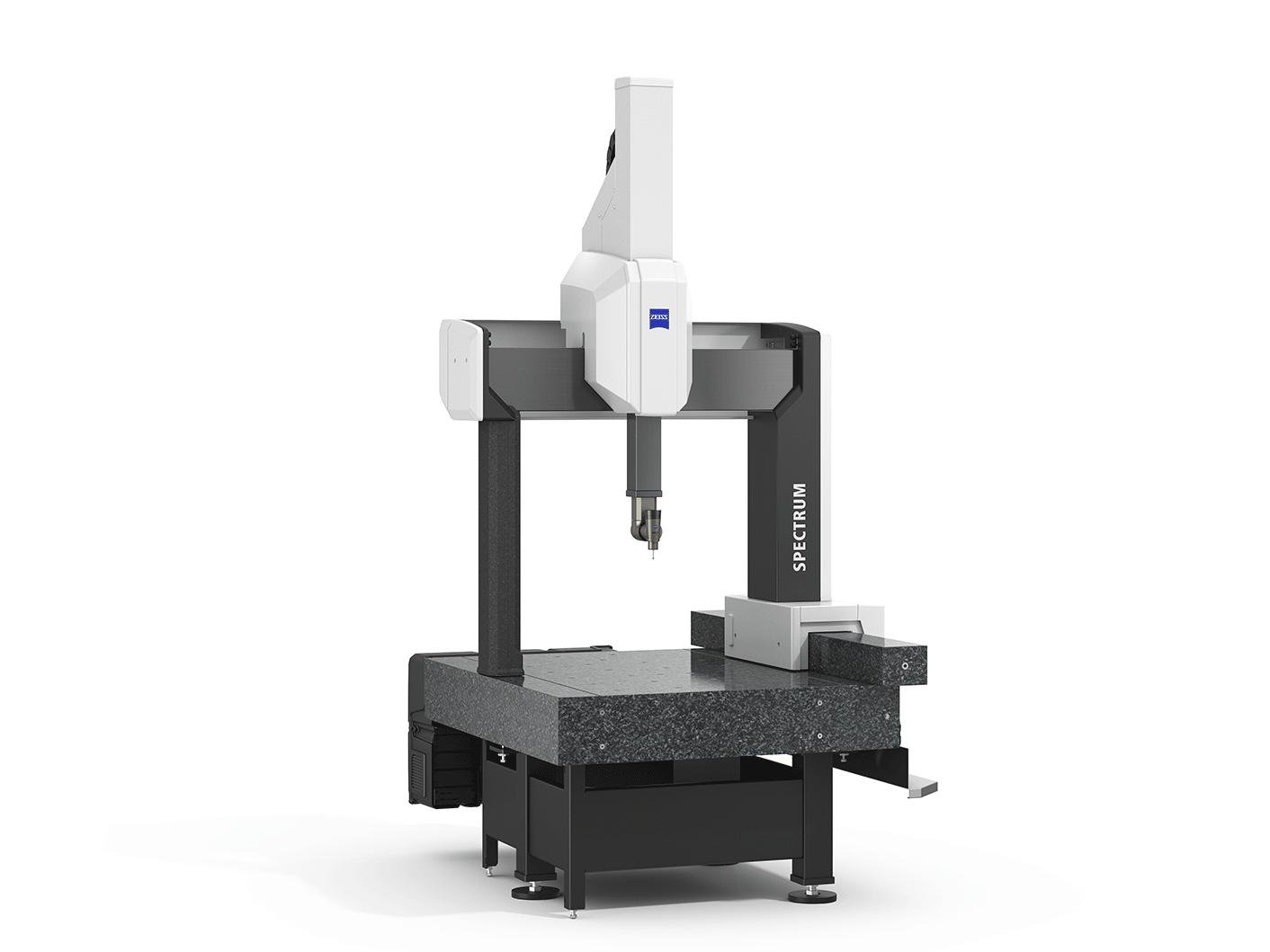
ZEISS CMM Metrology
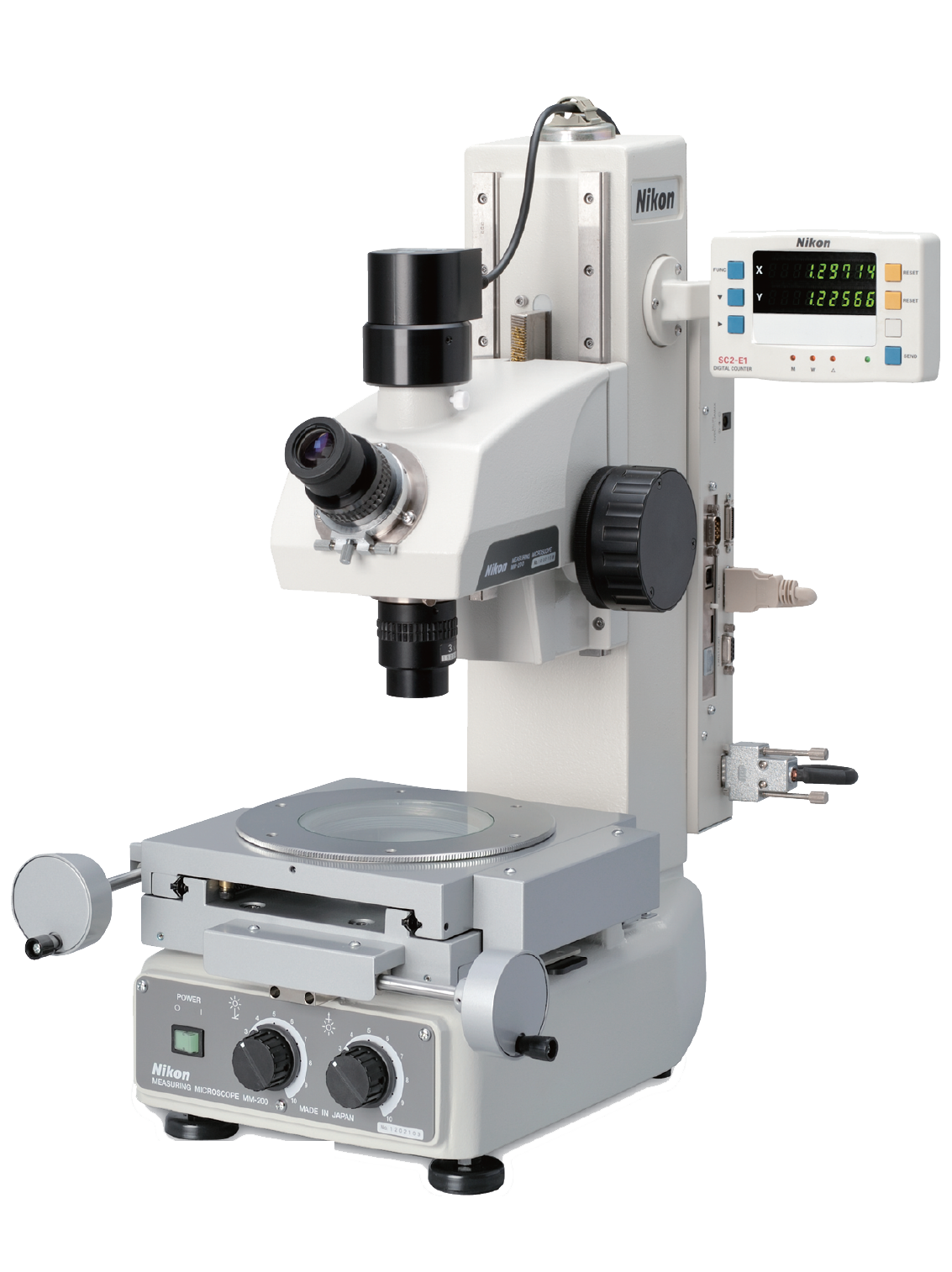
ZEISS MICURA coordinate measuring machine verifies dimensional accuracy to 0.7um resolution, with Nikon toolmaker’s microscopes (V-12B/MM-400 class) providing optical inspection and full FAI documentation with material certificates for every medical tooling shipment.
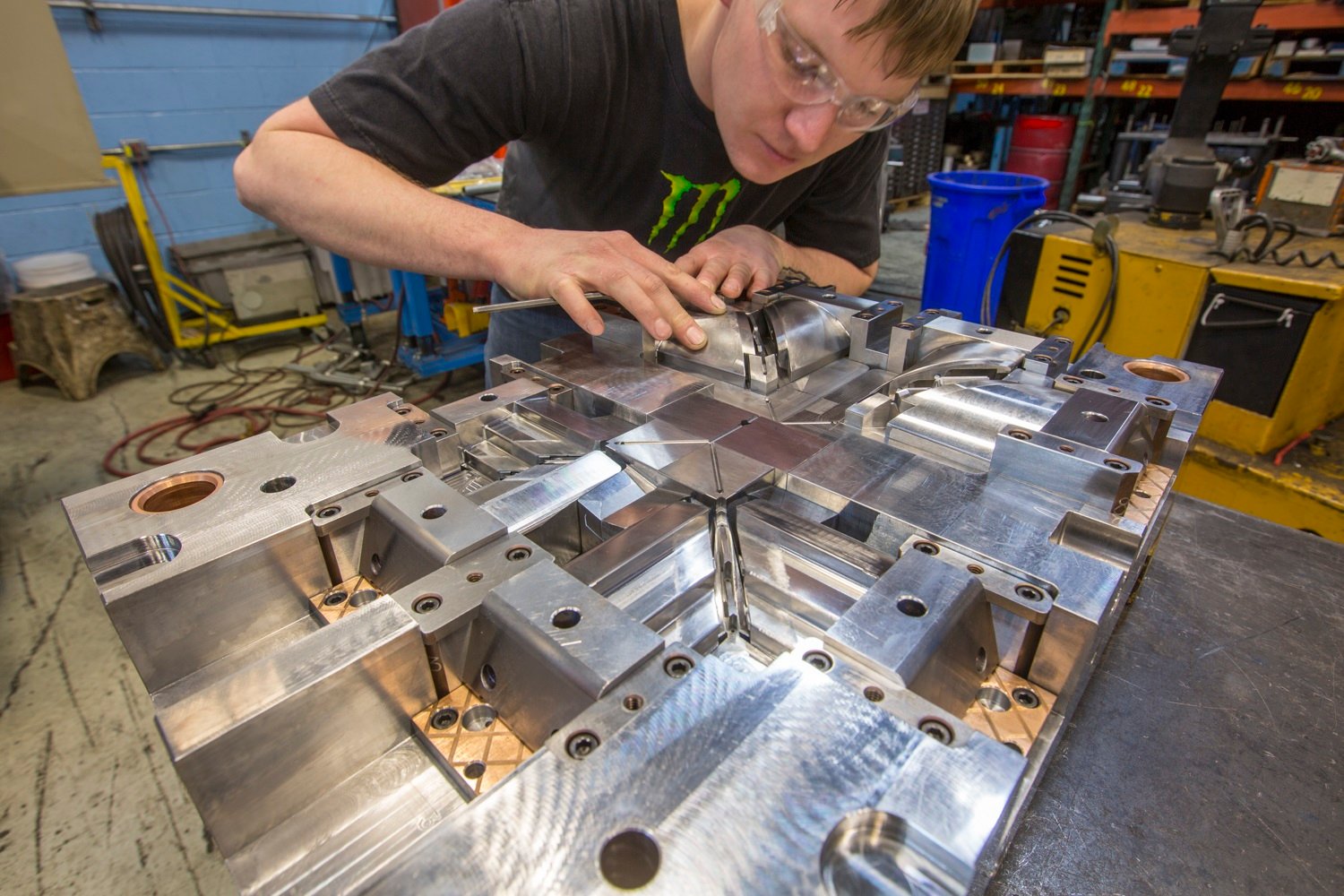
Finishing & Assembly Options for Medical-Device Mold Components
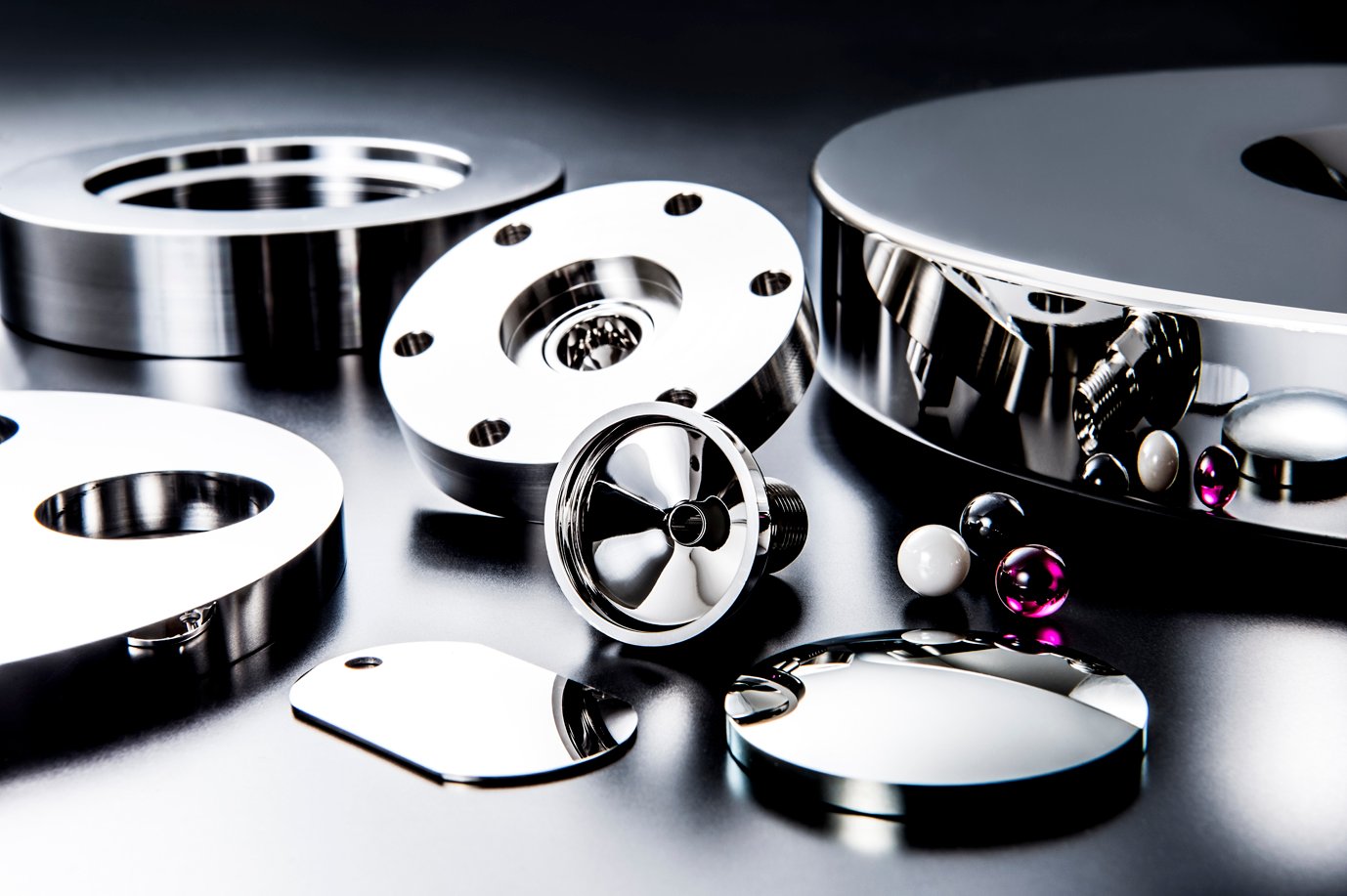
Mirror Polishing
Ra 0.1 µm mirror-grade surface finish on mold cavities and cores, critical for medical housings, luer fittings and diagnostic cartridges where surface defects compromise sterility, cosmetics and part release. Validated with Nikon toolmaker’s microscopes.
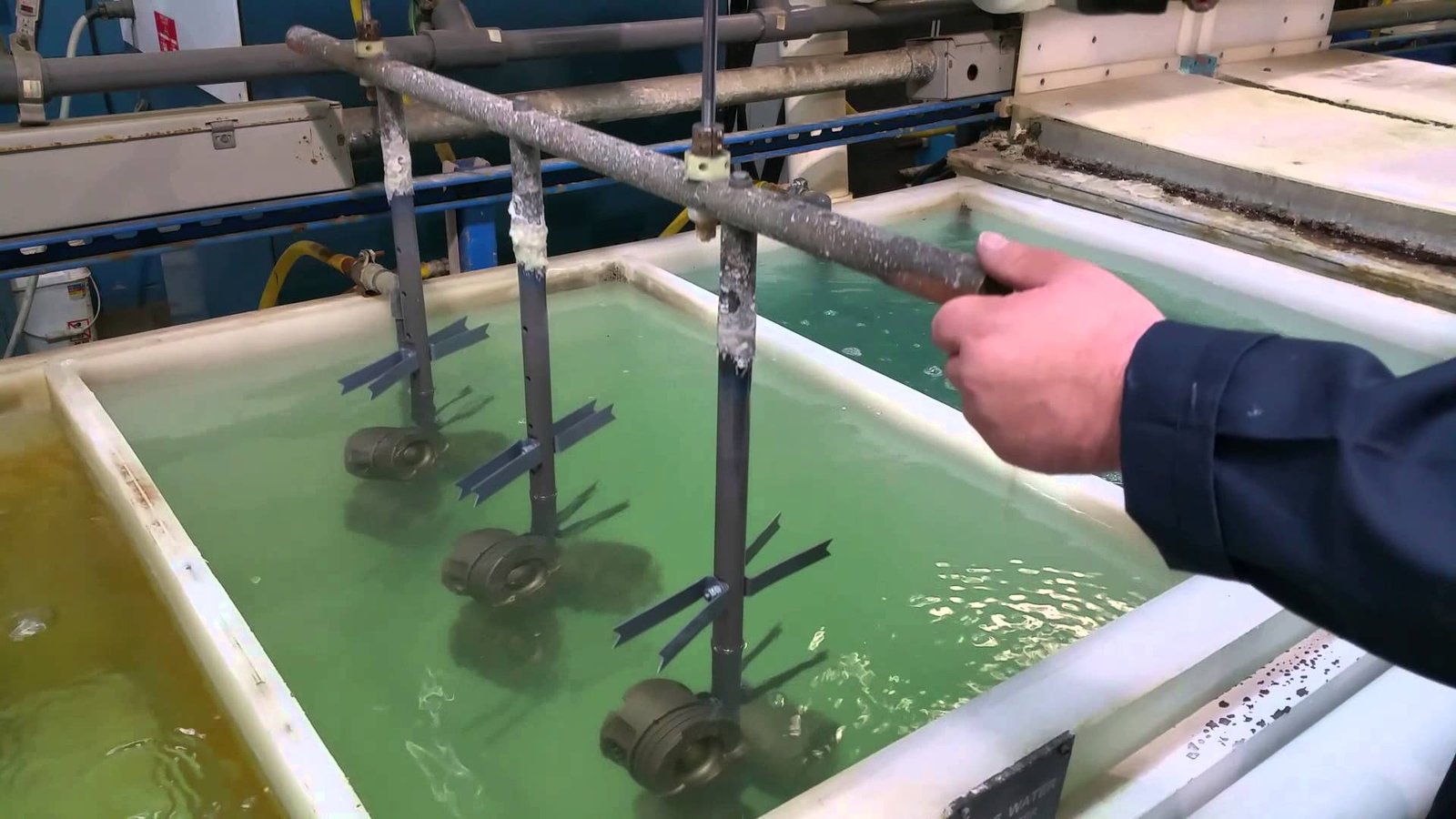
Hard Anodizing
Type III anodizing on aluminum inserts and ejector pins for medical molds, delivering 50+ HRC hardness and corrosion resistance required for cleanroom environments, repeated sterilization cycles and high-volume production of Class II/III devices.
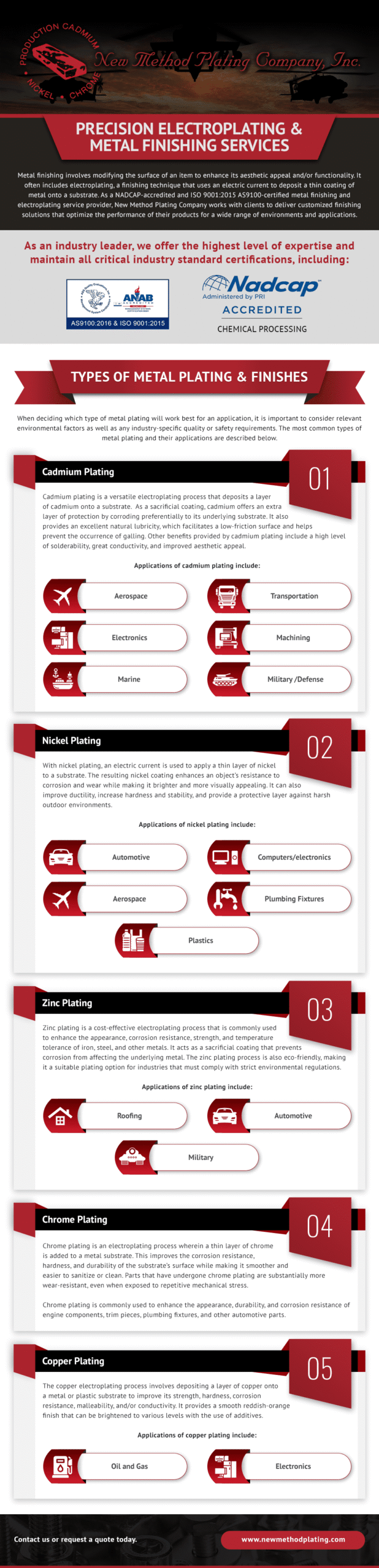
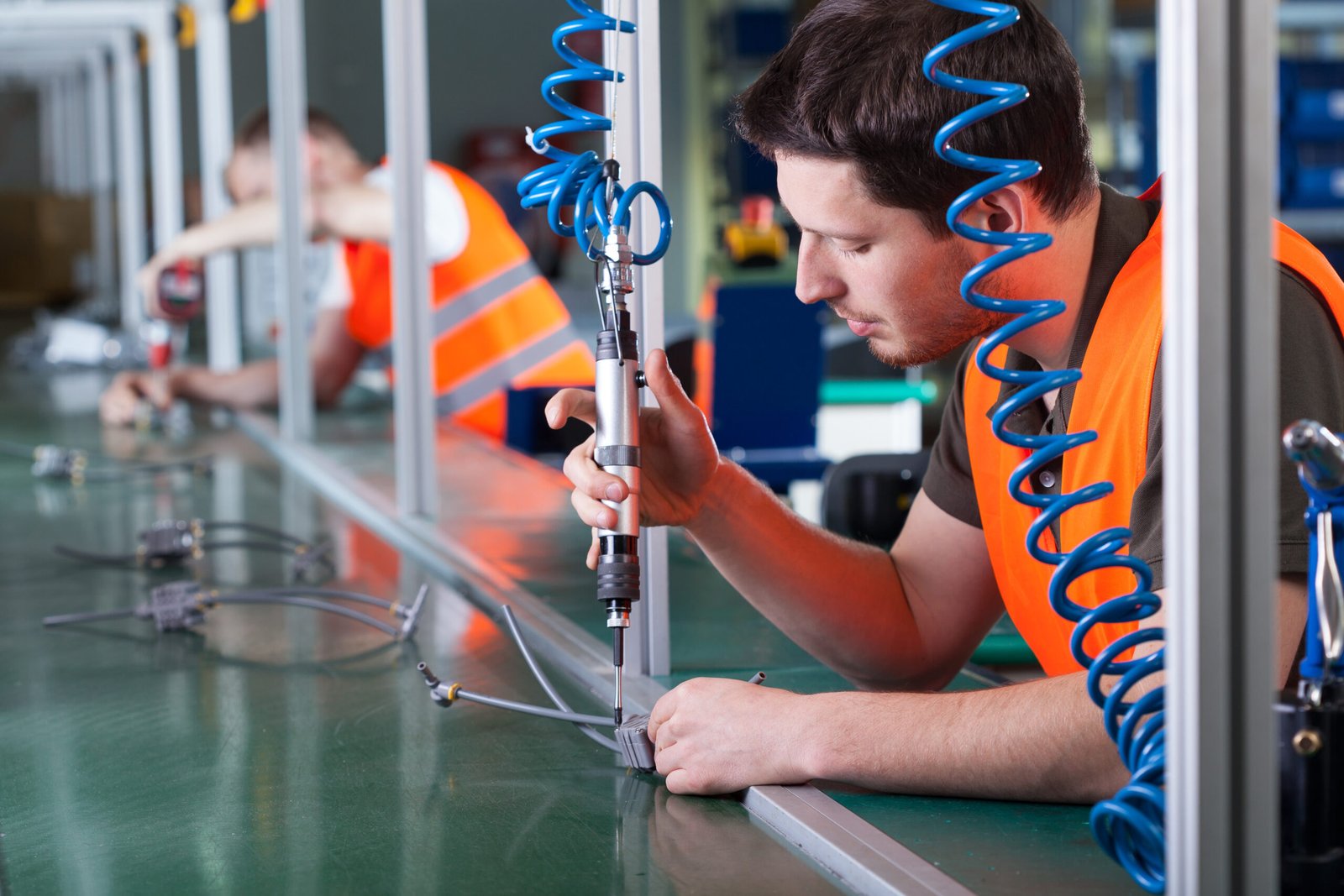
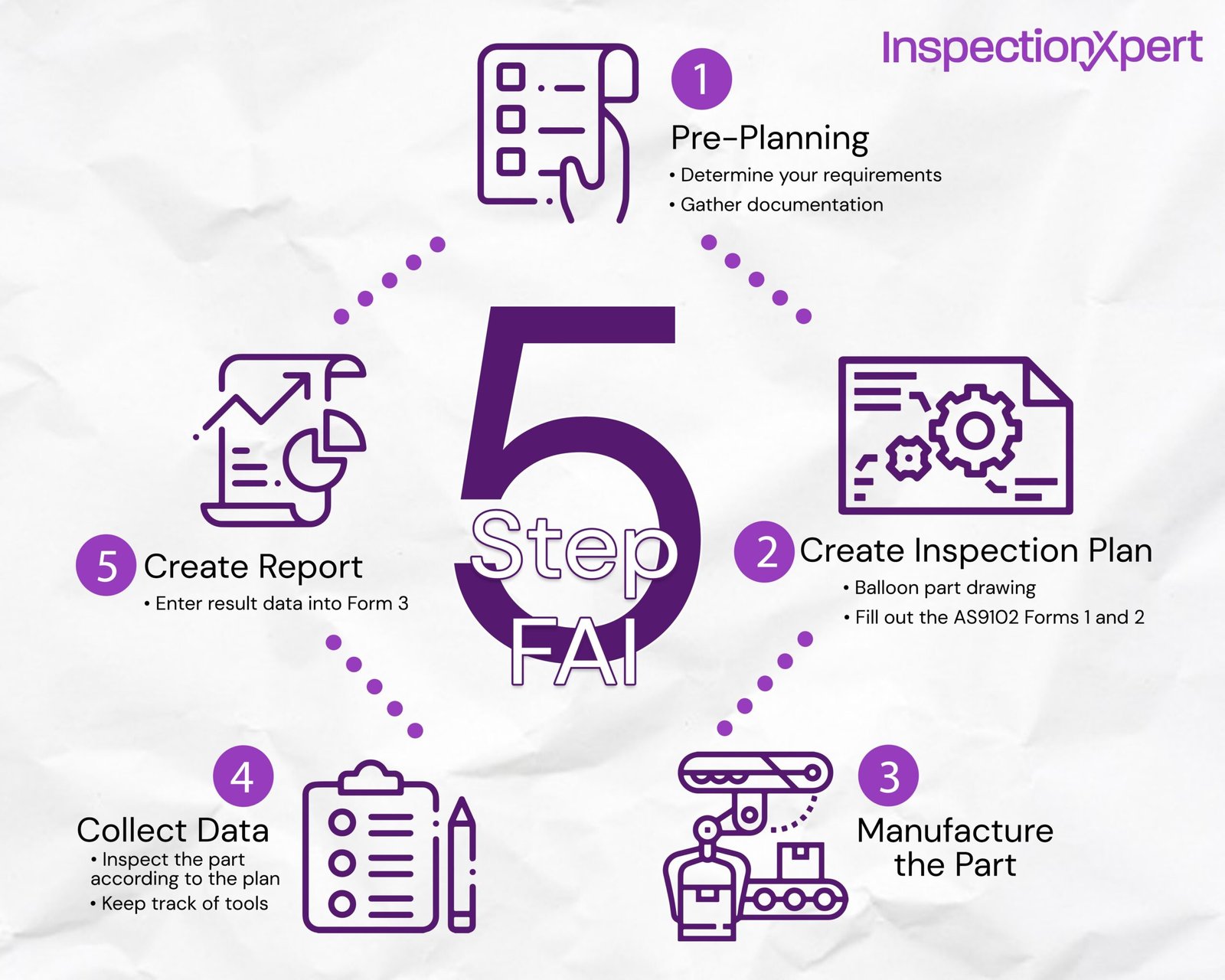
FAI Documentation
Full First Article Inspection reports with ZEISS MICURA CMM data, material certificates, surface-roughness readings and dimensional plots — meeting ISO 13485 traceability requirements and FDA Design History File expectations for regulated medical-device manufacturing.
About XUXIANG — 16 Years of Precision Mold Leadership
Founded in 2010 in Chang’an, Dongguan, XUXIANG has grown from a specialist mold-core machining shop into a dual-factory manufacturing group serving electronics, 5G/telecom, automotive & NEV, industrial automation and medical-device customers worldwide. With over CNY 8 million invested in Japanese, Swiss and German precision equipment — including Sodick slow-wire EDM, Mitsubishi mirror EDM, Fanuc CNC and ZEISS MICURA CMM metrology — we deliver precision mold components, custom mold core inserts and CNC machining services held to +/-0.001 mm machining accuracy and Ra 0.1 µm mirror-grade surface finish.
Our 2025 expansion in Quanzhou added 1,400 m² of volume-production capacity, lifting annual output by a targeted 200% while preserving the micron-stable precision and rapid turnaround that define our brand. Every project is backed by DFM engineering support from 10+ experts, a five-step ISO 9001:2015 quality flow, and full FAI documentation with material certificates — so you receive not just parts, but validated, production-ready tooling on time.
XUXIANG bridges the gap between complex CAD designs and high-performance physical parts. We solve the buyer’s two biggest pain points — tolerance failure and delivery delay — with equipment-grade precision, engineering-led service and transparent pricing. Whether you need micro-connector tooling, automotive sensor housings or medical-grade mold inserts, you work with a partner who measures success in microns, not marketing claims.
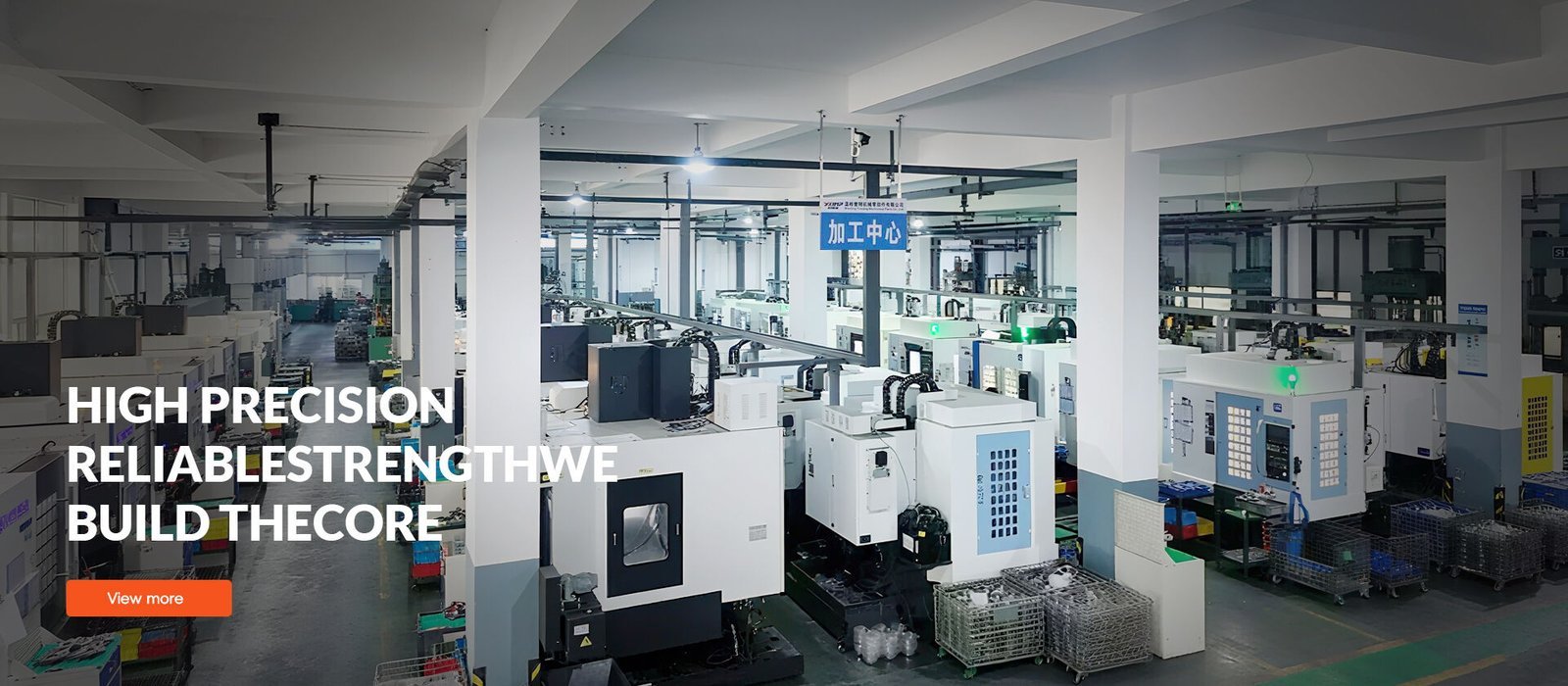
Core Capabilities Behind Our Medical-Device Mold Components
±0.001 mm Machining Precision
XUXIANG’s machining accuracy reaches ±0.001 mm, validated by ZEISS MICURA CMM metrology to 0.7 µm resolution. Sodick slow-wire EDM, Mitsubishi mirror EDM and Fanuc CNC systems hold positioning to ±0.002 mm, corner radii ≤ R 0.015 mm and Ra 0.1 µm mirror finishes—essential for sterile, biocompatible medical-component tooling.
- ZEISS MICURA CMM measures to 0.7 µm; Nikon toolmaker microscopes verify critical dimensions
- Sodick & Seibu slow-wire EDM achieves ±0.002 mm class positioning and Ra 0.1 µm surface finish
- Mitsubishi mirror EDM and Beijing Jingdiao high-precision CNC for electrode and core fabrication
- Dawn precision grinding centers maintain flatness and parallelism within 0.003 mm
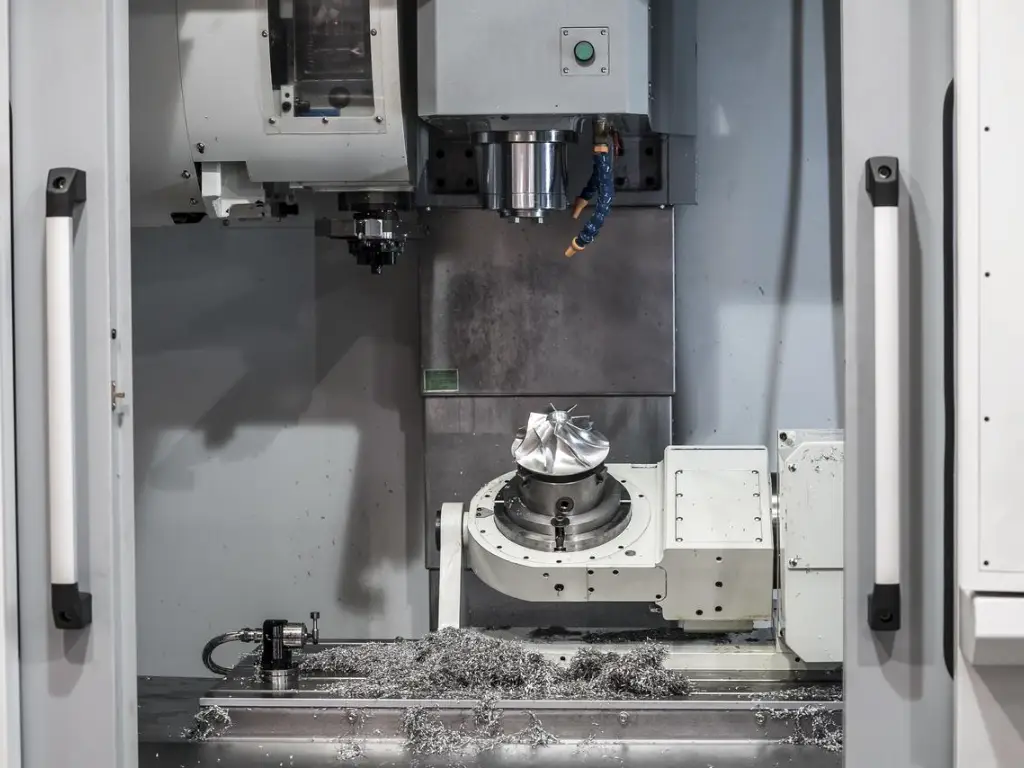
DFM Engineering Support
Every medical-component mold design undergoes design-for-manufacture review by 10+ engineering experts before production. XUXIANG identifies draft, undercut, gate location and cooling-channel issues early, reducing tooling revisions, shortening lead times and ensuring first-article success for Class II and Class III device housings.
- Our 10+ precision-mold engineers review CAD files for draft, wall thickness, gate placement and ejection feasibility
- Conformal cooling and multi-cavity layout optimization to reduce cycle time and warpage
- Material selection guidance for biocompatible resins (PEEK, PPSU, PC, liquid-silicone rubber)
- Full FAI documentation with dimensional reports, material certificates and surface-integrity data
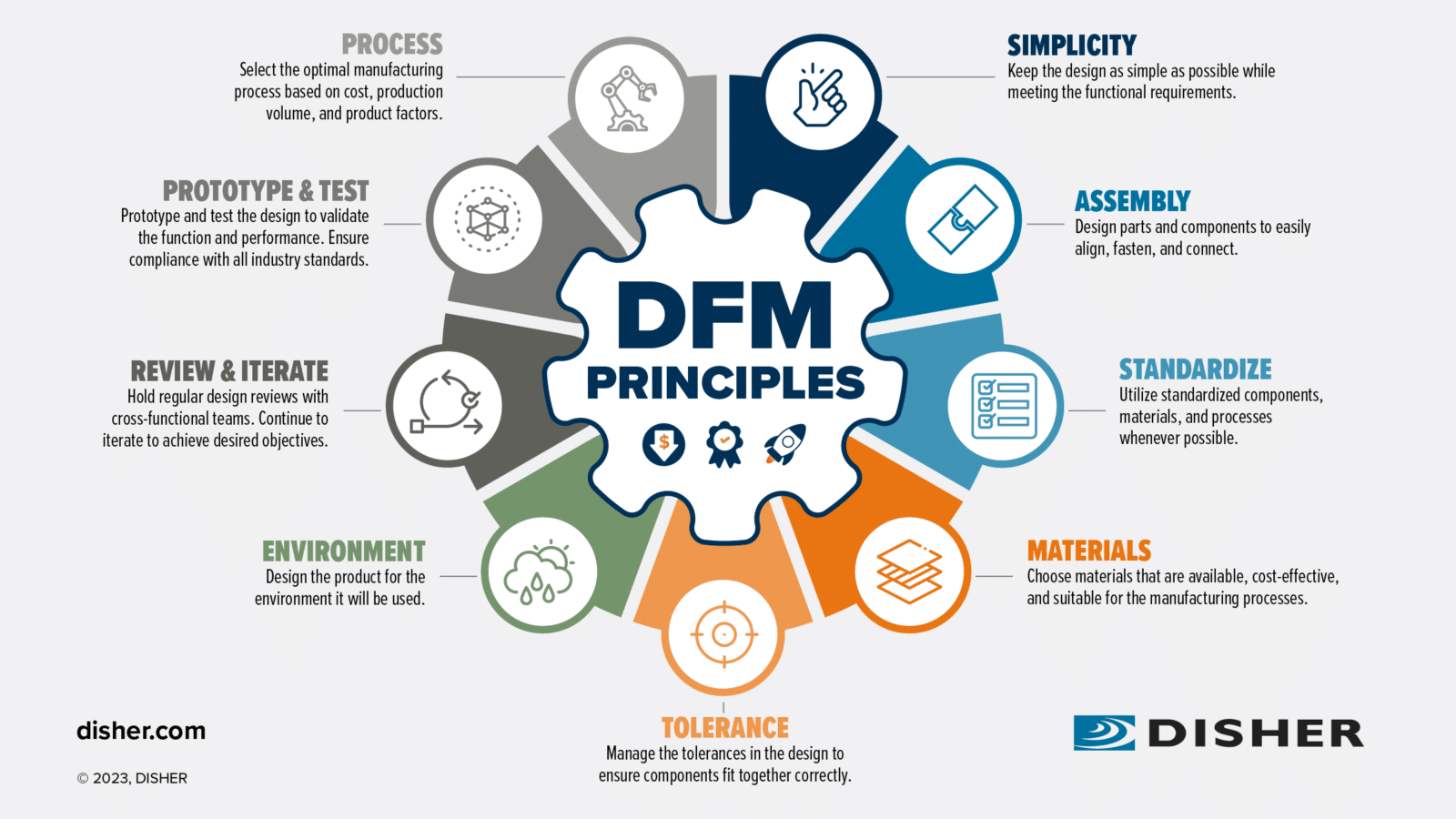
Dual-Factory Production Capacity
With 2,000 m² in Dongguan for R&D and micro-machining plus 1,400 m² in Quanzhou for volume production, XUXIANG scales from prototype to mass production without compromising tolerance. The 2025 Quanzhou expansion lifted annual output by 200%, cutting lead times roughly 30% below industry average.
- Dongguan facility: precision EDM, CNC electrode fabrication and metrology lab
- Quanzhou facility: high-volume CNC machining, grinding and assembly for repeat orders
- Combined capacity supports 3–7 day samples and 15–25 day mass production runs
- ISO 9001:2015 quality system governs both sites with unified process control
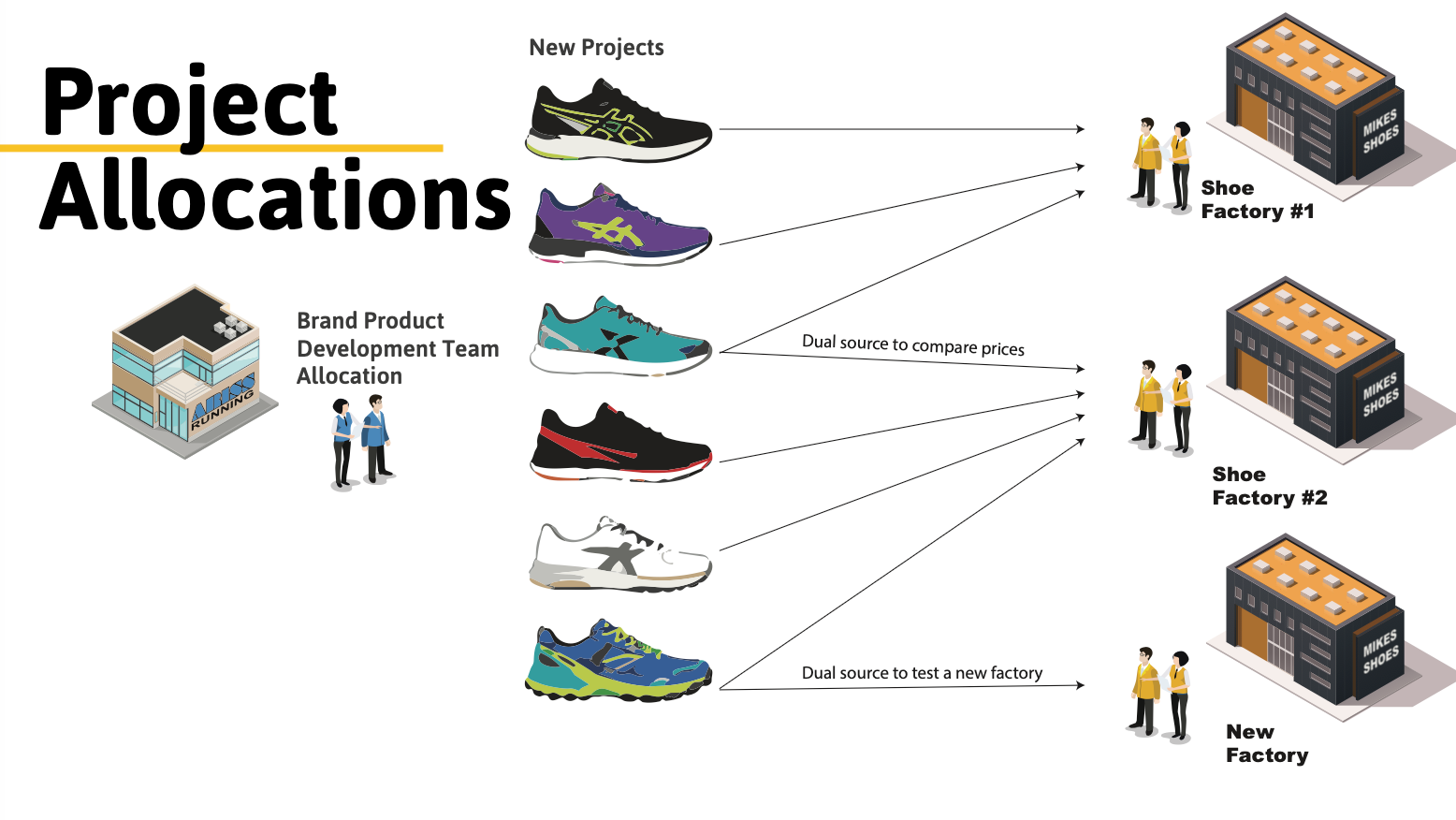
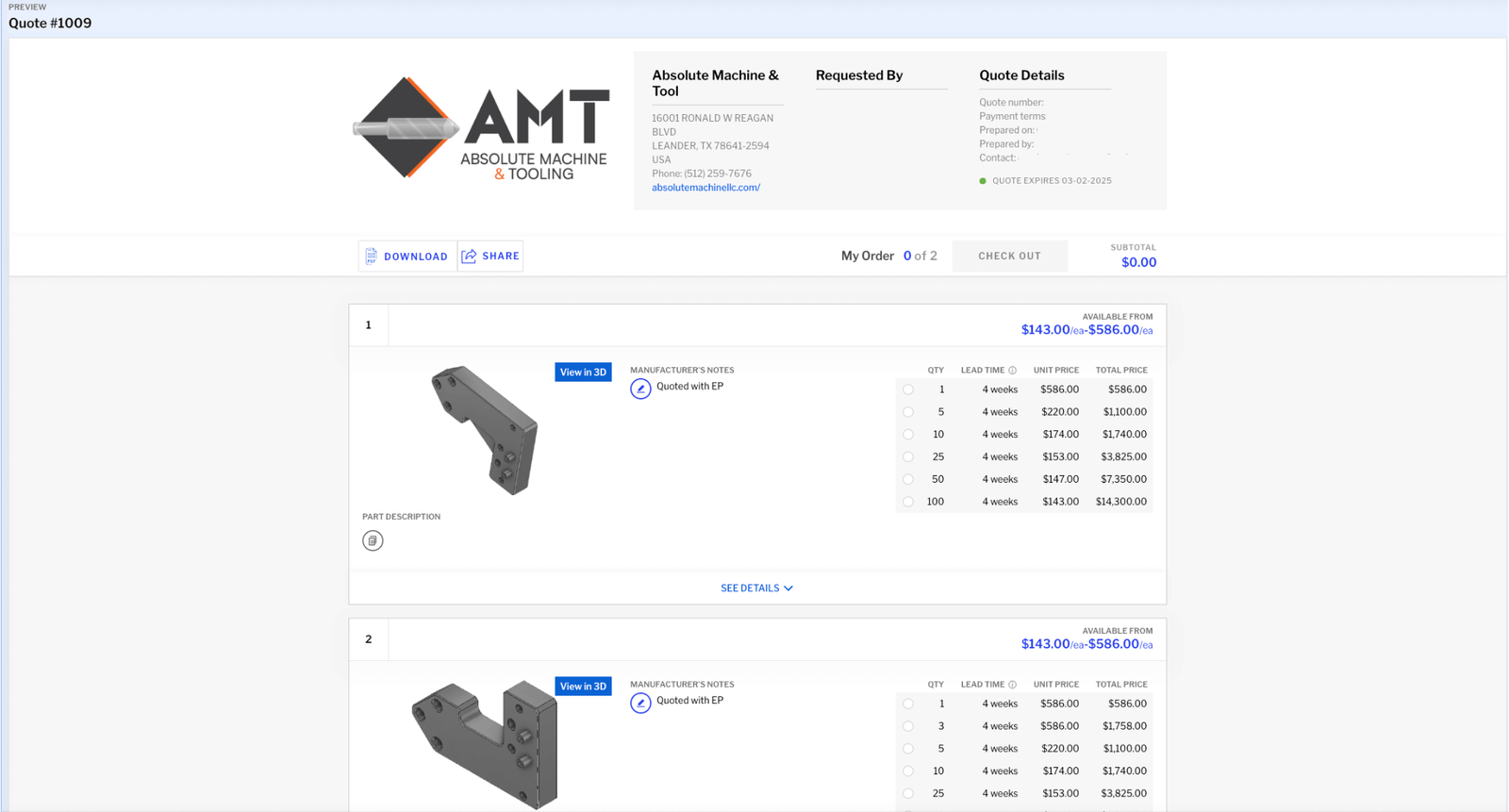
24-Hour Quote & Rapid Turnaround
XUXIANG returns formal quotations within 24 hours of receiving 2D/3D files and specifications. Engineering-led pricing reflects real machining time, material yield and inspection requirements—no hidden fees. Sample parts ship in 3–7 days; production tooling and components deliver in 15–25 days.
- Upload CAD files via secure portal; receive itemized quote in 24 hours
- Transparent pricing based on machining complexity, tolerance class and material grade
- 3–7 day sample turnaround for design validation and regulatory submissions
- 15–25 day mass production with in-process inspection and final CMM verification
XUXIANG vs. Typical Mold Spare Parts Manufacturers
When medical-device tooling demands micron-stable precision and regulatory-grade documentation, commodity suppliers fall short. Here’s how XUXIANG’s engineering-led approach, metrology infrastructure and ISO 9001:2015 quality system deliver the reliability your production line requires.
← 左右滑动查看 →
Our Precision Mold Component Manufacturing Process
Six structured phases engineered to prevent tolerance failures and delivery delays — from DFM review through FAI documentation, backed by ISO 9001:2015 and 16 years of precision-mold expertise.
Design Review & DFM
10+ engineering experts analyze your CAD files, flag tolerance risks, and recommend moldability improvements — feedback delivered within 24 hours of inquiry.
Tooling Fabrication & EDM
Sodick slow-wire EDM, Mitsubishi mirror EDM and Fanuc CNC machine cores and inserts to +/-0.001 mm, with Ra 0.1um mirror finishes where required.
Sample Validation & Metrology
ZEISS MICURA CMM (0.7um resolution) and Nikon toolmaker’s microscopes verify every critical dimension; samples ship in 3–7 days for your approval.
Mass Production Ramp-Up
Dual factories in Dongguan and Quanzhou deliver 200% expanded capacity, with in-process tolerance monitoring and real-time production updates throughout the run.
Five-Step QC & Inspection
Material spectral analysis, in-process checks, CMM verification, surface-integrity tests and final dimensional validation ensure zero tolerance drift at volume.
FAI Documentation & Shipment
Every order ships with full FAI reports, material certificates and traceability records — complete documentation for your quality audits and regulatory filings.
How to Partner With XUXIANG for Medical-Device Precision Tooling
From first contact to full-scale production, our engineering-led process removes guesswork and accelerates time to market—backed by ISO 9001:2015 quality and 16 years of precision mold expertise.
Submit Your CAD & Specifications
Upload 2D/3D drawings, material requirements and tolerance targets. Our 10+ DFM engineers review feasibility, identify cost-saving opportunities and confirm machining strategy within hours.
Receive Your Quote in 24 Hours
Get a detailed, itemized quotation covering tooling, material, finish and lead time—transparent pricing with no hidden fees, backed by ZEISS CMM validation and full FAI documentation.
Approve Samples & Validate Tolerances
We machine and inspect first-article samples in 3–7 days, deliver full inspection reports with ZEISS MICURA CMM data, and iterate until you confirm fit, form and function.
Launch Mass Production & Delivery
Once approved, serial production begins across our dual factories with in-process monitoring, final QC and secure packaging—typical delivery in 15–25 days, roughly 30% faster than industry average.
Certifications & Quality Assurance for Medical Mold Components


What Customers Say About Our Injection Molding Machines for Medical Components
XUXIANG delivered 10,000 medical catheter hub inserts in 18 days with zero rejects. Their ZEISS CMM validation and FAI documentation gave us full traceability for our FDA audit, and their DFM suggestions saved us two weeks in tooling.
We needed +/-0.002 mm on ADAS sensor housings for our NEV platform. XUXIANG hit tolerance on first article and maintained it across 50,000 cycles. Their Sodick EDM finish eliminated secondary polishing, cutting our assembly cost by 22%.
After three suppliers failed to hold concentricity on our 5G micro-connector pins, XUXIANG’s engineering team redesigned the electrode program and delivered conforming samples in 5 days. Their Nikon microscope reports proved every dimension before we committed to production.
Frequently Asked Questions About Injection Molding Machines for Medical Components
What tolerances can XUXIANG hold on injection molding machines for medical components?
What is the minimum order quantity (MOQ) for medical mold components?
How long does it take to receive samples for injection molding machines for medical components?
Do you charge for sampling, and is the cost refundable?
What payment terms does XUXIANG offer for tooling projects for injection molding machines for medical components?
How does XUXIANG protect my intellectual property and design files?
Can you handle international shipping and customs documentation for medical tooling?
What materials do you machine for injection molding machines for medical components?
What happens if a part does not meet the specified tolerance after delivery?
The Complete Buyer’s Guide to Injection Molding Machines for Medical Components
Navigate supplier selection with confidence. This guide delivers a proven decision framework, critical quality criteria, and the most common procurement mistakes to avoid when sourcing injection molding machines for medical components.
1. What Are Injection Molding Machines for Medical Components?
Injection molding machines for medical components are specialized thermoplastic processing systems engineered to produce sterile, biocompatible parts — syringes, IV connectors, luer fittings, surgical instrument housings and implantable-device components — under ISO 13485 and FDA 21 CFR Part 820 quality frameworks. Unlike general-purpose molding equipment, medical-grade machines integrate cleanroom-compatible enclosures (ISO Class 7 or better), closed-loop process monitoring and full traceability to meet regulatory validation requirements.
Tolerances separate medical molding from commercial work: where consumer electronics may accept +/- 0.05 mm, critical medical features — catheter hubs, micro-needle gates, connector sealing surfaces — demand +/- 0.01 mm or tighter to ensure fluid integrity and patient safety. XUXIANG’s precision mold components routinely achieve +/- 0.001 mm machining accuracy and Ra 0.1 µm mirror finishes, enabling tooling that holds sub-0.01 mm tolerances across millions of cycles.
Medical injection molding machines must also accommodate biocompatible resins (USP Class VI polycarbonate, PEEK, liquid-silicone rubber) with strict temperature profiles, minimal residence time and zero contamination risk — requirements that drive machine design, material handling and mold-surface specifications far beyond standard industrial practice.
2. Evolution of Injection Molding Machines for Medical Components
Before the mid-1990s, general-purpose hydraulic presses dominated medical component production, but contamination from hydraulic oil and limited shot-to-shot repeatability forced the industry to rethink machine architecture. The introduction of micro-molding capabilities in the late 1990s — driven by demand for catheter tips, drug-delivery components and micro-connectors — required machines that could hold +/-0.005 mm or tighter across cavity arrays, pushing OEMs toward closed-loop servo controls and precision screw designs.
ISO 13485 certification became mandatory for most medical-device supply chains by the early 2000s, embedding full traceability, process validation and environmental controls into machine specifications. Cleanroom-compatible housings, automated material handling and real-time process monitoring became baseline features rather than upgrades.
By 2010, all-electric injection molding machines had captured over 60% of new medical installations in Europe and North America, eliminating hydraulic-fluid risk entirely and delivering energy savings of 30–50% while meeting the sub-micron precision required for Class II and Class III devices. Today’s servo-electric platforms integrate Industry 4.0 data logging, ensuring every cycle parameter is traceable to regulatory audits.
3. Types of Injection Molding Machines for Medical Components
Medical-component molding machines are classified by drive type, orientation, tonnage scale and cleanroom readiness. Each axis affects contamination risk, energy consumption and suitability for micro-connector tooling versus larger housings.
Hydraulic vs. Servo-Electric vs. Hybrid Drive
Hydraulic machines dominate 150–500 ton applications for larger medical housings and diagnostic cartridges, offering lower capital cost but higher energy draw and oil-contamination risk. Servo-electric models deliver 30–50% energy savings, zero hydraulic leakage and repeatability to +/-0.01 mm, ideal for micro-connectors and Class 7 cleanroom work. Hybrid systems blend hydraulic clamping with electric injection, balancing cost and cleanliness for mid-tonnage (80–250 ton) runs.
Horizontal vs. Vertical Configuration
Horizontal presses suit high-volume syringe barrels and luer fittings, with automated part removal and smaller footprint per ton. Vertical machines enable insert molding of metal contacts into micro-connector housings, gravity-assisted feeding and reduced particulate fall-in during cleanroom cycles.
Micro-Molding vs. Standard Tonnage
Micro-molding machines (5–50 ton) hold shot weights under 1 gram and positioning to +/-0.002 mm, critical for thin-wall micro-pins and RF terminal tooling. Standard tonnage (100–500+ ton) presses handle larger diagnostic instrument shells and fluid reservoirs, with clamping force scaled to projected part area.
Cleanroom-Compatible vs. Standard Floor Models
ISO Class 7/8 cleanroom-compatible machines feature sealed drives, HEPA exhaust and stainless shrouding to meet medical-grade contamination limits. Standard floor models require secondary enclosures or post-molding wash, adding cycle time and validation overhead for implantable or sterile-packaged components.
4. Materials Used in Medical Component Injection Molding
Medical-device manufacturers require thermoplastics and elastomers that meet ISO 10993 biocompatibility and USP Class VI cytotoxicity standards while surviving repeated sterilization cycles. Material selection directly dictates barrel temperature profiles, screw geometry and injection-pressure windows on the molding machine.
| Material | Sterilization | Barrel Temp (°C) | Typical Devices |
|---|---|---|---|
| PEEK | Autoclave, Gamma, EtO | 360–400 | Surgical instruments, implant components |
| PPSU | Autoclave, Gamma, EtO | 340–380 | Sterilization trays, surgical handles |
| Medical PC | Gamma, EtO | 280–320 | IV connectors, dialysis housings |
| PP (medical) | Autoclave, Gamma, EtO | 200–280 | Syringes, vial caps, labware |
| PE (UHMWPE) | Gamma, EtO | 180–260 | Joint liners, packaging films |
| LSR | Autoclave, Gamma | 120–200 (cure) | Seals, catheters, respiratory masks |
High-Performance Polymers: PEEK and PPSU
PEEK and PPSU demand precision-heated barrels (360–400 °C and 340–380 °C respectively) and wear-resistant screws to prevent thermal degradation. Both polymers pass ISO 10993 and USP Class VI, tolerate autoclave cycling above 134 °C, and resist gamma radiation up to 50 kGy.
PEEK is specified for load-bearing implant components and surgical instruments where radiolucency and chemical inertness are critical. PPSU serves reusable sterilization trays and surgical handles that endure hundreds of autoclave cycles without dimensional creep.
Commodity Medical Grades: PC, PP and PE
Medical-grade polycarbonate requires 280–320 °C barrel zones and processes under moderate injection pressure for transparent IV connectors and dialysis housings; it withstands gamma and EtO but not repeated autoclaving. Polypropylene (200–280 °C) and polyethylene (180–260 °C) are autoclave-safe, cost-effective choices for syringes, vial caps and joint liners, requiring standard general-purpose screws with 2.5:1 to 3:1 compression ratios.
Liquid Silicone Rubber (LSR)
LSR systems cure at 120–200 °C in heated molds and require dedicated two-component metering pumps, static mixers and cold-runner tooling. ISO 10993 and USP Class VI certified grades tolerate autoclave and gamma sterilization, making LSR the material of choice for seals, catheter balloons and respiratory-mask cushions where flex-fatigue resistance and patient contact are non-negotiable.
5. Customization and Automation Options for Medical Molding Machines
Modern injection molding machines for medical components offer extensive customization and automation to meet cycle-time, labor-cost and traceability demands. Selecting the right combination directly impacts per-part economics and regulatory documentation overhead.
Mold-Change Systems and Multi-Cavity Tooling
Quick-mold-change systems reduce downtime from hours to 15–30 minutes, critical for contract molders running diverse medical SKUs. Multi-cavity tooling — typically 4-, 8- or 16-cavity — multiplies output per cycle but demands +/-0.002 mm cavity-to-cavity balance to ensure uniform fill and dimensional consistency.
XUXIANG’s ZEISS MICURA CMM (0.7 µm resolution) validates cavity symmetry during tooling trials, preventing reject spikes at scale-up.
Insert Molding, Overmolding and In-Mold Assembly
Insert molding encapsulates metal terminals or sensors in a single shot, eliminating post-assembly labor. Overmolding bonds soft-touch grips onto rigid housings for syringes and diagnostic devices. In-mold assembly integrates snap-fits or living hinges during the molding cycle, cutting touch-labor by 40–60 % and reducing contamination risk.
Each technique requires fixture design to +/-0.003 mm to prevent shift or flash.
Robotic Removal, Vision Inspection and Serialization
Six-axis robots with vacuum end-effectors extract parts without human contact, maintaining ISO Class 7/8 cleanliness. Inline vision systems verify gate vestige, flash and dimensional features at cycle rates up to 10 s. Laser-marking or inkjet serialization applies unique device identifiers (UDI) for FDA 21 CFR Part 11 traceability, logged automatically to batch records and reducing manual documentation by 70 %.
6. Key Quality and Compliance Features in Injection Molding Machines for Medical Components
Medical-grade injection molding machines for medical components demand built-in quality and traceability infrastructure that conventional industrial presses lack. Regulatory bodies require documented process stability, contamination control, and full audit trails from raw material to finished device.
Shot-to-Shot Repeatability and Closed-Loop Control
Medical molding requires shot-to-shot repeatability of ±0.5 % or tighter on cavity pressure, injection speed, and melt temperature. Closed-loop servo hydraulic or all-electric drives adjust in real time to maintain dimensional consistency across production runs.
This precision ensures that critical features — wall thickness, luer taper angles, snap-fit tolerances — remain within validation envelopes. Machines lacking closed-loop feedback introduce batch-to-batch variation that triggers revalidation and scrap.
Cleanroom-Compatible Design
ISO Class 7 or 8 cleanroom installations require stainless-steel guards, sealed motor housings, and smooth surfaces free of particle traps. Machines with exposed hydraulic lines or open gearboxes contaminate molded parts with lubricant mist and metal wear debris.
XUXIANG’s tooling for medical connectors pairs with cleanroom-ready presses to meet sterility requirements for catheter hubs, syringe components, and diagnostic housings without post-mold rework.
ISO 13485 and Data-Logging Infrastructure
ISO 13485-compliant machines embed data loggers that timestamp every shot parameter — barrel zones, hold pressure, cooling time, screw position. FDA 21 CFR Part 11 and EU MDR audits require electronic batch records with tamper-proof signatures.
Machines without native data export force manual transcription, introducing human error and audit risk. Integration with MES or ERP systems automates traceability from resin lot to device serial number.
7. How to Choose a Manufacturer of Injection Molding Machines for Medical Components
Selecting the right manufacturer for injection molding machines for medical components requires rigorous verification across regulatory, technical and commercial dimensions. A structured evaluation minimizes risk and ensures long-term validation support.
Verify ISO 13485 and Medical Device Experience
Confirm active ISO 13485:2016 certification and request audit records. Ask for case studies in Class I–III medical devices and evidence of FDA or MDR submission support.
XUXIANG operates under ISO 9001:2015 with full traceability and works closely with medical-device OEMs requiring +/-0.001 mm tolerances and material certificates.
Assess Cleanroom Capabilities and Contamination Protocols
Review cleanroom classification (ISO 7 or better), particle monitoring logs and ESD controls. Request contamination-control SOPs for tool handling and packaging.
Medical-grade mold components demand mirror-finish EDM (Ra ≤0.1 µm) and validated cleaning protocols to prevent particulate or chemical residue.
Review Machine Precision and Repeatability Specs
Examine cavity-to-cavity variation data, shot-weight repeatability (<0.5%) and dimensional CMM reports. XUXIANG's ZEISS MICURA CMM measures to 0.7 µm, ensuring +/-0.002 mm slow-wire tolerances.
Request first-article inspection (FAI) documentation and process-capability (Cpk ≥1.67) evidence for similar medical parts.
Check After-Sales Support and Validation Assistance
Confirm spare-parts availability, remote diagnostics and on-site commissioning. Ask if the manufacturer provides IQ/OQ/PQ protocols and design-for-manufacturing (DFM) reviews.
XUXIANG delivers DFM feedback from 10+ engineers before production, plus five-step QC validation and material spectral analysis for every batch.
Request Customer References in Medical Sector
Obtain contact details for at least three active medical-device customers. Verify project complexity, lead times and post-delivery support responsiveness to benchmark real-world performance.
8. Common Mistakes Buyers Make When Sourcing Injection Molding Machines for Medical Components
Even experienced procurement teams underestimate the hidden costs and compliance risks when sourcing injection molding machines for medical components. Four recurring mistakes drive up total cost of ownership, delay validation, and compromise yield — yet all are preventable with upfront due diligence.
Underestimating Cleanroom Integration and Validation Costs
Buyers often budget for the machine but overlook cleanroom HVAC upgrades, ISO Class 7/8 certification, and IQ/OQ/PQ documentation packages — which can add 20–35% to project cost. Machines lacking pre-validated protocols require custom qualification, extending launch timelines by 8–12 weeks and increasing regulatory risk.
Choosing Hydraulic Drives Without Assessing Particle Contamination
Hydraulic systems shed oil mist and particulates incompatible with ISO 13485 cleanroom standards. Electric servo presses eliminate contamination risk, reduce energy use by ~50%, and simplify validation — yet cost only 10–15% more upfront, delivering payback within 18–24 months through lower reject rates and compliance overhead.
Neglecting Long-Term Spare-Parts Logistics and Supplier Quality Audits
Selecting the lowest-price bid without auditing ISO 9001 certification, CMM metrology, and regional spare-parts inventory leads to unplanned downtime. A single 72-hour delay for overseas components can cost more than the 8–12% premium paid for a supplier with local service and documented traceability.
9. Steps to Launch Medical Component Production with Your New Machine
Launching production on injection molding machines for medical components follows a structured, validation-driven timeline that typically spans 12–16 weeks from site preparation to first batch release. Each phase — facility qualification, equipment validation, mold qualification, process optimization and regulatory submission — builds on documented evidence required by ISO 13485 and FDA QSR.
Site Preparation and Cleanroom Classification
ISO Class 7 or 8 cleanroom environments are standard for medical molding, requiring HEPA filtration, positive pressure and controlled temperature (±2 °C) and humidity (±5% RH). Facility qualification (air-change rates, particle counts, surface bioburden) must be completed before machine installation. Lead time: 3–4 weeks for cleanroom certification and environmental monitoring.
Machine Installation and IQ/OQ/PQ Validation
Installation Qualification verifies utilities, safety interlocks and calibration certificates; Operational Qualification tests process-parameter ranges (temperature uniformity ±2 °C, injection repeatability ±0.5%); Performance Qualification runs three consecutive conforming batches. Combined IQ/OQ/PQ typically requires 4–6 weeks, including protocol execution and deviation resolution.
Mold Qualification and First-Article Inspection
Mold qualification begins with dimensional validation using CMM (ZEISS MICURA-class, 0.7 µm resolution) and material certification (spectral analysis for resin lot traceability). First-article inspection (FAI) documents all critical-to-quality dimensions, surface finish (Ra ≤ 0.4 µm for contact surfaces) and cosmetic defects. Timeline: 2–3 weeks, including DFM review by 10+ engineering experts.
Process Optimization and Design of Experiments
Design-of-experiments (DOE) studies map injection speed, pack pressure, melt temperature and cooling time to dimensional stability and part weight. A typical 2⁴ factorial DOE with three replicates yields a validated process window in 1–2 weeks. XUXIANG’s five-step QC flow — material spectral analysis, in-process monitoring, CMM verification, surface integrity and FAI documentation — ensures repeatability before scale-up.
Regulatory Submission and Batch Release
Process validation reports, material certificates and IQ/OQ/PQ protocols form the Device Master Record for FDA 510(k) or EU MDR submissions. First commercial batch release requires final inspection, sterility (if applicable) and traceability documentation. Total lead time from machine installation to batch release: 12–16 weeks; XUXIANG delivers tooling roughly 30% faster than industry average, shortening time-to-market.
10. Pricing and Cost Considerations
Capital costs for injection molding machines for medical components span a wide range: micro machines (300 T units reach USD 150,000–400,000, before cleanroom or automation upgrades. Lead times average 12–20 weeks for standard builds and extend to 24–32 weeks when ISO Class 7/8 enclosures, robotic part removal, or IQ/OQ validation packages are bundled.
Total cost of ownership includes energy consumption (0.3–0.8 kWh per cycle for micro machines, 1.5–3 kWh for large presses), annual preventive maintenance (typically 3–5% of machine price), and compliance overhead—validation requalification every 1–2 years adds USD 5,000–15,000 per event. Spare-part availability and uptime directly impact per-part cost; machines with modular screw assemblies and local service networks reduce unplanned downtime by 30–40%. XUXIANG’s precision mold inserts and core components are designed for fast changeover and micron-stable repeatability, minimizing both scrap rates and the hidden costs of tolerance drift in high-volume medical production.
| Machine Tier | Indicative Price Range (USD) | Typical Lead Time | Annual Maintenance Cost |
|---|---|---|---|
| <100 T Micro | 25,000–60,000 | 12–16 weeks | 750–3,000 |
| 100–300 T Standard | 60,000–150,000 | 14–20 weeks | 1,800–7,500 |
| >300 T Large | 150,000–400,000 | 18–24 weeks | 4,500–20,000 |
| Cleanroom Upgrade (ISO 7/8) | +15,000–50,000 | +4–8 weeks | +500–2,000 |
| Automation Package (robot + vision) | +20,000–80,000 | +6–12 weeks | +1,000–4,000 |
| IQ/OQ Validation Services | 5,000–15,000 per event | 2–4 weeks | N/A (periodic) |
Get Your Injection Molding Machines for Medical Components Quote in 24 Hours
Partner with XUXIANG for ±0.001 mm precision tooling, ISO 9001:2015 quality, and engineering support from 10+ mold experts. Fast samples, faster production.