
Precision Stripper Plates — +/-0.001 mm Tolerance, 24-Hour Quotes
XUXIANG manufactures micron-stable stripper plates for complex molds, backed by Sodick EDM, ZEISS CMM metrology and ISO 9001:2015 quality — quotes returned in 24 hours.
Featured Stripper & Ejector Components
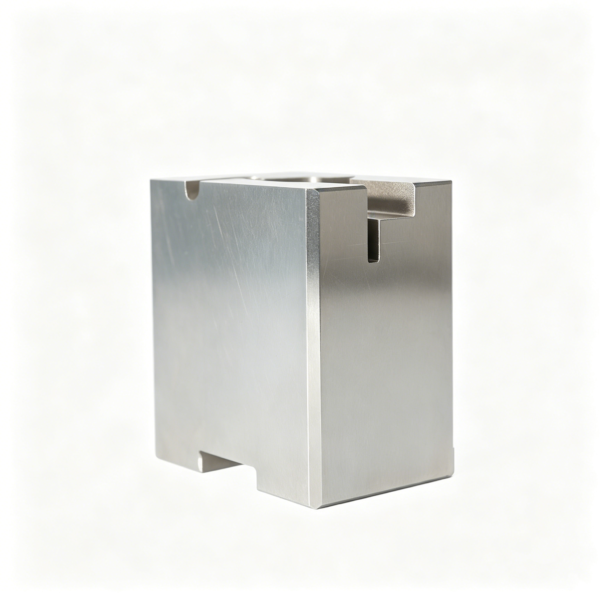
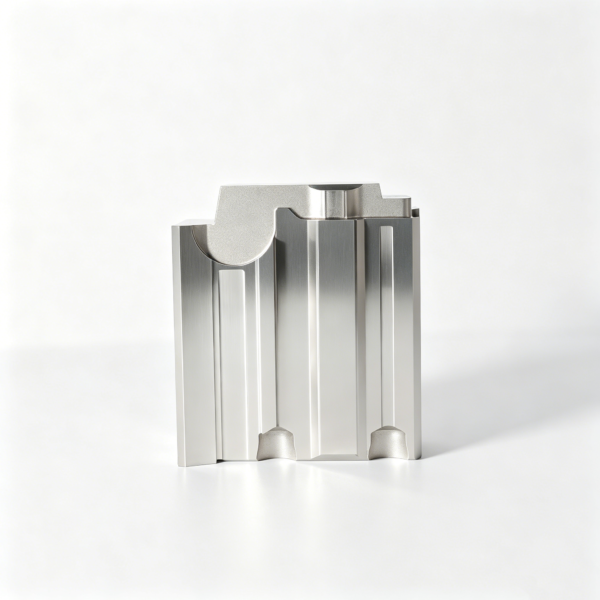
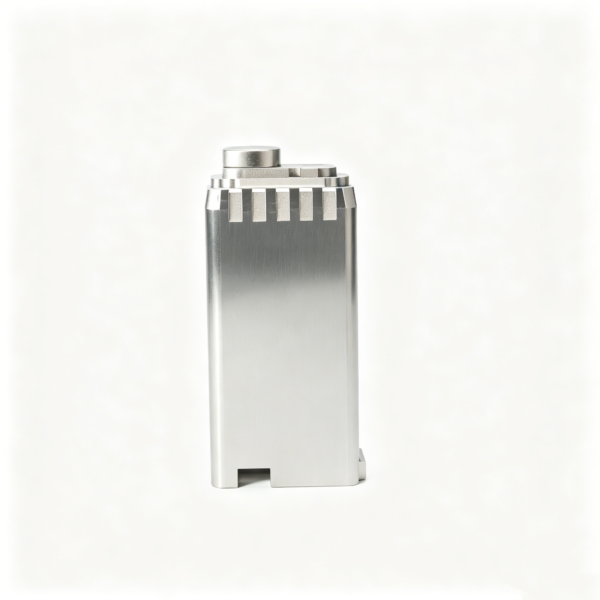
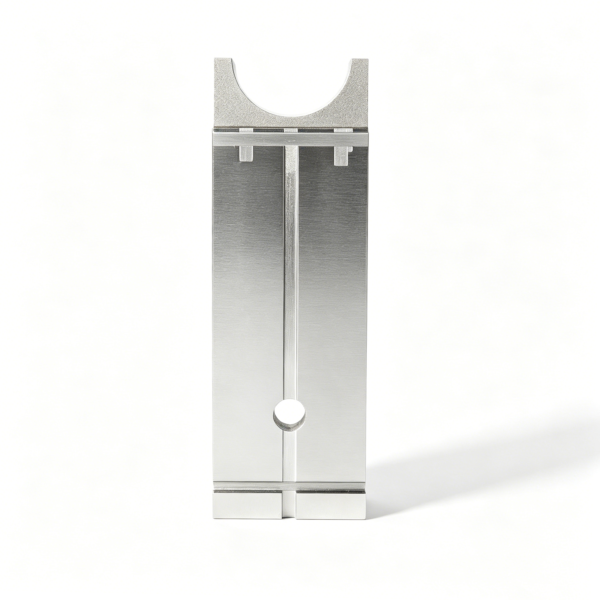
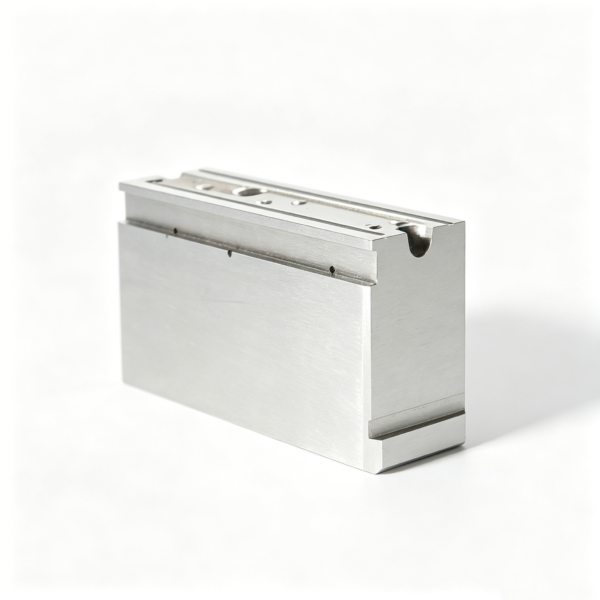
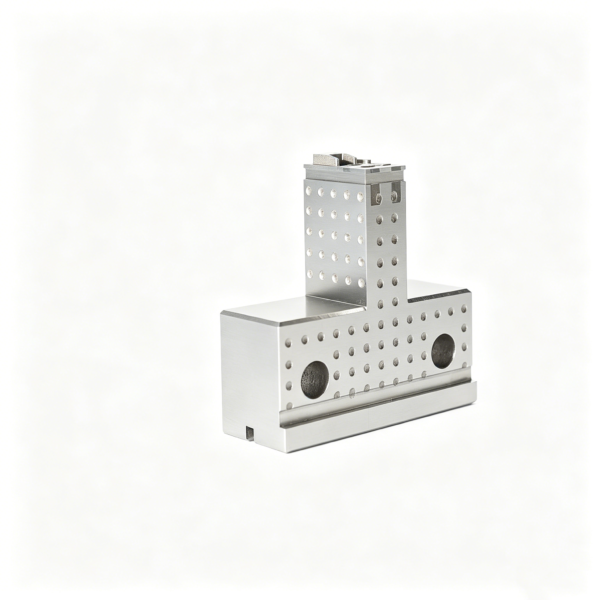
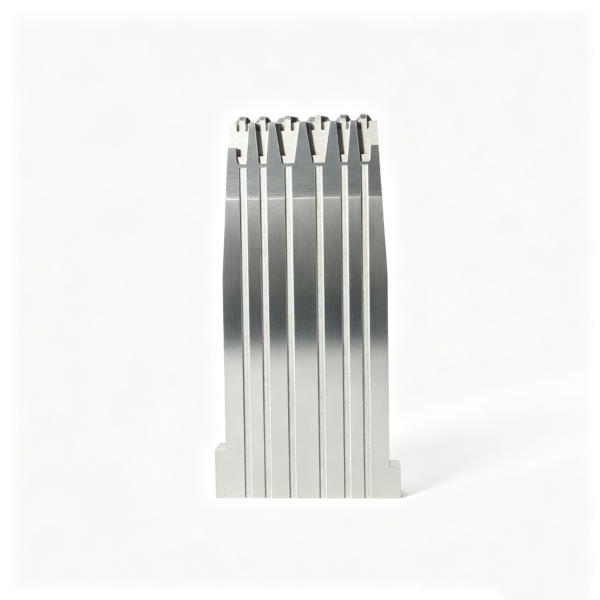
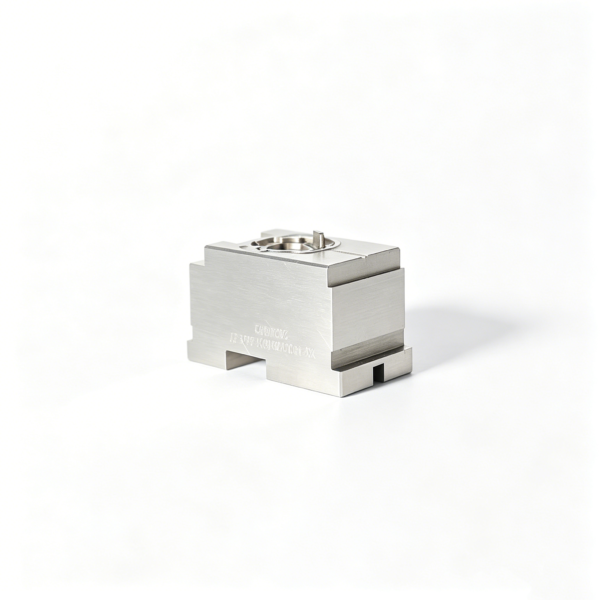
Stripper Plate & Core Insert Gallery

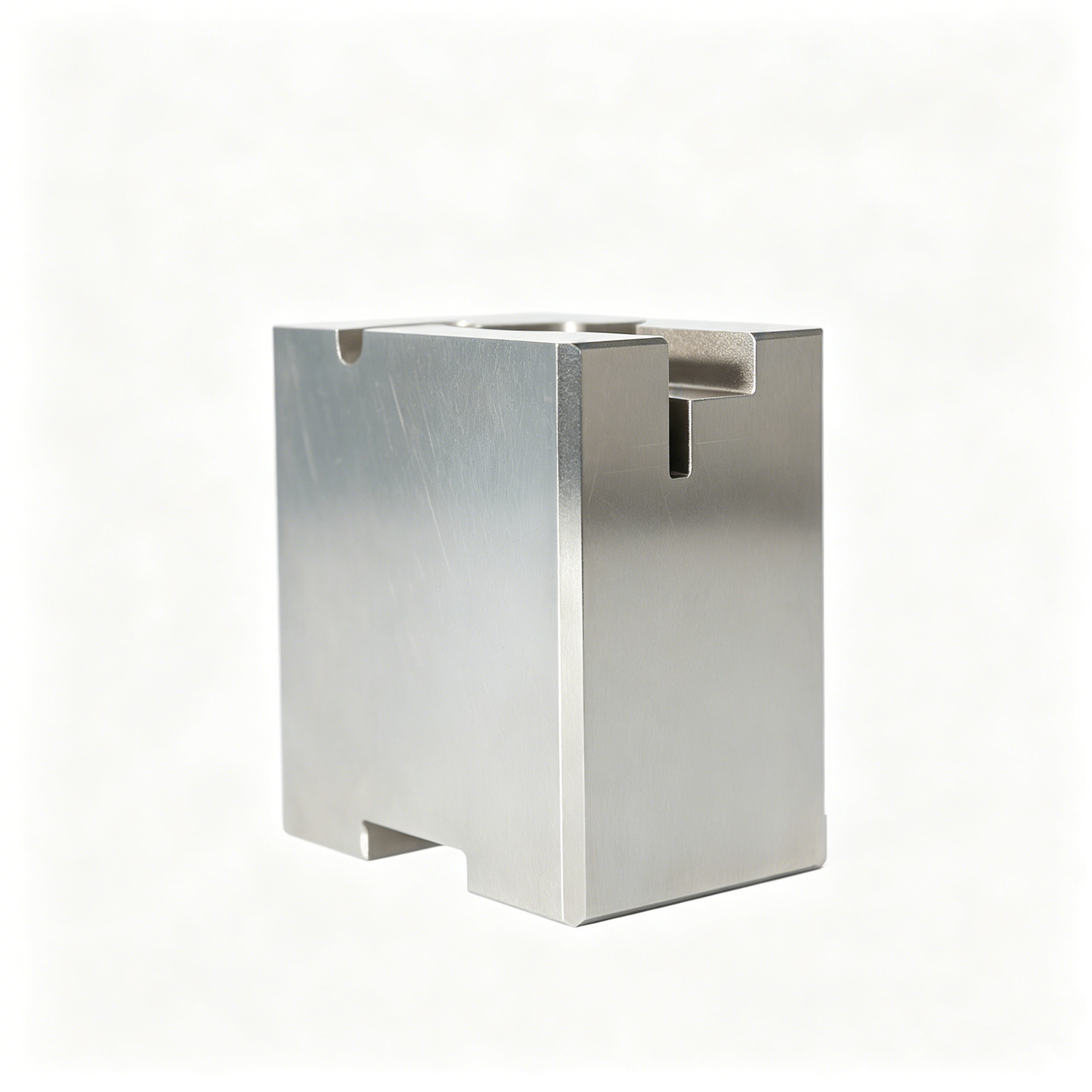
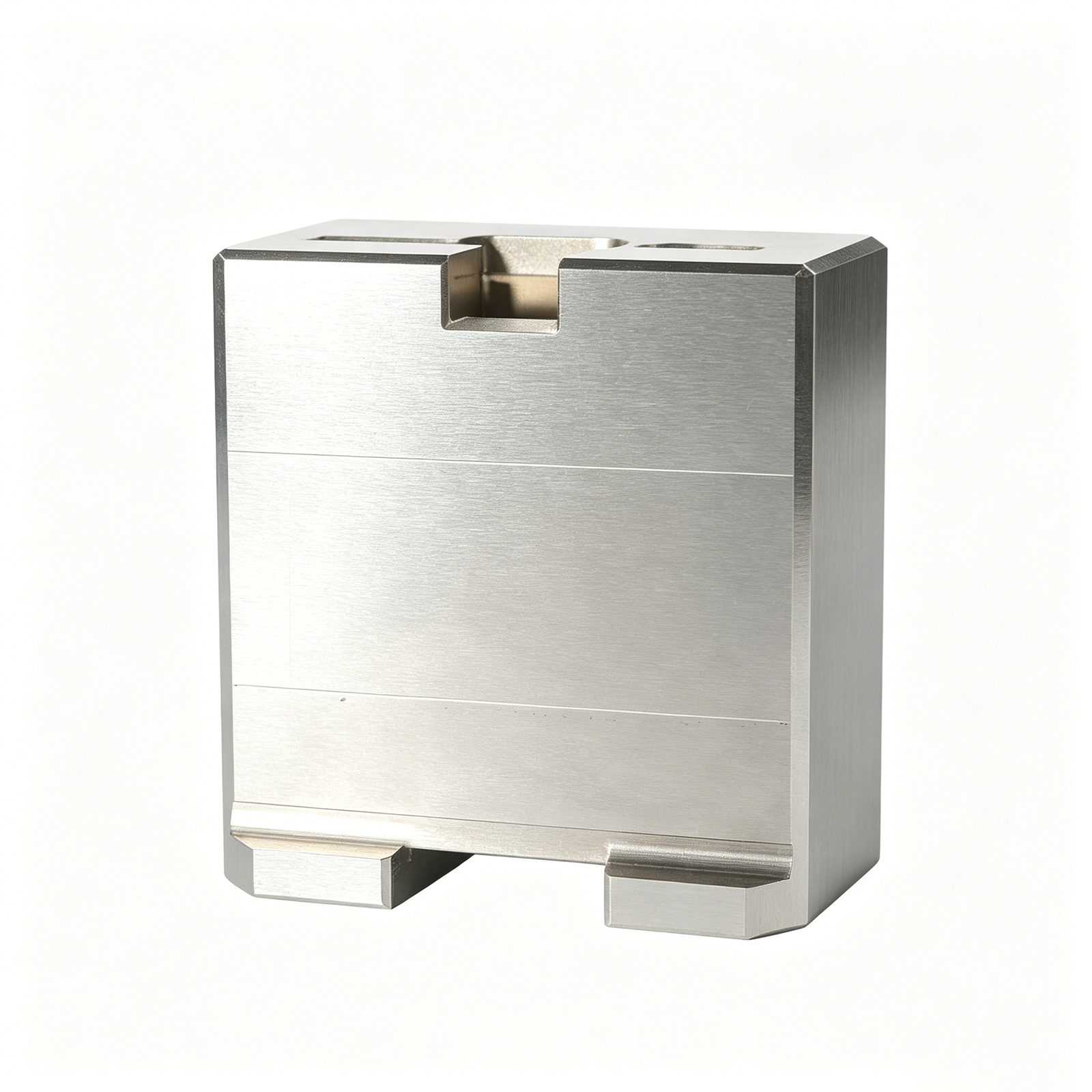
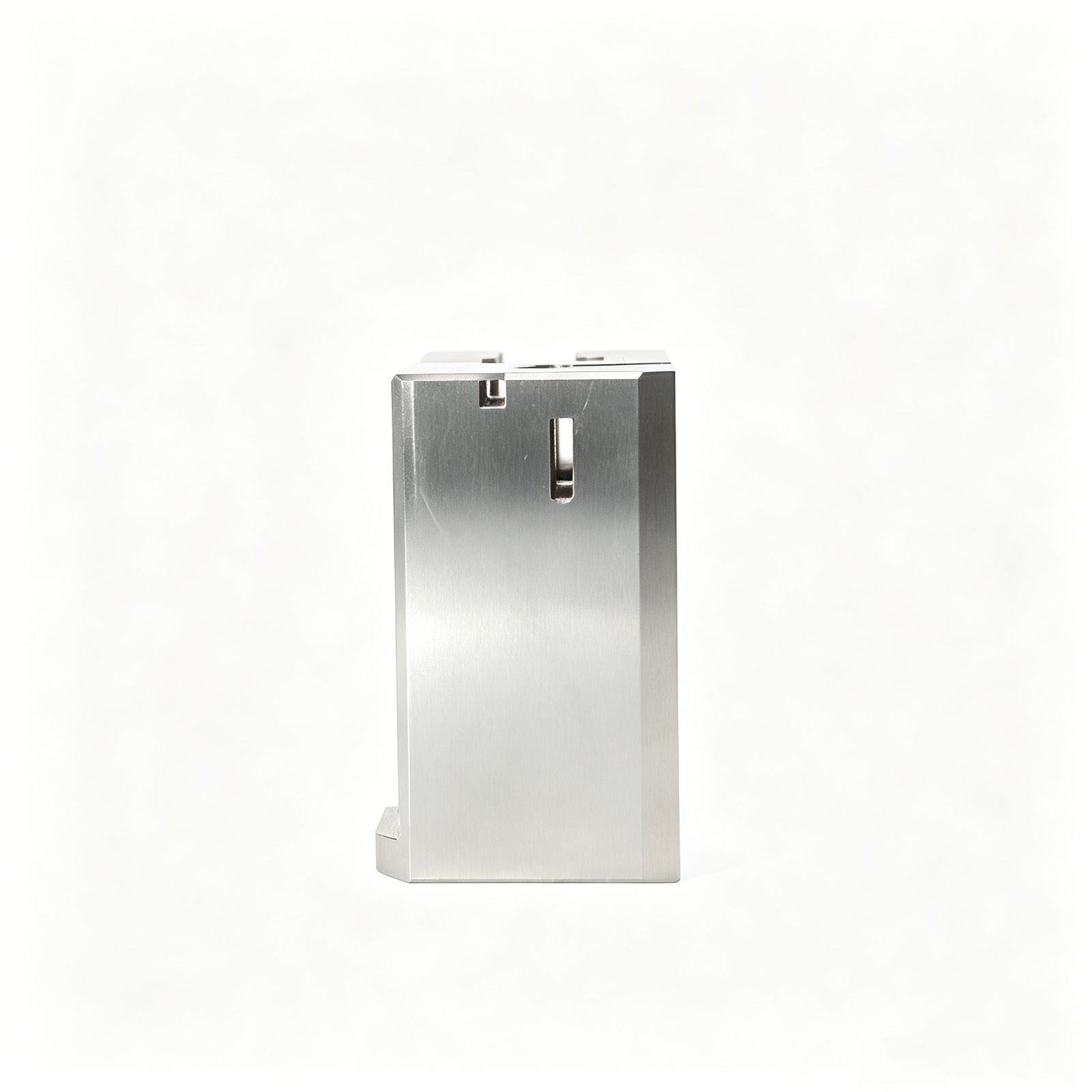
Why Precision Stripper Plates Matter
Micron-Stable Stripper Tolerance
Every stripper plate machined to +/-0.001 mm, verified on ZEISS MICURA CMM. Eliminates ejection failure and part sticking across high-volume production runs.
Mirror-Grade EDM Surface Finish
Sodick slow-wire EDM delivers Ra 0.1um mirror finishes on stripper faces, reducing friction and extending mold life by minimizing wear and adhesion.
Conformal Cooling Integration
DFM-optimized stripper plates with conformal cooling channels for faster cycle times, uniform temperature control and reduced warpage in thin-wall ejection.
Rapid DFM Feedback
10+ engineering experts review your stripper design within 24 hours, flagging tolerance risks, draft angles and ejection interference before production starts.
Fast Sampling & Validation
Stripper plate samples delivered in 3-7 days with full FAI reports and material certificates, so you validate fit and function before committing to mass production.
Five-Step QC for Every Stripper
Material spectral analysis, in-process tolerance monitoring, CMM verification, surface-integrity checks and final documentation ensure zero-defect stripper components.
Stripper & Ejection Component Families
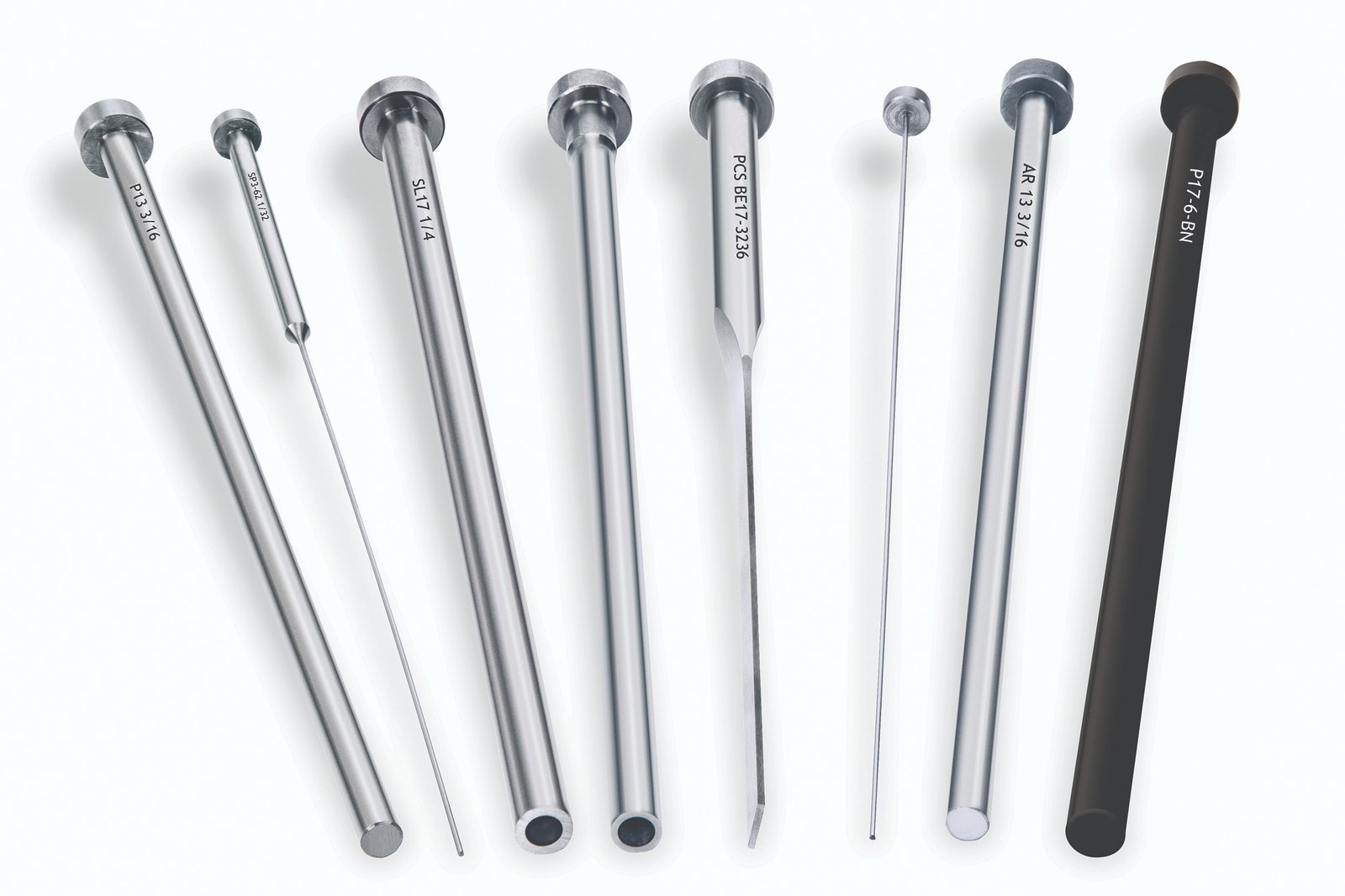
Ejector Pins
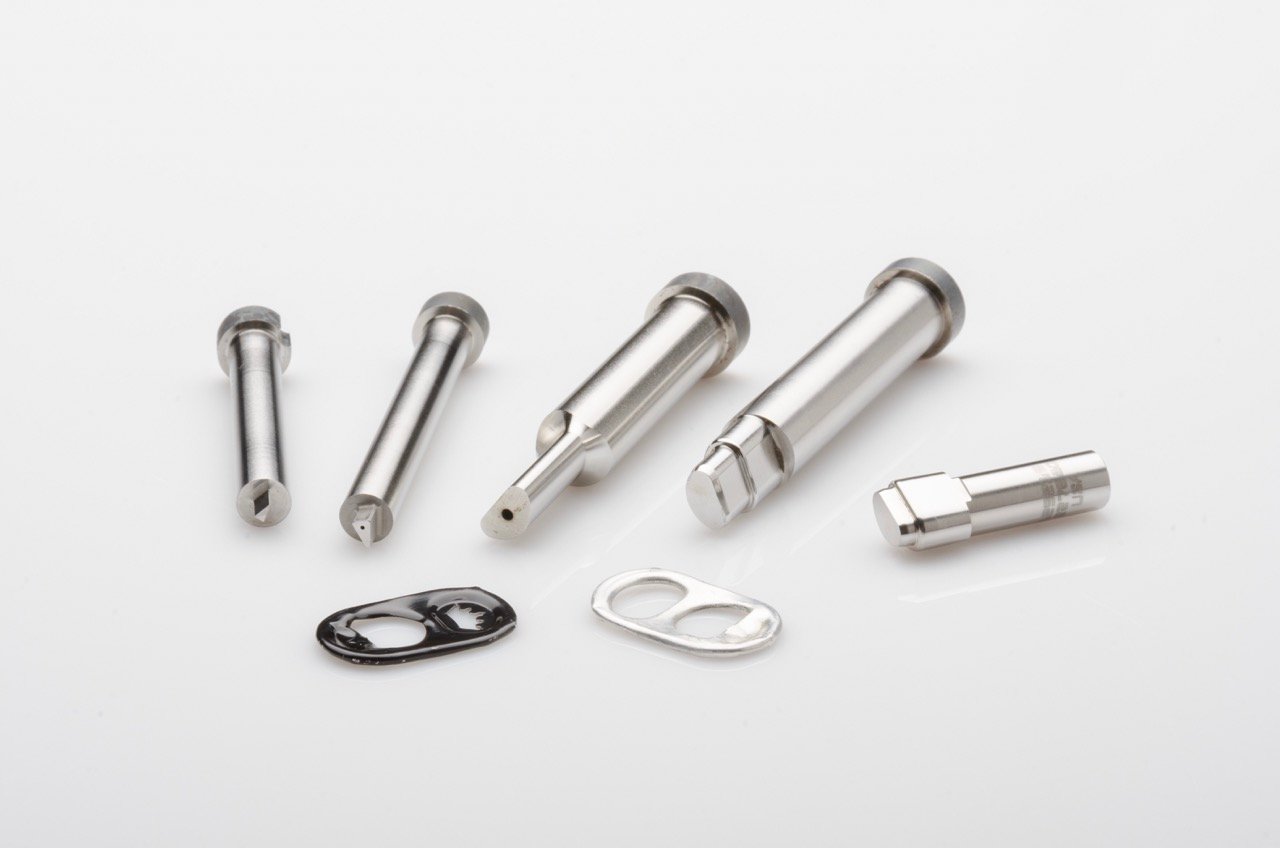
Precision ground ejector pins machined to +/-0.002 mm straightness and Ra 0.2 µm surface finish, supplied in SKD61, SKH51 and tungsten carbide for high-cycle automotive, connector and medical molds. ZEISS CMM-verified diameter, concentricity and hardness (HRC 58–62) ensure consistent ejection force and zero pin-mark defects across 500k+ shot cycles.
Get a Quote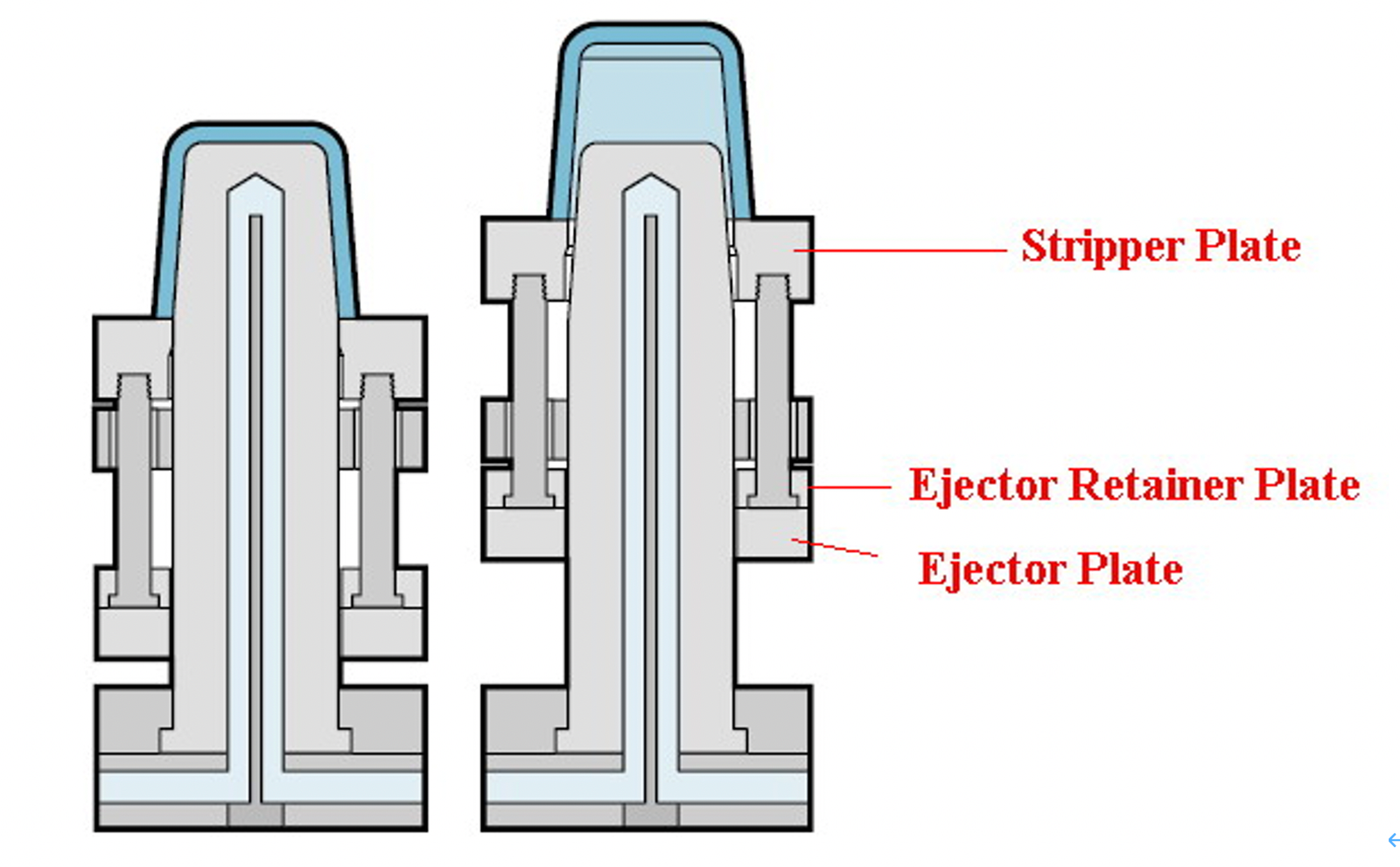
Stripper Plates
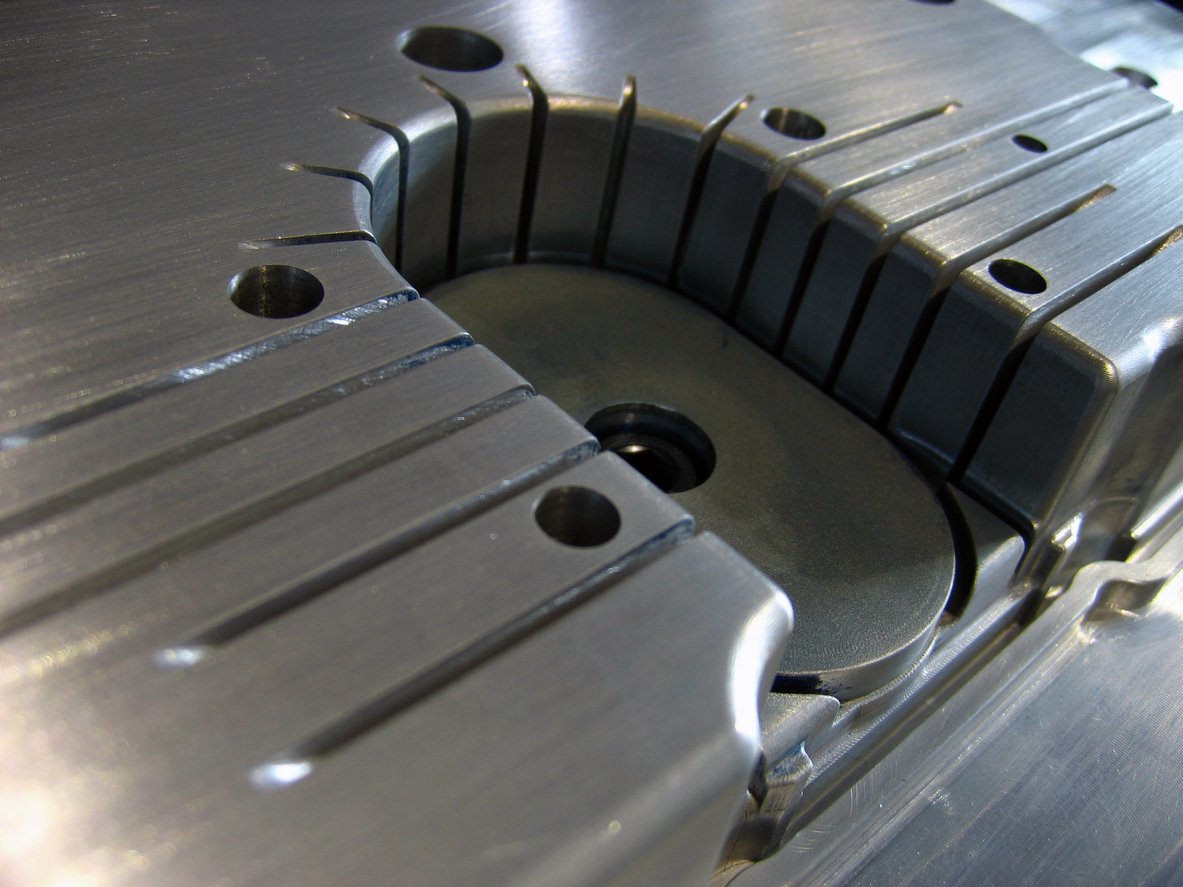
Flat and contoured stripper plates held to +/-0.005 mm flatness over 300 mm span, with slow-wire EDM pockets positioned to +/-0.002 mm for uniform load distribution in multi-cavity and thin-wall molds. Mirror-polished contact faces (Ra 0.1 µm) eliminate ejection marks on cosmetic housings for consumer electronics, automotive interiors and 5G connector assemblies.
Get a Quote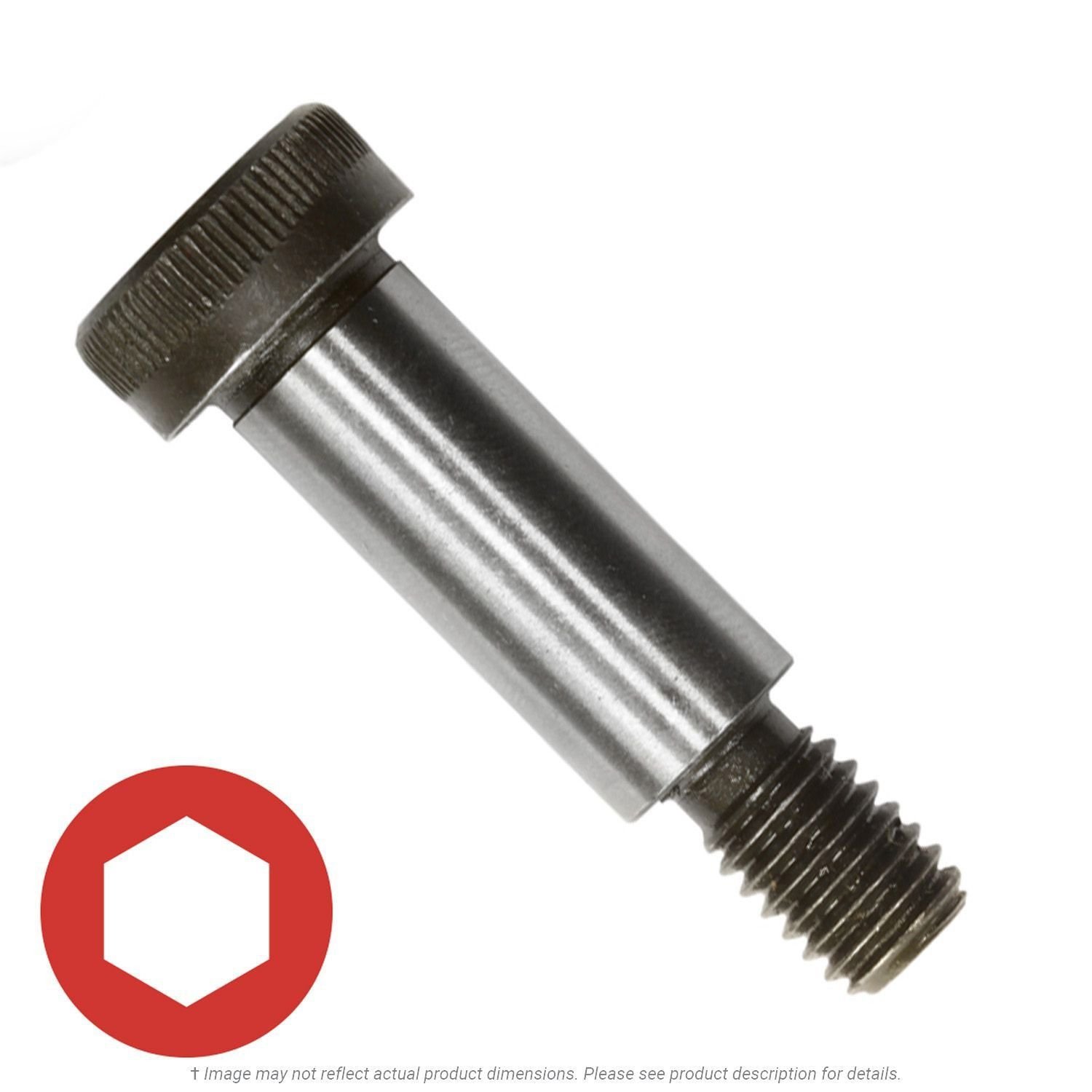
Stripper Bolts
Hardened stripper bolts and shoulder bolts machined from SCM440 and SUJ2, with thread tolerance 6H and shoulder-diameter runout under 0.003 mm. CNC-turned and precision-ground to maintain repeatable clamp load and stripper-plate parallelism in high-speed injection cycles, preventing core shift and flash in connector and micro-part tooling.
Get a Quote
Blade Strippers
Blade ejectors and thin-wall stripper blades wire-cut to +/-0.002 mm edge straightness and 0.01 mm thickness tolerance, designed for deep-rib and slot geometries in automotive ADAS housings, LED bezels and micro-USB shells. Heat-treated SKD11 or tungsten-carbide construction resists edge chipping and maintains sharpness beyond 300k cycles.
Get a Quote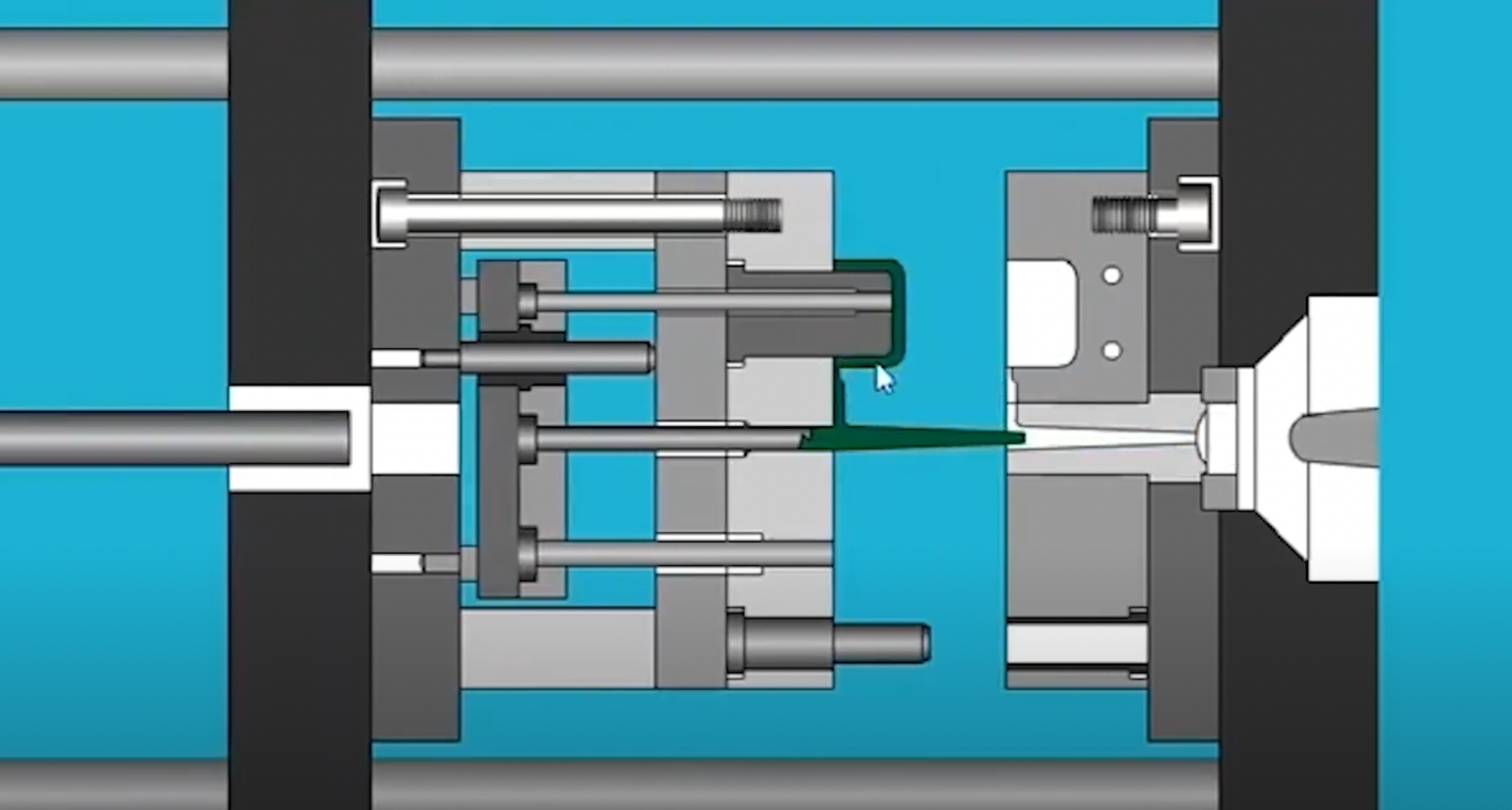
Sleeve Ejectors
Cylindrical sleeve ejectors and tubular stripper rings machined with +/-0.003 mm bore/OD concentricity and Ra 0.2 µm inner finish, ideal for ejecting bosses, standoffs and threaded inserts in battery housings, sensor brackets and industrial enclosures. ZEISS CMM validation ensures interference-free telescoping motion and no galling at high ejection speeds.
Get a Quote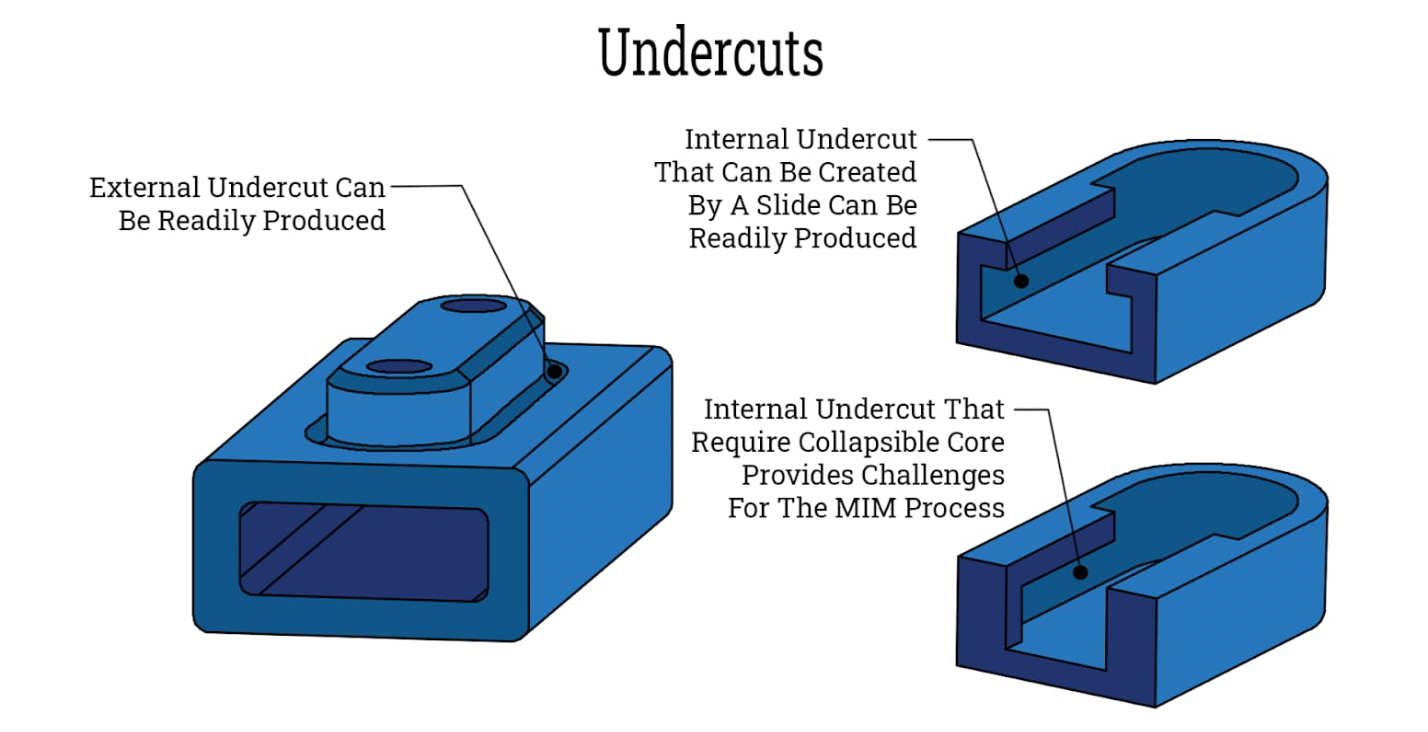
Undercut Strippers
Undercut stripper mechanisms including angled lifter plates, cam-actuated strippers and collapsible cores, machined to +/-0.005 mm slide-fit tolerance and mirror-finished at Ra 0.1 µm. Enables single-shot molding of snap-fits, side holes and internal threads in automotive clips, connector shells and medical-device housings without secondary operations or part damage.
Get a Quote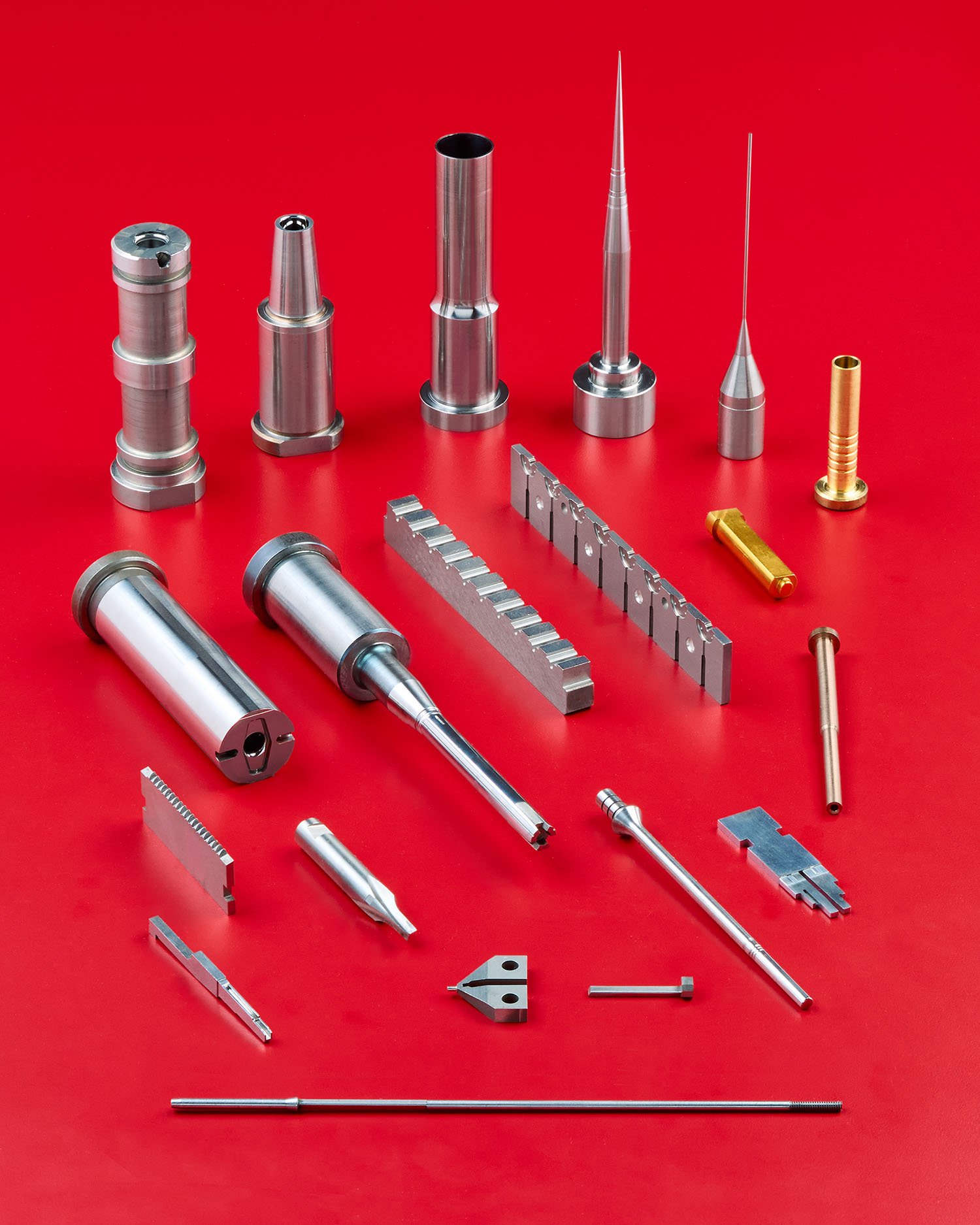
Core Pins
Core pins and forming pins ground to +/-0.002 mm diameter tolerance and 0.001 mm TIR, with tip radii as tight as R 0.015 mm for micro-holes, ventilation slots and alignment features in 5G RF connectors, board-to-board headers and automotive sensor housings. Material options include SKD61, tungsten carbide and beryllium copper for thermal management.
Get a Quote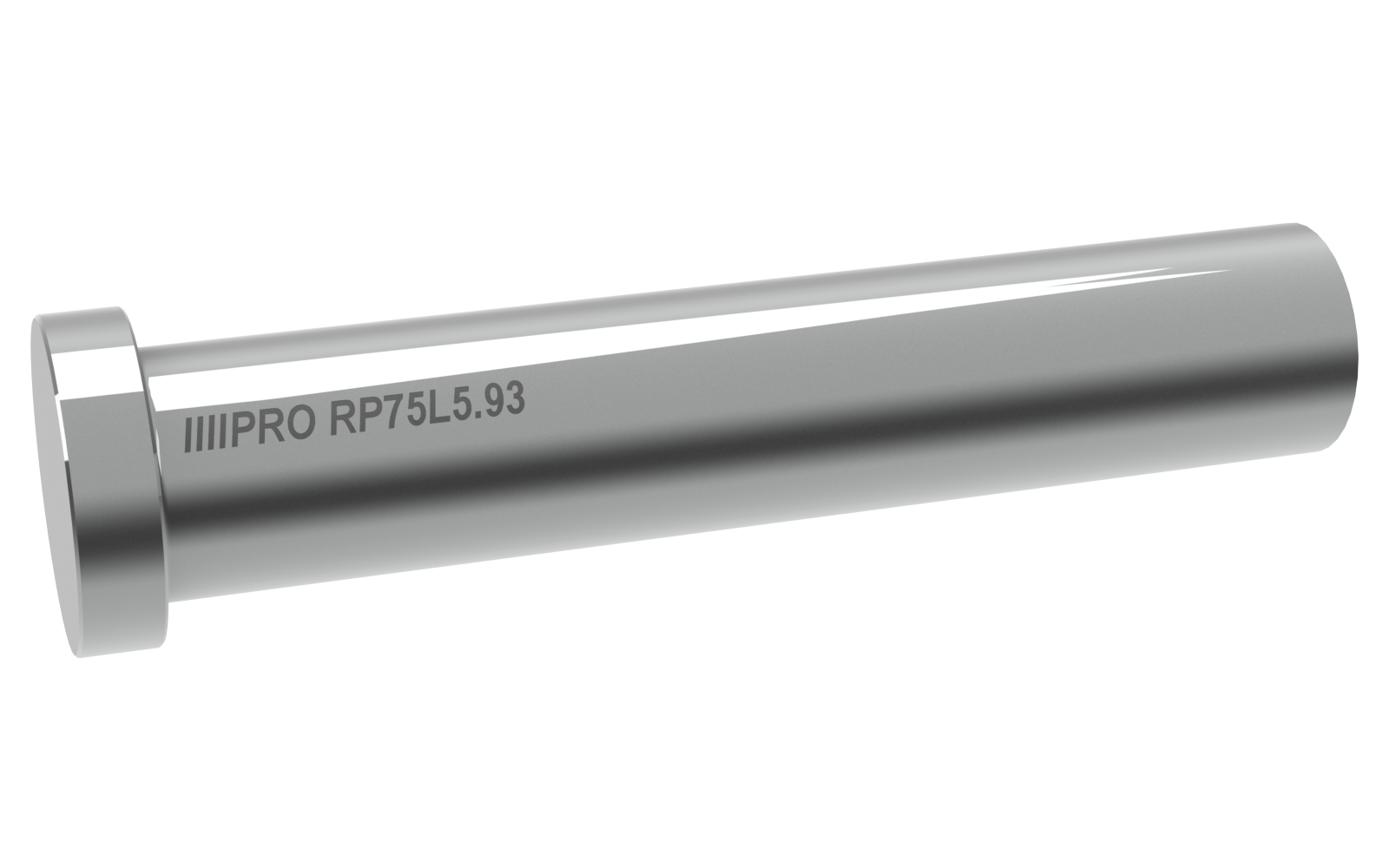
Return Pins
Return pins and reset pins machined to +/-0.003 mm length tolerance and HRC 58–62 hardness, ensuring reliable stripper-plate return and preventing mold-open crashes in high-speed automated cells. Supplied with ground shoulders and polished shanks (Ra 0.2 µm) to minimize friction and extend bushing life in million-shot automotive and consumer-electronics programs.
Get a Quote
Custom Stripper Components
Engineered stripper solutions including hybrid ejector/stripper assemblies, conformal-cooled stripper plates, multi-stage sequential strippers and integrated sensor pockets. Full DFM analysis by 10+ mold engineers, prototype validation within 7 days, and ZEISS-documented FAI to solve complex ejection challenges in thin-wall, high-aspect-ratio and cosmetic-critical applications.
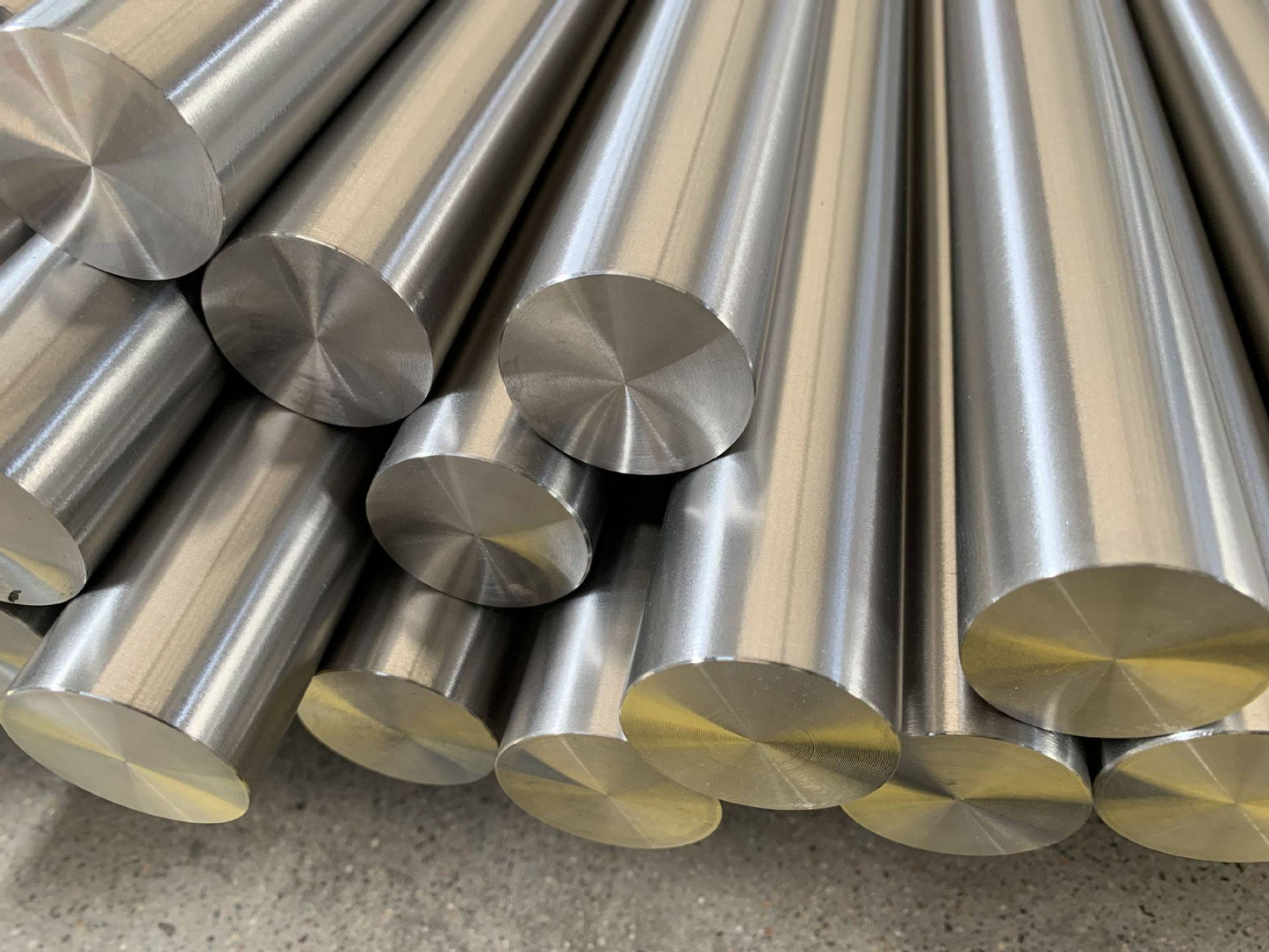
Get a QuoteMaterials We Machine for Stripper Components
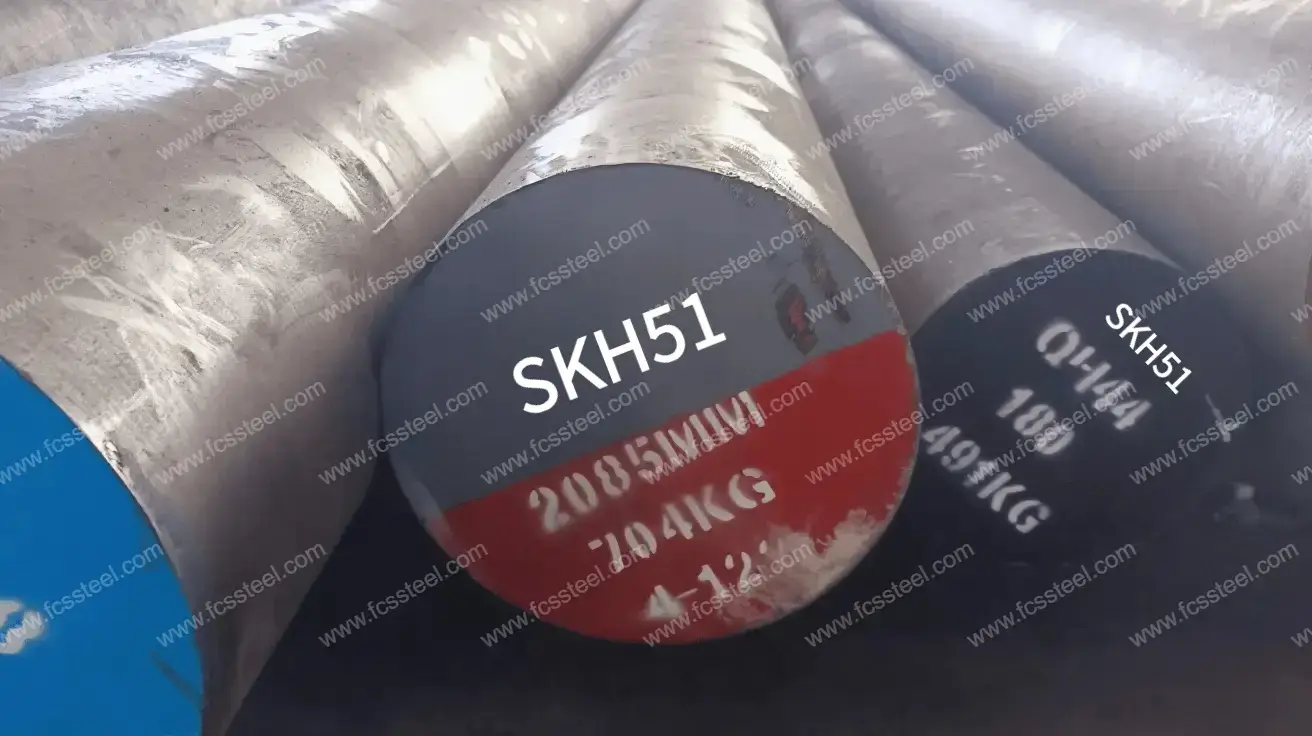
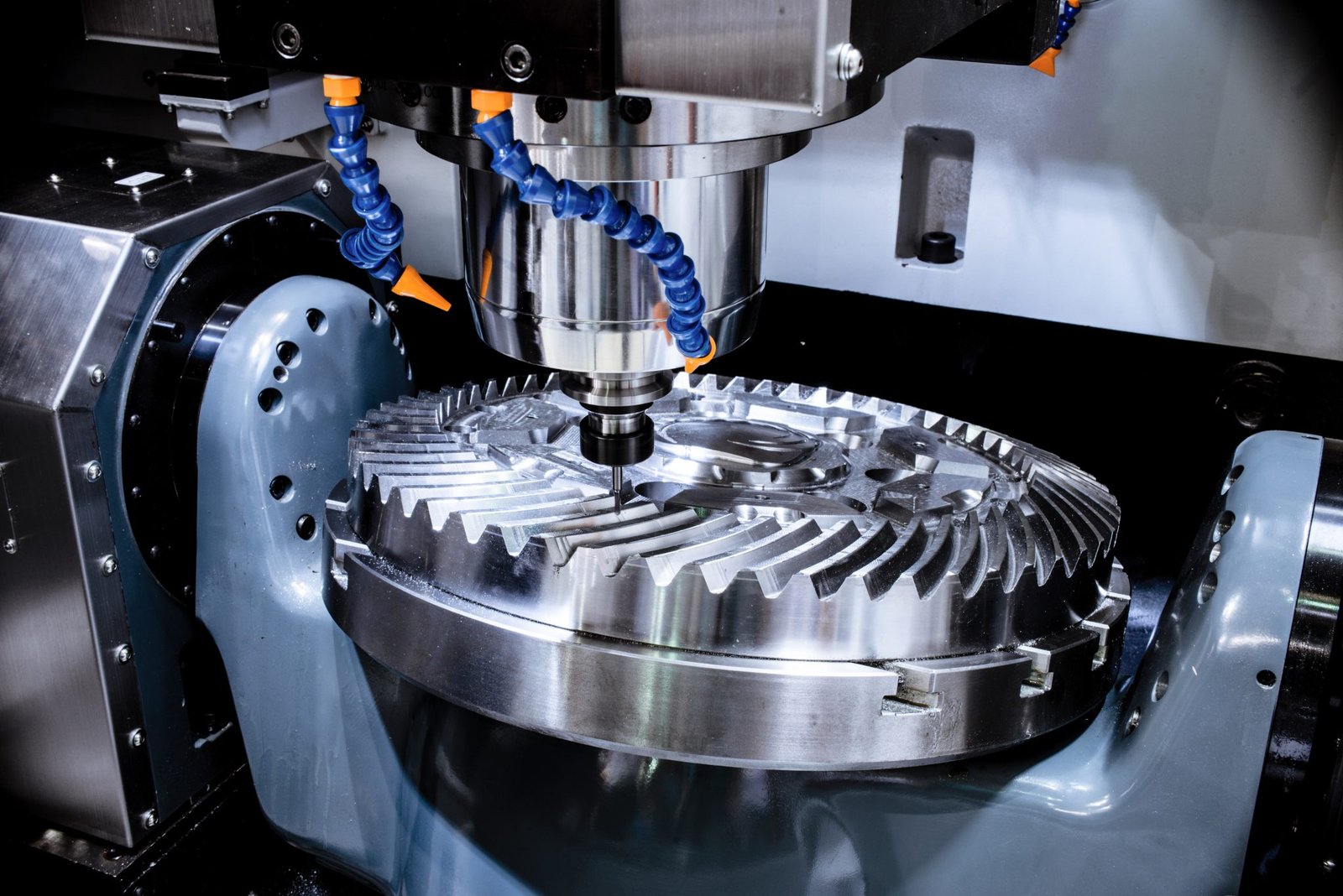
Precision Stripper Manufacturing: EDM, CNC & Grinding
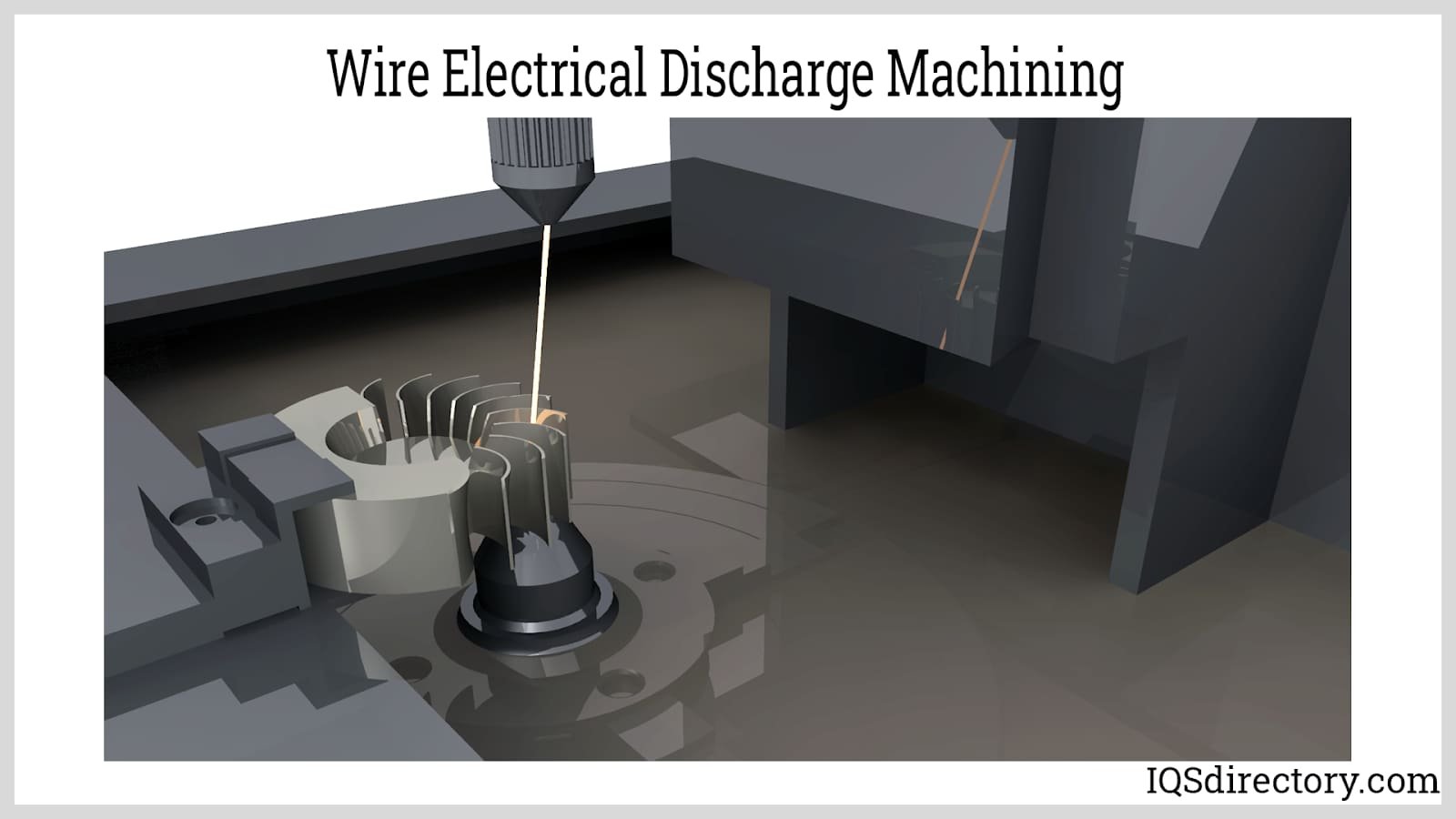
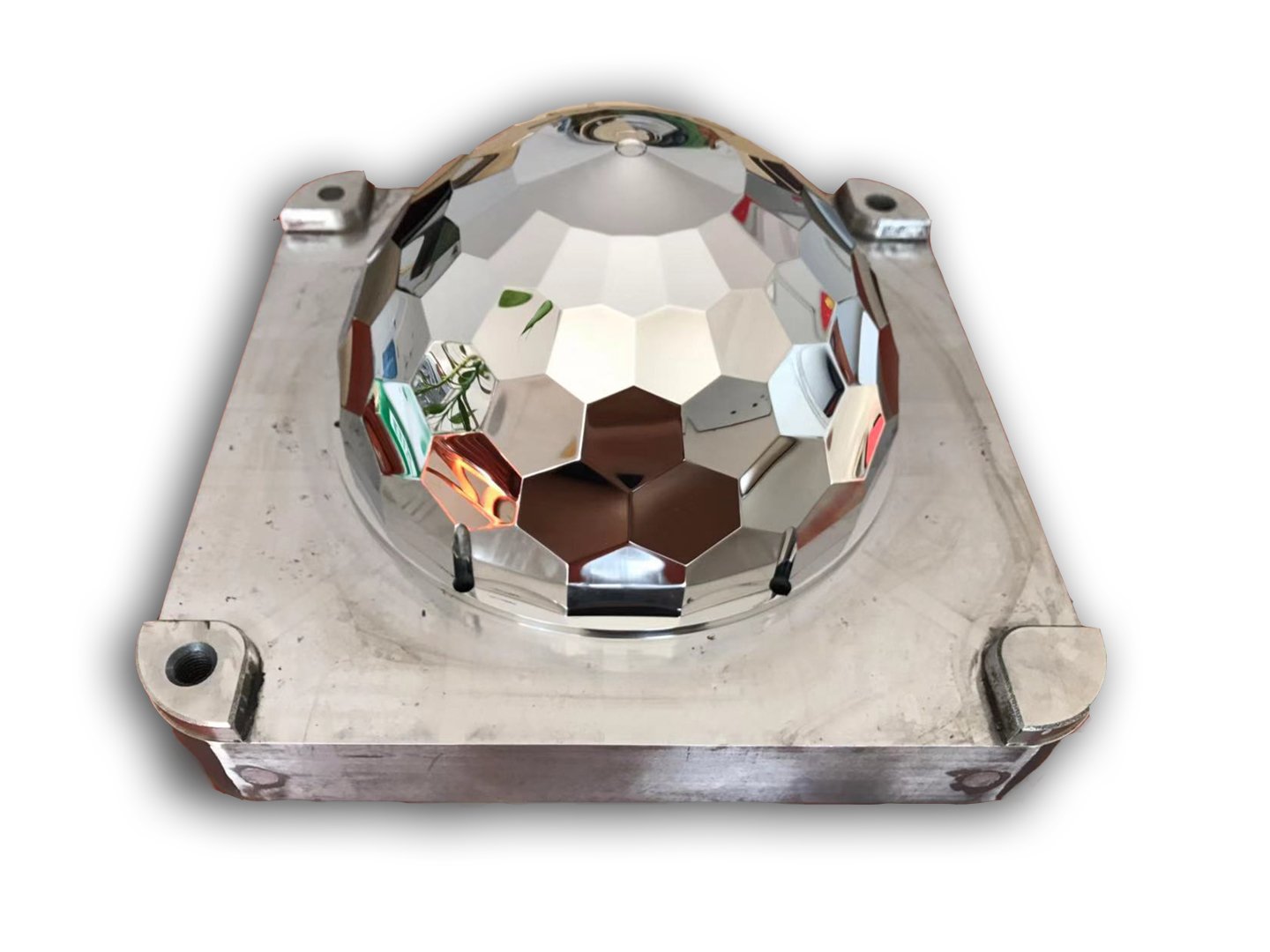
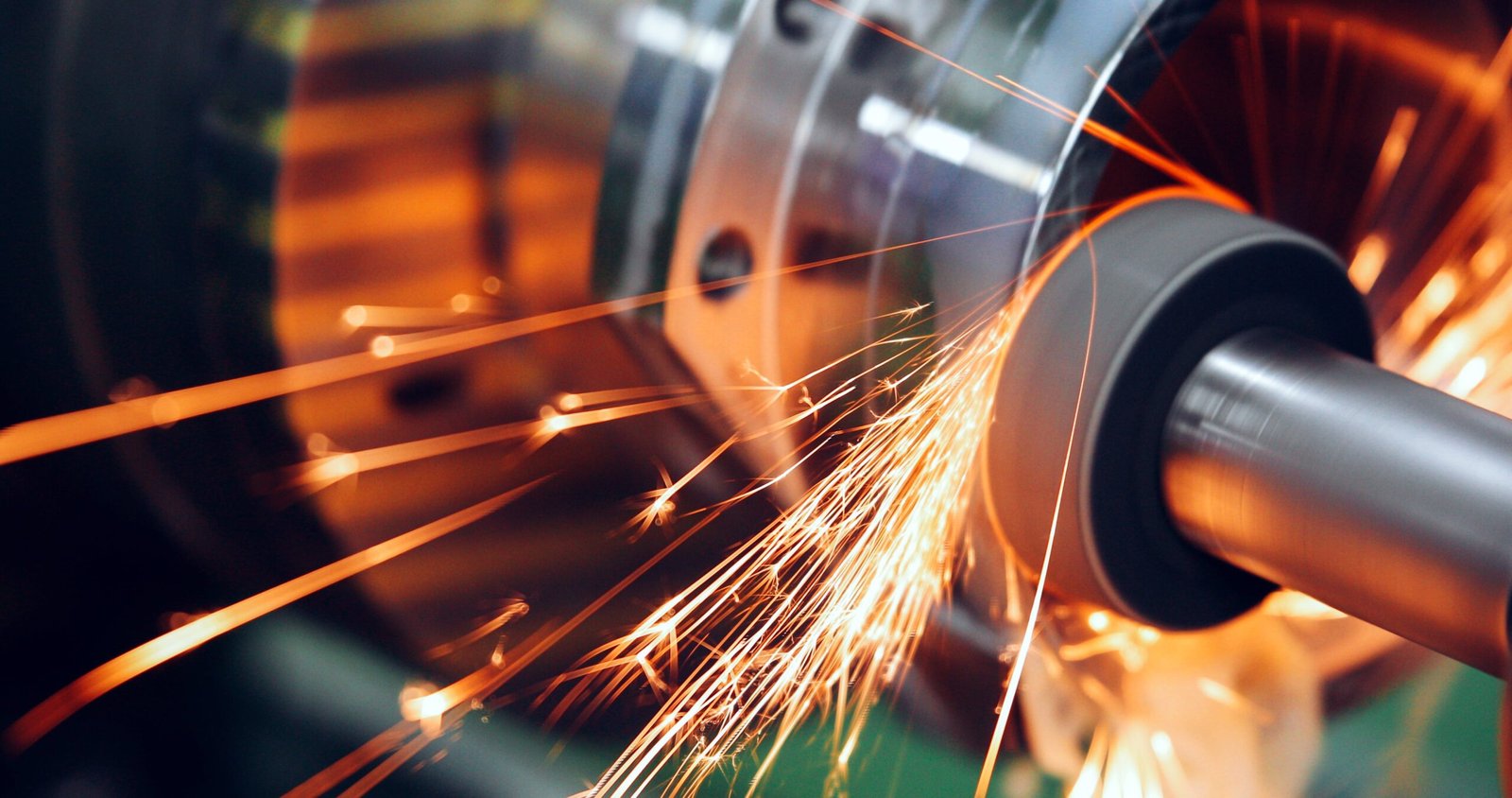
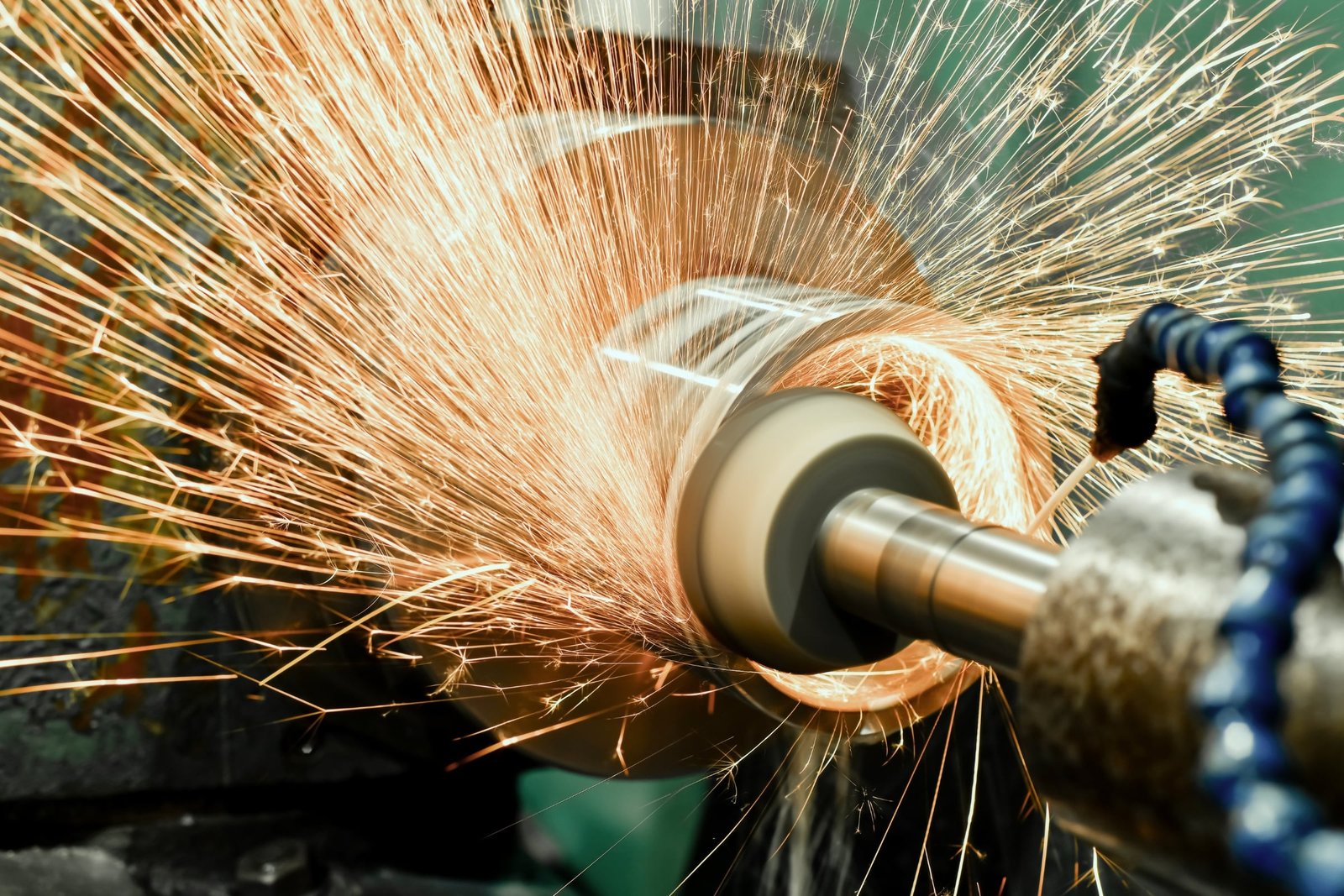
Mirror EDM
Mitsubishi mirror-grade sinker EDM delivers Ra 0.1um surface finishes on stripper faces and core-contact zones, eliminating post-polish and ensuring smooth part release, reduced friction and extended mold cycle life in high-volume production.

CMM Validation
ZEISS MICURA coordinate measuring machine verifies every critical dimension — slot width, pin clearance, flatness and position — to 0.7um resolution, backed by Nikon toolmaker’s microscopes and full FAI documentation with material certificates for traceability and quality assurance.
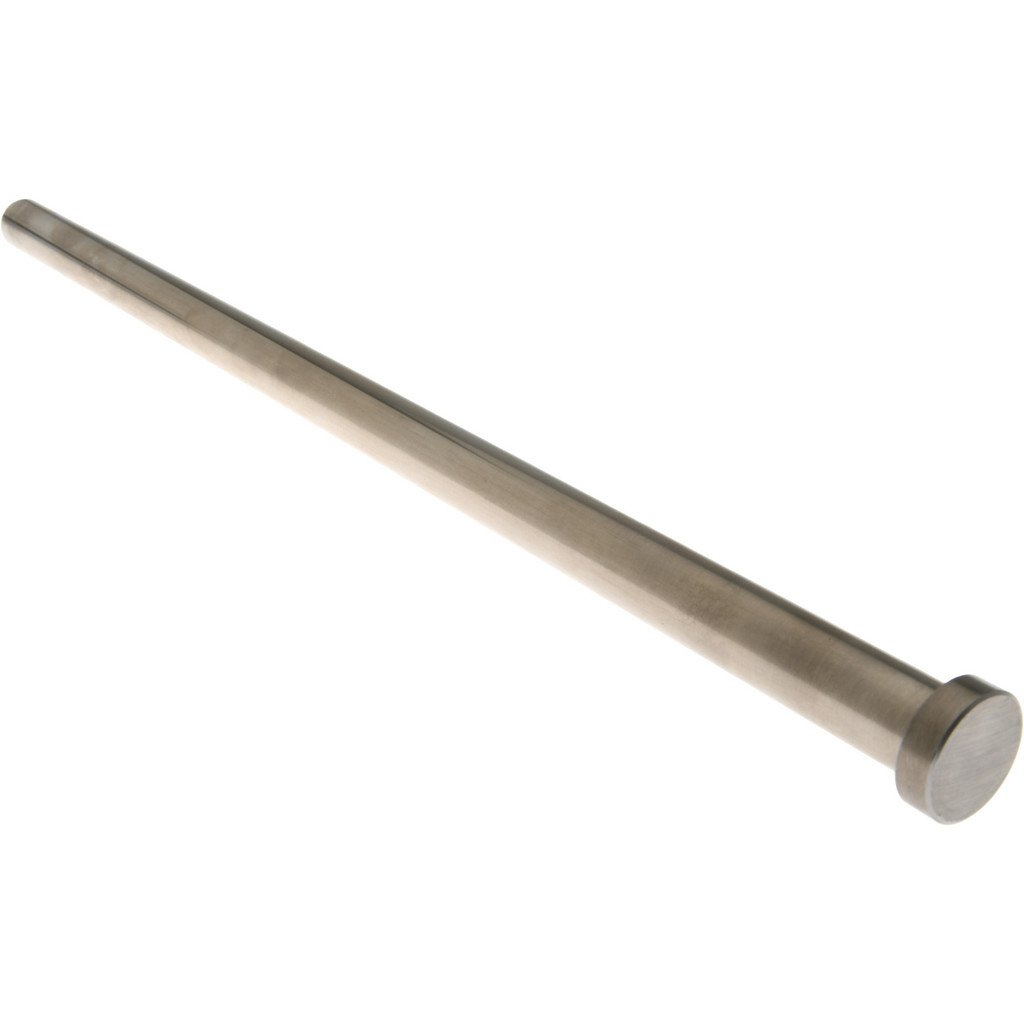
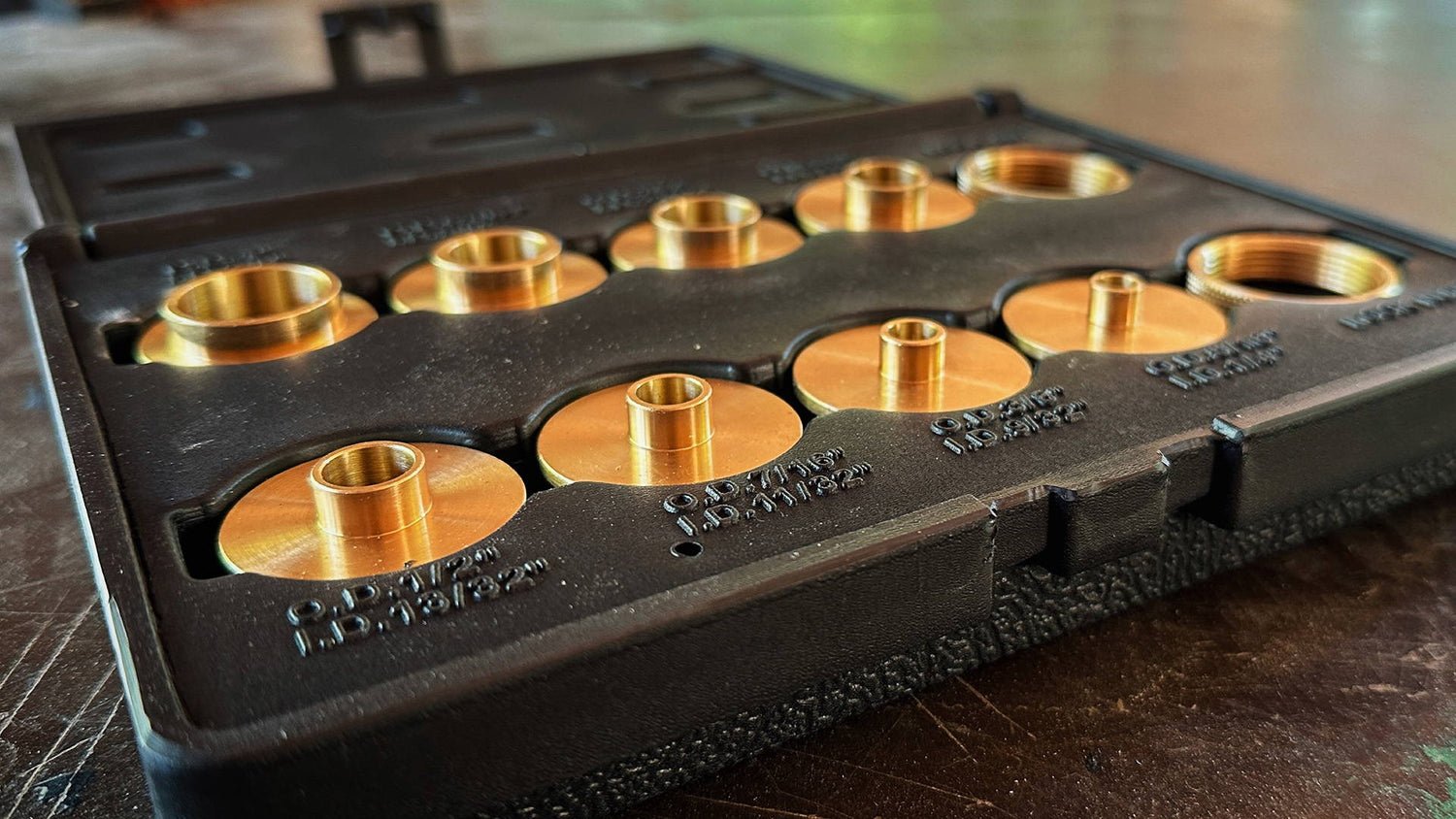
Stripper Plate Accessories & Finishing Options
Surface Coatings
TiN, TiCN and DLC wear-resistant coatings applied post-machining to extend stripper-plate life, reduce friction and prevent galling. Ideal for abrasive resins, glass-filled polymers and long production runs.
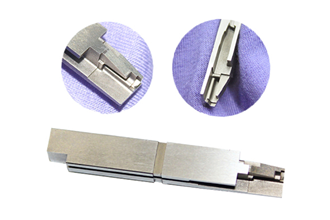
Conformal Cooling Channels
CNC-drilled or 3D-printed conformal cooling circuits integrated into stripper plates to optimize cycle time, minimize warpage and improve dimensional stability. Designed using thermal-flow simulation and DFM analysis.

Hardening Treatments
Vacuum heat treatment (HRC 48–62) and nitriding services for stripper plates and inserts, with full hardness-curve documentation. Ensures wear resistance, dimensional stability and long-term performance in high-volume tooling.
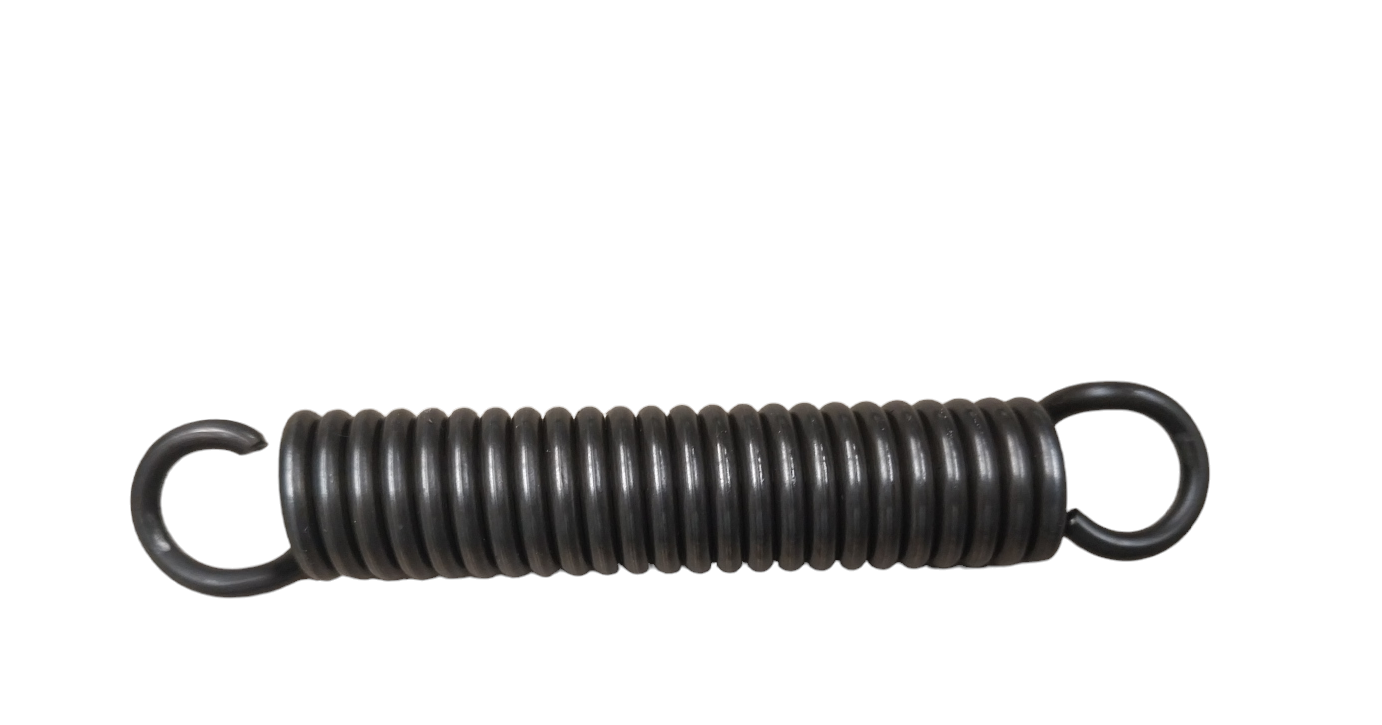
About XUXIANG: 16 Years of Precision Mold Engineering
Founded in 2010 in Dongguan’s Chang’an manufacturing hub, XUXIANG has grown from a specialist mold-core machining shop into a full-service precision manufacturer serving electronics, 5G/telecom, automotive & NEV, industrial automation and medical-device supply chains worldwide. Our ISO 9001:2015-certified dual-factory operation now spans 2,000 m² of R&D and micro-machining in Dongguan plus 1,400 m² of volume production in Quanzhou, delivering stripper plates, core inserts and complete tooling programs held to +/-0.001 mm.
Every stripper component is machined on Sodick and Seibu slow-wire EDM, Mitsubishi mirror EDM and Fanuc CNC systems, then validated on a ZEISS MICURA CMM measuring to 0.7 µm and Nikon toolmaker’s microscopes. Over CNY 8 million invested in Japanese, Swiss and German metrology ensures mirror-grade Ra 0.1 µm finishes, +/-0.002 mm wire-EDM positioning and corner radii down to R ≤ 0.015 mm — the micron-stable precision that prevents flash, misalignment and premature tool wear.
With 10+ engineering experts providing DFM feedback before production, a five-step QC flow from spectral analysis through final FAI documentation, and 2025 expansion lifting capacity by 200 percent, XUXIANG bridges the gap between complex CAD designs and high-performance physical parts — delivering quotes in 24 hours and finished stripper plates roughly 30 percent faster than the industry average.
Core Stripper Plate Capabilities: Micron-Stable Precision & DFM Support
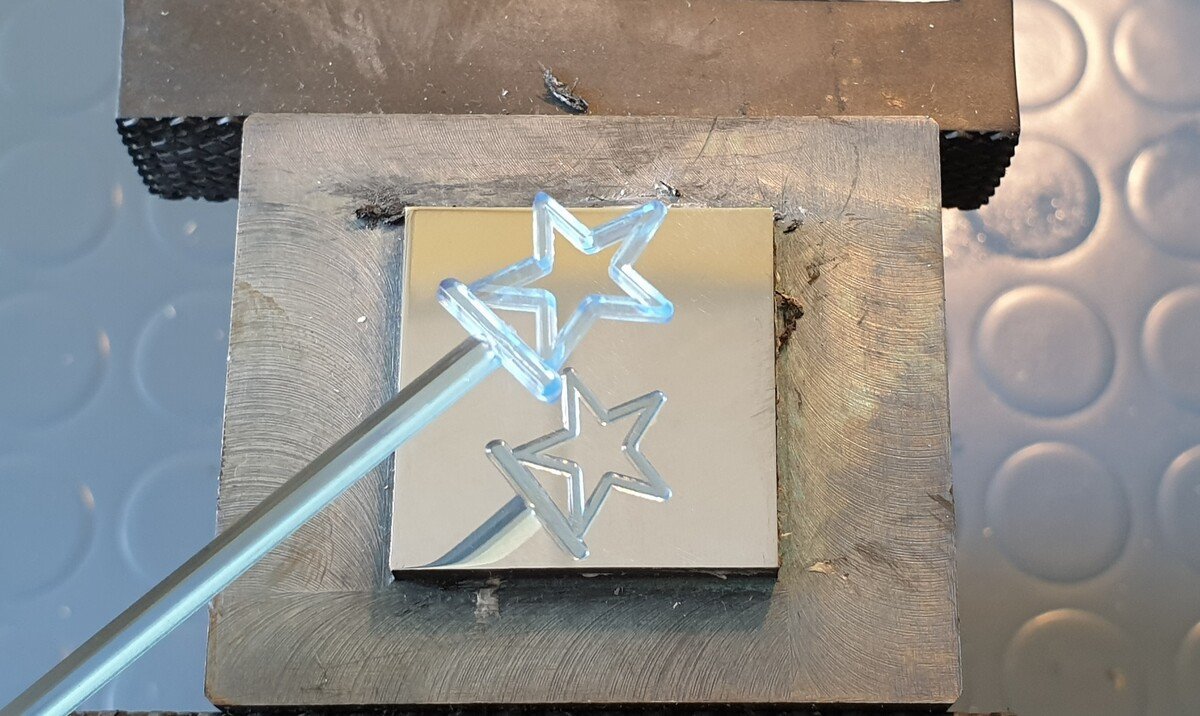
Mirror-Grade EDM Surfaces for Stripper Plates
Sodick and Mitsubishi mirror EDM systems deliver Ra 0.1um surface finishes on stripper plate contact faces, eliminating micro-scratches that cause part sticking and extending mold cycle life by reducing friction and wear on ejection surfaces.
- Ra 0.1um mirror finish on stripper plate contact zones via Mitsubishi mirror EDM
- Sodick slow-wire EDM holds +/-0.002 mm positioning tolerance on complex slot geometries
- Zero recast layer on hardened tool steel (SKD61, NAK80, S136) stripper components
- ZEISS MICURA CMM validates surface topology to 0.7um resolution
Conformal Cooling Integration for Stripper Systems
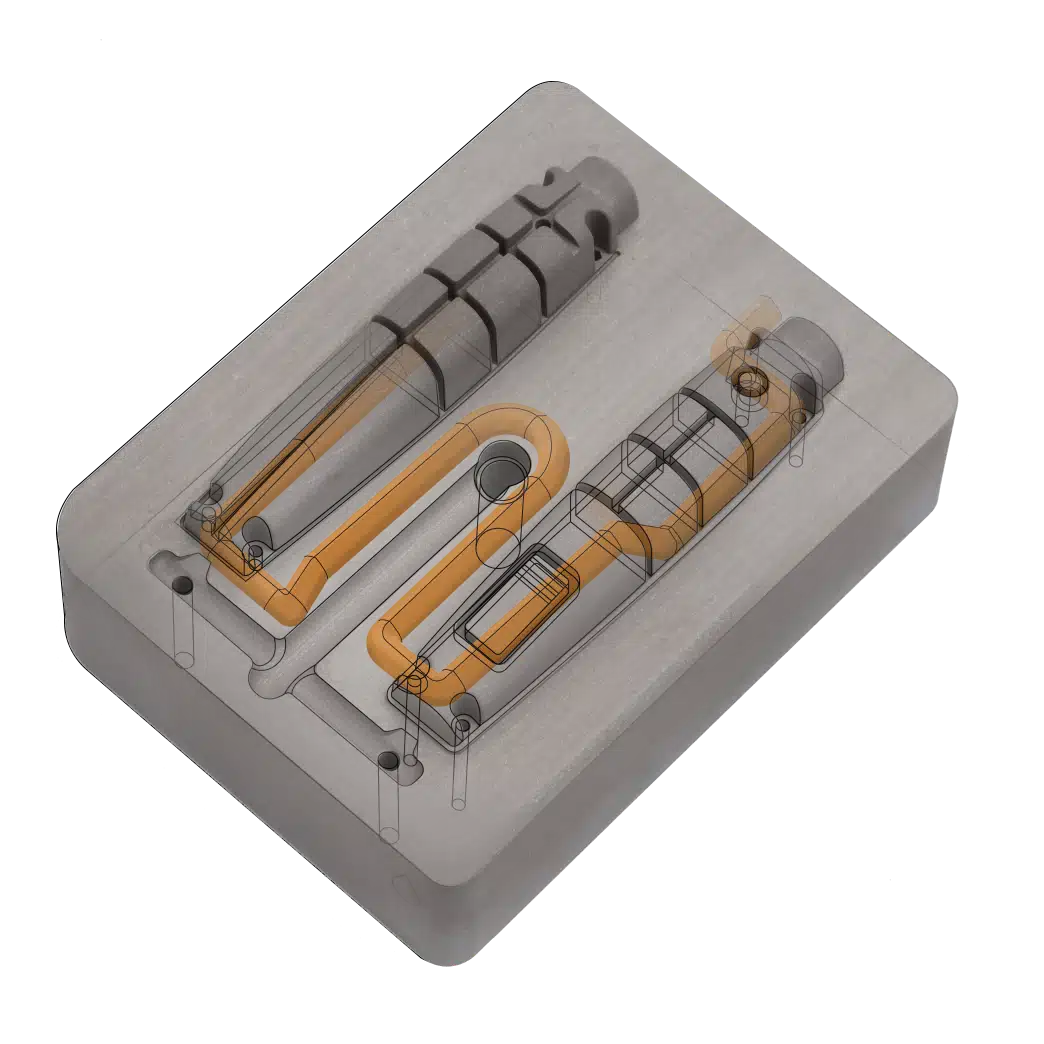
Engineering team designs and machines conformal cooling channels directly into stripper plates, reducing cycle time by up to 30% and preventing thermal warpage in high-cavity, thin-wall connector and electronics molds requiring uniform heat extraction.
- 3D conformal channels machined via 5-axis CNC and EDM drilling to +/-0.005 mm
- DFM thermal simulation identifies hotspots before stripper plate fabrication begins
- Channel diameter down to 6 mm with smooth internal finish for optimal coolant flow
- Pressure-tested to 1.0 MPa; leak-free assembly guaranteed with full FAI documentation
Rapid DFM Engineering for Custom Strippers
Every stripper plate order receives DFM feedback from 10+ precision-mold engineers within 24 hours, flagging tolerance conflicts, draft angles, ejection-force risks and material-selection issues before machining—eliminating costly rework and production delays.
- 24-hour DFM report highlights stripper plate geometry, tolerance stack-up and ejection clearances
- CAD-native analysis using SolidWorks and Mastercam for CNC/EDM path optimization
- Material and heat-treatment recommendations (H13, SKD61, P20, stainless) tailored to cycle count
- Revision cycles typically complete within 48 hours; engineering support included at no extra cost
Full FAI Validation & Metrology Reporting
Every stripper plate ships with a complete First Article Inspection package: ZEISS CMM dimensional report, material certificates, surface-finish data and photographic documentation—ensuring traceability, compliance and zero-defect handoff to your mold assembly team.
- ZEISS MICURA CMM measures critical dimensions to 0.7um; Nikon toolmaker's microscope verifies edge radii
- Material spectral analysis confirms alloy composition; heat-treatment certificates included
- Surface roughness verified with calibrated profilometer; Ra, Rz and Rmax values documented
- PDF FAI report delivered with shipment; CAD overlay comparison available on request

XUXIANG vs. Standard Stripper Plate Suppliers
Evidence-based comparison: what sets precision-grade stripper manufacturing apart from commodity alternatives.
← 左右滑动查看 →
How XUXIANG Manufactures Precision Stripper Plates
Every stripper plate follows a controlled, six-step production flow — from DFM engineering review through ZEISS CMM verification — ensuring +/-0.001 mm accuracy, mirror-grade EDM finishes and complete FAI traceability before shipment.
Design Review & DFM
10+ engineering experts analyze your CAD files, flagging tolerance conflicts, draft angles and ejection risks to optimize stripper plate geometry before machining begins.
Material Selection & CNC Machining
Certified steel or alloy blanks undergo spectral analysis, then precision CNC on Fanuc-class centers to establish base geometry within +/-0.002 mm.
Slow-Wire & Mirror EDM
Sodick and Seibu slow-wire EDM cut critical stripper slots and profiles; Mitsubishi mirror EDM achieves Ra 0.1 µm surface finish on ejection faces.
Precision Grinding & Polishing
Dawn grinding centers refine flatness and parallelism to +/-0.001 mm; manual polishing reaches mirror-class Ra 0.05–0.1 µm where specified.
ZEISS CMM Verification
Every stripper plate is measured on our ZEISS MICURA CMM with 0.7 µm resolution, validating dimensional accuracy, flatness and position tolerances against drawing.
FAI Documentation & Shipment
Complete First Article Inspection reports, material certificates and dimension data sheets are compiled, reviewed and shipped with your precision stripper plates.
How to Order Custom Stripper Plates from XUXIANG
From CAD upload to FAI-certified delivery, our streamlined process ensures precision stripper plates arrive on time with full traceability and engineering support at every stage.
Submit Your CAD & Requirements
Upload 2D/3D CAD files, material specs and tolerance requirements through our quote portal. Our engineering team begins DFM analysis immediately upon receipt.
Receive Quote & DFM Feedback
Within 24 hours, you’ll receive a detailed quote, lead-time estimate and DFM recommendations from our 10+ precision-mold experts to optimize manufacturability.
Approve Sample Production
We machine your first-article stripper plate sample in 3–7 days, validated by ZEISS MICURA CMM and delivered with full dimensional inspection reports.
Scale to Mass Production
Once approved, bulk stripper plate orders move into our dual-factory workflow, with 15–25 day lead times and in-process tolerance monitoring at every stage.
Receive Parts with Full Documentation
Every shipment includes FAI reports, material certificates and CMM data, ensuring traceability and compliance for your ISO-certified supply chain and production records.
Certifications & Quality Standards for Every Stripper Plate




Customer Testimonials: Precision Stripper Plates Delivered
XUXIANG’s stripper plates held +/-0.0005 mm on our 48-cavity micro-connector mold — zero rework, zero adjustment. Their ZEISS CMM reports gave us full traceability, and samples arrived in 4 days instead of the usual 14.
We reduced mold rework by 42% after switching to XUXIANG for stripper components. Their DFM feedback caught three design issues before machining, and the mirror EDM finish eliminated post-polish entirely.
Consistent +/-0.002 mm positioning across 12 stripper plates for our NEV sensor housing tool. Lead time was 18 days vs. 30+ from other suppliers, and every part came with full FAI documentation and material certs.
FAQ: Stripper Plates, Sampling & Lead Times
What is the minimum order quantity for custom stripper plates?
How long does it take to receive a stripper plate sample, and what does it cost?
Can you guarantee +/-0.001 mm tolerance on all stripper components?
What payment terms do you offer for stripper plate orders?
How do you handle shipping, insurance and customs for international stripper plate orders?
How is my stripper plate design protected? Do you sign NDAs?
What if I need to revise the stripper design after sampling?
Where do you source the steel and alloys for stripper plates?
Do you offer rush or expedited production for urgent stripper plate needs?
The Complete Buyer’s Guide to Stripper Plates for Precision Mold Tooling
Navigate the critical decisions in sourcing stripper plates with confidence. This guide delivers a proven framework for evaluating suppliers, understanding material trade-offs, specification requirements, and avoiding the costly mistakes that compromise mold performance and part quality in high-precision manufacturing.
1. What Are Stripper Plates in Precision Mold Tooling?
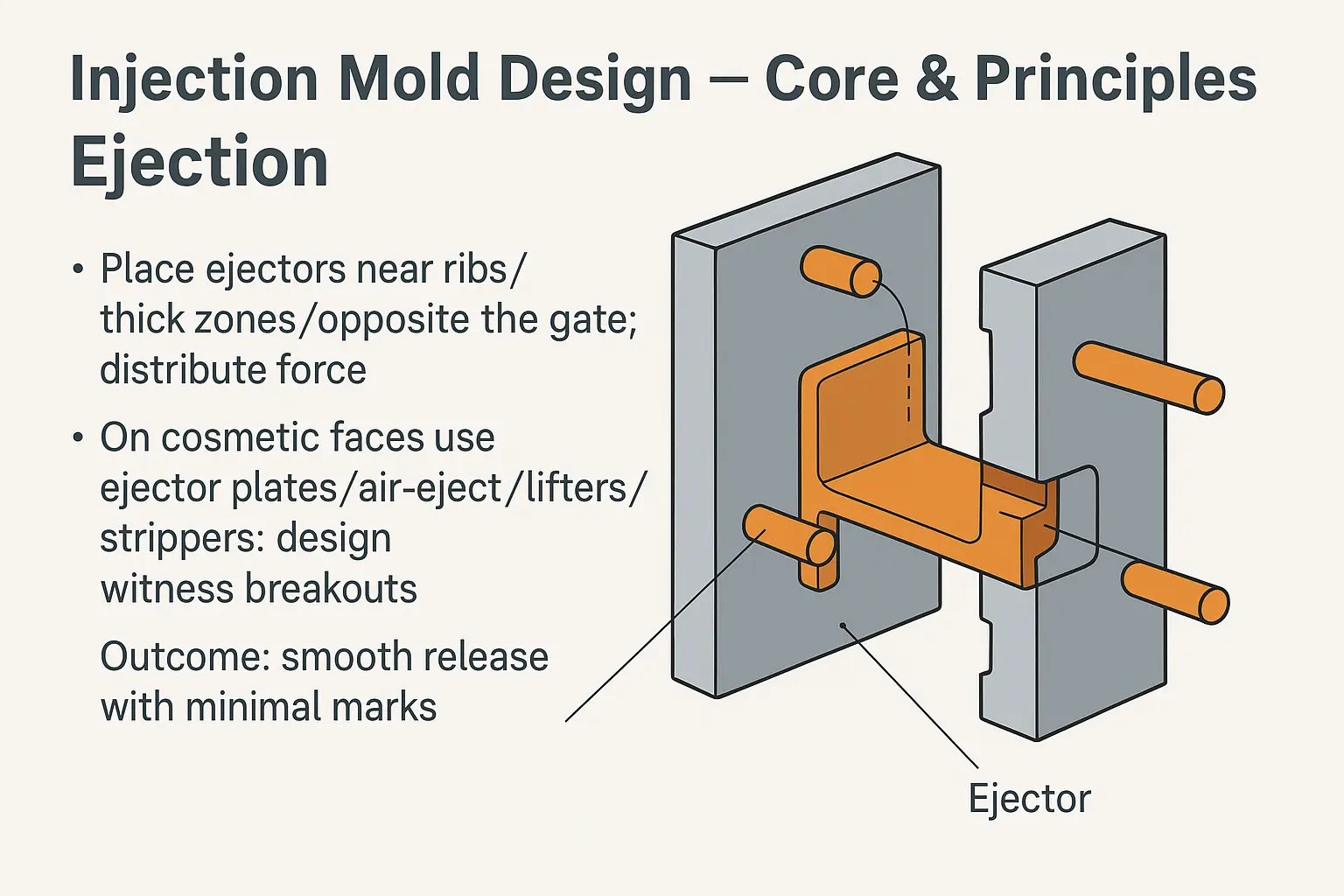
A stripper plate is a precision ejection component in an injection mold that mechanically strips the molded part from the core or cavity by traveling perpendicular to the parting line. Unlike pin ejectors that push at discrete points, the stripper applies uniform force across an entire perimeter or profile, preventing distortion in fragile geometries. It typically sits between the cavity plate and the ejector set, actuated by the mold’s ejector system or by a dedicated hydraulic cylinder.
Stripper plates are critical for thin-wall parts (< 0.8 mm), deep ribs, and micro-connector tooling where ejector pins would puncture or deform features. In high-density terminal molds and 5G connector tooling, strippers distribute ejection load over micron-scale contact surfaces, protecting pin arrays and thin walls that standard ejection cannot safely release.
Fixed stripper plates remain stationary relative to the mold base and strip during mold opening. Moving stripper plates actuate independently via springs or hydraulic circuits, enabling sequential ejection and controlled part release in complex multi-cavity or family molds.
2. Evolution of Stripper Plate Design and Manufacturing
Before 2000, stripper plates were shaped by manual grinding and conventional milling, typically holding +/-0.05 mm tolerances — adequate for consumer goods but prone to flash in thin-wall cavities. The shift to wire-EDM in the mid-2000s cut positioning error to +/-0.01 mm, enabling tighter parting-line control for early mobile-phone housings and micro-USB connectors.
By 2015, miniaturization in 5G RF modules and board-to-board connectors drove demand for +/-0.002 mm class strippers; Sodick and Seibu slow-wire EDM, combined with precision surface grinding, became the standard for mirror-grade flatness down to Ra 0.1 μm. Automotive ADAS sensor housings and high-density terminal tooling reinforced the need for sub-micron stability.
Today, ZEISS CMM validation and CNC-integrated process chains achieve +/-0.001 mm repeatability. Tighter tolerances eliminate flash at the parting line, reduce secondary trimming by up to 40 percent, and improve shot-to-shot dimensional consistency — critical for high-volume connector and automotive tooling programs.
3. Types of Stripper Plates by Design and Application
Stripper plate design varies widely by part geometry, ejection force and tolerance class. The five architectures below cover 95% of precision tooling applications, from high-volume consumer electronics to micro-connector molds requiring sub-millimeter features.
Fixed Stripper Plates
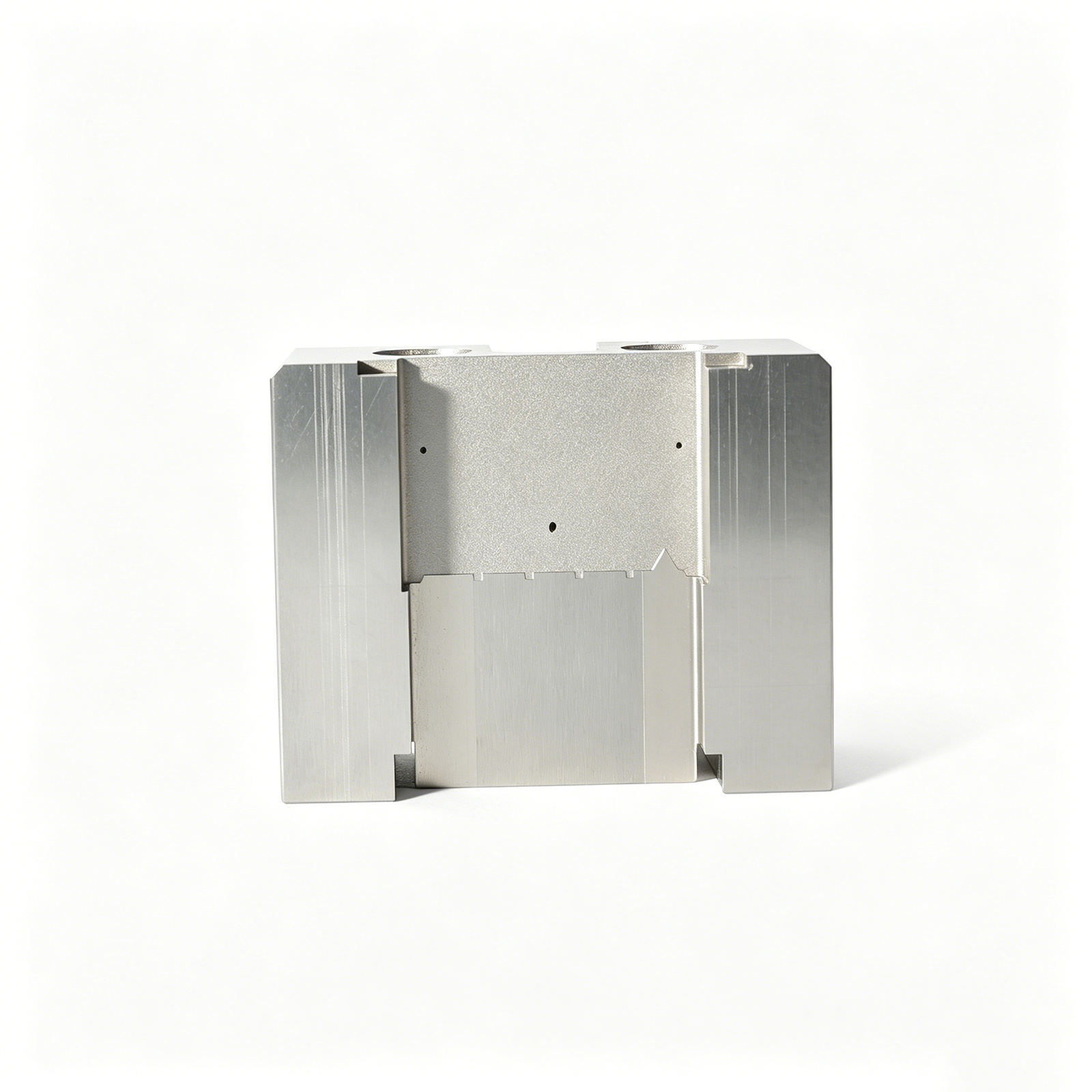
Stationary stripper plates mount rigidly to the mold base and rely on core withdrawal to release shallow-draft parts. Typical applications include flat bezels, lens rings and shallow ribs where ejection travel is ≤ 3 mm. Flatness tolerance is +/-0.005 mm; parallelism to parting line ≤ 0.01 mm.
Moving Stripper Plates
Spring- or hydraulic-actuated stripper plates travel with the mold opening, stripping parts from cores before ejector-pin actuation. Spring systems use compression springs (20–80 N); hydraulic variants offer programmable stroke and force. Common in automotive sensor housings and connector backshells requiring 5–15 mm travel. Position repeatability: +/-0.01 mm.
Air-Valve Stripper Systems
Pneumatic ejection minimizes mechanical contact for fragile optics, thin-wall RF shields and medical micro-moldings. Air pressure (0.3–0.6 MPa) lifts the stripper plate via integrated valve blocks. Surface finish Ra ≤ 0.2 µm to prevent air leakage; seal-groove tolerance +/-0.01 mm.
Hybrid Stripper-Lifter Combinations
Combined stripper and angled lifter mechanisms handle undercuts while stripping external features in a single motion. Used in multi-cavity terminal tooling and complex automotive interior clips. Cam-angle precision +/-0.02 mm; lifter-to-stripper synchronization ≤ 0.015 mm.
Micro-Stripper Plates for Sub-Millimeter Features

Dedicated to 5G micro-pins, board-to-board terminals and medical micro-needles with feature size ≤ 0.5 mm. Machined via slow-wire EDM to +/-0.002 mm; corner radii R ≤ 0.015 mm. ZEISS CMM validation at 0.7 µm resolution ensures zero deformation during high-cycle production.
4. Materials and Heat Treatment for Stripper Plate Performance
Material selection governs stripper plate life, dimensional stability and total cost per part. Heat treatment and alloy chemistry determine wear resistance, hardness retention and compatibility with corrosive resins — critical when cycle counts exceed 500,000 shots.
| Material | Hardness (HRC) | Wear Resistance | Cost Tier | Typical Cycle Count |
|---|---|---|---|---|
| P20 / 718 | 28–33 | Moderate | Low | ≤ 300,000 |
| H13 / SKD61 | 48–52 | High | Medium | ≤ 1,000,000 |
| 420 / S136 SS | 48–54 | High + corrosion | Medium-High | ≤ 800,000 |
| Tungsten Carbide | 1,400–1,800 HV | Very High | High (inserts) | ≥ 2,000,000 |
Pre-Hardened Tool Steels (P20, 718)
P20 and 718 arrive at 28–33 HRC, eliminating post-machining distortion and shortening lead times by 3–5 days. Machinability supports complex geometries and EDM electrode work, making them the default for medium-volume production up to 300,000 cycles. XUXIANG machines P20 cores to +/-0.002 mm on slow-wire and verifies flatness with ZEISS CMM to ensure consistent ejection force.
Hardened Steels (H13, SKD61) for High-Volume Runs
H13 and SKD61 reach 48–52 HRC after vacuum hardening, extending service life beyond 1,000,000 shots in abrasive glass-filled or mineral-reinforced resins. Nitriding adds a 0.1–0.3 mm case depth for edge retention. These alloys require post-heat-treatment grinding to recover dimensional tolerances within +/-0.003 mm.
Stainless Steels (420, S136) for Corrosive Resins
420 and S136 stainless grades resist halogenated, flame-retardant and PVC compounds that corrode standard tool steels. Hardness ranges from 48–54 HRC, and mirror-polished surfaces down to Ra 0.1 µm prevent resin adhesion. XUXIANG specifies S136 for medical-device and automotive sensor housings where contamination risk is unacceptable.
Tungsten Carbide Inserts for Wear Zones
Carbide inserts (1,400–1,800 HV) protect high-friction pin bosses and edge radii, multiplying local wear life by 10× versus hardened steel. Brazing or interference-fit mounting secures inserts without compromising base-plate machinability. Typical applications include micro-connector tooling with sub-0.3 mm pin diameters and cycle targets above 2,000,000 shots.
5. Customization Options for Stripper Plates
Modern stripper plate tooling requires application-specific customization to balance ejection force, thermal management and service life. XUXIANG engineers dimensional, surface and feature modifications through DFM review with 10+ specialists before machining begins.
| Treatment | Surface Hardness | Lead-Time Adder |
|---|---|---|
| Nitriding | HV 650–850 | +2–3 days |
| PVD Coating | HV 1,800–2,500 | +3–5 days |
| Mirror Polishing | Base material | +1–2 days |
Dimensional Customization
Thickness ranges from 8 mm for micro-connector tooling to 50 mm+ for automotive multi-cavity molds, machined to +/-0.002 mm flatness. Pocket geometry and hole patterns are CNC-milled to match core geometry and ejector-pin layouts, with corner radii down to R ≤ 0.015 mm. Tighter dimensional control reduces flash and shortens cycle time by 5–8%.
Surface Treatments
Nitriding, PVD coating and mirror polishing extend wear life and improve part release. Mirror-grade EDM finishes to Ra 0.1 µm eliminate micro-drag on ejection. Each treatment modifies surface hardness and adds 2–5 days to lead time, detailed in the table below.
Integrated Cooling Channels
Conformal cooling circuits machined into stripper plates reduce cycle time by 12–18% and stabilize dimensional consistency across cavities. XUXIANG uses high-precision CNC and EDM drilling to position channels within +/-0.003 mm of design intent, maintaining wall thickness for structural integrity.
Modular Insert Pockets
Replaceable insert pockets isolate high-wear zones, cutting maintenance downtime by 40% versus monolithic designs. Pockets are wire-EDM cut with +/-0.002 mm positional accuracy, enabling field replacement without full stripper re-machining.
6. Critical Quality Elements in Stripper Plate Manufacturing
Stripper plate performance depends on five measurable quality parameters that directly affect mold cycle time, part cosmetics and tool life. Each tolerance must be verified before assembly to prevent downstream failures.
Flatness and Parallelism Tolerances
Flatness within +/-0.001 mm ensures uniform contact pressure across the cavity face, preventing part distortion and uneven ejection forces. Parallelism to the same tolerance guarantees consistent stripper travel and eliminates binding.
XUXIANG measures both parameters on a ZEISS MICURA CMM with 0.7 µm resolution, validating every plate before shipment.
Hole Position Accuracy for Dowel Pins and Springs
Dowel-pin and spring-bore positions held to +/-0.002 mm ensure repeatable plate alignment during high-speed cycling. Misalignment as small as 0.005 mm can cause cumulative wear and premature tool failure.
Slow-wire EDM achieves +/-0.002 mm positional accuracy on all locating and ejector features.
Surface Finish for Clean Release
Mirror-grade EDM finishes down to Ra 0.1 µm eliminate drag and reduce ejection force by up to 40%. Surface roughness above Ra 0.2 µm increases friction, causing part sticking and cosmetic defects.
Charmilles and Sodick sinker EDM deliver Ra ≤ 0.1 µm on stripper contact faces without secondary polishing.
Edge Sharpness Control to Prevent Flash
Corner radii held to R ≤ 0.015 mm prevent resin creep into parting lines, eliminating flash that requires secondary deburring. Sharp, burr-free edges are verified under Nikon toolmaker’s microscopes at 50× magnification.
Precision grinding and final hand-stoning maintain edge integrity through production runs exceeding 500,000 cycles.
7. How to Choose a Stripper Plate Manufacturer
Selecting a stripper plate supplier requires evaluating five capabilities that separate precision toolmakers from commodity machine shops. The following criteria distinguish must-have competencies from value-added services.
Machine-Park Capabilities
Must-have: slow-wire EDM (Sodick or Charmilles class) holding +/-0.002 mm, 5-axis CNC for complex pockets, and precision surface grinders for flatness under 0.005 mm. Nice-to-have: sinker EDM for deep ribs, high-speed electrode machining and mirror-finish capability (Ra ≤ 0.2 µm).
XUXIANG operates Sodick and Seibu wire EDM, Fanuc-class CNC and Dawn grinding centers — over CNY 8 million in Japanese, Swiss and German assets — ensuring stripper plates meet micron-stable tolerances across high-volume runs.
Quality Certifications and Material Traceability
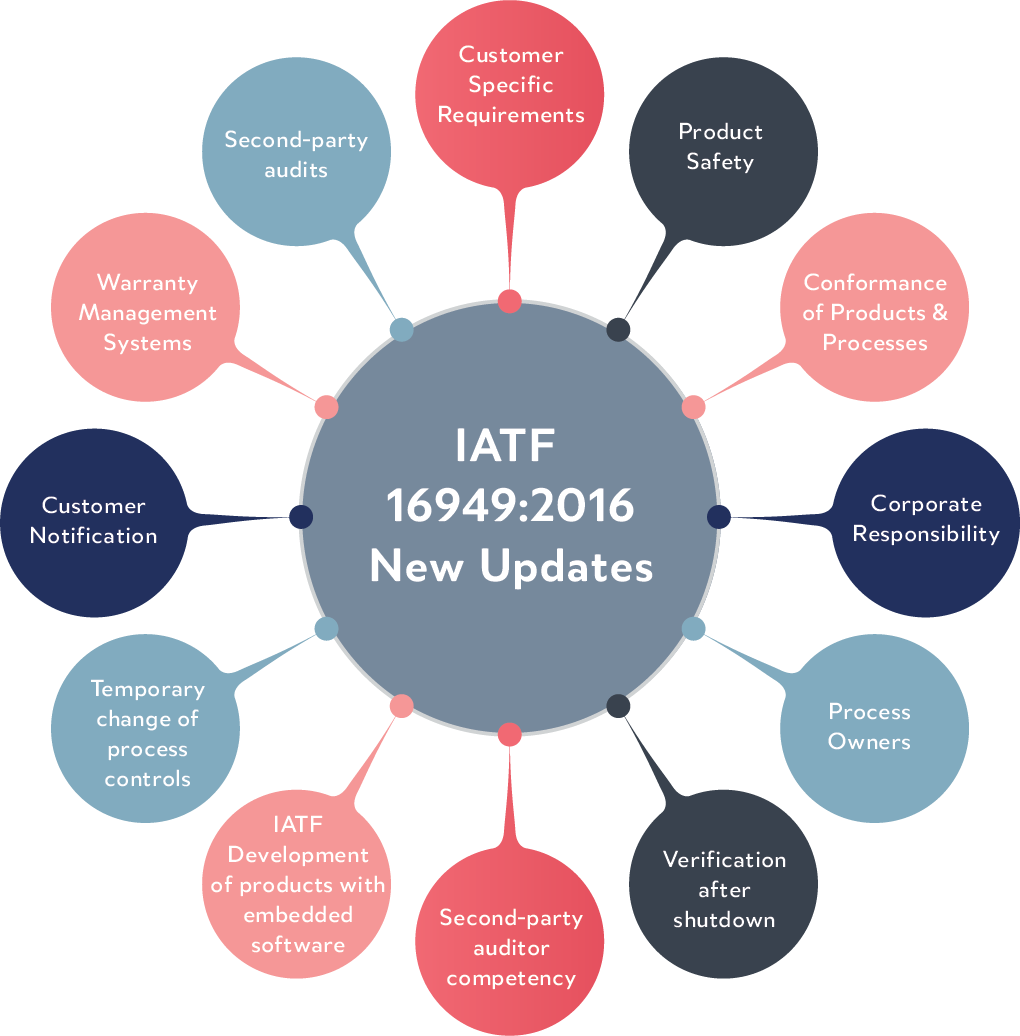
Must-have: ISO 9001:2015 process control and full mill certificates (material composition, heat-treat reports). Nice-to-have: IATF 16949 for automotive programs, spectral analysis and lot traceability.
XUXIANG’s five-step QC flow includes spectral analysis, ZEISS MICURA CMM verification to 0.7 µm and FAI documentation with material certificates, ensuring every stripper meets OEM audit standards.
Lead-Time and MOQ Flexibility
Must-have: prototype-to-production scalability and lead times under 15 days for standard geometries. Nice-to-have: single-piece prototyping, rush service and phased delivery.
XUXIANG’s dual-factory footprint and 2025 Quanzhou expansion deliver roughly 30% faster turnaround than industry average, with flexible MOQs from prototype to 10,000+ piece runs.
Post-Delivery Support
Must-have: documented rework policy and replacement-part availability. Nice-to-have: spare-inventory programs, on-site installation support and DFM consultation for next-generation designs.
XUXIANG provides DFM feedback from 10+ engineering experts before production, plus responsive post-delivery service to minimize downtime and support continuous improvement.
8. Common Mistakes When Sourcing Stripper Plates
Even experienced procurement teams make avoidable stripper plate sourcing errors that cascade into costly downtime, scrap and rework. The following mistakes account for the majority of field failures XUXIANG engineering reviews encounter.
Specifying Insufficient Hardness for Production Volume
Ordering HRC 48–50 plates for multi-million-cycle production accelerates wear on stripper faces and spring pockets. Within 200,000 cycles, soft plates deform under ejection loads, causing part sticking and dimensional drift. XUXIANG recommends HRC 52–58 for high-volume runs to preserve flatness and extend tool life beyond 2 million cycles.
Ignoring Flatness Tolerances That Cause Ejection Binding
Accepting +/-0.05 mm flatness on large stripper plates introduces uneven ejection force, binding pins and cracking thin-wall parts. A 0.03 mm bow across a 300 mm plate can halt production and require emergency rework. XUXIANG holds +/-0.002 mm flatness through precision grinding and stress-relief, eliminating binding risk.
Under-Sizing Spring Pockets Leading to Premature Failure
Tight spring-pocket tolerances or shallow depths cause springs to bottom out or tilt, fracturing within weeks. Under-sized pockets also trap debris, accelerating wear. Correct pocket diameter and depth — verified by CMM — prevent 80% of spring-related downtime, a validation step standard in XUXIANG’s five-step QC flow.
Neglecting Material Certificates and Traceability
Skipping material spectral analysis and mill certificates exposes buyers to counterfeit alloys that crack under thermal cycling. Without traceability, warranty claims stall and liability shifts to the buyer. XUXIANG provides material certificates and spectral test reports with every stripper plate, ensuring full audit compliance for automotive and medical applications.
Choosing Price Over Precision
Selecting the lowest bid without validating machining accuracy and inspection capability leads to out-of-spec plates that require costly rework or scrapping of molded parts. A 10% price saving can trigger 200% cost overruns in scrap and lost production time. XUXIANG’s +/-0.001 mm machining and ZEISS CMM validation eliminate hidden costs.
9. Steps to Integrate Stripper Plates into Your Mold Design
Successful stripper plate integration depends on systematic front-end design decisions, not post-build adjustments. XUXIANG’s engineering team validates four critical parameters — stripping force, clearance geometry, alignment hardware and surface specification — before machining begins, reducing rework by approximately 40% versus industry norms.
Calculate Stripping Force and Spring Selection
Stripping force equals part surface area × resin adhesion factor (typically 0.5–2.0 N/cm² for ABS, 1.5–3.5 N/cm² for PC-GF). Multiply by a 1.5 safety margin, then select compression springs with 20–30% additional capacity to account for fatigue over 500,000+ cycles.
XUXIANG’s DFM reviews model spring deflection against available stack height, ensuring preload remains within the 25–40% compression range to prevent coil binding or premature failure.
CAD Modeling of Clearances and Ejection Stroke
Maintain 0.05–0.10 mm radial clearance between stripper plate pockets and core pins to prevent galling while ensuring alignment. Ejection stroke must exceed part depth plus 3–5 mm safety margin; XUXIANG verifies stroke in assembly models using ZEISS MICURA CMM data to confirm +/-0.002 mm positioning tolerance on critical features.
Mounting and Alignment Features
Dowel pins (ISO 2338 tolerance m6 or tighter) and guided keys prevent lateral shift under asymmetric stripping loads. XUXIANG machines dowel bores to H7 fit and pins to m6, holding concentricity within 0.005 mm over 100+ mm spans, verified by Nikon toolmaker’s microscope inspection before final assembly.
Surface Finish and Coating per Resin Type
Mirror-grade Ra 0.1–0.2 µm finishes minimize friction for high-gloss PC and PMMA parts; glass-filled resins require PVD TiN or TiAlN coatings (hardness 2,000–2,500 HV) to resist abrasive wear. XUXIANG’s Sodick sinker EDM achieves Ra 0.1 µm on contact faces, extending plate life by 60–80% in fiber-reinforced applications.
10. Pricing and Cost Structures for Stripper Plates
Stripper plate pricing varies by three primary drivers: material grade (S136 polished vs. NAK80 pre-hard), tolerance class (+/-0.005 mm standard vs. +/-0.001 mm precision), and order volume. A single-piece prototype in NAK80 with +/-0.005 mm tolerance typically ranges USD 180–320, while the same part machined to +/-0.001 mm can add 40–60% to unit cost due to additional grinding, CMM validation and extended machine time.
Complexity multipliers include pocket depth (each internal feature adds 15–25% machining time), threaded inserts (setup cost USD 50–80 per type), and mirror-finish requirements (Ra ≤0.2 µm adds 20–30%). Expedited delivery within 5–7 days incurs a 25–35% surcharge over standard 10–15 day lead times.
XUXIANG’s dual-factory capacity enables volume discounts at 20+ pieces, where unit prices drop 30–40% and tooling setup is amortized across the batch, delivering predictable landed costs with full FAI documentation and ZEISS CMM reports included.
| Quantity Tier | Material Grade | Unit Price (USD) | Lead Time (days) | Tooling/Setup Cost |
|---|---|---|---|---|
| 1 pc (Prototype) | NAK80, +/-0.005 mm | 180–320 | 10–15 | Included |
| 1 pc (Precision) | S136 polished, +/-0.001 mm | 280–480 | 12–18 | Included |
| 5–10 pcs (Pre-production) | NAK80 or S136, +/-0.002 mm | 140–240 | 10–14 | Amortized |
| 20+ pcs (Production) | Customer spec, +/-0.001–0.005 mm | 95–180 | 15–20 | Fully amortized |
| Expedited (any tier) | Any grade | +25–35% | 5–7 | +USD 80–150 |
11. Partner with XUXIANG for Precision Stripper Plates
XUXIANG holds +/-0.001 mm maximum machining accuracy on every stripper plate, backed by ZEISS MICURA CMM validation to 0.7 µm and a five-step QC flow that includes material spectral analysis, in-process tolerance monitoring and full FAI documentation with material certificates. ISO 9001:2015 governs production from DFM review through final inspection, ensuring traceability and repeatability across 5G micro-connector tooling, automotive sensor housings and medical-device mold programs.
Fast-turn prototyping leverages Sodick and Charmilles sinker EDM, Sodick slow-wire EDM and Beijing Jingdiao CNC electrode fabrication, delivering stripper plates roughly 30% faster than industry average without sacrificing dimensional stability. Precision stripper plates reduce scrap rates, eliminate core sticking and minimize unplanned downtime — critical for high-volume runs and complex multi-cavity tools.
Request a technical consultation or quote to discuss material selection, tolerance requirements and delivery schedules tailored to your mold program. XUXIANG’s engineering team provides DFM feedback before production begins, ensuring your stripper plate design meets both performance and cost targets.
Ready to Source Precision Stripper Plates?
Submit your technical drawings today and receive a detailed quote within 24 hours — plus complimentary DFM engineering support from our 10+ precision-mold experts.