
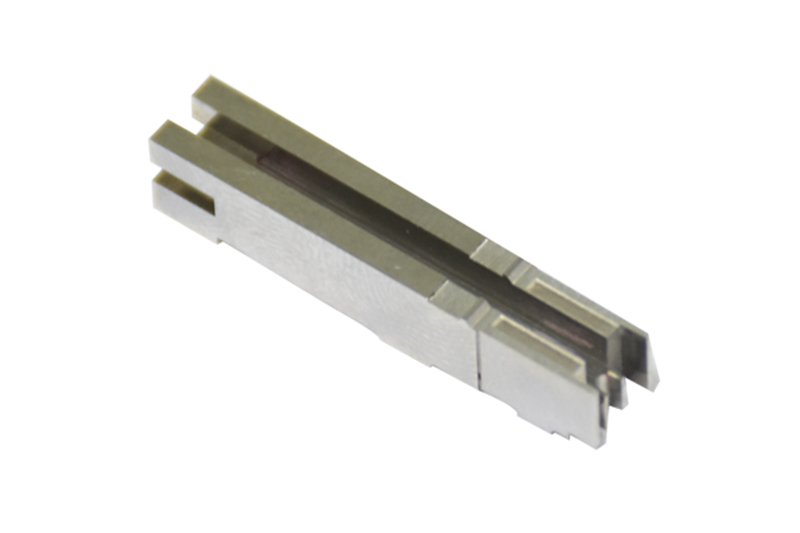
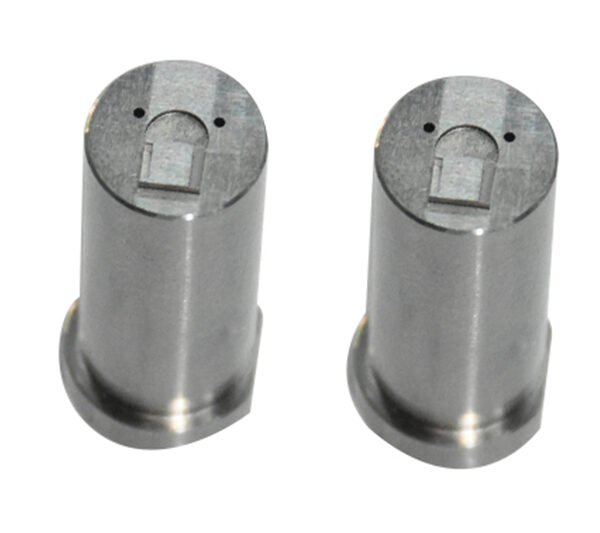
Plastic film parts · Precision mold insert
Automotive Connector Parts – Universal Electrical Connectors & Terminals Assortment
Brand Xuxiang Mold
Availability Made to drawing
RFQ pricing
Quote from STEP / PDF & quantity
Keep every electrical system on your vehicle reliable with this versatile selection of automotive connector parts. Designed for modern 12V and 24V systems, these components help you create secure, vibration‑resistant connections in engine bays, dashboards, trailers, off‑road builds, and more. Weather‑resistant housings and quality terminals support long‑term performance in harsh environments. Whether you are repairing a single harness or wiring a full custom project, this assortment helps you work efficiently and confidently. Ideal for professional auto electricians, DIY enthusiasts, and fleet maintenance teams.
- ISO 9001:2015–oriented process & documented inspection paths
- Zeiss / Nikon class metrology available for critical dimensions
- DFM feedback from 10+ senior tooling engineers
- Dongguan HQ + Quanzhou capacity for volume programs
Professional-Grade Automotive Connector Parts for Reliable Vehicle Wiring
These automotive connector parts are designed for technicians and enthusiasts who demand safe, reliable, and serviceable electrical connections on cars, trucks, motorcycles, marine craft, and off‑road vehicles. From repairing a damaged wiring harness to building a custom loom for performance upgrades, high‑quality connectors and terminals are a critical part of a dependable electrical system.
Modern vehicles are packed with sensors, control modules, lighting, infotainment, and safety systems that all rely on stable, low‑resistance connections. Poor connectors can introduce intermittent faults, voltage drops, or complete failures that are difficult and time‑consuming to diagnose. Using well‑engineered connector components helps you avoid repeat repairs and ensures your work stands up to heat, vibration, road spray, and long-term use.
This product category typically includes a mix of connector housings, mating plugs, terminals, seals, and accessories suitable for common OE‑style and aftermarket applications. Parts are designed to integrate with typical automotive wire gauges and are compatible with widely used crimp tools, making them easy to incorporate into your current workflow.
Key Features & Benefits
- Secure electrical connections – Designed to maintain firm contact pressure and minimize voltage drop, even under engine‑bay vibration and temperature swings.
- Weather‑resistant options – Many connector styles support grommets or wire seals to help protect against moisture, dust, and road grime, essential for exterior lighting, engine bay, and chassis harnesses.
- Versatile compatibility – Suitable for a wide range of 12V and 24V systems, including passenger vehicles, light commercial trucks, agricultural machinery, powersports, and marine applications.
- Serviceable and re‑usable – Most housings and terminals are designed so that damaged connectors can be depinned and replaced without cutting and splicing the entire harness.
- Supports clean, professional installs – Matching housings, terminals, and seals help you create neat, OEM‑like connections instead of bulky butt splices and taped joints.
- Time‑saving assortments – Access to a variety of connector types in one place reduces the need to source single components mid‑job, improving productivity in busy workshops.
Because automotive environments are demanding, connector components are commonly designed to handle exposure to under‑hood temperatures, fuel vapors, splash water, and cleaning chemicals when correctly installed. They also support strain relief and proper cable routing when used with appropriate loom, clips, and grommets.
Specifications & Key Attributes
The table below outlines typical characteristics you can expect from a quality selection of automotive connector parts. Exact values and certifications vary by specific series and manufacturer.
| Attribute | Description |
|---|---|
| Connector Types | Mixed selection such as multi‑pin plug housings, socket housings, blade connectors, ring terminals, and spade terminals. |
| Typical Applications | Lighting, sensors, ECU connections, ignition, fuel system, accessory power, trailer wiring, and auxiliary equipment. |
| Wire Gauge Compatibility | Designed to match common automotive wire sizes (e.g. thin‑wall low‑voltage cable used in 12V and 24V systems). |
| Connection Method | Primarily crimp‑style terminals; some connectors may also be compatible with solder‑then‑insert workflows. |
| Environmental Protection | Options for weather‑resistant designs when used with appropriate seals, secondary locks, and backshells. |
| Material | Typical use of copper‑alloy terminals with tin‑type plating and engineering‑grade plastic housings designed for automotive environments. |
| Operating Environment | Suitable for low‑voltage DC vehicle electrical systems under typical automotive temperature and vibration conditions. |
| Tooling Compatibility | Works with standard open‑barrel or insulated terminal crimpers compatible with the selected connector families. |
| Color Coding & Keying | Many connector housings offer keyed shapes or color options to reduce the risk of mismatched connections. |
| Standards & Quality | Specific connector series may be designed in line with common automotive performance and durability expectations; check individual product documentation for certifications. |
Use Cases & Who It Is For
Automotive connector parts are essential anywhere reliable low‑voltage wiring is needed. They are particularly valuable in the following scenarios:
- Workshop repairs – Replace damaged OE connectors on headlamps, coil packs, sensors, and modules without purchasing an entire harness. This is ideal for independent garages and mobile technicians.
- Custom builds and restorations – Re‑wire classic cars, kit cars, race vehicles, or off‑road toys with modern, serviceable connectors that blend reliability and ease of maintenance.
- Accessory and aftermarket installs – Integrate light bars, winches, auxiliary fuel pumps, audio systems, dash cameras, and other add‑ons with tidy plug‑and‑play connections.
- Fleet & commercial vehicles – Maintain consistent connector types across vans, trucks, and plant equipment, simplifying spares management and reducing downtime.
- Powersports & marine – Use weather‑resistant connector solutions in motorcycles, ATVs, UTVs, boats, and personal watercraft where vibration and moisture are constant challenges.
These parts suit professional automotive electricians, race teams, DIY enthusiasts, and anyone responsible for maintaining or upgrading vehicle electrical systems. Because the components are modular, you can scale from simple single‑circuit repairs to complete harness construction while using the same core connector families.
Care, Installation & Buying Guidance
Choosing the right automotive connector parts and installing them correctly is as important as the connectors themselves. Here are practical guidelines to help you get the best results:
- Select the correct connector type – Match the number of circuits, current level, and environment (interior vs. exterior) to an appropriate connector style and sealing level.
- Match wire size accurately – Use terminals designed for the wire gauge you are working with. Undersized or oversized wire can lead to poor crimps and unreliable connections.
- Use proper crimp tools – Invest in a compatible ratcheting crimper or die set that forms factory‑style crimps. Avoid generic pliers that can deform terminals and weaken the joint.
- Route and support the harness – After connecting, secure the wiring with loom, clips, and ties to minimize movement and strain on the connector body.
- Protect exposed connections – For non‑sealed connectors in vulnerable areas, add heat‑shrink, boots, or additional shielding where appropriate.
- Document your work – Label connectors or maintain diagrams, especially on custom installations, to make future troubleshooting faster.
When purchasing, consider how many of each connector type you regularly use. Having a balanced assortment of housings, terminals, and seals on hand helps prevent project delays and lets you respond quickly to unexpected repairs or add‑ons. If you work predominantly on certain brands or vehicle types, prioritise connector families commonly found in those platforms to maximize compatibility.
FAQ
Are these automotive connector parts compatible with my vehicle?
Most automotive connector parts are designed around common wire sizes and low‑voltage vehicle systems, making them suitable for a wide range of cars, trucks, and equipment. For best results, compare the connector style, pin count, and locking method with your original part before installation.
Do I need special tools to install these connectors?
For reliable performance, use a quality crimp tool that matches the terminal type. Many automotive terminals are open‑barrel or specialized designs and require a matching die to form a secure, gas‑tight crimp.
Can these connector parts be used in the engine bay or outdoors?
Yes, many connector styles are suitable for engine bays and exterior locations when used with the correct seals and strain relief. Always select weather‑resistant designs for areas exposed to water, dirt, or road spray.
How should I protect the connectors from corrosion and moisture?
Use sealed housings where possible and ensure all seals are correctly seated. In harsher environments, you can add dielectric grease at the mating interface and cover exposed wiring with loom and heat‑shrink tubing.
What if I am not sure which connector size or type I need?
If you are uncertain, compare your original connector visually and measure wire size. Purchasing a mixed assortment can help you keep compatible options on hand, and you can test‑fit housings and terminals before committing to a full harness rebuild.
Can I reuse terminals and housings after disassembly?
Some connectors can be depinned and reused if the terminals and plastic housings are undamaged. However, if a terminal shows signs of corrosion, bending, or fatigue, it is safer to replace it rather than reuse it.
How do returns or exchanges work if a connector type does not fit?
Return and exchange policies vary by retailer, but many allow unused connector parts to be returned within a specified period. Keep items clean, undamaged, and in their original packaging to simplify the process.
Is there any maintenance required after installation?
Once installed correctly, automotive connectors typically require minimal maintenance. During routine vehicle inspections, check for broken locks, loose terminals, or visible corrosion and address any issues promptly.
How long will these connectors last in normal use?
Service life depends on location, load, and installation quality. With proper crimping, strain relief, and environmental protection, quality connector parts are designed to last for many years in typical automotive service.
Can these connectors be used for non‑automotive projects?
Yes, many users employ automotive connectors in low‑voltage DC projects such as solar setups, trailers, equipment controls, or hobby electronics. Always ensure the voltage, current, and environment are within the connector’s intended use.
Same drawing, predictable results—next batch
Share revision, quantity ramp, and inspection level. We quote process route, ship date, and documentation in one structured response.