
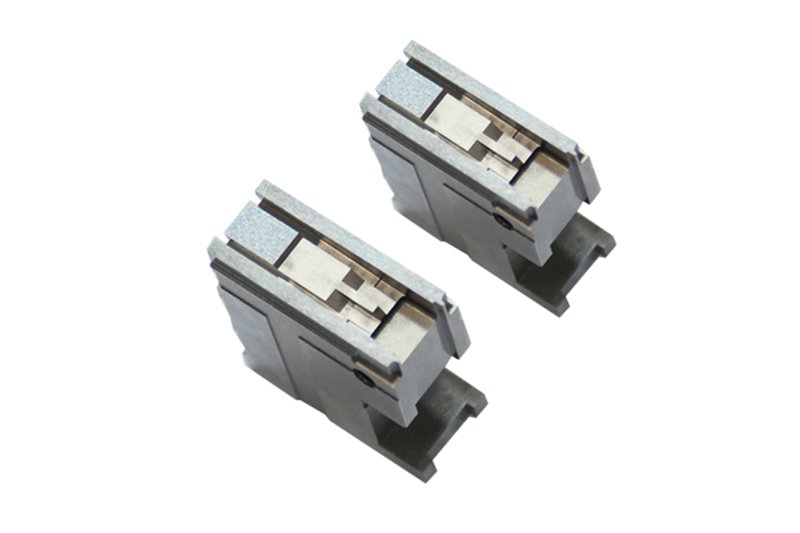
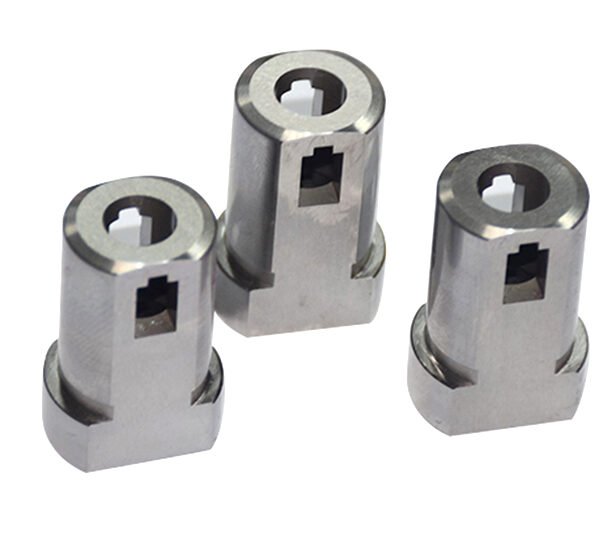
Plastic film parts · Precision mold insert
Automotive Connector Parts for Reliable Vehicle Wiring
Brand Xuxiang Mold
Availability Made to drawing
RFQ pricing
Quote from STEP / PDF & quantity
Keep vehicle wiring organized, protected, and ready for service with automotive connector parts designed for dependable electrical connections. These components help support clean repairs, efficient assembly, and easier diagnostics in everyday automotive applications.
Whether you are replacing worn terminals, building a harness, or maintaining fleet vehicles, the right connector parts can improve fit, reduce downtime, and simplify future service. Ideal for shops, installers, and anyone who wants a more professional wiring finish.
Choose parts that match your connector style, application, and environmental needs for a safer, more consistent connection.
- ISO 9001:2015–oriented process & documented inspection paths
- Zeiss / Nikon class metrology available for critical dimensions
- DFM feedback from 10+ senior tooling engineers
- Dongguan HQ + Quanzhou capacity for volume programs
What Are Automotive Connector Parts?
Automotive connector parts are the individual components used to build, repair, or maintain electrical connections in vehicles. In most automotive systems, connectors do more than join wires together: they help protect contacts from vibration, moisture, dust, heat, and repeated unplugging during service. That is why buyers often look for parts that fit correctly, lock securely, and support long-term reliability in demanding driving conditions.
These parts are used across cars, trucks, motorcycles, off-road equipment, trailers, and other mobile systems where wiring must stay stable under movement and exposure. Depending on the application, connector parts may include housings, terminals, seals, locking pieces, backshells, and related accessories. The exact configuration varies by connector family, vehicle platform, and the electrical load the circuit is designed to carry.
Features and Benefits
Choosing the right connector parts can make a noticeable difference in both performance and maintenance. A proper fit helps prevent loose contacts, intermittent faults, and unnecessary troubleshooting. Good-quality connector components also support cleaner routing, better strain relief, and a more professional finish in custom or replacement harness work.
For service teams and installers, modular connector parts are especially useful because they let you replace only the worn or damaged portion instead of rebuilding an entire harness. That can save time and reduce material waste. In fleet and repair environments, easy-to-identify connector components can also speed up diagnosis, routine maintenance, and future upgrades.
When sourcing parts, many buyers also look for compatibility with common automotive requirements such as vibration resistance, environmental sealing, and secure mechanical retention. Industry suppliers commonly emphasize quality systems and testing related to automotive reliability, including compliance-focused manufacturing and environmental durability checks.[4][8][9]
Key Attributes
| Attribute | Details |
|---|---|
| Product Type | Automotive connector parts for repair, assembly, and maintenance |
| Common Components | Housings, terminals, seals, locks, backshells, and related accessories |
| Primary Use | Vehicle wiring connections and electrical system service |
| Compatibility | Varies by connector family, vehicle model, and application requirements |
| Performance Focus | Secure fit, electrical continuity, vibration resistance, and environmental protection |
| Typical Buyers | Auto repair shops, harness builders, fleet maintenance teams, installers, and parts distributors |
Where These Parts Are Used
Automotive connector parts are used in a wide range of electrical systems, including lighting, sensors, infotainment, power accessories, engine bay wiring, trailer interfaces, and aftermarket upgrades. They are especially important in areas where repeated heat cycling, road vibration, or exposure to moisture can stress a connection over time.
For repair buyers, connector parts are often chosen to restore a damaged plug, replace a broken latch, or rebuild a section of harness without altering the rest of the system. For custom builders, they help create neat, serviceable wiring layouts that are easier to inspect and maintain later. For distributors and procurement teams, standardized connector parts can help support repeat ordering and multi-vehicle service work.
Buying and Care Guidance
Before purchasing, confirm the connector family, pin count, wire gauge range, sealing style, and locking design needed for your application. If possible, match the original connector shape and contact layout rather than selecting by appearance alone. For automotive applications, the best fit is usually determined by function and compatibility, not just by size.
After installation, keep connectors clean and fully seated, and inspect seals and locks during regular service. If a connector is exposed to moisture or road debris, proper routing and protective covering can extend its life. Buyers working with higher-volume or safety-critical systems should also review supplier quality standards, traceability, and testing practices before placing bulk orders.[4][8][9]
FAQ
How fast is shipping for automotive connector parts?
Shipping speed depends on the seller, stock level, and destination. For best results, check whether the part is in stock and confirm handling times before ordering, especially for repair jobs with a tight deadline.
How do I know if these connector parts will fit my vehicle?
Fit depends on the exact connector family, pin configuration, and sealing style. Compare the original connector shape, terminal layout, and vehicle application, or match by part number when available.
Can these parts be used for custom wiring projects?
Yes. Automotive connector parts are commonly used in custom harnesses, accessory installations, and retrofit work where a neat, serviceable connection is important.
What should I do to maintain connector performance?
Keep connectors clean, dry, and fully latched. Inspect terminals for corrosion, ensure seals are intact, and avoid pulling on wires during removal or installation.
Are these suitable for harsh automotive environments?
Many automotive connector parts are designed for vibration, heat, and exposure to contaminants, but suitability depends on the specific part and application. For demanding environments, look for sealing and retention features that match the job.
What if I receive the wrong connector part?
Check the seller’s return policy before purchase. If the part does not match your application, keep the packaging intact and contact the seller promptly with photos and reference details.
Do I need special tools to install connector parts?
Some connector parts can be installed with basic hand tools, while terminals and seals may require proper crimping or release tools. Using the correct tool helps protect the contacts and improves reliability.
Can I buy these in bulk for shop or fleet use?
Yes. Bulk purchasing is common for repair shops, fleets, and harness builders who want consistent parts for repeat jobs. It is a good idea to standardize around the connector styles you use most often.
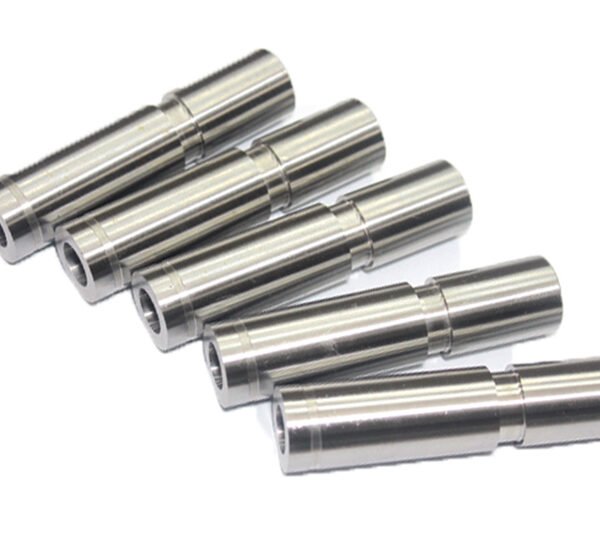
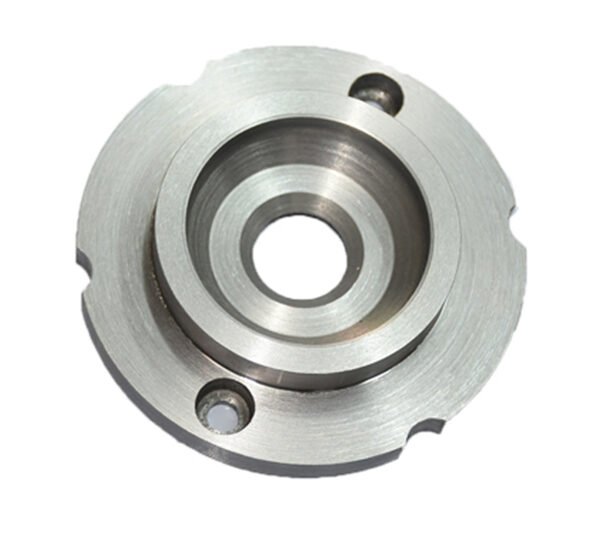
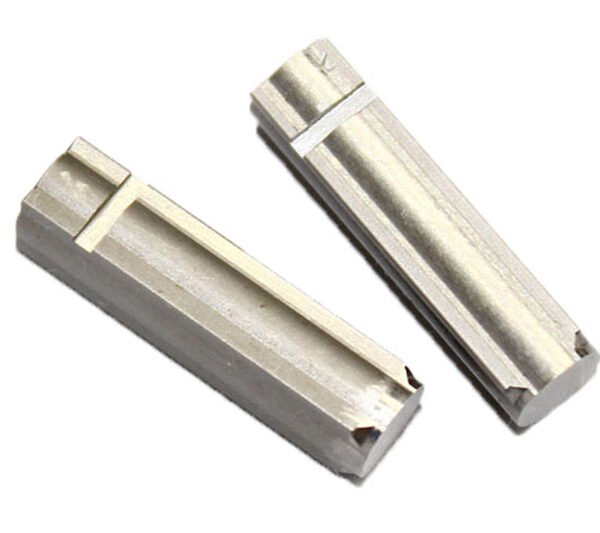
Same drawing, predictable results—next batch
Share revision, quantity ramp, and inspection level. We quote process route, ship date, and documentation in one structured response.