
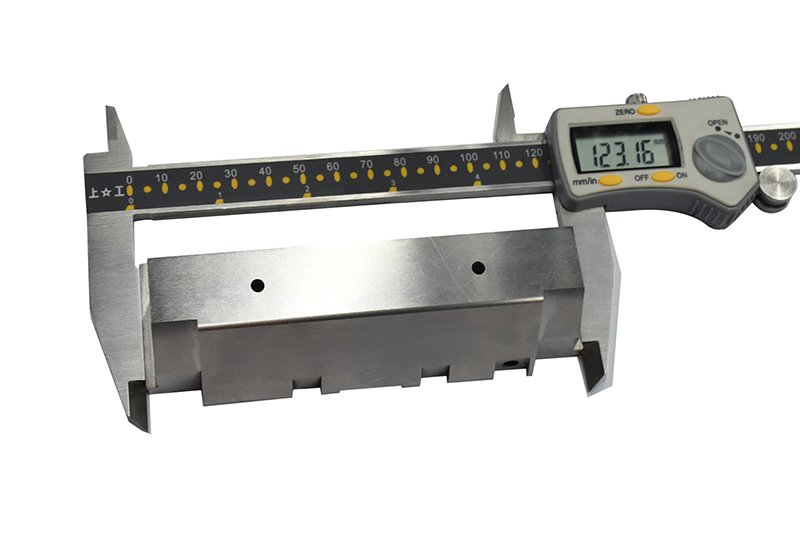
Plastic film parts · Precision mold insert
Automotive Connector Parts – Durable Electrical Connectors & Terminals for Vehicles
Brand Xuxiang Mold
Availability Made to drawing
RFQ pricing
Quote from STEP / PDF & quantity
Keep every circuit in your vehicle reliable with high-quality Automotive connector parts engineered for secure electrical connections. Designed for harsh under-hood environments, these components resist heat, vibration, moisture, and road contaminants so your sensors, lights, and control modules stay powered. Mix and match housings, terminals, seals, and locks to repair OEM harnesses or build custom looms. Whether you maintain a fleet, wire race cars, or repair daily drivers, these parts help you achieve clean, professional results. Upgrade your electrical projects with connector parts that are easy to assemble, service, and trust for the long haul.
- ISO 9001:2015–oriented process & documented inspection paths
- Zeiss / Nikon class metrology available for critical dimensions
- DFM feedback from 10+ senior tooling engineers
- Dongguan HQ + Quanzhou capacity for volume programs
Reliable Automotive Connector Parts for Every Wiring Project
Modern vehicles depend on dozens of critical electrical connections to keep engines, lighting, infotainment, driver-assistance systems, and sensors working flawlessly. Automotive connector parts are the individual components that make those connections possible: housings, terminals, seals, cavity plugs, and secondary locks that come together to form a secure and serviceable plug. Choosing quality parts is essential if you want your harness repairs and custom wiring projects to be as reliable as the original equipment.
These connector parts are designed specifically for automotive environments, where they must survive constant vibration, temperature swings, moisture, chemicals, and dirt. They are suitable for passenger cars, light trucks, 4x4s, powersports vehicles, commercial fleets, and motorsport applications that demand robust, repeatable electrical performance.
What Are Automotive Connector Parts?
Automotive connector parts are the modular pieces that make up a complete electrical connector system. Instead of buying sealed plugs or sockets as one-piece items, technicians, harness builders, and DIY enthusiasts often prefer to purchase the separate components and assemble them to suit their exact wiring needs.
Typical connector systems include:
- Plastic housings – Plug and receptacle shells that hold the terminals, available in 1-way up to multi-pin configurations.
- Crimp terminals – Male and female metal contacts that are crimped to the wire and then inserted into the housing.
- Wire seals – Individual rubber grommets that seal around each wire to keep out water, dust, and debris.
- Cavity plugs – Blank inserts used to seal any unused positions in a multi-pin connector.
- Secondary locks / TPA – Terminal position assurance clips that positively lock contacts in place and prevent backing out.
By combining these parts, you can replicate many common OEM-style connectors used for fuel injectors, ignition coils, sensors, lighting, and accessory circuits, or create custom harnesses tailored to a specific build.
Key Features & Benefits
These automotive connector parts are selected with real-world workshop and motorsport needs in mind. They combine ease of use with durability, allowing you to create professional-grade wiring solutions.
- Automotive-grade materials – Connector housings are typically molded from high-temperature, impact-resistant plastics, while terminals are made from copper alloys with tin or similar plating to promote conductivity and corrosion resistance.
- Weather-resistant sealing – With the use of appropriate seals and plugs, many connector families can achieve strong resistance to moisture and contamination, ideal for under-hood, under-car, and off-road service.
- Secure mechanical locking – Integrated latch tabs, secondary locks, and positive engagement features help prevent intermittent connections caused by vibration or improper insertion.
- Serviceable design – Contacts can usually be depinned and replaced with the correct extraction tools, so you can repair damaged wires or reuse expensive housings when needed.
- Flexible configurations – Available in a wide range of pin counts and cavity sizes to support anything from single-sensor leads to multi-pin ECU and body harness connectors.
- Professional appearance – Clean, uniform connectors and neatly crimped terminals give your harness a factory or motorsport-grade look, which is especially important in customer vehicles or show builds.
Specifications & Compatibility
Automotive connector parts can span multiple connector families and brands, including common OEM-style, aftermarket, and motorsport-oriented systems. Use the following table as a guide to understand the kind of attributes you can expect when selecting parts for your project.
| Attribute | Description |
|---|---|
| Connector type | Automotive electrical connector components (housings, terminals, seals, plugs, locks) |
| Typical applications | Engine sensors, fuel injectors, ignition coils, lighting, fans, pumps, accessories, ECU and body harnesses |
| Mounting style | In-line harness connections; some families support panel or bulkhead mounting using dedicated housings |
| Contact style | Crimp terminals (male/female) designed for use with compatible crimping tools |
| Wire size range | Suitable for common automotive wire gauges; select terminals based on the conductor size used in your harness |
| Sealing options | Non-sealed and weather-sealed configurations using wire seals and cavity plugs |
| Material – housings | High-temperature, impact-resistant engineering plastics appropriate for automotive use |
| Material – contacts | Copper alloy contacts with corrosion-resistant surface finish for stable conductivity |
| Tooling | Compatible with dedicated open-barrel or closed-barrel crimp tools and contact removal tools |
| Compatibility guidance | Select connector families that match your vehicle’s OEM style or your chosen aftermarket system |
Use Cases: Who Are These Parts For?
Automotive connector parts are a smart choice for anyone who needs to build, repair, or upgrade vehicle wiring with confidence. Common users include:
- Professional auto electricians – Perform OEM-quality repairs on late-model vehicles by matching connector styles and pin layouts, rather than using generic spade or butt connectors.
- Performance and race shops – Build custom engine harnesses, data acquisition looms, and motorsport-grade electrical systems that can withstand track conditions.
- Restoration specialists – Rewire classic cars using modern sealed connectors in place of brittle originals while keeping a tidy, period-correct look where visible.
- Off-road and 4×4 builders – Upgrade lighting, winches, compressors, and accessories with sealed connectors that tolerate mud, water crossings, and washdowns.
- DIY enthusiasts – Add auxiliary power points, gauges, audio equipment, or engine swaps at home with connectors that are easier to troubleshoot than hard-spliced wires.
With the right assortment on hand, you can quickly respond to wiring faults, replace damaged plugs, or design new circuits without waiting on hard-to-find complete connector assemblies.
Installation, Care & Buying Guidance
To get the best results from your automotive connector parts, it is important to follow basic wiring and assembly best practices. Good technique not only improves reliability but also makes future diagnostics and modifications much easier.
Installation Tips
- Use an appropriate ratcheting crimp tool designed for the terminal style to ensure consistent, gas-tight crimps.
- Strip only the recommended length of insulation so the conductor fully fills the crimp barrel without exposed strands.
- Slide wire seals into position before crimping and make sure they seat firmly in the housing to maintain the environmental seal.
- Listen and feel for the click when terminals fully engage in the housing, and always fit the secondary lock if provided.
- Route wires to avoid sharp edges, moving parts, and high-heat zones, securing them with loom and clips to minimize vibration.
Care & Maintenance
- During routine service, visually inspect connectors in high-vibration or exposed locations and check for broken latches or chafed wiring.
- If a connector is exposed to heavy contamination, disconnect it with the ignition off, clean with suitable electrical contact cleaner, and allow it to dry before reconnection.
- Avoid forcing connectors apart; release latch tabs properly to prevent damage to housings and locks.
How to Choose the Right Parts
- Identify the connector family you need by comparing shape, keying features, and pin count to the original plug.
- Match wire gauge and insulation diameter to the recommended range for your chosen terminals and seals.
- Decide whether you require sealed or non-sealed connectors based on where in the vehicle the connection will live.
- Consider future serviceability: label circuits and leave some slack where possible to ease diagnostics and component replacement.
By selecting quality components and installing them correctly, you gain peace of mind that your electrical system is robust, dependable, and ready for real-world driving conditions.
FAQ
Are these automotive connector parts compatible with my specific vehicle?
Compatibility depends on the connector family, pin count, and keying. For the most reliable results, compare your existing plug’s shape and layout to the parts you plan to use, or reference your vehicle’s wiring diagrams when available.
Do I need special tools to install these connectors?
Yes. For best performance, use a quality crimp tool that matches the style of terminals you are working with. Generic pliers can cause loose or damaged crimps, which may lead to intermittent faults.
Can I use these connector parts in engine bay and underbody locations?
Many connector systems are designed for harsh automotive environments, but for exposed engine bay or underbody areas you should always choose sealed connectors with appropriate wire seals and plugs to keep out moisture and debris.
How should I care for connectors in off-road or marine-like conditions?
Inspect connectors periodically, rinse away heavy mud or salt with fresh water where safe to do so, and apply suitable electrical contact cleaner if you see signs of corrosion. Ensure all latch tabs are fully engaged after cleaning.
What if I am unsure about the correct terminal or seal size?
If you are uncertain, measure the conductor and insulation diameter of your wire and select terminals and seals rated for that range. When in doubt, purchase a small assortment so you can test fit and confirm before building a full harness.
Do these parts come with a warranty?
Warranty terms vary by supplier, but most reputable automotive electrical components are covered against manufacturing defects. Keep your order information and contact customer support if you experience any issues on arrival.
Can I return unused connector parts if I order the wrong type?
In many cases, unused and undamaged parts can be returned within a defined period, subject to the store’s return policy. Check the specific returns and restocking terms before placing large orders.
Is soldering required when using these connectors?
Soldering is generally not required and is often discouraged for automotive harnesses; a correct crimp provides a reliable mechanical and electrical joint. If solder is used, it should not wick into the crimp area or create stiff sections that may fatigue.
How long will these connectors last in normal use?
When correctly installed and protected from extreme abuse, automotive-grade connectors are designed to last for many years, often matching or exceeding the service life of the vehicle’s original wiring.
Can I mix different connector brands in the same harness?
You can mix brands as long as each mating pair is from the same connector family and is designed to fit together. Avoid forcing mismatched parts, as this can cause poor electrical contact and unreliable engagement.
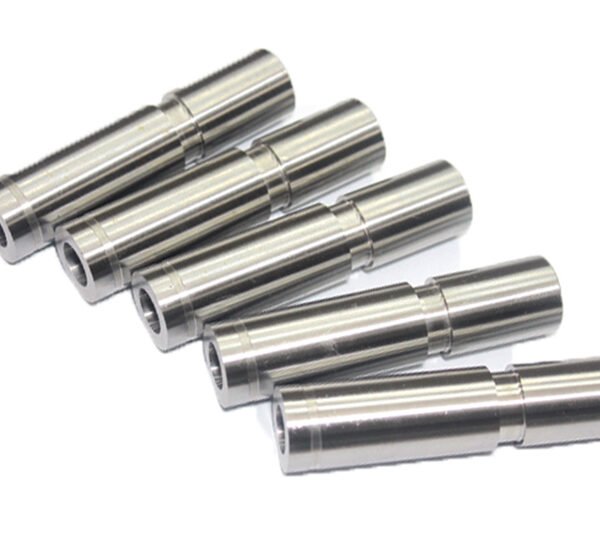
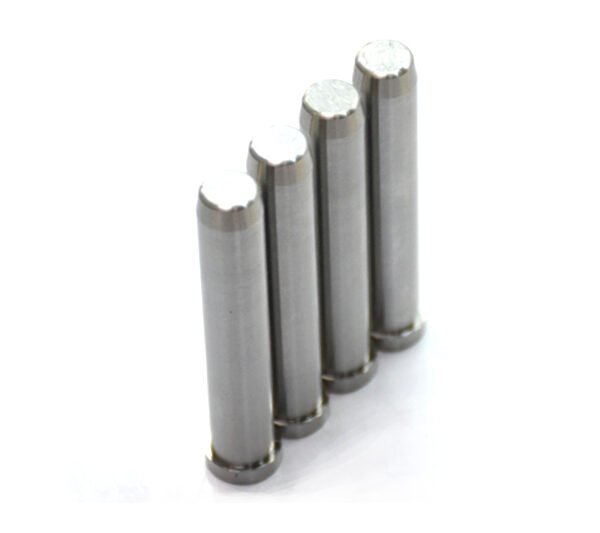
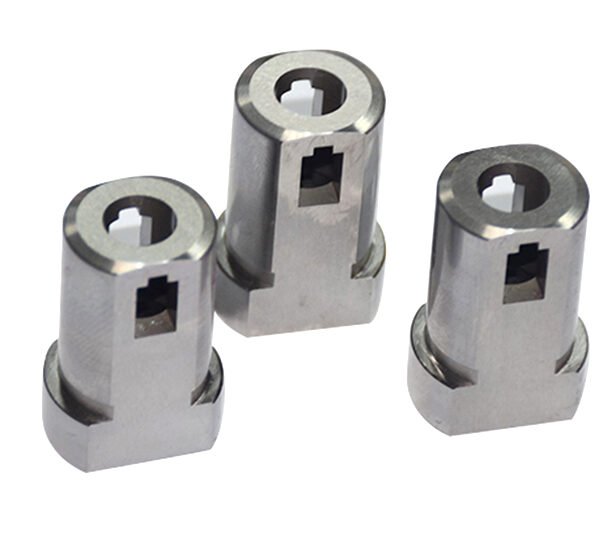
Same drawing, predictable results—next batch
Share revision, quantity ramp, and inspection level. We quote process route, ship date, and documentation in one structured response.