
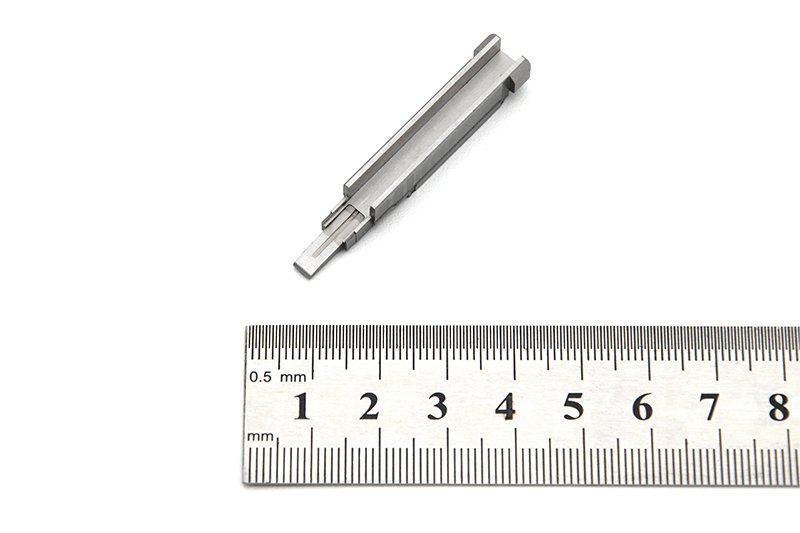
Plastic film parts · Precision mold insert
Automotive Connector Parts – Durable Electrical Connectors & Terminals for Vehicles
Brand Xuxiang Mold
Availability Made to drawing
RFQ pricing
Quote from STEP / PDF & quantity
Keep every circuit in your vehicle reliable with our premium automotive connector parts designed for modern 12V and 24V electrical systems. From multi-pin plugs and sealed housings to terminals and locking tabs, each component is engineered for secure connections in harsh automotive environments. Resistant to vibration, heat, moisture, and road contaminants, they help prevent intermittent faults and electrical gremlins. Ideal for repairs, custom wiring looms, and performance upgrades, these parts work with common harness layouts used in cars, trucks, powersports and off-road equipment. Build, repair, or upgrade with confidence knowing your automotive connector parts are ready for real-world conditions.
- ISO 9001:2015–oriented process & documented inspection paths
- Zeiss / Nikon class metrology available for critical dimensions
- DFM feedback from 10+ senior tooling engineers
- Dongguan HQ + Quanzhou capacity for volume programs
Reliable Automotive Connector Parts for Modern Vehicle Electrical Systems
Automotive electrical systems have become more complex, and every sensor, control module, and accessory depends on stable, low-resistance connections. Our range of automotive connector parts is designed to give technicians, builders, and enthusiasts the flexibility to build, repair, or upgrade wiring harnesses with professional-grade reliability.
Whether you are replacing a damaged plug in an OEM loom, adding auxiliary lighting, installing aftermarket electronics, or building a motorsport-grade harness from scratch, quality connectors make the difference between dependable operation and frustrating intermittent faults. These parts are suitable for passenger cars, light trucks, commercial vehicles, off-road equipment, motorsport applications, and powersports platforms.
The assortment typically includes connector housings, terminals, seals, TPA/CPA locks, and accessories that are compatible with common automotive connector families used across many vehicle brands and systems. Many of the designs are based on widely used sealed and unsealed connector styles, supporting applications from under-dash comfort electronics to harsh under-hood and chassis environments.
Key Features & Benefits
Choosing the right automotive connector parts is crucial for both safety and performance. These components are developed with real-world vehicle conditions in mind and offer a balance of durability, ease of installation, and versatility.
- Secure electrical connections: Precision-formed terminals are designed to crimp firmly onto automotive-grade copper conductors, helping to minimize voltage drop and contact resistance when installed with the correct crimping tools.
- Designed for automotive environments: Connector housings and seals are typically made from high-grade polymers and elastomers engineered to withstand elevated temperatures, vibration, and exposure to oil, fuel mist, splash water, and road debris when used as intended.
- Sealed and unsealed options: Many kits and assortments include both sealed connectors for under-hood or under-body locations and unsealed styles for interior harnesses and protected modules.
- Multi-pin versatility: Available in a range of cavity counts (such as 1-way, 2-way, 3-way, and higher), making it easier to match or consolidate circuits for sensors, actuators, lighting, and accessories.
- Easy service and replacement: Serviceable connector designs support de-pinning and re-pinning with the proper extraction tools, allowing you to repair a single circuit without replacing an entire harness.
- Compatibility with standard tools: Most terminals are designed for use with common open-barrel or closed-barrel crimp tools sized for typical automotive wire gauges, simplifying field repairs and workshop builds.
- Supports clean, organized wiring: Using purpose-built connector housings and terminals allows you to route and bundle wiring looms neatly, improving serviceability and reducing the risk of shorts, chafing, or accidental disconnections.
Key Specifications & Attributes
The table below summarizes the typical characteristics and options you can expect from these automotive connector parts. Exact details vary by specific part number or kit configuration, so always refer to the individual product listing or datasheet when available.
| Attribute | Description |
|---|---|
| Product type | Automotive connector parts including housings, terminals, seals, and locking accessories for vehicle wiring harnesses |
| Typical applications | Lighting circuits, sensor connections, engine and transmission harnesses, body electronics, accessories, and aftermarket upgrades |
| Connector style | Mixed selection of sealed and unsealed plug and receptacle housings, often based on common automotive connector families |
| Number of ways | Commonly available in single-pin, 2-pin, 3-pin, and multi-pin configurations depending on the chosen set |
| Wire size compatibility | Designed for typical automotive wire gauges used in low-voltage vehicle systems (exact range varies by terminal type) |
| Environmental protection | Sealed connector variants integrate gasket-style or individual cable seals intended to help protect against moisture and contaminants when correctly assembled |
| Housing material | Automotive-grade engineering plastics selected for impact, temperature, and chemical resistance suited to vehicle environments |
| Terminal material | Copper or copper alloy contact material with surface treatments that support good conductivity and corrosion resistance |
| Locking mechanism | Integrated latches, secondary locks, or CPA/TPA devices designed to help prevent accidental disconnection or backing-out of terminals |
| Installation tools | Compatible with appropriate automotive crimp tools and terminal extractors; specific tool style depends on terminal design |
Use Cases & Who These Parts Are For
Because they are so flexible, these automotive connector parts are valuable across a range of automotive and transportation sectors. They are equally at home in a professional workshop as they are in a home garage or motorsport paddock.
- Professional auto electricians and repair shops: Ideal for harness repairs, connector replacements, and custom add-on circuits where OEM-style reliability is required.
- Performance and motorsport builders: Use high-quality connectors for engine management systems, data acquisition devices, fuel pumps, fans, and other critical components where vibration resistance is vital.
- Aftermarket installers: Essential for adding auxiliary lighting, audio systems, towing packages, winches, and off-road accessories with clean, removable connections instead of improvised splices.
- Restoration and classic car projects: Replace aging, brittle, or corroded connectors with modern equivalents to improve reliability while maintaining serviceability.
- Off-road, agricultural, and powersports equipment: Sealed connectors are particularly useful for vehicles exposed to mud, water crossings, dust, and frequent high-pressure washdowns.
By standardizing on a set of connector families and keeping a selection of terminals and seals available, you can dramatically reduce downtime when diagnosing or repairing electrical issues. It also allows future upgrades or diagnostics to be performed more easily thanks to consistent connector styles.
Installation, Care & Buying Guidance
Selecting the right automotive connector parts involves more than just matching the number of pins. Paying attention to environment, current load, and serviceability will help you make better choices and achieve longer-lasting results.
- Match the environment: Use sealed connectors for under-hood, exterior, or under-chassis locations exposed to moisture and debris. Unsealed connectors are typically appropriate for interior cabin and protected areas.
- Choose the right wire size range: Confirm that the terminals you select are designed to crimp onto the wire gauge used in your harness. Undersized or oversized conductors may not crimp securely.
- Use quality tools: Proper open-barrel or insulated terminal crimp tools help create consistent, gas-tight connections. Avoid crushing terminals with pliers, as this can cause premature failures.
- Plan for serviceability: Consider connector accessibility for future diagnostics. Position connectors where they can be reached without extensive disassembly whenever possible.
- Label and document: When building or modifying harnesses, label connectors and keep a basic wiring diagram. This saves time when troubleshooting or further upgrading the system later.
- Inspect during maintenance: Periodically check critical connectors for signs of corrosion, broken latches, or damaged seals, especially on vehicles used in harsh environments or motorsport.
When purchasing, think about whether you need individual connectors for a specific repair or a more comprehensive assortment. Assortment kits can be particularly useful for workshops or enthusiasts who frequently work on multiple vehicles or projects, ensuring that the right connector style is always close at hand.
FAQ
Are these automotive connector parts compatible with my vehicle?
Many automotive connector parts are based on widely used connector families and can work with a broad range of vehicles, but exact compatibility depends on the specific connector style, keying, and pin count. Always compare the original connector’s shape, locking features, and cavity layout before ordering or installing replacements.
Can I use these connectors for both 12V and 24V systems?
Most automotive-grade connectors are suitable for low-voltage 12V and 24V vehicle systems when correctly matched to the wire size and current load of the circuit. For high-current or specialized applications, choose connector and terminal types specifically designed for the expected load and duty cycle.
Do I need a special tool to crimp the terminals?
Yes. For best results, use a crimp tool designed for the style and size of the terminal you are installing. Proper crimping ensures a strong mechanical grip and reliable electrical contact, reducing the risk of loose connections, overheating, or intermittent faults.
Can these connectors be used in engine bay or under-chassis locations?
Sealed connector variants are intended for harsher environments such as engine bays, wheel wells, and under-chassis locations when assembled correctly with the appropriate seals. Always verify that the connector’s environmental rating and materials are suitable for the planned location.
How should I protect connectors from corrosion and moisture?
Use sealed connectors where exposure to water, road salt, or chemicals is likely, and ensure seals are correctly seated during assembly. In some cases, a light application of dielectric grease around seals and connector interfaces can help resist moisture intrusion without affecting terminal contact.
What is the best way to remove and replace individual terminals?
Use the correct terminal extraction or de-pinning tools designed for the connector family. Insert the tool to release the locking tab, then gently withdraw the wire and terminal. Avoid forcing terminals out with improvised tools, which may damage the housing or lock features.
Do these automotive connector parts come with a warranty?
Warranty terms vary by supplier and brand. In most cases, manufacturing defects are covered for a defined period, while damage caused by misuse, incorrect installation, or normal wear is not. Check the specific product listing or your order documentation for detailed warranty information.
What is your return policy if the connectors do not fit?
Most retailers allow returns of unused, undamaged connector parts within a specified window, provided they are in their original packaging. Verify the return period, restocking fee policies, and any conditions related to electrical components before purchasing, especially when ordering multiple connector styles.
How long does shipping usually take?
Shipping times depend on your location, selected shipping method, and stock availability. Standard shipping within the same region is often fulfilled within a few working days, while international orders may take longer. Expedited options are often available for urgent workshop needs.
Can I buy individual connector housings or only full kits?
Availability varies by catalog, but many suppliers offer both individual connector housings and complete kits that include terminals and seals. Individual parts are ideal for targeted repairs, while assortments are well-suited to workshops or builders who frequently need a variety of connector types.
Same drawing, predictable results—next batch
Share revision, quantity ramp, and inspection level. We quote process route, ship date, and documentation in one structured response.