
Precision Engineered Injection Molding Car Parts — +/-0.001 mm Tolerance, ISO 9001 Certified
XUXIANG delivers automotive precision mold components and plastic injection tooling held to micron-stable tolerances, backed by ZEISS CMM metrology, Sodick EDM and 24-hour quotes.
Precision Mold Components & Tooling Gallery
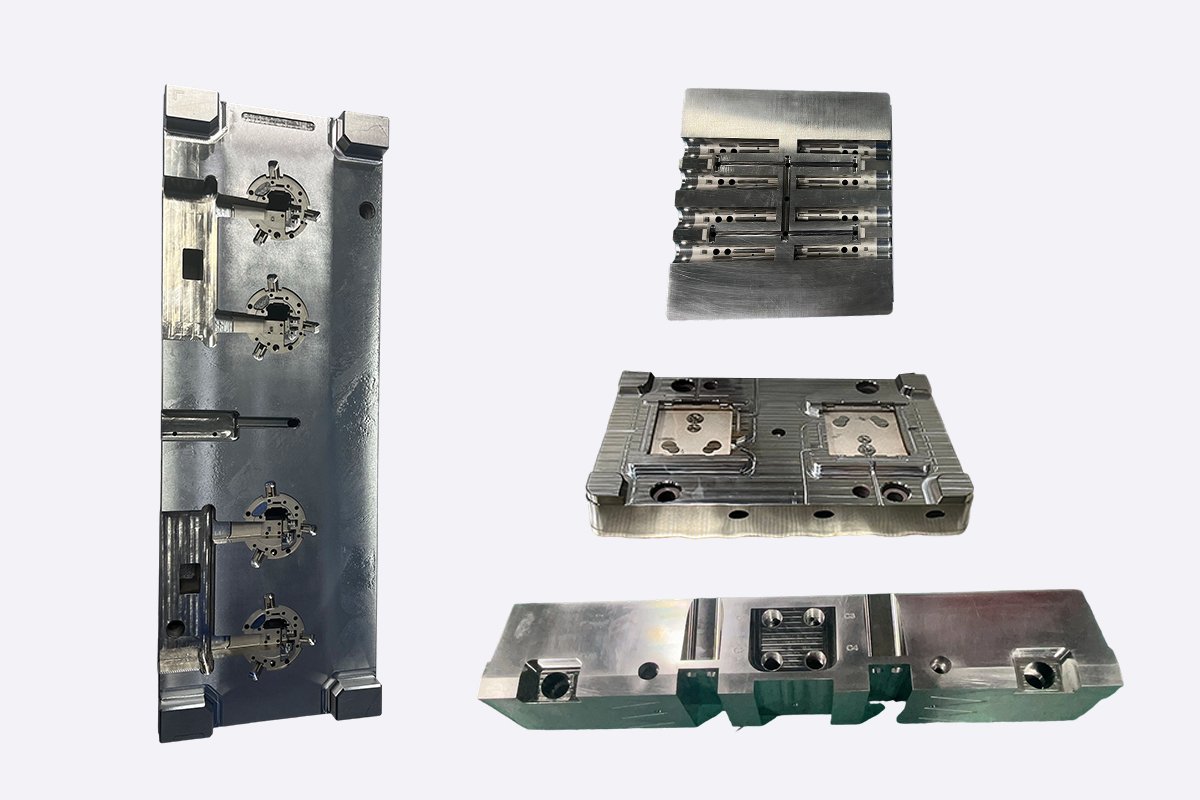
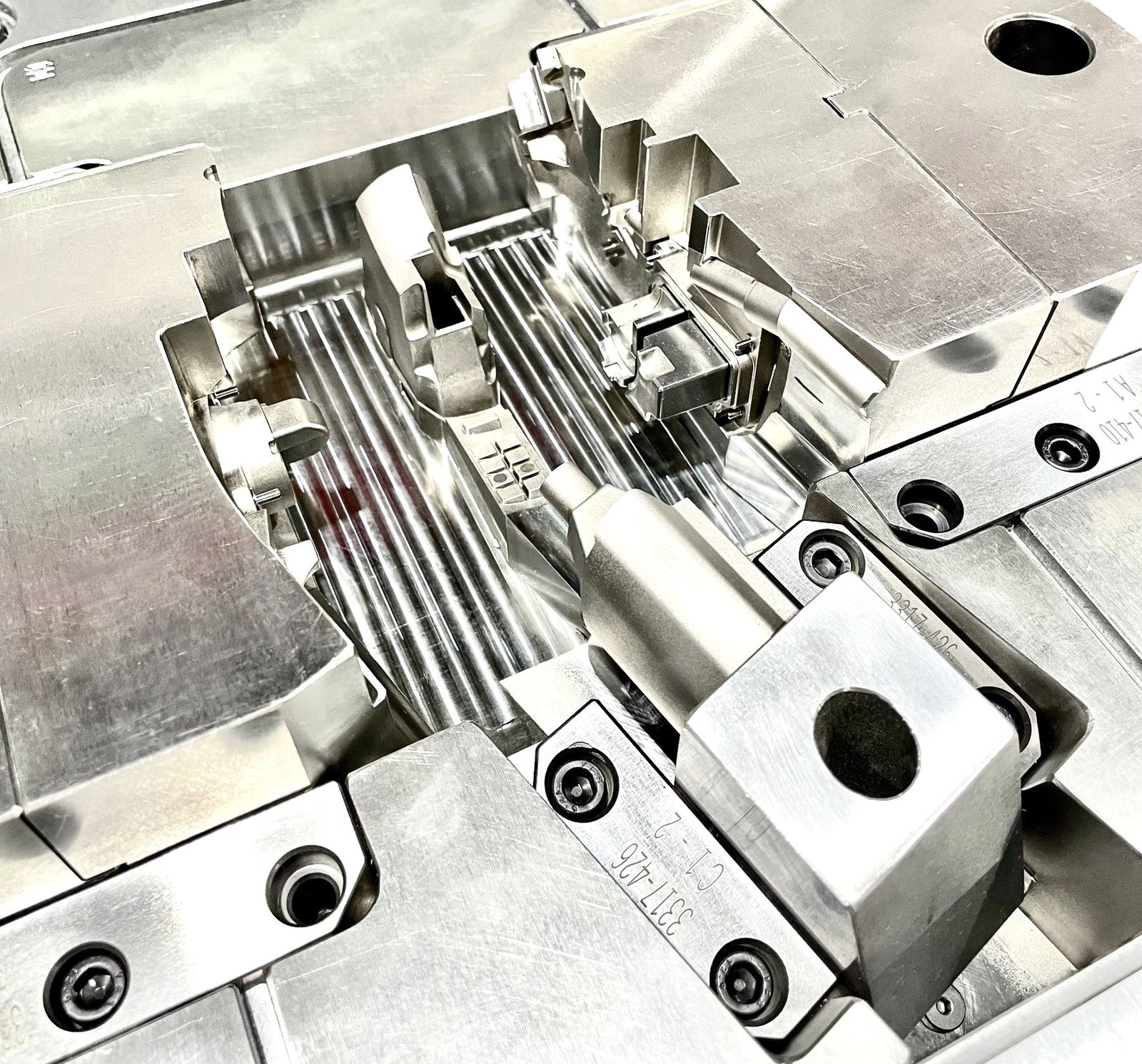

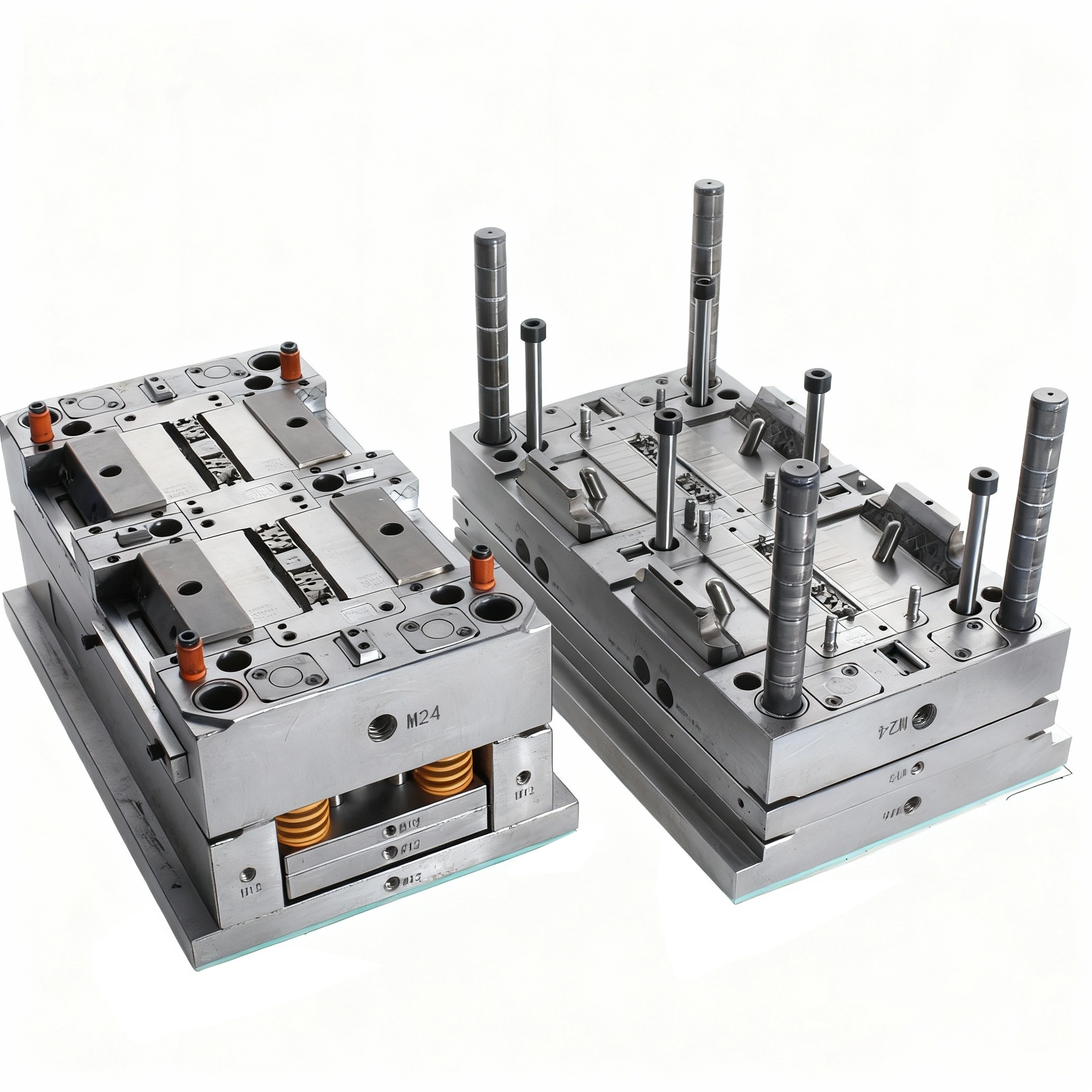
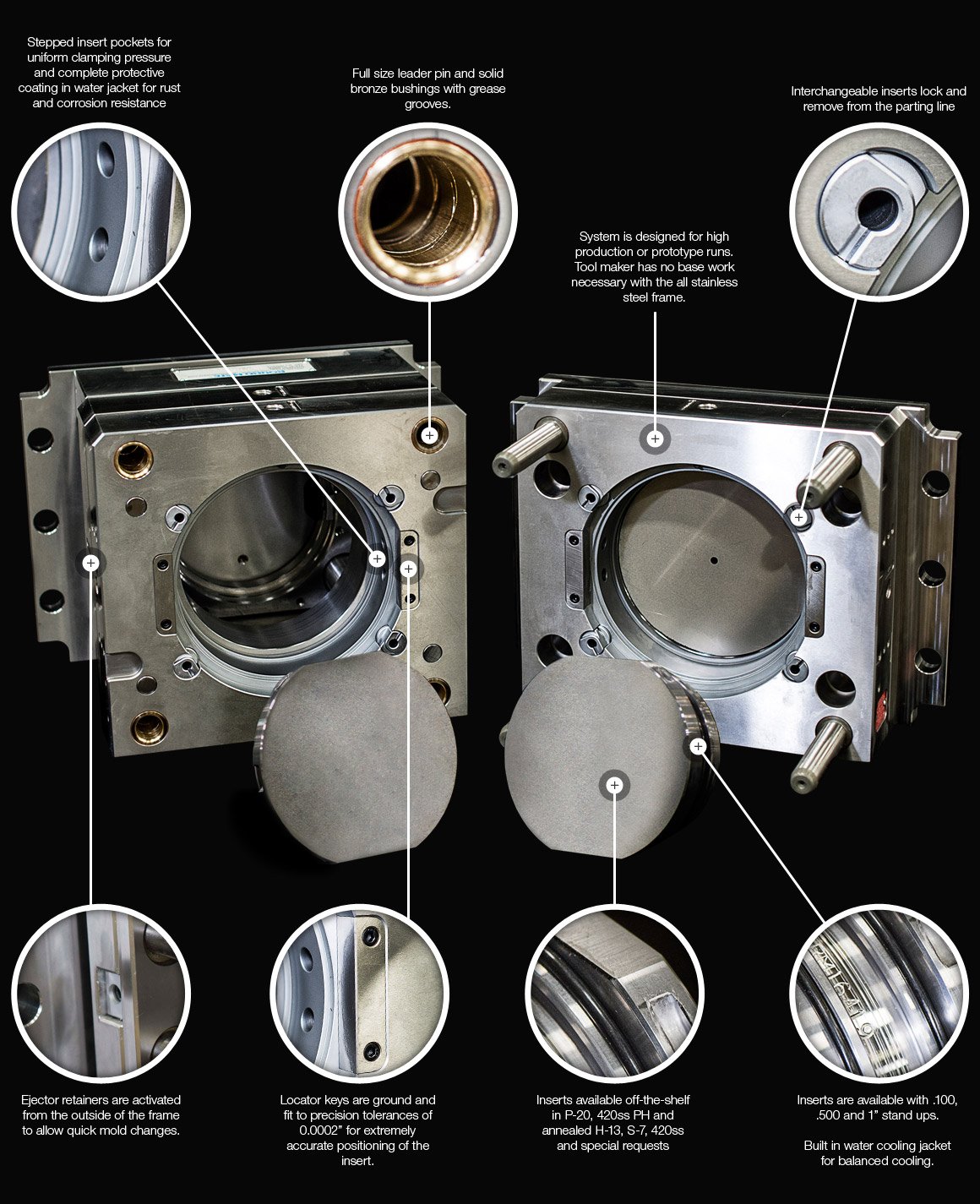
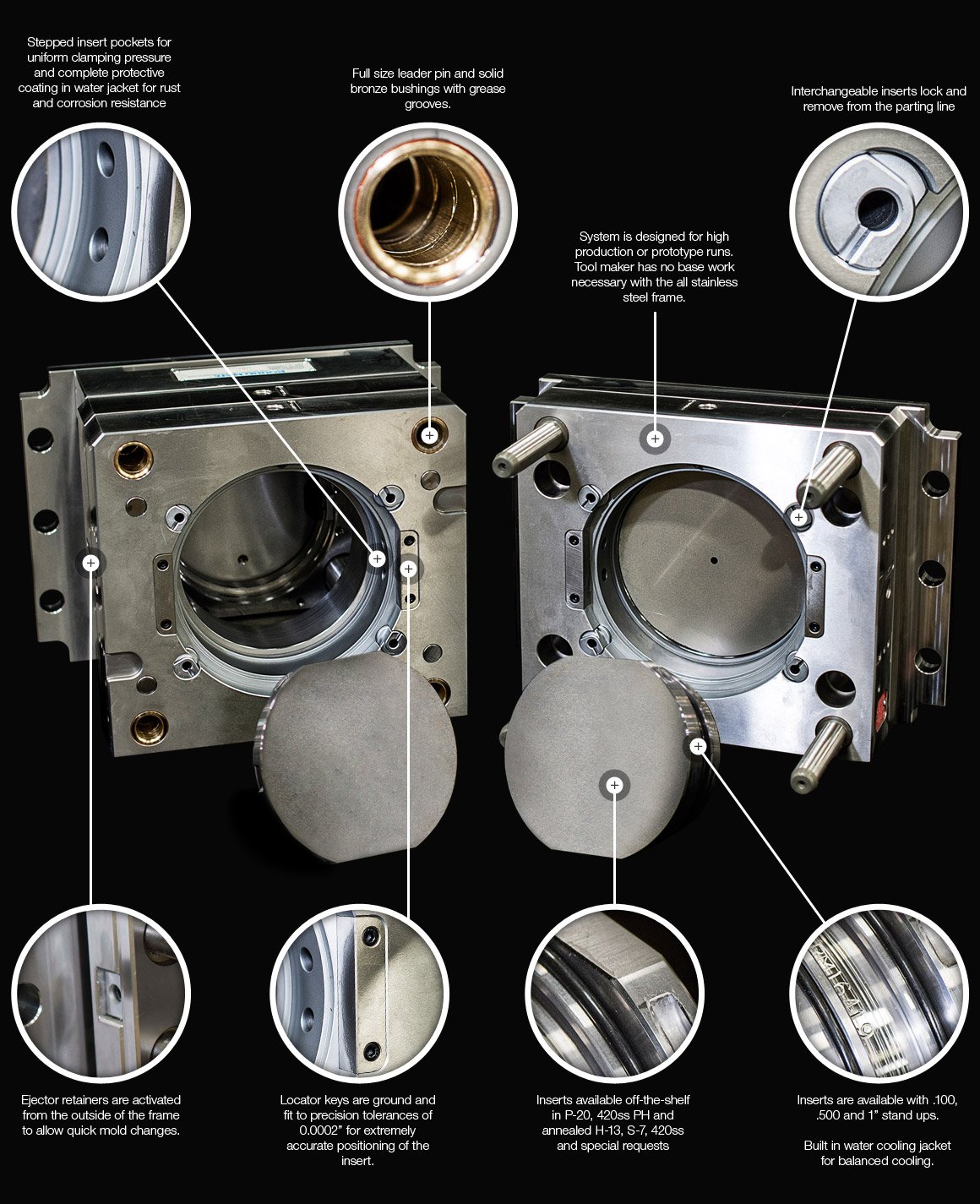
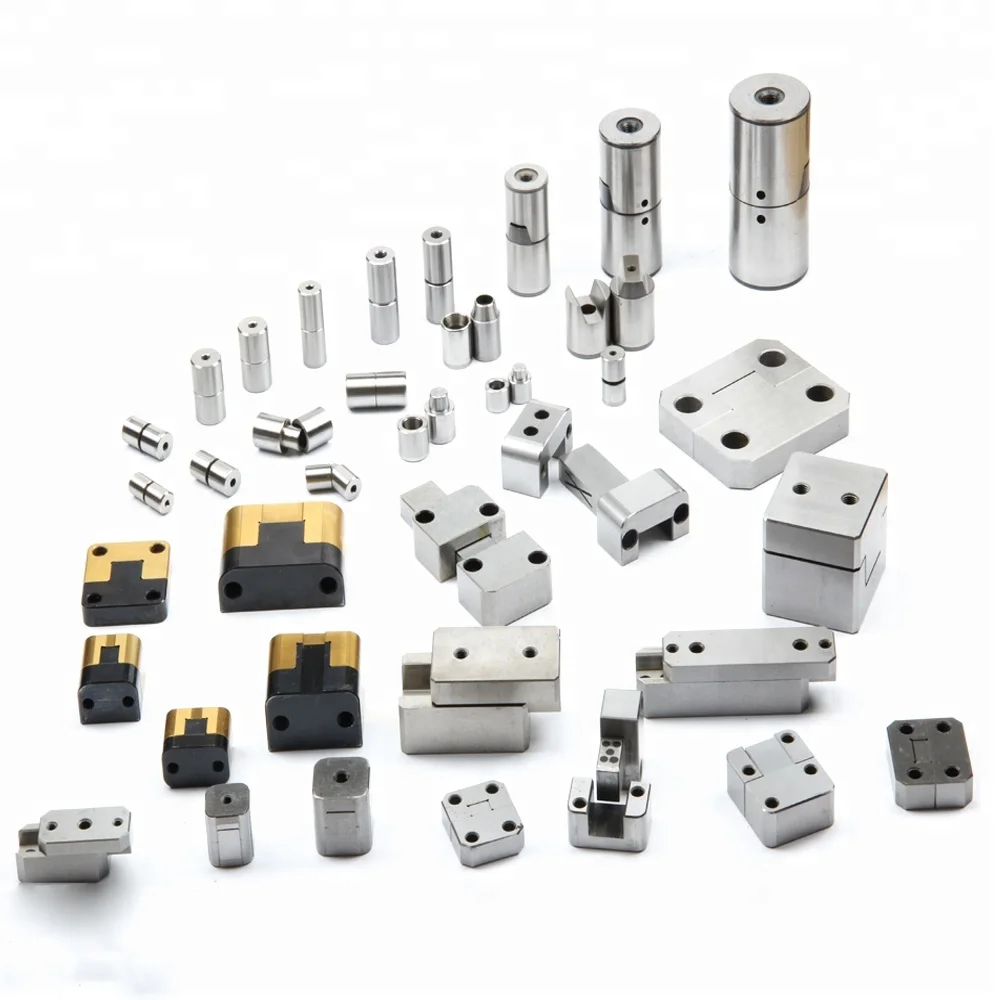
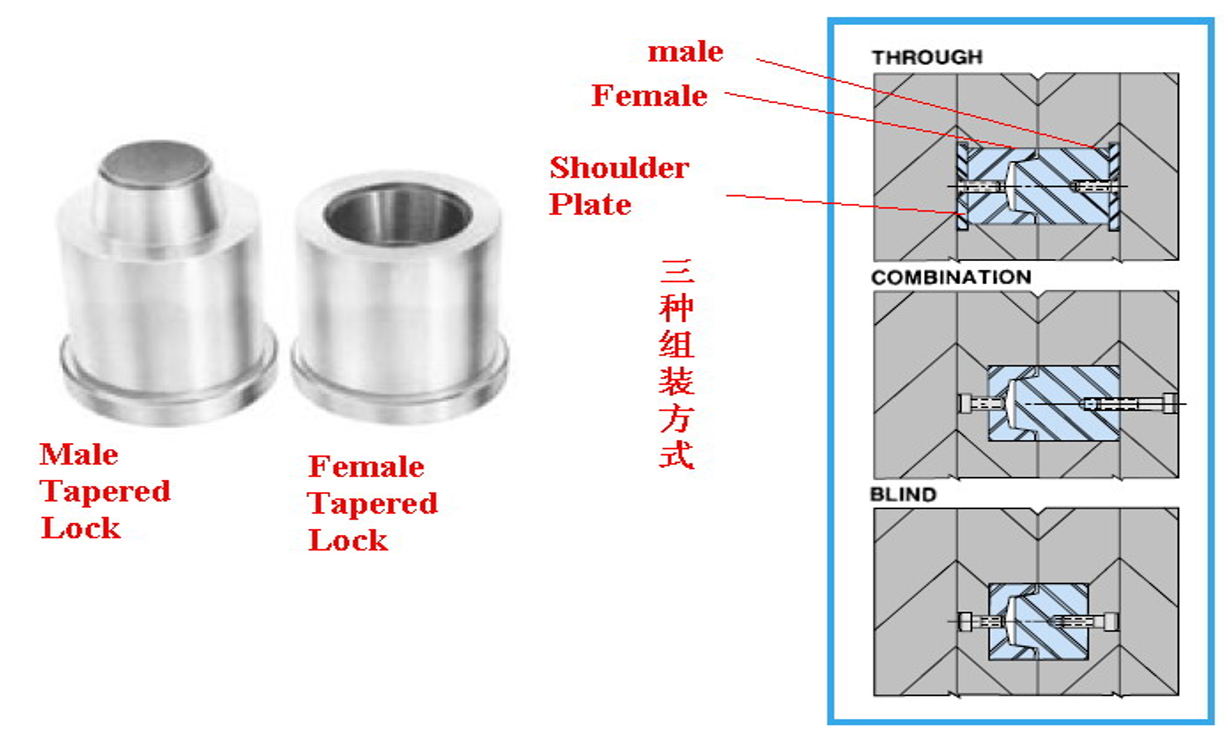
Why XUXIANG Automotive Precision Tooling Stands Apart
+/-0.001 mm Machining Precision
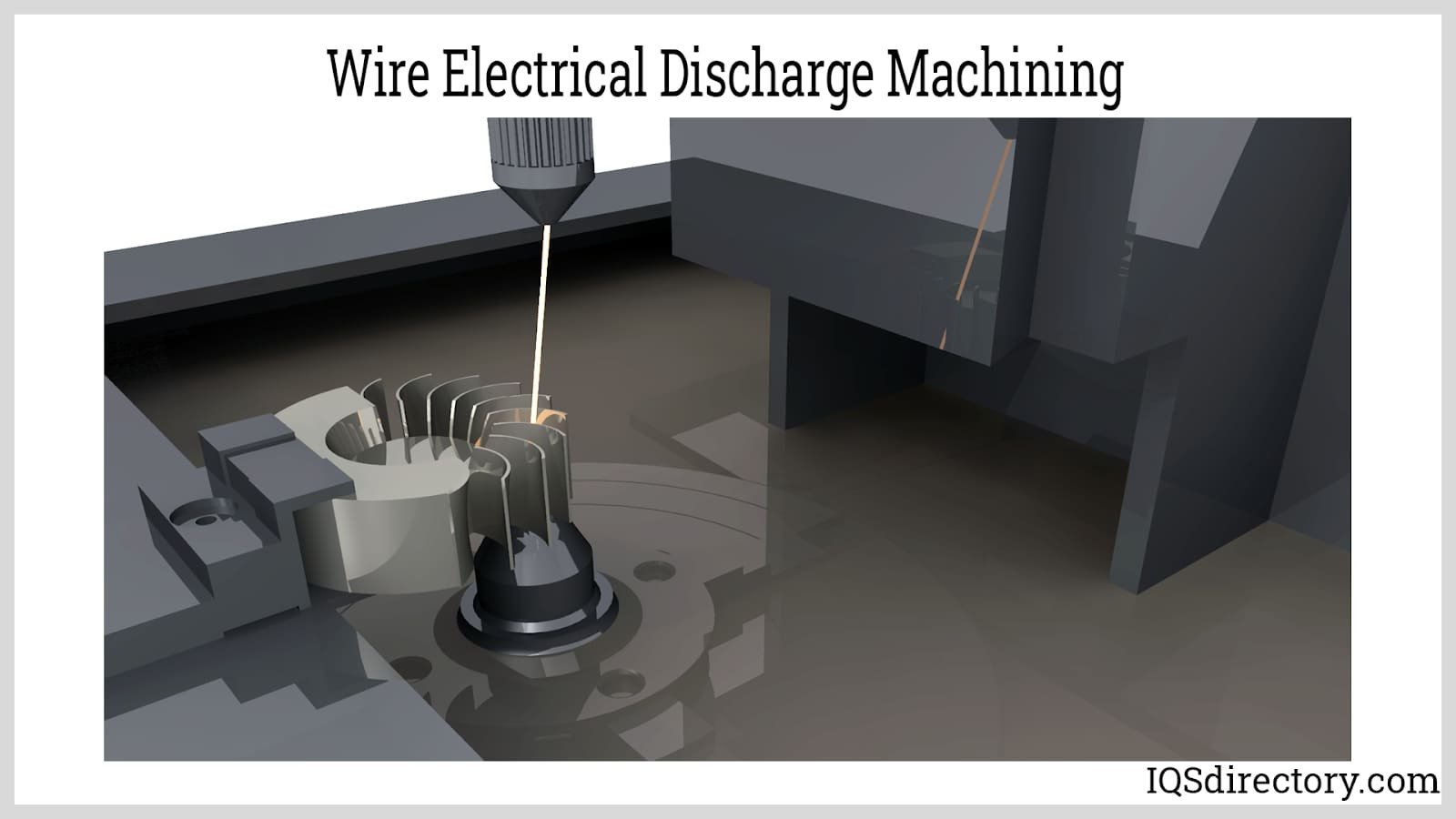
Maximum machining accuracy of +/-0.001 mm on Sodick slow-wire EDM and Fanuc CNC, validated by ZEISS MICURA CMM measuring to 0.7um resolution.
Mirror-Grade EDM Surface Finish
Ra 0.1um mirror-class finishes on Mitsubishi mirror EDM and Sodick sinker systems, eliminating post-polish cycles and reducing lead times by 20%.
ZEISS CMM Metrology Validation
Every automotive mold component validated on ZEISS MICURA CMM and Nikon V-12B toolmaker’s microscope with full FAI documentation and material certificates.
24-Hour Quote Turnaround
Engineering-reviewed quotations returned within 24 hours, including DFM feedback from 10+ precision-mold experts to optimize manufacturability and cost before production.
3–7 Day Sample Delivery
Prototype molding plastic car parts shipped in 3–7 days, mass production in 15–25 days—roughly 30% faster than industry average with zero tolerance compromise.
Dual-Factory Production Capacity
Dongguan 2,000 m² R&D hub plus Quanzhou 1,400 m² volume plant deliver +200% capacity expansion since 2025, ensuring on-time delivery at scale.
Automotive & NEV Precision Tooling Categories

Automotive Interior Components
Precision mold cores and inserts for door panels, armrests, trim bezels and functional interior hardware. Mirror-grade EDM finishes to Ra 0.1um ensure Class-A surface quality. Tight positional tolerances of +/-0.002 mm on multi-cavity cores support complex geometries and snap-fit assemblies. Full DFM review and FAI documentation included.
Get a Quote
Exterior Trim Parts
High-durability tooling for bumper clips, grille inserts, mirror housings and body-side moldings. Engineered to withstand UV-stable resins and glass-filled compounds. Sodick slow-wire EDM and precision grinding deliver +/-0.001 mm dimensional stability across production runs. ZEISS CMM validation confirms form, fit and parting-line integrity.
Get a Quote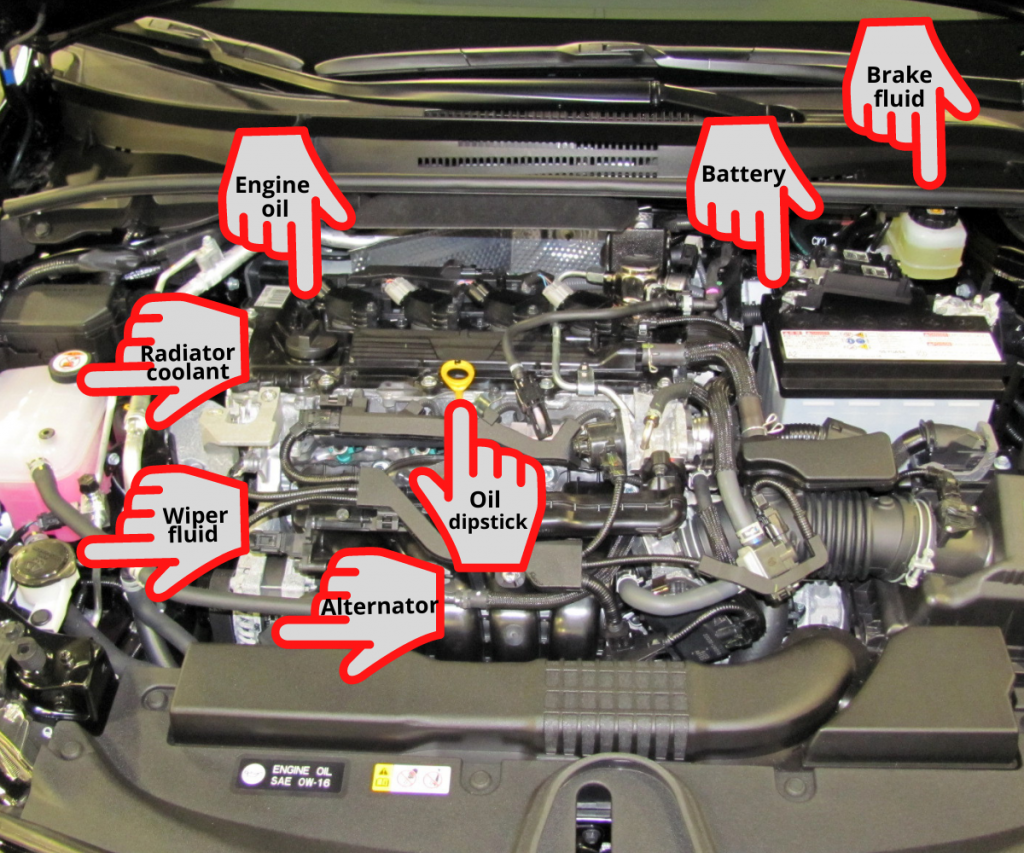
Under-Hood Engine Components
Heat-resistant mold components for intake manifolds, valve covers, fluid reservoirs and under-hood brackets. Materials and coatings selected for thermal cycling and aggressive engineering plastics. Machining accuracy of +/-0.001 mm and corner radii down to R 0.015 mm enable tight sealing surfaces and mounting-hole concentricity.
Get a Quote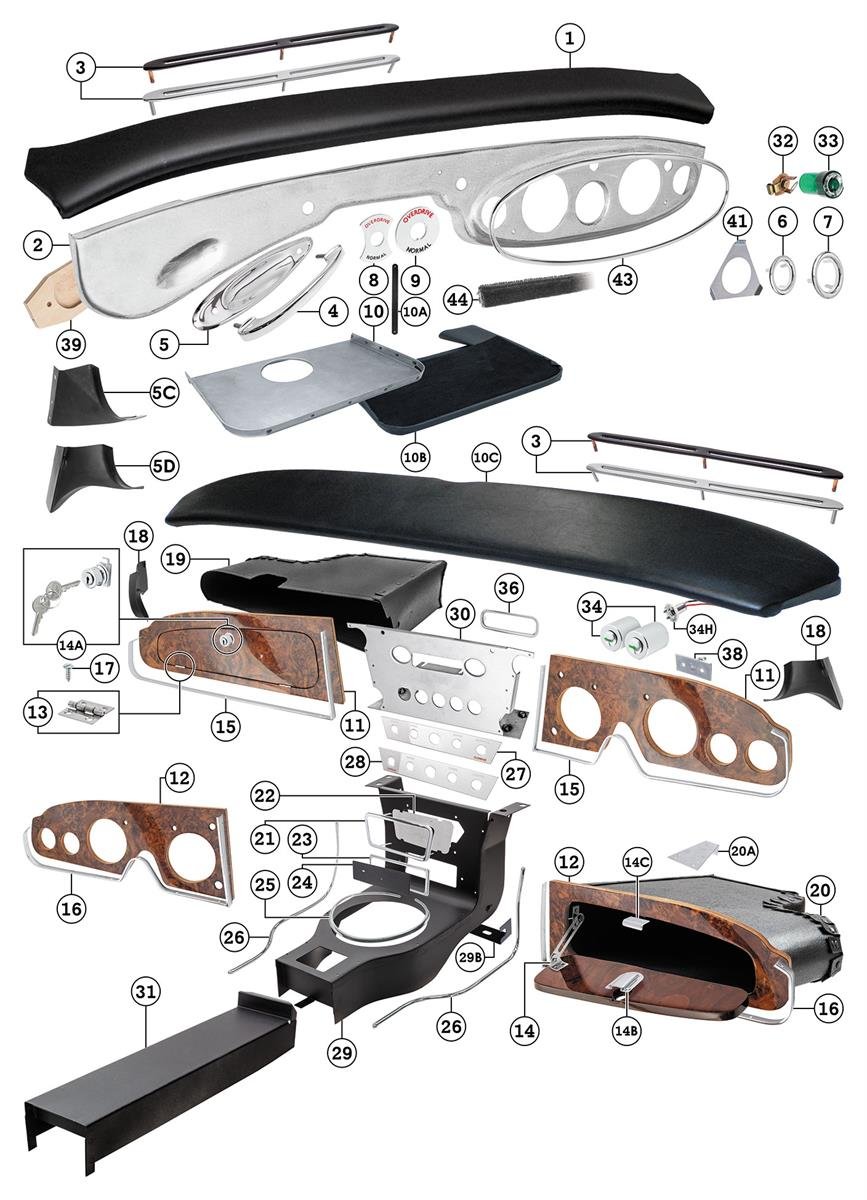
Dashboard & Console Parts
Tooling for instrument clusters, center-console housings, air-vent bezels and switch panels. Multi-cavity inserts with +/-0.002 mm positioning ensure uniform wall thickness and snap-fit precision. Mirror EDM and Nikon microscope inspection support texture replication and optical-grade surfaces. Lead time 15–25 days for production tooling.
Get a Quote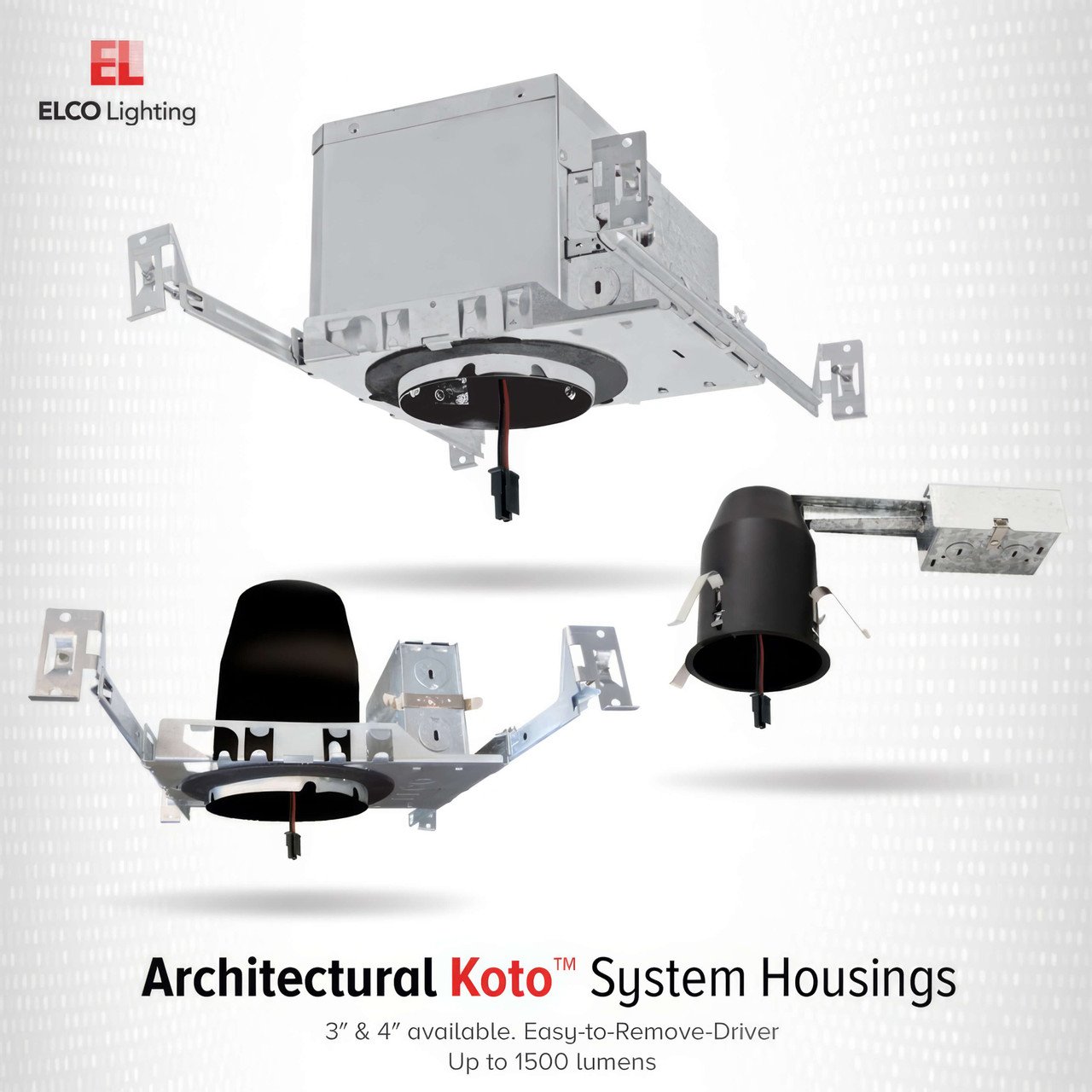
Lighting System Housings
Precision cores for headlamp reflectors, tail-light housings, fog-lamp bezels and LED mounting frames. Ra 0.1um mirror finishes preserve optical clarity and light-path geometry. ZEISS MICURA CMM measuring to 0.7um verifies critical radii and mounting bosses. ISO 9001:2015 process control ensures repeatable optical performance.
Get a Quote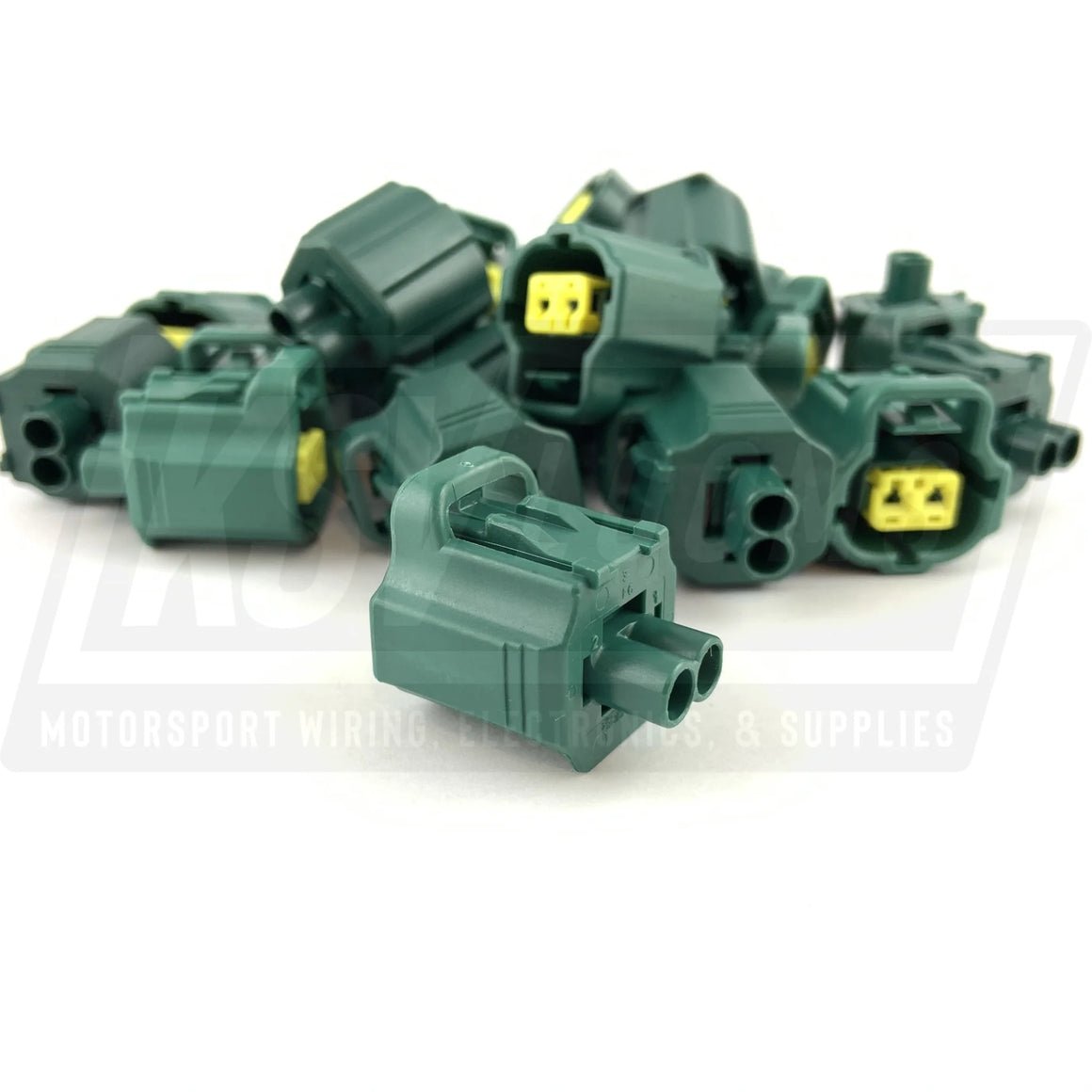
Sensor & Connector Housings
Micro-tolerance tooling for ADAS sensor housings, camera mounts, radar brackets and high-density board-to-board connector shells. Machining precision of +/-0.001 mm supports pin alignment, EMI shielding and IP-rated sealing. Full material certificates and dimensional FAI reports ship with every lot.
Get a Quote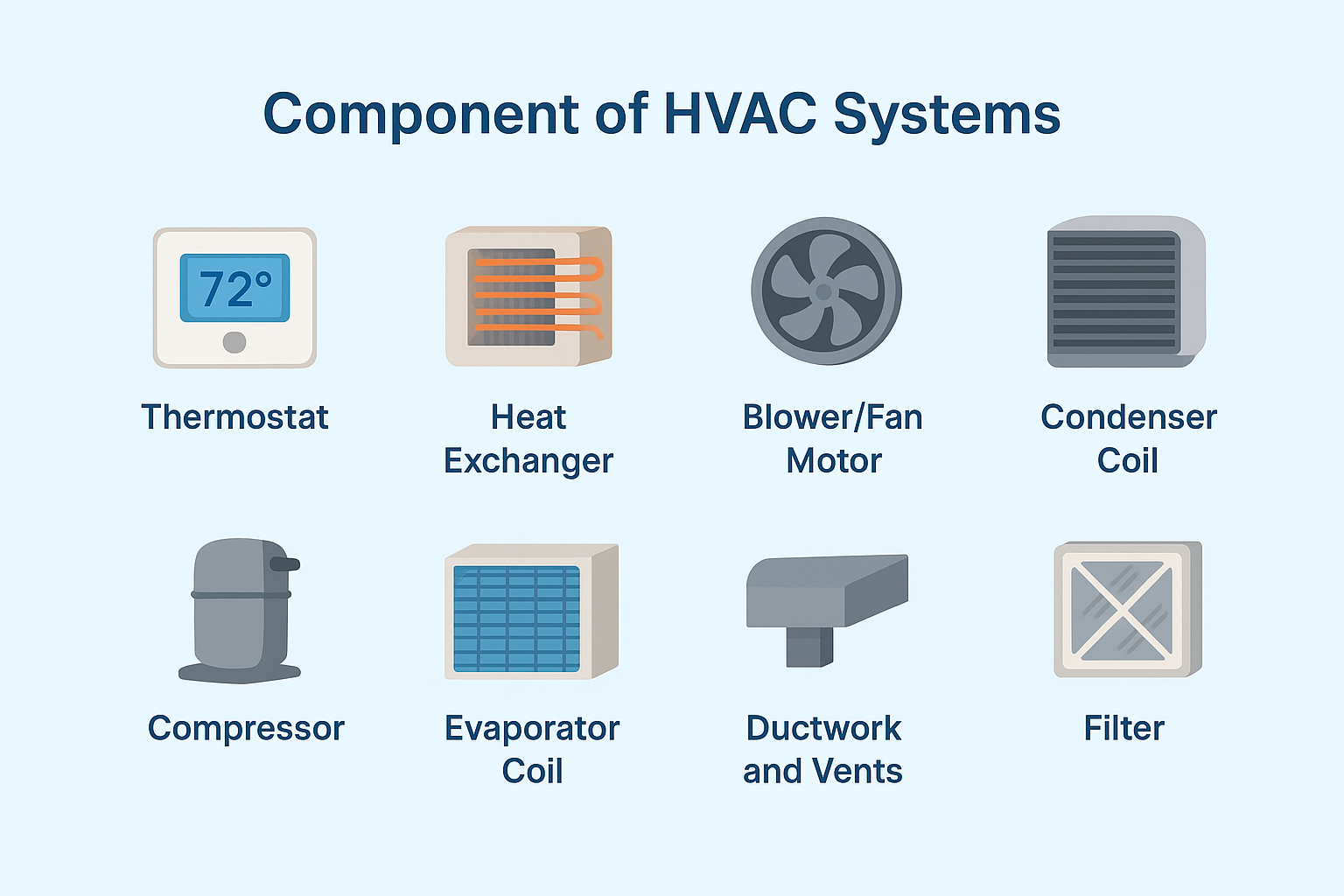
HVAC System Components
Mold inserts for blower housings, duct connectors, register grilles and climate-control actuator bodies. Designed for high-cycle durability and dimensional stability under thermal load. Fanuc CNC and precision grinding hold +/-0.003 mm on complex contours. DFM feedback from 10+ engineers minimizes draft and ejection issues.
Get a Quote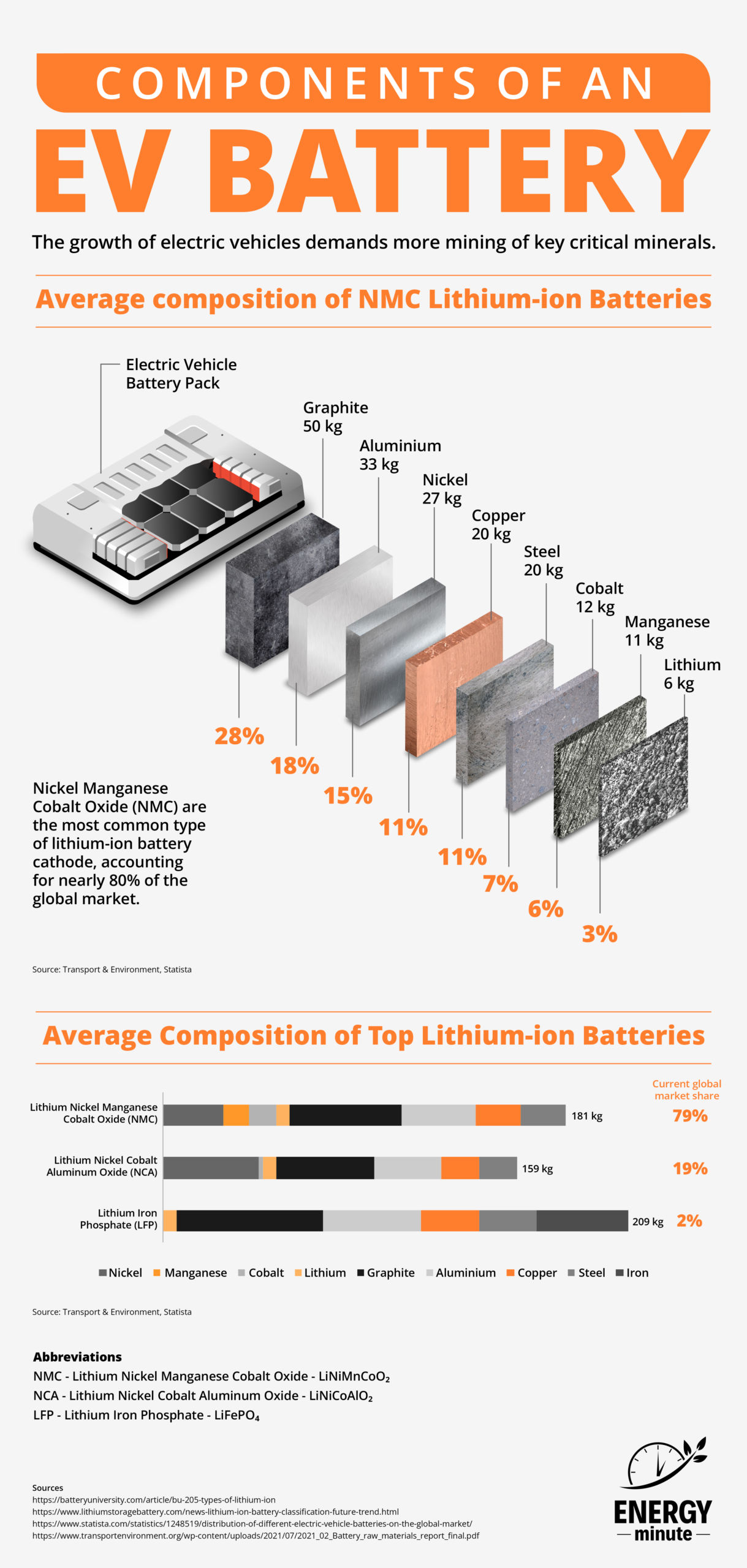
Battery & EV Components
High-precision tooling for battery-module enclosures, BMS housings, HV connector shells and thermal-management components. Engineered for flame-retardant and high-CTI materials. Mitsubishi mirror EDM and ZEISS metrology ensure leak-proof parting lines and terminal-position accuracy within +/-0.001 mm. Quanzhou facility adds 200% capacity for NEV volume.
Get a Quote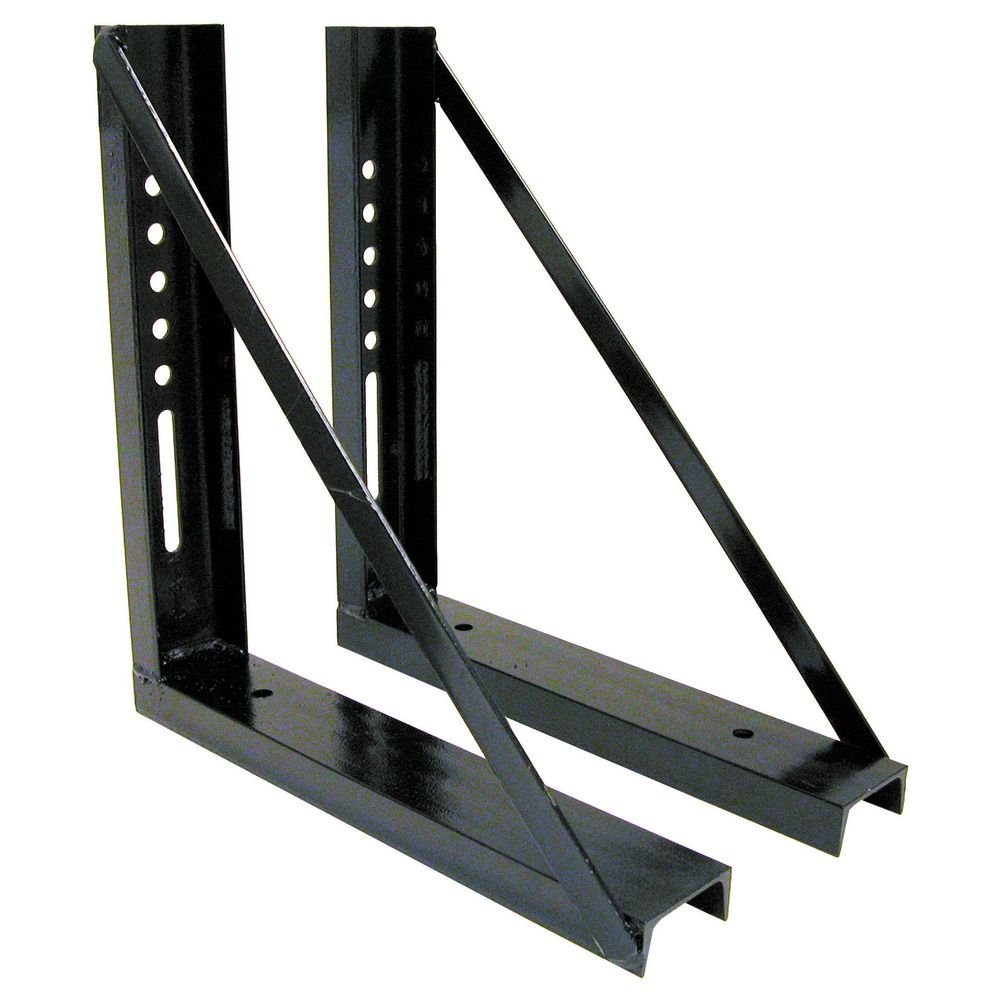
Structural Mounting Brackets
Tooling for chassis brackets, seat-frame inserts, airbag-door hinges and structural reinforcements. Precision-ground electrodes and slow-wire EDM achieve +/-0.002 mm on mounting holes and load-bearing surfaces. Dawn grinding centers and Fanuc CNC support complex 3D profiles. Material spectral analysis and in-process monitoring standard.
Get a QuoteMaterials & Specifications for Precision Engineered Injection Molding Car Parts
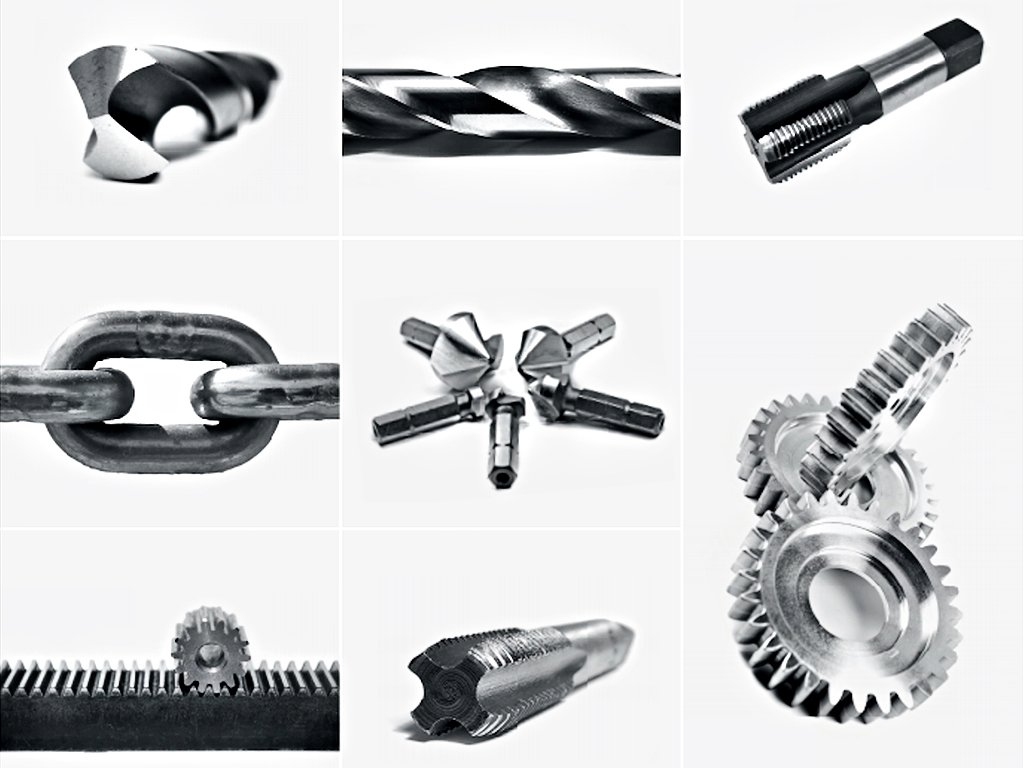

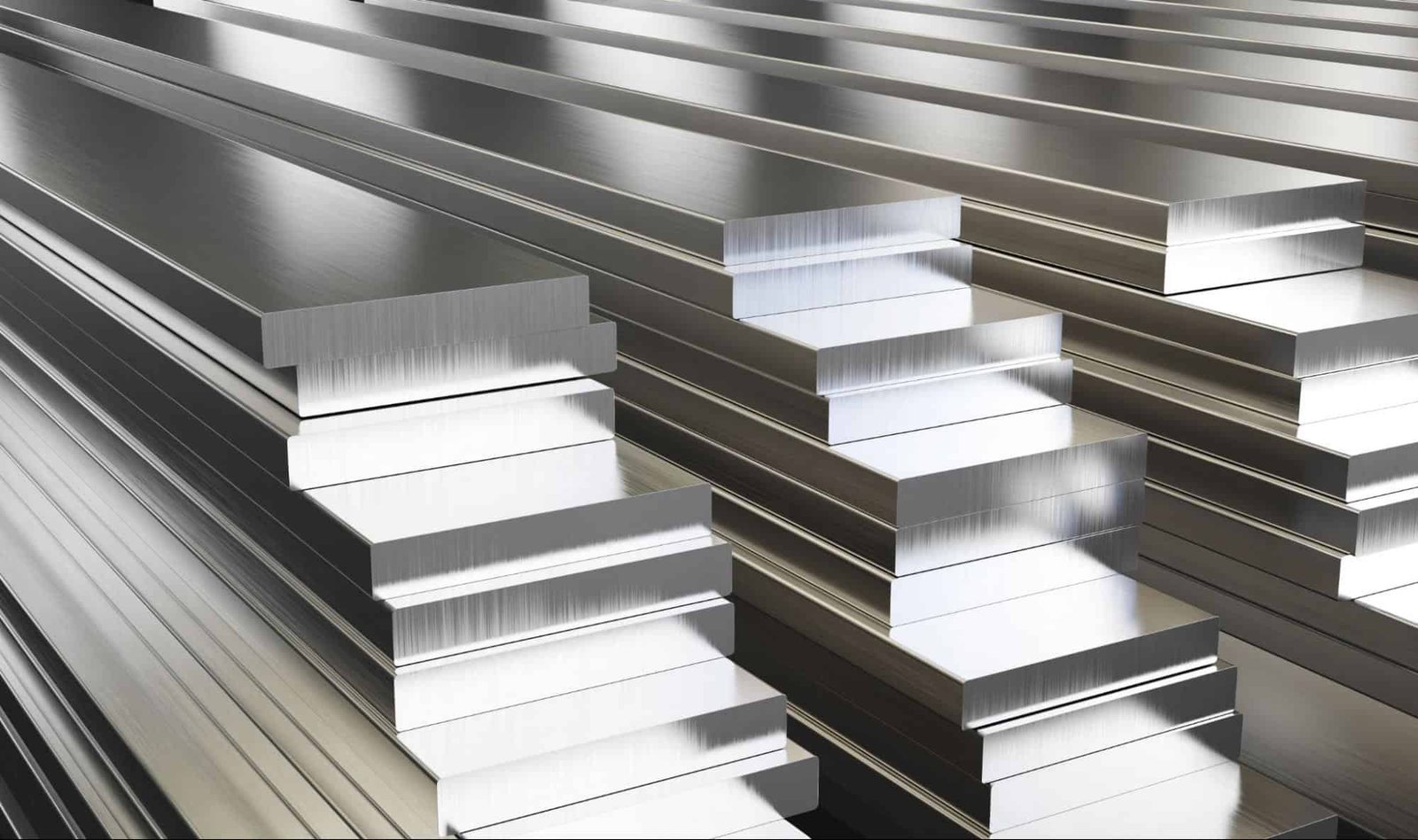
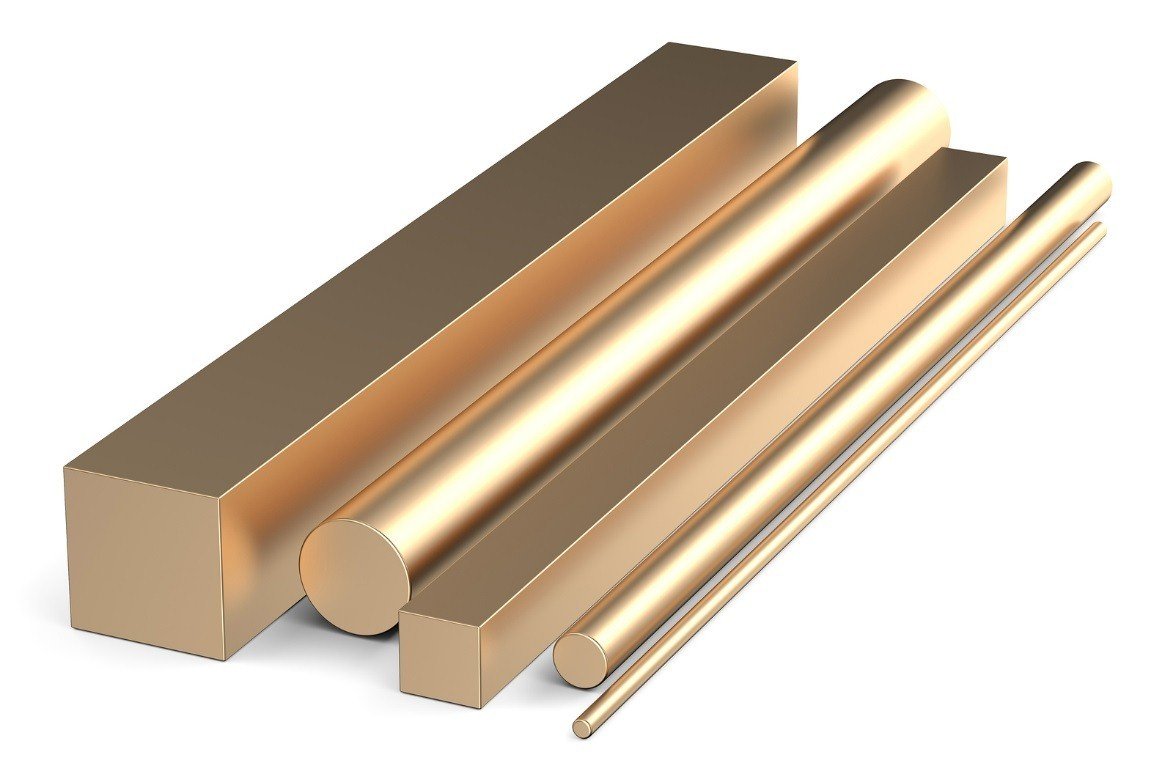
Advanced Machining & EDM Processes for Precision Engineered Injection Molding Car Parts
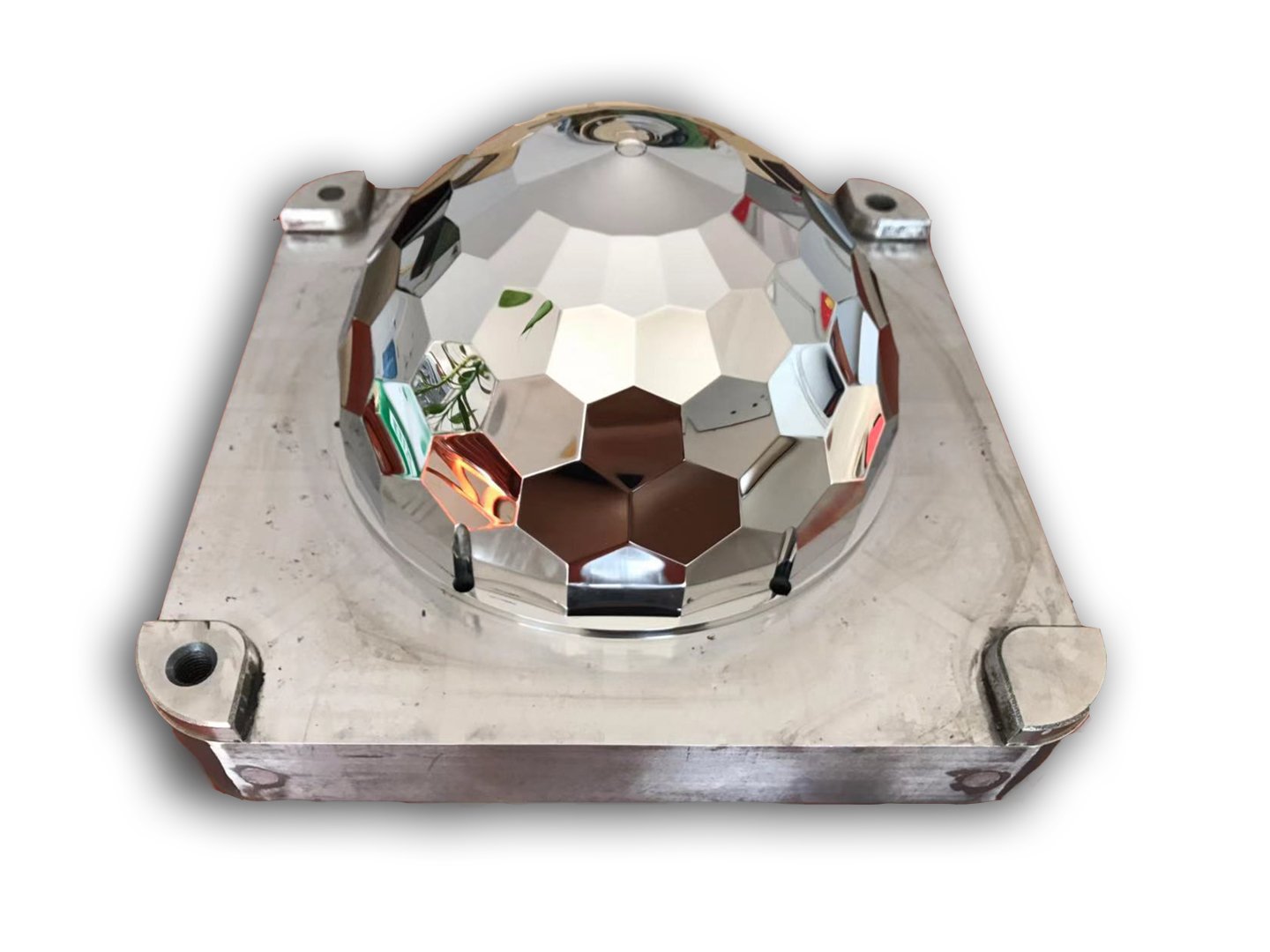
Mirror EDM
Mitsubishi sinker EDM achieves Ra 0.1 µm mirror-grade surface finish on cavity faces and core details, eliminating hand-polishing and ensuring consistent optical-class aesthetics. Critical for ADAS lens housings, interior trim molds and high-gloss automotive components.
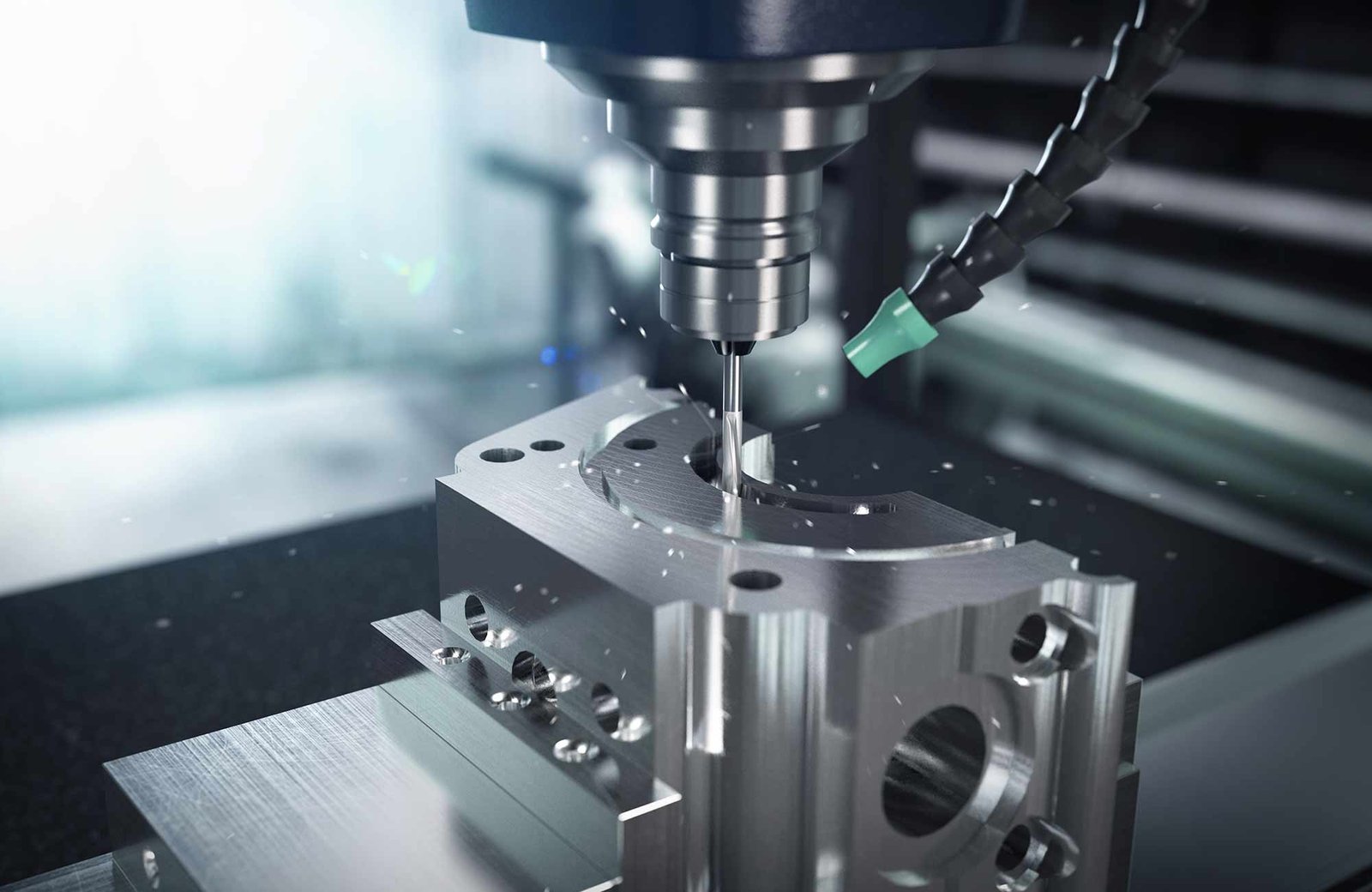
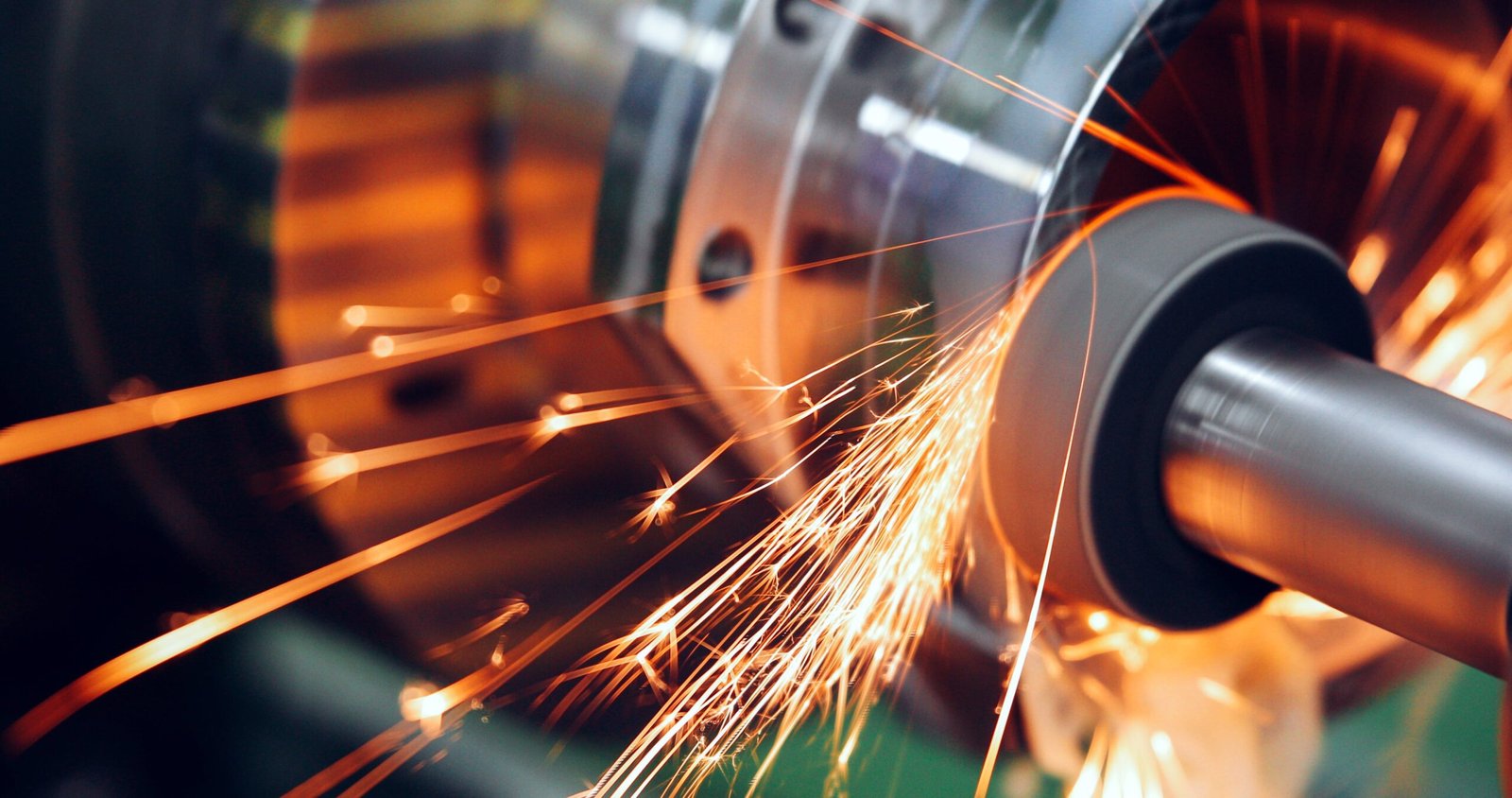
Electrode Fabrication
Beijing Jingdiao high-precision CNC machines graphite and copper electrodes to +/-0.003 mm for sinker EDM operations. In-house electrode control reduces lead time by 30 percent and guarantees perfect fit between electrode geometry and final cavity detail.
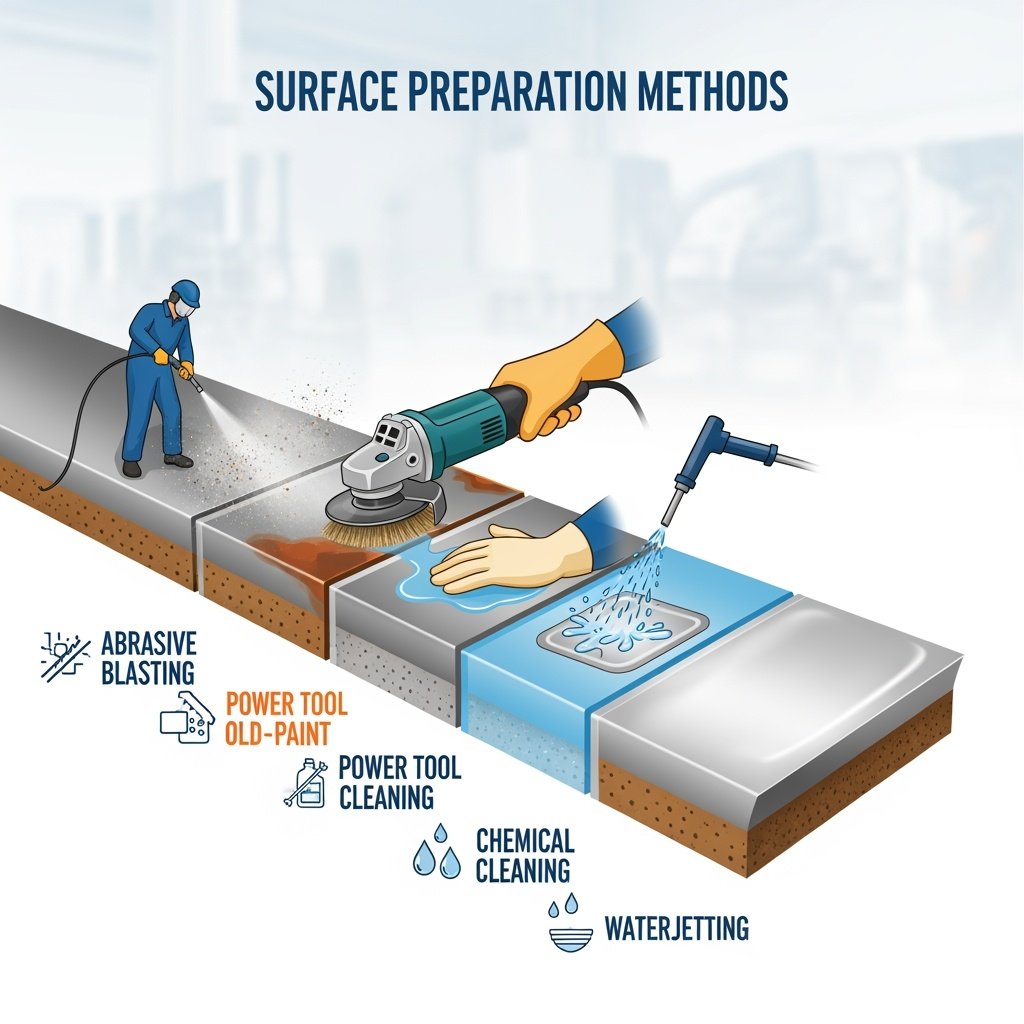
Value-Add Services & Finishing Options for Precision Engineered Injection Molding Car Parts
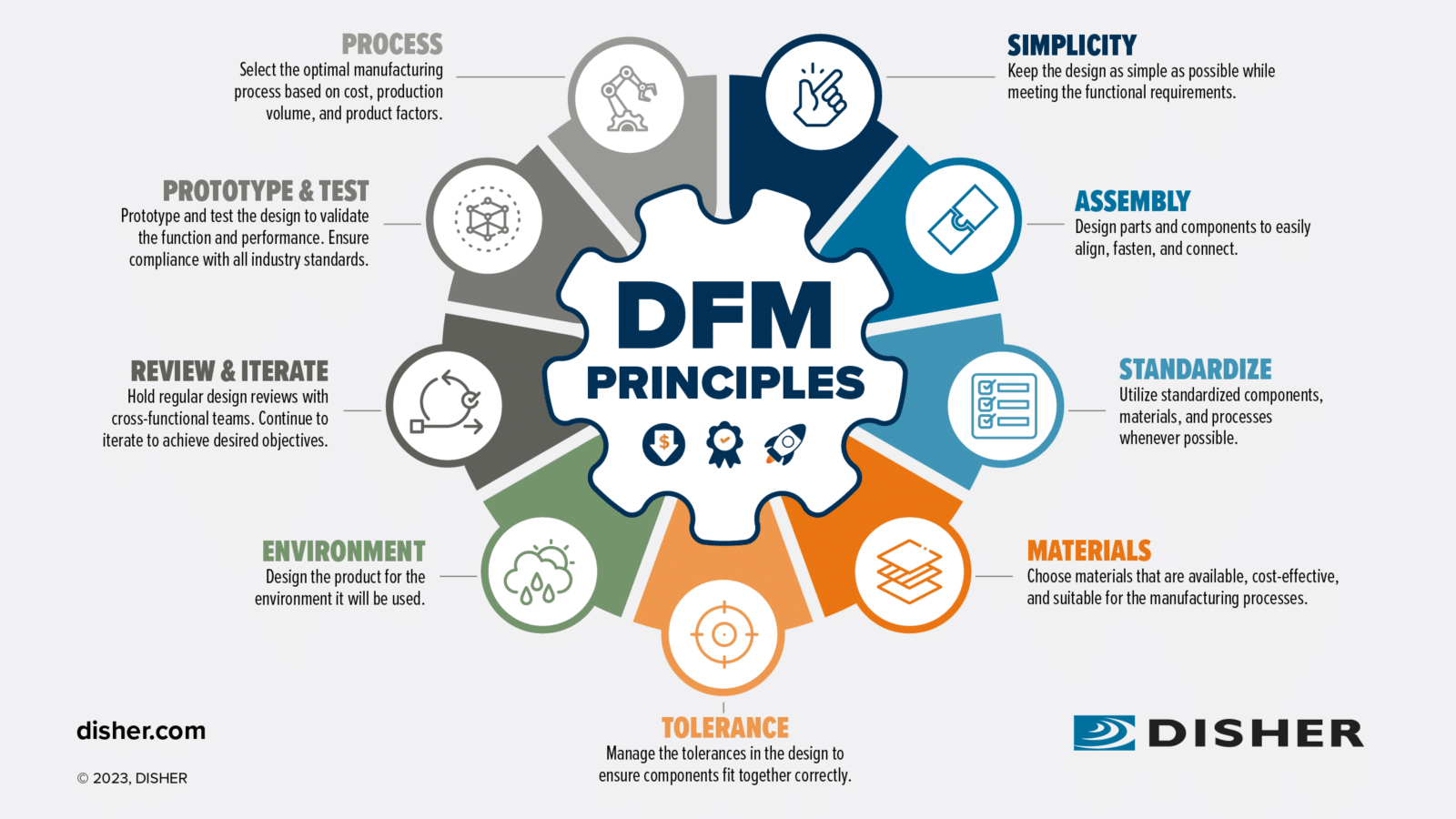
DFM Engineering Review
10+ precision-mold engineers analyze your CAD files before production, flagging tolerance conflicts, draft angles, cooling-channel optimization and ejection risks — reducing rework and shortening lead times by up to 30% for injection molding car parts.

FAI & Material Certification
Every shipment includes full First Article Inspection reports with ZEISS CMM data, dimensional layouts, surface-roughness readings and material spectral certificates — traceable compliance for automotive, medical and 5G supply chains.
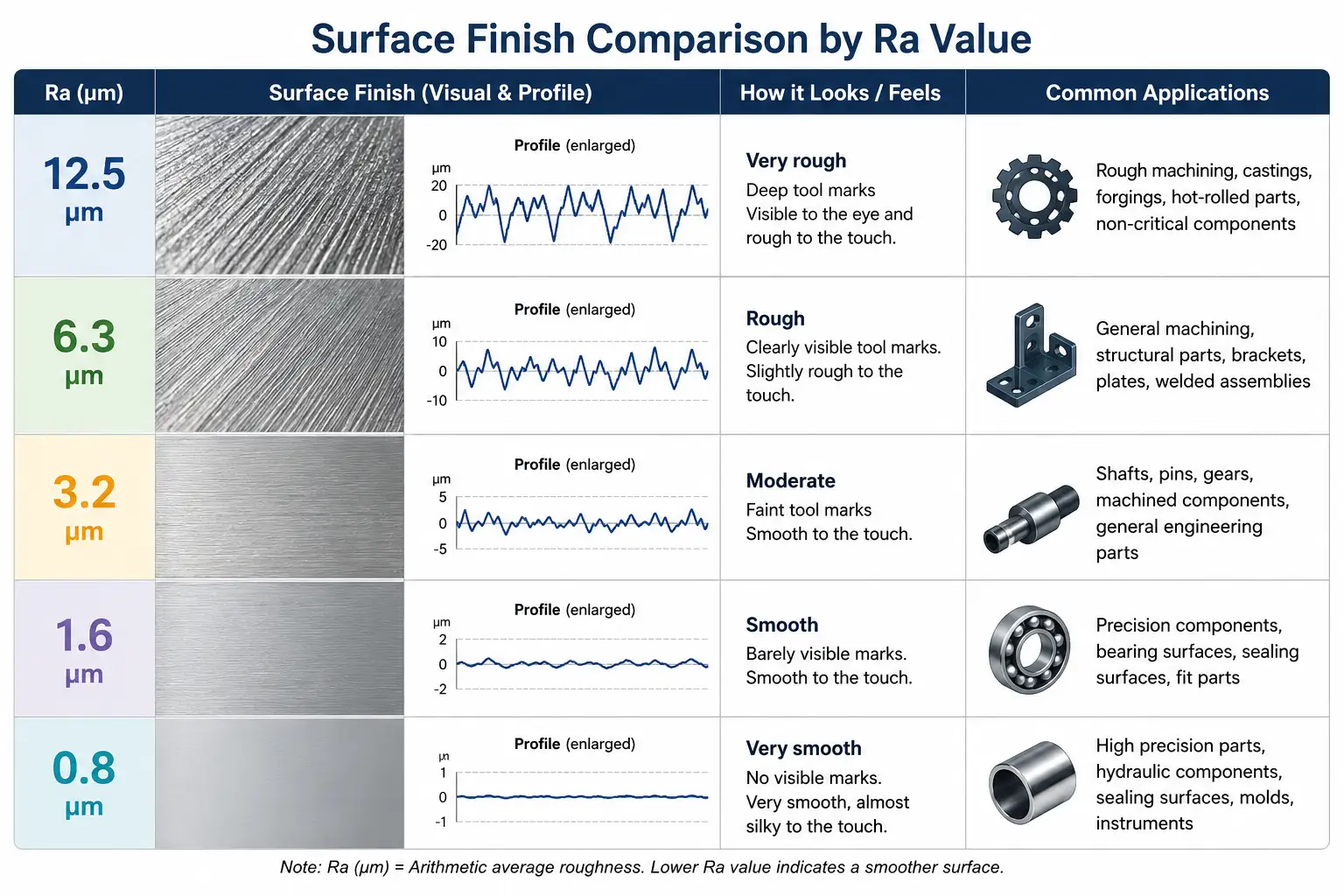
Mirror Polishing to Ra 0.1µm
Mitsubishi mirror EDM and precision hand-lapping deliver optical-grade Ra 0.1µm finishes on mold cores and inserts, eliminating flow marks and enabling Class A surface replication in molding plastic car parts and connector tooling.
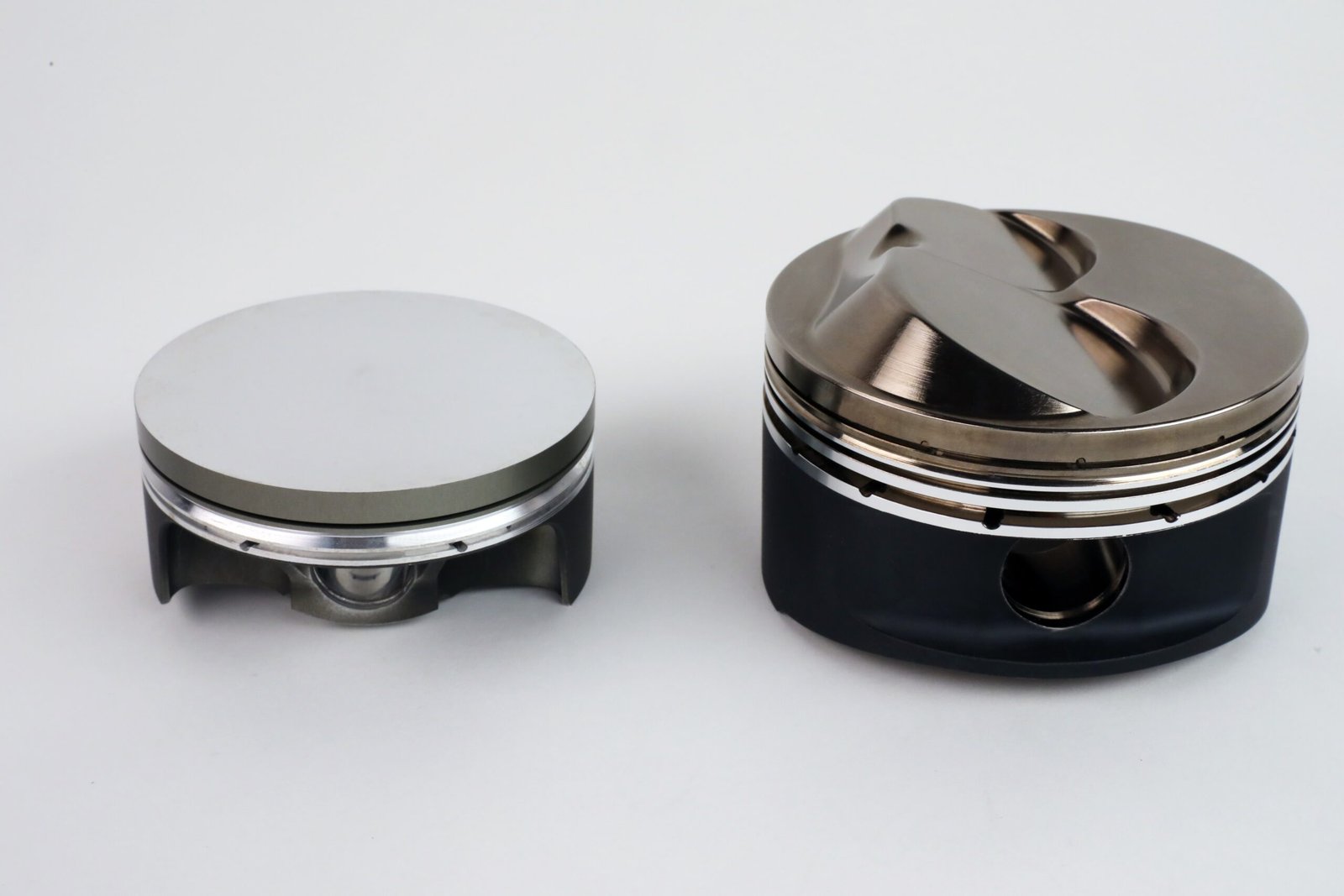
Hard Anodize & Electroless Nickel
Surface hardening and wear-resistant coatings extend tool life in high-volume automotive and industrial runs — hard anodize for aluminum cores, electroless nickel plating for steel inserts, all applied to aerospace-grade thickness tolerances.
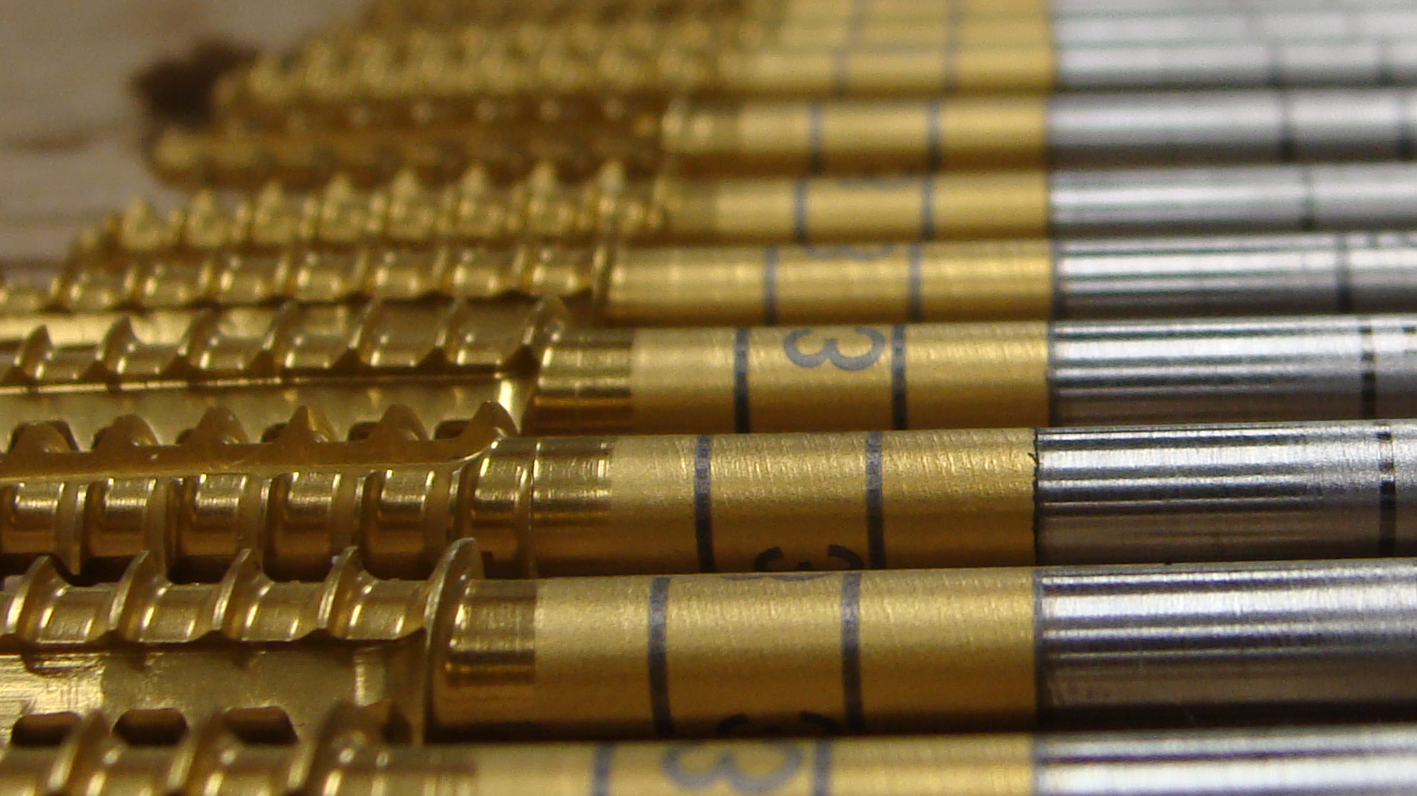
PVD & Nitride Treatments
Titanium-nitride and PVD coatings boost surface hardness to HRC 70+, reduce friction and prevent galling in micro-connector and precision injection molding car parts tooling — ideal for glass-filled resins and abrasive compounds.
About XUXIANG — Precision Engineered Injection Molding Car Parts Excellence
Founded in 2010 in Chang’an, Dongguan, XUXIANG has evolved from a specialist mold-core machining shop into a dual-factory manufacturing group serving electronics, 5G/telecom, automotive & NEV, industrial-automation and medical-device customers worldwide. Our engineering-led culture bridges complex CAD designs to high-performance precision engineered injection molding car parts, molding plastic car parts and micro-connector tooling held to +/-0.001 mm.
Today XUXIANG operates 2,000 m2 of R&D and micro-machining capacity in Dongguan plus 1,400 m2 of volume production in Quanzhou (launched 2025), equipped with Sodick slow-wire EDM, Mitsubishi mirror EDM, Fanuc CNC and ZEISS MICURA CMM metrology. ISO 9001:2015 governs every process, and over CNY 8 million in Japanese, Swiss and German equipment ensures mirror-grade Ra 0.1um finishes and repeatable micron-stable precision.
What makes XUXIANG different is our ability to solve the two biggest buyer pain points: tolerance failure and delivery delay. Every project receives DFM feedback from 10+ engineering experts, five-step QC validation with ZEISS and Nikon verification, full FAI documentation and material certificates — and delivery roughly 30% faster than industry average, with quotes returned within 24 hours.
About XUXIANG — Automotive Precision Tooling Excellence
Micron-Stable Tolerance Control
Every precision engineered injection molding car part is validated through ZEISS MICURA CMM metrology (0.7µm resolution) and Nikon toolmaker’s microscopes, ensuring +/-0.001 mm machining accuracy across automotive sensor housings, BMS interconnect tooling and ADAS component inserts.
- ZEISS MICURA CMM with 0.7µm measurement resolution for sub-micron verification
- Nikon V-12B and MM-400 class toolmaker's microscopes for critical-feature inspection
- +/-0.001 mm maximum machining tolerance held across all automotive precision mold components
- Full FAI reports with dimensional data, material certificates and traceability for every shipment
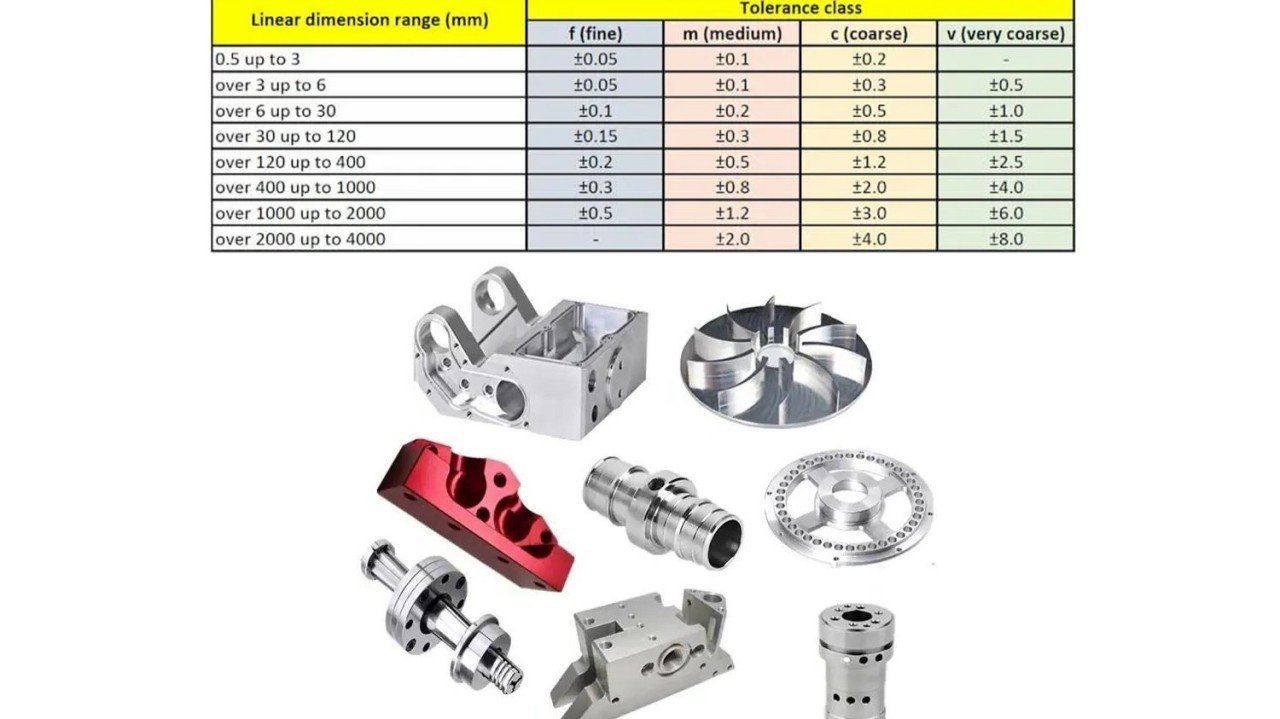
Mirror-Grade EDM Surface Finishes
Sodick and Seibu slow-wire EDM, paired with Mitsubishi mirror EDM systems, deliver Ra 0.1µm surface finishes on molding plastic car parts cores, lifters and micro-connector terminal tooling—eliminating secondary polishing and accelerating mold-trial readiness.
- Ra 0.1µm mirror-grade EDM finish capability for optical-class mold surfaces
- Sodick & Seibu slow-wire EDM for +/-0.002 mm positioning and corner radii down to R ≤ 0.015 mm
- Mitsubishi mirror EDM for high-gloss automotive interior inserts and transparent-lens tooling
- Zero secondary polishing required—parts ship trial-ready with certified surface-integrity documentation
DFM Engineering from 10+ Experts
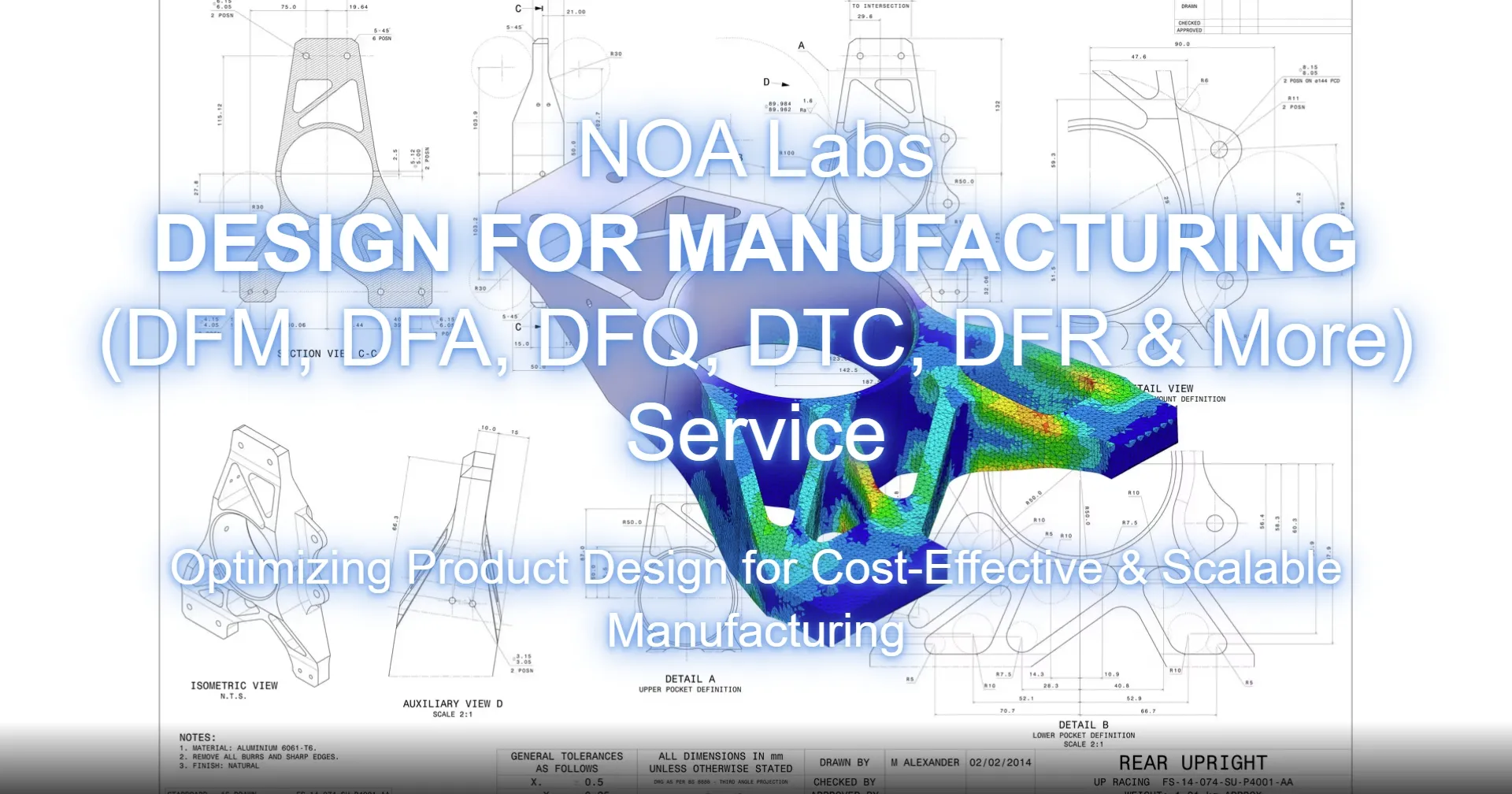
Before machining begins, your precision engineered injection molding car parts design is reviewed by XUXIANG’s 10+ engineering specialists—identifying draft angles, gate placement, cooling-channel efficiency and ejection risks to prevent costly revisions and accelerate time-to-production.
- Collaborative DFM review from 10+ precision-mold engineers with 16 years of automotive tooling experience
- CAD-native feedback on draft, wall thickness, gate location, cooling layout and ejection geometry
- Proactive recommendations to reduce cycle time, improve part cosmetics and extend mold life
- 24-hour quote turnaround with integrated DFM insights—no separate engineering-review delays
Dual-Factory Scalability for Volume Production
XUXIANG’s 2025 expansion added 1,400 m² in Quanzhou, lifting annual capacity by 200% and enabling seamless scale from prototype to mass production—Dongguan handles R&D and micro-machining; Quanzhou executes high-volume runs with identical ISO 9001:2015 controls.
- Dual factories: Dongguan 2,000 m² (R&D, micro-machining) + Quanzhou 1,400 m² (volume production)
- +200% capacity increase since 2025 expansion—supporting automotive tier-1 and NEV OEM demand
- Unified quality system across both sites: same ZEISS CMM, same Sodick EDM, same ISO 9001:2015 protocols
- Lead times 30% faster than industry average—3–7 days samples, 15–25 days mass production
Automotive Precision Tooling: Core Capabilities
Evidence-based comparison: concrete tolerances, named equipment, and verifiable lead times — not marketing claims.
← 左右滑动查看 →
XUXIANG vs. Typical Automotive Precision Tooling Suppliers
From CAD to shipment, every precision molding plastic car parts project passes through six quality gates — DFM validation, micron-stable machining, in-process monitoring, ZEISS CMM verification, FAI documentation and certified packaging — ensuring +/-0.001 mm accuracy and on-time delivery.
DFM Review & Design Validation
10+ engineering experts analyze CAD files for moldability, draft angles, wall thickness and tolerance feasibility — delivering actionable DFM feedback within 24 hours to prevent costly rework downstream.
CNC & EDM Tooling Fabrication
Sodick slow-wire EDM, Mitsubishi mirror EDM and Fanuc CNC machines cut cores, inserts and electrodes to +/-0.001 mm, with mirror-grade Ra 0.1 µm finishes and corner radii down to R 0.015 mm.
In-Process Tolerance Monitoring
Real-time dimensional checks at every machining stage using Nikon toolmaker’s microscopes and precision gauges ensure deviations are caught and corrected before the next operation begins.
ZEISS CMM & FAI Verification
ZEISS MICURA CMM measuring to 0.7 µm validates critical dimensions against 3D CAD models; full FAI reports document conformance to drawing tolerances, surface finish and material specifications.
Surface Integrity & Final Inspection
Visual, tactile and optical checks confirm mirror finishes, parting-line alignment and cosmetic standards; material certificates and spectral analysis reports are compiled for traceability under ISO 9001:2015.
Packaging & Certified Shipment
Parts are cleaned, individually protected and packaged with complete FAI documentation, material certificates and shipping labels — ready for integration into your automotive tooling or assembly line.
How to Partner with XUXIANG for Precision Engineered Injection Molding Car Parts
From CAD file to validated production parts in as few as 18 days — five steps engineered to eliminate tolerance failure and delivery delay.
Submit CAD and Technical Requirements
Upload your 3D CAD files, 2D drawings and technical specifications. Our engineering team reviews geometry, tolerances and material call-outs within hours.
Receive DFM Feedback and Quote
Within 24 hours, you receive DFM recommendations from 10+ experts, a fixed-price quote and a detailed production timeline tailored to your part.
Approve Sampling and Tooling Plan
Review and approve the DFM report, tooling strategy and sample schedule. We begin precision machining and EDM immediately upon your confirmation.
Validate 3-7 Day Samples with FAI
First articles arrive with full FAI documentation, ZEISS CMM inspection reports and material certificates — verify fit, function and tolerance compliance before production.
Transition to Mass Production
Upon sample approval, mass production launches with the same ISO 9001:2015 quality controls, delivering precision molding plastic car parts in 15-25 days.
Our Automotive Precision Tooling Production Flow




How to Partner with XUXIANG for Automotive Precision Tooling
XUXIANG delivered our NEV battery-connector tooling at +/-0.002 mm — 40% tighter than our previous supplier — and cut our lead time from 35 days to 18. The ZEISS CMM reports gave us complete confidence for production release.
We needed mirror-finish EDM cores for a 32-cavity micro-connector mold with Ra 0.15 µm. XUXIANG hit Ra 0.12 µm and delivered samples in 5 days. Their DFM feedback saved us two design revisions and roughly 15% in tooling cost.
For our ADAS sensor housings, positional tolerance was non-negotiable. XUXIANG’s Sodick slow-wire EDM and full FAI documentation met every spec — zero rework across three production runs. Their 24-hour quote turnaround is unmatched in our supply base.
Quality Certifications & Compliance for Automotive Precision Tooling
What is the minimum order quantity for precision engineered injection molding car parts molding plastic car parts?
What are typical lead times for precision engineered injection molding car parts?
Do you charge for samples of precision molding plastic car parts?
What payment terms does XUXIANG offer for precision engineered injection molding car parts molding plastic car parts?
How does XUXIANG protect intellectual property and tooling designs?
What tolerance guarantees apply to precision molding plastic car parts?
Can XUXIANG handle complex automotive connector tooling and micro-pin molds?
What documentation is included with every precision engineered injection molding car parts order?
How quickly can I receive a quote for precision molding plastic car parts?
The Complete Buyer’s Guide to Precision Engineered Injection Molding Car Parts Molding Plastic Car Parts
Navigate the complexities of sourcing automotive injection-molded components with confidence. This guide delivers a proven decision framework, critical supplier qualification criteria, and the most common procurement mistakes to avoid when specifying precision plastic car parts.
1. What Are Precision Engineered Injection Molding Car Parts Molding Plastic Car Parts?
Precision engineered injection molding car parts molding plastic car parts refers to thermoplastic components manufactured to tolerances of +/-0.001 to +/-0.01 mm for automotive applications where dimensional repeatability, surface finish and mechanical performance are non-negotiable. The process injects molten engineering resin — PA, PBT, PPS, PC/ABS or glass-filled grades — into hardened steel molds under pressures of 80–180 MPa, with cycle times as short as 15–45 seconds per shot. Micron-level control is achieved through temperature-stabilized tooling, closed-loop process monitoring and mirror-finish EDM cavities that replicate geometries down to Ra 0.1 µm.
Automotive OEMs demand this level of precision for ADAS sensor housings, powertrain connectors, BMS terminals and interior functional clips because even 0.05 mm deviation can cause assembly interference, seal failure or electrical contact loss. Commodity injection molding targets +/-0.1 mm and visual fit; precision-engineered automotive applications require CMM validation, material certificates and full FAI documentation to meet IATF 16949 and zero-defect supply-chain standards.
2. Evolution of Injection Molding in the Automotive Industry
In the 1930s, bakelite dashboards and knobs marked the first wave of molded automotive plastics, offering cost savings over machined metal but limited thermal stability. By the 1980s, multi-cavity cold-runner systems enabled mass production of interior trim, instrument panels and air-intake manifolds, while nylon and polypropylene began replacing steel in non-structural applications.
The 2000s brought hot-runner technology and engineered resins — glass-filled PA66, PPA and PPS — into under-hood environments, where continuous operating temperatures exceed 150 °C. Today, precision engineered injection molding car parts molding plastic car parts span lightweight NEV battery enclosures (flame-retardant PC/ABS), ADAS sensor housings (dimensional stability +/-0.05 mm) and high-voltage connector blocks, achieving metal-replacement targets of 30–50 % weight reduction.
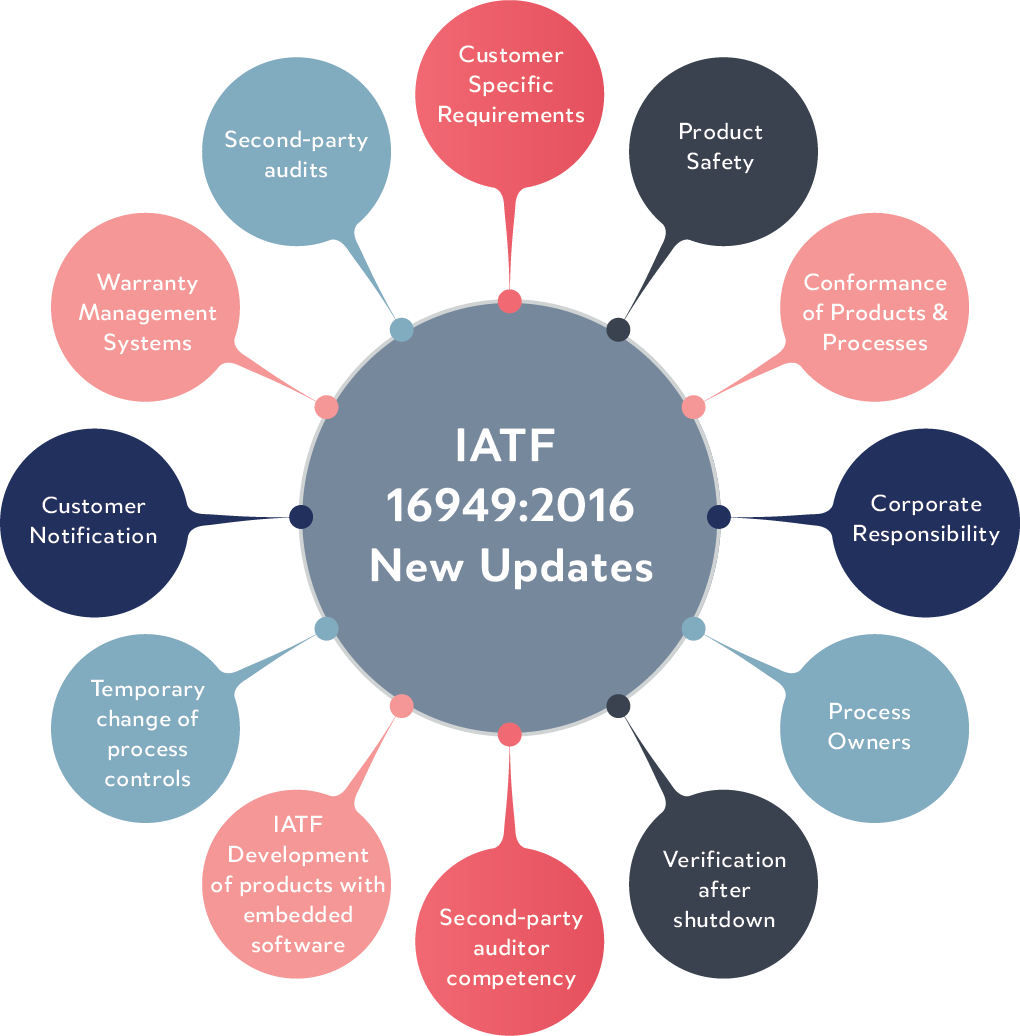
Quality frameworks evolved in parallel: IATF 16949:2016 formalized process control and traceability, while VDA 6.3 audits now mandate capability indices (Cpk ≥ 1.67) and full PPAP documentation for tier-one suppliers, ensuring that molding plastic car parts meet the same reliability standards as safety-critical metal components.
3. Types of Precision Engineered Injection Molding Car Parts
Precision engineered injection molding car parts molding plastic car parts span four functional zones, each with distinct material, tolerance and volume demands. Understanding these categories helps procurement teams specify tooling, validate DFM feedback and align quality expectations with end-use performance.
Exterior Trim Components
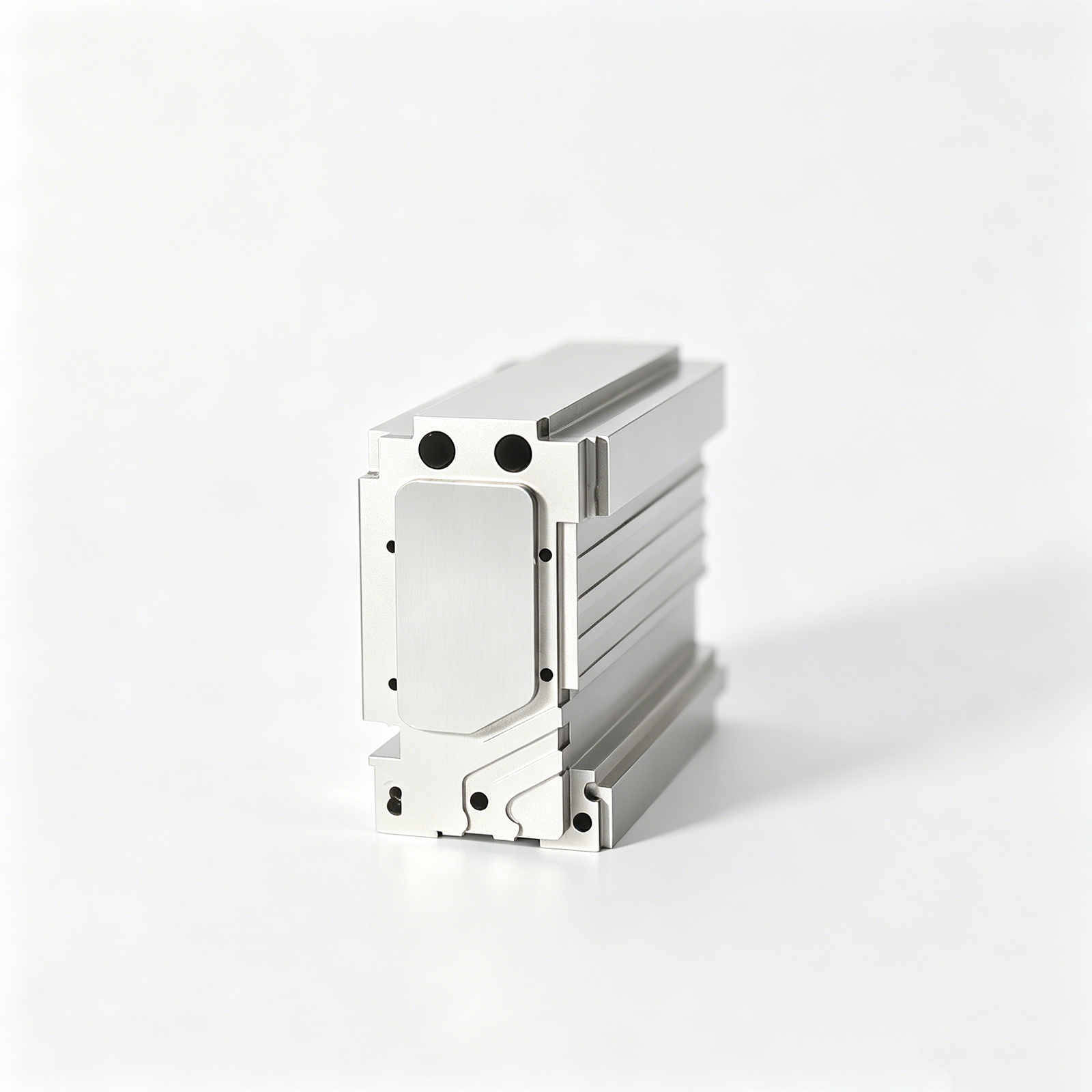
Bumper covers, grilles and lamp housings require Class-A surface finishes (Ra ≤ 0.8 μm) and UV-stabilized resins such as PC/ABS or PP-EPDM. XUXIANG holds +/-0.05 mm on critical mounting bosses and uses mirror-grade EDM (Ra 0.1 μm) for visible surfaces. Annual volumes range from 50,000 to 500,000+ units per platform.
Interior Functional Parts
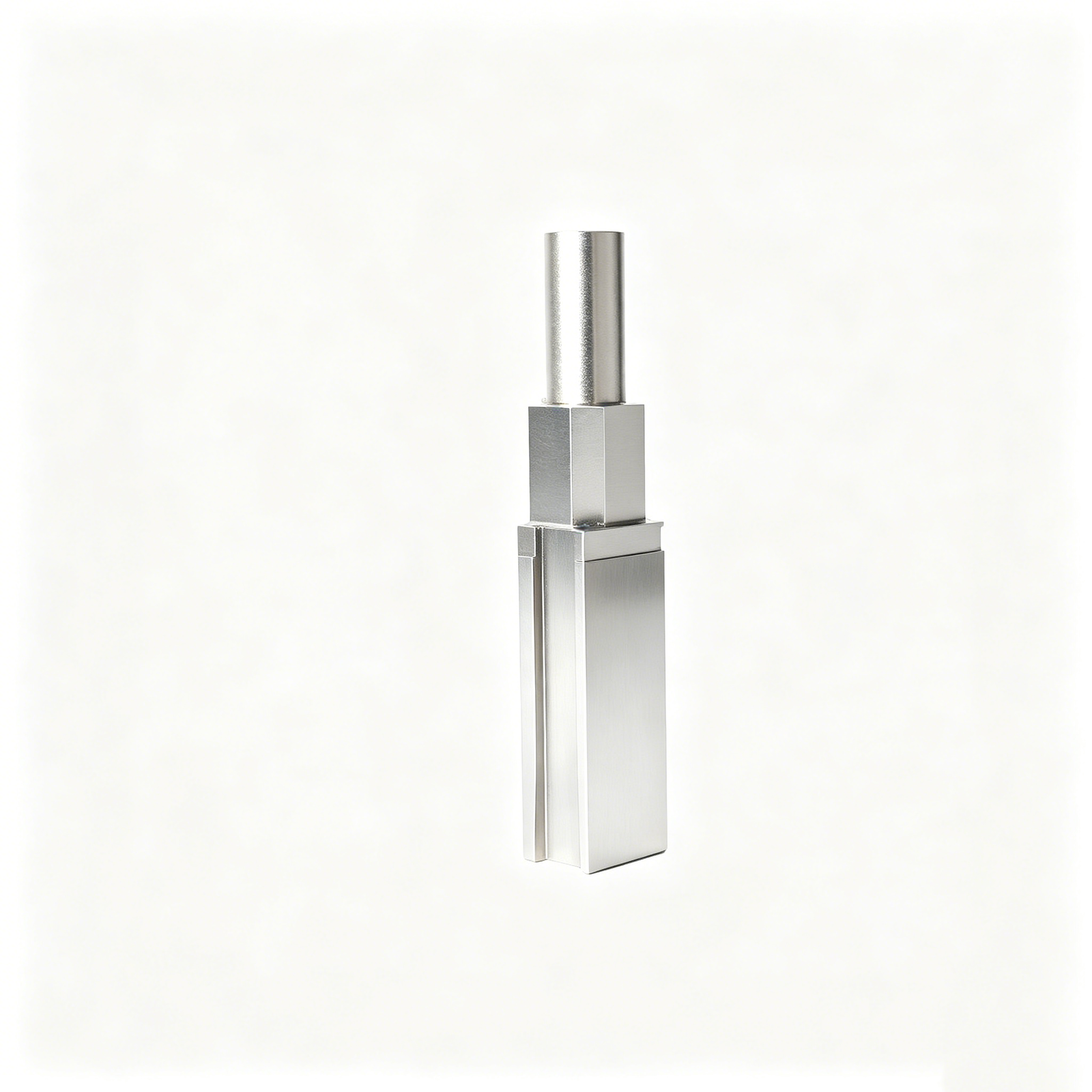
Dashboards, center consoles and HVAC vents demand tight gap-and-flush tolerances (+/-0.1 mm), low-VOC materials (PP, ABS, PC/ABS) and texture replication. Multi-cavity tooling with conformal cooling ensures cycle-time efficiency at 200,000–1,000,000 units annually.
Under-Hood Engineering Components
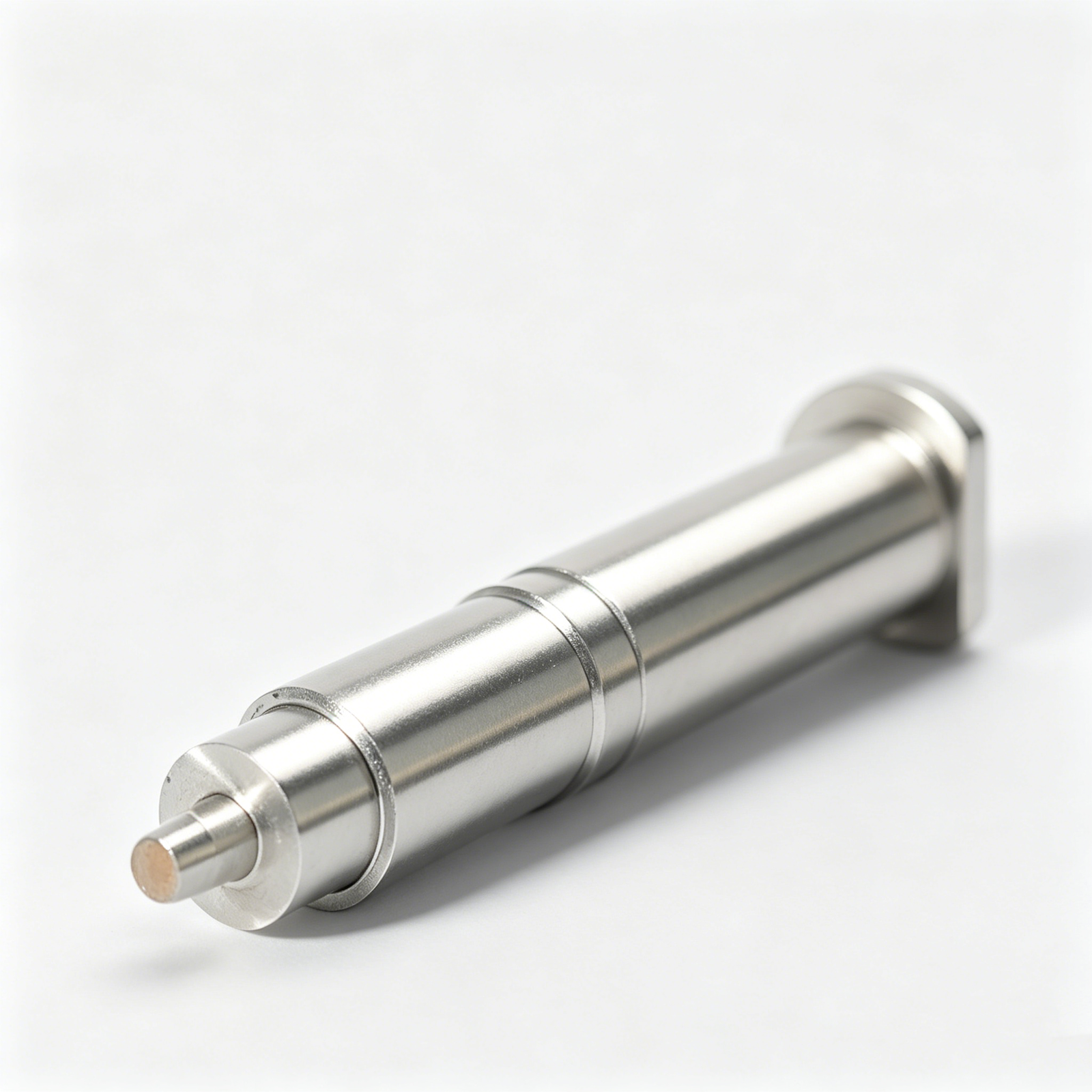
Air-intake manifolds and fluid reservoirs operate at 120–150 °C, requiring glass-filled PA66 or PPA and +/-0.2 mm dimensional stability. XUXIANG’s ZEISS MICURA CMM validates wall thickness and weld-line integrity to prevent field failures.
Structural and Semi-Structural Hardware

Battery trays, mounting brackets and BMS housings for NEVs specify +/-0.1 mm positional accuracy, flame-retardant grades (PA6-GF30, PBT-GF) and load-bearing validation. Typical runs: 10,000–100,000 units, with full FAI documentation and material certificates.
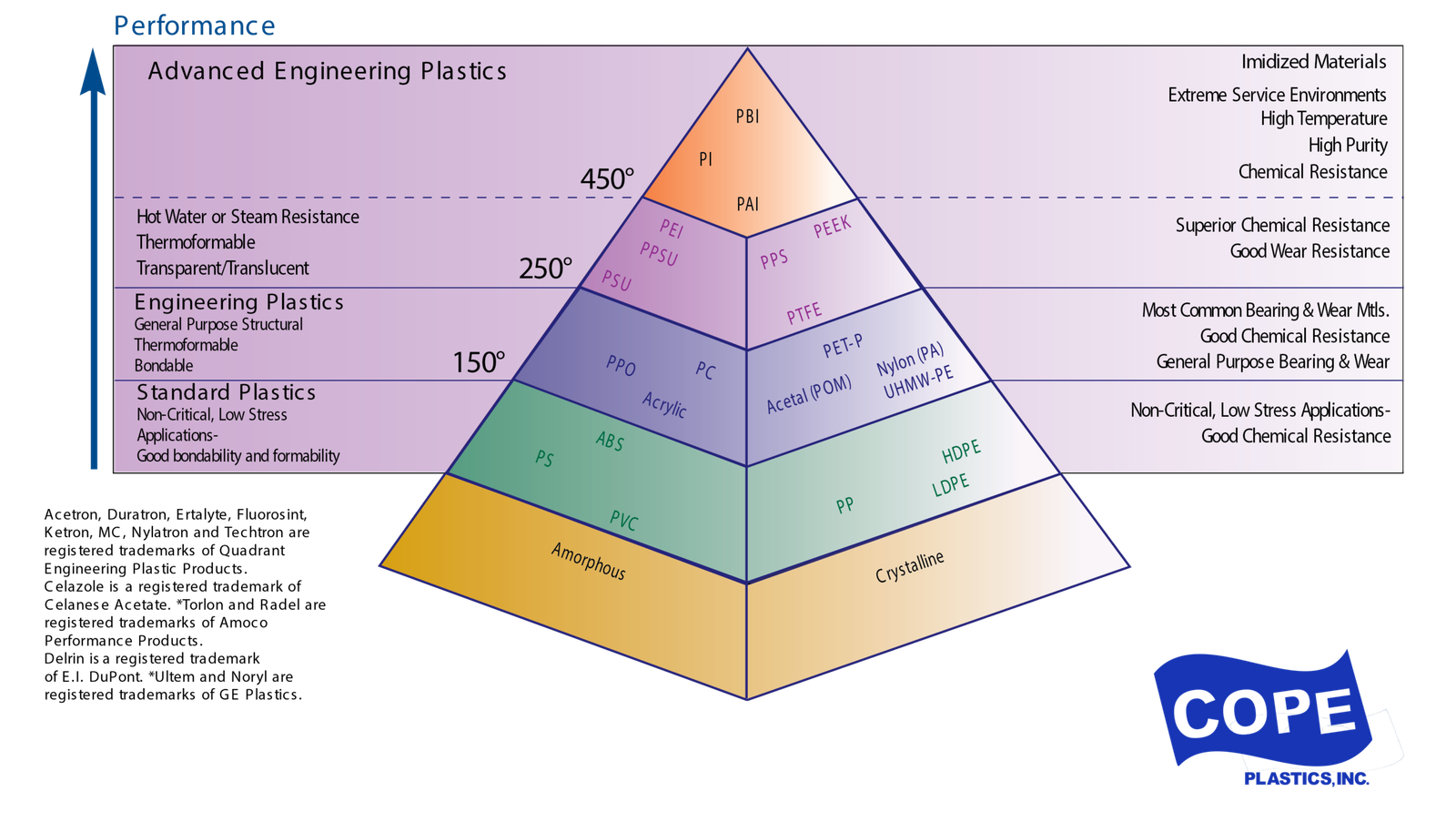
4. Engineering Resins and Materials for Molding Plastic Car Parts
Material selection for precision engineered injection molding car parts molding plastic car parts governs mold thermal design, cycle economics and part longevity. Each resin family demands specific barrel temperatures, injection pressures and cooling profiles that directly shape tooling architecture and throughput.
| Resin Family | HDT (°C @ 0.45 MPa) | Impact Strength | Typical Automotive Use | Relative Cost |
|---|---|---|---|---|
| PP (Polypropylene) | 100–110 | Medium | Bumpers, interior trim, battery cases | Low |
| ABS | 95–105 | High | Instrument panels, door handles, grilles | Low–Medium |
| PC/ABS | 110–125 | Very High | Pillar trims, console housings, bezels | Medium |
| PA6/PA66 (GF) | 200–230 | Medium–High | Engine covers, intake manifolds, brackets | Medium |
| PBT | 180–210 | Medium | Connector housings, sensor bodies, lamp sockets | Medium–High |
| PPS | 260+ | Medium | Under-hood sensors, fuel system components | High |
| PEEK | 315+ | High | High-temp seals, turbo components, EV power modules | Very High |
5. Surface Finishing and Decoration Options for Automotive Plastic Parts
Surface finish and decoration choices define both aesthetic appeal and functional durability for precision engineered injection molding car parts molding plastic car parts. Automotive OEMs specify Class A surface standards (Ra ≤ 0.4 µm) for visible interior and exterior components, requiring mirror-grade EDM tooling and controlled mold temperatures to eliminate flow marks and sink.
| Decoration Method | Durability (cycles) | Tooling Cost Impact | Cycle Time Impact |
|---|---|---|---|
| IMD / IML | >100,000 | +20–35% | +2–5 s |
| Texture (VDI 12–18) | Permanent | +15–25% | 0 s |
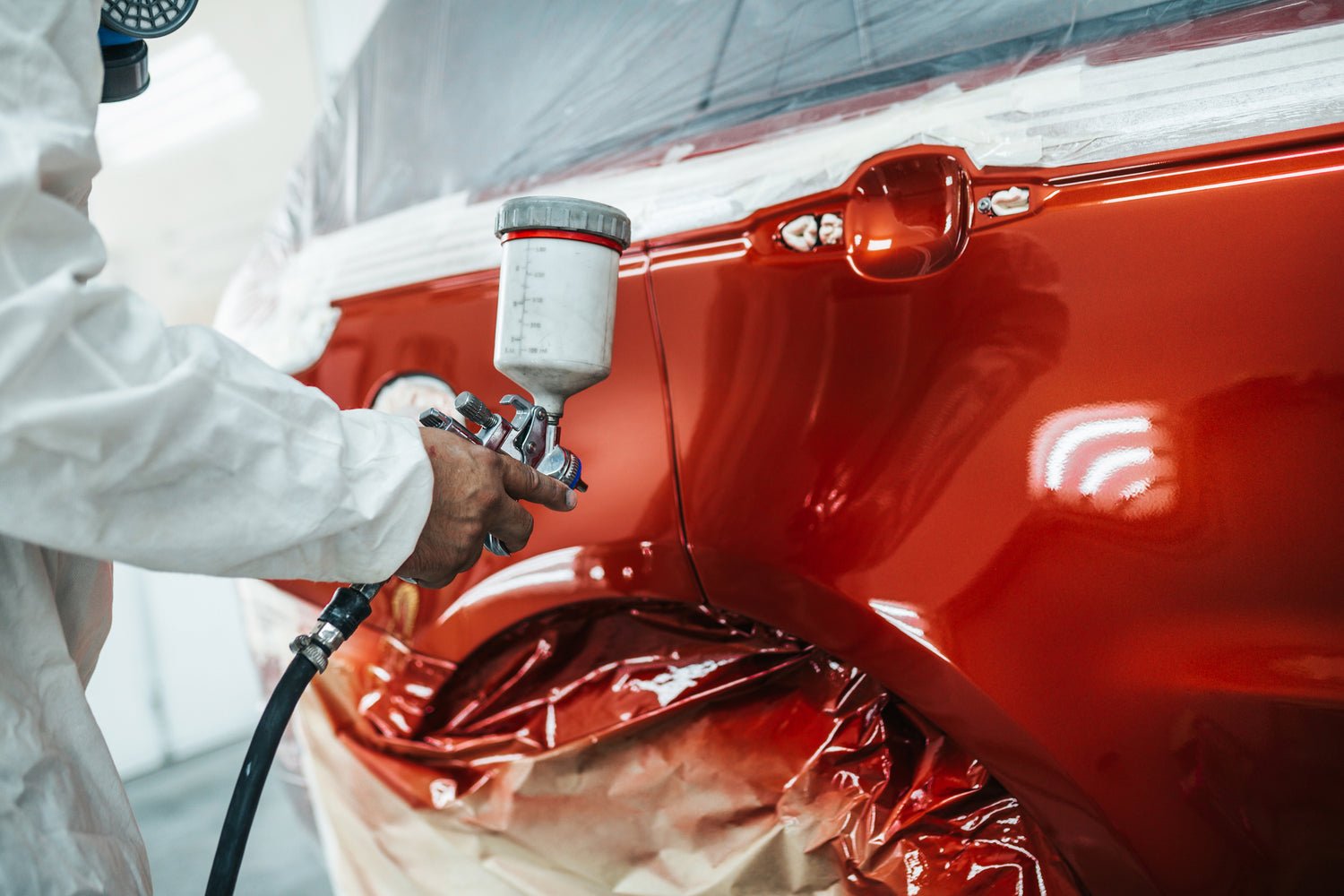
| Painting | 50,000–80,000 | +5–10% (fixtures) | +1–2 days lead |
| Chrome Plating | 60,000–100,000 | +10–15% (fixtures) | +2–3 days lead |
| Laser Etching | Permanent | <5% | +1–3 s |
In-Mold Decoration and Labeling Techniques
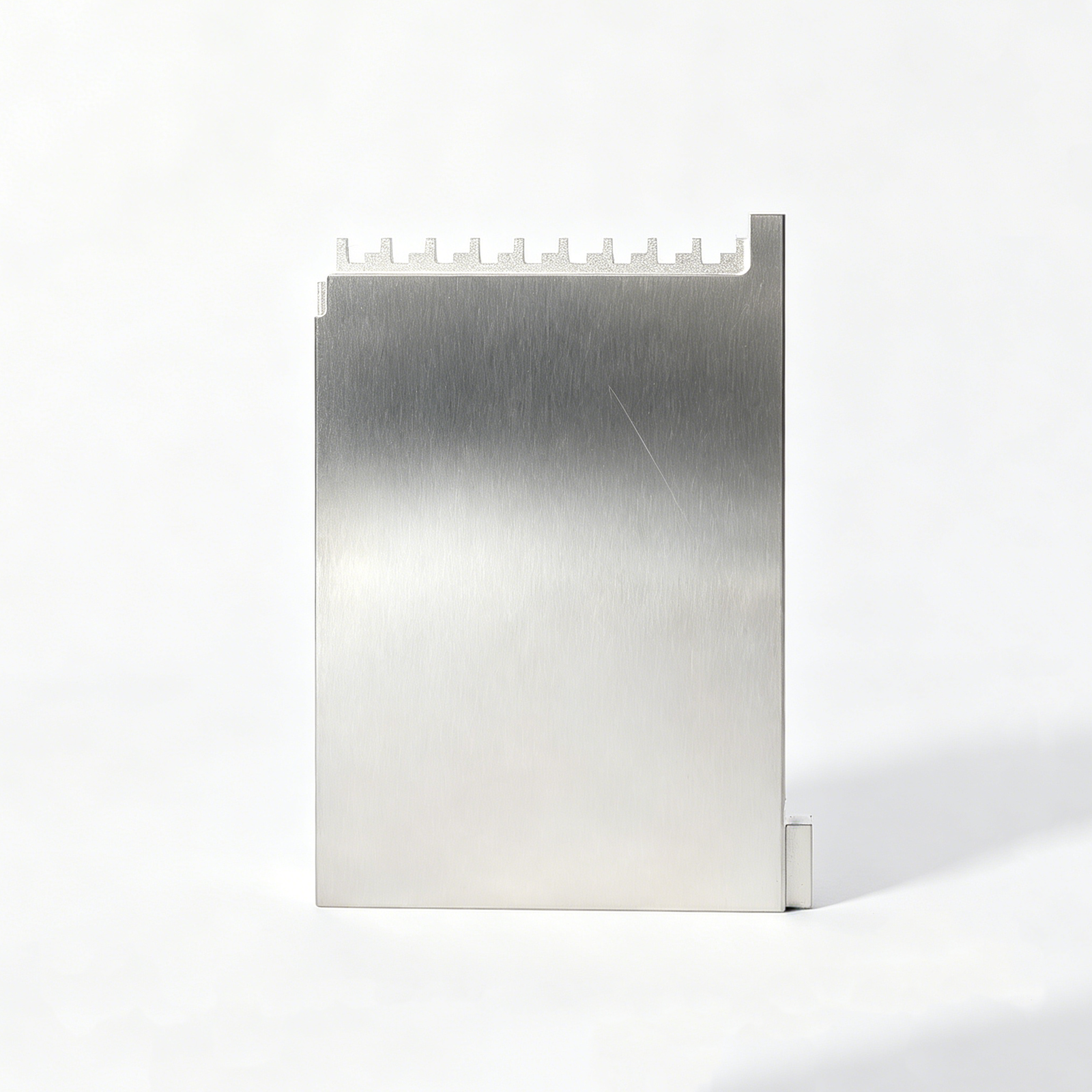
In-mold decoration (IMD) and in-mold labeling (IML) integrate graphics or functional layers during the molding cycle, eliminating secondary operations. IMD bonds printed films to part surfaces under heat and pressure, delivering scratch-resistant, UV-stable finishes for instrument clusters and trim. IML inserts pre-printed labels into the mold cavity before injection, ideal for buttons and bezels requiring tactile feedback and wear resistance over 100,000 cycles.
Texture and Grain Standards for Tooling
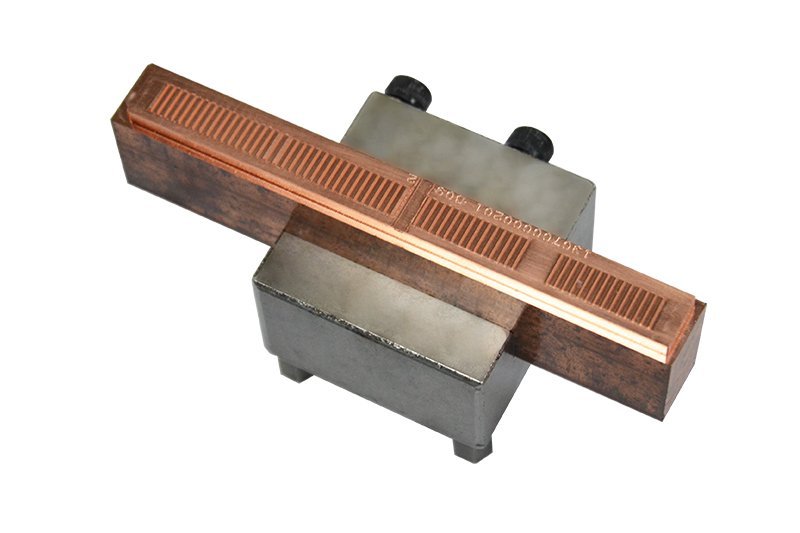
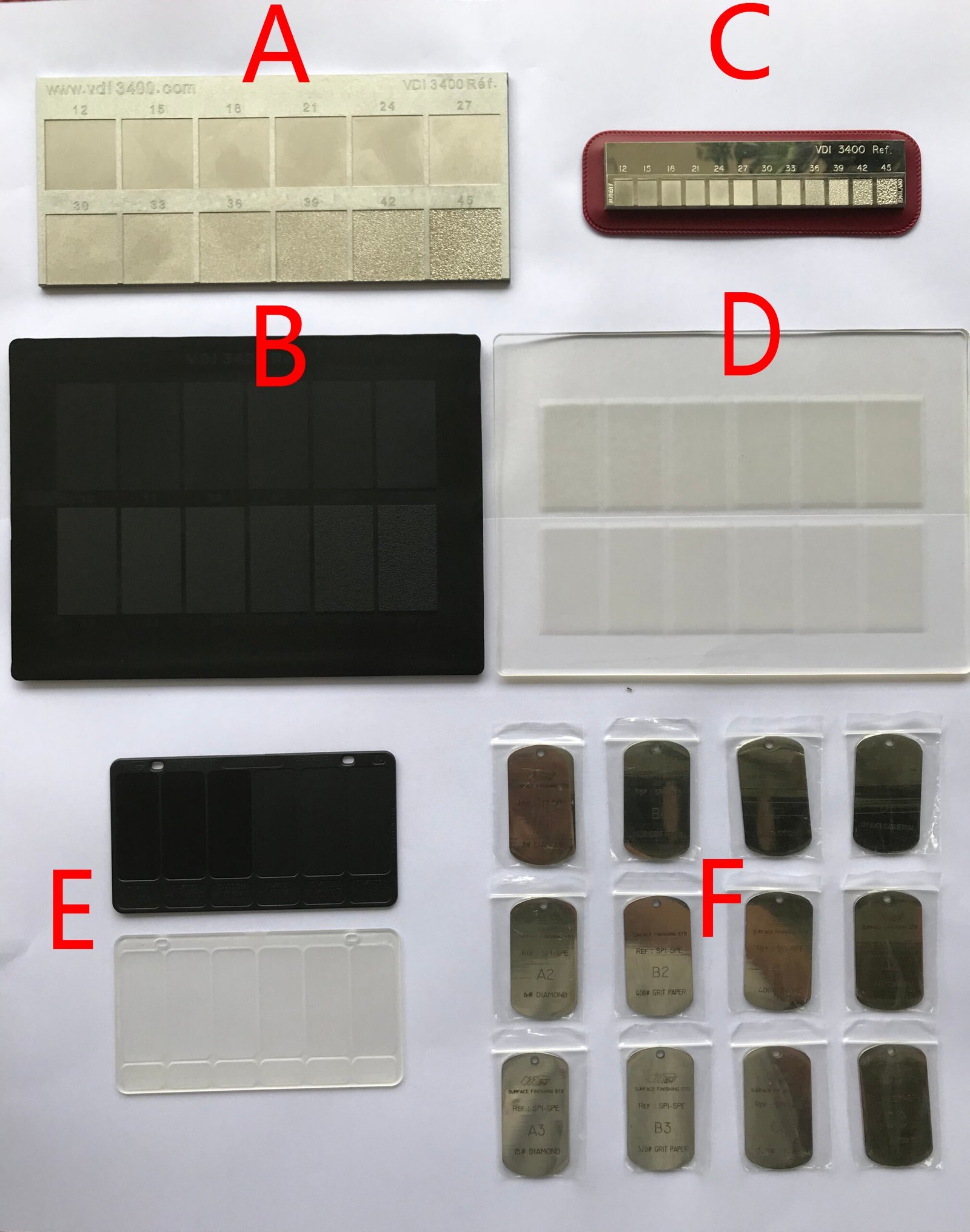
VDI 3400 (Europe) and SPI (North America) define mold-surface texture grades from mirror polish (VDI 0 / SPI A-1, Ra < 0.05 µm) to coarse grain (VDI 45 / SPI D-3, Ra ~12 µm). Class A automotive parts typically require VDI 12–18 (SPI B-1 to B-2) for leather-like or matte finishes that hide fingerprints and mask minor defects. Finer textures add 15–25% to EDM electrode cost and extend spark-erosion time by 20–40%.
Secondary Finishing: Painting, Plating, and Laser Etching
Painting and chrome plating remain common for high-gloss exterior badges and grilles; ABS and PC/ABS substrates accept multi-layer UV-cure coatings with adhesion per ISO 2409. Laser etching delivers permanent, high-contrast markings for part numbers and regulatory symbols without consumables or masking, with cycle-time impact under 3 seconds per part. Each secondary process adds 1–3 days to lead time and requires dedicated fixturing.
6. Critical Quality and Precision Elements in Injection Molding Car Parts
Precision engineered injection molding car parts molding plastic car parts demand micron-level dimensional stability and process repeatability across production runs. Automotive OEMs rely on CMM inspection, SPC protocols and scientific molding to validate tolerance compliance and eliminate warp, weld lines and ejection defects.
Dimensional Stability and CMM Verification
ZEISS or Mitutoyo CMM systems measure critical features to +/-0.001 mm, generating FAI (First Article Inspection) reports that map every tolerance zone. XUXIANG’s ZEISS MICURA platform achieves 0.7 µm repeatability, ensuring PPAP Level 3 documentation meets Tier 1 supplier requirements.
Statistical Process Control (SPC) monitors cavity pressure, melt temperature and cooling time shot-by-shot, triggering alarms when Cpk drops below 1.33. MSA (Measurement System Analysis) validates gage repeatability and reproducibility, keeping lot-to-lot variation under 0.005 mm on functional bosses and snap fits.
Gate Design and Weld-Line Mitigation
Gate location dictates flow-front convergence and weld-line strength. Edge gates suit flat panels; pin gates minimize witness marks on Class A surfaces; hot-runner valve gates enable sequential filling in multi-cavity tools, reducing weld lines by up to 40 percent.
Moldflow simulation predicts weld-line position before steel is cut, allowing engineers to relocate gates or add overflow wells that shift weak zones into non-structural trim areas.
Cooling-Channel Optimization and Warp Control
Conformal cooling channels machined via EDM or additive manufacturing maintain +/-2 °C uniformity across the cavity, cutting cycle time by 20–30 percent and reducing differential shrinkage that causes warp. XUXIANG’s mirror-grade EDM finish (Ra 0.1 µm) ensures smooth coolant flow and consistent heat transfer.
Thermocouple arrays and cavity-pressure transducers validate cooling balance during process qualification, locking in hold-pressure profiles that hold flatness to +/-0.05 mm on large housings.
Ejection-Pin Placement and Draft Angles
Ejector pins positioned on non-cosmetic ribs or bosses prevent witness marks and stress whitening. Pin diameter and spacing follow the 3× wall-thickness rule to distribute load evenly, avoiding part distortion during ejection.
Draft angles of 1–3° per side allow clean release from polished steel; textured surfaces require 1° per 0.025 mm of texture depth. XUXIANG’s DFM review flags insufficient draft before tooling begins, eliminating costly rework.
7. How to Choose a Manufacturer for Precision Engineered Injection Molding Car Parts Molding Plastic Car Parts
Qualifying a supplier for precision engineered injection molding car parts molding plastic car parts requires a systematic checklist that spans certification, technical capacity and supply-chain responsiveness. The right partner delivers both micron-stable tooling and the documentation rigor automotive OEMs demand.
Certification and Documentation Standards
IATF 16949 certification is the baseline for tier-1 and tier-2 automotive suppliers, ensuring process control, traceability and continuous improvement. Verify that the manufacturer provides full PPAP (Production Part Approval Process) packages — dimensional reports, material certificates, process FMEA and capability studies — before serial production. ISO 9001:2015 alone is insufficient for automotive programs that mandate supply-chain traceability and change-control protocols.
In-House Tooling Versus Outsourced Mold Making
Manufacturers with in-house mold design, EDM and CNC machining close the feedback loop between tool performance and part quality, cutting lead time by 20–30 percent. XUXIANG operates dual factories with Sodick sinker and slow-wire EDM, ZEISS MICURA CMM and 10+ engineering experts for DFM, eliminating the risk of outsourced tolerance drift and communication delays common in broker models.
Press Tonnage, Cleanroom and Prototyping Capabilities
Confirm press tonnage spans 50–2,000 tons to accommodate both micro-connectors and large interior panels. Cleanroom or controlled-environment molding is mandatory for ADAS sensors and medical-grade automotive parts. Prototyping via CNC or 3D printing before hard tooling de-risks design changes and validates fit, function and material performance under real assembly conditions.
8. Common Mistakes Buyers Make When Sourcing Molding Plastic Car Parts
Even experienced procurement teams stumble when sourcing precision engineered injection molding car parts molding plastic car parts. Five recurring mistakes drive the majority of quality failures, schedule slips and cost overruns in automotive tooling programs.
Skipping Mold-Flow Simulation
Buyers who approve tooling designs without mold-flow analysis risk weld lines in structural zones, air traps and warpage. XUXIANG runs Moldflow or equivalent simulation on every automotive program to predict fill patterns, cooling balance and gate placement before steel is cut, preventing costly rework.
Underestimating Tooling Lead Time
Standard automotive injection molds require 12–20 weeks from design freeze to first article. Rush orders that skip DFM or prototype validation often miss launch windows. XUXIANG’s dual-factory capacity and in-house EDM reduce lead time by roughly 30 percent, yet realistic scheduling remains non-negotiable.
Choosing the Lowest Quote Without Process Validation
A low bid without CMM reports, material certificates or ISO 9001 documentation typically signals inadequate metrology or uncontrolled processes. Validating +/-0.002 mm capability, ZEISS or equivalent CMM access and spectral material analysis before award prevents mid-program quality crises.
Neglecting Material Traceability and Compliance
RoHS, REACH and OEM-specific material declarations are mandatory for automotive parts. Suppliers without lot-level traceability and third-party test reports expose buyers to recall risk and customs delays.
Failing to Lock Down Change-Order Procedures
Undefined ECO workflows lead to scope creep, uncontrolled cost and mismatched revisions. XUXIANG requires signed change-order approval and updated FAI documentation for every design iteration, ensuring traceability and cost transparency throughout the program.
9. Pricing and Cost Drivers for Precision Engineered Injection Molding Car Parts
Non-recurring engineering (NRE) costs for precision engineered injection molding car parts molding plastic car parts typically range from USD 8,000 for single-cavity prototypes to USD 60,000+ for multi-cavity production tools with hot-runner systems. Cavity count directly impacts unit economics: a 4-cavity mold may cost 2.2× a single-cavity tool but cuts per-part cost by 50–60% at volumes above 50,000 units annually.
Hot-runner systems add USD 5,000–15,000 to NRE but eliminate sprue waste and reduce cycle time by 15–25%, justifying investment at 100,000+ annual volumes. Engineering-grade resins (PA66-GF30, PBT, PPS) command 20–40% premiums over commodity PP or ABS, shifting break-even points and requiring tighter amortization modeling.
XUXIANG’s DFM review identifies optimal cavity layouts and resin trade-offs before tooling commitment, and the ZEISS MICURA CMM validates first articles to +/-0.001 mm, reducing scrap-driven cost overruns. Lead times compress roughly 30% versus industry norms through integrated EDM, CNC and grinding under one roof.
| Annual Volume | Unit Price Range (USD) | Tooling NRE (USD) | Typical Lead Time |
|---|---|---|---|
| 1,000–10,000 | $2.50–$8.00 | $8,000–$18,000 (1–2 cavity) | 6–8 weeks |
| 10,001–100,000 | $0.80–$3.50 | $18,000–$35,000 (4–8 cavity) | 8–10 weeks |
| 100,001–500,000 | $0.35–$1.20 | $35,000–$60,000 (8–16 cavity, hot-runner) | 10–12 weeks |
| 500,000+ | $0.15–$0.60 | $50,000–$80,000+ (multi-cavity, hot-runner) | 12–14 weeks |
10. Steps to Launch Your Precision Injection Molding Car Parts Project
Launching a precision engineered injection molding car parts molding plastic car parts project requires a phased approach with defined decision gates and documentation at every handoff. XUXIANG’s 10+ engineering experts provide DFM feedback before production, ensuring each milestone meets micron-stable tolerances and delivery commitments.
Concept and DFM Review
Submit 2D/3D CAD (STEP, IGES or SolidWorks) within 24 hours of inquiry. XUXIANG’s engineering team evaluates draft angles, wall thickness, gate locations and parting-line feasibility, returning a DFM report with tolerance-risk flags and cost-optimization suggestions within 48–72 hours. This gate prevents downstream tooling revisions and ensures the design is manufacturable at +/-0.001 mm machining accuracy.
Material Selection and Testing
Select resin grade (PA66-GF30, PBT-GF15, PC/ABS, etc.) based on thermal, mechanical and regulatory requirements. Request material spectral-analysis certificates and UL yellow-card documentation. For critical applications, run DSC/TGA validation or flame tests before tooling kickoff. Timeline: 3–5 days for standard resins, 1–2 weeks for custom compounds.
Tooling Design and T1 Samples
Approve mold-flow simulation and 3D electrode models before steel cutting. XUXIANG machines cores on Sodick EDM and Seibu slow-wire systems, holding +/-0.002 mm positioning. First-article (T1) samples ship 4–6 weeks after PO, accompanied by dimensional inspection reports from the ZEISS MICURA CMM (0.7 µm resolution) and surface-finish data (Ra 0.1 µm mirror-grade capability).
PPAP Submission and Pilot Run
Package T1 samples, PPAP documentation (control plan, FMEA, MSA), material certificates and full-dimension reports for customer approval. Once signed off, execute a pilot run of 500–2,000 shots to validate process capability (Cpk ≥ 1.33). Timeline: 1–2 weeks. Any out-of-spec dimensions trigger immediate corrective action before full production.
Full Production Ramp
Scale to target volume with in-process SPC monitoring and batch-by-batch CMM sampling. XUXIANG’s 2025 Quanzhou expansion adds 1,400 m² and lifts annual output by 200%, supporting OEM ramp schedules. Request ongoing FAI reports, material traceability and ISO 9001:2015 audit trails at each shipment to maintain supply-chain compliance.
Ready to Source Precision Engineered Injection Molding Car Parts?
Get your quote in 24 hours, samples in 3-7 days, and every part backed by ISO 9001:2015 quality, ZEISS MICURA CMM validation and full FAI documentation.